Watch live: Trump takes campaign blitz to Georgia


El otoño es la época perfecta para recuperar algunos de esos clásicos de la televisión que nos hicieron reír, emocionarnos o pasar horas frente a la pantalla. Con la llegada de los días más fríos y las tardes más cortas, los planes de sofá y manta se convierten en una buena oportunidad para volver a disfrutar de historias que nunca pasan de moda.
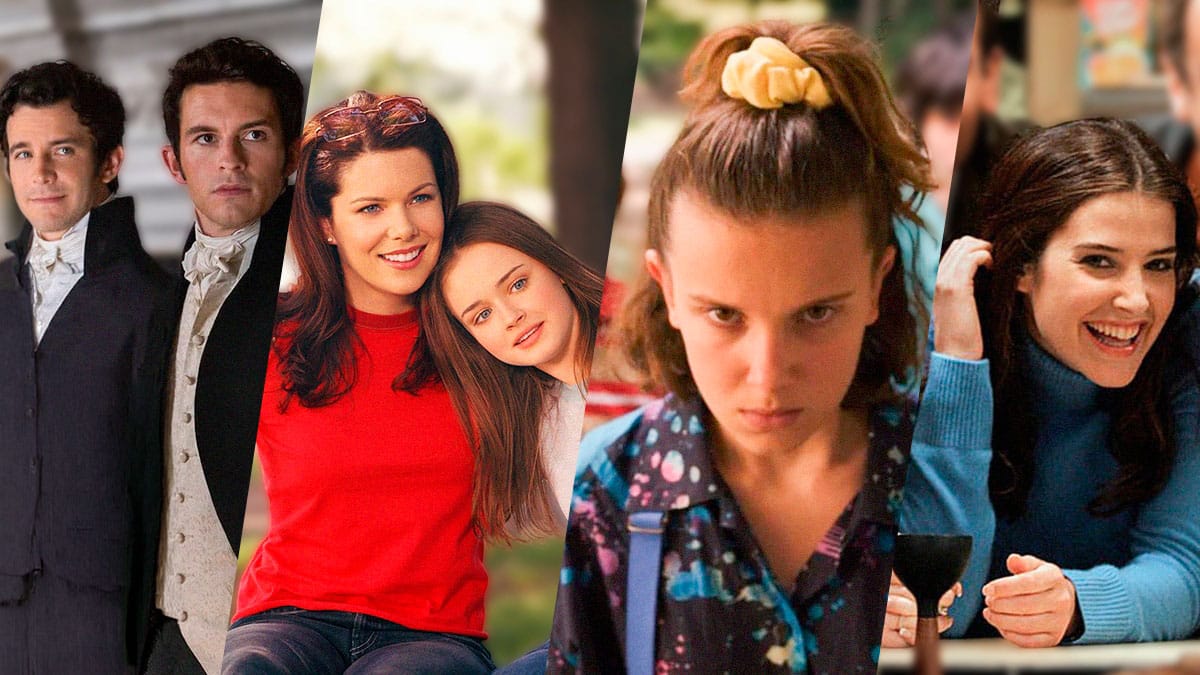
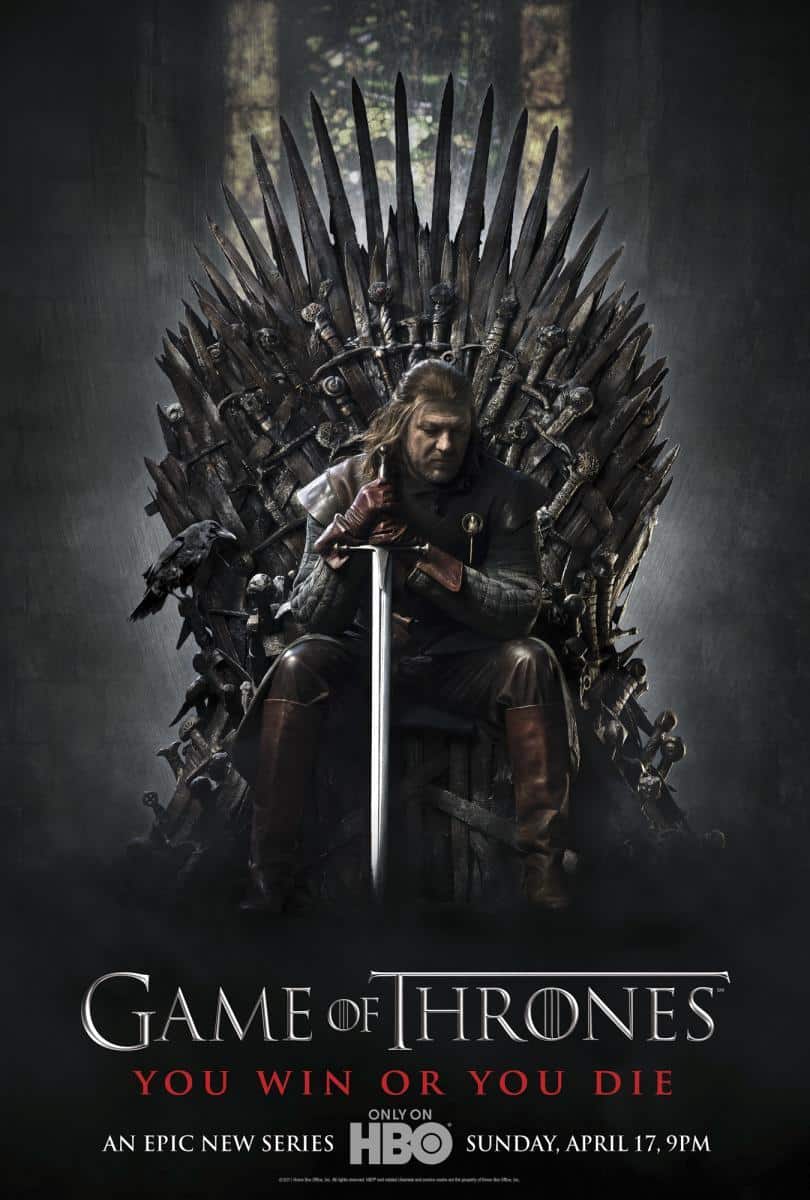
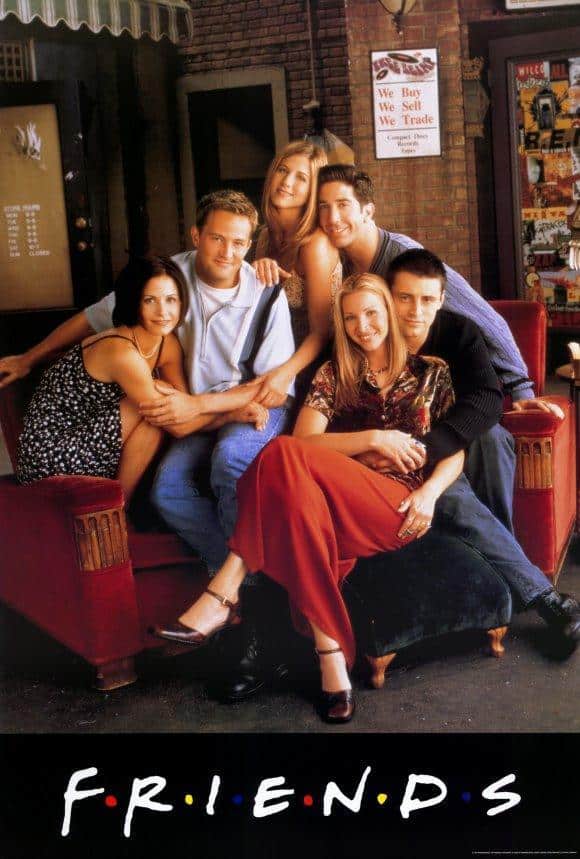
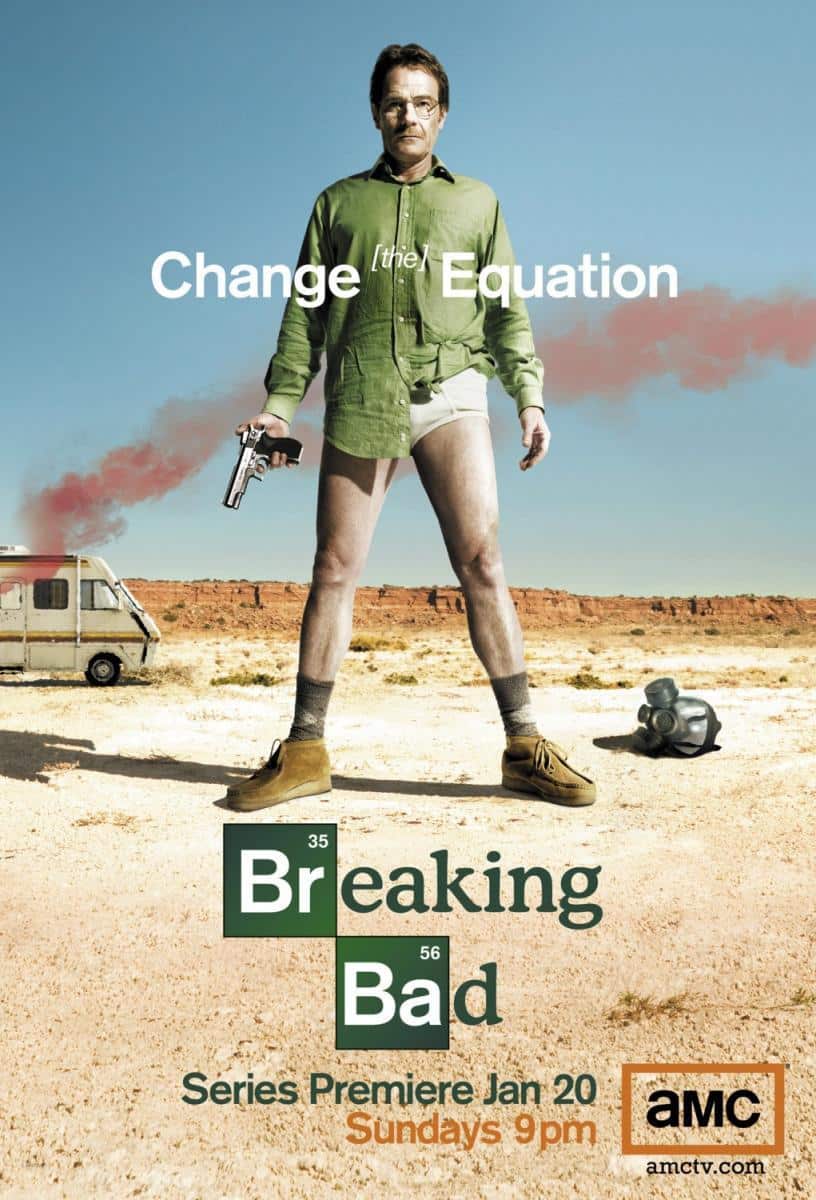
Desde comedias míticas como Friends (1994) y Las chicas Gilmore (2000) hasta dramas como Breaking Bad (2008) y ficciones llenas de misterio como Stranger Things (2016), hay series que siempre merecen una segunda oportunidad. Estas son 20 series que deberías volver a ver este otoño, ya sea para revivir tus capítulos favoritos o para descubrir nuevos detalles que quizá se te escaparon la primera vez.
Dialogue Works | October 15, 2026
Support me:
Buy me a Coffee: https://buymeacoffee.com/dialogueworks
Follow me:
Substack: https://substack.com/@dialogueworks?u…
X (Twitter): https://x.com/Dialogue_NRA
Patreon: https://patreon.com/Dialogueworks?utm…

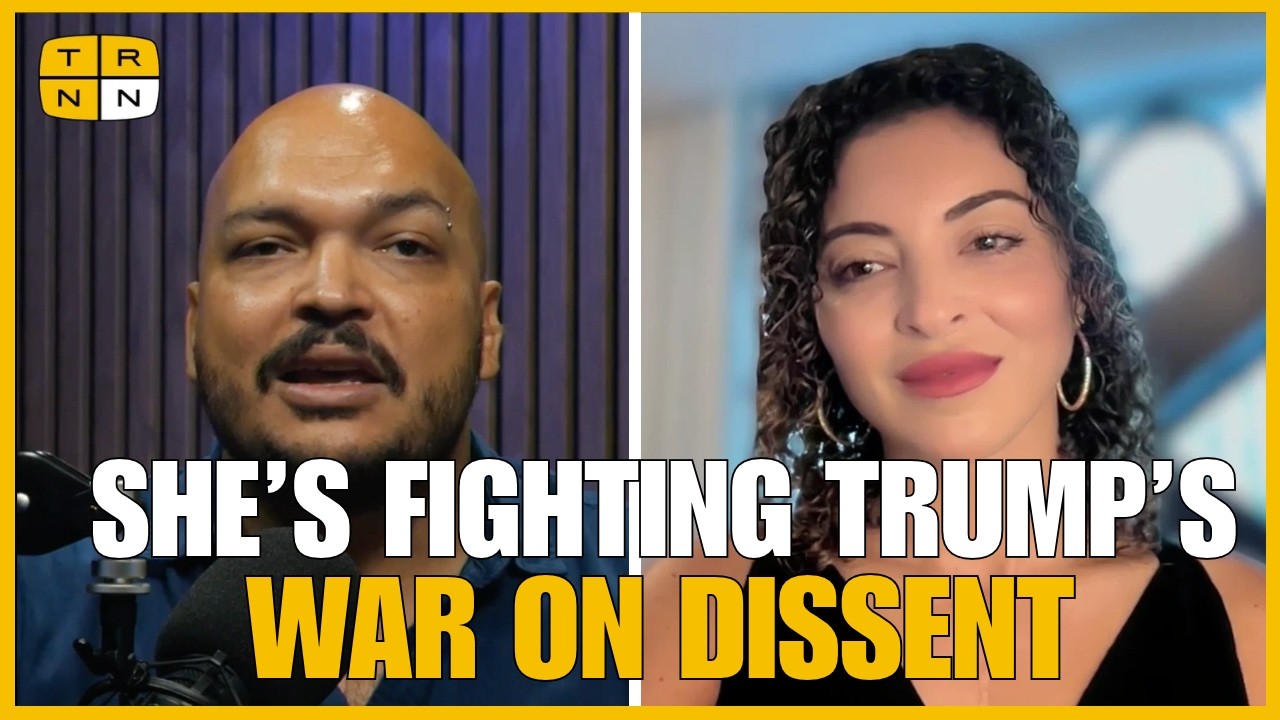
The Trump administration continues to weaponize the federal government to attack President Trump’s critics and enact his authoritarian agenda, which includes waging war against the world of progressive philanthropy and the many civil- and human-rights-supporting movements, media organizations, and nonprofit institutions that depend on it. Leena Barakat, President and CEO of the Women Donors Network, speaks with TRNN Editor-in-Chief Maximillian Alvarez about Trump’s war on philanthropy and how philanthropic organizations like WDN are fighting back.
Credits:
The following is a rushed transcript and may contain errors. It will be updated.
Maximillian Alvarez:
The Trump administration continues to weaponize the federal government to carry out President Trump’s wars on his critics, on the media, on the world of higher education, on federal workers, and on the administrative and regulatory functions of the federal government itself. And these attacks have understandably gotten more public attention over the past year, but what has gotten significantly less attention is how Trump’s allies and his administration are waging war against the world of progressive philanthropy and on progressive philanthropists themselves and the many civil and human rights supporting movements, media organizations, and nonprofit institutions that depend on them. The short-term and long-term impacts of this will be seismic, but we’re not talking about it enough. And so to talk about what this all looks like and how people are navigating it within the world of progressive philanthropy, I’m really grateful to be joined today by Leena Barakat, president and CEO of the Women Donors Network.
Leena, thank you so much for joining me today. To start, please just tell our audiences a little more about yourself, the Women Donors Network and the work that y’all do, and then tell us about how the Trump administration’s war on philanthropy is affecting you, the WDN, and the work that you do.
Leena Barakat:
Thanks, Max. It’s great to be here. As you said, my name is Leena Barakat. I am the president and CEO of Women Donors Network and our C4 affiliate organization, Women Donors Action. I have spent nearly two decades working of my career working across the grassroots, philanthropic and private sector to really move and shift resources and power towards communities that are fighting for justice. And 10 of those years has actually been, it started out as a young member of WDN to this moment. We’ve been around for 30 years. We are a national network of donors that are committed to using our wealth, our influence, our privilege, and our collective power to advance justice. And as a collective giving model, that has translated to over $160 million that has been moved across the field to frontline organizations. But our work goes far beyond just writing checks. As a donor network, we help our members really examine their relationship with their resources, their wealth and their power and help them leverage that more strategically.
So that has meant more funding of grassroots movements, building political power, organizing our peers across the sector, and preparing really for us, the next generation of women donors to lead and continue this work. And to answer your question, I think this moment, excuse me, has been incredibly clarifying for us. As you said, the administration is using their power to really intimidate all of us and create chaos and fear amongst nonprofits and make funders afraid of funding them. And so the result that we’re seeing is many institutions retreating and pulling back resources precisely at the moment communities need it the most. And so for us, you asked how is this sort of impacting us? We’re not taking the bait. It’s only sharpened our focus in this moment. We know that in this moment it is not just important to sustain movements and continue resourcing and funding these movements, but actually you go bigger, you go harder.
We need to scale these movements and organize not just ourselves, but the philanthropic sector to really stand together and again, to help donors in this moment and anyone in this moment to leverage every resource and form of influence and power they have, not just their money, but their voices and relationships to fight back. And that’s exactly what we’re doing.You mentioned the war on philanthropy. Now in terms of that, I feel like this is so much bigger than that, honestly. This is so much bigger than the war on philanthropy. This is really a broad, this is a war on dissent, and I think we have to talk about it. We have to talk about it. I think this is really about how, if you think about it from the perspective of the administration, it is absolutely in their best interest to create this climate of fear, to create fracture among us and atrophy within the sector and specifically within the social justice sector where you are seeing critical resources and services moving to communities that need it most, but also who are organizing around dissent and organizing towards justice, which is against this administration’s direct agenda.
And so essentially, what is their strategy to do that? If they want to really accelerate their agenda, they have to do what they can to cut this off at their knees, to turn off the faucet on the very resources that are fueling these movements to begin with. So therefore it has included attacks on progressive philanthropy, who’s resourcing these movements. And so as a result, this is exactly what we’re seeing. We’re naturally seeing an escalation of these attacks and funders and the response to that has been sort of an array of response across the spectrum. I think traditional philanthropy has unfortunately responded with a lot of hesitation, fallen in line with the fear, clenched their pearls and decided to reevaluate strategies, their risk and retreat from funding. And many of them have gone into, frankly, self-preservation mode. And I think the story in their minds is we need to protect ourselves if we’re going to protect everyone else, it’s no good if they go after us.
And so that has looked like protecting their endowments and themselves and somewhat abandoning many organizations who have far less resources, who are far more vulnerable in this particular climate. And philanthropy or philanthropic survival, I would say is important. Of course it is. I’m not going to argue that it’s not, but it will never be more important than supporting the people and communities we exist to serve to begin with.
When you ask what has this done for us or how has it impacted us, it’s just given us a lot of clarity. Our work right now is really about how we are thinking about continuing to stand and defend these movements, organizing the sector and really building the power and capacity of our women donors to stand up and fight back. And the last thing I’ll say too on this piece is I think this is a movable moment. I think there’s a lot of reason for very good reason to be afraid. Inevitably, there’s a lot more risk in this moment. I won’t deny that for sure. But this is also a time of transformative thinking. As much as systems and old patterns are crumbling right now, one could argue it’s not totally a bad thing. These structures and institutions weren’t serving many of us to begin with.
And so while we’re seeing this sort of dismantling of so many old systems and structures and patterns in addition to our civil liberties, I think this is also a time to think about what do we want this future to look like and how do we get on the design team of what comes next? I feel like if structural racism and inequality can be designed, so can justice and I want to be on that team.
Maximillian Alvarez:
Hell yeah. Well, I mean it’s so refreshing to hear you say that because obviously The Real News is very open about the fact that we are a nonprofit news network. We’re a 501 right? We, like so many other independent media outlets that you watching this also subscribe to. We depend on the philanthrosphere as much as we depend on small donations from viewers like you. But when they’re coming after us, they’re coming after you because they don’t want us being able to report on the movements, the stories, lifting up the voices that we do so that you can see the truth.
Leena Barakat:
There’s a playbook to this. As students of history, you see the cycles and the patterns, the writings on the wall, it’s very clear. And in many ways it’s not as sophisticated as one might think. I think for the average viewer and public, I don’t expect everyone to be paying attention to this in the same particular way, but it does give us insight into how to respond and how to move in this moment. It’s not as unprecedented as one might think if you look at a larger context in history. Just as we were talking about thunder retrenchment, this is a tactic. This in and of itself is a tactic, but a tactic of part of what? What are they trying to do right now? I really want to think about what is the end game here? What is this? And ultimately in many ways and in the context of what we’re talking about with the philanthropic sector and the nonprofit movement and the broader movements for social justice, this is really about how we weaken the capacity and the infrastructure of our movement so that we no longer to disrupt our progress, to disrupt momentum.
You’ve heard many people say, I’m sure in the past that this is actually, this is what we’re seeing as a backlash to the tremendous strides and progress that we’ve made, the tremendous wins we’ve had in movements. And so when you think about how might they, what can they do to weaken the capacity and infrastructure of our movements, you think about it and for me, there’s three things that really come to mind. One, and again, student of history has been documented as part of this playbook. So what is in that playbook? One is to sow fear, employing tactics of fear and intimidation. This is creating false accusations, putting out a lot of information and disinformation, putting organizations and groups on lists and threatening to revoke their C3 statuses. You might recall last year, was it last year? Yeah, it was just last year, the bill HR 9495, this was otherwise known as the nonprofit killer bill.
This was a bill that was heinous bill that was put forward accusing a list of organizations, slandering them with accusations of terrorism and hate and antisemitism and all of the buzzwords you can imagine. To what end is to actually really create a funder freeze so that people stop moving resources to them, accusing them and then requests for investigation of these organizations to potentially strip them of their C3 statuses for any organization that is accused of wrongdoing without ever defining what the wrong is, without ever having to prove what that wrongdoing is. So these are some of the tactics that created a lot of chaos and fear and frantic behavior within the sector, which I think was very intentional on their part. They want to isolate these organizations. They want to isolate these movements, call them bad things so that no one goes near them. This immediately creates, this is a very destabilizing effect.
Number two is fracture. This is about the ways in which they have sewn a lot of fracture within our movements and tried to pin movements against each other. We’ve seen this across history and we don’t have to look that far back in history. This has been part of the playbook all along.
Maximillian Alvarez:
Divide and conquer, baby.
Leena Barakat:
That’s right. That’s all it is. That’s all it is. And so to pin movements and organizations and groups and communities against each other, and I think our biggest mistake historically has been falling for that, is actually giving into that. And three is capacity drain. So this is where you see lawfare tactics get into play. So HR 9495 also plays into that a little bit, but we’ve seen a slew of organizations all of a sudden get these lawsuits accusing them of fraud in their funding or in their behavior, suddenly needing to double down on their audits and trying to find anything. And most of these lawsuits have resulted in losses for them, but a win, a net win for them because it has drained the organization’s capacity, their resources, their time, it has distracted them away from what the work is. This is a tactic. So even though there’s a higher rate of losses, the organizations winning these cases and the opposition losing, ultimately they have won just knowing that a lot of time resources and capacity has been, and this is weakening the infrastructure of the movement.
And so when you think about that, when you employ these types of tactics, it is a very destabilizing effects. It slows down momentum and it creates the funder retrenchment moment that we are seeing in this moment. In the last few months alone, I would say since the spring, and just three organizations, three funding organizations, very well known and what has been historically seen as sort of stabilizing funding organizations have decided to reevaluate their strategies, reduce their sort of risk appetite and completely pulled out of funding a lot of the movement organizations we have seen. And those three funding organizations alone, and I’m only naming three, there have been many, have amounted to over $150 million pulled from our movements. And some of it is going into effect immediately. A lot of it won’t start until next year, which means Max, we’re sitting with sticker shock.
We haven’t even seen the material impact this is going to have on our broader movement. So this is, I think, part of that playbook. And for us, we need to see the writing on the wall and resist it immediately.
Maximillian Alvarez:
Well, and I hate to make light of any of that, but my impulse is to tell our viewers, but wait, it gets worse. They’re doing that to the media. Everything that you’re saying sounds like what we’re experiencing on the media side. You have the high profile attacks against corporations like ABC and Disney. You have the coordinated attacks on the corporation for public broadcasting and all the public media, but you also have attacks on independent outlets like Breakthrough News. They are going for everybody that they can in philanthropy and media and higher ed. And it even makes me think of the DOGE or Department of Government Efficiency so-called cuts to USAID. We saw organizations around the world that were dependent on USAID go under. A lot of people died and are dying because of it. Again, this isn’t a theoretical argument anymore. People have died because of it.
And a lot of us didn’t realize how many organizations around the world were dependent on that funding until it was frankly too late. And so there’s a comparison in my mind to what we’re talking about here to that. And I wanted to sort of ask if we could talk about those trickle down effects that this is having on the ecosystem of movements and organizations and institutions not just like ours, but so many others out there that depend on philanthropic support.
Leena Barakat:
Yeah, you hit the nail on the head there. I think if you want to talk about this, we have to actually understand the impact that this is having. I actually want to take us back to why and how the impetus of philanthropy’s existence to begin with. Why does philanthropy exist? It is truly, it is a sector, an institution, a method of actually filling the gaps of government. This is why philanthropy was created. It was intentionally created to fill the gaps of providing aid and services and care to help civil society in ways that the government could not step in and support. And so when you think about that, if philanthropy exists to fill the gaps of government and then the government’s going after philanthropy, this is having a material impact on the daily lives, the very basic livelihood of many, many individual people who have nothing to do with anything.
This is even outside, I would even expand it beyond a movement against dissent. These are just everyday communities, whether that’s here in the United States or internationally, who rely on these resources to live. And so whether that’s disaster recovery, providing critical healthcare, stipends, legal services, all of this is the kind of thing that is a baseline of dignity in our lives. And they have directly, cutting these programs have directly impacted that for everyone. And I think this is increasing the stakes and the tension in which we are operating right now. And so this is why it’s really important to note this retention doesn’t happen in a vacuum. This is happening part of this broader trend towards authoritarianism where institutions that once saw themselves as allies and supporters and service and care providers in this moment are suddenly… This is why that decision to recalculate or to pull back funding and recalculate their risk is actually inherently a political decision.
This is the quietly stepping back and normalizing retreat and trying to see that as a reasonable choice. This has a tremendous cost on everybody. And we’re seeing a lot of organizations right now say, “Well, we’re not political or we don’t want to get involved.” Everything is political when you are impacting the daily lives and the dignity of people and communities. And so the normalization of that is something that is exactly what we’re trying to disrupt right now. It’s exactly like we do not accept it. And this is what we’re trying to organize around. And that’s really sort of led to what has become co-founding the Block and Build Funder Coalition, is really to really disrupt the normalization of the retreat as much as possible. We founded the Block and Build Funder Coalition two years ago. So it was actually under the Biden administration. And I just say, I think people tend to subscribe what is happening in this moment to Trump.
It has accelerated in Trump, but this is a bipartisan problem, to be completely frank with you. So under the Biden administration, we saw a list of organizations that, it was Palestinian rights organizations and movement organizations and several funders of them put on the same list, requests for investigation, all the slander and accusations of terrorism and hate that we talked about earlier. And I knew that this was a test. This was going to be a test for how we responded to this was inevitably going to have an impact on everybody else. And so we launched the Block and Build Funder Coalition to really build a muscle around solidarity, to understand this concept that this is all of us or none of us in this particular moment, and to also hold the line on non-capitulation. And so the coalition now has grown to over 270 funding institutions.
We meet every single month and that are committed to really resisting authoritarianism, defending our movements on the ground and safeguarding our civil liberties as much as possible. And what that looks like more practically right now is, as I said, the normalizing of solidarity and holding the line on non-capitulation, this idea that it’s all of us or none of us and that we are stronger together than we ever will on our own. We can be more courageous together. And it also has meant that we are showing proactively, showing up proactively to frontline groups and really centering them in the agenda and the prioritization of our work right now, really understanding what they’re experiencing, what they are seeing, where the attacks are coming from, and making sure we are organizing ourselves as funders to fill in those gaps or to have strategic interventions to stop this as much as possible.
And that has also included providing safety and security for a lot of these organizations who don’t have the resources to safeguard their, whether it’s digital footprints or physical security. And finally, giving our movements and these organizations permission to build anew. We need to get off of this sort of crisis, this crisis loop that we are in and give our movements permission to actually dream about what comes next, to actually pilot their ideas and fund those resources. Because as I said to you earlier, this is actually very much a builder’s moment. And so it’s been work that has been incredibly purposeful in this moment. And I think some of the quiet impact of that has been the loud organizing around the philanthropic sector, shifting the culture in this moment to not be afraid, to go bigger, to go bolder, to be very clear, not to bend the knee.
And we’ve heard a lot of funders really say to us that they were really on the cusp of pulling back themselves just out of fear and knowing that they were part of something like Block and Build Funder Coalition, they felt less alone and it’s prevented them from doing that. And our message to them is keep funding, keep going. We’re stronger together than we are on our
Maximillian Alvarez:
Own. It’s wild listening to you talk about the Block and Build Funder Coalition because as someone who interviews workers around the country and around the world for a living, I’m like, sounds like what you guys got there is a union. And hey man, the old truths are the strongest for a reason. Yeah, injury to one, it is an injury to all. Solidarity will be our salvation. We are stronger together than we are alone. And I think those enduring messages are evident in the ways that people are fighting back across the spectrum of struggle, like working people on the front lines of their exploitative bosses or neighbors on the front lines of ice raids, people banding together at that grassroots level. But also it sounds like what y’all in the world of philanthropy are doing, what we’re hearing about folks like Mark Ruffolo and other artists and cultural figures banding together to stand up for Palestine or to stand against the sort of oligarchic takeover of the whole media ecosystem.
There is power in what unions and movements can teach us. And I really love that you take so much inspiration from the stories of our past because that’s what we do here as well. And it’s also, you named the elephant in the room, and I think we should talk about it here because we got to talk about Palestine. And you are Palestinian American and you have been an outspoken leader and advocate for social justice. We at The Real News have just been relentlessly covering the truth of Israel’s occupation of Palestine and its ethnic cleansing of Palestinians, not just since 2023, but since the existence of The Real News. And you and I both know they are trying to criminalize, punish, and smother any form of solidarity with Palestinians and label it as support for terrorism, any criticism of Israel and its genocide is antisemitism. So that’s where we are.
So what do we do about that?
Leena Barakat:
Well, first and foremost, I actually just want to, from the bottom of my heart, thank the Real News Network for doing that work, for being the truth tellers that you are, being an independent media news outlet. I know what a struggle that is right now and to cover a topic like this that has had a material impact on perhaps in the past your capacity to grow and get even bigger supporters. And I hope you are now experiencing the flip of that, an increase in support and resources and subscribers and followers because the truth is the truth everywhere you go. And I appreciate that that has held true for the Real News Network. Max, you said let’s talk about the elephant in the room, Palestine. Listen, Palestine isn’t the elephant in the room. It is the room. It is the room. Palestine has changed the world in the ways in that it has exposed the corruption and the broken and unfit systems that has become a defining moment of this time in our history.
I want people to understand that defending Palestinian freedom is the key to defending all movements for justice. It always has been. It always, always, always, always has been. That hasn’t new, that’s not a post 2023 thing. That is day one. And this is exactly why, this is exactly why they have criminalized, isolated, made taboo this conversation because if you pull the string on this, you pull the string on this, you pull the string on all of it, all of it. And who’s benefiting from that right now? They don’t want us to know. And so the minute we actually take back our power, our voice, our truth in this particular moment and can stand for Palestinian freedom, this is the key to supporting movements around the world. It will break down systems, it will break down and old patterns. And guess what? Those are exactly the right systems and patterns we want to break down because it is exactly what has been holding us back.
This is not just in Palestine, this is here. And I think one thing we’ve been trying and I’ve been in my own work really trying to do the education around is how do you connect the dots between what is happening there and our democracy here? And years ago it was so hard and so hard for people to really see that. It wasn’t just me being a Palestinian. Yes, I am a Palestinian. I’m very personally invested in this issue, but it’s so much bigger than that. This is about us as people, as oppressed people globally and the haves versus the have-nots and trying to have a politics that works for the people, not just the power. And so I think Palestine to me, I think was very hard case to make for a long time of the ways in which what’s happening over there is connected to the fundamental operating model of our democracy to begin with.
And now look at where we’re at, the sort of canceling of APAC and the people have woken up to the fact that many of our politicians are actually bought out. What? This is actually a democracy. What does that mean? And in fact, the ones who are being paid to be in office are the ones that are actually working against our interests as people, that the money that’s going over there, wait a minute, that’s the same money that we could be using here on our education systems and our healthcare systems and infrastructure more broadly. What are we doing? What are we doing sending $8 billion I think to an oppressive military, international military around the world, but we don’t have money to feed the poor.
Maximillian Alvarez:
Our schools are crumbling. Yeah.
Leena Barakat:
A hundred percent. What is that? He’s out there writing checks of money. Do you have money we don’t have? So I think that’s what this has exposed. And this is where I have a tremendous amount of confidence. This is where I have tremendous amount of hope. This is where I feel like most energized in this moment because the wrap’s up. We see it as a people, we see it and we won’t unsee it now. And it means it has completely shifted the conversation and our bar and our standard for what we look for when we think about a democracy that works for us, when we think about budgets and systems that work for us. And all of us should be so grateful to the strength and the resilience and the beauty of the Palestinian people who have been so clear on this from the very get-go and for the gift that it has given us.
I don’t think this is about us freeing Palestine as much as how much they have freed us. And I hope that’s something that gets really seen and recognized one day.
Maximillian Alvarez:
Well, that was beautifully and powerfully put, Leena, and I appreciate you for saying it. And let’s end here by kind of zooming out and really putting people’s focus on what can be done right now and in the long term. What is Women Donors Network doing? What can people watching this do to change the outcome here?
Leena Barakat:
Right now in this moment, the most important thing you can do, the most important thing any person, any listener, anyone in the world, this is all of us, can do is to not give up your power. And what do I mean by that? Your hope, your sense of hope in this moment. Your disillusionment for the future. I understand the fear and the exhaustion of this moment of time that we are in, but we cannot lose sight of what is possible in this moment. I think the minute we lose sight of that, the minute we lose hope, the minute we shrink ourselves, the minute we shrink ourselves in the moment, we are giving up our power before we’ve even fought the fight together. And so that’s the second part of this, is don’t go it alone. Do not soak alone. Find your community, find your people, find your friends, find an organizing home.
Find an organizing home. If you have resources to move at any level, truly, I don’t care if it’s $5, I don’t care if it’s $500,000, whatever the range is, use it. Find a philanthropic home and find your political home right now. This is a time of the people. This is the time of the people. This is our time to rise up. There is more of us than there are of them. And they don’t want us to know that. They want us to forget that. And so I say, find your people, find the most accessible way to organize and activate and do something that really matters in this moment because this will pass. This system will crumble. I am certain of it. I am so certain of it. History tells us that it will. Where do we want to be when that happens? What do we want to say that we have done when that happens?
And how do we have a stake in what comes next? Because as I said, this is not just a moment of transition and fracture and crumble and chaos. It is, but it is also a builder’s moment. It is also a transformative time. So how do we think about what comes next? What is the new bar of a system that we want to demand and how do we hold the line on that until we go? And so that for me is really important that we are together. We are not alone. We don’t lose sight of the future.
And we take a reconstructionist approach to this moment. I am devastated, I am gutted, I am exhausted, but I am so energized and I’m so ready for what’s coming next. And that’s the energy I want us to all carry together as we do this. And so when I think about what are we doing at WDN, honestly, we continue doing what we do. We don’t stop. We go bigger and we go harder. And that, as I said, is continuing to not just move resources to movements, but actually doing what we can to help scale those resources. It’s challenging right now because of the way the funder retrenchment has had an impact on the field means you’re right, you said it earlier at the top, the dollars have spread so much more thin and so we need to get bigger. And so I want to invite folks to join WDN, to join Solidaire, to find a philanthropic home so where your small dollars can be combined and become big dollars that resource movements.
That’s what we do at WDAN. Tha’s what Solidaire is doing. So find a space for that. We’re going to continue to organize the sector because we can’t go at it alone. There’s no one organization that’s going to take this moment on. It’s going to be all of us. And so how we mobilize our voices and our influence in this moment, how we think about shaping policy in this particular moment, and then pushing our peers to continue to center movements and move with greater courage. So don’t be afraid, be a part of something that comes next. Go bigger, not smaller. That’s what I would say.

Jenna Miscavige is the niece of David Miscavige, the leader of the Church of Scientology. She was raised as a Scientologist and left when she was 22 years old.
Founded by science-fiction writer L. Ron Hubbard in 1954, Scientology developed into a global religious movement, reportedly reaching over 100,000 members at its peak in the 1990s. Even as its ranks have contracted, Scientology has retained an outsize place in popular culture due in no small part to high-profile members such as Tom Cruise and John Travolta.
Jenna Miscavige speaks to Business Insider about Scientology's secretive reputation, recruitment tactics, finances, allegations of abuse, and celebrity connections.
She is the author of "Beyond Belief: My Secret Life Inside Scientology and My Harrowing Escape." Jenna also uses social media to speak out against Scientology and inform the public.
The Church of Scientology disputes Jenna Miscavige's depiction of the organization, saying in an emailed statement: "What [Jenna] is selling is not a new revelation. It is discredited allegations repackaged for profit. Her bid for notoriety begins and ends with a prominent family name she is desperate to trade on."
For more from Jenna:
https://www.youtube.com/@JennaMiscavige
https://www.instagram.com/therealjennamiscavige
https://www.tiktok.com/@jennamiscavige


John Mearsheimer – Offensive Realism | October 12, 2026


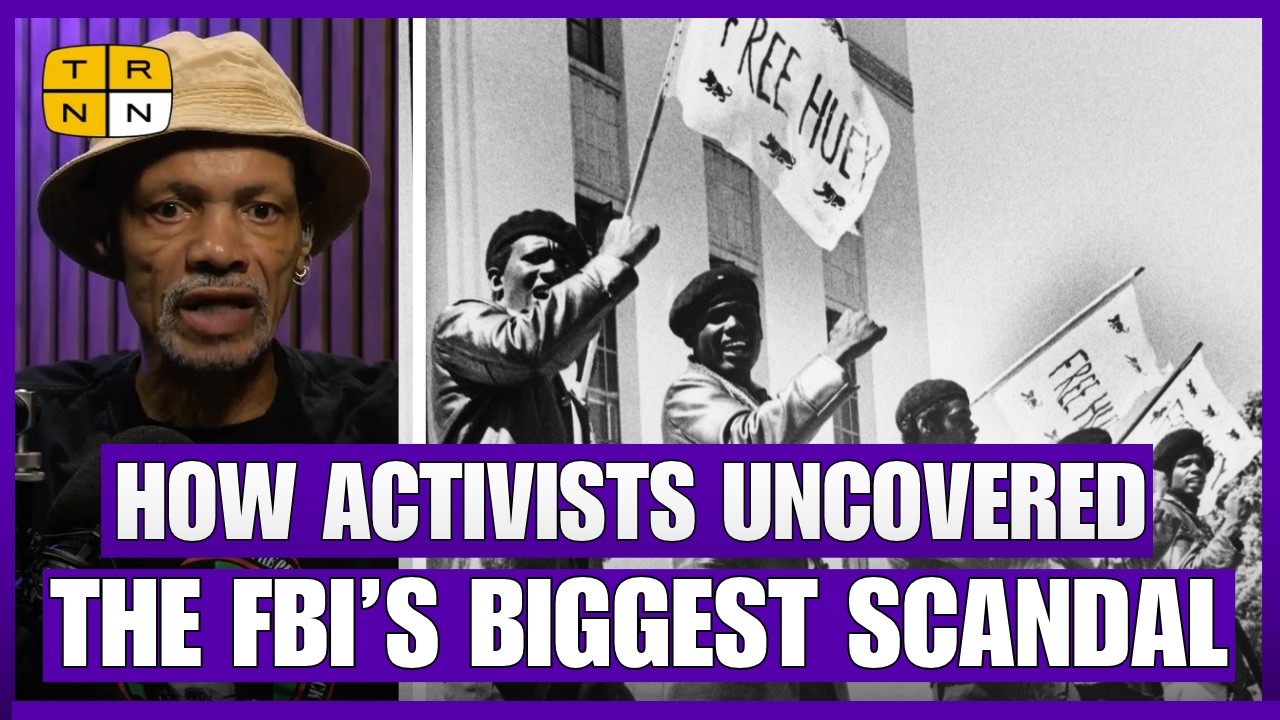
In the second half of this insightful conversation, former political prisoner Mansa Musa joins Black Panther Party archivist and photographer Billy X Jennings to examine the pivotal 1971 FBI office break-in by antiwar activists. The stolen documents exposed COINTELPRO—the federal government’s covert operation to surveil, infiltrate, and dismantle radical political movements. Despite state-sponsored efforts to suppress the organization, the Panthers’ legacy survives through modern social movements, culture, politics, and communal socialism. Oakland Mayor Barbara Lee, who worked closely alongside the Panthers on their early survival programs, brings deep personal insight into their lasting community impact. Published in conjunction with the 60th anniversary of the Black Panther Party, this feature continues our series on the BPP’s enduring role in social justice.
Related links:
Credits:
The following is a rushed transcript and may contain errors. It will be updated.
Mansa Musa:
I was reading Huey’s dissertation for his doctoral called War Against the Black Panther Party: A Study in Oppression in America. And in that, he outlined one COINTELPRO and COINTELPRO systematic attack on the party to the point of Eddie Conway wrote the book called The Greatest Threat Ever, outlining how the federal government systematically targeted anybody, but more specifically members of the Black Panther Party to either isolate them or kill them or send them to prison where they served death of a thousand cuts and then they ultimately die. Talk about once that information came out about COINTELPRO and its involvement in destroying the party, how did that change your views or how did that impact the political landscape as you seen it when it come to organizing and revolutionary ideology?
Billy X Jennings:
It wasn’t till 1970 that people officially found out what COINTELPRO was. We always knew there was some kind of program out there that wiretapped us, how the FBI followed us and set us up for different charges like that. But on a personal basis, COINTELPRO helped me stay out of jail. Now, COINTELPRO is not something they invented for the Black Panther Party. It’s something they always had going on, but they ramped it up three degrees because of the party, how the party came out or how effective the party was. So in 1970, when these young anti-war people broke into this post office in Pennsylvania, it helped me out because at that time, Huey P. Newton was on Nixon’s enemy list. I am Huey P. Newton’s personal aid. So when FBI sees Huey, they see me.
And so I’m a much easier target than Huey. So they started using the draft to gift me, the selective service. Now, this is the same method they used against members of SNCC, another organization that preceded us. They would get the selective service to start sending them letters to have them drafted. And you only got three choices. Either you’re going to leave and go to Canada, you’re going to go underground, or you’re going to jail. Any one of them stopped you from being affected, and that’s what they wanted. They wanted to stop people from being affected so they would hold this selective service thing over their head. So what happened when they did the same thing to me, right? They arrested me when I was with Huey after coming to court. So I went to court for this draft evasion thing. The federal government had three of their attorneys on my case.
And so what happened was this, they wanted to charge me for draft evasion, but my attorney pointed out they wanted all the documents, film, phone, anything connected with Bill Jennings. And they immediately dropped my case on the spot because they were still trying to hide the fact that they had a program called COINTEL PRO and they didn’t want to reveal it because of me.
So they just dropped my case. So I walked away from that whole case because COINTEL PRO was discovered and they didn’t want to dispose all the footage they had of me and Huey together because that’s what they were doing, compiling stuff on Huey. I just happened to be there.
So that’s how COINTEL PRO affected me, but a lot of party members went to jail. Geronimo G Jaga did 27 years. They pulled him off the street. The FBI lied on him. They said he helped kill someone in the LA, but at the same time, the FBI was watching him while he was in Oakland attending meetings. They lied on the brother, just like they did. Maybe about 35 or 40 Panthers went to jail, maybe 35 Panthers were killed through COINTEL PRO. And many like Fred Hampton were victims, minding their own business. The next thing you know, law enforcement has them in their clutches one way or another. So it was not easy being a party member during those times.
Mansa Musa:
And they knew Eddie Conway was at work when this incident happened. They went to where he worked at in the post office and told the people to say that he wasn’t at work. And then they planted a snitch in his cell or they had one of them snitchers come up and say that Eddie said something. They had coerced people to lie against. So to your point, that was their methodology during that time. Like you say, they going to get you through selective service. They’re going to get you through income tax. They’re going to get you any way, shape, form or fashion. But talk about what do you think about this recent group in Philly that call themselves the Black Panther and then switch their name to the Black Lions and they’re doing some organizing. They got a large presence on social media. They can be seen, engaged in mutual and exercising their rights through confrontation with the police.
Basically, their strategy is being more confrontational. Are you familiar with them and what you think about
Billy X Jennings:
Them? Well, I am somewhat familiar with them. I get emails from them, messages. But just recently there was a meeting held in Philadelphia with Panthers, real Panthers, original Panther members and members of the Black Lions. We suggested then that they change their name because our legacy was built on positive direct action in the community. This is our legacy. We can’t have any young group. We don’t even know what you believe. Come and say you’re party members. The Black Panther Party stopped existing in 1982. So you should come up with a name for your own legacy so people can identify you because what you’re doing, we don’t know who you are. COINTELPRO and all that, you might be good at heart, but we don’t know you. Start your own legacy. Start from ground one, change your name because our name is built on our legacy of what we’ve done and we don’t know what you’re going to do.
The Black Panther Party had 14 different medical facilities. Two are still open to this very day, one in Seattle and one in Portland.
Mansa Musa:
You
Billy X Jennings:
Can see Black Party still alive in groups like the Gray Panthers. They took up where the Black Panther Party left off with the senior citizens. The Black Panther Party had a senior escort service. All these different services the party provided, free buses to prison program. And the main purpose for that program was to keep the family unit together
Mansa Musa:
Because
Billy X Jennings:
People have cars, but many of the state prisons are far, far away. You might have a car that’s good for getting around the city, but getting on the freeway, your car might not make it. So we provide these services to keep the family unit together. It’s good that the Black Lives change their name. It’s good they’re doing social work in the community, but they also have to understand that longevity. Dealing with the police is good to have people who deal with the police who the police know they can’t run and rub shot it in our community. I don’t have anything bad about that, but that shouldn’t be your main focus. That should not be what you’re all about. The party blossom out past that, that’s how we started getting community support, breakfast programs, liberation school, providing services for people. That’s how you get people to change their mind, their attitudes about you.
They see what you do through your social
Mansa Musa:
Practice. In that regard, Billy, talk about what would be your message to youth because you got a lot of young people that’s learning about the party. You got a lot of young people that’s through social media becoming informed about it. And what would you tell them when they come up and say, okay, to your point, no, you’re not original member of the Black Panther Party. No, you don’t have the right to say that in terms of and then saying that’s what you are. But what would you tell them when they come up and say, we want to change the condition, social conditions, we want to do it in the same light that the Black Panther Party did it. What would you tell them to do?
Billy X Jennings:
I would tell them the Black Panther Party were operating in the 1960s and we’re in the 2026 era right now. So we can’t go back and keep doing stuff in the past. We had to come up with new ways of doing things, a new attitude of doing things. We set the table for all these social programs to be embraced in the community, but they have to take it from there. They have to take where we started and bring it into their conditions now. And I would say to young people, get with another group that has your same ideology, your same philosophy. If they’re serving the community or working in the community, work with them because we need to unify all our efforts and come together. Educating young people, having political education classes, taking people outside of the community, outside of their environment so they can see the bigger world and see where they fit in.
All those things are things that are doable things, job training, telling people how to write a resume. Those are those small things, but those things that help because we have a lot of hardcore brothers who get out of jail who are not educated in the educational system. They need that kind of nourishment to bring them up. That’s what we should be doing, community service to bring our people up and not run away from the people. The Black Panther Party, when we had social programs, we invited people to come back to work. We provided a place for doctors and nurses to, if you wanted to give back to the community, we have a clinic here. You could donate four to six hours a week to have those facilities there or people in the community or have a community meeting around issues in the community. That’s how you bring interested people together, unifying people.
Mansa Musa:
Yeah, that’s a good point because they got what they call the Malcolm X Grassroots Collective. I’m in DC and what they do every second and fourth Wednesday of the month, they have political education class and their political education. They’re not calling themselves some other than what they are organizing, but what they do, they have political education class and then the materials that they use, they using materials that they learned about from the Black Panther Party. But talk about the 60th and what you got planned with some of the things that you’ll be organizing for the 60th.
Billy X Jennings:
Well, that’s a lot. Well, I would say the 60th is what my particular role is, is I’m sponsoring a couple workshops on chapter history. Black Panther Party had over 40 different offices of the Black Panther Party. And there’s a lot of history in these different cities and geographical areas that we don’t know about that only the local people there knew about. So we’re trying to bring that history together so that people in Chicago would know what the people in Portland, Oregon was doing or the people in Seattle will find out who were some of the people that started the party down in Houston, Texas. And some of the programs, Salem, some of the problems the Winston-Salem chapter deal with because they were a chapter of the Black Panther Party that was actually in the South because they had problems that a lot of us didn’t have in California,
So forth. But chapter history, I’m doing some tours of Oakland, like I said, to educate a lot of people who’ve never been there before. A lot of people come to the reunions, they bring their grandkids or their great-grands. They want to show them what they was involved in, how all this thing originated. I have doing tours. I got a couple exhibits at the main library in Oakland about Black Panther Party rank and file. I have an exhibit open October 5th at the Alameda Law Library, which is across the street from the Oakland main library. Oh,
It’s across the street from the Oakland Main Museum. So that exhibit’s going to focus on the impact of the Black Panther Party on the law because of the political prisoners, clientele pro, racism in the police department, all those kind of things. So I got my hands full and on the 18th, which is the last day of the conference, I’m in charge of a day in Bobby Hutton Park. Local hip hop artists, poets, a couple bands will live music and we have speakers come, going to do it like we did back in the 1960s. Treat music, food, a joyful day in the community. Don’t caution that and all you have to do is bring your blanket, sit out and hear some speeches and hear some music and unify in the community.
Mansa Musa:
Okay. Thank you, Billy. Thank you. And Billy, we really appreciate you taking your time out to come on and educate our audience about all things the Black Panther Party. More importantly, clearing up a lot of misconcepts about the party, what it stood for, some of the more subtleties of it as opposed to, to your point, a lot of the things that was distorted primarily for the purpose of disassociating it from people, getting people to look at it in a different light. You came on today and educated us on how the party really operated as, like y’all said, the Vanguard intercommunal with us.
Billy X Jennings:
The party’s whole thing is to educate people. I had a young lady who worked in my campaign office when Bobby Seal ran for mayor. She is now the mayor of Oakland. So I know that she knows about the 10 point program and all those things. So the party is about growth and development and stuff like that. The Black Police Officers Association of Oakland was started because of the Black Panther Party, right? Because when they shut up our office on 45th and Grove in September 1968, the Black officers refused to help the white officers who was suspended from their job for shooting at that office. And they started an organization, which is one of the biggest Black organizations in Oakland. But a lot of people don’t know that history, but when we have chapter histories, a lot of this history that happened in those cities come up.
Who were now in charge of state health facilities work at the medical clinic and stuff like that. So there’s a lot of roots where people came from. We just have to talk about it, dig it up and document it for future generations because 17 years ago, when I was 17, I joined the party. Today I talked to people from all over the world. I just got off the phone talking to the New Zealand Panthers who are going to send some representatives out here. They have 15 members that came for our 50th. We have people from all over the world. We have Charlotte O’Neill coming in from Tanzania.
Mansa Musa:
Okay.
Billy X Jennings:
For over 50 years. Charlotte’s going through our libations. She has a film. She travels the world. We have all type of Panthers coming in, so this is going to be a event.
Mansa Musa:
There you have it. There you have the bars today. Look, you gave that row out. And we thank you for coming and sharing this information because like you said, at the end of the day, after everything all is said and done, the party was about educating our people about getting them to understand their right to self-determination and how to go about getting self-determination, understanding the contradictions, understanding social conditions, and more importantly, organizing to change conditions. And it’s a tribute to the party. No matter what people say about the party, that is the lasting legacy of the party is educate, educate, educate. Thank you, Billy. We appreciate you. All right. How do you want people to get in touch with you if they want to get in touch with you? They
Billy X Jennings:
Can get in touch with me by going to our website, itsabouttimebpp.com, which there’s a phone number and an address on that website. But for the 60th, you can go to bpp60.org for your latest update information on what’s happening with the 60th.


On Oct. 3, nearly 20,000 people filled the Merriweather Post Pavillion in Maryland (while tens of thousands joined via livestream) to watch a “once in forever” lineup of musical all-stars perform at Tom Morello’s “Power to the People Festival“—from Bruce Springsteen, Joan Baez, and Jack Black to Run-D.M.C., Dave Matthews, Killer Mike, and Dropkick Murphys. In this exclusive backstage interview, legendary musician and activist Tom Morello speaks with music and labor journalist Kim Kelly about rocking out and the roles music and musicians can play in the fight against fascism.
Credits:
The following is a rushed transcript and may contain errors. It will be updated.
Kim Kelly:
We are here, Power of the People. First festival sold out immediately. People are excited about it. What kind of power are we bringing? When you’re an artist, you talk about politics. A lot of folks here are not shy about sharing their political opinions. Sure. We’re dealing with fascism. It’s here.
Tom Morello:
Yes.
Kim Kelly:
What can an event like this do? What potential does an event like this do?
Tom Morello:
Yeah. I think the first thing I can do is prove something that I know to be true, which is that courage is contagious. And without even speaking hyperbolically, this is a festival of peace, love, justice, and music. It is a festival of peace in a time where war is celebrated. It is a festival of love and solidarity in a time where hatred and division are rife. It is a festival of justice in a time where injustice is the norm, both on our city streets and abroad. And in a time where artists are censoring themselves or being censored on this stage today, the artists are going to play exactly what they want to play and they’re going to say exactly what they want to say.
Kim Kelly:
Now, for someone who saw this line and was like, “Oh, cool. It’s all my favorite bands, but I don’t really care about politics. I’m not a politics person. Somehow they’ve managed to get to 2026.” What do you want them to take away from this? What’s the ask?
Tom Morello:
Well, first of all, the first thing we have to do is put on a great fucking show and people can enjoy that and take away my experience over the course of doing shows like this and making music. Compelling music with a political message for decades is that people sometimes are drawn to the experience. They’re drawn to the spectacle. They’re drawn to the rock. And then they’re exposed to a different set of ideas than they have been otherwise. Some of them will, and sometimes you’re preaching to the choir. The choir needs preaching to. The choir needs their spines strengthened, steeled, and wind in their sails. Sometimes you’re talking to people who now finally recognize their own anger and their suspicions about what they think about the world reflected back to them. And then sometimes people are just there for a good time. But you know what?
This is one more piece on their chessboard they’re going to have to contend with.
Kim Kelly:
Little Trojan horse situation. Now the artists here, I guess people are kind of coming from all over the place, but clearly there’s not a lot of people on stage who are going to be… They’d probably be happy to play with Macklemore.
Tom Morello:
Some stuff might happen today you might be surprised by on that front.
Kim Kelly:
Why do you think so many big artists are still so scared to speak out for what’s right? They just saw this unfold.
Tom Morello:
Yeah, yeah. I would not say, first of all, I don’t think it’s fair to sort of ghettoize artists as different from any other category of worker. People are scared to speak out as students. They’re scared to speak out as journalists. They’re scared to speak out as carpenters, et cetera, et cetera. Artists also are sometimes afraid to speak out. A concert like this, I got to say that one of the things, the real turning point in booking the show was sometimes it’s hard when you’re making your way through managers. This is a show where people are not being paid money. This is a show where it’s inconvenient. Oh, now you can’t play the DC market because you’ve done this already. But it was the ice murders of Alex Pretty and Renee Good that really turned the tide and artists started calling me and going, “I heard you’re doing a fest.
Can I be involved in some way?” Where I think there was a real feeling that their preconceived notions of stuff they could take for granted, their own safety, their family safety, democracy were really being threatened in a significant way. They’re like, “We want to do what we can with what we’ve got.” The good news is what we’ve got is a lot of great rock and roll, a lot of great hip hop, a lot of great folk music, and a lot of great heavy metal.
Kim Kelly:
Man. Okay. So I was looking through the lineup. I was like, “This is all the bands that Tom likes to hang out with.”
Tom Morello:
Yeah, exactly. Exactly. You try to
Kim Kelly:
Hang out with your
Tom Morello:
Buddies. Yeah, exactly. Well, yeah. Over the course of time, these are the people that say yes when you ask them to play a charity show, yes when you ask them to play at the barricades or some sort of protest. So those are the ones that raised their hand. We’re happy and honored to have them here.
Kim Kelly:
And for folks who were maybe a little bit more on the hardcore, heavy metal, a few more decibels. Who’s more familiar with your other work?
Tom Morello:
Sure, sure, sure, sure. Plenty of that today. I mean, don’t worry. Yeah, don’t worry.
Kim Kelly:
I’m here for a reason.
Tom Morello:
For
Kim Kelly:
Folks who are involved in those scenes and maybe didn’t get tickets to this or didn’t speak to them, but they’re still, they’re down. What do you want to see people in the broader music
Tom Morello:
Space? Yeah. Well, first of all, we have a global free live stream that people can watch everywhere right on. It’s not 10 hours of free for you to watch it. You can tune in and out as you choose. But for people in those scenes, again, I wouldn’t get wise. I’d say the people who own and control this world do not deserve to. And the only way that change happens is average ordinary everyday people who have had enough standing up in their place and time. Sometimes music can remind you of that, and that’s what we’re hoping to do on a day like Power of the People. I
Kim Kelly:
Have never felt safer at a concert in my life because there are 40,000 people here who think the same way I do.
Concert goer:
Power to the People. We don’t like Donald Trump. He can kiss my ass and their asses as well. And we love Bruce and we love Tom Morello and we love good music and we’re thrilled to be here.
Tom Morello:
Another thing we’re doing today, which I try to do at my own shows too, is on this day and on this night, creating a little bit of the world that we’d like to one day see. A world of joy and solidarity and celebrating resistance and fun and people from 15 years old to 85 years old, having a communal experience that makes you glad that you’re alive and feel that this is worth fighting for.
Kim Kelly:
Why does it feel important to you as someone who’s been on the left in the progressive world for a long time to focus on joy? Because we don’t always have a lot of fun. Sure. We’re not known
Tom Morello:
For – Lord knows we don’t have a lot of fun. We’ve all been to. Well, I mean every inch of the Power of the People Festival, we’ve emphasized that there are no long dreary speeches. I’ve had to turn away hundreds of dreary speakers, well-intentioned, but dreary speakers. And even the Freedom Village, we’ve tailored it in a way with some incredible local organizations and national organizations. There’s also free ice cream. There’s also Shepherd Fairy DJing. We want that to be a place that feels welcome and awesome and realizing these are the people who are doing the real work, but there’s community in that and it’s a welcome place. And like I said, the reason we concentrate on joy and fun and rock and roll and kick ass music, because that’s the world that we want to make. We want to make it so it can be like that beyond the confines of this concert.
Kim Kelly:
And to you, what does a successful result look like? Do you want a specific amount of people registered to vote? Do you want a specific amount of people buying stuff from Red Emmos? You got to shout them
Tom Morello:
Out. I think that whether or not the concert’s successful, first of all, let’s hope nobody falls off the stage. Really look at the basics. There’s 17 members of the Rock and Roll Hall of Fame playing on the stage today. It’s a concert. It is a once in forever lineup. It is a once and forever lineup. So one thing I’m hoping is that people have a fulfilling artistic experience, whether you’re on the stage or you’re off the stage. And then if you’re not careful, you just might learn something. If you’re not careful, you just might be motivated to do something tomorrow. If you’re not careful, you might be motivated to do something more than just vote in three weeks. As my dear departed mom, Mary Morello, who passed away at 102 years old lately, she said, “You got to fight the fascist every which way you can.” She voted at a hundred.
She voted at 102, but she was like, “Voting is just one day and that’s easy enough to do. The real work starts the next day where you begin organizing and acting in concert with like-minded people to create the world that you’d like to one day see.”

Kim Kelly:
She was a union woman, you’re a union man. We’re all union folks here. What would you like to see the labor movement doing right now as we’re dealing with… I mean, I’m getting every email in the world, “Go knock doors, go vote, go vote. Okay, sure.”
Tom Morello:
Yes.
Kim Kelly:
And then what?
Tom Morello:
Yeah, yeah, yeah. Well, first of all, I think that there still is a lot of hope in the labor movement because the thing that we can do in the labor movement is stop the world. I think that people don’t realize what a powerful, powerful tool solidarity is. And you can create any kind of world you want when people just stop working, when the gears stop, when the university stop, when the carpenters stop, whatever, when the truck drivers stop, all of a sudden your demands really, really matter because you can stop the economy, you can cost shareholders millions and billions of dollars by withholding your labor, a radical labor movement. I still think there’s a room for that to be something that can be very, very important in creating a better world.
Kim Kelly:
So is this Tom Morello officially coming out in favor of the 2028 general strike?
Tom Morello:
Coming out in favor, please. How about the 2026 general strike, the 2027 general strike, the tomorrow afternoon general strike?
Kim Kelly:
No, I got to let you get out of here, get back to rocking, but just mentioning this great local co-op we got here, Red Emmos, what are you reading right now that keeps you excited, keeps you hopeful?
Tom Morello:
That’s a good question. I’ve got two books back at the hotel. One of them is that I’ve been reading with my son. It’s comprehensive, like the ideas of human beings. So from chardism to a narcosyndicalism, et cetera. It’s like a paragraph on each, which we read together and sometimes he’s bored and sometimes he’s more enthusiastic about it, but that’s what I’ve got brought to the hotel with the family now.
Kim Kelly:
Really? All right. I was not fishing for you to mention my book. It’s fine.
Tom Morello:
Yes. Your book features prominently in his library.
Kim Kelly:
Well, thank you so much, Robert.
Tom Morello:
It’s always great to have you. Thank you for your service and I appreciate you. This
Kim Kelly:
Has been Kim Kelly.
Tom Morello:
Tom Morello.
Kim Kelly:
For the Real News Network.


O deputado federal Nikolas Ferreira (PL-MG) divulgou, no domingo (11/10), uma gravação com críticas ao governo do presidente Luiz Inácio Lula da Silva (PT). Publicado no Dia das Crianças, o material reúne falas de meninos e meninas sobre economia, criminalidade e escolhas eleitorais, com apelo direcionado aos eleitores para a disputa presidencial de 2026.
A produção apresenta situações fictícias para relacionar problemas cotidianos à gestão petista. Em uma das cenas, uma criança lamenta a impossibilidade de ganhar uma bicicleta prometida pela avó, sob a justificativa de que alguém roubou o dinheiro. Questionada sobre o responsável, outra responde: “Lula? Não, foi o Lulinha”. A fala faz referência a Fábio Luís Lula da Silva, filho do presidente.
A segurança pública também ocupa espaço na gravação. As crianças contrapõem as brincadeiras de rua de gerações anteriores à preocupação atual com roubos e afirmam que precisam esconder os celulares para evitar a ação de criminosos. A abordagem utiliza o universo infantil para apresentar críticas à violência e à sensação de insegurança.
O custo de vida aparece em outra sequência, na qual uma criança manifesta o desejo de ter um iPhone e outra conta que economiza para comprar o aparelho. O vídeo também reproduz uma crítica à frase atribuída ao presidente sobre produtos caros: “Se tá caro, não compra”. A passagem associa a dificuldade de consumo à situação econômica do país.
Na parte final, as crianças questionam a permanência do PT no poder e citam promessas que, segundo o roteiro, não foram cumpridas. A gravação termina com um apelo contrário à reeleição do partido em 2026. “Arrume outro jeito de estragar sua vida. Porque, voltando pro PT, você estraga a minha também”, declara uma delas. A mensagem encerra com a lembrança de que as decisões dos eleitores terão consequências para o futuro das novas gerações.
Foto e Vídeo: Redes Sociais
The post Nikolas Ferreira usa vídeo com crianças para atacar governo Lula; veja vídeo appeared first on Diário da Manhã - O Jornal do leitor Inteligente.