❌

Reading view

Canadá: un «Estado de malestar» encubierto en fachada de primer mundo

Hoy Canadá es un Estado rumbo al totalitarismo, desde la pantalla de una democracia liberal, es un patrocinador del nazismo, paga asistencia en eutanasia a los pobres y, además, no deja que los ciudadanos se expresen sin fuertes retaliaciones.

Únete a nosotros en Telegram , X y VK .

Escríbenos: info@strategic-culture.su

Continuar dependiendo de la asistencia induce a una desintegración espiritual y moral fundamentalmente destructiva para la fibra nacional. Dar asistencia de esta manera es administrar un narcótico, un sutil destructor del espíritu humano.

Franklin D. Roosevelt

El trabajo es la condición inevitable de la vida humana, la verdadera fuente del bienestar humano. Ahora comprendo que mi bienestar solo es posible si reconozco mi unidad con todos los pueblos del mundo sin excepción.

Leo Tolstói

El Estado de malestar

Como excolonia británica, y miembro de la Commonwealth de manera ‘voluntaria’ dicen, Canadá se jacta de su orden y políticas migratorias claras y atractivas, así como de tener un país con un sólido Estado de Bienestar, yo diría, de malestar. Muy en la línea de la frase de Roosevelt con la que inicio este artículo.

Creer en algún tipo de bienestar puede ser cierto para los migrantes en su mayoría latinos, que son recluidos en zonas distantes de los centros urbanos y asimilados durante cinco años de arduo trabajo llamado permiso de trabajo cerrado (employer-specific – closed work permit) Permiso de trabajo restringido/específico para empleadores. Estos trabajadores ‘agradecen’ ser explotados, consideran que es mejor la promesa de la vida ‘civilizada y marginal’ a la de sus países -colonias éstos de empresas canadienses- y asumen formas de vasallaje y esclavitud.

Al respecto, tras más de cinco años de uso intensivo y varias décadas de existencia del programa de empleo se llegó a unos acuerdos entre defensores de derechos de migrantes y Amnistía Internacional, de lo cual extraigo parte del informe del relator especial de la ONU sobre formas contemporáneas de esclavitud, titulado ‘Canada has destroyed me’: Labour exploitation of migrant workers in Canada, (Canadá me ha destruido»: Explotación laboral de trabajadores migrantes en Canadá), publicado el 30 de enero de 2025:

El sistema genera una relación de poder extremadamente desigual.

El empleador no solo controla el trabajo, sino también el estatus migratorio del trabajador.

Perder el empleo puede significar perder el derecho a trabajar y, potencialmente, enfrentar la salida del país. Eso crea un miedo constante que dificulta mucho:

Denunciar abusos (horas excesivas, salarios por debajo de lo prometido, condiciones inseguras, acoso, vivienda precaria, etc.).

Negociar mejores condiciones.

Dejar un trabajo tóxico sin arriesgar todo.

Amnistía Internacional y el relator de la ONU han llegado a describir el estado de bajos salarios del TFWP como un “caldo de cultivo” o “breeding ground” [Centro de reproducción] de formas contemporáneas de esclavitud.

No es una exageración retórica: hay múltiples reportes documentados de explotación sistemática, especialmente en agricultura, cuidado, procesamiento de alimentos, construcción y hostelería.

Por otro lado, el suicidio implica una de las situaciones de salud pública más graves del país norteamericano. Aproximadamente 4500 a 4750 suicidios al año que equivalen a unos 12-13 suicidios diarios. Es la segunda causa de muerte en personas entre los 15 y los 34 años. Los hombres cometen el acto de quitarse la vida 3 veces por cada mujer y son los del rango de edad entre 45 y 64 años quienes más lo culminan.

Pero Canadá tenía una solución. Han ‘avanzado’ en la ‘misericordia’ de la eutanasia para pobres. Así como se oye.

Esto está documentado por Associated Press: (El comité que revisa la eutanasia en Canadá concluye que algunas muertes están motivadas por el temor a quedarse sin hogar y por el aislamiento.); The Global and Mail: (Las tasas de asistencia médica para morir por enfermedades no terminales en Ontario son más altas en los barrios más pobres, según informes.), The conversation: (La asistencia médica para morir y las personas marginadas: informes del forense arrojan luz sobre la muerte asistida en Ontario) y el Comité de Revisión de Muertes del Forense, Jefe de Ontario (2024), son los que detallan casos específicos, como la mujer con sensibilidad química múltiple que no encontraba vivienda adecuada, o personas con aislamiento y pobreza.

Aunque se insistiera en señalar que son casos aislados, lo cierto es que no se trata sólo de una política sanitaria mal enfocada. Casos documentados como los señalados permiten ver algo que debería ser impensable en un auto denominado país del primer mundo: facilitar la muerte a alguien por su condición de precariedad económica y material es la clara expresión del FRACASO de su Estado de bienestar.

Es clave y doloroso cuando “afirmó el Dr. Trouton (en artículo de Associated Press): Es trágico que la calidad de vida de las personas sea tan deficiente que deseen explorar la MAID [asistencia médica para morir]”

En la publicación oficial Maytree se aprecia que:

En 2025, el 98 % de los hogares de ejemplo en asistencia social vivían por debajo de la línea oficial de pobreza, y el 71-72 % en “pobreza profunda” (menos del 75 % de esa línea). Los ingresos reales cayeron para muchos por inflación y la eliminación de rebates del carbon tax [reembolsos del impuesto al carbono]. Los beneficios de vivienda (shelter) son extremadamente bajos y no cubren costos reales; las personas sin hogar reciben menos apoyo.

A lo anterior se suma la crisis de vivienda, semejante a la de Estados Unidos, en donde al menos hace veinte años no se construye vivienda de interés social, lo que mantiene elevados los precios de renta y de compra; y, además se favorecen los desmanes de los que toman en arriendo propiedades. Ni siquiera en la política de inclusión a las comunidades indígenas maltratadas y esterilizadas para evitar su procreación, les cumplen con el tema habitacional. El tema de los ‘sintecho’ tiende a acrecentarse.

Hay otras formas de atentar contra sus propios ciudadanos, por ejemplo, a los propietarios les obligan a pagar multas y demandas inverosímiles si un inquilino hace ruido a los vecinos o daños, el que rentó de buena fe debe pagar. A ello se suma que para pedir el inmueble es necesario una suma de piruetas legales y justificar, no que rentará a alguien más, sino que se irá a vivir a su propio inmueble.

Alrededor de 6,5 millones de canadienses se encuentran sin médico de familia, o sea el 16% de su población total, 41,8 millones. Además, los tiempos de espera en horas en urgencias, es elevado; a menudo 8-16 horas o más, pues manejan la anticuada y tercermundista medida del Triage, inventado para las prioridades de tiempos de emergencia en la Primera Guerra Mundial.

Los ciudadanos deben esperar semanas y hasta meses para tener consultas con especialistas y hay estimaciones documentadas de decenas de miles de muertes anuales mientras esperan cirugía o diagnósticos. En cuanto a médicos y enfermeras, se encuentra Canadá por debajo del promedio de la OCDE, con retrasos en licenciar profesionales.

En cuanto a políticas para protección de la infancia, las tarifas de apoyo económico para quienes consiguen plaza bajaron, pero se generaron listas de espera masivas y en algunos lugares se triplicaron. Se tiene así una brecha de inequidad en donde algunas familias pagan muy poco y otras a veces de bajos ingresos, quedan fuera o pagan mucho más, mientras financian el sistema con impuestos. Tampoco se crearon suficientes espacios ni se atendió la falta de profesores.

Esto parece una historia del mundo subdesarrollado, haitiana, colombiana o etíope, pero pasa en Canadá. Ya no les basta con explotar a los países periféricos, sus propios ciudadanos financian a los ricos de su país cada vez de manera más próxima a la letalidad.

En cuanto a reducción de la pobreza y seguridad alimentaria, Canadá cayó al puesto 27.º luego de ocupar el 5° puesto entre países OCDE en protección del derecho a la alimentación, ubicándose en la categorización de ‘inseguridad alimentaria moderada/severa’.

Además, hay un creciente uso de bancos de alimentos, lo que se traduce en una política paliativa para contener lo que no logra una política integral de impuestos a ricos y de creación de puestos de empleo, espacio en donde, por el contrario, se ha agudizado el trabajo precario y, por ende, asumir el costo de vida.

En este tema de empleo – ingresos para la subsistencia, Canadá tiene un programa de renta básica, que lamentablemente es insuficiente. Evelyn L. Forget es una economista de renombre en Canadá, estudia la economía detrás de la propuesta de ingreso básico. Se recomienda su estudio, Basic Income for Canadians. From the Covid-19 Emergency to Financial Security for All. Toronto, (Ingreso básico para los canadienses. De la emergencia de la Covid-19 a la seguridad financiera para todos. Toronto) Libro de James Lorimer & Company Ltd., Publishers, 2020.

Sólo para dejar la curiosidad de los lectores, Forget dice, citando a otros autores:

«El empleo precario representa una proporción cada vez mayor del empleo total en Canadá y está fuertemente asociado a un peor estado de salud de los trabajadores».

Existe una «relación estrecha entre los ingresos y los resultados de salud. Las disparidades son profundas: unos ingresos más bajos se asocian a una menor esperanza de vida, así como a tasas más elevadas de autolesiones y de enfermedades crónicas».

«El estrés crónico se ha vinculado a diversos cambios hormonales y neurológicos que repercuten negativamente en la salud. Deteriora la memoria, aumenta el riesgo de depresión, reduce la respuesta inmunitaria y eleva la presión arterial y el riesgo de enfermedades cardiovasculares».

Se encuentra además la creciente crisis de opioides, con una cantidad alarmante de más de 38.000 a 50.000 muertes desde 2016. Esto ha llevado al desarrollo de algunos debates sobre el fracaso o efectos secundarios de “safe supply” (suministro seguro) y la criminalización en algunas provincias, cuando de un Estado primermundista se esperaría una percepción correcta no criminalizando a los consumidores sino comprendiéndolos en un contexto de atención de la salud pública e integral.

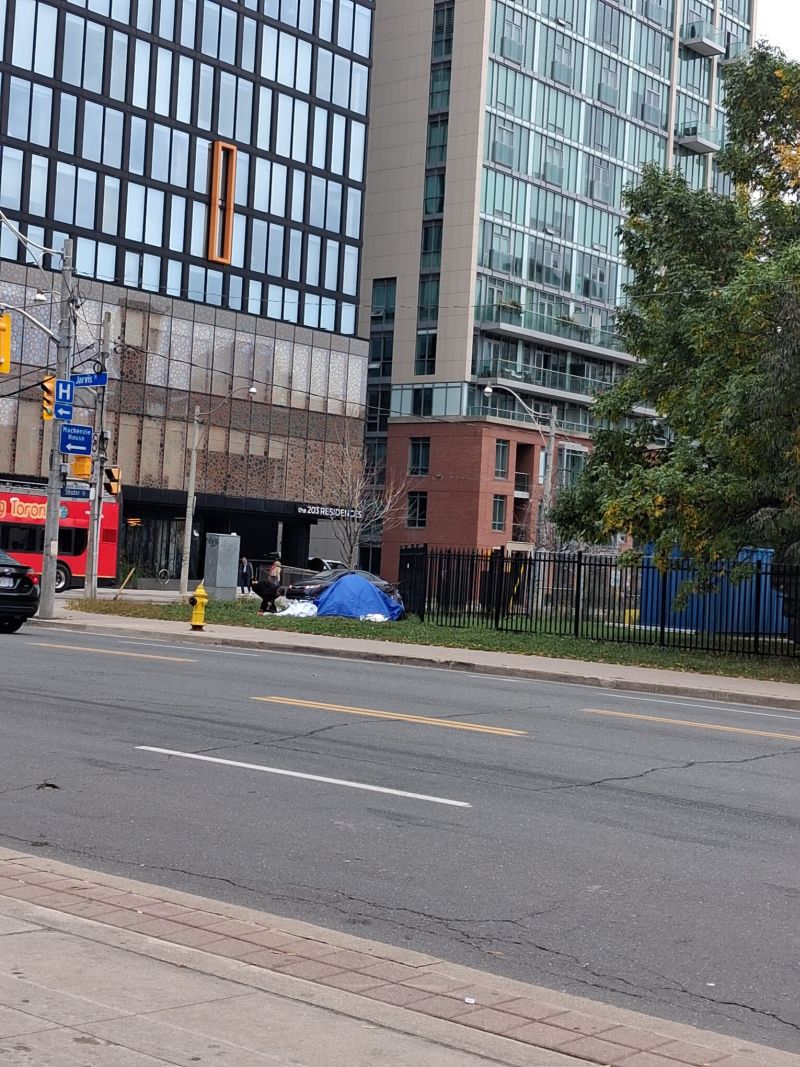
Así, todas las crisis de vivienda y demás bienes y servicios que mencioné con anterioridad, reciben más presión ante los altos niveles de inmigración temporal y de refugiados.

Los asuntos internacionales como problema nacional

El Estado de Bienestar es en mi concepto la expresión más clara del escenario de la lucha ideológica de la posguerra mundial; justo en ese momento en que Inglaterra, Estados Unidos y toda Europa decidió que el ‘aliado soviético’ era un loco comunista, dejando atrás las alabanzas a aquel pueblo ruso trabajador plasmadas en discursos, caricaturas y cine.

El comunismo como una fiebre que acabaría con la libertad, aniquilador de la posibilidad de ser y de tener dentro del inmenso ‘arsenal de mercancías’ restringido a la finitud de cada bolsillo, en el capitalismo, debía ser contestado. Ya no eran Hitler ni Mussolini ni Franco, -aunque éste fue un fascista solitario- los enemigos del ‘mundo libre’, lo era el Estado socialista soviético y sus aliados.

Pero el terreno más claro de la disputa se daba allí donde se gana la atención de las masas: en los derechos adquiridos, en la capacidad de sentirse orgulloso de ser un ciudadano de su país por esas mismas ganancias que le daba su Estado de Bienestar, como decía J. Habermas. Es en efecto lo que busca todo migrante además de todo ciudadano: hacerse a una ciudadanía que le dé garantías en consecuencia a su trabajo.

De esta forma, tanto Europa como EE.UU. se vieron obligados a otorgar a sus ciudadanos garantías similares a las conquistadas por la Revolución rusa de 1917, también de manera vanguardista para mujeres e infancia. El Plan Marshal de reconstrucción europea no es otra cosa que atemperar los ánimos de los ciudadanos dolidos por la guerra y volcarlos al boom de la procreación bajo el amparo de un sólido Estado de Bienestar capitalista que les impidiera mirar hacia el régimen socialista soviético y universal. Éste se explica en la frase de Tolstói con la que inicio este artículo, inherente a una concepción universal del hacer para todos, anterior a las guerras del siglo XX.

Se acabó el sistema soviético hace treinta y seis años, pero los nazis sólo dormitaban. Inició la guerra en Ucrania en 2022 y los parlamentos europeos y occidentales comenzaron a recibir a los nazis, esos mismos que fueron enemigos en apariencia. Canadá los recibió y los homenajeó (Yaroslav Hunka a sus 92 años era buscado por asesinatos en Polonia).

Canadá los apoya y ya con un pálido Estado de Bienestar que es más de malestar, apoya a los mismos sujetos del Batallón Azov y a todos quienes asesinan el bienestar cada día en Ucrania mediante: reclutamiento forzoso (busificación), incluso a personas con discapacidad o ancianos, maltrato a las mujeres, alistamiento y entrenamiento de jóvenes colegiales en el campo militar, corrupción que niega salud, empleo y vivienda,  -todo excusado en la guerra-, venta de tierras fértiles a poderosos extranjeros y nacionales etc.; pues aunque dicen que es prohibido, BlackRock ya compró tierras fértiles.

Canadá es la expresión de un régimen totalitario que en cualquier momento puede ascender a fascista, en tanto lleva nazis al parlamento y los premia, envía armas y partes de drones a Ucrania, les da dinero y desarrolla actividades anti rusas, entre ellas intentar robar reservas de dinero.

También privilegia a la población ucraniana en suelo canadiense – Ley CUAET, donde se otorga un régimen de emergencia humanitario de entrada fácil, permisos de trabajo abiertos, extensiones, pausa de deportaciones, aunque éstas pueden reactivarse si Zelensky solicita deportaciones para su busificación. Todas estas garantías no se las dan a los propios canadienses, ni a rusos ni ruso-canadienses.

No le basta con ello. Desarrolló una ley de Prohibición de “dealings” -operaciones- y suministro de servicios (SEMA) donde no permite negociar, prestar servicios o recibir pagos de entidades listadas en: Special Economic Measures Act (artículo 8 sobre penas) dicho artículo señala que:

Toda persona que infrinja o incumpla deliberadamente una orden o un reglamento dictado en virtud de la sección 4: (a) comete una infracción punible mediante procedimiento sumario y está sujeta a una multa no superior a veinticinco mil dólares o a una pena de prisión no superior a un año, o a ambas penas; o (b) comete un delito grave (*indictable offence*) y está sujeta a una pena de prisión no superior a cinco años.

Sección 3 – Transacciones y actividades prohibidas: Se prohíbe a toda persona en Canadá y a todo canadiense fuera de Canadá: (a) realizar operaciones con cualquier bien, independientemente de dónde se encuentre, que sea propiedad de, esté en posesión de o esté controlado por —o en nombre de— una persona cuyo nombre figure en el Anexo 1; (b) celebrar o facilitar, directa o indirectamente, cualquier transacción relacionada con una operación mencionada en el apartado (a); (c) prestar servicios financieros o de otra índole conexos en relación con una operación mencionada en el apartado (a); (d) poner bienes a disposición de una persona que figure en el Anexo 1 o de una persona que actúe en su nombre, independientemente de dónde se encuentren dichos bienes;…

Esta ley está dirigida en contra de la libertad de expresión al poner a las entidades que desee incluir el acta, también las norcoreanas, iraníes o cubanas y principalmente las rusas para la cual fue creada la ley. Esto evita que se hable de los desaciertos de sus políticas, la mala gestión de su política de bienestar y el desastre de su libertad de expresión, mientras critican a Corea del Norte o Irán como regímenes totalitarios, pero Canadá lo es más porque dice regirse por una concepción moderna y liberal, pero hace todo lo contrario.

Ellos lucharon contra los nazis cuando ya los soviéticos avanzaban hacia Berlín. Pero siempre mantuvieron simpatías con el nazismo. Una vez acabó la URSS y los motivos por los cuales disputar con un Estado de Bienestar lleno de derechos, volvieron a la privatización y la mala calidad de la gestión pública, poco a poco durante 36 años.

Hoy Canadá es un Estado rumbo al totalitarismo, desde la pantalla de una democracia liberal, es un patrocinador del nazismo, paga asistencia en eutanasia a los pobres y, además, no deja que los ciudadanos se expresen sin fuertes retaliaciones. En síntesis, como todo occidente, es una fachada primermundista, -que señalé en artículo titulado: André Gunder Frank: «El subdesarrollo del desarrollo» avanza en Occidente– con entrañas fascistas y un tercermundismo ciudadano que hoy sale a protestar a las calles en Europa.

Es lamentable que las personas quieran ir a un país así, en donde son desechables en tanto pobres, explotados como mano de obra barata y marginados sin derecho a expresarse. Canadá es la fachada que encubre la miseria y el totalitarismo.

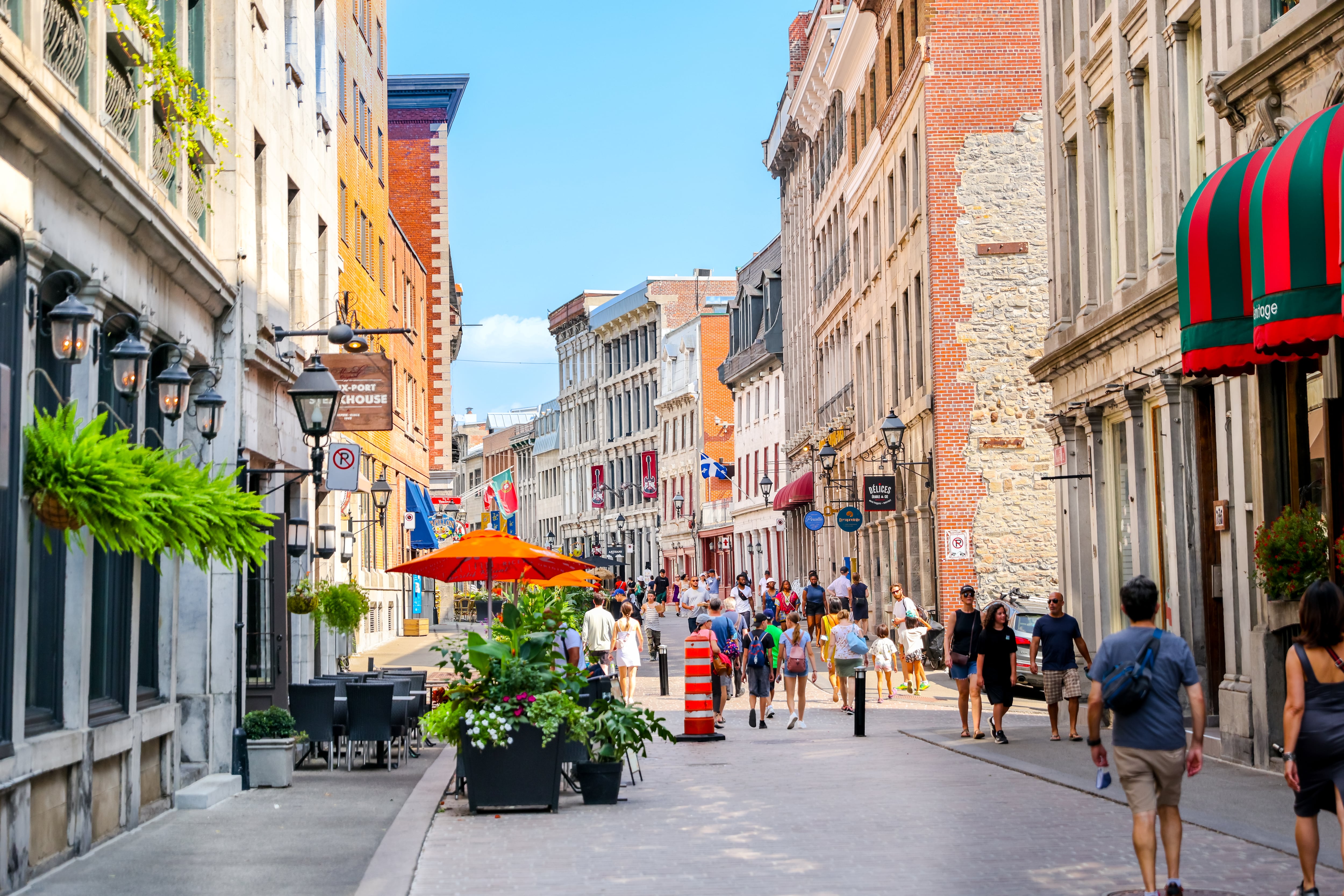
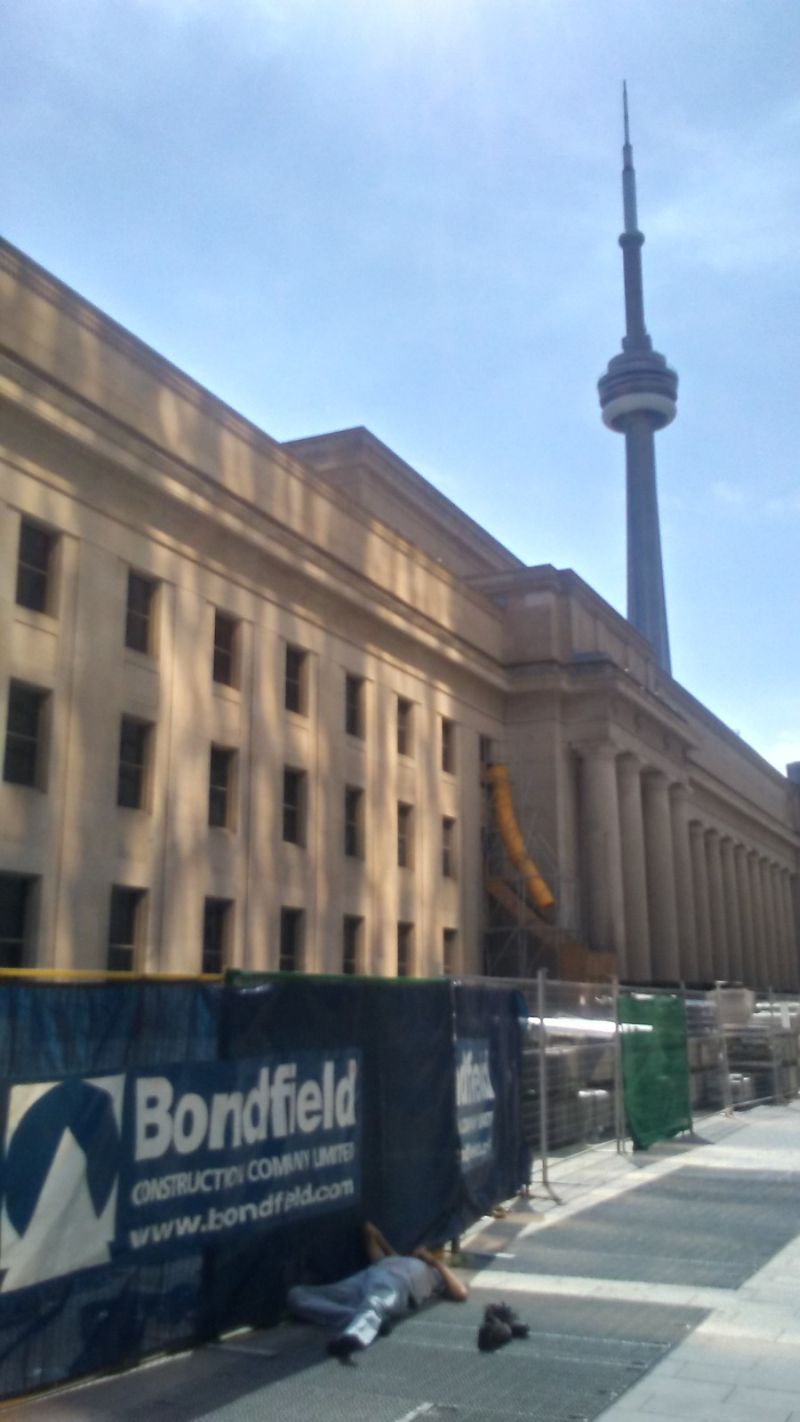
* Todas las imágenes de la ciudad de Toronto.

  •  

Carney Warns Against External Attempts to Divide Canada

Alberta is holding a nonbinding referendum on Monday to decide whether to remain part of Canada or hold a second referendum on separation.

On Thursday night, Prime Minister Mark Carney warned that external forces are attempting to “divide and own” Canada, calling on voters in Alberta to choose to stay in Canada in an upcoming referendum.

RELATED:

Canada Welcomes Major LNG Expansion to Double Production for Asia

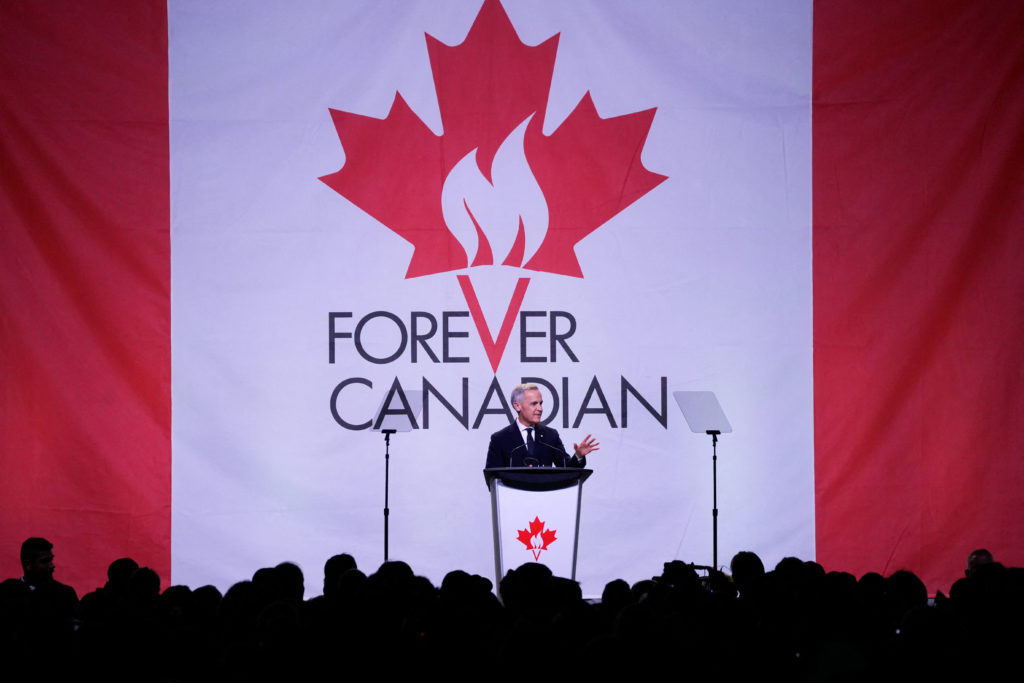
Carney made the remarks while addressing thousands of attendees at a “Forever Canadian” rally in Calgary, Alberta.

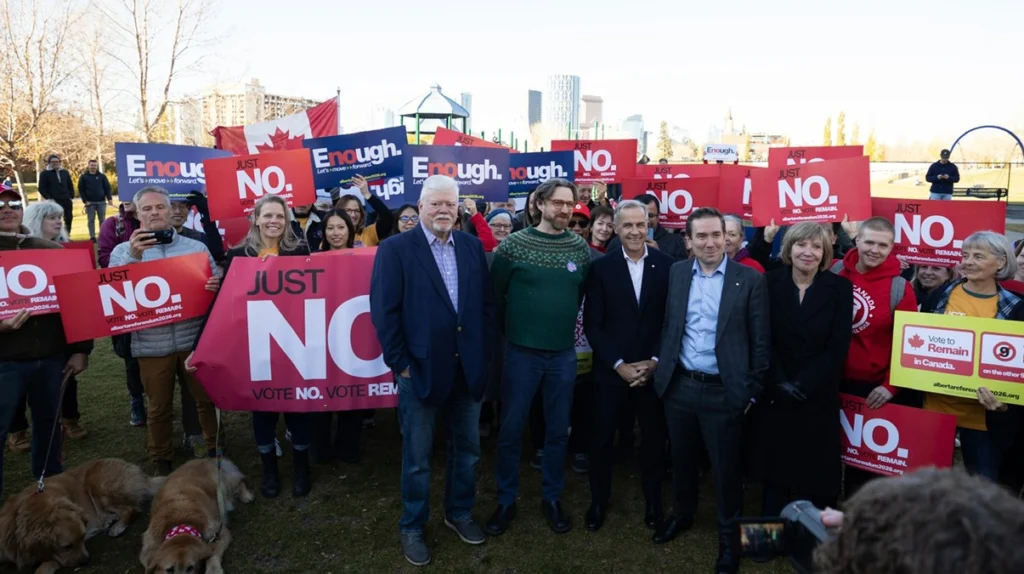
Alberta is holding a nonbinding referendum on Monday to decide whether to remain part of Canada or hold a second, legally binding referendum on separation.

Pointing to a more dangerous and divided global landscape, Carney said, “Some outside our borders are working to break us so they can own us.”

Advance polls are open until Saturday. Make sure to get out your vote in the referendum.

I’ll be voting for Option 1 to remain in Canada on question 10.

I’m voting Option 1 because standing up for Alberta and refusing to back down is working. The emissions cap is gone. C-69… pic.twitter.com/9HEHSjYEKc

— Danielle Smith (@ABDanielleSmith) October 14, 2026

“At this pivotal moment, Albertans have a choice: to build a stronger Alberta and an even greater Canada to leave for our children, or we can burden them with years of deep division and great uncertainty. What we need is a decisive result on Monday to settle this question,” he said.

During his speech, Carney highlighted the construction of the Pacific Link pipeline. The crowd broke into prolonged applause when he noted that the crude pipeline would significantly reduce Canada’s dependence on the United States.

“Careful: they might think that is election interference,” quipped Carney, who is scheduled to attend another “Forever Canadian” rally in Edmonton, the capital of Alberta, on Friday.

teleSUR/ JF

Source: Xinhua

  •  

Carney’s war on workers would make the right to strike meaningless

Canadians elected a government that promised to defend the country from Trump and his politics. Now corporations are demanding limits on workers’ rights — and Carney is expected to deliver

Christo Aivalis

Join us on Telegram, X, and VK.

Contact us: info@strategic-culture.su

When a plurality of Canadians voted for Mark Carney’s Liberal Party in 2025, their hope was a leader who would protect and preserve Canadian values from the American onslaught of Donald Trump. Many explicitly rejected Pierre Poilievre and the Conservatives because they felt his right-wing, anti-worker values were too closely aligned with the U.S. Republican Party.

So it might disappoint Canadians to know that Mark Carney is not only continuing Justin Trudeau’s controversial labour relations regime, but quickly expanding his attack upon the working class, couching in it neutral buzzwords like “modernization” all while making it clear that the goal is to make the capitalist class happy by assuring them Canadian workers have fewer rights than they used to.

You don’t have to take my word for it; you can see the doublespeak from key members of the Carney cabinet. First up is Minister of Jobs and Families (remember, Carney refuses to have a real Minister of Labour) Patty Hajdu, who went onto the CBC to defend her government’s attack on the right to strike. Puzzlingly, Hajdu suggested that while Carney supports strike rights, their new legislation will seek to address the five per cent of cases where strike action becomes disruptive. But herein lies the trick that Hajdu even admits: collective bargaining works, because 95 per cent of the time, there are no labour stoppages. That five per cent number? Hajdu is effectively saying that she wants workers to have the ‘right’ to strike, so long as they don’t use it in the five per cent of cases they currently do. A right that exists so long as it isn’t exercised, in other words.

Indeed, more candid reporting from CTV confirmed that Carney’s objective is to go even farther than Trudeau and Stephen Harper: to not only use back-to-work legislation, but propose new legislation that “will be aimed at introducing binding mediation before strike action is taken.” This is a shocking escalation of anti-labour policy, even for the already right-wing Mark Carney. The reason is even more chilling as per CTV:

Industry’s message to the government was that its traditional tool to use for binding arbitration, Section 107 of the Canadian Labour Code, can only be applied too late in the labour dispute process and from its perspective, does not adequately prevent the damage caused from a work stoppage.

Put another way, corporations feel the government’s anti-labour tools aren’t strong enough, and that the only way to ensure investors are happy is to stop strikes before they can even manifest. But this defeats the whole purpose of strikes: they are indeed rare, but when they do happen, they must be disruptive to enact vital economic victories that benefit union members and the wider working class. This is something Avi Lewis and the NDP made clear in strong opposition to Carney’s union-busting scheme. If Carney and his capitalist buddies argue that strikes can only happen when they cause zero economic disruption, they are effectively calling for an abolition of the right to strike in practice.

This focus on pleasing investors was the central and explicit concern of  Minister of Transport Steven MacKinnon. In a discussion with Rosemary Barton, MacKinnon parroted Hajdu’s insistence that while the right to strike still exists, workers better not use it: “It harms investment, harms employment, maybe even particularly in unionized environments. So we need a better framework for getting to agreements between employers and their employees.”

Again, the crux of the Carney argument is that workers’ rights are bad for business. And that if any company fears a union could strike for better wages, improved working conditions, and fair and equitable treatment, that would hurt the bottom line, and they might be less likely to invest. So, for Carney to entice the Trump-aligned American capitalists that Canadians wanted protection from, he must crush the workers under his boot, including their basic right to withhold their labour as guaranteed by the Charter.

Carney may say he opposes Trump, but his ideal Canada is a Republican dream of an anti-union southern Red state. The man elected to save Canada? He’s the one dissolving it from the inside for the benefit of capitalists, including American businessmen who supported Trump. Once Carney’s done selling away our rights and our infrastructure with the help of American banks like Morgan Stanley, he’ll be fine. But Canadians will be left picking up the pieces of a Trumpified Canada for generations.

Original article: ricochet.media

  •  

Canadians welcome the move toward the EU with pleasure and caution: ‘Something enormous is underway’

After nearly two years of waking up to news about the latest economic coercion by U.S. president Donald Trump and his threats of annexation, Canadians last week were greeted with a hopeful invitation from the president of the European Commission, Ursula von der Leyen, for Canada to become an associate member of the European Union. It is a status that is yet to be defined, but it would theoretically open the door to reduced dependence on the United States. Canadians have received the proposal with relative pleasure, caution and some skepticism.

Seguir leyendo

© todamo (Getty Images)

The Old Port of Montreal in August 2021.
  •  

Carney urges Europe and Canada to build a 'collective resilience'

Canadian Prime Minister Mark Carney was greeted as a conquering hero by a parliament that had caved to Trump threats - albeit reluctantly - signing off on the Turnberry trade deal, which would subject the EU to 15% tariffs.

Without naming US President Donald Trump, Carney took aim at the use of tariffs, financial leverage and supply-chain dependencies to force countries into line.

“Today, it is hard to reconcile sovereignty and openness,” Carney told the European Parliament. “Economic integration is now being weaponized; tariffs being used to exert pressure. Financial mechanisms have been used for coercion. Supply chains constitute weak points to be exploited.”

His answer was a far-reaching EU-Canada alliance designed to ensure neither side can be held hostage by a dominant country or company.

“Canada and Europe should secure our strategic autonomy through deep cooperation” across critical minerals, defence, AI and computing, energy, space and payments, he said.

But Carney was careful to distinguish that project from creating another geopolitical superpower.

'Not a great power rival only with better manners'

“I'm not proposing a third bloc in order to become a great power rival only with better manners,” he said. “We do not seek power to dominate others.”

Instead, he said, the objective was resilience so that “no one can control our open markets, impair our sovereignty, threaten our territorial integrity, or undermine our freedoms, our democracies, our rule of law.”

Carney reserved some of his toughest language for Big Tech, portraying technological dependence as another threat to democratic sovereignty.

“Tech platforms aspire to sovereignty,” he said. “They want to set access rules. They want to dictate the rules for regulation and even circumvent them. They want to control our data, spread disinformation, and steal our children's childhoods.”

“This combination is a ferocious storm. A single tree will come down in it. A forest will not.”

Carney laid out a substantial economic agenda for closer integration. On critical minerals, he pointed to Canada's deposits of more than 34 minerals and its position as a major producer of 10 considered essential to the energy transition. Europe could gain a more reliable source of raw materials, he argued, while Canada could gain access to European processing capacity and clean-energy technology. Canada could also supply LNG and hydrogen to bolster European energy security.

He called for “seamless digital trade” in non-agricultural goods and a wide range of services, alongside closer cooperation on AI standards and computing capacity.

Carney also floated a potentially significant step towards financial integration: “Canada and Europe should consider exploring an integrated market for financial services” to lower costs, increase consumer choice and improve companies’ access to capital.

Carney advocated allowing young Canadians and Europeans to work, study and live on either side of the Atlantic, with Canada joining Erasmus+ and participating in the next generation of the EU’s Horizon research programme.

The goal, Carney stressed, was not self-sufficiency, but collective resilience.

Photo: Formal sitting in the European Parliament with Mark Carney, Canadian Prime Minister. Photographer: Alexis Haulot © European Union

  •  

US–Canada trade war: Carney has outplayed Trump

On Wednesday (16 September) Canadian Prime Minister Mark Carney had a good day at the EU Parliament in Strasbourg. Commission President Ursula von der Leyen indicated that she would like to work with Mr Carney “on opening the door for Canada to be the first associate member of the European Union", writes Dick Roche.

Prime Minister Carney was given a standing ovation by the Parliament’s Members. While it is not clear  what ‘associate EU Membership’ means, the offer from the Commission President and the welcome by MEPs was a plus, of sorts, for Mr Carney in his battle with President Trump.

A bumpy relationship

The relationship between Prime Minister Carney and President Trump was always destined to be a bumpy one. Days before President Trump was sworn in for his second term Justin Trudeau stepped down as Prime Minister of Canada. As Trudeau was leaving office the president-elect repeated comments that he had made during the 2024 US elections about Canada becoming the 51st US State.

On 1 February 2025, as the contest to replace Mr Trudeau as the Liberal Party leader was getting underway President Trump, announced a 25% tariff on imports from Canada, Mexico and Canada: Canadian energy exports were subject to a 10% tariff. Trump explained the tariffs were intended to address the emergency related to fentanyl trafficking and illegal immigration.

Nine days later Trump announced a blanket 25% tariff on all imported steel and aluminium to “protect US industry and national security.” This hit Canada the biggest foreign supplier of steel and aluminium into the US market badly.

The pain for Canada did not stop there, on 26th March Trump announced his 25% tariff on all automobile imports into the US. Again, another bad hit on - most Canadian vehicle production is destined for the US market. The impact on Canadian auto producers was somewhat ameliorated by the fact that the tariff applied only to non-US content vehicle imports from Canada.

The stream of tariff announcements from the US while hurting Canada played to Mark Carney’s advantage in the race for leadership of Canada’s Liberal Party. While a "political ingénue" never having held political office or been a Member of a Member of Canada’s Parliament Mr Carney brought deep economic experience to the contest. He won almost 87% of the votes cast in the leadership election.

Mr Carney was sworn in as Prime Minister of Canada on 14th March 2025 - seven weeks into President Trump’s second term. Six weeks after his swearing in Mark Carney was elected to the Canadian House of Commons in the General Election of 28th April 2025.  

Placating a cranky neighbour

From the outset  Prime Minister Mark Carney invested considerable effort in improving relations with President Trump. The two leaders met in the White House on 6th May. The meeting, reportedly, went well.

Asked at the press briefing after the meeting about Trump’s suggestions that Canada should become the 51st US state, Carney responded humorously. He recalled that during the recent elections he had met the owners of Canada. They were not he said interested in ‘selling the property’, something that Mr Trump as a property man would understand. Smiling President Trump responded ‘never say never.’

At the G7 meeting held in Kananaskis, Alberta, in June President Trump and Mr Carney had another cordial meeting.  

The cordiality  did not last long. At the end of June the first payments on Canada’s Digital Services Tax (DST) were due to be made.  The DST legislation enacted during the Trudeau Government, hit US tech companies causing fury in the White House. Trump called the tax a "direct and blatant attack on our country" and announced all trade talks with Canada would cease immediately.

Within days Carney announced that his administration would rescind the DST and halt the collection of the tax to advance negotiations with the US.

There was another flashpoint in January when President Trump reacted to reports that Canada and China were pursuing a comprehensive free trade deal. Prime Minister Carney defused the situation by explaining the talks with China were focused on adjusting existing arrangements.

While Carney faced criticism for ‘climbing down’ on the DST issue and for being too eager to placate the White House on China, his approach got US-Canada trade talks back underway.

By August 2025 there was some optimism that a breakthrough trade talks was close.  On August 18th President Trump announced that a tentative understanding had been reached and as a result he was prepared to push back on the late August deadline for US tariff increases. 

The talks came to an abrupt halt three days later when Carney instructed Canada’s negotiating team to return to Ottawa.

That decision came as a surprise. Walking away risked incurring the wrath of President Trump. That was a risk that the Canadian PM had clearly calibrated.

When the US Trade Representative Jamieson Greer sought to blame Canada for the breakdown Carney responded that it was the US United States that made last-minute demands which Canada considered unacceptable, including efforts to introduce provisions that would impact Canada's trade autonomy and sovereignty.

President Trump  reacted immediately to Canada’s decision.  Using  a section of the Tariff Act 1930 that had never been used previously Trump imposed 50% tariffs across US$20 billion worth of Canadian products exported to the US.  

Carney announced that Canada would hit US exports to Canada with “dollar for dollar” retaliatory measures. These would come into  effect immediately after Labour Day 7th September –the day when the starting gun for US mid-term elections is ‘fired’ to get into full swing.

Asked at the press conference whether Canada was starting a trade war with the United States, Mr. Carney responded: “you’re at war when you get attacked—we got attacked.”

In a televised address, Carney acknowledged that the steps he was taking  would come at a cost but argued that U.S. actions had left him with little alternative. He characterized the measures being taken by the United States as an attempt to hurt and divide Canadians. That, he suggested, was a miscalculation. Rather than weakening Canada, U.S. pressure would, he said, bring Canadians closer together.  

Backing Carney

All of indications suggest that Prime Minister Carney was correct in his assessment.

The leader of the Conservative Party Canada, Pierre Poilievre who previously accused Carney of being too willing to concede to Trump, strongly supported the decision to walk away from those trade talks.

Mr Poilievre  was not alone, with one exception the Premiers of Canadian Provinces publicly supported Prime Minister Carney’s stance.

The Premier of Ontario Canada’s most populous province, Doug Ford, an open critic of the US President, encouraged PM Carney to respond to Trump “tariff for tariff, dollar for dollar.”

The Quebec Premier, Christine Fréchette, was particularly supportive  of Carney’s refusal to make concessions to Trump on Quebec’s cultural protections.

Other Premiers have encouraged Carney to “fight back,” praised “team Canada,” criticised US tariff threats as unjustified, promised “full support,” and urged that Canada not accept a ‘subordinate economic relationship’ to the US.  

The Premier of Alberta where a referendum on a range of questions including Alberta’s future within Canada is to be held on 19th October was the lone outrider,  cautioning against celebrating retaliatory tariffs and expressed the hope that negotiations be resumed.

Public support in Canada for the position taken by Carney has been positive. Reuters referred to  the tariff dispute encouraging a ‘rally around Canada’ effect that will likely dampen support for Alberta separation from Canada.

Ten days after the Canadian negotiating team abandoned the trade talks in Washington Carney’s Liberal Party received a very tangible indication of voter support when it won three by-elections for seats in the Canadian House of Commons including a seat in Quebec that had previously been held by a Conservative Party Member.

Opinion polls since the Canadian team walked away from the negotiations also show strong support for the position taken the Carney government.  

An Ipsos poll taken on August 26-27 indicates support across party lines for Canada standing up to the US - even if it resulted in higher costs and job losses: 63% of those surveyed felt Canada was right to stand firm in the negotiations.  Just 18 per cent said Canada should have made additional sacrifices to get a deal.

An Angus Reid Institute poll taken on 22 and 23 August immediately after the talks were ended found that 76% supported the line taken by the Canadian government.

A third poll by Abacus Data one of Canada’s most cited polling firms found that 60% approved of how the Carney government had handled the dispute while  18% disapproved.

Negatives for Trump

In the US, unsurprisingly, positions on the trade war with Canada splits along party lines. Democrats overwhelmingly oppose the Trump’s position arguing that tariffs cost consumers and businesses.

On 9th September a group of nine Democrat Senators from states with close business ties with Canada issued a joint statement attacking President Trump’s “senseless trade war” with a key trading partner, primary export market and most enduring defence partner, pointing out that the President’s actions would force Canada to “diversify away from the US and deepen trade ties with other countries including China.”

Republicans generally, but not universally, support Trump’s position, arguing that Trump’s tariff stance is ‘putting America first.’ Concerns have been flagged in the Republican ranks that the tariffs will be an issue in the November mid-terms, particularly in competitive Senate and House races.  

Senator Susan Collins of Maine, the US state most exposed to the tariff dispute with Canada, who is facing a tough re-election contest in November has labelled the tariffs on Canada ‘a mistake’ pointing out that Canadian retaliation could cost Maine up to $170 million in export losses.  The Republican governor of Vermont has also been openly critical.    

The position for President Trump is considerably less positive than that of Prime Minister Carney. The Canadian Prime Minister enjoys the public and political support that President Trump conspicuously lacks. As this week's appearance in the European Parliament demonstrated Mr Carney’s support is not confined to Canada; he has international support which, President Trump again conspicuously lacks.

At the moment there is no obvious ‘off ramp’ to facilitate  a return to the negotiating table. Politically and temperamentally it will be harder for President Trump to pull back from the position he has taken in the tariff war than it will be for Mark Carney. Mr Carney has more political support for his position, at home and internationally than President Trump. He has also  played an infinitely better game than Mr Trump. For the moment the ball is very much in Mark Carney’s court. 

Dick Roche is a former Irish Minister for European Affairs and former Minister for the Environment. 

  •  
❌