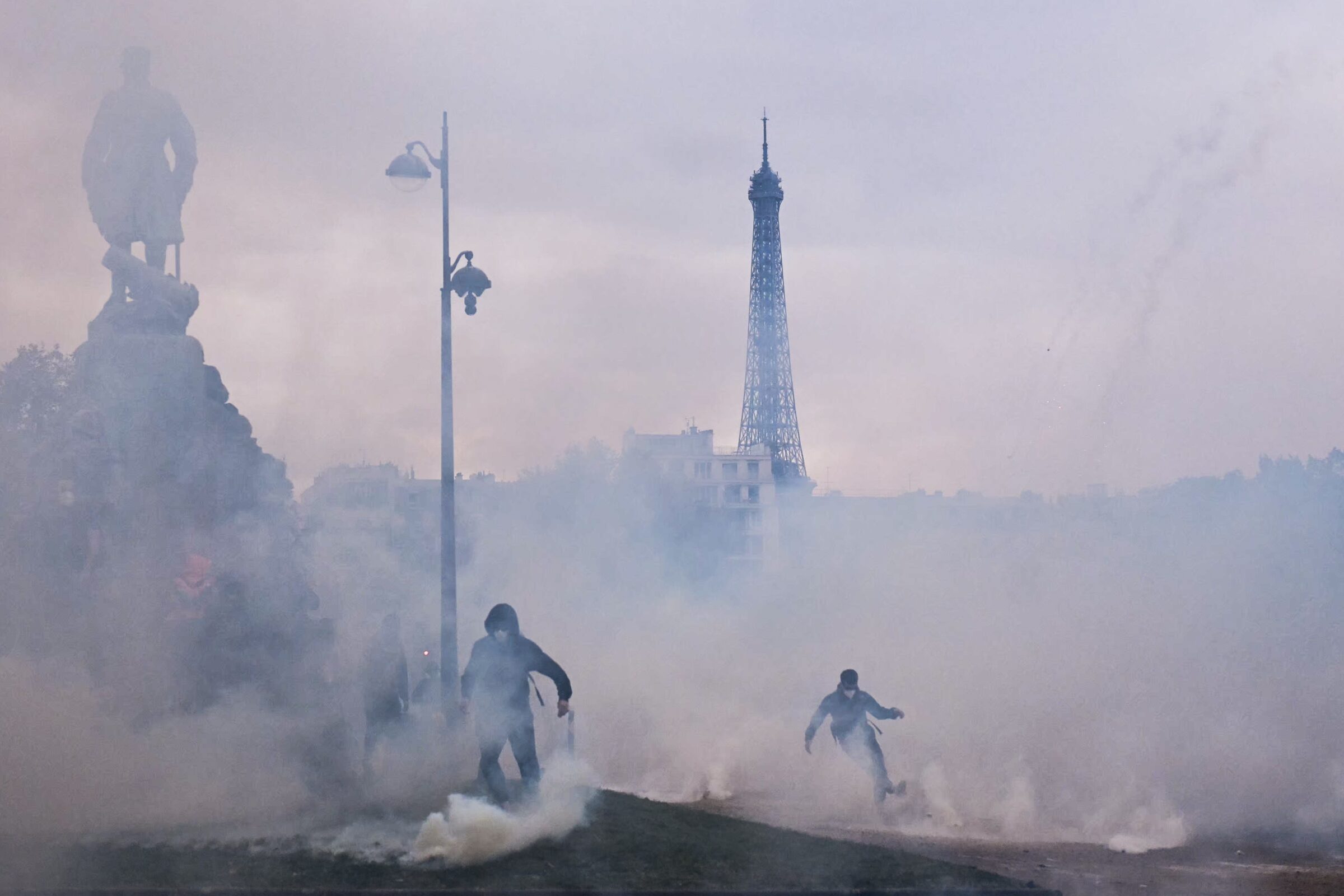
I went to bed on Saturday (17 October) glued to my X feed on the French riots and it was impossible not to react emotionally to images of familiar landmarks in Paris in flames.
It was a mistake to have followed things on the far-right propaganda tube of racist US oligarch Elon Musk, which both glorified and reviled its AI-curated clips of violent clashes between mostly white policemen and young black or Arab men.
But in any case, I felt pity for police facing Molotov cocktails and cobble stones and angry about their use of stun grenades that left young people maimed.
I was shocked to see public buildings and luxury shops in Lyon, Marseille, and Paris set on fire and looted in what looked like pure criminality, rather than liberté, égalité, fraternité.
But the anarchist adrenaline in me also said: “Fuck Louis Vuitton! A shop that sells luggage for the price of most families’ monthly incomes is a perfect symbol of the social inequality at the heart of this eruption of public anger”.
I woke up on Sunday thankful to learn from professional media, such as the BBC, that even if Paris looked like a war zone, no one had been killed, and even though police had made over 1,800 arrests, aggressive thugs were a fraction of the hundreds of thousands of people who had peacefully protested for better living conditions and education.
But the political harm of Saturday’s X-streamed violence, which also broke out in Italy and Belgium, was still enormous and it will help the EU and French people’s enemies – the far-right in Europe, Russian president Vladimir Putin, and US president Donald Trump.
This article continues, but the full version is available only to EUobserver.com subscribers. Visit account.euobserver.com/membership
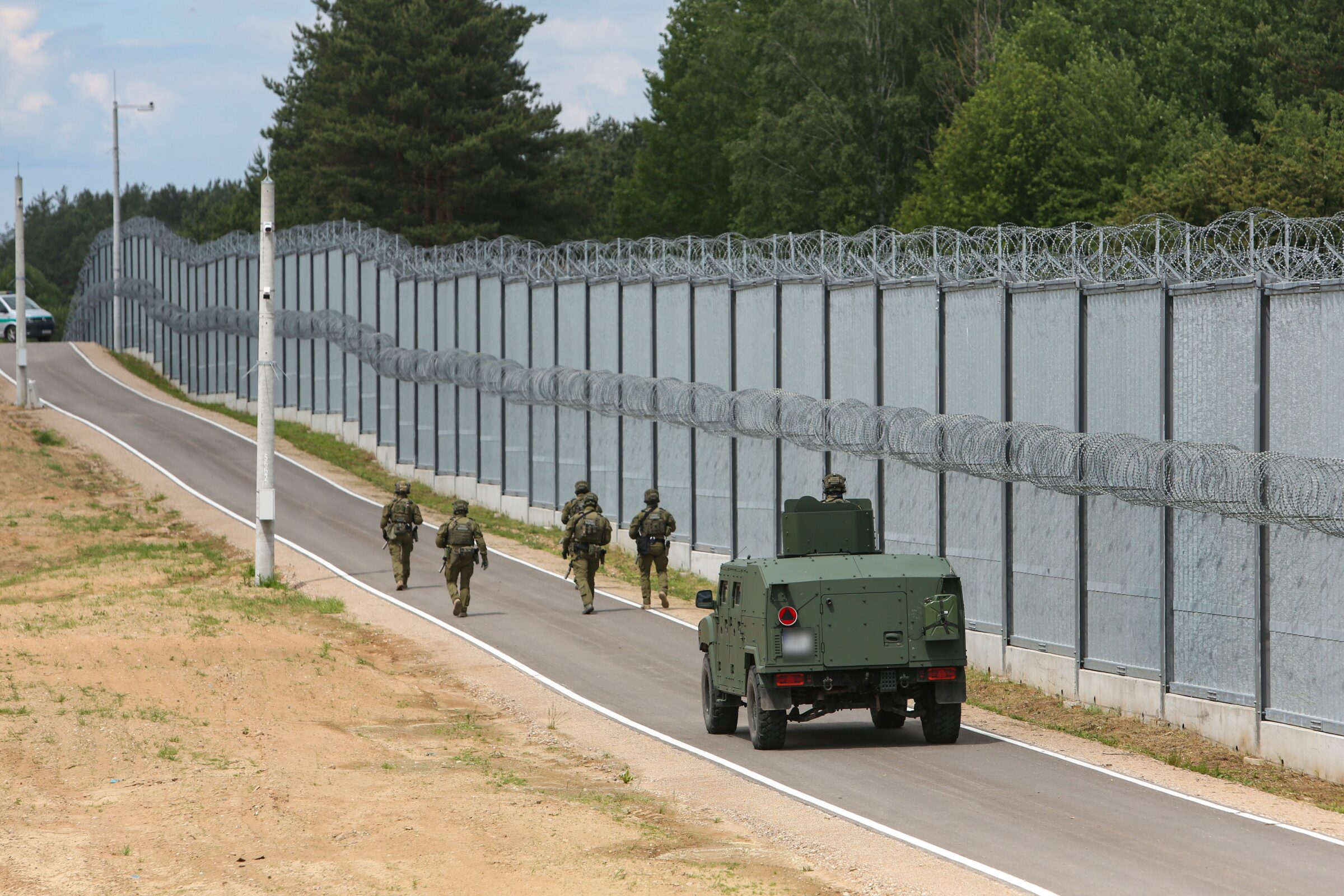
The European Commission says asylum seekers arriving at EU borders are now being screened, but it makes no mention of the independent rights monitors that EU law requires to oversee those procedures, even as spending on border surveillance surges.
“Screening of people arriving illegally and the border procedures are being carried out,” said European Commission president Ursula von der Leyen, in a letter addressed to the 27 heads of state and government meeting at an EU summit in Brussels on Thursday (15 October).
An annex to her letter, obtained by EUobserver, highlights broad outstanding issues when it comes to implementing new EU-wide asylum laws that kicked into force this past June.
This article continues, but the full version is available only to EUobserver.com subscribers. Visit account.euobserver.com/membership
“As we close the tap on Russian energy, we open the doors to a more diverse range of reliable suppliers,” EU energy commissioner Dan Jørgensen wrote in an op-ed for EUobserver this week.
“And these suppliers know that we are reliable buyers.”
One of those ‘reliable’ suppliers is the US, which provided 57 percent of the EU’s liquefied natural gas (LNG) last year and is on course to supply two-thirds this year, according to IEEFA.
Four out of five overseas gas cargoes arriving in the EU will be American by 2028, the think tank estimates. These expensive cargoes have kept coming in. But how reliable is that supply likely to remain?
US officials have already shown their willingness to use their gas dominance for strategic gain. In March, US ambassador to the EU Andrew Puzder threatened that Europe could lose its favourable access to American LNG if it tried to reopen the ‘Turnberry’ bilateral trade deal.
“In switching from Russia to the US, the EU has jumped from the frying pan into the fire,” Pascoe Sabido, a researcher at Corporate Europe Observatory, wrote in a comment under Jørgensen’s op-ed.
And recent developments prove his point.
This article continues, but the full version is available only to EUobserver.com subscribers. Visit account.euobserver.com/membership
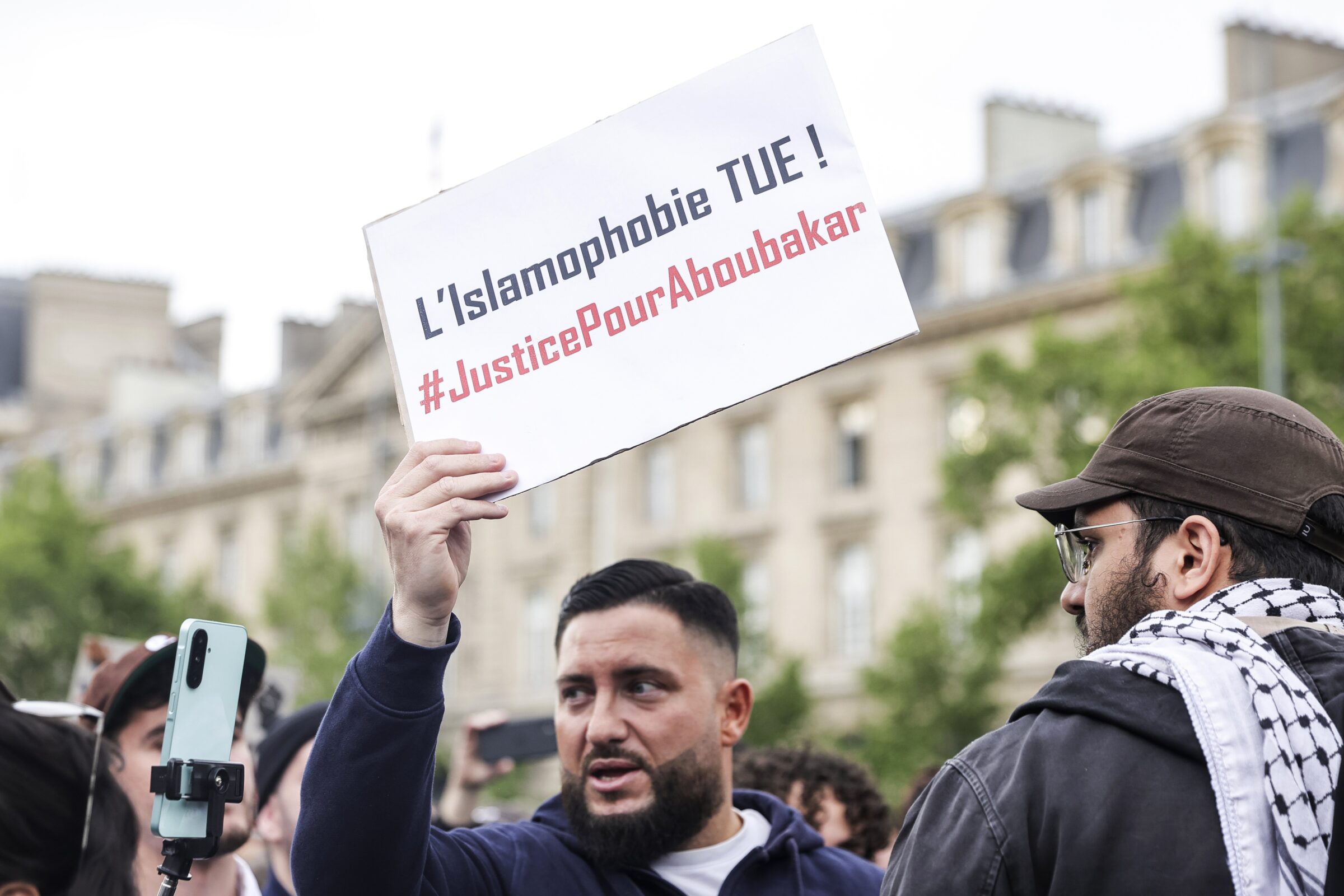
If the day should ever come where Islamophobia gets concrete legal backing in Europe, it could be soon.
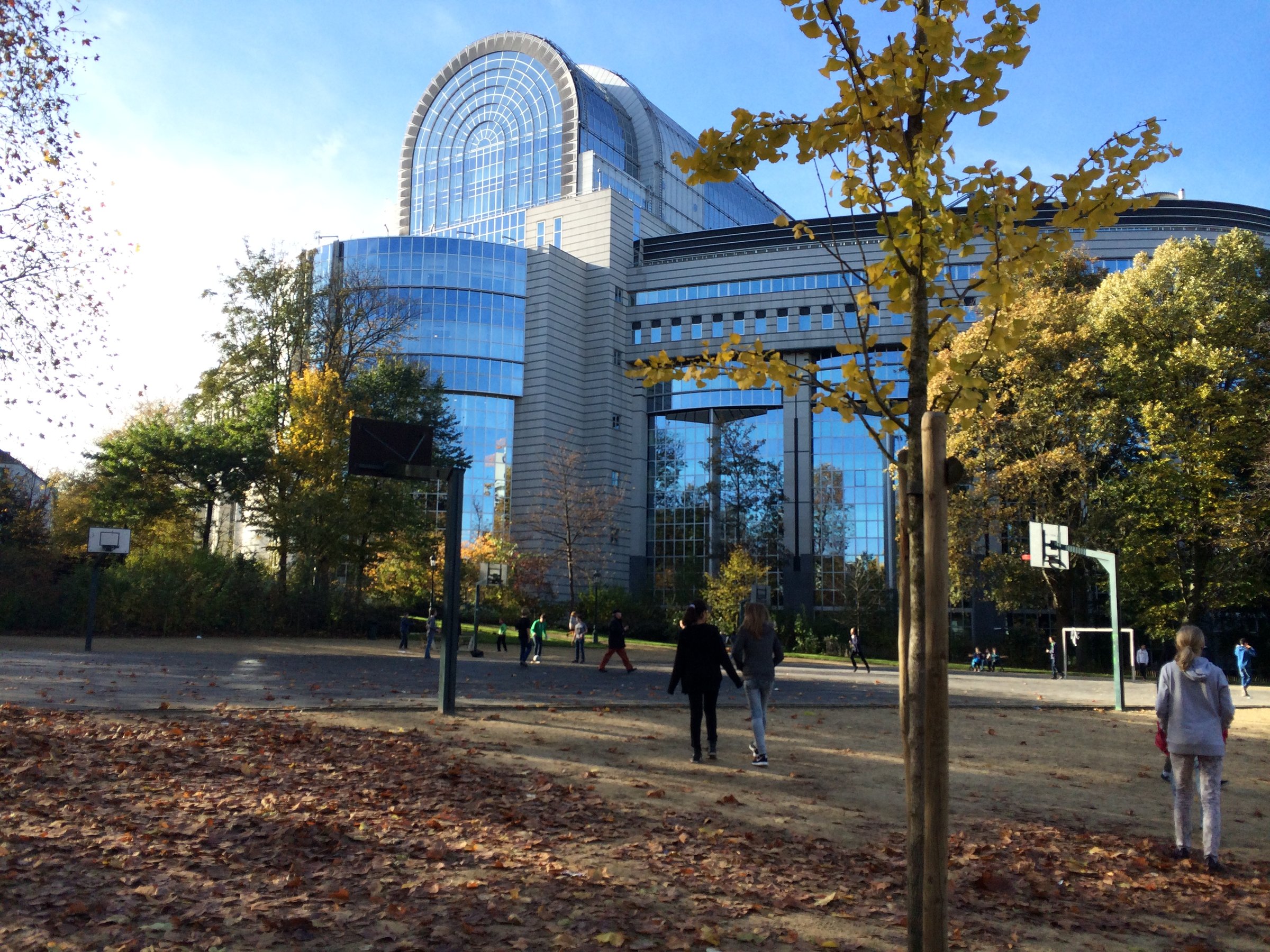
The European Parliament (EP) just voted to “condemn the strategies of Islamist entryism” and to develop ways to disrupt Muslim political movements in a resolution on 8 October.
Some 381 out of 720 MEPs worry Muslims are seeking to infiltrate democratic institutions, weaken European rule of law, gender equality, and what they deemed “European values”.
And almost every one of the centre-right and rightwing MEPs in the house voted to surveil EU funding for anti-racism organisations, so as to ensure none of it gets into the hands of the Muslim Brotherhood.
The brotherhood is a transnational Muslim group founded in 1928 in Egypt, involved in religious revival, social welfare, and political activism.
But according to a French government memo from May 2025, as well as the EP resolution, it is guilty of “entryism”, to sabotage French democracy.
The EP resolution and French memo were dubbed “a political witch-hunt targeting racialised people – particularly Muslim, migrant and refugee communities” by academics and civil society, like the European Network Against Racism (ENAR).
The group called the EP motion “a stain” on the EU Parliament, belonging “within the tradition of discredited far-right conspiracy theories.”
ENAR is among those the EU has sought to defund, due to rightwing views that its work aligns with Islamist threats.
The Forum of European Muslim Youth and Student Organisations (FEMYSO), a pan-European anti-Islamophobic group, which also risks EU defunding, said it had faced “relentless targeting and demonisation.”
Young Muslims in Europe were being forced “to choose between their identity and their right to belong,” FEMYSO president Hiba Latreche told EUobserver.
And the EP “witch-hunt” resolution, which was drafted by the centre-right European People’s Party (EPP) group and authored by its French MEP, Céline Imart, comes at a bad time for this demographic.
Advocacy group Collective Against Islamophobia in Europe (CCIE) recently looked at 876 incidents of anti-Muslim hatred in Europe in 2025.
Four out of five incidents targeted Muslim women, 41 percent of which involved discrimination or violence linked to their headscarves.
Disturbingly, the documented episodes “occur predominantly in public or institutional spaces, highlighting the persistence of forms of institutional racism.”
But seeing as the EU Commission’s own anti-Muslim hatred group has been inactive since 2024, the prevailing view in Brussels appears to be that rampant Islamophobia in the EU is less of a problem than the imputed influence of a nebulous Islamic movement from Egypt, which is better known for providing social care to deprived communities, than aiming to overthrow French president Emmanuel Macron.
The EP motion did not legally bind the European Commission to propose new anti-Muslim Brotherhood measures.
But it did enforce a stereotype of Muslims “as acting in a nefarious, dangerous, anti-democratic manner, until proven otherwise,” said Omran Shroufi, a political science researcher at the Free University of Brussels.
Rightwing EU politics is pushing young European Muslims into a lose-lose, or Catch 22 situation.
The notion of “entryism holds Muslims to an impossible standard, where non-participation in public life is a sign of disinterestedness, a lack of civic duty and the growth of parallel societies, whilst active engagement in civic life is treated with suspicion,” Shroufi told EUobserver.
The centre-right EPP group used to represent a moderate EU mainstream.
But now it had joined with open racists on Europe’s far right to be “effectively calling for an institutionalised form of discrimination, where Muslim communities need to prove their European and democratic values – whatever these are supposed to mean – before being allowed a seat at a table,” Shroufi said.
Getting co-decision powers on the budget, finally enshrined in the Lisbon Treaty after more than a decade of inter-institutional battles, was one of the European Parliament’s big wins.
The challenge facing MEPs in the coming months is whether they are really going to use those powers on the 2028-34 budget.
The early signs are that they are spoiling for a fight. The Irish government’s compromise proposal tabled on Saturday (10 October) – an 8 percent cut worth €141bn to the European Commission’s spending plan – isn’t exactly butchery.
But it does display a startling lack of ambition, in particular on the raft of ‘own resources’ proposed by MEPs to make the budget process less vulnerable to member states wanting to reduce or at least freeze their annual contributions
This time round, MEPs have proposed a digital services levy, an online gambling levy, and a levy on crypto-asset capital gains.
Put together the parliament reckons that these new taxes could bring an additional €30bn to the EU’s budget, on top of the €57.4bn that the EU commission believes can be raised from other levies, such as the emissions trading scheme and the carbon border levy.
This article continues, but the full version is available only to EUobserver.com subscribers. Visit account.euobserver.com/membership
EU leaders will mouth hollow criticism of West Bank settlers at next week’s summit, while staying mute on Israel’s genocide in Gaza – in sharp contrast to the 2026 Nobel peace prize.
The EU “strongly condemns the continued and growing settler violence against Palestinian civilians and calls for accountability”, they aim to say in a declaration in Brussels on Thursday (15 October), according to a draft seen by EUobserver on Friday.
And they are to warn of “legal, economic, and reputational consequences for [Israeli] businesses participating” in building a settlement in the E1 area of the West Bank, which would destroy the two-state solution by chopping the region in half.
It remains to be seen if Slovenia’s pro-Israeli prime minister, Janez Janša, will sign up, after he ranted on X in August that he would veto this type of thing.
But even if Janša agreed, it would still amount to EU impunity for settlers, as there was no mention of banning settler imports or even blacklisting more settler extremists.
“The EU keeps condemning illegal settlements that it trades with, financing the very occupation and abuses it claims to oppose. How does that make any sense?,” said Claudio Francavilla from Human Rights Watch.
The summit draft also voiced “grave concern over developments in Gaza”, where “protection of civilians must be ensured”, and urged Israel to let in more aid.
Israel has killed some 1,450 people in Gaza since an October 2025 ceasefire.
It has killed over 74,000 Palestinians and displaced 1.8 million people in Gaza since 2023, but the EU leaders’ passive-tense language did not blame Israel for civilian deaths or mention Gaza “accountability”.
And that will put our 27 prime ministers and presidents at odds this Thursday with Europe’s moral compass, international law, and public opinion.
The Norwegian Nobel Committee gave the 2026 Nobel Peace Prize on Friday to Navi Pillay, a South African judge, who had chaired a UN commission that found Israel guilty of “genocide” in Gaza and worked for the International Criminal Court (ICC) in The Hague, which has indicted Israeli prime minister Benjamin Netanyahu for war crimes.
She was “a bigot … propagating blood libels,” he said on X.
Israeli foreign minister Gideon Sa’ar said: “[Nazi propaganda chief] Joseph Goebbels is probably applauding in hell.”
And US president Donald Trump joined their Nobel-bashing by imposing sanctions on the ICC.
But three other Nobel laureates, from Colombia, DR Congo, and Liberia were among global VIPs who also wrote to the European Commission on Friday urging trade sanctions on Israel, in a sign of wider revulsion.
And “if the EU was serious about fulfilling its obligations under international law, or indeed in terms of its own stated values and policies, it would go much, much further [in terms of sanctions],” said H. A. Hellyer, from the Royal United Services Institute (RUSI) think-tank in London.
Palestine solidarity marches in Berlin, London, Rome, and Warsaw on Saturday showed that ordinary Europeans wanted their elected politicians to take action.
Some 83 percent of Germans and 88 percent of Italians now disapproved of Netanyahu, said the Pew Research Centre in June.
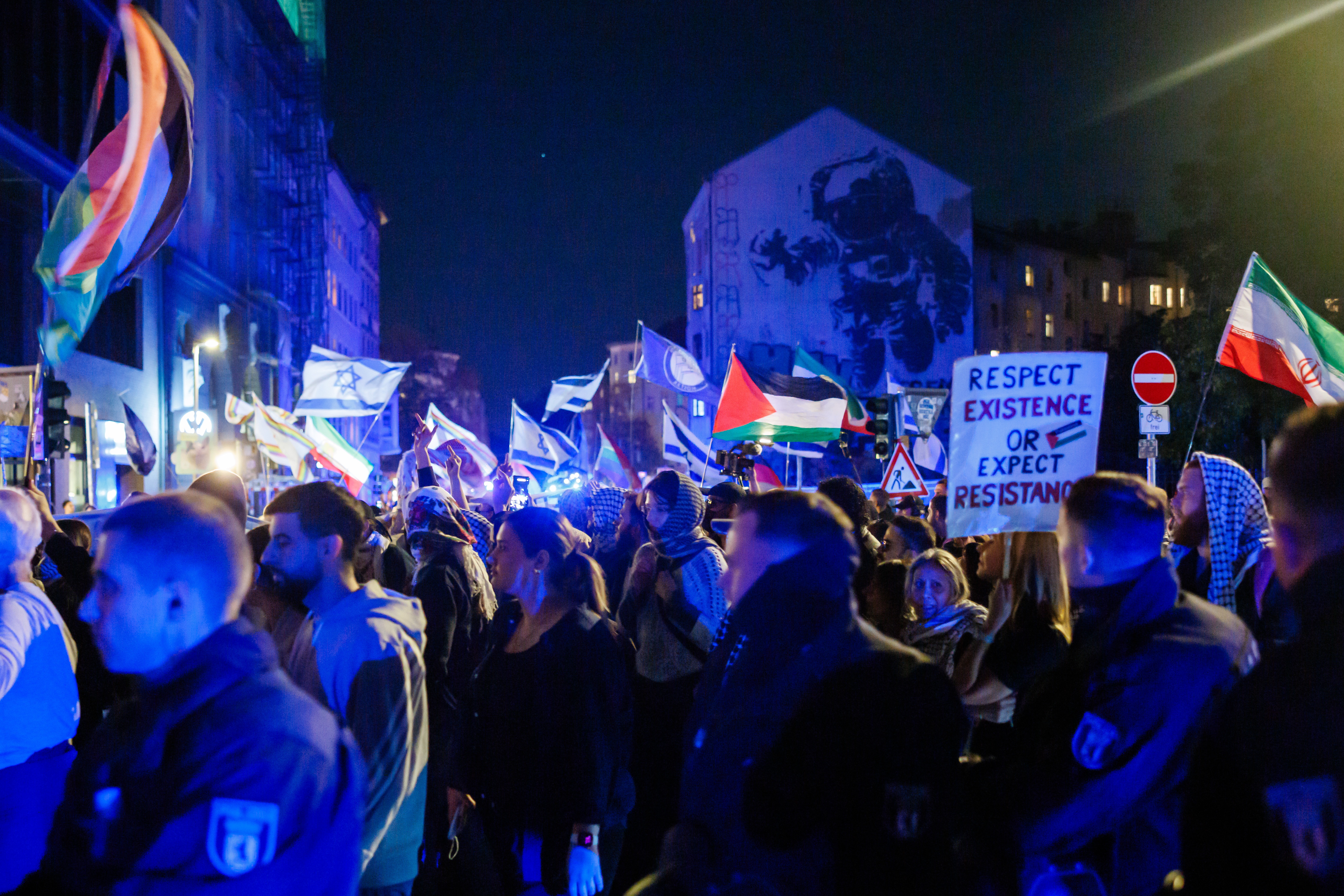
Protesters with Palestinian flags pass by a counter protest with Israeli flags at a rally in Berlin on 7 October 2026 (Source: EPA/CLEMENS BILAN)
Blood and rubble
The latest EU summit draft pledged support for Palestinian elections.
“The European Union stands ready to support the electoral process, including by the deployment of an EU Election Observation Mission,” it said.
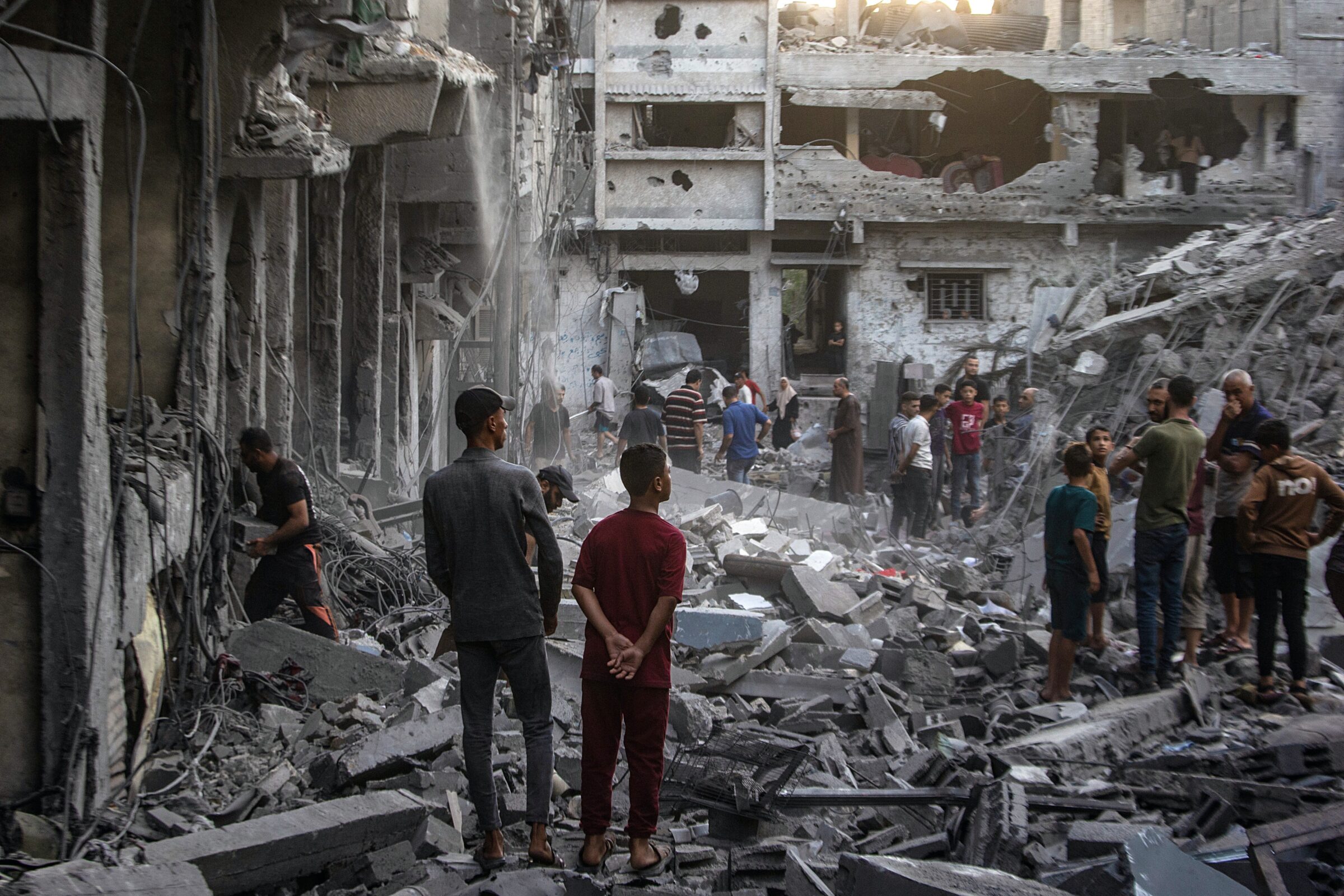
But EU words were being buried in blood and rubble faster than the summit statements could be updated.
The Palestinian vote would have to be postponed until at least late 2027 due to the “security and economic conditions” created by Israel in the West Bank, the Palestinian Authority warned France, also on Friday.
Meanwhile, the EU summit will fall two weeks before Israeli elections on 27 October and the leaders’ empty words might be tactical – so as not to throw meat to far-right Israeli zealots in a rabid atmosphere.
But Europe’s quietism is also due to Germany and Italy’s internal politics and its psychopathological mix of World War 2-guilt, raging far-right populism, and transatlantic realpolitik.
“I don’t think this [the draft EU summit text on the Middle East] is a strategy, so much as a statement of the lowest common denominator in EU foreign policy,” RUSI’s Hellyer said.
And going back to the Nazi slurs against the 2026 Nobel, Israeli author Gideon Levy said in the Haaretz daily on Saturday: “No, Sa’ar … If Goebbels has a reason to applaud, it is upon seeing what has happened to the country that arose from the ashes of the Holocaust.”
“Goebbels is applauding perpetrators of genocide around the world, particularly the one in Gaza,” said Levy.
So long as Berlin and Rome don’t realign their compasses, Europe’s silent blessing for Palestinian erasure will feed Israeli hardliners’ schizoid and delusional sense of self-righteousness.
“As long as Israel is not willing to … admit, at least partially, to its crimes, it will never change,” Levy said.
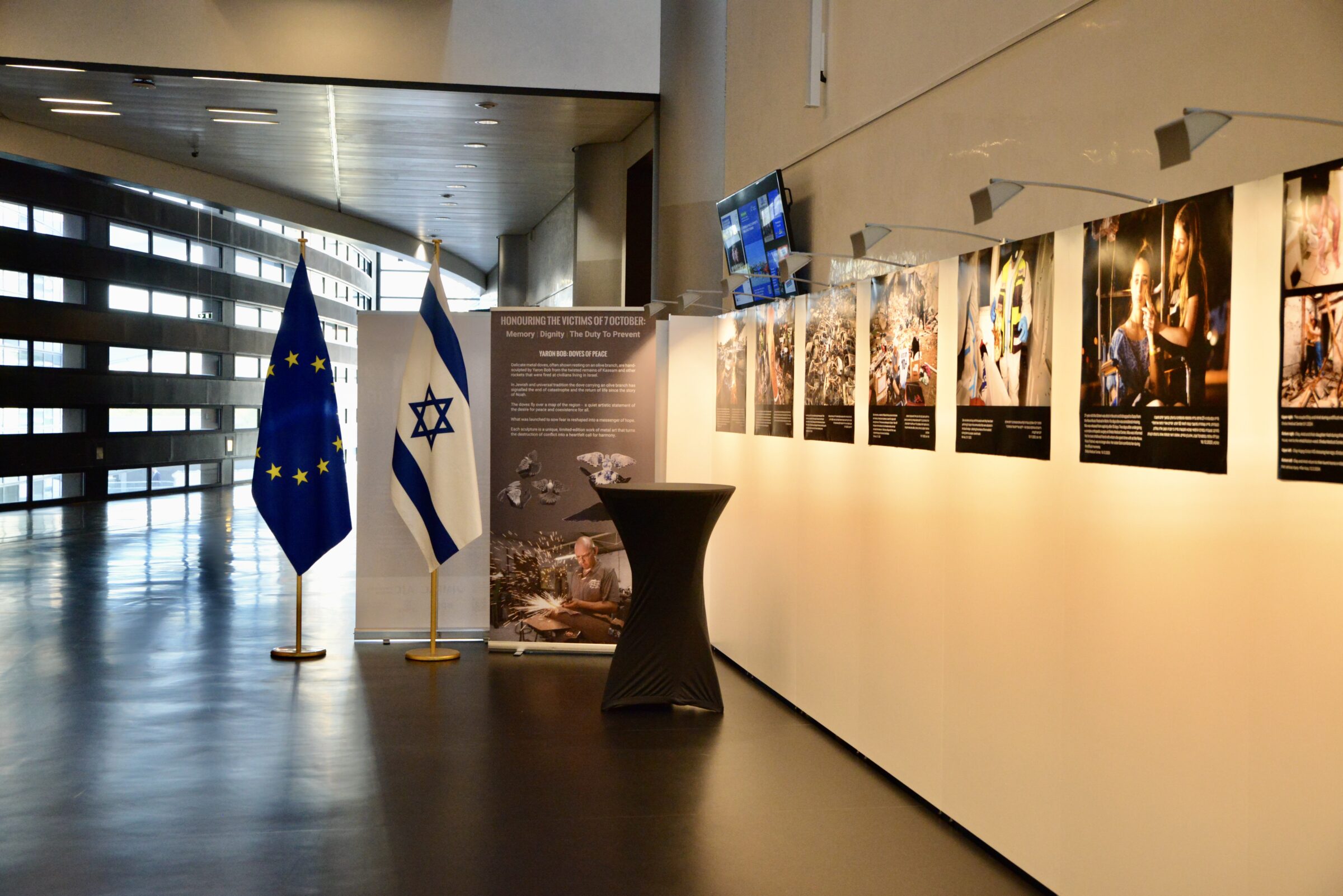
An EU Parliament memorial for victims of the 7 October attack caused disarray and anger as well as grief in a divided European house.
It was crowned by a towering Israeli flag, alongside the EU’s.
The exhibit set up in Strasbourg’s parliament included maps showing Occupied Palestinian Territories as part of Israel and sold trinkets made from debris of Israeli missiles.
But it made no mention of the 74,200 people killed by Israel in Gaza in the past three years, after Palestinian militants Hamas killed some 1,200 Israelis in a surprise attack.
This situation struck a chord with the sole Palestinian in parliament, left-wing French MEP Rima Hassan, who tried to take down the Israeli flag in protest, and toppled over the EU one as well in an unwanted domino effect.
“My action was in no way directed at the victims of 7 October or their memory,” Hassan told EUobserver.
Instead, it targeted “this incessant and untenable double standard, for a Russian flag would never be permitted, and rightly so, within the [EU] institution’s premises”.
The memorial was organised by German centre-right MEP Hildegard Bentele, who chairs the parliament’s Israel delegations, alongside the Israeli embassy, and the The International Movement for Peace & Coexistence (IMPAC) group in Brussels, as well as others.
“During a conversation with a member of my team, the guest artist [at the EU Parliament memorial] claimed that Palestine ‘does not exist’,” Hassan added.
Her family were expelled from their birthplace by Israel in 1948 along with hundreds of thousands of others in what Palestinians call the Nakba (Catastrophe).
But in the cacophony of narratives in the EU assembly, those who saw her anti-Israel flag protest as offensive or antisemitic had echoing voices.
This article continues, but the full version is available only to EUobserver.com subscribers. Visit account.euobserver.com/membership
Twelve years ago, EU summit leaders announced they had a strategy to tackle unprecedented migrant arrivals.
Next week, they will meet again in Brussels and to tell us something similar.
We journalists will report on the latest twists and turns, hoping to get some sort of angle that hasn’t been covered. But the reality is that our leaders have broadly failed.
Dozens of EU summit conclusions have been published since 2015, when one around million Syrians arrived in Europe to seek protection.
We need stronger external borders to preserve the Schengen passport-free zone, they said. We need partnerships with foreign states to save lives. We need to step up deportations. We need a European solution.
All of these ideas and strategies have found a home in council conclusions, in various iterations, since 2015. All of them.
Some have actually panned out, including an EU migrant swap deal with Turkey and other deals with autocrats in Tunisia, Egypt and elsewhere. Others like internal reforms on asylum have also been delivered.
Yet the sense of urgency to tackle these issues continues because there is an obvious disconnect between what has been delivered, the promises made and the lived experience on the ground.
People still come. Some 80,000 arrived in the Spanish enclave of Ceuta end of July alone.
Many are still fleeing violence, war and economic hardships. Others are lured by the promise of labour in Europe by Europeans willing to exploit them.
I remember meeting a group of boys from Bangladesh on the Ocean Viking, freshly rescued in the middle of the night, asking when they would be able to start working in Italy.
One of them was still shaking with fear and sobbing, following a near death experience.
The European Commission is now claiming that the drop of irregular arrivals is due to their migration policy reforms, as if the fall of the murderous Assad regime in Syria had no discernible impact.
Perhaps some of that is true. But there is no disputing that Syrians accounted for over 100,000 irregular crossings in 2023, a year before Assad fell. It then dropped to around 6,000. Today, it is around 1,000, according to Frontex.
At some point, one has to wonder if these conclusions, repeated ad nauseam, is nothing but political theatre by a leadership that has run out of ideas.
French borrowing costs are surging and central bankers are starting to fret. Some of them, at least.
The head of the French central bank, Emmanuel Moulin, told the Financial Times that his country risks being “strangled by interest rates”.
The best solution, he made clear, was for the French government to cut costs and reduce the deficit, which, in an unchanged scenario, could reach upwards of six percent next year.
Last week, the French minority government proposed €43bn worth of cuts for 2027. But pushing them through parliament is a tall order in a divided country.
Meanwhile, investors are dumping French bonds, pushing up French government borrowing costs compared to German benchmark Bunds. This is already immensely costly to French society.
“In three weeks, we’ve lost the equivalent of €15bn a year in higher debt-servicing costs over a 10-year horizon, or almost €100bn cumulatively over 10 years!”, French economist Shahin Vallée said on social media last week.
The gap, or spread, between French and German bond yields, historically around 50 basis points (0.5 percentage points), was 109 basis points when he wrote it on Wednesday. It is now 30 points higher.
Spreads are a crucial marker for financial stability because they show how nervous investors are. The bigger the spread, the higher the perceived risk.
And France’s parabolic bond spread is already bringing back unwelcome memories of the eurozone crisis in November 2011, when the spread reached 200 basis points.
Bypass parliament?
The question is what to do about it, and who is best positioned to act. The French government could bypass a parliamentary vote or push through the budget by ordinance, under articles 49.3 and 47 of the constitution, respectively.
This article continues, but the full version is available only to EUobserver.com subscribers. Visit account.euobserver.com/membership
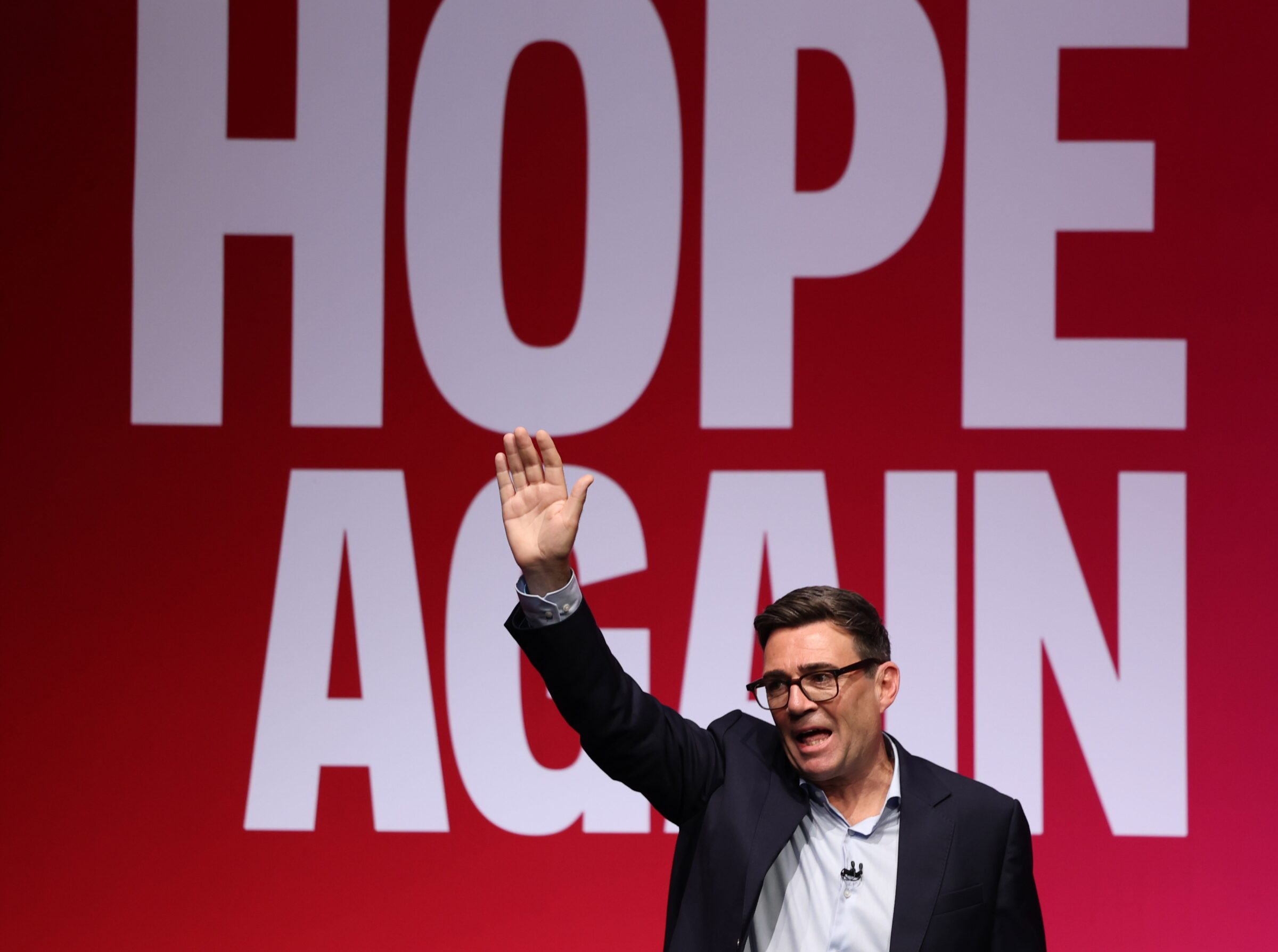
Having said several months ago that he had no intention of a ‘rerun’ of the Brexit debate, UK prime minister Andy Burnham told Labour delegates at the party’s annual conference in Liverpool last week that nothing should be off the table as far as EU-UK relations are concerned.
Brexit had “done more harm than good”, he said, adding that “we will not give Britain the clear path we need into the rest of the century until we decide on a long-term relationship with what is still our largest market.”
In fact, Britain could “go all the way” back into the EU, said Burnham.
The new prime minister is still enjoying something of a honeymoon period. His Labour party now tops the opinion polls, albeit by less than 30 percent, and his early policy announcements on nationalising utilities and pension reform are the most radical in a generation.
Even so, Burnham’s remarks were a surprise that left pro-European columnists positively giddy with optimism over the weekend.
In truth, rejoining the EU – if it happens – would probably take a decade.
Burnham didn’t offer any timetable or any other specifics, and has said that no moves towards EU membership would be taken before the next UK election due in 2029. And talk of rejoining the EU is not purely borne out of pro-European enthusiasm.
This article continues, but the full version is available only to EUobserver.com subscribers. Visit account.euobserver.com/membership
Russia might not have directly interfered in Latvia’s election, but the vote still showed how the Ukraine war was distorting European democracy.
Latvia’s VDD intelligence service did not detect any of Russia’s classic interference tactics in the run-up to Saturday’s (3 October) vote, such as a spike in disinformation, vote buying, or a manufactured security scare.
The centre-right prime minister Andris Kulbergs retained power with 35.8 percent of the vote, even if coalition-building might take a while.
And voters’ concerns included the cost of living and failing healthcare, in what also sounded normal.
But despite the ordinary appearances, Russia’s war in Ukraine still influenced the election in fundamental ways, in a strange new normal for Europe that most of us had hardly imagined just five years ago.
This article continues, but the full version is available only to EUobserver.com subscribers. Visit account.euobserver.com/membership
Europeans have lead the field on access to abortion, but a conservative comeback has caused a lot of those advances to regress.
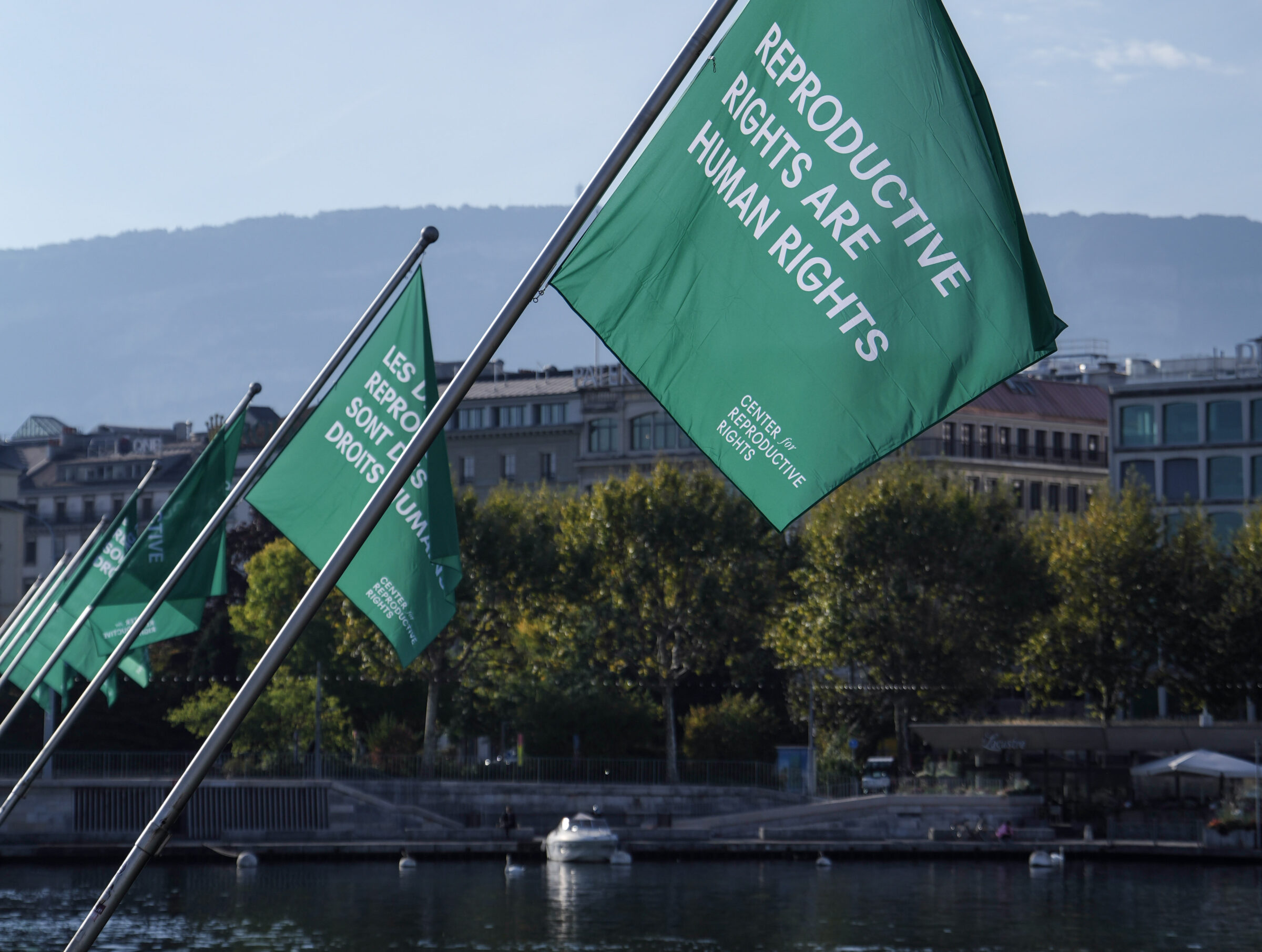
Research published earlier this week (28 September) by the Centre for Reproductive Rights (CRR) found that despite an upward trend of legalisation, some countries are still seeking to enforce barriers and rolling back entitlement to abortion care.
This resistance to change is also evidenced in the lack of member state participation in safe abortion funds available since the the ‘My Voice, My Choice’ European citizens’ initiative for safe and accessible abortion was passed into law last February.
EU funds could since then be used to create regional programmes for safe abortion care for anyone who can’t access it in their own country, as well as financing travel to a country where abortion is available.
However, no funds have yet been used.
This article continues, but the full version is available only to EUobserver.com subscribers. Visit account.euobserver.com/membership
EU interior ministers on Thursday (1 October) in Luxembourg are now set to formally adopt the return regulation, which sets the legal framework for police to carry out raids and seize people’s “belongings, electronic devices, and other items of relevance.”
The logic is part of a maximalist effort to deport people, such as failed asylum seekers, back to their home countries or possibly even in yet-to-be defined transit centres in Rwanda or elsewhere.
The regulation targets anyone “for the purpose of preparing or ensuring an effective return” with raids being allowed in a “place of residence or other relevant premises.”
Although the item is but a mere footnote in Thursday’s agenda, the potential consequences of the law have roused alarm among civil rights organisations who continue to draw parallels with ICE.
The comparison is not alarmist.
This article continues, but the full version is available only to EUobserver.com subscribers. Visit account.euobserver.com/membership
Six frugal countries this week circulated a letter threatening to block a deal on the next EU budget unless “hundreds of billions” of euros in spending was cut.
The Dutch and Germans, ever the most zealous keepers of the frugal flame, want to redirect what remains away from regional and farming funds, towards innovation and defence.
For those following EU fiscal debates, this song will sound familiar. So-called ‘net payer’ countries have never liked sending money to the economic periphery.
In 2013, after a year of bickering, Britain, Germany, and the Netherlands killed a European Commission plan for a five percent increase and pushed through the EU’s first-ever budget cut, with farm and cohesion funds taking the biggest hit.
But new research suggests that the frugals may be shooting themselves in the foot.
Last week, Olga Ivanova, a senior researcher at the Netherlands Environmental Assessment Agency (PBL), published a study in Dutch economics journal ESB calculating what EU money actually does for the Netherlands’ 12 provinces.
And, for most of them, she found that the growth effect of EU investment outweighed their share of what the Netherlands paid into the budget.
Using PBL’s own economic model, she traced 10 EU funding streams between 2013 and 2024, from Horizon science research grants to farm subsidies and regional development money.
Across the Netherlands as a whole, provinces get back about 99 cents in extra growth for every euro paid out to the EU budget.
This article continues, but the full version is available only to EUobserver.com subscribers. Visit account.euobserver.com/membership
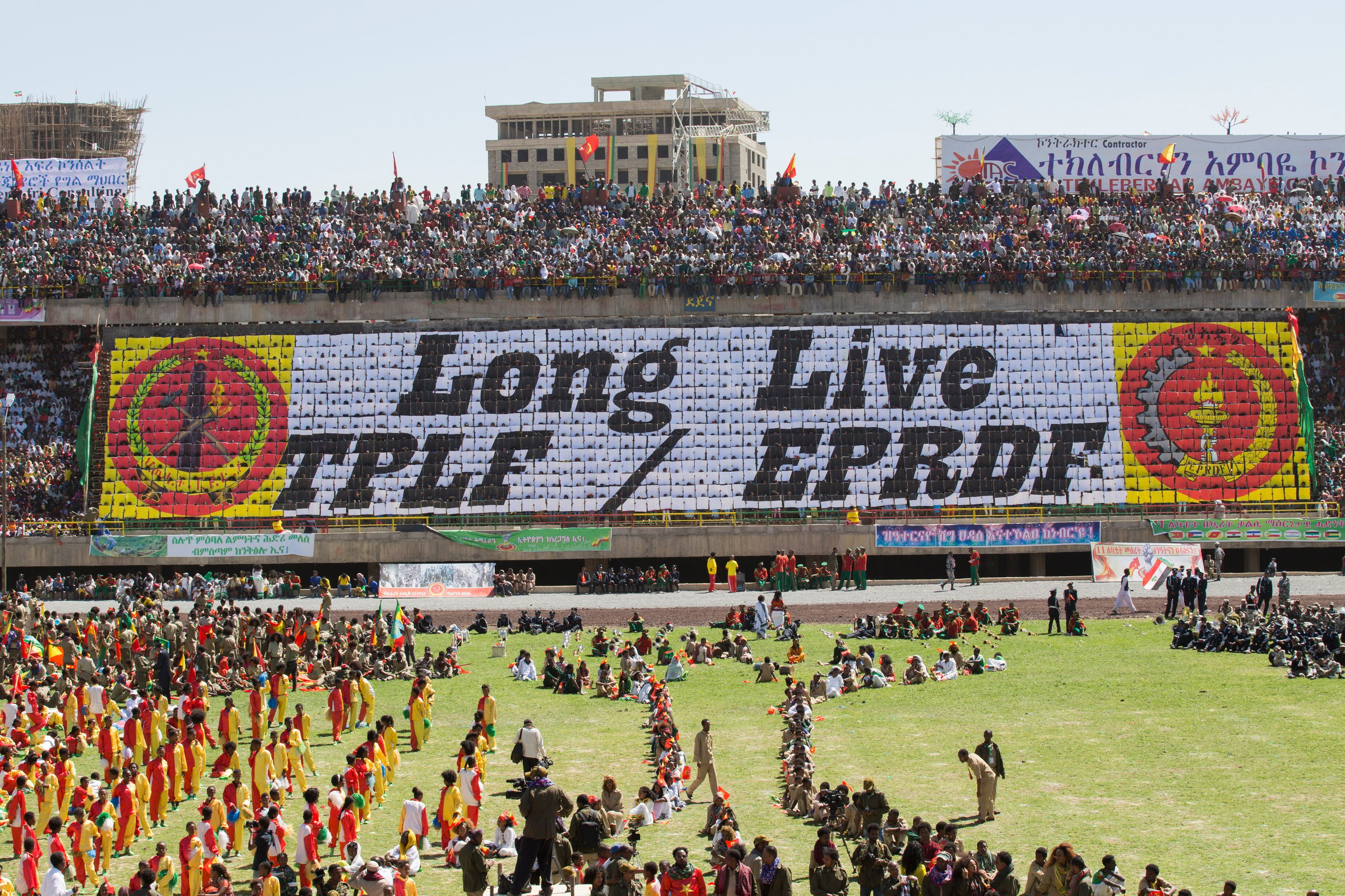
The sudden escalation in fighting between Ethiopian federal forces and Tigrayan rebels in the Afar region, raising fears of a new civil war, is part of a wider potential cascade effect from Yemen that could hurt Europe.
After months of low-level skirmishes, Ethiopian officials have accused the Tigrayan People’s Liberation Front of launching an all-out offensive against federal government positions in northern Ethiopia.
So what does that mean for Europe and the EU? More than you might think.
Ethiopia’s economy is particularly vulnerable following the capture of Yemen’s entire Red Sea coastline by the Houthi rebel group, who now control the Bab el-Mandeb Strait.
Some 97 percent of Ethiopia’s trade is via Djibouti’s port. There is now a real prospect of a series of regional chain reactions and the prospect of civil war in northern Ethiopia is one of them.
This doesn’t directly impact on the EU’s interests, but it could soon enough.
Ethiopia is not alone in facing major new threats posed by the Houthis’ advances.
Egypt, a vital ally for the EU on migration control, faces its own economic crunch as it relies on Suez Canal tolls as a main source of foreign currency. That could lead to more financial demands being made of Brussels
For their part, Djibouti and Somalia face major security concerns. Djibouti hosts military bases for a handful of EU countries, as well as the EU itself, and the United States, China, and others.
Somalia, meanwhile, has a longstanding African Union (AU)-led security mission aimed at combatting the Al-Shabaab terror group to which the EU is the biggest single donor.
And the AU mission is particularly reliant on the EU after the Trump administration pulled the plug on US financial support earlier this year. The Houthis already supply at least $100m (€88m) in arms to Al-Shabaab, a smuggling operation now made easier by its coastal advances.
For the moment, the EU is offering only modest additional support. Last week, EU governments agreed to double financial support for the Djibouti Armed Forces to €20m under the European Peace Facility.
This article continues, but the full version is available only to EUobserver.com subscribers. Visit account.euobserver.com/membership
It has been a good week for Russian soft power in the sporting world.
On Tuesday (22 September) in Brussels, the EU lifted a visa-ban on a portly 73-year-old Russian billionaire, Alisher Usmanov, who is head of the International Fencing Federation.
And on Saturday in Samarkand, FIDE, the world chess body, elected a Kazakh billionaire, Timur Turlov, who has no professional chess rating, but who does have strong links to Russia, to be its next president.
On paper, Turlov ended 30 years of Russian rule at FIDE, but at a closer look, his victory seems like its continuation under a false flag.
The 38-year-old financier was born in Moscow and made his fortune there, but left Russia after its 2022 invasion of Ukraine, renounced his Russian citizenship, and divested most of his Russian holdings, giving him a nice alibi against Western sanctions.
But he has still been blacklisted by Ukraine for ongoing business ties to Russia’s oil and gas sectors.
This article continues, but the full version is available only to EUobserver.com subscribers. Visit account.euobserver.com/membership

 Login