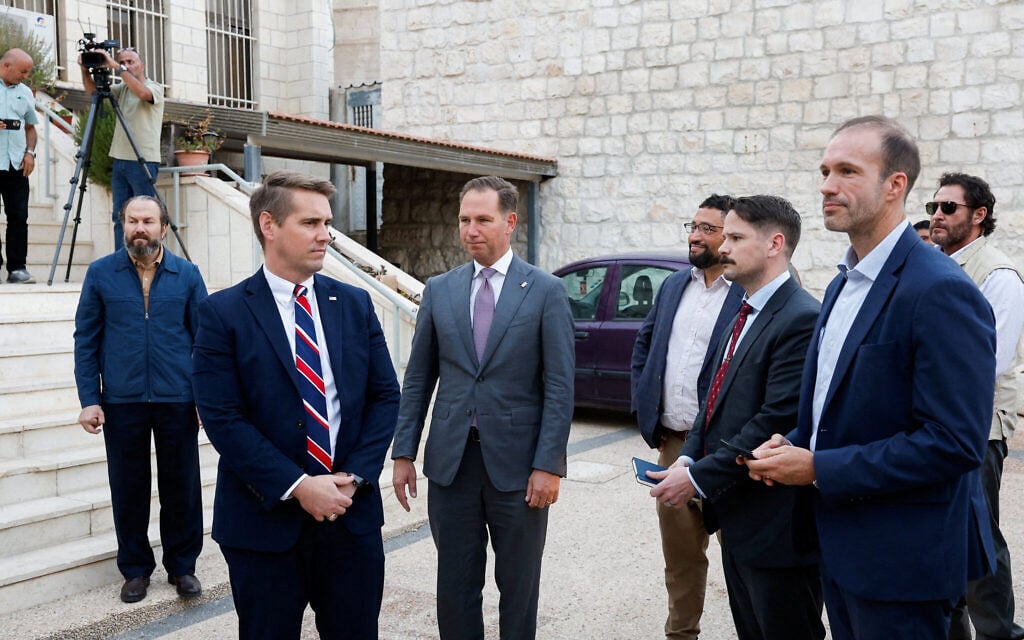
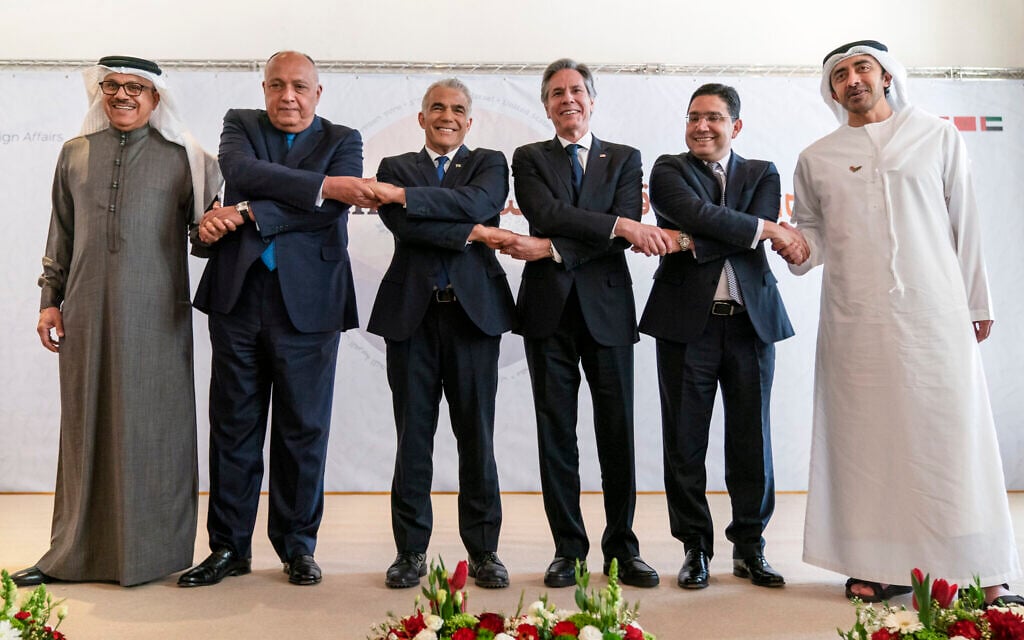
US assistant secretary of state for democracy, human rights and labor and US ambassador to the Holy See visit Latin Convent Church in Taybeh; Huckabee attends settler conference
Violent (and illegal) Israeli settlers in West Bank are not content to attack only Palestinians ■ Gazans dread spending a 4th winter in displacement ■ NAZA documentary echoes 2023 film about Nazis ■ More.
Rubio: Trump is not 'a supporter of what he’s seeing now on television,' says US has asked Israel to 'crack down' on extremist settler violence; relatives say Levine, who has lived in Israel since the 1980s, has covered war zones for decades and never faced such an attack
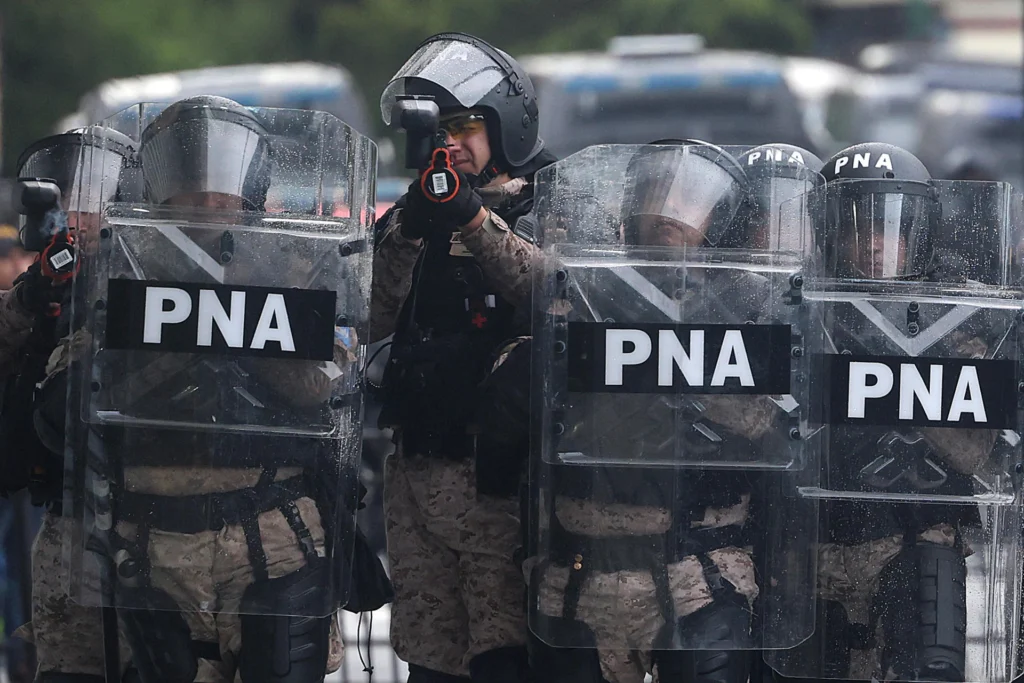
The complaint alleges excessive force during an October 16 university protest in Buenos Aires, where at least 550 people required medical attention.
Argentina’s Provincial Commission for Memory (CPM) has filed a criminal complaint against President Javier Milei’s government and security officials over a police crackdown on a university protest in Buenos Aires that left at least 550 people requiring medical attention. The filing accuses security forces of abuse of authority, dereliction of official duties and other crimes.
The complaint concerns the October 16 Federal University March and a demonstration against Decree of Necessity and Urgency (DNU) 70 in Plaza del Congreso. It names the Unified National Security Command and authorities in the Autonomous City of Buenos Aires, alleging that the security operation exceeded legal limits.
The operation involved the Federal Police, Naval Prefecture, National Gendarmerie, Airport Security Police and Buenos Aires City Police. According to the CPM, officers intervened while the mass demonstration was underway, forcing university leaders to interrupt their reading of the main statement from the stage.
The commission reported that officers fired rubber bullets directly at protesters’ faces and heads and used water-cannon trucks against demonstrators. At least 550 people required medical attention, and at least 120 tear-gas grenades were fired, according to the organization.
A CPM report documented injuries to 50 media workers and 15 members of the commission, which is chaired by Adolfo Pérez Esquivel and Dora Barrancos.
Among those injured were Página/12 photographer Guido Piotrkowski, who was struck twice in the chest by rubber bullets, and TeleSISA journalist Laura Quispe, who sustained nine rubber-bullet impacts.
Footage circulated by the Center for Legal and Social Studies (CELS) showed officers aiming at protesters’ eyes. Later that evening, television cameras recorded Gendarmerie officers collecting spent cartridges from the streets and placing them in bags. The CPM raised concerns about the preservation of potential evidence.
Six people arrested during the demonstration
Six people were arrested during the protest and its dispersal. Two students from Nicolás Avellaneda School were detained at 5:11 p.m. at the intersection of Montevideo and Sarmiento streets.
One student, aged 14, was held for two hours. The other, aged 17, was charged with resisting authority and faces criminal proceedings under the recently introduced juvenile justice regime.
Police later arrested four adults — three men and one woman — at the intersection of Chacabuco Street and Avenida de Mayo. Human rights organizations said the woman, a student at the National University of Tres de Febrero, was stopped because she was carrying a Colombian flag. All four were charged with resisting authority.
Commission seeks records and independent investigation
The CPM’s complaint alleges that the actions of officers and their political superiors were coordinated and carried out under orders from senior officials who knowingly authorized the use of coercion outside the legal framework and in violation of Argentina’s international commitments.
The commission has asked the national and Buenos Aires city security ministries to provide a complete list of personnel deployed during the operation, details of the vehicles, weapons and equipment used, and copies of orders transmitted over police radio frequencies.
It is also seeking information about officers who photographed or filmed protesters, including whether they had prior judicial authorization, as well as footage from the city’s surveillance cameras.
The CPM has called for independent forensic examinations and for the collection, custody and analysis of testimony, commercial recordings and other evidence to remain under the control of the competent court or prosecutor. The request specifically excludes the security forces implicated in the events from handling that evidence.
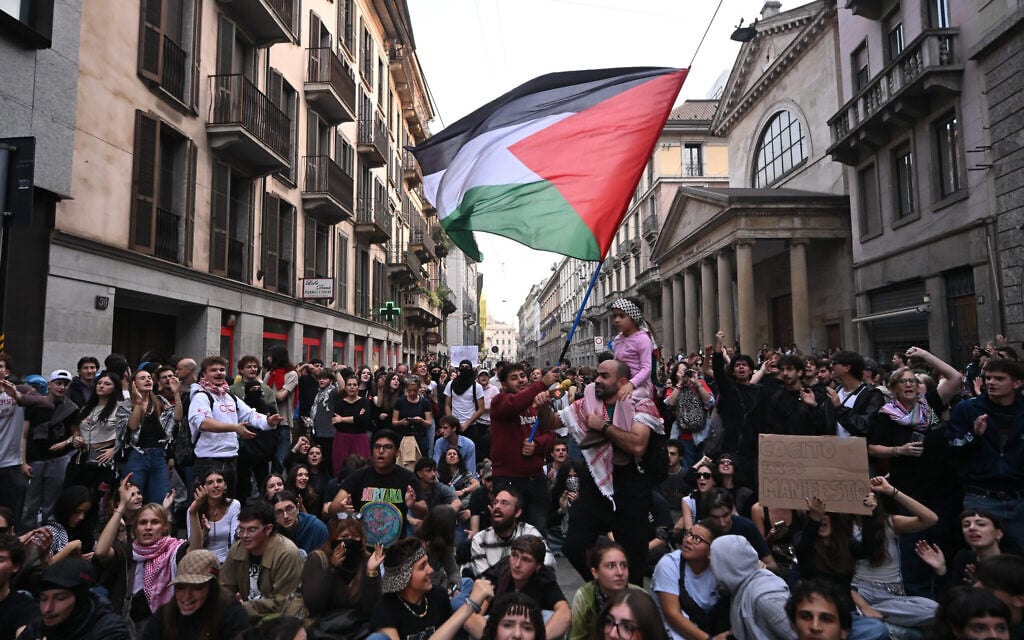
Property torched as police clash with demonstrators at Piazza del Duomo, as well as in Bologna; at least 50 detained, as several injuries reported, amid larger protests in France
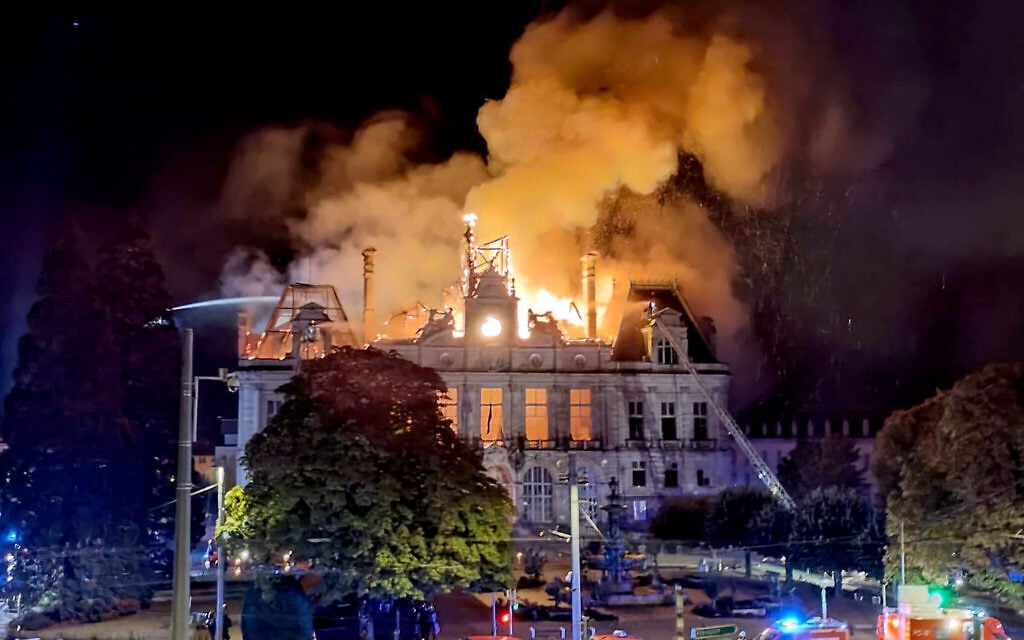
As hundreds of thousands protest cost of living, city hall torched as police use tear gas; teen protester loses hand after picking up stun grenade; PM blames 'ultra-left,' months before presidential election
Observers tell ToI that even if new leadership leaves security doctrine and opposition to two-state solution in place, shifts in approach to Palestinians and regional diplomacy could change tenor of ties
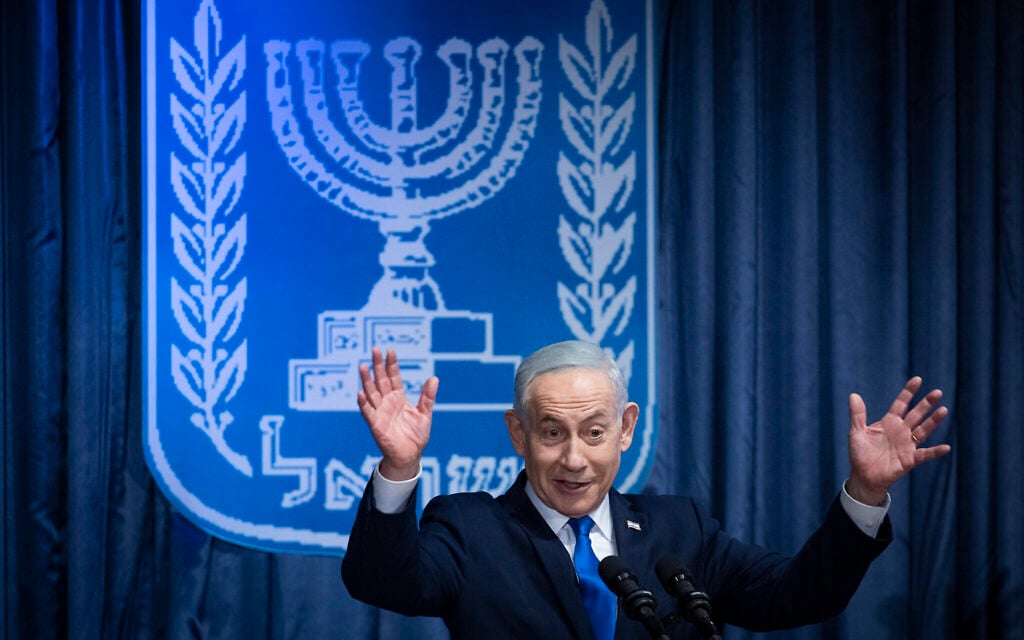
Despite images from scene of attack and IDF condemnation, PM suggests incident could be part of 'coordinated smear campaign'; Belgium to push for EU sanctions on those involved
The heroic "good guy with a gun" who can stop an attack even before law enforcement can arrive has long been a rallying cry by gun rights advocates, arguing that armed citizens can act as a first line of self-defense and public protection.
Last week, anti-immigrant protests in South Africa turned violent, with looting, destruction of property, and reports of 24 vehicles being burnt as tensions escalated in Johannesburg and Durban. The unrest followed growing anger over a government directive on asylum applications, which the Department of Home Affairs has since withdrawn.
The directive, issued on September 28, instructed Refugee Reception Offices (RROs) to process all asylum applications immediately. Massive queues of foreign nationals subsequently formed at immigration offices, which were met with demonstrations and violence from anti-immigrant groups.
Protests were reported in Soweto township, Johannesburg, and Durban, in KwaZulu-Natal province. Demonstrations in Durban continued for a second day, prompting police to strengthen their presence to contain the unrest. However, tensions remained high in the city and in the country.
Government withdraws asylum directive
On October 9, the director-general of the Department of Home Affairs announced the withdrawal of the directive concerning the intake of asylum applications.
The directive had been introduced following a July 7, 2026 Constitutional Court judgment that mandated that individuals could not be barred from accessing South Africa’s asylum system, even if they entered the country irregularly. According to the department, the September directive intended to guide Refugee Reception Offices in implementing the court’s order.
The department said the directive had been issued as an operational measure without the knowledge or involvement of the Minister of Home Affairs or other political office-bearers. It rejected claims that the measure had been politically motivated.
However, the department acknowledged that implementing the judgment had produced consequences that were not anticipated in the court order. These included overcrowding at Refugee Reception Offices within days of the directive’s introduction, risks to the safety of Home Affairs officials and emerging threats to public order.
The director-general said the department would begin a fresh process to determine a more appropriate and sustainable way of complying with the court order, while reaffirming its commitment to the rule of law and the authority of the judiciary.
Home Affairs warns of disinformation
Two days before withdrawing the directive, the Department of Home Affairs issued a statement on October 7 warning of what it described as a coordinated disinformation campaign surrounding the Constitutional Court judgment.
The department said false claims had circulated suggesting that the Minister of Home Affairs or political parties had independently decided to suspend certain asylum procedures. It insisted that the operational directive had been issued to implement a binding court judgment.
The department also rejected claims that the ruling granted citizenship to asylum seekers or automatically legalized all foreign nationals living in the country.
It warned that misinformation intended to inflame tensions and incite violence threatens public stability, urging South Africans to verify information before sharing it.
The subsequent withdrawal of the directive, however, does not reverse the Constitutional Court’s judgment. Home Affairs has said it will develop a new operational approach that complies with the ruling while addressing the challenges faced by refugee reception offices.
Anti-immigrant tensions continue to escalate
Last week’s violence is the latest in a wave of anti-immigrant and xenophobic mobilization that has built steadily since the start of the year. Protests broke out across Johannesburg, Durban and Pretoria in April, and anti-immigrant groups, led by the March and March movement, set June 30 as a deadline for undocumented migrants to leave the country.
On that day, police arrested hundreds during nationwide marches, and one person was shot dead in Johannesburg’s Alexandra township as residents looted spaza shops owned by foreign nationals. In the following weeks, protesters in Johannesburg went door to door, seizing foreigners from their homes, with many fleeing for safety.
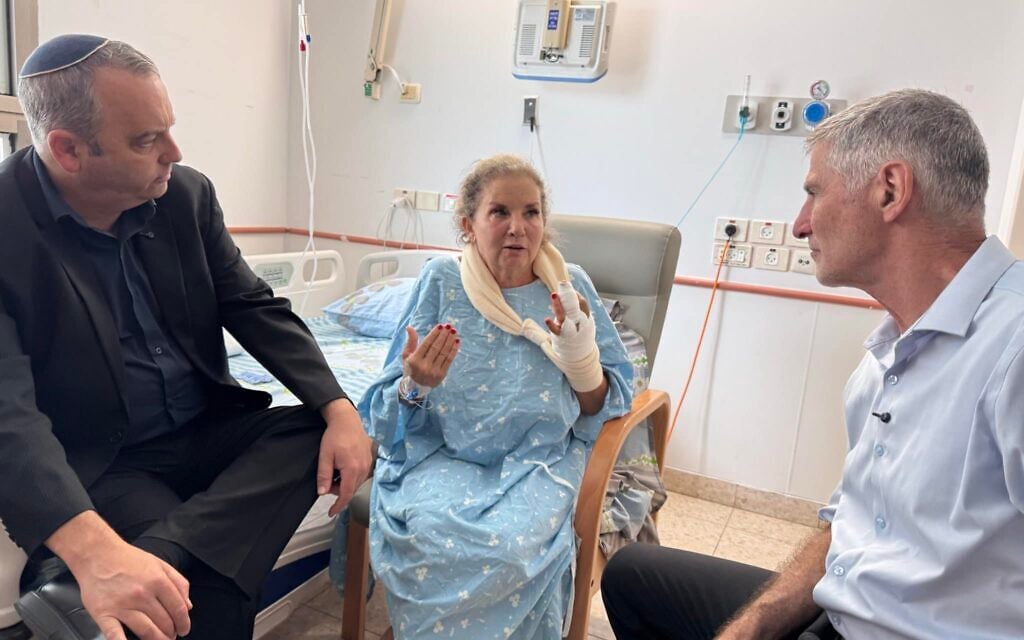
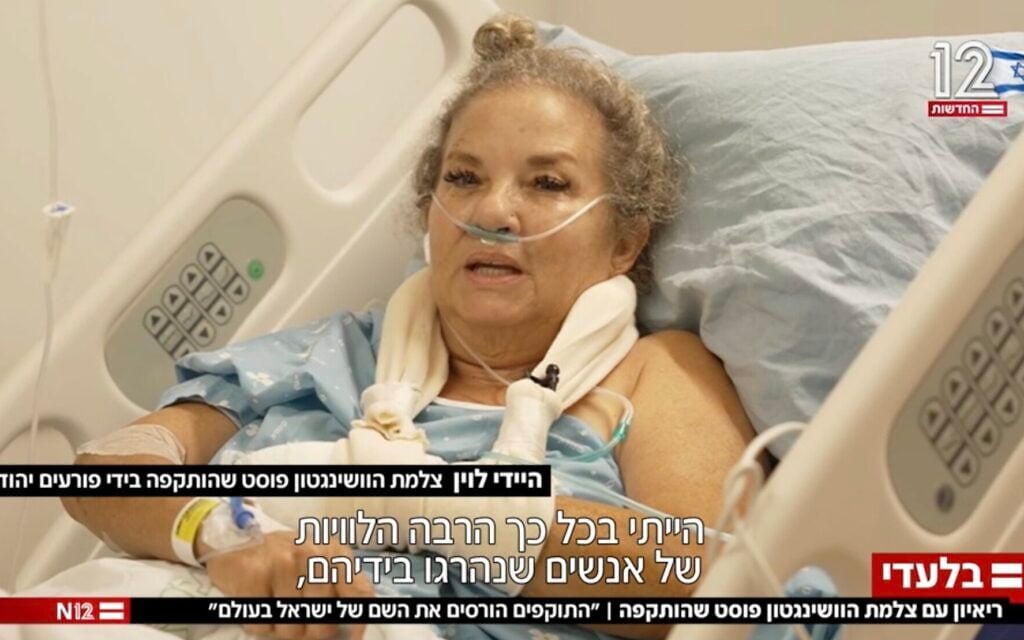
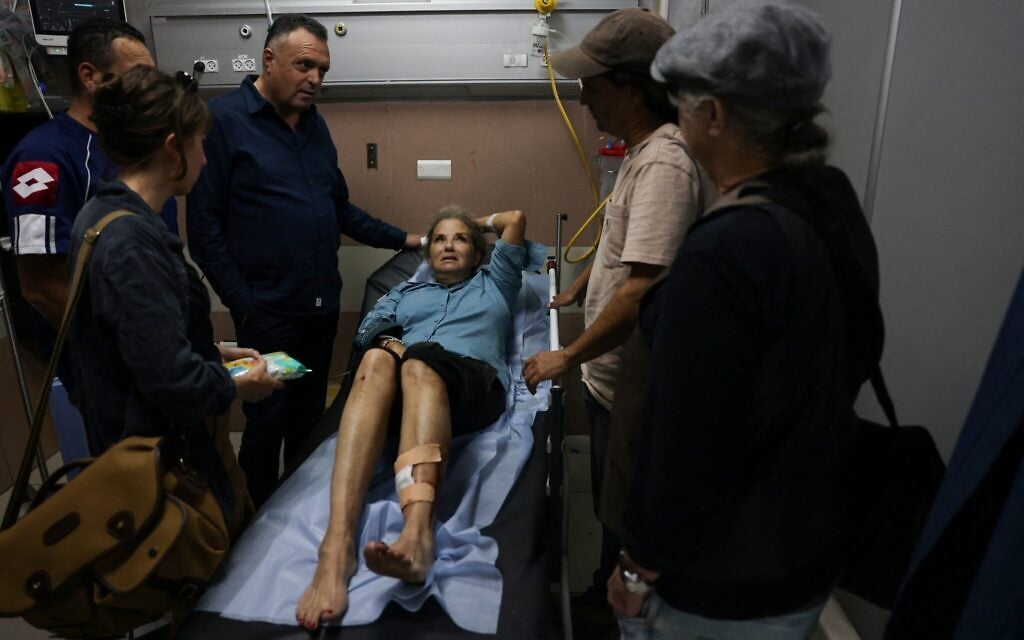
From her hospital bed, Heidi Levine says PM's suggestion that settlers were trying to help her up is 'such a lie and the biggest insult'; Huckabee decries 'despicable act of terror'
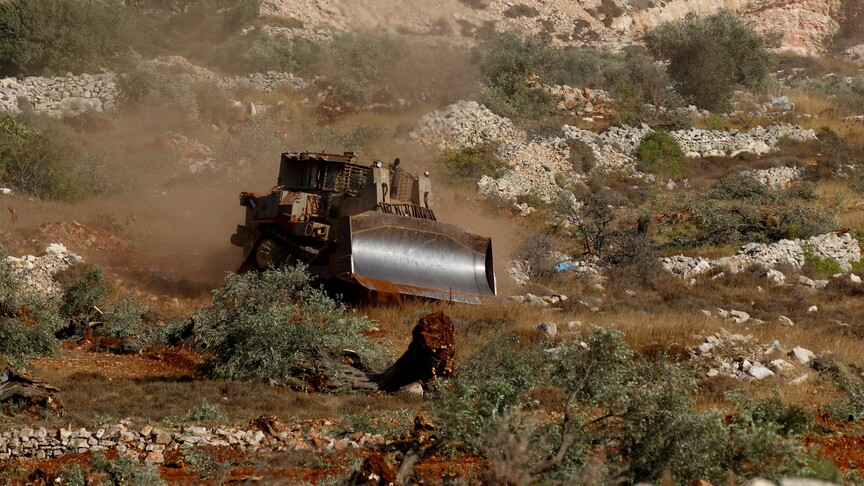
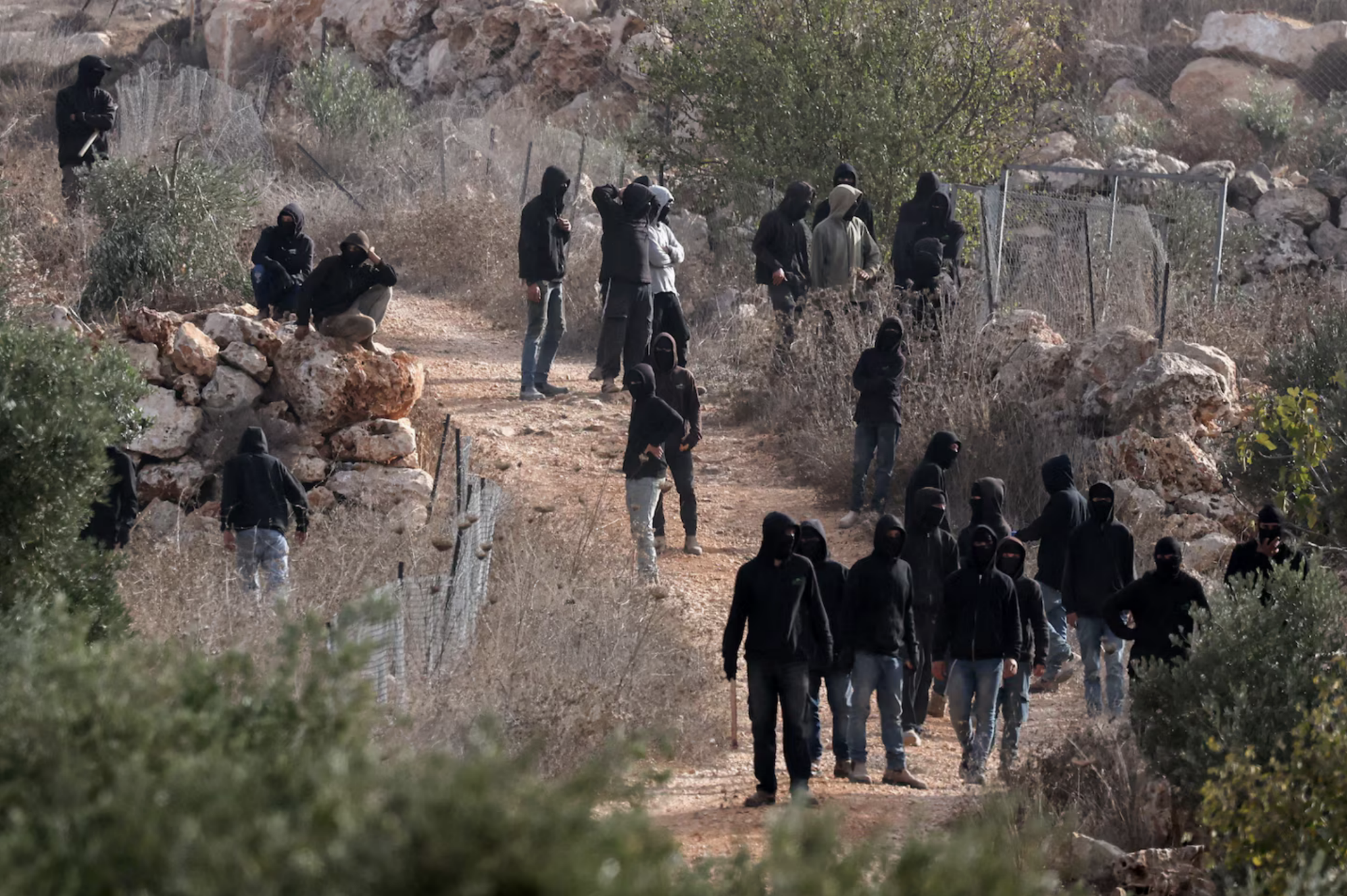
With Israeli rabbi's blessing, settlers are stealing Palestinians' olive harvest; with IDF support, settlers are beating both Palestinians and int'l visitors. That's not all.
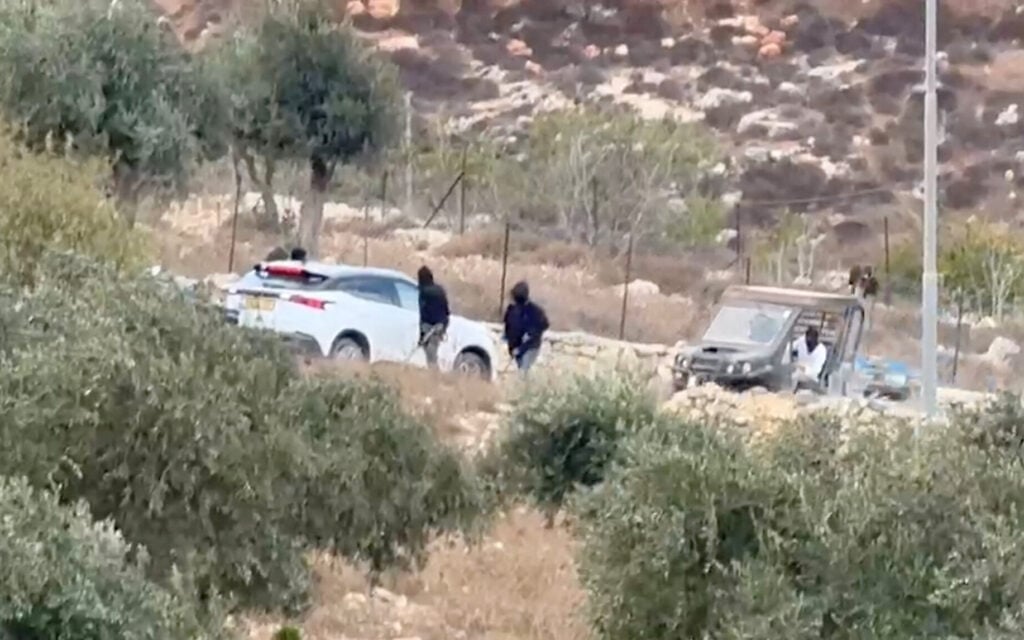
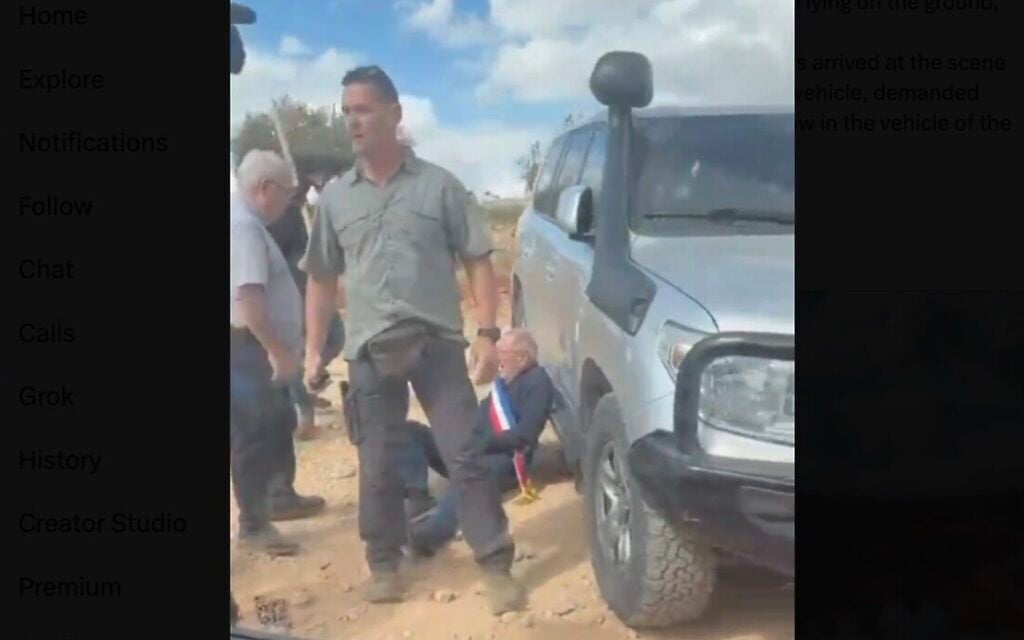
Images show diplomat on the ground, damage to vehicle; IDF condemns 'severe' attack, says diplomatic delegation didn't coordinate Taybeh visit as police launch probe; settlers said to kill around 20 sheep in Palestinian village
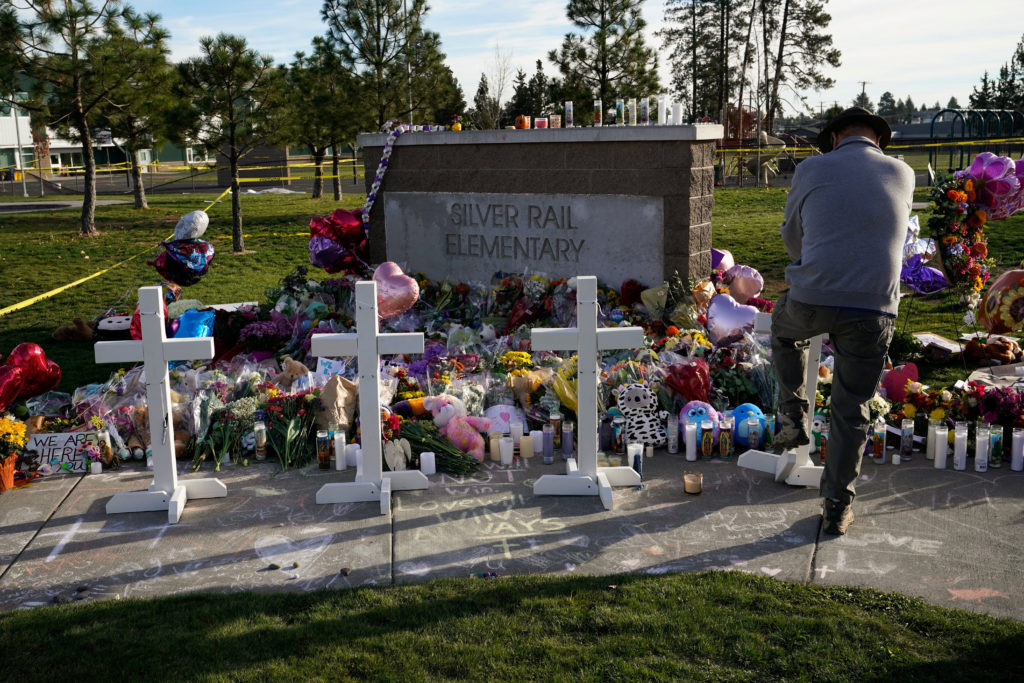
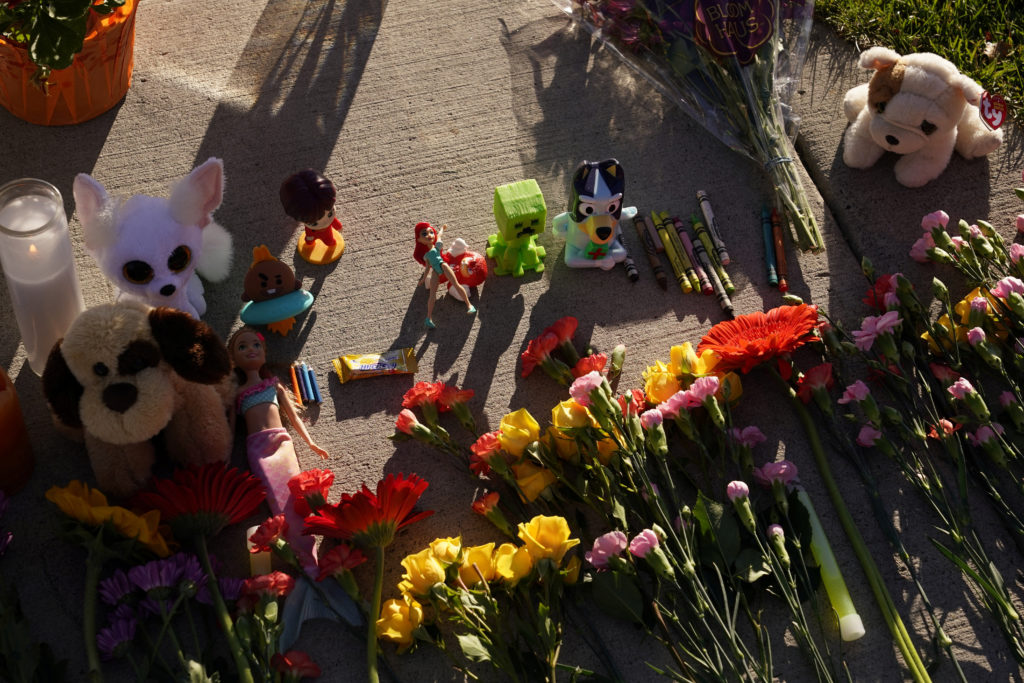
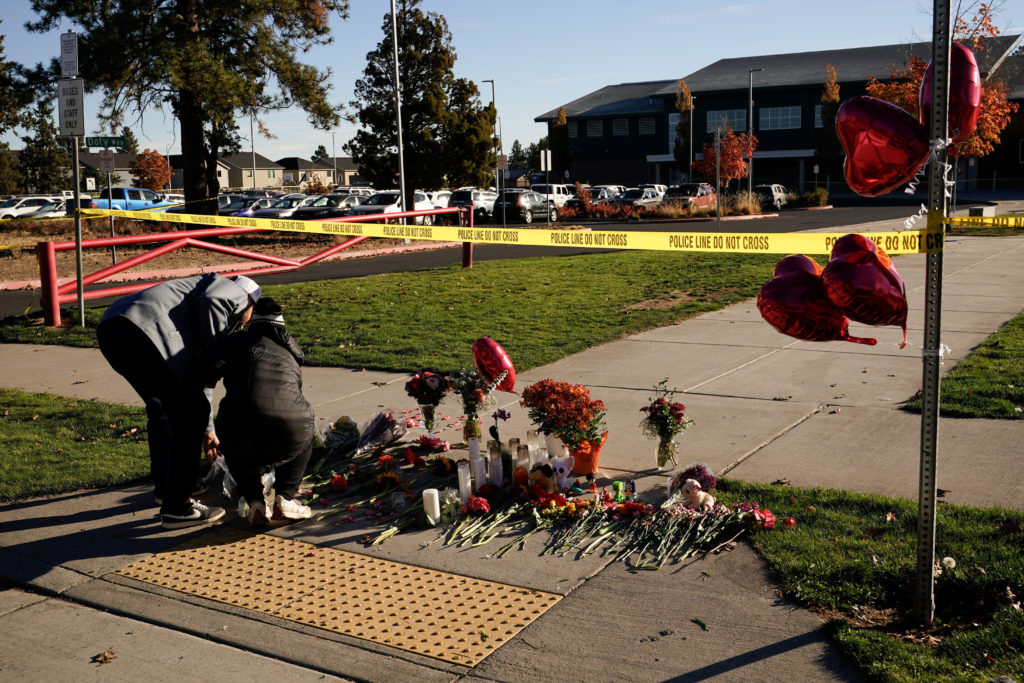
Police in Bend, Oregon, are still investigating the motive behind the deadly shooting at Silver Rail Elementary School. Four people were killed, including three young children and a teacher. Police identified the shooter as a 16-year-old who previously attended the school. They said he attacked a special education classroom before being killed at the scene. William Brangham reports.
There are many more questions to be answered about the deadly elementary school shooting in Bend, Oregon. To explore some of them, Amna Nawaz spoke with James Densley, professor and chair of criminology and criminal justice at Metro State University. He is best known for co-creating the Violence Prevention Project, a database of mass shooters in the United States.
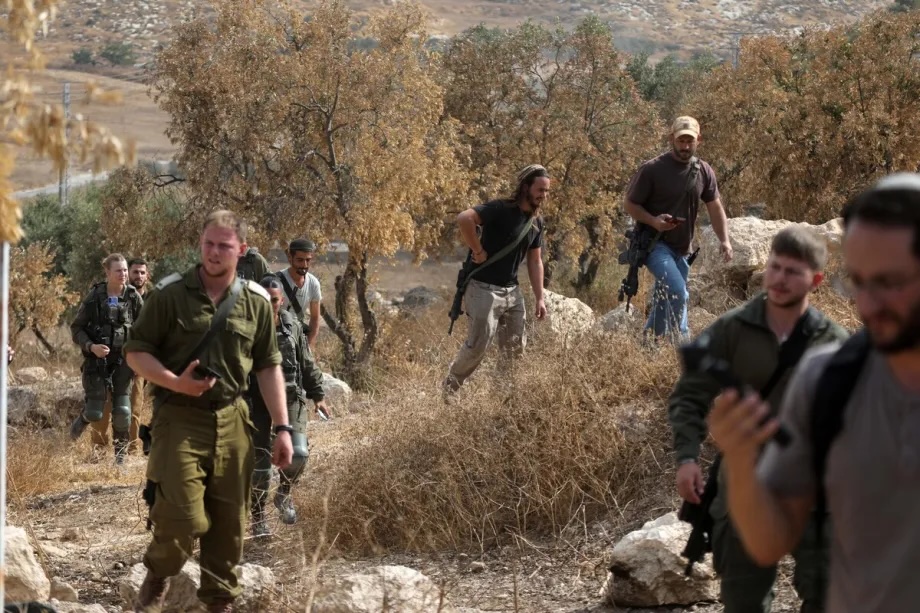
The settlers attacked Palestinians harvesting olives and beat Heidi Levine, a veteran photojournalist. Witnesses said Israeli soldiers did nothing to halt the violence.
The National Museum Removes Progressive Artworks Calling Them ‘Political Indoctrination.’
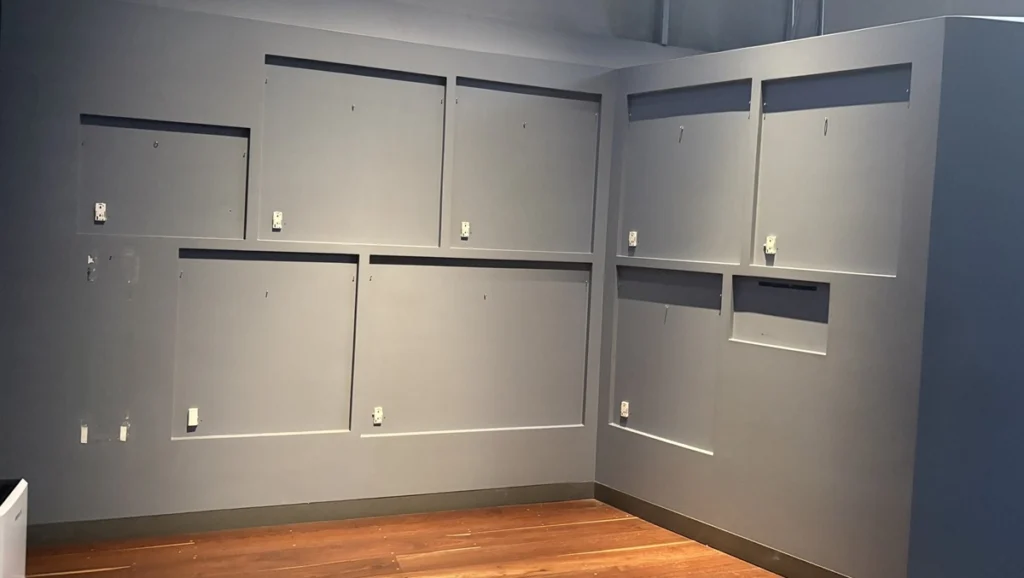
On Friday, Colombian Culture Minister Paola Holguin defended the removal of more than 30 artworks related to feminist, LGTBI+ or peace themes from the National Museum in Bogota, arguing that those works are an instrument of political indoctrination.
“The National Museum is one of the most important cultural centers in the country. It is the first institution of its kind in Colombia and one of the oldest in the Americas, whose purpose is to reflect the soul of the Nation.
The National Museum, as part of the State, has the purpose of conserving, restoring, protecting and socializing our culture. Its institutional vocation is not to serve as an instrument of political indoctrination, a focus for the dissemination of biased versions of our history, much less a multiplying medium for the government agenda,” stated the official of the far-right government presided over by Aberlardo de la Espriella.
“The National Museum CANNOT be a space for apologizing for crime or revictimization; it must observe the rights of victims to truth, justice, reparation and non-repetition. The National Museum is a space for all Colombians, which must ensure, among other things, the fundamental rights of children, which are prevalent according to Article 44 of the Constitution, and, therefore, must protect them from access to sensitive material.”
“The museology and curatorship of the different spaces under the Ministry are being evaluated and redesigned to fulfill the mission of safeguarding, researching, conserving and disseminating the cultural, historical and artistic heritage of the Nation, serving as spaces for memory, identity and social transformation,” Holguin concluded.
Las personas LGBTIQ+ no son una ideología que un Gobierno pueda sacar de una pared. Son parte de Colombia, de su historia y de sus luchas por la igualdad.
Retirar piezas del Museo Nacional que cuentan la historia del movimiento LGBTIQ+, del feminismo y de las luchas por la paz… pic.twitter.com/VB0LtEIsWS
Legislator Mafe Carrascal Rojas’ text reads: “LGBTIQ+ people are not an ideology that a government can simply strip from a wall. They are an integral part of Colombia, its history, and its struggles for equality. Removing items from the National Museum that chronicle the history of the LGBTIQ+ movement, feminism, and the pursuit of peace is not a matter to be taken lightly.
Given that the president has announced a “cultural counter-revolution” against what he terms “wokeism,” we have reason to ask whether this is an attempt to render social struggles—and the rights won over decades—invisible. We cannot allow diversity to once again be treated as something that must be hidden.
The history of Colombia does not belong to any single president or ideological movement; it belongs to a diverse, pluralistic nation—a nation where LGBTIQ+ individuals have the right to exist, to live free from discrimination, and to have their histories and memories recognized.
The Culture Ministry and the National Museum must provide an explanation regarding the removal of these items, the criteria applied, and the measures in place to ensure this history is preserved. They will not succeed in erasing LGBTIQ+ people from the history of Colombia. Their lives matter, their struggles matter, and their rights are not up for negotiation.”
On Thursday, digital outlet La Silla Vacia reported that De la Espriella removed posters, photographs and objects from three rooms of the National Museum, related to the history of feminist and LGBTI movements, victims of political violence and the 2016 peace agreement signed between the State and the Revolutionary Armed Forces of Colombia (FARC).
Among the pieces removed were a gay pride flag belonging to activist Elizabeth Castillo, a poster from the presidential campaign of Bernardo Jaramillo Ossa, a Patriotic Union candidate assassinated in 1990, and the ‘Baligrafo,’ a pen made from a bullet with which the peace agreement was signed.
The removal of these works is part of the “Cultural Counterrevolution” announced by President De la Espriella, who ordered Holguin to remove from public spaces representations that he considers “apology for terrorism.”
Among such references are works alluding to Carlos Pizarro, former commander of the M-19 guerrilla and peace signatory assassinated in 1990 during that year’s presidential campaign.
During the administration of Gustavo Petro (2022-2026), Pizarro’s hat was declared Cultural Heritage of the Nation, but this recognition was recently suspended by a judicial decision.
La Silla Vacia noted that the order to remove the pieces came directly from the Culture Ministry and that officials participated in the selection of the elements taken down.
Heidi Levine says she was saved by flak jacket, helmet in Abu Falah attack, as US embassy and Washington Post slam incident; olive trees and vehicles set on fire near Turmus Ayya; 70-year-old attacked near Birzeit
 Login