Cornell Board Presents United Front Amid Crisis Over Sexual Assault Allegations

© Lauren Petracca for The New York Times

© Lauren Petracca for The New York Times

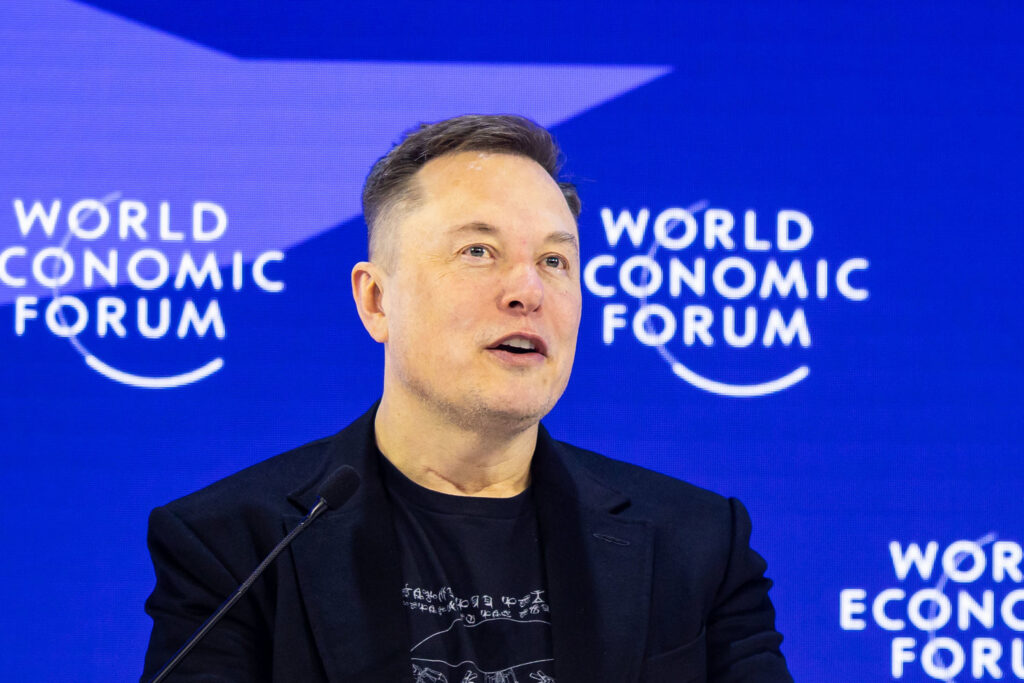
Elon Musk approached US President Donald Trump with a proposal to limit the speed of Starlink satellite communications in Ukraine, disrupting Kyiv’s ability to counter Russian drone attacks, The Telegraph reported on 16 October, citing four sources familiar with the discussions.
The restrictions had immediate consequences for Ukraine’s defenses, forcing some drone missions against Russian positions to be called off and threatening the ability to intercept Russian jet-powered drones as they targeted Ukrainian cities at the time.
According to The Telegraph, Trump agreed with Musk’s suggestion, paving the way for the Pentagon to impose restrictions on Starshield, the military-grade version of SpaceX’s satellite network used by Ukrainian forces.
The report contradicts Musk’s public claim that the US military and ultimately Trump were responsible for deciding any limits on the system. However, Trump denied that either he or Musk was responsible for Ukraine losing access, while an anonymous US official told AFP that the president had not requested the reduction in service.
The reported restrictions come amid tensions between Washington and Kyiv over Ukrainian strikes on Russian oil refineries. The episode has raised concerns about Ukraine’s dependence on privately controlled communications infrastructure and the risk that changes to US support could weaken its battlefield capabilities.
Starshield is the military-grade version of Starlink, SpaceX’s satellite internet network. It allows Ukrainian drone operators to maintain communications with aircraft moving at high speeds, supporting both defensive interception missions and strikes against Russian targets.
The speed limit imposed on Ukrainian drones using Starshield was around 160 kph, making it difficult for them to intercept Russian jet-powered drones and missiles traveling at roughly twice that speed.
According to The Telegraph, a senior source said Musk had become concerned about potential backlash from European consumers following the restrictions. A high-ranking European official and two Ukrainian sources reportedly corroborated the account that Musk and Trump were both involved in the decision.
The Pentagon has not publicly explained the restrictions. The report’s account also remains disputed: Trump said on 16 October that he did not believe either he or Musk was responsible for Ukraine losing access, while an anonymous US official cited by AFP said the president had not requested the reduction.
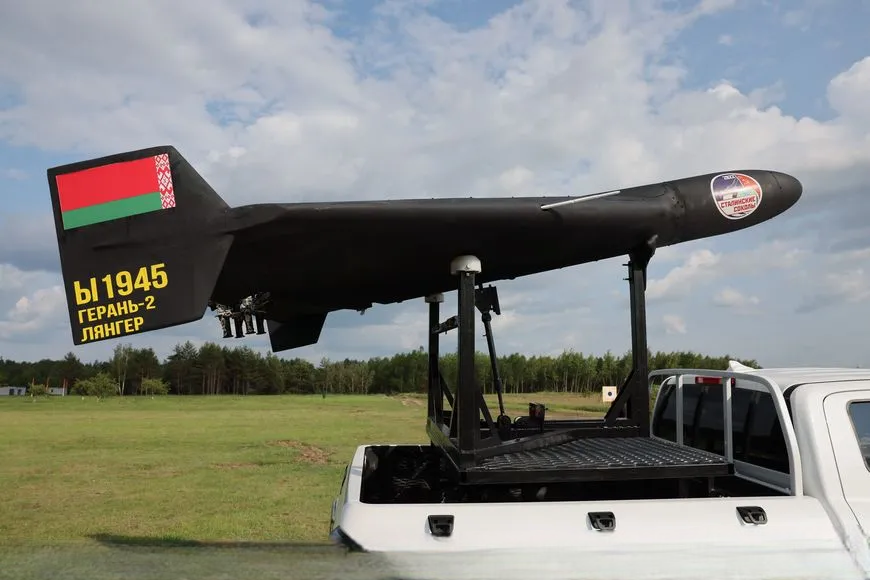
Ukrainian President Volodymyr Zelenskyy said on 16 October that restrictions on SpaceX’s Starshield satellite communications system had disrupted several military operations, including efforts to intercept Russian jet-powered Geran drones attacking Ukrainian cities.
Zelenskyy said Ukraine did not use Starlink to support attacks inside Russia, but relied on the system to intercept drones targeting civilians, conduct mid-range strikes against Russian military targets in occupied Ukrainian territory, and deliver food and water to frontline troops using drones.
“When the speed was reduced, we were unable to intercept a certain number of jet-powered ‘shaheds,’ [Gerans - ed.]” Zelenskyy wrote on X, adding that Ukrainian forces had lost the ability to carry out some operations while the restrictions were in place.
Zelenskyy said Ukraine’s Defense Ministry was in contact with partners and had received signals from the White House that the capabilities would be restored. However, he stressed that speeds had not yet returned to their previous levels, although restoration was underway.
We don’t use Starlink for our responses inside Russia. We use Starlink to intercept jet-powered “shaheds” that attack our civilians and kill families.
— Volodymyr Zelenskyy / Володимир Зеленський (@ZelenskyyUa) October 16, 2026
Starlink wasn’t turned off – its speed was reduced. And when the speed was reduced, we were unable to intercept a certain number…
The latest episode has renewed European concerns about relying on Musk and SpaceX for critical communications infrastructure. Polish Foreign Minister Radosław Sikorski warned Musk on social media that European customers were watching his actions, The Telegraph reported.
The European Union is developing its own satellite communications system, IRIS², intended to provide an alternative to Starlink, according to The Telegraph. The system is planned to become operational by 2030, leaving Ukraine and European governments dependent on existing providers in the meantime.
The report adds to concerns that decisions made in Washington or by private technology providers could directly affect Ukraine’s ability to defend itself against Russian attacks.

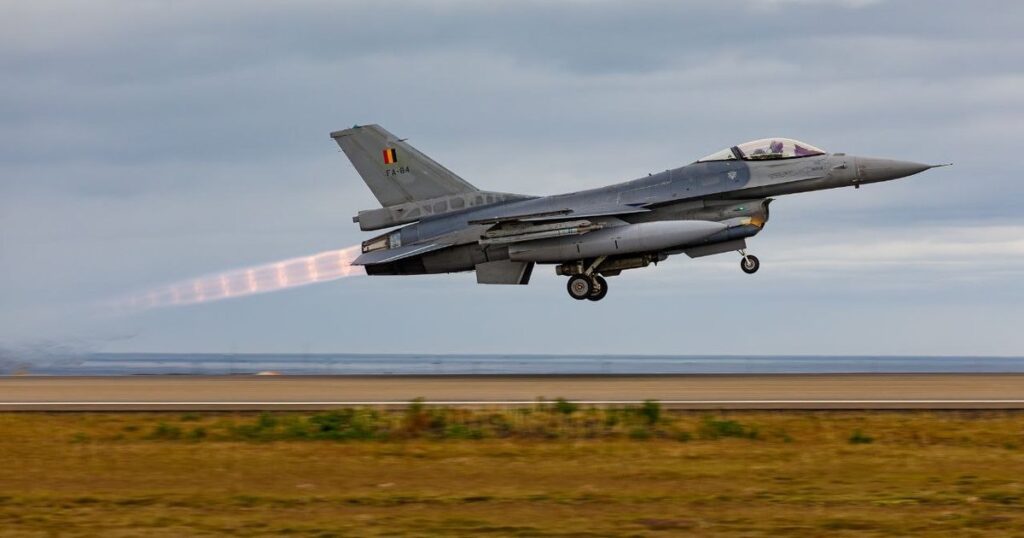
Belgium plans to deliver 10 F-16 fighter jets to Ukraine by the end of 2026, Prime Minister Bart De Wever announced on 16 October, raising the expected number from three amid delays in transferring the aircraft.
The expanded commitment comes as Ukraine faces sustained Russian drone and missile attacks and needs additional combat aircraft to strengthen its air defenses.
De Wever made the announcement at a press conference in Brussels alongside Ukrainian President Volodymyr Zelenskyy, Anadolu Agency reported. He said Belgium’s deliveries had fallen behind schedule because its new US-made F-35 fighter jets arrived later than expected.
Belgium also discussed supplying more ammunition for Ukraine’s F-16s.
“We will deliver 10 this year,” De Wever said, explaining that delays in receiving Belgium’s F-35s had held up the transfer of its F-16s. The new aircraft are now beginning to arrive, allowing Belgium to move forward with deliveries to Ukraine.
Zelenskyy confirmed that Kyiv expects additional F-16s from Belgium by the end of the year and thanked Brussels for the agreement.
The announcement marks an increase from Belgium’s previously reported plan to send three F-16s to Ukraine by the end of 2026. The new figure would more than triple the number expected under that earlier commitment.
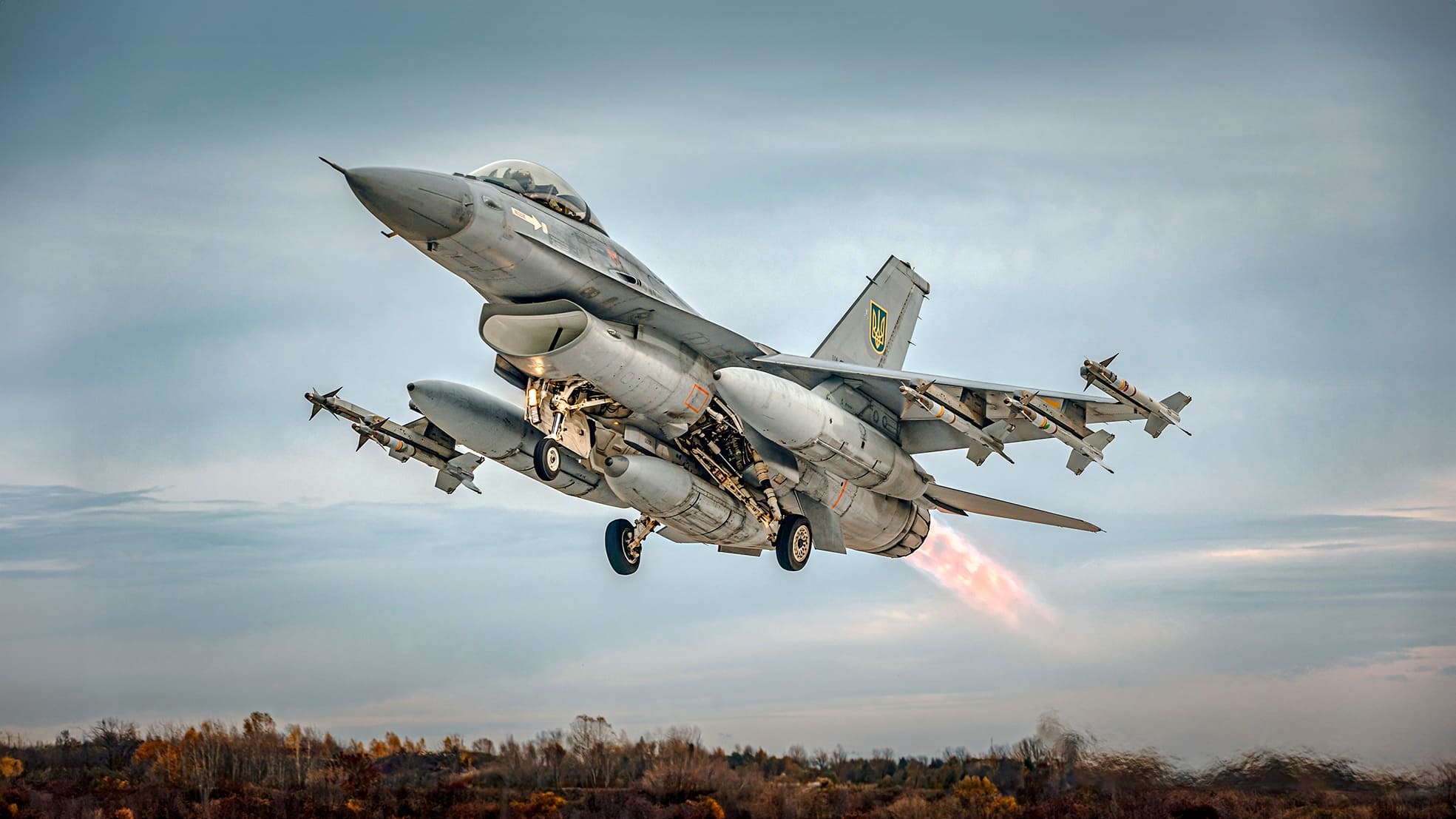
De Wever said Ukraine urgently needs operational fighter jets and described the F-16 as one of the few weapons capable of effectively countering Russian jet-powered drones.
The aircraft can also intercept cruise missiles and other aerial targets, while carrying out electronic warfare and combat missions. Ukraine received its first F-16s in 2024 after allies agreed to supply the aircraft and train Ukrainian pilots.
Zelenskyy and De Wever also discussed supplying additional ammunition for Ukraine’s F-16s, including 20 mm rounds produced by Belgian defense company FN Herstal.
The leaders also reportedly discussed Ukraine’s financial needs, though neither provided details on potential next steps. Belgium remains at the center of discussions over frozen Russian assets, as Brussels hosts Euroclear, which holds a large share of the immobilized funds.

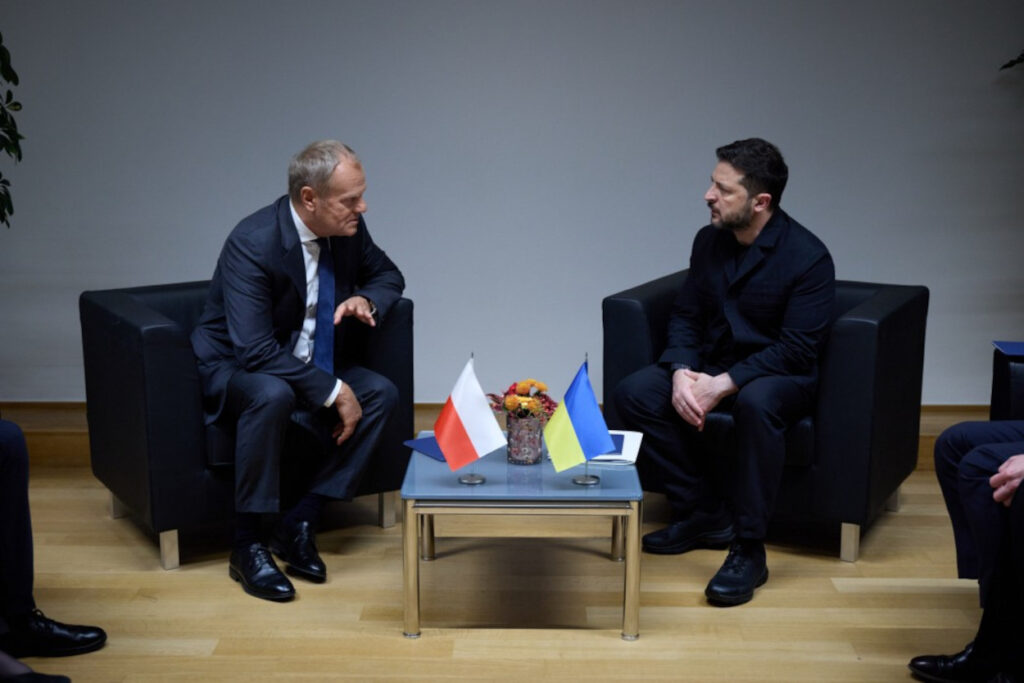
Ukraine has received undisclosed assistance from Poland as it struggles to defend against increasingly intense Russian drone and missile attacks, President Volodymyr Zelenskyy hinted during a meeting with Polish Prime Minister Donald Tusk in Brussels on 15 October, Radio Svoboda reported.
Ukraine’s air defense needs are greater than at any point since 2022, as intensified Russian drone and missile attacks strain existing systems and expose shortages of interceptor missiles. With US support increasingly uncertain amid tensions between Kyiv and Washington, European military aid is becoming more critical to Ukraine’s ability to defend its cities and infrastructure.
Zelenskyy thanked Warsaw for its support, suggesting that some assistance had to remain confidential. He also specifically mentioned 20 mm ammunition, which Ukraine needs to defend its cities against Russian attacks.
“Sometimes this has to stay between the two of us,” Zelenskyy said, thanking Tusk for the aid.
Ukraine is facing mounting pressure on its air defenses as Russia increases the scale of its aerial attacks. Ukrainian forces are also struggling with shortages of interceptor missiles, particularly Patriot missiles needed to counter Russian ballistic strikes, leaving the country vulnerable to further attacks.
The need for additional support comes amid growing uncertainty over US assistance under President Donald Trump. Washington has taken steps that have strained ties with Kyiv, including easing some restrictions on Russian fuel and pressing for an energy ceasefire that Ukraine says Russia has continued to violate.
Recent disruptions to US-linked intelligence and satellite support have also raised concerns about Ukraine's ability to detect and counter Russian attacks.
As uncertainty over Washington's role grows, European military assistance is becoming increasingly important for Ukraine's defense.
Tusk reaffirmed Poland's commitment to supporting Ukraine, saying Kyiv could count on Poland and the European Union. He also opposed easing EU sanctions against Russia, arguing that Europe should not take steps that help Moscow finance its war.
The meeting also came amid strained relations between Kyiv and Warsaw over historical disputes. However, Poland's government has maintained that these disagreements should not undermine military support for Ukraine, whose ability to resist Russian aggression is closely tied to Poland's own security.
Europe’s trade deficit with China reached a record $34.8bn [€31bn] in September, as EU leaders meet in Brussels on Thursday (15 October) to discuss Europe’s competitiveness agenda and what they call “macroeconomic imbalances” — a euphemism to avoid mentioning China by name.
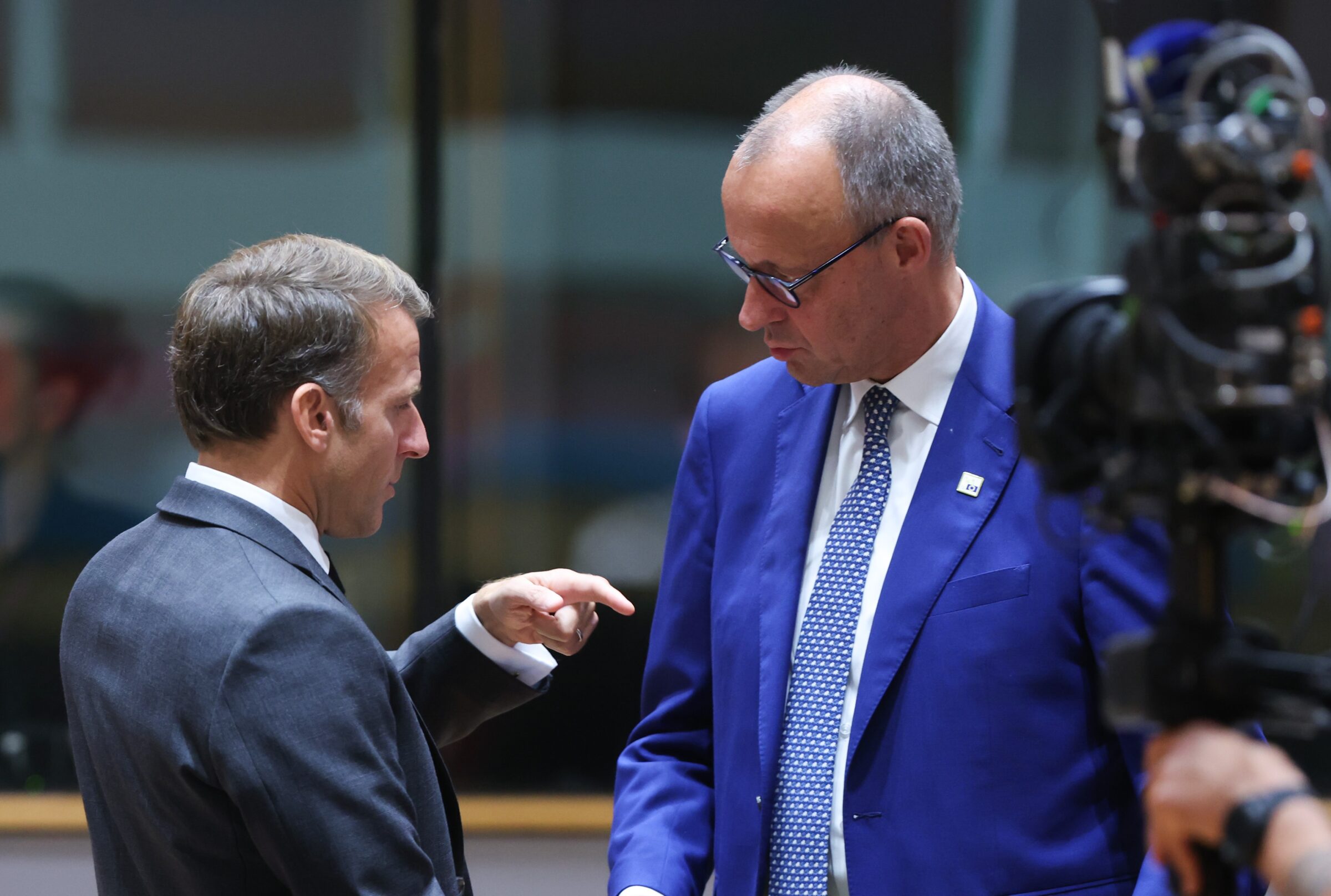
EU heads of state and government are expected to give a mandate to the EU Commission to propose a set of trade defence measures and tools to reduce the EU’s reliance on Chinese industry, based on a new Franco-German blueprint, as a united front spreads across the bloc.
There was a move towards a “surprising unitary position” on Beijing among member states, said an EU diplomat, ahead of a two-day summit in Brussels which began on Thursday (15 October).
A joint letter and policy paper submitted by French president Emmanuel Macron and German chancellor Friedrich Merz to commission president Ursula von der Leyen last week was viewed by many EU diplomats as marking a decisive shift towards a more consolidated EU stance on trade relations with China.
“For a long time, there were significant differences between these two countries on how to deal with China, how to address the economic situation,” parliament president Roberta Metsola told reporters on Thursday.
The diplomat added that the commission’s trade diversification package, designed to reduce the bloc’s reliance on Chinese industrial inputs and curb Chinese exports, will be presented by the end of the year and will be based on the Franco-German paper.
But the commission, for its part, has downplayed the prospect of rapid progress to EU-Chinese trade statistics. “It’s an issue which is not going to be solved in a couple of months,” said one official.
This article continues, but the full version is available only to EUobserver.com subscribers. Visit account.euobserver.com/membership
A backlash is building against an EU ‘omnibus’ bill that seeks to make it easier to authorise and use pesticides across the bloc.
MEPs are still yet to set a date to vote on the European Commission’s proposal to extend how long pesticide active substances can stay approved in the EU, amid a series of protest letters from scientists, UN health experts, and divisions among member states.
EI parliament’s environment and agriculture committees were originally expected to hold a joint vote on a compromise text on 5 October, but shelved that date without proposing another as this article went to publication.
Sustained criticism has come from the scientific community.
Last month, a group of more than 500 scientists signed an open letter to the commission on 16 September demanding a pause on the file pending “an independent assessment, whether carried out by parliament’s own research service or by an equivalent independent body.”
And last week, a group of five UN health experts penned their own letter to the EU executive.
They warned that the commission’s plan to extend grace periods for products withdrawn on safety grounds, widen derogations for hazardous substances, and restrict the use of the latest independent scientific evidence “seem difficult to reconcile with the precautionary principle and with obligations to respect, protect and fulfil human rights, including the rights of peasants and other people working in rural areas”.
This article continues, but the full version is available only to EUobserver.com subscribers. Visit account.euobserver.com/membership
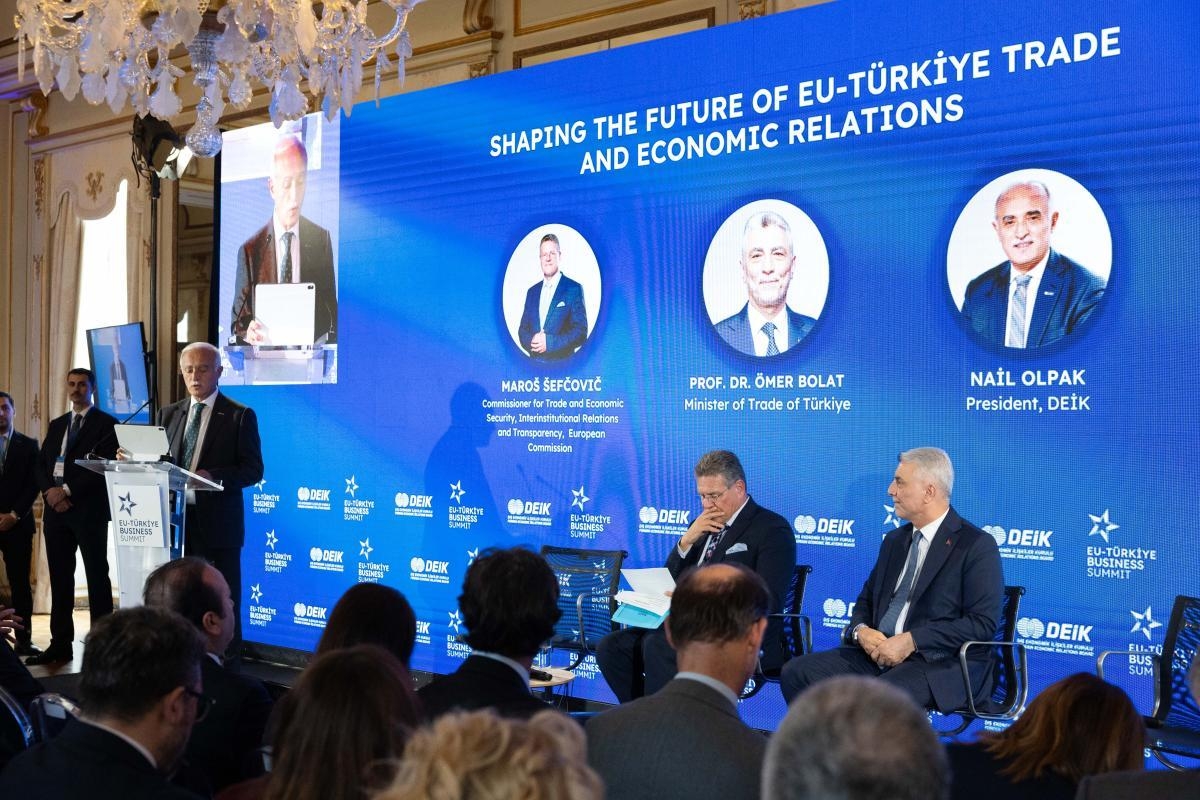
Belgium’s foreign minister has called on the EU to deepen its economic, trade, and defence ties with Turkey, amid concerns from Ankara that it risks being shut out of the bloc’s new rules on industrial supply chains and multi-billion euro defence procurement scheme.
Speaking at a Turkey-EU business forum in Brussels on Tuesday (13 October), Belgian foreign minister Maxime Pévot said that European manufacturers were increasingly looking for reliable partners closer to home as they seek to reduce their reliance on Chinese inputs.
“We should make values of its proximity, particularly in sectors where Europe needs to reduce strategic dependencies,” he added.
“Our economic relationship should no longer be limited to buying and selling goods. We should also be developing, producing, and investing together,” he said.
For his part, following talks with Ankara’s trade minister, Ömer Bolat, EU trade commissioner Maroš Šefčovič told reporters that the two sides had agreed on reforms to Turkey’s import control system to make the system easier for EU exporters to use and a mutual recognition pact on trusted traders.
This article continues, but the full version is available only to EUobserver.com subscribers. Visit account.euobserver.com/membership

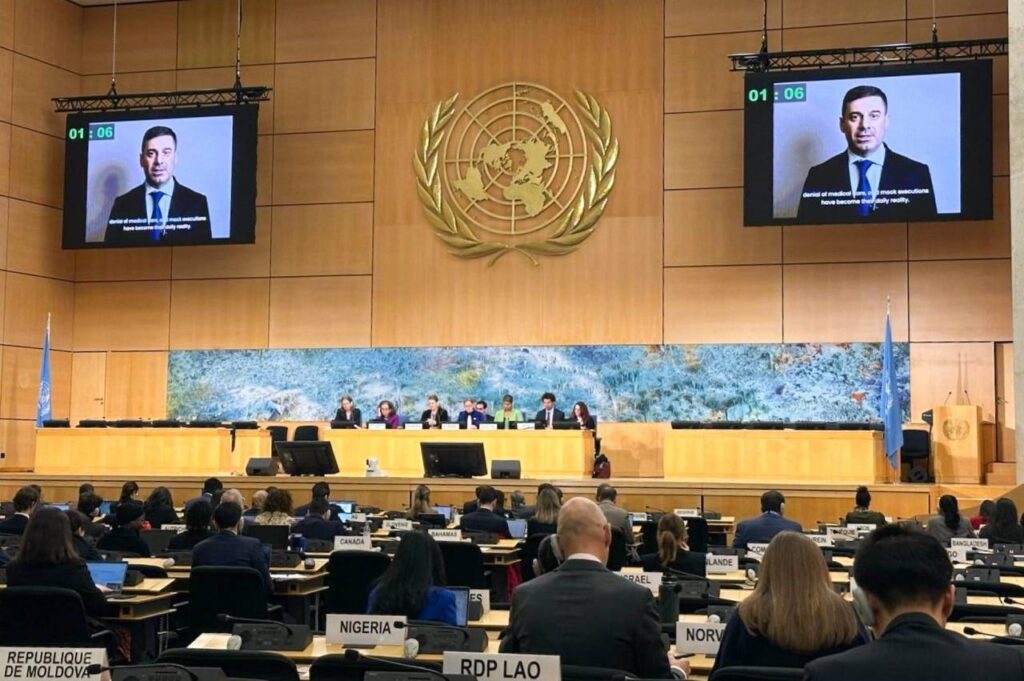
Ukraine has been elected to the UN Human Rights Council for the 2027–2029 term, receiving support from 162 UN member states in a vote by the UN General Assembly on 13 October, Ukraine’s Permanent Mission to the UN said.
The three-year term gives Ukraine an opportunity to shape international human rights discussions while drawing attention to abuses stemming from Russia’s war. Kyiv says it will work with partners to strengthen accountability mechanisms and protect civilians affected by conflict.
Ukraine’s Permanent Mission to the UN called the result a major diplomatic achievement, saying its team had spent more than a year securing support for the candidacy.
Ukraine’s Foreign Minister Andrii Sybiha said Kyiv would use its membership to push for accountability for Russian human rights violations, support international investigations, and advocate for prisoners of war and civilians unlawfully detained by Russia.
Ukraine will also continue efforts to secure the return of Ukrainian children deported or forcibly transferred by Russia, Sybiha said.
Ukraine’s election comes as Russia continues its full-scale war against the country, which has brought grave violations of human rights and international humanitarian law consistently since 2022.
As a council member, Ukraine plans to work with international partners to strengthen mechanisms for documenting and investigating abuses, protect human dignity, and reinforce international human rights institutions, Sybiha said.
Ukraine has been elected to the UN Human Rights Council for 2027-2029. I thank all UN Member States that supported Ukraine’s candidacy.
— Andrii Sybiha
Ukraine joins the Council while continuing to defend its people and its sovereignty against Russia’s ongoing aggression, which has brought…(@andrii_sybiha) October 13, 2026
Ukraine is returning to the council after previously serving multiple terms, most recently from 2021 to 2023. It was among the council’s founding members when the body was established in 2006.
Russia was suspended from the UN Human Rights Council in April 2022 following reports of gross and systematic human rights violations during its war against Ukraine. Moscow subsequently announced it was withdrawing from the council.
Alongside Ukraine, the General Assembly elected Brazil, Ghana, the Dominican Republic, Zambia, Ireland, Jordan, Kuwait, Moldova, Nepal, Nigeria, Germany, Uruguay, and Japan to the Human Rights Council.
The 47-member council is the UN’s principal intergovernmental body responsible for promoting and protecting human rights worldwide. Members serve three-year terms.

Finland’s Foreign Minister Elina Valtonen has called on the European Union to stop issuing tourist visas to Russian citizens until Russia ends its war against Ukraine, urging the bloc to adopt a unified policy. Her call comes as the EU discusses broader restrictions on Russian diplomats, tourists, and former combatants.
Russia has intensified its hybrid campaign across Europe in recent months, with suspected sabotage, arson attacks, and other covert operations targeting infrastructure and undermining security. European officials have increasingly called for a coordinated response, arguing that tighter controls on Russian diplomats, travel, and former combatants could help reduce security risks and limit opportunities for Russian intelligence operations.
In a statement published on 12 October, Finland’s Ministry for Foreign Affairs said Valtonen was calling on the European Commission to introduce stricter guidelines for processing Russian visa applications and propose changes to EU legislation needed to implement a complete ban on tourist visas.
“As long as Russia continues its invasion, Russian citizens should not be issued tourist visas,” Valtonen said. “It is not right that Russians can travel to Europe to enjoy the way of life and freedoms here while their country bombs the homes of Ukrainians.”
Finland banned visas for non-essential travel by Russian citizens in 2022. Valtonen said the same restriction should now be adopted at the EU level.
The Finnish minister has invited other EU member states to join a joint letter to the European Commission. Beyond a complete ban on tourist visas, the letter proposes barring Schengen visas for people in Russian President Vladimir Putin’s inner circle, restricting visas for Russian athletes, and enforcing an EU-agreed visa ban on former Russian combatants.
We must stop issuing tourist visas for Russian citizens across the EU.
— Elina Valtonen (@elinavaltonen) October 12, 2026
I have invited other EU Member States to join a letter addressed to the European Commission. I am calling for a complete EU ban on Russian tourist visas for as long as Russia continues its war of aggression.…
The proposal comes as EU foreign ministers discuss additional measures to counter Russian hybrid threats. EU foreign policy chief Kaja Kallas said after a meeting of the bloc’s foreign ministers in Luxembourg on 12 October that the EU was considering reducing the number of tourist visas issued to Russians, restricting Russian diplomats’ movements within the bloc, and accelerating entry bans for former Russian combatants, Radio Svoboda reported.
Kallas said the EU needed a comprehensive response to Russian hybrid threats, including new sanctions, stronger enforcement of existing restrictions, action against Russia’s shadow fleet, accountability for hybrid attacks, and improved intelligence sharing.
One proposal would require Russian diplomats to obtain advance permission before traveling to other EU member states, rather than simply notifying authorities of their trips.
Polish Deputy Foreign Minister Marcin Bosacki said tighter rules were necessary because some acts of sabotage and subversion were coordinated, at least in part, through Russian diplomatic missions.
Kallas said the European External Action Service and European Commission would also prepare proposals for further isolating Russia in international sport. She argued that sport and culture should not be used to whitewash Russian aggression.
Several EU countries have pushed to reduce tourist visas for Russian citizens. In June, a group of member states jointly called for fewer visas, according to DW. The Finnish ministry said Schengen countries issued nearly 500,000 tourist visas to Russian citizens in 2025.
Estonia has also proposed measures to bar former Russian military personnel who fought against Ukraine from entering the EU. Estonian Foreign Minister Margus Tsahkna warned that large numbers of Russian veterans could try to enter Europe after the war, potentially with support from Russian intelligence services.
The European Commission has supported including a mechanism targeting former combatants in the EU’s 21st sanctions package, and officials are working on how to implement it.
However, EU countries remain divided over the scope of visa restrictions. France and Italy have previously opposed a blanket isolation of Russian tourists. Member states are also debating how to prevent former Russian combatants from entering the bloc without restricting entry for military deserters or opponents of the war.
No timeline has been announced for the proposed restrictions on Russian tourists and diplomats. The measures remain under discussion and have not been adopted as a bloc-wide ban.

US President Donald Trump said on 13 October that the US continues to share intelligence with Ukraine, following reports that Washington had threatened to suspend intelligence assistance unless Kyiv stopped striking Russian oil refineries, POLITICO reported.
The comments came after Ukraine received no advance warning from its partners ahead of Russia's latest ballistic missile strike, raising fresh questions about intelligence sharing between Kyiv and Washington.
“We are helping them, and we are sharing intel. We want the war to end,” Trump told reporters at the White House, according to POLITICO, reaffirming US support after his recent efforts to reach an agreement with Russian President Vladimir Putin drew criticism over his approach to the war.
Last week, the US threatened to cut intelligence sharing if Ukraine did not stop attacking Russian oil refineries. Zelenskyy did not publicly confirm the reported threat.
The reports came amid criticism of Trump’s announcement of a deal to buy Russian oil and his pressure on Kyiv to make concessions, even as Russia continued attacking Ukraine.
Zelenskyy said Ukraine had refrained from striking Russian oil refineries and the energy sector for two days after Trump announced an energy ceasefire. Russia, however, continued attacking Ukrainian energy facilities and critical infrastructure, he said, with 19 Ukrainian regions coming under attack during those two days.
Trump said Monday that both Russia and Ukraine had violated the energy ceasefire, arguing that each side was responsible. He also said Putin wanted a deal and that Washington needed to persuade Zelenskyy to agree.
Trump's latest comments publicly reaffirm that intelligence sharing is continuing. However, the circumstances surrounding the latest Russian strike have raised questions about whether Ukraine is receiving the early warnings it needs to protect civilians.
Early warnings of incoming Russian ballistic missiles give Ukrainians a brief window to reach shelter before impact. US intelligence helps make those warnings possible, giving civilians crucial time to protect themselves.
Zelenskyy said Russia's latest attack involved five ballistic missiles and more than 100 drones, and that Ukraine received no warning from its partners before the strike.
“Intelligence on Russian ballistic missile launches helps save lives,” Zelenskyy said Tuesday. “This is precisely what helps prevent people from being killed — when there is an early warning about ballistic missiles.”
He added that Ukraine had received no warning ahead of the attack.
Ukraine normally receives alerts about impending Russian missile launches through the Battlespace Command and Control Center, a system operated by the US military and NATO members, among others, POLITICO reported.
Citing an unnamed official familiar with the matter, POLITICO reported that US officials attributed the missing warning to bad weather. The explanation reportedly raised doubts among Ukrainian officials.
Ukrainian Air Force spokesperson Yurii Ihnat said the warning system had failed to transmit information on previous occasions. He said specialists would work with international partners to resolve any technical problems.
Ukrainian Foreign Minister Andrii Sybiha said Tuesday that intelligence sharing through the platform was continuing, according to POLITICO.

Ukraine's Khartiia Corps has accused Russian forces of using civilians as human shields and then shelling them near a gas pipeline in Kupiansk, Kharkiv Oblast, on 13 October. The group included two women, a child, and several men, according to the Ukrainian military unit.
Khartiia warned that Russian media could use footage of the incident to accuse Ukrainian forces of attacking civilians. The corps said the shelling came from Russian-held territory and described the incident as a deliberate provocation.
The corps said Russian troops led the civilians toward the Shebelinka–Ostrogozhsk gas pipeline before the group came under repeated mortar and artillery fire. Aerial reconnaissance footage recorded casualties among the civilians, the unit said.
Russian forces used civilians as human shields before shelling them near Kupiansk, Ukraine’s Khartiia Corps alleges.
— Euromaidan Press (@EuromaidanPress) October 13, 2026
The group included two women, a child, and several men who were being led toward a gas pipeline when they came under mortar and artillery fire, according to the… pic.twitter.com/XvbcwRIwLb
According to Khartiia, Ukrainian forces did not open fire on the group.
The corps said an analysis of the explosions indicated that the shelling came from the eastern bank of the Oskil River, from territory held by Russian forces.
The unit described the incident as a deliberate provocation, warning that Russian media could use footage from the scene to falsely accuse Ukraine of attacking civilians.
Khartiia said it would submit the collected materials for investigation into potential war crimes.
The corps did not provide a confirmed number of civilian casualties or further details about the condition of those shown in the reconnaissance footage.
The allegations have not been independently verified.

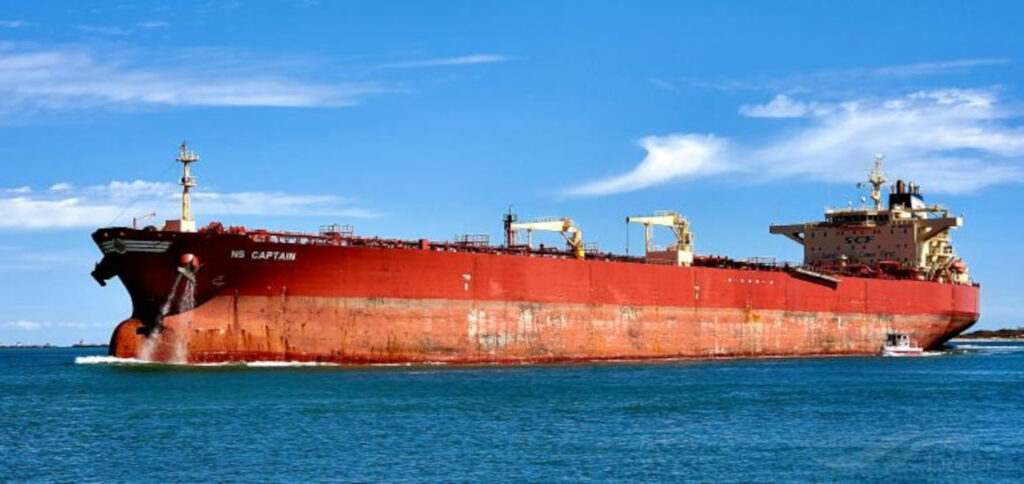
France has seized an oil tanker suspected of belonging to Russia’s shadow fleet after intercepting it more than 450 nautical miles south of Réunion in the Indian Ocean, French President Emmanuel Macron announced on 12 October.
The seizure targets a network Russia relies on to keep oil revenues flowing despite Western sanctions imposed over its full-scale invasion of Ukraine. The shadow fleet allows Moscow to continue exporting oil and funding its war in Ukraine.
The French Navy boarded the DF Peak over suspicions that it was sailing under a false flag and involved in illegal fuel transportation, Macron said. French forces escorted the vessel to an anchorage near Réunion for further checks as part of a judicial investigation.
La France est déterminée à lutter contre la flotte fantôme, partout dans le monde.
— Emmanuel Macron (@EmmanuelMacron) October 12, 2026
Ce matin, à plus de 450 nautiques au sud de La Réunion, notre Marine nationale a arraisonné le pétrolier DF Peak, suspecté de naviguer sous un faux pavillon et impliqué dans des activités… pic.twitter.com/GS91egdvzN
Russia’s shadow fleet consists of oil tankers used to keep Russian oil and petroleum exports moving despite Western sanctions imposed after Moscow launched its full-scale invasion of Ukraine in 2022.
The vessels often operate through opaque ownership structures, change names or flags, and use registration practices that make it harder to establish who controls them and where their cargo originates. These methods help Russia maintain oil revenue while limiting the impact of sanctions and restrictions on shipping and insurance.
The fleet also raises safety and environmental concerns. Many of the vessels are older tankers operating with unclear insurance coverage or limited oversight, increasing the risk of accidents and oil spills.
The DF Peak was previously named Kaliningrad and sailed under the flag of Benin. It has been subject to US, UK, and EU sanctions since 2024, according to Reuters. Ukrainian military intelligence has also linked the tanker to Russian crude oil transportation and the shipping company Sovcomflot.
The tanker was last tracked near Madagascar on 12 October after departing from Venezuela, according to shipping data cited by Reuters. French authorities said the vessel would be taken to Réunion for a closer examination of its registration and activities.
Russia’s embassy in France condemned the seizure, calling it a violation of international law and describing the operation as “piracy,” according to Russian state media cited by Reuters. The embassy said France had not notified Moscow about the seizure and that it was checking whether Russian citizens were among the crew.
The seizure is part of wider European efforts to enforce sanctions against Russia’s oil exports and target vessels suspected of using false flags. France has seized at least five Russian-linked tankers since 2024, Reuters reported.
Getting co-decision powers on the budget, finally enshrined in the Lisbon Treaty after more than a decade of inter-institutional battles, was one of the European Parliament’s big wins.
The challenge facing MEPs in the coming months is whether they are really going to use those powers on the 2028-34 budget.
The early signs are that they are spoiling for a fight. The Irish government’s compromise proposal tabled on Saturday (10 October) – an 8 percent cut worth €141bn to the European Commission’s spending plan – isn’t exactly butchery.
But it does display a startling lack of ambition, in particular on the raft of ‘own resources’ proposed by MEPs to make the budget process less vulnerable to member states wanting to reduce or at least freeze their annual contributions
This time round, MEPs have proposed a digital services levy, an online gambling levy, and a levy on crypto-asset capital gains.
Put together the parliament reckons that these new taxes could bring an additional €30bn to the EU’s budget, on top of the €57.4bn that the EU commission believes can be raised from other levies, such as the emissions trading scheme and the carbon border levy.
This article continues, but the full version is available only to EUobserver.com subscribers. Visit account.euobserver.com/membership
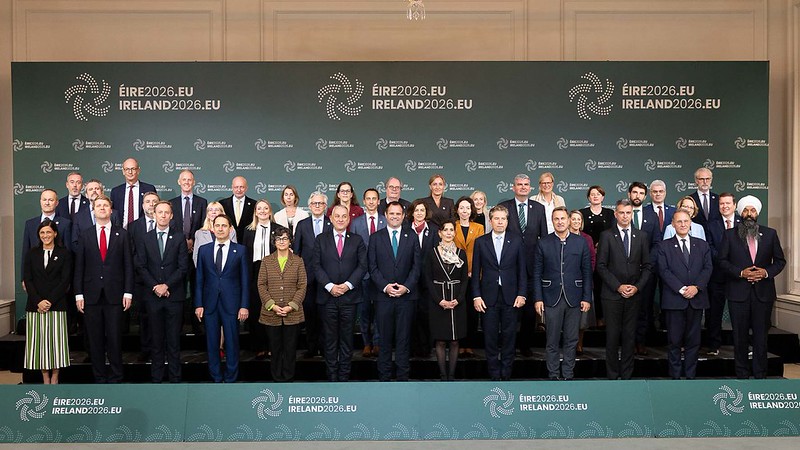
The Irish government has set the path for a showdown between MEPs and governments over the next seven year EU budget after proposing an 8 percent cut worth €141bn to the European Commission’s spending plan.
Savings from the commission proposal have been found across all headings in the so-called ‘negotiating box’ for the 2028–2034 Multiannual Financial Framework (MFF). But farmers’ subsidies under the common agricultural policy and the bloc’s cohesion policy, which provides funding to the EU’s poorest regions, have been exempted from any cuts.
That is a nod to a sustained lobbying effort by a group of seventeen EU countries, known as ‘Friends of Cohesion’.
As expected, meanwhile, cuts totalling €38bn have been made from the ‘Global Europe’ heading, which covers foreign aid, while €75bn has been taken from the competitiveness fund and €10bn from the EU’s administrative costs.
In a statement on Saturday (10 October), Ireland’s minister for Europe, Thomas Byrne, said that the €1.62 trillion spending plan was “intended to bridge the many differences between Member States. It brings us closer to resolving the critical questions our Union faces on how to balance both new priorities and core policies, whilst also reflecting the fiscal realities that all Member States face.”
This article continues, but the full version is available only to EUobserver.com subscribers. Visit account.euobserver.com/membership

Norwegian nonprofit Fritt Ukraina is allocating NOK 10 million (about $1 million) to strengthen air defenses around Chornomorsk, a key Ukrainian port on the Black Sea, the organization announced on 9 October.
Russian attacks on port infrastructure and civilian vessels are threatening Ukraine’s maritime trade and agricultural exports, putting pressure on a vital source of revenue for the country and disrupting shipments of food to international markets.
The funding will support Ukrainian State Border Guard Service and Armed Forces units defending the region against Russian attack drones. It is being delivered through Dronefall, a project run by the Ukrainian Come Back Alive Foundation, which equips military units with interceptor drones and the equipment needed to operate them.
Fritt Ukraina, whose name means “Free Ukraine,” is a Norwegian nonprofit organization that supports Ukraine’s defense against Russia’s full-scale invasion. The donation is part of its Odins Ravner 2.0 fundraising campaign, which provides military assistance to Ukrainian forces.
The support includes STING, Blyskavka and P1-SUN interceptor drones, alongside ground control stations, communications equipment, generators, charging stations, laptops, tablets and vehicles, according to the organization.
The interceptor drones are already operational, according to Fritt Ukraina. The equipment helps Ukrainian personnel detect and intercept Russian attack drones, while vehicles allow crews to move quickly and operate from different positions.
Fritt Ukraina Secretary General Natalia Golis said effective air defense requires more than interceptor drones alone. Communications systems, reliable power supplies and mobility are also essential to ensure units can use their equipment effectively.
The organization is supporting Dronefall for the third consecutive year and has become the Come Back Alive Foundation’s largest foreign partner. The latest donation was matched by a donor affiliated with the Ukrainian foundation.

More than 90% of Ukraine’s agricultural products, including grain and vegetable oils, are exported through three ports in southern Odesa Oblast. Russian attacks have targeted port infrastructure and civilian vessels, increasing security risks for commercial shipping and driving up freight and insurance costs.
Since the start of Russia’s full-scale invasion in February 2022, more than 1,000 Ukrainian port facilities and over 200 civilian vessels have been damaged or partially destroyed, Fritt Ukraina reports. The disruption threatens Ukrainian export revenue and international food supplies.
“The attacks on Ukraine’s ports do not only undermine the country’s defense capabilities. They also threaten a vital part of its economy and its ability to export food to the rest of the world,” Golis said.
Dronefall aims to expand Ukraine’s ability to intercept Russian drones using dedicated interceptor aircraft and supporting equipment. According to Fritt Ukraina, participating units have destroyed more than 53,000 Russian drones, accounting for approximately one in five unmanned aerial vehicles entering Ukrainian airspace.
The NOK 10 million contribution is part of Fritt Ukraina’s broader Odins Ravner 2.0 campaign, which provides more than NOK 60 million in support to Ukrainian forces.

Russia is developing new navigation systems for attack drones and missiles that could make its strikes against Ukrainian cities harder to stop, as Moscow adapts its weapons to counter Ukrainian electronic warfare defenses, Ukrainian defense technology adviser Serhii “Flash” Beskrestnov said.
The shift poses an additional challenge for Ukraine as Russia continues to attack cities and critical infrastructure with drones and missiles. Systems that can navigate without relying on satellite signals may be harder to disrupt electronically, increasing the importance of other defenses, including interception and physical destruction of incoming weapons.
Beskrestnov, an adviser to the Ukrainian president on defense technology development, said image-based navigation systems would see wider use in 2027, including in medium- and long-range strike drones and inexpensive cruise missiles.
The technology allows drones to navigate by comparing images captured by an onboard camera with stored photographs of the terrain. Even basic navigation can use publicly available satellite or ground imagery from services such as Google, Beskrestnov said.
Unlike satellite navigation, which can be disrupted by electronic warfare, image-based navigation relies on visual recognition of the terrain. This makes drones using the technology more resistant to jamming and could allow them to continue toward their targets even when satellite navigation signals are unavailable.
Beskrestnov said Russian forces were already using the technology on several types of unmanned aircraft, including Molniya, V2U, and Lancet drones.
He also reported that similar systems had recently been identified on the Russian Geran-4 and Geran-5 attack drones, using a flight controller called Susanin.
The Geran series includes Russian attack drones used in strikes against Ukrainian cities and infrastructure. The introduction of image-based navigation could make some variants more difficult for Ukrainian forces to counter using electronic warfare.
The development reflects Russia’s broader effort to adapt its weapons as Ukraine improves its air defenses and electronic warfare capabilities. By reducing reliance on satellite navigation signals, Russian drones can become less vulnerable to one of Ukraine’s key methods of disrupting incoming attacks.
Beskrestnov warned that image-based navigation would expand beyond individual drone models, with broader adoption expected next year across different categories of strike weapons.

Russia is expanding efforts to target European defense industry leaders as part of a broader campaign of sabotage and hybrid operations aimed at weakening support for Ukraine, the Financial Times reported on 11 October, citing officials from five European intelligence agencies.
The warnings come amid a wider increase in Russia-linked sabotage and other covert operations targeting European defense companies and critical infrastructure. Moscow is expanding its so-called hybrid warfare campaign against European countries as they continue to support Ukraine, using covert networks, intimidation, and suspected sabotage to undermine security and deter further assistance to Kyiv.
The FT reported that assassinations of civilian targets in Europe, once considered "taboo" even within Russian intelligence services, are becoming an increasingly prominent part of the Kremlin’s plans.
European intelligence officials told the FT that Russian operatives are targeting chief executives and senior employees at defense companies, including smaller firms manufacturing drones and drone components.
The campaign comes as Russia seeks to undermine European backing for Ukraine amid a battlefield stalemate and mounting pressure on the Russian economy.
The warnings have prompted defense companies to strengthen security around senior executives. Some have increased personal protection, while others have relocated production sites in response to suspected Russian threats, according to the FT.
Germany's domestic intelligence service, the BfV, has stepped up contact with employees and management at German defense companies and recommended that some use privately contracted close-protection teams, an agency official told the newspaper.
BfV chief Sinan Selen warned German lawmakers that Russia was deliberately planning acts of violence against individuals through state or state-controlled actors. He said the operations were evolving in their targets, methods, and use of organized crime networks.
According to the intelligence officials cited by the FT, Russia's military intelligence agency, the GRU, has adapted its methods by working more closely with criminal groups and dividing surveillance, logistics, planning, and execution among different operatives.
Officials said some plots had been disrupted, while other cases involved surveillance of targets at home and at work.
The campaign's intended effect extends beyond any individual attack. One European intelligence official told the FT that the threat is psychological, designed to make people reconsider doing business with Ukraine.
Although some Russian operations remain amateurish and have been detected early, the resulting uncertainty forces companies to devote more resources to security. Smaller firms, which may have fewer resources to protect their personnel and facilities, could be particularly vulnerable.
European defense executives have been on heightened alert since 2024, when US and German intelligence agencies uncovered a Russian plot against Rheinmetall CEO Armin Papperger, a prominent advocate of supplying weapons to Ukraine.
Papperger has said he now receives round-the-clock protection from private security personnel and police.
The FT reported that European intelligence agencies now view threats against defense industry leaders as part of a broader effort to disrupt the production and supply of weapons to Ukraine, rather than isolated plots against individual executives.

US President Donald Trump announced a deal with Russian President Vladimir Putin for Moscow to supply millions of tons of diesel fuel to American and global markets.
The announcement would give Russia a major opportunity to sell fuel abroad at a time when Ukraine is targeting its oil industry to deprive Moscow of revenue and disrupt the resources sustaining its invasion. The US president has increasingly called for Ukraine to halt strikes on Russian oil infrastructure in recent weeks, blaming Ukraine for high fuel prices in the US.
Trump’s push for Kyiv to halt those attacks, alongside his effort to secure Russian fuel supplies, risks undermining Ukraine’s campaign to put economic pressure on the Kremlin while the US seeks to contain the fallout from its war with Iran.
In a 9 October post on Truth Social, Trump said Russia would immediately supply more than 300,000 tons of diesel, followed by another 500,000 tons in November and 1 million tons shortly afterward. He also announced a possible additional delivery of 3 million tons, conditional on the state of Russian refineries.
“Diesel Prices for Americans and, indeed, the World, will be COMING DOWN, IN RECORD NUMBERS, AND FAST!” Trump wrote, describing lower fuel prices as a top priority for American farmers, ranchers, and truckers.
Trump's announcement did not explain how the promised volumes would be reconciled with the condition of Russian refineries amid ongoing Ukrainian strikes, which he cited as a factor determining the timing of later deliveries.
The announcement comes after Trump repeatedly blamed Ukrainian strikes on Russian oil infrastructure for worsening global diesel shortages and driving up fuel prices.
Ukraine has continued targeting Russian oil facilities as part of its campaign to undermine Moscow's war economy. Ukrainian strikes have damaged refining capacity, contributed to fuel shortages inside Russia, and forced Moscow to restrict fuel exports.
Kyiv has argued that the attacks put pressure on Russia's ability to finance and sustain its war against Ukraine.
The rise in US fuel prices stems largely from the US-Israeli war with Iran and its disruption of global energy supplies, according to Reuters. The conflict has disrupted shipping through the Strait of Hormuz, a strategic waterway through which roughly one-fifth of the world's oil supplies normally pass, pushing energy prices higher.
Trump has nevertheless blamed Ukraine's refinery strikes for rising fuel costs while pressing Kyiv to halt them.
Ukraine's attacks on Russian oil infrastructure are intended to weaken Moscow's war economy. By contrast, the disruption to global energy shipments stems largely from the conflict with Iran.
Ukrainian President Volodymyr Zelenskyy warned later on 9 October that allowing Russia to sell petroleum products abroad without securing a lasting de-escalation agreement would help finance Moscow's war against Ukraine.
“Allowing Russia to sell petroleum products is an investment in a war that must be ended, not prolonged,” Zelenskyy said, responding to Trump's announcement of a proposed Russian diesel supply deal.
Zelenskyy said Ukraine's strikes on Russian oil refineries and other oil facilities were a response to Russia's years-long campaign against Ukrainian energy infrastructure. He offered a reciprocal arrangement under which Ukraine would stop striking Russian refineries if Russia stopped destroying Ukrainian energy facilities, saying the United States had sufficient leverage to secure such an agreement.
“Ukraine will not burn Russian oil refining facilities if Russia does not destroy our energy infrastructure,” Zelenskyy said.
He also urged Washington to maintain pressure on Moscow, including sanctions under the proposed Graham legislation, and to continue supporting Ukraine's defense. Zelenskyy argued that easing sanctions without a clear, sustained de-escalation agreement would signal weakness and give Russia more time and resources to continue the war.
“Gifts to Putin will not bring peace,” Zelenskyy said, warning that Russia would respond to diesel supplies with further terror and attacks. He called on the United States to pursue a reciprocal de-escalation agreement and press Russia to stop its attacks on Ukrainian energy infrastructure.

Montenegro has ordered the expulsion of Mikhail Zvynchuk, head of the pro-Kremlin military information network Rybar, and four other Russian citizens over national security concerns following a security operation targeting suspected Russian hybrid influence activities, Vijesti reported on 9 October.
Zvynchuk is the founder and head of Rybar, a prominent Russian military-focused information network known for its Telegram channels covering Russia's war against Ukraine. The network promotes pro-Kremlin narratives and has been associated with Russian propaganda and influence operations.
Montenegrin police announced on 9 October that the five Russians had their residence rights revoked and were ordered to leave the country on national and internal security grounds.
The operation involved Montenegro's police and National Security Agency (ANB), which seized drones, high-resolution recording equipment, cameras, and several mobile phones for further examination, according to Vijesti.
According to Montenegrin authorities, the five had arrived in the country less than two days before the operation. The investigation is being conducted with support from international partners.
Montenegrin police identified the five Russian citizens as Zvynchuk, his wife Valeria Zvynchuk, Sergei Belous, Pavel Lekatorchuk, and Kira Doroshenko. Authorities said the case had been referred to prosecutors in Podgorica and Kotor.
The European Union has sanctioned Zvynchuk over activities that undermine or threaten Ukraine's territorial integrity, sovereignty, and independence. He has also been sanctioned by the United Kingdom, Switzerland, Australia, and Ukraine, according to Vijesti.
Vijesti reported, citing security sources, that Montenegrin authorities suspected the group of planning a documentary intended to undermine public support for the country's European integration.
According to the outlet, the planned material would portray Montenegro's expected alignment of its visa policy with EU standards as a politically imposed measure that threatens tourism, economic stability, and national interests.
Security services had monitored the group's arrival before carrying out the operation in Risan, in the Bay of Kotor area, Vijesti reported. The equipment seized from the group will undergo expert analysis to establish its intended purpose and use in Montenegro.
Former Russian President Dmitry Medvedev responded to the operation by suggesting Moscow might need to expand its pool of prisoners to exchange for Europeans and Americans to secure Zvynchuk's return.
“We will probably have to replenish our pool of prisoners for exchange with European and American idiots,” Medvedev said, according to Vijesti.
Montenegro, a NATO member and EU candidate, has aligned itself with EU sanctions against Russia following Moscow's full-scale invasion of Ukraine in 2022. The expulsion comes amid broader European concerns over Russian intelligence activity, propaganda, and other forms of hybrid interference.

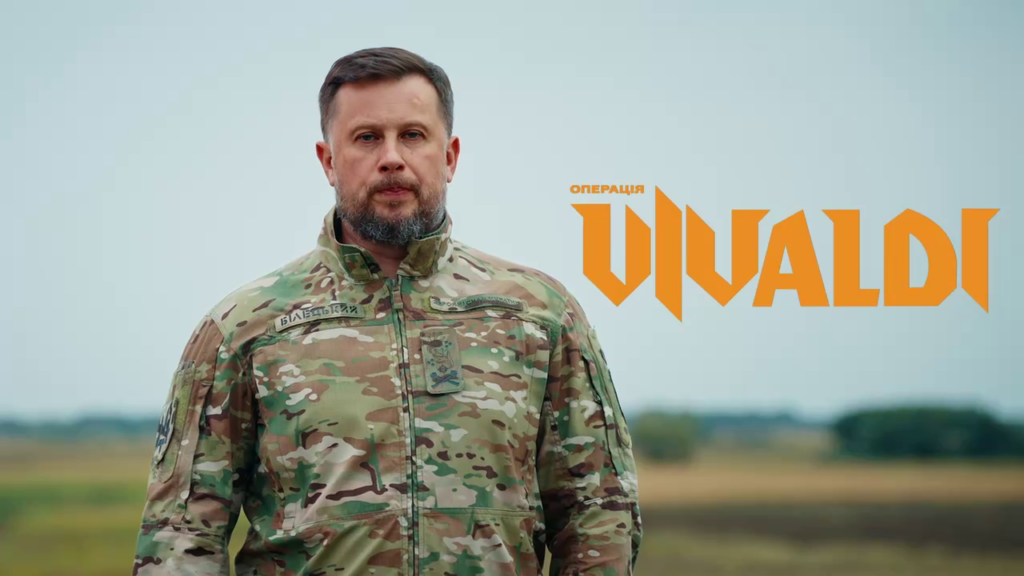
Ukrainian assault troops suffered more than 10 times fewer casualties than Russian forces during Operation Vivaldi, a Ukrainian military veteran said on 9 October, describing the ratio as unprecedented and highlighting Ukraine’s improved ability to protect its soldiers during offensive operations.
The counteroffensive has been a significant Ukrainian success, reclaiming territory in northern Donetsk Oblast and disrupting Russia’s plans to advance toward Sloviansk and Kramatorsk. The reported casualty ratio points shows Ukraine’s ability to make offensive gains while reducing the human cost of assaulting fortified positions.
Yevhen Dykyi made the remarks in an interview with Radio NV, saying the results showed how Ukrainian forces had learned to limit losses while attacking defended Russian positions.
Dykyi said the casualty ratio was one of the operation’s most important outcomes.
He said that Ukrainian assault troops suffered more than 10 times fewer casualties than Russian forces during the counteroffensive.
“That speaks volumes. We have learned how to protect our people, and that is extraordinarily vital,” he added.
The Third Army Corps launched Vivaldi in mid-September in northern Donetsk Oblast, near Lyman, where Russian forces had spent months trying to advance toward Ukraine’s fortified cities of Sloviansk and Kramatorsk.
The operation aimed to clear Russian troops from positions north of Lyman and disrupt Moscow’s plans to encircle the remaining Ukrainian-held parts of Donetsk Oblast. Ukraine’s Third Army Corps announced the counteroffensive on 15 September, initially reporting that its forces had cleared Russian infiltrators from several settlements and liberated Serednie.
By 30 September, Ukraine had regained 176 square kilometers of territory during the operation, according to figures cited by the Ukrainian presidential office. Ukrainian authorities also reported that their forces had captured around 250 Russian soldiers and inflicted more than 5,000 Russian casualties, including killed and wounded.
The counteroffensive also disrupted Russia’s effort to advance behind Ukraine’s fortified defensive line. By threatening Russian positions north of Lyman, Ukrainian forces complicated Moscow’s plans to encircle the Sloviansk-Kramatorsk area rather than attack its defenses head-on.
A key feature of Vivaldi has been the use of unmanned systems to attack fortified Russian positions before Ukrainian infantry moves in. Ukrainian forces deployed ground robots carrying grenade launchers to fire into Russian shelters, while explosive ground vehicles were used to destroy bunkers and strongpoints.
In one reported tactic, heavy drones delivered kamikaze ground robots more than 10 kilometers behind Russian lines, allowing Ukrainian operators to attack positions without exposing infantry to direct fire.