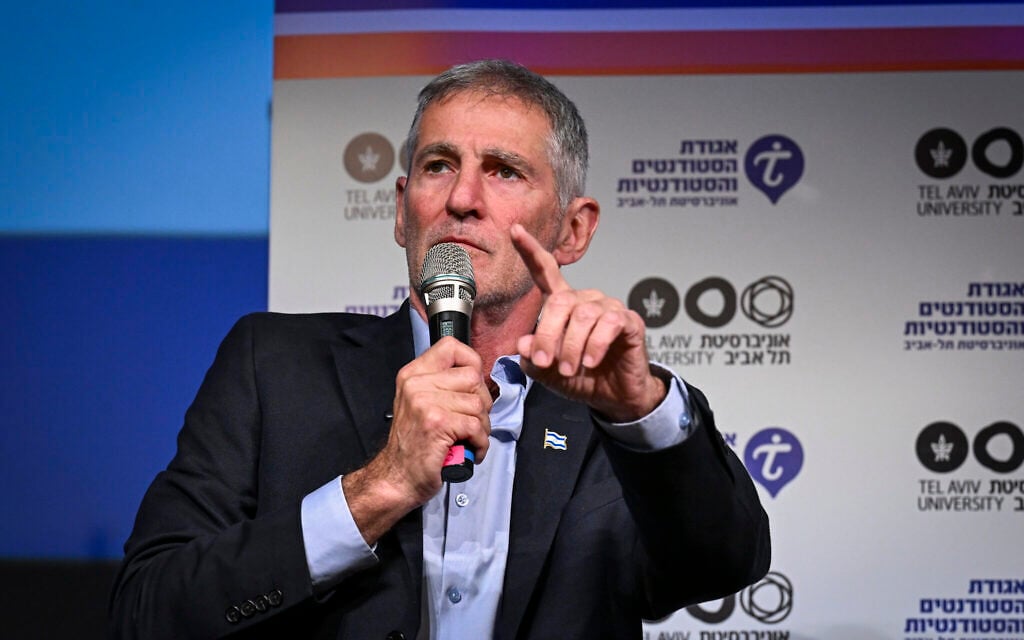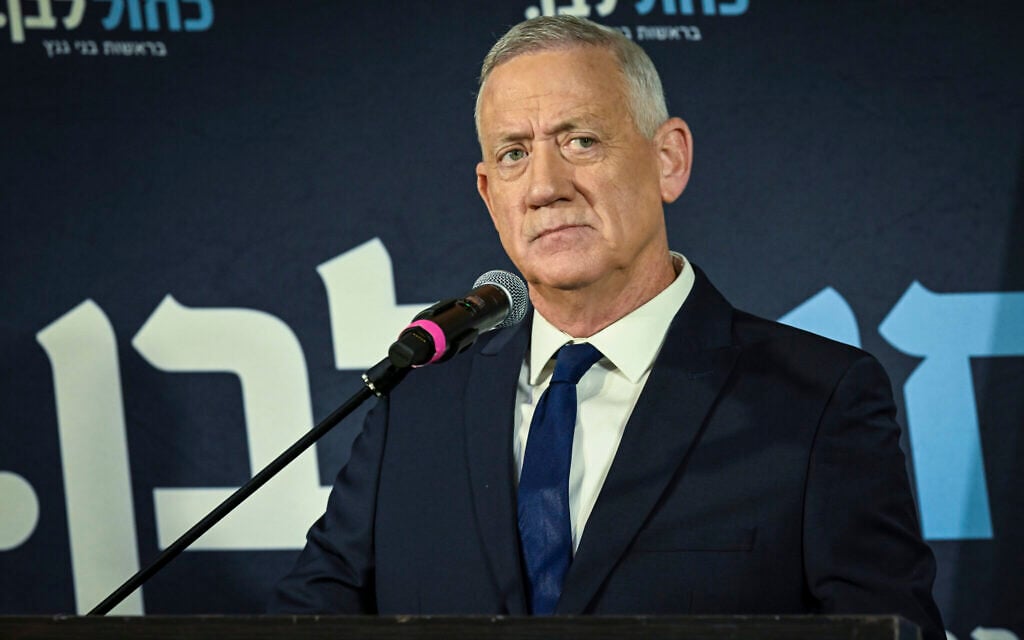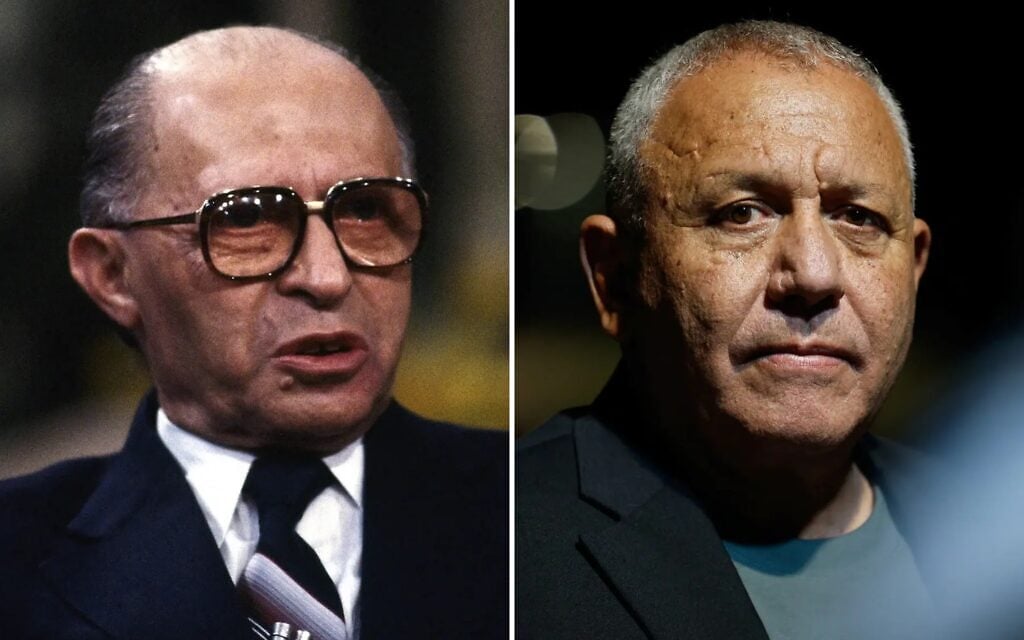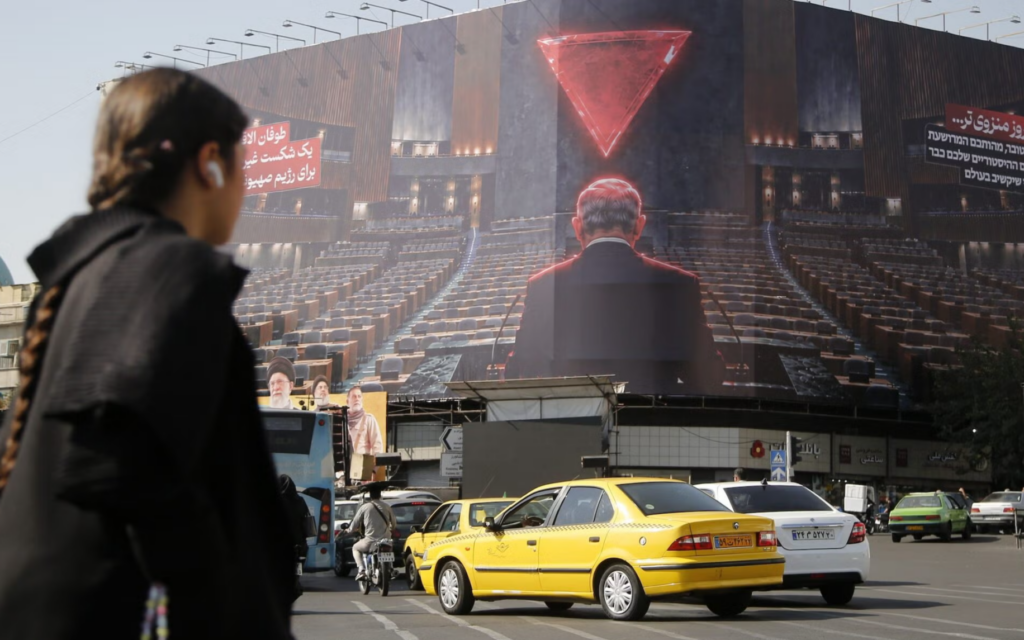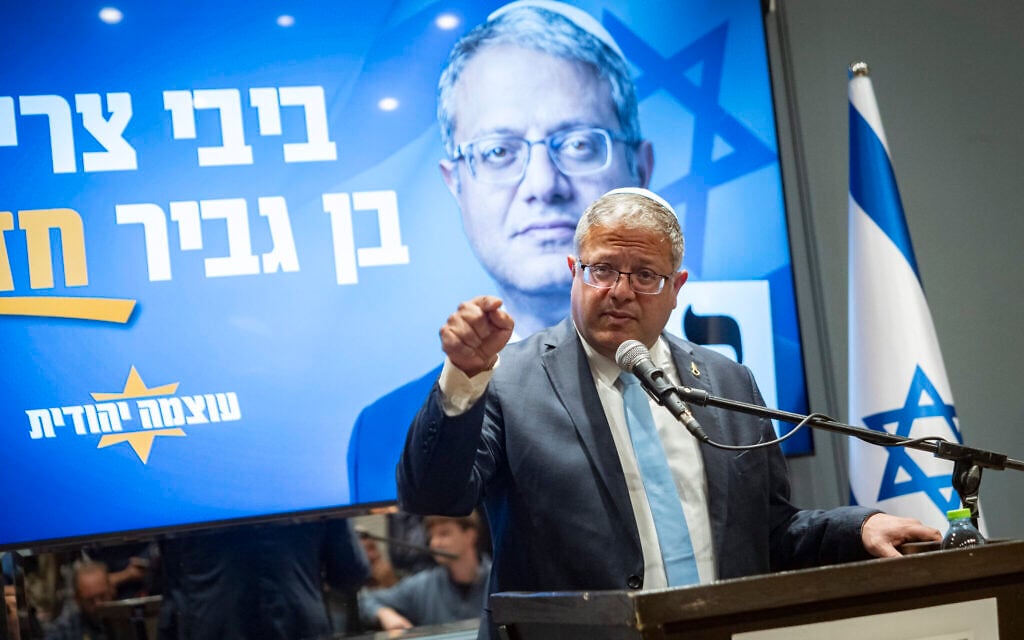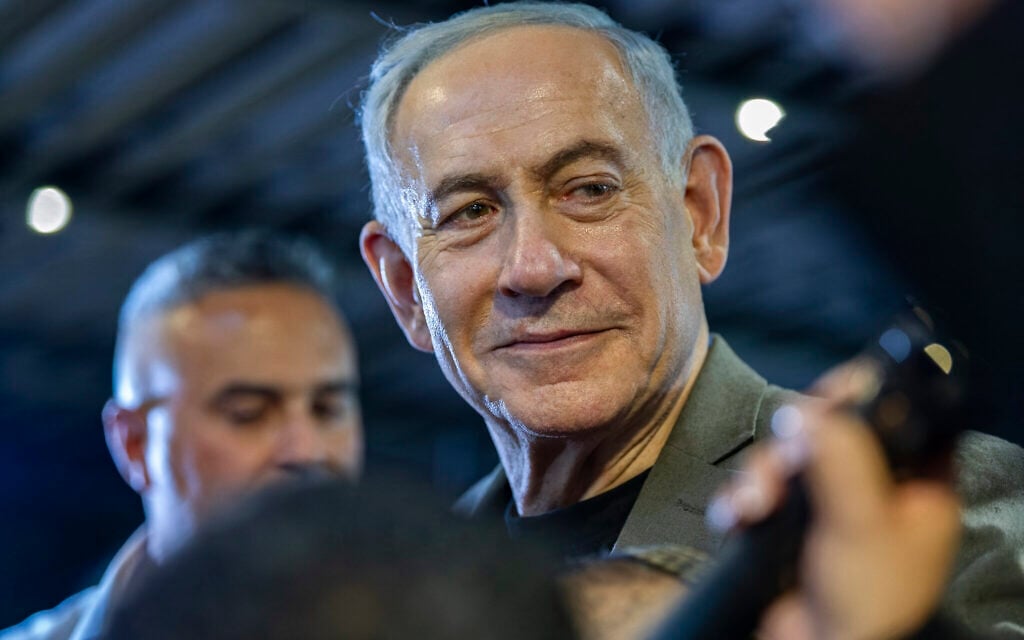
‘Wanted dead or alive’: Golan campaign billboard vandalized, amid fears of political violence


PHOENIX — Of the litany of campaign promises President Donald Trump made on the trail, few caught on with his supporters the way his promises about immigration did. But when it comes to the president’s targeting of undocumented immigrants, the Latino voters who helped catapult the president to victory in 2024 have noticed that the Department of Homeland Security is not only targeting “the worst of the worst.”
Jesús Cardiel, 73, from Surprise, Arizona, said he typically votes Republican because the party most aligns with his beliefs on abortion. Cardiel believes Trump’s immigration crackdown will cost him with Latino voters in these midterm elections.
“Instead of the promise he made to deport only those who were a threat to the people, he’s even deporting people who are completely innocent, and that’s going to affect us at the polls,” he added.

Many Latinos aren’t inclined to vote for him now that the elections are coming up.”
Cardiel’s instinct that the president’s immigration crackdown is far from focused on the “worst of the worst,” as the administration likes to describe those it’s rounding up, is borne out by the numbers.
The Deportation Data Project, a joint research venture from UCLA and UC Berkeley, found that as of July 2026, 73.5% of those arrested and booked by Immigration and Customs Enforcement had no criminal convictions. Of the others, 24.8% had been convicted of a nonviolent crime, while only 1.6% of those arrests involved undocumented immigrants convicted of a violent crime, according to the analysis.
But talk to Trump’s MAGA base — like those who waited hours for him to speak at a rally in Bullhead City, Arizona, last Wednesday — and many of them remain smitten with the way ICE raids have been going.

“They’re doing what they need to do,” said Deanne McCarter, 64, a three-time Trump voter from Lake Havasu City, who attended Trump’s rally in Arizona last week. Asked whether she believes ICE has been too aggressive after shooting undocumented immigrants in Austin, Texas, and New York City in recent months, McCarter was convinced they weren’t.

FAFO”
“FAFO,” said the Trump superfan, using an abbreviation with an expletive that means “[mess] around, find out.” “I mean, I’m sorry, but that’s the way that it is.”
Peggy Miller, a retired nurse and three-time Trump voter from Bullhead City, also expressed no qualms about ICE shooting people in the streets.

It is unfortunate that people are in the wrong place where they should not be.”
“It is unfortunate that people are in the wrong place where they should not be,” said Miller, 67.
“They should not have been doing what they were doing,” she added.
Miller and McCarter’s approval of Trump’s approach to immigration reflects broader trends.
According to an August AP/NORC poll, 8 in 10 Republicans approve of how the president is handling immigration.
But that enthusiasm has disappeared when it comes to the president’s support among the Latino community, which went for the president in historic numbers in 2024.
According to a new NBC News/Telemundo poll from earlier this month, Trump has a 27% approval rate among Latino voters. And 69% of those surveyed disapprove of his handling of immigration.
Unai Cutino is a 45-year-old HVAC employee who voted for Trump in each of the last three presidential elections. Now, he’s got buyer’s remorse.
“I regret it. I had so much hope that he promised so many things, and there’s nothing to show for it,” said Cutino, who is from Phoenix. He said the immigration crackdown, which has swept through Arizona’s capital in recent months, has been “very aggressive.”

This presidency always benefits the powerful, and the poor are left behind.”
“This presidency always benefits the powerful, and the poor are left behind,” Cutino said.
“Many Latinos aren’t inclined to vote for him now that the elections are coming up,” Cardiel warned.
And yet, when asking Trump’s MAGA whether the president is making good on his promise to deport the “worst of the worst,” the MAGA faithful are convinced.
“We see that they’re criminals. I don’t see any other innocent people getting [deported] contrary to what the media, the mainstream media, is trying to make it look like,” McCarter said.
“The left are screaming and kicking, so he must be doing something right,” she added.
The post Trump’s immigration crackdown is driving off Latino voters, as it fires up MAGA appeared first on MS NOW.


It was about a month ago when MS NOW reported on a Russian disinformation campaign targeting the U.S. midterm elections, featuring doctored selfie videos of Hollywood celebrities. The project — one of the first documented Kremlin-backed operations of this year’s election cycle — was specifically designed to undermine support for Democrats and to boost Republicans.
With only about two weeks remaining before Election Day, the efforts are apparently intensifying. Bloomberg News reported:
Russian disinformation operators are deploying an army of bots to inflate view counts of fictitious posts about celebrities and Democratic candidates ahead of the US midterm elections.
AI-fabricated video clips of well-known actors and musicians — including Robert De Niro, Julia Roberts and Cher — attacking Democrats began appearing on X in early September, some urging people to join a campaign dubbed #AllDemocratsAreCriminals. Scores of other clips have made false allegations of corruption and improprieties by Democratic candidates.
A related report in The New York Times noted that “an online influence operation backed by the Russian government has been stepping up its attempts to sow division in the United States.” The report added that the project has targeted Democrats “with negative content,” becoming “the latest effort by Russia to harm the party and support President Trump.”
It’s an important detail, not just because Russian President Vladimir Putin’s regime appears desperate to help Republicans, but also because of the familiarity of the circumstances.
In 2016, Russia targeted U.S. elections. There used to be a bipartisan consensus on this obvious, uncontested fact.
In 2018, Russia targeted U.S. elections. Though Trump, for reasons that have never been explained, rejected his own country’s intelligence on the matter, the United States’ top national security officials made it categorically clear that Russia took deliberate steps to interfere in the midterm cycle.
In 2020, Russia targeted U.S. elections. In fact, intelligence officials told Congress about evidence that showed Russia was interfering in the 2020 campaign for the express purpose of trying to secure a second term for Trump.
In 2022, Russia targeted U.S. elections. In fact, The Wall Street Journal reported a few years ago, “The Russian government and its proxies attempted to denigrate the Democratic Party and undermine voter confidence ahead of the 2022 midterm elections.”
In 2024, Russia again targeted U.S. elections, specifically in the hopes of electing Republicans who would oppose American military aid to Ukraine.
And in 2026, it’s happening once again.
In each instance, Moscow wasn’t simply trying to sow chaos. As this unsubtle pattern unfolded, Russian operations specifically tried to help one party (Republicans) and hurt the other (Democrats).
Two year ago, Jake Sullivan, the White House national security adviser, appeared on NBC News’ “Meet the Press” and said that there’s “plenty of reason to be concerned” about Russia trying to interfere in another American election.
Sullivan added, “[T]his is not about politics. This is about national security. It is about a foreign country — a foreign adversary — seeking to manipulate the politics and democracy of the United States of America.”
Two years later, the current White House national security adviser, Secretary of State Marco Rubio, has invested far less time and effort into denouncing the Kremlin’s operations, and congressional Republicans tend to have effectively nothing to say about Russian intervention.
For its latest report, the Times spoke to a senior researcher at Graphika, a threat analysis company, who said the Russian tactics “give us a glimpse of what their objectives are,” adding, “They’re not targeting Republican candidates in the same way.”
This post updates our related earlier coverage.
The post As Election Day nears, Russia steps up efforts to boost Republicans appeared first on MS NOW.
Today’s installment of campaign-related news items from across the country.
* With just two weeks remaining in the election cycle and early voting underway in much of the country, the latest Washington Post/ABC News/Ipsos survey offered Donald Trump another round of bad news: The president’s approval rating has reached a record low of 33% in this poll. But for Republicans, that’s not necessarily the worst part.
The same results included a generic congressional ballot and found Democrats with an eight-point advantage over the GOP, 52% to 44%. As recently as July, the same outlet showed Democrats with a three-point edge.
This dovetailed with the latest NBC News/SurveyMonkey poll, which showed Democrats with a 10-point lead over Republicans on the generic ballot, 55% to 45%.
* Artificial intelligence-generated campaign advertising has become an intensifying problem in this year’s election cycle, but it’s not altogether a bipartisan problem: A New York Times analysis found that more than 80% of the ads created by AI “were produced by Republican campaigns or Republican-aligned political action committees.”
* In Ohio’s closely watched statewide races, the latest Bowling Green State University poll found former Democratic Sen. Sherrod Brown leading incumbent Republican Sen. Jon Husted, 48% to 42%. A month ago, the same pollster showed Brown ahead by three points.
As for the state’s gubernatorial race, the same survey data found Amy Acton, the Democratic nominee, leading Vivek Ramaswamy by the same six-point margin, 50% to 44%.
* In Nevada, retiring Republican Rep. Mark Amodei continues to tear into his own party’s would-be successor. The outgoing congressman reiterated over the weekend that he would “absolutely not” vote for David Flippo in Nevada’s 2nd Congressional District, adding that, as far as Amodei is concerned, his seat is “at risk” for flipping from red to blue.
* In Massachusetts, Shawn Oliver, the Republicans’ lieutenant governor nominee, suspended his candidacy over the weekend. One day earlier, he was arrested for allegedly driving under the influence and striking five parked cars. According to local police, Oliver also allegedly flipped his own car during the incident.
* House Speaker Mike Johnson said during an interview over the weekend that independent news organizations are secretly conspiring with independent polling firms to release deceptive survey data as part of a plot to “discourage” GOP voters. The Louisiana Republican did not appear to be kidding.
* The president held a campaign rally in Georgia late last week, where he insisted that Democratic Sen. Jon Ossoff was “never elected” despite his 2020 victory. Trump added that the results were fraudulent, an absurd claim for which he offered no evidence.
* Though the U.S. Senate race in Mississippi continues to look like a real reach for Democrats, Democratic Sen. Raphael Warnock is doing his best to rally support for local prosecutor Scott Colom in his race against incumbent Republican Sen. Cindy Hyde-Smith.
* And in Maryland, where Republican Rep. Andy Harris threatened to have a student journalist arrested last week for recording him at a public Q&A, the far-right congressman was offered an opportunity late last week to apologize for his bizarre antics. Harris refused.
The post Monday’s Campaign Round-Up, 10.19.26: Generic ballot polls offer Democrats more good news appeared first on MS NOW.


The question isn’t whether Defense Secretary Pete Hegseth is failing, since the evidence of his incompetence is overwhelming. Rather, the question is whether the Pentagon chief’s failures have affected his standing.
The answer is readily available. A CNN poll released less than a month ago found Hegseth with a 34% approval rating, suggesting that the former Fox News host was as unpopular as Donald Trump — the president who chose him for the Cabinet. The same survey found Hegseth’s support among Republicans is lower than other prominent administration officials.
These results came on the heels of a related poll from Quinnipiac University, which found only 32% of Americans approved of how the defense secretary was handling his job, while 57% disapproved. To put that in context, a month before the war with Iran got underway, Hegseth’s net approval was 9 points underwater, but by mid-September, he was 25 points underwater.
With this in mind, and as Hegseth becomes something of a national joke, some Democrats appear to be taking advantage of the secretary’s faltering public support. The New York Times reported:
In the final weeks of a midterm congressional battle in which voters’ opposition to the war with Iran has become a major issue, Democrats are increasingly making Mr. Hegseth a main character in their campaign messaging.
It is an effort to turn one of President Trump’s most recognizable cabinet officials — and one who has been an unapologetic and visible cheerleader for a war that polls show is deeply unpopular — into a liability for Republicans’ fighting to keep their seats.
This is not to say every Democrat is incorporating Hegseth into their midterm messaging, but it’s happening enough to get noticed. Indeed, just last week, House Minority Leader Hakeem Jeffries declared at a campaign rally, “One of the first things we’re going to do in the majority, we’re going to run Pete Hegseth out of town.”
The Times’ report added that Hegseth has been of particular interest to Democratic candidates who served in the military, running in districts with deep ties to the armed forces. From the article:
Leela Gray, a retired Army brigadier general challenging Representative Anna Paulina Luna in Florida, has called Mr. Hegseth an “unqualified frat boy.” Cait Conley, an Army combat veteran challenging Representative Mike Lawler in a competitive New York district, has called him a “disgrace.” And JoAnna Mendoza, a retired Marine running against Representative Juan Ciscomani in Arizona, has criticized his treatment of women in the military.
In South Carolina, Nancy Lacore, a retired three-star Navy admiral whom Mr. Hegseth removed as chief of the Navy Reserve last year without publicly explaining why, has made his leadership of the Pentagon an issue in her congressional campaign.
We’ll learn soon enough whether these campaign tactics are effective, but I’m struck by the historical oddity of the circumstances. Indeed, looking back at Hegseth’s recent predecessors — Lloyd Austin, Mark Esper, James Mattis, Ash Carter et al. — these secretaries, during their tenures, were not widely known to the American mainstream. There wouldn’t have been any point to including them in attack ads.
But in 2026, Hegseth’s public profile is much higher — and not in a good way.
The post As Hegseth’s public standing sinks, Democrats make him part of their midterm message appeared first on MS NOW.


Getty Images; Bloomberg/Getty Images; BI
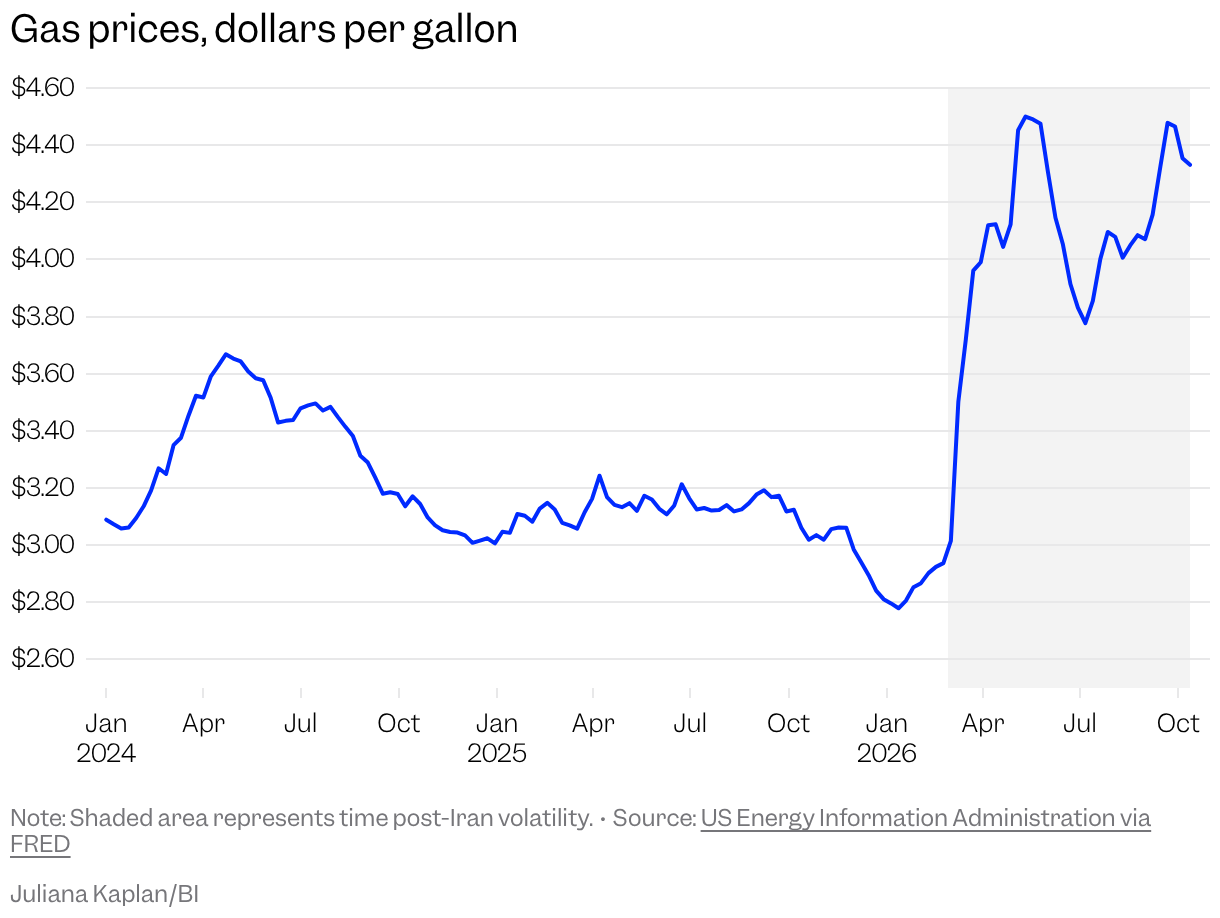
It's expensive out there: Gas prices have been stuck at over $4 a gallon for more days this year than any other. The war in Iran shows no signs of cooling off. Inflation is swallowing any raises you might have gotten at work.
It's a recipe for a challenging midterm cycle for President Donald Trump, who faces an affordability crisis at home that's not going away — and a far-away war that's only making costs go up.
The volatility surrounding the contested Strait of Hormuz, a key oil and gas transit waterway, has hit American consumers hard.
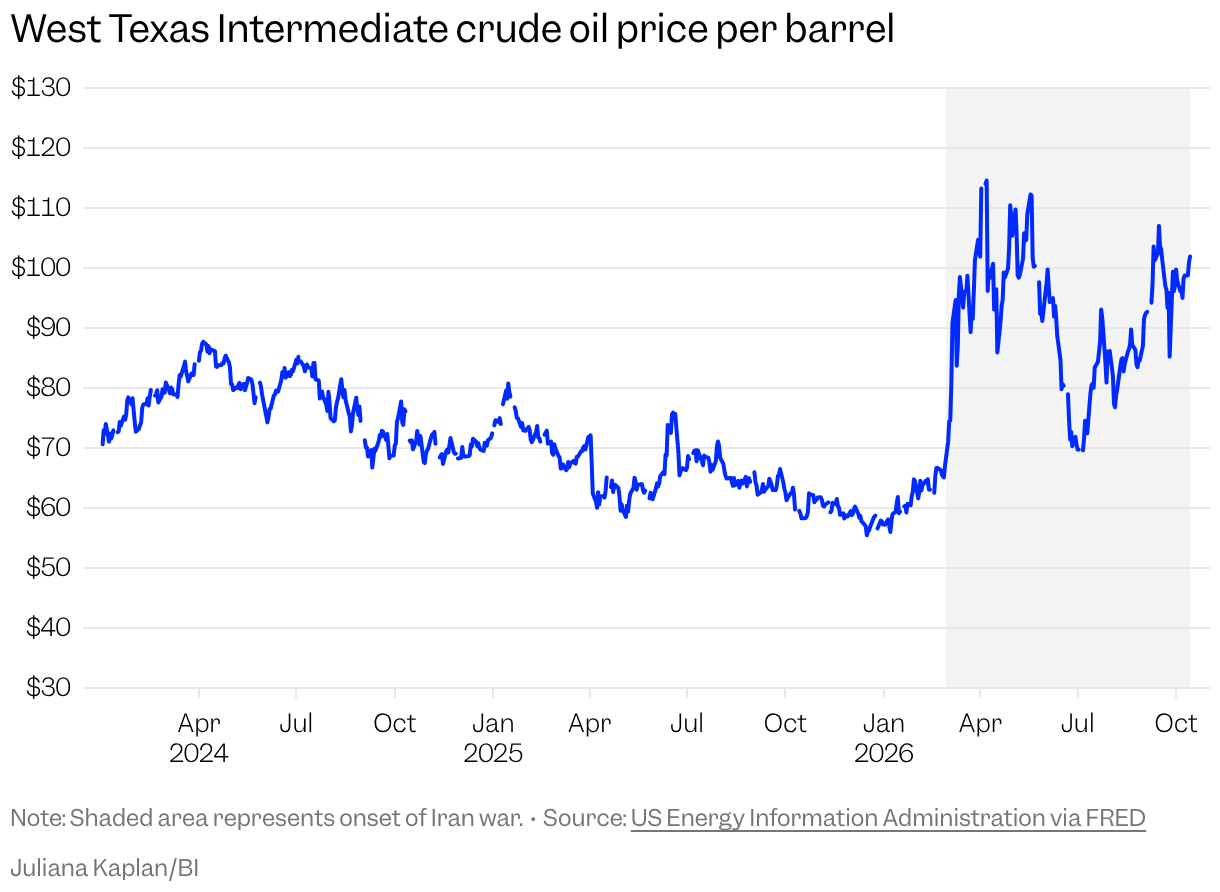
Since the Iran war first kicked off in February and the Strait was subsequently closed, gas and oil prices have skyrocketed. Diesel prices have hit record-breaking highs in recent weeks. That paints a dreary picture for Americans struggling with high costs, who likely won't feel any relief at the pump in the near future — especially as more potential military action looms.
Trump has highlighted the broader goals of the war and argued that the increase in gas prices would be transient. In an October 8 Truth Social post, he wrote, "a temporary increase in the price of Gasoline is a small price to pay for Iran not having a Nuclear Weapon."
While the US military has not carried out airstrikes against Iran directly in several months, it has kept a significant force presence in the Middle East, including more than a dozen warships, dozens of fighter jets, and thousands of sailors and Marines.
US forces in the region are maintaining a naval blockade against Iran, and since July, they have disabled four commercial ships that the Pentagon said were sailing in violation.
After the start of the war in February, crude oil prices soared and remain significantly higher than when Trump's second term began.

Tanker traffic through the Strait of Hormuz nearly ground to a halt early in the Iran war, severely disrupting a waterway that normally carries about a fifth of the world's oil supply. Shipments have since recovered substantially but remain below prewar levels.
The Trump administration said it aims to alleviate issues related to oil. "The President wants to see prices at the pump fall and continues to take historic measures to alleviate temporary disruptions as oil flowing through the Strait of Hormuz approaches pre-conflict levels," White House spokeswoman Taylor Rogers said.
Vessels carrying oil and other products have continued to take fire from both sides, putting more pressure on commerce traveling through the area. US forces have carried out additional strikes on Iranian-linked targets. The Pentagon said they have destroyed 10 tankers tied to the Islamic Revolutionary Guard Corps, or IRGC, since July.
Meanwhile, several merchant ships have come under attack in and around the Strait of Hormuz this month, according to the Royal Navy-affiliated United Kingdom Maritime Trade Operations Center. US Central Command, which oversees American military operations in the Middle East, has attributed some of these strikes to Iran.
The ripples of volatility in oil prices are showing up at the pump. Long gone are the days of gas stations touting below-$3 prices; prices are still hovering in the mid-$4 range. High gas prices are even tamping down spending among higher-income consumers, and soaring costs have led to a rise in "hypermilers" — drivers who try to optimize and gamify their habits to get the best value per gallon.

Diesel prices in the US have spiked even more, up to around $6.18 per gallon, an over $2.50 increase over the year, per the Energy Information Administration. In California, diesel is hovering over $8 a gallon.
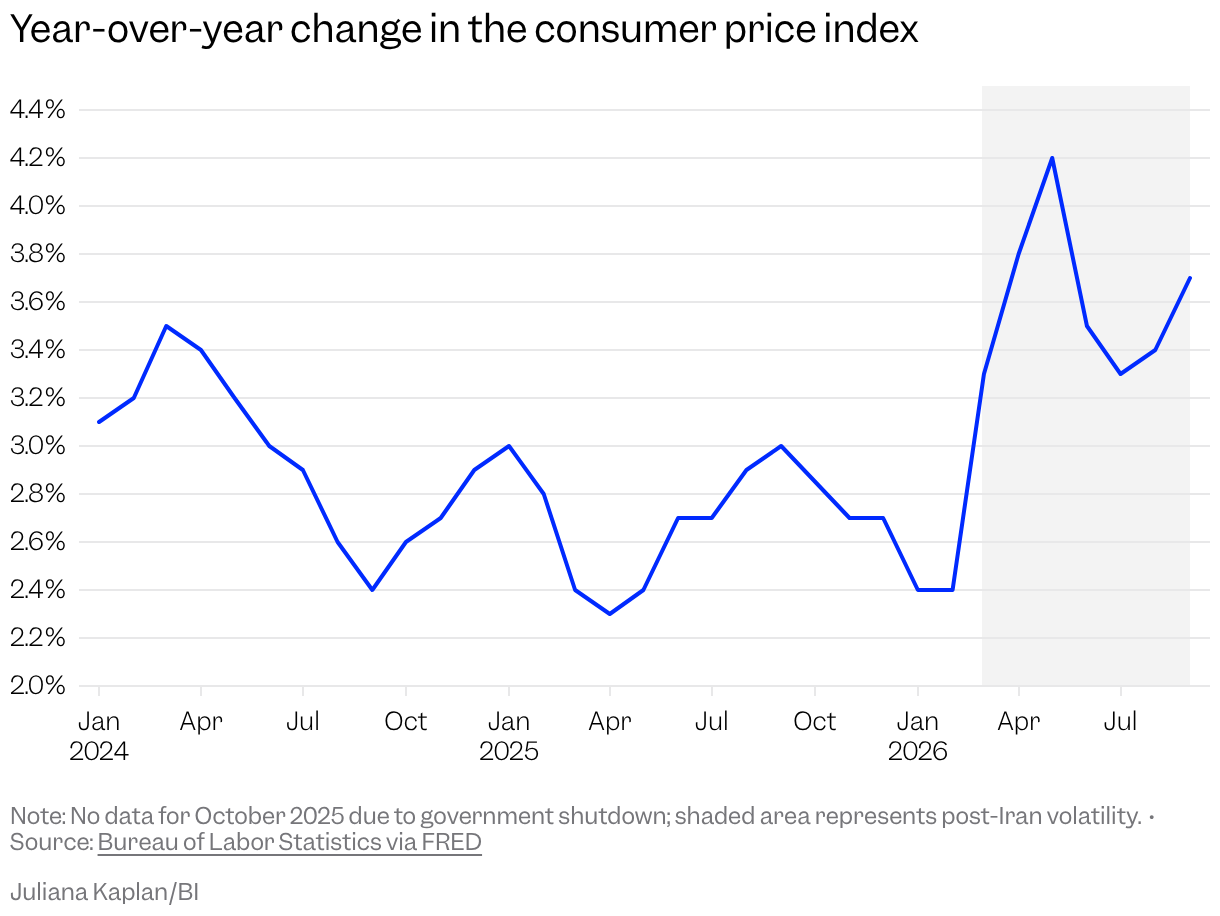
Those fuel and energy strains are pushing up costs across the economy. Inflation as tracked by the consumer price index increased to 3.7% year-over-year in September — higher than economists expected. That was driven in large part by soaring gas and energy prices, with energy rising by 20.4% year-over-year and gas by 34.2% in the same period.

Higher inflation has put pressure on the Fed and bond markets. In September, the central bank raised rates for the first time in three years to try to combat rising prices, with one more hike potentially coming by year's end. The 10-year Treasury yield, which influences borrowing costs for mortgages, auto loans, and credit cards, has surged since the war began, from below 4% at the end of February to a high of 5.31% this month. The 30-year mortgage has risen nearly in lockstep, going from just under 6% to 7.5% during the eight-month conflict.
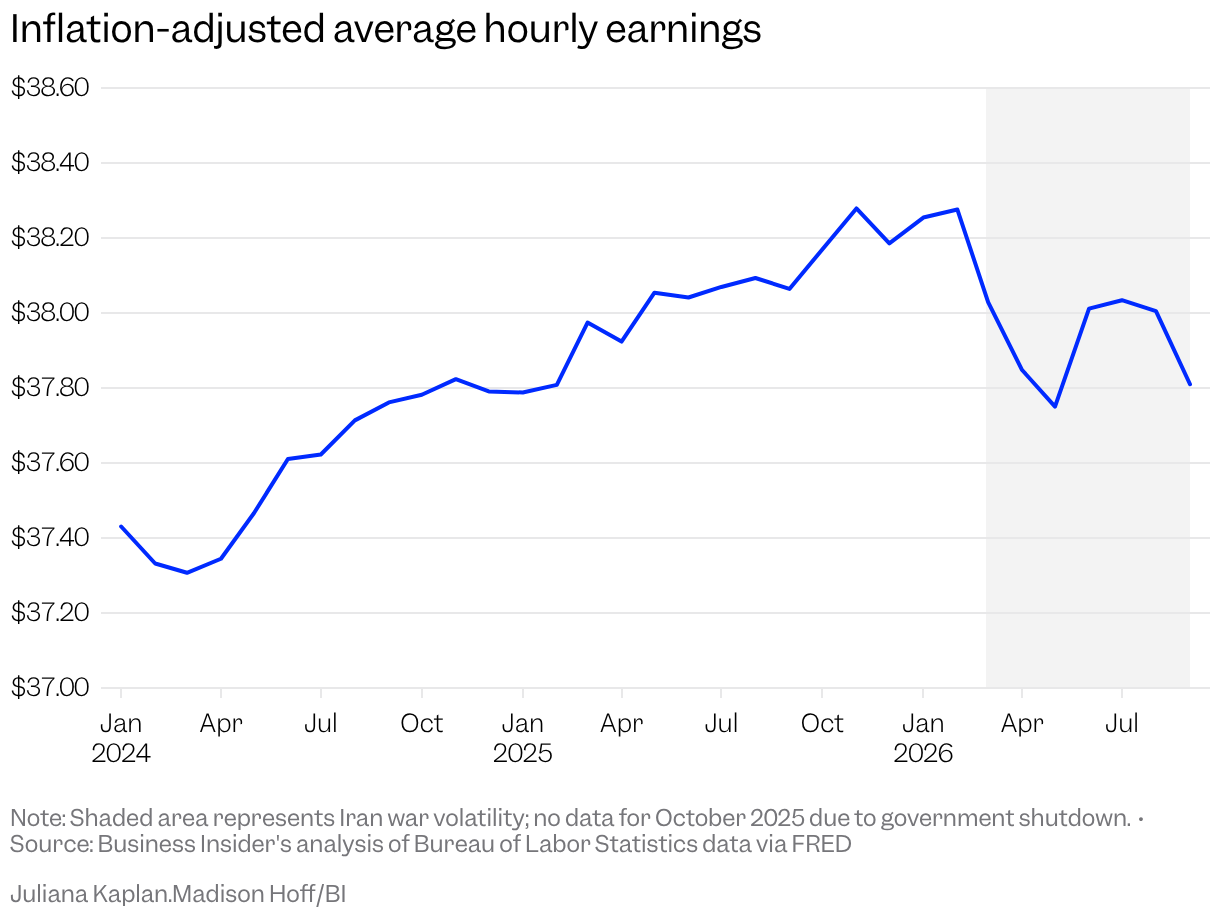
For everyday Americans, all of these international strains amount to what is, essentially, a pay cut. Wage growth remains slow and steady, but, over the past few months, rising prices have outpaced pay increases. Inflation-adjusted wages have slumped since the start of the war, and have given up nearly all their gains since the start of Trump's second term.

When asked for comment, the White House highlighted that by some measures, earnings are still outpacing inflation. "Under President Trump, private sector workers have seen their wages continue to outpace inflation, with average annual earnings growing by more than $600," said White House spokesperson Matthew Middleton.
And, with midterm season in full swing, affordability is on the ballot for many voters. The current economic situation shows no immediate signs of changing — another blow for Trump, who's been on a quest to bring down gas prices.
There are growing signs that the US could be preparing for fresh military action against Iran. Another aircraft carrier strike group is sailing across the Pacific and is expected to enter the Middle East.
The Trump administration is also facing a resurgence in attacks from the Houthis, a rebel group in Yemen. In recent weeks, the Iran-backed rebels have seized key territory along the Red Sea, allowing them to threaten the Bab al-Mandeb Strait, another maritime chokepoint like Hormuz, and have ramped up missile strikes against Saudi Arabia.
The Houthis previously tormented Red Sea shipping, leading the Trump administration to launch a major bombing campaign last year that ended in a ceasefire. The rebels have since rearmed.
Any other disruptions there might be bad news for consumers, potentially bringing more price spikes across the many goods shipped through that chokepoint.


Lula Flávio Bolsonaro debate begins Sunday on Band as both candidates clash over Brazil’s future one week before the October 25 runoff.
Related: Lula Signs Constitutional Amendment Reducing Brazil’s Workweek to 40 Hours
The Lula Flávio Bolsonaro debate takes place Sunday in São Paulo as Brazil’s presidential runoff enters its final week.
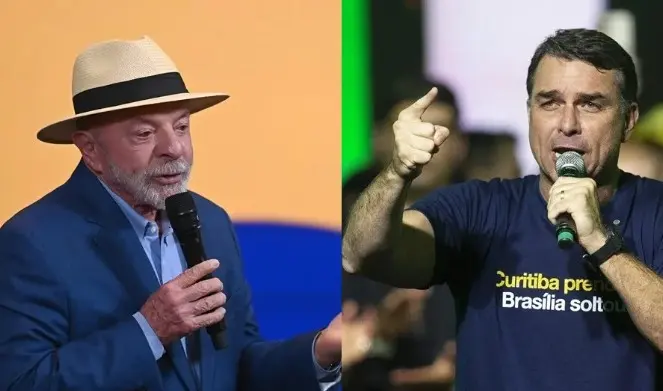
President Luiz Inácio Lula da Silva and Senator Flávio Bolsonaro will meet for the first time in a televised debate promoted by the Band television network.
The encounter is considered a crucial moment in the campaign, which will conclude with the runoff election on October 25.
The debate will be broadcast live from Band’s studios in São Paulo beginning at 8:00 p.m. Brasília time. It is expected to last approximately two hours.
The program will be transmitted through a media pool that includes Band, TV Gazeta, TV Cultura, Jovem Pan and the newspaper O Estado de S. Paulo.
The debate will also be available through BandNews TV, BandNews FM, Bandeirantes radio, Band’s YouTube channel, Band’s website and the BandPlay platform.
The two candidates have avoided a direct confrontation throughout the first round. Their decision to participate in Sunday’s debate therefore marks a significant change in campaign strategy.
During the first round, Lula chose not to participate in televised debates. Instead, he gave interviews to TV Record and the Flow podcast at times that coincided with other candidates’ debate appearances.
Flávio Bolsonaro, meanwhile, had conditioned his participation on Lula’s presence. As a result, the two candidates avoided facing each other directly during the first-round campaign.
The situation changed after both candidates advanced to the runoff. Lula said that debates had become more important because the contest is now one-on-one.
“Now it is important to have television debates, because now it is face to face, now it is one against one,” Lula said.
Flávio Bolsonaro also changed his position after Lula confirmed his attendance. The senator had initially rejected the invitation but later said he would participate.
He publicly challenged Lula on social media, saying that the president had agreed to attend only after Bolsonaro said he would not participate.
“Lula, you are so predictable, aren’t you? As soon as I said I would not go to the debate, the next minute you said you would go. Of course I’m going, I just wanted you to confirm it,” Bolsonaro wrote.
The exchange reflects the high level of tension between the two campaigns as Brazil approaches a closely contested runoff.
Band presidential debate rules | Brazil’s Superior Electoral Court
The Lula Flávio Bolsonaro debate will include three main blocks.
The first and third blocks will begin with questions from journalists. The candidates will then have time for direct exchanges, allowing them to question one another, respond to criticism and offer rebuttals.
The second block will also include direct confrontation between the two candidates.
The format gives each candidate freedom to manage their speaking time during the direct exchanges. They may move around the studio, ask questions and respond to their opponent without following a fixed timetable for every intervention.
The format is designed to encourage direct confrontation rather than limiting the candidates to short scripted responses.
Band’s anchors Eduardo Oinegue and Adriana Araújo will moderate the debate and ask questions on behalf of the network.
The questions are expected to cover major policy issues, including the economy, health care, education, public security and social programs.
The candidates will also deliver opening statements and closing remarks. Those moments will allow them to present their main proposals and make direct appeals for votes.
A draw determined the order of responses and the candidates’ positions on stage. Flávio Bolsonaro will stand on the left side of the studio, while Lula will occupy the right side.
The debate will provide the first opportunity for viewers to compare the candidates’ personalities, arguments and responses under pressure.
The encounter is especially important because recent polls have shown a narrowing gap between the two candidates.
A Datafolha survey published on October 10 gave Lula 50 percent of valid votes in a runoff scenario, compared with 50 percent for Flávio Bolsonaro. The result indicated a technical tie.
A Quaest poll published on October 15 showed a similar result, with Lula receiving 49 percent and Bolsonaro 51 percent among valid votes. The difference was within the survey’s margin of error.
Those figures mean that the debate could influence undecided voters and those who may still change their minds.
The candidates will seek to define the terms of the campaign. Lula is expected to defend his government’s economic record, social programs and international diplomacy.
Flávio Bolsonaro is expected to criticize inflation, crime, public spending and the performance of the Workers’ Party government.
The debate may also address Brazil’s international relations, including its position on the war in the Middle East, relations with the United States and cooperation with Latin American countries.
The candidates’ contrasting visions of Brazil are likely to become a central issue. Lula represents a progressive project based on social inclusion, public investment and multilateral diplomacy.
Flávio Bolsonaro represents a conservative project that emphasizes public security, lower taxes, reduced state intervention and closer alignment with right-wing forces.
TV Globo election coverage | Reuters coverage of Brazil’s election
Attention will quickly turn to the second Lula Flávio Bolsonaro debate, scheduled for October 23 on TV Globo.
The final debate will take place in Rio de Janeiro, two days before the runoff vote.
TV Globo is Brazil’s largest television network, and the debate is expected to reach a much larger audience than the Band encounter.
The program will be moderated by journalist César Tralli and broadcast after the network’s main evening news program, Jornal Nacional.
The debate will also be transmitted simultaneously by GloboNews and the G1 news portal. Viewers will be able to follow the event through TV Globo, GloboNews, G1 and Globoplay.
The Globo debate is expected to be the last major televised confrontation before Brazilians vote on October 25.
Both campaigns are still evaluating their final participation, although the event has been formally scheduled by the network.
The debate could be decisive if the race remains close. Candidates may use the final encounter to address undecided voters and reinforce their core messages.
The runoff campaign has been marked by intense mobilization in the streets, social media disputes and accusations between the two camps.
Lula’s supporters have accused Meta platforms of censoring accounts linked to the president, while Bolsonaro’s campaign has promoted claims of government bias and economic mismanagement.
The accusations have increased tensions and made the debates even more important as a space for direct confrontation.
The first-round campaign was marked by a lack of direct debates among the leading candidates. The runoff has changed that dynamic because the election is now limited to two contenders.
The debates give voters a clearer opportunity to evaluate each candidate’s proposals and responses to criticism.
They also allow candidates to correct false statements, challenge their opponents’ records and present their plans for government.
The outcome of the runoff will determine Brazil’s political direction for the next four years. It will also influence the country’s economic policy, environmental agenda and international relations.
The Lula Flávio Bolsonaro debate has implications beyond Brazil because the country is Latin America’s largest economy and a major global agricultural producer.
The election will affect Brazil’s approach to climate policy, the Amazon, trade, regional integration and relations with China, the United States and the European Union.
Lula has promoted a more active role for Brazil in multilateral institutions and has sought closer ties with countries in the Global South.
His government has emphasized cooperation with China, support for regional integration and a diplomatic approach to international conflicts.
Flávio Bolsonaro’s campaign is associated with a more conservative foreign-policy orientation and closer alignment with right-wing governments and movements.
The election will therefore influence debates over Brazil’s role in the world and its relationship with the United States.
The runoff is also taking place amid heightened political polarization. The two campaigns represent competing visions of Brazil’s democracy, economy and social model.
Lula’s supporters see the election as an opportunity to preserve social programs and protect democratic institutions.
Flávio Bolsonaro’s supporters argue that Brazil needs a change in direction to address crime, inflation and economic stagnation.
The debates will provide voters with a final opportunity to compare those visions before casting their ballots.
The first debate on Band and the final encounter on TV Globo could play a decisive role in determining who will govern Brazil after October 25.