The US and Japan kicked off their biennial Keen Sword military exercise on Monday, one of the largest joint drills between the two countries. This year, the exercise will focus on Japan’s southwestern islands, including its westernmost island, Yonaguni, just 68 miles east of Taiwan. Both the US and Japan have deployed new anti-ship missile […]
Beijing has proposed banning exports of the technology used to make next-generation solar cells, a move that could complicate United States technology guru Elon Musk’s plan to expand into space solar power. The ban, which covers production technology for perovskite and tandem solar cell modules, is part of a proposal by China’s Ministry of Commerce […]
Russian President Vladimir Putin’s advisor Nikolai Patrushev’s recent visit to China points to something more consequential than another round of Russia-China strategic rhetoric: Moscow is trying to turn maritime cooperation with Beijing into infrastructure, technology and logistics that can survive geopolitical pressure. The proposals discussed during the October 8-13 visit — linking China’s Maritime Silk […]
TSMC expects overseas manufacturing to reduce its consolidated gross margin by nearly two percentage points in 2026, with the impact widening to three to four points later in its expansion program. The company plans to spend $60 billion to $64 billion on capital expenditure this year. Its latest outlook calls for fourth-quarter revenue of up […]
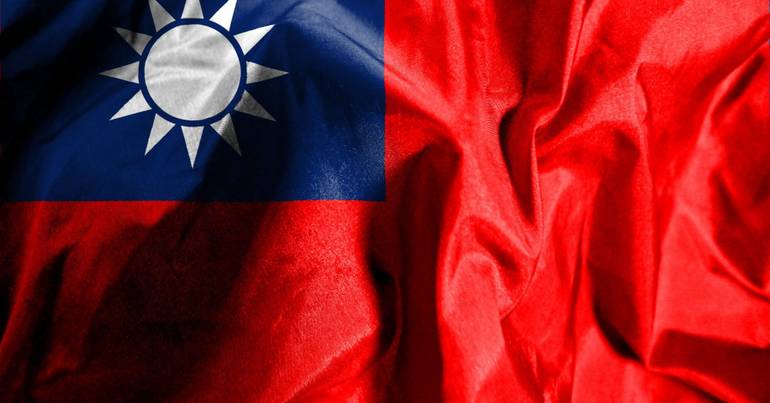
A questão de Taiwan não pode ser reduzida a uma disputa territorial distante. Nenhum povo deve ver o seu futuro decidido pela ameaça ou pelo uso da força.
The deployment follows exercises announced in May, as Taiwan reports detecting 13 Chinese military aircraft near its territory.
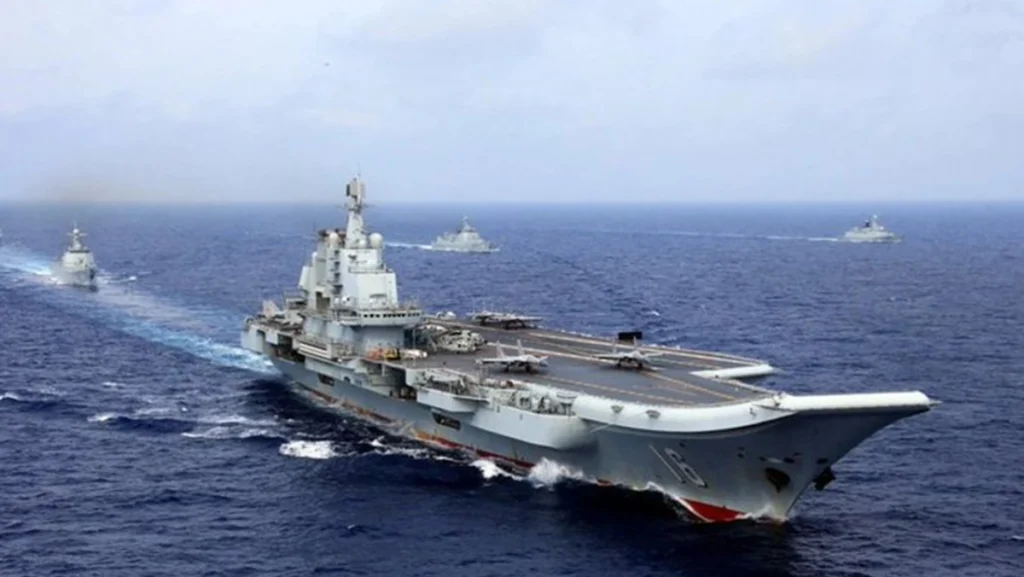
On Wednesday, the People’s Liberation Army Navy (PLAN) announced the deployment of a carrier strike group led by the aircraft carrier Liaoning to the western Pacific for military drills, marking a new training mission in the region following exercises announced in May.
The PLA said the drills are part of its annual training plan and aim to improve unit readiness “under real combat conditions.” It also said the exercises comply with international law and “are not directed against any country or specific target.”
The announcement did not specify the composition of the carrier strike group or the exact waters of the western Pacific where the drills would take place. It also did not provide their duration or the planned activities.
The Liaoning, the oldest of China’s three operational aircraft carriers, was deployed to the same region in May, when the PLAN announced drills that included tactical flights over open water, live-fire exercises, and search-and-rescue operations.
A Chinese naval task group led by the aircraft carrier Liaoning sailed to the western Pacific on Wednesday for training, the Chinese People's Liberation Army Navy said.
The drill is part of the annual routine training plan aimed at testing and improving the troops' combat… pic.twitter.com/YvLkUz0zHQ
In June 2025, the Liaoning and the aircraft carrier Shandong completed simultaneous deployments lasting more than a month in the western Pacific. During that period, they conducted combat drills and joint operations with other military units.
On Wednesday morning, Taiwan’s Ministry of National Defense said it had detected 13 Chinese military aircraft in succession near its territory, including J-16, J-11 and Su-30 fighter jets.
Eleven of those aircraft crossed the median line of the Taiwan Strait and entered the northern, central and southwestern sectors of Taiwan’s self-declared Air Defense Identification Zone (ADIZ) to conduct a “joint combat readiness patrol” with PLAN vessels. It was the third such patrol in just over a week.
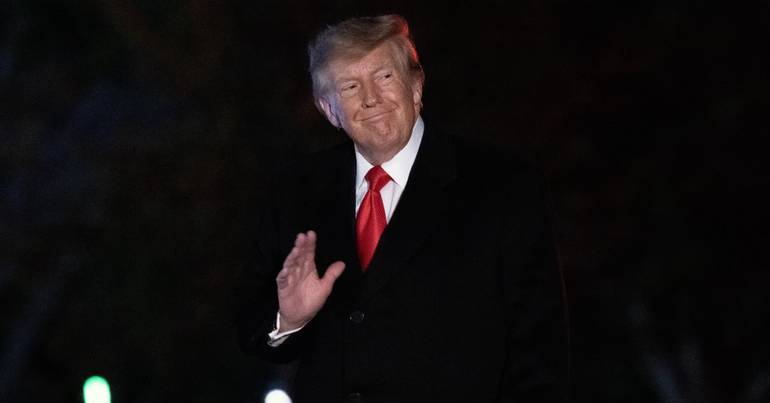
President Donald Trump said Taiwan had agreed to buy 30% of the liquefied natural gas from a planned project in Alaska for 20 years, even as Taipei indicated that no binding commitments have been finalized.
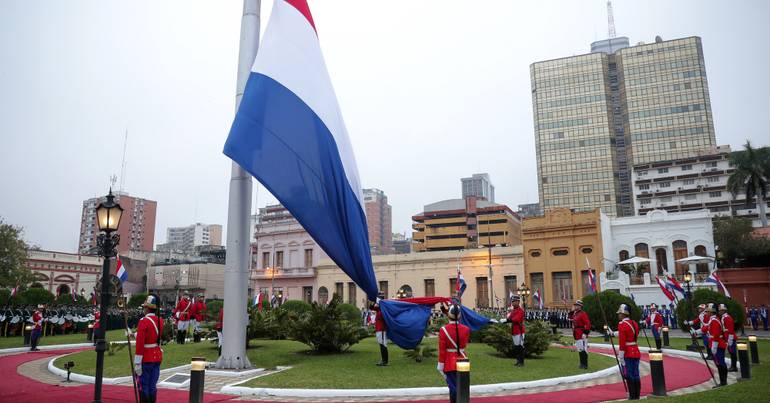
Após China sancionar ministro paraguaio por manter ligações com Taiwan, Paraguai declara a sua liberdade de associação com qualquer nação do mundo. "O Paraguai é um país livre e soberano".
O Paraguai e o Belize integram o grupo de 12 países que mantêm relações diplomáticas formais com Taiwan, ilha governada de forma autónoma cuja soberania é reivindicada por Pequim
Empresa estatal de energia de Taiwan, a CPC Corporation, tinha apenas assinado uma carta de intenções para investir no projeto, apresentada em março de 2025, agora assinou um maior compromisso.
A presidente do Grupo Parlamentar de Amizade Portugal-Taiwan apela a Taipé como prioridade, enquanto a AR rejeitou propostas semelhantes em janeiro. Taiwan celebra 115 anos.
A presidente do Grupo Parlamentar de Amizade Portugal-Taiwan apela a Taipé como prioridade, enquanto a AR rejeitou propostas semelhantes em janeiro. Taiwan celebra 115 anos.
No 115.º aniversário da República da China, Lai Ching-te justificou o orçamento recorde de defesa para 2027 — mais de 3% do PIB — face à pressão militar de Pequim.
Taiwan wants to expand its bilateral relations with Portugal beyond economic ties, into areas such as science and research, the territory’s representative has told Lusa news agency. Just over a
The 2026 Asian Games in Japan drew to a close on October 4 following two weeks of competition between 45 countries and territories across 43 sports. Despite the official slogan “Imagine One Asia,” fragmented regional politics came to the fore as the event unfolded. Just days before the games officially began, tensions between Japan and […]
The US military will deploy an anti-ship missile system to Japan’s westernmost island of Yonaguni, which lies just 68 miles east of Taiwan, an unprecedented move that will ratchet up tensions with China. US Marines will deploy with the Navy-Marine Expeditionary Ship Interdiction System, or NMESIS, as part of Keen Sword, the largest joint US-Japanese […]
Der Staatsbesuch von Xi Jingping in den USA war, von einem gewissen medialen Spott über Trumps auffällige Unterwürfigkeit gegenüber dem Gast aus China abgesehen, sehr unspektakulär, obwohl Trump und Xi eine lange Liste wichtiger Themen zu besprechen hatten. Da wären die Wirtschaftsbeziehungen und der Handelskrieg zwischen den Ländern, die Frage der sinkenden Anteile von US-Staatspapieren […]
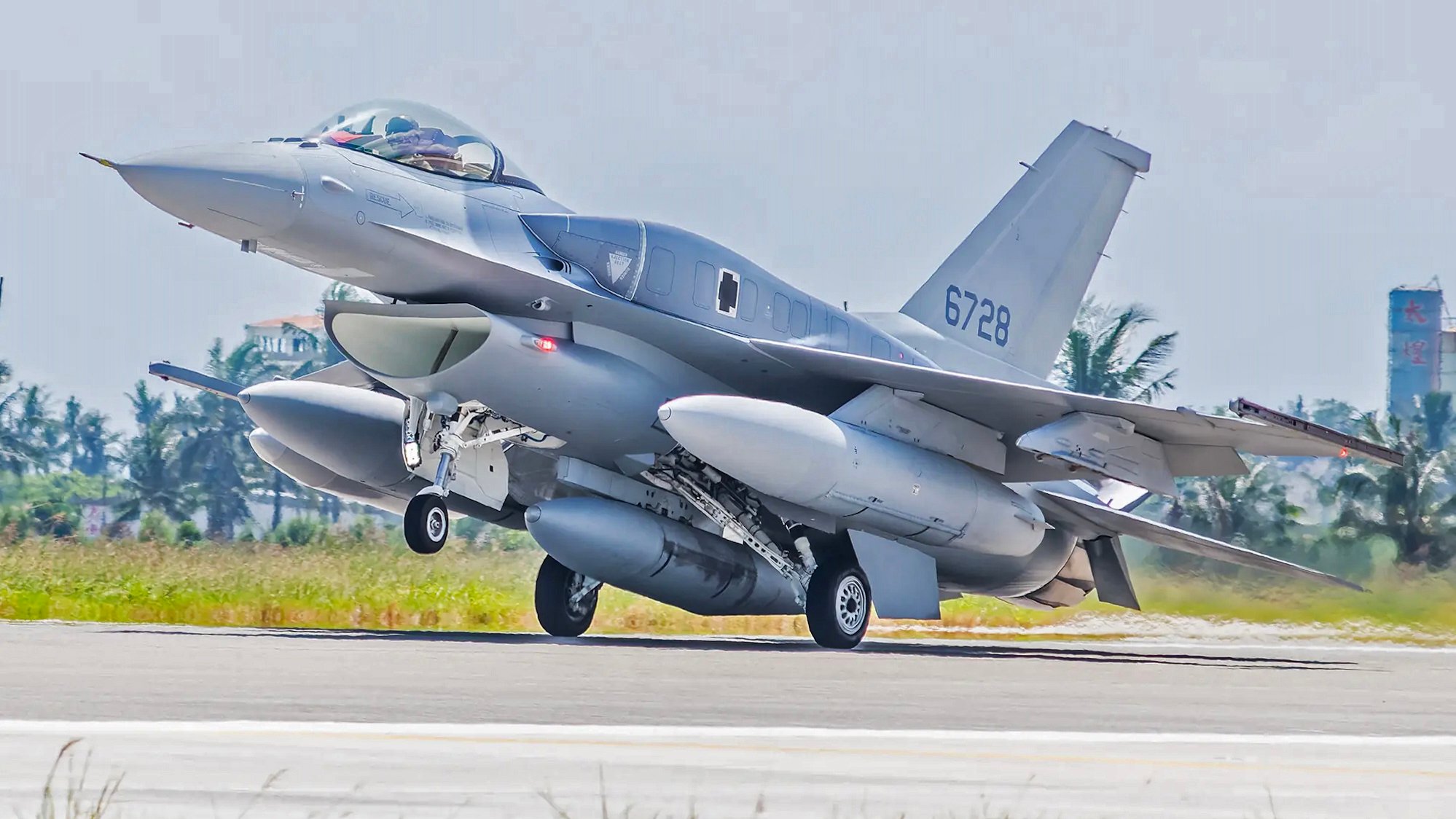
Taiwan’s new American-made F-16V Block 70 jets deliver much-needed breathing room against daily Chinese gray-zone coercion, yet surging Chinese stealth numbers and cratered runway risks mean their wartime utility would be sharply contested. Taiwan received its first two new-build Lockheed Martin F-16V Block 70 fighter jets, touching down on October 2 at Taitung’s Chihhang Air […]
After nearly seven years of waiting, Taiwan has received the first two aircraft from its long-delayed purchase of 66 new-build F-16C/D Block 70 fighters from the United States.
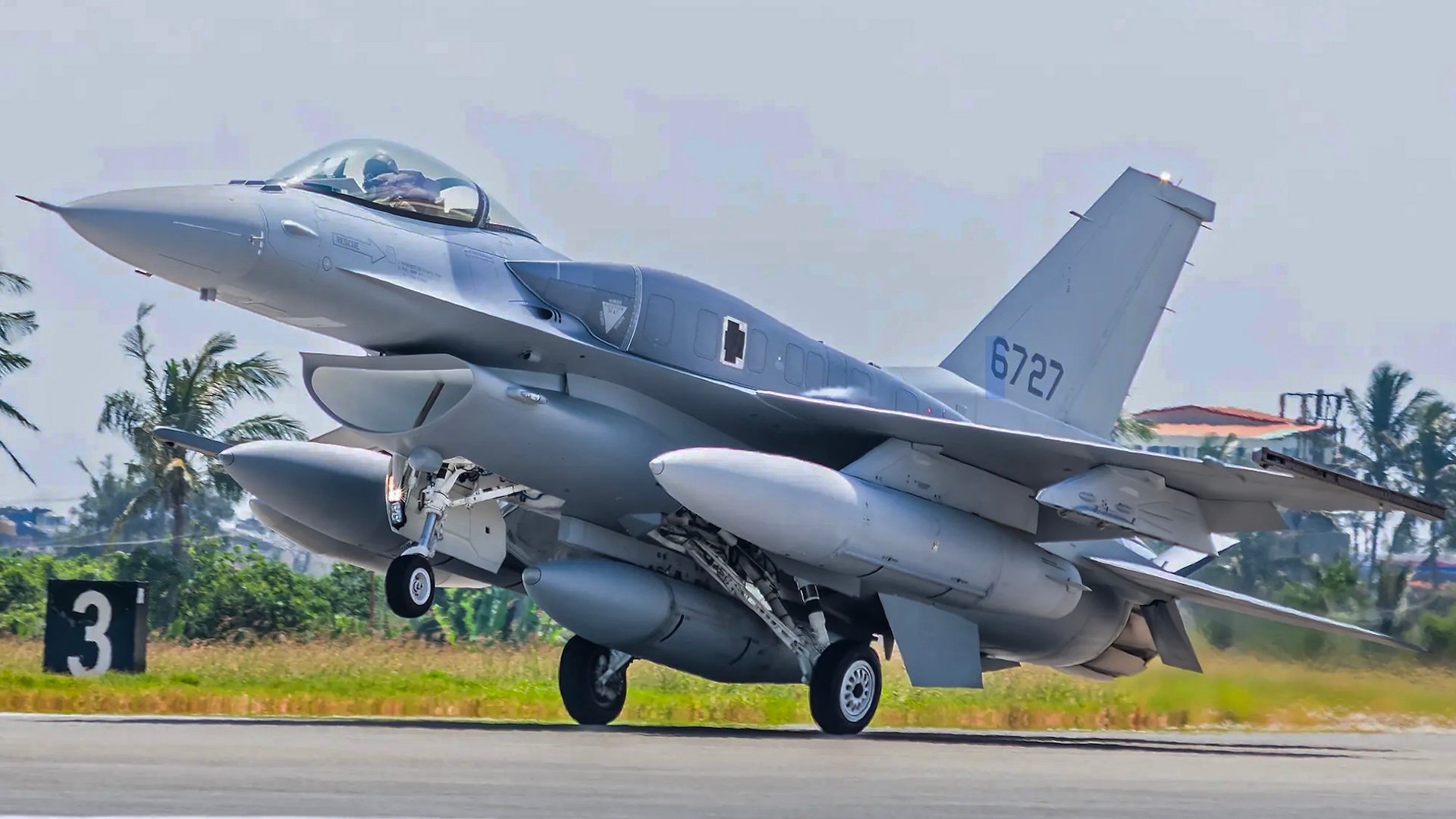
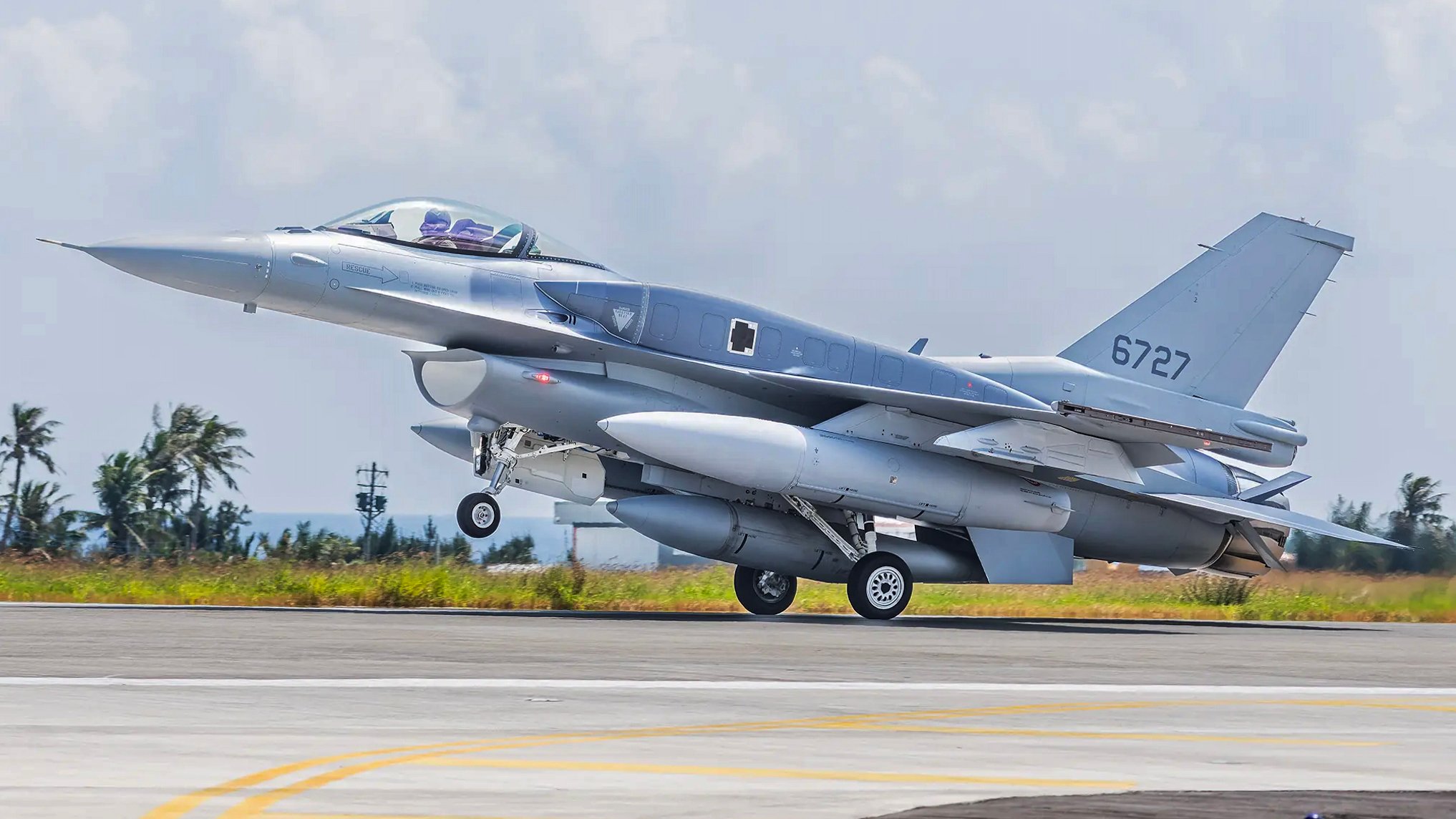
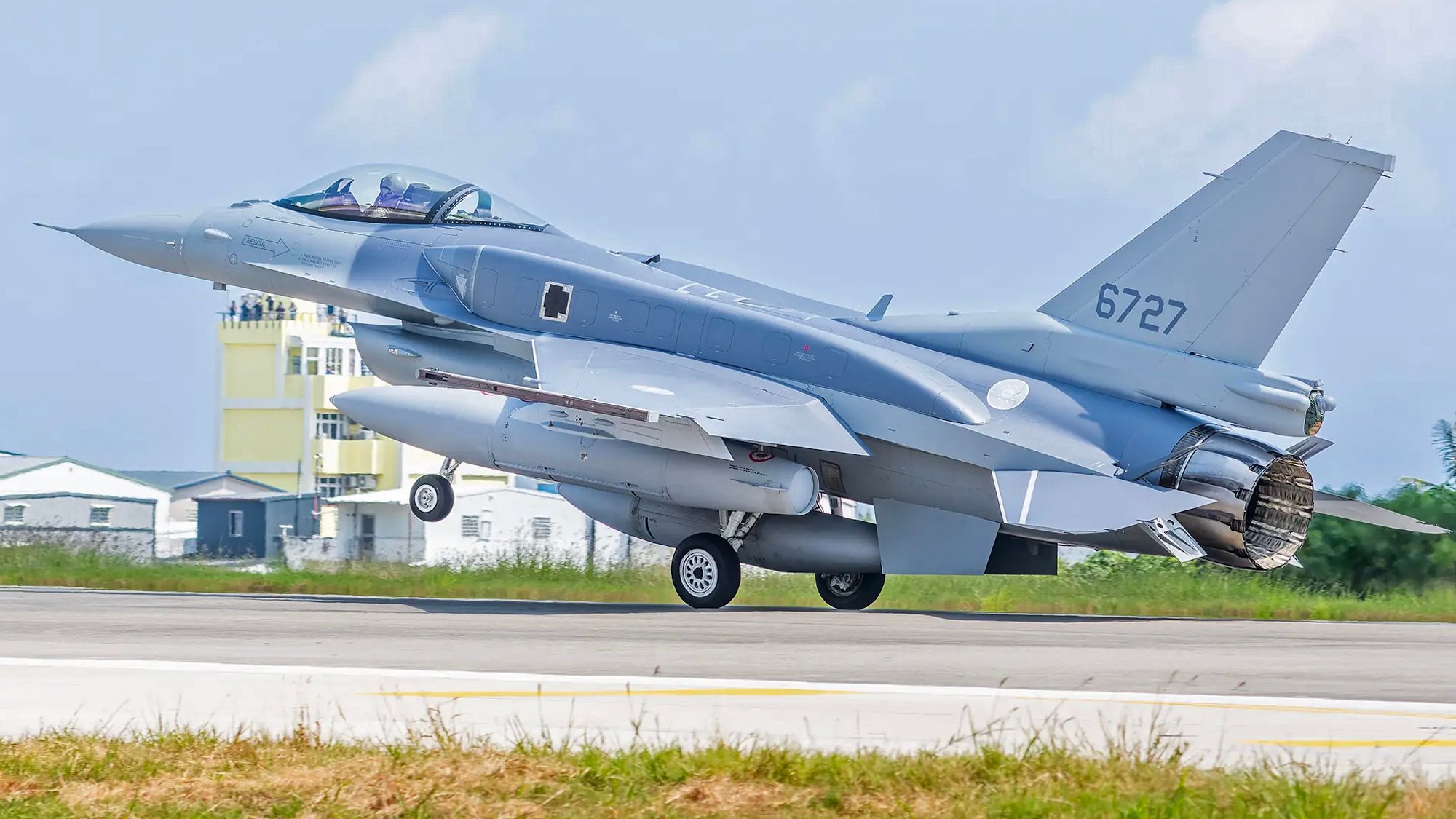
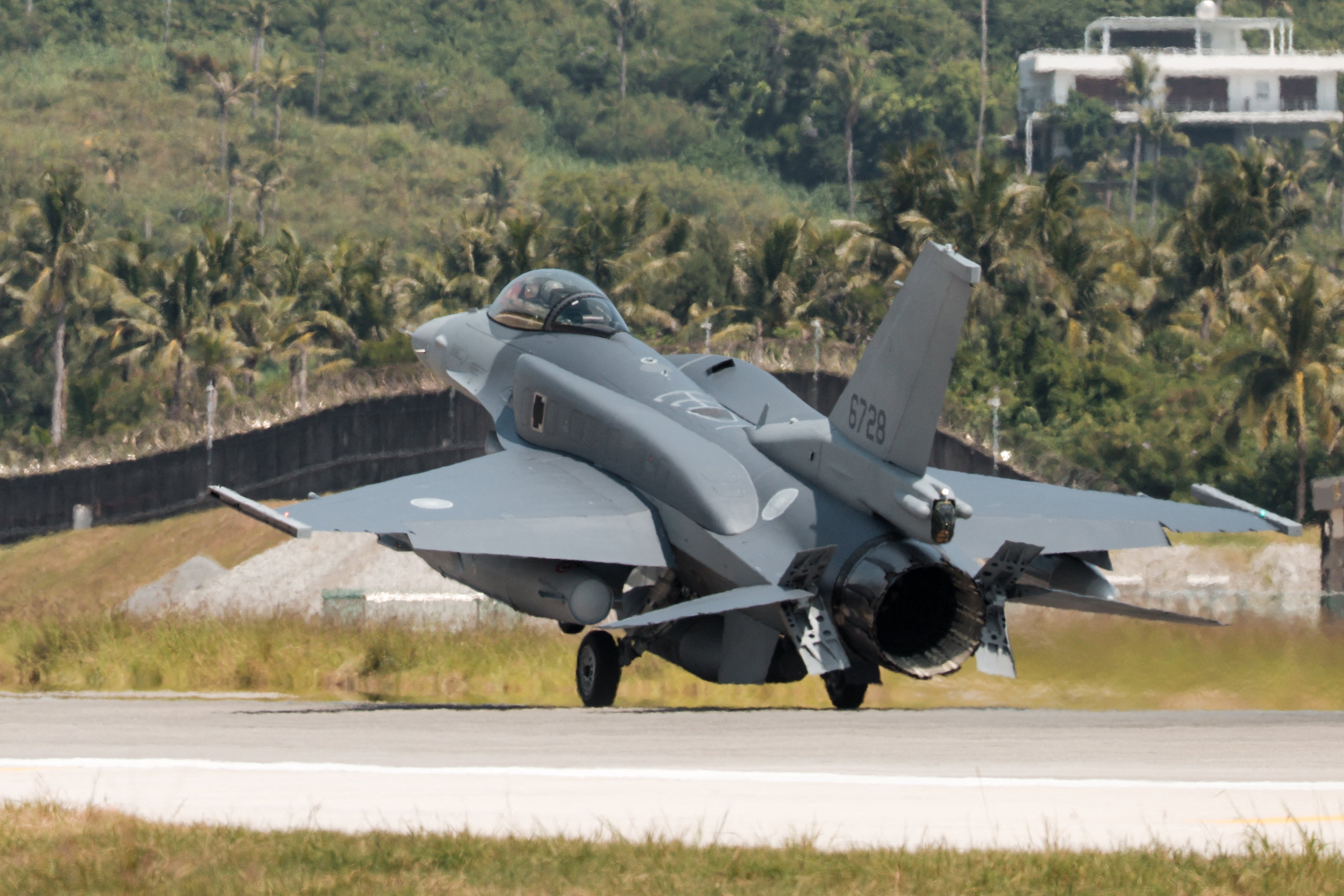
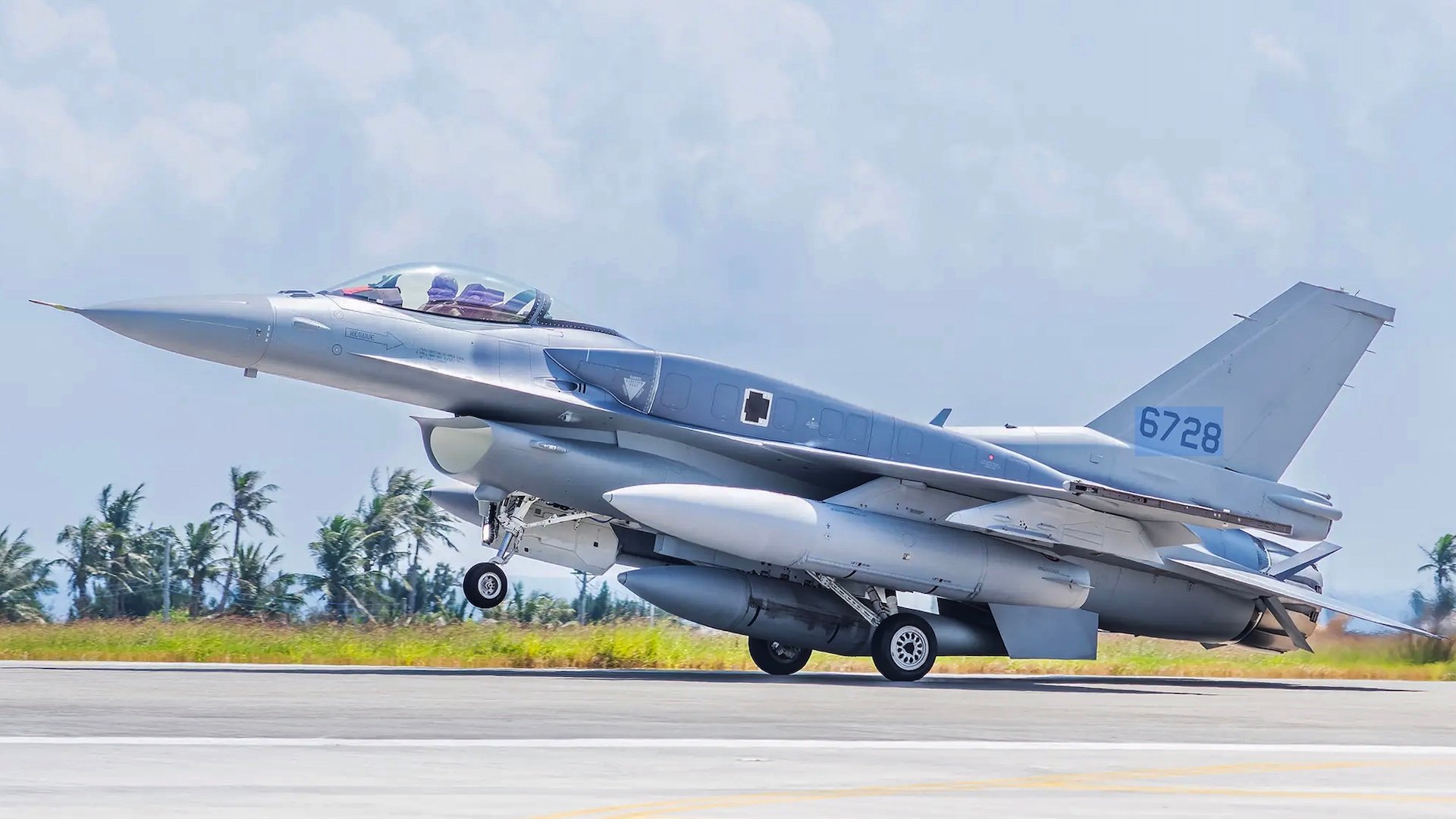
The two single-seat F-16Cs, serials 6727 and 6728, touched down at Chihhang Air Base near Taitung on October 2. They are the first factory-new fighter aircraft delivered to Taiwan in 25 years and mark the beginning of the aircraft acceptance and integration phase of the Republic of China Air Force’s (ROCAF) so-called Peace Phoenix Soaring project.
The two jets have also had an unusually eventful trip to Taiwan.
They began their journey to the island on August 17, flying from Lockheed Martin’s production facility in Greenville, South Carolina, to Hawaii. The aircraft were subsequently forced to remain there for more than a month after an unexpected issue prevented them from continuing across the Pacific as planned. The reasons for the delay have been the subject of considerable speculation, including weather and tanker availability.
ROCAF F-16C Block 70 serial 6727 arrive in Taitung. Peter Ho, Formosa Aviation & Military Image Press
The two jets finally departed Hawaii again on October 1, stopping in Guam before making the final leg to Taitung today.
Taiwanese Defense Minister Wellington Koo said today that more of the aircraft will arrive before the end of the year, although he did not provide a specific number.
Taiwan receives first 2 F-16V Block 70 fighter jets
Taiwan took delivery Friday of the first two of 66 F-16V Block 70 fighter jets purchased from the United States, with the aircraft landing at Chihhang Air Base in the eastern county of Taitung at around noon. pic.twitter.com/hbqdV6io26
— Focus Taiwan (CNA English News) (@Focus_Taiwan) October 2, 2026
The 66-aircraft purchase is worth approximately $8 billion. Taiwan originally expected deliveries to begin much sooner, but production-line adjustments, supply-chain problems, and software issues contributed to delays. COVID, too, had an impact on the production line.
The program’s delivery schedule has slipped repeatedly. Defense Minister Koo said in March, May, and again through his deputy in June that the first aircraft were expected to arrive by the end of September. That deadline passed without an F-16 reaching Taiwan.
ROCAF F-16C Block 70 serial 6727 touches down earlier today. Peter Ho, Formosa Aviation & Military Image Press
Taiwan’s Ministry of National Defense acknowledged in late September that development and production of the aircraft’s new electronic warfare self-protection system had also been a factor.
The Block 70s are being equipped with L3Harris’ AN/ALQ-254(V)1 Viper Shield electronic warfare suite, and the system was not yet fully through its development and production process when the first aircraft were otherwise ready for delivery. L3Harris announced on September 3 that it had completed production of the first 35 Viper Shield systems, underscoring that the electronic warfare equipment was itself still moving into production as Taiwan’s fighters were approaching delivery.
Taiwan chose to acquire the AN/ALQ-254 rather than the AN/ALQ-257 electronic warfare system used on U.S. Air Force F-16s.
Lawmakers have questioned whether the system meets requirements associated with earlier work to modernize earlier F-16A/B Block 20 fighters to the F-16V standard. Meanwhile, Defense Minister Koo argued that those requirements applied to the earlier Block 20 upgrade rather than the new Block 70 purchase. Other international F-16 Block 70 operators are also using Viper Shield.
Taiwanese officials have defended the decision, citing the specific requirements of Taiwan’s F-16 fleet and associated procurement considerations. The system is intended to provide the new fighters with a modern electronic warfare and self-protection capability against increasingly sophisticated radar and missile threats.
There are also still questions about when the Viper Shield system itself will be fully ready.
ROCAF F-16C Block 70 serial 6727. Peter Ho, Formosa Aviation & Military Image Press
Weapons deliveries have also not kept pace with the aircraft themselves.
Taiwan is receiving AIM-120C-8 AMRAAM air-to-air missiles as part of the F-16 package, with 200 ordered. The C-8 version incorporates upgrades from the U.S. Air Force’s Form, Fit, Function Refresh (F3R) effort, including new electronics and improved electronic-counter-countermeasures intended to make the missile more capable in a heavily contested electromagnetic environment. For Taiwan, the missile will provide the new F-16s with a modern beyond-visual-range air-to-air weapon that can be cued by the aircraft’s AN/APG-83 Scalable Agile Beam Radar (SABR), as well as other sources of targeting information through the F-16’s networked systems.
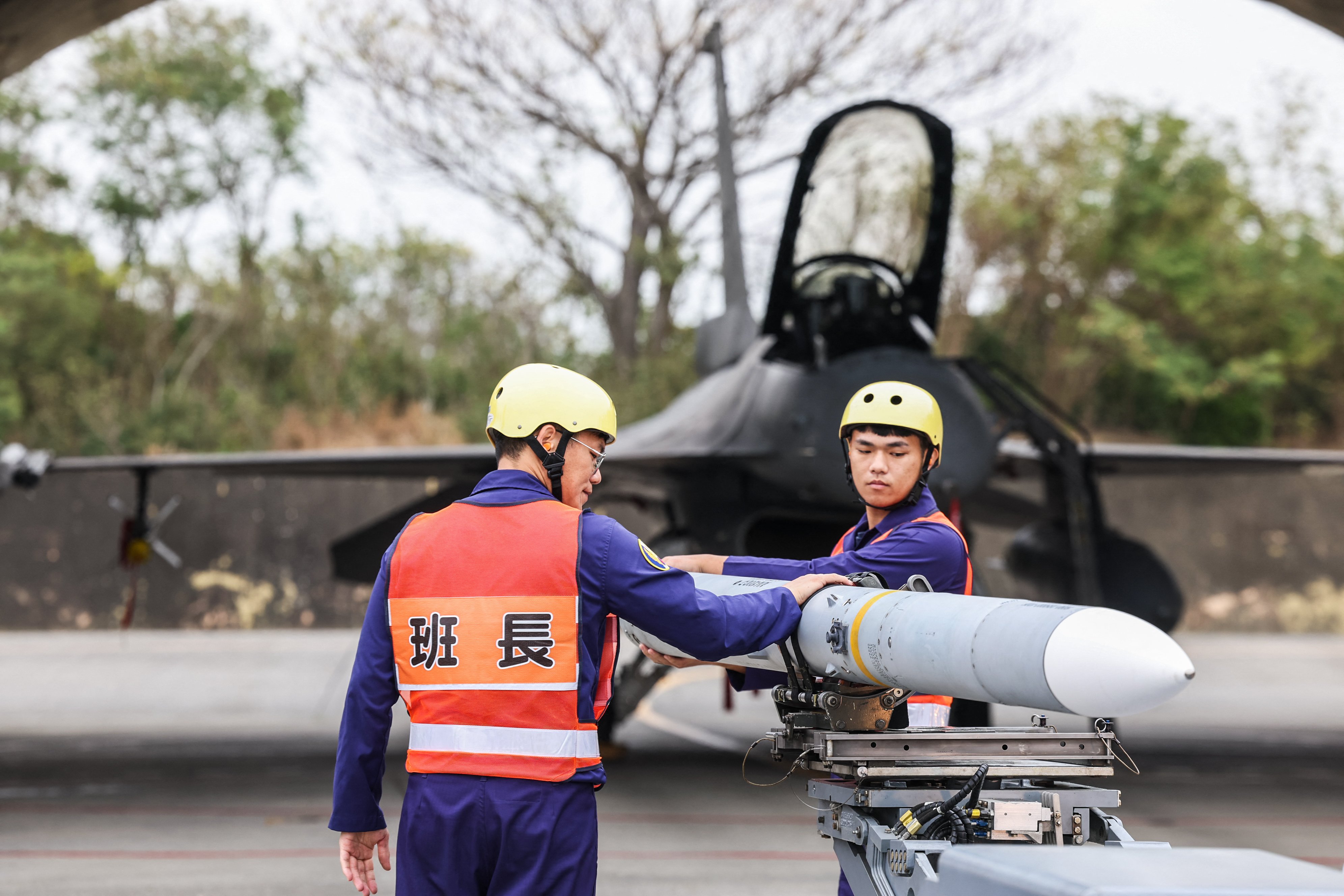
An AIM-120 AMRAAM is prepared to be loaded onto an F-16V at Chiayi Air Base, in Chiayi on January 28, 2026. Photo by I-Hwa Cheng / AFP
The AIM-120C-8 is particularly relevant as Taiwan fields more F-16s against China’s increasingly capable fighter fleet, which includes aircraft equipped with long-range air-to-air missiles such as the PL-15.
Taiwan’s F-16 Block 70s will also be armed with the AGM-88 High-speed Anti-Radiation Missile (HARM), intended for attacks against enemy air defense systems. According to Roy Choo, a defense journalist and TWZ contributor, the first of the new AGM-88F (remanufactured from U.S. Air Force AGM-88B) missiles arrived in Taiwan back in 2022, for the F-16V fleet.
The major gap is the AGM-154C Joint Standoff Weapon (JSOW). The precision glide weapon is intended to give Taiwan a longer-range strike capability against ground targets without requiring the launching aircraft to fly directly over heavily defended areas. According to the latest reporting from Taiwan, deliveries of the AGM-154C have been held up by delays on the U.S. production line and may not begin until 2027 or 2028 at the earliest. Existing stocks of these weapons were also heavily used in Operation Epic Fury.
The two aircraft now sitting at Chihhang are significant for another reason. Unlike Taiwan’s existing F-16V fleet, they are new-production aircraft rather than older fighters that have been upgraded.
Taiwan received 141 F-16A/B Block 20s that were upgraded to the F-16V configuration under a separate modernization program completed in 2023. The new Block 70s incorporate many of the same technologies — including the APG-83 — but are built from the ground up as new aircraft.
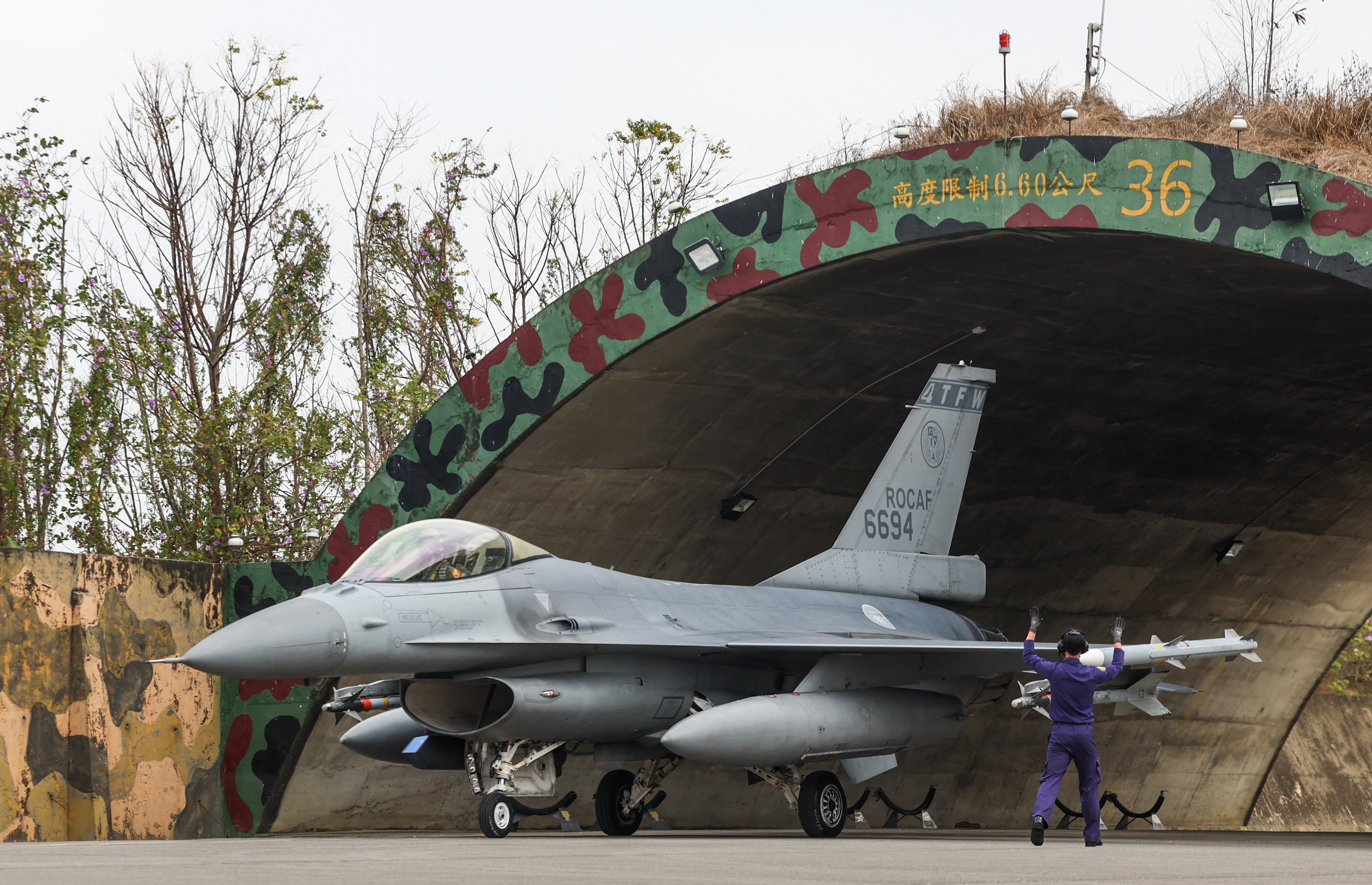
A Taiwan Air Force F-16V taxis out during a spring military exercise at Chiayi Air Base, in Chiayi on January 28, 2026. Photo by I-Hwa Cheng / AFP
The Block 70s will also bring a significant new passive-sensing capability to Taiwan’s F-16 fleet. Under a $328.5-million U.S. Foreign Military Sales contract awarded to Lockheed Martin in February, Taiwan is receiving the company’s IRST21 Legion-ES infrared search and track system. Designed specifically for the F-16, the long-wave infrared sensor can passively detect and track airborne targets without emitting radar energy. That gives the aircraft another way to search for and track threats while reducing its own electromagnetic signature. The IRST21 also gives the F-16s a passive way to detect and track low-observable targets, potentially providing another means of finding Chinese stealth aircraft without relying solely on radar.
In 2019, Lockheed Martin displayed a model of a Block 70 F-16 with what appeared to be a podded IRST system on one of its chin stations at the biennial Taipei Aerospace & Defense Technology Exhibition in Taiwan:
The new fighters will therefore complement Taiwan’s upgraded F-16A/Bs while expanding the overall number of modern F-16s available to the ROCAF.
The timing matters.
People’s Liberation Army (PLA) aircraft operate around Taiwan on an increasingly routine basis, forcing the ROCAF to maintain a persistent air-defense posture. The additional F-16s will provide more aircraft for missions ranging from air defense and counter-air operations to maritime strike.
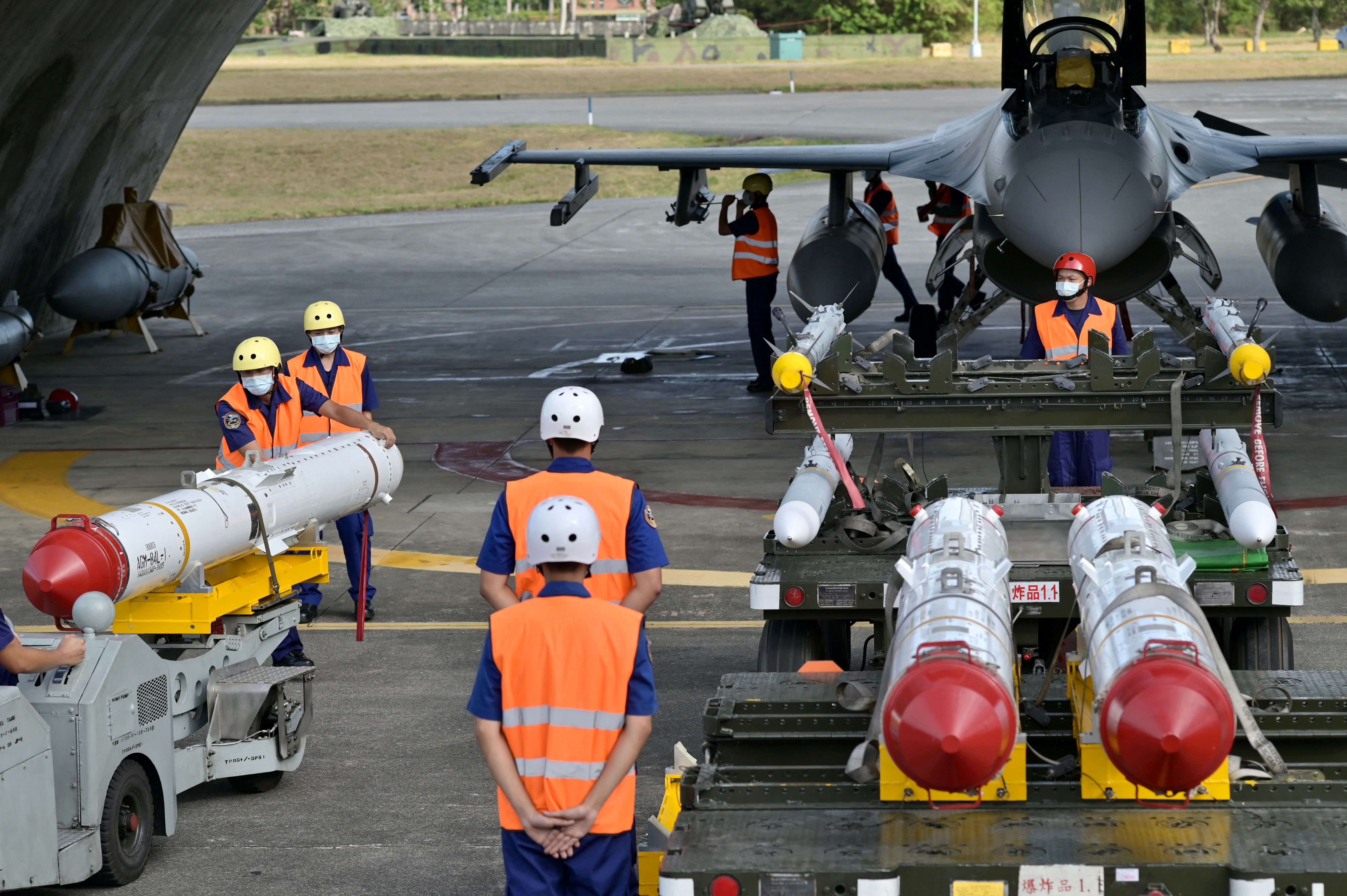
Ground crew prepare to load AGM-84 Harpoon anti-ship missiles in front of an F-16V during a drill at Hualien Air Force base on August 17, 2022. Photo by SAM YEH/AFP via Getty Images
The F-16V fleet is also being tested for a more specialized intelligence, surveillance, and reconnaissance role. The ROCAF has recently been conducting flight and systems integration testing of the MS-110 advanced reconnaissance pod, part of its Phoenix Scout project. The service plans to acquire six pods to replace older reconnaissance equipment. Based on the DB-110 digital sensor architecture, the system combines visible-light and infrared imaging with long-range, day-and-night reconnaissance, and real-time image transmission, allowing imagery to be passed more rapidly to ground command and intelligence elements. Integrating the pod with the F-16 and associated ground systems will give Taiwan another means of monitoring activity around the island and its surrounding waters.
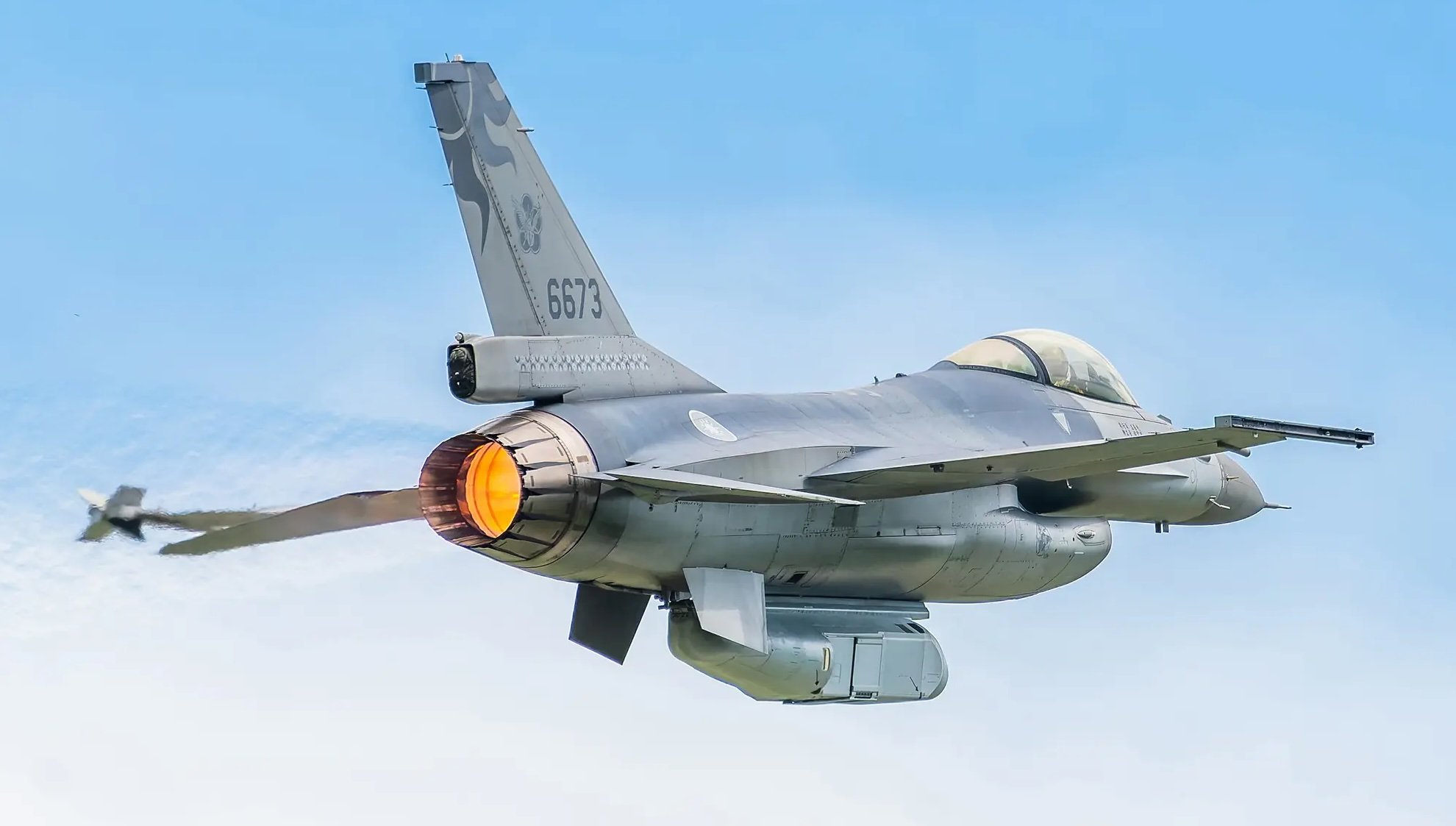
A ROCAF F-16V carrying an MS-110 reconnaissance pod. Peter Ho, Formosa Aviation & Military Image Press
But Taiwan remains heavily outnumbered across the Taiwan Strait.
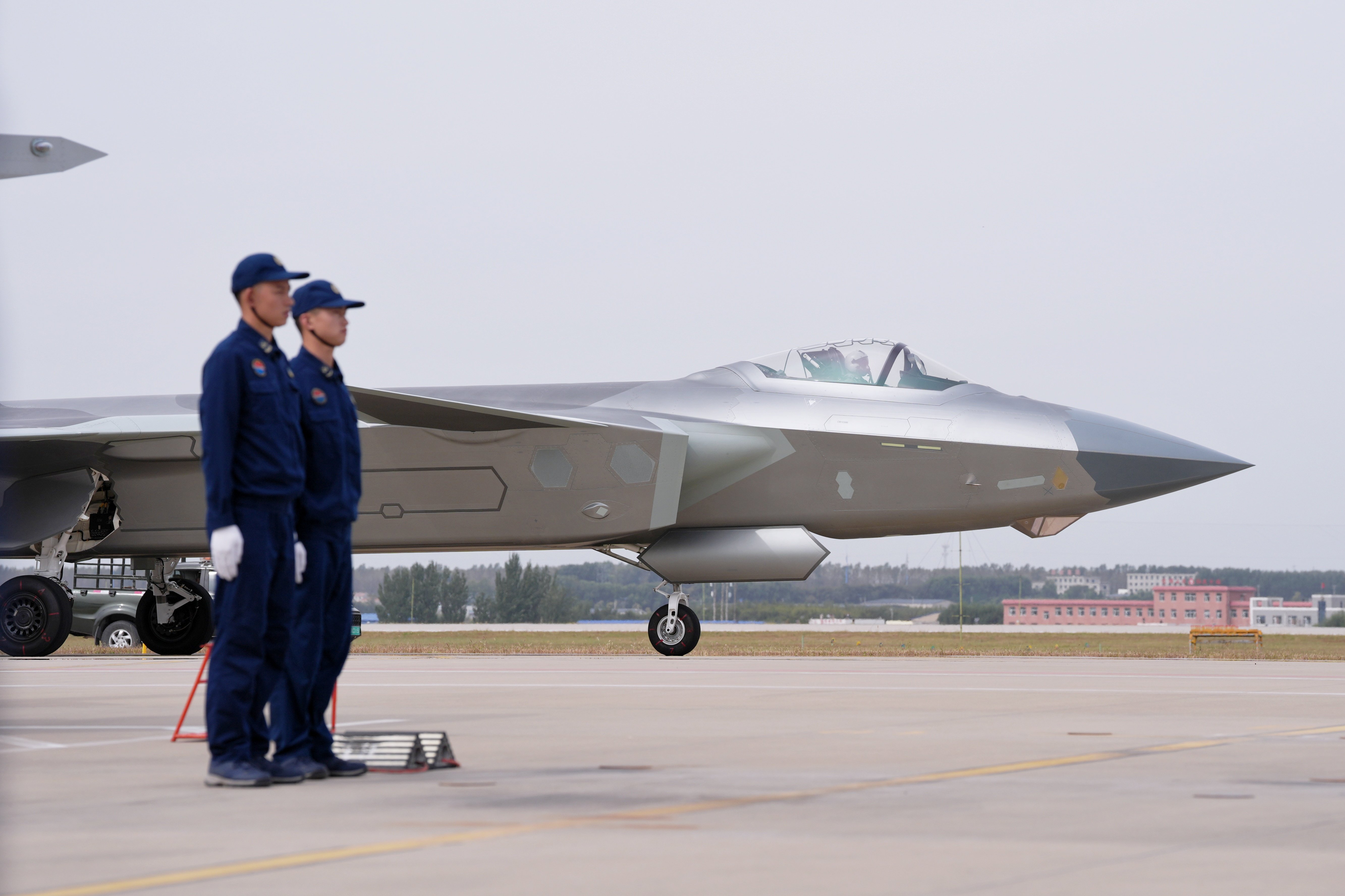
A J-20 fighter during the Changchun Air Show on September 22, 2025 in Changchun, Jilin Province of China. Photo by Zhang Xiangyi/China News Service/VCG via Getty Images
And the F-16s will face the same fundamental problem as Taiwan’s other combat aircraft in a major conflict: staying operational.
China possesses extensive missile and air capabilities that could threaten Taiwan’s airbases, aircraft shelters, fuel supplies, command-and-control infrastructure, and other elements needed to keep fighters flying. You can read more about how the ROCAF would likely go to war with China in this previous in-depth feature.
Basing the new F-16s at Chihhang Air Base, operated by the 7th Tactical Fighter Wing, is significant, Choo told us.
“The basing of the aircraft at Chihhang allows the ROCAF to readily project air power south and eastwards, especially over the Bashi Channel, which is one avenue PLA can gain access to the Philippine Sea and beyond,” he explained. “Previously, ROCAF fighters from other bases maintain QRA detachments there”
A new F-16C Block 70 lands at Chihhang Air Base in Taitung on October 2, 2026. Photo by CHENG Yu-chen / AFP
The F-16 delivery today is only the beginning of a much larger effort to get all 66 aircraft into Taiwanese service.
According to the latest information from the ROCAF, 63 F-16C/D Block 70s remain in various stages of production and delivery in the United States, with some already moving through the handover process. The remaining aircraft will be delivered according to production, flight-test, and acceptance milestones before being ferried to Taiwan.
Once the full order is delivered, Taiwan will operate more than 200 F-16s when the new Block 70s are combined with its existing fleet.
That will give the ROCAF a considerably larger force of modern F-16s, with substantial commonality between the upgraded F-16V fleet and the new-production Block 70s.
The aircraft will still need to go through Taiwan’s acceptance procedures, while pilots and maintenance personnel complete the necessary conversion and training work. The new jets will then be progressively incorporated into the ROCAF’s operational units.
Remarkably, the arrival of the first Block 70 fighters today marks the first delivery of new fighters to Taiwan since 2001, when the last of the 150 F-16A/B Block 20s were delivered.
“The ROCAF’s surviving fleet of 139 F-16s, 53 Mirage 2000s, and 129 F-CK-1s was largely inducted in the 1990s, when Taiwan held the upper hand in the cross-Strait air-power balance,” Choo explained. “Even then, there remained a requirement for additional fighters, prompting the island’s first formal request to purchase 66 F-16C/Ds during the 2006 Monterey Talks.”
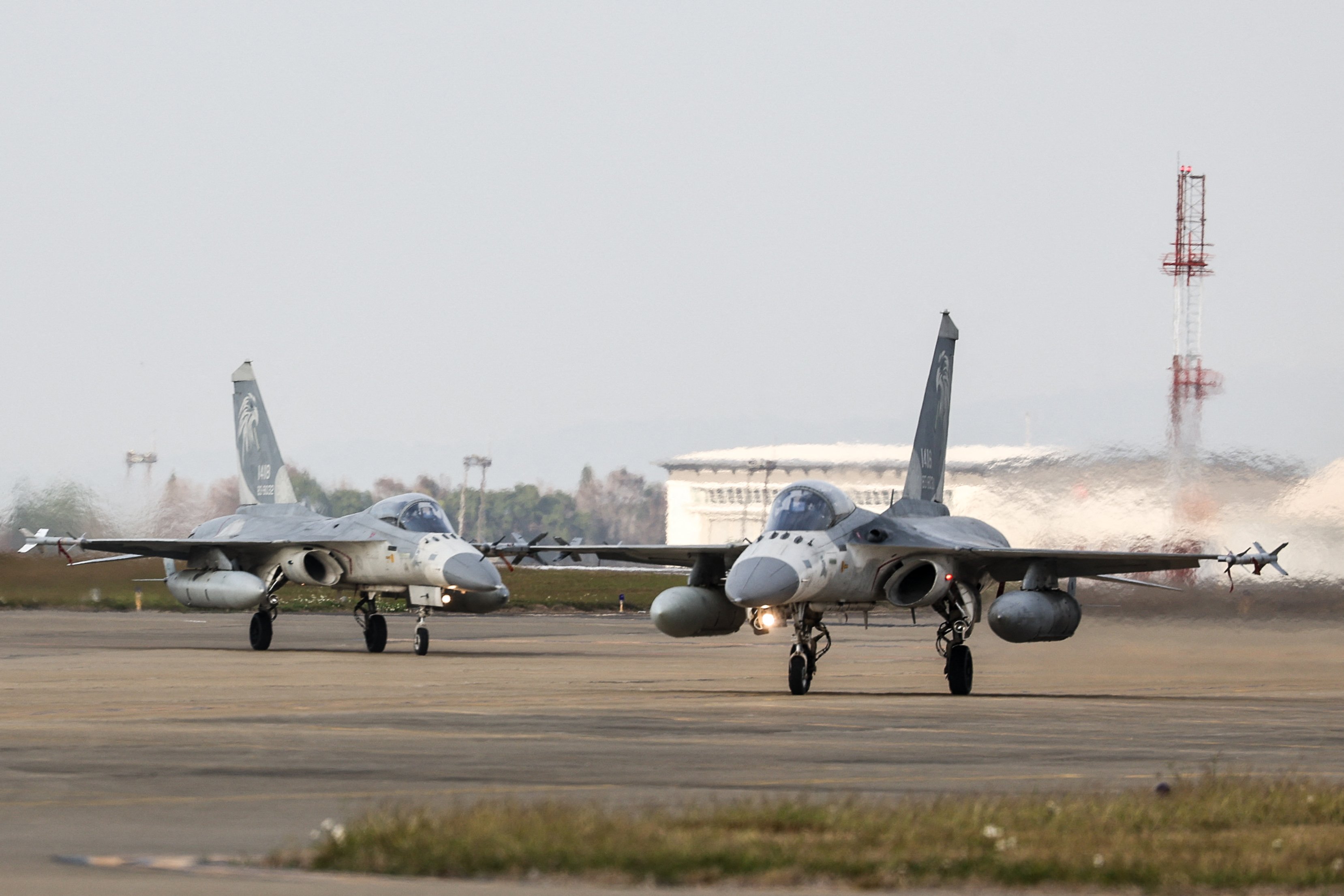
F-CK-1s taxi for takeoff during a scramble as part of a combat readiness exercise at Ching Chuan Kang Air Base in Taichung on January 7, 2025. Photo by I-HWA CHENG / AFP
“By the late 2000s, these fighters were approaching the limits of their combat effectiveness as the PLA air fleet expanded in both size and capability. Fortunately, substantial upgrades began to be rolled out to the F-CK-1s and F-16s from the 2010s.”
In the wake of the 2019 acquisition of the F-16C/D Block 70s, questions arose over the aircraft’s asymmetric value as the Taiwan military increasingly focused on developing a plan for asymmetric capabilities in response to the PLA’s growing combat power.
“However, developments in recent years have underscored the continued importance of a capable fighter fleet not least for policing Taiwan’s airspace amid the PLA’s sustained gray-zone air operations around the island,” Choo added.
ROCAF F-16C Block 70 serial 6728. Peter Ho, Formosa Aviation & Military Image Press
The timing of today’s arrival is also notable.
The aircraft reached Taiwan just days after U.S. President Donald Trump met Chinese President Xi Jinping in Washington. The delivery comes amid questions in Taipei about the future pace of U.S. arms transfers, after Trump said in May that a proposed $14-billion Taiwan arms package was being held in abeyance. He had approved an $11-billion package in December 2025.
Washington continues to say that its policy toward Taiwan has not changed.
Beijing, for its part, continues to oppose U.S. arms sales to Taiwan and regards the island as part of Chinese territory.
It has taken nearly seven years to get the first two F-16C/D Block 70s, to Taiwan. But their arrival marks the first step in a major modernization of the ROCAF’s F-16 fleet, adding new-production fighters with improved radar, electronic warfare, sensors, and weapons to a force that is already operating upgraded F-16Vs.
Le sommet qui a réuni les présidents américain et chinois lors de la visite de M. Xi Jinping aux États-Unis, du 23 au 25 septembre, invite à mesurer un renversement géopolitique – et à s'interroger sur un autre.
Au milieu des années 1980, la question de Taïwan ne figure pas au rang des priorités géopolitiques de la planète. Depuis 1979, Washington a établi des relations diplomatiques avec la République populaire de Chine (RPC). La priorité est alors d'affaiblir l'Union soviétique en jouant des tensions qui l'opposent à la Chine. Dans le grand jeu planétaire, Taïwan ne représente qu'« un problème insignifiant », selon un document du Congrès américain daté de février 1982.
Le « problème insignifiant » d'hier se trouve désormais tout en haut de la liste des questions brûlantes qui opposent Washington et Pékin. Le statut de l'île offre depuis longtemps à Washington une marge de manœuvre : si le traité de San Francisco établit que le Japon « renonce » à Taïwan, il ne précise pas à qui elle doit revenir. Après l'effondrement du bloc soviétique, alors que la Chine apparaît comme un rival possible des États-Unis, cette ambiguïté prend une nouvelle valeur stratégique.
M. Xi aurait sans doute aimé acter un nouveau renversement, à l'occasion de sa visite officielle, en obtenant des États-Unis qu'ils « adhèrent à la position correcte consistant à s'opposer à “l'indépendance de Taïwan” » — ce qui aurait, de nouveau, renvoyé l'île au rang de question géopolitique « insignifiante ». Que M. Trump se soit gardé de répondre publiquement, à M. Xi comme aux journalistes, pourrait signifier qu'il compte toujours sur l'île comme atout de négociation.
Dans le district de Neihu, en périphérie de Taipei, l'American Institute in Taiwan (AIT) se fait relativement discret. Pas de drapeau, ni de marines en armes, ni de voitures avec plaques diplomatiques ; seul un sceau représentant l'aigle des États-Unis à la porte d'entrée rappelle à qui le bâtiment appartient. Inauguré en 2018, l'institut s'est éloigné du quartier de Xinyi où se retrouvent généralement les structures diplomatiques du monde entier, des « représentations » d'États — et non des ambassades — car la plupart des nations ne reconnaissent pas Taïwan comme pays.
D'une valeur de 255 millions de dollars (190 millions d'euros), l'« ambassade de facto », comme on l'appelle, possède néanmoins des dimensions colossales. Si l'on y ajoute les bureaux à Kaohsiung, deuxième ville de l'île, la présence américaine rassemble près de 500 employés (contre 1 300 à Pékin). Officiellement, l'AIT se définit comme une organisation à but non lucratif financée par le gouvernement des États-Unis. Officieusement, il constitue l'un de leurs bâtiments diplomatiques les plus chers d'Asie.
Selon M. Luke Martin, responsable des affaires culturelles, l'AIT est structuré « comme n'importe quelle ambassade : il y a un responsable des affaires politiques, économiques, culturelles, un bureau des relations presse, des départements chargés du commerce, de l'agriculture, de la défense (1) ». M. William A. Stanton, directeur entre 2009 et 2012, ne s'en cache pas : « L'AIT a toujours été, dans les faits, une ambassade. Globalement, notre mandat est d'améliorer les relations entre Taïwan et les États-Unis. (…) La plus grande différence réside dans les noms que l'on emploie. La “chancellerie politique” est appelée “affaires générales”. J'étais officiellement “directeur”, mais les Taïwanais m'appelaient “Monsieur l'ambassadeur”. » Il n'est pas nommé par la Maison Blanche ni confirmé par le Sénat à l'instar des autres ambassadeurs, mais il assume les mêmes fonctions. « Au lieu de recevoir ma lettre de la part du président, je l'ai reçue de la part d'Hillary Clinton [alors secrétaire d'État] », souligne l'ancien diplomate. Il vit toujours à Taïwan et il enseigne comme professeur invité à la prestigieuse université Chengchi, à Taipei (2).
Après sa reconnaissance de la République populaire de Chine, en 1979, Washington a déménagé son ambassade à Pékin et pris une série de mesures évitant toute présence officielle à Taïwan. Avant 2002, explique encore M. Stanton, les employés américains devaient démissionner de leurs fonctions de diplomate avant d'accepter un poste à Taipei. Tout comme les militaires. Cela n'est plus le cas.
Les relations taïwano-américaines prennent une tournure de plus en plus officielle, notamment depuis la présidence de M. Donald Trump. Cette évolution a alimenté les tensions déjà existantes entre les deux rives du détroit de Formose depuis l'élection, en 2016, de la présidente Tsai Ing-wen. Le 10 janvier 2021, juste avant l'investiture de M. Joseph Biden, le secrétaire d'État Michael Pompeo a même annoncé que « les règles instaurées dans le but d'apaiser Pékin devraient être caduques ». Il a levé toutes les restrictions concernant les contacts entre officiels américains et taïwanais.
Aujourd'hui, démocrates comme républicains soutiennent une politique « dure » envers Pékin. M. Biden a d'ailleurs invité la représentante de Taïwan aux États-Unis, Mme Hsiao Bi-khim, à sa cérémonie d'investiture. Des visites de personnalités américaines, à un niveau de responsabilité jamais atteint depuis 1979, ont eu lieu : que ce soit celle du ministre de la santé Alex Azar, en mars 2020 (sous l'administration Trump), ou celle de l'ambassadeur américain aux îles Palaos, où Washington envisage de créer une nouvelle base militaire, le 1er avril 2021.
Le porc dopé à la ractopamine désormais autorisé
Pour Mme Hsiao, « la défense et la sécurité constituent l'objectif premier [pour Taïwan]. Viennent ensuite le champ des relations économiques et, en troisième position, notre participation internationale et nos autres partenariats politiques », ainsi qu'elle le confie dans une interview au magazine spécialisé dans l'actualité de l'Asie-Pacifique The Diplomat, le 9 février 2021.
Taïwan et les États-Unis ne sont liés par aucun accord de défense. Mais, par le Taiwan Relations Act, signé en 1979, ces derniers se sont engagés à fournir aux 23,5 millions d'habitants de l'île les moyens de se défendre. Washington dispose d'un quasi-monopole sur les ventes d'armes (à l'exception de quelques livraisons, notamment en provenance de la France). Les directeurs successifs de l'AIT mesurent d'ailleurs leur succès au montant des contrats signés : « Durant mon mandat, nous avons vendu pour environ 13 milliards de dollars d'armement [9,6 milliards d'euros], un chiffre d'affaires légèrement inférieur à celui réalisé sous Trump », souligne M. Stanton.
Le 9 juillet 2019, le Congrès américain approuve la vente de 66 avions de combat multirôle F-16V, 108 chars M1A2T Abrams, 250 missiles de défense aérienne Stinger, et d'autres armes. L'administration Trump a mis au point un système d'évaluation des besoins (need-based review system) qui permet de répondre plus rapidement aux demandes en équipements militaires de Taipei. En novembre 2020, « l'état-major de la marine taïwanaise a confirmé, pour la première fois, la présence d'un corps de marines américains d'active — et non de retraités — stationnés sur la base navale de Zuoying (3) » au sud de l'île, afin de former pendant quatre semaines les militaires taïwanais.
Toutefois Washington refuse de vendre des F-35 capables de faire face aux avions de chasse chinois, voulant rester le seul et unique gardien de l'équilibre géostratégique dans la région. « L'objectif n'est pas d'inverser le rapport de forces actuel », explique Yeh Yao-Yuan, chef du département des études internationales à l'université de Saint-Thomas, à Houston, pour justifier la décision américaine.
Si l'administration Tsai et la presse internationale se félicitent de ces étroites relations taïwano-américaines, l'opposition y voit un danger. Le porte-parole du Kuomintang, M. Ho Chih-Yung, estime que « malheureusement, le gouvernement a cessé de poursuivre une politique prudente entre les États-Unis et la Chine ; il a choisi de devenir un pion dans l'échiquier géopolitique entre les deux grandes puissances ». Ce parti très anticommuniste, qui a longtemps considéré la réunification sous son égide, avec la Chine comme l'objectif absolu, est désormais largement divisé. Une partie de ses membres revendiquent désormais le « statu quo pacifique » : Washington comme allié sur le plan stratégique, la Chine comme partenaire économique essentiel. À l'opposé, le Parti démocrate progressiste (DPP) au pouvoir voit les États-Unis comme un allié de premier plan pour contrer la pression chinoise et se rapprocher de l'indépendance, largement soutenue par la jeune génération (lire l'article ci-dessus), tout en prônant, lui aussi, un « statu quo pacifique ». « Taïwan n'a pas intérêt à prendre parti alors qu'elle négocie avec deux puissances majeures dont les intérêts sont antagonistes, nous précise M. Ho. Car personne ne veut voir de conflits éclater. » Selon Yeh Yao-Yuan, la relation actuelle est, au contraire, équilibrée : « Taïwan a besoin de l'assistance des États-Unis afin de préserver sa souveraineté, les États-Unis ont besoin de Taïwan pour faire avancer leurs intérêts stratégiques et contrer la Chine. »
Et Mme Tsai ne rate pas une occasion de montrer l'efficacité de ce rapprochement. Le 6 juin 2020, les trois lettres « USA », visibles de loin, barraient la façade du Grand Hotel, monument représentatif de la capitale, en remerciement du don de 750 000 vaccins. Quatorze jours plus tard, l'Amérique annonçant l'envoi de 2,5 millions de vaccins, c'était à la très emblématique tour Taipei 101 d'afficher : « Vive l'amitié entre les États-Unis et Taïwan ».
Il faut dire qu'il n'y a presque plus une ombre au tableau depuis que la présidente a levé, en août 2020, un point de constante tension : l'interdiction d'importer du porc américain élevé à la ractopamine, substance destinée à doper les muscles des animaux et interdite en Europe, notamment. Cette question empoisonne l'accord-cadre sur le commerce et les investissements (en anglais, Trade and investment framework agreement, TIFA) signé en 1994 entre Washington et Taipei, plusieurs fois suspendu à cause des produits carnés. Le gouvernement taïwanais espère que la reprise des discussions mènera à un large accord de libre-échange, permettant de rompre la dépendance à la Chine, toujours premier partenaire commercial.
Un lobby peu médiatisé mais très efficace
Certes, Mme Tsai ne cesse d'affirmer que, à la différence de M. Chen Shui-bian, son prédécesseur du DPP à la présidence (2000-2008), elle ne se prononce pas pour l'indépendance de l'île. Mais, en sous-main, celle-ci recherche toujours plus de garanties et d'officialité. « Renforcer la capacité de dissuasion de Taïwan est crucial pour notre survie sur le long terme », résume Mme Hsiao (4).
À Washington, le lobby taïwanais, qui reste bien moins médiatisé que le lobby israélien, joue un rôle majeur, notamment pour encourager la vente d'armes. « [Des think tanks] produisent des analyses clairement faites pour peser sur la politique extérieure des États-Unis (…) mais ils ne mentionnent pas directement qu'elles sont financées par la représentation de Taïwan à Washington », nous assure Eli Clifton, chercheur au Quincy Institute for Responsible Statecraft, favorable à la démilitarisation de la politique extérieure américaine. Ainsi le Project 2049 Institute fait partie de ces organisations exerçant leur influence en coulisses. Financé par Taipei et l'industrie de l'armement américaine, l'organisme publie de nombreux articles plaidant pour que Washington défende la participation de l'île aux organisations internationales, renforce la légitimité de l'AIT et encourage l'intégration économique entre les alliés du Pacifique. D'autres études agitent le spectre d'une invasion chinoise (5).
Elles ne manquent pas de mettre en avant le discours de M. Xi Jinping, pour les 100 ans du Parti communiste chinois, le 1er juillet 2021. Appelant à « faire progresser la réunification pacifique de la patrie » et à « faire résolument échec à toute tentative visant à l'“indépendance de Taïwan” » (6), celui-ci lance cette menace à peine voilée : « Nul ne doit sous-estimer la détermination, la volonté et la compétence du peuple chinois pour défendre la souveraineté nationale et l'intégrité du territoire. »
Quant au rôle exact de l'AIT, la direction de cette vraie-fausse ambassade a refusé de répondre à nos questions, et l'arrivée de la nouvelle directrice Mme Sandra Oudkirk, n'y a rien changé. Même mutisme du côté du ministère de la défense taïwanais. Alors qu'« il y a forcément des canaux pour parler de militaires à militaires, note Hugo Tierny, doctorant spécialisé sur les questions de défense dans le détroit de Taïwan, cette partie des relations se caractérise par une grande discrétion ». Le moins que l'on puisse dire.
(1) Interview de M. Luke Martin, The KK Show #67, YouTube, 16 février 2021.
(2) En poste en Chine, en Australie et en Corée du Sud, notamment, ce diplomate a reçu la médaille du « service civil exceptionnel » du département de la défense des États-Unis, pour ses contributions au commandement des forces américaines en Corée de 2006 à 2009.

 Login