 Login

Mamdani Says El Sayed’s Senate Win is “of Critical Importance” to New York City
The NYC mayor backs the Michigan Democrat as both face Islamophobic attacks from Republicans ahead of Nov. 3 election

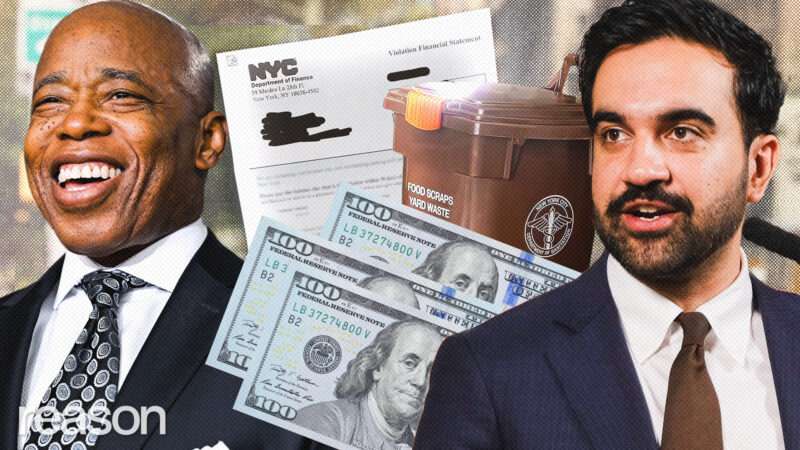
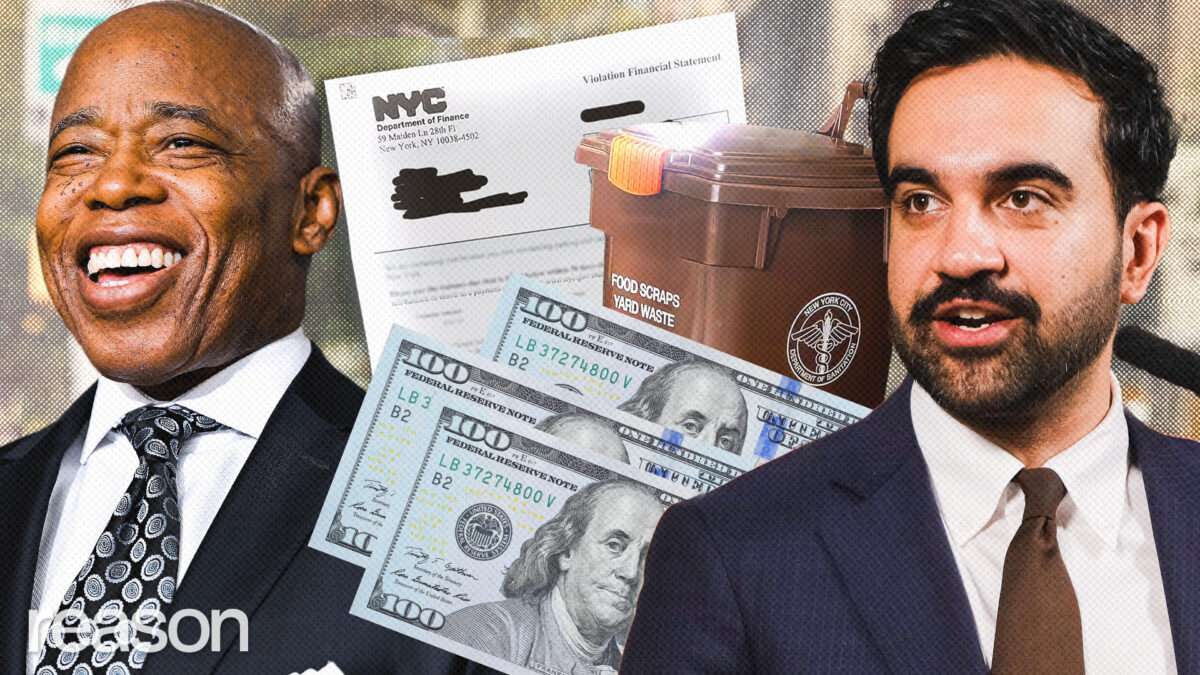
Most New Yorkers are lawbreakers and don't even know it.
New York City requires residents to separate certain sorts of food scraps from the rest of their trash. Composting diverts waste from landfills, creates nutrient-rich soil, and helps the environment by reducing greenhouse gases. When food scraps are buried in a landfill, they decompose without access to oxygen, causing the release of methane. Composting lets rotten food breathe and reduces methane emissions. In New York City, composting is also supposed to save money by reducing the amount of trash that the city hauls to landfills and incinerators, many of which are out of state.
The city's older, voluntary residential curbside composting initiative started as a pilot program 13 years ago under Mayor Michael Bloomberg. In his 2013 State of the City address, he declared that he would "tackle New York City's final recycling frontier, and that is food waste." Mayor Bill de Blasio wanted to expand the program, but in 2018 that was put on hold due to exploding costs and low participation rates.
Around this time, according to the Citizens Budget Commission (CBC), the city was spending an estimated $1,700 per ton to collect organics compared to $291 per ton of regular trash, as special composting trucks were carrying relatively little waste. The CBC also reported that in participating neighborhoods, almost 90 percent of organic material was still going in the regular trash in 2017. During the pandemic, budget constraints forced the sanitation department to pause compost pickups altogether.
The city made composting mandatory in late 2024, under Mayor Eric Adams. Since then, residents have had to separate eggshells, orange peels, and other food scraps from regular trash and dispose of these organic materials in composting bins. In April 2025, the city began issuing fines of up to $300 to property owners who failed to comply. The city paused fines for most violators a few weeks later, on the grounds that New Yorkers needed more time to learn what to do. Now, under Mayor Zohran Mamdani, the composting enforcement fines are back.
With all this confusion, it's hardly surprising that New Yorkers are not great composters. According to the New York City Independent Budget Office (IBO), "Organic waste—food scraps, yard waste, and other compostable materials—make up roughly 36% of the City's residential waste stream, yet organics collections were 2.4% of residential waste collected in [fiscal year] 2025." In other words, New Yorkers separated only about 7 percent of their organic waste from the regular trash during the first nine months of the citywide composting program. A recent report from the city government says that the amount of all organics separated from the rest of the trash increased by 25 percent in fiscal year 2026. Given the already low levels of compliance, the figures are still not encouraging.
It's unclear exactly how much the city is spending on this largely ignored program. A spokesperson for the Sanitation Department told Reason, "It is difficult to put a number on it, since composting is integrated with so much of [the department's] other work, but for personnel and processing, the city budget includes baselined funding for 299 uniform positions at a recurring cost of $33.4M a year for curbside organics collection."
Still, some have tried to estimate how much the city would need to compost to make the program cost-effective. Samantha MacBride, a former director of research and operations at the sanitation department, has estimated that the city would need to sort out about 30 percent of its organic waste.
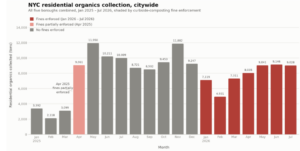
The Mamdani administration attempted to increase compliance by reinstating fines at the beginning of this year. Buildings face tickets of up to $300 for failing to compost or composting improperly, but the fines haven't had much impact. According to data from the city's sanitation department, there was a brief jump in the amount of organic waste collected after Adams instituted fines in April 2025. But oddly, the monthly tonnage collected in May, June, and July of 2025 (when fines were not being enforced) was higher than in May, June, and July of 2026 (when fines were in effect).
Suppose all residents complied with the composting mandate. Would the city even be able to process all that waste? Absolutely not.
As of 2025, the city can handle only about 400,000 tons of organic waste per year. That organic waste goes either to traditional composting facilities or to anaerobic digesters, which turn waste into energy. Based on the IBO's estimate that 36 percent of residential waste is compostable, New York residents produce around 1.1 million tons of compostable organic waste per year.
The city's composting and digesting facilities would hit capacity if New Yorkers put barely more than a third of their organic waste into brown bins. Not that the city is close to that level of compliance. Right now, it's still trying to tell New Yorkers the mandate even exists.
In one amusing effort to alert citizens about composting, the city launched a Sex and the City marketing campaign funded by a grant from the Environmental Protection Agency. The ad features the composting mascot "Scrappy" on the side of NYC buses and urges residents to call 3-1-1 if their buildings aren't complying with the rules.
Reason asked several New Yorkers whether they understood this ad. Overwhelmingly, they did not.
One might think this PSA would at least inspire Carrie Bradshaw wannabes in Manhattan to compost, but no. Manhattanites actually tend to be the worst composters. This may be due to living in cramped apartments and large apartment buildings. The borough with the highest composting rate is actually Staten Island, the city's Republican stronghold, where many residents live in single-family homes.
Steven Cohen, who used to run Columbia University's Earth Institute, is skeptical that the program will ever achieve 100 percent compliance. He believes composting is a worthwhile endeavor, but as he told Reason, "It takes a lot to change people's habits." That's why he has proposed an alternative to relying on individuals to sort their trash: AI.
Ideally, he says, a mixed stream of garbage could go to "essentially a waste mining facility where artificial intelligence and robotics will do the separation for us and try to extract the value out of the waste stream." Instead of paying to send garbage to landfills, he says, we could extract, process, and sell the valuable mineral resources in the waste stream. Some places, such as Portsmouth, Virginia, have begun experimenting with AI trash sorting, but the technology is still in its early stages.
And for now, New York City seems determined to keep its mandatory composting program going with fines and confusing reminders from Scrappy.
Photo Credits: MEGA / Dennis Rees / MEGA / Newscom/DRSTA/Newscom; John Marshall Mantel/ZUMAPRESS/Newscom; RICHARD B. LEVINE/Newscom: Rafael Ben-Ari/Chameleons Eye/Newscom
Music Credits: "Sneaky Tactics" by Ilona Harpaz via Artlist; "Gentle Persuasion" by Matt Evans via Artlist; "Second Smile" by LMOP via Artlist; "Catch Me" by Ty Simon via Artlist; "The Microwave Dance" by Semo via Artlist
The post New Yorkers Don't Compost. Will They Be Fined Into Compliance? appeared first on Reason Magazine.
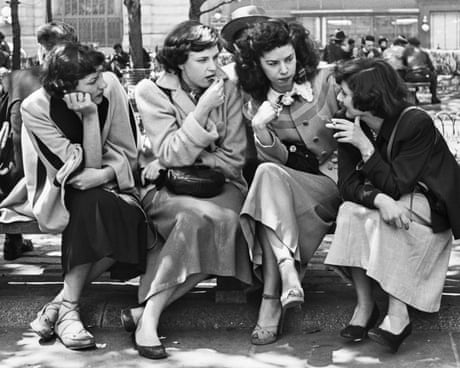
Little-known photographer John Baer captured everyday life before putting down his camera in 1954. His son discovered the images decades later after his death, and John Baer: The Extraordinary Ordinary / A Memoir in Photographs, 1945–1954 marks their first public release
Continue reading...
© Photograph: Photograph by John Baer
© Photograph: Photograph by John Baer
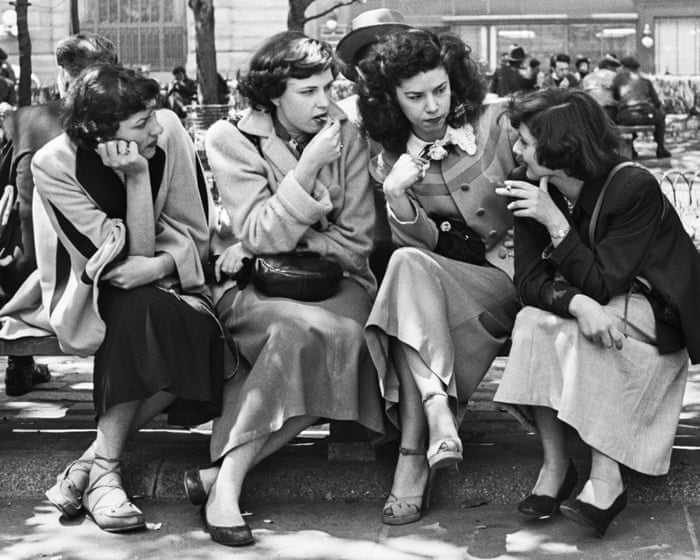
© Photograph: Photograph by John Baer


Ospitata in una delle ultime grandi dimore risalenti alla fine del XIX secolo a New York, la Frick Collection ha riaperto le sue porte, nell’aprile del 2025, dopo un imponente progetto di ampliamento durato quasi cinque anni e costato duecentoventi milioni di dollari.
Camminare per il centro di Manhattan e imbattersi in grandi manifesti che invitano visitare qui una mostra di quaranta bronzi senesi fa un certo effetto.
Varcarne la soglia precipitando dal rumore implacabile della megalopoli nella sua iconica atmosfera intima, procura un sollievo immediato che predispone al meglio. E non si rimane delusi: all’interno il visitatore incontra, oltre alla straordinaria collezione permanente, ineguagliabili opere in bronzo senesi che includendo prestiti provenienti da musei fiorentini, umbri, campani, ma pure inglesi, tedeschi e americani.
Una riunione di opere senza precedenti, che propone statue, rilievi, candelabri, medaglie e altro ancora, realizzate da alcuni degli scultori più influenti dell’epoca, come Donatello, Vecchietta e Francesco di Giorgio.

Siena ne emerge come centro di eccellenza, tanto artistica quanto tecnica, nell’utilizzo di questo metallo nel periodo rinascimentale.
La lavorazione del bronzo non è mai stata opera di una sola persona. Nella Siena del Quattrocento, fonditori di campane, ingegneri, orefici e scultori condividevano materiali e competenze: manufatti che ne derivavano erano espressione di un’intelligenza collettiva dove arte e industria si intrecciavano.
Il bronzo, una lega composta principalmente da rame e stagno (spesso con l’aggiunta di piombo o zinco) era un materiale raro, costoso e vulnerabile: conservare anche solo una piccola statua significava scegliere tra l’utilizzo immediato e bellezza da consegnare ai posteri. In tempi di conflitto, qualsiasi manufatto in bronzo poteva essere rifuso e reimpiegato per scopi bellici, cosa che ha reso eccezionalmente rare le opere giunte fino a noi.
Le stesse conoscenze necessarie per fissare l’espressione del volto di un santo servivano anche a far risuonare una campana in tutta la città o a far tremare le mura con il colpo di un cannone.

Alla Frick Collection ora tre sale propongono l’“ascolto” di questa vicenda. Nella prima, gli oggetti esposti esplorano manufatti in bronzo spaziando tra chiesa, abitazione privata, scuderia e campo di battaglia.
Alla complessità della fusione delle campane, illustrata da una maestosa opera realizzata nel 1454 e collegata al grande complesso ospedaliero di Santa Maria della Scala, si affiancano alcuni volumi contenenti disegni di cannoni in bronzo, realizzati per la potente famiglia Orsini e per lo Stato senese.
A Donatello, lo scultore più celebre dell’epoca, e al suo soggiorno senese tra il 1457 e il 1461 fa riferimento la lastra tombale di Giovanni di Bartolomeo Pecci, vescovo di Grosseto. Si tratta di una delle sole otto opere firmate dall’artista giunte fino a noi.

Nella sala più ampia una prima sezione esplora la capacità del bronzo di perpetuare la memoria nella scultura funeraria. La sezione successiva presenta un gruppo di significative medaglie che servivano a plasmare e promuovere l’immagine dei soggetti illustri come governanti, umanisti, banchieri, militari o prelati.
Stupisce infine il gruppo di sei statue e statuette a tutto tondo, una tipologia che sfrutta le qualità del bronzo più pienamente di quasi ogni altro materiale. A differenza della pietra o del legno, la lega fusa è in grado di sostenere braccia protese, gambe sollevate e corpi in equilibrio oltre il proprio centro di gravità.
Le statue monumentali affermano da sempre la propria presenza in spazi religiosi e civili. Ma qui non sono le dimensioni a determinare l’ambizione del progetto. Un piccolo bronzo poteva fungere da monumento in miniatura, invitando l’osservatore a girarvi attorno e dando forma a idee suscettibili di essere ingrandite in seguito.
A Siena, questo tipo di sperimentazioni contribuirono a definire un linguaggio della scultura a tutto tondo destinato a ispirare artisti successivi, tra cui il giovane Michelangelo, che nel Duomo di Siena lavorò tra il 1501 e il 1504.
Un ultimo aspetto merita di essere sottolineato. La narrazione tradizionale del Rinascimento si concentra sul ruolo cardine di Firenze. Questa mostra, documentando gli straordinari risultati raggiunti dai maestri senesi nella lavorazione artistica del bronzo, invita a riconsiderare tale prospettiva: Siena, che all’epoca seguiva un percorso artistico legato a quello della sua rivale, ne tracciò un altro consapevolmente autonomo.
L'articolo La grande scultura senese in mostra a New York proviene da Linkiesta.it.

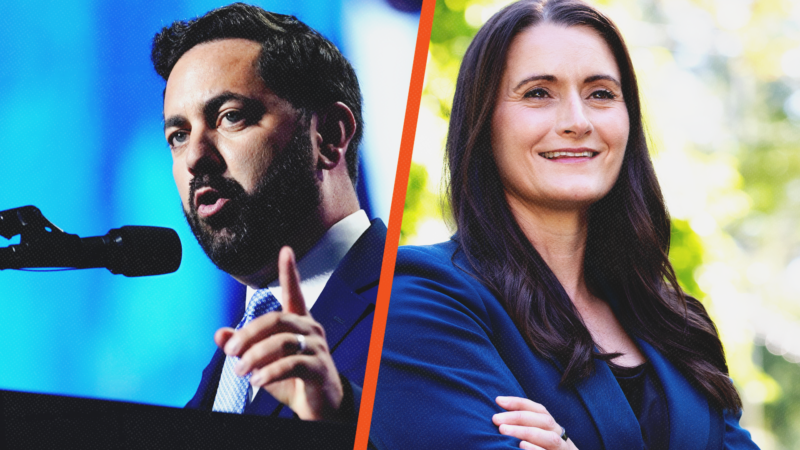
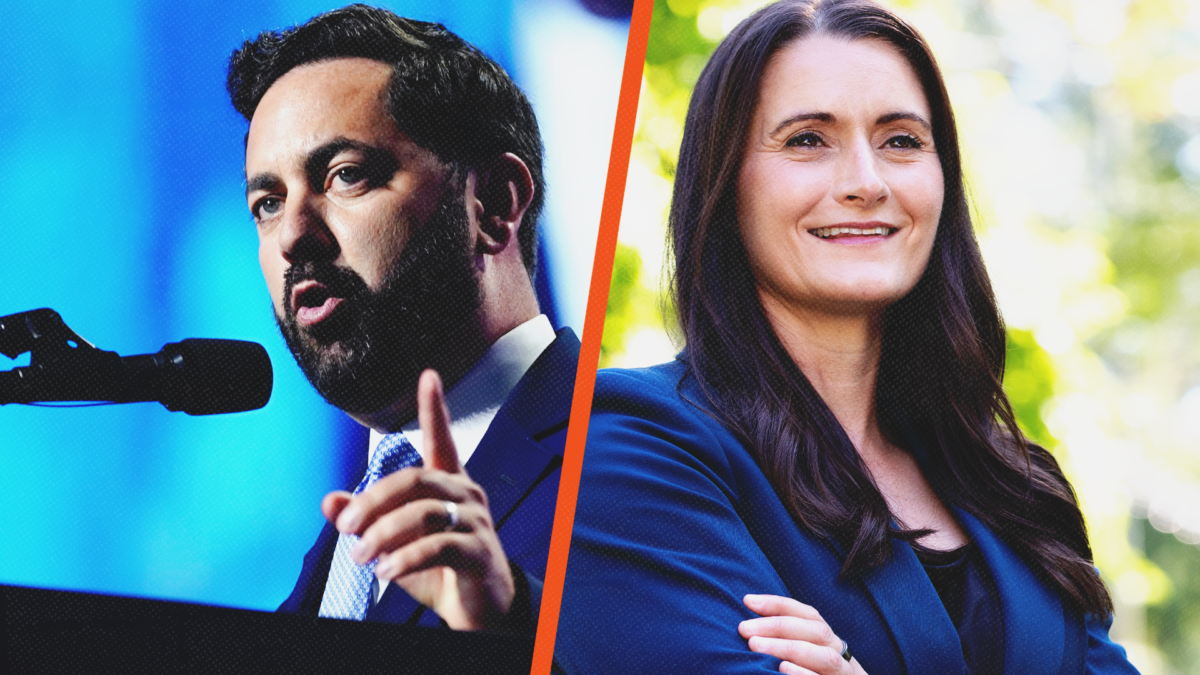
The Democratic Socialists of America (DSA) candidates running for the House of Representatives and endorsed by NYC Mayor Zohran Mamdani are all but guaranteed to win their general elections this November, but that does not mean the midterm drama is over in New York. In the state's 17th congressional district, which includes the lower Hudson Valley, Democratic challenger Cait Conley, a combat veteran who served on the Biden administration's National Security Council, could unseat incumbent Republican congressman Mike Lawler in one of the most consequential races of the midterms.
The highly contested purple district voted for former Vice President Kamala Harris in the 2024 election while reelecting Lawler for his second term. Now, Lawler is attempting to win a third term as support for President Donald Trump wanes ahead of the midterms. As of Friday, The Cook Political Report lists the race, which could determine control of the House, as a toss-up.
If elected, Conley would have far more in common with the "Badass Women" coalition of security state and military veterans than with DSA types (think more Sen. Elissa Slotkin from Michigan than Darializa Avila Chevalier). As Judge Street Journal's Timmy Facciola notes, "Conley's candidacy is testing the viability of a tactful centrism that rebukes left-wing positions like abolishing ICE or restricting weapon shipments to Israel." Lawler is also vying for moderates, pitching himself as "one of the most bipartisan members of Congress" and emphasizing his willingness to break with Trump occasionally while still welcoming Trump's support.
While Lawler and Conley certainly are not pure MAGA acolytes or DSA members, both have leaned into a tech-critical position, much like that of more radical populists like Lina Khan or Steve Bannon, revealing how pervasive anti-tech sentiment has become in mainstream politics.
This tech skepticism was on full display during an October 14 debate, when each candidate made the case for why they were the most equipped to regulate AI, insisting that the industry needs guardrails.
Conley said members of Congress do not want to regulate AI because "they want to look out for their billionaire and trillionaire backers like Elon Musk, who is pouring over $260 million into this midterm election." She then added that Musk backed Lawler in his 2024 race.
Lawler then accused Conley, who previously consulted for Primer AI, of being "the AI candidate for the AI industry."
While Lawler and Conley disagree on specific data center regulations (Conley supports Democratic Gov. Kathy Hochul's data center moratorium while Lawler supports local zoning control over data centers), neither wants to pitch themselves as an explicitly pro-data center candidate. During the debate, Conley claimed that, "On Mike Lawler's watch there have been five data centers built in Rockland County." Lawler has said that he had no say in the decision to build the data centers, and during the debate, he pointed out that the facilities were built for financial services. Lawler also attempted to attack Conley over data centers, slamming her in an ad for saying "we need data centers." Regardless of the candidates' specific policies on data centers, their attacks on one another demonstrate that cheerleading hyperscale data center development is a political liability. In their district, data center has presumably become a dirty term.
The candidates' tech-skeptical rhetoric did not end with unchecked data center development. After the debate, Reason asked both candidates about their positions on age-verification laws for social media and AI, since such regulations raise significant privacy and censorship concerns by age-gating the internet. Unsurprisingly, both Lawler, who voted for the controversial KIDS Act, and Conley, who has proposed stricter age verification for AI tools, parroted platitudes about why such online safety regulations are necessary to protect children.
"We have watched how social media is literally hurting the mental health of children," Conley told Reason. "And when you talk about the power of AI and what that power could do, we have to regulate this."
Lawler gave a similar response, telling Reason that he respects free speech but that protecting children "is paramount."
This bipartisan consensus over social media regulation has long been brewing in Congress. The mainstream political conversations about AI and data centers, however, are relatively new this midterm election cycle. And it appears both Lawler and Conley have figured out which way Americans' sentiment toward AI is leaning, and they have waged their campaigns accordingly.
The post Nobody Wants To Be the Pro-Tech Candidate in This New York Race That Could Flip the House appeared first on Reason Magazine.


CITTA’ DI NOTTE
1981
Sono arrivati i nuovi campioni. Qualcosa di cui Green non poteva parlare al telefono. Lui e Carney avevano un sacco di codici. Se fiutavano sbirri c’era Ho delle cifre da farti controllare. Green parlava di “campioni” quando aveva tra le mani un affare che poteva fare al caso di Carney. Di solito Carney declinava – «Non fa per me» – ma a volte gli sembrava che Green cercasse solo un pretesto per incontrarlo. Non lo vedeva da quando l’aveva chiamato la Sterling. Forse dopo potevano mangiare qualcosa insieme, per festeggiare l’occasione, anche se il trafficante di gemme non usciva molto da quando era nato Seth.
Paternità. Green ne aveva fatta di strada, dai tempi in cui si vestiva come il fratello hip del batterista di Jimi Hendrix, inzeppando il suo gergo da trafficante di riferimenti al Sistema e al complesso militare industriale. Carney aveva parecchi clienti bianchi ex hippy, e li aveva visti scivolare lentamente nel conformismo, un mutuo sulla casa e un motto di autorealizzazione alla volta. Il 1979 era stato particolarmente difficile. Green aveva passato una fase di blazer blu sopra dolcevita bianchi a trecce, come se uscisse per arbitrare una regata invece che per bere un aperitivo. Poi un giorno era sparito, proprio quando Carney doveva piazzare alcune collane Louis Long, roba bella, la refurtiva di una rapina a Philadelphia che necessitava di una nuova sistemazione. La segreteria diceva che Green non era reperibile – si era poi saputo che era in California, a sorbirsi un “seminario di trasformazione” di sessanta ore a Mendocino. Follia. Quella volta Carney si era rivolto a Barry Cruz.
Al suo ritorno Green era così pieno di gergo esoterico e così animato da una nuova filosofia incomunicabile che ricordava un ex detenuto. «La soddisfazione personale potrebbe essere il colpo più grosso di tutti.» Okay, Jim. Il tempo passato in galera, nelle varie galere di questo mondo, cambia chiunque. Tanto che una sera Green aveva perfino ammesso di aver votato per Ronald Reagan, un tradimento fondamentale dei principi dei figli dei fiori che confermava l’ipocrisia di quella generazione, passata in un batter d’occhio dal mito di Timothy Leary a quello dei tagli alle tasse. Green non era il solo. Nel suo lavoro Carney aveva avuto a che fare con ogni tipo umano, ed era abituato a considerare la corruzione individuale come un riflesso della temperie culturale. Il gregge andava verso l’orrore. Carney cercava di non fargliene una colpa. Ci provava con tutte le sue forze.
Un ratto sgusciò da dietro un cestino della spazzatura traboccante e si lanciò sui binari.
La banchina si riempì per il treno successivo.
Quando uscì in strada, Carney si rese conto che era da un po’ che non passava per 42nd Street – a est e a ovest, su e giù lungo Lexington, era tutta un’impaziente frenesia di cantieri. Quella parte della città era in fermento, spettacolarmente viva, tra clacson impazziti, martelli pneumatici e raschiare di travi d’acciaio sul cemento. I grandi palazzinari si davano da fare per battere le scadenze delle normative urbanistiche e delle agevolazioni fiscali. Un varco tra gli edifici indicava che un negozietto era stato demolito per far posto a qualcosa di meglio. I camionisti scaricavano tubature e lastre di vetro dietro recinzioni di compensato blu, che nascondevano i mastodontici scavi delle fondamenta. Parcheggiati accanto ai marciapiedi, in doppia e tripla fila, c’erano rimorchi, generatori scoppiettanti e gru vacillanti. Sulla Lex stavano dando gli ultimi tocchi a due nuovi palazzi di uffici, derrick esili come ragni calavano travi e pannelli isolanti…
«Spostati!»
Un vecchio bianco magrissimo con un carrello della spesa pieno di “Reader’s Digest” gli andò addosso. Sì, sì. Colpa sua che era rimasto lì impalato a guardare. Ora di punta. L’irritabile moltitudine che scaturiva dentro, fuori e in mezzo agli edifici. Un portento. Quando era stata l’ultima volta che si era costruito tanto? Quando aveva provato quell’impressione che un grattacielo potesse spuntargli sotto i piedi e catapultarlo via? Doveva tornare agli anni Sessanta, prima della paralisi generale, dell’alta marea di sporcizia. Il sindaco Lindsay al primo mandato, quando ancora la città non si era arenata.
Copyright © 2026 by Colson Whitehead
© 2026 Mondadori Libri

***
Colson Whitehead sarà ospite dell’evento di apertura della quindicesima edizione di BookCity Milano, lunedì 23 novembre alle ore 20.00 al Teatro Dal Verme. L’autore dialogherà con Francesco Costa e per l’occasione riceverà il Sigillo della Città dal Sindaco Giuseppe Sala. L’incontro sarà condotto da Giovanna Zucconi.
L'articolo In città si parla la lingua della violenza proviene da Linkiesta.it.
