Restaurant software company Olo is launching a delivery app.
Bloomberg/Getty Images
Restaurant software provider Olo is launching a delivery app.
Olo will offer the same menu prices for delivery that in-person visitors get, it said.
Other delivery services often mark up order prices.
A new food delivery service is taking aim at menu mark-ups — and some entrenched rivals
Restaurant ordering software company Olo is launching its own customer-focused app, it said on Tuesday. The app puts it in competition with more established delivery companies, such as DoorDash and Uber Eats.
On Olo's app, customers will see the same prices that restaurants charge in-person patrons, the company said. By contrast, third-party delivery services often charge customers higher menu prices than diners would get at a restaurant.
Offering in-store prices can save customers between 15% and 30%, Olo said.
"It's a better experience for consumers and a more sustainable model for restaurants, with no menu price inflation and no barriers standing between great brands and the people and communities they serve," Olo CEO and founder Noah Glass said.
Food delivery is one area where consumers continue to spend money, even as they cut back their budgets elsewhere. How much customers pay for delivery — and whether apps charge individuals different prices or the same order — can affect how often they order.
Olo is stepping into a competitive space. DoorDash and Uber Eats continue to grow, including by rearching into club deliveries and catering. And Walmart, which spent years building its own grocery-focused delivery service, started delivering restaurant orders earlier this year.
Olo got its start in 2005 with a service that let users text their orders to restaurants in the pre-smartphone era. Now, the company fields about 3.5 million orders daily through around 800 restaurant brands.
The company doesn't have its own team of delivery drivers. Instead, the company uses its own dispatch service to compare delivery options at other third-party services, such as Grubhub, and pick one based on factors like cost and speed.
Olo's delivery app will allow customers to order from about 250 restaurants, including Five Guys and Dave's Hot Chicken.
Do you have a story idea about Uber Eats, DoorDash, or another delivery service? Contact this reporter at abitter@businessinsider.com or via encrypted messaging app Signal at 808-854-4501. Use a personal email address, a nonwork WiFi network, and a nonwork device; here's our guide to sharing information securely.
I rely on the store's products for quick, nutritious meals that I can make ahead of time.
Some of my favorite items include the frozen pie crusts, soy chorizo, and miso-ginger broth.
After shopping at Trader Joe's for over 20 years — and working at my local store for two — I like to think I know the chain inside and out.
The retailer is my go-to spot for picking up budget-friendly meals I can make in my small apartment kitchen.
Here are some of my favorite items to buy for quick meals I can throw together without much thought.
I love making a veggie-loaded quiche with Trader Joe's frozen pie crusts.
Susanna Maize
I think Trader Joe's frozen pie crusts taste just as good as homemade versions, but are way more convenient to use.
I throw in whatever vegetables I have kicking around in the back of my fridge to make an easy quiche — with plenty of leftovers to take to work.
Trader Joe's soy chorizo is a versatile item.
Susanna Maize
I'm not a fan of repeating the same meal every day, so I like to opt for versatile ingredients.
For example, I keep Trader Joe's flavorful soy chorizo on hand for quesadillas, tacos, burritos, or taco salads, giving me plenty of options throughout the week.
I always stock up on seasonal veggies.
Susanna Maize
Although Trader Joe's pre-prepared and frozen sections are always enticing, I get the most bang for my buck by buying whole ingredients and cooking them myself. That's why the produce section is always my first stop.
Most recently, my local store had a great display of fall vegetables, so I got my favorite — honeynut squash. Similar to butternut squash, it tastes delicious roasted in grain bowls and salads.
Sheet-pan gnocchi is one of my go-to weeknight dinners.
Susanna Maize
I find that when gnocchi roasts in the oven, it takes on a lovely chewy-yet-crispy texture that's far superior to bland boiled gnocchi.
I add it to a well-oiled sheet pan with cherry tomatoes, chopped onion, zucchini, and sausage, then serve it on a bed of arugula with a dollop of pesto on top.
Trader Joe's broccoli-and-kale slaw makes a great base for salads.
Susanna Maize
I find that Trader Joe's sturdy broccoli-and-kale slaw fares much better than leafy greens.
So, I like to pack up a batch of the salad (without the dressing) to enjoy throughout the week.
I always keep a can of Trader Joe's vegetarian chili in the pantry.
Susanna Maize
Trader Joe's organic vegetarian chili saves me on days I don't feel like cooking. It's classic, comforting, and just dying to be dressed up.
I like to pair it with grilled cheese for dipping, add it to a box of Trader Joe's mac and cheese, or serve it on a baked potato.
The Thai-style red-curry sauce packs tons of flavor.
Susanna Maize
Trader Joe's bottled sauces are my secret to quick, flavorful dinners that require minimal prep.
Instead of ordering takeout, I make a delicious curry with onion, peppers, and broccoli — the Thai-style red-curry sauce does all the heavy lifting.
I turn Trader Joe's marinated chickpeas into a high-protein lunch.
Susanna Maize
Trader Joe's Greek chickpeas come packed in a flavorful, herby marinate, so no dressing is required. However, I like to add cucumbers, tomato, onion, and feta for a delicious Mediterranean-style salad.
Trader Joe's miso-ginger broth serves as the backbone for a delicious soup.
Susanna Maize
Although Trader Joe's miso-ginger broth is great on its own, I always jazz it up with some sautéed veggies, frozen potstickers, and a soft-boiled egg.
It also pairs great with Trader Joe's instant ramen for a comforting, hearty noodle soup.
I always keep Trader Joe’s Mediterranean hummus on hand for easy lunches.
Susanna Maize
In my opinion, Trader Joe's Mediterranean hummus is truly the best store-bought version around. It's also one of the few that comes in a big enough container to last me more than a couple of days.
I love to pack bento-style snack boxes with a scoop of hummus, chopped veggies, and crackers to take with me.
Trader Joe's peanut-butter granola is my breakfast hero.
Susanna Maize
I always prioritize having a high-protein breakfast to keep my energy levels up throughout the day.
So, I love making a PB&J-inspired yogurt bowl with Greek yogurt, Trader Joe's peanut-butter granola, and a swirl of jam on top.
This story was originally published on October 24, 2024, and most recently updated on October 20, 2026.
Keep reading our Trader Joe's diaries to see what other shoppers are putting in their carts.
Some meals are easy to prepare and customize for both adults on a weight-loss journey and children.
Simon McGill/Getty Images
I'm a mom of three and a dietitian who often works with busy parents who are trying to lose weight.
Meals like quesadillas and Cobb salads can easily be made more nutritious or kid-friendly.
Burrito bowls and dishes made with protein-rich pasta can be customized for parents and children.
As a registered dietitian who helps busy parents lose weight — and as a mom of three myself — I know the struggle of trying to make just one dinner that works for everyone at the table.
In many cases, kids want something fun and familiar, while parents aim for somewhat nutritious meals that support their weight-loss goals.
Fortunately, you don't have to cook a bunch of separate dinners or settle for "kid food."
Here are eight family-friendly meals I swear by that allow for simple swaps and add-ons to make them lighter, more nutrient-dense, and better for balancing blood sugar.
Build-your-own burrito bowls are easy to customize.
EBGraphix/Getty Images
This works well as a buffet-style dinner option where everyone can fill their plate to fit their food preferences.
Start with pulled rotisserie chicken as the main lean protein, and add side dishes of black beans and brown rice for fiber-rich carbohydrates.
Chopped lettuce, salsa, and avocado are great additions for more flavor and nutrients. Kids may prefer having tortillas available to make their own burritos.
Use one pack of buns for two different sausages.
Vanessa Imus
Fire up the grill, and while the kids enjoy hot dogs, swap yours for a leaner chicken sausage. They're typically higher in protein and lower in fat, making them a better fit for weight management.
Load yours with gut-friendly toppings like sauerkraut and grilled onions, and pair it with a side of slaw or grilled veggies and antioxidant-rich berries.
This way, you can have a balanced dish while your kids enjoy a classic.
While the kids eat chicken strips, turn a few into a hearty Cobb salad.
Luca Melo/Getty Images
The best meals for weight loss tend to be high in protein and contain a lot of bulky veggies or fruits. So, make a few extra chicken strips for yourself and use them as a protein source in a satisfying Cobb salad.
Add chopped chicken strips to romaine lettuce, tomato, bacon bits, sliced boiled egg, and a sprinkle of blue-cheese crumbles. Pair the salad with a light portion of dressing.
A Cobb salad is great because egg, bacon, and chicken can add enough protein to the meal to help keep you satisfied. Meanwhile, produce like romaine and tomatoes adds nutrients, bulk, and variety to the meal without making it high in calories.
Quesadillas can be simple and kid-approved or more nutritious for health-conscious adults.
Simon McGill/Getty Images
It's easy to customize cheese quesadillas to be as simple or as intricate as you and your kids prefer.
To upgrade your own, add lean ground beef or ground turkey (protein), nonfat refried beans (fiber), and roasted peppers or onions (vitamins, minerals, and antioxidants).
The protein and fiber combo in this meal can help you feel full faster and longer, helping avoid the urge for late-night snacks.
As a bonus, serve everyone a side of cucumber or jicama slices for an extra dose of fruit or veggies that provide a crunchy, fiber-rich addition.
Use common taco ingredients to make a satisfying salad.
taco
Vanessa Imus
Tacos are a weekly staple in our house. The kids love theirs with ground beef or turkey, topped with shredded cheese, all stuffed inside a crispy taco shell.
Fortunately, it's easy to transform these sorts of ingredients into a hearty, protein-rich, nutrient-dense taco salad.
Start by filling a bowl with chopped romaine, cherry tomatoes, black beans, salsa, avocado, and lean ground turkey or beef. Sprinkle a crumbled taco shell on top for crunch, then add a little dressing if desired.
This way, you can enjoy the same taco flavors, just way more veggies and fewer carbs to help you stick to your daily calorie goals.
Better-for-you ramen can be served two ways.
Ramen
Vanessa Imus
A basic ramen recipe can be upgraded with lean protein, such as diced chicken and a hard-boiled egg, and leafy greens, like spinach or bok choy.
Aim to fill one side of your bowl with protein and vegetables, reserving the noodles and broth for the other half.
If your kids are a little picky, just serve components of the dish separately and adjust the ingredients you use. Serve noodles with some of their favorite fruit, so they can pick and choose what they like.
Pizza can work for everyone.
Vanessa Imus
With some adjustments, pizza night can still be great for parents trying to manage their weight.
First off, using a cauliflower crust is a great way to reduce the carb count of a typical pizza dinner while adding more vegetables.
More veggies means more fiber for gut health and extra nutrients that help support your metabolism and overall health.
I also like to serve a salad or raw veggies on the side to help me fill up on lower-calorie foods, so I can stick to smaller portions of pizza while still feeling satisfied.
Be sure to also add protein to your pizza to create a more balanced meal. Chicken is a great lean option, but I also understand if you're more of a sausage or pepperoni fan.
Pasta doesn't have to derail your weight loss efforts.
Aarthi Arunkumar/Getty Images
There are several ways to enjoy pasta regularly without disrupting weight-loss efforts.
First, swap out your noodles. Regular pasta is high in carbohydrates, which can spike blood sugar when eaten in large portions or without being balanced by protein and fiber.
Instead, use noodles made from lentils or chickpeas. They contain more fiber and protein, slowing how quickly carbohydrates are absorbed and helping keep blood sugar steadier — which can help with weight management.
Once the noodles are coated in sauce, your kids may not even notice you've made the swap.
Skip high-fat, calorie-laden cream sauces and top your pasta with marinara, which is naturally low in calories. Top with prepackaged frozen meatballs for an easy protein boost.
Don't forget to mix spinach or roasted broccoli into your dish for extra fiber. For pickier eaters, you may want to serve it on the side.
This story was originally published on November 3, 2025, and most recently updated on October 20, 2026.
I'm a diehard Costco fan who's had an executive membership for 11 years.
My family swears by the store's freezer section for easy breakfasts, quick appetizers, and snacks.
Some of our favorite products include Kirkland Signature frozen fruit and Bibigio spring rolls.
With a busy schedule and a hungry family, I'd be a mess if it weren't for Costco's extensive frozen options.
I've been an executive member for 11 years, and I feed my family of four — my husband, my son, my mother-in-law, and myself — almost exclusively with Costco products.
We're diehard loyalists, thanks to the value, the store's wide selection, and our general trust in the products Costco stocks. We consider the store's freezers our cheat code to fast, balanced, and easy breakfasts, snacks, and dinner appetizers.
These are the staples we always have in the house and swear by.
Our days start with waffles.
captiontk
Allison Lau
By far the most cherished meal of the day in our family is breakfast. In fact, I've somehow turned it into a DIY multi-course meal.
While I'm making a fruit smoothie — more on that soon — I toss Eggo's homestyle waffles in the toaster. They're a crowd-pleaser for kids and adults alike, and at Costco, I can buy a pack of 60 for about $11.
Frozen berries make smoothies an easy staple.
I always stock up on frozen strawberries.
Allison Lau
I love making smoothies with frozen fruit — and thankfully, Costco has tons of options.
I'm obsessed with Kirkland Signature's frozen organic blueberries. A bag costs $9.59, which works out to about $3.20 a pound. Blueberries have always felt like a luxury to me, so the fact that I can get them at such a great price will never not be exciting.
The frozen blueberries pair perfectly with Kirkland Signature's frozen organic strawberries. At my local store, these are even cheaper than the blueberries at $11.99 for a 4-pound bag, which works out to $3 a pound.
Fresh strawberries can fluctuate dramatically in price and availability in my area, so it's so reassuring to have consistent, delicious frozen options year-round.
I swear by frozen mangoes, too.
mango tk
Allison Lau
This is our final frozen fruit fixation.
Our local Costco has been stocking organic frozen mangoes from Nature's Touch lately. I love that they're peeled and pitted, which takes so much of the work off my plate.
At $10.39 per bag, the mangoes work out to about $2.07 a pound. They're by far our cheapest frozen fruit in the freezer, and the most delightfully tropical.
We spice up the mornings with Annie's cinnamon rolls, usually as a weekend treat.
cinnamon
Allison Lau
We discovered Annie's frozen cinnamon rolls when our two-year-old tried a free sample at our local store. His face lit up far too adorably for me to say no.
Now, whenever we feel like enjoying a fancier breakfast, I'll pull out a tube. Each tube comes with five reasonably-sized rolls, plus just the right amount of icing.
Our Costco sells packs of three tubes for $14.89, meaning each roll is under $1. Another free-sample success story!
Frozen appetizers like vegetable spring rolls are the fastest way to make our at-home dinners feel fancy.
These spring rolls are a big hit with our vegetarian friends and family.
Allison Lau
I swear we eat meals other than breakfast. Bibigo's vegetable spring rolls are one of our favorite additions to any dinner. A box of 50 (yes, 50!) is $9.49 at my local store.
Appetizers have always felt like an indulgence in my family, so there's nothing better than pulling out a dozen spring rolls to snack on as we make dinner. Don't skip the sweet soy-ginger dipping sauce, either.
We also love Sukhi's Irresistible Indian Cuisine samosas.
caption
Allison Lau
Samosas are delicious, but a food item I won't even try to make on my own. Luckily, I discovered Sukhi's Irresistible Indian Cuisine samosas at Costco. A box of 16 costs $15.99 at my nearest store.
These are a true crowd pleaser, especially when vegetarian family members are in town.
The potato-and-peas flavor, combined with the provided cilantro chutney, is truly divine.
Nothing's better than a Kirkland Signature ice-cream bar.
With creamy vanilla ice cream, milk chocolate, and a sprinkle of crushed almonds, Kirkland Signature's ice-cream bars are the perfect dessert, especially in the middle of California's perpetual summer heat wave.
I genuinely prefer these ice-cream bars over name-brand competitors. They're so coveted in our house that we have to take "Kirkland bar" shifts where each parent hides in the garage and enjoys their ice cream — or else we end up with an over-sugared, sticky toddler.
These usually cost $10.59 for 18 bars at my Costco, but they go on sale regularly. We always stock up.
Curious to know what other shoppers put in their carts? Check out our other Costco diaries here.
European Union governments have agreed a negotiating position on new agricultural market rules intended to take effect under the bloc’s 2028–2034 budget, advancing reforms to support arrangements for farmers while leaving the most contentious financial questions unresolved.
The Council approved its partial negotiating mandate on Monday, 19 October, covering changes to the Common Market Organisation regulation, which governs agricultural markets across the European Union.
The proposals include new arrangements for wine producers, protein crops and oilseeds, revised marketing standards, changes to the EU school food programme and provisions intended to improve preparedness for agricultural market disruptions.
However, the agreement does not settle future funding allocations or the broader structure of agricultural subsidies, which remain under negotiation as EU governments attempt to reconcile farming expenditure with competing demands for defence, industrial investment and regional development.
Agricultural markets under review
The Council’s negotiating position retains much of the European Commission’s original proposal while introducing amendments intended to accommodate national differences in agricultural production.
Under the proposed arrangements, sector-specific interventions would become mandatory in several areas, including beekeeping, fruit and vegetables and, under certain circumstances, wine production.
The Council has also proposed flexibility for countries where particular sectors are absent or relatively undeveloped.
For the wine industry, governments would be able to seek exemptions from certain obligations where national circumstances justify different arrangements.
This would allow the framework to retain common European rules while avoiding requirements that would be inappropriate for member states with little or no domestic wine production.
Sectoral interventions form part of the mechanisms through which the EU supports agricultural markets and producer organisations. They can cover measures intended to improve competitiveness, manage production and strengthen farmers’ commercial position.
New provisions for protein crops
The Council has endorsed the establishment of a separate sector for protein crops and oilseeds, replacing existing provisions covering dried fodder.
The objective is to encourage domestic production and reduce dependence on imported agricultural inputs, particularly crops used in animal feed and food production.
European livestock producers rely on protein-rich feed ingredients, including soyabeans, that are often sourced internationally.
Greater domestic production could reduce exposure to fluctuations in global commodity prices, transport costs and disruptions to international supply chains.
Under the Council’s proposal, member states would be encouraged to recognise producer organisations specialising in protein crops and oilseeds.
Such organisations can help farmers coordinate production, marketing and investment, although the effectiveness of the proposed measures will depend on how they are implemented nationally.
The proposals follow broader EU efforts to improve supply security in sectors extending from agricultural inputs to critical industrial materials.
School food and product labelling
The negotiating mandate also preserves the EU school scheme, which provides support for the distribution of fruit, vegetables and milk to schoolchildren.
Under the proposed framework, the programme would move from a school-year financing cycle to a calendar-year system, with transitional provisions intended to prevent disruption during implementation.
The Council has maintained the Commission’s objective of encouraging healthier eating habits by limiting products containing high levels of free sugars and fats.
The proposal also opens the possibility of additional marketing standards for several agricultural products, including protein crops, beef, pork, sheepmeat, goatmeat and rice.
These standards could provide consumers with more detailed information about product origins, subject to the final legislation.
Such measures would also have implications for producers and food businesses, which would need to comply with any new requirements concerning classification, marketing and labelling.
The Council additionally supports the harmonisation of rules covering industrial hemp, while retaining safeguards concerning seed certification and the permitted level of tetrahydrocannabinol.
Farming subsidies remain contested
The agricultural market agreement forms part of negotiations over the next Common Agricultural Policy, which will operate within the EU’s new seven-year financial framework.
Under the Commission’s proposed budget structure, several funding streams, including agricultural and cohesion programmes, would be brought together within national and regional partnership plans.
The restructuring has encountered opposition from governments and agricultural interests concerned that farming could lose protected access to EU funding.
As EU Today previously reported, 17 member states have called for agricultural and regional development expenditure to be protected against further reductions.
The Council’s latest position addresses how agricultural markets should operate rather than determining the size of the financial support available to them.
A separate debate concerns the conditions for receiving direct farm payments, including the definition of an active farmer and the degree of discretion granted to national governments.
Those questions remain central to the continuing CAP negotiations, which are due to return to the Agriculture and Fisheries Council on 26–27 October.
Negotiations move to Parliament
The Council’s partial mandate now provides a basis for negotiations with the European Parliament on the agricultural market provisions.
The legislation will still require agreement between the institutions, while its financing will depend on the eventual settlement of the 2028–2034 budget.
Governments must also complete negotiations on the wider CAP framework, including direct income support and the distribution of responsibility between Brussels and national administrations.
The market agreement reached on 19 October therefore establishes important elements of the proposed agricultural rules, but leaves unresolved the level of financial support available to European farmers after 2027.
In 2022, I helped push through the international agreement to protect biodiversity. Wars and economic pressures can make nature seem like a ‘nice-to-have’. But it is a critical asset, and Cop17 must deliver real action
When I was five, property developers came to cut down the woods behind my home in La Tuque, Quebec. My mother encouraged me to climb one of the trees in protest, then told the developers, straight-faced, that there was nothing she could do when they asked her to get me down. A few days later, the tree was cut down anyway.
I thought about that tree in the early hours of a freezing Montreal morning in December 2022, as the gavel came down on a global agreement between nearly 200 countries to halt and reverse the loss of nature by 2030. I thought about how important nature is for our health, our food security and our economies, but also how much passion there is around protecting it, and how it has the power to inspire people all around the world.
From October 19 to 23, the world gathers in Rome for the 54th session of the Committee on World Food Security (CFS)*—a global platform dedicated to combating hunger and malnutrition, and to upholding the right to food. Discussions will focus on food security, coordinated responses to food crises, and sustainable food systems. The agenda will […]
A new tax on added sugar in France could lead to higher prices for sweet products. The measure was proposed by the government as part of the 2027 draft budget and has been approved by members of parliament. However, it has raised concerns among manufacturers. The new tax follows an existing levy on carbonated drinks […]
Some of the best sparkling wines at Costco are from the Kirkland Signature label, in my opinion.
Brianne Cohen
As a sommelier, wine is my job — and sparkling wine is my favorite. Costco's a good place to get it.
Costco has solid prosecco and cava, plus fancy vintage Champagne like Henriot
There are also great sparkling wines from brands like Roederer Estate and Moët & Chandon.
I wasn't sure if my husband and I would be able to get the full value out of our Costco membership, but I was wrong.
Although not every location sells alcohol, our local Costco does — and I've found this bulk retailer has some of the best wine prices.
This comes in handy because, as a certified sommelier, I buy a lot of wine for tastings, events, and even my own collection. And every time I go to Costco, I seem to discover something new, whether it's a unique variety or an especially great deal.
Here are some of the best sparkling wines I've found at Costco so far.
Editor's Note: Prices and availability may vary.
The Kirkland Signature Prosecco feels like a steal.
Brianne Cohen
Typically around $10 a bottle, Kirkland Signature's prosecco is one of the most affordable sparkling wines I've seen at Costco.
Don't let the price fool you, though. This wine is from the "Superiore" area of the Italian prosecco region, meaning the winemaking standards are higher.
The Kirkland Signature bottle is on the sweet side, and it's perfect for brunch mimosas.
Moët sells millions of bottles of its Champagne every year.
Brianne Cohen
Moët & Chandon Champagne is probably the most iconic wine on this list.
As a sommelier, people often ask for a glass of Champagne whenever they want something fizzy. However, true Champagne has to be made in the Champagne region of France — trust me, it actually makes a difference.
The flavors are much more complex and layered than a standard sparkling wine. There's also something special and luxurious about Champagne.
This bottle is amazing on its own, but also shines with salty snacks such as potato chips, mixed nuts, and popcorn.
Kirkland Signature's Champagne is also hype-worthy.
It's true Champagne that I've typically seen for about $21 — it's rare to find a large bottle of the stuff at such a low price.
This variety is a little lighter and fresher than some Champagnes, but if that doesn't bother you, it's a total winner.
Roederer Estate makes a stunning $20 sparkler.
Brianne Cohen
If regions don't matter to you, try this pick from Roederer Estate.
Some big Champagne brands purchase land and make Champagne-style sparkling wines worldwide. In this case, Louis Roederer bought property in Northern California's Anderson Valley.
Its sparkling brut is a delight and I've seen it for $20 to $30 a bottle. In comparison, the brand's true French Champagne goes for closer to $60 to $80.
I like the Californian Roederer Estate stuff so much that I served it at my own wedding.
If you've got Champagne taste on a beer budget, try cava.
Brianne Cohen
Choosing cava is a great way to save money on sparkling wine.
The Spanish sparkler uses the same production method as Champagne but rarely costs more than $20 a bottle. Costco even has one from Blanchard Perez that I've seen for under $10.
Cava is generally dry, with little to no sweetness. I love serving it with appetizers and tapas.
I've also found solid sparkling rosés at Costco.
Brianne Cohen
The only thing more on trend than sparkling wine is sparkling rosé, and Scharffenberger Cellars has a bottle for around $20 at Costco.
The affordable Californian wine is made from grapes grown in Mendocino County and has a cheerful effervescence.
It pairs well with light dishes such as salads, shrimp cocktail, and smoked salmon dips.
For when only fancy vintage Champagne will do, turn to Henriot.
Brianne Cohen
I wanted to include one special, pricier wine on the list, and that spot went to the $150 bottle of Henriot I found at Costco.
It's a vintage Champagne, which means all the grapes were harvested in the same year.
Henriot has been around for over 200 years, and it's one of the few larger brands that's still independent and family-owned. For me, this Champagne hits all the marks for complexity, flavor, acid, and finish.
This story was originally published on February 19, 2025, and most recently updated on October 19, 2026.
I needed easy-to-find ingredients like yellow onion, minced garlic, red bell peppers, yellow bell pepper, chili powder, cumin, dried red-pepper flakes, cayenne, basil, chicken breasts, and cans of whole peeled plum tomatoes in puree.
I simmered the onions and garlic until translucent, added the spices and herbs, diced bell peppers, and whole tomatoes, and cooked for about half an hour.
I mixed the tomato sauce with the bell peppers.
Chelsea Davis
This mixture was very similar to a chunky pasta sauce.
Instead of roasting the chicken breasts, I sautéed them in a pan
I think cooking the chicken breasts in a pan was faster than baking them.
Chelsea Davis
Though the recipe said to split olive oil-covered chicken breasts and bake them in the oven, I decided to sautée them in a pan since it seemed more efficient.
I sautéed them for about 12 minutes on each side, diced them, and combined them with the tomato-and-pepper sauce.
I let the chili simmer for another 20 minutes.
Garten's recipe didn't quite satisfy my chili craving
In my opinion, Ina Garten's chili didn't feel like the classic comfort food.
Chelsea Davis
This recipe wasn't as hearty as a typical chili and had a strong tomato flavor and a lot of bell-pepper chunks.
The chicken was juicy but could have benefited from a different, more potent seasoning blend.
Topped with shredded cheese, it was filling, but not what I would want if I were in the mood for a traditional chili.
A few of my Filipino relatives tried this chili and loved it on top of white rice without cheese, though.
The next recipe I tried was Drummond's, which felt like a traditional chili
Ree Drummond's recipe includes what I consider chili staples, like ground meat and beans.
Its ingredients seemed very classic for a chili with things like ground beef, chopped garlic, tomato sauce, chili powder, cumin, oregano, cayenne pepper, and canned beans.
I was surprised to see masa harina, a dried maize-based flour often used as a thickening agent, as an ingredient.
Drummond's recipe was super easy, though I made a substitution
Ree Drummond's one-pot chili came together pretty easily.
Chelsea Davis
To start, I browned ground beef in a large pot with minced garlic and drained the fat.
I added chili powder, cumin, oregano, and cayenne pepper to the meat and incorporated the tomato sauce.
After stirring, I let the chili simmer for an hour, adding a half cup of water when the mixture looked a bit dry.
I used corn grits instead of masa harina, which I thought worked well.
Chelsea Davis
I didn't have masa harina, which needed to be turned into a paste for this recipe, so I substituted it with corn grits.
To do so, I mixed the grits with water and stirred them into the chili. Then, I drained and rinsed my cans of pinto and kidney beans, and added them to the mixture along with more seasonings and salt to taste.
I let all of that simmer for about 10 minutes.
Drummond's recipe made an excellent traditional chili
Ree Drummond's finished chili was tasty.
Chelsea Davis
Drummond's easy-to-make recipe was meaty, hearty, and filling.
It was nice and thick, and I liked the ground beef and texture from the pinto and kidney beans. The cumin and spices added a warm flavor, too.
For me, it checked all the boxes for a tasty chili.
De Laurentiis uses ground chicken in her chili recipe
Giada de Laurentiis' recipe called for ground chicken.
Chelsea Davis
Next, I tried De Laurentiis' recipe for white bean and chicken chili as found on the Food Network website.
The ingredients were fairly simple, including ground chicken, onion, cumin, chili powder, Swiss chard, canned cannellini beans (or other white beans), frozen corn, fennel seeds, chicken stock, and red-pepper flakes.
For serving, she suggested topping the chili with Parmesan and chopped parsley.
To start, I simmered chopped onions and minced garlic until translucent and added ground chicken, salt, cumin, fennel, oregano, and chili powder.
I think the ground chicken soaked up all the flavors from the seasonings.
Chelsea Davis
After the meat cooked through, I added the roughly-chopped Swiss chard, beans, corn, and chicken stock.
Per the recipe, I made sure to scrape the browned bits off the bottom of the pot
Giada De Laurentiis' chili called for Swiss chard.
Chelsea Davis
I let the mixture simmer for about an hour, added chili flakes, and cooked for about 10 more minutes.
When plating, I sprinkled Parmesan and parsley on top.
This chili had some great flavors
Giada De Laurentiis' chili was delicious.
Chelsea Davis
De Laurentiis' chili wasn't particularly conventional — with the Swiss chard, ground chicken, and Parmesan — but I thought it was tasty.
I enjoyed the savory flavor of the crunchy corn, tender white beans, and vegetal Swiss chard. The stock and ground chicken gave this a rich, meaty taste, too.
I thought this was the perfect, comforting bowl of chili.
For me, the recipes from Drummond and De Laurentiis tied for first place
The only chili recipe I wouldn't make again was Ina Garten's.
Chelsea Davis
I loved both Drummond's traditional chili and De Laurentiis' chicken version for their hearty, savory, and complex flavors.
They were different types of chili, but equally delicious for game day.
Though Garten's recipe wasn't bad, the chunky texture wasn't my favorite, and it just didn't do it for me in terms of what I look for in a chili.
“As a child, I thought of the burrito as something predictable, filling, and reliable. It would be years before I saw it as a source of political conviction; something that once split my family’s loyalty between their hungry children and a revolutionary cause.” In this essay at Orion, Victoria Blanco writes about her Abuelita, whose family had owned a burrería in downtown Juárez during the Mexican Revolution, and how she worked hard there through childhood, making burritos for Pancho Villa’s troops—an army fighting for a better life for the next generation. “The food we ate was built for movement,” she writes, “the same way we were.” Blanco reflects on the burrito as a symbol resistance, the borderland, and belonging.
I found the unspoken parts of Abuelita’s childhood when I was working in a university archive as a student, examining photographs no one in my family had ever seen. One image stopped me completely: a rooftop terrace at the Paso del Norte hotel, where well-dressed Americans held cocktails and binoculars, watching the war across the river as though it were a form of entertainment. On the other side of that same river—a river with two names, Río Bravo on one bank, Rio Grande on the other—men were falling from gunfire while children went without food so that revolutionaries could have the sustenance they needed to keep fighting. I sat with that photograph for a long time, thinking about my abuelita, a girl somewhere in that city while Americans sipped cocktails and watched her world from a hotel roof.
The production of organic, free-range eggs can have a climate impact nearly twice as great as that of eggs produced by caged hens. This is according to a new study published in the scientific journal *Royal Society Open Science*, as reported by the British newspaper *The Guardian*. The analysis indicates that if the entire egg […]
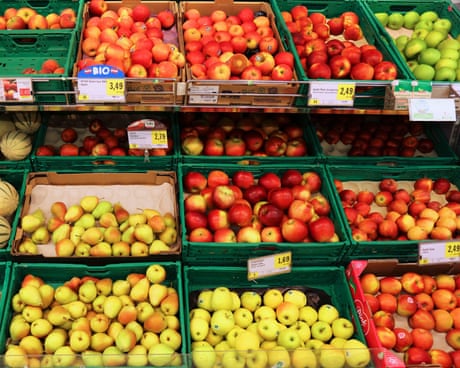
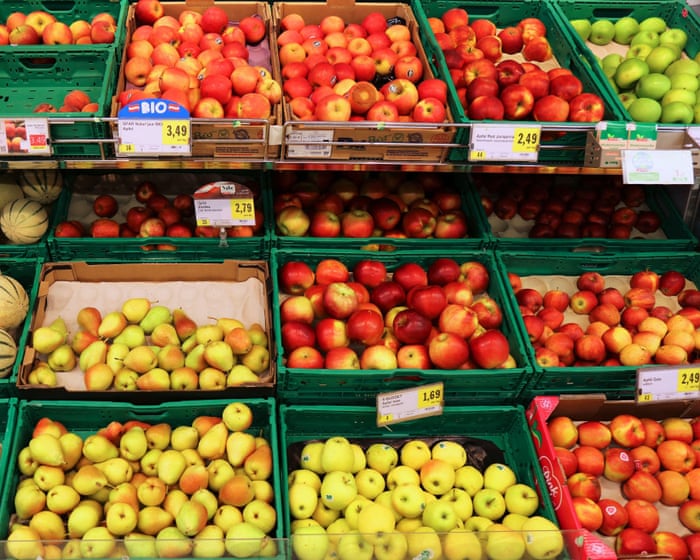
Spar pilot scheme will test whether heirloom fruit can thrive in today’s commercial and environmental conditions
Only about 10 of the 2,000 types of apples growing in Austria can be found in supermarkets among the polished, pristine fruit usually on display – a sad ratio according to fans of historic varieties being primed for a comeback.
One of the country’s biggest retail chains has embarked on a pilot rollout of unusual and long-forgotten apples enjoyed in previous centuries, riding an international trend of reviving heirloom fruit and vegetables.
So I was ecstatic when I discovered that the Michelin-starred chef has an entire cookbook dedicated to dishes that can be made in 10 minutes.
The very first recipe I tried from "Ramsay in 10" was a turkey and leek pasta with crispy sage breadcrumbs.
"For a change, skip the Bolognese and make this creamy turkey and leek sauce in a fraction of the time instead," Ramsay writes in the description. "It might just become a regular midweek family meal, as it has at my house."
Ramsay's 10-minute pasta includes turkey, breadcrumbs, and leeks.
Anneta Konstantinides/Business Insider
To make Ramsay's 10-minute pasta for four, you'll need:
17 ounces of fresh penne or fusilli pasta
14 ounces of ground turkey
¾ cup of heavy cream
4 sage leaves
4 regular shallots (or 2 banana shallots)
3 garlic cloves
2 leeks
1 lemon
A handful of flat-leaf parsley leaves
Freshly grated Parmesan cheese (for serving)
To make the breadcrumbs, you'll need:
6 tablespoons of fresh breadcrumbs
2 sage leaves
2 tablespoons of olive oil
Ramsay notes in his cookbook that the breadcrumbs are optional, but I recommend taking the extra step. It was my first time making fresh breadcrumbs, and it couldn't have been easier.
But feel free to play around with the ingredients depending on your preferences. Ramsay said this dish also works well with ground chicken or sausage; the sage can easily be swapped for thyme, parsley, or tarragon; and any shape of fresh or dried pasta will do.
Before I started cooking, I needed to prep my ingredients.
Anneta Konstantinides/Business Insider
First, I brought a saucepan of salted water to a boil so it'd be ready for the pasta in a few minutes.
Then, per Ramsay's recipe, I peeled and grated my shallots and garlic. If the handheld grater proves tricky — and risky for your fingers — feel free to use a knife to finish mincing the veggies.
After grating my shallots and garlic, I finely sliced the leeks.
Anneta Konstantinides/Business Insider
Ramsay recommends prepping your shallots and garlic while the olive oil is heating up in the pan and slicing your leeks right before you add the pasta. I'm still pretty slow at chopping veggies, so I got my prep out of the way so I wouldn't be stressed about burning anything. I also soaked my sliced leeks in a bowl of cold water to ensure they were fully cleaned.
The recipe took me a tad longer than 10 minutes, but you can follow Ramsay's lead if you're confident in your chopping speed!
I also prepped my fresh breadcrumbs.
Anneta Konstantinides/Business Insider
I simply tore two slices of bread into pieces and threw them into the food processor.
I placed my Dutch oven over medium-high heat and added two tablespoons of olive oil. Then I added my shallots and garlic to the pan.
Anneta Konstantinides/Business Insider
I allowed the shallots and garlic to cook for two minutes, stirring regularly.
If you don't have a Dutch oven handy, Ramsay says this recipe also works with a heavy-based frying pan or skillet.
After two minutes had passed, I threw in the turkey and sage leaves.
Anneta Konstantinides/Business Insider
I broke the turkey up with a wooden spoon and allowed it to cook until the meat was lightly browned, which took around three to four minutes.
While the turkey cooked, I added my leeks to the boiling water.
Anneta Konstantinides/Business Insider
I let the leeks cook for one minute, per Ramsay's instructions.
I threw in the penne and allowed the noodles to cook until they were al dente.
Anneta Konstantinides/Business Insider
Since I chose penne, my pasta didn't cook in the speedy two minutes Ramsay recommends for fusilli. But just follow the instructions on your box, and the noodles will taste great.
While my pasta was cooking, I added the cream to my turkey.
Anneta Konstantinides/Business Insider
I stirred everything together and brought the sauce to a boil. Then I reduced the sauce to a simmer until I was ready to serve.
Next up were the crispy sage breadcrumbs.
Anneta Konstantinides/Business Insider
I placed a frying pan over medium heat and drizzled some olive oil. Then I added two sage leaves, which I had finely chopped.
I cooked the breadcrumbs until they were crisp and golden brown.
Anneta Konstantinides/Business Insider
This happens very quickly — make sure to watch the pan carefully so they don't burn!
I drained my pasta and leeks and added the penne to the sauce.
Anneta Konstantinides/Business Insider
Ramsay recommends saving two to three tablespoons of the pasta water and adding it to the sauce.
I added the finely chopped parsley leaves, along with some lemon zest.
Anneta Konstantinides/Business Insider
I also added some salt and pepper before giving everything a big stir.
I topped everything off with the sage breadcrumbs.
Anneta Konstantinides/Business Insider
After I added the freshly grated Parmesan cheese and drizzle of olive oil that Ramsay recommends, I stepped back and admired my pasta.
The dish looked bright and inviting, thanks to the pops of color from the parsley and breadcrumbs, and I loved seeing so many different textures meld together. Plus, it smelled absolutely delicious.
Ramsay's 10-minute pasta took me a couple of extra minutes, but the final result was worth it.
Anneta Konstantinides/Business Insider
I don't usually go for poultry with my pasta, so I was skeptical when making the turkey sauce. But I was pleasantly surprised by how much I loved Ramsay's recipe.
The sauce is light but packed with so much flavor. The leeks add a hint of lovely sweetness, and the lemon brightens each bite. The contrasting textures of the crispy sage breadcrumbs and the creamy sauce also make a fantastic team.
I don't usually crave a big meal on a weeknight, so I love that this pasta makes dinner interesting without being too heavy.
Whether you're longing for a quick weeknight dish or just want a light and bright recipe during the busy season, Ramsay's favorite 10-minute pasta will satisfy all your cravings.
I ordered default turkey sandwiches from the sandwich chains Jersey Mike's, Subway, and Jimmy John's to find the best one.
Savannah Born
I compared turkey sandwiches from Jersey Mike's, Subway, and Jimmy John's to find the best one.
I wasn't impressed by the bread from Subway or Jimmy John's, but the sandwiches were OK.
Ultimately, Jersey Mike's was my clear winner with a generously loaded, flavorful turkey sandwich.
When noon rolls around, nothing is more classic than a turkey sandwich, a basic yet delicious staple of many American lunches — and a personal favorite of mine.
To me, a traditional turkey sandwich consists of sliced turkey, lettuce, and tomato stuffed between two mayo-slathered pieces of bread. If there's cheese, it's usually a mild white like Swiss or provolone.
Jersey Mike's, Subway, and Jimmy John's all offer some version of my go-to sandwich, so I set out to find the best one.
To keep things fair, I ordered each chain's regular-size sandwich without any customizations — and to be extra fastidious, I brought out my measuring tape to make sure the advertised inches were accurate, because you truly never know.
Here's how the sandwiches compared.
I started at Jersey Mike's, where I was surprised by an ultra-thick sub.
I did measure each sandwich for this taste test.
Savannah Born
Jersey Mike's is recognized for its freshly sliced meats, "Mike's Way" preparation, and "juice," otherwise known as oil and vinegar. The Turkey and provolone sandwich came with all of the above.
The menu noted that all cold subs, including the turkey and provolone, are prepared "Mike's Way," which meant with lettuce, tomato, onion, seasonings, and the aforementioned "juice." Sliced turkey and provolone cheese completed the sandwich.
The regular (almost) 7-inch sub cost me $9.80 before tax, or roughly $1.40 per inch.
I enjoyed almost everything about Jersey Mike's turkey sandwich.
Oil, vinegar, oregano, and salt gave an otherwise simple sandwich an incredibly flavorful twist, and it paired beautifully with the soft, crusty-at-the-edges bread. It felt like a hybrid turkey-and-Italian sandwich.
The turkey was surprisingly moist, as was the cheese — which made sense in hindsight, given that I watched the staff slice these ingredients in real time. I expected only a couple of slices of each, but I found at least five of turkey and three of cheese.
I can't say the lettuce, tomato, and onion were crisp, but that's probably because they soaked in "the juice" for the 30-minute drive home. In my opinion, though, the "Mike's Way" preparation was worth slightly soggy produce.
The sub didn't have mayonnaise, which would be a dealbreaker for some, but with brightness from "the juice," I didn't miss it. (Plus, I could always customize the sandwich to add the condiment on.)
My next stop was Subway, where my sandwich seemed like a solid value.
My Subway sandwich seemed like a fair price.
Savannah Born
Aside from its 2008 "five-dollar footlong" advertisement, Subway is known for its freshly baked bread and customizable sandwiches. I didn't take advantage of the latter this time, but normally, I prefer building my own.
I ordered the oven-roasted turkey sandwich as is. It came with turkey, provolone cheese, lettuce, tomato, onion, and mayonnaise. I opted for the standard artisan Italian bread.
My sub, which was meant to be 6 inches long, measured a little closer to 5½. It cost me $7.99 before tax, or roughly $1.33 per inch; although narrower, it towered almost as tall as Jersey Mike's.
The oven-roasted turkey sub was OK, but the bread didn't impress me.
Subway
Like Jersey Mike's, Subway's sandwich was generous with the turkey. Plentiful, yes, but it was papery-thin and a bit lacking moisture. It reminded me of deli turkey from the grocery store.
On a lighter note, I liked the mild, buttery cheese and crisp lettuce, which tasted especially fresh. The thick tomato slices added a nice, juicy bite.
Those who enjoy raw red onions would appreciate Subway's crunchy slices. They sharpened the flavor, but in my opinion, they were a little too strong for a turkey sandwich.
The most dominant element of this sandwich was the mayonnaise, which was slathered on as if life depended on it. Again, some people might dig it, but it was too much for me.
Most disappointing was the bread. Given that Subway's known for its fresh-baked bread daily, I hoped it would be soft and chewy.
However, the bread in my sandwich seemed so dry that I wondered if it was stale.
My final stop was Jimmy John's, where my sandwich seemed half full.
Savannah Born
I hadn't been to Jimmy John's in a few years, but I was excited to see if it still had its fresh French bread that so many people rave about.
The Turkey Tom included turkey, lettuce, tomato, and mayonnaise. No cheese, but I figured if the sandwich was good, it wouldn't need it.
My turkey sandwich cost $7.99 before tax, or about $1 per inch.
Although it didn't seem to have much filling, I was impressed by its 8-inch length.
Unfortunately, I felt the sub lacked flavor and substance.
Savannah Born
If thin and slim is your forte, Jimmy John's sandwich will be right up your alley. However, for something satisfying, it wouldn't be my first choice.
To its credit, the sandwich had juicy turkey slices and mayo that tasted like Hellmann's. (After checking the website, I confirmed that it actually was.)
But I felt the sub lacked pizzazz, probably because it didn't contain onions, cheese, or much of anything at all. I missed the cheese most.
I could customize it to include those things next time, but I'm not sure I'd come back for this sandwich.
The bread didn't wow me either.
Savannah Born
I expected Jimmy John's bread to be a redeeming factor since, according to the chain's website, it bakes fresh loaves every four hours, but it was mediocre at best.
It might have been softer had I eaten it at the restaurant, but after the drive home, it wasn't particularly pillowy.
Overall, I found this sandwich forgettable — something I could easily make at home with a few simple ingredients. If I did so, I'd certainly add cheese.
I'd only order one sandwich again.
Savannah Born
Even though it came out the priciest per inch, Jersey Mike's turkey sub felt like the best value. Its substantial weight, well-balanced ingredients, and signature "juice" set it apart from the pack.
The wet produce was my only major complaint, and I definitely would not try to eat this drippy, messy sandwich in a car or on the go.
Subway and Jimmy John's also offered passable turkey sandwiches, and if I were in a pinch, I'd be fine with either. However, for a truly special, memorable sub, Jersey Mike's did it for me.
I had only eaten at the chain once before, and I will certainly be back after this.
When reached for comment, a Subway spokesperson provided the following statement:
"For over 60 years, Subway has been built on customization. While we offer standard builds, every freshly made sandwich can be tailored to a guest's preferences, from adding extra cheese and protein to swapping veggies and adjusting condiments. We celebrate our guests' individual tastes and encourage them to make each meal their own."
Business Insider reached out to Jersey Mike's and Jimmy John's for comment.
Elizabeth Dunford studies food additives and their impact on health.
Elizabeth Dunford/ Getty Images
Ultra-processed foods are everywhere, but some additives are worse than others.
Elizabeth Dunford is a nutrition epidemiologist who studies additives and health issues.
She avoids two types of additives when she sees them on a food label.
Elizabeth Dunford isn't trying to make grocery shopping an impossible task.
Dunford is a nutrition epidemiologist who studies additives in ultra-processed foods and their impact on health.
It's not realistic to avoid packaged foods altogether, Dunford, who is based at the University of North Carolina at Chapel Hill, told Business Insider. They make up around 70% of the US food supply.
So, she focuses on buying foods for her family that have a low "additive load" overall.
"I try and avoid things in general that have a lot of additives, but you can't avoid everything," said Dunford, who is a mom of two. "If you pick it up, you turn it over, and you don't recognize half the ingredients, it's probably not a good choice," she said.
She has taught her kids that eating enough vegetables, protein, and calcium will "keep their brains and bodies healthy," and that there's a time and a place for treats, but it's not good to have too many. "It is the everyday food and drink choices that really matter to me," Dunford said.
Ultra-processed foods contain ingredients you wouldn't find in a regular kitchen, like emulsifiers and thickening agents. They tend to be ultrapalatable, meaning they contain an irresistible combination of sugar, salt, and fat, and have long shelf lives. They can be anything from potato chips and soda to packaged bread and yogurt.
A diet high in this type of food has been linked to a higher risk of chronic diseases, including type two diabetes, cardiovascular disease, cancer, and depression.
While she finds it unrealistic to cut out all additives, Dunford shared the two additives that she won't buy.
Synthetic dyes
Synthetic dyes are used in many different kinds of foods, not just junk food, Dunford said.
markcarper/Getty Images
Dunford avoids buying products that contain synthetic dyes for herself and her family. "I will allow it at a birthday party. That's about it. Day-to-day, they're not allowed in our house," she said.
The dyes, which are typically made from petroleum, are used to give food products colorful appearances. If you're looking out for them on a label, scan for a color and a number.
Dunford said that although the dyes are common in candy and junk foods, they can be used in anything from blueberry bagels to spinach wraps. Instead of avoiding any particular food, she checks labels to find a version without synthetic dyes.
"There are definitely enough alternatives out there that there is no need to buy products for my kids that contain synthetic dyes," she said.
Synthetic dyes are not proven to harm everyone who consumes them, but evidence suggests they can worsen hyperactivity or attention-related behavior in children who are sensitive to them. Dunford said her son is on the ADHD spectrum, and that she would notice a difference in his behavior when he had brightly colored foods.
"My son, like many kids his age on the ADHD spectrum, and I noticed he became horrible when he would have brightly colored foods," Dunford said.
In January 2025, the FDA banned Red Dye 3, a dye that gives foods like candy, frosting, and bacon a cherry red color, because it was linked to cancer in an animal study. It has not been found to cause cancer in humans, but has also been associated with behavioral issues in some children.
In April 2025, the FDA announced that it would be phasing out a number of other synthetic dyes, including Red 40, Green 3, Yellow 5, Yellow 6, Blue 1, and Blue 2.
Phosphate additives
Soda typically contains phosphate additives.
Grace Cary/Getty Images
Dunford tries to avoid buying products with phosphate additives such as phosphoric acid, dicalcium phosphate, tricalcium phosphate, disodium phosphate, sodium phosphate, and lecithin.
Studies suggest that phosphate-based additives are present in up to 56% of packaged foods in the US and that they raise blood phosphate levels more than the phosphate that naturally occurs in foods such as meat, seafood, and dairy. Soda, processed meats, and fast food all commonly contain phosphate additives, but they can also be used in everyday staples like yogurt and bread.
Dunford won't buy major culprits like soda at all, but for other products like yogurt, she makes sure to find versions without them.
"Children are getting really highly exposed to these additives and they can really cause a lot of problems with bone health, with kidney health," Dunford said.
The body needs phosphate, which is a mineral, for healthy bones, teeth, cells, and energy production. But too much phosphate in the blood can be harmful, especially for people with chronic kidney disease, whose kidneys are less able to remove excess phosphate.
Calcium and phosphate are both used to build bones, and the kidneys help keep their levels balanced in the bloodstream. When phosphate builds up, it can disrupt this balance and trigger hormonal changes, including higher levels of parathyroid hormone, a hormone that regulates calcium in the blood. Over time, this can cause calcium to be released from bones, weakening them.
Although studies suggest that phosphate additives can temporarily affect the phosphate-calcium balance in healthy people, more research is needed to understand if these ingredients can cause health issues over time. Regardless, Dunford prefers to err on the side of caution.
"You're not going to get it perfect. It's okay, but just take that extra step, look at the label," Dunford said.
We went aboard a cruise ship navigating some of the world's most dangerous waters. In the Arctic, drifting icebergs, sea ice, sudden storms and fierce winds make sailing unpredictable. Yet every year, around 100,000 cruise passengers travel to Greenland to explore its remote coastline and experience one of the world's last great wildernesses.
Ina Garten's recipes will keep you cozy this fall.
Scott Kowalchyk/CBS via Getty Images
I've made dozens of Ina Garten's recipes, and some of her dishes are perfect for fall.
Garten's chicken chili is quicker and lighter than your traditional chili recipe.
And her weeknight Bolognese and rigatoni with sausage will keep you cozy as temperatures dip.
This year's descent into fall has been more of a crawl, but I think we're all ready for some cozy weather.
And what better accompaniment to a classic rom-com and your favorite sweater than a dish by Ina Garten?
The "Barefoot Contessa" star has built a whole career on recipes that are easy and comforting. I've made dozens of Garten's dishes, so I decided to look back and find a few that I think are perfect for this busy season.
From a Bolognese that's ready in 30 minutes to a cake packed with the flavors of autumn, these are Garten's best fall dishes.
Ina Garten's breakfast sandwiches will energize you for chaotic fall mornings.
Anneta Konstantinides/Business Insider
The start of fall is so hectic. Work ramps back up, school is back in session, and the prep and stress of the holidays begin to creep in.
Travel-friendly and loaded with protein, a breakfast sandwich is just what you need. And Garten's version only requires five ingredients: English muffins, whole milk, avocado, bacon, cheddar cheese, and eggs that you can cook in the microwave.
The microwave eggs are surprisingly creamy, and the sandwich is deliciously filling.
Anneta Konstantinides/Business Insider
Everything in Garten's breakfast sandwich works so well together. She recommends using thick-cut applewood-smoked bacon, which provides a crispy contrast to the soft eggs. Spreading the avocado on the bottom adds both flavor and nutrients, and I love the tanginess of the sharp white cheddar.
If you're making this sandwich for more than two people, I recommend cooking the eggs on the stove rather than in the microwave to save time. But this is a great recipe to teach your kids so they can make breakfast on their own. And if you're a college student, you could easily whip this up in a dorm.
Making a huge batch of Garten's homemade chicken stock has been my fall tradition for years.
Anneta Konstantinides/Business Insider
I began testing Garten's soup recipes in 2023 and knew something was missing after I kept using boxed stock. "Store-bought is fine!" might be Garten's most famous catchphrase, but she believes homemade chicken stock is akin to "liquid gold."
"Nothing available on the market has the depth of flavor or richness of stock you've made yourself," she wrote in "Go-To Dinners," her October 2022 cookbook. "It contributes such great body and aroma to so many dishes. Plus, having a big pot of chicken stock simmering away on my stove just makes me feel good."
Garten's stock is packed with flavor because it involves simmering three roasting chickens for hours alongside carrots, onions, celery, parsnips, garlic, and plenty of herbs.
There's no flavor left in the chicken once the stock is ready. If you'd rather save the meat for meals, you can always take the chicken out once it's cooked through and continue to simmer the aromatics. I also recommend freezing chicken bones so you always have some on hand for more stock.
The recipe makes enough stock to last through the winter, and it provides the base for so many delicious soups.
Anneta Konstantinides/Business Insider
Garten's recipe provides nearly nine quarts of stock, and you can store it in the freezer for up to six months.
My absolute favorite Barefoot Contessa soup to make with the stock is Garten's chicken pot pie soup, which I whip up anytime my fiancé and I are craving a bowl of comfort. Her ravioli en brodo is a delicious twist on chicken noodle, while her Italian wedding soup is light and bright.
If you want to switch things up from soup, you can also use the stock to make Garten's one-pot chicken and orzo — another delicious meal for chilly nights.
When Garten decided to switch up the chili and use chicken instead of beef, it became even more popular than the original recipe.
The dish also features red and yellow bell peppers, fresh basil, and a variety of seasonings, including chili powder, ground cumin, and red pepper flakes.
Garten serves the chili topped with green onions, cheddar cheese, corn chips, and sour cream.
When I first made Garten's chicken chili for some friends, they said it made them feel "so warm and cozy."
Anneta Konstantinides/Business Insider
The tomatoes and spices build a rich broth, and each bite of chicken is so tender and juicy.
It's also a great dish for hosting because you can lay out the toppings in individual dishes, allowing everyone to personalize their bowl to their own preference.
Plus, who doesn't love a bowl of chili on football Sunday?
Garten's weeknight Bolognese is ready in 30 minutes.
Anneta Konstantinides/Business Insider
My pasta cravings always hit when temperatures start to dip. And during this busy season, Garten's weeknight Bolognese is a perfect fit.
The recipe includes ground sirloin, crushed tomatoes, heavy cream, Parmesan cheese, and fresh basil, but it's designed to be adaptable and pantry-friendly.
Garten says you could easily swap the sirloin for any ground meat and skip the cream and basil if you need. And while she recommends using orecchiette, any dried pasta will work with this recipe.
My family couldn't get enough of Garten's speedy Bolognese.
Anneta Konstantinides/Business Insider
It's pretty incredible how much flavor Garten manages to create in a dish that traditionally simmers for hours on end. The rich sauce bursts through every bite of the small pasta shells, which I personally loved for this dish, and the freshly grated Parmesan cheese on top makes it feel extra comforting and indulgent.
"It's a very meaty, very hearty pasta," my dad said before declaring that the dish was "perfect."
If you're searching for a cheesy pasta with little clean-up, Garten's one-pot dish is the perfect fit.
Anneta Konstantinides/Business Insider
The rigatoni pasta is paired with sausage and fennel, plus some onion, garlic, heavy cream, freshly grated Parmesan cheese, and a few additional ingredients.
It all comes together in a big pot or Dutch oven, and you'll have dinner on the table in an hour.
Garten says this pasta is one of her "all-time go-to dinners."
Anneta Konstantinides/Business Insider
"You can make the whole thing in one big pot, bring it to the table, and everyone loves it," Garten told her viewers in a 2017 episode of "Barefoot Contessa."
With its beautiful golden hue and rich, meaty sauce, Garten's one-pot pasta is the kind of dish that lifts your spirits. There's also lovely depth to the flavor, thanks to the sweet sausage, salty Parm, and the bite from the fennel.
As with her chicken chili, Garten developed the recipe for her apple spice cake at the Barefoot Contessa store.
Anneta Konstantinides/Business Insider
"We used to have all kinds of cakes like this out on the bakery counter, and you could come buy a whole cake, but you could also buy a piece," Garten said in an early episode of her Food Network show. "It's not fancy, just really delicious and earthy, and you always want to come back for more."
The recipe includes Granny Smith apples, rum, raisins, pecans, and plenty of sugar and spice.
The cake is packed with autumn flavors.
Anneta Konstantinides/Business Insider
Soaking the golden raisins in rum gave them a flavor that almost reminded me of caramel, and their sweetness helped temper the Granny Smith apples' sourness. All the spices infused the moist cake with a warm nuttiness, while the pecans added some delicious crunch.
I followed Garten's advice and tried the cake with some ice cream and caramel, which were delicious additions. But the cake isn't super sweet, so you could also enjoy it on its own with some tea or coffee for breakfast.
Christian Pineda, CEO and cofounder of Los Tacos No. 1, serves a taco at the chain's Chelsea Market location.
Dolly Faibyshev for BI
Los Tacos No. 1 came under fire on social media after receiving a private equity investment.
Some fans feared the beloved New York City Tijuana-style taco chain would lose its iconic flavor.
The chain's CEO told Business Insider they will scale cautiously, preserving quality and low prices.
Christian Pineda, CEO and cofounder of Los Tacos No. 1, couldn't fall asleep.
He was caught in a scroll of enraged social media posts. The storm of customer indignation followed news last month that the beloved New York City taco chain had received an investment from the private equity firm TSG Consumer. The internet seemed convinced their favorite carne asada and adobada tacos would lose their quality, and Pineda had not expected the reaction.
To remedy the situation, he said he felt it was his duty to address his customers directly. He woke up at 4:30 the next morning to clear the air.
"No, we're not going to start charging extra for guac. We're not switching to horse meat. And no, we're definitely not messing with the tacos," read the Instagram post published September 4.
"I wanted to keep it simple, honest, and comical too at the same time," Pineda told Business Insider. "I saw it as inspiring, honestly, to really prove our customers wrong — that private equity is not always bad."
Christian Pineda, CEO and cofounder, and Jacobo Ackerman, chief operating partner, run the taco chain's day-to-day operations.
Dolly Faibyshev for BI
Colin Welch, managing director and head of New York at TSG Consumer, said the backlash among some underscored what TSG saw in the taco business to begin with: a "cultlike following" customer base protective of the food, and an experience that made Los Tacos a "New York institution."
"It's our responsibility to show those skeptics that it's going to be exactly the same Los Tacos experience, and that nothing's going to change for the worse," Welch said. "We got to show them, not tell them, and that'll happen over time."
The PE firm, founded in 1986 and with $14 billion in assets under management, also has investments in food names Pura Vida Miami, Crumbl, and Dutch Bros Coffee. TSG declined to disclose the terms of the deal or the amount it paid for its investment in or stake in Los Tacos No. 1, which opened in 2013.
Welch said the firm plans to let Pineda and his team run the show, while TSG will provide guidance on future expansion.He pointed to Pura Vida Miami, a lifestyle café chain founded in Miami. It grew from locations in two states to seven since TSG announced its minority stake in 2025.
Los Mariscos is Los Tacos No. 1's sister restaurant, specializing in fish tacos and other seafood dishes.
Dolly Faibyshev for BI
Pineda said the chain focused on finding an investor that would allow Los Tacos No. 1 to scale in a "cautiously smart" way. With 10 locations in Manhattan and a sister location, Los Mariscos, at Chelsea Market, the taco chain wants to continue expanding into other boroughs and markets. It's looking to open a new location in Brooklyn before the end of the year, and another three new locations are planned to open in 2027.
The PE investment comes after 13 years of growth in New York City — a journey that began with three architects and the search for a good taco.
Selling an experience
Pineda and his co-founders, Tyler Sanders and Kyle Cameron, moved from California to New York City in 2010. They lived together in a one-bedroom apartment in the West Village, where Pineda and Sanders, both architects, spent days knocking on doors to find jobs. They found jobs, but there was one thing they could not find wherever they looked — a good taco.
The three men had been raised on Tijuana-style tacos. Pineda was born in San Diego but was raised between there and Tijuana, where his parents are from. Meanwhile, Sanders and Cameron were born in Brawley, California, a city near the border with Mexicali.
"No ticket, No taco" is the order model at all Los Tacos No. 1 locations.
Dolly Faibyshev for BI
Thus, the "No ticket, No taco" order model was born. Customers get a ticket from the cashier, and then have to find and give it to one of the many "taqueros," or cooks, working at once. They can then give the taquero specific instructions for their tacos and watch them prepare the food in front of them. The interactive experience is designed to induce an organized chaos, brought to life by Mexican folk music in the background as the staff speaks in Spanish among themselves.
Growing and scaling a business in NYC
It's no secret that the Big Apple is expensive, and as the cost of living increases, so do expenses for businesses like Los Tacos No. 1.
Since they opened, annual revenue has grown by around 30% each year, and they currently serve about 1,200 customers per day, with an average check of about $20, Pineda said.
In recent months, the expenses that have increased the most are beef, limes, avocados, and tomatoes, Pineda said. Beef prices were 5.9% higher in August 2026 than in August 2025, and they are forecast to increase a total of 9.4% this year, according to the US Department of Agriculture.
"Psychologically, people think tacos are cheap or should be cheap — and they should — but with the prices of New York City and the quality that we're doing, it's tough," Christian Pineda said.
Dolly Faibyshev for BI
To adjust to these increases, the chain keeps other expenses "tight, lean and sustainable," and will not raise prices or cut quality because of a temporary spike, Pineda said. To keep up, the business has to "be efficient in everything else," Pineda said.
"Our idea was always you need to have the best taco and the cheapest taco," Pineda said. "Our carne asada started at $3.50 in 2013. Now our carne asada tacos are $5.95 after 13 years, so we take pride in that."
Pineda sees the new partnership with TSG Consumer as an opportunity to grow the company while preserving its quality, and maybe going public one day, debuting by ringing the opening bell on a stock exchange.
"We want to be in a room where we're with people who have done 100, 200, 1,000 locations. We haven't done that," he said. "We partner up with them because of their knowledge and the people that they've worked with, the brands that they've helped with — a big goal has been if we can ring the bell — that'd be amazing."
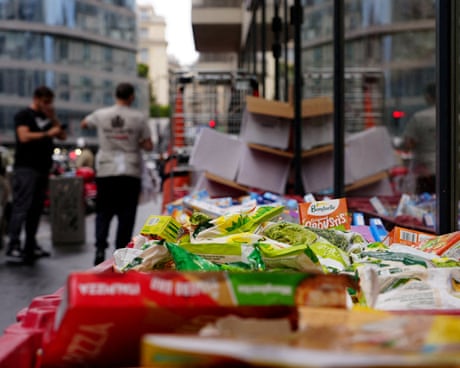
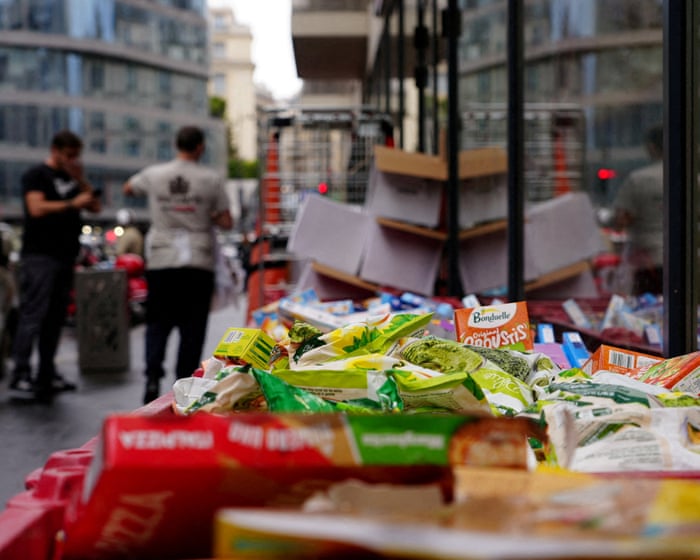
Whether it was youngsters proving their skills or state sabotage, Europe’s most hacked country was left with a mountain of waste after food began cooking in freezers
Shortly before midnight last Sunday, the digital thermostats controlling hundreds of supermarket cold aisles across France began to flicker and rise.
In a “bizarre and unprecedented” cyber-attack, hackers had remotely overridden the temperature settings on thousands of freezers, fridges and chiller cabinets pushing them from as low as -27C (-16.6F) to well over 50C (122F).

 Login