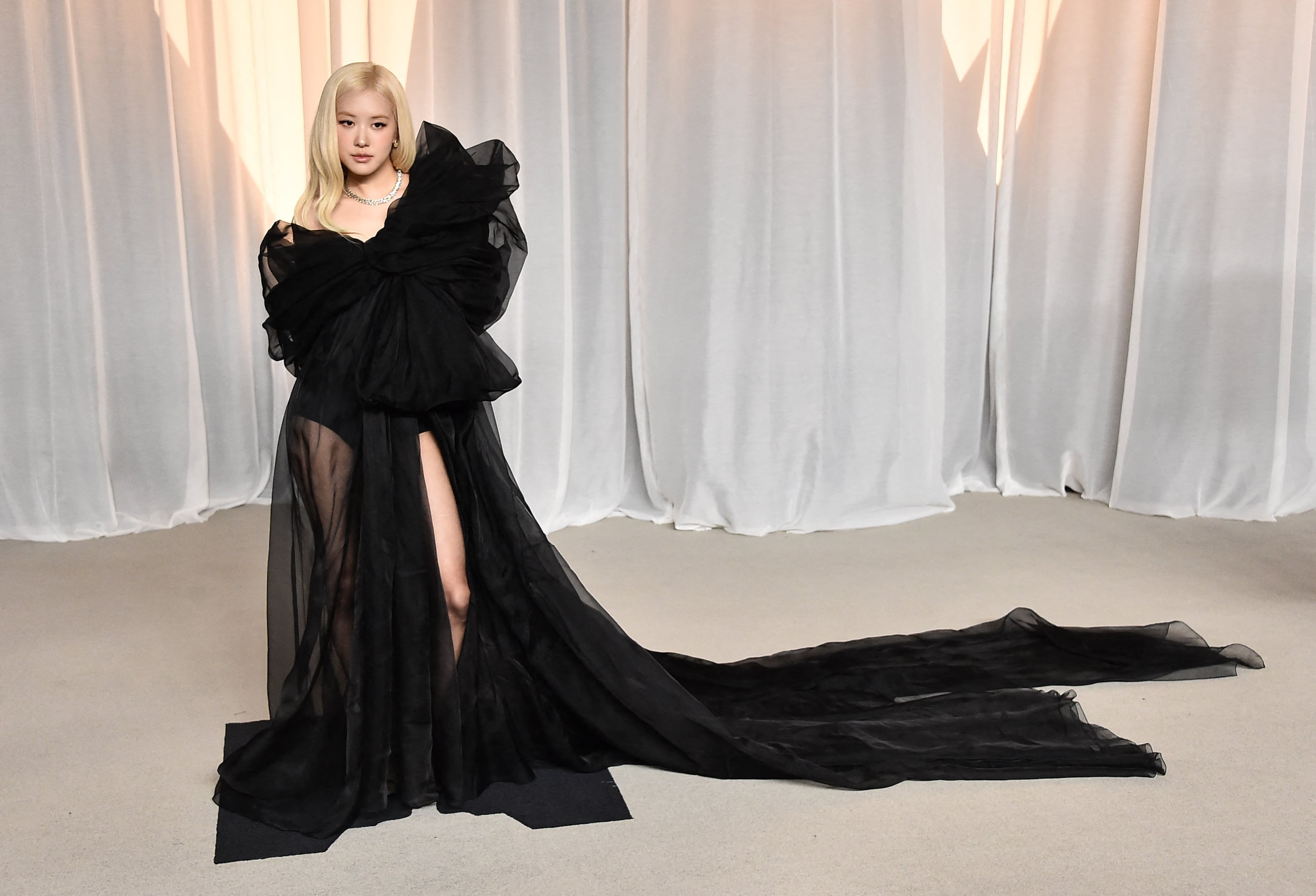
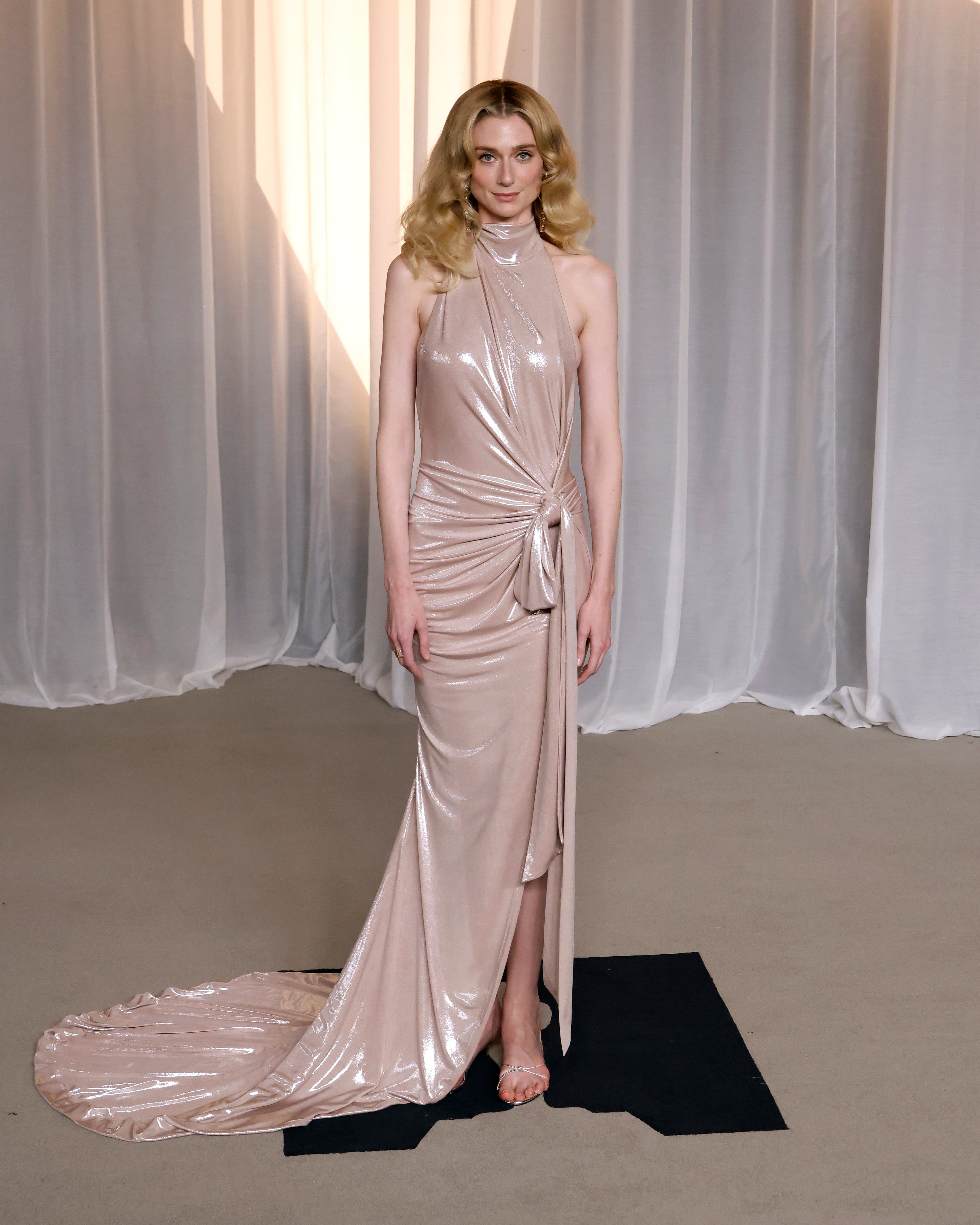
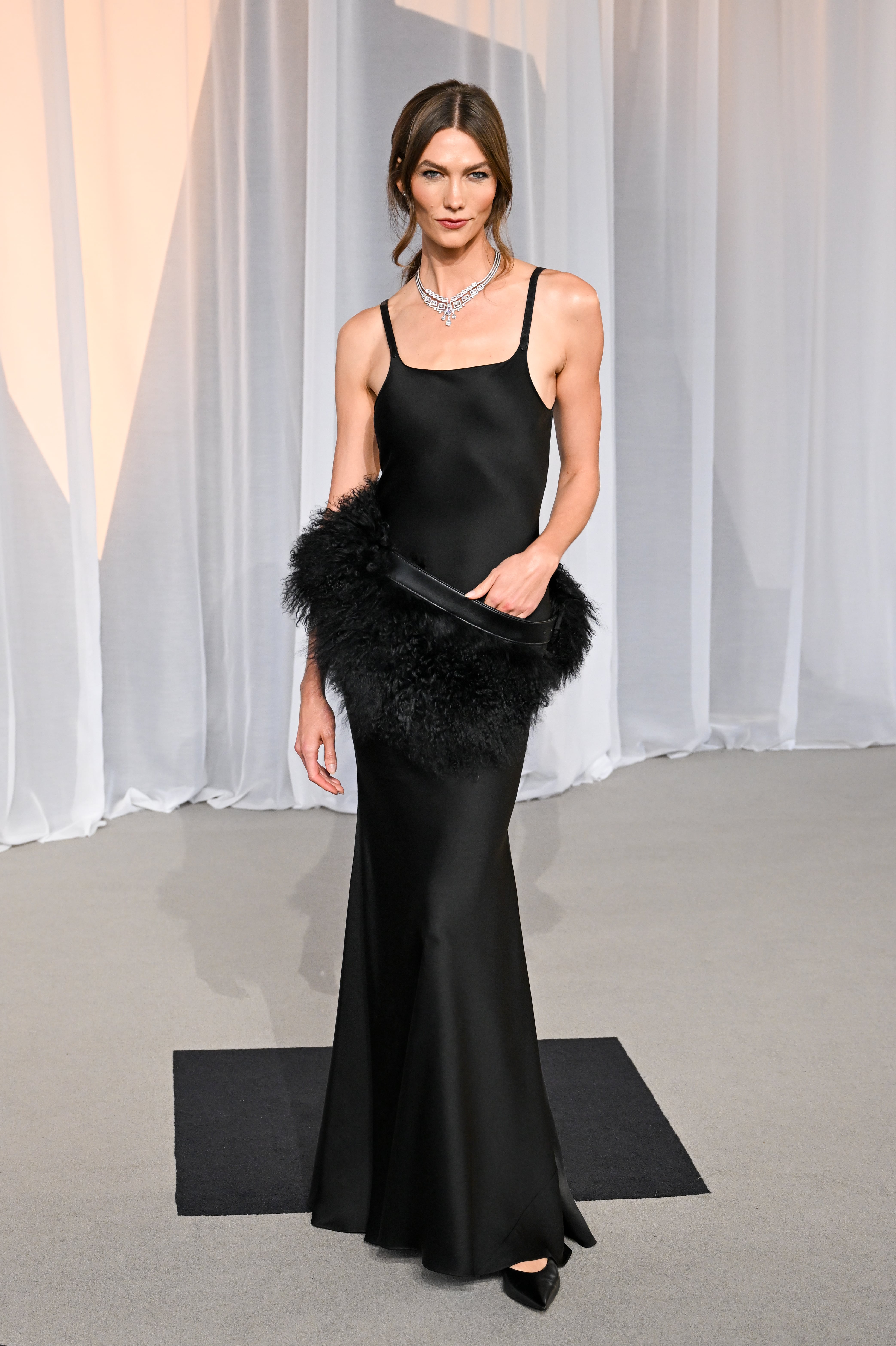
Christina Applegate no tiene esclerosis múltiple: su diagnóstico fue un error. La actriz ha dado la noticia en su pódcast, llamado MeSsy, que presenta junto a la también actriz y paciente de esclerosis, Jamie Lynn Sigler. En él ha contado, este martes, que los médicos se equivocaron en su diagnóstico, hace cinco años. Y que eso, lejos de liberarla, no la ha hecho nada feliz.
¿Qué tienen en común películas como La escapada (1962), El desprecio (1963), Goldeneye(1995) o Men in Black: International(2019)? En al menos una de sus escenas, sus protagonistas navegan en una lancha Riva. En el caso de la obra dirigida por Jean-Luc Godard, es Camille, interpretada por Brigitte Bardot, quien viaja a bordo de una de estas embarcaciones. La francesa se dirige a la isla de Capri, donde visita la Casa Malaparte, otro hito del diseño italiano y un capricho más del productor estadounidense que intenta seducirla. Pero la relación de Bardot con el astillero italiano Riva había comenzado antes de aquel rodaje, cuando su primer marido, el director Roger Vadim, le regaló en 1959 la lancha Nounours, modelo Super Florida. El idilio de la diva con estos iconos de mar no acabó con aquel matrimonio, porque también su tercer marido, el excéntrico millonario Gunter Sachs, muy aficionado a disfrazarse de vampiro, era el orgulloso armador de la embarcación Dracula, una estilizada Aquarama con la que paseaban por la Costa Azul.
The comments by Giuseppe Abbamonte, director for media policy for the European Commission, at the MIA Market in Rome came amid calls for ways foreign players can help finance local films and TV series.
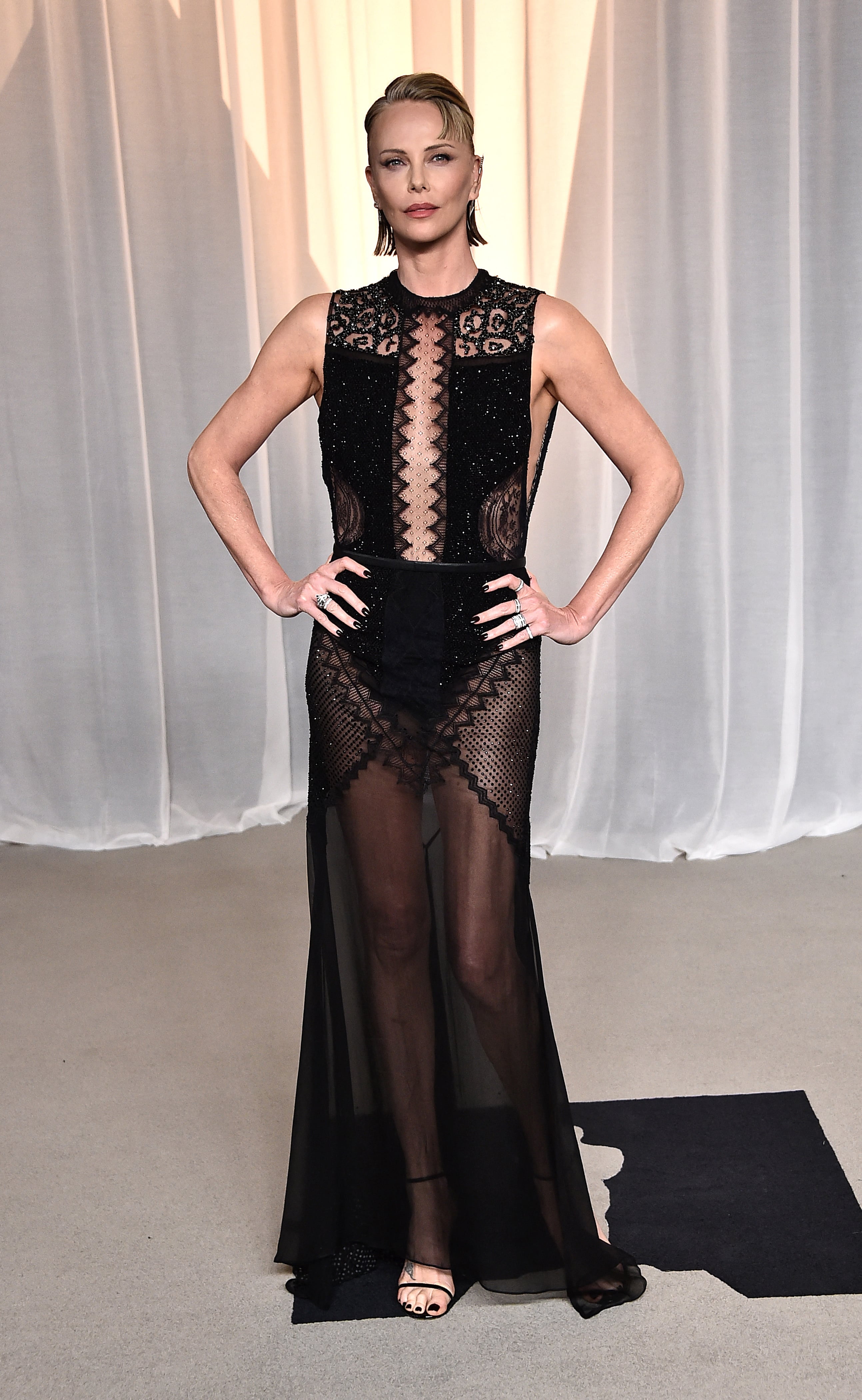
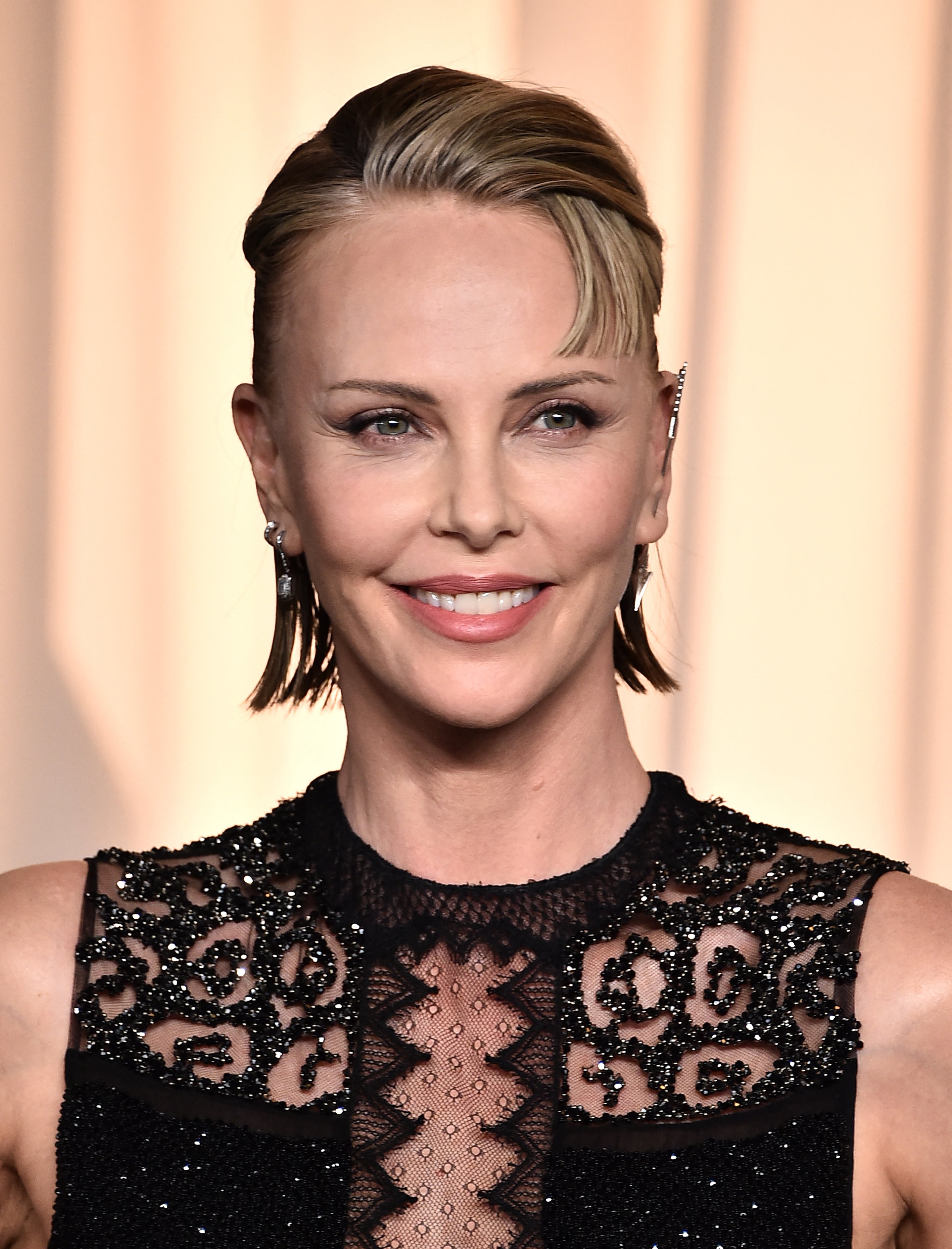
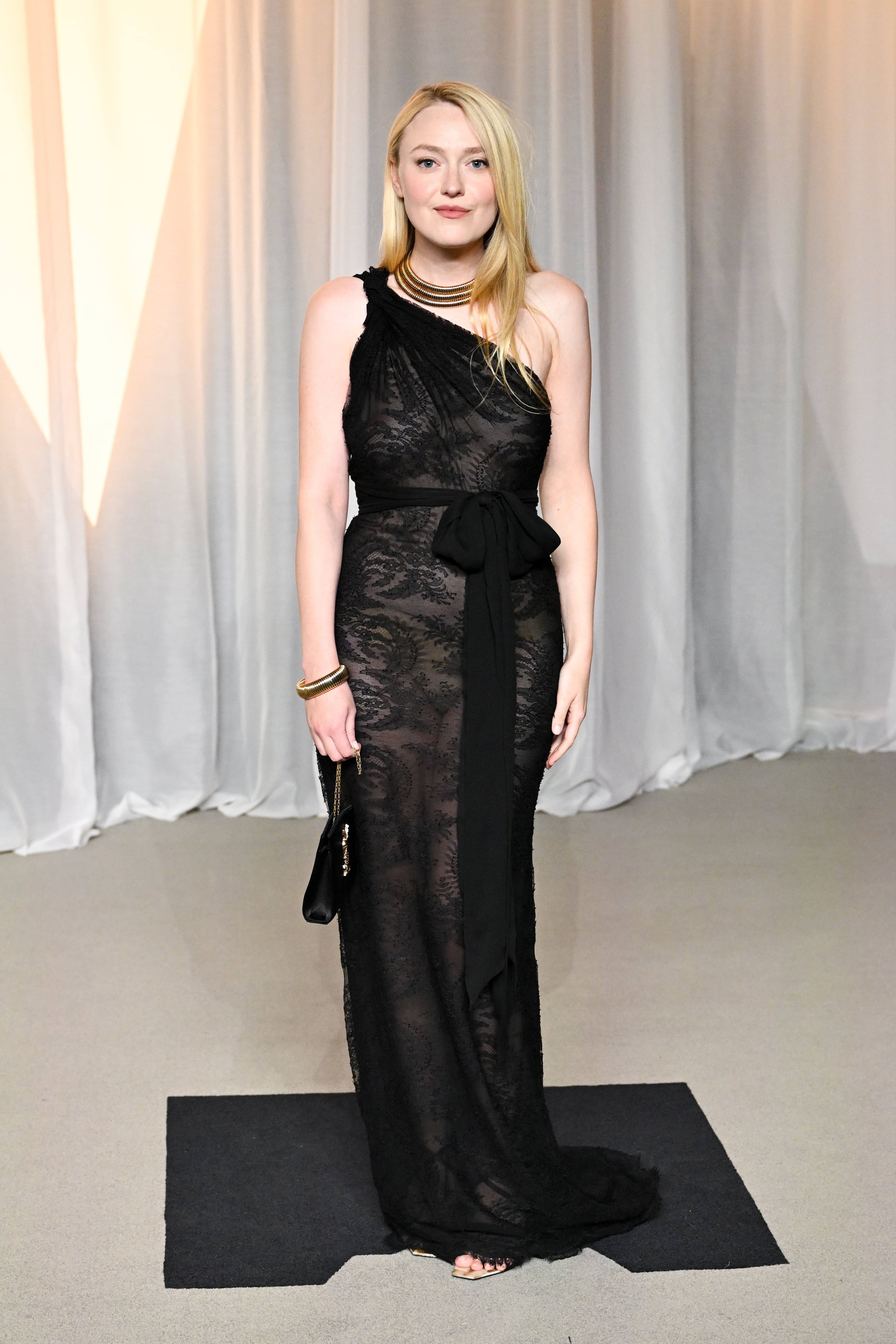
La actriz sudafricana Charlize Theron era una de las homenajeadas en la gala de este año. Eligió un diseño negro con encajes, bordados y transparencias firmado por Tom Ford, cuyo director creativo es Haider Ackermann.
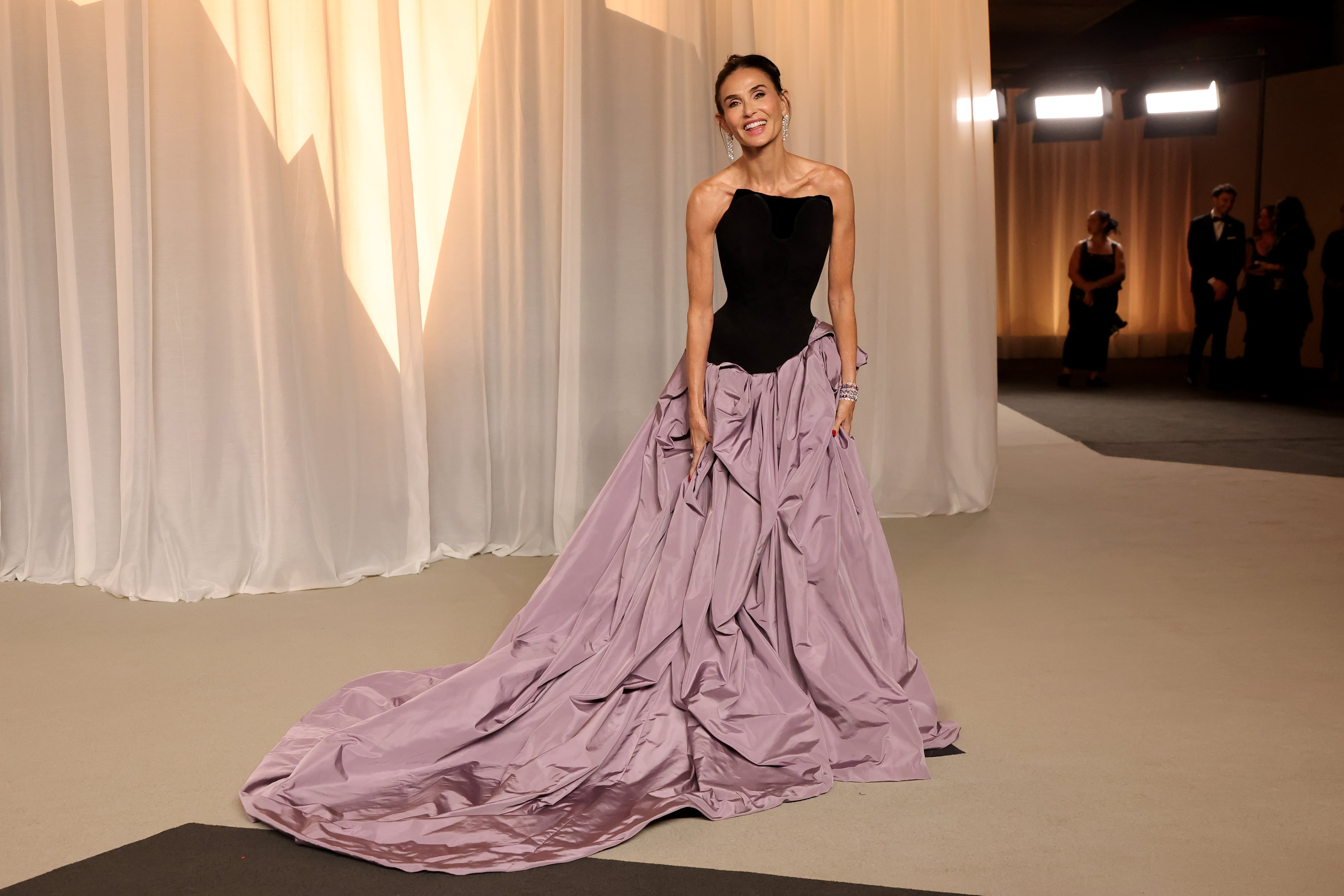
Demi Moore no escatimó en metros de tela con su elección, un teatral diseño de la colección de costura de la temporada otoño-invierno 2026 de la firma de moda londinense Standing Ground, creada en 2022 por el diseñador irlandés Michael Stewart.
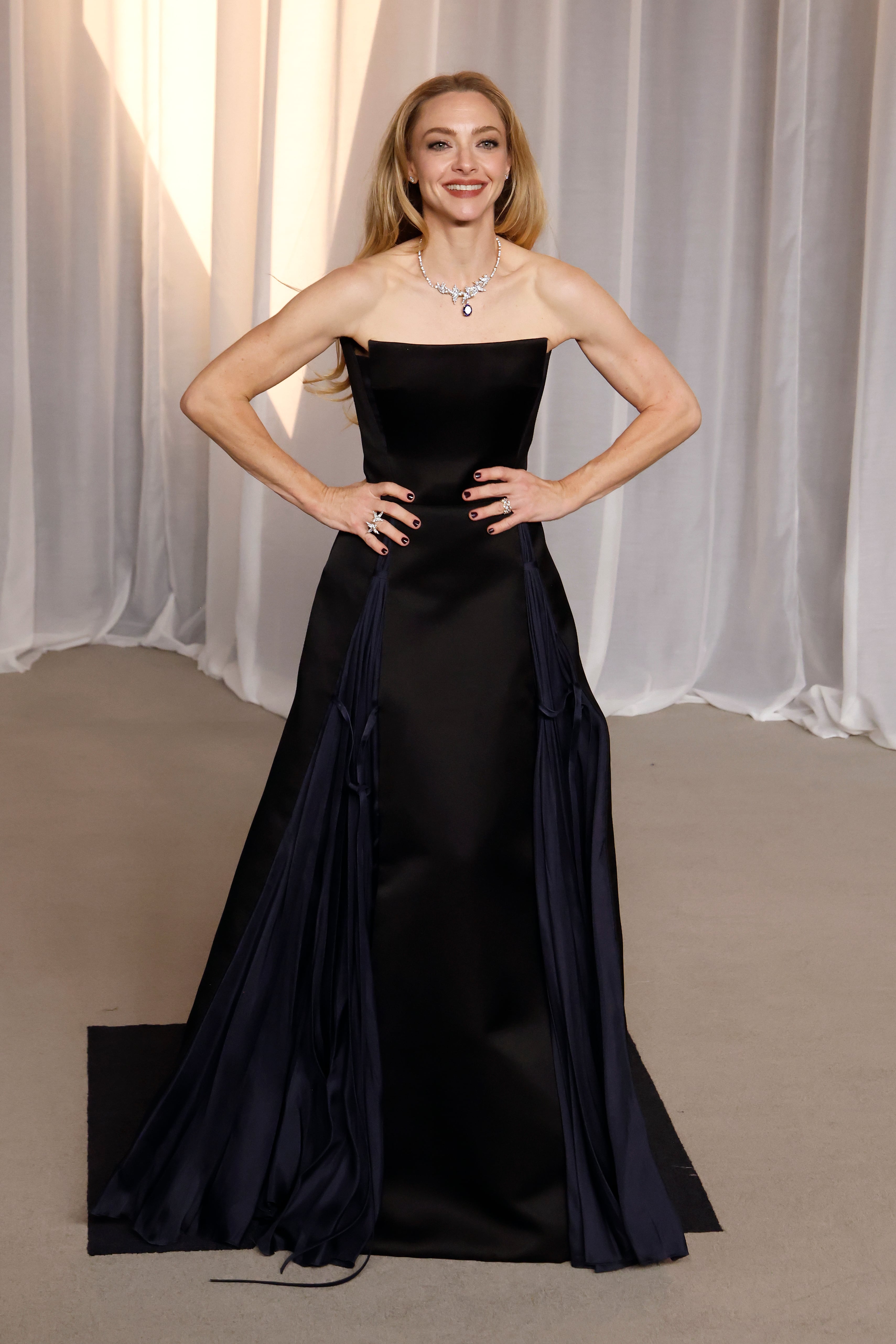
Amanda Seyfried también se decantó por un diseño palabra de honor. Su favorecedor vestido, con lazos y pliegues en la falda, está firmado por Prada, y sus joyas son de Tiffany & Co.
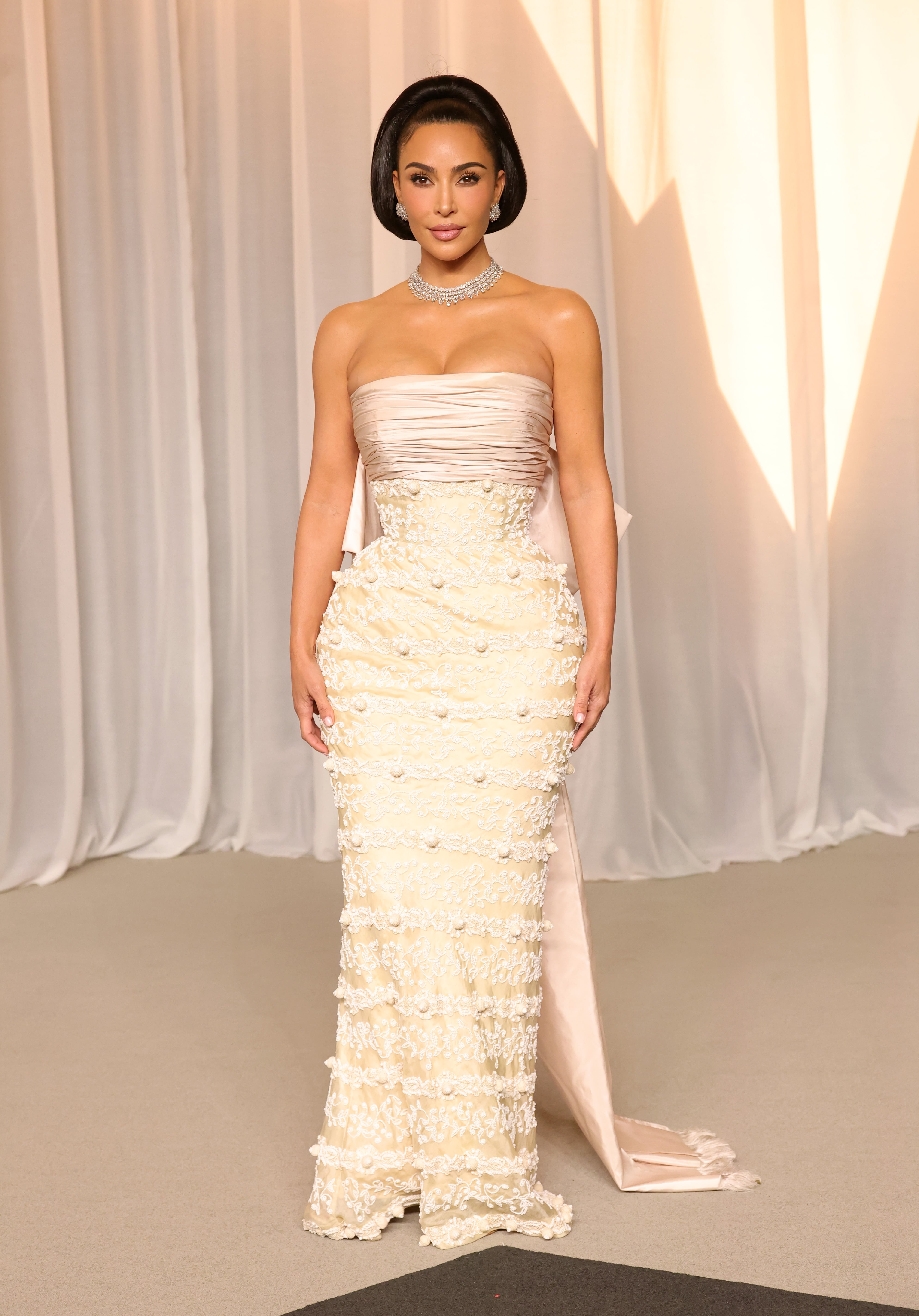
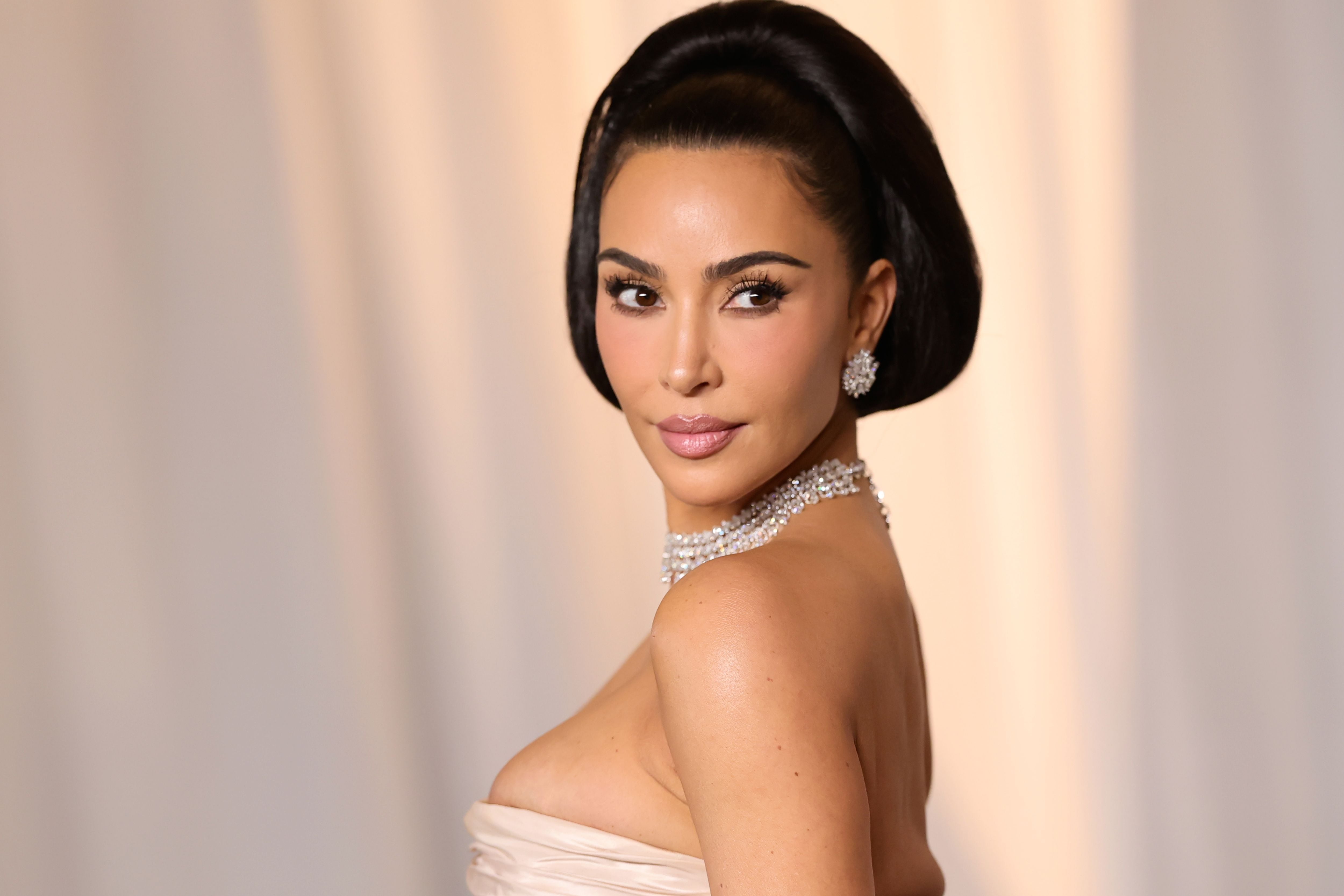
Kim Kardashian tiró de archivo, como ha hecho en otras ocasiones, con un vestido histórico de Balenciaga de 1951, gargantilla de Leviev y pendientes de Zydo Italy.
La celebridad comenzó a colaborar en septiembre con el estilista estrella Law Roach, responsable de los comentados 'looks' de Zendaya en las alfombras rojas. En esta ocasión, su inspiración fue el mito hollywoodiense Elizabeth Taylor, uno de sus referentes; de hecho, Kardashian fue productora ejecutiva de la docuserie 'Elizabeth Taylor: Rebel Superstar' en 2024.
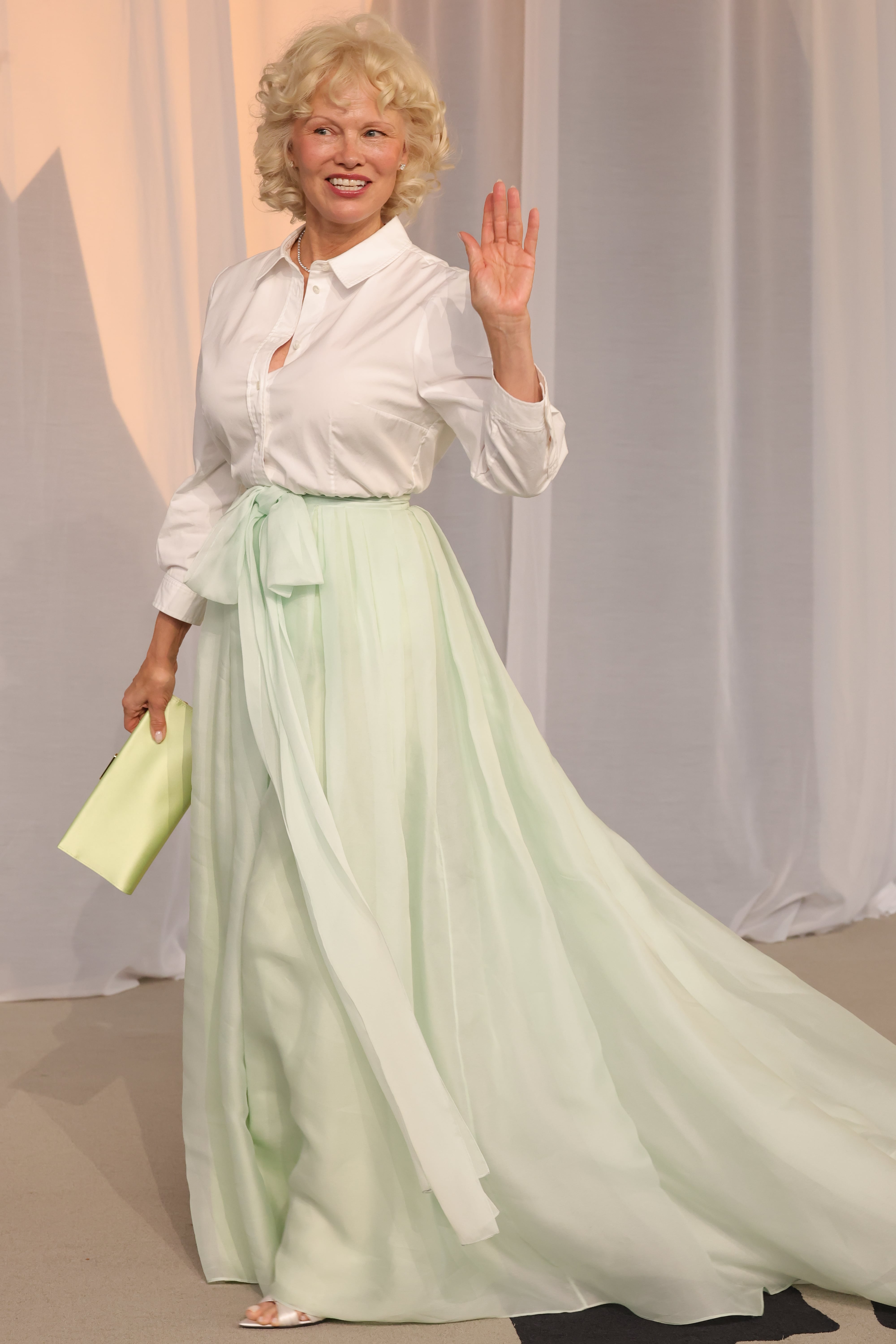
Pamela Anderson combinó camisa blanca y falda vaporosa con lazada central, un diseño de la próxima colección primavera-verano 2027 de Carolina Herrera.
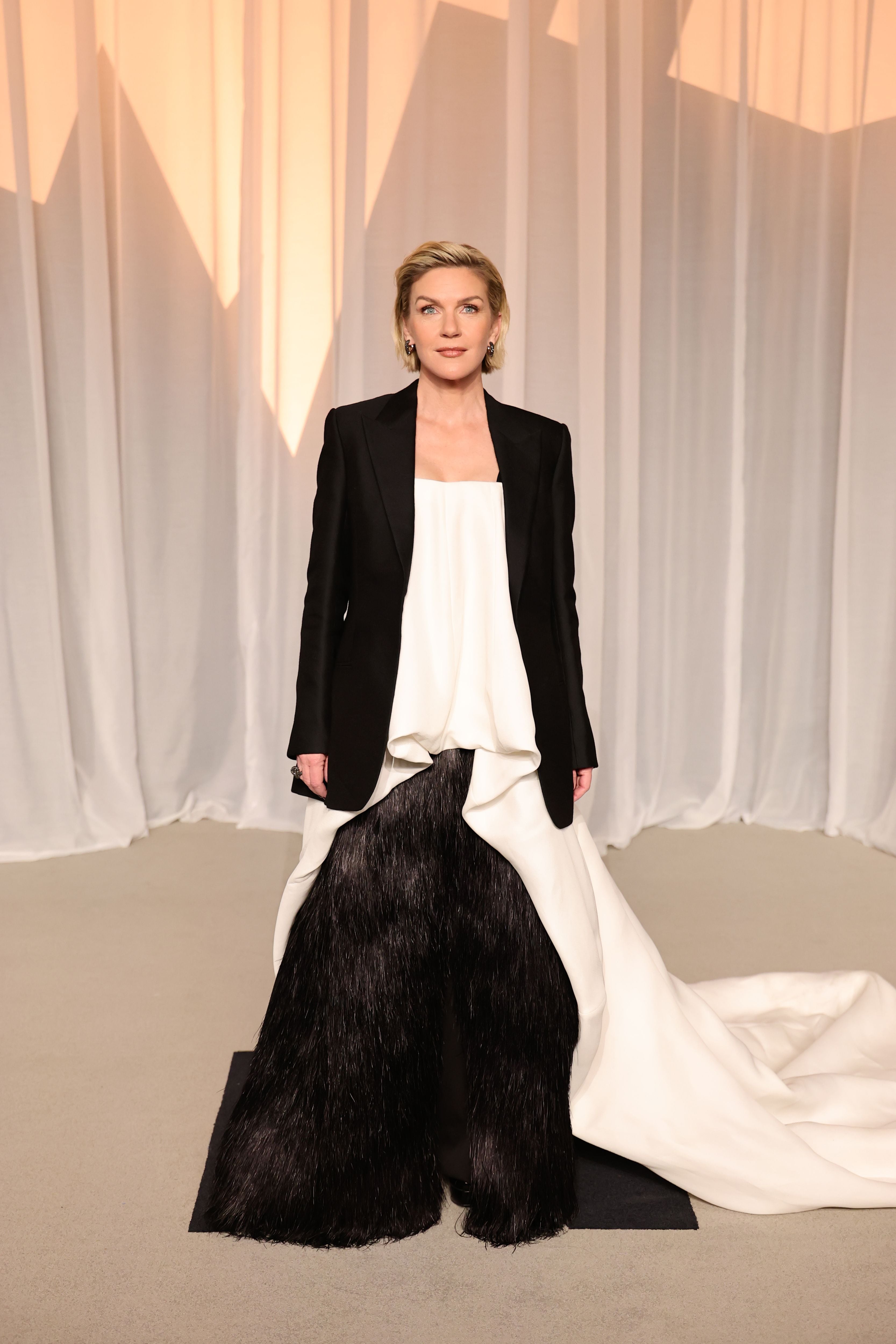
Rhea Seehorn, que acaba de ganar el Emmy a mejor actriz principal en una serie dramática por su papel de Carol Sturka en 'Pluribus', también combinó blanco y negro, con un voluminoso diseño con pantalones de flecos, un conjunto de alta costura parte de la colección otoño-invierno 2026 de Balenciaga y joyas de Englebert 1920.
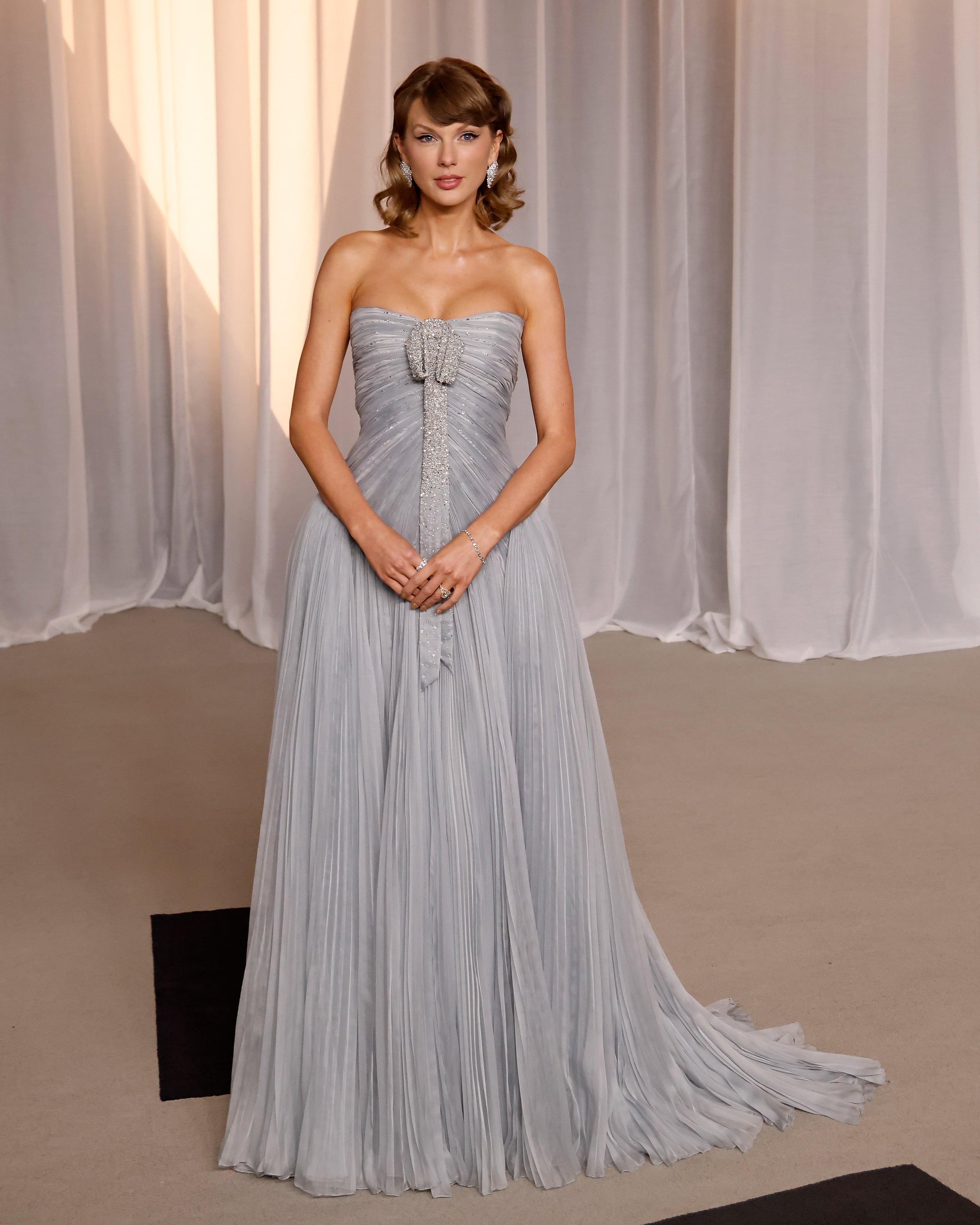
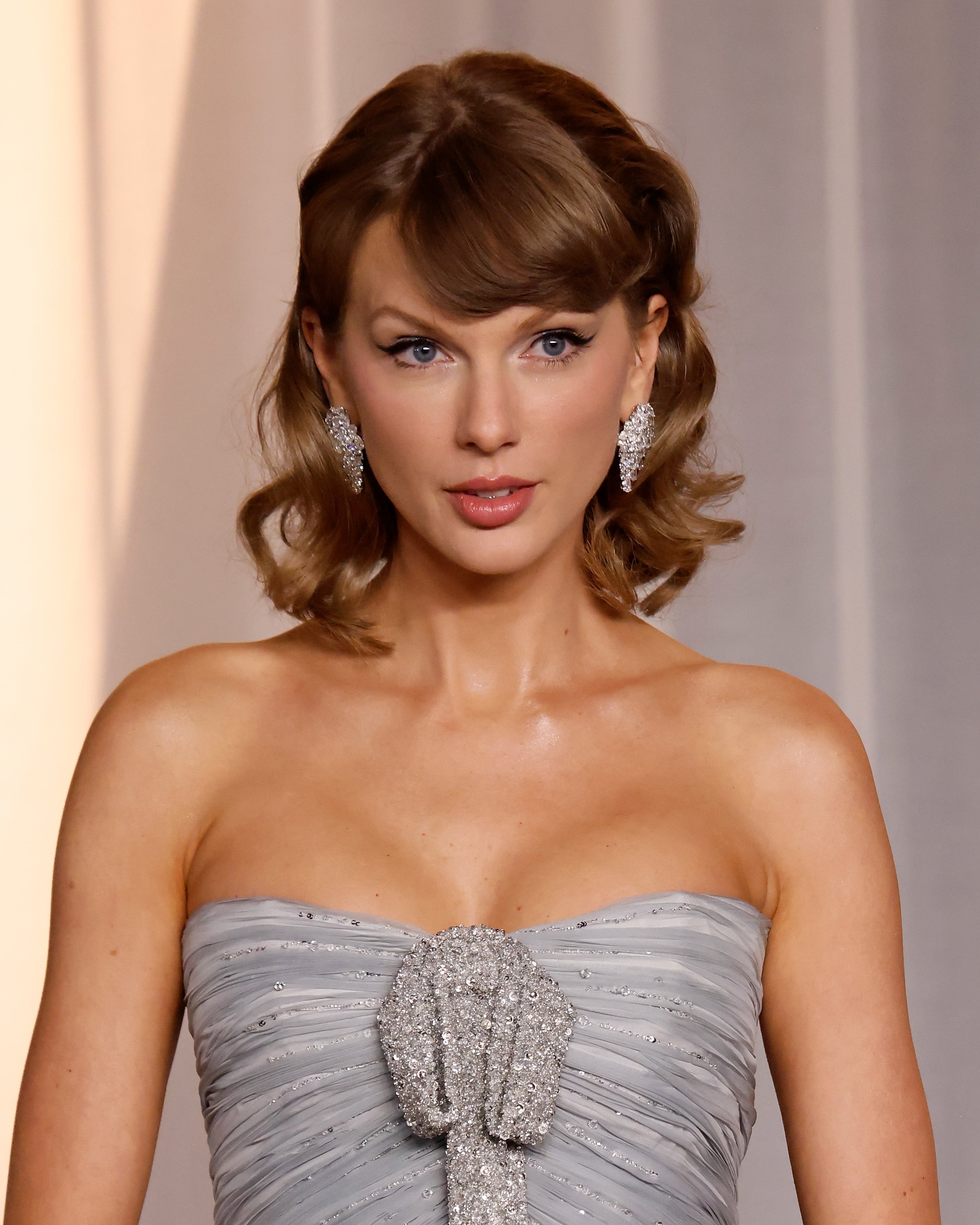
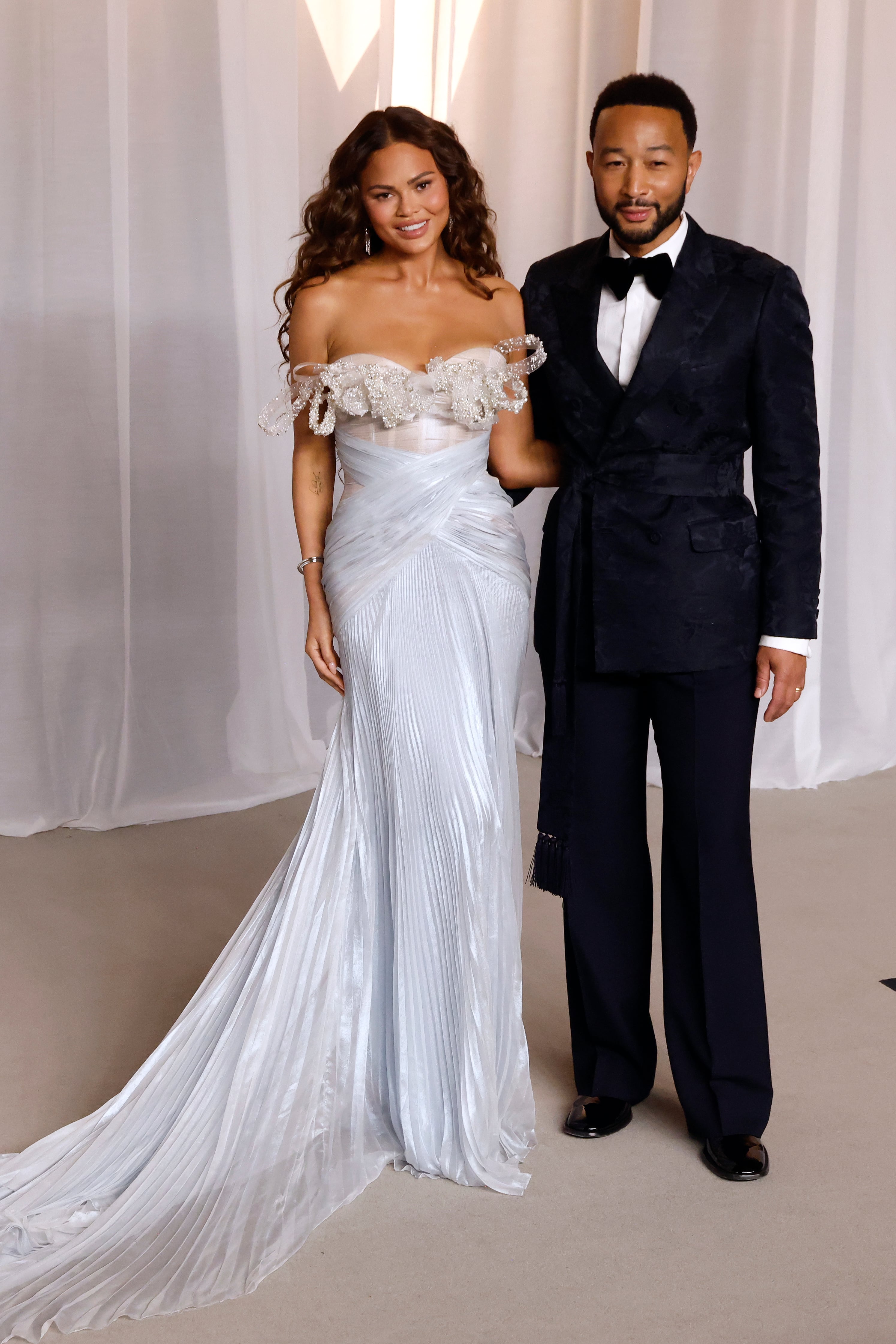
La cantante Taylor Swift realizó una de las actuaciones de la noche. A su llegada al evento posó con un diseño a medida de Dior, un vestido de cuerpo palabra de honor y falda vaporosa con plisados en un tono azul hielo. El diseñador de la 'maison', Jonathan Anderson, fue también en quien la cantante confió para su vestido de novia, del que nunca compartió imágenes.
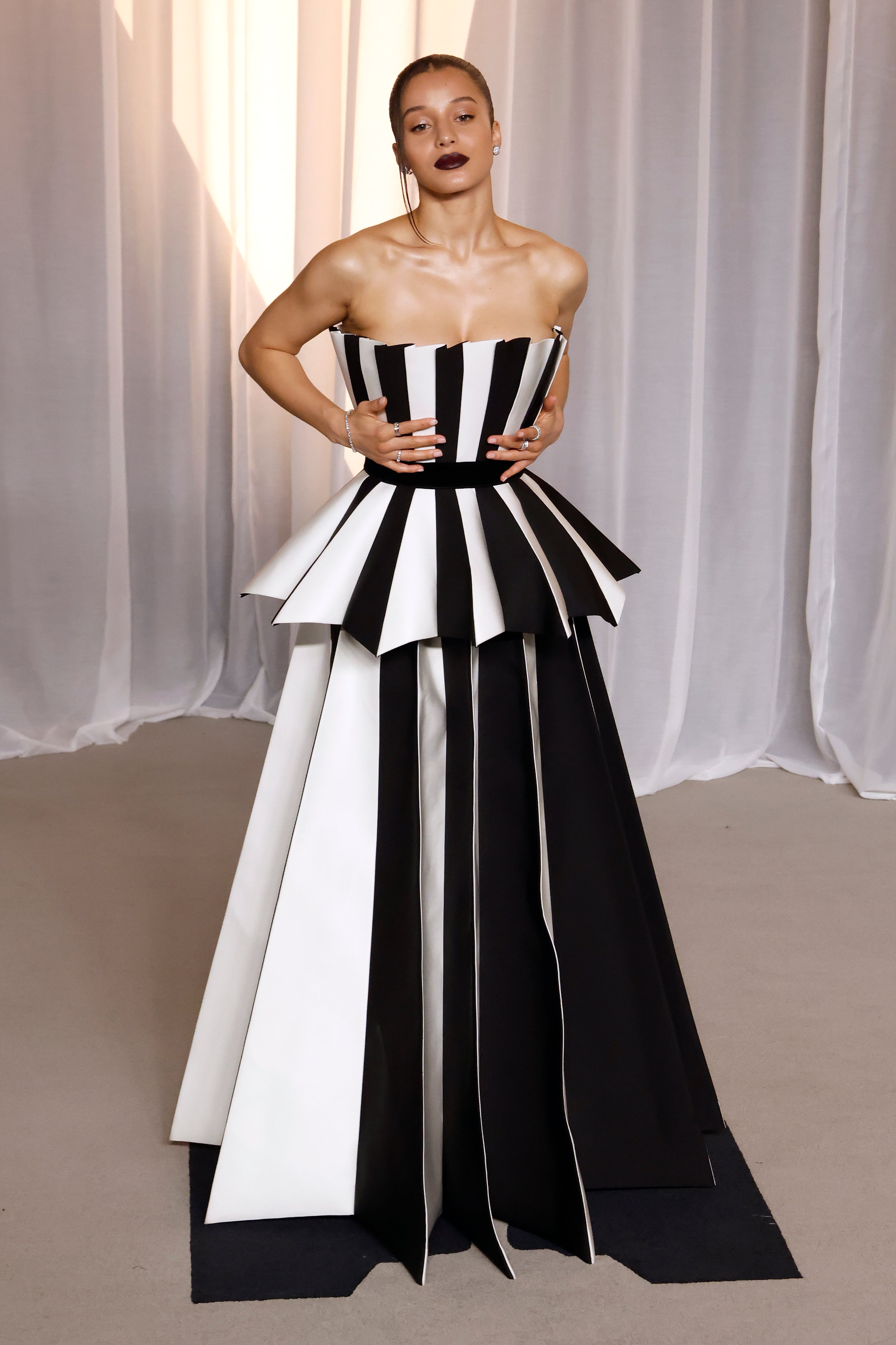
Chase Infiniti, que se ha dado a conocer con la película 'Una batalla tras otra' y la serie 'Los testamentos', lució un vestido bicolor de Louis Vuitton y un maquillaje en el que destacaban sus labios oscuros.
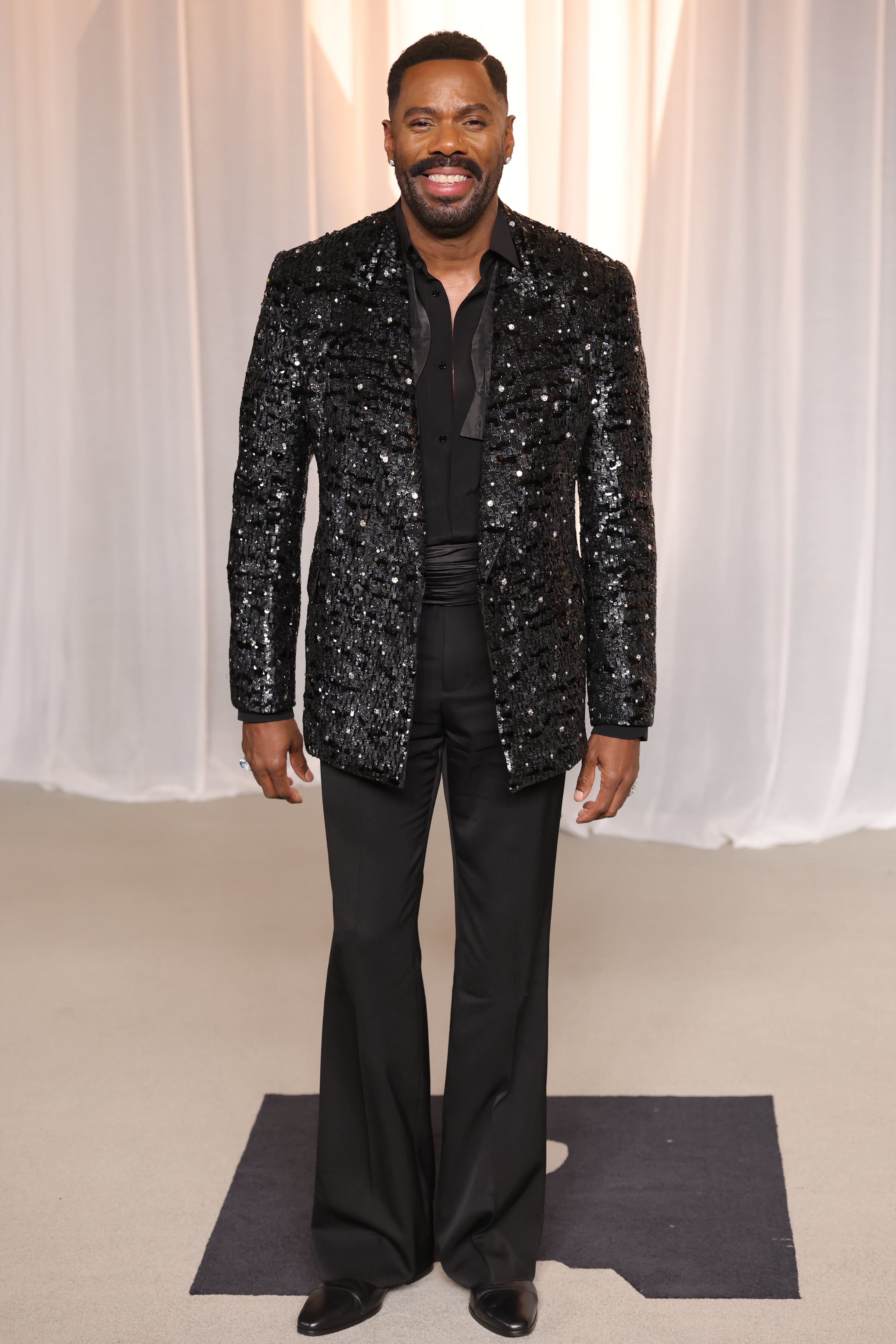
El actor Colman Domingo fue uno de los premiados en la ceremonia. Y, como es habitual, llamó la atención a su llegada por la elegancia de su elección: un conjunto de Valentino hecho a medida con chaqueta de pedrería y pantalones acampanados y joyas de Boucheron.
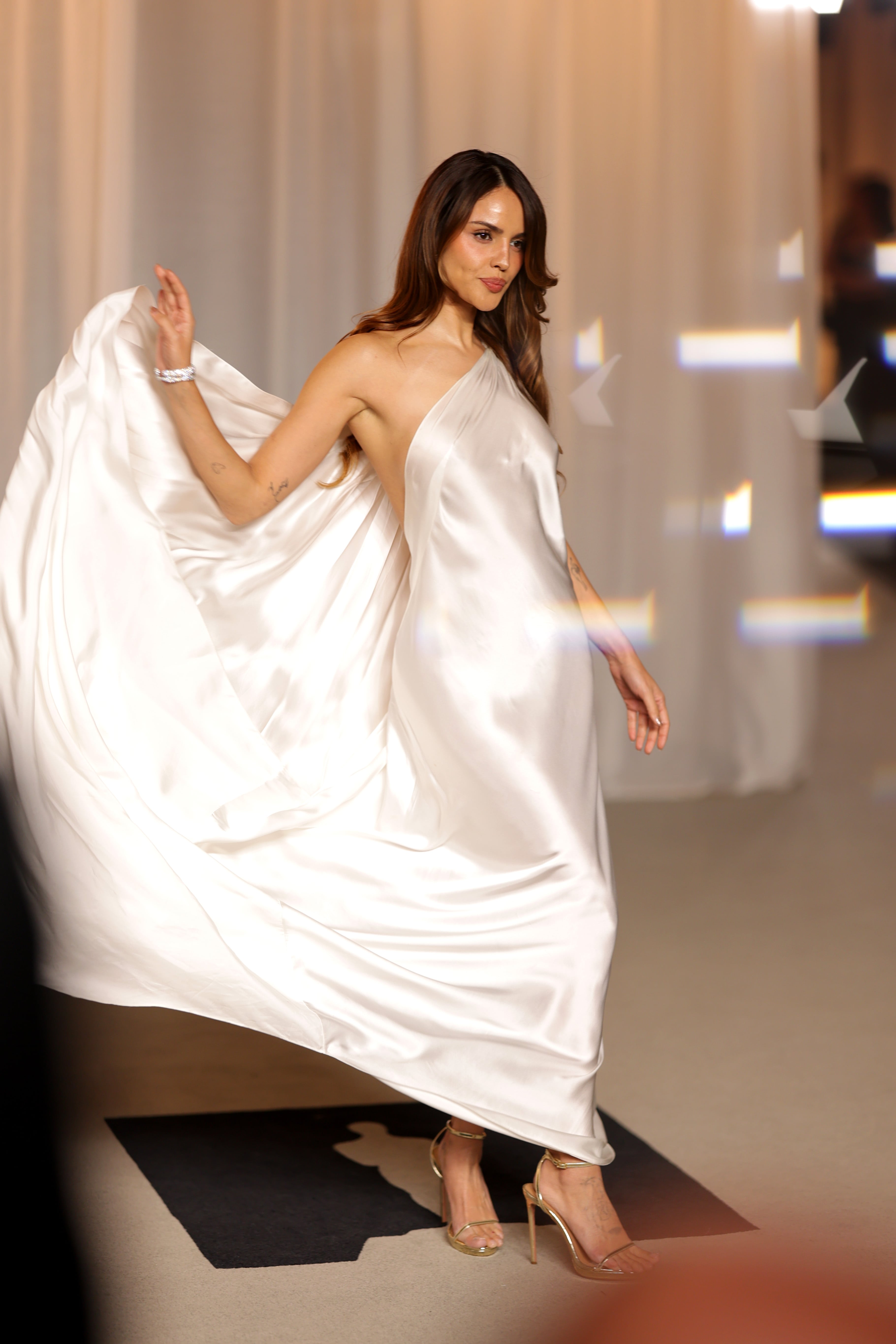
La actriz mexicana Eiza González se divirtió jugando con su vestido, un diseño de escote asimétrico de la colección primavera-verano de Ralph Lauren que combinó con sandalias de Aquazzura y joyas de David Yurman.
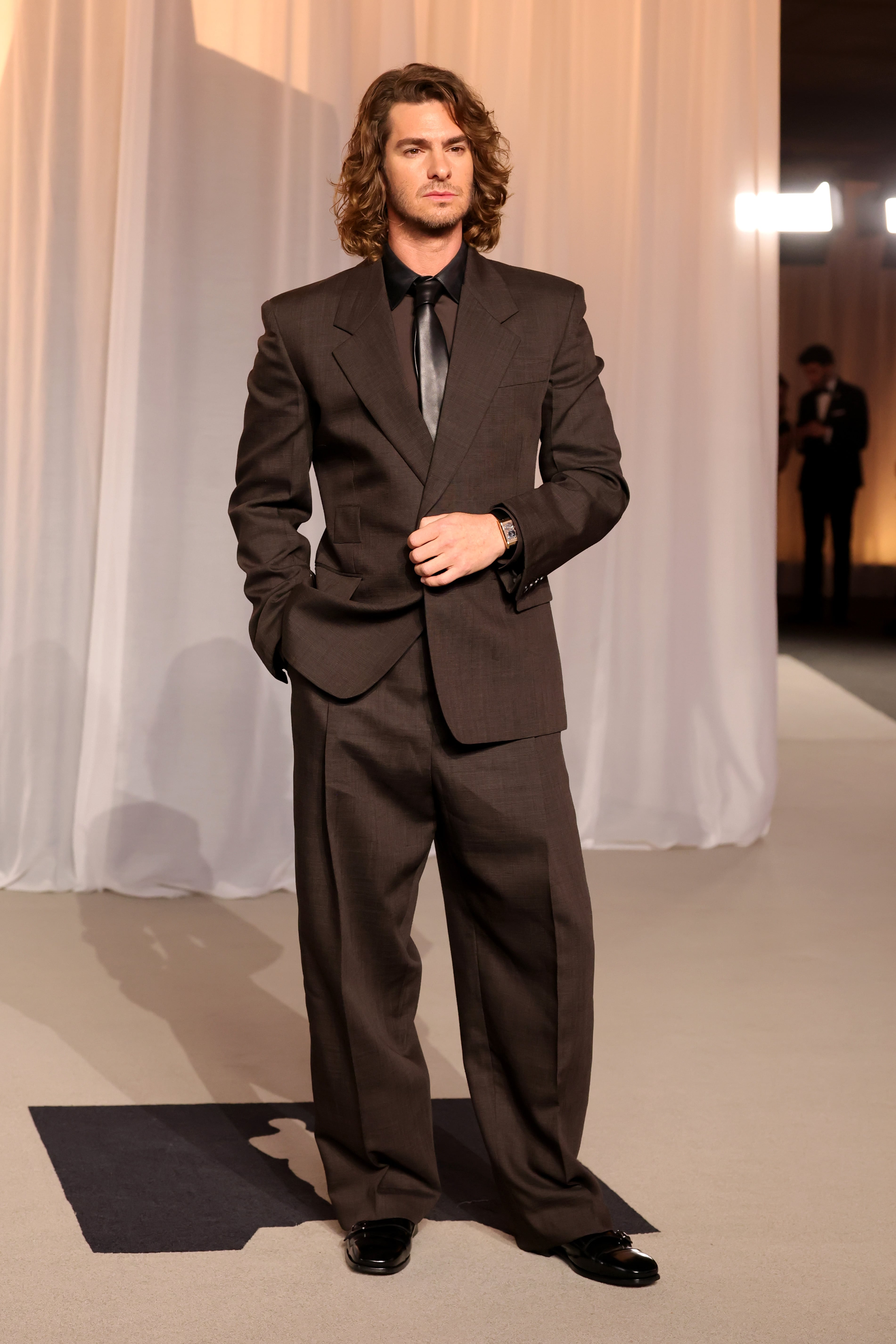
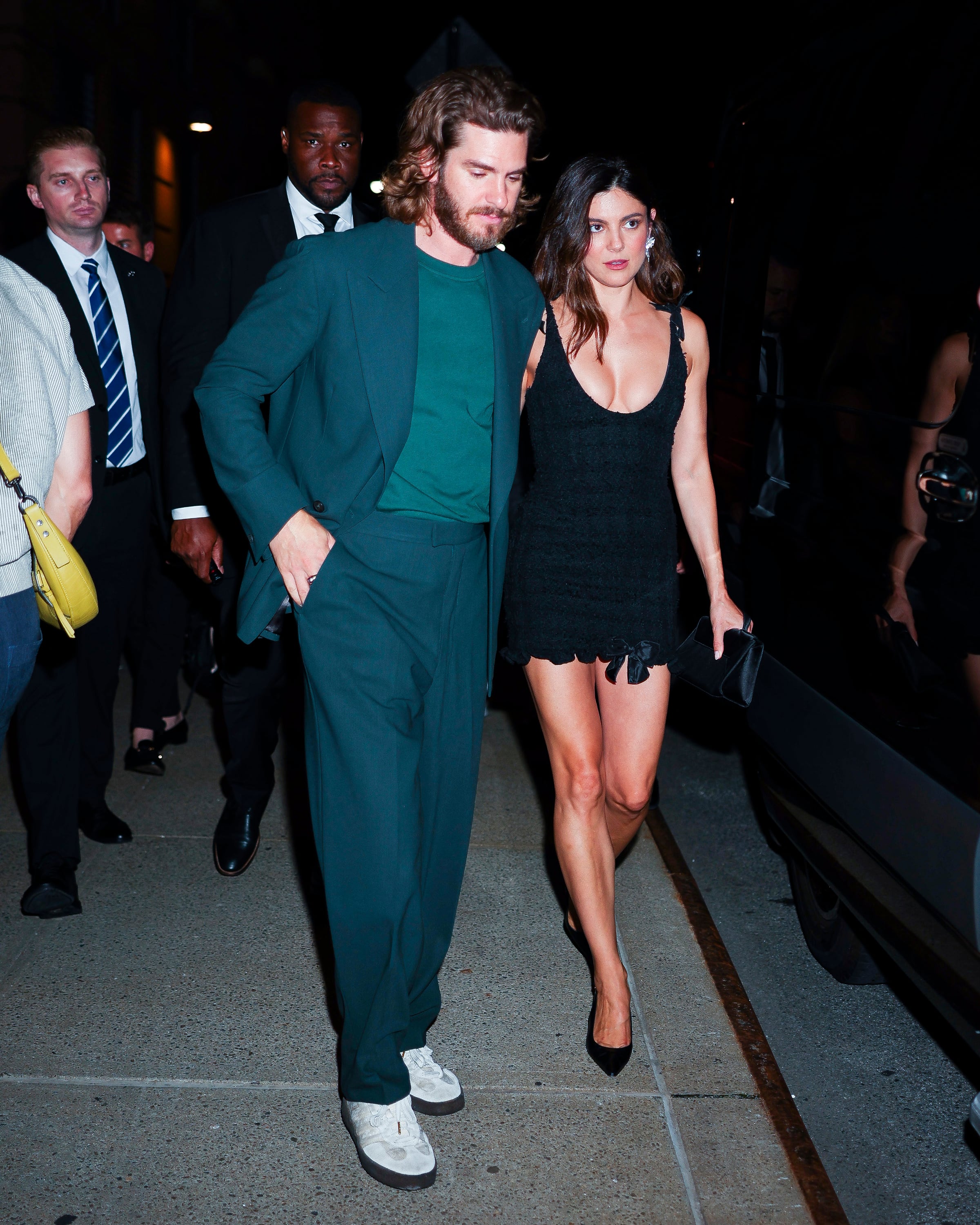
Andrew Garfield, que en diciembre estrena 'Artificial', la nueva película de Luca Guadagnino inspirada en los entresijos de la compañía tecnológica OpenAI, fiel a su estilo con un conjunto monocolor de Ferragamo.
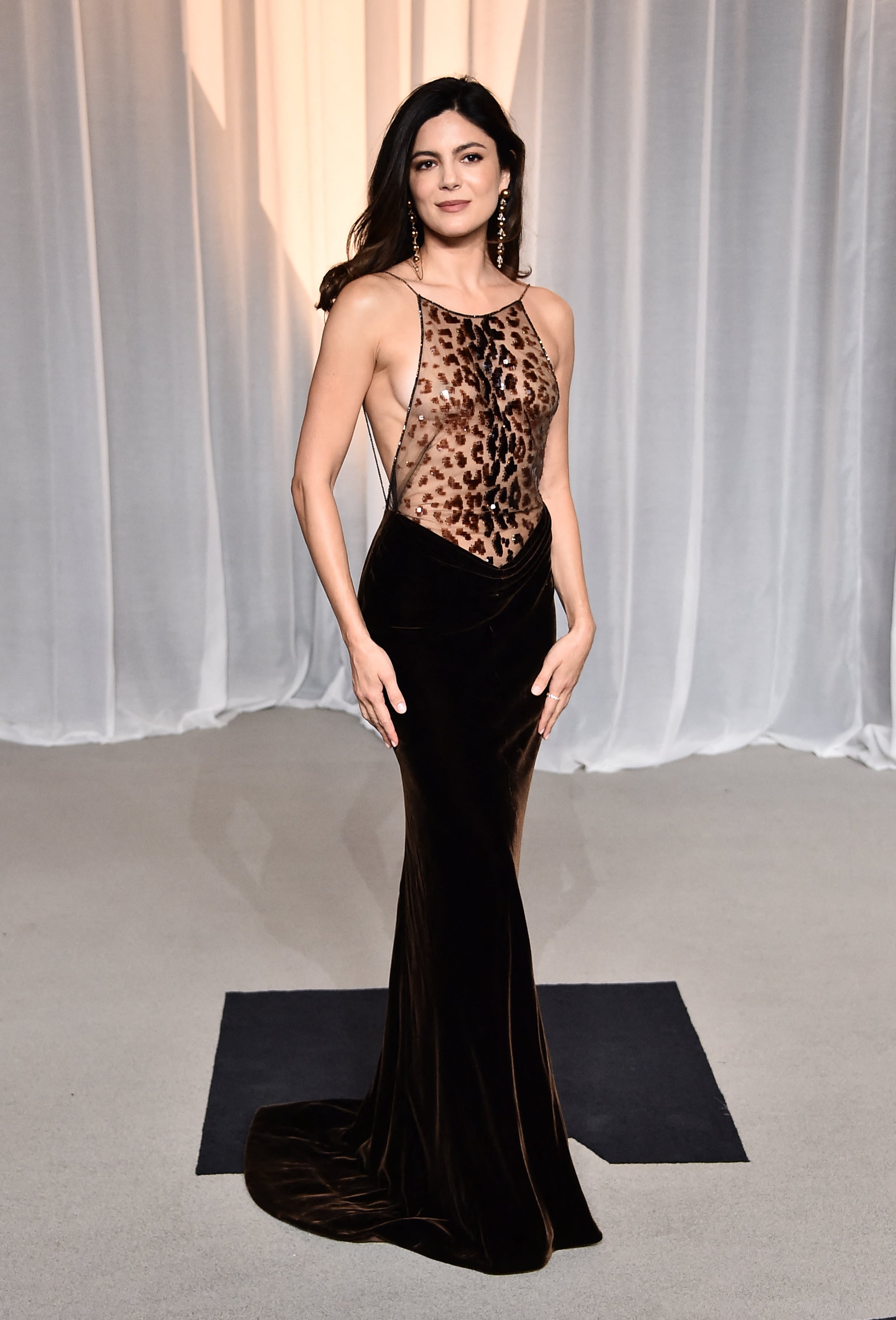
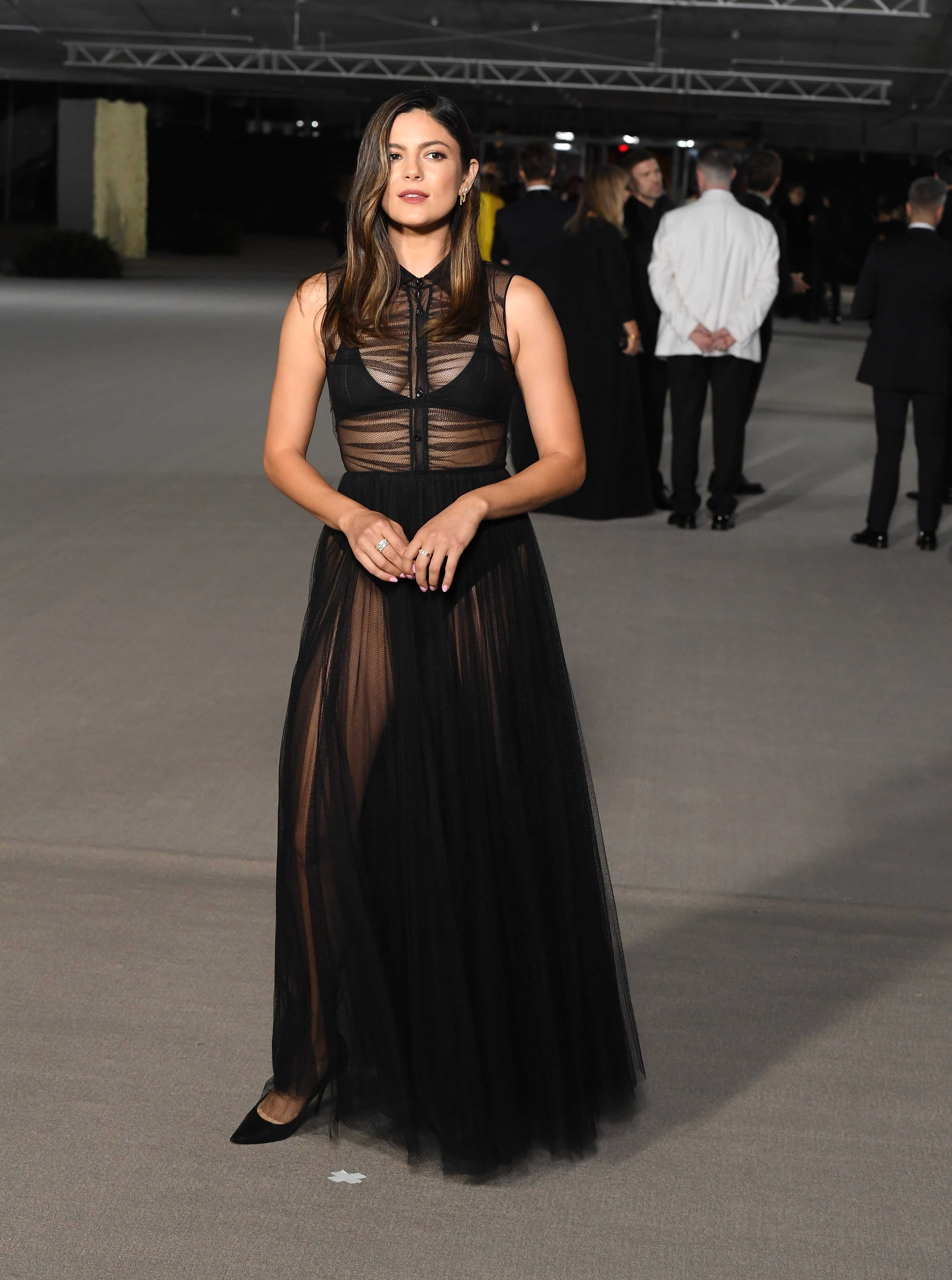
Monica Barbaro no posó junto a su pareja, Andrew Garfield, con quien sí compartirá pantalla en 'Artificial'. La actriz deslumbró con este modelo con cuerpo de 'animal print' y falda de terciopelo de Armani Privé.
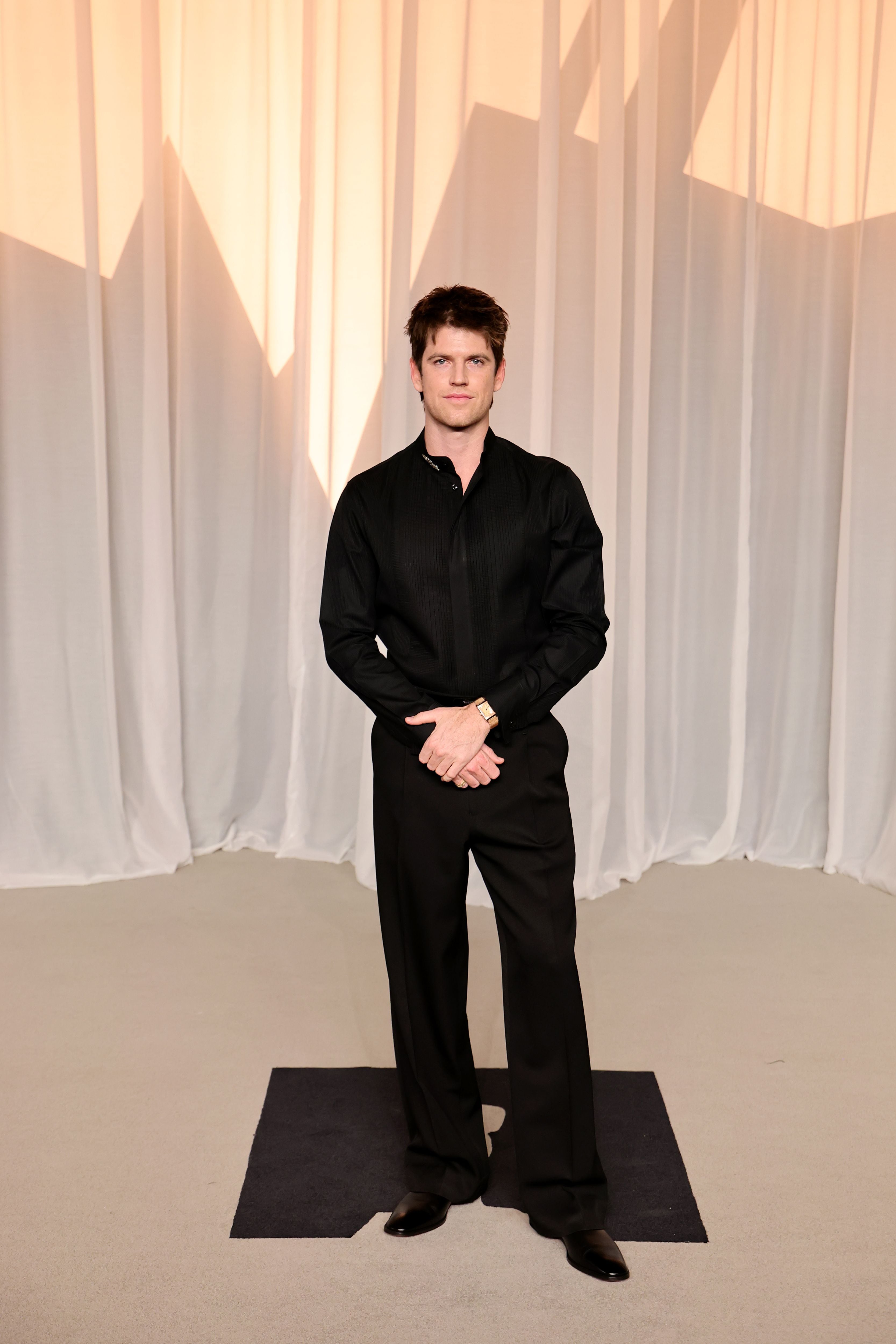
'La bola negra' tuvo su momento en el evento, al que acudieron algunos de sus actores. Miguel Bernardeau apostó por un estilismo negro de Emporio Armani, con una camisa con plisados.
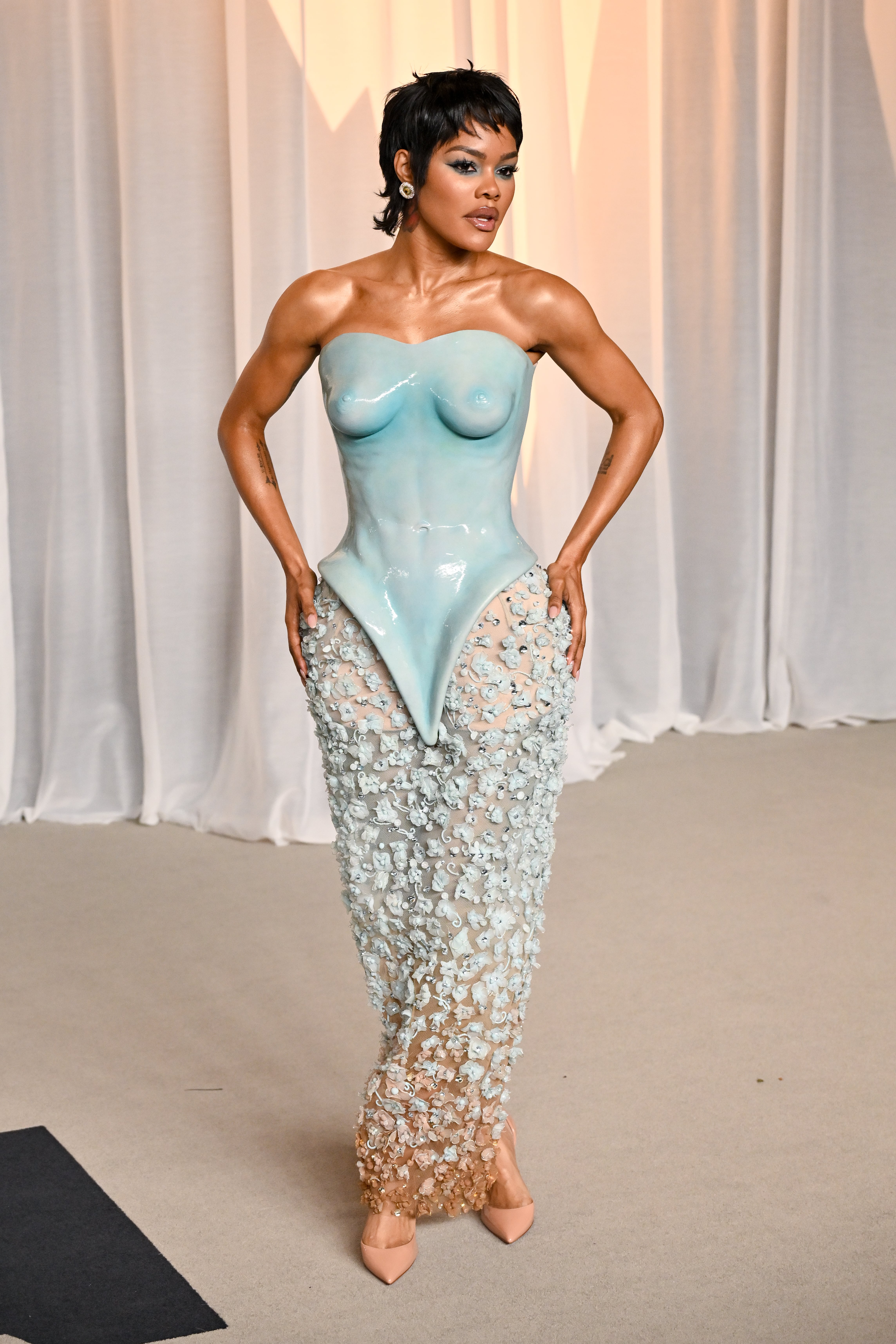
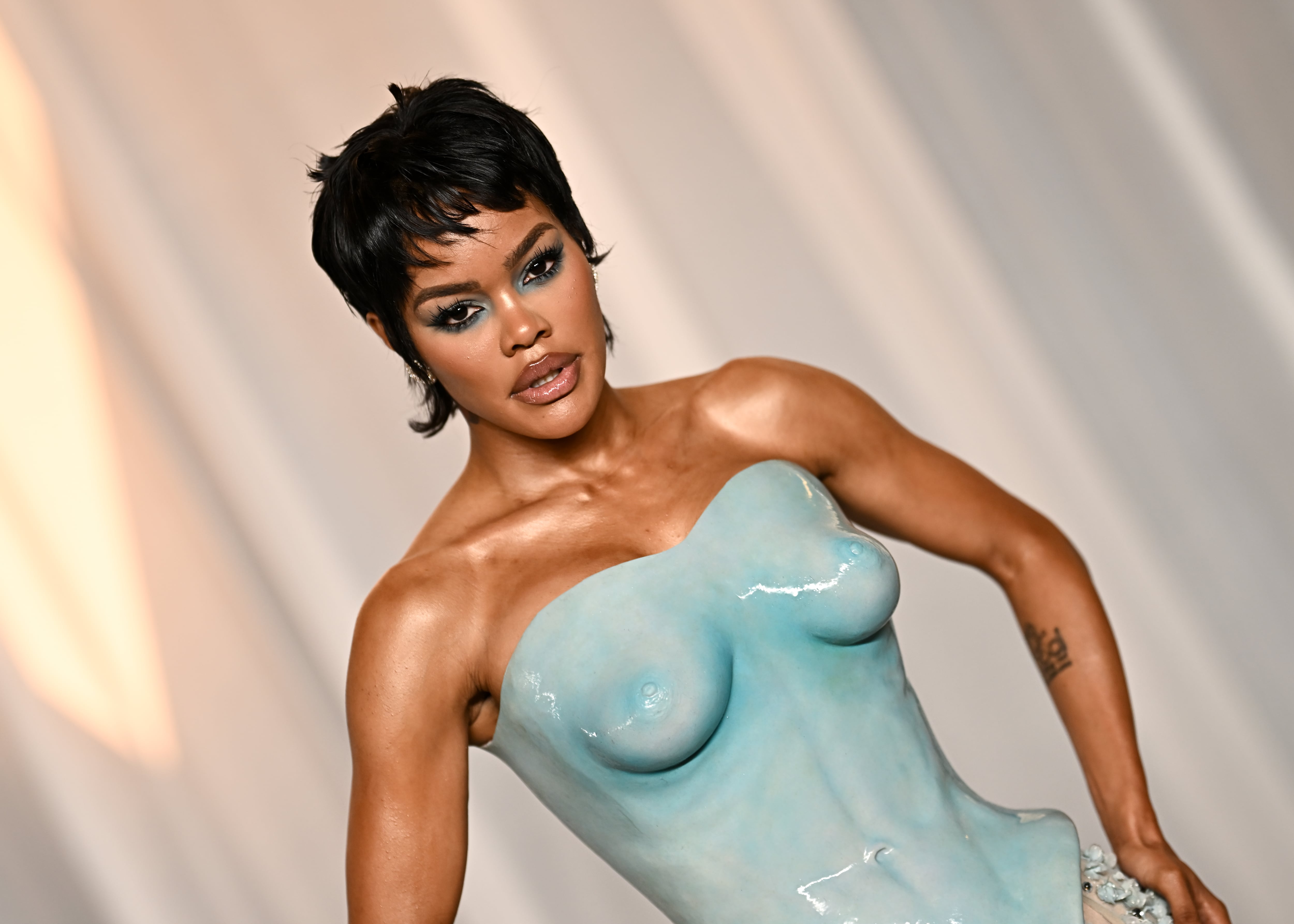
Teyana Taylor, que este año estuvo nominada al Oscar por su papel en 'Una batalla tras otra', siempre arriesga en las alfombras rojas. En esta ocasión impactó con un corsé escultórico y una falda bordada de la colección de alta costura otoño-invierno 2026 de Schiaparelli.
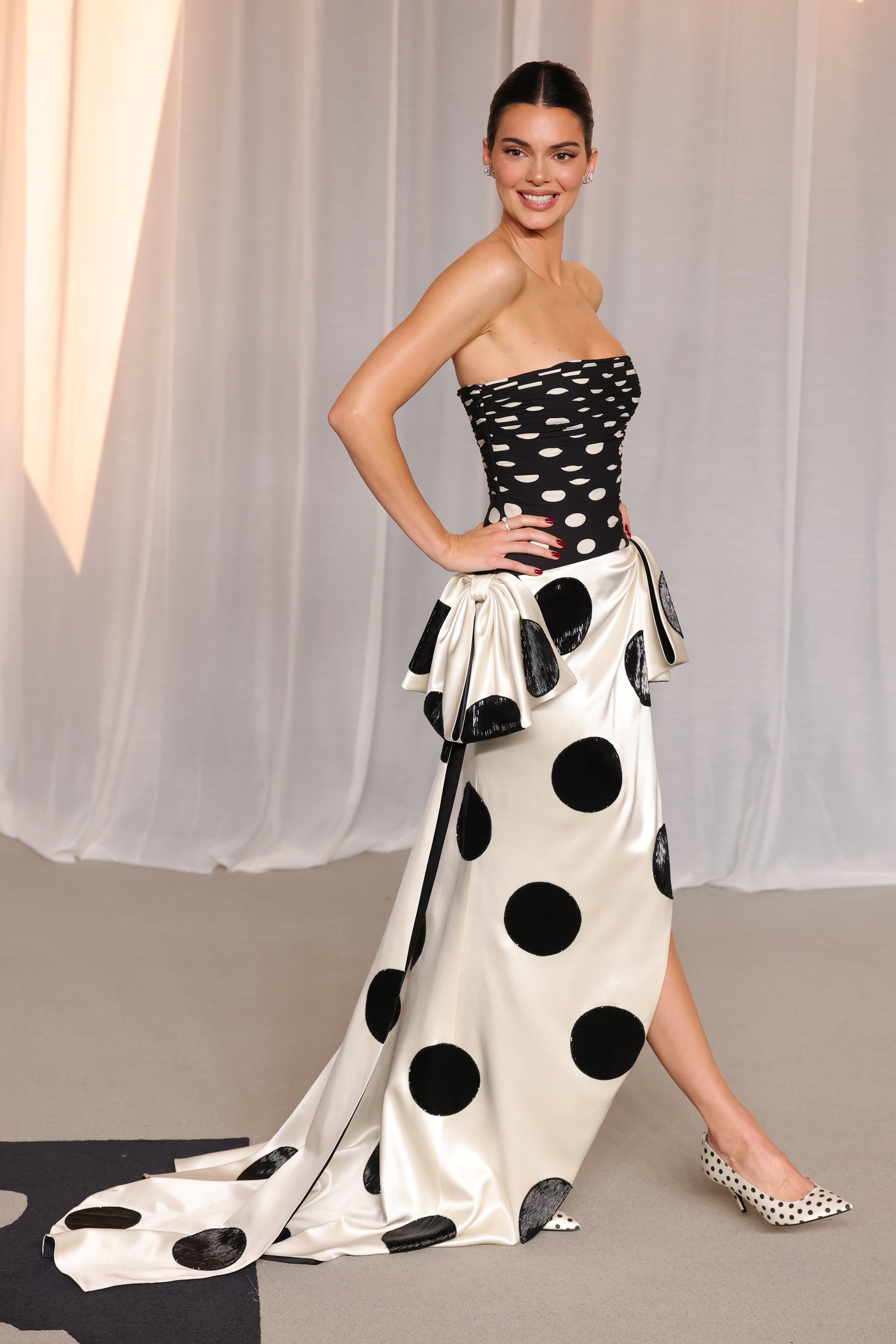
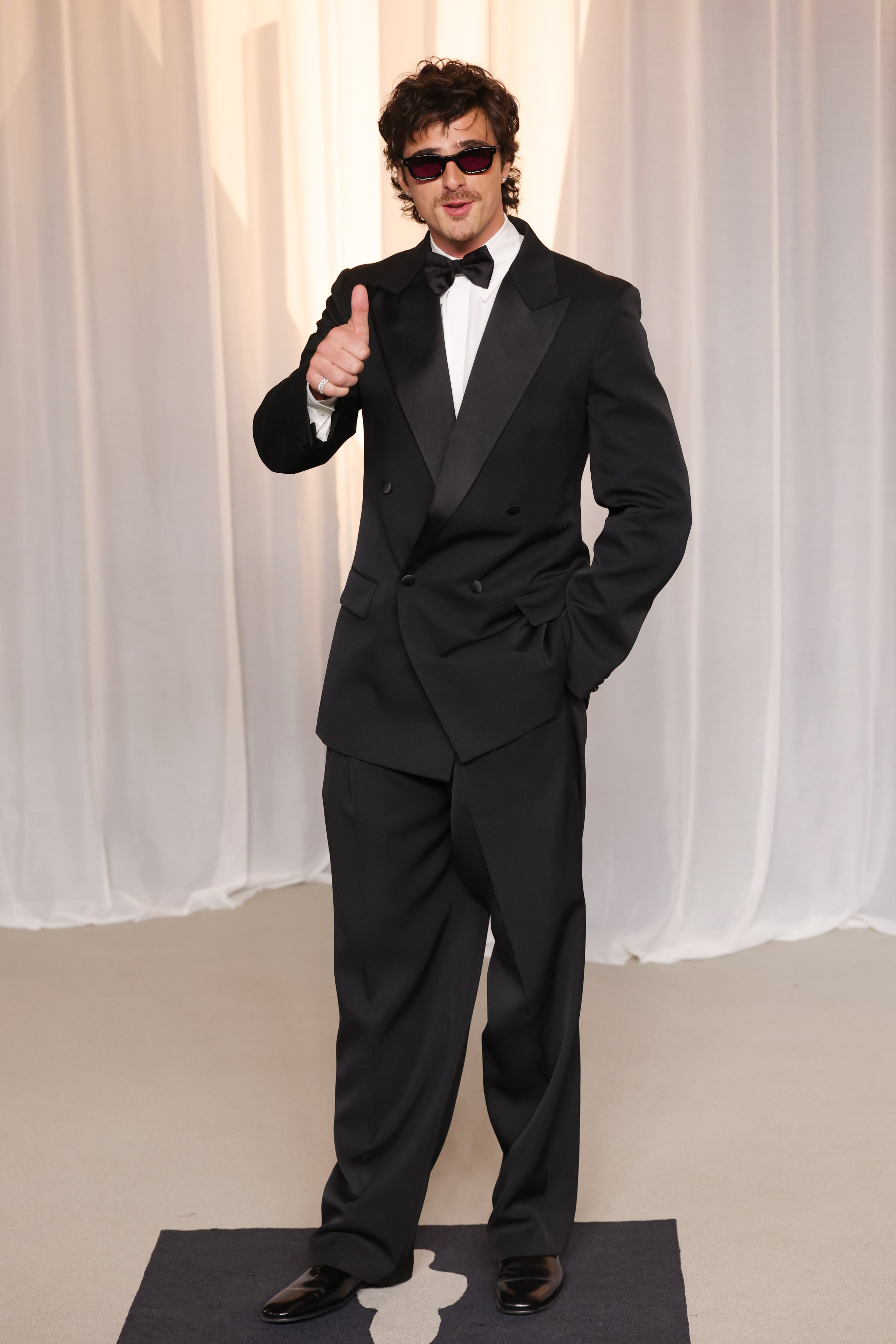
La modelo Kendall Jenner no se perdió la cita. Llegó vestida de Valentino, con un modelo palabra de honor con estampado de lunares de distintos tamaños, y no posó junto a Jacob Elordi, con quien se rumorea desde hace meses que mantiene una relación, que ninguno de los dos ha confirmado oficialmente.
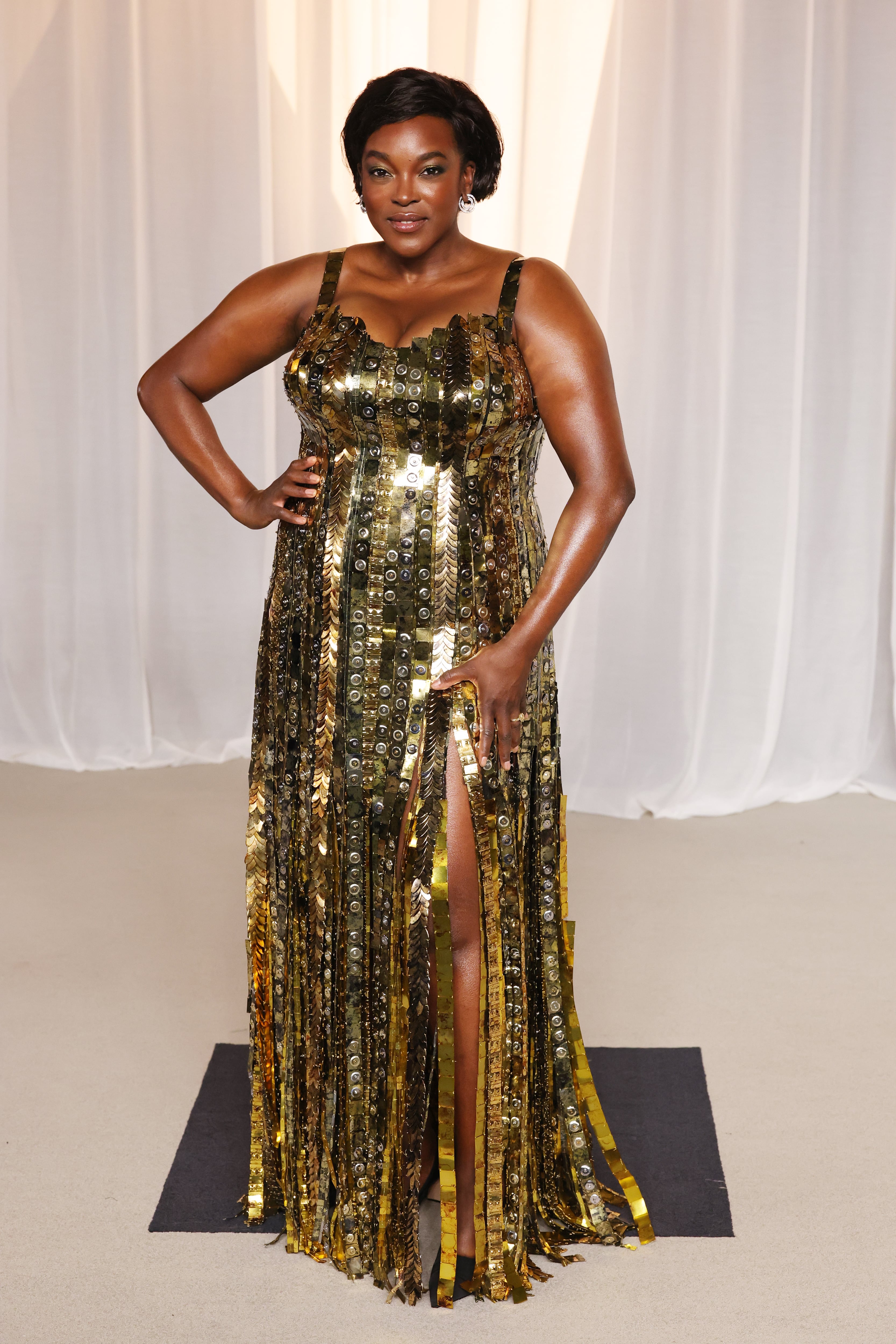
Wunmi Mosaku eligió el dorado, el color de las estatuillas que cada año entrega la Academia, para su estilismo, un modelo con brillos metálicos de Louis Vuitton.
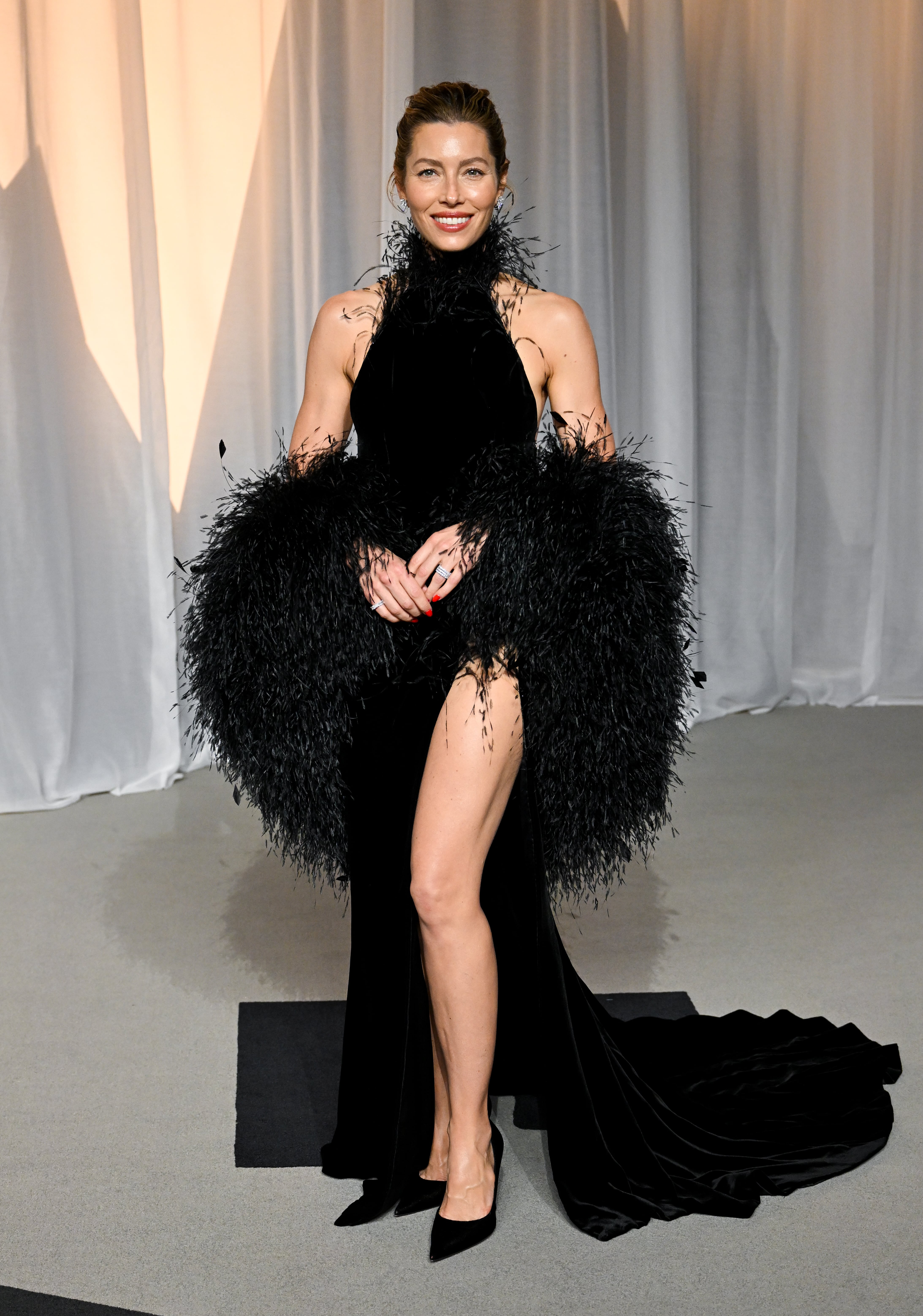
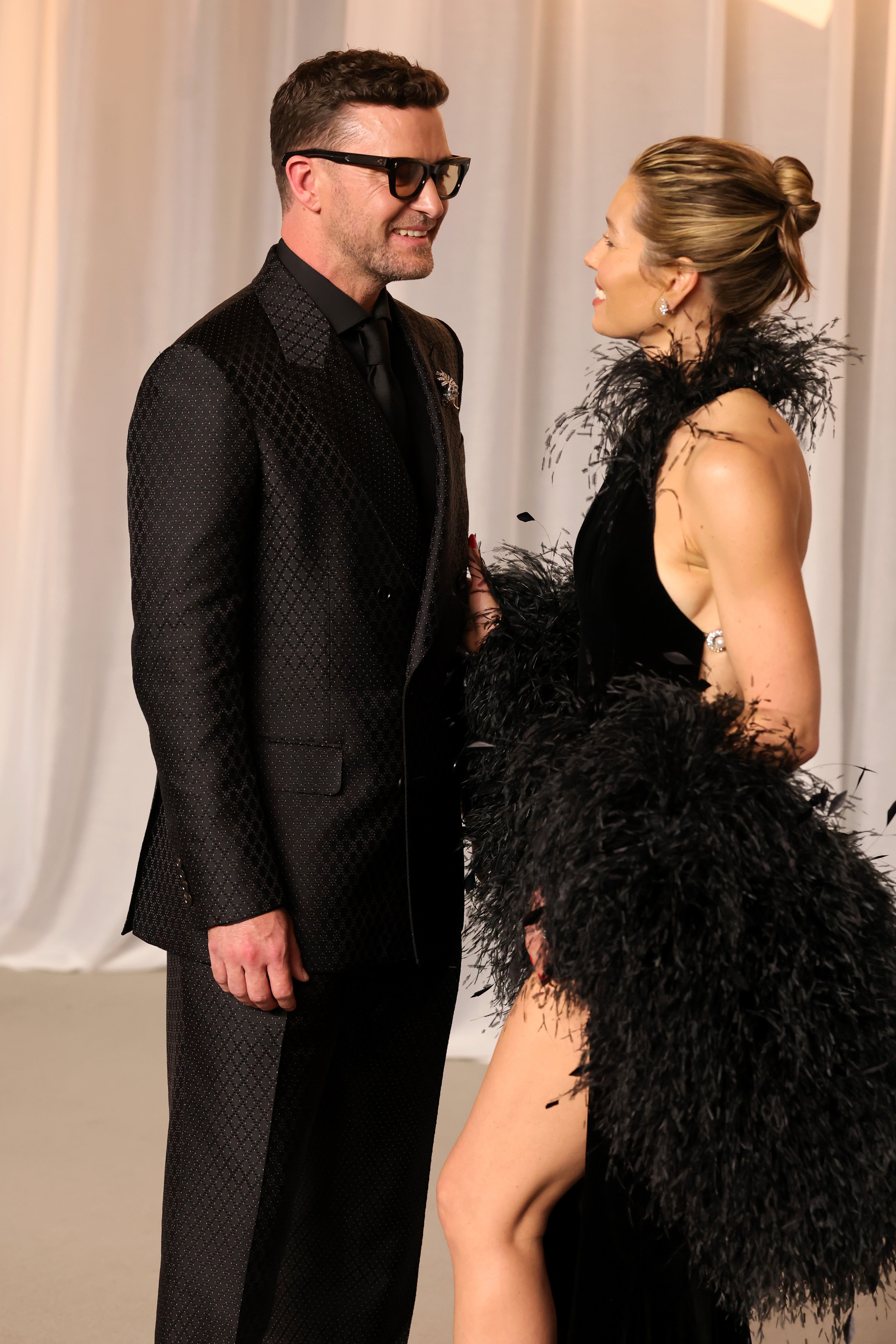
Jessica Biel, en la misma línea de negro y plumas, pero también con cola. Un diseño de alta costura de la colección otoño-invierno 2026 de Tamara Ralph.
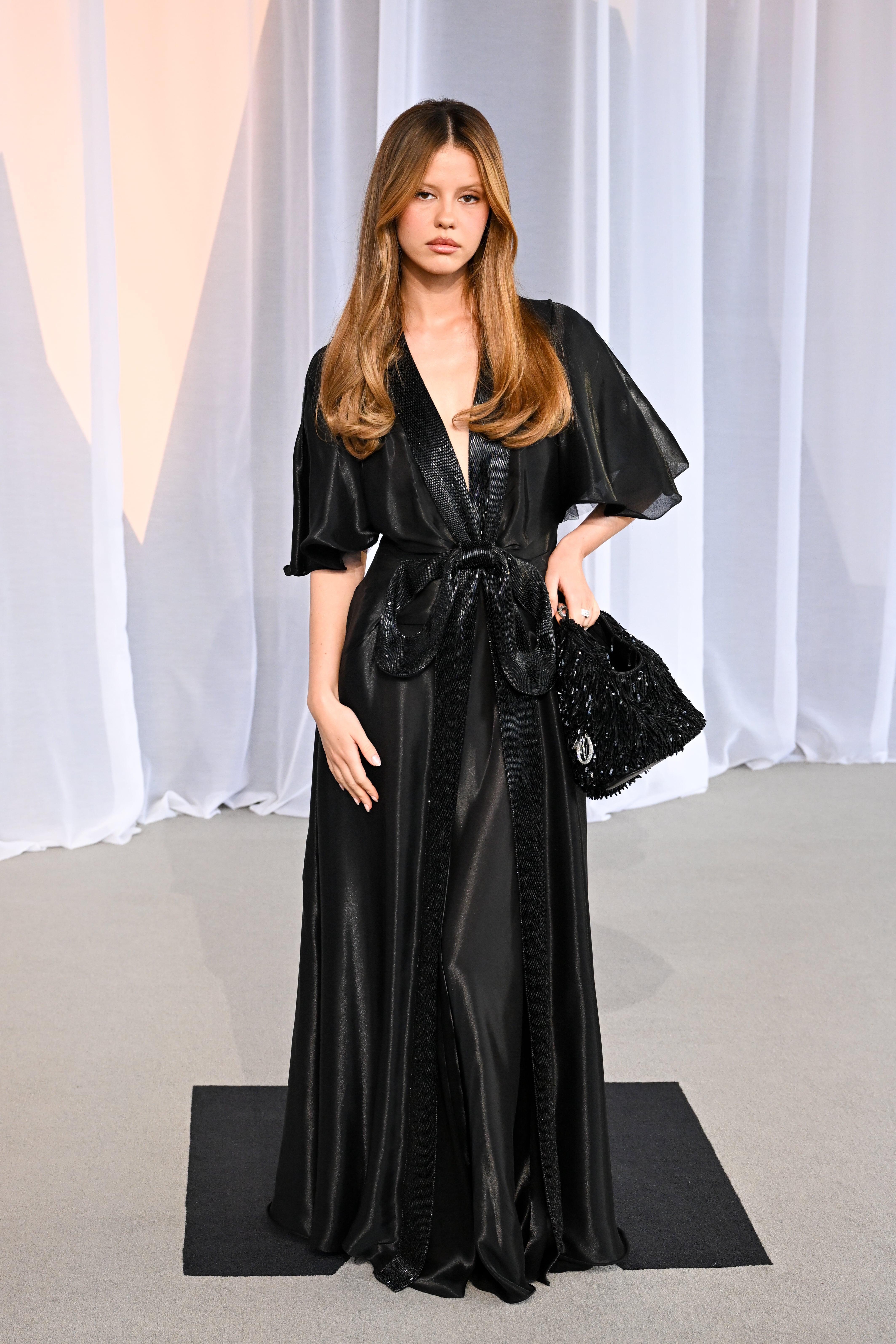
La actriz Mia Goth también apostó por el negro, uno de los colores que más se vieron a lo largo de la noche. En su caso, eligió un vestido satinado de mangas amplias rematado por una lazada de 'strass'. Una creación de Dior.
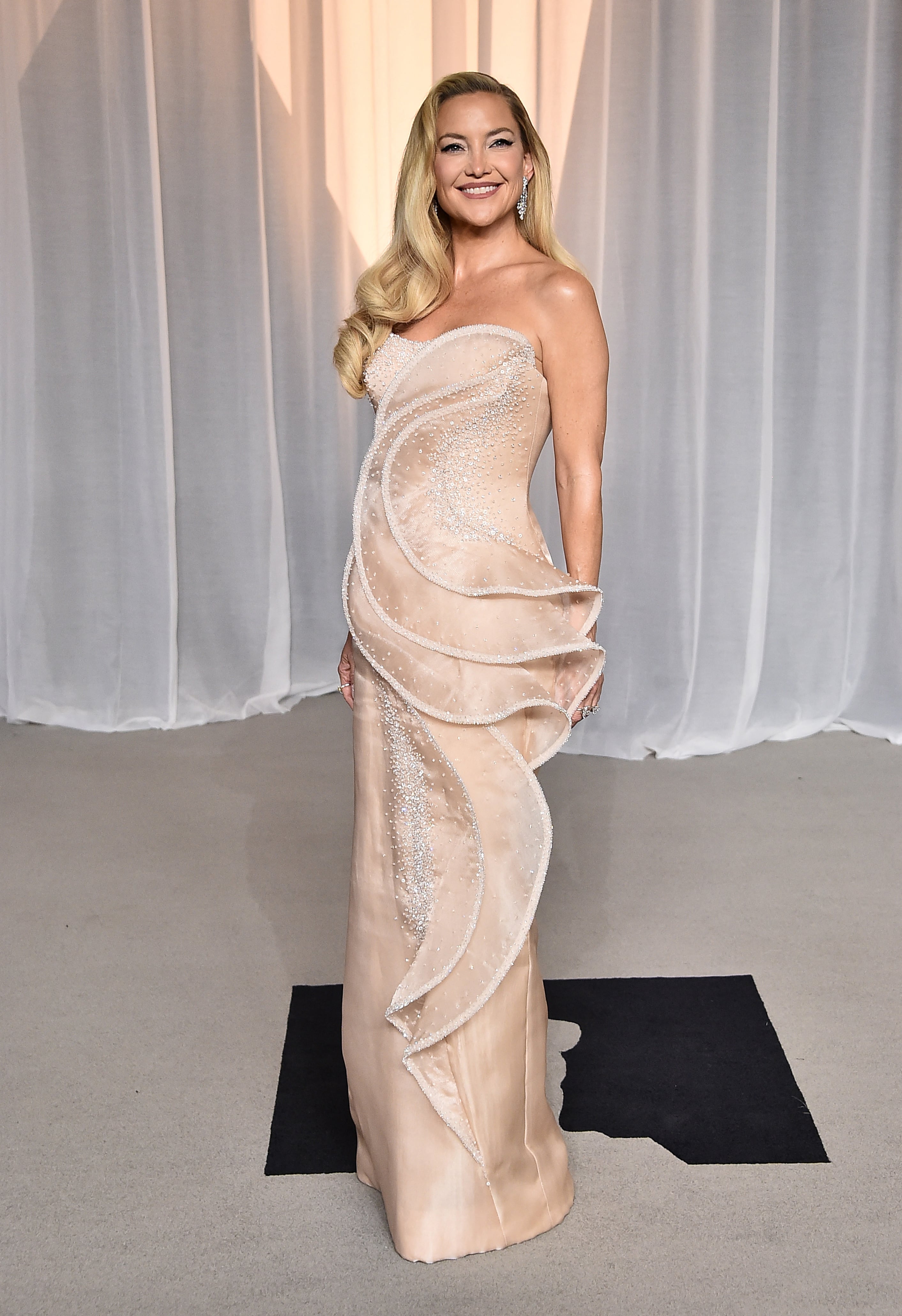
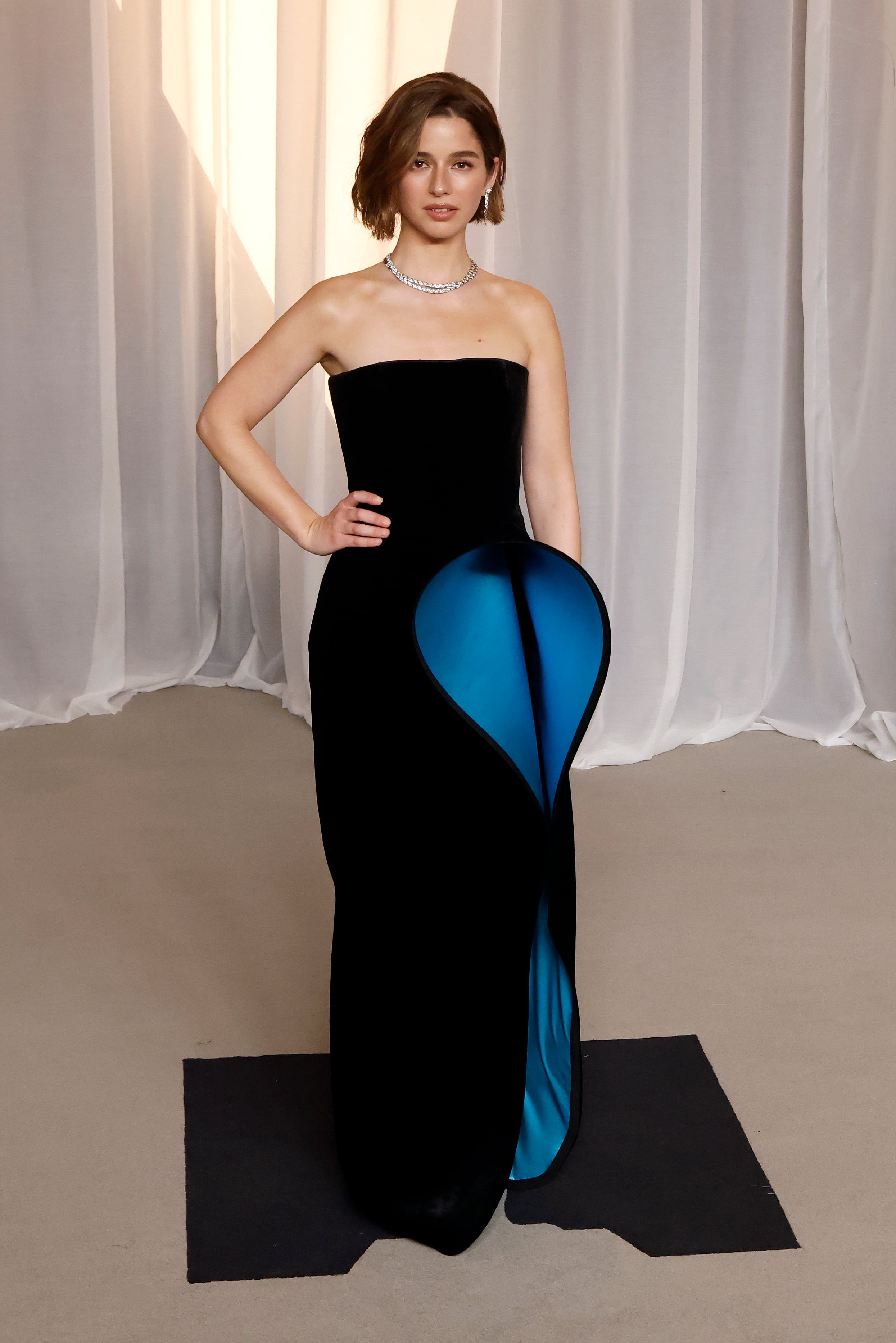
Siempre sonriente, Kate Hudson eligió un vestido-escultura de alta costura, este modelo palabra de honor con ondas y bordados de la colección primavera-verano 2026 de Armani Privé.
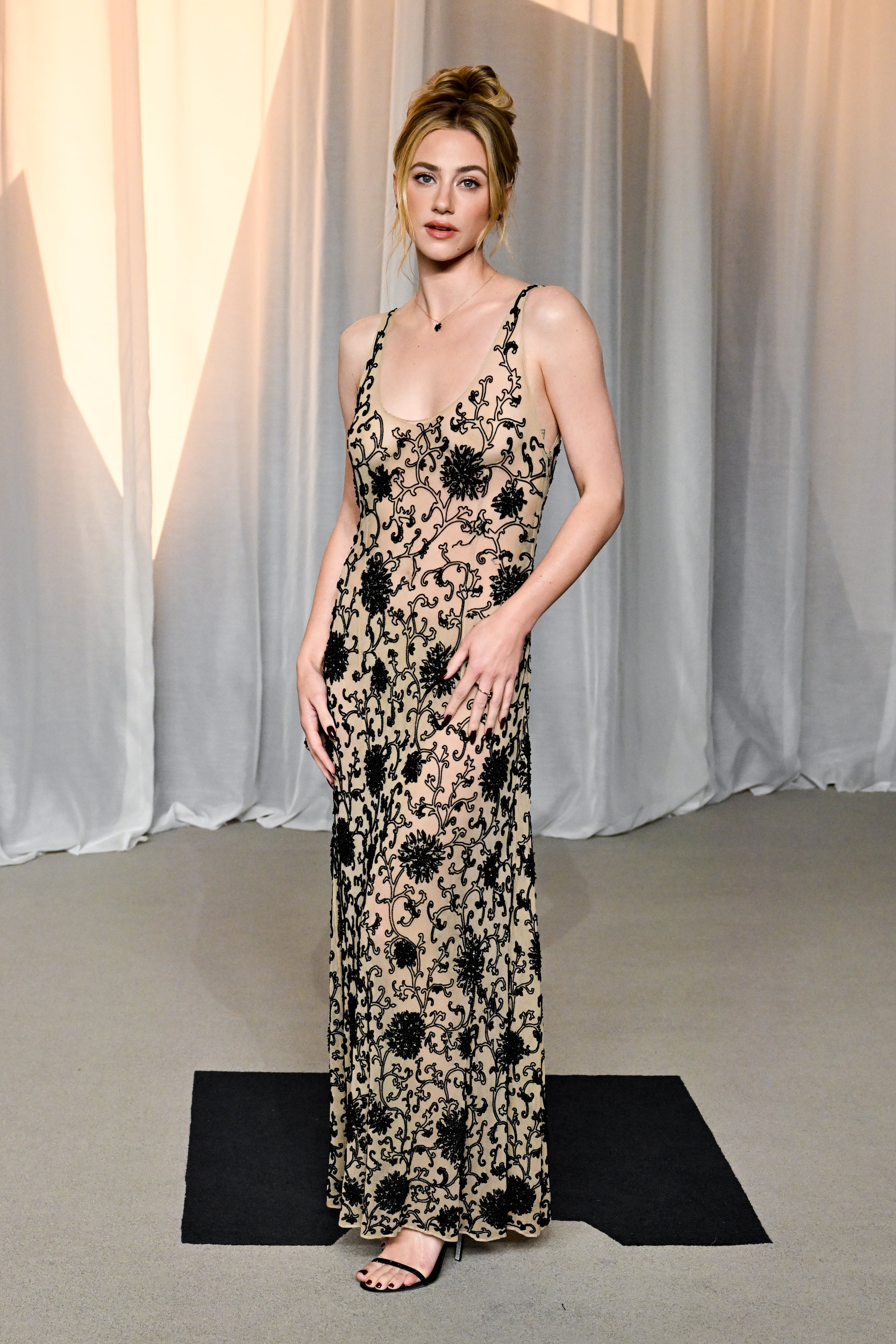
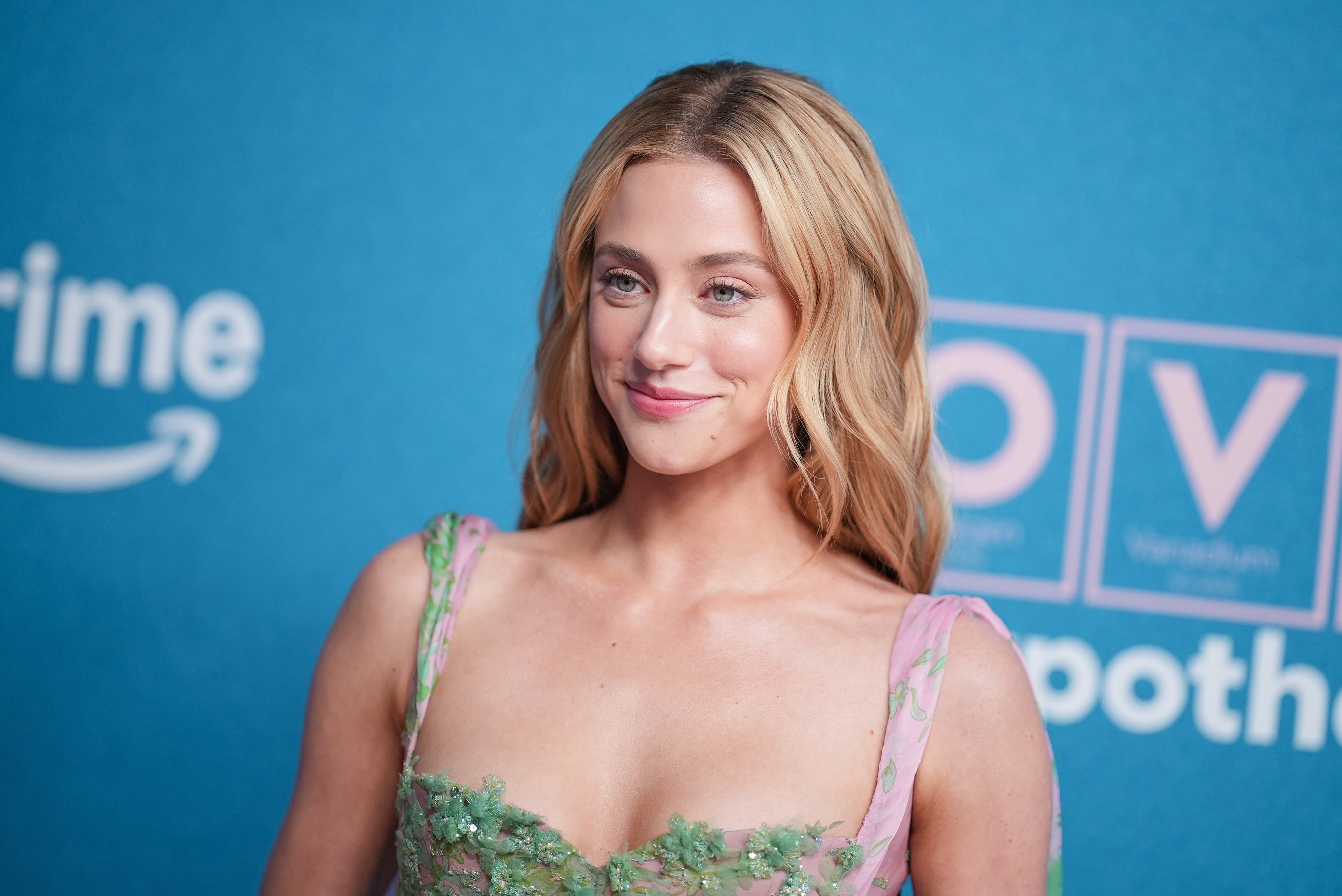
Lili Reinhart, con un vestido en tono 'nude' con bordados florales negros de Giorgio Armani, una pieza de archivo de la colección primavera-verano 1995 de la firma, y joyas de Pasquale Bruni.
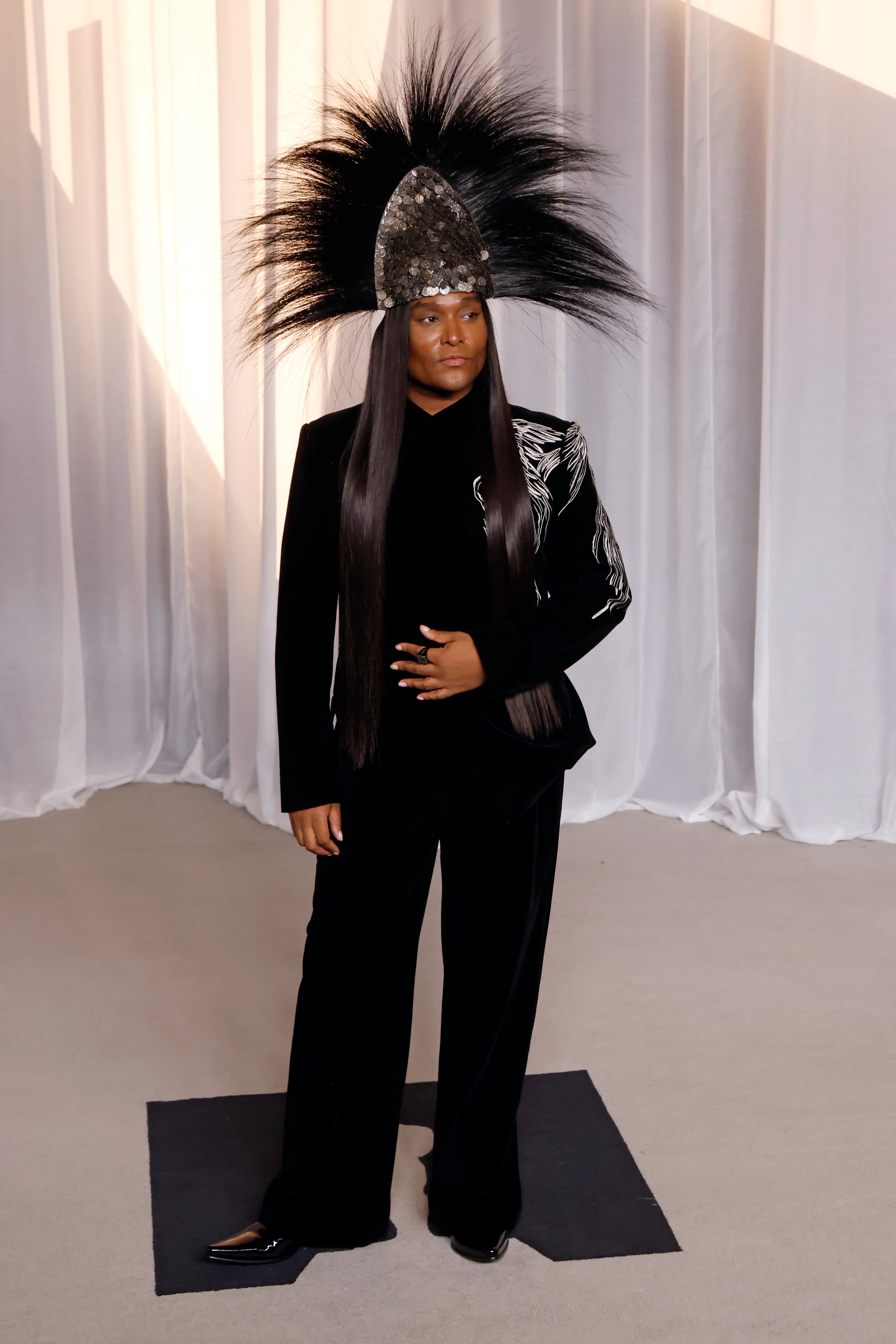
El estilista Law Roach sabe cómo llamar la atención. Lo hizo con un traje de Gurav Gupta y un tocado 'vintage' con plumas y piezas metálicas diseñado por Philip Treacy en 1998.
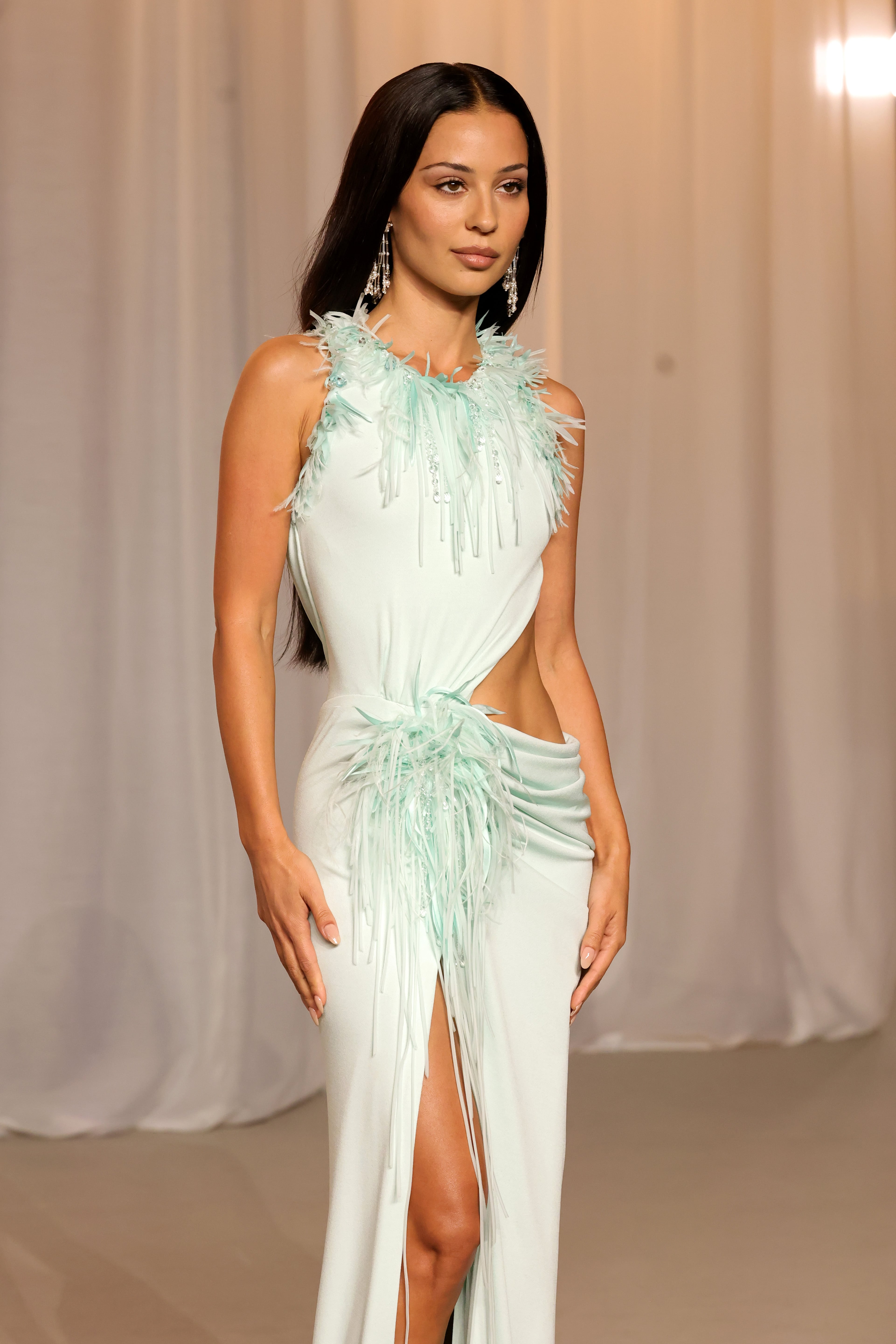
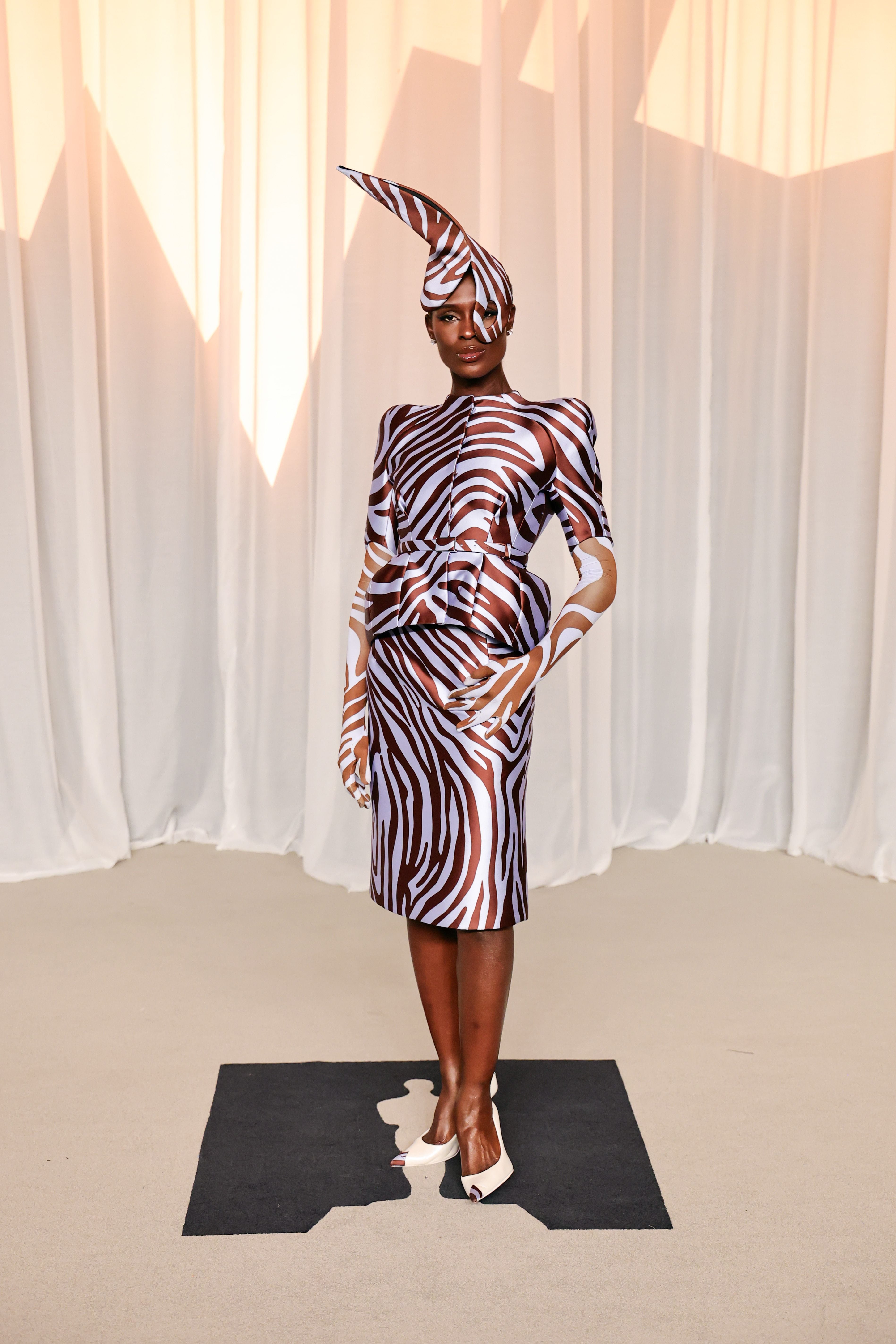
Law Roach fue el responsable de varios estilismos de la noche, entre ellos el de la modelo y actriz británica Jodie Turner-Smith, que impactó con este diseño de la próxima colección primavera-verano 2027 de Mugler.
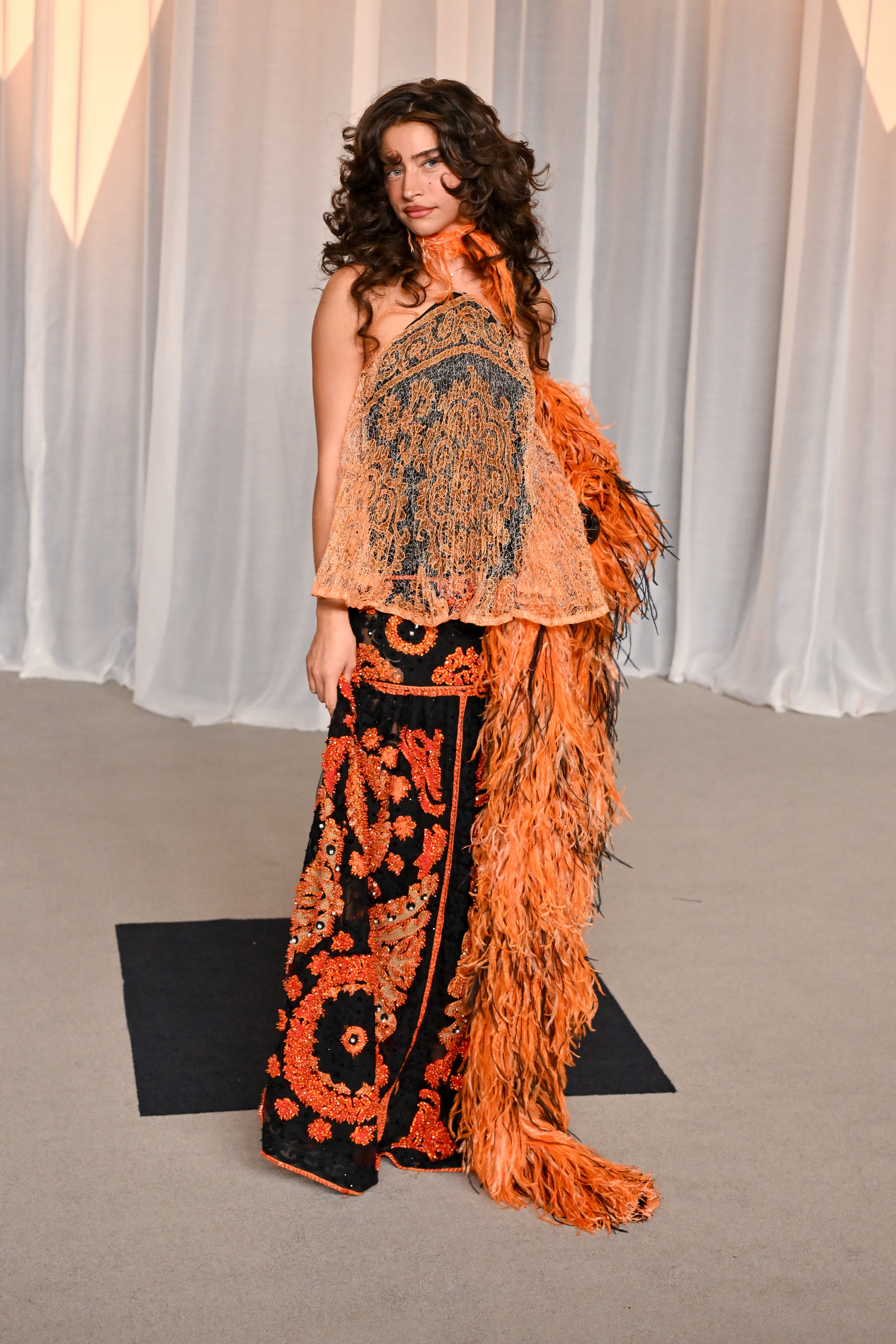
Odessa A'zion (conocida por la serie 'I Love LA' y la película 'Marty Supreme') eligió uno de los modelos con colores más llamativos de la noche, un conjunto de archivo de Giorgio Armani en tonos naranjas con una boa de plumas a juego.
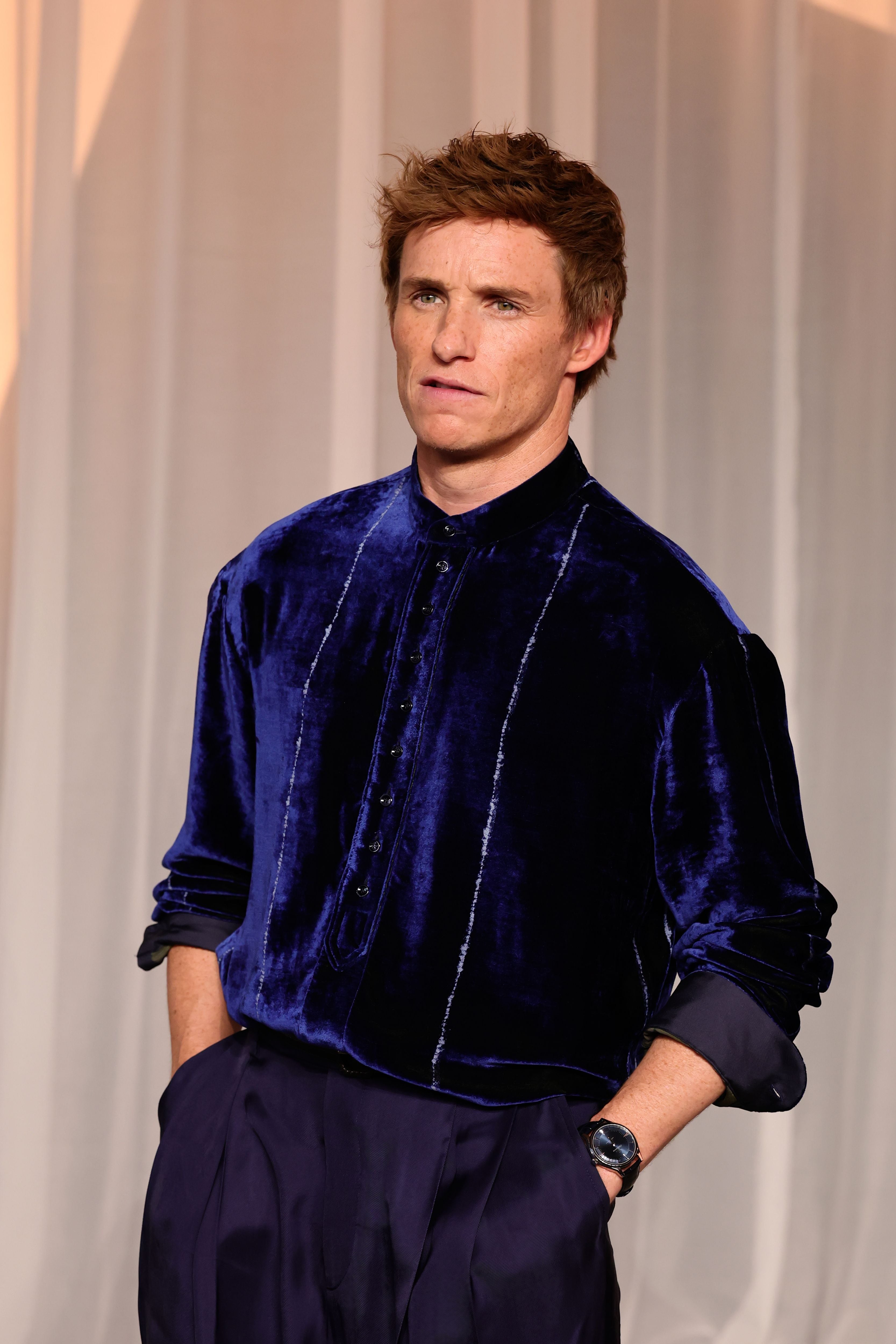
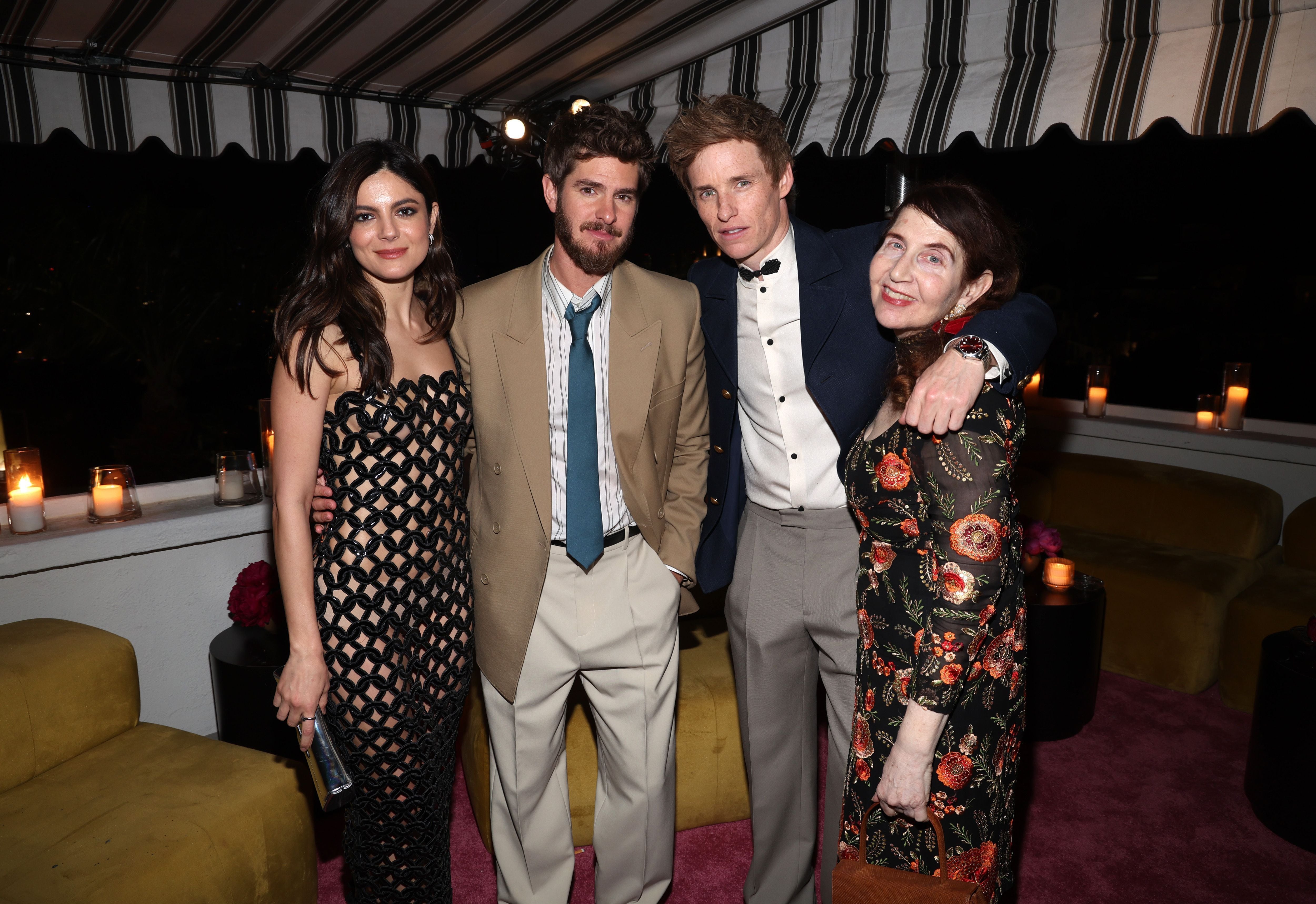
El oscarizado actor británico Eddie Redmayne apostó por el color con este conjunto de la colección otoño-invierno 2026 de Giorgio Armani, con pantalones amplios y camisa de terciopelo azul.
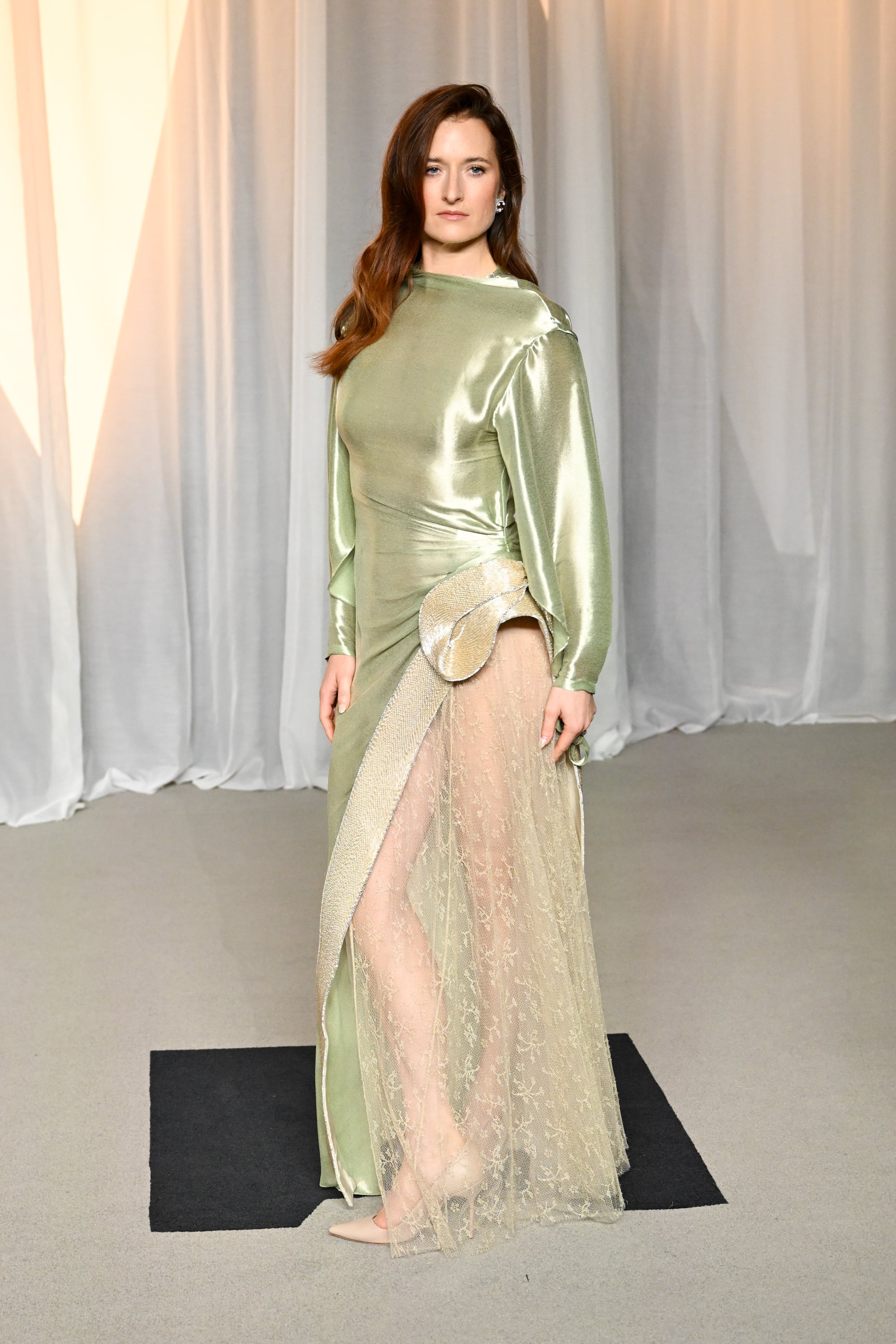
Grace Gummer, una de las hijas de Meryl Streep, ha interpretado recientemente a Caroline Kennedy en la serie 'Love Story: John F. Kennedy Jr. & Carolyn Bessette'. Para la gala, eligió un vestido verde satinado con encaje de Dior.
Esmé Creed-Miles, que interpreta a Marianne Dashwood en la nueva versión de 'Sentido y sensibilidad', eligió un conjunto de pantalones cortos de la colección primavera-verano 2027 de Chloé.
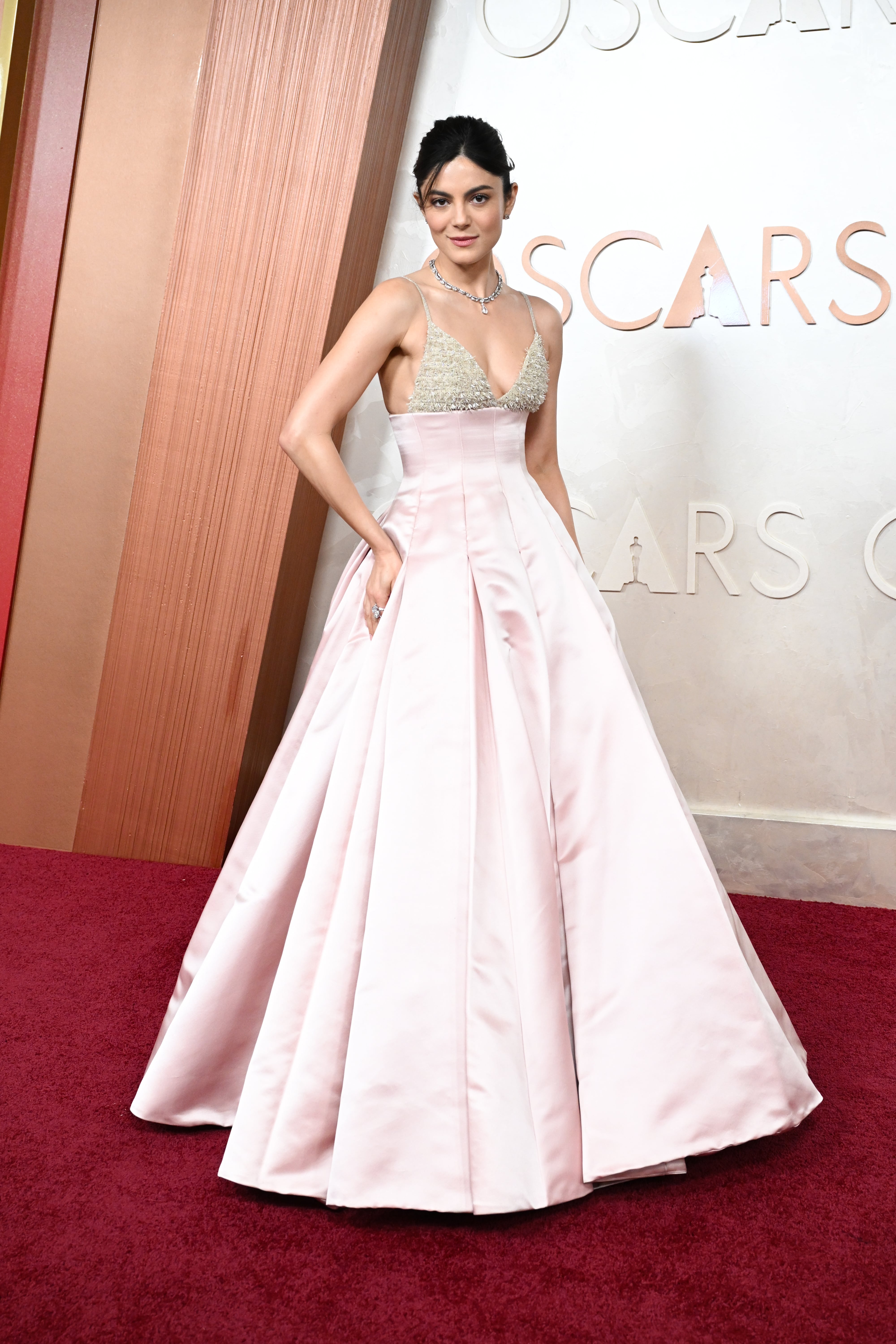
Success may have taken its time, but Monica Barbaro has firmly established herself as one of Hollywood’s most promising talents. After years of searching for her breakthrough, the 36-year-old Californian first drew widespread attention as a fighter pilot in 'Top Gun: Maverick' before winning over the industry with her portrayal of Joan Baez in 'A Complete Unknown,' a performance that earned her an Academy Award nomination. Now, with high-profile projects on the horizon such as the much-anticipated 'Artificial,' a romance with fellow actor Andrew Garfield, and a personal style that balances sophistication with effortless ease, Barbaro has become one of the names worth watching, both on and off the screen.
Acting was not part of Monica Barbaro’s earliest ambitions. Her mother, a professional dancer, enrolled all three of her children in ballet classes. Although she discovered through small school theater productions that acting was her true passion, her family’s encouragement led her to focus exclusively on ballet. She enrolled in the dance program at New York University’s Tisch School of the Arts, one of the most prestigious performing arts schools in the United States, and initially approached acting only through elective courses.
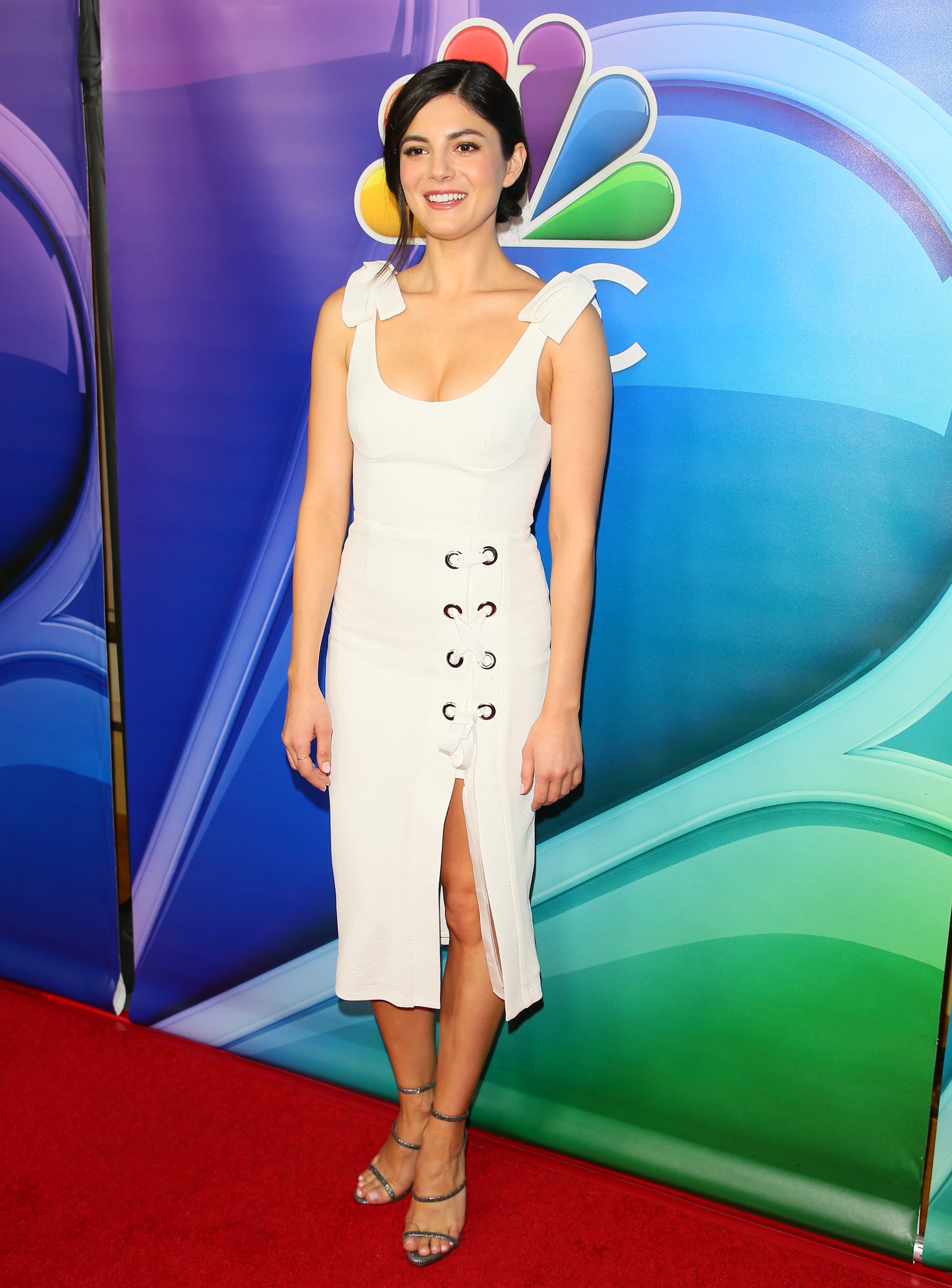
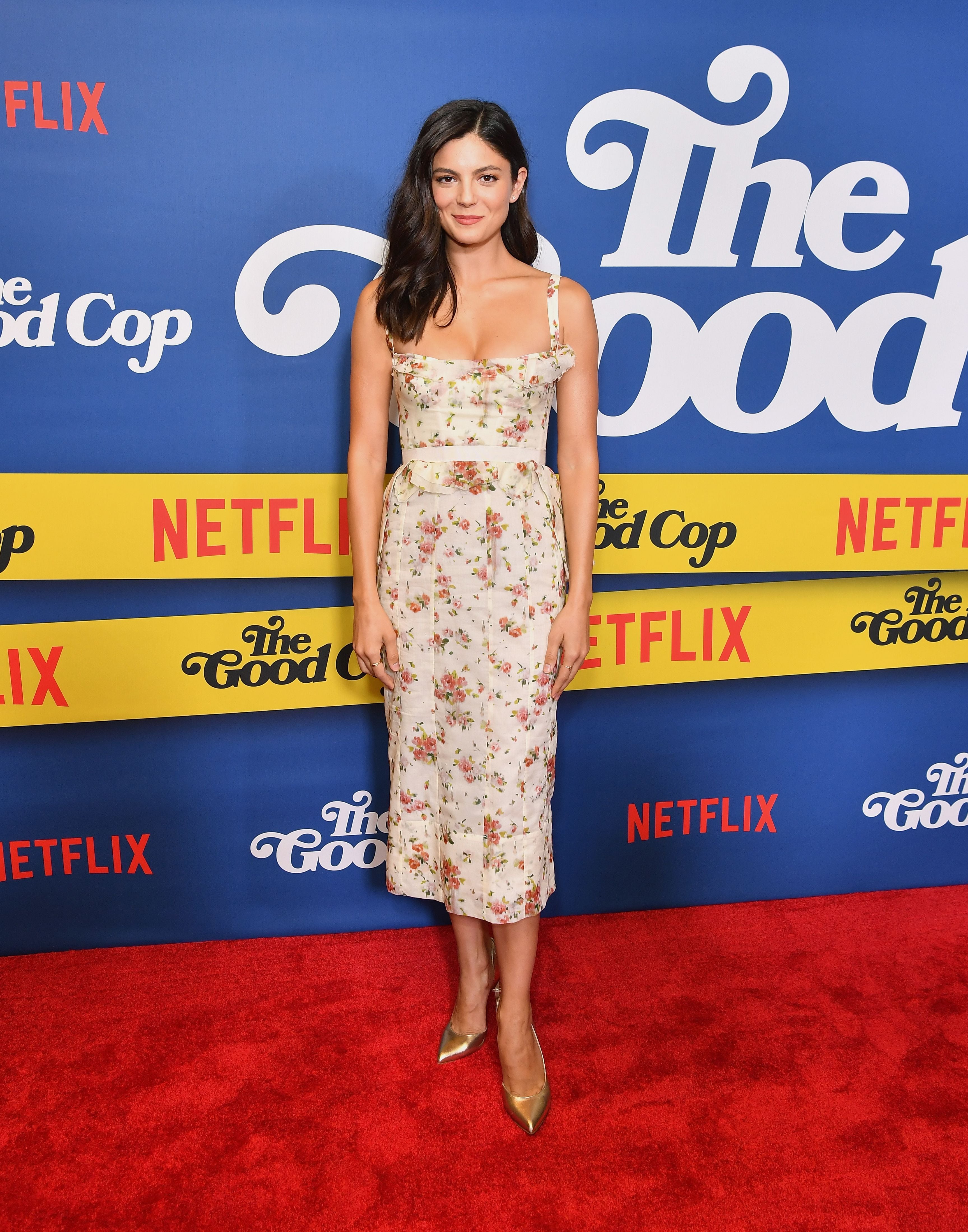
Today, with the dream she first nurtured as a teenager finally fulfilled, Monica Barbaro is grateful for what dance brought to her craft as an actress. “Dance gave me a completely different way into character. People reveal themselves through their body language,” she said. In the photograph, taken in 2018, the actress wears a floral dress by Brock Collection.
Monica Barbaro logged more than 40 hours of flight time to portray a military pilot in 'Top Gun: Maverick,' her first major role in a big-budget Hollywood production. During filming, she even shot some scenes aboard a two-seat F/A-18, enduring forces of up to eight Gs, and went so far as to earn her pilot’s license. All in pursuit of meeting the exacting standards set by Tom Cruise, who, she says, has become one of her most important mentors in Hollywood. "He'll see a person, see their potential and just bring out the best in them," she said of Cruise.
The role that definitively established Monica Barbaro as one of Hollywood’s most exciting breakthrough talents was her portrayal of Joan Baez in 'A Complete Unknown,' the Bob Dylan biopic starring Timothée Chalamet. Barbaro sings and plays guitar herself in the film, despite not knowing a single chord when she landed the part. After months of intensive preparation, her portrayal of Baez emerged as one of the film’s standout performances, earning her first Academy Award nomination for Best Supporting Actress. Chalamet later explained that the filmmakers were looking for an actress with gravity and quiet power, someone capable of holding her own opposite his Dylan and even intimidating him slightly. Although the Oscar ultimately went to Zoe Saldaña for 'Emilia Pérez,' the nomination confirmed that Barbaro had moved beyond the status of rising star to become one of the defining talents of a new generation of actors.
Parallel to her professional breakthrough, which unfolded amid the awards ceremonies and industry parties surrounding the Oscars, the California-born actress embarked on her first high-profile public relationship. In January 2025, entertainment media began reporting rumors of a romance with actor Andrew Garfield, best known for films such as 'The Social Network.' Those rumors have gradually been borne out by the couple’s repeated public appearances together. Although both have been notably protective of their privacy, Garfield has spoken warmly about Barbaro, calling her a “supremely talented” actress. “I think she is truly incredible,” he said. “I could wax lyrical more, but I'll leave it there.”
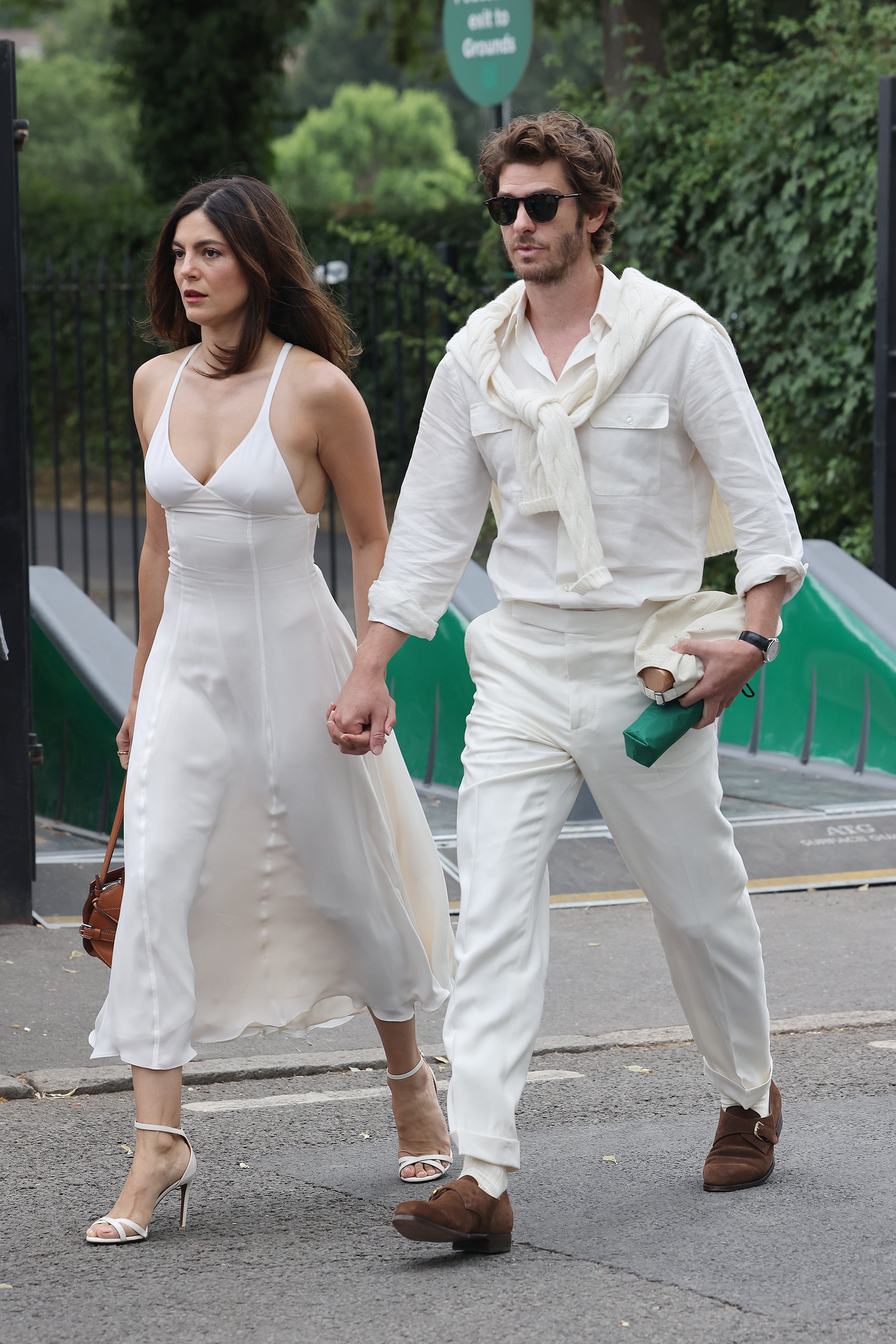
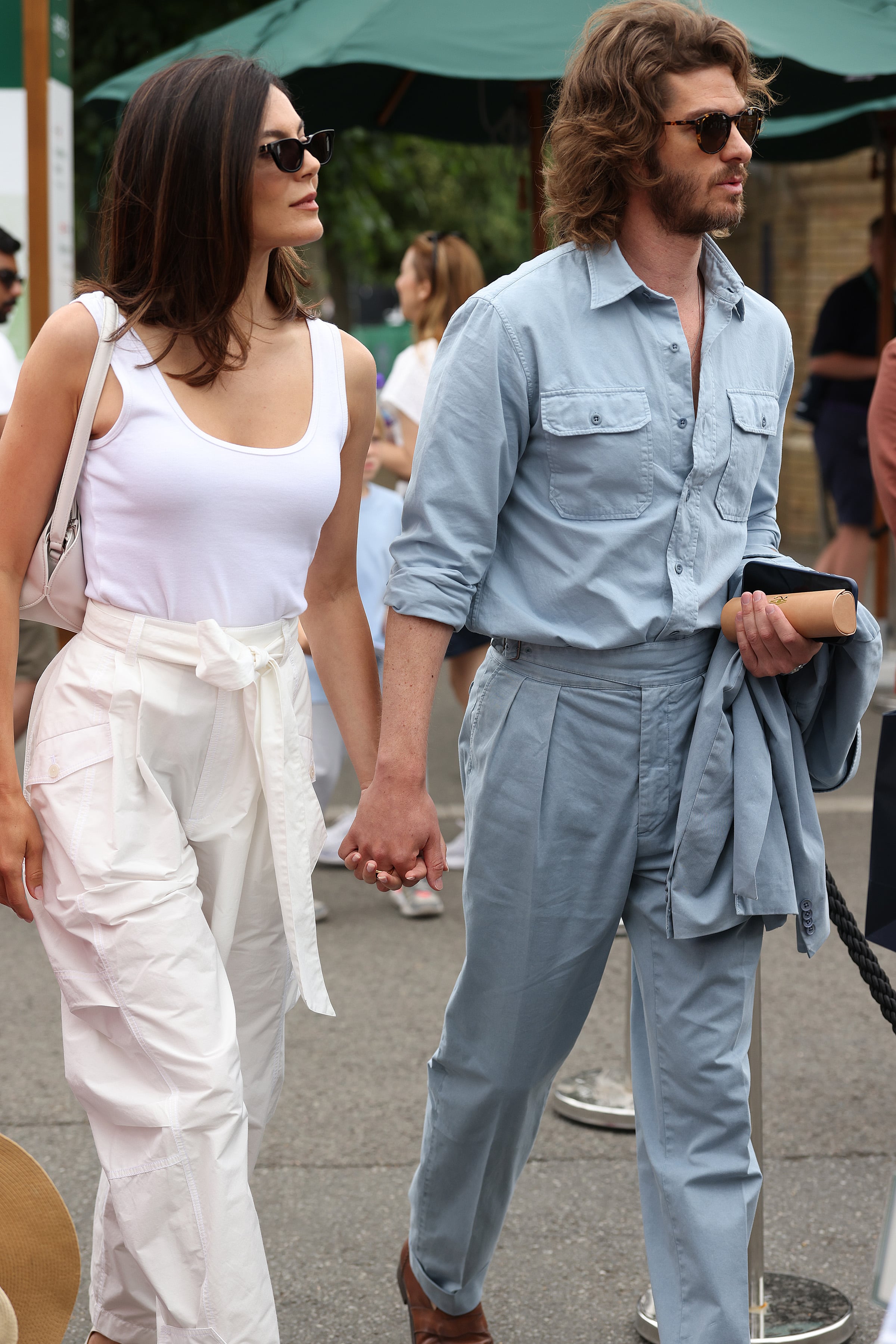
In July 2025, the couple made their first official public appearance together at the Wimbledon Championships in London. They embraced the tournament’s traditional aesthetic with coordinated all-white looks, and Barbaro opted for an outfit by Ralph Lauren.
Fate would have it that their romance also blossomed on a film set, as both are part of the cast of 'Artificial,' the highly anticipated new film from Luca Guadagnino, the director of 'Call Me by Your Name.' Widely seen as a potential awards-season contender, the film is based on the story of OpenAI, the company behind ChatGPT, and the turbulent days surrounding the brief dismissal and subsequent reinstatement of its controversial chief executive, Sam Altman, who is played by Andrew Garfield. Monica Barbaro, meanwhile, portrays Mira Murati, the company’s former chief technology officer and one of the most influential figures in the artificial intelligence industry, widely regarded as a pioneering leader in the field.
“[Andrew Garfield] is one of the best actors of his generation, our generation,” the actress has said of her co-star. “I just learned a lot from his approach to the material and to developing character, and I felt very fortunate to get to witness that in real time.” Barbaro has also said that working alongside him pushed her to raise her own game. She said she thought: “Oh shit, I really have to step up my game and make sure I'm a proper, legitimate scene partner.”
For years, Monica Barbaro struggled to find her place in an industry that seemed unsure how to categorize her. The daughter of an Italian American father and a mother of Mexican, English and German descent, she has spoken about being repeatedly encouraged to lean into her Latina heritage in ways that felt inauthentic to her. At the same time, she feared the opposite risk: “neutralizing of myself to not offend anybody.” As a child, she endured racist taunts; as an actress, she sometimes lost out on roles because she was deemed not “ethnic enough.” Rather than choosing between labels, Barbaro has embraced the space in between. "I don't belong in either" — as in either side of her parentage — "but I do belong in this mixed territory."
The actress describes herself as “a romantic and a workaholic.” “I’ve never given my life over to it, which, as a woman, I’m quite proud of. But there’s also the other side of that coin, which is: You can get to a point in your life where you wake up and you look around and you’re sort of like, Oh, have I been self-protecting by [adopting] so much autonomy and independence? I’m definitely shifting some of that perspective now,” she told 'InStyle.'
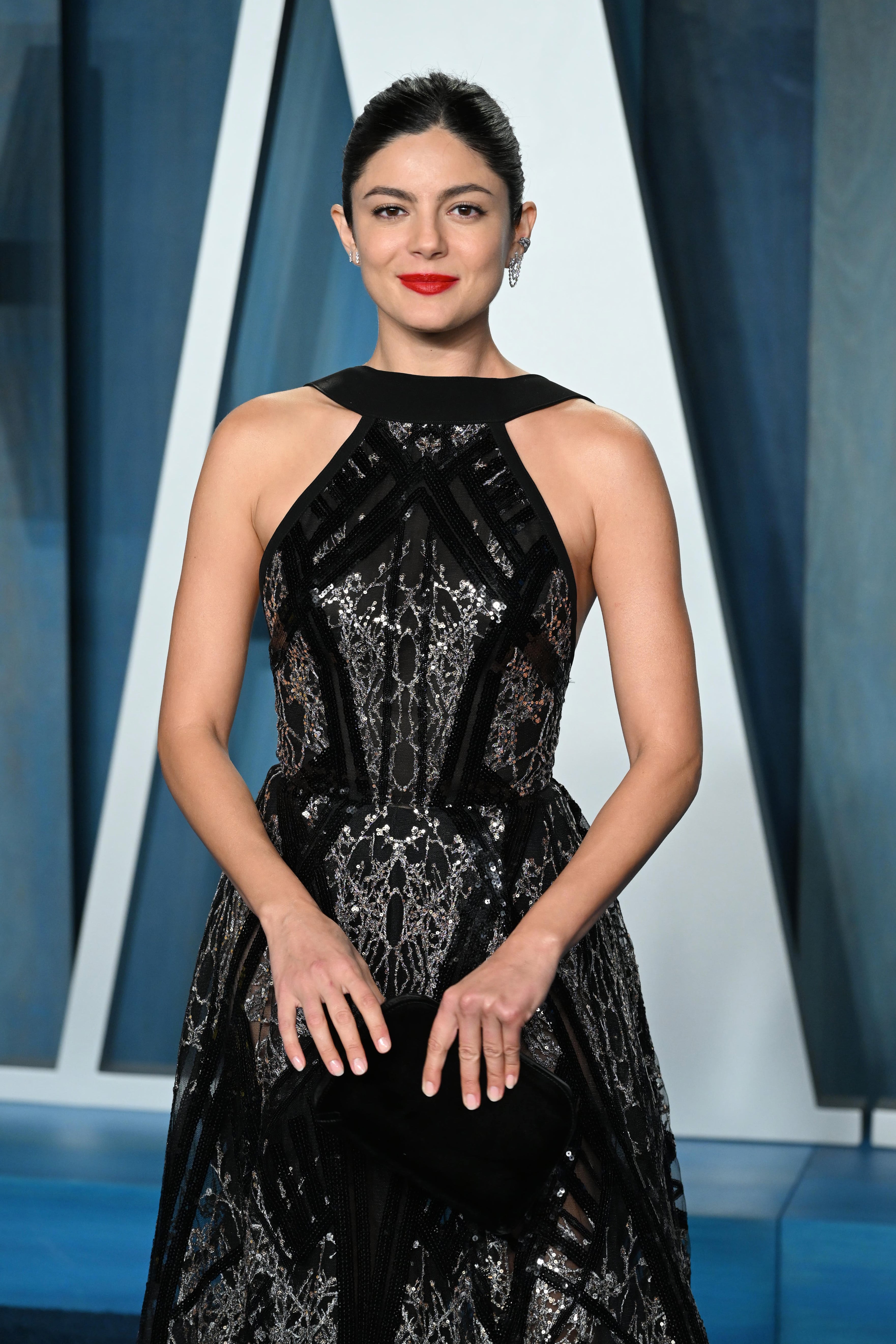
After graduating from university, with neither steady work nor savings to fall back on, Monica Barbaro moved back across the country to her hometown of San Francisco. There, she spent nearly a decade juggling minor television roles and commercial work, far from the sudden, youthful breakthroughs enjoyed by some rising stars. She had to wait until 2022, when Tom Cruise came calling and changed the course of her career. That same year, her rising profile earned her an invitation to Vanity Fair’s Oscars after-party, where she attended wearing a design by Elie Saab.
Monica Barbaro has spoken openly about why she is uncomfortable using her appearance as a selling point on screen or showing more skin than a story genuinely requires. “One of the very first things I did was a project that I lost the job because I wouldn’t be topless in it,” she told the U.S. edition of InStyle. At the time, she was a background performer with a small, non-speaking role and could not see any narrative reason for the nudity. In the end, she was rehired on her own terms, with her shirt buttoned up. “I’ve not gotten naked in anything I’ve done because I haven’t worked on something where that would be a necessity to the story,” she added.
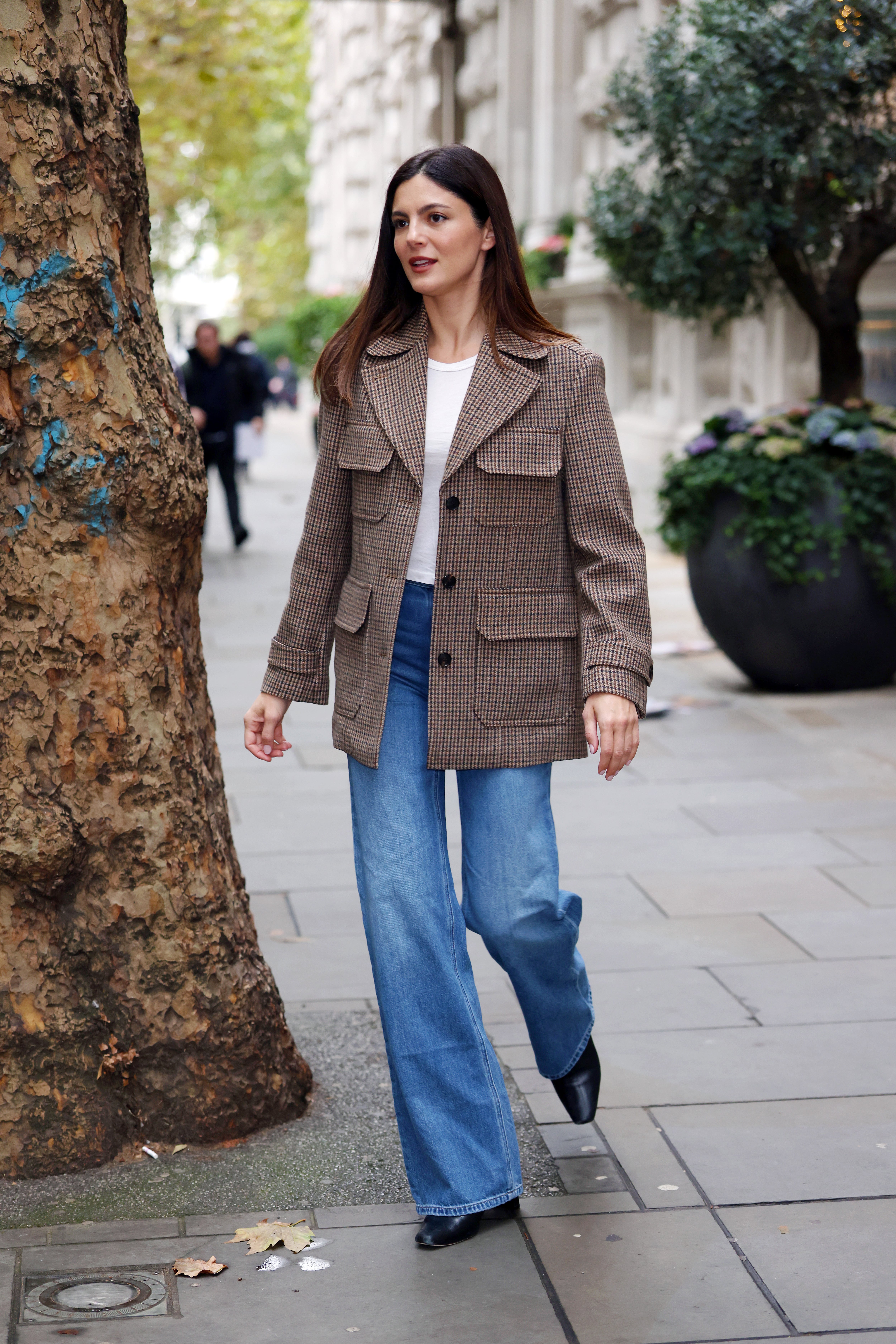
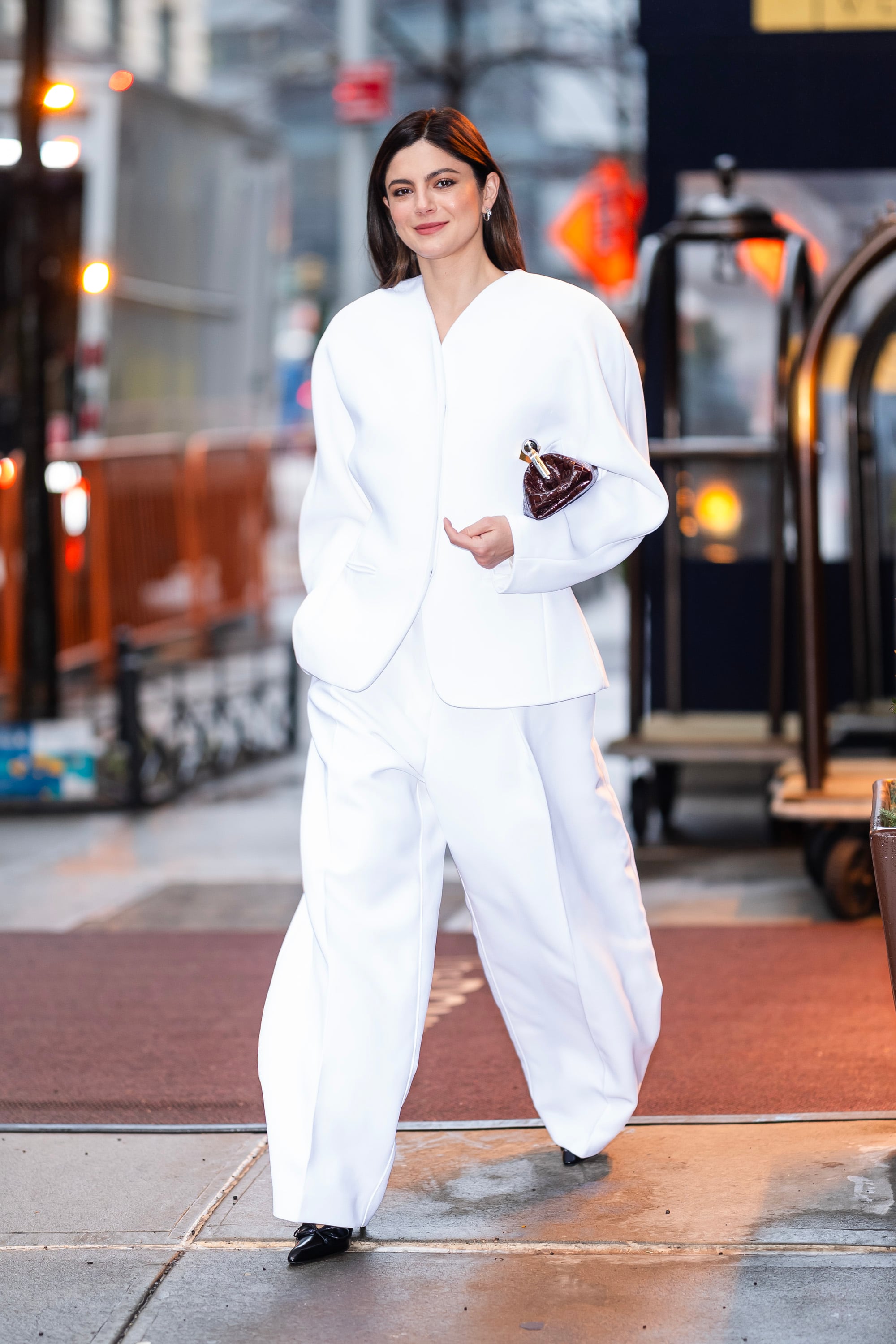
Her style evolution over the past few years has been striking. Her fashion résumé now includes a series of looks that feel both contemporary and effortless, among them the oversized white suit she paired with a Jacquemus handbag when she was photographed strolling through New York last winter.
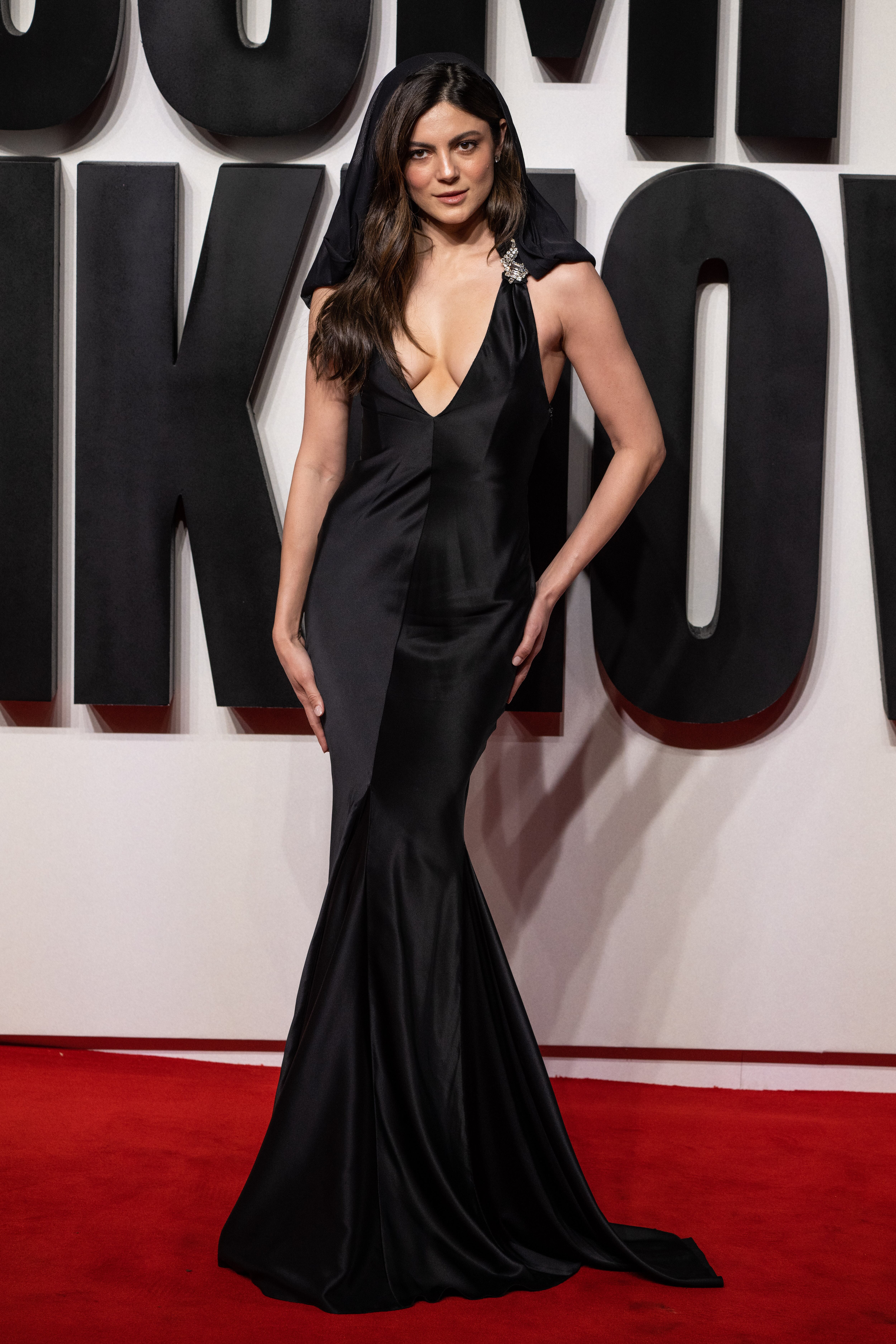
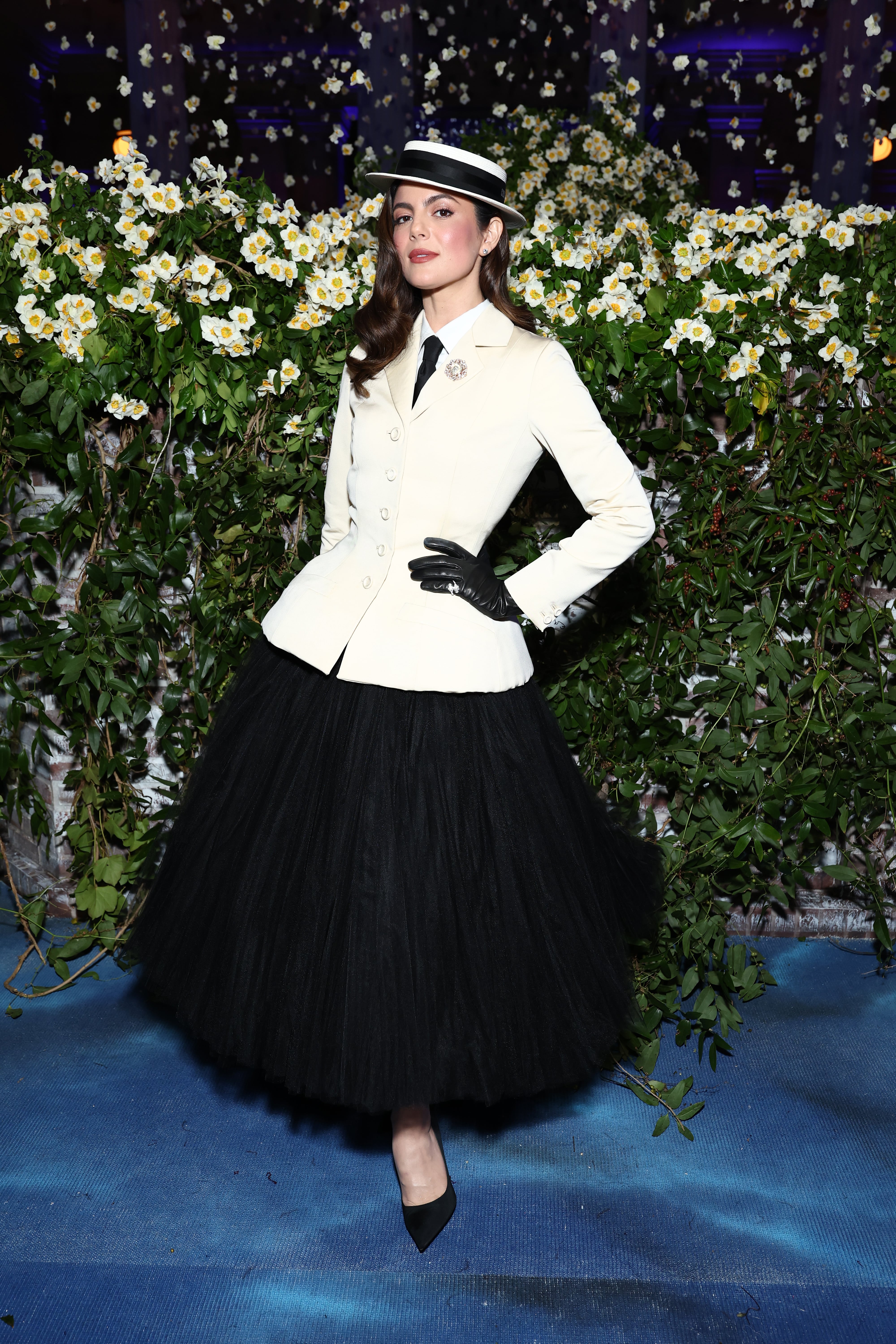
Last year, Monica Barbaro attended the Met Gala for the first time, further cementing her rising status within the industry. For the occasion, the actress once again turned to Dior, embracing the glamour of the 1950s and the New Look silhouette with the maison’s iconic Bar jacket, leather gloves and a boater hat. She seemed to belong to another era, while proving herself perfectly in tune with the event’s dress code.
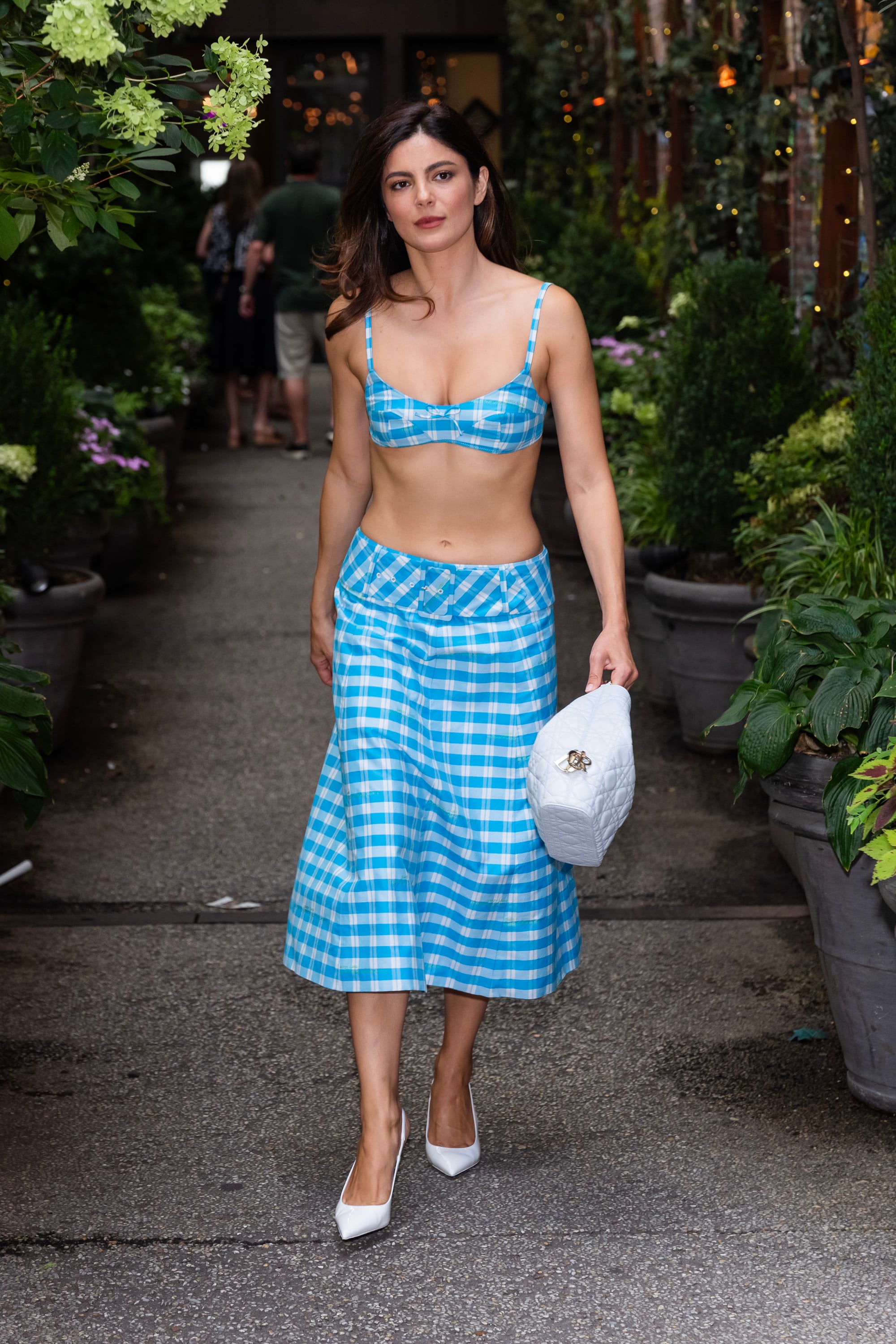
Although she says her everyday uniform tends to be simple and classic, built around Levi’s jeans, loafers and T-shirts, Monica Barbaro knows how to command the attention of the fashion press when promotional duties call. One of her most recent and most daring looks was this ensemble by designer Sandy Liang, which she wore in New York while promoting 'One Night Only.'
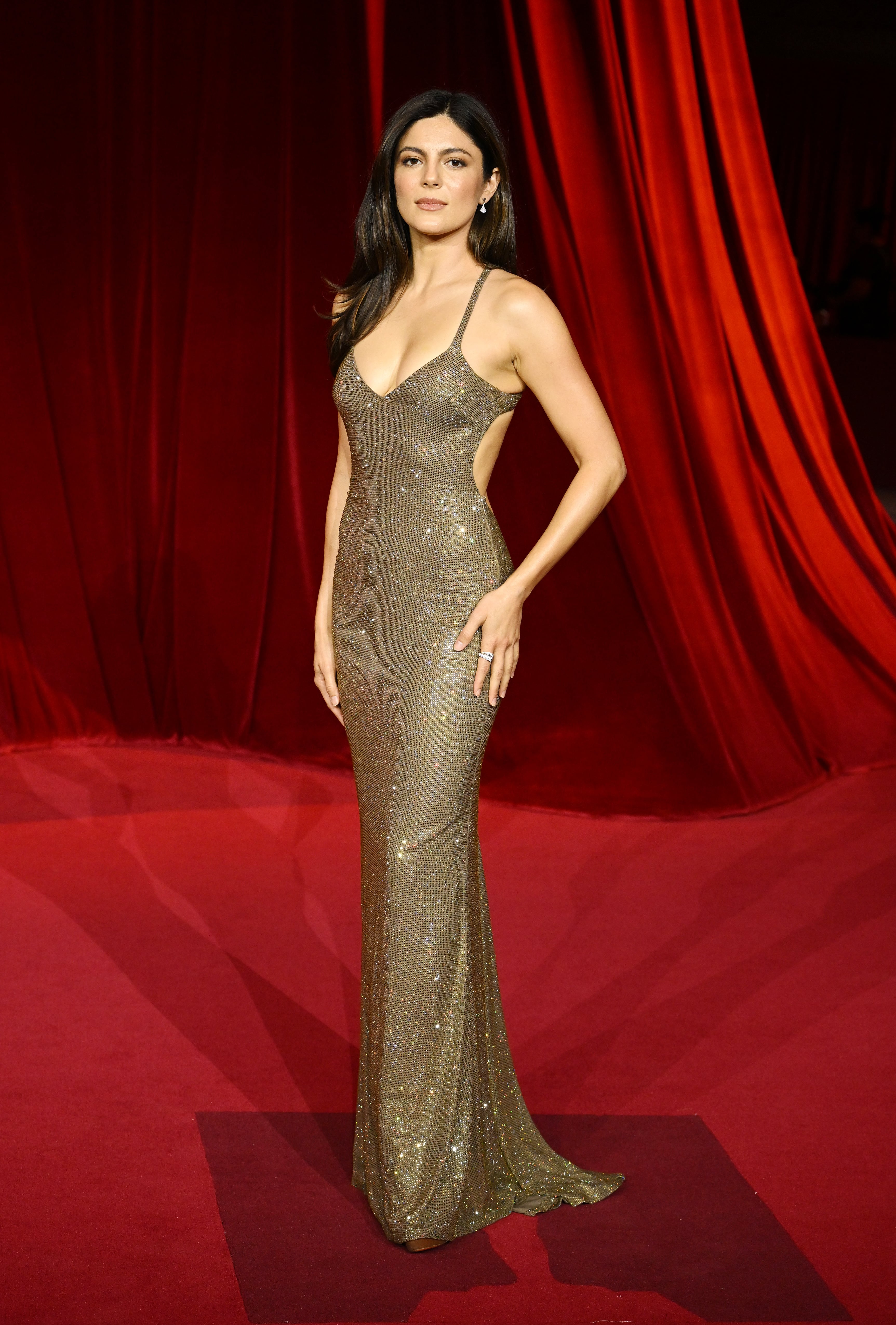
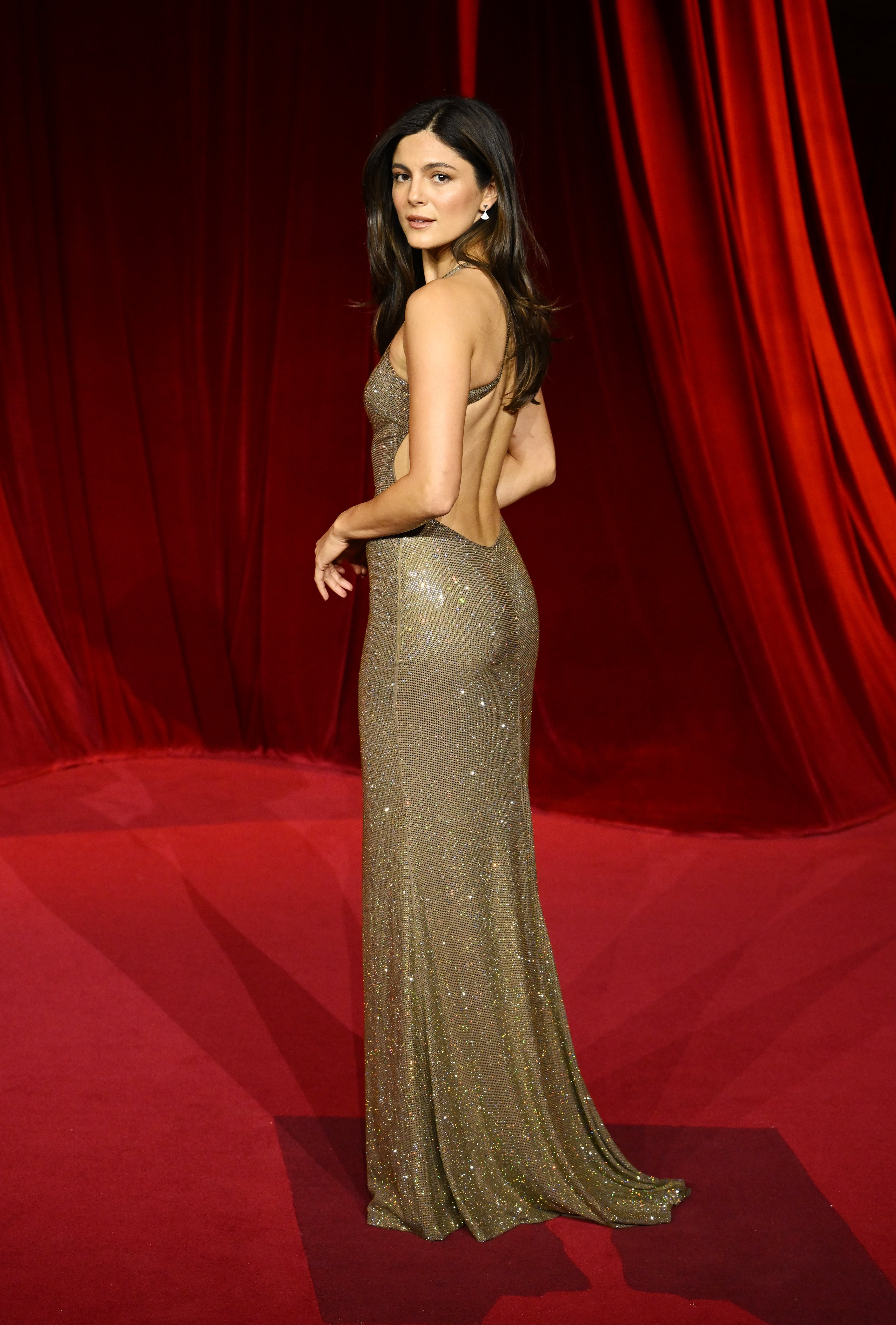
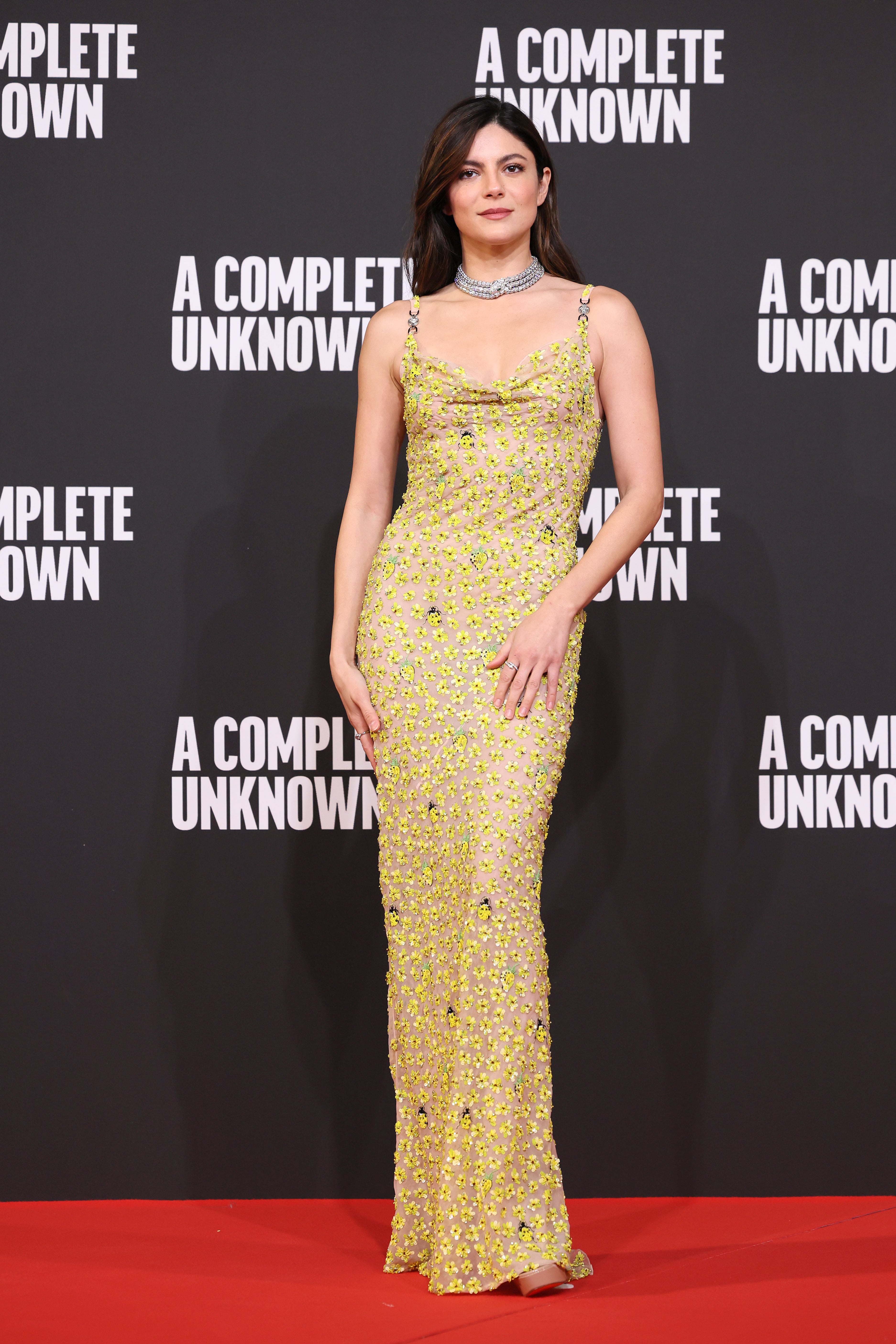
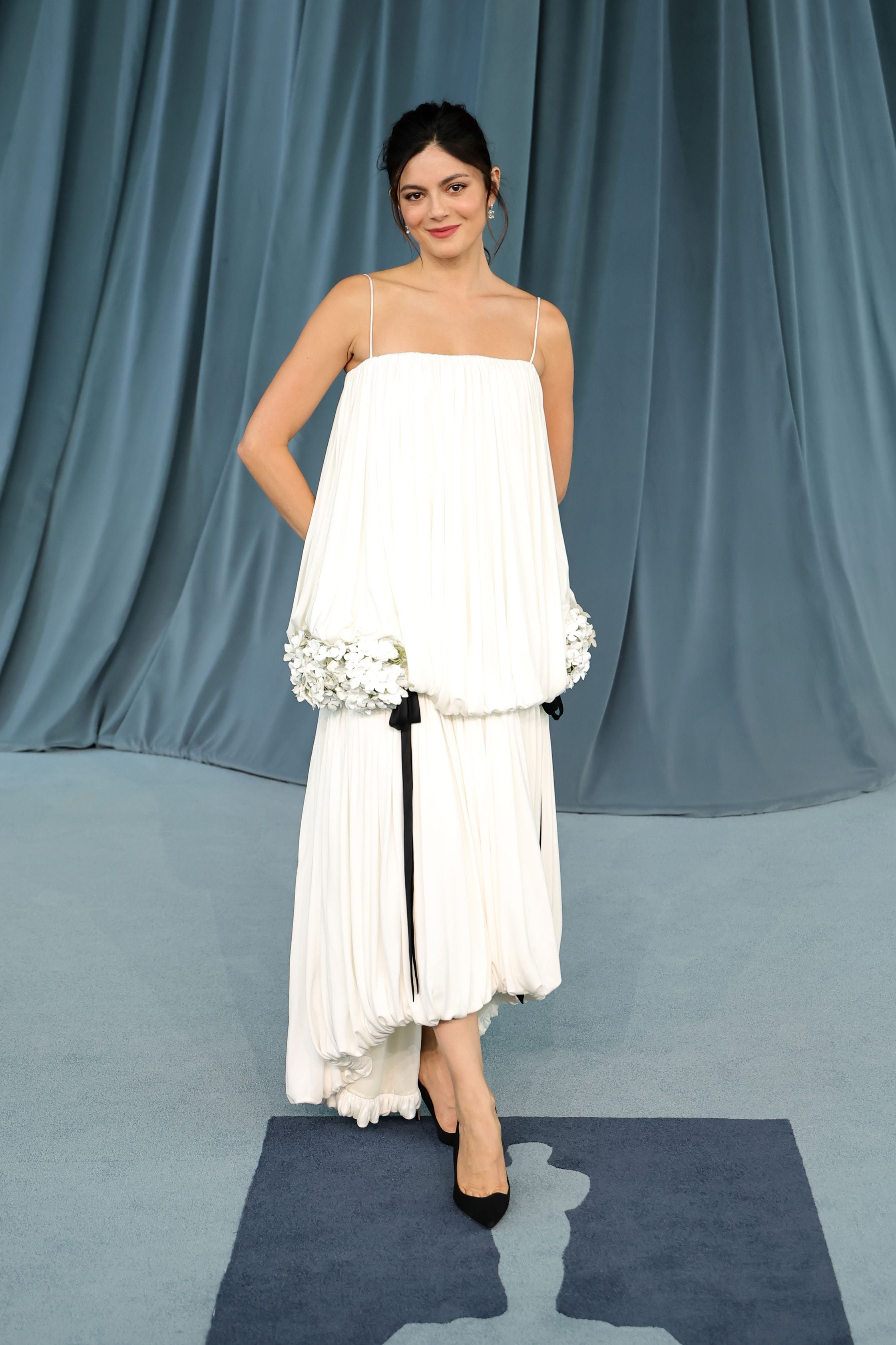
“I love to play dress up. I take red carpets as an opportunity to play, in whatever way feels fitting for the project I'm promoting,” she told the U.S. edition of 'Vogue.' In the image, Monica Barbaro wears a striking white gown from Jonathan Anderson’s new era at Dior.
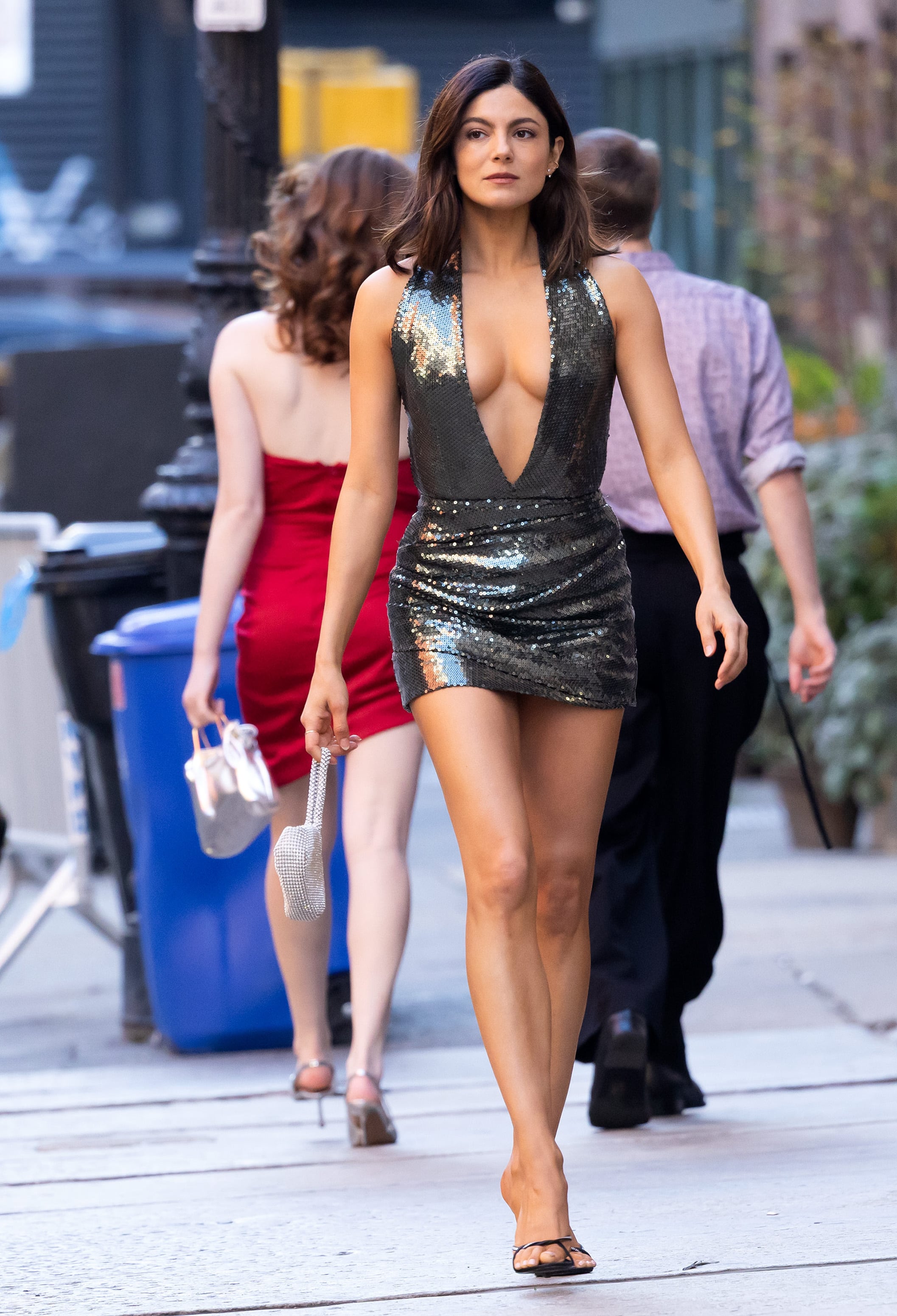
Precisamente en el rodaje de la cinta fue fotografiada luciendo un atrevido minivestido de lentejuelas color esmeralda de Alex Perry con muchas papeletas para convertirse en uno de los más icónicos de su trabajo en pantalla.
The actress has developed a close relationship with Dior, one of her preferred labels for red carpets and high-profile events. Naturally, she is also a regular guest at the fashion house’s runway shows. For the brand’s Autumn/Winter 2024-25 presentation, she chose this striking white dress, a look that neatly encapsulates her style duality: sensual and romantic in equal measure.
She promised a radical new technology—bloodwork performed in a countertop-sized machine from a single droplet taken from your finger. She was young, photogenic, and self-possessed; she dressed like Steve Jobs. Her invention would disrupt the $60 billion bloodwork industry, bringing cheap, frictionless health monitoring to the masses. Or it would have, if it worked. Holmes was convicted of defrauding investors of nearly $500 million; she's currently serving an 11-year prison sentence. Holmes has been written about extensively, and her story was turned into an Emmy-winning Hulu series starring Amanda Seyfried. She is an avatar of Big Tech mendacity, a cautionary tale as much as a person.
Everyone knows the story. You would think there is nothing left to say. But you'd be wrong.
Just before she entered prison, Holmes invited documentarians Nathan Fielder and Lance Oppenheim to live with her, her boyfriend Billy Evans, and their two young children in their beachfront San Diego rental unit, promising them full access, complete transparency. The result is this year's most entrancing documentary, You Can See Everything. When the camera captures Billy in the shower, the movie delivers on its titular promise; you, uh, really can see everything.
Yet what you cannot see is who Holmes really is. The mystery of the era's most famous fraudster is the movie's central riddle: Is she cynical, calculating, a stone-cold liar and psychopath? Or is she something stranger—a damaged and delicate person who genuinely believes her lies, or at the very least, genuinely believes the stories she tells herself to justify those lies after the fact?
Fielder and Holmes seem uncertain themselves; the movie is, in part, their own attempt to wrestle with their own ambivalence, their own inability to come to a conclusion. It's a hall of mirrors about the infinite unknowability of a person, even given unfettered access.
The documentarians do not absolve her of her villainy; the movie is not an attempt to excuse her fraud or build a case for her innocence. But they offer something exceptionally rare in this era of simplistic hero and villain narratives: genuine and deeply felt empathy for someone on whom the culture (not to mention the legal system) has cast final judgment. In the process, they have given us one of the strangest, most unsettling, and most poignant films of the year. You Can See Everything is a small miracle of a movie.
It's sometimes said that the most compelling villains don't believe themselves to be villains. They have an internally coherent story to tell that excuses their actions, makes them the heroes in their own minds. Fielder and Oppenheim have given Holmes, and viewers, the gift of allowing Holmes a measure of psychological complexity. You don't see into her mind, because that's impossible. But you see that the story she tells herself is different from the story the world tells us about her. It's surprisingly kind and generous; it's also tricky as hell—to the point where you, the viewer, might wonder if you're the one being tricked.
Halfway through, the movie takes a meta-turn that I won't spoil, entering into high-concept territory in an attempt to more deeply explore what art and images can reveal about a human psyche. It's formally audacious, often funny, and actually justifies the three-hour running time. I've never seen anything quite like it.
The exercise left me just as unsettled as the documentarians seem to be themselves; uncertain about Holmes and her motives, and nearly as uncertain about Fielder and Oppenheim, two talented filmmakers who appear to be questioning not only the nature of their chosen form, but of reality, especially psychological reality, themselves. There are times when You Can See Everything borders on magical realism, except the magic comes from the complexity of human nature and storytelling, as if Gabriel García Márquez had written a story about a man with a camera that could see into souls. It's dizzying, dazzling, a sort of postmodern Rashomon of perspective shifting.
As I left the theater, in something of a daze, I found myself thinking of a line from the great Saul Bellow novel The Adventures of Augie March, "Nobody should be a mystery intentionally. Unintentionally is mysterious enough." In the case of Holmes, it's impossible to tell which it is. All we can say is this supposedly one-note Big Tech villain, like perhaps everyone, is better understood as some kind of mystery, even to herself.
American audiences will be able to watch an English-dubbed version of “Ramayana,” a Hindi film based on a South Asian epic tradition, in theaters in November 2026. The Sanskrit “Ramayana,” or “Journey of Rama,” is an epic poem that was composed sometime between 400 BCE and 400 CE. The epic follows Rama, an exiled prince […]
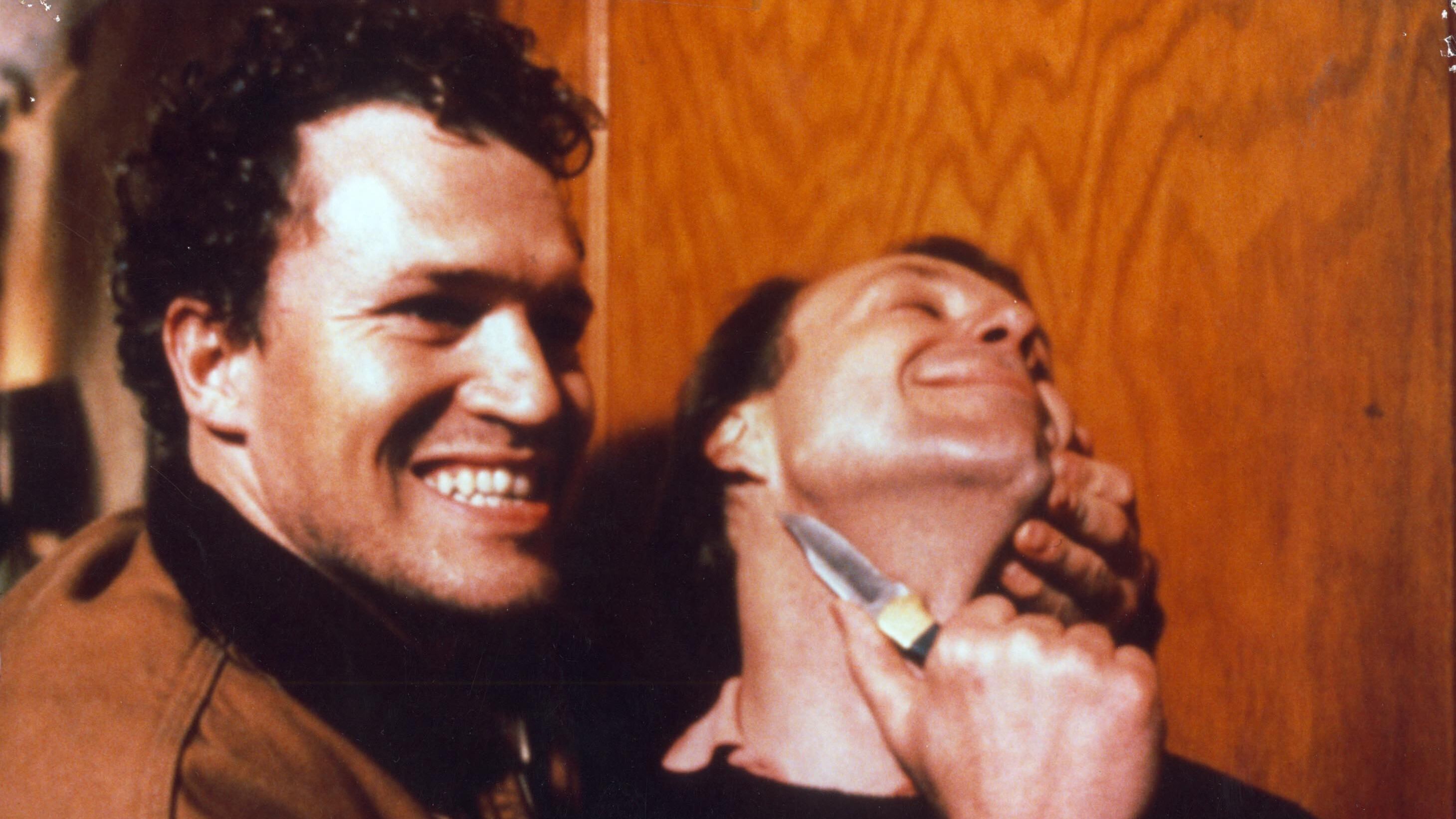
“This is a very disturb¬ ing movie, made by some pretty disturbed people.” That was how Chris Carlo, owner of one of the first theaters to screen Henry: Portrait of a Serial Killer in 1990, described John McNaughton’s feature debut. Made four years earlier, the film had become a cult classic before it ever reached a movie theater. Carlo programmed it for midnight screenings where audience members often walked out, unable to endure its violence.
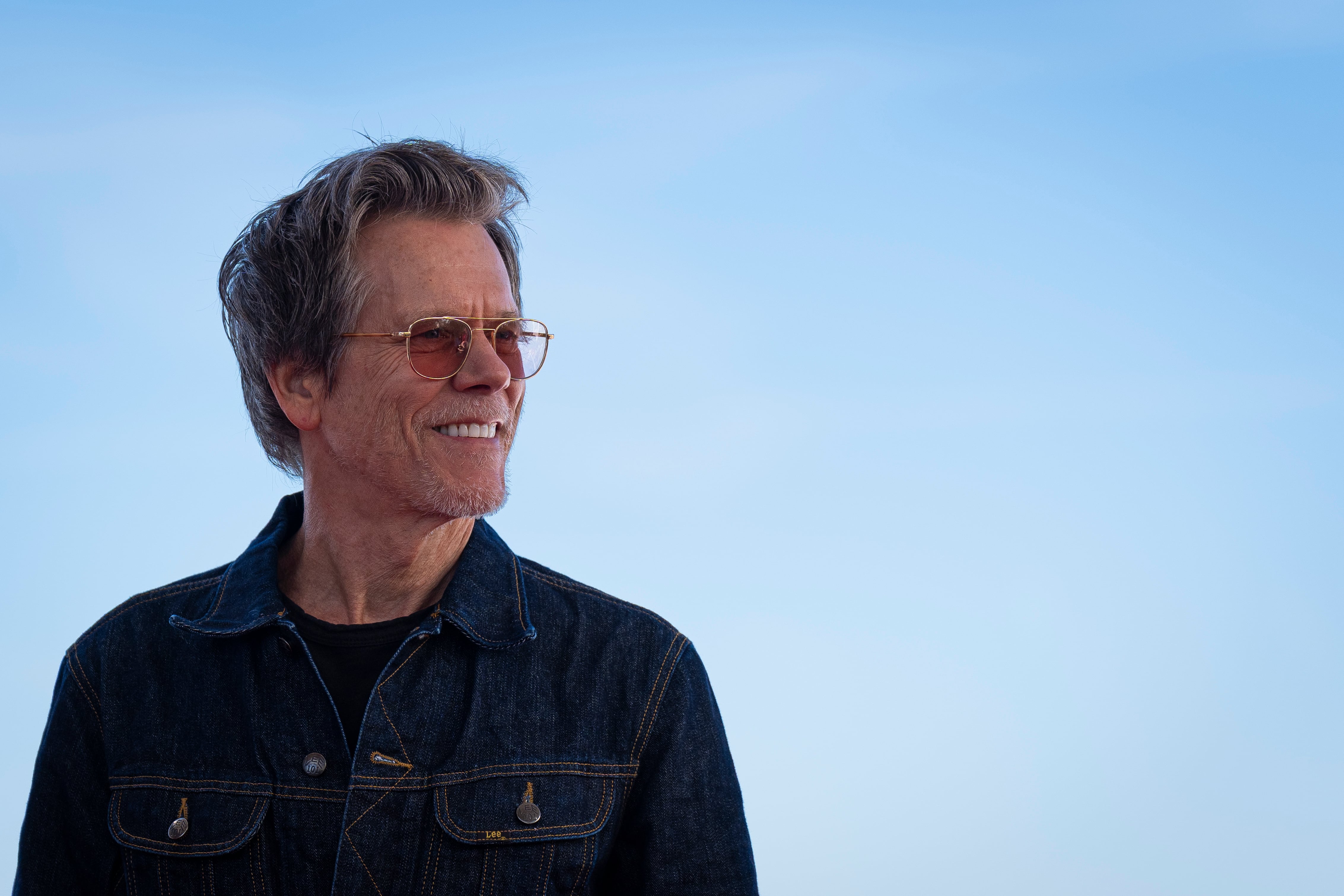
Although they lost almost all their savings in Bernie Madoff’s multibillion-dollar Ponzi scheme, the marriage of Kevin Bacon, 68, and Kyra Sedgwick, 61, who have been together for 38 years, survived with their New York apartment and their farm in Connecticut intact. It was there that the pandemic lockdown found them, and there that they hatched a film together, with the help of their two children, who came from the West Coast: Travis, a composer drafted into acting by the demands of the script, and Sosie, who has already established herself as a film and television actress.
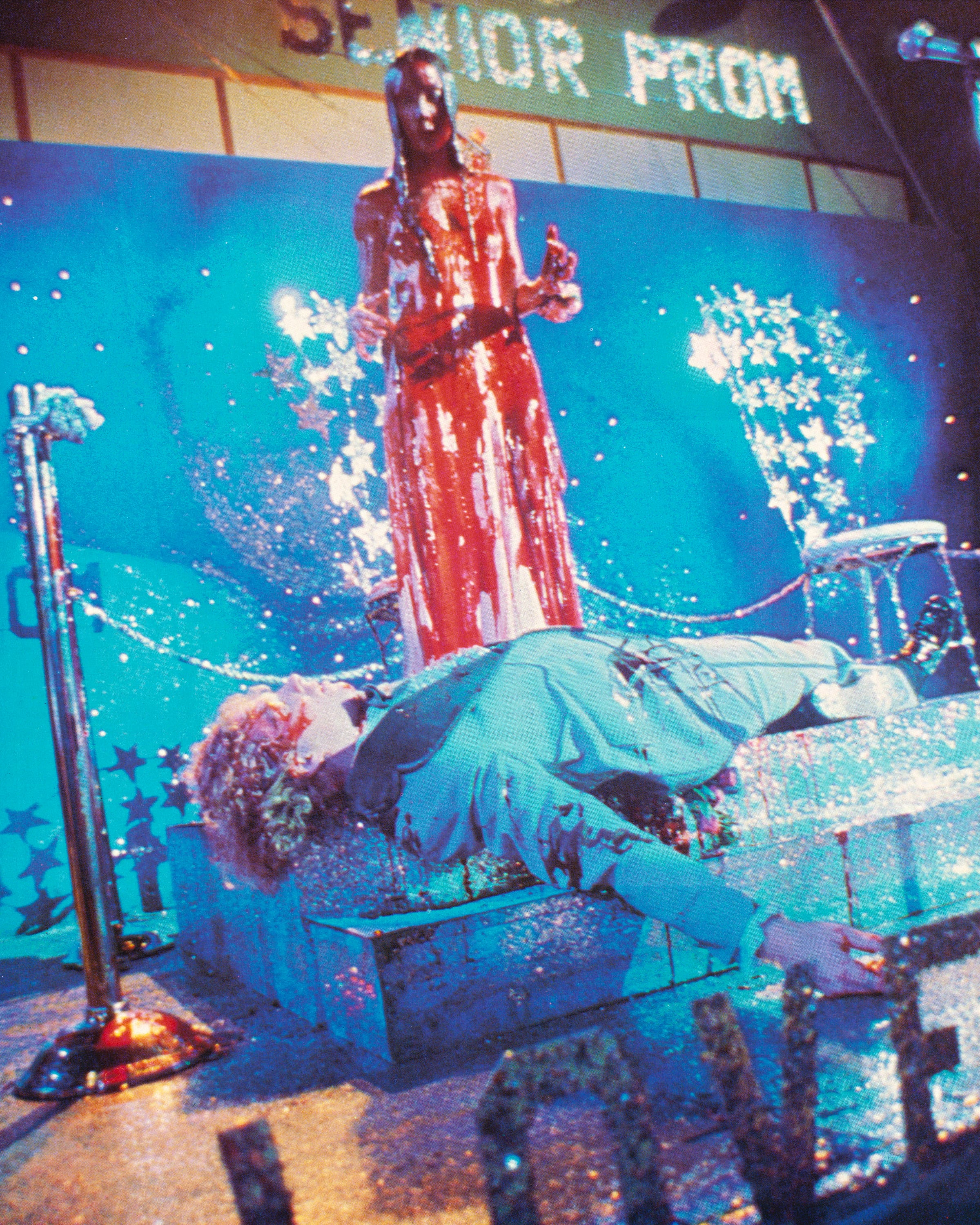
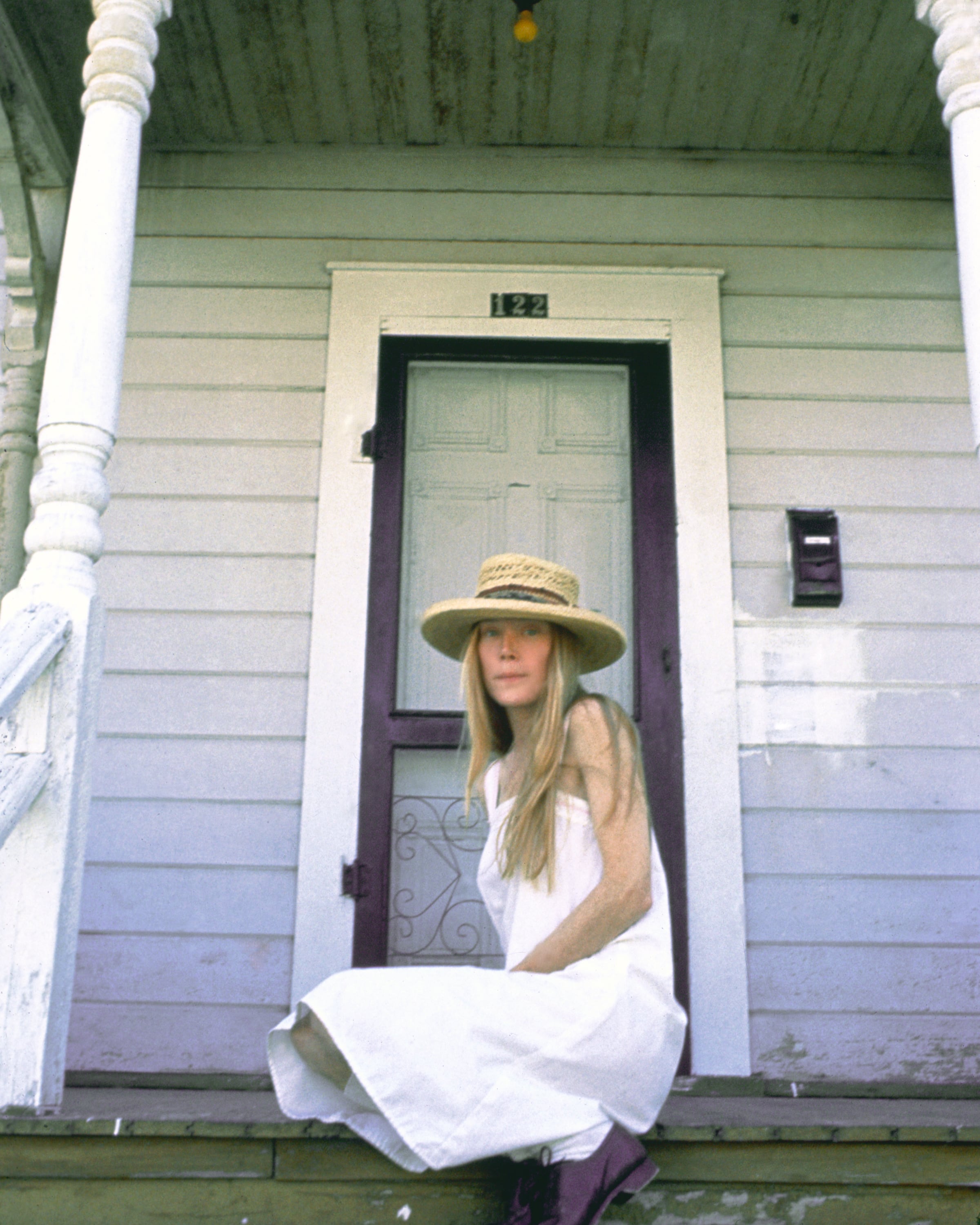
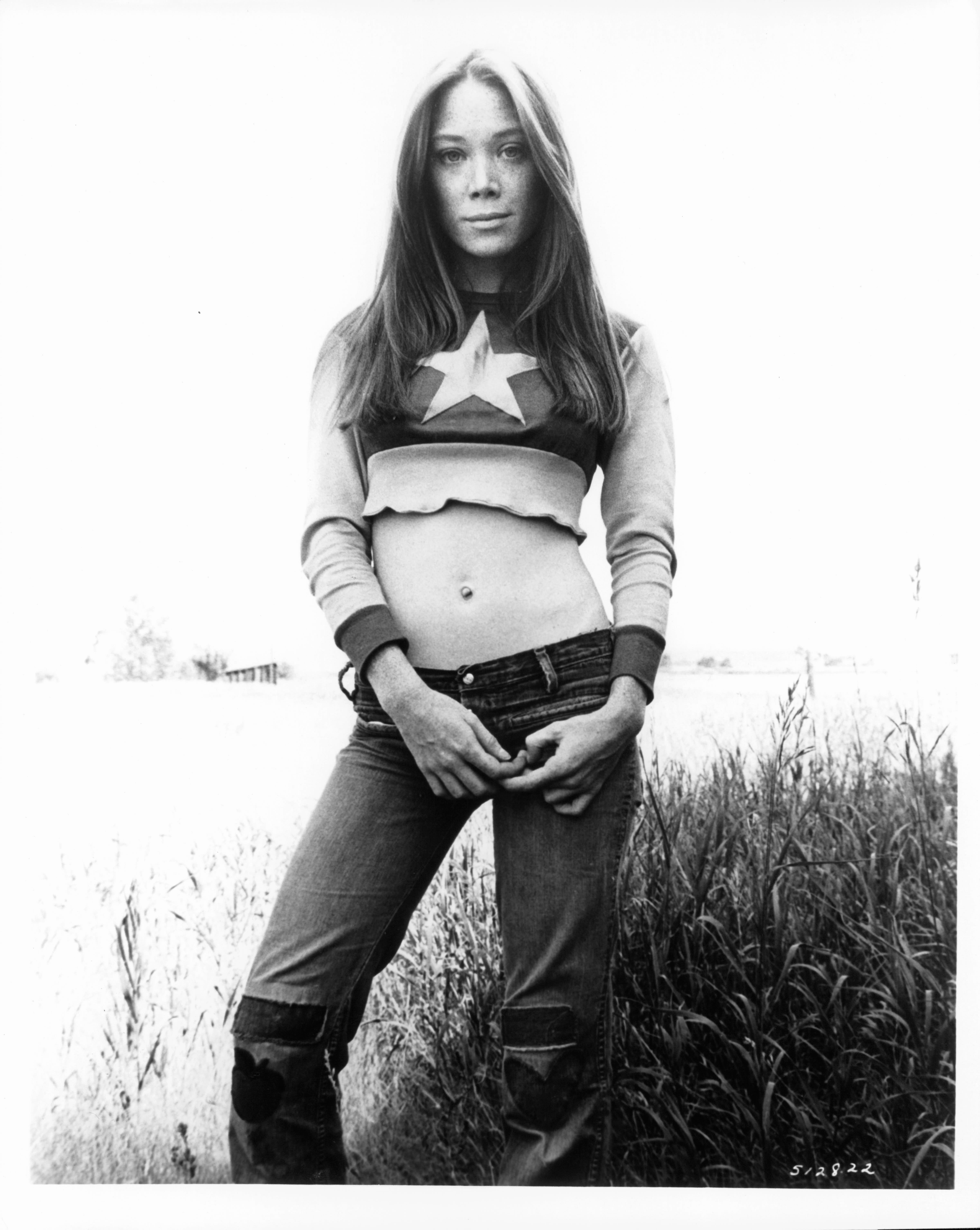
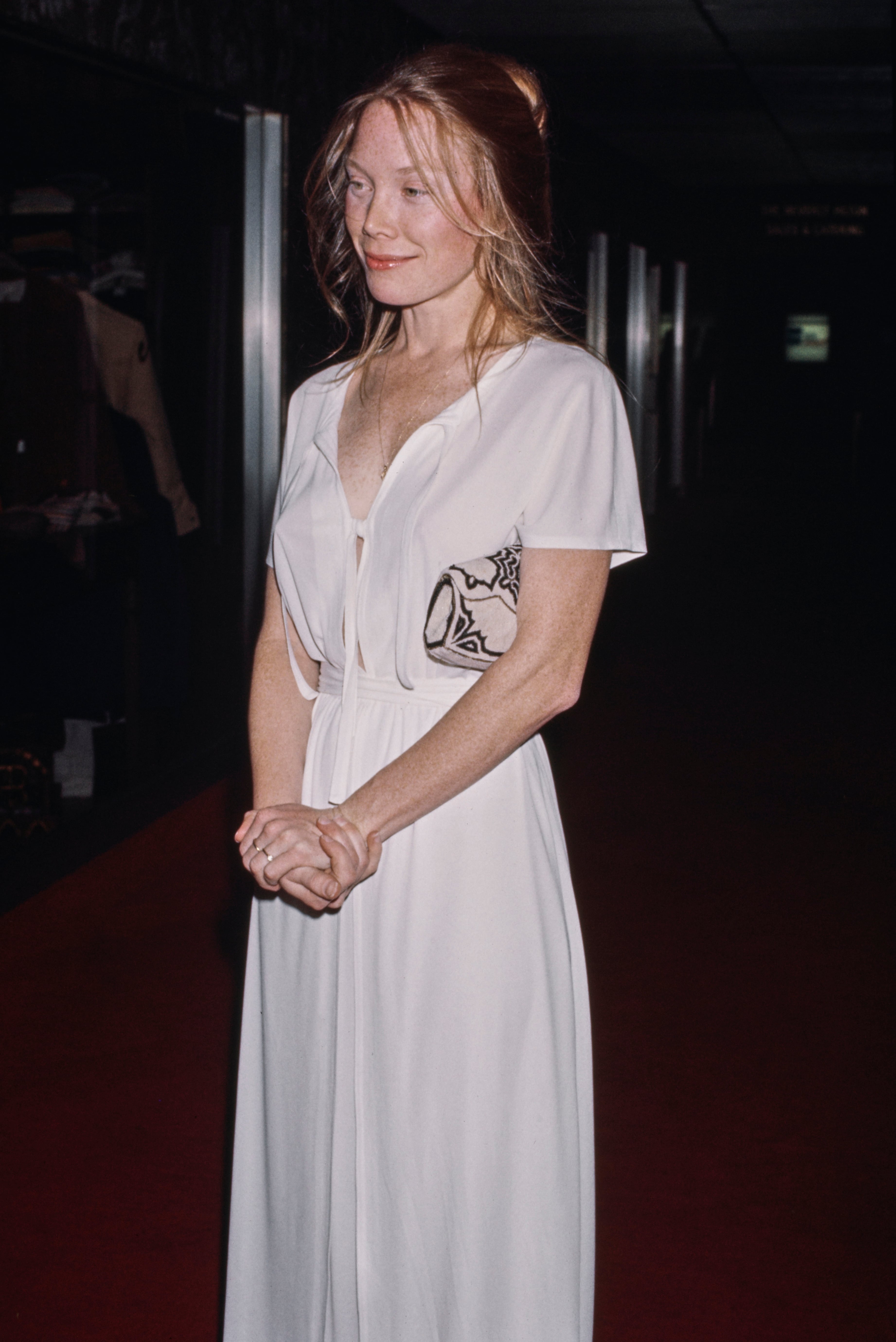
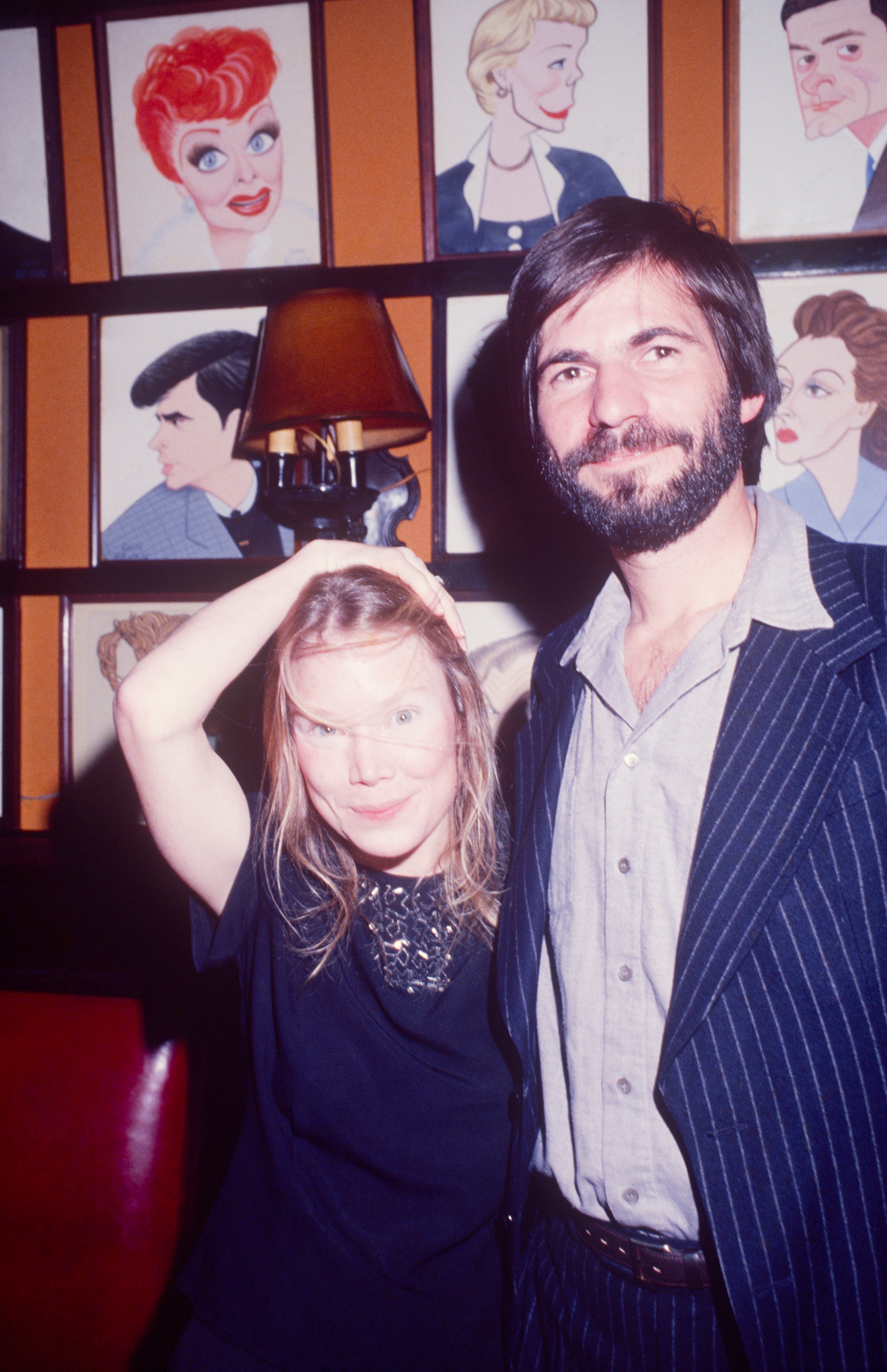
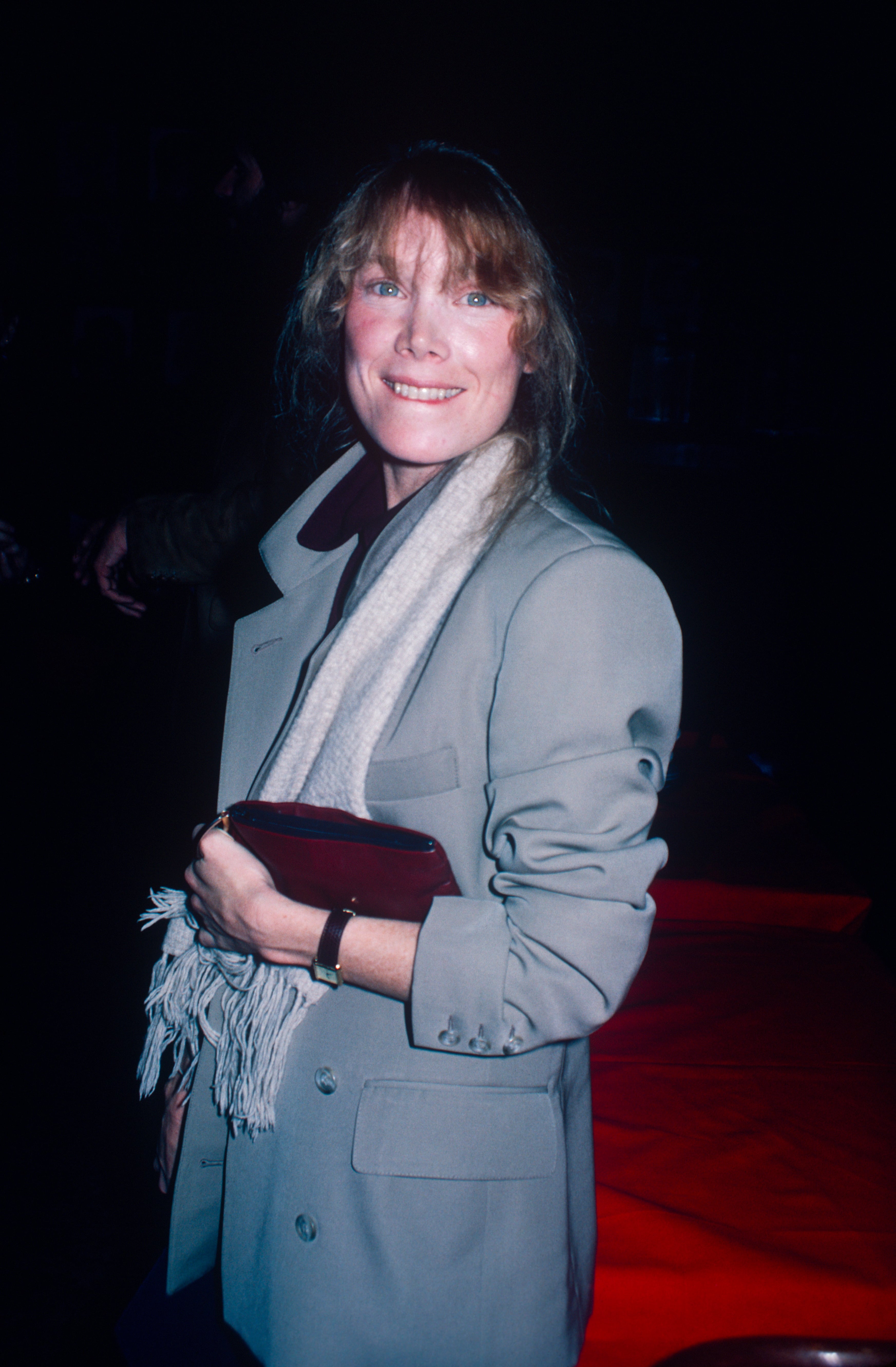
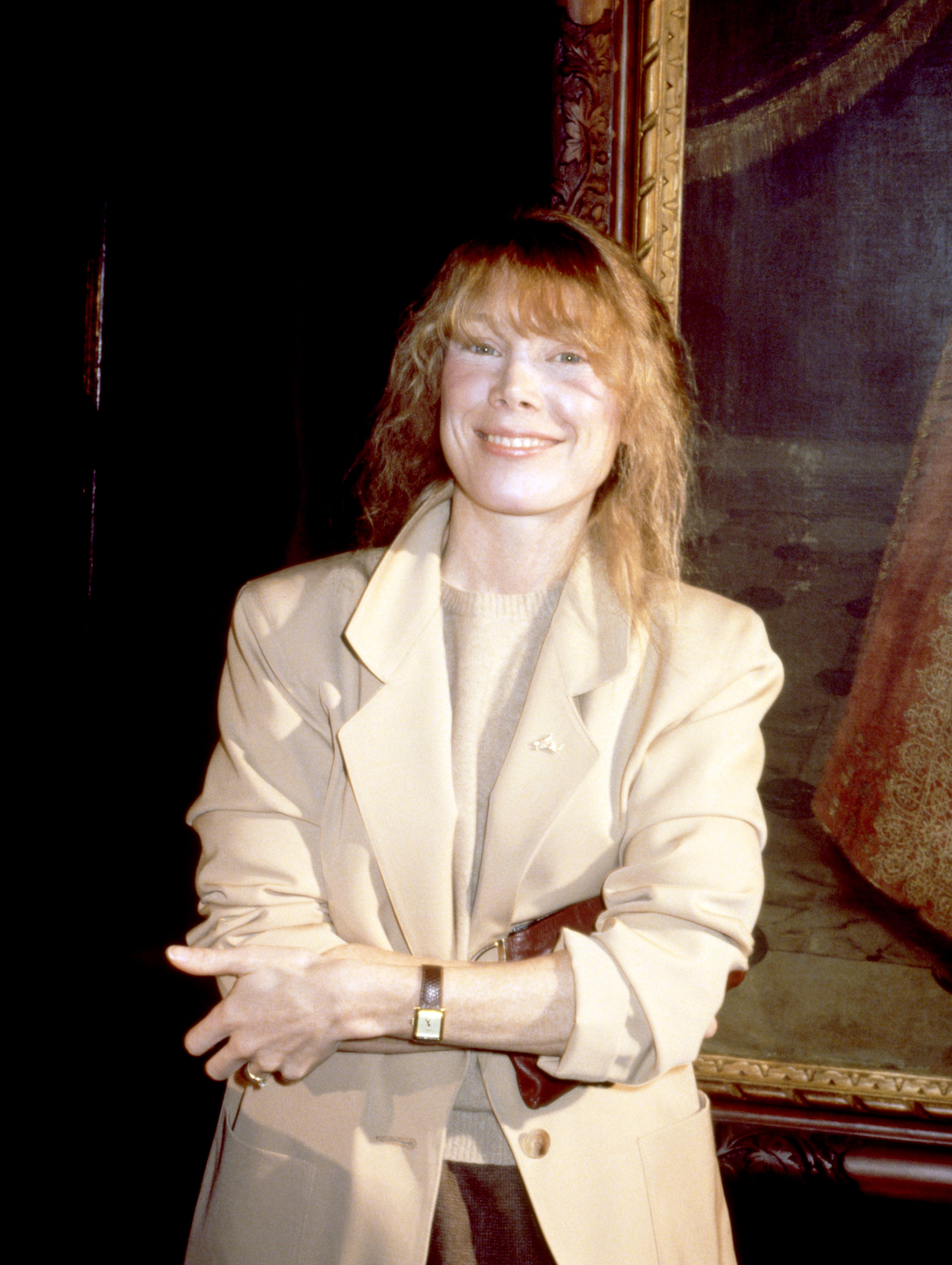
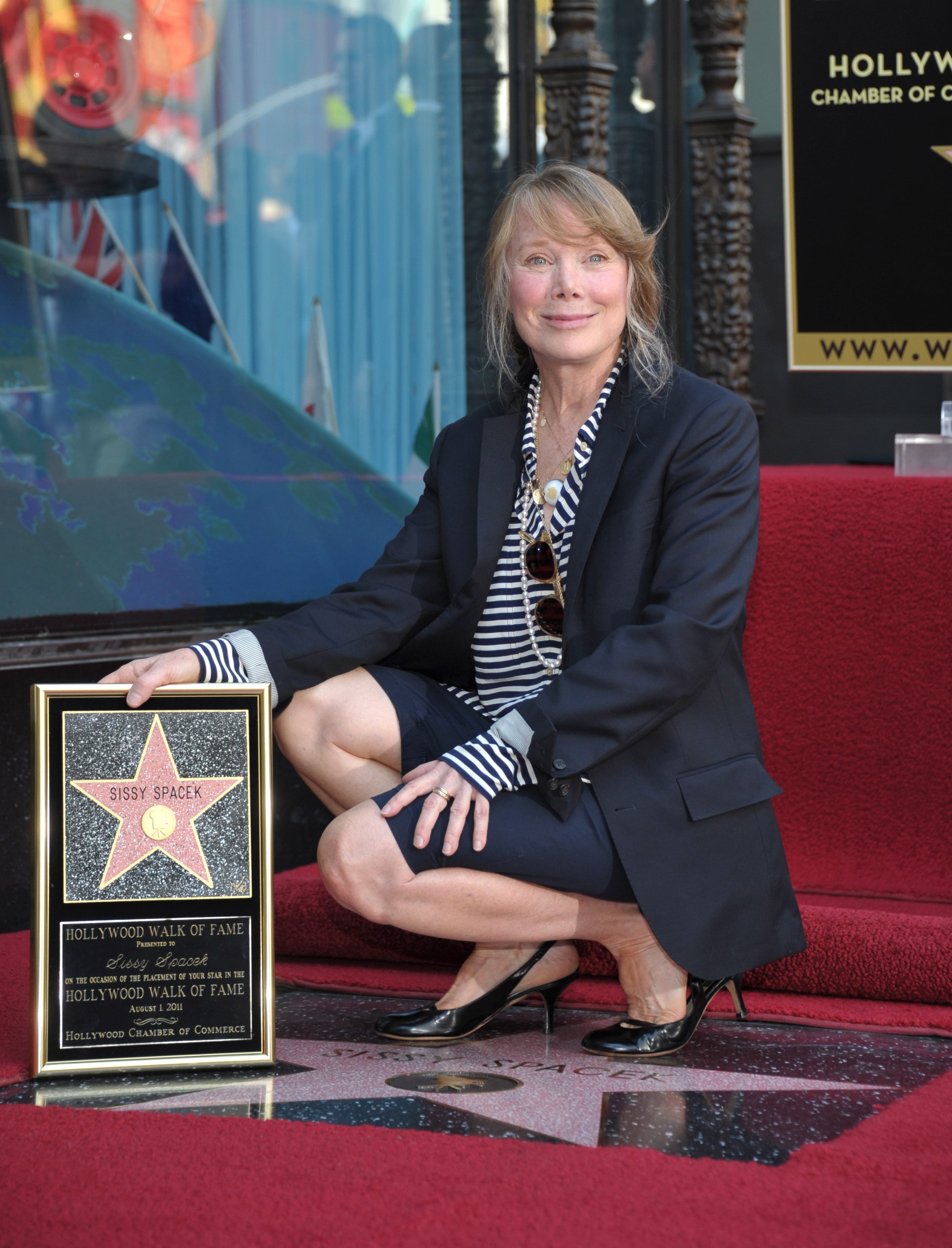
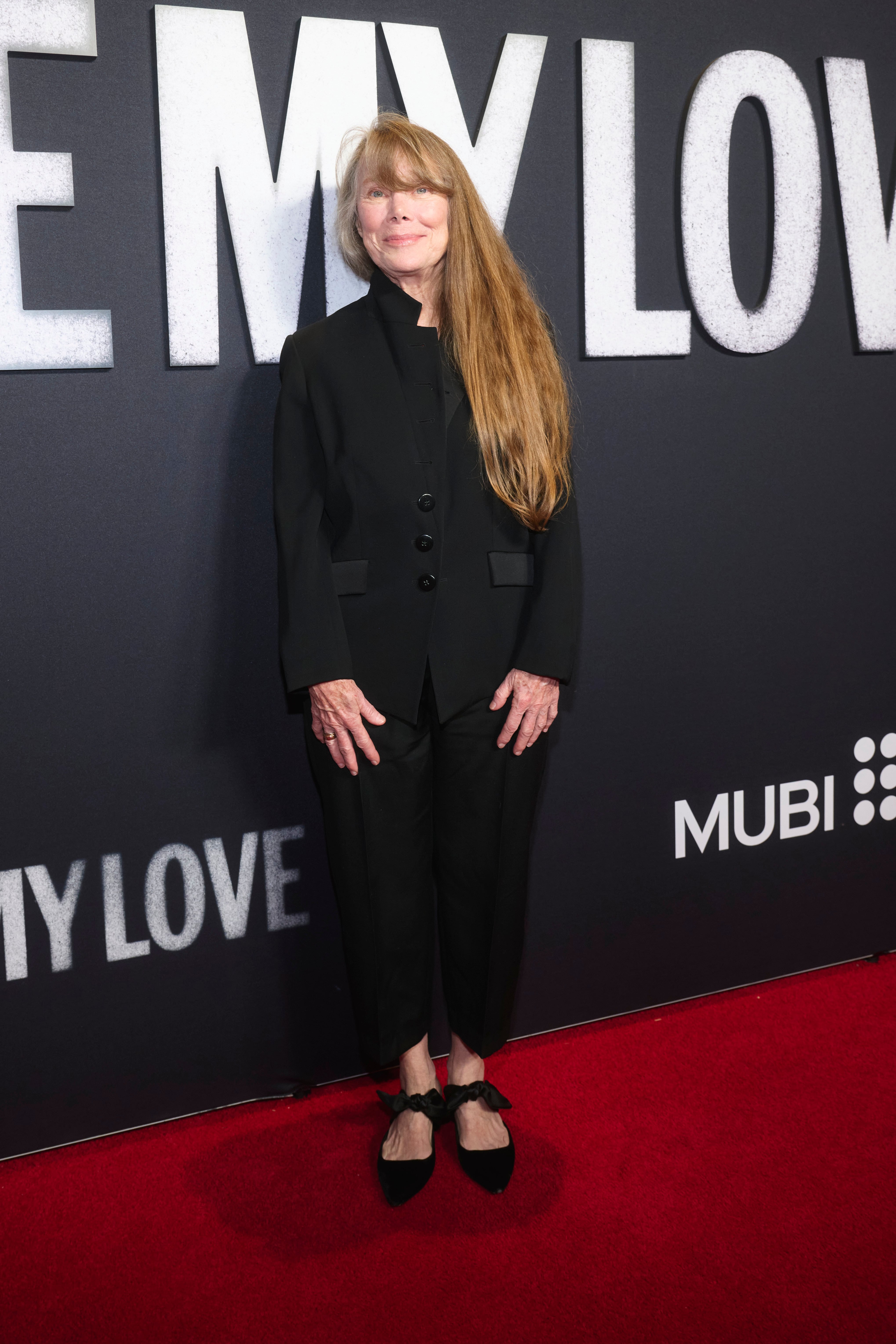
Fifty years later, Carrie White is returning to American high schools. Prime Video’s new series revisits the bullied teenager who became one of horror’s defining figures, first in Stephen King’s novel and later in Brian De Palma’s 1976 adaptation. But there is one image that remains impossible to escape: Sissy Spacek, drenched in blood, staring directly into the camera after unleashing her telekinetic powers. For several generations, the role has been synonymous with Spacek. Now, as a new actress takes on Carrie, we look back at what became of the 76-year-old performer who brought to life some of the most memorable characters of 1970s and 1980s cinema.
Spacek was 26 when Brian De Palma cast her as a high school student in 'Carrie.' The film changed her career forever, earned her first Oscar nomination and secured her a place in the cultural imagination that remains remarkably intact 50 years after its release. The actress says that teenagers still approach her today to show off tattoos of the outcast heroine. Incidentally, unlike Carrie, Spacek was her high school’s prom queen.
Born Mary Elizabeth in a small rural town in Texas, Spacek acquired the nickname “Sissy” from her two older brothers, a name by which she would eventually become known around the world. Following the death of one of them, she left home one summer for New York with an actor cousin in an attempt to escape the family tragedy. She abandoned plans to attend college and, under the stage name Rainbo, tried to make it as a folk singer in late-1960s Manhattan. It didn’t work out. Her record label dropped her, and Spacek decided to enroll in acting school instead.
Terrence Malick’s cult classic 'Badlands' marked Spacek’s first leading role in a feature film and became her breakthrough. She played a teenage girl who runs away with a rebellious young man she has just met, played by Martin Sheen, and becomes a fugitive after her father rejects the relationship. The film won the Golden Shell at the San Sebastián International Film Festival, and Spacek, who had been studying acting for only a matter of months, emerged as an unlikely Hollywood star: an anti-diva whose red hair, freckles, diminutive stature and youthful appearance set her apart from the era’s conventional screen icons.
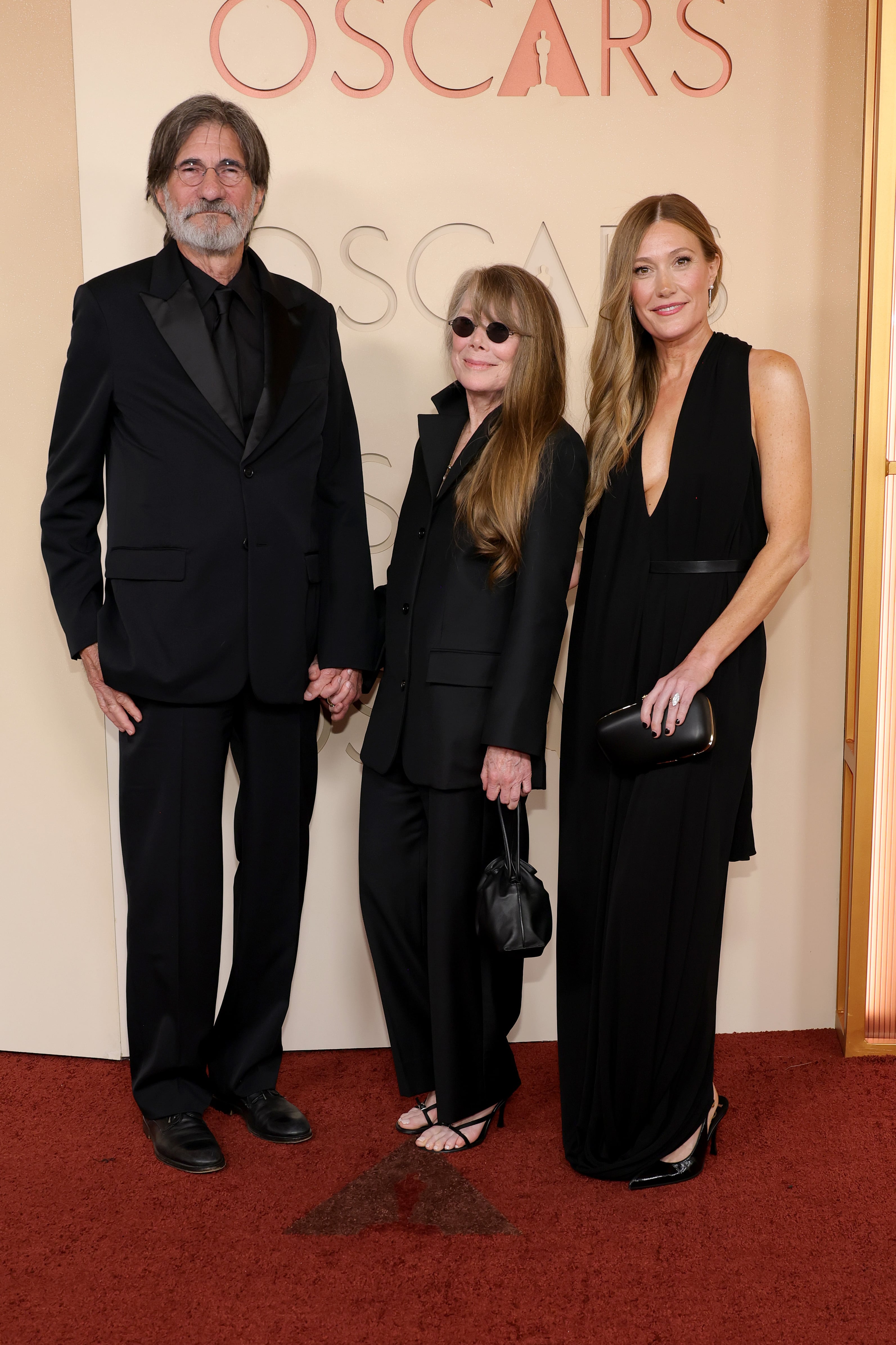
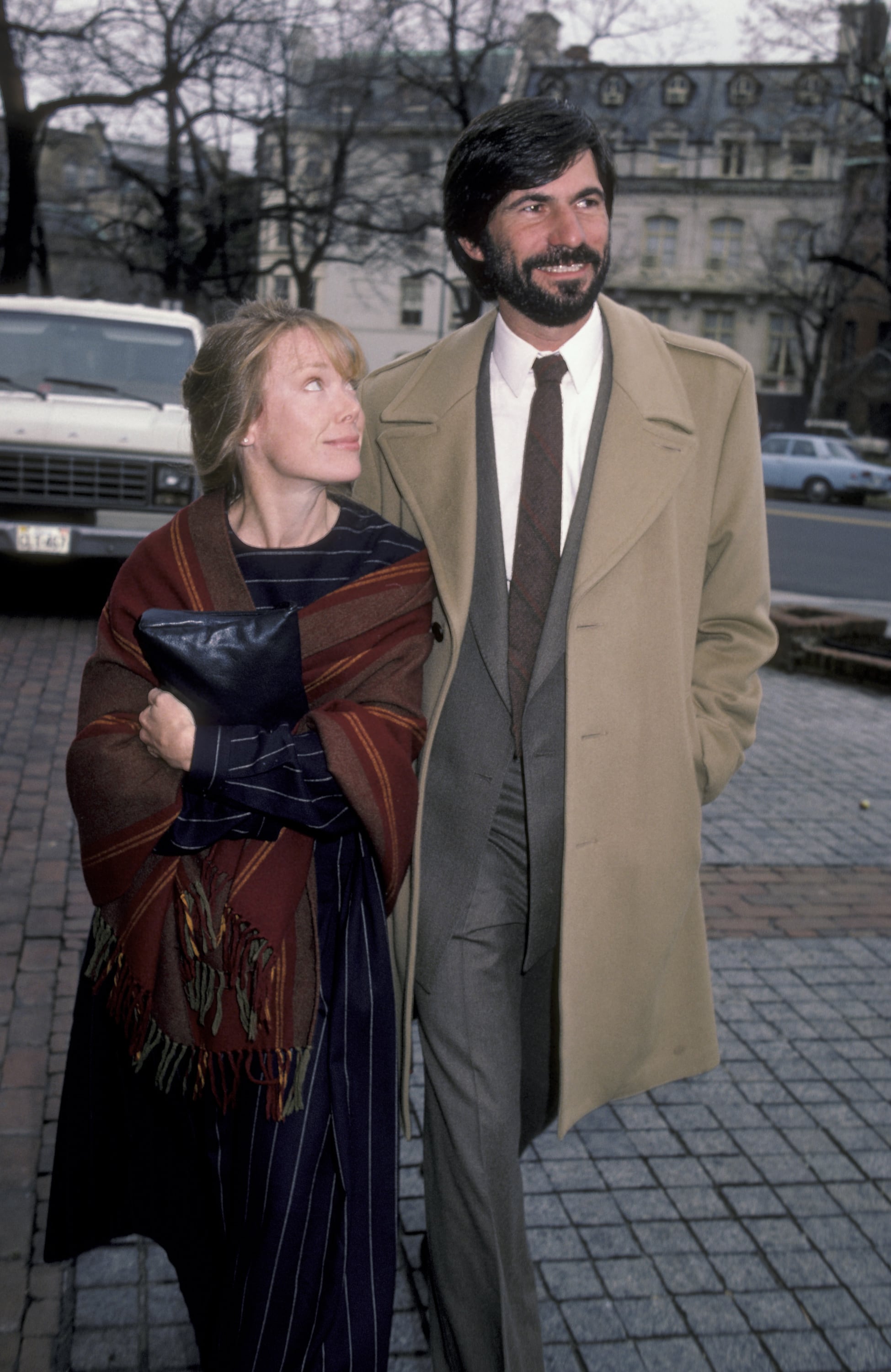
The film also changed her life in another way: it was on the set that she met the love of her life, production designer Jack Fisk. After first crossing paths in 1972, the two married a couple of years later and have now been together for half a century, making them one of Hollywood’s longest-lasting couples. They have two daughters, Schuyler and Madison, and both remain active in the industry. Fisk's recent production design credits include 'Marty Supreme,' 'The Revenant' and 'Killers of the Flower Moon.'
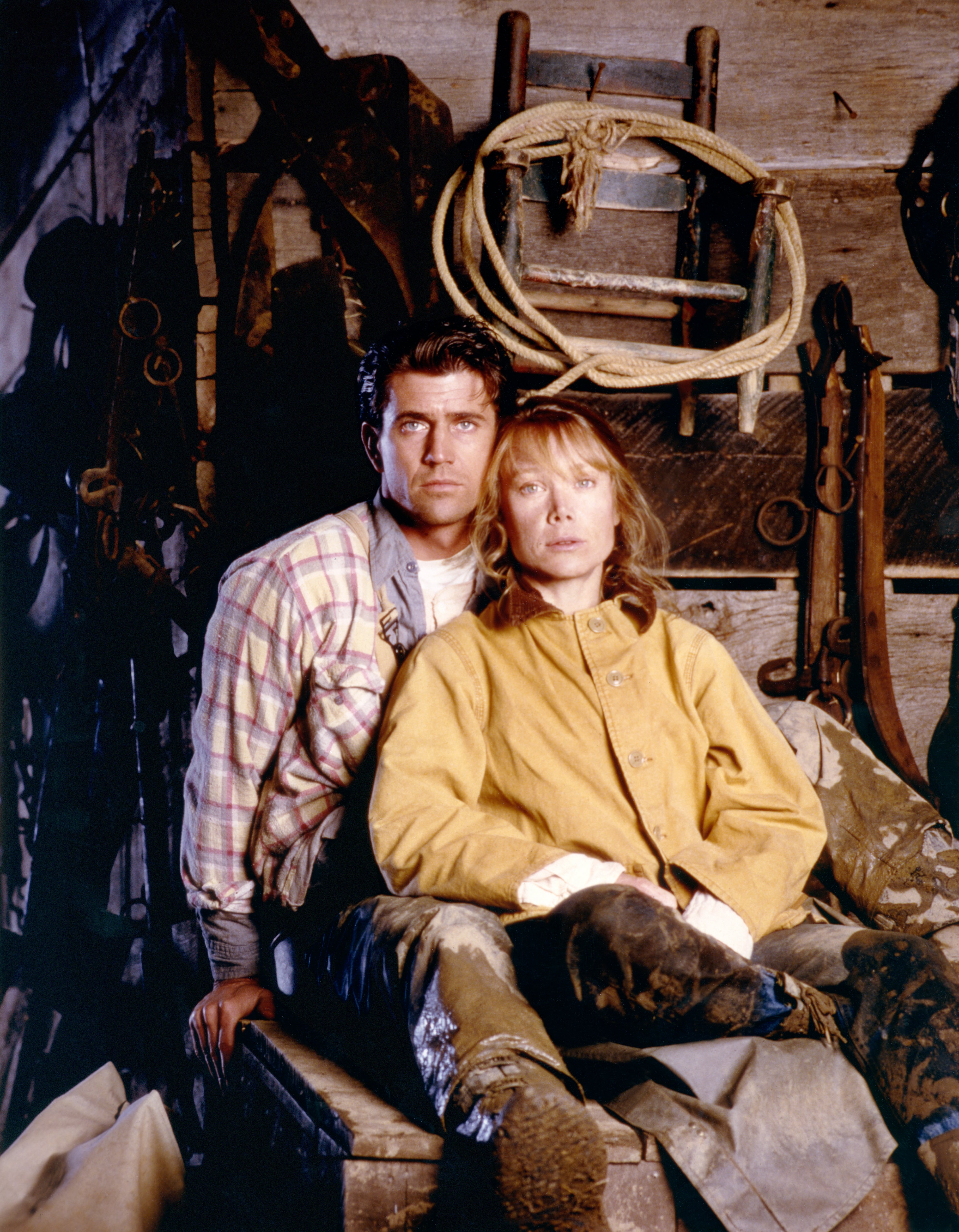
Spacek became one of the defining stars of the New Hollywood era, a movement heavily influenced by the French New Wave and Italian neorealism. Beginning in 1977, the Texas-born actress received five Oscar nominations in less than a decade. Among her most memorable performances from that era are 'Missing,' directed by Costa-Gavras; 'The River,' opposite Mel Gibson; and 'Crimes of the Heart,' alongside Jessica Lange and Diane Keaton.
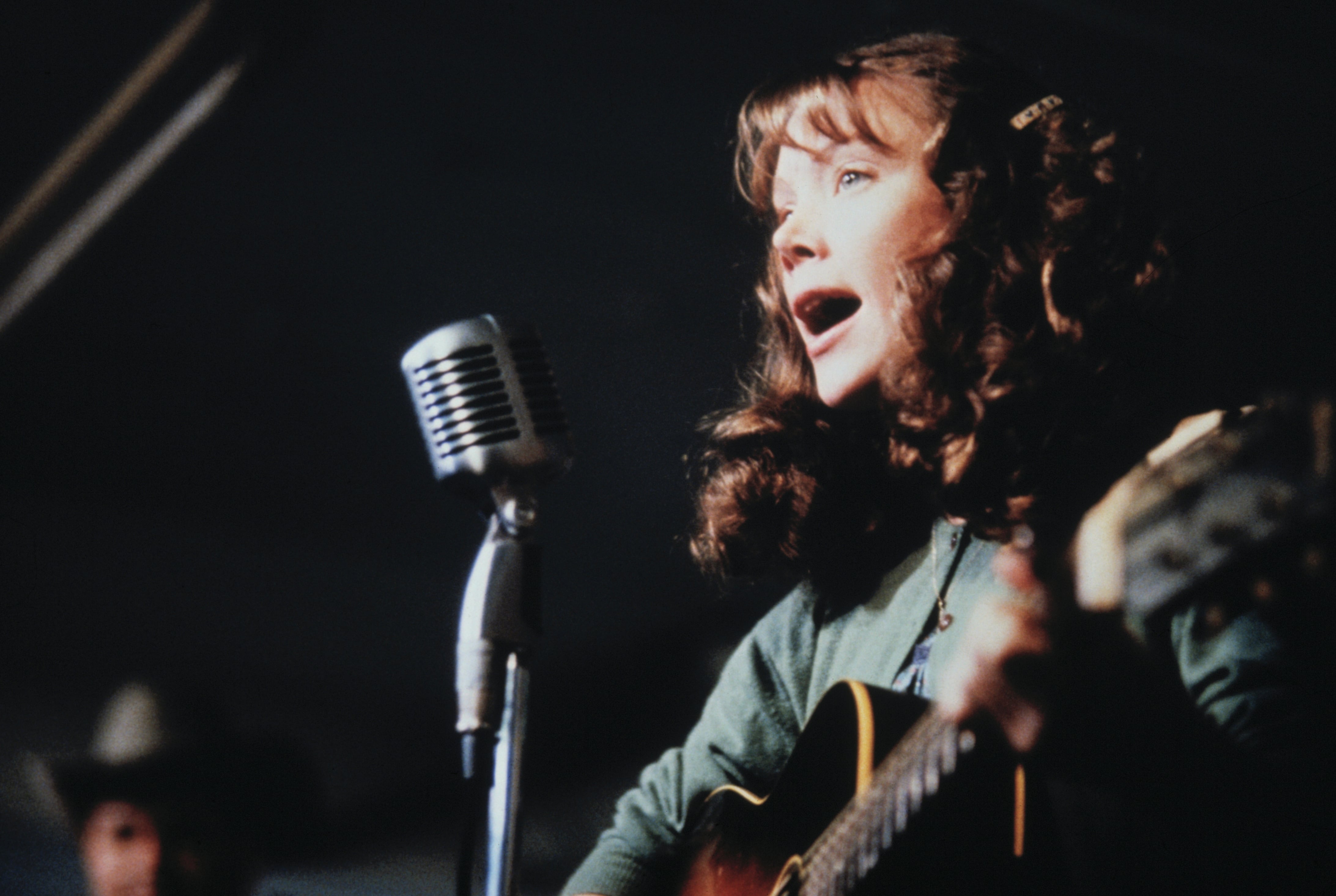
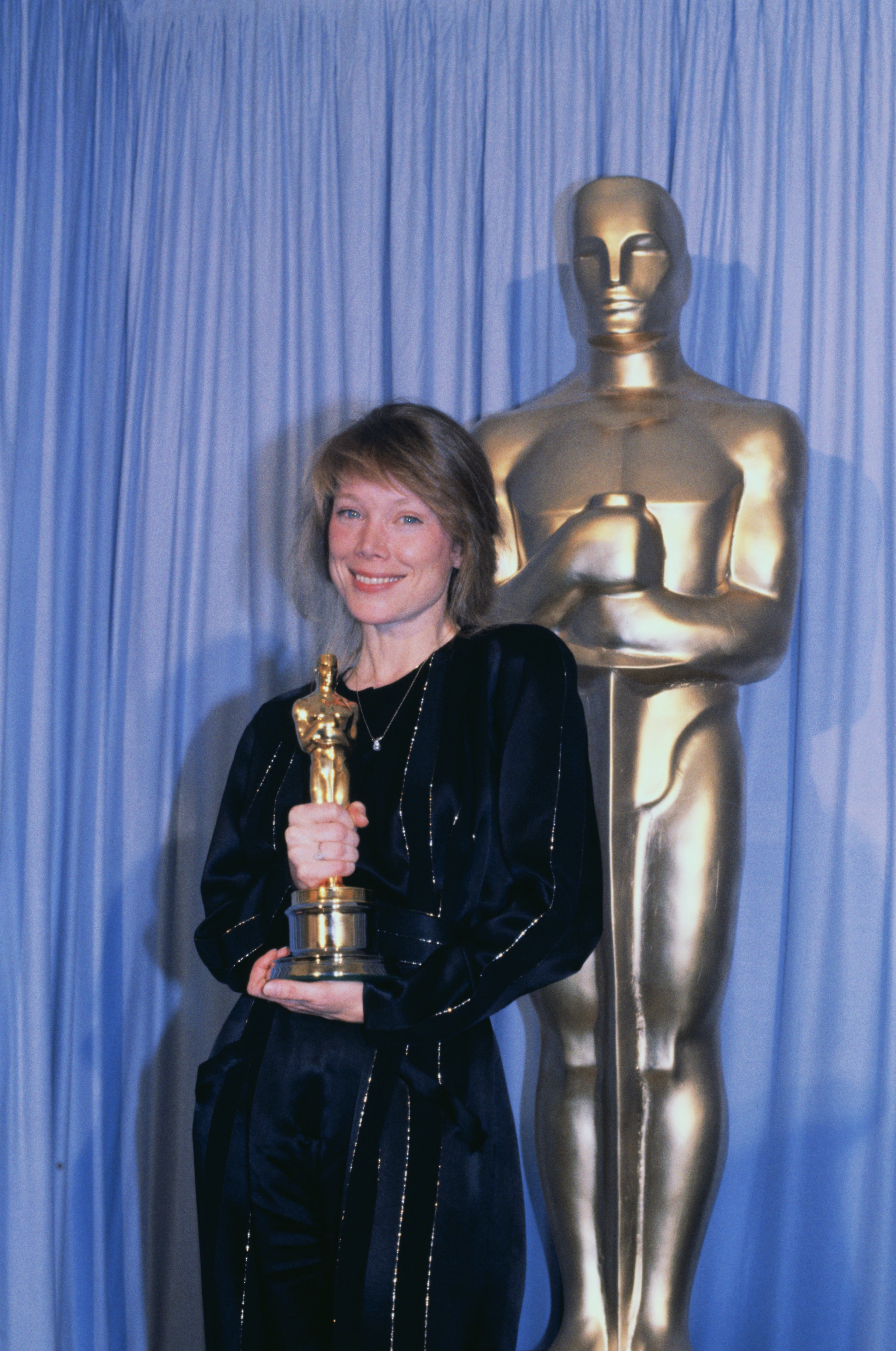
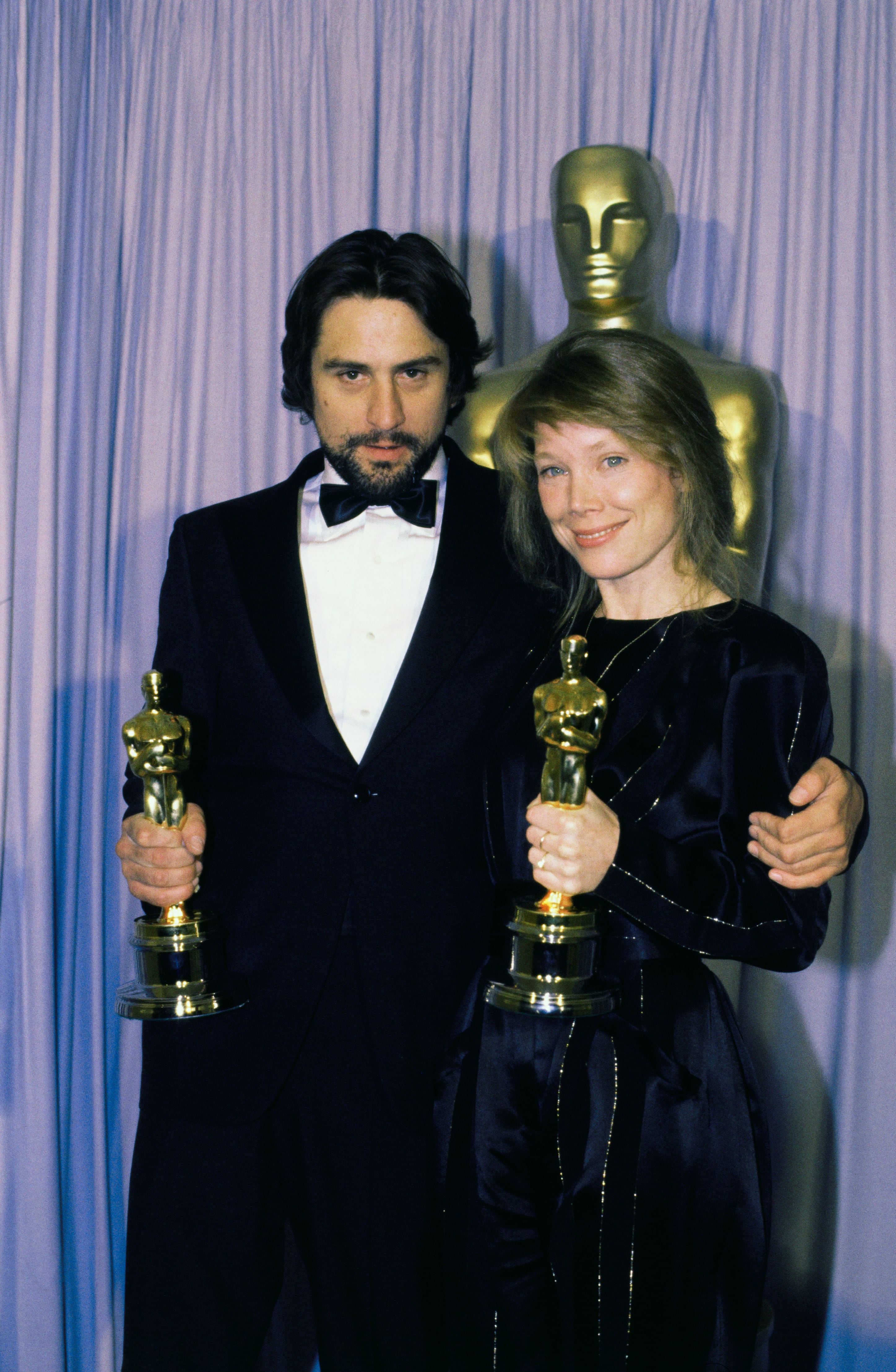
Spacek won her first and only Oscar in 1981 for 'Coal Miner’s Daughter,' the biopic of country singer Loretta Lynn. Lynn had risen from humble beginnings in rural Kentucky, marrying at 13 and becoming a mother of four before the age of 20. In a twist of fate, when Spacek was trying to launch a music career years earlier, a record label turned her down because her voice sounded too much like that of another artist on its roster: Loretta Lynn. That very similarity would later help earn her an Academy Award. Spacek performed all of the songs in the film herself and even received a Grammy nomination for her work.
The greatest tragedy of Spacek’s life came when she was just 17. Her brother Robert, only a few months older than she was, died of leukemia. Spacek was just beginning to work at the time and, despite the devastation, managed to turn that trauma into a source of strength throughout her career.
Spacek and Fisk married in Santa Monica in a ceremony so private that their dog was their only witness, and so informal that both wore jeans. The actress credits the longevity of their relationship to the constant collaboration between them.
At the height of their fame, Spacek and Fisk left Hollywood behind and moved to a farm in rural Virginia, determined to raise their daughters away from red carpets and the glare of the spotlight. There, they raised horses and grew their own vegetables, while Spacek returned to acting only for roles that truly resonated with her. In 2001, she earned a sixth Oscar nomination for her performance in 'In the Bedroom.'
Their daughters have followed their parents into the film industry as well. Schuyler Fisk became an actress and, while she never came close to matching her mother’s level of fame, she has enjoyed a steady career in American television and film. Madison, meanwhile, learned the ropes from her father and has worked in the art department on a number of feature films, following in his footsteps as a production designer.
One of the best-known stories from 1970s Hollywood is how Spacek landed the role of Carrie. As close friends, George Lucas and Brian De Palma held joint auditions for their next projects, 'Star Wars' and 'Carrie,' respectively. Spacek auditioned for Lucas’s film, while Carrie Fisher also took part in casting sessions connected to the horror movie. In the end, the roles found their way to the actresses who would make them iconic: Fisher as Princess Leia and Spacek as Carrie White.
Spacek’s performance left such a deep mark on popular culture that screenwriter and producer Mike Flanagan, who is once again adapting 'Carrie' for Prime Video, has said it was the biggest hurdle in casting the role anew. According to Flanagan, most of the 1,400 actresses who auditioned for the series arrived trying to imitate Spacek’s iconic performance. The part ultimately went to Summer H. Howell, whose reinterpretation of Carrie has drawn widespread praise from critics.
Although she was never associated with method acting in the way her contemporary Robert De Niro was, Spacek’s approach to her craft also relied on total immersion in her characters. For '’night, Mother,' in which she played a daughter struggling with suicidal thoughts, she would spend weeks inhabiting a deeply depressed emotional state until filming wrapped. It was none other than Jack Lemmon who warned her that if she remained so committed to despair, she might end up being consumed by it herself.
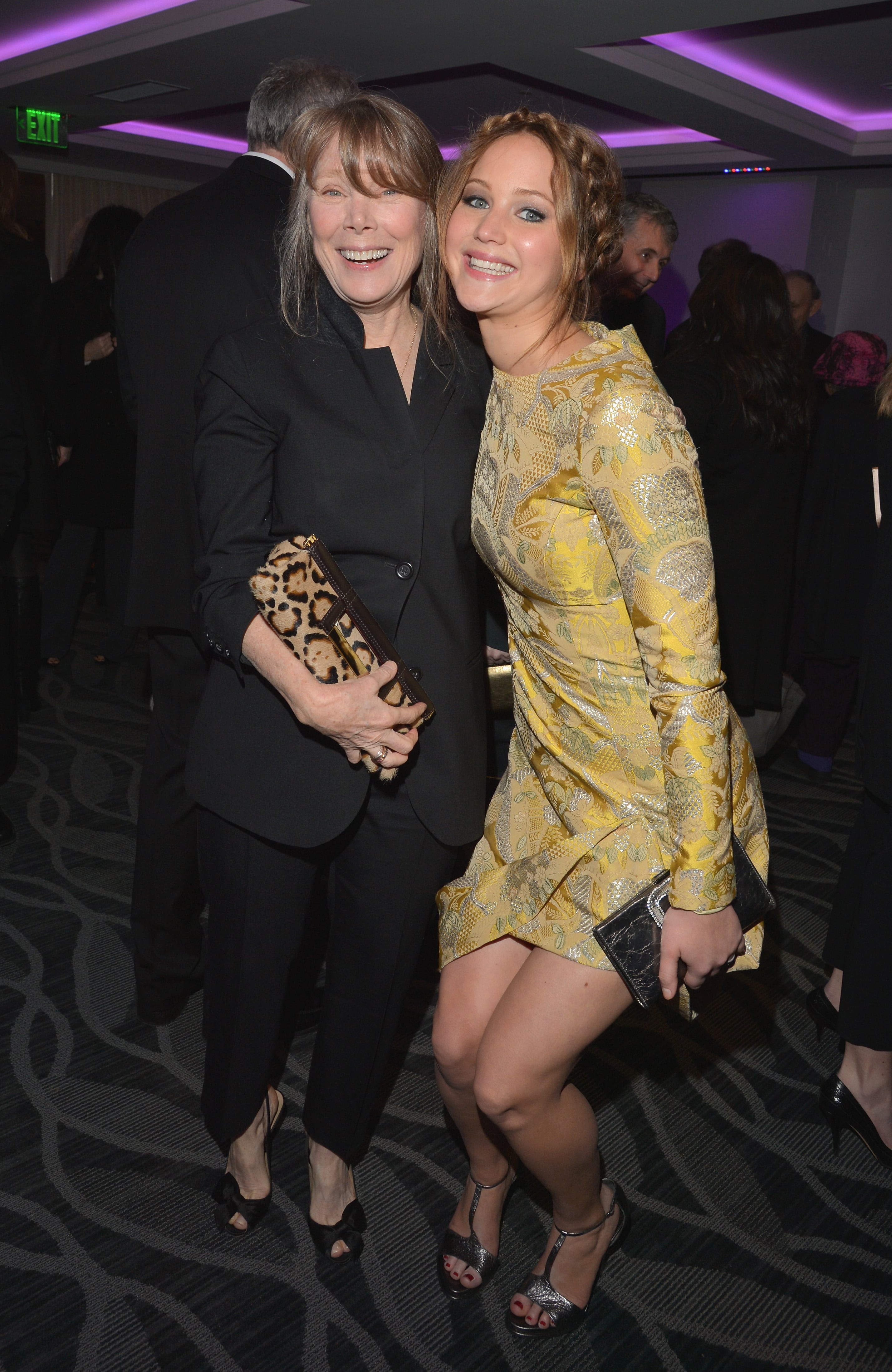
Jennifer Lawrence, Jessica Chastain and Emma Stone — whom Spacek once advised never to hide her freckles on screen again — are among the younger generation of stars who have publicly expressed their admiration for the 76-year-old actress. Stone, who also worked with Spacek on 'The Help,' has reunited with the veteran actress for 'The Catch,' the new film directed by Stone’s husband, Dave McCary.
At 76, Spacek appears to have settled on a definition of happiness far less ambitious than the one Hollywood usually sells. In a 2022 interview with 'Esquire,' when asked how she managed to remain so upbeat, she said happiness is overrated and that we need to be content and simply be.
When motherhood came calling, Spacek had little doubt about what should take priority. She even turned down the role that would eventually go to Debra Winger in 'Terms of Endearment' because she did not want to be separated from her daughter Schuyler, who was only a few months old.
Em uma carta conjunta divulgada neste sábado (10) pela revista Variety, 58 membros brasileiros da Academia de Artes e Ciências Cinematográficas, responsável pelo Oscar, entre eles o ator Wagner Moura, os cineastas Kleber Mendonça Filho, Fernando Meirelles e o produtor Rodrigo Teixeira, se dizem preocupados com os possíveis desdobramentos do segundo turno das eleições presidenciais no Brasil.
O texto cita propostas de Flávio Bolsonaro (PL) de reescrever a Constituição, o desmonte da cultura sob o governo de seu pai, Jair Bolsonaro, que foi condenado por tentativa de golpe de Estado. Aborda ainda o caso, revelado pela Folha, da criptomoeda B22, que oferecia tokens a quem divulgasse conteúdos que incentivassem o voto em Flávio e dizia destinar parte dos recursos a crianças de Uganda.
Artistas temem retrocessos na cultura
“Sob a administração anterior, a indústria audiovisual brasileira sofreu com o fechamento do Ministério da Cultura, a suspensão do Fundo do Setor Audiovisual, o enfraquecimento das instituições culturais e as acusações de censura. Tememos um retorno a esse cenário”, diz o texto. “Proteger a liberdade de expressão e garantir a sustentabilidade a longo prazo da indústria audiovisual brasileira são inseparáveis da defesa da democracia.”
Menciona ainda os planos do governo de Donald Trump de enviar US$ 1 milhão para financiar grupos contrários ao STF, noticiados pelo The Guardian, sob a acusação de que a corte extrapola as atribuições judiciais e impõe censura no Brasil.
Carta pede atenção internacional às eleições
A carta, assinada também por nomes como Alice Braga, Anna Muylaert, Daniel Filho, Lais Bodanzky, Lucy Barreto, Sônia Braga e outros, pede maior atenção internacional ao pleito no país.
“Consideramos os acontecimentos no Brasil como parte de um padrão mais amplo de suposta interferência eleitoral em toda a América Latina. A defesa da democracia brasileira deve, portanto, depender não apenas do povo brasileiro, por meio de eleições livres, justas e transparentes, mas também da vigilância e do engajamento da comunidade internacional.”
Eva Marie Saint, one of the last great actresses from Alfred Hitchcock’s universe, died on Tuesday, October 6 at her home in Los Angeles, family representatives said. She was 102.
He had a solution for everything. There was no problem he couldn’t tackle. Whether it was forcing open a lock by melting ice, building a defibrillator out of two candlesticks and a microphone cable, making a bomb with a stick of chewing gum or defusing one with a paper clip. He could even stop a sulfuric acid leak with milk chocolate bars. As a popular Spanish saying inspired by the character goes: “You’re more dangerous than MacGyver in a hardware store.”
“He’s here, he’s there, he’s every fucking where: Roy Kent, Roy Kent!” chants the loyal Richmond crowd in tribute to the captain of the struggling English football club at the heart of the TV series Ted Lasso. It seemed almost prophetic of what awaited Brett Goldstein, the 46-year-old actor who plays the gruff Kent. Since joining the hit Apple TV comedy’s main cast, having originally been hired only as a writer, he has gone from being virtually unknown outside the United Kingdom to starring in a romantic comedy with Jennifer Lopez, appearing alongside Harrison Ford in a television series, and becoming Marvel’s new Hercules.
Tom Cruise's new climate film Digger is turning into the "biggest flop of his career" and could lose $150m in a "historic disaster", leading Warner Bros to try a bold new marketing strategy: implying Americans are dumb.
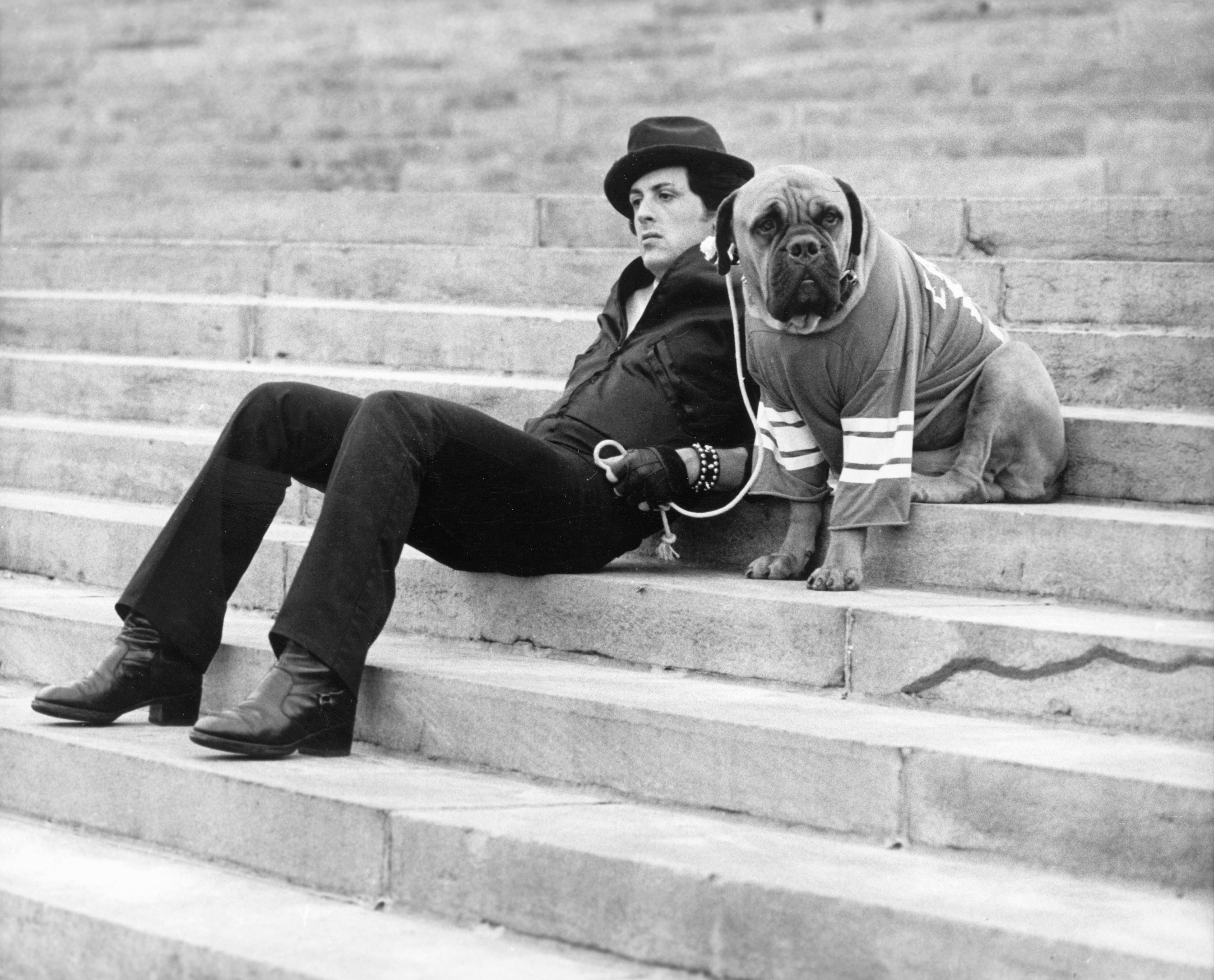
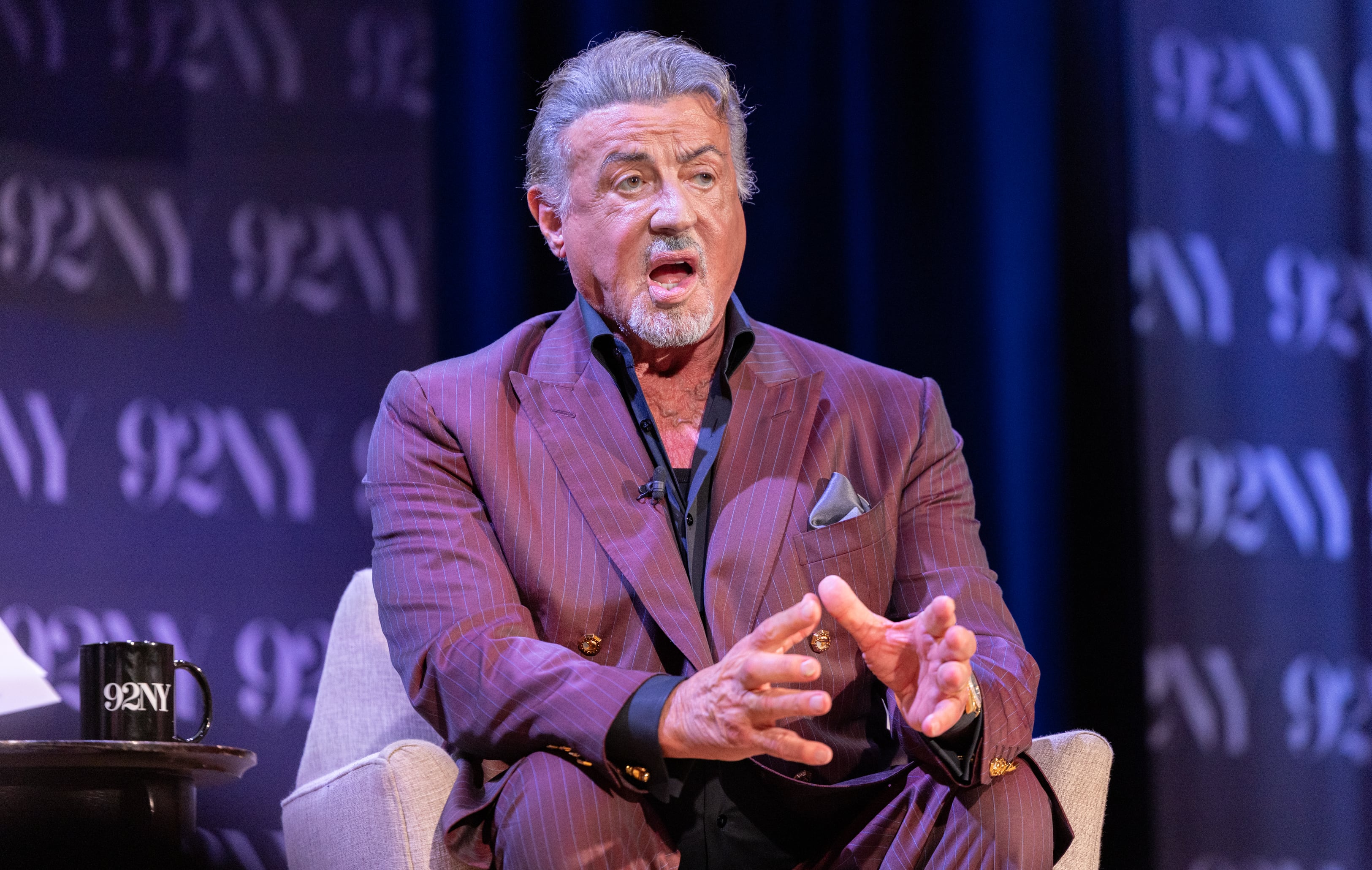
It is Sylvester Stallone’s fourth interview of the day. Is he tired of talking yet? “No, because this is the first one about my memoirs,” he replies from a hotel room in New York, his hometown, overlooking Central Park, where he is meeting with EL PAÍS.
There is a generation of filmviewers that cannot separate Vincent Cassel, 59, from the 1995 movie La Haine (Hate), where he dominated the screen. Although more than three decades have passed, Mathieu Kassovitz’s film was already exposing the seams of modern France. A Jewish kid from the Parisian suburbs, inflamed by frustration, resentment, the poison of social exclusion, a constant sense of injustice and a desire for revenge after a friend gets killed by the police. Vince, but also Saïd and Hubert, his closest friends, formed a trio that would be unlikely today in the banlieues of the Paris periphery. An Arab, a Black man and a Jew united by that prescient smell of fracture, exclusion and identity conflicts that began to feed the hatred and stoke the fire of the far right.
Production: Nono Vázquez. Photography assistants: Emilio Azevedo and Adrián Wong. Production assistants: Laura Gimenez and Isabel Orozco. Makeup and hair: Anne Bochon. Movement direction: Pauline Gudet. Video: Daniele Vaia. Studio: Paul Le Cacheux Photographer.
Lili Reinhart isn’t interested in being a celebrity… and the 30-year-old actress has proven this throughout her career. The moment her name started making headlines for her starring role as Betty Cooper in the TV series Riverdale (2017-2023), control over what she wanted (and didn’t want) in her life seemed to slip from her grasp. And, as her fame grew, she also had to confront her insecurities: subjected to constant media exposure, her life suddenly belonged to the public.
Although Tom Cruise has maintained his star status on the big screen, the 64-year-old has avoided giving interviews to mainstream media for the past 20 years. Instead, he has focused on being an actor exclusively associated with his roles, someone who only generates conversation for his spectacular stunts in the sequels to Mission Impossible, done without doubles, or for his commitment to the seventh art, to theaters, and to Hollywood.
Digger is like a mango. It’s an acidic film, but also a bit sweet; outwardly it seems one thing but inside it contains surprises, and it needs time to ripen. Like a mango, its flavor can’t be explained. In fact, it’s better not to even try, says its director, Alejandro González Iñárritu: “The only way to know what a mango tastes like is to put it in your mouth. And you have to put this film in your eyes to understand it, because if I explain it to you, you won’t get it.”

 Login