 Login

Kyle Kennedy’s Death Revives Questions About the Family’s Tragic Legacy
Her death at 42 adds to generations of premature losses and once again evokes the "Kennedy curse"

Inquiry chair says failure to advise care homes to isolate people discharged from hospital was ‘significant oversight’
• UK politics live – latest updates
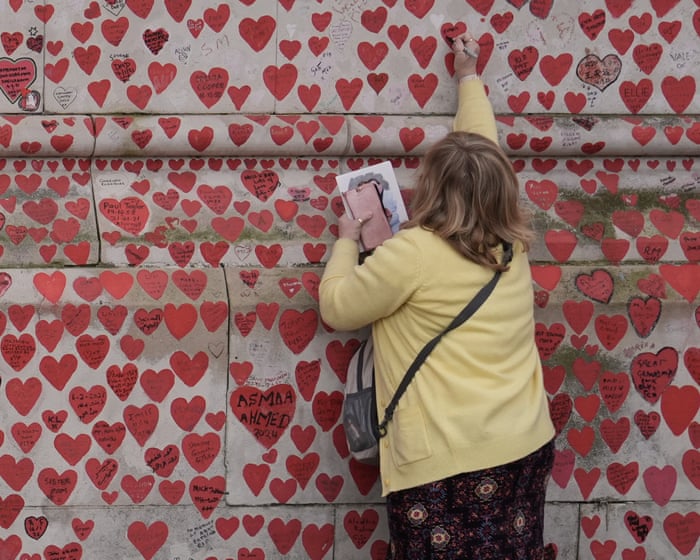
The care sector was “an afterthought” during the Covid-19 pandemic, and government failures caused the virus to spread “like wildfire” among vulnerable and elderly people, a public inquiry has found.
Heather Hallett, who is leading the Covid-19 inquiry, said it was a “significant omission” that the government did not advise that patients discharged from hospitals into care homes should be isolated, causing the virus to spread rapidly among residents and staff.
Continue reading...
© Photograph: Stefan Rousseau/PA
© Photograph: Stefan Rousseau/PA
© Photograph: Stefan Rousseau/PA
After a protest clip went viral, a teenager’s life was torn apart by threats that sent her and her family into hiding. Plus, a book on citizen journalism
• Don’t get This is India delivered to your inbox? Sign up here
Before 24 July, a person I will call R was preoccupied with the ordinary routines of teenage life: experimenting with makeup, grumbling over mathematics homework and hanging out with friends at a tea stall.
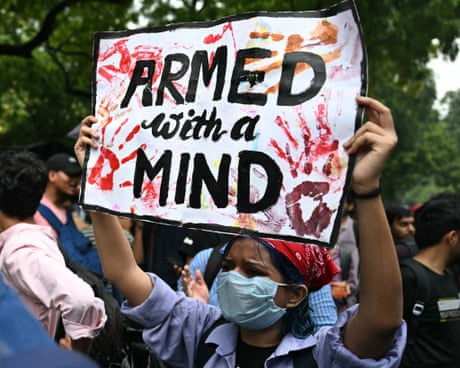
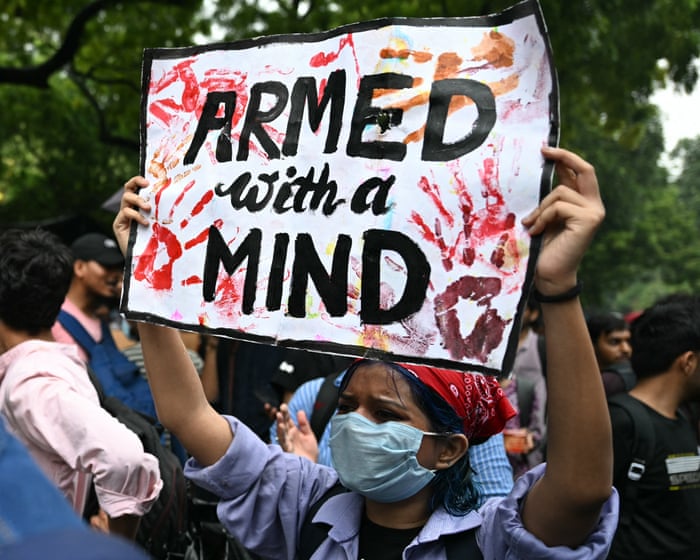
That month, as the fever of student protests spread across the country, the 15-year-old watched on her phone as young people poured into Jantar Mantar, the designated protest site in Delhi, demanding education reform. She went too. But an 11-second video clip from the protest site, in which she made crude and profane remarks about the prime minister, Narendra Modi, upended her life.
Continue reading...
© Photograph: Sajjad Hussain/AFP/Getty Images
© Photograph: Sajjad Hussain/AFP/Getty Images
© Photograph: Sajjad Hussain/AFP/Getty Images
The scenes of social unrest and violence at the weekend are an ominous portent, ahead of elections which may deliver a far-right presidency
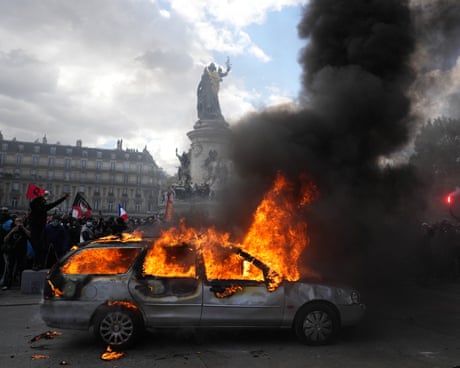
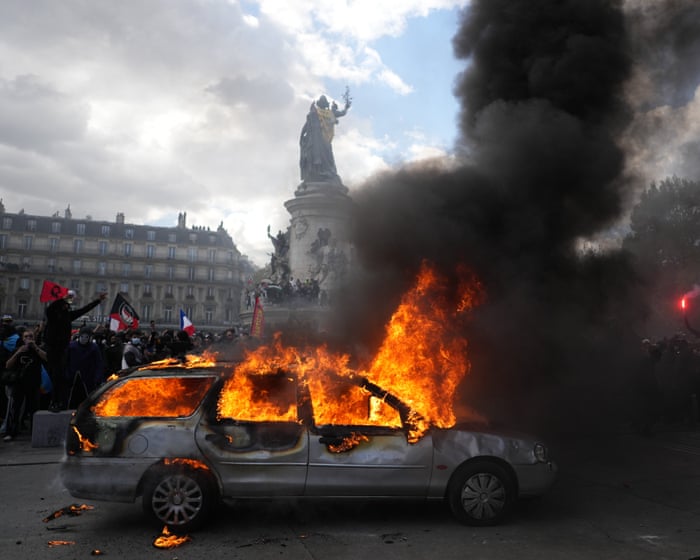
In Emmanuel Macron’s book Revolution, published ahead of the 2017 presidential election that he went on to win, he promised to restore hope to a country that was losing faith in its future. As Mr Macron’s lame-duck second term enters its last phase against a quasi-insurrectionary backdrop of torched public buildings and looted shops, the failure of that political project appears total.
The worst scenes of urban violence for years overshadowed a weekend of protest that gravely undermined what is left of the French president’s authority. As police lost control of the streets, more than 2,000 shops were ransacked. Far-left groups targeted town halls and local buildings, and engaged in pitched battles with the police, whose disastrously heavy-handed response to last week’s high school protests has succeeded only in escalating tensions.
Do you have an opinion on the issues raised in this article? If you would like to submit a response of up to 300 words by email to be considered for publication in our letters section, please click here.
Continue reading...
© Photograph: Thibault Camus/AP
© Photograph: Thibault Camus/AP
© Photograph: Thibault Camus/AP

© Karsten Moran for The New York Times
Andy Burnham has announced "big changes" to welfare to get one million NEETs back into work – but only once he's "rebuilt the education system". Sounds expensive, says Mary Gilleece. It’s clearly never going to happen.
The post Andy Burnham Will Never Cut Welfare appeared first on The Daily Sceptic.
Downing Street delivered a rare rebuke to a senior member of Donald Trump’s administration
Asked why the Lib Dems were opposed to a third runway at Heathrow when they professed to be in favour of growth, Cooper said she did not accept that a third runway would produce all the benefits its supporters claimed.
She explained:
On Heathrow, it is clear from looking at all of the economic analysis of airport growth over the last few years that many of the promises made by all sorts of different airport companies simply haven’t come to bear.
The promise of higher wage jobs hasn’t been substantiated. Often it’s lower paid jobs, and often not as many as they’ve claimed.
Continue reading...
© Photograph: Manuel Balce Ceneta/AP

© Photograph: Manuel Balce Ceneta/AP

© Photograph: Manuel Balce Ceneta/AP
Exclusive: Former health secretary says upfront investment in support is needed ‘if we are going to end the Neet crisis’
Ministers should cut welfare spending to fund more employment support if it wants to end the youth Neet crisis, the author of a government-led review has said.
Alan Milburn, the Tony Blair-era health secretary, told the Guardian he believed ministers should reduce benefits payments to help pay for more employment support, opening a potentially contentious debate within the Labour party over welfare cuts.
Continue reading...
© Photograph: Jeff Moore/PA

© Photograph: Jeff Moore/PA

© Photograph: Jeff Moore/PA
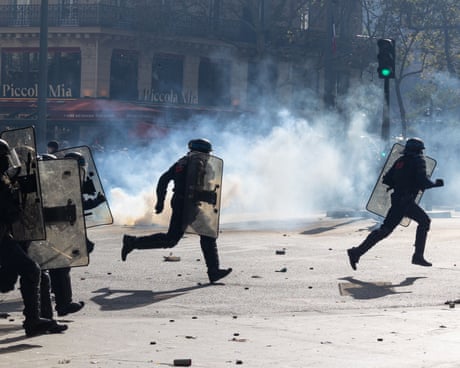
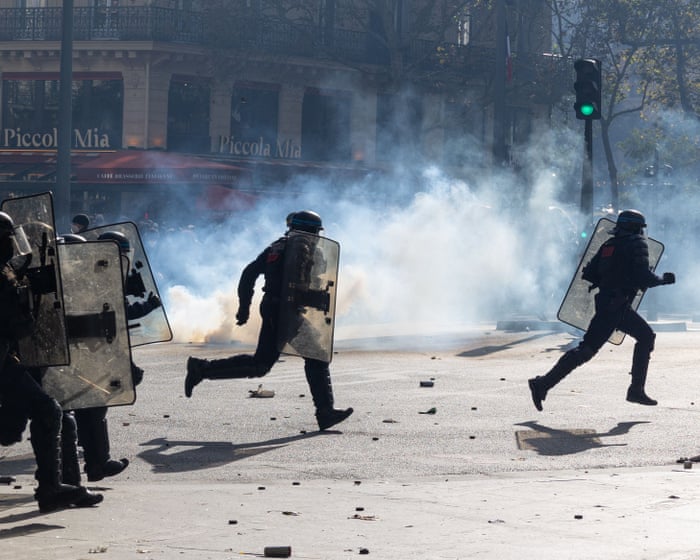
It’s a perfect storm of protesters with heartfelt grievances and others set on conflict. The key here is the sense of betrayal that united them on the streets
The first thing I learned on the streets of Paris this weekend is that there is no arguing with teargas. I arrived at Place de la République just after 1pm yesterday. The mood was festive until police started firing volleys of teargas into the square from Rue du Faubourg-du-Temple.
I didn’t see the inciting incident – if there even was one – and tried walking into the cloud of CS gas hanging in the air. It was impossible. The gas clings to your nose and burns your eyes, and you quickly start struggling to breathe. I retreated towards the Boulevard de Magenta, blinking furiously to stop the stinging.
Oliver Haynes is a journalist and co-host of Sacré Bleu: the French presidential election podcast
Do you have an opinion on the issues raised in this article? If you would like to submit a response of up to 300 words by email to be considered for publication in our letters section, please click here.
Continue reading...
© Photograph: Abitbol Shana/ABACA/Shutterstock
© Photograph: Abitbol Shana/ABACA/Shutterstock
© Photograph: Abitbol Shana/ABACA/Shutterstock
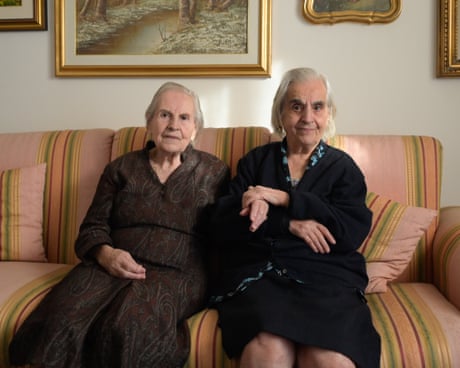
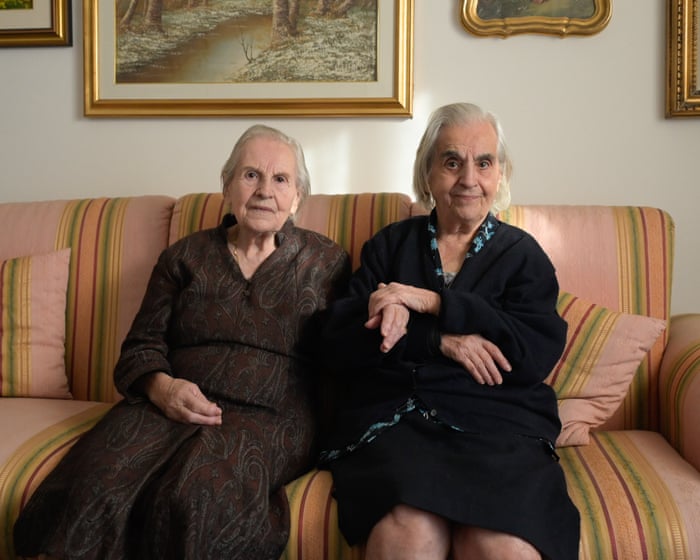
Meet some of the elderly residents of Bolotana, in line to be the world’s sixth ‘blue zone’ for its high number of female centenarians
When Giovanna Marras opens the door to her home in Bolotana, a mountain village in central Sardinia, her eyes are bright with curiosity as she sizes up her visitors. Her sister, Mariangela, peeks out too, soon ushering her guests inside and handing out dishes of ice-cream. The sisters are full of life, talking animatedly. Giovanna is 101 and Mariangela is 99.
Sitting in their living room, Giovanna swiftly recaps her life story: she excelled at school before moving to Cagliari, the capital of the Italian island, at 18 to train as a seamstress. The sisters went on to run a successful tailoring business in Bolotana before travelling the world after retirement. Neither married.
Continue reading...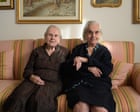
© Photograph: Victor Sokolowicz/The Guardian
© Photograph: Victor Sokolowicz/The Guardian
© Photograph: Victor Sokolowicz/The Guardian
Meet some of the elderly residents of Bolotana, in line to be the world’s sixth ‘blue zone’ for its high number of female centenarians
When Giovanna Marras opens the door to her home in Bolotana, a mountain village in central Sardinia, her eyes are bright with curiosity as she sizes up her visitors. Her sister, Mariangela, peeks out too, soon ushering her guests inside and handing out dishes of ice-cream. The sisters are full of life, talking animatedly. Giovanna is 101 and Mariangela is 99.
Sitting in their living room, Giovanna swiftly recaps her life story: she excelled at school before moving to Cagliari, the capital of the Italian island, at 18 to train as a seamstress. The sisters went on to run a successful tailoring business in Bolotana before travelling the world after retirement. Neither married.
Continue reading...
© Photograph: Victor Sokolowicz/The Guardian
© Photograph: Victor Sokolowicz/The Guardian
© Photograph: Victor Sokolowicz/The Guardian
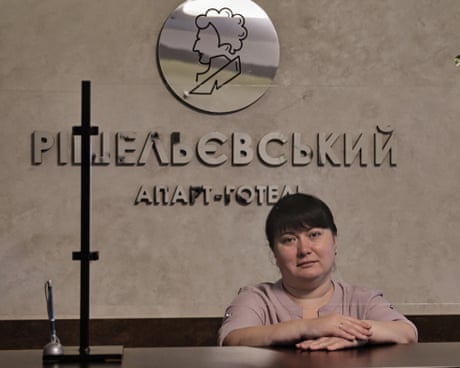
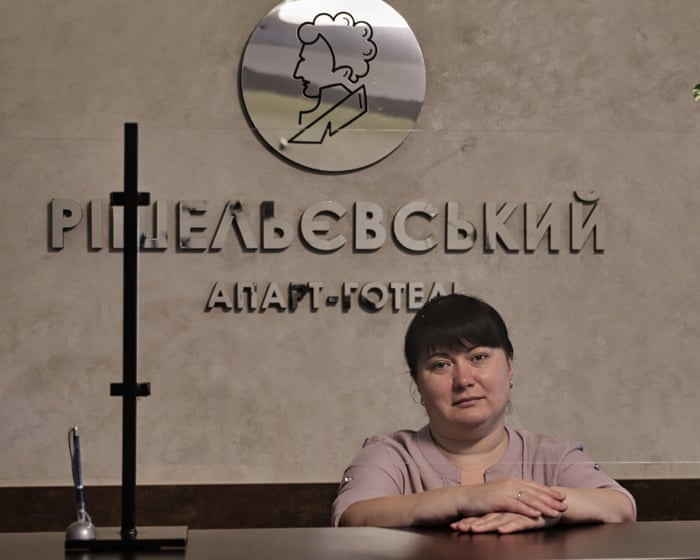
Amid blackouts, artillery fire and the onslaught of Russian drone attacks, the Richelievsky in Kherson provides a refuge for those with nowhere else to go
There is one important rule in the Richelievsky, Kherson’s last functioning hotel: close the curtains before dusk. Less than a kilometre away lies the Dnipro, the river that has formed the frontline since Ukrainian forces liberated Kherson in November 2022; Moscow’s troops are on the opposite bank.
In a city where Russian drone operators hunt civilians in what is now widely known as the “human safari”, even a sliver of light escaping through a window may be enough to reveal someone’s location after dark.
Hotel manager Yevhen Emtsov, 46, in the building’s former conference room
Continue reading...
© Photograph: Leo Kramer
© Photograph: Leo Kramer
© Photograph: Leo Kramer
To protest against shameful conditions in schools is entirely legitimate. The government’s response is not
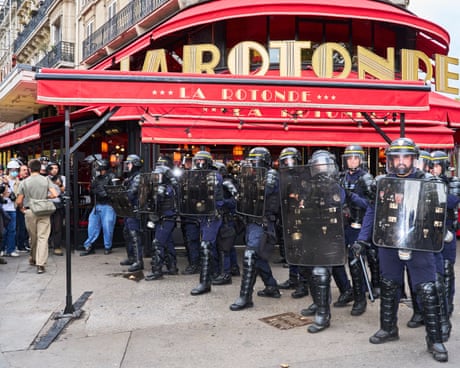
As a secondary school pupil in 1994, I took part in protests against a reform that would have allowed French employers to pay young people below the minimum wage. Our campaign was successful, but if we had had to face the terrifying police response unleashed on student protesters in France over recent weeks, I would have stayed at home.
A 14-year-old boy, Eden, suffered a fractured jaw and had teeth knocked out after a police teargas grenade struck him in the face. Sixteen-year-old Maël lost the sight in one eye allegedly after being struck by a shot from an LBD, a form of rubber-bullet launcher. Evan, 15, had his hand blown off in an explosion involving a police stun grenade. And in Dunkirk, a police SUV is alleged to have driven repeatedly at groups of secondary school pupils, as an officer could be heard saying: “Come closer, we’ll smash their fucking faces in.” Accounts from children left terrified by brutal treatment in police custody describe traumatic experiences with severe psychological and physical consequences.
Rokhaya Diallo is a French journalist, film-maker, activist and Guardian Europe columnist
Do you have an opinion on the issues raised in this article? If you would like to submit a response of up to 300 words by email to be considered for publication in our letters section, please click here.
© Photograph: Tonny Linke/NurPhoto/Shutterstock
© Photograph: Tonny Linke/NurPhoto/Shutterstock
© Photograph: Tonny Linke/NurPhoto/Shutterstock
Pete Crockett says the history of British education is not simply one of children dutifully accepting adult instruction, while Simon Dawson says Kitty Sayers misses the mark when describing English attitudes. Plus a letter from Kevin Donnelly
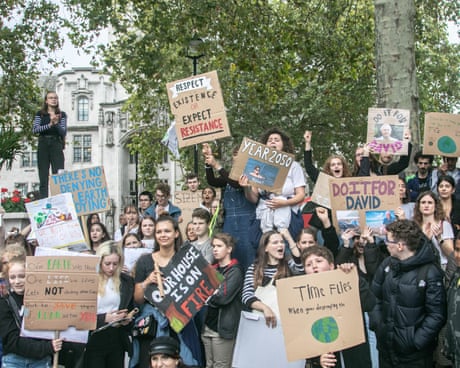
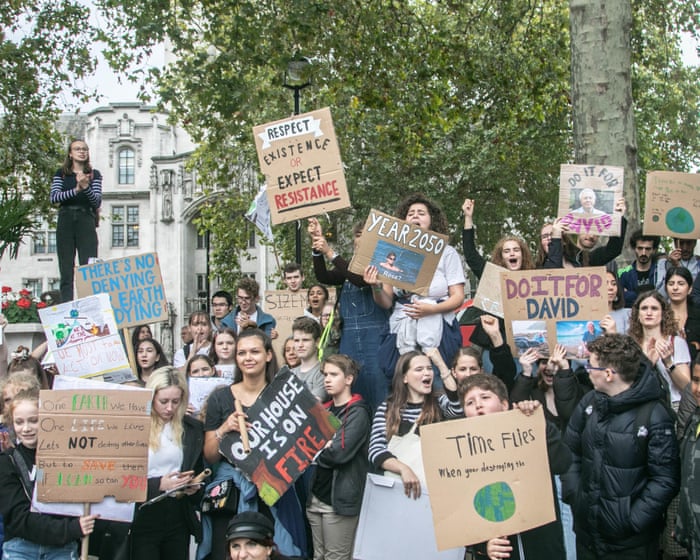
Reading Kitty Sayers’ interesting article, I was reminded of the rich, and perhaps too easily forgotten, history of direct action by British schoolchildren (Angry French students take to the streets. British students don’t – and I think I know why, 10 October). Far from being historically meek or unquestioningly compliant, they have demonstrated a remarkable capacity for challenging authority.
At Marlborough college, troops were once summoned to dislodge rebellious pupils occupying an island in the school grounds. In the late 1700s, Winchester college experienced several rebellions.
Continue reading...
© Photograph: Amer Ghazzal/Alamy
© Photograph: Amer Ghazzal/Alamy
© Photograph: Amer Ghazzal/Alamy
Use of death penalty against people for crimes committed when they were children a ‘new low’, say rights groups
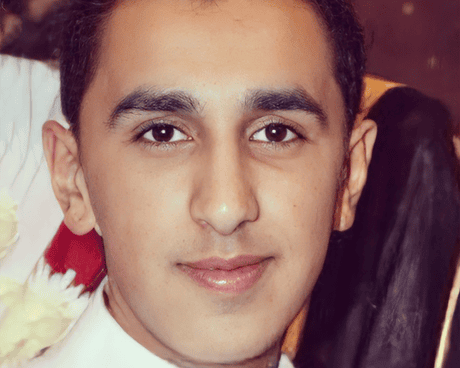
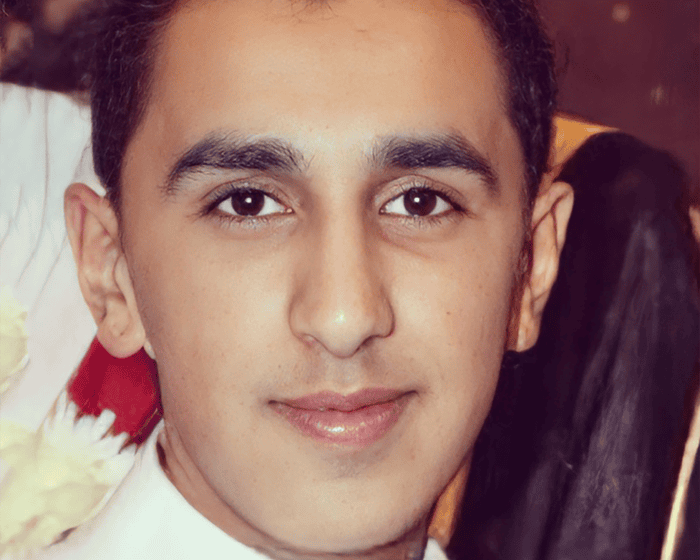
A young man faces imminent execution in Saudi Arabia for attending protests and funerals when he was aged 15 to 17, say human rights groups, in the latest example of the kingdom’s surging use of the death penalty for non-violent crimes.
Youssef al-Manasif was arrested in 2017 and accused of crimes including joining demonstrations for religious freedom by the Shia minority and attending funerals that the Saudi authorities deem to be protests. He was convicted and sentenced to death by the specialised criminal court, a secretive tribunal set up for terrorism-related cases.
Continue reading...
© Photograph: Handout
© Photograph: Handout
© Photograph: Handout
