Un fenomeno tutto da capire, che la politica e in generale le istituzioni non “hanno visto arrivare”: la rivolta violenta dei ragazzini. Nello smarrimento generale, nel tentativo di dare una risposta che non si limiti al codice penale, c’è chi un pezzo di soluzione ce l’ha: la “guerra ibrida“. E’ il ministro della Difesa Guido Crosetto che non fa nomi ma rimanda a “nemici” dell’Occidente: “I fatti di Milano, e di altre parti d’Italia, sono una cosa profondamente diversa da quelli che abbiamo vissuto in altre epoche. E sono il frutto, il punto di arrivo, di una cosa che io, inascoltato, richiamo da quattro anni, che è la guerra ibrida che qualcuno sta portando delle nostre nazioni con strumenti non convenzionali, che si chiamano TikTok, che si chiamano social, che si chiamano YouTube, senza che l’Occidente se ne renda conto e in qualche modo reagisca”. Di chi parla Crosetto? Forse non c’è bisogno di fare il nome. Lo fa il vicepremier Matteo Salvini che però smonta l’ipotesi di Crosetto parlando di “cose strambe“.
Ci pensa nelle stesse ore il presidente ucraino Volodymyr Zelensky: “La Russia conduce da tempo una guerra ibrida contro l’Europa anche contro Italia, Francia, GranBretagna e Germania. Non è la guerra su vasta scala che conduce contro di noi, ma passa attraverso televisioni, mezzi d’informazione, Internet e social network. I cittadini hanno diritto di essere soddisfatti o insoddisfatti dei propri governi, non devono essere manipolati da campagne russe”.
Ieri la prima ad evocare le ombre russe era stata la parlamentare del Pd LiaQuartapelle: “Abbiamo già visto in diverse città europee manifestazioni convocate attraverso i social, eventualmente amplificate anche da potenze straniere, con effetti devastanti sui contesti urbani. Bisogna capire che cosa è successo e chi c’è dietro queste manifestazioni”, ha aggiunto, sottolineando anche la necessità di approfondire come mai le forze dell’ordine siano sembrate impreparate a gestire la piazza, soprattutto domenica. A ribadire il concetto anche la capogruppo di Forza Italia StefaniaCraxi: “Non occorre inseguire teorie del complotto né immaginare registi occulti per capire che qualcosa non torna – dichiara -. Chi vuole indebolire le democrazie europee sa che oggi è possibile condizionare governi e opinioni pubbliche alimentando il disagio, amplificando ogni tensione attraverso una disinformazione sapientemente orchestrata, fomentando le rivolte nelle piazze oppure insinuando nelle famiglie paura e sfiducia verso le istituzioni. Sono le dinamiche della guerraibrida: strumentidiversi, obiettivi convergenti. Del resto, l’intelligence francese ha già descritto e documentato questi metodi, mettendoli nero su bianco. Per questo non possiamo lasciare campo libero a chi soffia sul fuoco delle nostre fragilità e sfrutta problemireali, spesso determinati da fattori che travalicano i confininazionali, per dividerci e renderci più deboli”.
Le idee all’interno del governo non sono granché univoche o comunque non lo erano fino al weekend di guerriglia di piazza Duomo: “Mi preoccupa l’invasione islamica, non la guerra ibrida – aveva detto il vicepremier Matteo Salvini -. Non ho paura dei russi, ho paura degli estremisti islamici“.
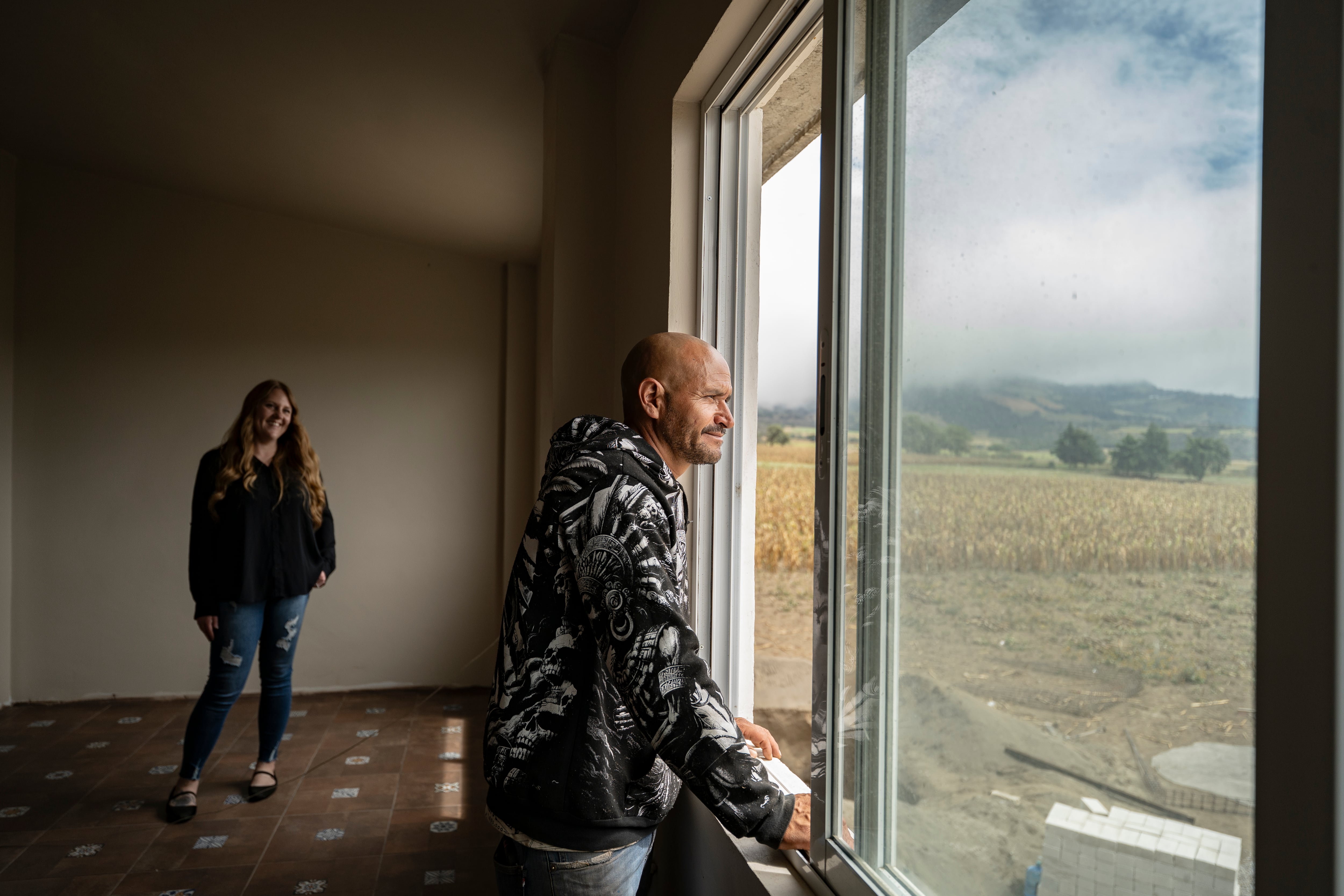
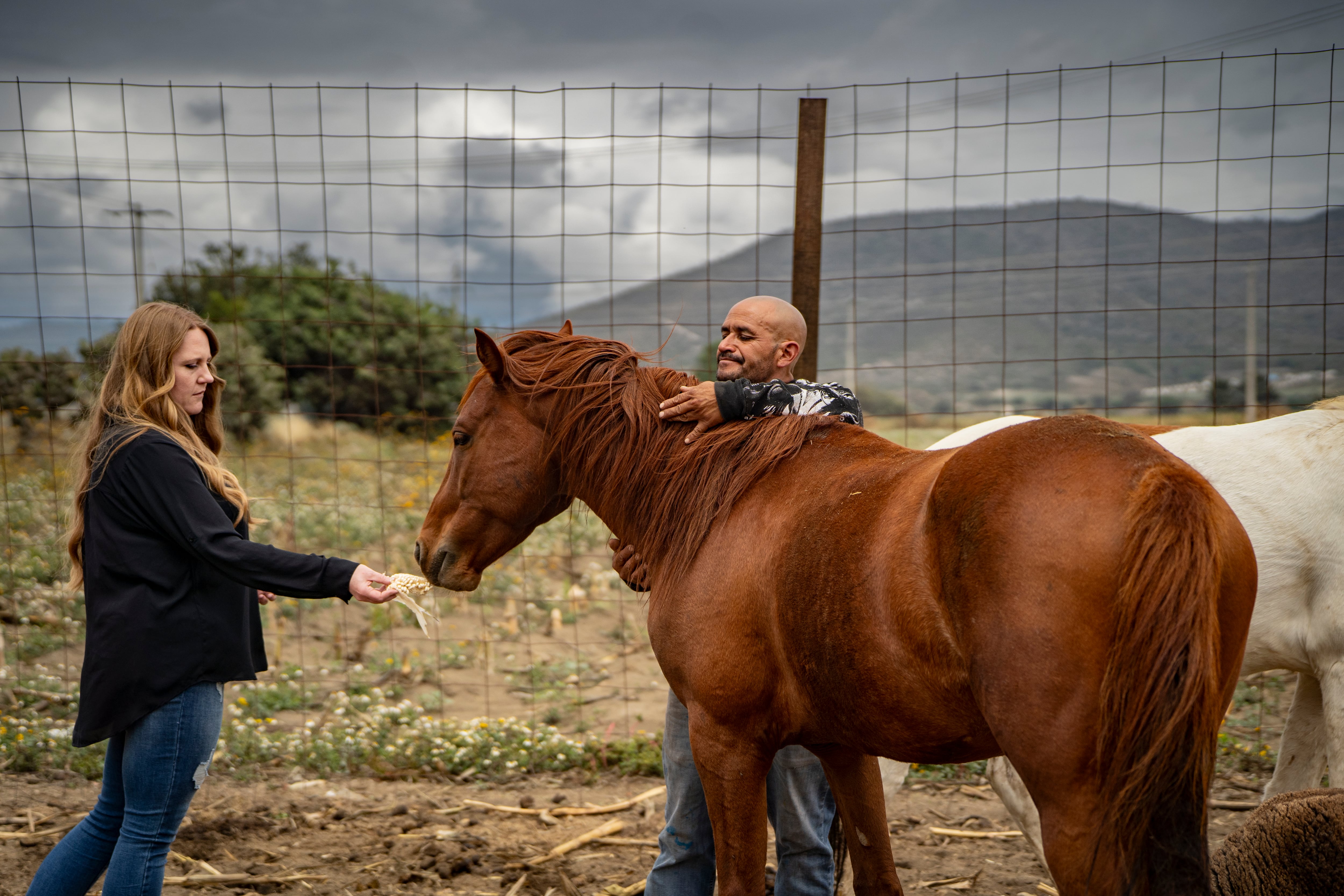
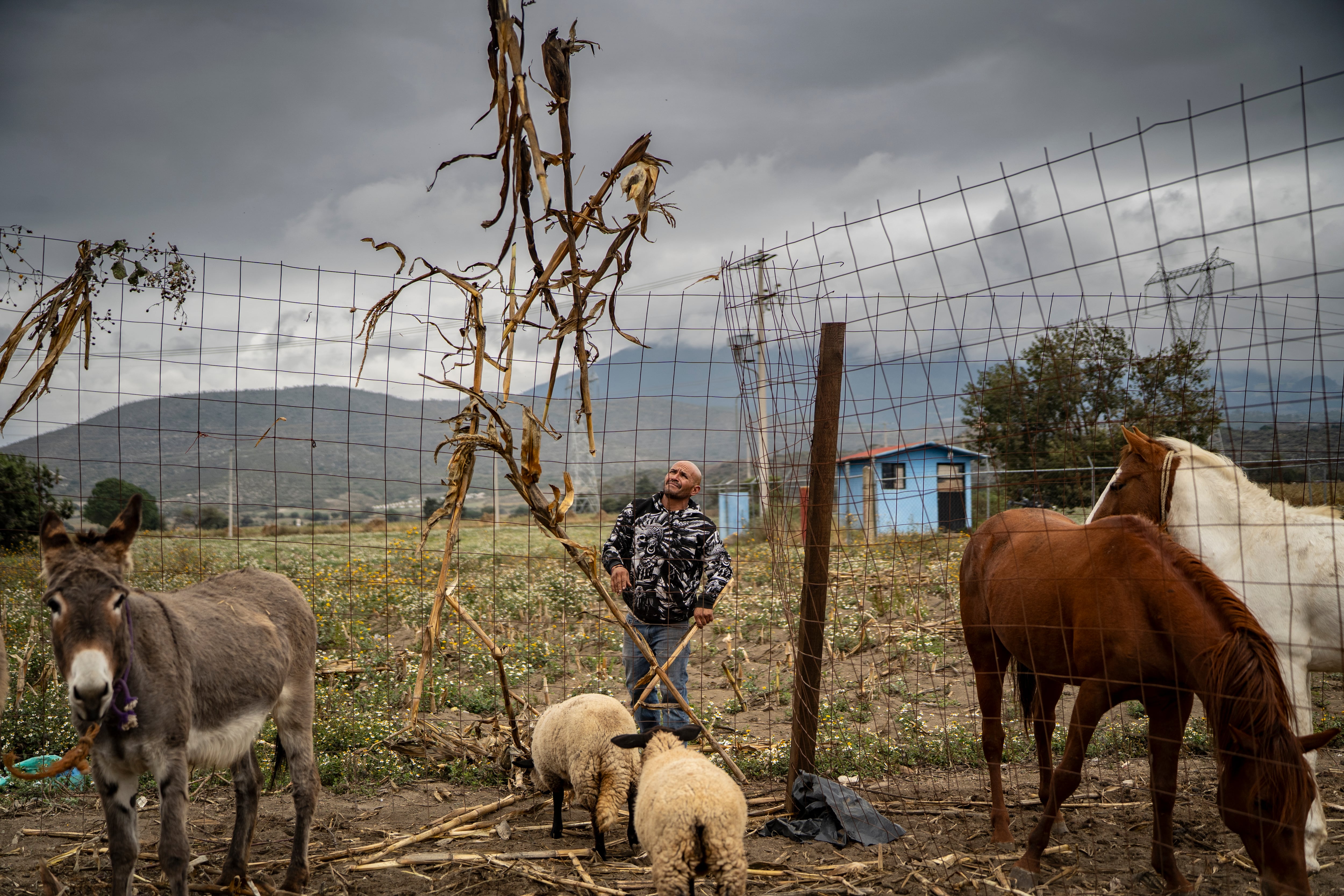
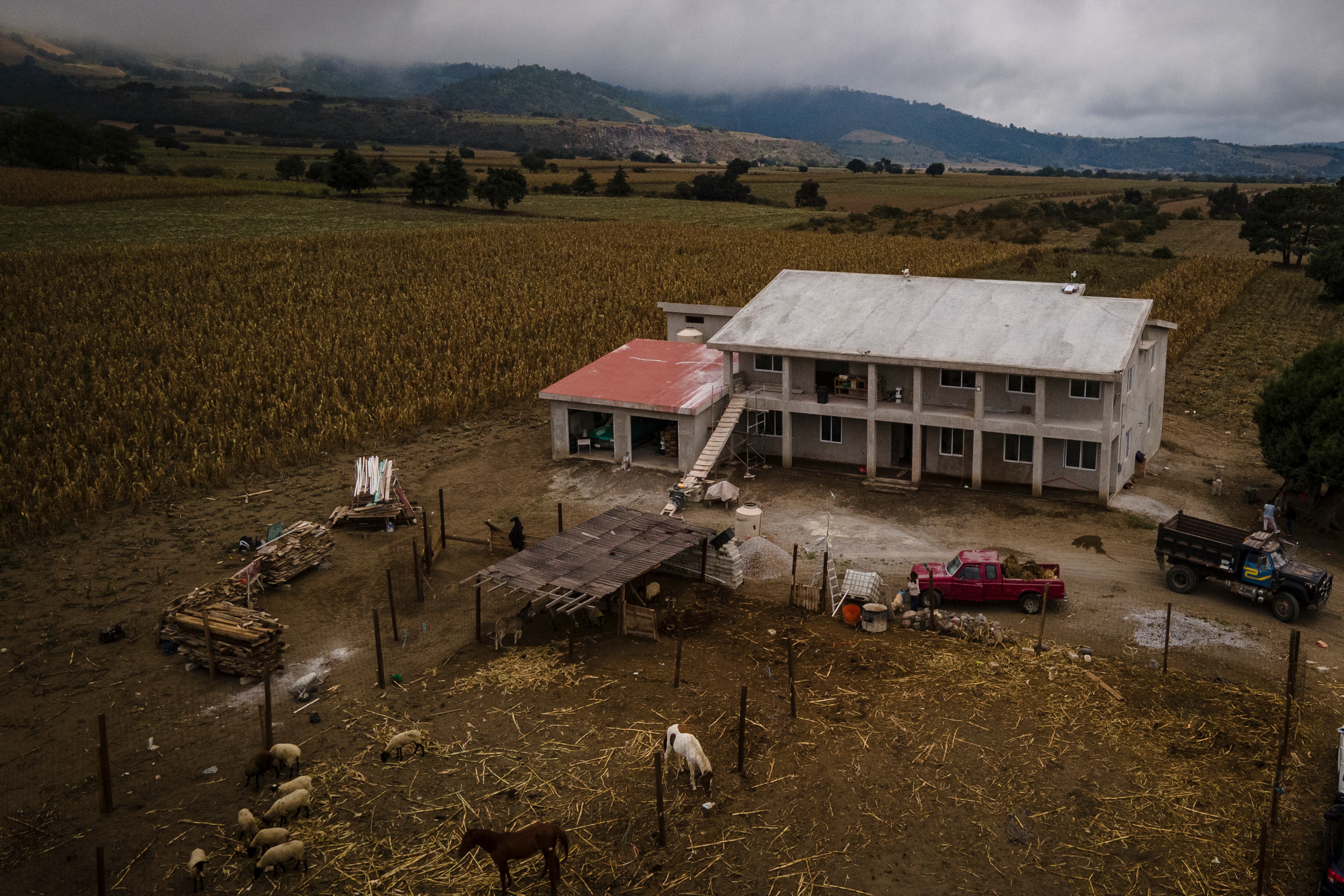
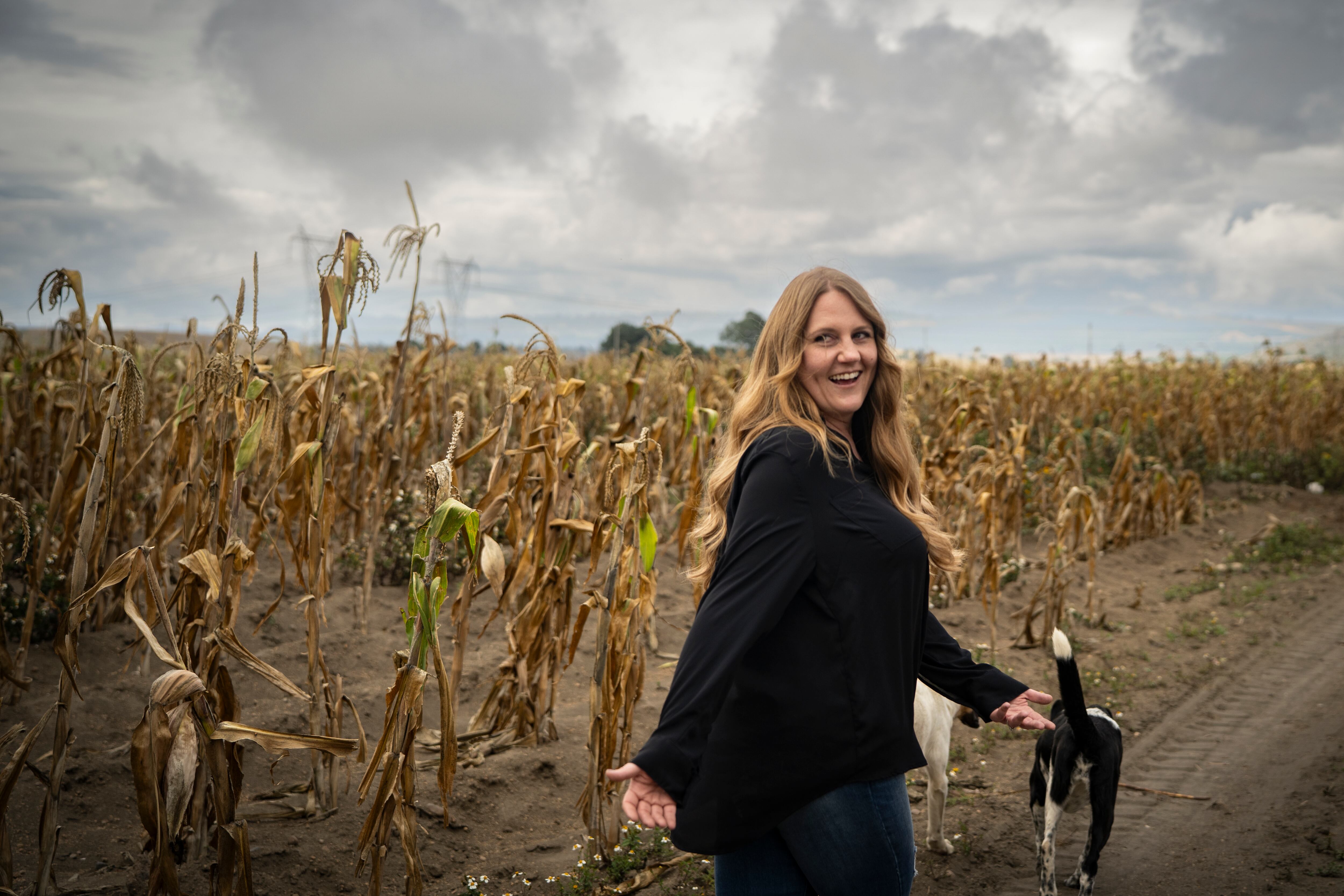
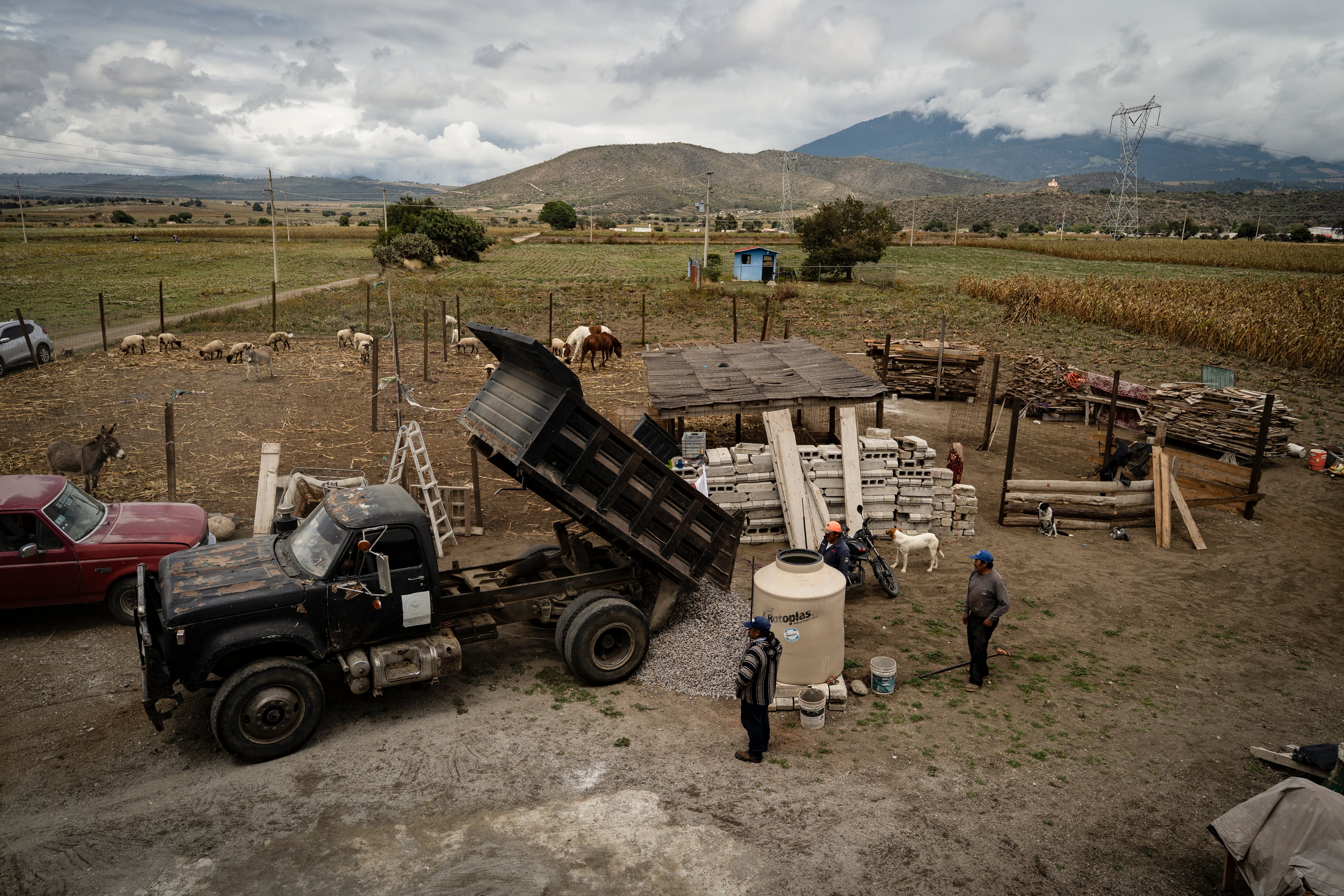
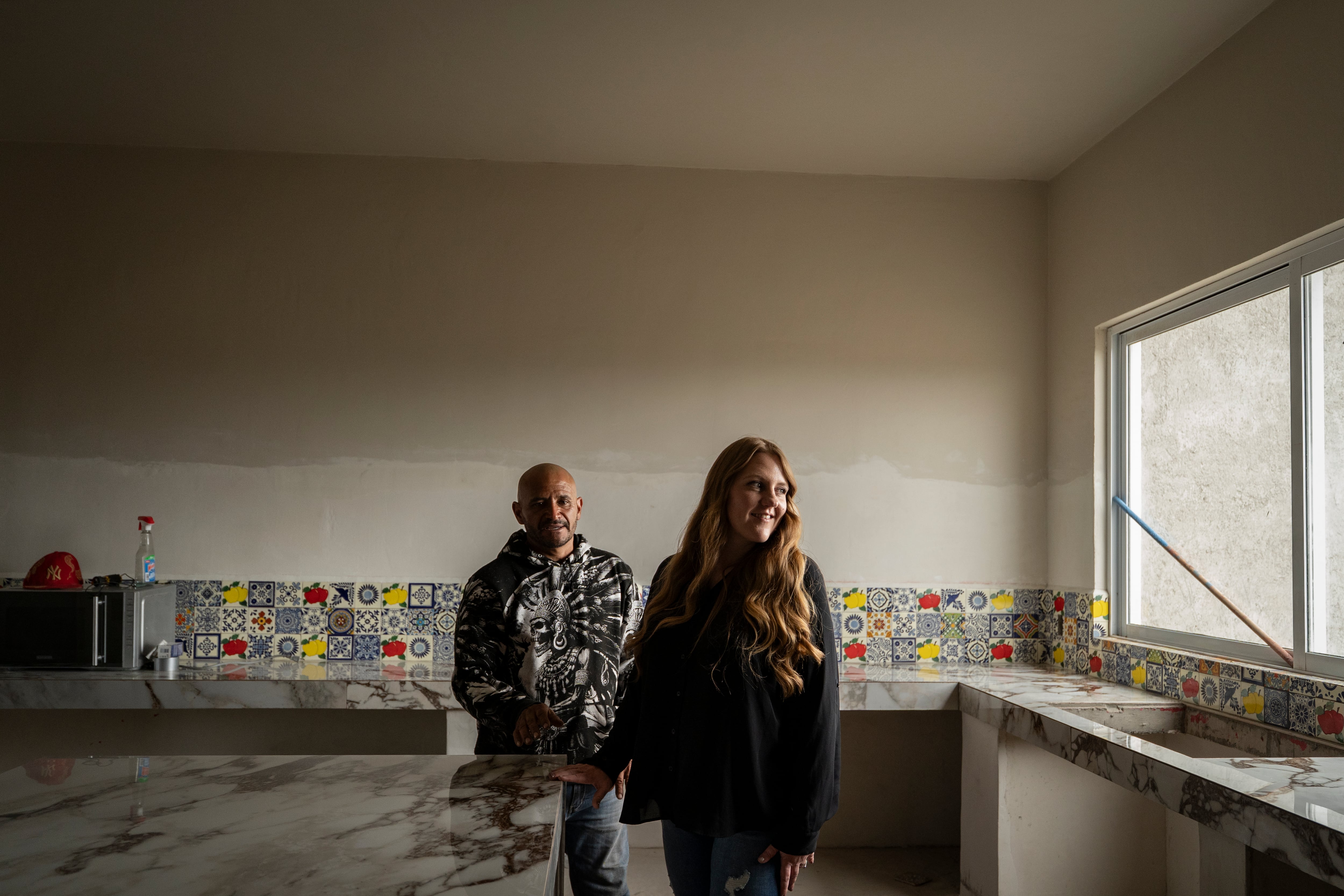
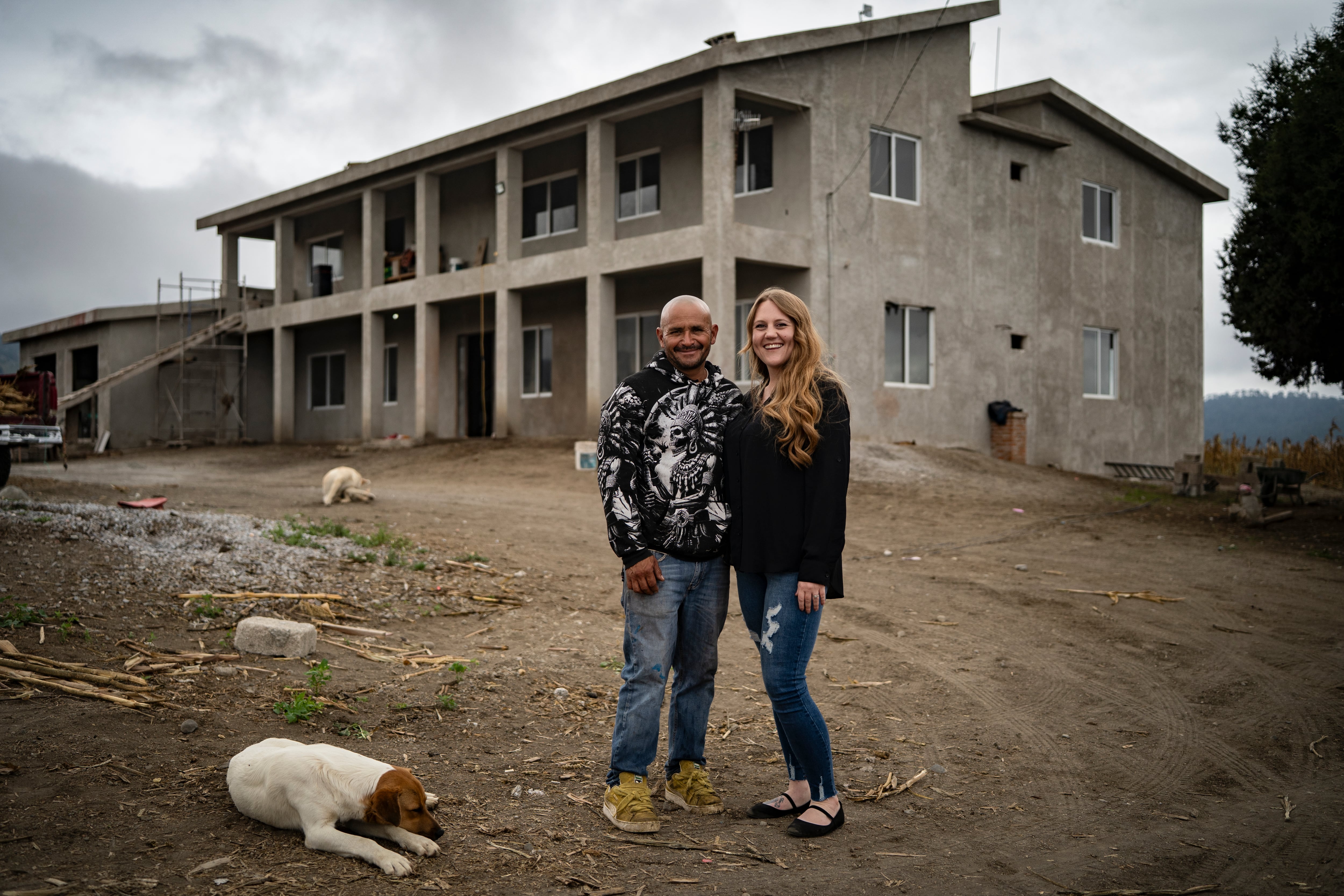
A strong wind sweeping across the cornfields reveals a house still under construction beside a small enclosure of sheep and donkeys. The two-story home, which is still unpainted, has a gable roof, a porch and a garage. It is the home that Candice and Fidel García Sánchez, a Mexican American couple, have spent the past five years building after he was deported from the United States and she chose to move with him to a rural area of the Mexican state of Puebla. Their building project has unfolded in full view of the public: half a million YouTube subscribers and more than 1.5 million people on TikTok are following the house’s progress.
The Decayed Brigade, a team of haunt sliders that appears at Hersheypark.
Hersheypark
Hersheypark's "haunt sliders" — scare actors who slide on knee pads — have gained a fanbase on TikTok.
"The makeup stays ON" commented one thirsty fan.
The attention has translated to good business for the park, who has seen growing ticket sales for its Dark Nights event.
Imagine you're walking around an amusement park in October while it's Halloween themed. The air is crisp, you've got a giant pretzel, you're strolling with friends to get in line for the roller coaster. Out of the corner of your eye, you see tall man dressed in all black with skeletal face paint walking towards you.
Suddenly, he leaps to the ground on all fours, and against everything you've known in your life about how human beings ambulate, he slides across the pavement on his hands and knees, coasting right up beside you at an incredible speed.
Depending on who you are and your level of awareness of the "haunt sliders" of Hersheypark, this fast encounter leaves you either terrified or terrifyingly horny.
Since 2021, Hershey's amusement park has employed a group of haunt sliders from a crew that calls itself the "Decayed Brigade" for its Dark Nights Halloween event that runs in September and October.
Videos of Fryboy and his lookalike Archer, and others have racked up millions of views and created a dedicated fan base who travel from around the world just to see the creepy, sexy, slidey guys they saw on TikTok.
And their online popularity is good for Hershey's bottom line.
"The comment section [on TikTok] is a treasure trove of insight into their popularity. I mean, we have seen people saying, 'I am coming from Europe. I'm coming from Australia. I had no idea Hersheypark existed, but now, because this was served to me on TikTok, I'm aware,'" said Quinn Bryner, a spokesperson for Hersheypark.
Archer, a haunt slider at Hersheypark
Hersheypark
"We have people who have bought our season passes because of it," she added. "So anecdotally, for sure, it has had a significant social commentary, which we think has also led to tickets."
Bryner cautioned they can't say that the haunt sliders popularity is the sole driver of the growth of the Halloween event, but that the Dark Nights has become a success and grown year over year in attendance and ticket sales. "We can confirm that the event's popularity in the past few years has allowed us to expand operating days throughout the fall, resulting in total Halloween attendance doubling the numbers achieved prior to 2021," she said.
For the last three years, Fryboy and some of the sliders do a meet-and-greet for the diehard fans after the performance on weekend nights. Fans wait up to an hour in line to meet them and take photos with the sliders (or purchase keychains or other photo prints from the professional photography service the park provides, which has taken over 4,000 photos for fans this fall so far).
The three sliders I interviewed — who asked not to publicize their full legal names because they are concerned about overzealous fans — have breached containment from something that happens inside the park gates to a full-blown social media phenomenon.
The sliders have anecdotally noticed the effects of TikTok on the crowds in the park. "This year especially, it feels like every other person's coming up saying they drove eight-plus hours to come see us or they just came for us," Fryboy said.
"We see them sit in our zone the whole night and it's pretty obvious that they just want to watch us," Valkyrie noticed.
Hersheypark is well aware of the Decayed Brigade's social media success, which is clear even on its own social channels. The most viewed videos on park's official TikTok channel were all of the sliders — even during the off-season.
Haunt sliding dates back decades
Haunt sliding has been a part of Knott's Scary Farm, the Halloween event at amusement park in southern California, for decades. A few of the performers working there figured out they could modify knee pads and gloves with metal pieces to allow them to slide up on guests as a novel way to scare them.
Sliding became a staple of Knott's Scary Farm, and the trend spread out around the country to various haunted theme parks and cornfields. It evolved into something more than just a scare tactic, with increasingly athletic stunts, choreography, and showcases during the off-season.
Although haunt sliding has become a haunted house mainstay, there is no group of performers who have attracted as much attention from people who never set foot in Hersheypark as the Decayed Brigade crew. This year, there are eight sliders, but Fryboy and Archer — both well over six feet tall, lanky, and with poufy dark hair — seem to have garnered the biggest online fandom.
When I spoke over a video call with Fryboy, Archer, and Valkerie, the current sole female performer in this year's crew, it was the hour before the park opened on a Friday night at 6 p.m., and they were in their full faces of makeup (they have a makeup artist on staff who does it for them), but not their performance clothes.
Fryboy, whose real first name is Carter, is not technically the leader or founder of Decayed Brigade, although he has become the most visible online and has been working at Hersheypark since Dark Nights started in 2021. He first saw sliders at Knott's Scary Farm when he was 13, and was inspired to start trying it out on his own at home. By 16, he got hired at a local haunted house in Florida, and eventually landed a job at Knott's in 2018.
"When sliding first started, it was mainly just a scare tactic and it wasn't really anything crazy, but once people started doing it more and more, a lot of the guys that started sliding at Knott's were stunt performers, so they would do little pre-shows before their stunt show was sliding," Fryboy explained. "They'd go out there and they'd do little rolls, and then they'd start jumping bodies, and then now they're jumping two, three, four bodies. So then tricks started getting added into it, and over time, a group was formed."
"I really think in this case, Carter took it upon himself to create his own iconic character in the social space and then share it amongst an audience that loves scare, but didn't have a way to maybe communicate and build on that," said Brewer Lister, managing director of immersive experiences at Hersheypark.
"He's built a following, and then he and his team have added to it by becoming more of a team in a group, especially Archer, the two of them," he added. "I think they tapped into a growth factor of what's taken place over the many years in social media in a particular realm, and it's worked."
Their fans are…thirsty
Fryboy, a haunt slider at Hersheypark
Hersheypark
It is crucial to explain here that the internet viral around the Hersheypark haunt sliders is not just an appreciation of a good scare. It is extremely horny. The TikToks from fans are often set to suggestive music clips, and the comment sections are bawdy.
In one video from last fall of Fryboy and Archer standing together, set to the chorus of "Same Damn Time" by Future, comments say things like "Fryboy looks like he talks you thru it. Archer looks like he know how to do that thing your ex couldn't do." (18.3k likes) and "the makeup stays ON" (160.8k likes). In another video from this month of the two men, one commenter says, "Ok maybe my ex was right and i'm actually ill."
The allure of scare actors in face paint might not seem obvious. But hear these women out: They're tall, athletic, and mysterious. That's enough.
The thirst isn't limited just to the male sliders. On one video of Valkyrie walking through the park in slow motion, comments from women pour in: "Me and my husband aren't that serious." "I DIDN'T KNOW THIS WAS AN OPTION," and "i was already hooked but when she smiled i lost all control."
I asked Fryboy about getting that kind of attention.
"I think at the end of the day, we're just trying to perform and have a good time, and it's Halloween, we're dressing up as characters, so there's always going to be something along those lines, I think," he said. "But it's definitely not the end goal in any sort of way."
Thesex appeal of the sliders seems to be an accidental collision with acurrent trend of "dark romance" and romantasy that's popular on Booktok. However, threading the needle of adding sex appeal into a haunted house seems fraught. SeaWorld Orlando's attempted a dark romance themed scare zone, but videos of bare-chested scare actors in masks (including at least one slider) awkwardly gesturing at guests went viral for being high on cringe and low on actual eroticism.
The difference with the Decayed Brigade is they claim they're not intending to be sexy.
"Halloween has always been the holiday for the weirdos, and we're the weirdos," said Fryboy. "We embrace it just as much as I'm sure everyone else wants to embrace it."
Khaby Lame has been pursuing other partnerships as his big payday remains in question.
Simon Galloway/LAT Images
Khaby Lame's splashy $975 million deal is still on ice nine months after it was announced.
Lame's plan to merge his business with a publicly traded firm was celebrated by creator economy insiders.
The public company's stock price has fallen 99% since its January high.
A new financial filing provides fresh details — and more questions — about a mysterious $975 million deal struck by TikTok's top star, Khaby Lame.
On January 9, Lame — who has over 160 million followers — entered into an agreement that would theoretically net him a major payday and take his company public. The mechanism: a merger with the publicly traded Rich Sparkle Holdings, a financial printing firm based in Hong Kong.
Then, in late January, Lame went silent on the merger. Now, we have an update: the deal is still on ice. A Rich Sparkle financial filing on September 30, its first since March, described the deal as conditional on a due diligence process, a minimum valuation of Lame's company, and stock exchange approval. That's the same language that has appeared in previous filings.
While the deal has been in limbo, Rich Sparkle's stock has plummeted 99% from its peak. In the wake of the announcement of the deal with Lame's company in January, the stock shot up to a high of about $180. On Thursday, it closed at $1.93. Several prominent brokerages had restricted or blocked trading in the stock, Business Insider exclusively reported in April.
The original deal announcement was celebrated throughout the creator economy, since such rich valuations are rare among influencer-founded companies, and it would give everyday investors an unusual opportunity to directly bet on a creator. The high profile of Lame, a Senegalese-Italian creator who rose to fame from dialogue-free comedy videos, means the outcome of the deal could impact how investors assess the viability of backing businesses centered on individual creators.
The January deal terms promised Lame's company 75 million shares, which would be worth about $145 million at Thursday's closing share price. The initial agreement had valued that stake at $975 million.
Rich Sparkle and Lame did not respond to multiple requests for comment.
At the time of the original announcement, Rich Sparkle said that it planned to create an AI avatar of Lame to do brand deals and sell products on social media. It projected this business could drive more than $4 billion in annual product sales.
An unusual stock detail
The new filing contains another intriguing detail: Rich Sparkle issued nearly $39 million in stock to its staff as part of their compensation during the six months ended March 31, resulting in an operating loss of almost $40 million. In the year-earlier period, it issued no share-based compensation.
This new share issuance means some employees could have benefited from the stock's massive spike following the Lame deal announcement. The filing doesn't indicate which staffers received shares or exactly when they got them within that six-month period.
Paul Nary, a management professor at Wharton, said the size of the share issuance was unusual relative to the company's valuation and revenue.
If the deal is in motion, we haven't heard a peep from Lame, who removed Rich Sparkle's stock ticker, ANPA, from his social-media bios in late January. The content creator continues to post for brands, recently making a cameo in the James Bond-inspired video game "007 First Light," signing on as a brand ambassador for travel eSIM company Holafly, and promoting the Dakar 2026 Youth Olympic Games.
The Australian government has introduced its digital duty of care legislation to parliament today. The bill includes an “off switch” to allow social media users to opt out of recommender algorithms. If passed, Australians could choose to switch off their algorithmic recommendation and consume a news feed populated by the accounts they subscribe to. It’s […]
Poland has launched a nationwide security operation after three knife attacks at educational institutions left one woman dead and more than a dozen people injured. Police have detained 117 people amid a wave of online threats, while intelligence officials are examining whether Russian disinformation networks exploited the violence to spread panic.
Poland is confronting an unprecedented school security crisis after a succession of violent attacks by young people triggered widespread fear, school closures and a nationwide police mobilisation. By Sunday, 11 October, officers had detained 117 people and conducted nearly 64,000 security checks at educational establishments, as the authorities attempted to contain both genuine threats and an escalating campaign of intimidation on social media.
The crisis reached its height on Friday, 9 October, when warnings circulated about a supposed nationwide killing campaign known as “Bloody Friday”. Videos, threatening messages and lists of potential targets spread through TikTok, messaging platforms and school discussion groups, prompting parents to keep children at home and several local authorities to suspend classroom teaching.
Although police have found no evidence of an organised nationwide conspiracy, the violence that preceded the rumours was real. Three separate attacks took place between 7 and 10 October, while investigators are examining hundreds of other incidents involving threats or suspected criminal activity.
Two attacks that triggered nationwide panic
The first major incident occurred on Wednesday, 7 October, at a vocational school in Ostrołęka, north-east of Warsaw. A 19-year-old student armed with a machete attacked pupils, teachers and other people in and around the building, injuring nine victims before harming himself.
Investigators subsequently discovered a homemade explosive device inside his backpack. The suspect was arrested, and prosecutors brought nine charges against him, including attempted murder. The discovery of explosives raised further questions about the extent of his preparations and the possibility of a substantially higher death toll.
The following day, a 15-year-old former pupil entered a primary school in Leszczydół-Nowiny, near Wyszków, and attacked three members of staff with a knife. A 37-year-old caretaker died from her injuries, while two teachers, including the headteacher, were wounded.
According to investigators, the teenager wore a helmet-mounted camera, raising suspicions that he intended to record the assault. The official prosecution statement confirmed the victim’s death and the detention of the suspect.
The attacks were followed by threatening messages from other teenagers, including a video attributed to a 17-year-old in the Przasnysz district who claimed to be participating in a competition involving killings. Police subsequently detained him. In Sierpc, another 17-year-old was arrested after allegedly discussing plans for violence at school; officers discovered two knives.
Thousands of schools under police surveillance
The rumours produced an immediate reaction. Schools in Wyszków, Ciechanów, Pułtusk and other municipalities cancelled classroom teaching or introduced remote lessons. Elsewhere, parents independently withdrew their children, leaving some classrooms largely empty.
Police launched an extensive preventive operation, deploying additional officers around schools and investigating online threats.
According to the figures released on 11 October, the authorities had recorded 275 incidents requiring investigation, detained 117 people and carried out nearly 64,000 checks at schools, nurseries and other educational facilities.
The situation deteriorated further on Saturday, 10 October, when a 21-year-old student attacked three people at a post-secondary educational institution in Warsaw. Two 17-year-old girls and a 24-year-old woman were injured. One victim required hospital treatment, although none of the injuries was considered life-threatening.
Interior Minister Marcin Kierwiński subsequently stated that investigators had established no links between the recent attacks. The authorities nevertheless remain concerned about imitation offences, particularly where threatening material circulates among teenagers through closed online communities.
Russia’s possible role in spreading panic
The events have also raised questions about whether hostile foreign actors deliberately amplified the crisis. Tomasz Siemoniak, Poland’s minister responsible for coordinating the intelligence services, warned that Russian organisations routinely exploit domestic emergencies to spread disinformation and undermine confidence in public institutions.
In his statement on 9 October, Siemoniak acknowledged the possibility of foreign involvement but stressed the need for evidence before assigning responsibility.
There is, at present, no publicly established evidence that Moscow organised the school attacks or directed the subsequent threats. Nevertheless, the rapid circulation of alarming videos, fabricated warnings and unverified target lists illustrates how genuine violent incidents can be exploited to disrupt everyday life without further physical attacks.
The episode also presents a challenge for European regulators. Poland is examining measures against dangerous online content, while its existing obligations under the EU Digital Services Act provide a framework for addressing systemic risks associated with major platforms.
For Donald Tusk’s government, the immediate priority is preventing further attacks as schools reopen under heightened security. The longer-term challenge concerns the interaction between online radicalisation, copycat violence and disinformation capable of transforming isolated crimes into a national emergency.
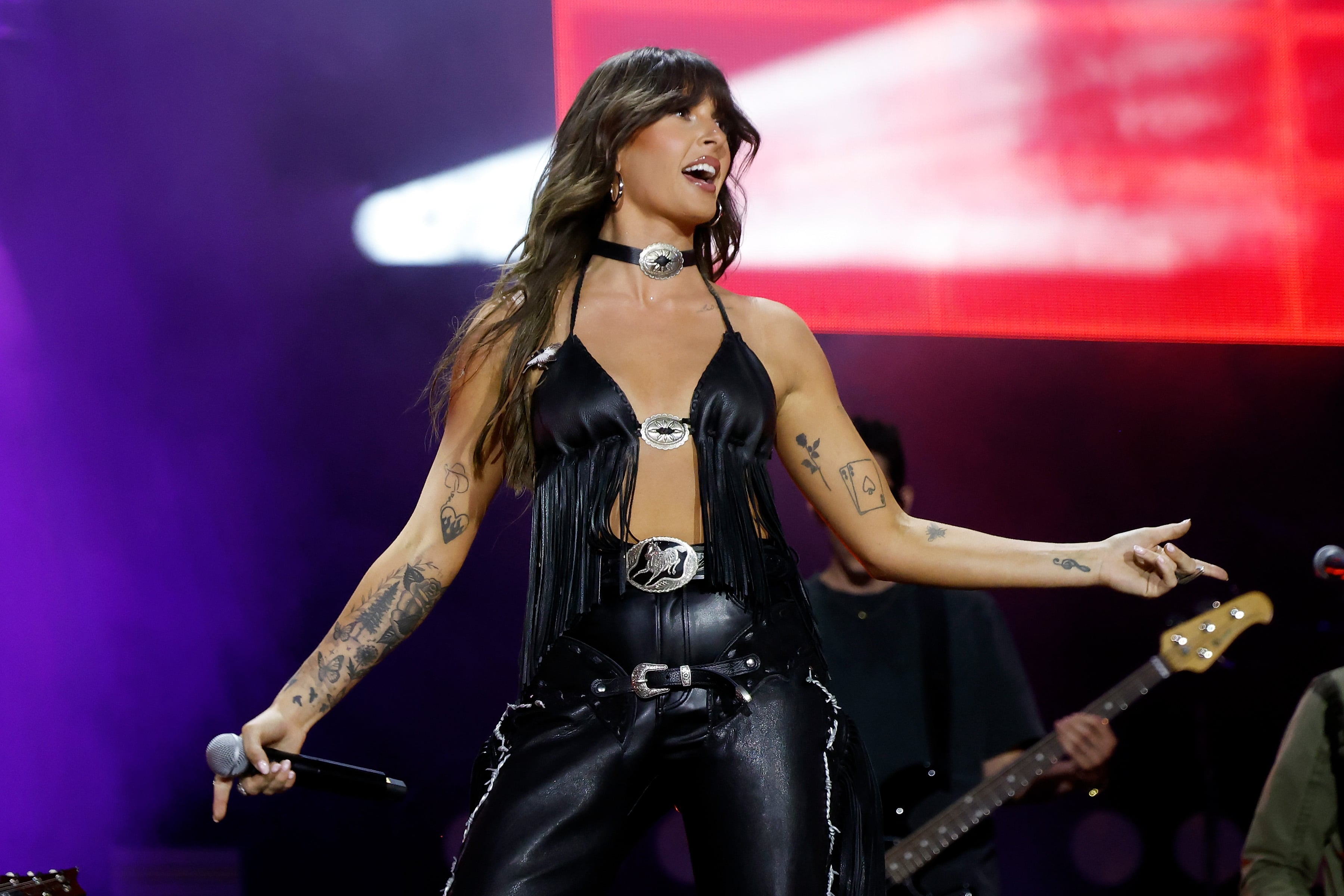
The music phenomenon of the moment is called Choosin’ Texas, an apparently innocuous country-pop song performed by Ella Langley, a 27-year-old artist from Alabama. The track, which tells the story of a love triangle in which someone inevitably gets hurt, has spent 24 weeks as the best-selling song in the United States. No song has stayed that long at number one on the Billboard Hot 100, the country’s official chart, which is calculated using a formula that incorporates streaming, download sales, and radio airplay.
White Nights, a short novel by Fyodor Dostoevsky first published in 1848, is the latest literary discovery of Generation Z. TikTok users seem to be talking about little else.
There was a time when moderation was a virtue and the middle ground, wisdom. Hyperbole was no more than a literary or rhetorical device. But not anymore. We live at the extremes. Raising everything to its highest possible level is the zeitgeist fate has handed us, and it comes with a suffix that colonizes the internet: maxxing. A highly versatile suffix: placed after the right word it means that, whatever you do, you are giving it your all.
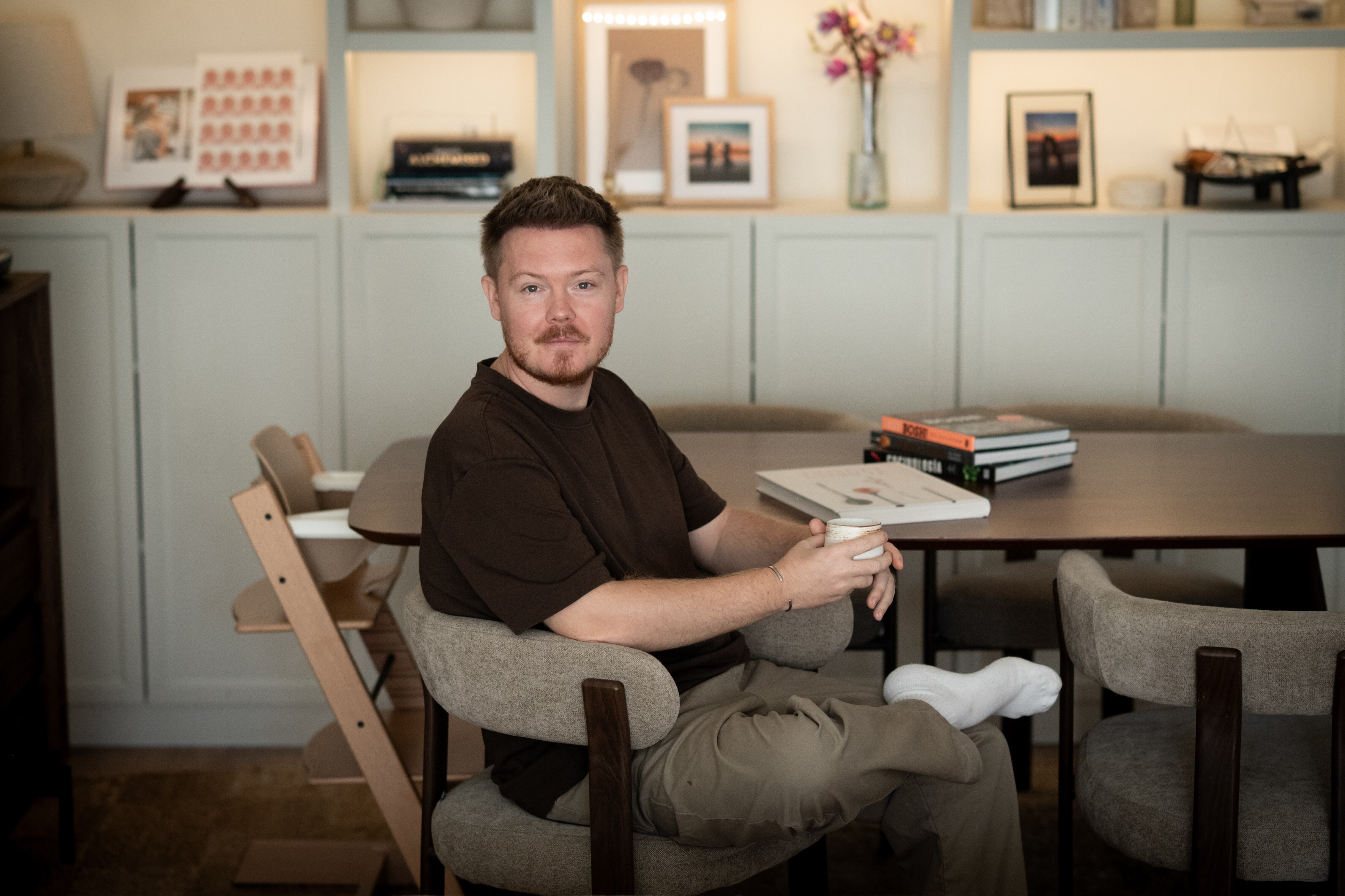
In another life, Johnny Cross (Clovenfords, Scotland, 34) might have become a sports journalist covering British football teams, but an Erasmus year in Seville during his final year of university changed everything. There he met Marta, his partner, with whom he now has two children, and he decided to stay in Spain. He also realized sports journalism wasn’t for him, so he began teaching English to make some money — “very typical of the guiris [a Spanish term for British people] here,” he says with a laugh.

 Login