Reading view
In ruby-red Kansas, Trump contemplates the possibility of a Democratic win in the state
The president came out in support of Senator Roger Marshall, who is facing an unexpectedly strong challenge from Democrat Adam Hamilton
The fact that Donald Trump was here at all said more about a looming electoral disaster facing his Republican party next month than anything contained in his dark and discursive 98-minute stump speech.
On Monday, amid raucous chants of “USA! USA!”, the president held his first campaign rally in Kansas for eight years. No Democrat has won a US Senate seat in this ruby-red state since 1932, the year Herbert Hoover was president, Amelia Earhart was the first woman to fly solo across the Atlantic and the Nazis became the biggest party in the German Reichstag.
Continue reading...
© Photograph: Kent Nishimura/AFP/Getty Images

© Photograph: Kent Nishimura/AFP/Getty Images

© Photograph: Kent Nishimura/AFP/Getty Images
Trump attacks ‘migrants and communists’ as he tries to exploit France unrest
President at Kansas rally tries to turn protests into cautionary tale for US as Republicans face midterm losses
As Republicans confront mounting political headwinds ahead of November’s midterm elections, Donald Trump is attempting to turn unrest in France into a cautionary tale for American voters, recasting the demonstrations that began as student protests against crumbling schools and the soaring cost of living as evidence of the dangers of immigration and the erosion of western civilization.
At a rally in Kansas on Monday evening, Trump described France as a once-great nation that had been “conquered, looted, and burned to the ground by migrants, jihadists, and communists”.
Continue reading...
© Photograph: Kent Nishimura/AFP/Getty Images

© Photograph: Kent Nishimura/AFP/Getty Images

© Photograph: Kent Nishimura/AFP/Getty Images
India: 16 mujeres mueren cada día en casos relacionados con la dote
Nuovi scontri e saccheggi a Parigi
Stelvio di cemento: arriva un hotel da 15mila metri cubi nel cuore del Parco. Ricorso degli ambientalisti al Tar per fermare la costruzione in mezzo ai boschi
“Rispetta la montagna”. La leggenda racconta che un giorno il padrone del maso di Stallwies, il più alto della Val Martello, prese il fucile e seguì il sentiero per la montagna. Andava dietro a un cervo bianco per cacciarlo, ma quello non la smetteva di salire e l’uomo dietro di lui. Su per valli, canaloni, precipizi. Finché a un certo punto il cacciatore capì che doveva fermarsi. Imparò la lezione: “Rispetta la montagna”, appunto. Chissà se tra sindaci e consiglieri della Val Martello qualcuno ricorda la leggenda che si tramandavano i loro antenati. Siamo ai piedi dell’Ortles, in Alto Adige, nel cuore del Parco dello Stelvio. Proprio qui si trova la zona chiamata Gallenmahd: sono boschi e prati a perdita d’occhio. Eppure il comune di Martello il 25 giugno scorso ha dato il via libera alla realizzazione di un nuovo albergo quattro stelle: 15.650 metri cubi (cioè oltre 5mila metri quadrati di superficie che sarà coperta di cemento) per 120/140 letti e 70 stanze. Senza contare una ‘diga’ anti valanghe lunga 150 metri, larga alla base 40 e alta 12. Non esattamente una costruzione che possa passare inosservata. Siamo a 1.665 metri, persi nei boschi di conifere, e il paese più vicino è a oltre sei chilometri di distanza.
Così nei giorni scorsi un gruppo di associazioni (Mountain Wilderness Italia, Federazione Ambientalisti Alto Adige, Heimatpflegeverband Südtirol, Umweltschutzgruppe Vinschgau e CAI Alto Adige) ha presentato ricorso al Tar. Il punto, dopo l’approvazione da parte del Comune, non è tanto se l’albergo si possa costruire. “La Val Martello – dicono le associazioni – promuove l’immagine di un luogo ancora in gran parte incontaminato, che punta sul turismo dolce. È proprio questo patrimonio che un grande albergo mette a rischio. La domanda non è se a Gallenmahd si possa costruire, ma se sia opportuno farlo”. Ma per portare la questione davanti al Tar serviva un appiglio giuridico. Ed ecco il nodo: “L’area dove si vuole costruire ricade in piena zona rossa per pericolo di valanghe, dove non è possibile edificare”. Ma allora come è stato possibile ottenere il via libera? “Si è prevista la costruzione di un grande vallo che proteggerà dalle valanghe”. Qui si scontrano le diverse tesi giuridiche: le associazioni che hanno proposto il ricorso sostengono che la diga anti valanghe sia in fondo opera accessoria all’albergo.
Qualcuno, intanto, fa notare che non molto lontano nel 1952 era già stato costruito un altro albergo, il Grand Hotel Paradiso della famiglia Fuchs, quella proprietaria della Birra Forst. L’edificio, firmato nientemeno che dal genio dell’architettura Giò Ponti, è da tempo abbandonato e in rovina. Ora l’ultima parola spetta ai giudici amministrativi. Però le stesse associazioni che hanno presentato ricorso ci tengono a precisare: “Noi non ci opponiamo allo sviluppo turistico di Martello. Un comune del parco nazionale ha bisogno di uno sviluppo adeguato alla propria realtà: di piccola scala, nell’esistente, con un reale beneficio locale”. Il punto è che Martello ha tutto il territorio compreso nel Parco, quindi pianificare è difficile. Soprattutto in assenza del famoso Piano del Parco che, fanno notare le associazioni, sarebbe compito della Provincia di Bolzano e che invece non arriva mai. Il sindaco Georg Altstatter spiega: “La possibilità di costruire è prevista nel piano urbanistico del 2000. Quando abbiamo votato il via libera al progetto c’è stata l’unanimità. Capisco le cautele degli ambientalisti, ma abbiamo 15mila ettari di territorio, siamo tra i comuni più grandi dell’Alto Adige, e appena 60mila prenotazioni l’anno. Selva di Val Gardena e l’Alta Badia sono sopra il milione. E io devo pensare ai 900 abitanti del mio paese, devo dare loro lavoro e non devo farli andare via. Oggi si basa tutto sull’agricoltura – le famose fragole – e l’artigianato”.
L’albergo della Val Martello, però, non è l’unico progetto che ha suscitato polemiche in Alto Adige. A Bressanone c’è il progetto per la costruzione del maxi hotel del gruppo Athesia sulla Plose: parliamo di 124 camere, cinque torri per 398 posti letto. A Riscone, ai piedi di Plan de Corones (Brunico) è stato dato il via libera all’ampliamento e alla costruzione di hotel a 5 stelle, tra cui l’hotel Heinz, che passerà da 70 a 142 posti letto. Il comproprietario della struttura, racconta Il Dolomiti, è il sindaco di Brunico, Bruno Wolf. La questione del cemento e degli alberghi da tempo divide l’Alto Adige, una provincia che ha fatto della cura del territorio una delle sue bandiere e delle sue ragioni d’orgoglio. Qui ogni balcone è ornato da gerani, ma negli ultimi decenni si è costruito, e non poco. In provincia di Bolzano viene promosso il turismo di lusso, con tutti gli impatti ambientali, energetici e di risorse naturali che comporta. È la cosiddetta battaglia per i letti freddi, quelli cioè destinati ai turisti e non agli abitanti. In alcuni paesi delle Alpi, soprattutto in Piemonte, si arriva fino al 90 per cento del totale. In Alto Adige si era deciso di porre un tetto, ma dal 2019 la corsa non si è fermata: si è passati da 230mila a 240mila posti letto in strutture ricettive (con 38 milioni di pernottamenti complessivi all’anno nella sola provincia di Bolzano).
Insomma, in discussione c’è l’intero modello economico. È il tema del turismo che porta da vivere, ma rischia di soffocare la stessa montagna che lo attira. L’equilibrio è molto fragile e non riguarda soltanto il cemento. Proprio sabato a Trento si terrà un convegno sullo sviluppo di nuove vie ferrate. E anche qui si confrontano opinioni opposte, tra chi chiede di realizzarne di nuove e chi invece sostiene che aprirne di altre renderebbe ancora più massiccio l’assalto alla montagna. Forse la vecchia leggenda raccontata in Val Martello sul padrone del maso di Stallwies che insegue il cervo bianco è stata dimenticata.
L'articolo Stelvio di cemento: arriva un hotel da 15mila metri cubi nel cuore del Parco. Ricorso degli ambientalisti al Tar per fermare la costruzione in mezzo ai boschi proviene da Il Fatto Quotidiano.
Le spese folli delle Olimpiadi: dalla Società Milano-Cortina 188mila euro di biglietti omaggio al Ministero di Salvini. E c’è pure il “premio” da 3,5 milioni per la pista di bob
“La barca fa acqua”, senti dire nei corridoi di Simico che ha curato la realizzazione delle principali opere dei Giochi invernali 2026. Lunedì la Società Infrastrutture Milano Cortina (che fa capo al ministero di Matteo Salvini) ha tenuto un consiglio di amministrazione. E, a quanto risulta, è stato piuttosto movimentato. Tra l’altro sono finiti sul tavolo gli acquisti di biglietti per gli eventi delle Olimpiadi: quasi un milione con soldi della società, quindi pubblici. Poi ecco un’altra patata bollente, finora inedita: 3,5 milioni di euro che Simico avrebbe pagato alla ditta Pizzarotti come premio per la realizzazione della pista da bob di Cortina. Su questi due capitoli si allungano già le ombre degli accertamenti della magistratura contabile.
BIGLIETTI OMAGGIO PER UN MILIONE DI EURO. La fibrillazione è cominciata nelle scorse settimane quando si è diffusa la voce (il Fatto ne ha scritto) che la Sezione di controllo sugli Enti delle Corte dei Conti di Roma ha messo il naso nelle spese per le Olimpiadi, in particolare di Simico, la società sorta con il compito di costruire opere sportive e di legacy, l’eredità per il territorio. Ha cominciato dai fantomatici biglietti per le gare e dai ben più cari pacchetti per il soggiorno di ospiti. La domanda di fondo della Corte è semplice: perché una società pubblica che opera nelle infrastrutture avrebbe dovuto spendere quasi un milione di euro – questa la cifra complessiva, che con l’Iva arriva a oltre un milione e 100 mila euro – di ticket olimpici? Non solo: ci si domanda chi, all’interno di Simico, abbia deciso l’acquisto.
Un primo problema è capire a chi siano stati destinati i ticket, oltre ai pacchetti Premium Hospitality piuttosto consistenti. Una prima tranche di questi ultimi, acquistati da On Location, fornitore ufficiale di Fondazione Milano Cortina, è costata 368 mila euro per 202 biglietti premium (in media 1.821 euro l’uno). C’è poi stata una seconda tranche da 100 mila euro (più Iva). Una terza fetta da 500mila euro se n’è andata per comperare biglietti “dignitari domestici” da Fondazione Mico. A quanto risulta una parte dei tagliandi sono stati ‘regalati’ ai dipendenti Simico (fino a quattro ciascuno) contabilizzandoli come ‘welfare aziendale’. La media va dai 346 euro per dipendente dei biglietti Fondazione a 1.274 euro ciascuno per l’ospitalità On Location. È una voce che i vertici della società dovranno chiarire perché non risulta prevista dai contratti aziendali.
BIGLIETTI PAGATI PER NULLA. In questo marasma di inviti e omaggi, ci sono poi circa 140 biglietti per un valore di 188mila euro che sono andati al ministero di Salvini. E qui la Corte vuole capire se chi li ha ricevuti ne avesse effettivamente diritto, per cui si sta cercando di risalire, nome per nome, a chi li ha utilizzati. Perché i biglietti di Fondazione dati ad esterni di Simico sono costati in media 537 euro l’uno, mentre l’ospitalità On Location (67 pacchetti) è costata in media 2.621 euro (in totale 175 mila euro). Ma ci sono due ‘gialli’. Innanzitutto quello di circa 160 biglietti – oltre 100mila euro – che non si riesce a capire a chi siano finiti. Inoltre, 211mila euro per 441 ticket “non assegnati”, di cui 342 per 59mila euro a beneficio di Fondazione (costo medio 478 euro) e 99 per 151mila euro a beneficio di On Location per l’ospitalità (costo medio 1.531 euro). Insomma, soldi cacciati al vento.
Se risultassero regali non giustificati o spese non utilizzate, la Corte dei Conti potrebbe arrivare a chiedere ai manager che hanno deciso l’acquisto di risarcire la somma. Per questo i magistrati contabili hanno scritto sia all’amministratore delegato Fabio Massimo Saldini, che alla presidente di Simico, Veronica Vecchi, chiedendo chiarimenti. E qui comincia il balletto perché la presidente ha messo nero su bianco che della decisione di acquistare i ticket il consiglio di amministrazione non è “mai stato coinvolto”. Come dire che non è disposta a tenere il cerino in mano. E nemmeno il consiglio di amministrazione.
CONSULENZE PER UN MILIONE E MEZZO. Non è la sola rogna su cui occorrerà fare chiarezza. C’è anche la questione delle consulenze in materia giuridica, pare a prestigiosi studi, che sono state affidate nonostante Simico avesse un ufficio legale che sarebbe stato impiegato per fornire solo una parte dei pareri. Per i professionisti legali esterni sono stati spesi 395mila euro nel 2025 e 279mila euro nel 2024, circa 675mila euro in due anni. Ancora più cospicua la voce delle “consulenze varie” (comprensive di Internal Audit, relazioni esterne, social media management, audiovisivi e relazioni con i media): si arriva a 510mila euro nel 2025 e 238mila nel 2024. Il monte dei rimborsi spese a piè di lista per viaggi e missioni ha raggiunto i 436mila euro nel 2025, circa 161mila euro in più rispetto al 2024.
TRE MILIONI E MEZZO DI PREMIO A PIZZAROTTI. Passando da Roma alla Procura della Corte dei conti di Venezia, emerge un’altra storia finita sul tavolo del consiglio di amministrazione di Simico. I magistrati veneti hanno acceso un faro su un pagamento di 3,5 milioni di euro riconosciuto a Impresa Pizzarotti, la ditta a cui sono stati affidati i lavori per la realizzazione della pista da bob. Quando nessuno la voleva costruire, nel dicembre 2023, il ministro Salvini diede un annuncio decisionista: “Finora si è perso troppo tempo. Non costerà un centesimo in più agli italiani”. Aveva sfrondato il progetto così da rendere appetibile (all’unico concorrente Pizzarotti) l’appalto da 81,6 milioni di euro (anche se il costo complessivo del sistema Sliding Centre arriva a 133 milioni di euro).
Pizzarotti è riuscito in un’impresa apparentemente impossibile, mettendo a disposizione la pista in 13 mesi per la pre-omologazione. Il collaudo a fini agonistici è avvenuto nell’autunno 2025, a febbraio 2026 si sono disputate le gare olimpiche. Per quel lavoro Pizzarotti ha ricevuto 3,5 milioni di euro aggiuntivi che hanno fatto sorgere qualche dubbio alla Procura contabile veneta. È il Codice degli appalti a dettare le regole del cosiddetto “premio di accelerazione”, nei casi di ultimazione in anticipo rispetto ai termini contrattuali. L’ammontare, nei limiti della somma disponibile indicata nella voce “imprevisti” del quadro economico (un milione 632 mila euro per lo Sliding Centre), è commisurato “ai giorni di anticipo e in proporzione all’importo del contratto”. Pizzarotti ha concluso i lavori prima? È questo che si sta chiedendo la Procura contabile. L’impianto è stato messo a disposizione per le gare, ma i lavori non sono conclusi nemmeno oggi, a otto mesi dalla fine dei Giochi. Basta leggere la convenzione siglata dall’amministratore delegato Saldini con il Comune di Cortina il 12 ottobre, che detta norme rigide per l’accesso alla pista a fini di allenamento o gare, visto “l’intervento è in fase di avanzata esecuzione” e le competizioni dovranno essere “compatibili con lo stato delle attività in corso”. Insomma, lo Sliding Centre è ancora un cantiere.
Per capire la legittimità del premio si stanno analizzando contratti e clausole che legano Simico a Pizzarotti. Quest’ultima ha ottenuto anche un appalto aggiuntivo da un milione 617mila euro, con una procedura negoziata senza bando. Ha riguardato “l’attività di manutenzione e conduzione dell’impianto” dopo il 21 novembre 2025, quando la pista è stata assegnata a Fondazione Milano Cortina per le gare olimpiche.
I GIOCHI DELLA LEGA. Dopo le settimane di gloria e di riflettori planetari, la paternità delle Olimpiadi comincia a diventare scomoda. Di certo in Italia saranno ricordate come le Olimpiadi della Lega. “Milano ha ospitato lo spettacolare avvio dei Giochi Olimpici Invernali 2026 fortemente voluti dalla Lega al Governo e dalle regioni a guida leghista”. Scriveva così Matteo Salvini nel febbraio 2026 sulla Settimana Leghista, consacrando i Giochi di partito. Perché era stato Luca Zaia a lanciare la proposta. Perché si sono svolti, guarda caso, in due regioni amministrate dal Carroccio, Veneto e Lombardia. E poi c’è stato il ministero dei Trasporti e delle Infrastrutture, guidato dallo stesso Salvini, a tenere in mano il boccino di opere per 4 miliardi.
Difficile dire chi sia stata la vera mente dell’operazione. C’è ovviamente Salvini, ma non è il solo leghista. Un ruolo di primo piano lo ha avuto il sottosegretario alla Presidenza del Consiglio Alessandro Morelli, ex direttore della “Padania”, il cui entourage è stato destinatario di 18 biglietti per 14mila euro. Se i governatori Attilio Fontana e Luca Zaia, ormai uscente, hanno messo la faccia politica, la firma tecnica sui provvedimenti di Simico è dell’amministratore delegato della società voluto da Salvini nel febbraio 2024, Fabio Massimo Saldini. Quasi omonimi, ma tanto diversi nel tratto. Saldini è un architetto con una lunga presenza ai margini del mondo politico di centrodestra. Le cronache ricordano, per esempio, il suo ruolo professionale nel promuovere il gigantesco (e contestatissimo) progetto edilizio della Cascinazza di Monza voluto da Paolo Berlusconi, fratello di Silvio. Ma è nella Regione Lombardia guidata dall’amico Roberto Formigoni che Saldini ottiene consulenze e viene nominato delegato del Presidente in materia di moda. Un legame, quello tra Saldini e Formigoni, riemerso nell’estate 2025 al Meeting di Comunione e Liberazione a Rimini. Saldini era presente con una delegazione di Simico e aveva portato con sé alcuni atleti (altra spesa di Simico su cui la Corte dei Conti vuole fare chiarezza). Davanti al pubblico plaudente Saldini salutò Formigoni – che è sempre stato legato a Cl e si è ritirato dalla vita politica dopo scandali e condanne – suscitando una sorta di standing ovation.
Ma veniamo ad anni più recenti. Saldini dalla Regione Lombardia – a quel punto già a trazione leghista – ottiene nomine prestigiose, come quella nella società della Pedemontana Lombarda. E in Simico dove entra, esce e poi rientra occupando infine la poltrona di amministratore delegato, direttore generale e commissario straordinario che gli garantisce di sovrintendere ad appalti miliardari e di incassare 240mila euro in una sommatoria di indennità. Una gestione non facile, viste le vicissitudini della pista da bob e lo scandalo della famigerata funivia di Socrepes, un’incompiuta che partirà in ritardo di dieci mesi, con una capienza dimezzata. Per non parlare dell’inchiesta per turbativa d’asta aperta a Belluno.
Adesso che sembra arrivato il momento di fare i conti, non si deve dimenticare una cornice più ampia. La società Simico dovrebbe cessare, in base alla Legge Olimpica, il 31 dicembre 2026. Ma il governo l’ha già prorogata fino al 2033, perché il numero di opere da concludere è imponente. Finora ne sono state ultimate 49 su 98, la metà, mentre 21 sono in progettazione, 9 in gara e 19 in esecuzione. Un gigantesco cantiere aperto, una voragine. Infatti è stato speso solo il 25 per cento delle risorse pubbliche stanziate, mentre è in esecuzione il 17 per cento. Solo sulla carta (in gara o in progettazione) sono opere equivalenti al 58 per cento degli stanziamenti.
Non è un bilancio lusinghiero, anche se le cause sono molteplici. Eppure, ricevendo a fine agosto il Campanile, riconoscimento civico di Cortina per i rappresentanti delle istituzioni che hanno contribuito alla riuscita delle Olimpiadi, l’architetto Saldini ha dichiarato: “Abbiamo dimostrato di essere affidabili e credibili”. Si gioca altri sette anni di comando. Una specie di vita eterna in una delle centrali di spesa pubblica più importanti d’Italia.
L'articolo Le spese folli delle Olimpiadi: dalla Società Milano-Cortina 188mila euro di biglietti omaggio al Ministero di Salvini. E c’è pure il “premio” da 3,5 milioni per la pista di bob proviene da Il Fatto Quotidiano.
Meloni, intesa di Trump sul gasolio russo è rischiosa, legittima Mosca
The Black Panthers at 60: You can jail a revolutionary, but not the revolution

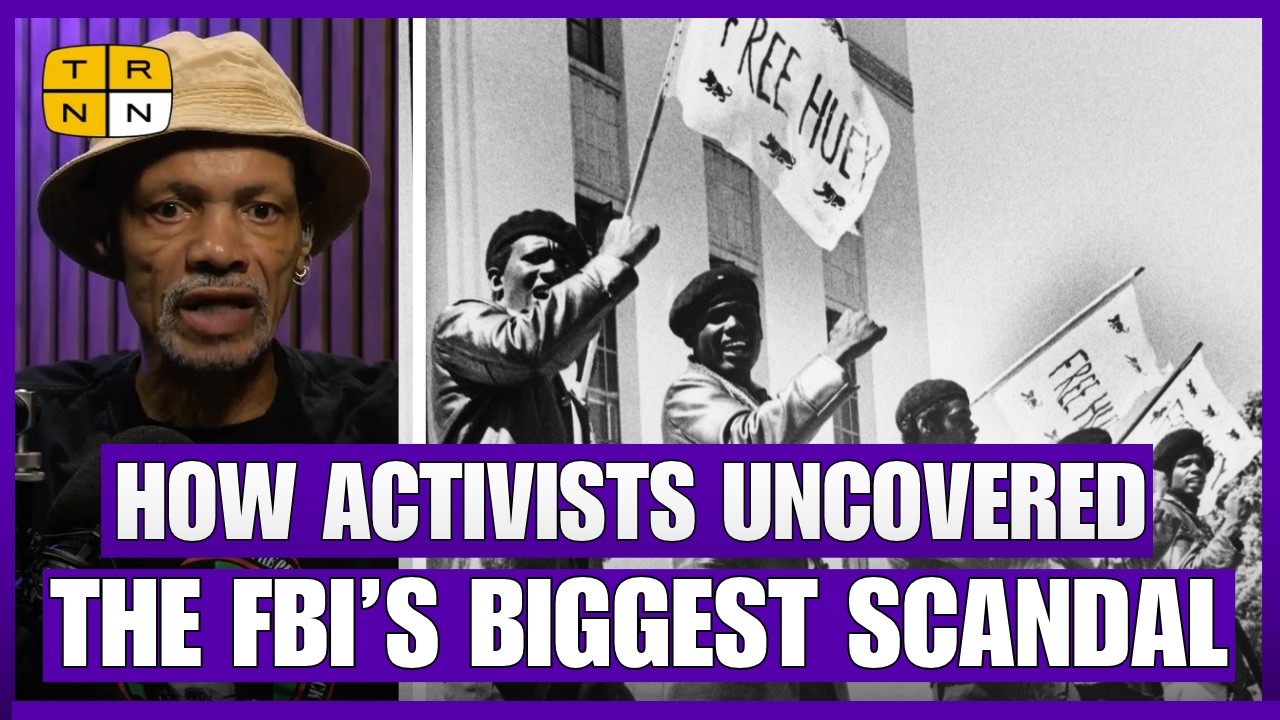
In the second half of this insightful conversation, former political prisoner Mansa Musa joins Black Panther Party archivist and photographer Billy X Jennings to examine the pivotal 1971 FBI office break-in by antiwar activists. The stolen documents exposed COINTELPRO—the federal government’s covert operation to surveil, infiltrate, and dismantle radical political movements. Despite state-sponsored efforts to suppress the organization, the Panthers’ legacy survives through modern social movements, culture, politics, and communal socialism. Oakland Mayor Barbara Lee, who worked closely alongside the Panthers on their early survival programs, brings deep personal insight into their lasting community impact. Published in conjunction with the 60th anniversary of the Black Panther Party, this feature continues our series on the BPP’s enduring role in social justice.
Related links:
- Celebrating 60th Anniversary of the Black Panther Party
- Billy X Jennings Facebook
Credits:
- Production/Post-production: Cameron Granadino
Transcript
The following is a rushed transcript and may contain errors. It will be updated.
Mansa Musa:
I was reading Huey’s dissertation for his doctoral called War Against the Black Panther Party: A Study in Oppression in America. And in that, he outlined one COINTELPRO and COINTELPRO systematic attack on the party to the point of Eddie Conway wrote the book called The Greatest Threat Ever, outlining how the federal government systematically targeted anybody, but more specifically members of the Black Panther Party to either isolate them or kill them or send them to prison where they served death of a thousand cuts and then they ultimately die. Talk about once that information came out about COINTELPRO and its involvement in destroying the party, how did that change your views or how did that impact the political landscape as you seen it when it come to organizing and revolutionary ideology?
Billy X Jennings:
It wasn’t till 1970 that people officially found out what COINTELPRO was. We always knew there was some kind of program out there that wiretapped us, how the FBI followed us and set us up for different charges like that. But on a personal basis, COINTELPRO helped me stay out of jail. Now, COINTELPRO is not something they invented for the Black Panther Party. It’s something they always had going on, but they ramped it up three degrees because of the party, how the party came out or how effective the party was. So in 1970, when these young anti-war people broke into this post office in Pennsylvania, it helped me out because at that time, Huey P. Newton was on Nixon’s enemy list. I am Huey P. Newton’s personal aid. So when FBI sees Huey, they see me.
And so I’m a much easier target than Huey. So they started using the draft to gift me, the selective service. Now, this is the same method they used against members of SNCC, another organization that preceded us. They would get the selective service to start sending them letters to have them drafted. And you only got three choices. Either you’re going to leave and go to Canada, you’re going to go underground, or you’re going to jail. Any one of them stopped you from being affected, and that’s what they wanted. They wanted to stop people from being affected so they would hold this selective service thing over their head. So what happened when they did the same thing to me, right? They arrested me when I was with Huey after coming to court. So I went to court for this draft evasion thing. The federal government had three of their attorneys on my case.
And so what happened was this, they wanted to charge me for draft evasion, but my attorney pointed out they wanted all the documents, film, phone, anything connected with Bill Jennings. And they immediately dropped my case on the spot because they were still trying to hide the fact that they had a program called COINTEL PRO and they didn’t want to reveal it because of me.
So they just dropped my case. So I walked away from that whole case because COINTEL PRO was discovered and they didn’t want to dispose all the footage they had of me and Huey together because that’s what they were doing, compiling stuff on Huey. I just happened to be there.
So that’s how COINTEL PRO affected me, but a lot of party members went to jail. Geronimo G Jaga did 27 years. They pulled him off the street. The FBI lied on him. They said he helped kill someone in the LA, but at the same time, the FBI was watching him while he was in Oakland attending meetings. They lied on the brother, just like they did. Maybe about 35 or 40 Panthers went to jail, maybe 35 Panthers were killed through COINTEL PRO. And many like Fred Hampton were victims, minding their own business. The next thing you know, law enforcement has them in their clutches one way or another. So it was not easy being a party member during those times.
Mansa Musa:
And they knew Eddie Conway was at work when this incident happened. They went to where he worked at in the post office and told the people to say that he wasn’t at work. And then they planted a snitch in his cell or they had one of them snitchers come up and say that Eddie said something. They had coerced people to lie against. So to your point, that was their methodology during that time. Like you say, they going to get you through selective service. They’re going to get you through income tax. They’re going to get you any way, shape, form or fashion. But talk about what do you think about this recent group in Philly that call themselves the Black Panther and then switch their name to the Black Lions and they’re doing some organizing. They got a large presence on social media. They can be seen, engaged in mutual and exercising their rights through confrontation with the police.
Basically, their strategy is being more confrontational. Are you familiar with them and what you think about
Billy X Jennings:
Them? Well, I am somewhat familiar with them. I get emails from them, messages. But just recently there was a meeting held in Philadelphia with Panthers, real Panthers, original Panther members and members of the Black Lions. We suggested then that they change their name because our legacy was built on positive direct action in the community. This is our legacy. We can’t have any young group. We don’t even know what you believe. Come and say you’re party members. The Black Panther Party stopped existing in 1982. So you should come up with a name for your own legacy so people can identify you because what you’re doing, we don’t know who you are. COINTELPRO and all that, you might be good at heart, but we don’t know you. Start your own legacy. Start from ground one, change your name because our name is built on our legacy of what we’ve done and we don’t know what you’re going to do.
The Black Panther Party had 14 different medical facilities. Two are still open to this very day, one in Seattle and one in Portland.
Mansa Musa:
You
Billy X Jennings:
Can see Black Party still alive in groups like the Gray Panthers. They took up where the Black Panther Party left off with the senior citizens. The Black Panther Party had a senior escort service. All these different services the party provided, free buses to prison program. And the main purpose for that program was to keep the family unit together
Mansa Musa:
Because
Billy X Jennings:
People have cars, but many of the state prisons are far, far away. You might have a car that’s good for getting around the city, but getting on the freeway, your car might not make it. So we provide these services to keep the family unit together. It’s good that the Black Lives change their name. It’s good they’re doing social work in the community, but they also have to understand that longevity. Dealing with the police is good to have people who deal with the police who the police know they can’t run and rub shot it in our community. I don’t have anything bad about that, but that shouldn’t be your main focus. That should not be what you’re all about. The party blossom out past that, that’s how we started getting community support, breakfast programs, liberation school, providing services for people. That’s how you get people to change their mind, their attitudes about you.
They see what you do through your social
Mansa Musa:
Practice. In that regard, Billy, talk about what would be your message to youth because you got a lot of young people that’s learning about the party. You got a lot of young people that’s through social media becoming informed about it. And what would you tell them when they come up and say, okay, to your point, no, you’re not original member of the Black Panther Party. No, you don’t have the right to say that in terms of and then saying that’s what you are. But what would you tell them when they come up and say, we want to change the condition, social conditions, we want to do it in the same light that the Black Panther Party did it. What would you tell them to do?
Billy X Jennings:
I would tell them the Black Panther Party were operating in the 1960s and we’re in the 2026 era right now. So we can’t go back and keep doing stuff in the past. We had to come up with new ways of doing things, a new attitude of doing things. We set the table for all these social programs to be embraced in the community, but they have to take it from there. They have to take where we started and bring it into their conditions now. And I would say to young people, get with another group that has your same ideology, your same philosophy. If they’re serving the community or working in the community, work with them because we need to unify all our efforts and come together. Educating young people, having political education classes, taking people outside of the community, outside of their environment so they can see the bigger world and see where they fit in.
All those things are things that are doable things, job training, telling people how to write a resume. Those are those small things, but those things that help because we have a lot of hardcore brothers who get out of jail who are not educated in the educational system. They need that kind of nourishment to bring them up. That’s what we should be doing, community service to bring our people up and not run away from the people. The Black Panther Party, when we had social programs, we invited people to come back to work. We provided a place for doctors and nurses to, if you wanted to give back to the community, we have a clinic here. You could donate four to six hours a week to have those facilities there or people in the community or have a community meeting around issues in the community. That’s how you bring interested people together, unifying people.
Mansa Musa:
Yeah, that’s a good point because they got what they call the Malcolm X Grassroots Collective. I’m in DC and what they do every second and fourth Wednesday of the month, they have political education class and their political education. They’re not calling themselves some other than what they are organizing, but what they do, they have political education class and then the materials that they use, they using materials that they learned about from the Black Panther Party. But talk about the 60th and what you got planned with some of the things that you’ll be organizing for the 60th.
Billy X Jennings:
Well, that’s a lot. Well, I would say the 60th is what my particular role is, is I’m sponsoring a couple workshops on chapter history. Black Panther Party had over 40 different offices of the Black Panther Party. And there’s a lot of history in these different cities and geographical areas that we don’t know about that only the local people there knew about. So we’re trying to bring that history together so that people in Chicago would know what the people in Portland, Oregon was doing or the people in Seattle will find out who were some of the people that started the party down in Houston, Texas. And some of the programs, Salem, some of the problems the Winston-Salem chapter deal with because they were a chapter of the Black Panther Party that was actually in the South because they had problems that a lot of us didn’t have in California,
So forth. But chapter history, I’m doing some tours of Oakland, like I said, to educate a lot of people who’ve never been there before. A lot of people come to the reunions, they bring their grandkids or their great-grands. They want to show them what they was involved in, how all this thing originated. I have doing tours. I got a couple exhibits at the main library in Oakland about Black Panther Party rank and file. I have an exhibit open October 5th at the Alameda Law Library, which is across the street from the Oakland main library. Oh,
It’s across the street from the Oakland Main Museum. So that exhibit’s going to focus on the impact of the Black Panther Party on the law because of the political prisoners, clientele pro, racism in the police department, all those kind of things. So I got my hands full and on the 18th, which is the last day of the conference, I’m in charge of a day in Bobby Hutton Park. Local hip hop artists, poets, a couple bands will live music and we have speakers come, going to do it like we did back in the 1960s. Treat music, food, a joyful day in the community. Don’t caution that and all you have to do is bring your blanket, sit out and hear some speeches and hear some music and unify in the community.
Mansa Musa:
Okay. Thank you, Billy. Thank you. And Billy, we really appreciate you taking your time out to come on and educate our audience about all things the Black Panther Party. More importantly, clearing up a lot of misconcepts about the party, what it stood for, some of the more subtleties of it as opposed to, to your point, a lot of the things that was distorted primarily for the purpose of disassociating it from people, getting people to look at it in a different light. You came on today and educated us on how the party really operated as, like y’all said, the Vanguard intercommunal with us.
Billy X Jennings:
The party’s whole thing is to educate people. I had a young lady who worked in my campaign office when Bobby Seal ran for mayor. She is now the mayor of Oakland. So I know that she knows about the 10 point program and all those things. So the party is about growth and development and stuff like that. The Black Police Officers Association of Oakland was started because of the Black Panther Party, right? Because when they shut up our office on 45th and Grove in September 1968, the Black officers refused to help the white officers who was suspended from their job for shooting at that office. And they started an organization, which is one of the biggest Black organizations in Oakland. But a lot of people don’t know that history, but when we have chapter histories, a lot of this history that happened in those cities come up.
Who were now in charge of state health facilities work at the medical clinic and stuff like that. So there’s a lot of roots where people came from. We just have to talk about it, dig it up and document it for future generations because 17 years ago, when I was 17, I joined the party. Today I talked to people from all over the world. I just got off the phone talking to the New Zealand Panthers who are going to send some representatives out here. They have 15 members that came for our 50th. We have people from all over the world. We have Charlotte O’Neill coming in from Tanzania.
Mansa Musa:
Okay.
Billy X Jennings:
For over 50 years. Charlotte’s going through our libations. She has a film. She travels the world. We have all type of Panthers coming in, so this is going to be a event.
Mansa Musa:
There you have it. There you have the bars today. Look, you gave that row out. And we thank you for coming and sharing this information because like you said, at the end of the day, after everything all is said and done, the party was about educating our people about getting them to understand their right to self-determination and how to go about getting self-determination, understanding the contradictions, understanding social conditions, and more importantly, organizing to change conditions. And it’s a tribute to the party. No matter what people say about the party, that is the lasting legacy of the party is educate, educate, educate. Thank you, Billy. We appreciate you. All right. How do you want people to get in touch with you if they want to get in touch with you? They
Billy X Jennings:
Can get in touch with me by going to our website, itsabouttimebpp.com, which there’s a phone number and an address on that website. But for the 60th, you can go to bpp60.org for your latest update information on what’s happening with the 60th.

Fmi, negli Usa gli interessi sul debito raggiungeranno la spesa sociale
Tajani, attacco Trump a Zelensky? Tocca a ucraini scegliere loro presidente
Media India, ‘migliaia le persone fermate alla protesta a New Delhi’
Trump, ‘grande rapporto con Meloni, andiamo d’accordo’
Usa annunciano sanzioni alla Corte Penale Internazionale
Schroeder da Putin per il compleanno, Merz ‘profondamente indignato’
Nyt, ‘Pentagono elabora nuovi piani di attacco contro l’Iran’
Kallas, ‘pronta la nuova missione Ue in Libano, non sostituirà Unifil’
Sale a 24 morti il bilancio dei raid russi in Ucraina
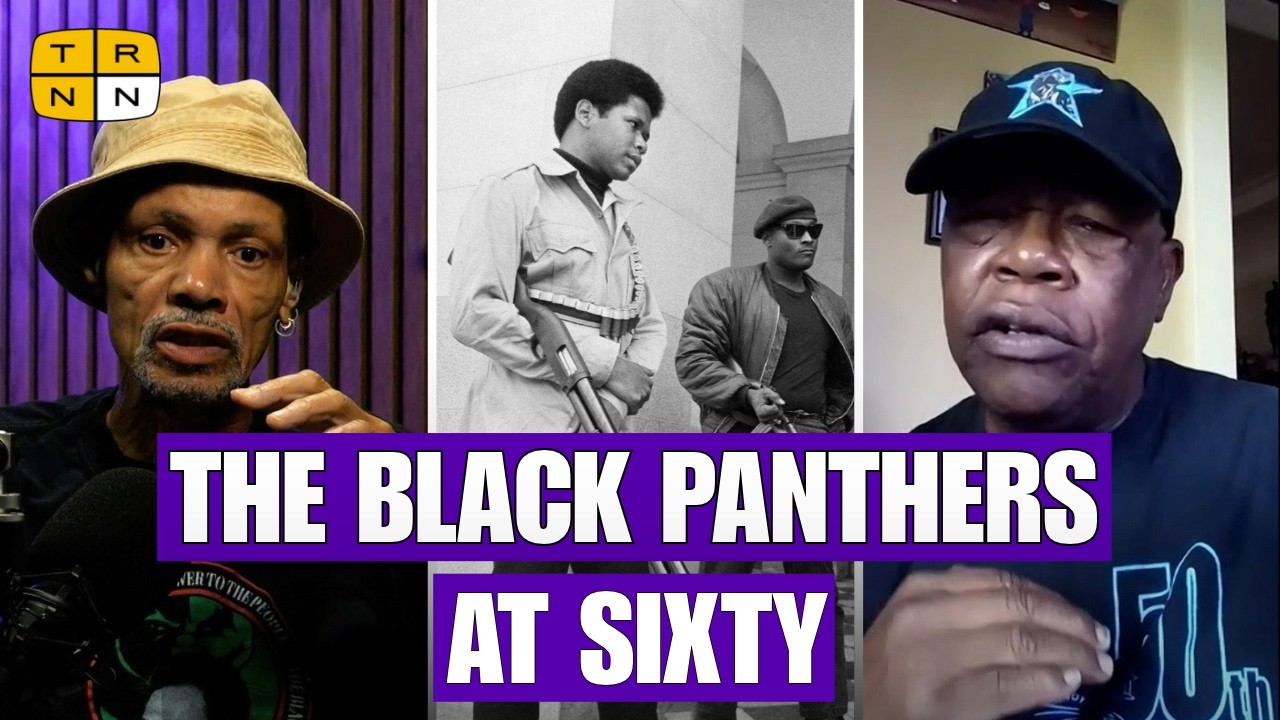
The Black Panthers at 60: A through line of resistance from the South to California

In this episode of Rattling the Bars, host Mansa Musa interviews archivist, photographer, and veteran Black Panther Party member Billy X Jennings.
Joining the Party at age 17 after relocating from Hobson City, Alabama, to Oakland, Jennings managed BPP offices and served as bodyguard to Huey P. Newton. During Bobby Seale’s 1973 Oakland mayoral run, Jennings helped spearhead an unprecedented electoral effort: “…an organizing event on the highest level the parties had ever been. I mean, the party is known for organizing, but to go into electoral politics and do what we did for a first time basis, it changed over. Even though Bobby lost that election, it changed openly because it opened up so many doors. Part of his job was to kick down doors because we were the Vanguard.”
Today, Jennings operates the official Black Panther Party Alumni website and leads political education initiatives across the Bay Area for the Party’s 60th Anniversary.
Related links:
- Celebrating 60th Anniversary of the Black Panther Party
- Billy X Jennings Facebook
Credits:
- Production/Post-production: Cameron Granadino
Transcript
The following is a rushed transcript and may contain errors. It will be updated.
Mansa Musa:
Welcome to the edition of Rattling the Bars. I’m your host, Mansa Musa. This year marks the 60th anniversary of the founding of the Black Panther Party, which started in Oakland in 1966. Today, I’m honored to be joined by Billy Jennings, AKA Billy X, well-known archivist in Oakland, member of the Black Panther Party, a photographer who runs the official Black Panther Party alumni website called It’s About Time. Thank you for joining me, Billy.
Billy X Jennings:
Hey, thanks for having me again. Good morning to everyone.
Mansa Musa:
And as we talked earlier, I was in different spaces and hoping I had met you while I was in Oakland. So this would more or less be like a reunion, but this is my first time meeting you. I’m really honored. I heard a lot about you. I know a lot about your work, and it’s an honor to be able to interview you about the party and some of the things and some of your experiences.
Billy X Jennings:
Okay.
Mansa Musa:
Please introduce yourself to our audience, who you are and how you came to be involved in the Black Panther Party.
Billy X Jennings:
Well, my name is Billy X. Jennings. I’m a member of the Black Panther Party. I joined in 1968 when I was 17 years old. And I came about joining the party because I’m from a historical town in Alabama in the South where most original members came from the South and migrated to California. So I came from a place called Hopson City, Alabama. And the tradition there, Hobson City have had the right to vote since 1890. And we were one of the only black municipal cities, little towns that could vote and had that right to do that. And so I came from a very strong area that had embedded that kind of thought into my mind. And when I traveled to California and I saw the Black Panther Party on TV for the first time in 1967 when they went to Sacramento, California, it blew my mind.
I was in high school at the time and I immediately changed our social… We had a social club called the Buccaneers. I changed it to the Panthers the next day. I didn’t know anything about the party with just that symbolism and how they stood up to the police and read their demands and so forth. It made a change happen in me. And it wasn’t until I graduated from high school, I decided to move to Oakland. And when I moved to Oakland, it was during the time that Huey knew the trial had just started and I was going to a college that’s two blocks away from where Huey was going on trial at the courthouse. And when the trial started, we would hear them saying Free Huey off the preg, free Huey. And I went over there one day and I was reading a book simultaneously at the same time called The Audible Malcolm X.
So what I read, I had read in the book already, but I heard Bobby Steele speak at a rally for Huey and they were saying the same thing. So it got me really interested in the party. And so I started going to the rallies to Free Huey. I met some Panthers and then they said their Panther office was going to open in my area. And when it did, I went down and joined, became a Panther in training and I’ve been working with the party ever since.
Mansa Musa:
Okay. And take us back to the party’s founding because you came in two years after its founding. And also you came in to your own observation and to what we know to be a fact, you came in at a point where they had just started to become on the radar of the feds, but more importantly, they was definitely on the radar of the Oakland police, LA police. And so talk about what was it like to be able to be in that space and ultimately find yourself in a position to be the bodyguard for Huey Newton once he got out.
Billy X Jennings:
Well, my process started at the very beginning. In 1968, there was a certain method the party employed. Before you became a Panther, you had to become a Panther in training, which requires six to eight week training. They give you a list of books that has about 35 different books, about books by Franc Fanon, Mao Saintong, Che Guevara, Pruma, and other revolutionaries to read. And you had to attend political education class on a weekly basis. Panthers at that time was required to read two hours a day. A Panther had to secure and have what we call technical equipment. Technical equipment was a firearm of some type, because at that time I joined the Black Panther Party, it was called Black Panther Party for self-defense. Later on, we dropped off the self-defense, but at that particular time, the party was engaged into patrolling
Police officers in the community, observing them and making sure they don’t beat and brutalize people. So the first six weeks is reading and studying and learning the rules of the Black Panther Party. And then you’re given a section. The city is divided into different sections. I worked in the section four in East Oakland. Section four had a section leader. They had a geographical area that they were responsible for. And so I was in section four. At that very beginning when I first started, we were theorizing about the breakfast program. It hadn’t came about, but we were still looking for geographical locations to have these breakfast programs in the future. So we did that. And every Panther is required to sell the Black Panther Party newspaper, which is the voice of the party. And at that time, the party was growing tremendously by leaps and bounds.
We had people flying into California from Kansas City, Chicago, New York, all to get this education. Before you can open up a chapter of the Black Panther Party or a branch of the Black Panther Party, you have to come to Oakland first and get educated. And you have to meet the leadership. The leadership has to eyeball you and find out your level of consciousness, what type of person you are before you can go back and represent the party. So this whole process was going on. People were flocking to the party. The party got so big that in 1969, we had put a stop on membership and we call that particular part of the party’s history the purge because the party had grown… I mean, the party was attractive. I mean, black coats, leather coats, I mean sunglasses and Afros at the same time. So this was a big thing for our culture.
At the same time, our culture level was rising even in music. James Brown had a record out in 1968 that elevated people’s social conscience, I’m Black and I’m proud. It moved people from the level of being a Negro, because that’s what the newspapers and that other people was referring us to. But in our community, we’re referring to ourselves as Black or African. And when James Brown came out with Black and I’m Proud, you could never go back to ever saying he was a Negro no more. There was different progress being made, but James Brown couldn’t sing no song like that. It wasn’t for groups like the Black Panther Party. Groups like The Shot Light Can’t Sing got to give more power to the
Mansa Musa:
People
Billy X Jennings:
Like the Black Panther Party, paving the way to educate people to lift up their consciousness. And so my role in the party, I came up as a Panther in training. I became a officer of the day, which is the person who runs the office. And from there I was transferred to central headquarters. Now, my name came about because my captain at that time was a legendary Panther called Robert Bay. Robert Bay ran the East Oakland office. Robert Bay was also an age of the central committee. And when Huey Newton got out of jail in 1970, the central committee made Robert Bay his permanent bodyguard and assistant. Now, I worked in that capacity as well after Huey got out of jail, mostly going to… I went to court with Huey on a daily basis because he was let out on appeal. He wasn’t just let out.
He had to go back to court and defend himself. And so my job became that. And also at the same time, I became to the Newton family. Mr. Newton, Mrs. Newton, I lived three or four blocks from them. I would walk over their house around the corner, mow their lawn. I’d be taken to the pharmacy, driving to doctors because they’re old people and they don’t drive so much. So that became my responsibility and me and Huey’s relationship grew behind that. So we had good personal relationship.
I worked central headquarters. Working at central headquarters was key to who I am today because I know Panthers from everywhere because every Panther had to call the central headquarters on a weekly basis or if the office gets ready or they need lawyer resources and stuff like that, I pick up the phone, write on the messages or tell them what they need to know. So I know Panthers from almost all the chapters and branches. And so I worked that group for a while. Then I was drafted into Bobby Seal’s campaign when he ran for mayor of open. I ran Bobby Seal’s campaign office in East Oakland. And it was an organizing event on the highest level the parties had ever been. I mean, the party is known for organizing, but to go into electorial politics and do what we did for a first time basis, it changed over.
Even though Bobby lost that election, it changed openly because it opened up so many doors. Part of his job was to kick down doors because we were the Vanguard. We had lead to struggle and there’s other people who follow behind us. I mean, our life was constantly in threat because we were on the front line, police department, clientele pro, all those things aimed at members of the Black Panther Party. So not only did we have the burden of dealing with the system, we had to deal with the authorities as well.
Mansa Musa:
Talk about, and you’re familiar with Eddie Conway, right? And so Eddie Conway, when he got locked up, he organized a chapter for the Black Panther Party in the prison, which I became a part of. And everything you outlined, as you was talking, I was reflecting on, we had to read at least two albums. We had every aspect of the thing that you outlined as what the party was doing, Eddie had us doing the same thing. We had political education classes, we had military classes, we had first aid classes. All our class was structured around an environment that we was in, and our technic class was finding a hole to get out of prison by any means necessary. So we had that type of mentality. So Billy, as an archivist, you have a lot of distortions in terms of the images that’s being projected of the party and it’s been dubbed Panther Porn, and just to note that it’s images that’s being perpetuated by the federal government, it’s images that’s become more idolization of the party versus the images as an archivist.
What would you say is the most positive or how would you characterize the imagery of the party as from an archivist in terms of educating people and raising their conscience? I see you with a shotgun. I know you in Sacramento. I know why you in Sacramento and I know why you coming out like that. That’s a good thing. But then I turn around, I see somebody standing on the corner. They got a picture of somebody standing on the corner with their mug broke and they got a bandela on and it had nothing to do with organizing, had nothing to do with raising people’s conscience. It’s got more to do with projecting the image of a thug, for lack of a better word. Talk about that if you can.
Billy X Jennings:
Well, the party was vilified on the highest level from the government who lied on us continuously to the media that used disinformation to scare people. The big image they had was, oh, these Negroes, they have guns. They’re angry. They hate white people. That’s their basic pitch on everything. Let it be Republican New Africa or any Black group, they paint them as very threatening group. And because we had guns, I mean, there was nothing… It wasn’t against the law in California to have guns, to have them in public long as they was not loaded, which we knew that. So the images they printed of the Black Panther Party was to vilify us and to scare white people and to frighten Black people. So it was all a part of their method to control who we were. They were trying to identify who we were. We could only define that.
We defined our own selves. And so that’s why we started a Panther newspaper in 1967 to get our voices and views out. So even though we had Time, Newsweek, Life Magazine, the Black Panther Party was cranking out close to 250 to 300,000 copies of papers per week into the community to combat this disinformation about the Black Panther Party. The 10 point program outlines what the Black Panther Party was all about, what we stood for.
Only on one aspect, which is 0.97, we talk about defending ourselves with guns. Other
Than that, we’re talking about social change in all levels, in education, housing and so forth. That was a threat to them because they did not want anyone to rocking the boat and we are rocking the boat. We are waking people up from their deep sleep. I mean, we’re telling people to read. We’re showing people what books to read. We are the Vanguard. People are following us. They didn’t want that. We had people in the white community, they wanted to join in with us. We had people from the Latino community, they want to join with us. You had people from around the world reading the 10 point program and looking at the positive aspect of the Black Panther Party. And that’s how we get the New Zealand Panthers and the Panthers from Africa and Panthers from India and the UK because of our social programs, how we was dealing with the oppressor here.
And so they follow those same examples there. They started social program, they started demanding and fighting for their rights. And that’s what the oppressor hates. They hate for people to wake up. And we were waking up big time in the 60s with the music, the culture, the back to Africa, who we are. How could you be a Negro in 1970 after all has been presented before you? So those things have changed. The party was a part of that change, that
Mansa Musa:
Consciousness. Talk about, because to your point, I remember reading the paper and when United Farm Workers, the party was one of the first papers to one, educate people on what their issues were, two, organize the boycott certain wines that they was taking and exploiting their labor and not giving them equal pay. So talk about the party’s social contribution to raising people’s concept, but more importantly, the elasticity of it, because can you see some of the influences today? Oh,
Billy X Jennings:
Definitely. Definitely. I can see the influences of the Rainbow Coalition. And that was something that Fred Hampton talked about. I could see the coalition building of the Black Panther Party. We’re working with the Brown Beret, the Young Lords, the Young Patriots. We’re working with the welfare rights groups. We’re working with the BSU, the Black Student Unions on campus. We’re working with prison groups. There was a number of prison groups throughout the country that started Black Panther Party off in San Quentin, in Algeria, Raway and other prisons because the ideology of the Black Panther Party was strong. What we were talking about, there was backbone to it. Everything we did was dialectic materialism, right? We were dialectic people. We looked at things from all sides. We just didn’t look at things in one side. Black Panther Party was an international group from the very start. Dewey and Bobby were international.
You can look at our reading list, those 35 books that come from Fanon, that’s from Africa, Mao Zeitang from China. So there was all kind of influences in the party. And so it was a big job just working to educate and organize people on all levels. Because in our community, action speaks. People learn in various ways, but in our community, people relate to action. They see something, they learn from it. Just like the breakfast program. We started the breakfast program in California and within two weeks it was a national program because people said, “Hey, we can do that here. This is how they did it. We can do it here.” The party set examples that people could follow in every aspect. We were on the forefront of fighting racism on all levels.