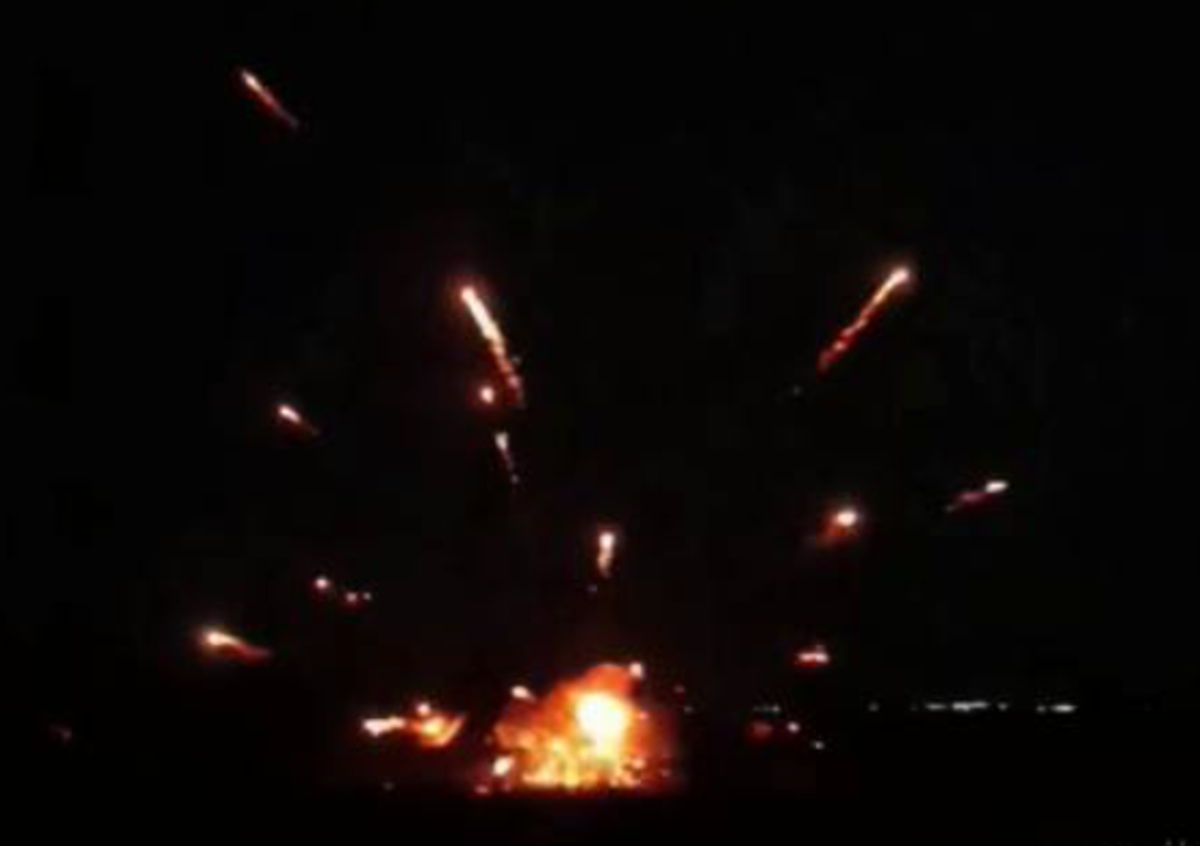
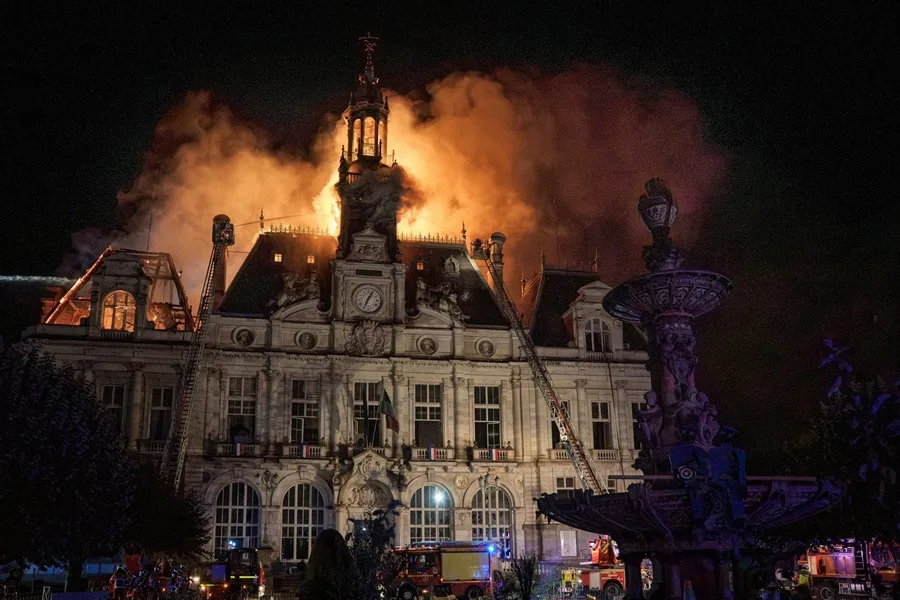
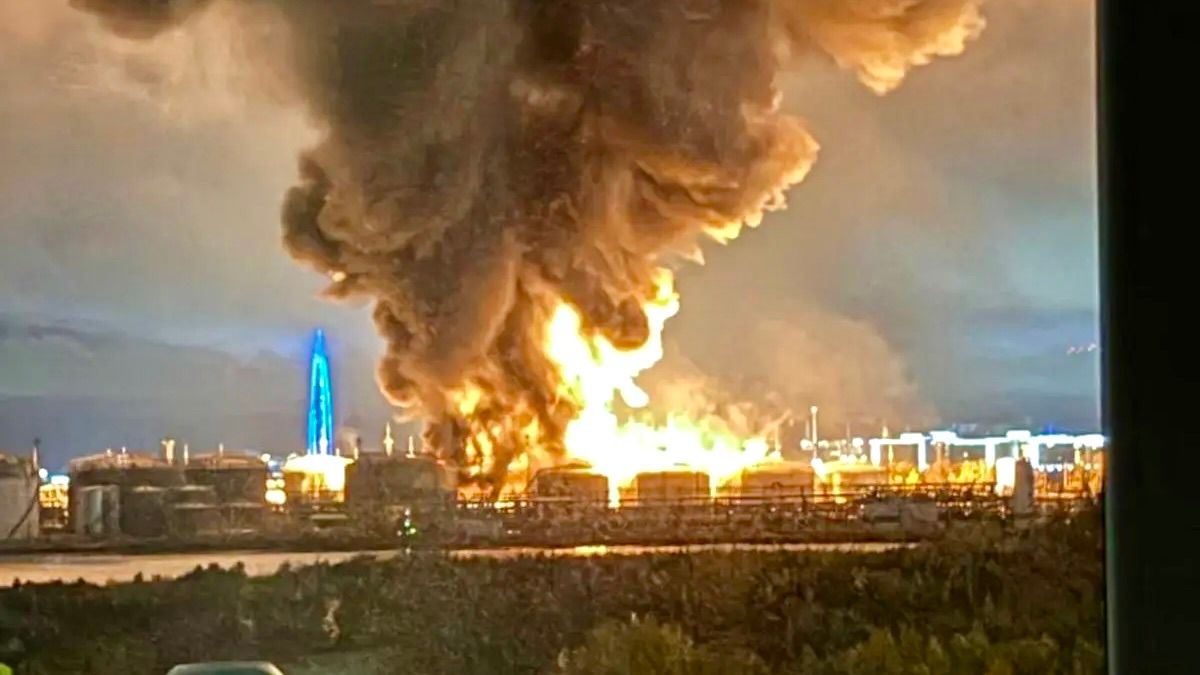
Ukrainian forces struck energy infrastructure in the city of Chystiakove in Donetsk Oblast, and blackouts were reported in Crimea amid drone fire, monitoring channels reported late on Oct. 20.
Over the past year, attacks by Israel-backed Palestinian militias have become increasingly frequent in Gaza, particularly targeting Palestinians living close to the ever expanding “yellow line.”
Drones attacked an oil and fuel pumping station of Russia’s Druzhba pipeline system in Tambov Oblast overnight on 20 October, setting a diesel tank on fire, Ukrainian monitoring channel Exilenova+ reported, citing locals. Druzhba, Russian for “friendship,” is a Soviet-era oil pipeline, about 4,000 km long, that carries Russian crude west to Europe, including through a branch that crosses Ukraine. The struck station is on its Russian section. Tambov Oblast Governor Yevgeny Pervyshov confirmed a fire at an unnamed enterprise in Michurinsk district after what he called a Ukrainian drone attack. The station lies about 400 km from the front line.
Ukraine has spent months striking the refineries, terminals, and pipelines that fund Russia’s war, and its Defense Ministry says the strikes have knocked out more than half of Russia’s refining capacity. Washington wants them stopped. US officials reportedly tied intelligence sharing to a halt in refinery strikes, and US President Donald Trump called their resumption “a disgrace.”
Hours of attack before dawn
Russia’s regional alert system declared a drone threat at 03:38, Ukrainian military outlet Militarnyi reported. By 06:25, Exilenova+ said the Nikolskoye station was under attack, after Michurinsk had been under attack for several hours.
The Nikolskoye fuel pumping station in Russia’s Tambov region is under attack. pic.twitter.com/cA64vMgjsM
Ukraine has not commented. The General Staff’s 20 October list of overnight strikes does not mention Tambov Oblast.
The Nikolskoye oil and fuel pumping station in Russia’s Tambov Oblast, which drones attacked on 20 October 2026. Map: Militarnyi/ESRI
A Druzhba fuel hub hit before
The Nikolskoye station belongs to Transneft, Russia’s state pipeline operator. It stores and pumps crude oil and refined fuels, including diesel, gasoline, and jet fuel. The complex has three tank farms and two pumping stations, and it can move up to 300,000 tonnes a day, according to Current Time.
Ukrainian drones hit a station of the same hub in August 2025, and Ukraine’s General Staff said then that pumping on the pipeline had stopped completely.
Strikes resume despite US pressure
Ukraine paused refinery strikes for three days after Trump announced an “energy ceasefire” on 11 October, while Russia fired 39 ballistic missiles at Ukraine’s grid. Since Kyiv resumed the strikes, drones have also hit an oil terminal and a fuel depot in St. Petersburg.
Kyiv reads other US moves as pressure too, from missed warnings of Russian ballistic launches to a Starlink cap that slows Ukrainian drones. President of Ukraine Volodymyr Zelenskyy told US senators he had offered a 30-day halt on refinery strikes in exchange for Patriot interceptors, but Trump’s envoys showed no openness.
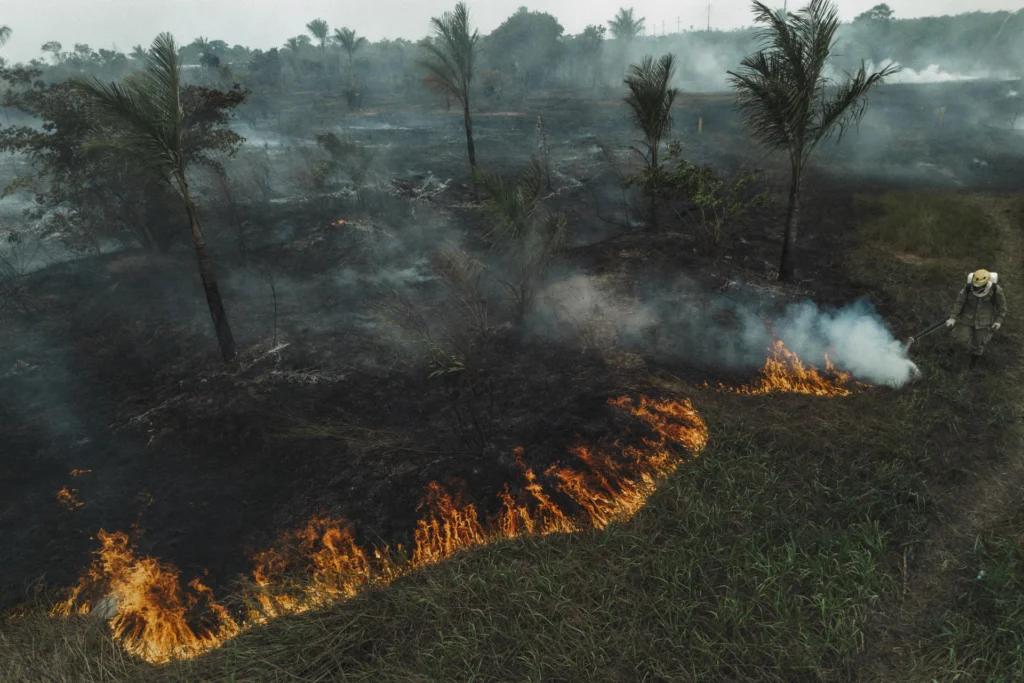
Wildfires in Brazil’s Amazon region have driven air pollution to dangerous levels in cities such as Santarém and Manaus, prompting the federal government to deploy a joint armed forces command, more water-bombing aircraft and emergency funds.
A wave of forest fires is consuming the western zone of Brazil’s Pará state, where authorities have counted 922 active outbreaks. The dense smoke has left the city of Santarém under air pollution levels described as very unhealthy for the local population.
Figures released by the Queimadas platform, which operates under the National Institute for Space Research, place Pará at the top of the national registry of environmental disasters.
The neighboring state of Amazonas reports 90 active fire points after having surpassed one thousand outbreaks in recent weeks.
Conditions grew especially dire in Santarém, where the air quality index climbed to 260 points, according to measurements from the international monitoring platform IQAir. Scientific stations detected concentrations of fine particles reaching 185 micrograms per cubic meter.
That reading exceeds the limit allowed by Brazilian environmental law by an enormous margin. The permitted daily average stands at 32 micrograms per cubic meter. Experts note that these microscopic particles penetrate deep into the respiratory tract and pose a severe threat to public health.
In Manaus, the capital of Amazonas state, the picture remains critical as well. The persistent dispersion of toxic gases pushed the air quality index to 153 units during the early hours of the day, consolidating a harmful atmosphere across the urban centers of the rainforest.
The fires arrive during the dry season, when large stretches of forest are cleared by intentional burns. The flames spread through drought-stricken vegetation, and the resulting smoke drifts over populated areas with no immediate relief in sight.
Manaus respira 12 vezes mais veneno que o limite da OMS — e o pior horário ainda está por virhttps://t.co/9Gd6YlfkL3
Text reads: “Manaus breathes 12 times more poison than the W.H.O. limit – and worst time is yet to com.”
Military Response Activated
Faced with the environmental collapse, Brazil’s federal government ordered an extraordinary operational deployment. Defense Minister José Múcio Monteiro confirmed the activation of a Joint General Staff of the Armed Forces based in Manaus to coordinate ground and air containment efforts.
The response added five aircraft, raising the military fleet fighting the flames in the northern region to 16 water-bombing planes. The Ministry of Integration and Regional Development transferred 14 million reais, about 2.8 million dollars, to the Amazonas state government to mitigate the emergency.
Health authorities announced the installation of a base of the National Force of the Unified Health System. Its main task will be to provide direct medical care to the thousands of residents affected by respiratory illnesses caused by the pollution.
Environmental organizations warn that the scale of the fires exposes the structural vulnerability of the world’s largest tropical rainforest. The combination of prolonged drought, deforestation and insufficient fire control threatens the ecological stability of the Amazonia and the integrity of native communities.
The local government has declared a state of emergency in Autazes as suspected arson fires, aggravated by El Niño, rip through the Brazilian Amazon and trigger health alerts in Manaus🇧🇷🔥 #Amazonas#BrazilFirespic.twitter.com/u9I1i0Ocpd
The crisis reflects the devastating consequences of climate change and agricultural pressure on the biome. During the dry season, extensive areas of jungle are razed by intentional burns meant to open land for cattle ranching and large-scale farming.
With 922 active outbreaks in Pará and the fires still spreading, the emergency response faces a race against deteriorating air quality. The health base and the expanded air fleet mark the government’s immediate answer to a crisis that shows no sign of easing.
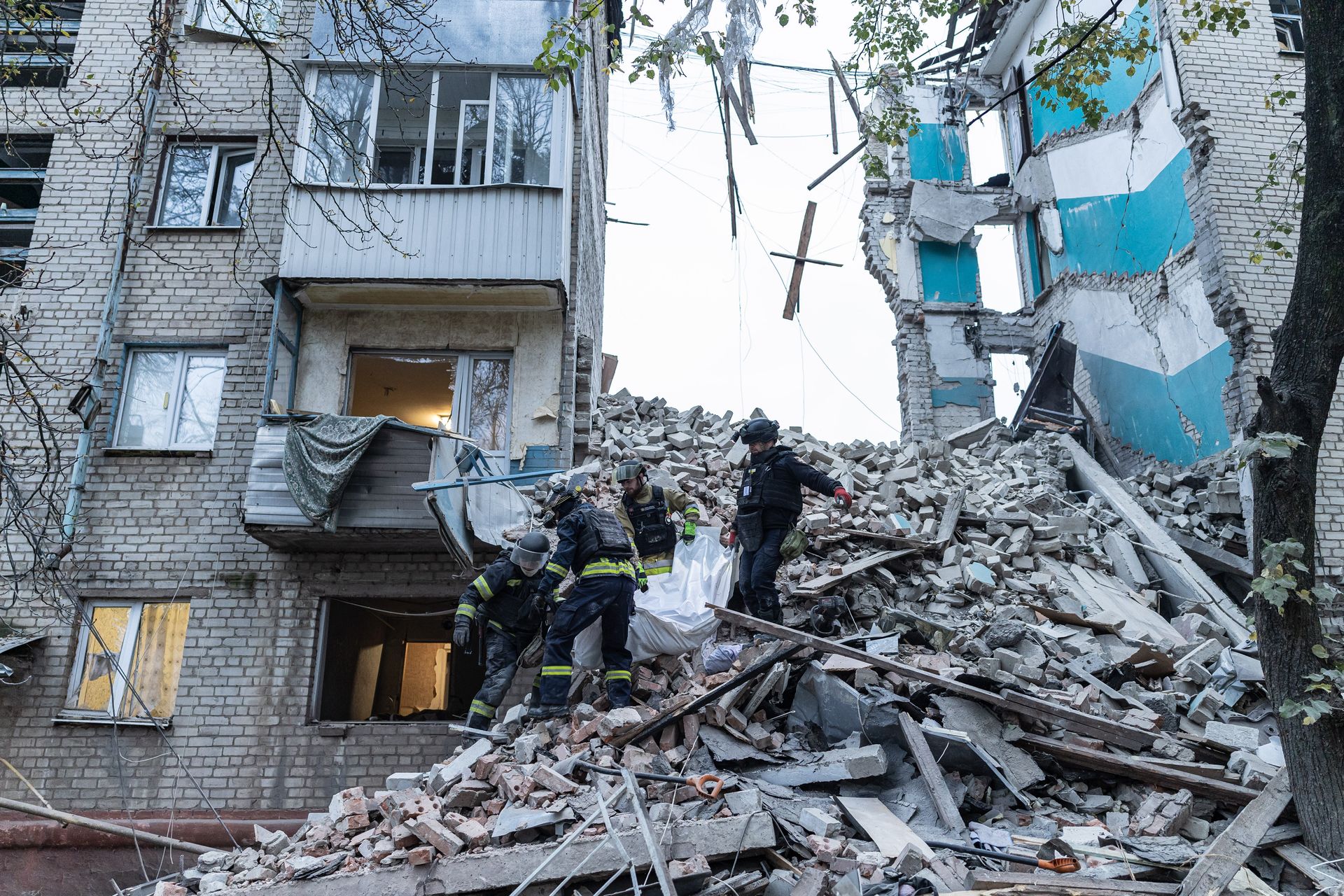
On the night of Oct. 2, Russian drones struck Kyiv's Southern Bridge once again. The city closed it and Paton Bridge, restricted traffic on Metro Bridge, and was gridlocked by multi-kilometer traffic jams by morning.
On the same day, Oleksii Honcharenko, a member of parliament from the opposition
Several Manitoba politicians are offering their condolences to those who were killed and seriously injured at Canadian Forces Base in Wainwright on Saturday.
Several Manitoba politicians are offering their condolences to those who were killed and seriously injured at Canadian Forces Base in Wainwright on Saturday.
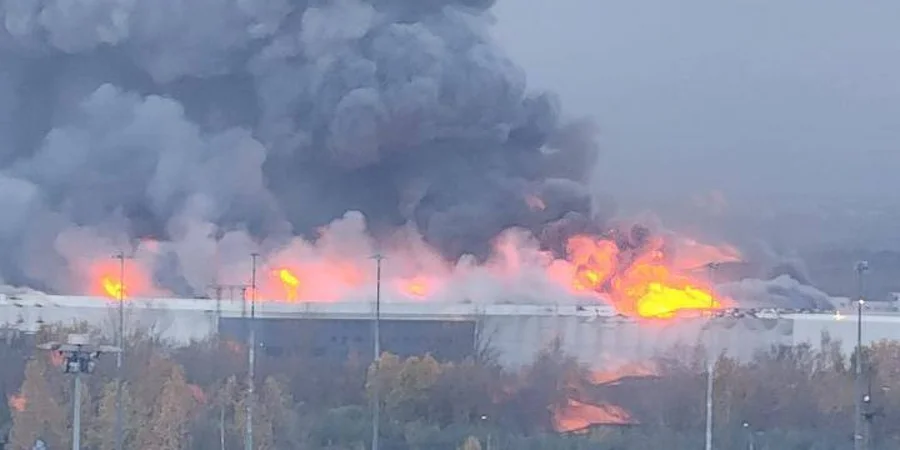
Wainwright explosion at a Canadian military base kills at least seven and injures dozens as officials rule out terrorism and investigate the deadly fire.
Wainwright Explosion Kills at Least Seven at Canadian Base
The Wainwright explosion at Canadian Forces Base Wainwright in Alberta has left at least seven people dead and dozens injured, according to reports by CBC News and Global News.
The incident occurred on Saturday, October 17, during a live-fire training exercise at the military base, located approximately 200 kilometers southeast of Edmonton.
Canada’s Department of National Defence confirmed that a fire broke out in the training area at approximately 4:00 p.m. local time. The Canadian Armed Forces said the blaze resulted in fatalities and injuries but has not yet released an official casualty count.
Military sources cited by Canadian media said the explosion occurred when a munition used during the training exercise struck a natural gas line or gas well.
The impact reportedly triggered a large detonation and a fast-moving fire that spread beyond the boundaries of the training area.
High winds, with gusts reaching up to 100 kilometers per hour, helped the flames spread rapidly through dry grassland and nearby rural areas.
The Canadian Armed Forces said emergency responders from military and civilian agencies worked quickly to contain the fire and assist those affected.
By Saturday evening, the Municipal District of Wainwright said the fire was being held and that property and critical infrastructure had been protected. Authorities did not order an evacuation of residents in the surrounding area.
The Department of National Defence said the full extent of the impact remains under assessment. It added that casualty details will not be released until relatives have been notified.
The government has ruled out terrorism as a possible cause. Officials said there were no indications that the explosion was connected to an attack or deliberate act of violence.
The incident has nevertheless prompted a major investigation involving the Canadian Armed Forces, the Department of National Defence and the Royal Canadian Mounted Police.
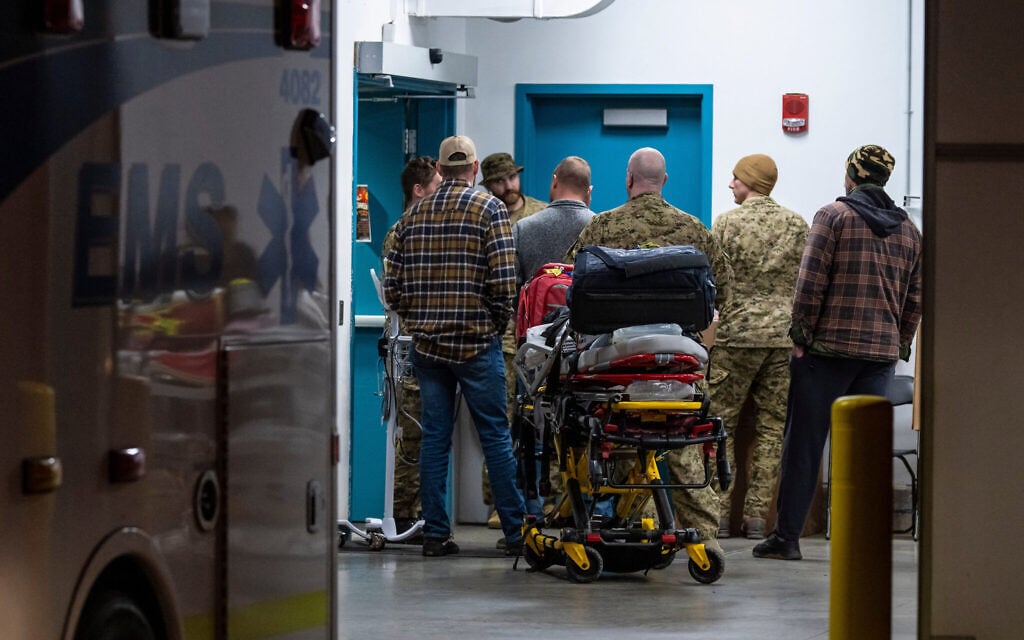
The Wainwright explosion activated emergency protocols across hospitals in the Edmonton region.
Local health authorities declared a code orange alert, a designation used for external disasters or mass-casualty incidents.
Injured personnel were transported to hospitals including the University of Alberta Hospital and the Royal Alexandra Hospital in Edmonton.
Medical teams prepared for a large number of patients with burns, trauma injuries and respiratory problems caused by smoke and toxic gases.
Firefighters faced difficult conditions because the fire involved both explosive material and hydrocarbon infrastructure.
The combination of live ammunition, natural gas and dry vegetation created a complex emergency that required coordination among military firefighters, civilian fire departments and specialized rescue teams.
Strong winds made the fire difficult to control and increased the risk that flames could spread to nearby communities.
Authorities asked residents to avoid the area so that emergency vehicles could move freely and rescue operations could continue without obstruction.
The Wainwright area is home to one of Canada’s largest military training facilities. The base is used for live-fire exercises involving tanks, artillery, infantry units and other military equipment.
CFB Wainwright is also an important NATO training site. Allied forces from several countries use the installation for exercises designed to improve interoperability and combat readiness.
The base covers a vast rural area and includes training ranges, administrative facilities, housing and support infrastructure.
The explosion occurred during a routine training exercise, according to the Department of National Defence. Officials have not identified the unit involved or the type of munition used.
Investigators will need to determine whether the incident resulted from an error in targeting, a malfunction in the munition, inadequate safety procedures or an unexpected hazard related to the gas infrastructure.
The Canadian Armed Forces said the immediate priority is supporting those affected and notifying their families.
The names of the victims have not been released. Officials said identification and notification procedures are ongoing.
Prime Minister Mark Carney confirmed on Sunday that four service members had died. He said dozens more were seriously injured and described the fire as one of the worst peacetime tragedies affecting Canada’s military on domestic soil.
“Our thoughts are with all the brave women and men affected,” Carney said.
The prime minister said his government was working closely with the Government of Alberta and local authorities.
He added that he and Alberta Premier Danielle Smith were in close contact, along with their respective ministers and relevant officials.
Defence Minister David McGuinty traveled to Edmonton on Sunday to monitor the investigation. He said the situation remained “very active and delicate.”
McGuinty said the Royal Canadian Mounted Police were participating in the investigation and that authorities would provide further information once the facts had been established.
🇨🇦 Al menos siete muertos y decenas de heridos dejó una explosión e incendio en la base militar CBF Wainwright en Alberta. #teleSUR#Canadapic.twitter.com/tSvGpCS0Bi
The Wainwright explosion has raised questions about safety procedures during live-fire exercises at military bases.
Live-fire training is essential for preparing soldiers for combat operations, but it also carries significant risks when it takes place near explosive or flammable infrastructure.
Military authorities regularly conduct risk assessments before exercises to identify hazards, establish safety zones and coordinate emergency responses.
Investigators will examine whether those procedures were followed and whether the presence of gas infrastructure near the training area was properly identified.
They will also review weather conditions, ammunition handling, communication between units and the response of emergency teams.
The investigation could lead to changes in training protocols, safety distances, mapping procedures or the coordination between military and civilian authorities.
The incident occurred during a period when Canada has been increasing military preparedness amid global security tensions.
Canada is a member of NATO and has supported allied operations in Europe and other regions. The country has also increased investment in defense capabilities in response to international instability.
CFB Wainwright plays a central role in that effort because it provides space for large-scale training exercises involving Canadian and allied forces.
The base has hosted soldiers from NATO member states and partner countries. Its facilities allow forces to train in conditions that cannot easily be reproduced at smaller installations.
The explosion could therefore affect training schedules and force readiness in the short term.
Military authorities may suspend certain exercises while investigators examine the site and review safety procedures.
The incident also highlights the risks faced by military personnel during routine operations. Training accidents can occur even when soldiers are not deployed in combat zones.
The Canadian Armed Forces has expressed condolences to the families of those killed and injured.
Officials have asked the public to avoid speculation while the investigation continues. They have also urged people to rely on official statements rather than unverified reports circulating on social media.
Geopolitical Context
The Wainwright explosion has implications for Canada’s military readiness and its role within NATO.
Canada has increased its defense commitments in recent years amid tensions involving Russia, the Middle East and the Indo-Pacific region.
The country has contributed troops, equipment and training resources to NATO operations, while also maintaining a military presence in international missions.
CFB Wainwright is important to those efforts because it allows Canadian and allied forces to conduct large-scale exercises under realistic conditions.
A major accident at the base could affect the planning of future exercises and require additional investment in safety infrastructure.
The incident also highlights the connection between military training and energy infrastructure. Canada is a major producer of oil and natural gas, and many military facilities are located near pipelines, wells and other energy installations.
That proximity creates risks that must be managed through mapping, safety zones and coordination between military authorities and energy companies.
The explosion may prompt a review of those procedures across Canadian military bases.
The tragedy also has domestic political implications. Alberta has been the scene of debates over energy policy, provincial autonomy and Canada’s federal structure.
The incident occurred one day before Albertans voted in a referendum on separation from Canada. The explosion could affect public attention and political discussion in the province.
For now, the government’s priority is to support the victims and determine the cause of the disaster.
The Canadian Armed Forces has said it will release additional information only after families have been notified. Until then, the full human and operational impact of the Wainwright explosion remains under assessment.
The US has resumed sharing intelligence on Russian ballistic missile launches with Ukraine after a pause of several days, Ukrainian President Volodymyr Zelenskyy told NBC News on 18 October. The blackout fell on days when Russia was firing ballistic missiles at Ukraine. Limits on the Starlink satellite service that Ukraine’s forces rely on remain in place, he said.
Russia has leaned on ballistic missiles in this month’s strikes on Ukraine’s grid, firing 39 in a single attack, and Ukraine is short of interceptors to stop them. Washington has used its support as leverage, reportedly telling Kyiv to spare Russian refineries or lose US intelligence and arms.
Three days without warnings
The sharing had been blocked for some period of time before it was restored, Zelenskyy said on Meet the Press.
“We are very thankful for this. Now it works,” he said.
Ukraine gets other intelligence from Europeans and dozens of other partners, he explained. But only the United States has the data that tells Kyiv when Russia launches ballistic missiles.
“We didn’t get it during ballistic attacks during three days,” Zelenskyy said.
A timely warning gives Ukraine’s air defenses extra minutes to prepare and lets authorities alert civilians, Liga noted. Late on 12 October, Russian ballistic missiles hit Kyiv before the air-raid alert reached people, with no advance data on launches from Russian territory. The next day, US President Donald Trump said Washington was still sharing intelligence. Two days later, Zelenskyy said Kyiv had received no US warnings of incoming ballistic missiles while it paused its strikes on Russian refineries at Washington’s request. That pause followed the energy ceasefire Trump declared on 11 October, which Russia never confirmed.
Explore further
“He thinks Ukraine is a weak link and that it needs to be squeezed into giving in”: diplomat on why Trump pressures Kyiv, not Moscow
Starlink still capped, Kyiv says
Starshield, the military version of Starlink, still cuts out above 161 km/h, Zelenskyy said, too slow for Ukraine’s interceptor drones to catch Russia’s jet-powered Shahed-type drones. NBC News, which aired the interview, separately reported that Starlink services had resumed at normal speed. He said Ukraine’s generals and government believe the order came from the US government and SpaceX carried it out, though he did not know who exactly made the call. Ukraine had instead asked SpaceX and Trump to open Starlink over Russia so it could hit ballistic missile launchers, he said.
“If [Trump] will personally decide to lift this decision, it will immediately work as it was before,” he said.
US Treasury Secretary Scott Bessent, who appeared on the same show, called Zelenskyy’s charge “very reckless” and said Trump and Secretary of State Marco Rubio had denied any administration role. Asked about the break in intelligence sharing, he said he did not know anything about it but that Zelenskyy should be “very careful about making statements like this that aren’t true.” Reuters had reported, citing three officials, that White House officials ordered the Pentagon to limit the service.
Asked whether Ukraine could win without the United States, Zelenskyy said it would be very difficult.
“But if the United States will support Putin, I mean, it’s unbelievable, it’s tragedy. It’s historic mistake and big tragedy,” he said.
He also said his team had received word that US negotiators wanted to meet, and that he had offered to meet in Brussels or London, hoping the US team would be ready this week.
The warnings are back, but they stopped once without explanation. Ukraine’s defense against Russia’s missiles still runs through decisions made in the US.
Ukrainian drones struck St. Petersburg’s oil terminal, a fuel depot, an Ozon distribution center, and a VK data center overnight, setting off fires across the city, monitoring channels reported. Russian outlet Meduza called it apparently the largest attack on the city and Leningrad Oblast since the war began. Russian officials acknowledged fires, damaged homes and substations, and power cuts.
Russia keeps fighting along the front while bombarding Ukrainian cities and the grid behind it. Ukraine’s long-range drones, in turn, target the oil exports and logistics that fund and supply that war, and Russia’s Baltic oil ports have been hit repeatedly this year. St. Petersburg is a symbolic place: Russia’s so-called second capital and Putin’s hometown.
Oil terminal and fuel depot on fire
Ukrainian forces struck the Petersburg Oil Terminal with FP-1 drones, starting a fire, Ukrainian drone maker Fire Point said. The company described the terminal as one of the region’s largest, handling 12.5 million tonnes of petroleum products a year, including for export.
St. Petersburg Governor Aleksandr Beglov acknowledged fires at the terminal and in four city districts, adding that Pulkovo airport had restricted flights. By morning, firefighters were still battling blazes at the terminal, the Ruchyi oil depot, and industrial warehouses in the Kolpinsky district, he wrote. He claimed one person was killed and five injured. Ukrainian monitoring channel Exilenova+ reported that the Ruchyi depot had been burning since the night.
Ozon hub, VK data center, and a bridge
An Ozon distribution center in Kolpinsky district caught fire after the attack, the company said, Russian independent outlet Astra reported. Astra’s open-source intelligence analyst described it as one of Ozon’s busiest fulfillment centers in northwestern Russia, covering up to 79,000 m².
FP-1 drones also hit a VK data center in Novosergiyevka, Leningrad Oblast, causing serious damage, Fire Point said. VK acknowledged a drone attack on the site but claimed its services were working normally. Leningrad Oblast Governor Aleksandr Drozdenko claimed air defenses downed 145 drones over the oblast alone. He acknowledged damage to the data center’s transformer equipment and warehouse complex, and minor damage to the Vostochnaya substation. Two other substations in Yanino went offline, cutting power to about 20,000 people, he said.
Damaged VK data center building in Novosergiyevka, Leningrad Oblast, after a Ukrainian FP-1 drone strike, 18 October 2026. Photo: Fire Point/X
A drone also hit the cable-stayed bridge over the Korabelny fairway, part of a toll highway linking the city’s north and south, Exilenova+ reported, adding that the extent of the damage was still being clarified. The channel also reported a fire near a Russian Aerospace Forces radar company outside the village of Kaporskoye.
Smoke rising over St. Petersburg after the overnight drone attack, 18 October 2026. Photo: Astra
To reach St. Petersburg, Ukrainian drones had to cover 1,000 km across four Russian regions guarded by air defenses and electronic warfare, said Serhii Beskrestnov, adviser to Ukraine’s president on defense technology.
“And these are not cruise missiles with special systems, these are drones that fly at speeds of up to 200 km/h,” he wrote.
Satellite image marking the drone hit on the cable-stayed bridge over the Korabelny fairway in St. Petersburg, 18 October 2026. Image: Dnipro Osint via Exilenova+
Strikes resume after a one-sided truce
The same night, Russia hit Ukraine’s grid again, and Ukrainian President Volodymyr Zelenskyy counted 76 Russian strikes on energy since the ceasefire was announced. US President Donald Trump declared the truce on 11 October. Ukraine paused its refinery strikes for three days at Washington’s request, but Russia struck a Kharkiv power plant within hours and kept hitting the grid. Zelenskyy then said Ukraine was resuming strikes on Russian oil and would stop again only in exchange for more US interceptors for its Patriot systems. Trump called the renewed strikes “a disgrace” and said he found Zelenskyy “more difficult to deal with than Putin.”
Ukraine has hit the St. Petersburg area before. In July, drones set fire to Wildberries warehouses near the city. In August, Ukraine began striking Ozon hubs, starting in Samara Oblast. The hubs move dual-use goods such as electronics and drone components.
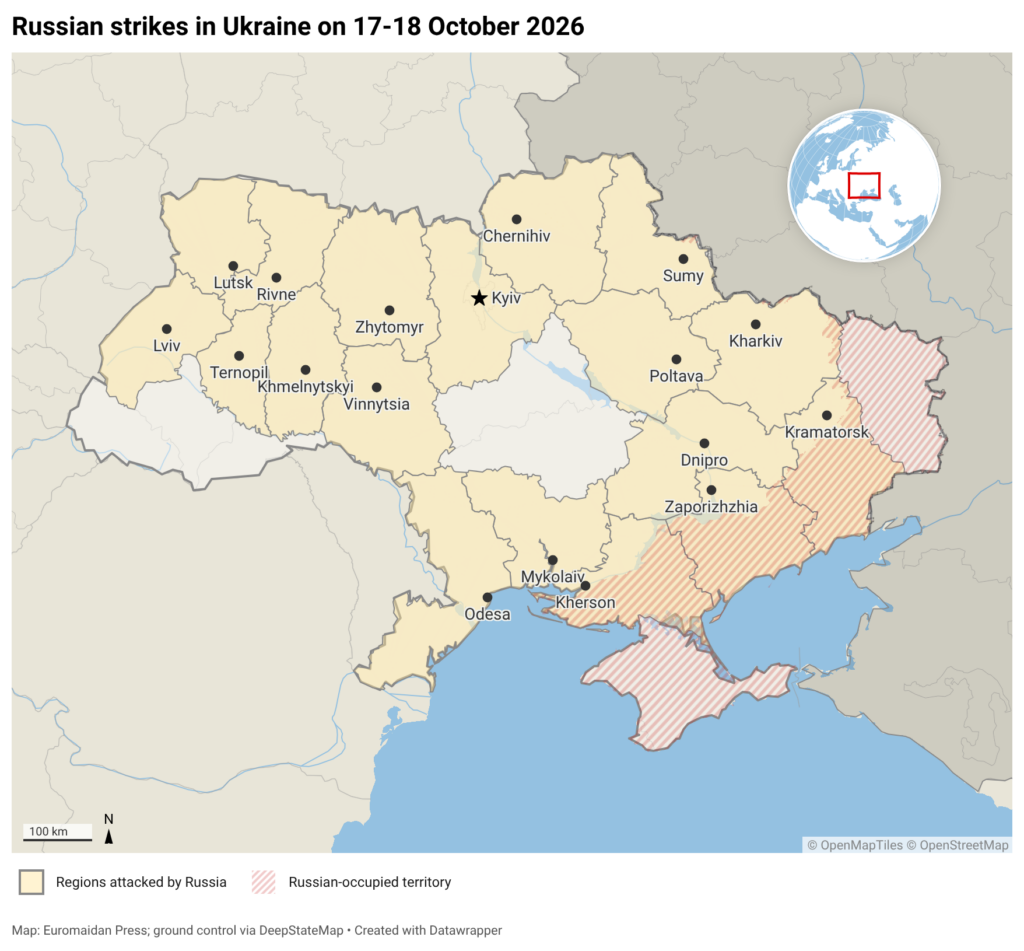
Russia has kept striking Ukraine’s energy sector throughout the week since US President Donald Trump announced an energy ceasefire, Ukrainian President Volodymyr Zelenskyy said on 18 October. From overnight into Sunday, Russian drones and a ballistic missile hit substations, homes, and industrial sites from Odesa to Volyn. They killed civilians and left tens of thousands of families without power.
Russia fights along the front line while hitting cities and the grid behind it with drones, missiles, and glide bombs. Ukraine says Moscow plans up to 1,000 such munitions against 60 key infrastructure sites this winter, and jet-powered drones partly free it to concentrate missiles on fewer targets, the Institute for the Study of War assessed. With Graham Act penalties on hold and US sanctions on Russian diesel suspended, Russia faces no new US cost for its strikes on Ukraine’s grid. Protecting and restoring the grid falls to Ukraine’s air defenses and repair crews.
Russia hit energy sites 76 times in a week
Zelenskyy counted 76 deliberate Russian strikes on energy and oil-and-gas facilities since Trump’s announcement. Overnight, Russia hit substations in Vinnytsia, Zhytomyr, Khmelnytskyi, and Odesa oblasts, he said. In the past week, Russia fired almost 2,700 attack drones, 1,700 aerial bombs, and 66 missiles, most of them ballistic, mainly to cause a blackout. His message was aimed at Washington.
“America must see that Russia is not taking steps in return for the lifting of sanctions or deals. On the contrary, they take every signal that they can make money as proof that their bet on war is working and they can keep fighting,” Zelenskyy wrote.
Explore further
22 House lawmakers press Trump to implement Russia sanctions law. Diesel deal draws bipartisan backlash
Overnight, Russia launched one Iskander-M ballistic missile and 180 Shahed-type drones, 26 of them jet-powered, the Air Force reported. Air defenses downed or suppressed 152 drones, but strikes hit 20 locations.
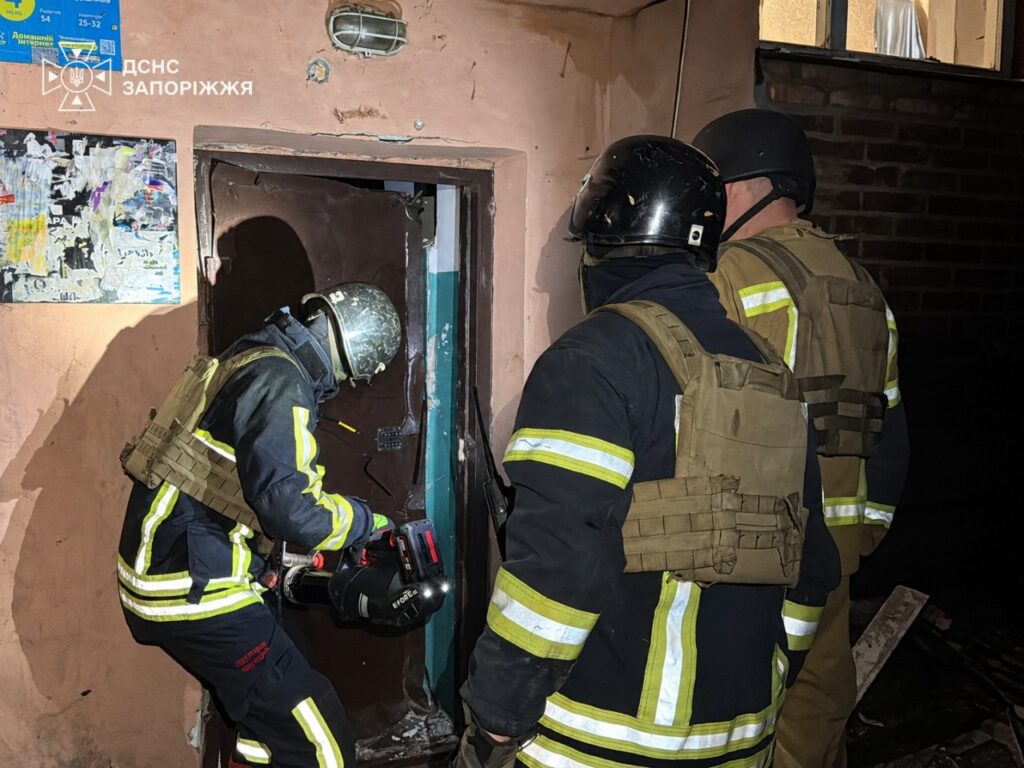
Rescuers at the site of a Russian strike on a residential area of Zaporizhzhia, 18 October 2026. Photo: State Emergency Service of Ukraine
Power cuts from Odesa to Ternopil
Strikes left about 24,000 consumers in Odesa Oblast without power, oblast head Oleh Kiper said. In Vinnytsia Oblast, the attack damaged critical infrastructure and forced emergency outages, oblast head Natalia Zabolotna wrote. Drones hit three energy facilities in Ternopil Oblast, one of them for the second time, and cut power to some consumers, oblast head Taras Pastukh said.
Civilians killed and injured
A Russian strike on Zaporizhzhia killed a 27-year-old woman and injured two others, including a 16-year-old, the State Emergency Service reported. In Poltava, an evening attack killed one person, injured four, and damaged 10 detached houses, city council secretary Kateryna Yamshchykova said.
Explore further
Five Russian bombs kill 17 in Ukraine’s Zaporizhzhia next day after Trump lets Russia ship first 300,000 tonnes of its diesel
A drone hit a high-rise in Odesa and set its roof on fire. A 13-year-old girl was hurt, city military administration head Serhii Lysak said, and Kiper put the number of injured at two.
In Dnipropetrovsk Oblast, Russian drones and artillery injured three people, oblast head Oleksandr Hanzha said. In Donetsk Oblast, Russian attacks killed seven civilians on Saturday, six of them in Sloviansk, oblast head Vadym Filashkin reported.
Fire on the roof of a high-rise apartment building after a Russian drone strike in Odesa, 18 October 2026. Photo: Odesa City Military Administration
Fires in the west, alerts across the border
A morning drone strike set warehouse and production buildings ablaze at an enterprise in Manevychi, Volyn Oblast, oblast head Roman Romaniuk said. With heavy smoke blowing toward the town, Romaniuk urged residents to stay indoors, shut windows and doors, and switch off ventilation. A repeat strike set an enterprise in the district on fire again, the State Emergency Service said, adding that air tests found no dangerous concentrations outside the site. In Lviv Oblast, drone debris damaged a logistics warehouse and two houses, oblast head Maksym Kozytskyi said.
Fire at an enterprise in Manevychi, Volyn Oblast, after a Russian drone strike, 18 October 2026. Photo: Volyn Oblast Military Administration
Polish military aircraft operated in Poland’s airspace twice during the attack, as the Government Security Centre warned residents of Lublin Voivodeship and later alerted Subcarpathian Voivodeship. In Lithuania, NATO jets failed to identify an object that apparently entered from Poland, Defense Minister Robertas Kaunas said.
A ceasefire Moscow never confirmed
Trump announced the energy ceasefire on 11 October, news that surprised Zelenskyy. A White House official said Russia was still weighing it. Hours later, Russia hit a Kharkiv power plant, and on 14 October it fired 39 ballistic missiles at the grid. Then Trump waived Graham Act penalties on buyers of Russian oil, and Secretary of State Marco Rubio said the administration wants 60 days to weigh the economic effects.
Casualties 'completely overwhelm' hospitals in Edmonton; flames spread beyond Canadian Forces Base Wainwright; authorities say incident under investigation, no cause provided
A deadly incident at CFB Wainwright overwhelmed Edmonton hospitals as strong winds fueled a major fire.
A deadly incident at Canadian Forces Base Wainwright in Alberta left at least seven people dead and dozens injured Saturday, triggering a major fire that spread into surrounding rural areas and prompted a large emergency response as strong winds hampered firefighting efforts.
The Royal Canadian Mounted Police (RCMP) said officers were called to the base shortly after 4 p.m. Saturday following reports of a fire in a training area. Defense Minister David McGuinty confirmed the deaths and injuries but said authorities were still working to establish what had happened.
The scale of the casualties remained unclear late Saturday. Hospitals in Edmonton, about 180 kilometers (120 miles) northwest of the base, were receiving large numbers of patients as health-care facilities struggled to cope with the influx.
“This number of patients would overwhelm the city of Edmonton,” Warren Thirsk, an emergency department physician at the Royal Alexandra Hospital, told CBC News. “It is more patients than any of us want to count right now. It’s a disaster. It’s a one in every 15- to 25-year disaster.”
Text Reads: A “serious incident” has triggered a large fire at the Canadian Armed Forces Base (CFB) Wainwright in Alberta. Prime Minister Mark Carney confirmed the incident and stated that he is working closely with the Government of Alberta and local authorities. 🕯️ Minister of Defence David McGuinty confirmed that the event resulted in “fatalities and injuries.” The Department of National Defence indicated that it is closely monitoring the situation and will provide further details as they become available. 🏘️ The Municipality of Wainwright confirmed that the fire has spread beyond the base’s perimeter into the surrounding area and is being actively managed by authorities. No evacuation orders have been issued at this time. 🔥 CFB Wainwright is located approximately 210 kilometers east of Edmonton and is one of the most operationally active Canadian Army facilities in the country.
Meanwhile, firefighters battled the blaze into the night as powerful winds drove flames beyond the base and into nearby rural areas. A windstorm had battered large parts of Alberta during the day, with gusts reaching 100 kilometers per hour, toppling trees and sending signs and garbage cans flying.
By 11 p.m., the Municipal District of Wainwright reported that the fire was being contained and that property and critical infrastructure were protected. No evacuation order had been issued for residents of the district.
The town of Wainwright, near the base, has about 7,000 residents.
McGuinty, speaking to reporters in Ottawa, described the situation as “very, very active and delicate.” He said members of the Canadian Armed Forces were at the scene and that the RCMP was involved in the investigation.
“I cannot recall such an incident in my short time for sure as a minister, but I cannot recall an incident like this in recent memory,” he said.
“We will have more to say in the coming hours and days,” McGuinty added.
Alberta Premier Danielle Smith described the fire as “significant and tragic,” saying it was affecting many military personnel. Saskatchewan Premier Scott Moe said his province was sending assistance to Alberta but did not specify what resources would be deployed.
Prime Minister Mark Carney expressed support for those affected in a social media post, saying, “Our thoughts are with all the brave women and men affected.”
A serious incident creating a major fire has occurred at CFB Wainwright, in Alberta.
Our thoughts are with all the brave women and men affected.
We are working closely with the Government of Alberta and local authorities. Premier Smith and I are in close contact as are our…
Conservative opposition leader Pierre Poilievre said he had spoken with Carney and McGuinty to offer support. He urged people in the area to follow emergency instructions and keep roads clear for first responders.
The fire also disrupted advance voting ahead of Monday’s referendum on whether Alberta should begin a process that could lead to independence from Canada. Elections Alberta said two polling locations, in Lloydminster and Vermilion, closed early Saturday and that ballots were transported securely.
CFB Wainwright is one of Canada’s busiest military training bases. It houses the Canadian Manoeuvre Training Centre, which conducts realistic battlefield exercises, and the 3rd Canadian Division Training Centre, which provides military training.
St. Petersburg Governor Alexander Beglov confirmed the attack, reporting fires at the St. Petersburg Oil Terminal, the Ruchyi oil depot, and industrial warehouses in the Kolpinsky District.
US President Donald Trump called Ukraine’s renewed strikes on Russian oil refineries a disgrace in an interview with Newsmax and questioned President Volodymyr Zelenskyy’s will to settle the war on 15 October. His statements came after he made a deal with Russian President Vladimir Putin to allow Russian diesel back into the US ahead of the mid-term elections in the US.
Kyiv says its long-range strikes have knocked out more than half of Russia's refining capacity, one of the few levers it controls on Moscow's war income, according to Ukraine's Defense Ministry. This is part of efforts to reduce the aggressor's capabilities to launch assaults, including the latest, during which four Russian regions fired 39 Iskander-M, North Korean KN-23, hypersonic Zircon, and supersonic anti-ship cruise Oniks missiles, Zelenskyy said.
Trump criticizes Zelenskyy over oil prices while remaining silent on Russian strikes
Earlier, Zelenskyy said that Ukraine stopped refinery strikes for three days to meet US wishes after Trump announced an “energy ceasefire” on 11 October. At the same time, Russia struck a Kharkiv heat-and-power plant within hours of the announcement, he emphasized.
Meanwhile, in the interview with Newsmax, Trump said Zelenskyy is only pushing world oil prices higher.
“Well, I think that’s a disgrace,” he said.
He added that Ukraine has other options: “There are a lot of targets that you can hit.”
At the same time, Trump didn't say a word about Russian strikes on Ukraine's civilian buildings and power infrastructure ahead of the winter.
Trump compares Zelenskyy to a circus showman
The US leader said he is “not a big fan” of Zelenskyy. He claimed both sides “would like to see it end,” but that he finds Zelenskyy “more difficult to deal with than Putin.”
Explore further
US weighs relief for sanctioned shadow fleet tankers, days after freeing Russian diesel
He also said that he believes the depletion of US ammunition stockpiles is linked to the aid provided to Ukraine under the Biden administration, rather than the war with Iran.
Ukraine has repeatedly offered to help the US counter Iranian drones during the operation. The New York Times reported that a Ukrainian team departed the day after the US made such a request.
Nevertheless, despite Kyiv’s offers and actions, Trump once again compared Zelenskyy to P. T. Barnum, the 19th-century American circus showman, saying that he received a tremendous number of Patriots and Tomahawks.
However, there is no public confirmation that Tomahawk missiles were transferred to Ukraine during the Biden administration.
Mark Rutte meets Vodolymyr Zelensky in Brussels ahead of European Union summit.
During a meeting on Thursday, NATO Secretary-General Mark Rutte tacitly asked Ukrainian President Volodymyr Zelensky to implement the “energy ceasefire” announced by U.S. President Donald Trump.
“Good to see President Zelensky in Brussels. We talked about the importance of implementing an energy ceasefire,” Rutte said in a social media message accompanied by a photograph with the Ukrainian leader, who is in the Belgian capital to attend a European Union summit on Friday as a guest.
Rutte also said they discussed “NATO allies’ continued support for Ukraine,” among other things through the Prioritized Ukraine Requirements List (PURL) mechanism, launched by the alliance so that allies can buy U.S. military materiel to send to Kyiv.
Through social media, Zelensky said the meeting with Rutte served to continue coordinating with NATO “greater protection and security for Ukraine.” He took the opportunity to blame Russia for having broken the energy ceasefire through attacks on energy infrastructure.
⚡️ On October 15 in Baku, Russian Foreign Minister Sergey Lavrov directly rejected any potential ceasefire in Ukraine, explicitly countering US President Donald Trump’s October 11 announcement of an energy truce. pic.twitter.com/CB4Md9VTkN
He also complained about restrictions on Starlink satellite operations in Ukraine, asked that arms supplies to Ukraine continue, and insisted on the need to receive ballistic missile interceptors and ammunition for F16 aircraft.
The Brussels meeting comes a day after Russia launched an attack against three thermal power plants operating in the Kiev region and an attack against energy facilities in Kharkiv.
In statements to the Financial Times, Zelensky reaffirmed his willingness to continue the conflict and announced that “the ban (on attacking Russian refineries) has been lifted. That is enough.”
On Thursday, Russia confirmed that Ukraine attacked a refinery in Ryazan, a region 200 kilometers from Moscow. Yesterday, Russian authorities also denounced Ukrainian attacks on two other refineries in the Saratov and Ryazan regions.
The Kremlin assured that Russia has not violated any agreement given that the energy truce between Russia and Ukraine was never finalized.
By studying fire scars in ancient wood, many scientists have become convinced that Indigenous people transformed North America long before European colonizers arrived. M.R. O’Connor spends time with dendrochronologists, who study tree rings, and other experts to understand what they’re learning:
Anthropologist Omer Stewart, who began documenting Native American burning practices in the nineteen-thirties . . . found that Indigenous communities burned prairies to attract bison to fresh grass and to maintain oak “orchards” where food could be gathered. He became convinced that Native Americans had reshaped the geography, and in some cases the climate, of North American ecosystems. Their impact “was profound, in terms of the amount of land converted to agriculture, the species they hunted and fished, and most particularluthe way they shaped their world through the use of fire,” the naturalist Scott Weidensaul wrote, in his 2012 book The First Frontier. Weidensaul argued that early America “was fruitful beyond modern recognition, it was riotous in its natural wealth, but it was not wilderness.” The dendrochronologist Evan Larson, at the University of Wisconsin-Platteville, made a similar claim: settlers encountered rich landscapes because Native Americans were tending them. “Whenever you’re talking about fire, you’re engaging with a central narrative around this untamed frontier and wilderness,” Larson told me. “In fact, that’s never been true. The early success of pioneers was already benefitting from the labor of somebody else.”

 Login