Login

Vietnam – Belgium – EU: From Strategic Vision To New Opportunities For Cooperation
The official visit to the European Union (EU) and the Kingdom of Belgium by To Lam, General Secretary of the Communist Party of Vietnam and President of Vietnam, in October 2026 comes just months after Vietnam and the EU upgraded their relationship to a Comprehensive Strategic Partnership.
As the global economy faces uncertainty, Europe seeks to diversify its partnerships and Vietnam pursues new engines of growth, the visit is expected to advance cooperation in trade, investment, technology and other strategic areas, while opening new opportunities for Vietnam’s relations with both Belgium and the EU.
General Secretary To Lam receives European Council President António Costa in Hanoi on 29 January 2026.
From Hanoi to Brussels: Where strategic interests converge
In January 2026, during European Council President António Costa’s official visit to Vietnam, the two sides agreed to upgrade their relations to a Comprehensive Strategic Partnership. Nine months later, the official visit to the EU and Belgium by General Secretary and President To Lam is expected to give further impetus to this new framework, turning strategic commitments into tangible programmes of cooperation.
The visit comes at a time of profound geopolitical, economic and technological change. Vietnam is entering a new phase of development, targeting annual economic growth of at least 10% while shifting towards a growth model driven more by technology, productivity and higher added value. The EU, meanwhile, is seeking to diversify its partnerships, strengthen strategic autonomy and expand its engagement in the Indo-Pacific region.
It is also To Lam’s first visit to the EU and Belgium in his dual capacity as General Secretary of the Communist Party of Vietnam and President of the Socialist Republic of Vietnam, following the Party’s 14th National Congress and the formation of the new state leadership after elections to the 16th National Assembly.
For Vietnam, the visit reaffirms its foreign policy of independence, self-reliance, multilateralisation and diversification of international relations, linking global integration with long-term development goals. For the EU, closer ties with Vietnam align with its efforts to expand a network of reliable partners and reinforce its economic and political engagement in Southeast Asia.
These priorities create a convergence of interests. Vietnam needs investment, technology and management expertise to become more competitive, while Europe is looking for stable markets and partners that can help strengthen international supply chains.
During his visit to Vietnam earlier this year, President Costa highlighted the achievements of 35 years of bilateral relations and stressed the importance of dependable partners at a time when the rules-based international order is under growing pressure.
The anticipated meeting between To Lam and António Costa in Brussels is therefore an opportunity to build on the upgrading of relations, review progress on existing commitments, identify priority areas and advance the next phase of cooperation.

General Secretary and President To Lam meets European Commission President Ursula von der Leyen in Paris on 10th September 2026.
Alongside engagement with the European Council, cooperation with the European Commission is essential to implementing programmes in trade, investment, energy transition and science and technology. High-level contacts provide political momentum for closer collaboration among institutions, businesses and research organisations on both sides.
From 35 years of relations to deeper economic ties
Vietnam and the EU established diplomatic relations on 28 November 1990. What began primarily as cooperation in trade and development assistance has gradually expanded to politics, investment, education, scientific research, the environment, energy and security.
The Partnership and Cooperation Agreement (PCA), signed in 2012 and in force since 2016, laid an important legal foundation. The EU–Vietnam Free Trade Agreement (EVFTA), which entered into force on 1 August 2020, has since broadened market access, stimulated trade and encouraged institutional reform.
The EU is now a major export market for Vietnamese electronics, machinery, textiles, footwear, agricultural produce and seafood. Conversely, Vietnam is an increasingly promising market for European goods, technology and services.
Speaking to the media on 15 October 2026, Bernd Lange, Chair of the European Parliament’s Committee on International Trade, gave a positive assessment of the EVFTA’s first five years. According to Lange, bilateral trade has grown by approximately 50%, with Vietnam benefiting substantially from stronger access to the European market.
“This is really a good model, a reliable model,” Lange said.

Bernd Lange, Chair of the European Parliament’s Committee on International Trade, speaks to the media on 15th October 2026 about Vietnam–EU economic relations.
Nevertheless, he acknowledged continuing challenges over product certification and the implementation of commitments. He called for more frequent use of existing dialogue mechanisms, potentially with meetings every two months rather than only once a year.
Such issues underline that stronger trade relations require more than tariff reductions: compatibility in standards, administrative procedures and market-access conditions also matters.
The upgrade to a Comprehensive Strategic Partnership in January 2026 provides fresh political impetus to broaden economic ties. As global supply chains are reconfigured, opportunities increasingly extend beyond the exchange of goods to investments in high-tech manufacturing, supporting industries, logistics, the digital economy and strategic infrastructure.
With its location in Southeast Asia, extensive network of trade agreements and dynamic workforce, Vietnam is well positioned to develop as a manufacturing, distribution and business hub connecting European companies with ASEAN.
Lange also stressed the EU’s need for secure, resilient supply chains as international commerce comes under increasing pressure from competition among major economies.
He pointed to disagreements with the United States over tariffs and with China over industrial subsidies, arguing that these tensions make the diversification of trusted trading partnerships all the more important.
“Building a network of reliable partners is very important. Within ASEAN, Vietnam plays a major role. I have visited the deep-water port in Hai Phong, and this is also an important step towards establishing a hub in the global supply chain,” Lange said.
Another key issue is ratification of the EU–Vietnam Investment Protection Agreement (EVIPA). Completing the ratification process is expected to strengthen investor confidence and provide a more predictable legal environment for long-term capital flows and large-scale projects.
Making fuller use of the EVFTA, removing trade barriers and improving the investment climate will be central to the next stage of Vietnam–EU economic relations.
Technology, infrastructure and the green transition: New drivers of growth
While trade has been a defining pillar of Vietnam–EU relations for decades, technology, innovation and infrastructure are emerging as potential sources of new growth.
Vietnam is prioritising supporting industries, semiconductors, artificial intelligence, digital infrastructure and stronger domestic technological capabilities. European companies, universities and research institutions bring considerable strengths in technology, finance and management expertise across these fields.
According to Lange, industrial cooperation should focus on the industries of the future. He identified prospects for joint projects in raw materials and processing, renewable energy, data sovereignty, electric vehicles and autonomous-driving technology.
He particularly welcomed the invitation for European businesses to participate in Vietnam’s North–South high-speed railway project, describing it as an opportunity to develop industrial capacity and transport infrastructure while building long-term economic links.
A further example of infrastructure cooperation is Hanoi’s Metro Line 3, co-financed by the European Investment Bank (EIB). During his visit in January 2026, European Council President António Costa visited the project. It illustrates how European funding and expertise can help modernise urban infrastructure and deliver practical benefits to residents.
In energy, Vietnam’s commitment to achieve net-zero emissions by 2050 entails substantial financing, technology and management requirements.
Through the Just Energy Transition Partnership (JETP), the EU–Vietnam Sustainable Energy Transition Programme and the Global Gateway strategy, the EU is helping Vietnam develop cleaner energy, improve energy efficiency and promote sustainable transport.
Cooperation on the circular economy, climate adaptation and greener production chains offers further opportunities for companies on both sides.
Yet the lasting impact of these programmes will depend not only on mobilising finance but also on effective technology transfer, workforce training and stronger capabilities among Vietnamese businesses.
Connecting universities, research institutes and companies through joint research, application development, commercialisation and participation in international production networks will be crucial to building Vietnam’s own technological capacity.
This approach also supports Vietnam’s ambition to move from a growth model heavily dependent on low-cost labour towards one based on knowledge, productivity and innovation.
Belgium: An economic and technological bridge between Vietnam and Europe
Belgium occupies a distinctive place in Vietnam’s relations with Europe. Brussels hosts many of the EU’s key institutions, while Belgium itself has major strengths in ports, logistics, industry, advanced agriculture and technological research.
These assets create opportunities for cooperation that extend well beyond the size of the two countries’ domestic markets.
Since establishing diplomatic relations in 1973, Vietnam and Belgium have gradually expanded cooperation from development assistance to trade, investment, education and science.
The state visit to Vietnam by King Philippe and Queen Mathilde in April 2025 further strengthened mutual confidence and connections between institutions, businesses and partner organisations.
Speaking to the media in October 2026, Andries Gryffroy, First Vice-President of the Belgian Senate, highlighted the importance of stability and trust in Belgium’s relationship with Vietnam.
“For us, Vietnam is a stable partner among the ASEAN countries. That is very important because, against the backdrop of a very difficult geopolitical situation, we need more reliable partners. And Vietnam is one of them,” Gryffroy said.

Andries Gryffroy, First Vice-President of the Belgian Senate, speaks to the media in October 2026 about Belgium–Vietnam cooperation.
Belgian companies are already active in Vietnam in fields relevant to its industrial development, including industrial parks, ports, logistics and renewable energy.
The DEEP C industrial park complex exemplifies how Belgian capital and management experience can support Vietnam’s industrial infrastructure needs.
In agriculture, the strategic partnership framework established in 2018 provides a basis for cooperation in food technology, agricultural and seafood safety, preservation, processing and cold-chain logistics.
There is further potential in smart farming, advanced food processing and sustainable value chains, helping Vietnamese agricultural exports meet higher quality and traceability requirements and capture greater value.
The Port of Antwerp, one of Europe’s largest seaports, plays an important role in linking international cargo flows with the EU market.

The Port of Antwerp in Belgium is a major logistics gateway connecting international trade with the European market.
Belgium’s port facilities and extensive transport network can help Vietnamese goods reach more of the European market. In the other direction, Vietnam has the potential to serve as a manufacturing, distribution and ASEAN gateway for Belgian companies.
Stronger links between Vietnam’s provinces and Belgium’s regions of Flanders, Wallonia and Brussels could also make better use of complementary strengths in industry, technology, services, education and research.
Turning strategic commitments into tangible, sustainable results
The upgrade in Vietnam–EU relations creates opportunities not only for closer economic ties but also for greater cooperation on regional and international issues.
Amid intensifying competition among major powers and growing pressure on the multilateral trading system, Vietnam and the EU share interests in peace, stability, international law, rules-based trade and safe maritime routes.
The two sides can deepen consultations at the United Nations and other multilateral forums, and cooperate on climate change, non-traditional security threats and the risk of disruptions to global supply chains.
Dialogue on politics, defence, security and human rights remains part of Vietnam–EU relations, alongside cooperation on maritime security, cybersecurity and combating transnational crime.
Exchanges among political parties, legislatures, research organisations, universities and business communities can also promote mutual understanding and provide a broader foundation for long-term cooperation.
For the EU, stronger relations with Vietnam support its engagement in Southeast Asia and its links with ASEAN. For Vietnam, cooperation with Europe helps diversify partnerships, mobilise development resources and strengthen resilience in an unpredictable global environment.
According to Nguyen Huong Tra, Vietnam’s Ambassador to Belgium and Head of the Vietnamese Mission to the EU, a key priority following the visit will be translating high-level political commitments into specific cooperation programmes.
“Our greatest expectation is that, immediately after the visit, all the political commitments made at the highest level can be translated into concrete projects and actions,” the Ambassador said.
She added that Vietnam particularly hopes to attract new investment, facilitate the transfer of advanced technologies and expand opportunities to develop a highly skilled workforce.
Deputy Foreign Minister Le Thi Thu Hang likewise said that the visit conveys Vietnam’s foreign-policy direction in its new stage of development, while helping strengthen political trust and broaden cooperation in trade, investment, science and technology, innovation, green growth and sustainable development.
To translate these opportunities into practical outcomes, however, both sides will need to continue addressing institutional barriers, technical standards, market-access issues and investment conditions.
Businesses need predictable policies and streamlined procedures, while research organisations require funding, effective connections and stable conditions for long-term projects.
In this new phase, the partnership’s success will be measured not only by trade volumes or the number of agreements signed, but also by the quality of investment, technology transfer, skills development and concrete economic benefits.
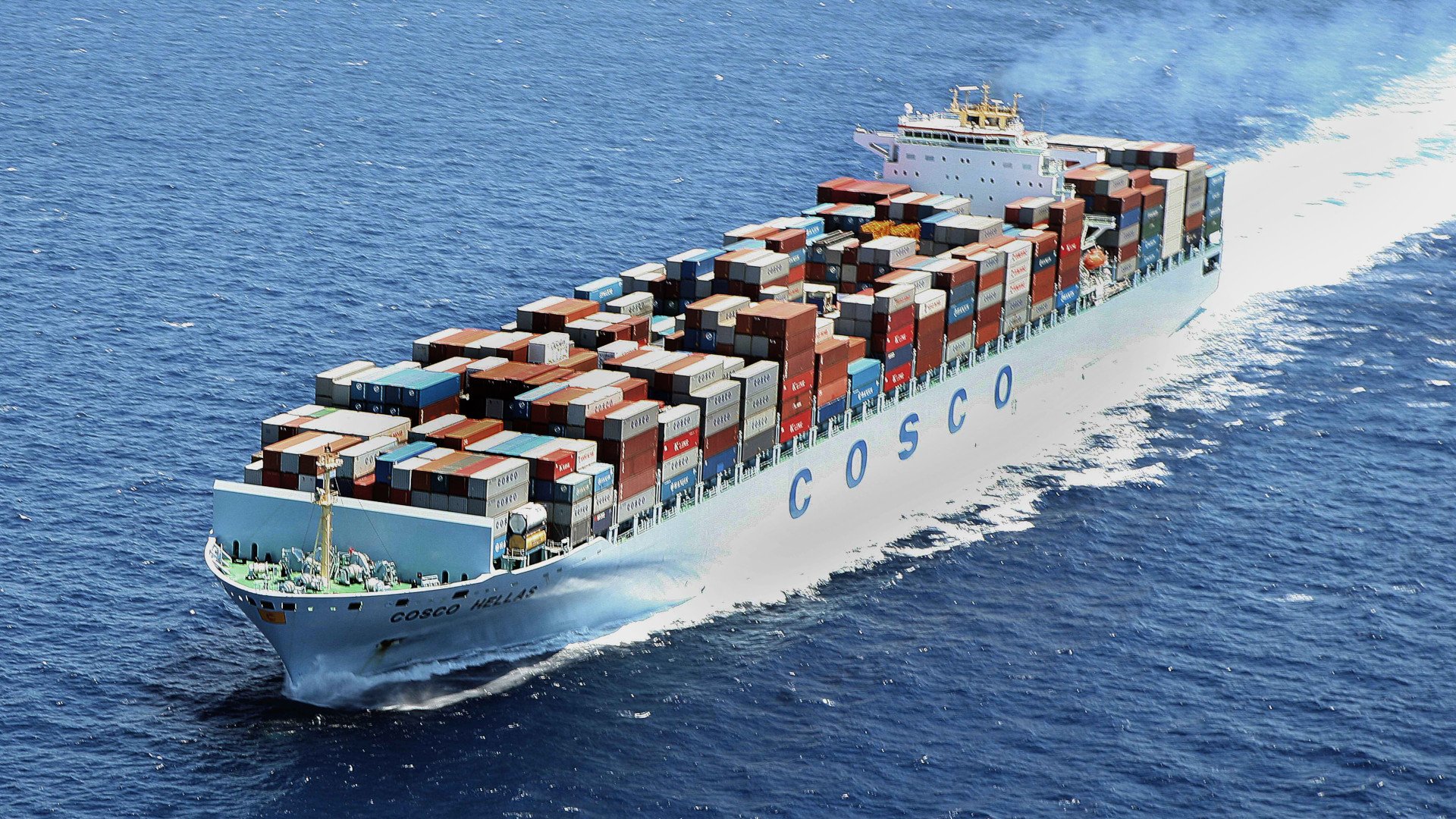
Whether it is a container passing through the Port of Antwerp, an urban railway in Hanoi, a clean-energy project or a new technology investment, the ultimate value of the partnership lies in the opportunities it creates for businesses and ordinary people.
Building on more than 35 years of Vietnam–EU relations and over half a century of ties between Vietnam and Belgium, the ability to match strategic vision with concrete programmes will be vital to the next stage of cooperation, while contributing to peace, stability and shared prosperity in both regions.

 Ukraine’s 115th Mechanized Brigade has released new footage showing a VB-140 Flamingo interceptor drone attacking a Russian Mi-28 attack helicopter in flight.

 (@bayraktar_1love)


 (@zhao_dashuai)



 (@YDN_NEWS)


 (@new27brigade)





 (@commandante_)