❌

Reading view

Trump’s War Against Iran Fulfills Prophecy, but NOT Christian Evangelical Zionist Prophecy

A common type of billboard seen these days in the streets of Tehran in Iran. Image source.

Comments by Brian Shilhavy
Health Impact News

Sam Parker of Behind the News Network has just published an excellent article based on Zbigniew Brzezinski’s 1997 book, The Grand Chessboard.

Brzezinski’s book warned that if the U.S. ever attacked Iran, it could lead China and Russia to unite with Iran and against the U.S. to prevent Iran’s downfall.

In a 2012 interview about his book, Brzezinski said:

“By 2025, the US could lose its position as the world’s dominant power, leading to a more chaotic and conflict-ridden international system.”

That “prophecy” has been proven true today, and it is a far different reality than what the Christian Evangelical Christians are saying about prophecy and Iran.

The Christians seem to forget their Biblical history, because historically, Israel has been conquered by Iran (Persia), and Iran has never been conquered by a world power since then.

In the 8th Century B.C., the Assyrian Empire, which included Persia, carried into captivity the northern 10 tribes of Israel.

Then in 586 B.C., Jerusalem fell to the Babylonian Empire, which included Persia, and just a few years later Persia dominated the area and it became known as the Persian Empire. Cyrus, the Persian King, is the one who allowed the Jews to return to their homeland and rebuild the Temple in Jerusalem.

From the time of the Roman Empire through to the British Empire, Persia (Iran) has never been conquered, and has never been a colony of either Britain or the U.S.

It is one of the two non-Arab countries in the Middle East that has never been conquered by Western nations, and is the remnant of a former great world empire. Turkey is the other one, being the remnant of the great Ottoman Empire, which eclipsed even the Roman Empire at its height.

The Christian Evangelical Zionists who follow the modern-day Dispensationalism theology, which allows them to condemn whole ethnic groups of people as evil, such as the Palestinians and the Iranians, are on the wrong side of history, and will soon find out that they are also on the wrong side of God’s plan for the end times in the future.

Many of them will follow their leader and savior Donald Trump to the end, “trusting the plan”, which leads directly to Hell.

Seen on Telegram.

Iran & the Grand Chessboard

by Sam Parker
Behind the News Network

Excerpts:

Zbigniew Brzezinski, a grand master of US imperial strategy in the Cold War, put forward some of the most insightful analysis for us to understand America’s war on Iran.

In his 1997 book The Grand Chessboard, Brzezinski identified Iran as one of the “critically important geopolitical pivots” in what he called the “Eurasian Balkans”—a region of power vacuum and power suction stretching from Central Asia to the Persian Gulf.

Brzezinski wrote:

“Iran dominates the eastern shoreline of the Persian Gulf, while its independence, irrespective of current Iranian hostility toward the United States, acts as a barrier to any long-term Russian threat to American interests in the Persian Gulf region.”

Back in 1997, Iran was simultaneously a threat to US interests and a geopolitical buffer against Russian expansion. Brzezinski never thought that US policy makers would be so unwise as to push Iran toward Russia that directly contradicts US strategic interest, against any strategic logic.

Brzezinski’s most prescient warning appears in The Grand Chessboard:

“Potentially, the most dangerous scenario would be a grand coalition of China, Russia, and perhaps Iran, an ‘antihegemonic’ coalition united not by ideology but by complementary grievances… Averting this contingency… will require a display of U.S. geostrategic skill on the western, eastern, and southern perimeters of Eurasia simultaneously.”

“The three grand imperatives of imperial geostrategy are to prevent collusion and maintain security dependence among the vassals, to keep tributaries pliant and protected, and to keep the barbarians from coming together.

Henceforth, the United States may have to determine how to cope with regional coalitions that seek to push America out of Eurasia, thereby threatening America’s status as a global power.”— Zbigniew Brzezinski.

Fast forward 30 years, the current reality is:

  • China and Russia have formed a “no limits partnership”
  • Iran joined the Shanghai Cooperation Organization (SCO) in 2022
  • The three countries conduct regular joint naval exercises in the Persian Gulf
  • Iran supplies drones to Russia for the Ukraine war
  • China and Russia provide diplomatic, materiel, and intelligence support for Iran in its war against the US and Israel

Brzezinski’s warning has materialized.

One high-profile Chinese commentator noted, “Trump’s war against Iran may be the stupidest strategic mistake in American history” because it accelerates this anti-hegemonic coalition.

From a 2012 interview about his book Strategic Vision on the Charlie Rose show:

“He advocated deterrence over preventive war, arguing that starting a war to prevent nuclear acquisition ‘will certainly plunge the region into protracted and unpredictable hostilities‘”.

This contrasts sharply with current Israeli and US strategy of regime change through assassination and unprovoked war – exactly the kind of escalation Brzezinski warned against.

In Strategic Vision, Brzezinski diagnosed the fundamental problem facing the US:

“By 2025, the US could lose its position as the world’s dominant power, leading to a more chaotic and conflict-ridden international system”.

For all his foresight, he skipped forecasting the US itself would be the source of global chaos and conflicts.

Back in 2012, Brzezinski attributed the potential decline to US militarism (wars in Iraq and Afghanistan), unilateralism (vastly worsened under Trump), the 2008 financial crisis, and polarized domestic politics (also vastly worsened since then).

He noted,

“Unless we overcome the currently paralyzing divisions within our own society… the United States will find it difficult to set its house in order and to play a constructive world role”.

How prescient.

These failures taught Brzezinski that military solutions to Iranian problems are usually catastrophic. His later advocacy for engagement and deterrence reflects this hard-won wisdom – wisdom ignored by US policymakers.

In fact, successive US administrations since 2012 have pursued the polar opposite of Brzezinski’s recommendations:

  • Rather than preventing a China-Russia-Iran alignment, US sanctions and hostilities toward all three have pushed Beijing, Moscow, and Tehran closer, despite the lack of any ideological alignments beyond anti-US hegemony
  • Instead of maintaining “geopolitical skill” on all Eurasian fronts, the US has overreached and is provoking a three-front confrontation in Ukraine, Iran, and Taiwan
  • Instead of multilateral engagements, the US has pursued an aggressive unilateral “America First” policy and an even deeper “Israel first” posture in its Middle Eastern policies

In the end, Brzezinski’s warnings are unheeded.

The current crisis validates his prophecy and suggests that without a course correction, the “strategic vision” of American decline will become self-fulfilling.

One of Brzezinski’s most prophetic concepts in the book is the “global political awakening”.

He argues that for the first time in history, the entire world’s population is politically conscious and reachable through the press and social media.

This means that traditional “imperial” maneuvers (like the 1953 coup in All the Shah’s Men) are no longer possible because the local population will inevitably resist and mobilize against the imperialists and neo-colonialism.

We are seeing this clearly in the Iran war.

Despite the mass protests of economic hardship and corruption, the Iranian population has rallied around the flag and resisted capitulation under intense US and Israel bombing rampage.

Brzezinski posited that Iran prefers a balance between East and West. However, by using military force in 2026, the West effectively forced Tehran to abandon that balance and seek a “security guarantee” from Beijing and Moscow, fulfilling Brzezinski’s nightmare of a unified, anti-Western Eurasian bloc.

As the US wages war on Iran, China is following Brzezinski’s predicted script: keeping a low profile while securing long-term energy contracts and security arrangements in the Persian Gulf.

China’s deepening involvement in Iranian oil infrastructure (like the Alborz platform) is the physical manifestation of the “Eurasian integration” Brzezinski was worried about.

China is turning Iran from a “geopolitical pivot” into a “Chinese bridgehead.”

China also gains from American exhaustion. The depletion of US arsenal further weakens its position along China’s shores.

Brzezinski specifically used the year 2025 as the tipping point in his book. He argued that if by this time the U.S. had not revitalized its domestic economy and fixed its “ignorant garrison-state mentality,” it would lose its role as the global arbiter.

Reading this today, the current conflict looks less like a localized war and more like the “post-America scramble” he predicted – a chaotic period where regional powers like Iran and global powers like China test the crumbling foundations of the old-world order that favors the US and its vassals.

Iran’s historical experience as a crossroads civilization (the “Eurasian land bridge”) taught it that direct conflict with superior powers is suicidal.

Instead, Iran has built a network of proxies reflecting ancient Persian diplomatic traditions, including Hezbollah in Lebanon, Hamas in Gaza, Houthis in Yemen, and Shiite Militias in Iraq/Syria.

These proxies provide Iran with buffer space and multiple points of leverage against its opponents.

Iran has long held a “No East, No West” Doctrine. This reflects Iran’s historical position between competing empires (Roman/Parthian, British/Russian, US/Soviet).

Today, Iran maintains ties with Russia and China while maintaining an independent posture, demonstrating continuity with its non-alignment tradition. This pillar of strategy may become less tenable as reconciliation with the West seems out of the question for now.

Read the full article.

This article was written by Human Superior Intelligence (HSI)

See Also:

Understand the Times We are Currently Living Through

Second Edition of eBook Released: The Concept of the American Christian Family is a Myth and is NOT Found Anywhere in the Bible – by Brian Shilhavy

FREE eBook! Restoring the Foundation of New Testament Faith in Jesus Christ – by Brian Shilhavy

The Brotherhood of Satan vs. The Brotherhood of Jesus Christ

KABBALAH: The Anti-Christ Religion of Satan that Controls the World Today

Exposing the Christian Zionism Cult

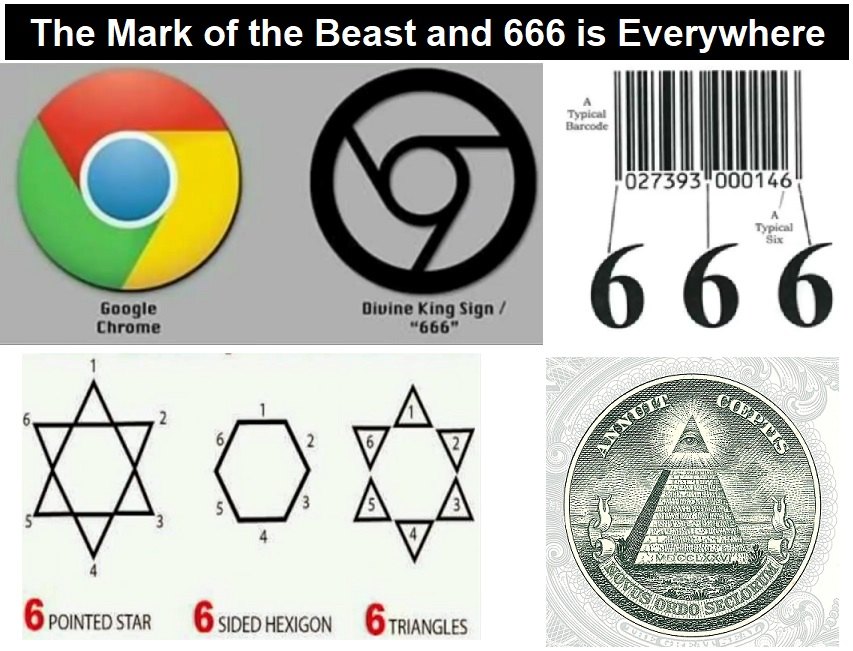
The Bewitching of America with the Evil Eye and the Mark of the Beast

Jesus Christ’s Opposition to the Jewish State: Lessons for Today

Identifying the Luciferian Globalists Implementing the New World Order – Who are the “Jews”?

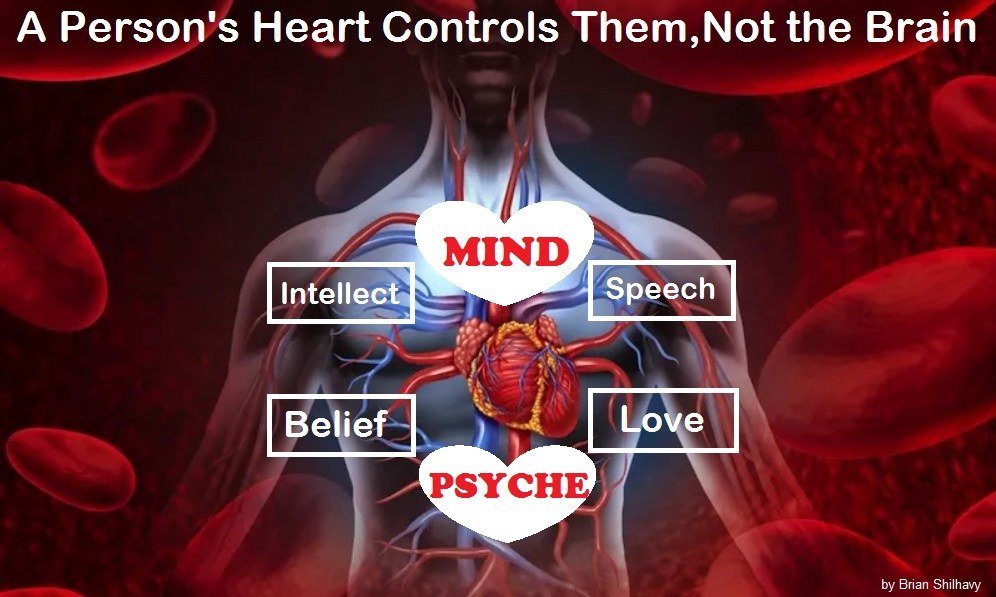
The Brain Myth: Your Intellect and Thoughts Originate in Your Heart, Not Your Brain

What is the Condition of Your Heart? The Superiority of the Human Heart over the Human Brain

The Seal and Mark of God is Far More Important than the “Mark of the Beast” – Are You Prepared for What’s Coming?

The Satanic Roots to Modern Medicine – The Image of the Beast?

Medicine: Idolatry in the Twenty First Century – 10-Year-Old Article More Relevant Today than the Day it was Written

Having problems receiving our emails? See:

How to Beat Internet Censorship and Create Your Own Newsfeed

We Are Now on Telegram. Video channels at Bitchute, and Odysee.

If our website is seized and shut down, find us on Telegram, as well as Bitchute and Odysee for further instructions about where to find us.

If you use the TOR Onion browser, here are the links and corresponding URLs to use in the TOR browser to find us on the Dark Web: Health Impact News, Vaccine Impact, Medical Kidnap, Created4Health, CoconutOil.com.

The post Trump’s War Against Iran Fulfills Prophecy, but NOT Christian Evangelical Zionist Prophecy first appeared on Health Impact News.

  •  

Fogo em Abrantes a caminho de Mação mas sem habitações em perigo

Um incêndio florestal que deflagrou na tarde deste sábado, 22 de agosto, pelas 15:11 em Mouriscas, concelho de Abrantes, encontra-se ativo e a lavrar com intensidade.

O fogo iniciou-se na zona de Vale Mouriscas e Lercas e progride em direção ao concelho vizinho de Mação, nomeadamente rumo a Queixoperra e Penhascoso.


Segundo informação prestada pelo vice-presidente da Câmara Municipal de Abrantes, João Caseiro Gomes, e confirmada pelo Comando Sub-Regional de Emergência e Proteção Civil do Médio Tejo, não há registo de habitações ou populações em risco, nem se preveem perigos para habitações dada a perspetiva de evolução. Não se registam feridos entre civis ou operacionais.


De acordo com dados da Autoridade Nacional de Emergência e Proteção Civil (ANEPC), pelas 21:10 encontravam-se no combate às chamas 514 operacionais, apoiados por 159 veículos e sete meios aéreos. O fogo consome maioritariamente áreas de mato e povoamento florestal.

Dino Frazão
22/08/2026

O conteúdo Fogo em Abrantes a caminho de Mação mas sem habitações em perigo aparece primeiro em OS MONHACAS.

  •  

Colisão rodoviária violenta faz uma vítima mortal em Alfeizerão

📷OS MONHACAS

Uma colisão rodoviária provocou esta tarde uma vítima mortal na freguesia de Alfeizerão, no concelho de Alcobaça, entre Casal da Ponte e Alfeizerão.

📷OS MONHACAS

O alerta foi dado às 17h33. Para o local do sinistro foram mobilizados 17 operacionais das forças de socorro e emergência, apoiados por 7 viaturas.

Por: Dino Frazão
22/08/2026

Segundo o Comando Sub-Regional de Emergência e Proteção Civil do Oeste, as circunstâncias em que ocorreu o acidente estão ainda a ser apuradas.

————————————————–
© 2026 Os Monhacas. Todos os direitos reservados.
Este é um projeto independente de criação de conteúdos.
Se gostou do que leu e ainda não é seguidor, siga a nossa página para ver mais conteúdos!
————————————————–

O conteúdo Colisão rodoviária violenta faz uma vítima mortal em Alfeizerão aparece primeiro em OS MONHACAS.

  •  

TikTok to Pay DOJ $400M Settlement Over Alleged Child Privacy Violations

The Department of Justice (DOJ) reached a $400 million settlement with TikTok on Friday.

The Details: The settlement, involving TikTok, its parent company ByteDance, and the companies' affiliates, "resolv[es] litigation concerning compliance with the Children's Online Privacy Protection Act and its implementing regulations (COPPA)," according to the DOJ's press release. It marks the end of a 2024 lawsuit initially filed by the Biden administration and is reportedly "one of the largest recoveries ever obtained in a COPPA case."

Assistant Attorney Gen. Brett A. Shumate said the settlement "secures a significant monetary recovery and reflects the Department's commitment to ensuring children receive the full protections that Congress mandated."

The department reported, "Under the settlement, TikTok will pay $300 million immediately and an additional $100 million upon entry of an order vacating a prior consent decree entered against TikTok's predecessor, Musical.ly."

The Federal Trade Commission's (FTC) prior consent decree against Musical.ly suggested the company collected minors' personal information without parental consent, resulting in a $5.7 million fine. The TikTok litigation similarly involved allegations of COPPA violations by circumventing parental consent to collect personal information from users under 13 years old.

The department specified in its statement, "The claims resolved by the United States in the settlements are allegations only, and there has been no determination of liability."

How The Media Covered It: Initial coverage of this story was largely similar across the political spectrum, and outlets on both the left and right republished Reuters' (Center bias) report. The Verge (Lean Left), Reuters, and Fox Business (Lean Right) all noted that TikTok did not immediately respond to their requests for comment. However, Fox was the only outlet of the three to highlight that the Biden administration spearheaded the lawsuit – a fact omitted in the DOJ's press release.

For Context: The DOJ's release stated, "Since the Justice Department filed its complaint in 2024, TikTok has undergone significant changes to its ownership, management, compliance functions, and privacy practices. The company has implemented extensive measures designed to strengthen safeguards for younger users, improve age-related controls, and enhance parental oversight."

The US and ByteDance announced a joint-venture deal on TikTok in January, granting the US majority ownership of the platform in compliance with President Donald Trump's executive order from September. Read more about the deal here.

Written by the AllSides staff (of humans). Learn more. Support our mission. Suggest an improvement to this summary.

  •  

Aljustrel:Acidente de trabalho em herdade faz um ferido grave helitrasportado para Lisboa

📷 Daniel costa

Um acidente de trabalho ocorrido numa herdade em Aljustrel, junto à N261 e ao nó de acesso à A2, mobilizou os meios de emergência na tarde deste sábado, 22 de agosto.

O sinistro deu-se durante os trabalhos de colheita de amêndoa na exploração agrícola. A vítima, um homem de nacionalidade espanhola com idade compreendida entre os 20 e os 35 anos, encontrava-se em cima dos panos de recolha quando, no momento em que estes foram puxados, acabou por ser projetado e sofrer uma queda, segundo informações recolhidas pelo nosso portal. O trabalhador pertence a uma empresa externa de prestação de serviços a decorrer na herdade, estando a equipa e a situação contratual devidamente regularizadas, facto já verificado pelas autoridades no local.

Devido à gravidade dos ferimentos, com forte impacto na zona da cabeça e na região lombar, a vítima foi assistida no local pelas equipas de socorro e posteriormente transferida por meio aéreo para uma unidade hospitalar em Lisboa, por motivos de segurança.

Se ainda não segue a nossa página, siga para ver mais conteúdos e acompanhar o desenvolvimento desta e de outras notícias!

Por: Dino Frazão
Data: 22 de agosto de 2026

————————————————–
© 2026 Os Monhacas. Todos os direitos reservados.
Este é um projeto independente de criação de conteúdos.
Se gostou do que leu e ainda não é seguidor, siga a nossa página para ver mais conteúdos!
————————————————–

O conteúdo Aljustrel:Acidente de trabalho em herdade faz um ferido grave helitrasportado para Lisboa aparece primeiro em OS MONHACAS.

  •  

The Dark Money Behind Myanmar’s Civil War

💾

Since 2021, Myanmar has been torn apart by a multifaceted civil war. Bloomberg Investigates obtained rare access to the Southeast Asian nation to trace the illicit funds fueling the conflict and examine the human cost of the conflict.

https://www.bloomberg.com/features/2026-myanmar-resource-rich-civil-war/

--------
Like this video? Subscribe: http://www.youtube.com/Bloomberg?sub_confirmation=1

Get unlimited access to Bloomberg.com for just $1.99 your first month: https://www.bloomberg.com/subscriptions?in_source=YoutubeOriginals
Bloomberg Originals offers bold takes for curious minds on today’s biggest topics. Hosted by experts covering stories you haven’t seen and viewpoints you haven’t heard, you’ll discover cinematic, data-led shows that investigate the intersection of business and culture. Exploring every angle of climate change, technology, finance, sports and beyond, Bloomberg Originals is business as you’ve never seen it.

Subscribe for business news, but not as you've known it: exclusive interviews, fascinating profiles, data-driven analysis, and the latest in tech innovation from around the world.

Visit our partner channel Bloomberg News for global news and insight in an instant.
  •  

A13:Um morto e um ferido grave numa colisão entre duas viaturas ligeiras

Colaborador OS MONHACAS João Abreu

Uma colisão entre duas viaturas ligeiras na A13, junto à localidade de Santa Cita, em Tomar, provocou este sábado, 22 de agosto, um morto e um ferido grave. O acidente levou ao corte total de estrada no sentido sul-norte.

Colaborador OS MONHACAS João Abreu

O alerta foi dado pelas 13:13 através do 112. O sinistro ocorreu ao quilómetro 128 da Autostrada do Pinhal Interior, segundo a Proteção Civil.

Segundo o Comando Sub-Regional de Emergência e Proteção Civil do Médio Tejo, para o local foram mobilizados os Bombeiros de Tomar e de Vila Nova da Barquinha. À chegada, os meios de socorro encontraram duas vítimas em estado grave, tendo o óbito de uma delas sido declarado no local. A outra vítima foi transportada para a unidade hospitalar.

O ferido grave, uma mulher de 26 anos, foi transportado para o hospital de Abrantes e, a vítima mortal é um homem de 68 anos de Ferreira do Zêzere.

As duas vias no sentido sul-norte da A13 estiveram cortadas ao trânsito, segundo a mesma fonte. Foi acionado para o local o Núcleo de Investigação de Crimes em Acidentes de Viação (NICAVE) da GNR, que se encontra a apurar as causas do acidente.

Se ainda não segue a nossa página, siga para ficar a par de mais notícias e atualizações sobre o trânsito!

Por: Dino Frazão
Data: 22 de agosto de 2026

————————————————–
© 2026 Os Monhacas. Todos os direitos reservados.
Este é um projeto independente de criação de conteúdos.
Se gostou do que leu e ainda não é seguidor, siga a nossa página para ver mais conteúdos!
————————————————–

O conteúdo A13:Um morto e um ferido grave numa colisão entre duas viaturas ligeiras aparece primeiro em OS MONHACAS.

  •  

COLISÃO ENTRE DOIS LIGEIROS FAZ UM MORTO E DUAS FERIDAS EM ALCOBAÇA

📷 Daniela Conceição

Um homem de 94 anos perdeu a vida e duas mulheres ficaram feridas na sequência de uma colisão entre duas viaturas ligeiras no concelho de Alcobaça, distrito de Leiria. Segundo a agência Lusa, o alerta para o acidente foi dado pelas 16h24 de ontem, 21 de agosto.

📷 João silva

Segundo a Guarda Nacional Republicana (GNR) de Leiria, o embate violento provocou a morte imediata do homem de 94 anos. Da colisão resultaram ainda ferimentos em duas mulheres: uma jovem de 26 anos que sofreu ferimentos graves e uma mulher de 53 anos com ferimentos considerados leves.

📷 Helder Xico

As autoridades policiais e os meios de socorro deslocaram-se para o local para prestar assistência às vítimas e regularizar o trânsito na via.

Por: Dino Frazão
Data: 22 de agosto de 2026

————————————————–
© 2026 Os Monhacas. Todos os direitos reservados.
Este é um projeto independente de criação de conteúdos.
Se gostou do que leu e ainda não é seguidor, siga a nossa página para ver mais conteúdos!
————————————————–

O conteúdo COLISÃO ENTRE DOIS LIGEIROS FAZ UM MORTO E DUAS FERIDAS EM ALCOBAÇA aparece primeiro em OS MONHACAS.

  •  

Jovem detido por posse/tráfico de droga após tentar fugir da GNR em Silves

O suspeito de 20 anos conduzia um veículo automóvel quando foi fiscalizado por uma patrulha da GNR de Silves, numa das ruas mais movimentadas da cidade.

No decorrer da fiscalização, os militares visualizaram, no interior da viatura, um produto que aparentava ser estupefaciente. Confrontado com a situação, o jovem admitiu tratar-se de “droga”, alegando, contudo, que aquela seria o único produto que tinha na sua posse para consumo próprio.

Perante as circunstâncias, os militares não se limitaram à versão apresentada pelo suspeito e, quando se preparavam para proceder a uma revista ao suspeito e busca ao interior do automóvel, este, de forma repentina, encetou uma fuga a pé, procurando, durante o percurso, desfazer-se do produto que transportava consigo.

A tentativa de fuga acabou por ser travada pelos militares, que conseguiram alcançar e intercetar o suspeito, recuperando ainda todo o material de que este se tentou desfazer ao longo do trajeto.

No seguimento das diligências, foi localizado mais produto estupefaciente, quer na posse do jovem, quer no interior do automóvel.

No total, foram apreendidas várias doses de produto estupefaciente, entre elas Cocaína e Haxixe, já devidamente acondicionadas e prontas para venda, bem como 85 euros em numerário, um telemóvel e diverso material associado à preparação e acondicionamento do produto.

O suspeito foi detido e, após o cumprimento das diligências legais, notificado para comparecer, no dia seguinte, no DIAP do Tribunal de Silves.
A investigação prossegue.

  •  

Se l’Intelligenza artificiale distrugge i libri

È celebre la definizione di capitalismo di Joseph Schumpeter: distruzione creatrice.

L’ansia di fare tabula rasa, di ri-creare il mondo senza limiti a immagine e somiglianza del febbrile tipo umano del capitalista/imprenditore animato dal desiderio di innovare per guadagnare e dominare ha raggiunto il suo apice con lo sviluppo della tecnologia informatica ed elettronica.

L’ultima tendenza è rendere ogni cosa immateriale, una bolla tecnica controllata da chi ha scoperto i segreti dell’ordine naturale e li piega ai propri interessi. Di dominio ben più che di arricchimento.

Si può affermare che la nuova geopolitica ha per oggetto il controllo prima, il superamento poi della creatura umana. Lo strumento più raffinato, l’innovazione più disruptiva (ciò che spezza una continuità, interrompe un processo o produce un cambiamento improvviso e radicale) è l’Intelligenza Artificiale.

Siamo arrivati al punto che l’IA, ossia i suoi padroni, gli Altman, i Karp, i Thiel e pochi altri, stanno distruggendo a tappe forzate il patrimonio comune più alto dell’umanità, i libri, che custodiscono e trasmettono il sapere umano.

Anthropic, Open AI, Palantir e le altre aziende tese all’onnipotenza tecnologica, compresa Amazon, acquistano biblioteche intere, specie testi rari e antichi, si appropriano delle ultime copie di manuali tecnici, scientifici, storici, filosofici e di ogni altro testo utile ai loro fini; scansionano il contenuto e poi lo distruggono.

Immagazzinare fisicamente libri cartacei costa troppo, meglio cancellare la traccia di millenni di conoscenza umana dopo averla messa a disposizione dei modelli previsionali e predittivi – gli LLM, large linguistic model – dell’Intelligenza Artificiale.

Sapere non è più per tutti, ma oligopolio di un grumo di giganti privati. Forse l’ossessione di Peter Thiel per la figura biblica dell’Anticristo è un capitolo ulteriore del mondo al contrario.

Per il tecnocrate filosofo l’Anticristo contemporaneo è la resistenza all’accelerazione tecnologica e alle sue possibilità. Lucida follia rovesciata di geni ossessionati dal dominio e dalla propria personale caducità.

Non è certo la prima volta che i libri, il lascito ai posteri di ogni ambito della cultura, sono oggetto di distruzione. Sono noti il rogo di testi storici e filosofici ordinato dal primo imperatore cinese nel 213 a.C, la distruzione della biblioteca di Alessandria – summa della sapienza antica – da parte dell’invasore maomettano nel VII secolo, il falò delle vanità (arte, libri, abiti, gioielli) dell’allucinato Savonarola nella Firenze di fine secolo XV, l’incendio nazista nel 1933, la distruzione di libri imposta da Mao Tze Tung negli anni tragici della cosiddetta rivoluzione culturale.

In Fahrenheit 451, distopia letteraria di Ray Bradbury ambientata nell’America del XXI secolo, i libri sono vietati e un corpo specializzato ha il compito di rintracciare gli ultimi esemplari per distruggerli.

Ma ciò che viene compiuto dalla cupola tecnocratica e tecnolatrica padrone dell’IA è del tutto inusitato, non solo nelle modalità.

La cultura viene sottratta alla fruizione libera, acquisita per nutrire l’IA e poi distrutta per motivazioni economiche e ostentare il monopolio assoluto sulla conoscenza: padroni del passato per dominare il presente e ipotecare il futuro.

Tutto diviene semplice traccia elettronica, teoricamente indelebile, trasferita nei magazzini virtuali, i clouds, le nuvole elettroniche che uniscono la potenza di calcolo dei grandi data center agli algoritmi di apprendimento automatico.

Tutto viene sottratto all’umanità che ha prodotto per millenni conoscenza per accumulo di esperienze; tutto diventa “cosa loro”. Non si perde completamente, come nei roghi antichi, ma è privatizzata.

Sarà disponibile a discrezione, scegliendo con cura chi avrà accesso, perché, a che scopo e a quale prezzo.

Si chiama “progetto Panama”, sino a pochissimo tempo fa negato e secretato. L’intero scibile umano si trasforma in materiale disponibile, il Bestand di Heidegger, ma solo per la tecno oligarchia dominatrice del tempo presente.

Non si sfugge alla prigione tecnocratica, si diventa plastilina nelle mani di chi è in grado di nascondere o rendere fruibile il sapere secondo interesse o capriccio.

A noi resta un nichilismo smemorato, spensierato, colmato a richiesta e dietro pagamento attraverso lo schermo dello smartphone e la scatola magica dell’Intelligenza Artificiale, cornucopia postmoderna della dea Atalanta.

Forse chi scrive parla pro domo sua, in quanto autore di oltre dieci libri, ma vorrebbe che l’oblio di ciò che ha scritto e pensato avvenisse per scelta e per la legge del tempo, non per sottrazione deliberata da parte di pochi potenti che si appropriano di tutto, materiale e immateriale, lo immagazzinano nella dimensione virtuale e ne fanno oggetto di allenamento intensivo per il cervellone artificiale che oltrepassa tutte le intelligenze che una volta chiamavamo umane.

Non solo la cupola tecnocratica si impadronisce delle risorse del pianeta, acqua, fonti energetiche, porzioni sempre più ampie del territorio per dedicarle ai giganteschi apparati da alimentare continuamente, raffreddare, ingrandire a scapito dell’antiquata civiltà degli uomini e della persistenza dei viventi, ma la trasforma in trust privato della conoscenza e dell’intelligenza, destinata a decadere nel residuo homo (non più) sapiens. Schiavitù assoluta per de-umanizzazione.

È obsoleto anche lo studio di Howard Gardner sull’intelligenza umana. Le sue conclusioni verranno rinchiuse nel cloud, a disposizione esclusiva della tecnostruttura e dei suoi servi più eminenti?

Gardner identificò nove tipologie differenziate di intelligenza umana, più una decima, speculativa, ciascuna deputata a differenti settori del nostro agire.

Intelligenza logico-matematica; linguistica; spaziale; musicale; cinestetica o procedurale; interpersonale; intrapersonale; naturalistica; filosofico-esistenziale.

Dopo di lui, Antonio Battro e Percival J. Dunham identificarono una nuova tipologia, l’intelligenza digitale. Successivamente Gardner fece una sintesi delle abilità necessarie nell’età contemporanea proponendo una classificazione alternativa: intelligenza disciplinare, sintetica, creativa, rispettosa ed etica, dopo aver esaminato diverse attitudini, dall’intelligenza tecnologica a quella digitale, mercantile, emotiva e perfino spirituale.

Lo psicologo americano ha lavorato per il re Prussia? Probabilmente sì, se l’IA si appresta a sostituirci nelle decisioni, nelle iniziative, perfino in certi ambiti della creatività. Dunque, l’homo sapiens è una creatura fungibile, fastidiosa, perché ancora dotata di giudizio e raziocinio.

Perciò, dopo averla ridotta a puro impulso ed esecutrice immediata dei propri istinti con la cantilena dei “diritti”, i padroni universali hanno ogni interesse a ridurne il numero. Umanità inutile è un’espressione usata apertamente da Yuval Harari e Bill Gates.

Una volta incorporata nel magazzino universale dell’Intelligenza Artificiale l’intera produzione intellettuale e scientifica dell’uomo, messo da parte per inservibilità pratica il suo pensiero etico, morale, spirituale, bruciata o resettata ogni sua traccia, il mondo di Fahrenheit 451 sarà perfettamente realizzato.

La residuale futura umanità insipiens regredirà ad animale dalla scarsa dotazione istintuale, la nostra condizione primigenia. I più abili diventeranno cyber uomini al servizio della megamacchina.

E non ci sarà un Guy Montag ribelle a salvare i libri, accaparrati dai signori dell’Intelligenza Artificiale.

Aveva ragione Martin Heidegger: solo un Dio ci può salvare. Ma lo vorrà?

L'articolo Se l’Intelligenza artificiale distrugge i libri proviene da Blondet & Friends.

  •  

DESPISTE DE LIGEIRO DE MERCADORIAS NA EN115 EM SÃO JULIÃO DO TOJAL CAUSA UM FERIDO LEVE

Um despiste de um veículo ligeiro de mercadorias mobilizou meios de socorro na Estrada Nacional 115 (EN115), na localidade de São Julião do Tojal. O alerta para a ocorrência foi dado pelas 20h42 de ontem, através do Comando Sub-Regional de Emergência e Proteção Civil de Lisboa. Segundo os Bombeiros Voluntários, da colisão resultou um ferido leve.

Para o local do acidente foram empenhadas uma ambulância de socorro (ABSC 02) e um veículo de socorro e assistência táctica (VSAT 01). Segundo os Bombeiros Voluntários, a vítima considerada ferido leve recusou o transporte para a unidade hospitalar após ser assistida no local.

A Guarda Nacional Republicana (GNR) de Bucelas esteve presente na ocorrência para tomar conta da ocorrência e regularizar o trânsito.

Por: Dino Frazão
Data: 22 de agosto de 2026

————————————————–
© 2026 Os Monhacas. Todos os direitos reservados.
Este é um projeto independente de criação de conteúdos.
Se gostou do que leu e ainda não é seguidor, siga a nossa página para ver mais conteúdos!
————————————————–

O conteúdo DESPISTE DE LIGEIRO DE MERCADORIAS NA EN115 EM SÃO JULIÃO DO TOJAL CAUSA UM FERIDO LEVE aparece primeiro em OS MONHACAS.

  •  

Romania’s years-long crisis of democratic legitimacy deepens

Romania’s ongoing political crisis is entering a more critical phase, with a collapsed government, an unresolved battle over the presidency and a growing conservative-nationalist challenge to the political order that has dominated the country for years.

At stake is not just who governs Bucharest, but whether Romania’s institutions can recover public legitimacy after the extraordinary cancellation of the 2024 presidential election.

The crisis dates back to November 2024, when independent nationalist candidate Călin Georgescu—to the surprise of many—finished first in the opening round of the presidential vote.

Citing alleged electoral irregularities and intelligence—evidence that still hasn’t been disclosed to the public—claiming Russian interference in favor of Călin Georgescu, Romania’s Constitutional Court subsequently annulled the election.

The court’s decision, therefore, erased an election result already delivered by Romanian voters and triggered one of the most serious democratic controversies in the European Union.

Romania’s democratic clampdown deepened even further in March 2025 when Georgescu was barred from taking part in the rerun presidential election. The Constitutional Court upheld his exclusion, leaving the person who had won the original first round unable to compete when Romanians were sent back to the polls for a second time.

The sequence of events became, for a broad cross-section of Romania’s population, undeniable proof of what many observers have begun to describe as “managed democracy”—meaning elections across the EU are “legitimate” only until voters choose someone “unacceptable” to the ruling establishment.
It didn’t take long for news of the crisis to reach across the Atlantic. Vice President JD Vance used his 2025 Munich Security Conference speech to accuse Romania of having “straight up canceled the results of a presidential election based on the flimsy suspicions of an intelligence agency and enormous pressure from its continental neighbors.”

The U.S. State Department’s subsequent Report on Human Rights Practices also leveled criticism that the annulment represented political interference and an unusually severe restriction on disfavored political speech. Elon Musk, for his part, in several posts to social media attacked the Romanian state’s treatment of Georgescu and described one official connected with the process as a “tyrant.”

How can a judge end democracy in Romania? https://t.co/9MFhlq6YwQ

— Elon Musk (@elonmusk) March 10, 2025

This guy is a tyrant, not a judge https://t.co/ghE9X4W5G3

— Elon Musk (@elonmusk) February 20, 2025

The episode resonated well beyond Romania because it touched a wider fault line running through European politics. Nationalist movements challenging Brussels on sovereignty, mass migration, security, green policy, cultural questions, and foreign affairs increasingly argue that institutional mechanisms are being weaponized to contain alternative political forces that can no longer be easily defeated—and may even be winning outright—at the ballot box.

Romania’s own long-established, ruling elite class has since begun to fracture. Prime Minister Ilie Bolojan’s Brussels-aligned government was brought down on May 5 after the Social Democratic Party (PSD) abandoned the coalition and joined nationalist AUR and other opposition forces in backing a no-confidence motion.

The result was overwhelming—281 lawmakers voted to remove the government, compared with only four against, well above the 233 votes required. The scale of the defeat exposed the government’s lack of legitimacy and revealed how quickly the firewall around Romania’s nationalist opposition had begun to crack.

Especially noteworthy was the decision by the PSD, long one of the pillars of Romania’s establishment, to cooperate with the Alliance for the Union of Romanians (AUR). Whatever the parties’ differences, that cooperation showed that excluding AUR indefinitely from parliamentary influence was becoming increasingly difficult.

President Nicușor Dan, so far, has failed to find a legitimate replacement. His nominee Adrian Veștea went before Parliament in June but secured only 189 votes—44 short of the 233 needed to install a government.

The failure prolonged a political vacuum that has continued into August. Bolojan remains interim prime minister, while Dan has held repeated consultations with former coalition parties in an effort to maintain fiscal measures and secure Romania’s remaining EU recovery funds.

The government’s paralysis has placed greater scrutiny on Dan himself. The right-wing S.O.S. Romania party formally initiated a constitutional procedure seeking his suspension under Article 95, alleging serious violations involving the separation of powers, government formation, the judiciary and democratic oversight of the intelligence services.

S.O.S. leader Diana Șoșoacă said more than 400,000 Romanian living in the country and abroad had expressed support for Dan’s removal. She also claimed that 155 parliamentarians had indicated agreement with the suspension initiative, although the names of lawmakers outside her party were not publicly disclosed.

The accusations against Dan include claims that he has blurred the constitutional boundaries of the presidency by involving himself too directly in judicial affairs. Critics have also objected to his public comments concerning the Constitutional Court and his consultations with magistrates.

Another point of contention is Dan’s insistence on constructing what he has repeatedly called a pro-Western governing majority. His opponents argue that the Constitution requires the president to facilitate government formation rather than impose ideological tests on parties capable of assembling parliamentary support.

Dan, for his part, has defended his approach as an effort to maintain Romania’s strategic orientation and produce a workable government. His supporters say the country’s position on NATO’s eastern flank, next to Ukraine, makes political and foreign-policy continuity especially important.

The intelligence services have become another sensitive issue. Critics point to the absence of permanent civilian leadership at the Romanian Intelligence Service while proposals have circulated to expand the security apparatus into areas including corruption and tax enforcement.

Such controversies carry particular historical weight in Romania, where memories of communist-era surveillance and the political power of the security services remain deeply embedded. Measures that might be treated elsewhere as routine institutional disputes can therefore trigger much deeper fears of political control.

A separate 2026 rule-of-law report cited by critics has further intensified the argument over Romania’s Constitutional Court. The Civil Liberties Union for Europe report was cited as arguing that the court had effectively changed the law in its handling of electoral candidacies, raising questions about legal certainty and the scope of judicial power.

The same report raised concerns over procedural protections for excluded candidates and discussed structural reform of the Constitutional Court itself. It also highlighted problems involving media independence, opaque political financing, and poorly defined anti-disinformation measures that can potentially restrict legitimate speech.

Those findings have strengthened the case made by Georgescu’s and his supporters that the 2024 election annulment, described by many analysts as a constitutional coup, was never merely about one TikTok campaign. They see it as a confrontation over who ultimately sets the boundaries of acceptable politics—Romanian voters or institutions increasingly tied to a globalist, Brussels-centered political consensus.

Romania’s crisis has moved beyond constitutional theory, as its political breakdown now collides with an economy facing some of the heaviest fiscal pressures in the European Union.

Earlier predictions that Fitch could push Romanian sovereign debt into junk territory did not materialize this August. Fitch instead maintained Romania at BBB-, the lowest investment-grade level, while keeping a negative outlook and warning that prolonged political instability could undermine deficit reduction and jeopardize access to European recovery money.

The reprieve should not be confused with economic security. Fitch expects Romania’s economy to contract by roughly 0.6 percent in 2026 and projects a budget deficit of about 5.9 percent of GDP—an improvement from previous years, but still exceptionally high for a BBB-rated state.

S&P has likewise kept Romania at BBB- with a negative outlook. Both agencies have pointed to the ongoing political fragmentation, financing pressures, and the difficulty of sustaining fiscal consolidation while governments rise and fall in Bucharest.

For ordinary Romanians, warnings like these translate into something much more tangible than ratings-agency terminology. They mean higher borrowing costs, increased pressure on household incomes, weaker growth, and further uncertainty over the country’s economic future. That helps explain why anger at political elites has persisted even as officials insist Romania remains firmly anchored inside the EU and NATO.

The nationalist political revolt in Romania also forms part of a wider European trend. From the AfD in Germany and Marine Le Pen’s movement in France to populist forces in Italy, Austria and elsewhere, parties demanding national sovereignty, stricter immigration controls and, increasingly, remigration have forced issues once excluded from respectable debate into the political mainstream.

Romania’s version of that revolt has developed around Georgescu and AUR, whose supporters increasingly compare their struggle with the movement that formed around Donald Trump in the United States. They view sovereignty, national identity, demographic security, economic accountability, and a nationally oriented foreign policy not as threats to democracy, but as core issues that any genuine democracy must be free to decide for itself.

The Romanian establishment—and by extension its backers in Brussels—now faces an uncomfortable problem: attempts to isolate Romania’s traditional, nationalist, and patriotic electorate have not only failed to make it disappear, but have made it much stronger. The collapse of the governing coalition and the cooperation between PSD and AUR have shown that the old cordon sanitaire is becoming harder—if not impossible—to maintain.

The post Romania’s years-long crisis of democratic legitimacy deepens appeared first on Remix News.

  •  

Switzerland: 80.5% of North African asylum seekers have been accused of one or more crimes

Around 80.5 percent of asylum seekers from North African countries were accused of one or more offenses in Switzerland, underlining the massive amount of criminality present in this foreign population. The data comes from the State Secretariat for Migration (SEM).

For asylum seekers as a whole, the rate of criminality is much lower, with only 12.5 percent having been accused of one or more offenses. Nationals from Algeria, Morocco and Tunisia are therefore extremely overrepresented compared to other asylum seeker groups.

North Africans also have little chance of having their asylum applications accepted by Swiss authorities, with 99 percent of all applications rejected, according to Swiss newspaper Blick.

In 2024, a “24-hour” rule was introduced for accelerated asylum procedures for North African countries, which enables Swiss authorities to process asylum claims with a low chance of success more quickly. Applicants can still appeal the decisions, which can significantly increase delay in reaching a final decision.

“Criminals must leave Switzerland quickly. This is a priority of the asylum strategy,” said SEM spokesperson Daniel Bach.

However, the process is often delayed by the actions of asylum seekers, including refusing to provide fingerprints and failing to show up for deportation appointments.

Many applicants also obstruct the accelerated procedure: they refuse to provide their fingerprints, do not show up for appointments or quickly leave Switzerland. In these cases, their request can be filed without formalities.

Authorities are now working to implement new measures to quickly deport asylum seekers, including the “systematic use of coercive measures against the perpetrators of repeated offenses.” Authorities are also planning to introduce stricter rules for administrative detention.

The SEM also wants to increase cooperation with North African countries and recently signed an agreement with Morocco to accelerate the of asylum seekers ordered to be deported and help facilitate their return.

The post Switzerland: 80.5% of North African asylum seekers have been accused of one or more crimes appeared first on Remix News.

  •  

Casa Bianca anima nera

La Casa Bianca parla apertamente di «prendere Cuba», e la stampa costruisce il fascicolo che dovrebbe giustificarlo. Mentre il Sud America viene scosso da un sisma devastante e la nuova Colombia riscrive in sette giorni la propria politica estera, l’America Latina entra in una fase senza precedenti, con lsraele che preme da una parte e gli USA che ripetono la solita vecchia strategia. Dal 9 gennaio a Cuba non arriva più petrolio. Metà del Paese resta al buio a intermittenza, gli ospedali razionano, gli aerei restano a terra. Dopo 60 anni di blocco, una vera e propria guerra economica e mediatica, non solo a Cuba ma in tutta l’America Latina. Ne parliamo con Gianmarco Pisa, analista geopolitico e ricercatore di pace dell’IPRI, Corpi Civili di Pace. Intervista a cura di Jeff Hoffman

Affrontiamo insieme:
⚡ L’embargo energetico e i blackout: l’arma che non lascia crateri
🎙 La fabbrica del consenso: come si prepara mediaticamente un’aggressione
🌎 La Colombia di De la Espriella: Golan, Sahara Occidentale, basi statunitensi
🏚 Il terremoto del Chocó e gli aiuti umanitari come strumento politico
🕊 Che cosa può ancora fare un movimento per la pace in questo quadro

📚 LIBRI DELL’OSPITE
Più eterno del bronzo. Educazione alla cultura e semantica del monumento,
Multimage, Firenze, 2026
Le porte dell’arte. I musei come luoghi della cultura, Multimage, 2024
La pagina in comune, Ad Est dell’Equatore, Napoli, 2015
Corpi Civili di Pace in Azione, Ad Est dell’Equatore, Napoli, 2013

🎯 SOSTIENI CASA DEL SOLE TV
Casa del Sole TV è un progetto di giornalismo indipendente autofinanziato.

Per donazioni:
IBAN: IT63P0326822300052392596590
Intestato a: La Casa del Sole Edizioni
Causale: Donazione Casa del Sole TV

Membership YouTube:
👉 https://www.youtube.com/@CasadelSoleTVChannel
— Analista Multipolare €5/mese
— Inviato della Verità €15/mese
— Architetto del Futuro €25/mese

📖 I LIBRI DI MARGHERITA FURLAN
BRICS Scacco Matto (disponibile in italiano, inglese, russo)

L'articolo Casa Bianca anima nera proviene da Casa del Sole TV.

  •  

GNR Setúbal | Alcochete – Apreensão de cerca de 4 200 litros de combustível

📷GNR

O Comando Territorial de Setúbal, através de militares das várias valências do Destacamento Territorial do Montijo, apreendeu, no dia 21 de agosto, cerca de 4 200 litros de combustível, no interior de um armazém, no concelho de Alcochete, segundo a Guarda Nacional Republicana.

Na sequência de uma denúncia relativa à existência de diversos recipientes com combustível armazenados no local, foram deslocadas patrulhas ao armazém, onde foram identificados três indivíduos que se encontravam no local para proceder à recolha do combustível.

📷GNR

Os indivíduos não conseguiram justificar a posse e a proveniência do combustível, motivo pelo qual o mesmo, bem como os restantes materiais relacionados, foram apreendidos:
– 210 jerricãs de 20 litros cheios;
– 16 jerricãs de 20 litros vazios;
– 6 depósitos de líquidos com capacidade para 1000 litros;
– 2 porta-paletes (manual e hidráulico);
– 1 equipamento porta-cargas;
– 3 lonas de proteção;
– 1 cinta de aperto com roquete;
– 1 saco com diversas tampas plásticas para jerricãs;
– 1 veículo ligeiro.

Os três indivíduos, com idades compreendidas entre os 28 e os 34 anos, foram constituídos arguidos.

A operação contou com o apoio do Destacamento de Intervenção de Setúbal.

Se gostou do que leu e ainda não é seguidor, siga a nossa página para ver mais conteúdos!

————————————————–
© 2026 Os Monhacas. Todos os direitos reservados.
Este é um projeto independente de criação de conteúdos.
Se gostou do que leu e ainda não é seguidor, siga a nossa página para ver mais conteúdos!
————————————————–

Por: Dino Frazão
Data: 22 de agosto de 2026

O conteúdo GNR Setúbal | Alcochete – Apreensão de cerca de 4 200 litros de combustível aparece primeiro em OS MONHACAS.

  •  

El Codex Gigas, el mayor manuscrito iluminado medieval fue creado por un solo monje que tardó 30 años en completarlo

En 1648, mientras las tropas suecas saqueaban el castillo de Praga al final de la Guerra de los Treinta Años, alguien cargó entre el botín un volumen que pesaba 75 kilos y necesitaba dos personas para moverlo. Se trataba de un libro, el manuscrito iluminado más grande que se conserva de toda la Edad Media, […]

  •  

Terremoto all’OMS: 2.400 posti di lavoro tagliati, dirigenti in fuga…

Autore: France-Soir Pubblicato il 20 agosto 2026 – 09:28

Possiamo ancora credere che si tratti di una semplice ristrutturazione? L’OMS, l’istituzione che per anni ha impartito lezioni al mondo, ora viene dissanguata.

Nei prossimi mesi sono stati eliminati 2.400 posti di lavoro, tra cui un quarto del personale, 900 dei quali solo a Ginevra. Questo rappresenta un vero fallimento: un fallimento di credibilità, un fallimento politico, un fallimento morale.

Jeremy Farrar, il direttore scientifico, lascerà l’incarico alla fine di settembre. Mentre l’OMS fa riferimento, con garbo, all’età pensionabile, il Telegraph e fonti interne raccontano una storia diversa, fatta di crescente frustrazione nei confronti della burocrazia e di lotte di potere. Nonostante abbiano cercato di etichettarlo come una “normale partenza”, non ha convinto nessuno.

Farrar non è nuovo alla scena; è la stessa persona che, insieme a Fauci, ha a lungo insistito sull’origine naturale del virus. Ma ora sappiamo ciò che alcuni stretti collaboratori di Fauci hanno finalmente ammesso: già nel gennaio 2020, il genoma “sembrava essere stato modificato geneticamente”. Farrar stesso ha esitato, ma ha comunque insistito sulla linea ufficiale. Oggi sta facendo le valigie, proprio mentre David Morens, ex consigliere senior di Fauci al NIAID, si dichiara colpevole di aver organizzato l’occultamento di documenti pubblici relativi ai finanziamenti per la ricerca, in cambio di tangenti e promesse di futuri finanziamenti. Sebbene Fauci non sia citato nell’atto d’accusa, il suo fidato consigliere ha ammesso di aver nascosto documenti all’amministrazione statunitense.

Quanto a Yukiko Nakatani, responsabile dei dati e dei sistemi sanitari, ha lasciato Ginevra il 13 agosto per il Giappone, ufficialmente per un nuovo incarico presso il Ministero della Salute giapponese. Health Policy Watch riporta che i dirigenti interni parlano di accese discussioni e dure critiche sulla gestione dei dati e sulla leadership di Tedros. Questa fuga di notizie è particolarmente rilevante, dato che i funzionari con sede a Ginevra hanno ricevuto le lettere di licenziamento con due mesi di tempo per fare le valigie e lasciare la Svizzera.

Dopo anni in cui si è ritenuta intoccabile, l’OMS è finalmente sotto accusa; il suo deficit di bilancio ha raggiunto un miliardo di dollari dal ritiro degli Stati Uniti. Tedros si riferisce a questo come a una “dolorosa riorganizzazione delle priorità”, scegliendo attentamente le parole. E Bill Gates, il grande filantropo, ma anche colui che impartisce gli ordini per GAVI, il suo altro progetto prediletto, la cui fondazione ha a lungo gestito i finanziamenti con gli Stati Uniti, starà sicuramente osservando questo spettacolo con un sorriso leggermente forzato.

L’organizzazione globale che ha esitato trasparenza e fiducia si trova ora a licenziare in massa il personale, a vedere i suoi migliori scienziati andarsene, lasciando un imbarazzante silenzio su ciò che è realmente accaduto dal 2020.

Il fetore che emana da questa vicenda, mentre Fauci è sotto pressione negli Stati Uniti, non è certo piacevole. Fonte: France Soir

L'articolo Terremoto all’OMS: 2.400 posti di lavoro tagliati, dirigenti in fuga… proviene da Blondet & Friends.

  •  
❌