❌

Reading view

Ukraine cuts more than 4,000 vacant government posts and trims deputy ministers by about 20% in the first stage of civil service reform

prime minister serhii koretskyi

Ukraine is thinning its state bureaucracy. Central government bodies will cut more than 4,000 vacant positions in the first stage of a civil service reform, Prime Minister Serhii Koretskyi says, with the number of deputy ministers to fall by about 20% and deputy heads of other central bodies by nearly 18%.

The reform aims to build a professional state apparatus that can carry out tasks quickly and effectively, Koretskyi said. It comes as Ukraine faces an economic crunch, and about $20 billion in EU aid is on hold, blocked by reforms Kyiv has not completed.

The cuts are only the visible first step, and the final headcount is not set yet. The number of deputies will be tied to the volume of tasks each office carries, Koretskyi states.

"The most important thing is that we are running a functional diagnostic of the state apparatus," he continues.

The Ukrainian government will assess which functions the bodies have and whether they align with the state's realities and priorities, and only then will it define the structure and final headcount.

Training is tied to the job

Another track reshapes how officials learn. Training will be linked to the tasks of each specific post, with outreach and internships for young people and a separate program for veterans, Koretskyi says.

The Public Administration Council, which brings together officials, members of parliament, and experts, has resumed work, presenting a detailed plan on the task and assigning responsibility for each area.

The squeeze that forces the cuts

The reform lands in a tight budget. The war is costing Ukraine about $155 billion a year, and with Western aid running late, Kyiv has frozen almost everything except the army, pensions, and public wages.

On 1 October, the state suspended a veterans' gym subsidy that had cost about $13 million and drawn more than 800,000 users, for lack of funds.

  •  

As contradições de Lula finalmente cobram o preço

Mesmo uma vitória de Lula, hoje improvável, não fará mais que dar uma sobrevida e prolongar a agonia num falso senso de estabilidade.

Junte-se a nós no Telegram , X e VK.

Escreva para nós: info@strategic-culture.su

A perspectiva sobre as eleições brasileiras após o 1º turno é unânime: Lula e o Partido dos Trabalhadores foram varridos e humilhados, e as perspectivas de uma virada nas eleições presidenciais é mínima.

Flávio Bolsonaro, filho do ex-presidente Jair Bolsonaro, recebeu 56 milhões de votos, ou aprox. 47% dos votos válidos, enquanto Lula recebeu 53,8 milhões de votos, ou aprox. 45% dos votos válidos – o resultado leva ao 2º turno, a ser realizado no dia 28 de outubro. O problema para Lula é que o eleitorado dos candidatos que ficaram em 3º, 4º e 5º têm uma maior tendência para votar em Flávio Bolsonaro do que no próprio Lula.

Lula só tem como puxar votos tentando converter os que não foram votar, ou os que votaram nulo. São 30 milhões de eleitores nessas condições, portanto não é pouca gente. Mas historicamente, a tendência é que essa fatia do eleitorado aumente do 1º para o 2º turno, em vez de diminuir.

O revés de Lula, porém, não é apenas em sua própria disputa com Bolsonaro.

Em número de governadores estaduais, o seu partido, o PT, cai de 4 para 3 governadores. E o partido até conseguiu preservar seus assentos no Senado e somar 1 deputado federal a mais na Câmara, mas os seus rivais bolsonaristas do PL ganharam mais 13 cadeiras no Senado e 21 cadeiras na Câmara. Em outras palavras, mesmo que Lula ganhasse, não conseguiria governar.

A reação do partido de Lula e de seus militantes é a pior possível: responsabilizam o povo por “não saber votar” ou por “ser fascista”, os candidatos de micropartidos de esquerda por não terem desistido de suas candidaturas, alegam narrativas fantasiosas de “manipulação” por parte dos EUA e das redes sociais – tudo, menos admitir que o governo de Lula padecia de problemas sérios e foi incapaz de dialogar com a população e entender as suas demandas.

Pior: abraçam uma ilusão na qual o governo de Lula teria sido, na verdade, excepcional e no qual todos os índices econômicos seriam maravilhosos, e “os pobres” deveriam agradecer a Lula de joelhos e votar nele para sempre.

A realidade, porém, é que excetuando na região nordeste, onde Lula nasceu, o PT virou o partido da classe média progressista e dos centros urbanos, enquanto as cidades pequenas e médias e uma parte significativa dos setores populares abraçou o bolsonarismo. E por que?

No que concerne a economia, a percepção de melhora é falsa. O governo Lula criou ou aumentou mais de 30 impostos e taxas de todos os tipos, voltados em sua maioria contra a classe média e trabalhadora. Para piorar, apertou a regulamentação dos microempreendedores, dificultando a sua vida no que concerne questões tributárias.

Os empregos criados foram principalmente no setor de serviços e no extrativismo, para não falar nos trabalhos autônomos e precários. Em contrapartida, o governo multiplicou ao infinito os “benefícios sociais”, concedidos principalmente para a camada lúmpem da sociedade, parasitária e odiada pelos setores positivos. Aliás, apenas os setores mais ricos ligados às finanças receberam tantos benefícios quanto o lumpemproletariado no governo Lula. E não casualmente, as classes de apoio ao PT foram a classe A e a classe E, as duas pontas do sistema parasitário e improdutivo, que esmagam as classes produtivas (B, C e D) por cima (através da usura) e por baixo (através da criminalidade).

Não se pode subestimar ademais, o problema da segurança pública, para o qual temos alertado há muito tempo. O discurso de Lula sobre soberania é vazio quando ¼ da população brasileira (segundo estudo da Cambridge University Press) vive em território controlado por organizações narcotraficantes. A tolerância do brasileiro por essa situação acabou.

Mas a leniência do governo não. Ao contrário, o Brasil vive a situação esquizofrênica de ser suave com criminosos perigosos e extremamente repressivo contra quem diz coisas politicamente incorretas na internet. Tornou-se corriqueiro no Brasil que pessoas comuns seja presas e condenados por “crime de ódio” ao recusarem a entrada de alguma pessoa “trans” num banheiro feminino.

E num erro de julgamento crasso, o PT decidiu associar a própria sorte ao STF, exatamente o núcleo de poder liberal que garante a implementação de todas as pautas globalistas no Brasil e que opera um aparato draconiano de repressão e silenciamento. Lula se esqueceu de que ele próprio foi perseguido e preso pelo Judiciário brasileiro, e decidiu se aliar a este setor para tentar impor a mesma sina a Bolsonaro.

O tiro, porém, saiu pela culatra. A disputa de Lula é com Flávio Bolsonaro. Mas quem venceu essa eleição, estando condenado, preso, adoecido e censurado é Jair Bolsonaro.

Especulações sobre “interferência estrangeira” nas eleições são fúteis e pueris posto que desnecessárias. Todas as causas da derrota de Lula estão em seu próprio governo.

Nem na política externa – área mais elogiada pelos colegas estrangeiros – escapamos das contradições: condenação da Nicarágua no Conselho de Direitos Humanos da ONU, veto ao ingresso da Venezuela nos BRICS e deslegitimação da reeleição de Nicolás Maduro, aliança tácita com a França de Macron, Acordo UE-Mercosul, colaboração da ABIN com as inteligências da França e da Alemanha, pressão para tentar desacelerar o crescimento dos BRICS, e poderíamos continuar longamente.

É por isso que dentro do Brasil, o elemento da política externa não pode ser visto, nessas eleições, da maneira “dualista” como ele é visto de fora para dentro (em que se tem o mito de um “Lula multipolarista” e um “Bolsonaro atlantista”). Na verdade, tanto Lula quanto Bolsonaro jogam com os dois lados do campo geopolítico, são apenas seus discursos que são levemente divergentes. Naturalmente, os propagandistas de ambos os lados jurarão que não é assim, mas é o que a análise fria dos fatos aponta.

No fim das contas, estamos às portas do “fim da Era Lula”, e dos momentos finais de uma carreira política que marcou a história do Brasil, que teve seus altos e baixos, seus pontos positivos e negativos, mas que termina de um modo agridoce, pela ausência de um projeto de nação e pela obsessão oportunista de se perpetuar no poder a qualquer preço – inclusive ao preço de trair os princípios da época da fundação do Partido dos Trabalhadores.

Lula deixará o PT órfão. Não houve preocupação com formar um sucessor à altura de Lula. Pior: a práxis do PT o levou a esmagar os partidos de esquerda menores e a absorver seus principais quadros para podá-los e controlá-los antes que eles pudessem se tornar maiores que Lula.

Nesse sentido, com o fim da carreira política de Lula morre a esquerda. Ou pelo menos UMA esquerda. A esquerda liberal-progressista da Sexta República e da Constituição de 88. Resta saber se o que triunfará na inevitável disputa por seu legado é uma esquerda ainda mais radicalmente progressista, ou se retornará uma esquerda nacionalista, tal como já existiu no Brasil em outras épocas.

Mesmo uma vitória de Lula, hoje improvável, não fará mais que dar uma sobrevida e prolongar a agonia num falso senso de estabilidade. Não só da esquerda, mas também do Brasil.

  •  

Seoul backs Ukraine, but sanctioned tankers carried fuel from South Korea to Russia

Seven tankers made 14 trips from South Korea to Russia's Far East in July and August, carrying more than 176,000 metric tons of fuel, most of it diesel, the Guardian found in a 6 October analysis of port records and ship-tracking data. The UK and EU have sanctioned three of the ships, and one loaded its fuel from another tanker at sea off South Korea instead of at a terminal.

Ukrainian strikes have cut Russia's fuel output as Moscow scrambles for supplies, while fuel loaded at South Korean ports has flowed to Russia. Loadings began to surge in July, the same month South Korean President Lee Jae-myung pledged $100 million for Ukraine's reconstruction, the Guardian reported. That creates a tension in Seoul's policy toward the war: South Korea has provided Ukraine with humanitarian and non-lethal aid but ruled out sending weapons directly, while the fuel trade appears legal under South Korean law even though three of the tankers are under UK and EU sanctions.

Russia imported 368,000 metric tons of oil products by sea in August, 112,000 of them from South Korea, according to Kpler data analyzed by the Centre for Research on Energy and Clean Air (CREA) and cited by the Guardian. CREA's own August report gives 172,000 metric tons in total, including 18,000 from South Korea. Neither explains the gap.

Where the tankers said they were going

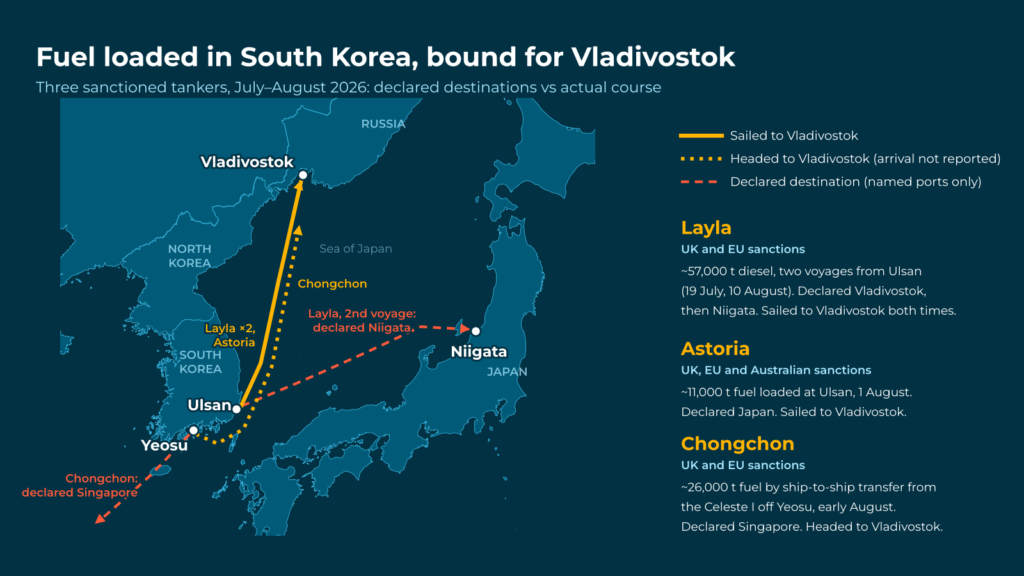
The Layla, a tanker under UK and EU sanctions, made two voyages from Ulsan to Vladivostok, carrying a total of 57,000 metric tons of diesel. It left South Korea on 19 July and 10 August. On the first trip, it told South Korean authorities it was bound for Vladivostok; on the second, it declared Niigata, Japan, but sailed to Vladivostok again.

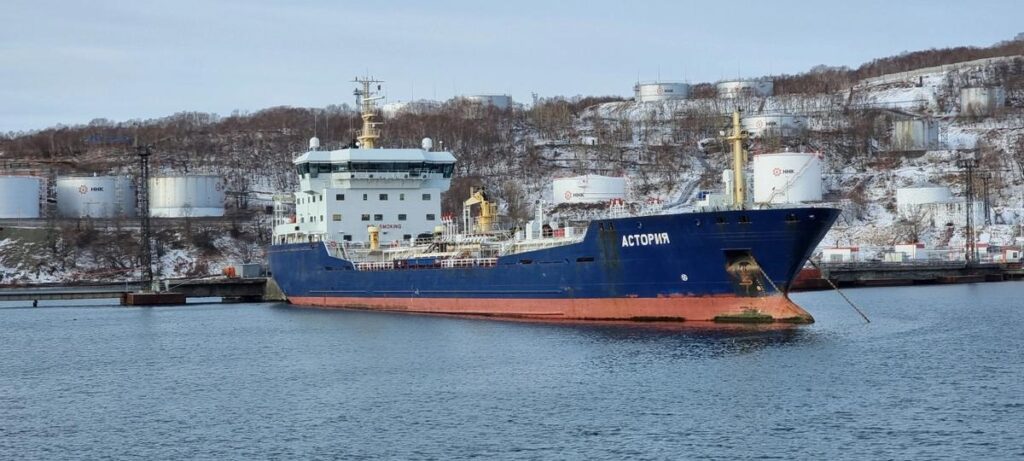
The Astoria, a Russian-flagged tanker under UK, EU, and Australian sanctions, loaded nearly 11,000 metric tons of fuel at Ulsan on 1 August. It declared Japan as its destination but sailed to Vladivostok.

The Chongchon did not berth at a South Korean port. Instead, it took about 26,000 metric tons of fuel from the unsanctioned Celeste I at an anchorage off Yeosu in early August. It declared Singapore as its destination but headed to Vladivostok. The owners and managers of the four tankers did not respond to the Guardian's requests for comment.

Map of sanctioned tankers' voyages from South Korea to Vladivostok
Source: Guardian analysis of port records and ship-tracking data; sanctions listings: OpenSanctions. Map: Euromaidan Press

Why Russia needs the fuel

Ukrainian drone strikes have severely disrupted Russia's refining capacity, the Guardian reported. In July, Ukraine's General Staff said the strikes had knocked out 42% of Russia's refining capacity, costing the industry billions of dollars.

Russian refinery throughput fell in June to its lowest level in more than 20 years, and diesel output is down nearly 30% from a year earlier, the International Energy Agency said, according to the Guardian.

Russia has also restricted fuel exports to protect domestic supplies, extending its diesel export ban until the end of October; on 2 October, Deputy Prime Minister Alexander Novak said Moscow could consider partially lifting the ban if there was overproduction, according to the Moscow Times.

Responses to the shipments

Seoul's non-lethal aid has included helmets, body armor, and demining vehicles, and in 2023 it pledged $2.3 billion in support, mostly in loans.

Isaac Levi, an analyst at CREA, told the Guardian:

"It is shocking that EU-sanctioned tankers loaded fuel at South Korean ports and carried it to Russia. This undermines the sanctions regime and South Korea's support for Ukraine."

South Korea's Foreign Ministry did not address the shipments or the sanctioned tankers. In a statement, it said the government supports international efforts to help end the war in Ukraine and bring about a peaceful recovery. The ministry said it was strictly enforcing its export controls and had expanded them to cover 1,402 non-strategic items with high potential for diversion to military use. The UK Foreign Office did not answer the Guardian's questions about UK-sanctioned tankers using South Korean ports, saying only that it remains committed to monitoring its sanctions.

Ties between Kyiv and Seoul are also strained over Ukraine's disclosure of its transfer of two North Korean prisoners of war to South Korea, which Seoul said should have remained private.

  •  

Spain: 14-year prison sentence for African migrant who raped a woman, threatened her with a machete and beat her with an electrical cable

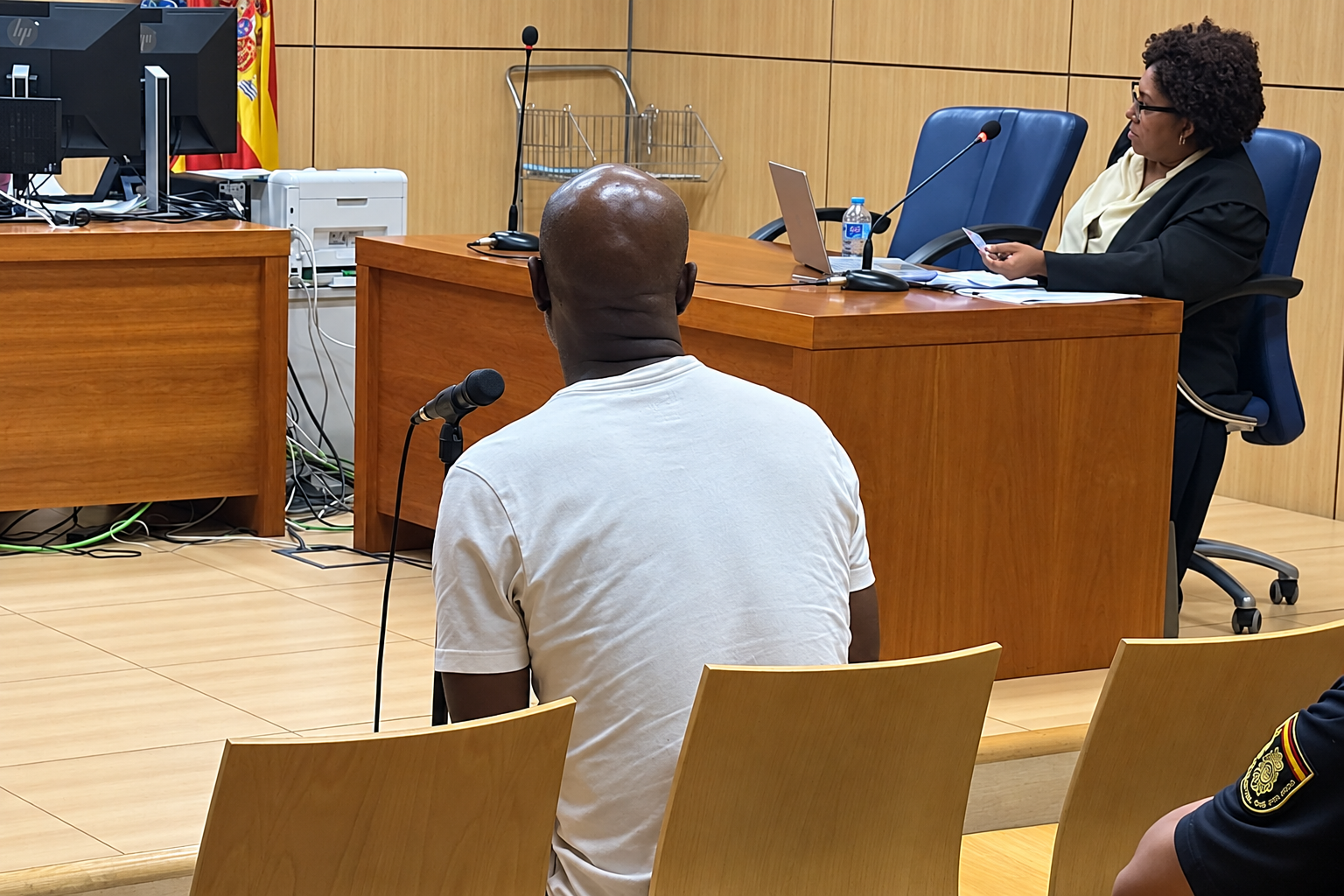
A Spanish court has sentenced a 61-year-old Sudanese man to 14 years in prison for raping a woman with whom he shared a home, after he threatened her with a machete and struck her with an electrical cable.

The third section of the Provincial Court of Valencia ruled that the May 29, 2024, attack was a sexual assault involving penetration, aggravated by the degrading and humiliating nature of the violence used. The court also ordered fines totaling €1,200 for two minor offenses of injury and threats, and it applied a simple mitigating factor of alcohol intoxication because the man’s volitional capacity was slightly impaired.

The assault occurred about 5 p.m. in a Valencia residence while the other two occupants were out, according to the ruling as reported by Las Provincias. The man ordered the woman into his room and forced her to drink several beers while brandishing a machete with a 57-centimeter blade.

“Come drink with me; if you don’t come, look what’s waiting for you,” he told her, the newspaper reported, citing the established facts.

When she tried to leave, he seized her by the hair and placed the blade against her neck, saying, “Now, the jokes are over.”

He tore off her shirt, lowered her pants, failed in an attempt at anal penetration, then raped her vaginally and ejaculated. He then whipped her back and legs with an electrical cable, covered her mouth and nose so her cries would not be heard, and told her he would keep going until he was “in prison or in the grave.”

She fled when he stood to retrieve tobacco, ran down the hallway and called for help. Neighbors who could not understand her language but recognized she was in distress then dialed for police. When National Police officers arrived, they found her half-naked and frantic. She immediately sought their protection.

In the man’s bedroom they recovered the machete, the cable and the woman’s passport, which he had burned.

The court rejected his trial claim that his own calls had brought police to the scene.

The judges found the woman’s account coherent from her first statement and supported by neighbors, officers and medical reports that documented injuries and an acute stress disorder. A forensic doctor testified that the absence of genital wounds did not exclude the reported assault.

Analysis of vaginal samples detected the defendant’s semen, and experts dismissed as implausible his assertion of consensual sex 16 days earlier. The panel also noted irregularities in the collection of the defendant’s DNA after he refused to provide samples following his arrest.

“The complainant’s statement meets the criteria to be considered sufficient incriminating evidence to overcome the presumption of innocence of the accused,” the court said. The judges added that “no relevant contradictions or inconsistencies were noted in her statement that could affect its reliability.”

The woman had been in Spain only a short time, did not speak the language, had little money, and had no family or support network. The court rejected the defense argument that she had reported the crime to obtain a residence permit, citing the objective evidence.

The post Spain: 14-year prison sentence for African migrant who raped a woman, threatened her with a machete and beat her with an electrical cable appeared first on Remix News.

  •  

To limit immigration, Japan raises residency application fee 20-fold, requires incomes higher than average Japanese household

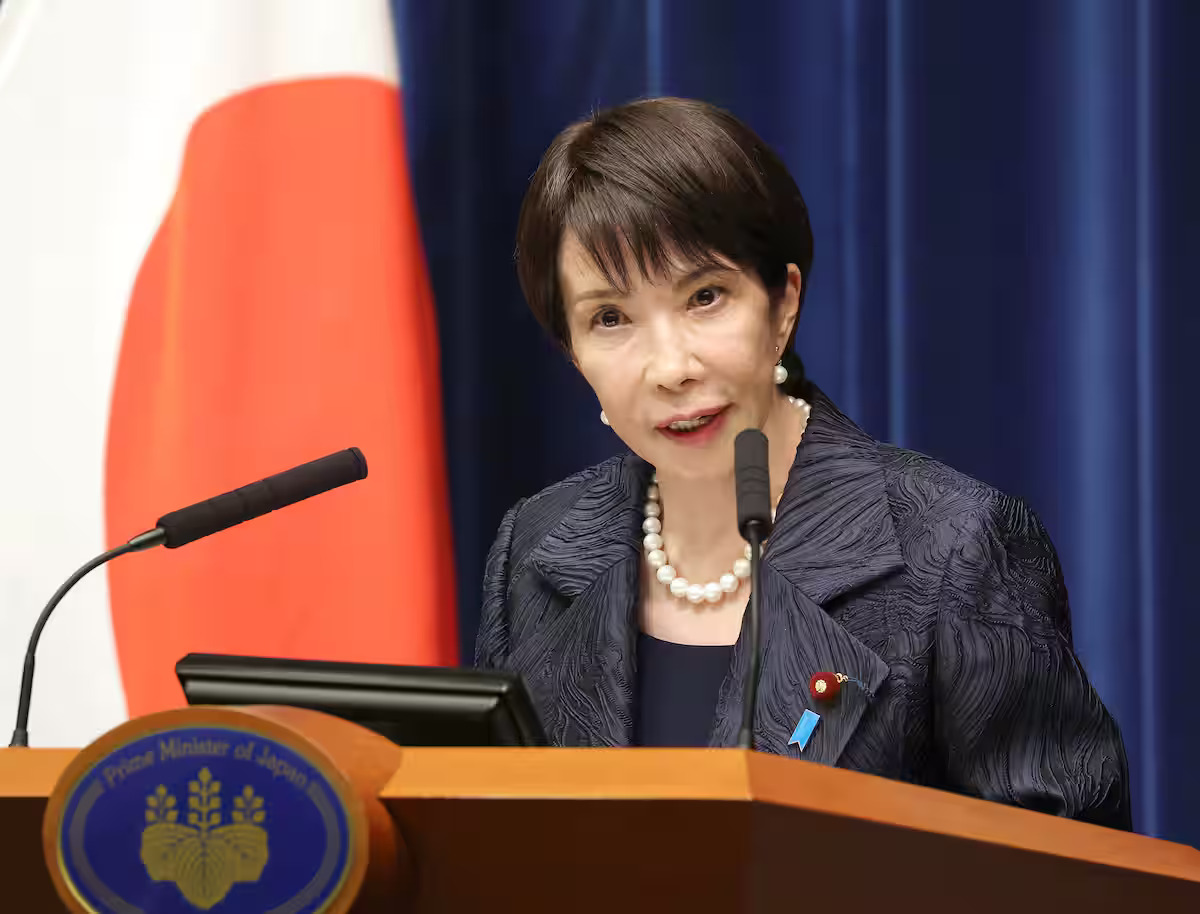
Japan has raised the fee for permanent residency applications twentyfold and imposed stricter income, pension and language requirements on foreigners seeking to settle long-term, as Prime Minister Sanae Takaichi’s government moves to curb growth in the foreign resident population.

The move is being presented as a tool to protect public finances and social cohesion.

The fee for permanent residency rose from 10,000 yen to 200,000 yen (about $1,270) on Oct. 1, the Immigration Services Agency reported. Charges to change or extend other residence statuses, long fixed at 6,000 yen, now scale with the length of stay and reach 75,000 yen for permits of five years or more. Reduced rates remain available for applicants facing severe hardship who also qualify for humanitarian consideration.

The adjustments arrive after the foreign resident population reached a record 4.12 million at the end of 2025, up 9.5% in a single year. Prime Minister Sanae Takaichi has framed the tighter rules as a way to keep acceptance orderly.

“The government acknowledges that some citizens feel anxious or a sense of unfairness due to the rising number of foreign residents,” Takaichi wrote on X. The changes, she said, are meant to “ensure order” and allow “both citizens and foreign nationals to live safely and securely.”

政府では、在留外国人数の増加に伴って不安や不公平感を感じる国民の皆様がいらっしゃることに向き合い、「外国人政策」を「秩序」あるものとし、国民の皆様と外国人の双方が安全・安心に生活していけるようにするため、本年1月、『外国人の受入れ・秩序ある共生のための総合的対応策』を取りまとめ、幅広い施策に取り組んでいます。…

— 高市早苗 (@takaichi_sanae) September 27, 2026

Under the revised guidelines, permanent-residency applicants must show continuous household income at or above the average for Japanese households of similar size — 5.75 million yen (about $36,500) in 2024 official data.

They must also demonstrate projected pension benefits comparable to 30 years of contributions to the employees’ pension system, a shortfall that can be covered by assets. From April 2027, applicants will need Japanese proficiency at the level of an independent user and a working grasp of local social rules.

The standard residence period remains 10 years; marriage-based pathways were lengthened as well.

The approach is straightforward. Settlement becomes available to people who can support themselves, contribute to the pension system, and function in Japanese society, rather than to anyone who simply accumulates years of temporary status.

Extra fee revenue is earmarked in part for language education and for removing people who overstay or break the rules. A related fivefold rise in visa fees took effect in July, the first adjustment since 1978, which Foreign Minister Toshimitsu Motegi described as a correction “to reflect inflation and exchange rate fluctuations.”

Meanwhile, European states face larger and faster inflows of migrants, strained housing and welfare systems, and repeated public backlash over irregular migration and failed integration. Japan’s harder line comes at a time when the country already has far fewer foreigners to deal with, especially from troubled Third World countries.

The radically different approaches to immigration are made clear through sheer numbers. In Germany, the former government cut the standard residency wait from eight years to five on June 27, 2024. The largest practical change is dual citizenship: applicants no longer have to renounce their existing nationality. Since the changes, Germany granted about 292,000 citizenships in 2024 and about 333,000 in 2025.

In Japan, authorities generally approve citizenship after ten years in most cases. On top of more rigorous standards, Japan does not recognize dual nationality for people who naturalize. Approvals are modest — about 11,500 in 2025, and roughly 7,000 to 10,000 a year before that — against a foreign resident population of 4.12 million. Formal applications that are filed are approved more than 90 percent of the time, but many people are screened out before they apply.

European countries that already struggle to enforce returns or to require newcomers to reach median earnings could adopt similar thresholds to dramatically reduce immigration.

The post To limit immigration, Japan raises residency application fee 20-fold, requires incomes higher than average Japanese household appeared first on Remix News.

  •  

The Locking Down of Gosport to Protect Illegal Migrants Shows Beyond Doubt That We Live in a Two-Tier State

The locking down of Gosport to protect illegal migrants shows beyond doubt that Britain is a two-tier state, says Paul Birch, where locals must produce ID while illegal migrants are escorted away in luxury coaches.

The post The Locking Down of Gosport to Protect Illegal Migrants Shows Beyond Doubt That We Live in a Two-Tier State appeared first on The Daily Sceptic.

  •  

Asia’s growth now belongs to Silicon Valley

Southeast Asia’s growth next year will be decided at meetings its finance ministers won’t attend. A few executives in California will soon settle next year’s spending on data centers. Their decisions will do more to shape growth in Vietnam, Malaysia, Thailand and the Philippines than any budget those governments pass. The World Bank has just […]

The post Asia’s growth now belongs to Silicon Valley appeared first on Asia Times.

  •  
❌