❌

Reading view

Fighting big money in politics: California’s Community News Act

California Gov. Gavin Newsom signs the Community NEWS Act on Sept. 30, 2026. Photo via Office of Gov. Gavin Newsom

This article originally appeared on Dean Baker’s Patreon. It is reprinted here with permission.

Virtually everyone who is not a billionaire, or owned by one, agrees that we have to limit the ability of the rich to buy elections. While the Republican Party has taken “policy for sale” politics to a new level, there are plenty of Democrats who have been happy to support obviously awful policy in exchange for contributions from the AI industry, the pharmaceutical industry, the crypto industry, and Wall Street more generally. It costs a lot of money to run a competitive campaign and it’s hard to raise that from small contributions, so there will always be a temptation to bend policy positions to get some serious money.

While most people favor limits on campaign contributions, the current Supreme Court has made this very difficult. They have ruled that campaign contributions are speech and therefore any effort to limit campaign contributions is an unconstitutional restriction on speech.

There are some promising alternative paths that focus on making small donors matter. Seattle has a system of “democracy vouchers” that give every voter in local elections a modest sum that they can contribute to a candidate(s) of their choice. To qualify to get the vouchers, candidates must agree to limits on spending and large contributions.

Super-matches are a comparable system. Under this system, small dollar contributions can be matched up to 8 to 1, which means that even a $50 contribution can make a difference to a campaign. New York City, along with several other cities, have gone this route.

While these paths for amplifying the voice of ordinary people are promising, it will take much more to match the power of the billionaires. It is important to realize they exercise their political power in ways other than campaign contributions, primarily through their ownership of the media.

The importance of billionaire ownership goes far beyond the constant stream of lies and right-wing propaganda from Fox News. Last year, the very Trumpy Ellison family took control of CBS and immediately began to shift its news to the right. They are now taking control of CNN through the merger of Paramount and Warner Brothers. They also got control over TikTok, after Trump wrestled it away from a Chinese company for them.

Trumper Mark Zuckerberg owns Facebook and Instagram and is not shy about banning political material he doesn’t like. And Elon Musk bought Twitter, explicitly to advance his right-wing agenda. The rest of the media landscape doesn’t look much better. The rich and very rich own the countries’ newspapers and broadcast outlets, and most of these people lean right, even if they have not yet joined the Trump Reich.  

And let’s just be clear. The idea that the campaign ads bought by the rich can influence votes, but not the material that people see between the ads, is beyond absurd. Even if we banned all political contributions from rich people and corporations, the rich could still control elections by showing us nothing but their propaganda on television, in newspapers, and on social media.

This is why the Community News Act that Governor Gavin Newsom just signed is so important. The measure provides $20,000 each for up to five journalists per news outlet covering local news. This subsidy can keep newspapers and news sites across the state in business and help to support new ones that might start up. It is similar to other programs that have been started in Illinois, New York, and New Mexico.

This might seem like small change in a world with multi-billion dollar media empires, but it is not realistic to imagine matching the super-rich dollar for dollar; the goal is to sustain reality-based reporting that people can rely upon. (Repealing Section 230 protection for the mega-platforms like Facebook and X would be a big step towards leveling the playing field.) And support for local news reporting is likely to also lead to better national and international reporting, both by training more reporters and also increasing the comfort level with public funding, perhaps opening the door for a national system.

To be clear, there are no political conditions attached to this funding. Conservative news outlets are as eligible for this subsidy as more liberal ones. The point is to support local journalism, not to favor a particular political perspective.

To my view, this system is not ideal. I prefer support coming through an individual refundable tax credit to support local news. This would allow people to have a more direct attachment to the news outlets being supported with public money. Ideally, this would give them a sense of ownership that many feel towards other community organizations.

But whether or not this is the best approach, there is no doubt that the California bill, along with the ones already passed in other states, are big steps forward. It will help to reverse the collapse of local news reporting, which is giving corruption free rein in many areas. We need to build on the positive and make it better, rather than reject a plan because it may not be ideal. Progressive opponents of California’s wealth tax initiative may want to give that point some thought.
  •  

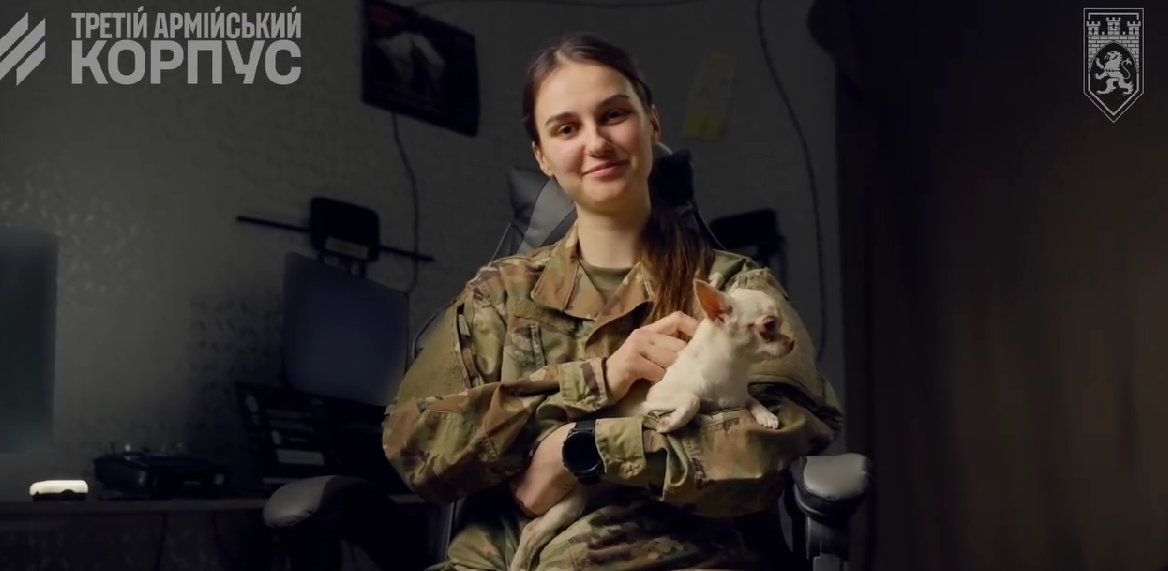
25-year-old Natalia, born in Russia, served in the Israeli army, returned to Ukraine during the full-scale invasion, and join the Armed Forces of Ukraine

25-year-old natalia born russia served israeli army returned ukraine during full-scale invasion join armed forces · post fellow soldiers service courtesy natalia/nv nataliia_israel_army news ukrainian reports

Natalia is 25 years old and from Odesa. She has served in two armies—the Israeli and Ukrainian militaries. In the Armed Forces of Ukraine, she has, among other things, carried out missions as part of a UAV, FPV drone, and strike-wing crew on the Zaporizhzhia and Kupiansk fronts, NV reported on 5 October.

During the Russo-Ukrainian war, women in Ukraine have the right to voluntarily enlist in the military. As of March, more than 75,000 women were serving in the armed forces, more than 55,000 of them as service members, the commander-in-chief said, and their number has been growing every year. Recently, discussion around the mandatory mobilization of women has intensified. Keith Kellogg, former US Special Presidential Envoy for Ukraine under President Donald Trump, said that he considered mobilizing women in Ukraine appropriate. In response, Iryna Vereshchuk, Deputy Head of the Office of the President of Ukraine, said she would rather see more missiles and more will from the United States than advice to mobilize women.

In Israel, Natalia served in a search-and-rescue brigade as a rescue soldier and in the engineering corps during a deployment along the northern border.

Natalia was born in Russia’s Saint Petersburg but does not remember her life there

The young woman was born in St. Petersburg, where her family lived at the time. When she was a year and a half old, her mother returned to Odesa with her and her older son. Natalia says she remembers her life exclusively in Ukraine.

She spent the first nearly two years studying at Lviv University, but later decided to leave the university and look for other educational opportunities. Natalia studied, among other places, in Denmark through a scholarship program. After completing it, she planned to enroll at a European university to study sound engineering, but the coronavirus pandemic began at that time.

She moved to Israel under a program for Jewish youth at the end of 2020. After the program ended, due to quarantine restrictions and closed airports, Natalia faced a choice: obtain a work visa or acquire citizenship under the Law of Return. She chose the latter—and with it, she also became obligated to perform military service.

In May 2022, Natalia joined the Israeli military and chose a combat unit.

“When the war started in Israel itself, I still had six months of mandatory service left. I was discharged and immediately transferred to reserve service. Once I managed to resolve all the bureaucratic issues so that this would not be considered desertion, I returned to Ukraine,” the young woman says.

Natalia returned to Ukraine in March 2025, and in August signed a contract with the Armed Forces of Ukraine.

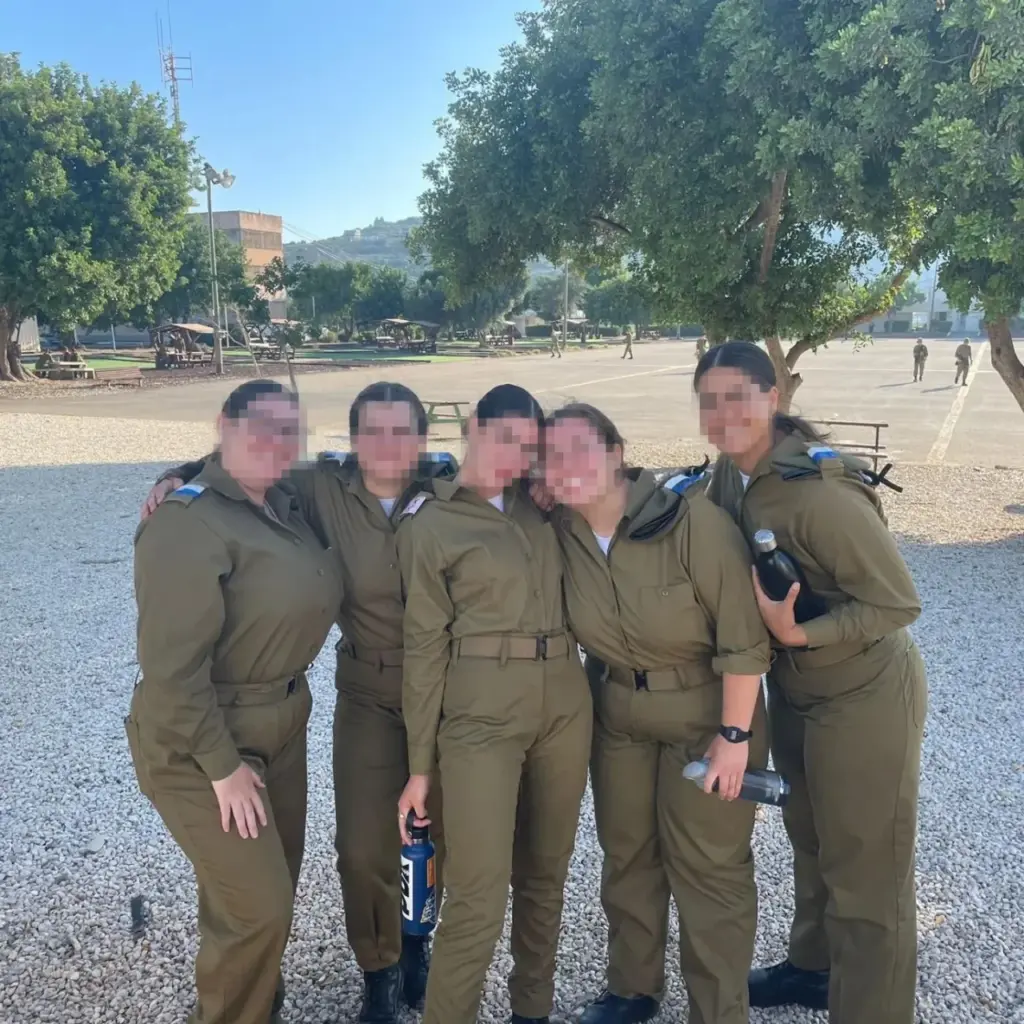
Natalia (right) and her fellow servicewoman. Photo courtesy of Natalia/NV

“The army—both Israeli and Ukrainian—gives you a deeper understanding of what society is made of”

Among the advantages of the Ukrainian army, she highlights its ability to quickly adapt to circumstances. In particular, she mentions the use of drones, OSINT, and solving complex technological tasks with minimal resources.

“The West could learn from this situational agility. They often spend huge budgets on developments that should be cheap and mass-produced,” the veteran says.

However, such Ukrainian ingenuity is largely a consequence of a lack of funding, Natalia notes.

In the Israeli military, Natalia highlights society’s readiness for the constant threat of war and more systematic planning of military service.

“There, preparation for and perception of the army begin at school: by the age of 14–15, teenagers already understand where they want to go, what skills they need, and undergo selection for special or intelligence units,” the young woman says.

She then gives the opposite example of the situation in Ukraine.

A Ukrainian female soldier with a call sign "Tsyhancha" went from FPV operator to piloting the Heavy Shot bomber. Image: The 125th Separate Heavy Mechanized Brigade
Explore further

This Ukrainian female soldier flies one of war’s heaviest drones. She turns down promotion twice to keep doing it

“In Ukraine, with very rare exceptions, people hide until they are mobilized, and suddenly face the reality of conscription without having any understanding of the system,” the veteran says.

Asked how adapted the Ukrainian army is to women, she answered: “In no way,” adding that the Israeli army is “also largely not fully adapted.”

In Ukraine, this is reflected, in particular, in the provision of clothing and equipment that often does not correspond to women’s sizes and physiology. She says she had to purchase her own anatomically fitted body armor. She cited the example of veteran Natalia Lishchyshyna, who had her breasts amputated due to prolonged wearing of body armor that was not adapted to the female anatomy.

In Israel, by contrast, there is a practice of reimbursing expenses for equipment that service members purchase at their own expense.

Serving in the military in both countries provides an opportunity to better understand what society is actually made of, the young woman says.

“The army—both Israeli and Ukrainian—gives you a deeper understanding of what society is made of. You encounter people you would never have crossed paths with in your civilian bubble because of differences in views or socioeconomic circumstances,” Natalia says.

She believes this makes it easier to accept mistakes, difficulties, and new challenges.

The Ukrainian army is not adapted to women in any way, Natalia says

In Natalia’s view, the problem is not only the living and working conditions but, above all, the lack of mechanisms necessary for the systematic mandatory mobilization of women. At the same time, she believes voluntary recruitment should be encouraged and expanded.

One of the problems is the lack of a legal procedure for temporary childcare in cases when both parents are simultaneously carrying out combat missions, Natalia says, stressing that she means the period of their service, rather than situations involving the death of one of the parents.

Another shortcoming is insufficient protection against sexual violence and harassment in the Ukrainian military.

“Here, any complaint goes through the direct chain of command. If the commander is not interested in resolving the problem or is involved in it themselves, the woman is left defenseless,” the veteran says.

In Israel, by contrast, there is a separate hotline and mechanisms for documenting such cases without directly approaching a commander.

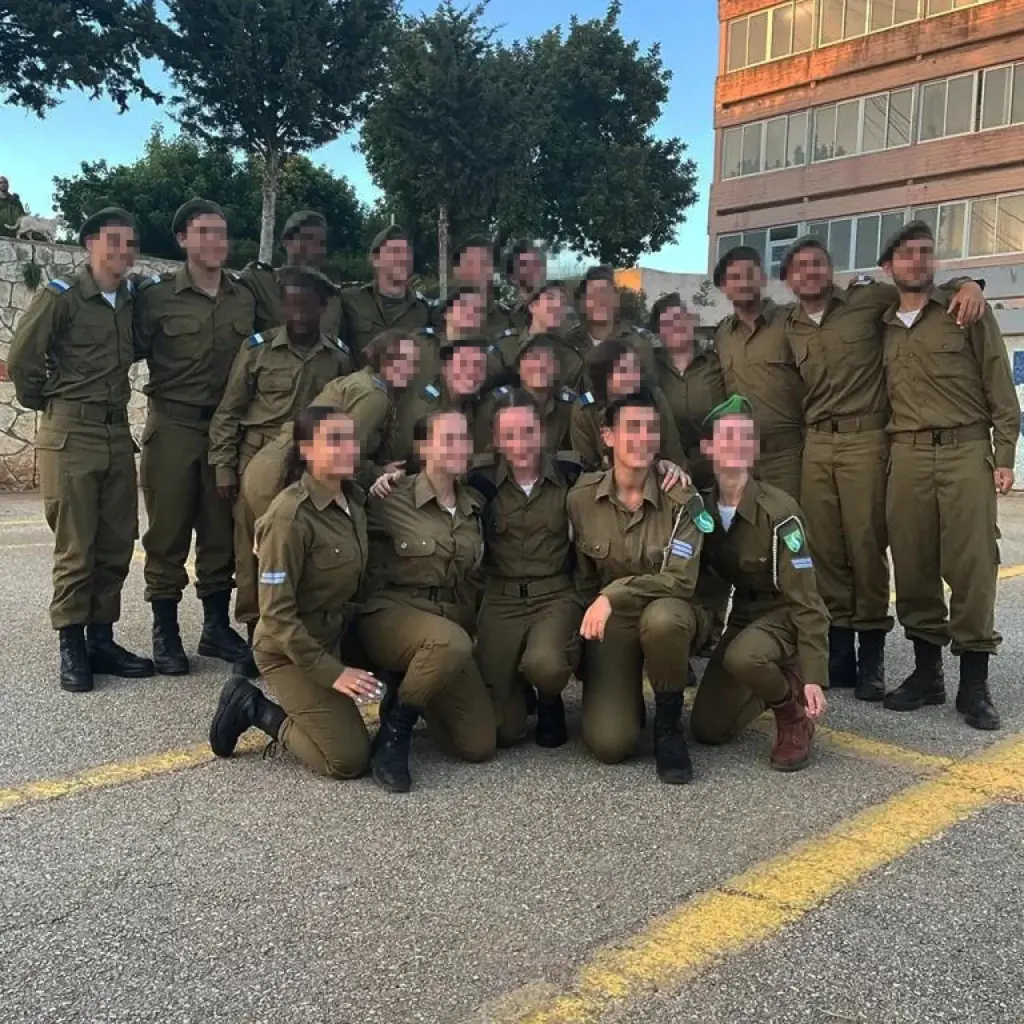
Natalia (second from left) during her service in the Israeli army. Photo courtesy of Natalia/NV

Women in combat positions can also still be taken insufficiently seriously, denied participation in combat missions, or transferred to staff positions without their consent.

Natalia also emphasizes the lack of systematic military training for civilian women “at any level” and gives school education as an example.

“Even with the weak level of the school curriculum for the subject ‘Defense of Ukraine,’ boys had at least some basic knowledge. Girls were not involved in it at all,” the veteran says.

For now, Natalia believes that women’s military service should remain voluntary, as society as a whole is still not ready to fully accept women in the military.

  •  
❌