Login

Baha'is Denied Medical Care and Family Funerals as Detentions and Court Proceedings Continue Across Iran
As of 9 October 2026, the Baha'i International Community (BIC) has verified that 65 Baha'is, including 34 women and 31 men, are detained ...

File image.
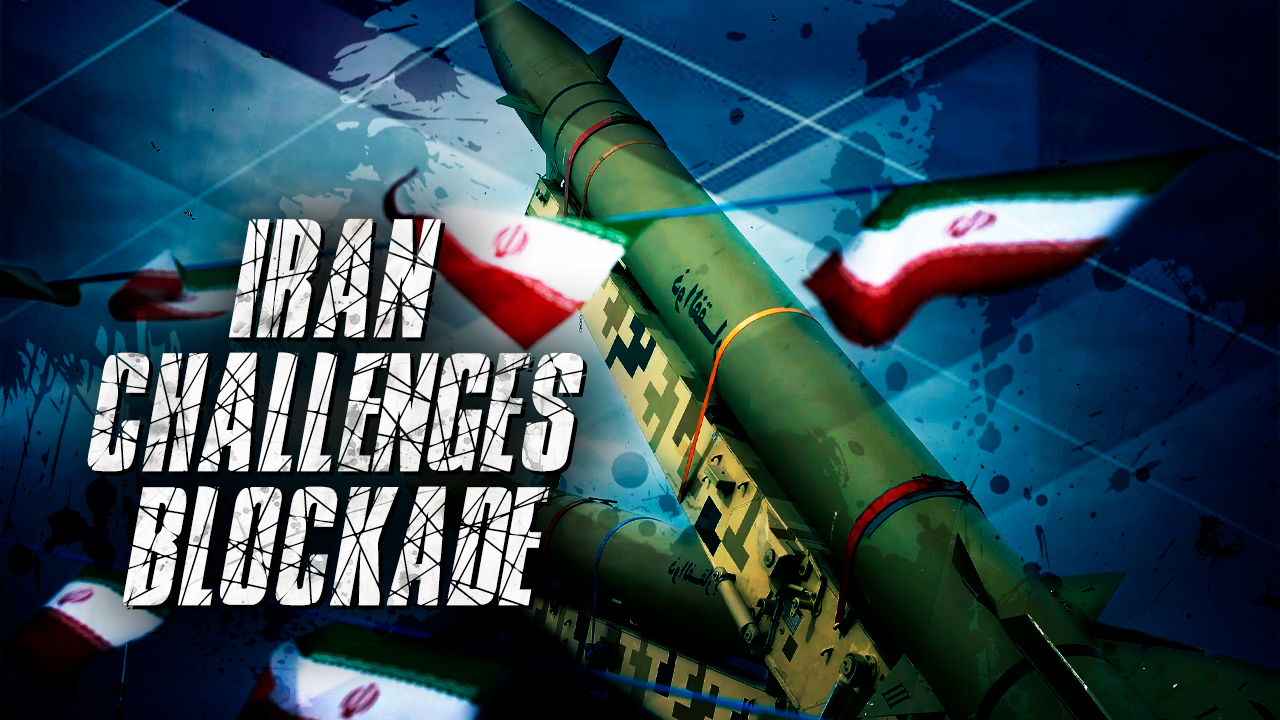
Iran’s Islamic Revolutionary Guard Corps (IRGC) claimed responsibility on October 9 for setting an oil tanker ablaze in the Strait of Hormuz and threatened to pursue vessels it considers in violation of its rules across the wider region.
The IRGC Navy said it targeted the engine room and propulsion system of the MV Sun Shine, a tanker belonging to the company Natwit, after the vessel attempted to use a route through the southern section of the strait that the IRGC described as unauthorized. The attack caused a fire on board.
In a statement, the IRGC warned that action against “violating” vessels would no longer be confined to the Strait of Hormuz.
The Corps said ships using routes it considers unauthorized would be pursued and “punished” anywhere in the region. Companies accused of cooperating with the United States would face sanctions, and all their vessels would be targeted, it added.
It blamed the United States military for the maritime incidents, accusing Washington of interfering in decisions by shipping and insurance companies and paying “large bribes” to secure their compliance.
“Direct responsibility for these incidents and the escalation of tensions in maritime transport in the region lies with the aggressive U.S. army,” the statement said.
An attack was reported later in the day on a commercial tanker about 13 nautical miles west of al-Jazira in the United Arab Emirates.
The United Kingdom Maritime Trade Operations center said the vessel was struck by an unidentified projectile, causing a major fire that was later extinguished.
Maritime trade publication Seatrade Maritime identified the ship as the Gem No. 2, a Panama-flagged very large crude carrier managed in Taiwan. Information about the crew’s condition and the extent of the damage had not been reported in the publication’s account.
The incidents followed two reported vessel emergencies on October 8. UKMTO said an oil tanker north of Qatari waters had been struck by several projectiles, causing casualties. Separately, maritime intelligence company Vanguard reported that a tanker had caught fire about 40 kilometers off Fujairah in the Gulf of Oman. Vanguard identified the vessel as probably the Dalkut, sailing under the Marshall Islands flag.
Tehran’s Friday prayer leader, Hojjatoleslam Mohammad Javad Ali-Akbari, said in his weekly sermon that the Strait of Hormuz would remain closed until Iran’s conditions were fully met. He said Iran had established “seven conditions” and would decide its next steps once they were satisfied. He added that military readiness had improved, weaknesses had been addressed and Iran’s strategy had shifted from defense to offense.
Iran has said it controls the strait, will not permit military forces from hostile countries in the area and will respond “decisively” to any attempt to disrupt its management of the waterway.
Meanwhile, U.S. Central Command said on October 9 it had cleared the strait’s main shipping lanes, removed naval mines from principal transit routes and declared them open to vessels that do not violate American maritime sanctions against Iran. The command said thousands of commercial ships had passed through safely.
Actual traffic remained far below normal levels, however. The AIS-based tracking site Hormuz.now recorded eight commercial vessel crossings during the day, with 11 crossings in the preceding 24 hours. Its average for the previous seven days was 10.3 crossings daily, about 12% of the prewar average of 84.8.
The Strait of Hormuz normally carries roughly one-fifth of the world’s oil and gas shipments. At least 12 attacks, attempted attacks or harassment incidents targeting oil tankers and gas carriers were recorded in the strait from September 28 to October 5, the highest weekly total since the war began on February 28, according to media reports.
Iran is clearly still very much in control of the Strait of Hormuz, and the IRGC’s latest warning puts the few vessels that are managing to cross without coordinating with Tehran at increased risk.
_______________________________________________________________________________________________________________________
SouthFront: Analysis and Intelligence
NOW hosted at southfront.press
Previously, SouthFront: Analysis and Intelligence was at southfront.org.
The .org domain name had been blocked by the US (NATO) (https://southfront.press/southfront-org-blocked-by-u-s-controlled-global-internet-supervisor/) globally, outlawed and without any explanation
Back before that, from 2013 to 2015, SouthFront: Analysis and Intelligence was at southfront.com
The post IRGC Vows to Target Ships Across Region as Tanker Attacks Escalate appeared first on South Front.
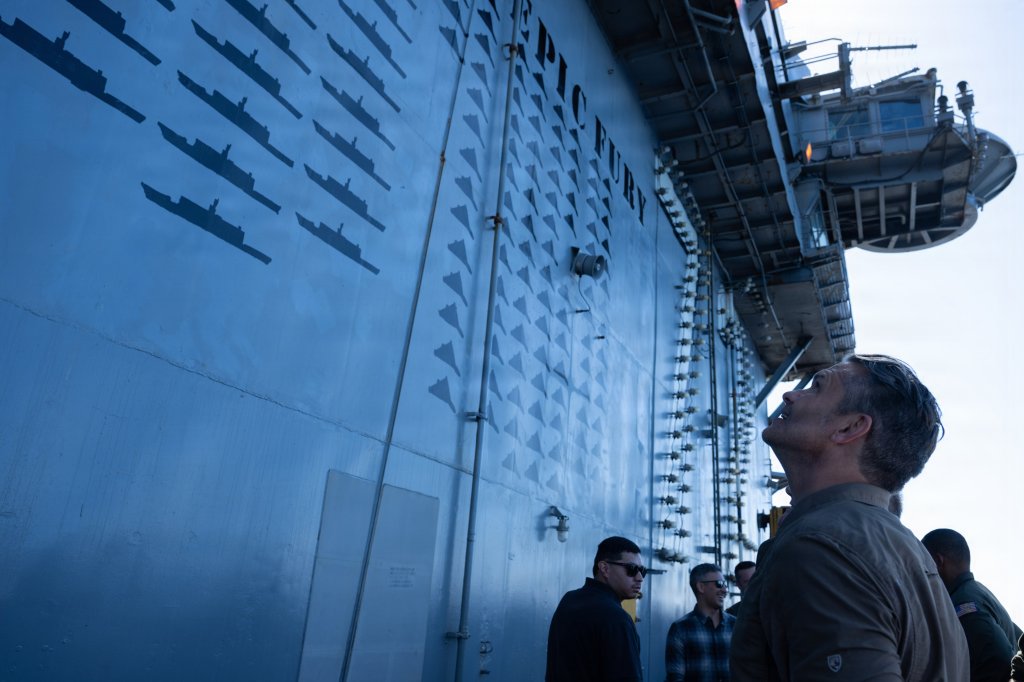
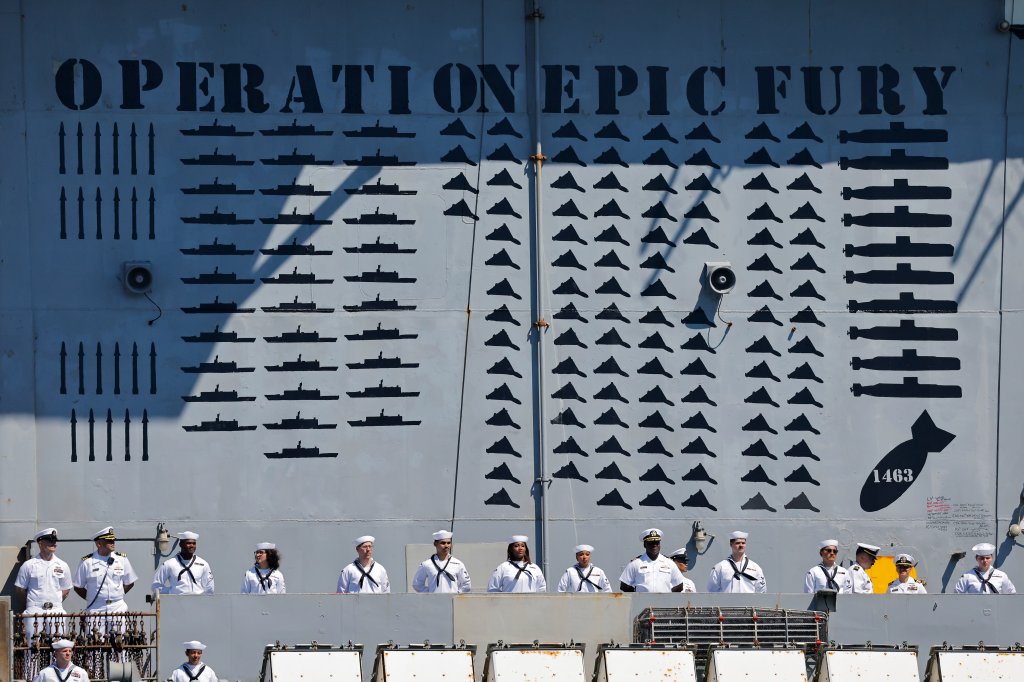
Standing on the deck of the aircraft carrier USS Abraham Lincoln, Secretary Pete Hegseth looked up at the flattop’s superstructure and got a good indication of many of the targets the Lincoln Carrier Strike Group (CSG) destroyed during its six-month fight with Iran. In a photograph shared by the Pentagon’s image distribution site, Hegseth is seen examining a wall of so-called kill marks stenciled onto the superstructure.
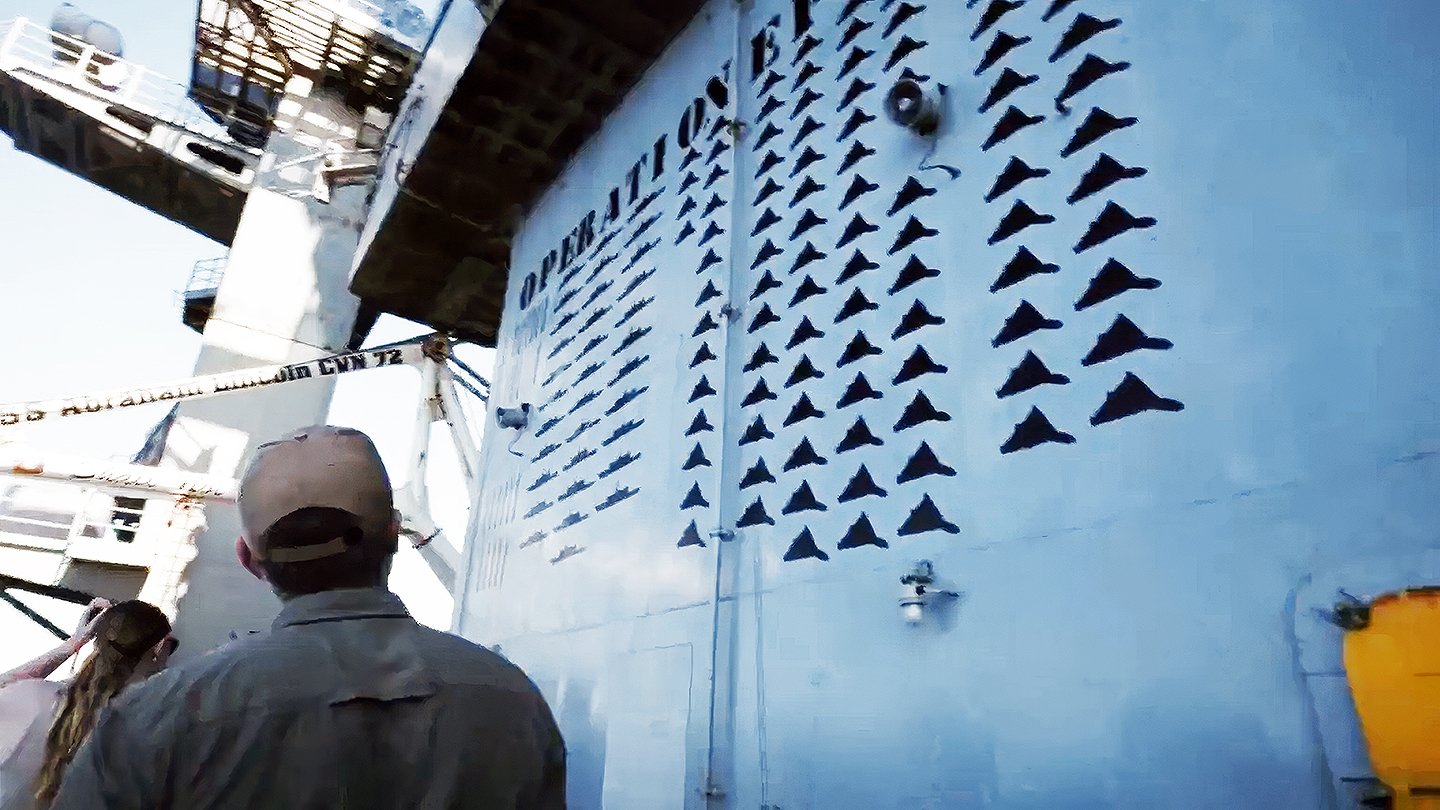
By our count from the image and a video taken during Hegseth’s visit, both of which you can see below, there are 103 one-way attack (OWA) drone kill marks and 34 ship kill marks. These represent the number of each the CSG took out. It is unclear whether there are other kill marks we can’t see.
Though they resemble Shahed-136s, which are the most notorious of Iranian OWA drones, these silhouettes would represent all types shot down, and Iran has many. The same holds true for the ships. The photograph shows stencils of frigates or corvettes but these would be a generic symbol for surface craft kills.
To the sailors of the USS ABRAHAM LINCOLN—
— Secretary of War Pete Hegseth (@SecWar) October 7, 2026
WELCOME HOMEpic.twitter.com/AoQymN2yfZ
On board to welcome the ship and its crew as it headed back to its home port of San Diego after a tumultuous and historic deployment, Hegseth extolled the strike group’s accomplishments. Reading from the Presidential Unit Citation awarded to the strike group for its work during Epic Fury, Hegseth noted that it shot down 77 one-way unmanned attack drones and sank 64 Iranian vessels between the start of Epic Fury on Feb. 28 until it departed the region on Aug. 22.
The Lincoln CSG also conducted 3,693 combat sorties, delivered 1.37 million pounds of ordnance, launched 450 Tomahawk Land Attack Cruise Missiles (TLAMs), destroyed 21 anti-ship cruise missiles and defended against four fast-attack craft and explosive-carrying wooden sailing vessels.
Defense Secretary @PeteHegseth awards Presidential Unit Citation to USS Abraham Lincoln pic.twitter.com/DbS5YYu9oB
— CSPAN (@cspan) October 7, 2026
It is unclear at the moment why there are at least 26 more drone kill marks stenciled onto the Lincoln than the number of drones shot down listed in the unit citation and why there are 30 fewer ship kill marks than the tally noted in the citation. The Pentagon referred us to the Navy, and we are waiting for a response from the service.
There is a long tradition of kill marks being stenciled onto aircraft, vessels and other military equipment indicating the destruction of enemy equipment.
Kill marks on aircraft embarked aboard Lincoln indicate that the carrier strike group also destroyed several Iranian submarines and other weapons. These were not listed in the unit citation or in any kill marks stenciled onto the Lincoln that we could see.
An image provided to TWZ by aviation photographer Jeff Rojas, who goes by the handle @jro_photography on Instagram, shows a submarine kill mark on one of the F/A-18F Super Hornets of the U.S. Navy’s Strike Fighter Squadron 41 (VFA-41), the “Black Aces.” That is one of the aviation squadrons embarked on the Lincoln during Epic Fury.
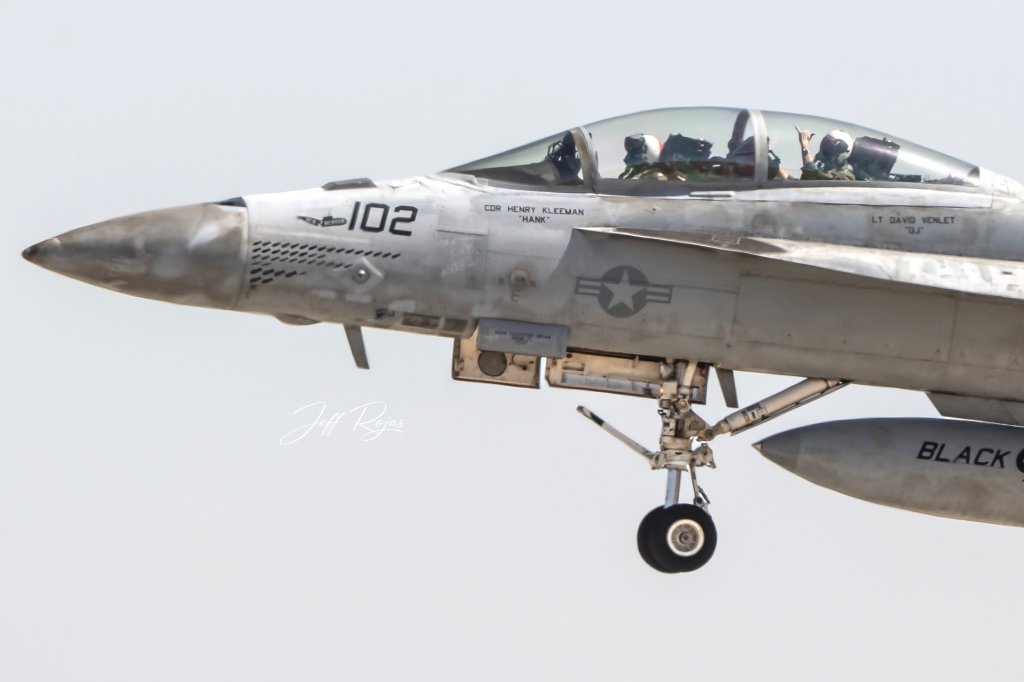
Iranian naval vessels, including the country’s Russian-made Kilo class and other submarines, were top-priority targets during Epic Fury. The U.S. military has previously confirmed that air-launched AGM-114 Hellfire laser-guided missiles (likely fired from MQ-9 Reaper drones) and ground-launched Army Tactical Missile System (ATACMS) short-range ballistic missiles were employed against submarines, specifically.
In total, VFA-41 alone launched 421 missiles and bombs during its time supporting Operation Epic Fury. You can find the details in our story about the squadron here.
In addition, an image published by The Aviationist showed “an extraordinary array of target markings on a VMFA-314 F-35C, apparently representing an oil tanker, three submarines, a surface combatant, a Shahed-type drone, an artillery piece, and several ground-based launchers.”
Marine F-35C Also Sports Three Submarine Kill Markings After Operation Epic Fury
— The Aviationist (@TheAviationist) October 5, 2026
An exclusive image obtained by The Aviationist reveals an extraordinary array of target markings on a VMFA-314 F-35C, apparently representing an oil tanker, three submarines, a surface combatant, a…
It should also be noted that some of the drone kill marks seen on the Lincoln could have been the result of shootdowns by the carrier’s escorts. The Arleigh Burke class guided missile destroyers USS Frank E. Petersen Jr, USS Spruance and USS Michael Murphy all serve as critical air defense platforms for the carrier strike group. Those vessels were also the ones launching the TLAMs, as well as potential submarine involvement.
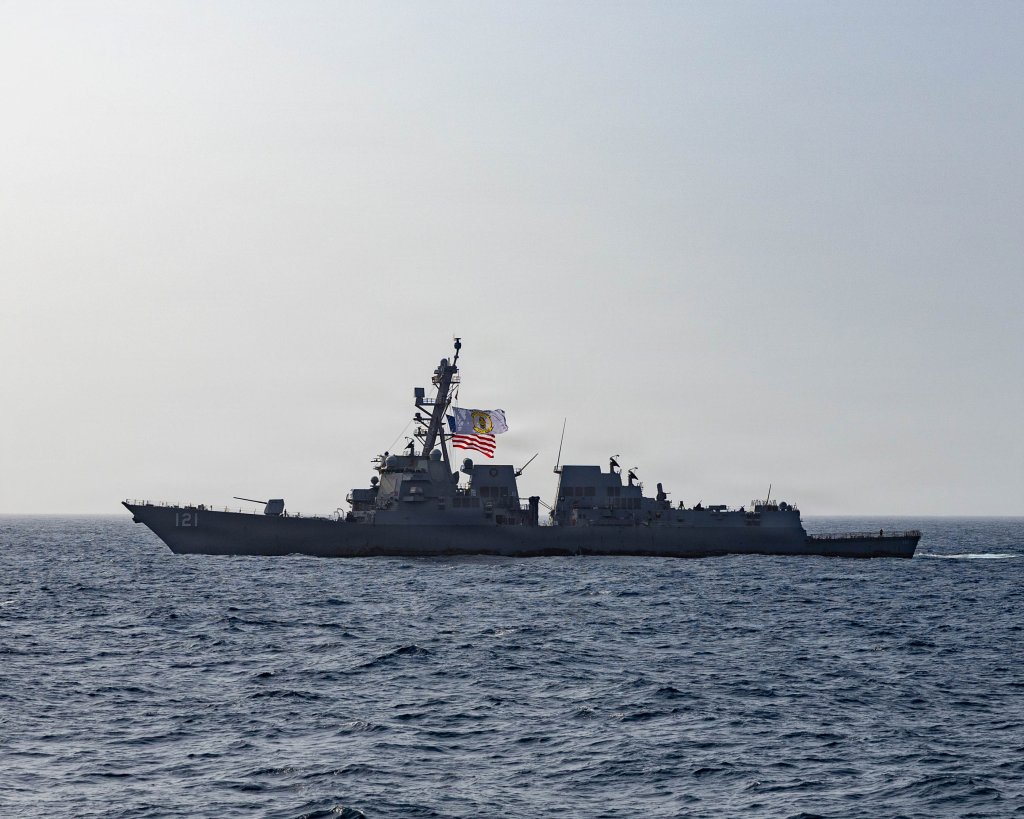
Late Thursday morning local time, Lincoln finally returned home. The carrier departed San Diego on Nov. 21, 2025, and an arrival closed out a total deployment of 321 days, by our count. That’s just shy of the 326-day record USS Gerald R. Ford set in May, representing the second-longest deployment in the modern carrier era.
USS Abraham Lincoln returns to San Diego https://t.co/0eEnTqJZdU
— Reuters (@Reuters) October 8, 2026
In addition to racking up successes against Iran, the marathon deployment drew scrutiny over the grueling conditions sailors and Marines experienced aboard. In August, crew families described supply shortages and difficult living arrangements, as TWZ reported at the time. The accounts led to widespread media coverage, which Acting Secretary of the Navy Hung Cao called dishonest while also acknowledging that “a small number of mental health cases were treated with no loss of life, meal plans were adjusted when fresh resupply was unavailable, without a single meal being missed, calls home were limited when the operational threat was too high.” At least eight personnel across the strike group attempted suicide during the cruise, Cao wrote in a letter sent to Sen. Kirsten Gillibrand that was obtained by CNN.
The kill mark stencils weren’t the only symbols of Lincoln’s deployment. On Wednesday, Hegseth used symbology to push back against concerns raised about the long journey.
“There were a few folks in the media who tried to turn the USS Abraham Lincoln into some sort of a symbol,” Hegseth said. “A symbol of dysfunction, or a symbol of low morale, or a symbol of a failed mission. And what I look out right here or when I talk to your leadership, and I haven’t had a chance to talk to a number of you, I know it’s the exact opposite.”
UPDATE: 5:59 PM Eastern –
After the Lincoln pulled into its home port, new images emerged. The following picture shows additional kill marks, including 10 of submarines.
Contact the author: howard@twz.com
The post USS Abraham Lincoln Comes Home With Its Island Superstructure Covered In Kill Marks appeared first on TWZ.
The House of Saud is attacking Ansarallah to protect the death cult in West Asia, Pepe Escobar writes.
Contact us: info@strategic-culture.su
Let’s start with exclusive intel. On Thursday, Yahya Ali al-Ra’i, speaker of the Sana’a-based House of Representatives under Ansarallah, delivered a letter to Sardar Ayaz Sadiq, the speaker of Pakistan’s National Assembly, requesting Pakistani mediation between Ansarallah and Riyadh.
Ra’i, widely respected, has been the speaker in Sana’s since 2008. Sadiq began his current term as speaker in Islamabad in March 2024. This direct parliamentary channel is immensely significant as a diplomatic opening – as Pakistan faces enormous pressure, domestically and across the lands of Islam, over its real commitments related to the Saudi Arabia vs. Yemen clash as determined by the Mecca Defense Alliance.
As murky as the the whole situation really is, direct intel from both Islamabad and Tehran, at the highest levels, as I especifically requested, has established four key points:
Transiting Hormuz: use CIPS and pay in rials
On the wider U.S.-Iran front, diplomatic moves support what we have been reporting for the past few days on Transition Protocol. Pakistan in fact is desperate to maintain engagement with both Riyadh and Tehran, alongside non-stop coordination with Beijing. After all, China completely supports Pakistan mediation; and Araghchi keep speaking to Munir, as he did following talks with Wang Yi in Beijing.
Meanwhile, on the Washington front, speculation is feverish all over the spectrum over preparations for a Trump administration renewal of the war – including potential strikes on Iranian energy infrastructure and even, quite worrisomely, nuclear targets. There is no final decision yet by the Psycho/Sociopath in Charge, much less a launch date.
The immediate risks anyway are staggering.
Diplomacy – even in ersatz form – is mired in impasse. Tehran remains – and will continue to remain – anchored to its existing conditions, detailed by the dead cat MoU, but now carrying the threat of blocking transit routes along Oman’s coastline that it considers illegal. Washington for its part is obsessed with vast nuclear concessions.
Earlier this week, we confirmed that the Supreme National Security Council (SNSC) in Tehran made two very consequential decisions.
The bottom line is that the escalation ladder could get out of control in no time.
Coming Yemeni Storm 1.0 in effect
On the Saudi-Yemen front, the Yemeni Armed Forces are absolutely ruthless. The Coming Yemeni Storm 1.0 is already in effect.
The damage at Jeddah refinery, close to Yanbu, is massive. Ansarallah is simultaneously hitting Saudi Arabia’s eastern and coast and western coast, plus the East-West pipeline in between.
For all practical purposes Sana’a is going for the whole key Riyadh infrastructure. The U.S. defense umbrella is a joke: remaining PAC-3 and Patriot batteries are useless against Yemeni ballistic missiles.
Saudi troops may number at best 75,000, plus 125,000 from the National Guard. The Yemeni Armed Forces command at least 350,000 that can be easily ramped up to 800,000. To expect “help” from the GCC petrosheiks doesn’t even qualify as a joke.
The Yemeni Armed Forces also unleashed two ballistic missiles plus explosive drones in the direction of Aden’s international airport. Ansarallah said the target was Saudi military supplies that had just arrived at Badr Camp, the mercenary HQ adjacent to the airport. An unspecified number of high-ranking Saudi officers and officials – perhaps even some Pakistanis – were killed.
Turkey for its part is also about to put boots, aircraft and air defenses on Saudi ground. These Turkish forces in thesis could protect Riyadh, the holy cities and the East-West pipeline. Ankara, just like Islamabad, insists it has no plans to enter the war inside Yemen.
The swift liberation by the Yemeni Armed Forces of the western coast close to the Red Sea also made it crystal clear how the so-called Saudi “coalition” – actually a gang of proxies/mercenaries – was deploying de facto terrorists all along.
Ansarallah recovered a wealth of foreign passports – especially from Kuwait, Qatar, Turkey and Syria – belonging to ISIS and Al-Qaeda goons. Call it the Terror Inc. Legion.
I’ts the same old song. Qatar and Turkey, in sync, instrumentalized the transfer of ISIS/Salafi-jihadi goons from Syria and Iraq: they were welcomed in Yemen by the Islah Party. Turkey was the key transit route; at least 2,100 of these ISIS assets are Turkish.
AQAP is back!
Way back in 2020, Ansarallah had already seized documents, maps, and videos showing ISIS/Daesh and Al-Qaeda jihadis directly supported by Riyadh roaming Yemen, with captured goons confessing they were paid, weaponized and logistically supported by the Saudis.
Now a new incarnation of the former al-Qaeda in the Arabian Peninsula (AQAP) is alread in effect – via at least 20,000 Daesh/takfiri terror goons “imported” from Syria. They will be sent to Aden governorate – following the request, actually the demand by MbS himself, fully approved by the Trump administration and its throat-slitter vassal turned President in Damascus, former ISIS al-Jolani.
The definitive headline of the whole affair though is that the House of Saud is attacking Ansarallah to protect the death cult in West Asia.
By controlling the Bab al-Mandab, Ansarallah de facto cuts off the Israeli port of Eilat. That had already happened before during the genocide of Gaza. Riyadh was furious because they had struck deals for the – now virtually scrapped – NEOM project that would connect up to Eilat once the Trumpian Abraham Accords were up and running.
Considering the whole picture, all hell could still break loose due to a single spark. Possibilities include: a Yemeni strike on Saudi Arabia causing massive casualties; a toll-enforcement mess in the Strait of Hormuz; an Iranian strike on a GCC petro-sheikh target, following an American provocation; an Iran-linked attack on a U.S. base, once again folowing an American provocation; and most of all a Sociopath-forced “land, air and sea” CENTCOM (mis)adventure.
Fasten your seat belts.

The Pentagon plans to broadcast a firing-squad execution live, a practice that might seem more characteristic of terrorist organizations such as the Islamic State than of governments that are signatories to the Universal Declaration of Human Rights. According to a senior Defense Department official, the institution plans to stream online the execution of former military psychiatrist Nidal Malik Hasan on December 3; Hasan killed 13 people in a 2009 shooting at the Fort Hood military base in Texas.
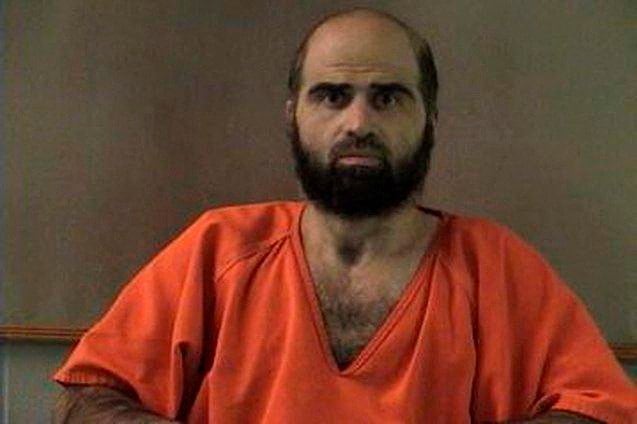
© Handout . (Reuters)

Di tutte le scelte impulsive e scriteriate di Donald Trump, la guerra in Iran è forse quella che più di tutte gli si è ritorta contro. Il conflitto è impopolare, i prezzi della benzina sono aumentati e i candidati repubblicani temono che l’argomento possa essere la causa di un risultato disastroso al voto del 3 novembre. Anche per questo nelle ultime settimane si era instaurata una specie di regola non scritta: niente nuovi grandi attacchi americani prima delle elezioni di midterm. Una certezza che adesso si sta sbriciolando, come tutte le certezze che pensiamo acquisite ai tempi di Trump.
La Casa Bianca ha chiesto al Pentagono di preparare opzioni per nuovi attacchi contro obiettivi iraniani che potrebbero essere eseguiti anche prima del voto. La notizia l’ha data ieri l’Atlantic dopo aver sentito diversi funzionari dell’amministrazione. I piani vengono elaborati dal Central Command, il comando militare che coordina le operazioni americane nella regione. «La dimensione e gli obiettivi degli attacchi potenziali, così come l’eventualità che l’amministrazione decida infine di procedere, sono ancora oggetto di discussione», scrive l’Atlantic, ma il semplice fatto che il Pentagono stia preparando delle opzioni è significativo.
Il ragionamento alla Casa Bianca è soprattutto politico. Trump vuole abbassare il prezzo della benzina e mostrare agli elettori di essere riuscito a ottenere un risultato dalla guerra. Anche i sostenitori di una nuova azione riconoscono che «attacchi limitati non basterebbero, da soli, a riportare l’Iran al tavolo dei negoziati, a ripristinare la sicurezza dei trasporti attraverso lo stretto di Hormuz o a far scendere il prezzo della benzina prima del giorno delle elezioni», scrive l’Atlantic. La loro speranza è che una nuova operazione, dopo mesi di relativa calma, permetta invece a Trump di mostrare la propria forza e di rivendicare una qualche forma di vittoria, dando ai repubblicani una spinta necessaria verso il voto.
Eppure in questi mesi la guerra ha già dimostrato di poter produrre l’effetto contrario. Il petrolio è arrivato quasi a 118 dollari al barile nella primavera scorsa e anche dopo le successive discese è rimasto intorno ai cento dollari. La benzina negli Stati Uniti costa in media 4,37 dollari al gallone, contro poco meno di tre dollari prima dell’inizio dell’offensiva americana e israeliana del 28 febbraio. «L’azione militare non ha fatto nulla per abbassare i prezzi del petrolio; ha fatto esattamente il contrario», ha detto all’Atlantic Will Walldorf, professore alla Wake Forest University e senior fellow di Defense Priorities.
A Linkiesta l’abbiamo detto fin dall’inizio, Trump fa annunci roboanti per risolvere militarmente problemi che prima dell’inizio della guerra semplicemente non esistevano. E dal punto di vista elettorale non è un problema da poco, perché nei due rami del Congresso la maggioranza repubblicana è a rischio, e anche per molti candidati repubblicani in tutto il Paese il contraccolpo dell’improvvisazione trumpiana potrebbe costare caro. Un esempio su tutti: Ken Paxton, candidato repubblicano al Senato in Texas, ha detto in privato ai suoi finanziatori che l’aumento dei prezzi di benzina e diesel provocato dalla guerra è «di gran lunga il nostro problema più grande».
Va detto anche che Trump ieri sera ha provato a smentire la notizia di un attacco. «Non attaccheremo l’Iran in nessun momento prima delle elezioni di medio termine che si terranno negli Stati Uniti il 3 novembre», ha scritto su Truth, il suo social. Ma i suoi annunci, roboanti o meno, vanno sempre presi con le pinze. Soprattutto perché il primo a smentirli potrebbe essere lo stesso Trump, anche nelle prossime ore.
A Washington si teme anche che sia Teheran a voler sfruttare le settimane che precedono le elezioni. A inizio settimana, Semafor scriveva che alcuni funzionari dell’amministrazione considerano concreta la possibilità che l’Iran cerchi di danneggiare politicamente Trump prima delle midterm. «Potrebbero voler infliggere dei danni al presidente prima delle elezioni», ha detto a Semafor un funzionario dell’amministrazione, ipotizzando una possibile iniziativa iraniana nelle prossime settimane.
«L’Iran sta guardando il calendario e sa che si avvicinano le elezioni», ha scritto ancora l’Atlantic citando un consigliere dell’amministrazione. Ed è proprio questo a rendere più complicato il calcolo americano: un attacco prima del voto potrebbe servire a Trump per dimostrare forza, ma potrebbe anche riportare la guerra al centro della campagna elettorale, con conseguenze indesiderate – anche sulla sicurezza delle circa cinquantamila truppe americane in Medio Oriente.
La situazione sempre più intricata è dettata dal grado di improvvisazione, sempre più elevato, dell’amministrazione Trump. La Casa Bianca avrebbe voluto arrivare alle midterm con la guerra fuori dalle prime pagine e con il prezzo della benzina in discesa. Ma per ottenere entrambe le cose Trump sta valutando un nuovo attacco: farebbe tutto il necessario per poter dichiarare una vittoria, anche a costo di mandare tutto all’aria riaccendendo una guerra impopolare nel momento peggiore possibile.
L'articolo Trump valuta di colpire l’Iran prima delle elezioni di midterm proviene da Linkiesta.it.

Saudi Arabia has $142 billion in American weapons. Yemen is the poorest country in the Arab world. So why can’t Riyadh win?
Last month, Ansar Allah seized Mokha and Perim Island, and with them the Bab el-Mandeb Strait, cutting off Saudi Arabia’s alternative oil route around the closed Strait of Hormuz. Mohammed bin Salman begged Trump for US airstrikes, then backed “Dawn of Yemen,” a 100-warplane offensive aimed at Sanaa, as crude oil again tops $100 a barrel. Veteran war correspondent and analyst Elijah Magnier joins Rania Khalek and Zoe Alexandra on the Red Sea front, as nearly 1,000 Yemenis have been killed and 184,000 displaced since fighting resumed.
But Magnier argues Ansar Allah – often referred to in US media as the Houthis – hasn’t lost much ground. He explains why Saudi warplanes are largely powerless in Yemen’s mountainous terrain, and why he sees the movement advancing on Taiz and Marib. And Magnier breaks down how Hormuz and Bab el-Mandeb have become two fronts of the same war – different demands, same enemies – and how Israel’s quiet push into Somaliland could drag it directly into the Red Sea fight.
Watch full episodes of BT Live, join breakthroughnews.org as a member today!