
❌

Reading view

Forza Italia, l’avvocato dei Berlusconi è sbarcato in Parlamento: il partito lo manda dritto in commissione Giustizia

Martedì 6 ottobre era stato oggetto di qualche ilarità tra i colleghi perché si era presentato di buon mattino al suo nuovo scranno di Montecitorio durante la discussione generale sulla legge elettorale a cui avevano partecipato solo una decina di deputati. Il tesoriere di Forza Italia Fabio Roscioli sta prendendo il nuovo e inedito ruolo di deputato molto sul serio: da quando si è insediato alla Camera dopo la vittoria alle suppletive di Reggio Calabria, il partito gli ha assegnato la commissione Giustizia. E nelle prime due settimane non si è perso una seduta, oltre ai lavori d’aula. Una scelta significativa alla luce del fatto che Roscioli è anche avvocato ed è stato legale della famiglia Berlusconi.

Roscioli è considerato l’uomo di Marina Berlusconi nei palazzi romani ed è un noto avvocato civilista. È storico legale di Fininvest in diverse cause note alle cronache: ha curato il ricorso (perso) in Cassazione di Silvio Berlusconi costretto a pagare 50 mila euro all’ex pm di Milano Guido Robledo per averlo attaccato nel 2006 sul processo Mills, ma anche il ricorso (anche questo perso) di Fininvest nei confronti del giornalista Ferruccio Pinotti e del magistrato Luca Tescaroli sulle dichiarazioni di un collaboratore di giustizia riportate in un libro. Roscioli è stato anche il liquidatore del Popolo delle Libertà nel 2013, gruppo politico durato pochi mesi tra l’allora Forza Italia e Alleanza Nazionale di Gianfranco Fini. E avrà un ruolo fondamentale in Forza Italia nei prossimi mesi: da tesoriere dovrà essere lui a mettere la firma, e quindi la certificazione, sulle liste elettorali del partito.

La decisione di inserirlo in commissione Giustizia è legata sia alla sua professione, ma anche al fatto che nelle ultime settimane si era liberato un posto da ricoprire in commissione: quello di Tommaso Calderone, nel frattempo passato a Futuro Nazionale di Roberto Vannacci. La maggioranza, insomma, aveva un parlamentare in meno in una commissione chiave e quindi doveva scegliere qualcuno per sostituire Calderone che, nel frattempo, ha mantenuto il suo posto di vicepresidente della Commissione nonostante sia dell’opposizione. La commissione Giustizia è tra quelle più importanti e in cui la maggioranza è più risicata in termini numerici, dunque serviva un rinforzo.

Roscioli comunque sarà presto chiamato a discutere e votare su provvedimenti importanti sul fronte della Giustizia: alla Camera, infatti, è in discussione il disegno di legge che limita il sequestro degli smartphone da parte dei magistrati, il disegno di legge sulla geografia giudiziaria oltre al decreto Giustizia che arriverà in commissione la prossima settimana. Se dovesse essere approvata al Senato, la commissione Giustizia di Montecitorio sarà chiamata anche ad esprimersi sulla riforma della prescrizione.

L'articolo Forza Italia, l’avvocato dei Berlusconi è sbarcato in Parlamento: il partito lo manda dritto in commissione Giustizia proviene da Il Fatto Quotidiano.
  •  

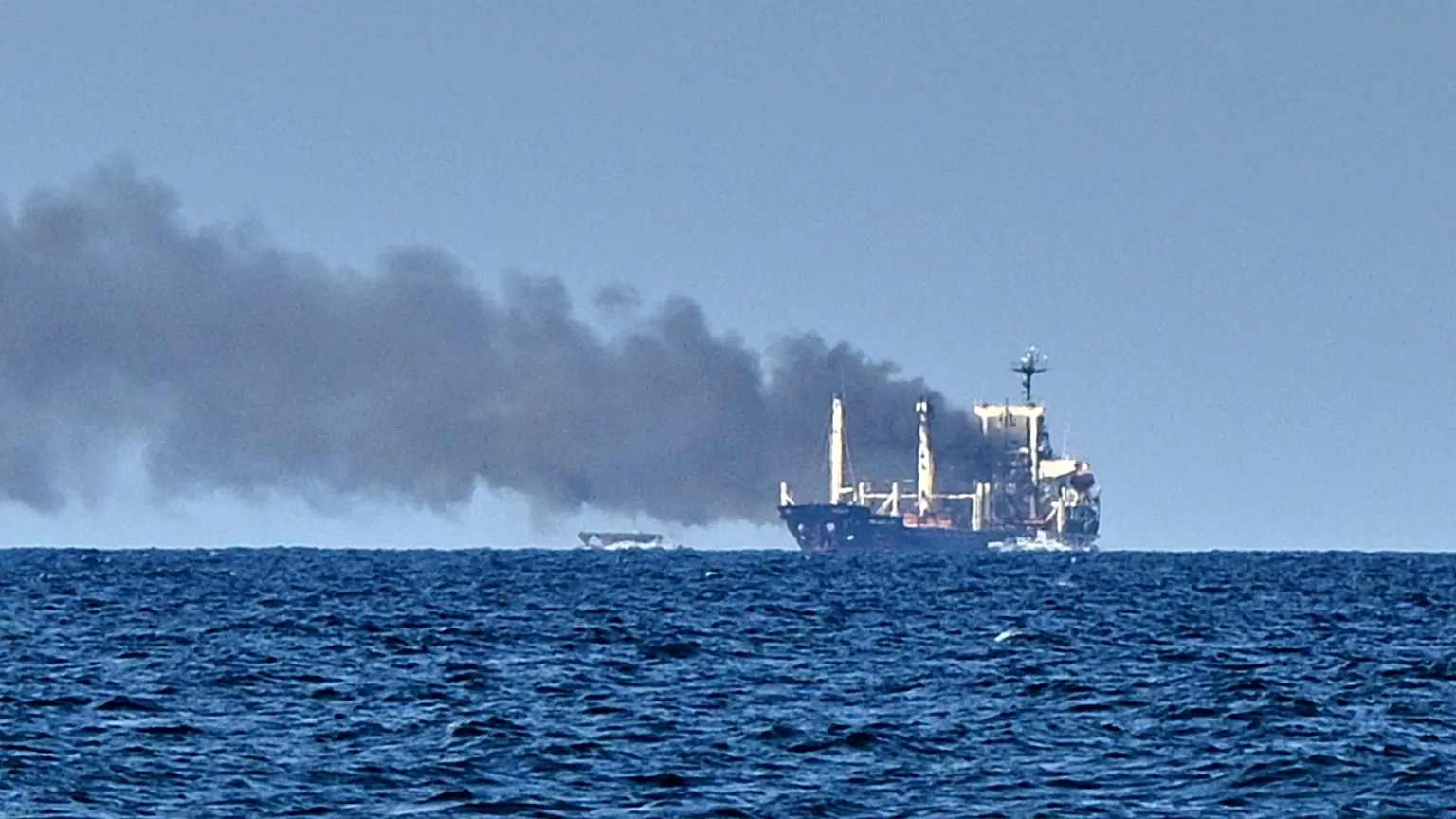
Ukraine’s Black Sea Escalation Threatens Global Trade, With Risks Of Spiralling

Click to see the full-size image

Ukraine’s expanding Black Sea attacks are disrupting shipping, raising insurance costs, and threatening global food and energy trade. As “wild-card” Zelensky raises the stakes (angering the US), the risk of a wider confrontation grows.

Written by Uriel Araujo, Anthropology PhD, is a social scientist specializing in ethnic and religious conflicts, with extensive research on geopolitical dynamics and cultural interactions

Black Sea shipping is in crisis, adding pressure to a global economy already absorbing Red Sea and Strait of Hormuz disruptions. Commercial vessels face rising risks, insurance costs have climbed, and tanker freight rates have surged. Ukraine has stepped up attacks on Russia’s Black Sea Fleet, ports, oil facilities, and vessels associated with Russian trade, expanding the conflict’s geographical scope. Grain, oil, fertilizers, and other commodities move through these waters, including shipments for non-belligerent countries.

S&P Global reported on October 9 that tanker freight rates rose sharply amid attacks, sanctions, and security concerns disrupting Russian energy exports. According to maritime security consultancy Ambrey, Kyiv expanded its campaign beyond naval assets and oil infrastructure to merchant ships trading with Russian ports. In November 2025, attacks had already expanded to commercial vessels, particularly oil tankers, in the open sea. In May 2026, Ambrey attributed strikes on three Russia-linked tankers inside Turkey’s exclusive economic zone to Ukrainian naval drones.

By July, targeting expanded to dry-bulk carriers, general cargo, container ships, and roll-on/roll-off vessels. In September, insurers widened the high-risk zone. Ambrey data shows 45 merchant vessels struck outside the previous war-risk area in 12 months, 31 after July 1, 2026. Ambrey’s finding is that Ukraine-attributed strikes (on Russia-linked shipping far offshore) helped drive insurers’ growing risk perception across the Black Sea. Russia has responded by also conducting strikes in the Black Sea. As Modern Diplomacy puts it, Moscow has made any Black Sea truce conditional on Kyiv ceasing attacks on Russian energy infrastructure.

This is, after all, a proxy war of attrition, marked as it is by considerable military asymmetry. Russia possesses a larger population, defense-industrial base, strategic arsenal, air force, and navy, as well as greater resources for prolonged warfare. Ukraine, despite developing formidable drone capabilities and long-range strike capacity, remains heavily dependent on Western assistance. Global Firepower’s 2026 ranking places Russia second and Ukraine twentieth. The military asymmetry is therefore considerable.

The hard truth is that, notwithstanding any legitimate criticism one may have of Moscow’s campaign, Russia has refrained from employing its full destructive capabilities. Such restraint, particularly in the war’s early stages, may have reflected not only humanitarian and military calculations but also (on Moscow’s end) awareness of historical and cultural ties between the two countries – which may have a psychological effect on decision-makers. Kyiv, in contrast, since the 2014 ultra-nationalist revolution, has launched an anti-Russian campaign to distance the nation from Moscow. Even so, 42.6% of Ukrainians still regularly spoke Russian in December 2022, despite the war and media censorship restrictions.

Former US diplomat Chas Freeman and retired US Army Colonel Douglas Macgregor have both argued that Moscow exercised restraint. Poland’s Centre for Eastern Studies likewise noted in June 2022 that Russia had refrained from systematically destroying key infrastructure – while the US Congressional Research Service observed that the initial bombardment was more limited than expected. For comparison, Bono Vox performed in Kyiv on May 8, 2022, less than three months after Moscow launched its campaign. One could hardly imagine Bono performing in Baghdad shortly after the US invasion! Or in 2011 Libya, for that matter.

The broader point here is that the Russian Federation retains substantial military advantages, despite Ukrainian advances, but Western support has enabled Kyiv to sustain a prolonged war of attrition – increasingly targeting Russian energy. In August, Ukrainian drone strikes on Russian and Iranian-linked vessels in the Caspian Sea risked expanding the conflict into a vital Russia-Iran logistics corridor. The attacks risked further “proxifying” the conflict by aligning Kyiv with US and Israeli interests against Tehran, potentially merging the European and Middle Eastern theaters – a scenario that never materialized.

In any case, Ukrainian attacks on Russian energy infrastructure continue amid mounting political pressure, with Trump even saying it is “time for Ukraine to get new President.” I’ve commented before on Zelensky’s resilience, despite several reported plots against him. The Ukrainian leader has shown a habit of acting unpredictably, sometimes behind his Western patrons’ backs. In 2023, leaked documents revealed wild Ukrainian plans that risked widening the conflict. More recently, attacks on Russian refineries drew attention amid rising diesel prices and reports of moves angering Washington. This “wild-card” tendency risks triggering a dangerous spiral, with potentially disastrous consequences for Ukraine – and the global economy. Repercussions for food, energy, and fertilizer trade are already visible, while the danger of crossing red lines has arguably never been greater.


MORE ON THE TOPIC:

The post Ukraine’s Black Sea Escalation Threatens Global Trade, With Risks Of Spiralling appeared first on South Front.

  •  

Who is the Guardian of the Constitution?

Dominic Cummings is right, says Professor James Alexander: the idea that civil servants are the 'guardians of the constitution' is pernicious in the extreme. But who then should play such a lofty role?

The post Who is the Guardian of the Constitution? appeared first on The Daily Sceptic.

  •  
❌