The Union of Writers and Artists of Cuba (UNEAC) will celebrate Cuban Culture Day, (October 20) with a national event titled “Art and Homeland” (in spanish Arte y Patria), scheduled to take place from Monday, October 19, to Friday, October 30. The program includes panel discussions, concerts, exhibitions, exchange forums, and activities centered on artistic creation, history, and the defense of national identity.
The event draws inspiration from the National Anthem, composed by Pedro “Perucho” Figueredo—a piece whose notes accompanied a decisive moment in Cuban history and remain a symbol of independence and emancipation.
“What better way to celebrate our national identity—that deep-rooted sense of ‘Cubanness’—than through art and music?” stated Magda Resik Aguirre, First Vice President of UNEAC, in remarks to the organization’s communications team.
Representatives from the UNEAC presidency and leadership will participate in the *Fiesta de la Cubanía* (Festival of Cuban Identity) in Bayamo—a city intrinsically linked to the birth and establishment of the national anthem as a patriotic symbol. The gathering will also commemorate the 65th anniversary of the writers’ and artists’ organization.
“Art and Homeland” is part of the Faithful Art (Arte Fiel) campaign, which honors the centenary of Commander-in-Chief Fidel Castro Ruz and the 65th anniversary of UNEAC. It also incorporates celebrations for the 40th anniversary of the Hermanos Saíz Association (AHS), an institution dedicated to promoting Cuban culture, social engagement, and artistic excellence.
🎼🥁El espacio Detras de la Portada que mensualmente organizan la Sección de Musicología y la Asociación de Músicos de la Uneac, dedicará su próxima edición al DVD La Familia, de Los Muñequitos de Matanzas.#ArteFiel#65Uneac#MuñequitosDeMatanzaspic.twitter.com/cO5sGAiilb
The text reads, “The “Behind the Cover” (Detrás de la Portada) event, organized monthly by the Musicology Section and the Musicians’ Association of UNEAC, will dedicate its next edition to the DVD La Familia by Los Muñequitos de Matanzas.”
The program includes discussions on the fight against racism and racial discrimination. The panel “Fidel and the Cuban Color: Racism and Discrimination 140 Years After the Abolition of Slavery” will be organized by UNEAC’s José Antonio Aponte Commission. Additionally, there will be a panel dedicated to the novel Paradiso by José Lezama Lima, marking six decades since its first publication.
The program will begin on October 19 at Sala Villena with a panel dedicated to Paradiso and the presentation of the DVD La Familia—produced by BisMusic from a concert by Los Muñequitos de Matanzas at the 2023 Jazz Plaza Festival. The group will subsequently give a special performance in the gardens of UNEAC.
On October 21, the printmaking exhibition Roots (in spanish Raíces) will open, followed by a gathering of *trova* musicians celebrating Cuban culture. The following day will feature the presentation of the Domingo Ravenet Curatorial Award and the opening of the exhibition Cartographies of Destiny (in spanish Cartografías del destino) by Santiago Rodríguez Olazábal.
From October 26 to 30, juries will convene to evaluate the admission of new members to UNEAC, both through its various associations and provincial committees. This process is part of the “Fidel Castro Ruz Centenary Special Growth” initiative and will include young creators from the AHS (Hermanos Saíz Association) who have established a solid body of excellent work.
The closing event on October 30 will include a segment titled “Chamber Music in Cuba” and a performance by Ernán López-Nussa alongside the ensemble Raptus, as part of the 15th Chamber Music Festival.
Resik noted that the organization will adjust schedules and venues to maintain its connection with the public and local communities, “We are fulfilling a duty we have as creators—to dedicate ourselves to the people, to our audience, and to the Cuban public”,explaining.
#Cuba | Havana says talks with Washington remain stalled as US oil restrictions worsen fuel shortages and disrupt essential services, including healthcare. Cuba continues to call for dialogue ahead of the October 29 UN vote on the blockade.#OilBlockade#teleSUREnglishpic.twitter.com/fycySzWm5T
These conversations took place during the recently wrapped Association of the U.S. Army (AUSA) annual convention in Washington, D.C., which TWZ attended.
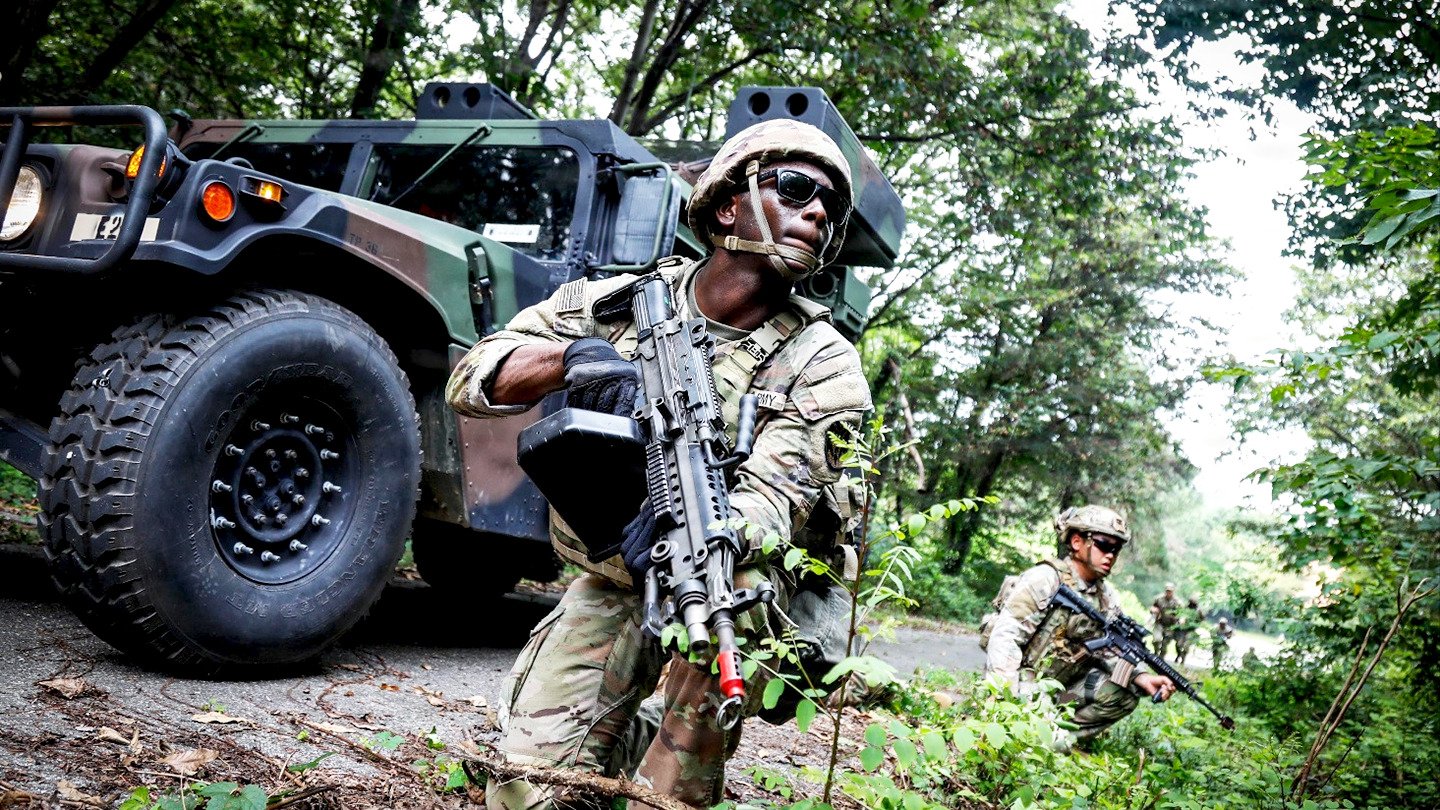
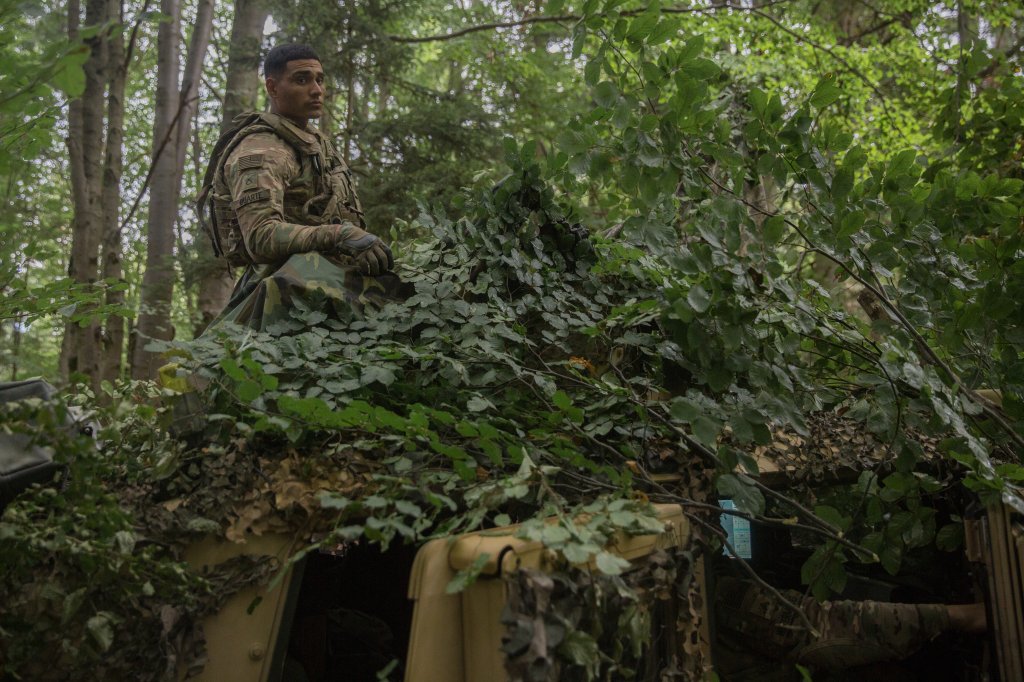
“A lot of the things that are happening right now in terms of long-range fires, integrated air and missile defense, and the lessons that we’re learning from them, we’re able to bring a lot of that to our potential challenges in the Pacific,” Gen. Ron Clark, commander of U.S. Army Pacific (USARPAC), told us at a media roundtable. “Specifically, I am thinking through mobility and camouflage. So it’s one of those age-old Army forgotten sciences of how to hide in plain sight and how to camouflage ourselves from observation, because the ability to be able to see surface entities is almost ubiquitous.”
“Our ability to be able to use electronic warfare, to be able to use just good old-fashioned camouflage, and the ability to deceive our adversary is a must,” Clark added. You can read more about the U.S. military’s camouflage and deception efforts in our story here.
U.S. Army soldiers of Brigade Engineer Battalion camouflages a Humvee while conducting preparations during exercise Combined Resolve VII at the U.S. Army’s Joint Multinational Readiness Center in Hohenfels Germany. (U.S. Army photo by Pfc. Randy Wren) Spc. Randy Wren
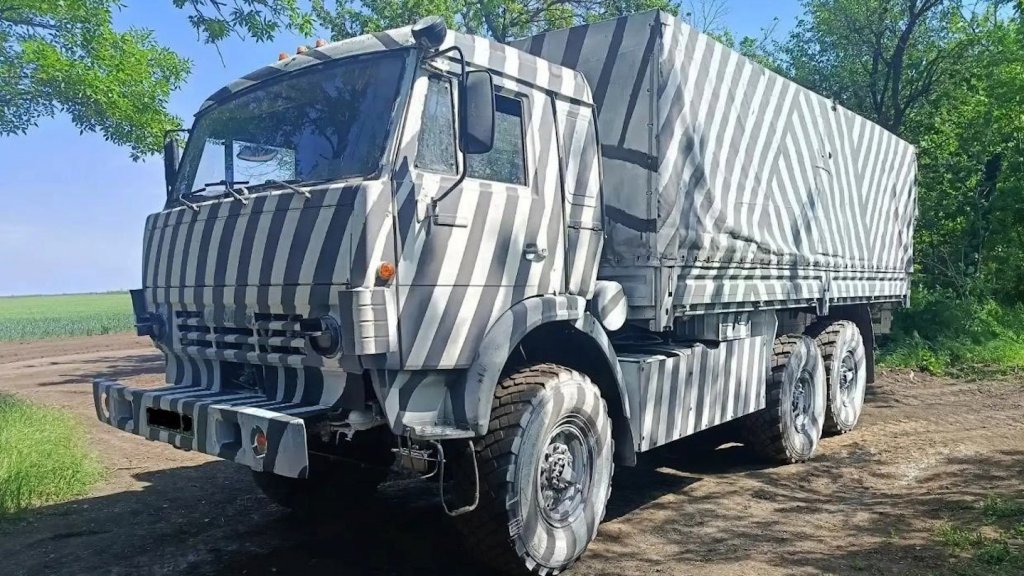
A Russian heavy-duty truck painted with zebra-style stripes to confuse AI-assisted target seeking equipment. via X
As tough as things have been for Ukraine and for U.S. forces in the Middle East, the challenges will be even greater in the Pacific, Clark warned.
In Europe and the Middle East, “it’s not a near-peer adversary that we will be working against,” said Clark, referring respectively to Russia and Iran.
“Whereas in our theater, it absolutely is,” the USARPAC commander noted in a reference to China without naming the country. “So our ability to scale that and to think through the problem sets of how do we fight Type One, Type Two UAS? How do we think through ballistic missile defense holistically in the region? We spend a lot of time working with the joint force for solutions associated with that. How do we maneuver inside an archipelagic environment?”
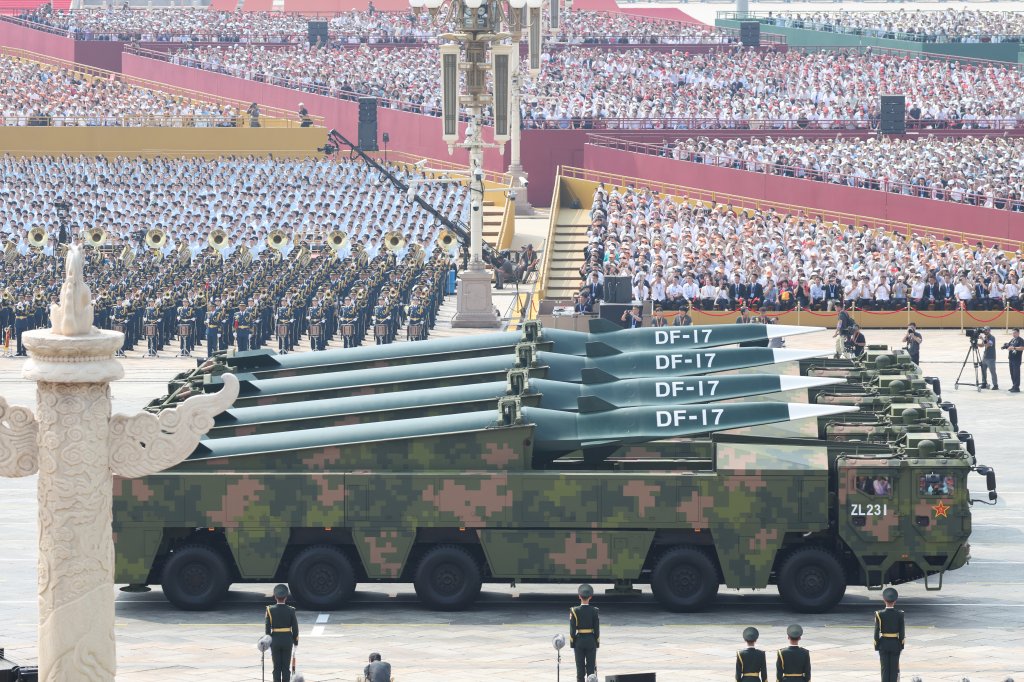
DF-17 medium-range hypersonic ballistic missiles on display during the V-Day military parade in Beijing. (Photo by Sheng Jiapeng/China News Service/VCG via Getty Images) China News Service
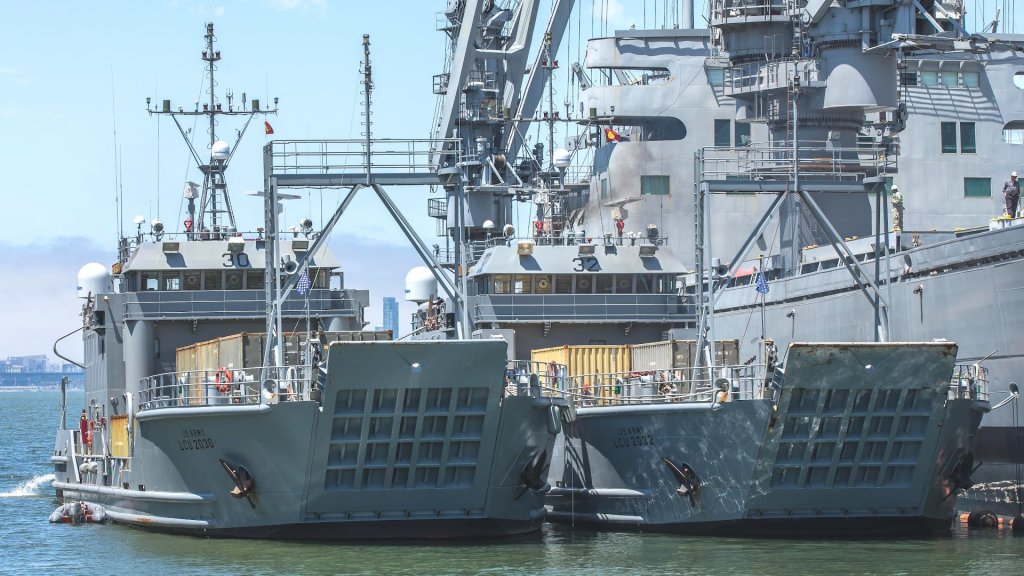
For the Army, any fight in the Pacific will require soldiers to be able to hop islands and move through vast swaths of ocean, constantly hunted and frequently inside the Chinese weapons engagement zone. Clark said that the Army’s organic fleet of ships like landing craft, small tugs, and modular causeway systems operated by the service’s 8th Theater Sustainment Command will be vital for maneuver.
Two U.S. Army Landing Craft Utility (LCU) vessels. (U.S. Army) www.twz.com
“But we also have to be able to conduct tactical maneuver with forces on the ground that can provide long-range precision fires, as an example, and then move so that fires, radars, sensors are not easily targeted,” Clark added. “Because if they can see you, they can hit you. And if you know they have an opportunity to return fire, they will. So our lessons that we’re learning are, in some cases, are very, very relevant. In some cases, we can learn from some of the changing characteristics of war.”
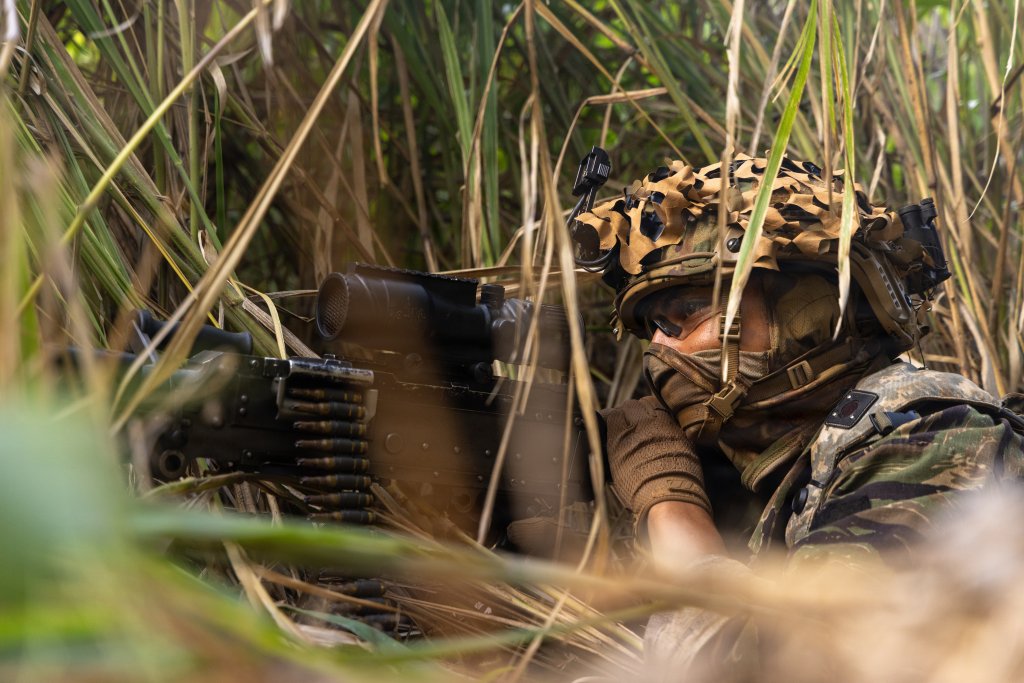
Still, the wide-open plains and dense cities of Ukraine are quite different from the beaches and jungles of the Pacific, Clark reminded us.
A U.S. Army soldier assigned to the 1st Battalion, 27th Infantry Regiment, 2nd Mobile Brigade, 25th Infantry Division, observes a linear danger area during the Joint Pacific Multinational Readiness Center Rotation (JPMRC) 26-01 at Schofield Barracks, Hawaii, Nov. 6, 2025. (U.S. Army photo by Sgt. Duke Edwards) Sgt. Duke Edwards
“The way we generally fight does not equate specifically in the Ukraine piece to the maneuver that you would see out of U.S. forces if deployed in a conflict like that,” the USARPAC commander explained. “To be able to use operational maneuver and tactical maneuver in a way that it’s not just simply drone on drone or firing long range fires at one another at scale for an extended period of time. We find our way to work through that problem set and maneuver to positions of advantage and to prevail.”
Ukraine’s 115th Mechanized Brigade has released new footage showing a VB-140 Flamingo interceptor drone attacking a Russian Mi-28 attack helicopter in flight.
The drone approaches from above and flies directly into the helicopter’s spinning main rotor. It’s unclear whether… pic.twitter.com/GCb9FodXG3
When we pushed further on that point, Gen. Xavier T. Brunson, commander of United Nations Command, Combined Forces Command and United States Forces Korea, weighed in.
“To be able to move with sensors everywhere at all times causes us to achieve positions of advantage from distributed locations,” Brunson pointed out. “So the fight is: you look at maneuver. You might maneuver to a position of advantage, knowing that you’re going to change that again. The ability to utilize not only joint sensors but joint effectors, if you will, joint fires, to be able to use those things from different positions changes the shape of the operating environment.”
The bottom line, he added, is that “maneuver is always going to be maneuver. You’re going from A to B, but you might go from A to A1 to A2 to A3 to get to B, and that’s what I think we realize in this distributed fight that’s going on in Ukraine, and so we continue to watch to see what lessons might be coming back into” effect.
In part reacting to lessons learned from Ukraine and the Middle East, the Army is also changing how it trains, Clark stated. In South Korea, he said the service has to get out of the habit of concentrating so heavily on just two annual major training exercises.
“We recognize… that largely the two big exercises every year in Korea focus on large command posts,” Clark proffered. “We’ve got to move away from that. So what we intend to do is take advantage of the knowledge that we have of the threats that exist or that prevail in the Ukraine fight.”
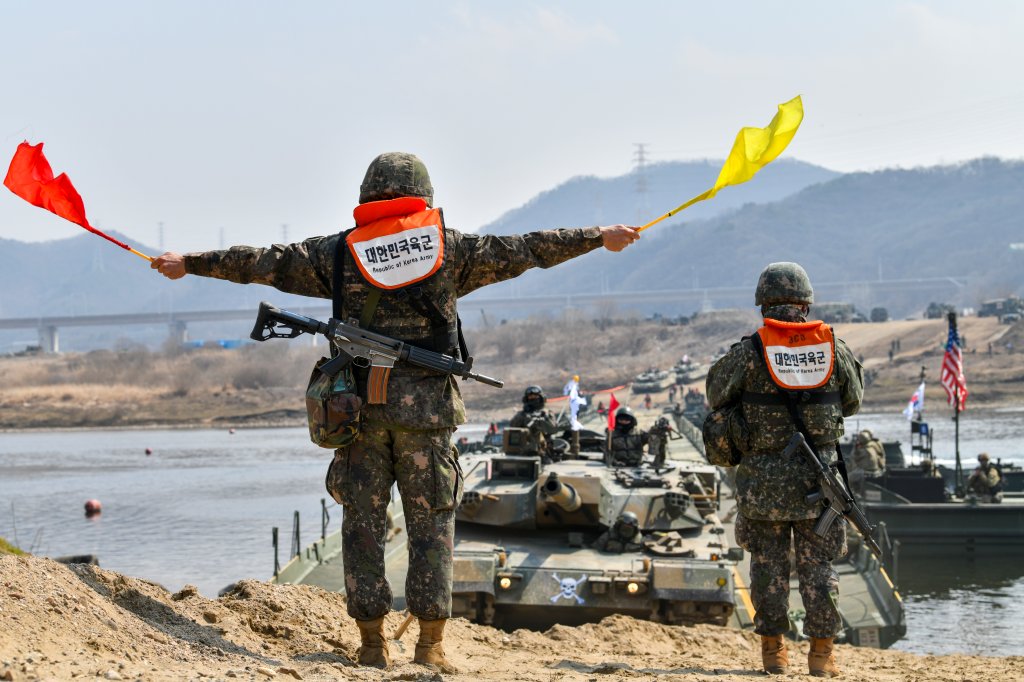
A Republic of Korea Army 5th Engineer Brigade, K1A2 tank crosses a U.S. Army Improved Ribbon Bridge (IRB) during joint wet gap training as part of Freedom Shield 25 at Yeoncheon-gun, Republic of Korea, Mar. 20, 2025. (U.S. Army photo by Sgt. Daniela Lechuga Liggio) Sgt. Daniela Lechuga
Clark said these discussions are underway with his deputy commander, Republic of Korea Army Gen. Sungmin Kim.
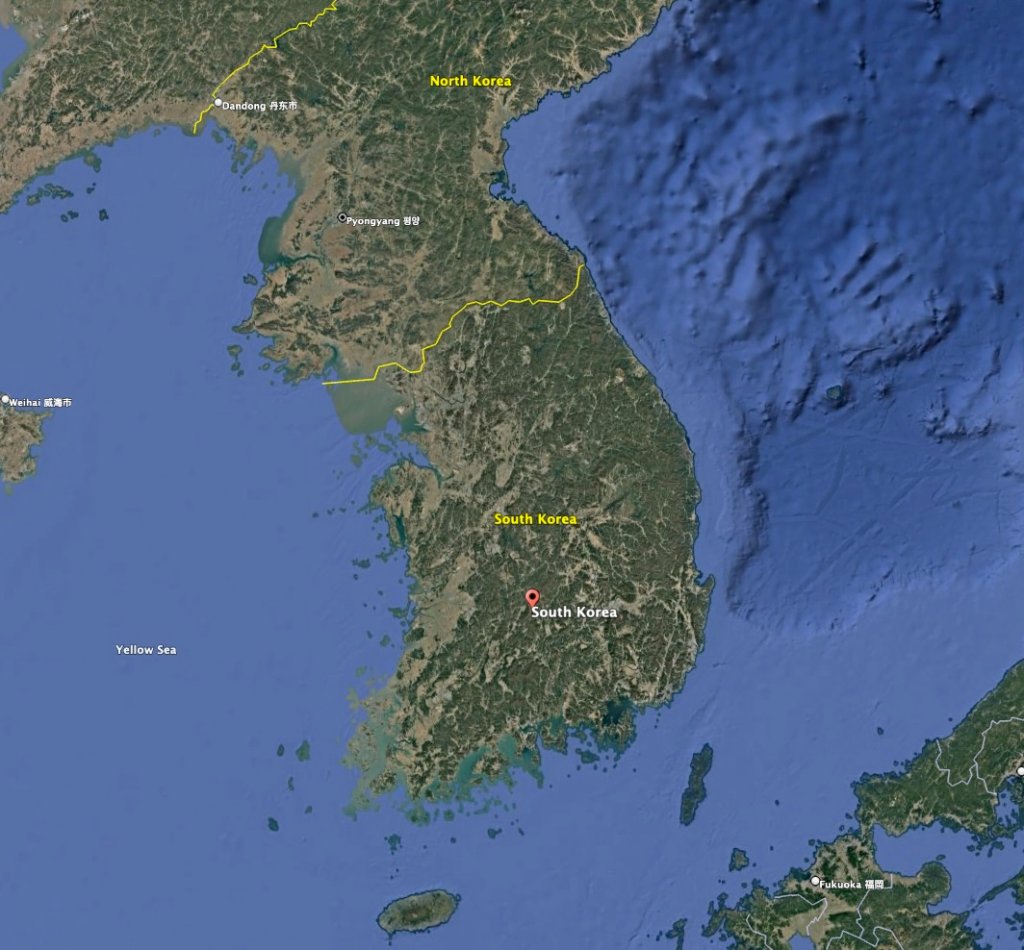
“We talk about how we would operate in a distributed fashion. You know as well as I do, there’s a location that we go to to train every year in Korea, and we stay in that place,” Clark said in response to a question from another reporter. “What would it look like if we train from Jeju all the way up to Gyeonggi Province in the north? What would that look like, just with our headquarters alone?”
“So just imagine,” Clark postulated, “if we train across the entirety of the peninsula, and got ourselves in the shape where we would say [to North Korea], ‘You can’t utilize the things that you’ve learned in the fight and the battlefield in Ukraine on us, because we learned the same lessons and we’ve distributed ourselves in such a way that we don’t make ourselves the target. We won’t be moored in place,’ and that’s what I’m talking about when I talk about positional advantage. It might not be the same place to the continuum. It might not be the same place when you’re in crisis or conflict or competition. We might have to change that, and that’s what we’re learning.”
South Korea. (Google Earth)
Another lesson from Ukraine that Army leaders should be paying attention to, said another panelist, is how both sides are using aerial and ground drones to supply frontline forces and evacuate the wounded because human efforts have now become too deadly, thanks to drones.
“I think you also can’t talk about Ukraine without talking about autonomy,” said Tara Murphy Dougherty, CEO of a company called Air, which provides AI-based sustainment solutions to the Army.
“One of the advantages that you get from using simulation and automation, and really using models and compute in order to create convoy plans, as opposed to humans with Excel spreadsheets, is you are able to do many fewer actual convoys because you’re using all of your capabilities so much more effectively and efficiently,” Dougherty posited. “And while it’s an indirect example, I think it does tie to soldier protection because you’re putting fewer soldiers out there in vulnerable settings. I see that not as an end-goal outcome; we need convoys.”
Ultimately, however, the Army will have to advance what Ukraine and Russia are doing with the deployment of aerial drones and uncrewed ground vehicles for logistics by creating “convoys” of autonomous vehicles.
“I see the end goal outcome as having as many autonomous convoys as possible, and we’ve heard today already at this event some of those ideas,” the CEO added. “In the interim, until we get to more autonomy in medevac and more autonomy in convoys when it’s non-soldier material that’s going out to the battlefield, let’s try and put fewer out there while actually getting more material and capability into the force where it needs to be.”
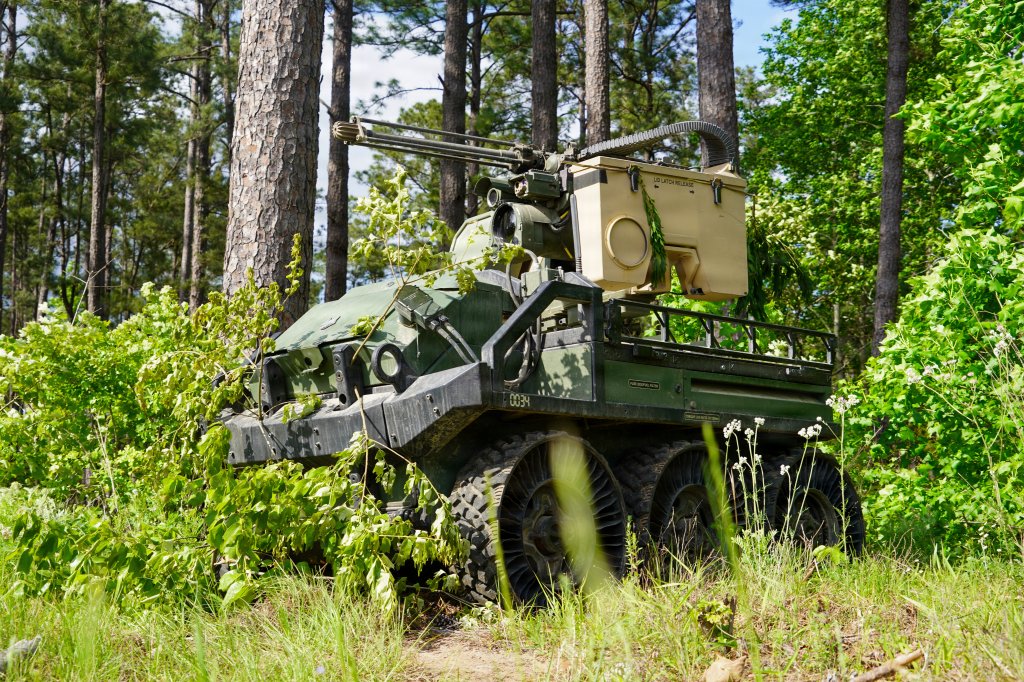
A Hunter Wolf unmanned ground vehicle assigned to Charlie Battery, 3rd Battalion, 320th Field Artillery Regiment, 3rd Mobile Brigade, 101st Airborne Division (Air Assault). (U.S. Army photo by Master Sgt. Anthony Hewitt) Master Sgt. Anthony Hewitt
The Iranian missile and drone barrages on fixed U.S. bases across the Middle East have created some very costly lessons for American forces. As we noted earlier in this story, several troops were killed and critical air defense radars, aircraft and other important equipment were destroyed or damaged. U.S. installations across the region have also suffered damage.
In another media session, we pressed Army officials operating in South Korea about what they learned from watching the destruction caused by Iran and what they are doing to address it.
You can see a satellite image of damage to a U.S. radar site in Jordan below:
NEW: The radar for a THAAD system was struck and apparently destroyed in Jordan while two other THAAD radar systems may have been hit in the UAE, satellite images show – w/ @ThomasBordeaux7https://t.co/qiuWVQgyda
— Gianluca Mezzofiore (@GianlucaMezzo) March 5, 2026
“We certainly are watching what’s happening, and we are learning from what is happening in Operation Epic Fury,” Lt. Gen. Joseph “Joe” Hilbert, commanding general of Eighth Army, stationed in South Korea, told us. “We’re learning what’s happening in Ukraine, and we are working through changes in our own tactics and techniques and procedures to be able to react to those threats and to be able to defend against them.”
For more details, he turned the microphone over to Col. Rosanna “Ro” M. Clemente, commander of the 35th Air Defense Artillery Brigade in South Korea.
“Drawing from those lessons learned, a lot of it is trying to understand how our systems are being hunted by the adversary,” she told us. “So, strictly into all of our training plans, and as we conduct our own internal exercises, all of our air defenders are practicing something as simple as mobility and survivability jumps, which is being able to reposition and displace your systems to different alternative locations based on any type of threat warnings that we receive. They’re very, very well trained. I think all of our soldiers know how to move their systems extremely, extremely well. They move them quickly, and they are able to move them and reposition them into different locations across the peninsula that still maintains that ballistic missile defense coverage.”
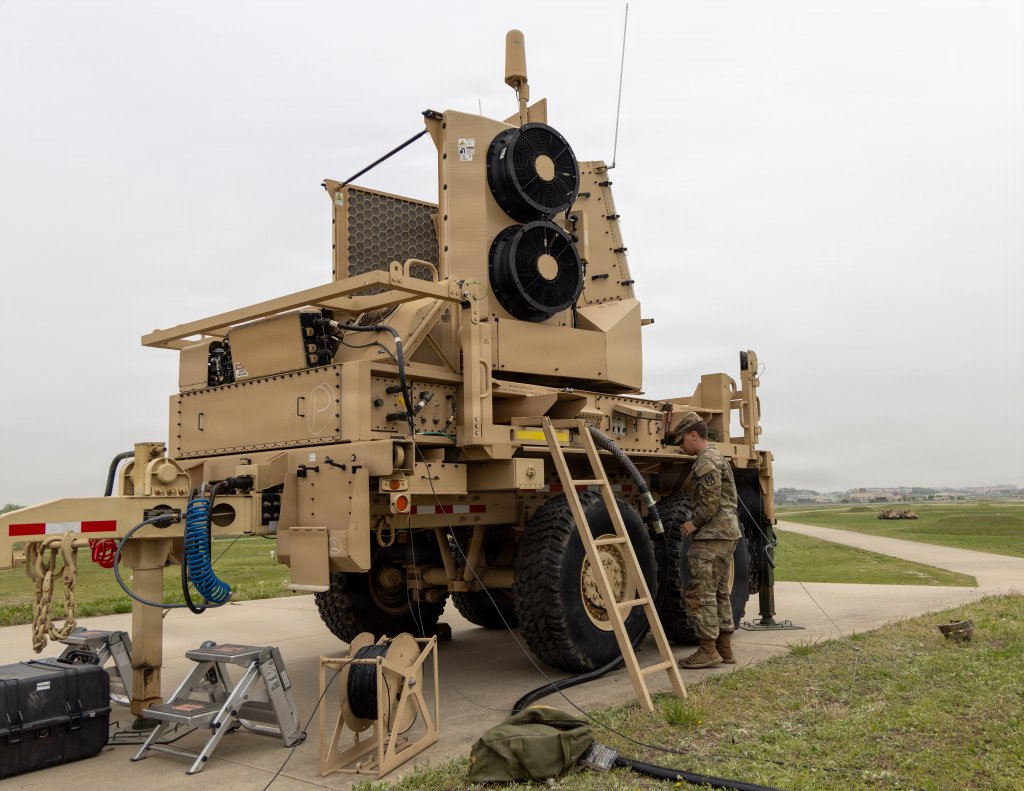
U.S. Army Pvt. Nathaniel Mullins, assigned to the 35th Air Defense Artillery Brigade, analyzes a Sentinel A4 air and missile defense radar during a training exercise at Camp Humphreys, South Korea, April 22, 2026. The training highlighted Eighth Army’s continued modernization efforts by preparing soldiers to operate the new radar system. (U.S. Army photo by Cpl. Luciano Alcala) Sgt. Luciano Alcala
In addition, “we also have to rely on the other pillars of integrated air and missile defense, most specifically the passive defensive measures that we also have in place,” she added.
Those measures involve “a little bit more than just hardening – but a couple of other techniques that we’ve learned from the Russia-Ukraine war in terms of deception, how to move things around, create distractions, and make sure that we create different types of dilemmas for the adversary in terms of where our capabilities are and where are they positioned to protect its defended assets.”
John Swinney tells party conference SNP will use ‘six-figure war chest’ to renew argument for leaving UK
John Swinney has said that the second referendum campaign for Scottish independence “has already begun”, revealing a nationwide effort to renew the argument for leaving the UK in his keynote address to the SNP party conference.
On Saturday, the Scottish first minister said the SNP would launch its “most sophisticated campaign in history” to convince Scottish voters of the benefits of independence, backed by “a six-figure war chest”.
We went aboard a cruise ship navigating some of the world's most dangerous waters. In the Arctic, drifting icebergs, sea ice, sudden storms and fierce winds make sailing unpredictable. Yet every year, around 100,000 cruise passengers travel to Greenland to explore its remote coastline and experience one of the world's last great wildernesses.
Andrew Bailey among finance leaders to leave session in Bangkok when Russian finance minister addressed group
The Bank of England governor, Andrew Bailey, has taken part in a walkout of finance leaders who left an International Monetary Fund meeting in protest against Russian involvement.
Bailey joined counterparts from France, Germany and a number of Scandinavian and Baltic countries who left the session in Bangkok when the Russian finance minister, Anton Siluanov, addressed the group in Russian.
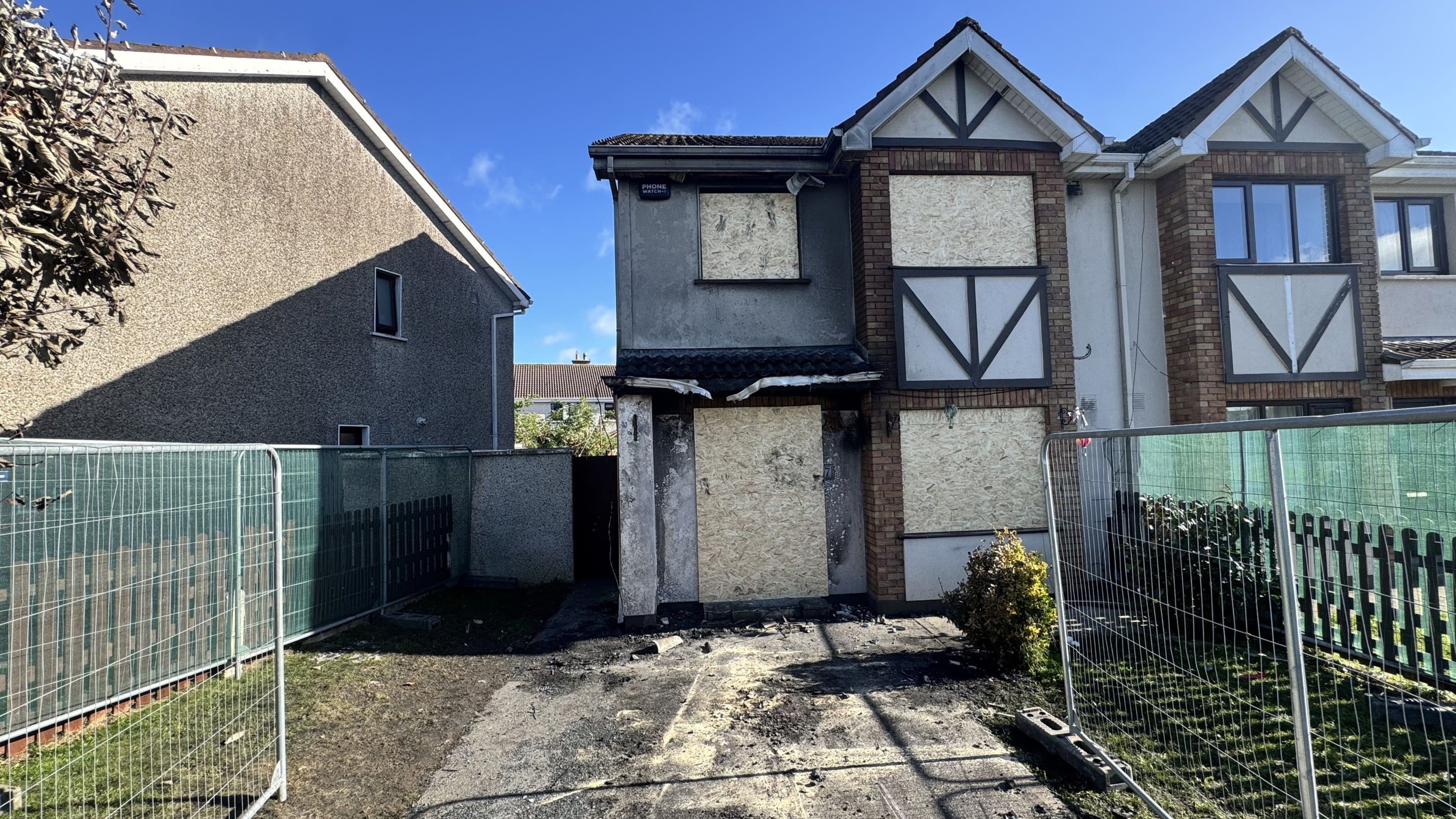
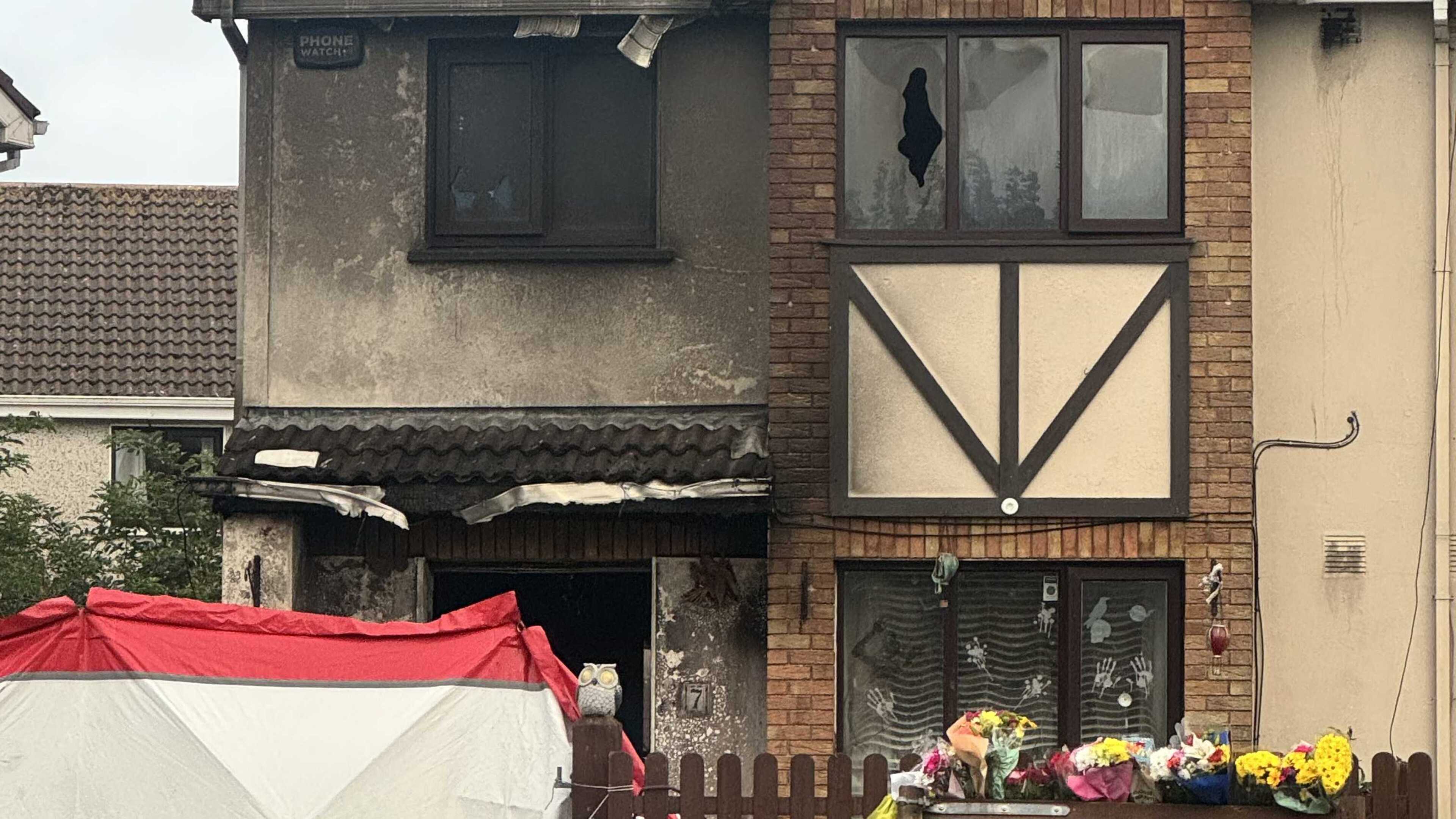
A man and a woman have appeared in court charged in connection with the arson attack in Waterford in which Philip English, his wife Kim English, and their children Callum and Jayden died.
Minister for Communications Patrick O'Donovan will return to his department "as soon as new treatment has bedded down", after he became unwell earlier this week, his family said.
Italy and five other member states have failed to secure a further postponement of the EU’s new carbon market for heating and transport fuels, although European leaders have ordered a fresh assessment of its impact on households and businesses.
European Union leaders have resisted demands for another postponement of carbon pricing for road transport and building fuels, exposing deep disagreements over climate policy, industrial competitiveness and the burden of energy costs on European households.
At the European Council summit in Brussels on 15–16 October, the Visegrad countries — Poland, Hungary, Slovakia and the Czech Republic — pressed for the second European Emissions Trading System, known as ETS2, to be delayed until 2030. Italy and Greece joined calls for greater flexibility over carbon costs, although Rome also sought a national exemption from aspects of the energy-price regime rather than simply a uniform delay. No further postponement was agreed.
The European Council conclusions call on the European Commission to update its assessment of ETS2, particularly its design and safeguards. Leaders also demanded action to reduce volatility in the existing carbon market and limit the effect of carbon prices on electricity costs.
The outcome stops short of the further postponement sought by several governments, but demonstrates how far energy affordability has moved towards the centre of European climate negotiations.
The growing rebellion over ETS2
ETS2 is designed to extend the principle of carbon pricing to fuels used for heating buildings, road transport and certain smaller industrial activities. Unlike the existing Emissions Trading System, which covers large industrial installations and power generation, the new mechanism reaches sectors closely connected to everyday household expenditure.
Under the scheme, fuel suppliers must purchase allowances corresponding to the emissions associated with the fuels they sell. Households and motorists will not buy allowances themselves, but suppliers may pass those additional costs through to customers.
That distinction is fundamental. A policy designed to encourage investment in cleaner heating systems and vehicles may initially appear to consumers as an increase in petrol, diesel and domestic heating bills.
The current legislative timetable provides for ETS2 to become operational in 2028, following an earlier one-year postponement. The latest demands from several Central European governments would push that date back to 2030.
Their argument is that consumers and smaller businesses cannot reasonably be expected to absorb another source of energy-price pressure while European economies continue to contend with geopolitical uncertainty, expensive fuel and comparatively weak industrial competitiveness.
Czech Prime Minister Andrej Babiš has been particularly outspoken in his criticism, arguing that carbon pricing risks weakening Europe’s industrial base and making everyday life more expensive.
Italy has supported calls for greater flexibility, with Prime Minister Giorgia Meloni presenting the discussion as part of a wider attempt to restore competitiveness and make the transition more affordable.
Why other governments opposed another delay
The initiative encountered resistance from governments concerned that repeatedly postponing established climate legislation would weaken investment certainty and reduce confidence in European policy.
The Nordic member states have been particularly reluctant to reopen the timetable. Their position reflects a broader concern that businesses investing in clean technologies need credible long-term rules, rather than legislation liable to be revised whenever political opposition intensifies.
Carbon pricing is intended to change economic incentives gradually. Higher costs for carbon-intensive fuels are supposed to make alternatives such as better-insulated buildings, electric vehicles and cleaner heating more financially attractive.
Critics of further postponement argue that delaying implementation would also delay those incentives, potentially increasing the eventual cost of reaching the Union’s emissions-reduction targets.
Yet the opposition has exposed a weakness in that argument: consumers cannot always respond quickly to price signals. A household relying on an older heating system or a worker with no practical alternative to driving may face higher costs long before affordable low-carbon options become available.
That issue has been central to earlier discussions over ETS2. EU Today reported on stronger carbon-price safeguards in June, when European institutions moved to provide additional market intervention if allowance prices rose sharply.
Commission ordered to reassess the economic impact
Rather than endorsing a new delay, European leaders have asked the Commission to review ETS2’s economic impact and safeguards.
The summit also urged faster progress on adjustments to the Market Stability Reserve, the mechanism intended to help manage the supply of carbon allowances and prevent excessive price volatility.
Under the existing scheme, market interventions can increase or reduce allowance availability in response to defined conditions. For ETS2, safeguards are especially politically sensitive because the cost of carbon allowances may ultimately be reflected in household transport and heating expenditure.
That timetable gives governments a relatively narrow window to settle the remaining political disputes and put protective measures into effect.
A central part of the response is the Social Climate Fund, intended to support vulnerable households, transport users and small businesses through investments in energy efficiency, cleaner heating, improved transport and temporary financial assistance.
The central practical question is whether such assistance reaches consumers quickly enough to offset rising costs, particularly in member states where incomes are lower and households remain heavily dependent on fossil fuels.
Climate commitments meet industrial reality
The ETS2 dispute is connected to a broader argument over Europe’s existing carbon market and its effects on energy-intensive industries.
Manufacturers already face substantial costs arising from electricity, fuel, regulatory requirements and international competition. Governments concerned about deindustrialisation argue that European climate policy must account more directly for these pressures.
The summit conclusions acknowledged those concerns by demanding a predictable carbon market that limits price volatility and protects industry against the relocation of production to jurisdictions with less demanding environmental rules.
At the same time, leaders reaffirmed the importance of maintaining carbon pricing as an incentive for investment and emissions reduction.
For the governments seeking a postponement, the Commission’s new assessment offers an opportunity to maintain pressure for further concessions. For governments defending the existing timetable, it provides an alternative to another politically damaging delay.
The immediate result is therefore a compromise over scrutiny rather than a change in law. ETS2 remains scheduled for 2028, while Brussels must demonstrate that its safeguards can withstand both market volatility and political opposition.
The next phase will be determined less by arguments about long-term emissions targets than by the ability of EU institutions and national governments to show households and businesses how the transition can be financed without placing disproportionate costs on those least able to adjust.

 Login


 Ukraine’s 115th Mechanized Brigade has released new footage showing a VB-140 Flamingo interceptor drone attacking a Russian Mi-28 attack helicopter in flight.

 (@bayraktar_1love)