
❌

Reading view

The forgotten protests: empty shelves and blocked roads in southern Italy, ignored by the media, reveal neglect by Meloni and EU

As protests ripple through big cities across the continent, a quieter, more forgotten population at Europe’s edge sits through weeks of strikes and blockades, while largely ignored. 

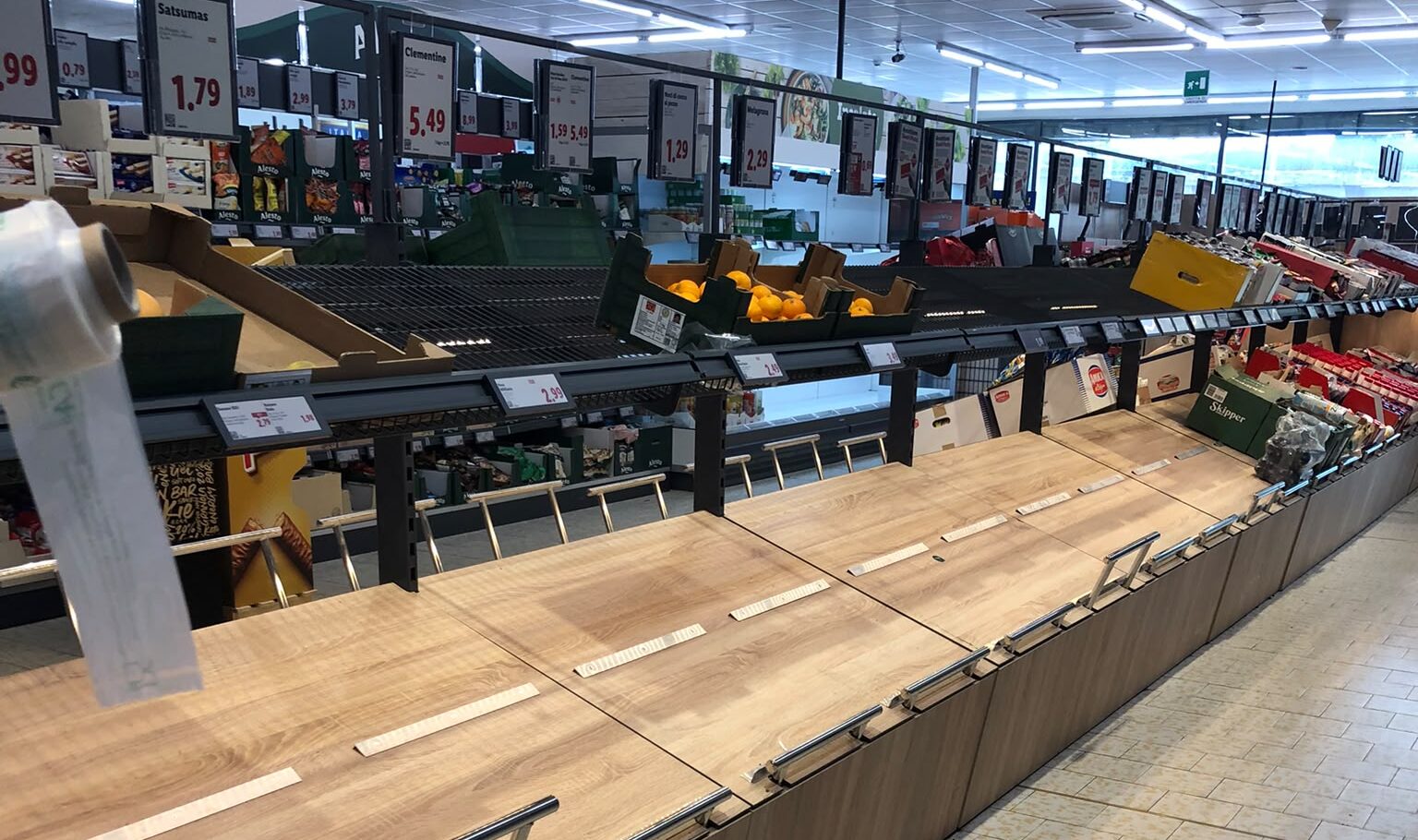
Italy’s southern regions of Puglia, Calabria, Sicily, Molise and Basilicata are facing empty supermarket shelves and plummeting fuel supplies since transport and agriculture workers have been protesting against climbing costs of living. 

Entire sectors have been put on pause due to the excessive costs it now takes to run them, from delivering food goods to producing them, for unbalanced competition with foreign suppliers and sustained neglect from Rome. 

While protestors in large cities like Milan and Bologna joined a European choir of protests fighting unaffordable housing last weekend, truck drivers from Bari to Palermo have joined in blocking roads to important ports and highways connecting isolated southern regions, and denouncing the outrageous costs of fertilisers, seeds, and fuel for tractors and transport for over two weeks.

“For us, and for the community, it’s become impossible to face the costs of fuel,” Luigi Di Benedetto, manager of an agriculture company in Caltagirone, Sicily, told EUobserver. 

“Italy import products that do not meet legal specifications,” he said, echoing the worries of his colleagues and fellow protestors, since the market was flooded with cheaper foreign imports, which have left them unable to pay the bills.

This article continues, but the full version is available only to EUobserver.com subscribers. Visit account.euobserver.com/membership
  •  

Russia’s KOSMOS military satellite stalks Finnish spy satellite, in what could see the first strike in a Ukraine star wars (Ukraine Battlefield update, day 1,698)

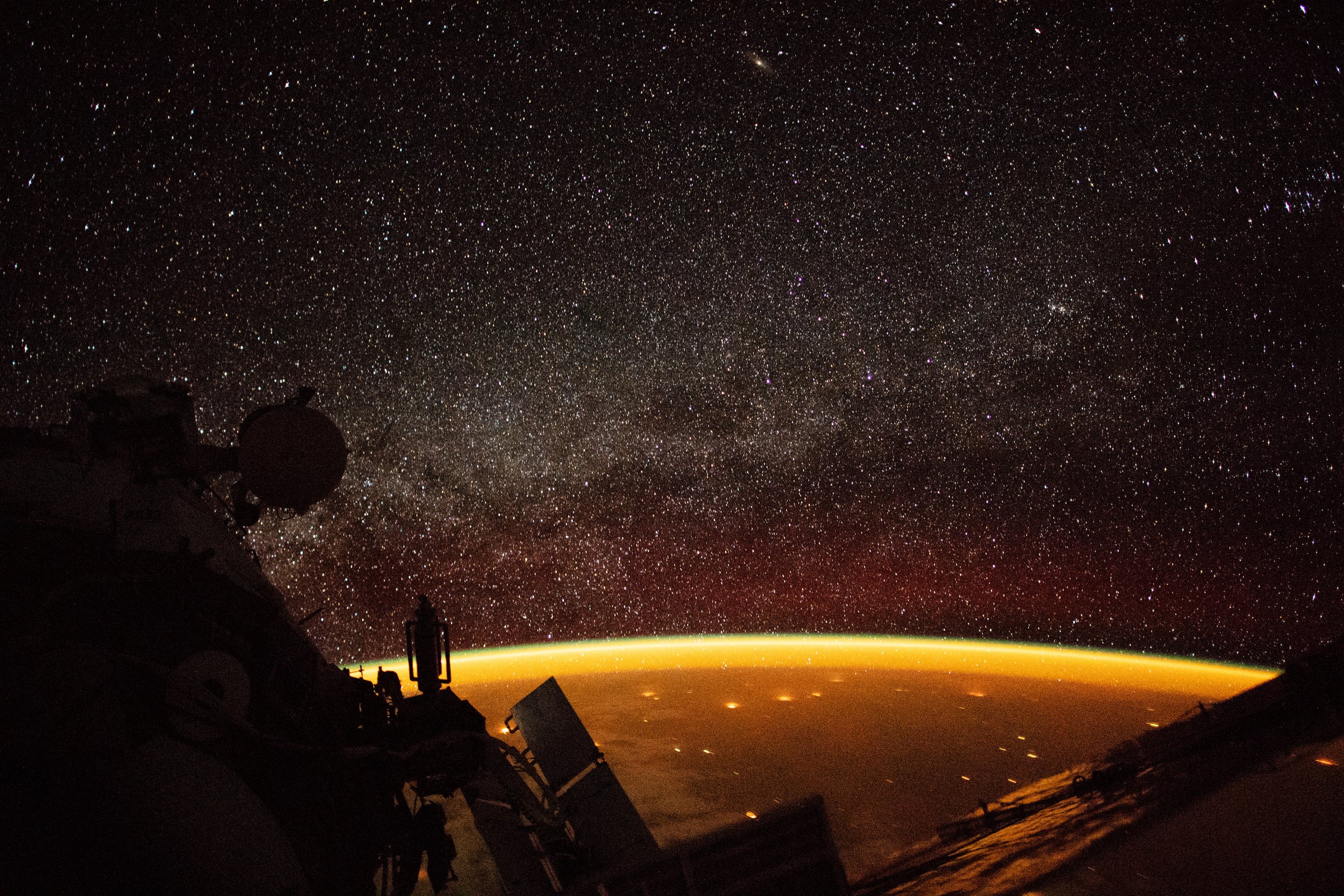
  • These are not yet Star Wars, but we may be approaching the first destruction of an enemy satellite in space.
  • Fighting is taking place directly in Dobropillia.
  • On the first day of restrictions on Starlink functionality, Ukrainian army attacks on Russian logistics dropped sharply, before beginning to return to their previous level — chart.
  • Russia continues to pound Kyiv with ballistic missiles, while power outages occurred across Ukraine.
  • St Petersburg experienced one of the largest air raids of the entire war over the weekend, but the damage was limited.
  • Maps of the day — Dobropillia
  • Videos of the day — a Russian glide bomb fails to explode and bounces off an apartment block in Sumy; a bomber drone destroys a Smerch multiple rocket launcher; the road between Pavlohrad and occupied Pokrovsk

These are not yet Star Wars, but we may be approaching the first destruction of an enemy satellite in space. Marco Langbroek is a Dutch scientist whose original field was Palaeolithic archaeology. He now works at the prestigious Dutch Delft University of Technology, at its Faculty of Aerospace Engineering, where he observes and tracks objects orbiting the Earth.

Among other things, he specialises in observing classified spy satellites. After the downing of flight MH17, he was among the experts involved in the investigation. He was the first to publicly point out that the Russian missile which shot down the civilian aircraft may have been detected by US early-warning satellites.

The same scientist was the first this time to notice the unusual behaviour of the Russian military satellite KOSMOS 2612, which began carrying out manoeuvres in the immediate vicinity of the European satellite ICEYE-X36.

At first glance, this report appears to have nothing to do with the war in Ukraine, but that is not the case. ICEYE-X36 is originally a Finnish satellite, launched into space in March 2024 from the Vandenberg space base in the United States, which is also used for the space programme — both military and civilian.

ICEYE-X36 uses radar observation and has cooperated with the Ukrainian government since 2022. Radar can monitor the Earth’s surface even through cloud cover, and Langbroek speculates that it is probably working for the Ukrainian military.

He began reporting on the situation on Saturday (17 October), calling it highly concerning.

“If Ukraine is indeed using ICEYE-X36, this means that a satellite of one country — Russia — is closely approaching a satellite of another state — Ukraine — with which it is at war,” Langbroek wrote. He wondered whether “we are perhaps witnessing the first real anti-satellite attack directly in orbit in the course of its preparation”.

This article continues, but the full version is available only to EUobserver.com subscribers. Visit account.euobserver.com/membership

  •  
❌