❌

Reading view

Europe’s far right seizes on protest violence to push authoritarian anti-immigration agenda

Nationalist leaders are framing unrest as consequence of failed liberal governance and open borders

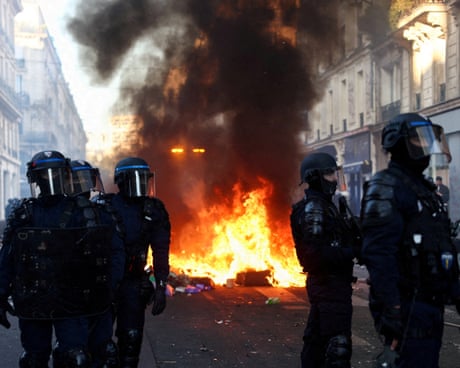
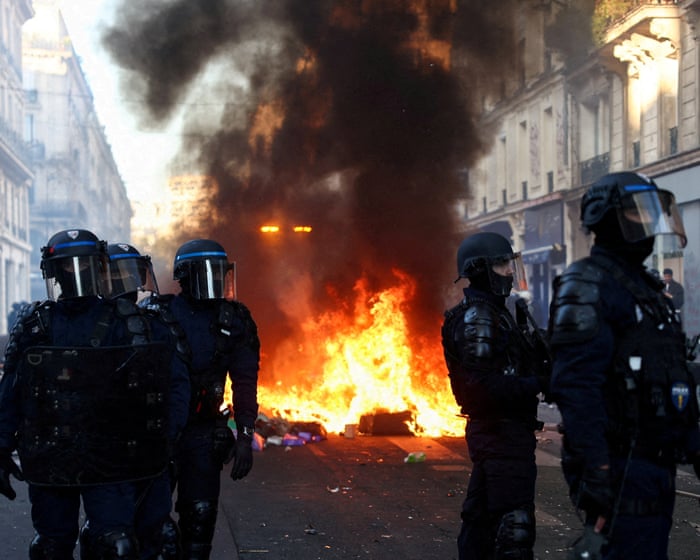
Europe’s far-right leaders have jumped on the violence that rocked numerous cities last weekend, framing it as the inevitable consequence of failed liberal governance and open-border policies and insisting only they can restore law and order.

Months away from key elections in Spain, France and Italy, authoritarian nationalists are eager to weaponise the wave of street unrest, originating in peaceful protests over the cost of living and deteriorating public services but hijacked by violent rioters.

Continue reading...
© Photograph: Abdul Saboor/Reuters
© Photograph: Abdul Saboor/Reuters
© Photograph: Abdul Saboor/Reuters
  •  

Europe’s far right seizes on protest violence to push authoritarian anti-immigration agenda

Nationalist leaders are framing unrest as consequence of failed liberal governance and open borders

Europe’s far-right leaders have jumped on the violence that rocked numerous cities last weekend, framing it as the inevitable consequence of failed liberal governance and open-border policies and insisting only they can restore law and order.

Months away from key elections in Spain, France and Italy, authoritarian nationalists are eager to weaponise the wave of street unrest, originating in peaceful protests over the cost of living and deteriorating public services but hijacked by violent rioters.

Continue reading...

© Photograph: Abdul Saboor/Reuters

© Photograph: Abdul Saboor/Reuters

© Photograph: Abdul Saboor/Reuters
  •  

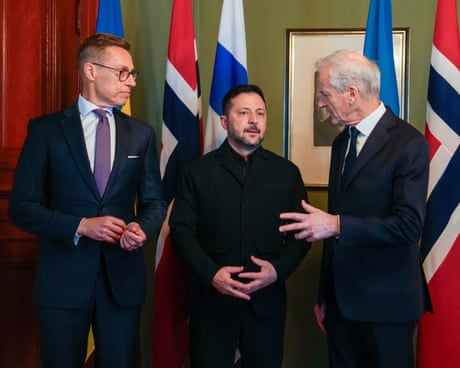
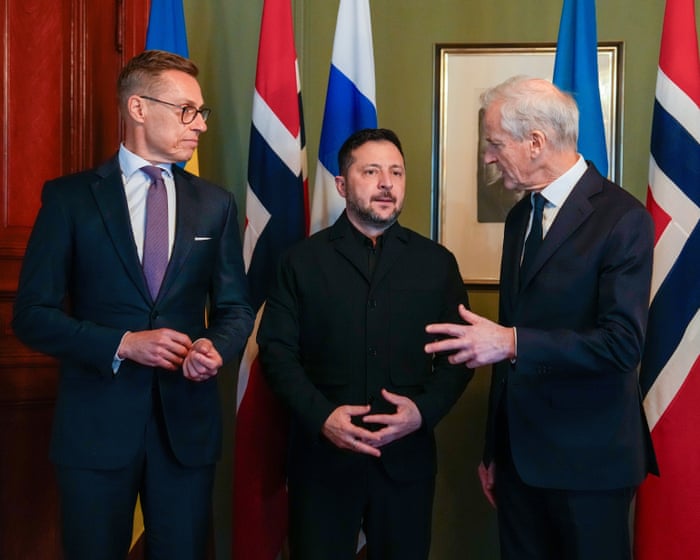
​Europe stands by Ukraine – but how long can that last?

As US support ebbs away, looming European elections and growing financial strains across the continent could fracture the precious coalition that has kept Ukraine afloat

Europe woke up last Friday to another belligerent outburst from Donald Trump – this time berating Ukraine’s wartime leader Volodymyr Zelenskyy again. Just a few days after his diesel deal with the Kremlin, the US president said Zelenskyy was more difficult to deal with than Vladimir Putin and blamed Ukraine’s leader for rocketing oil prices – without any reference to the impact of his own war on Iran.

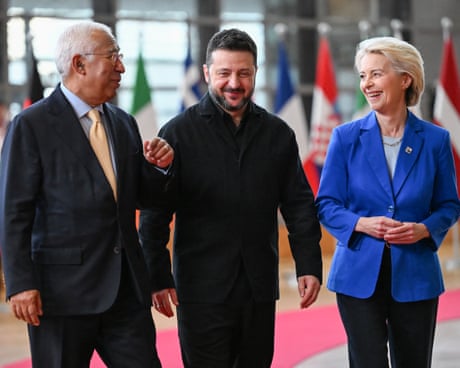
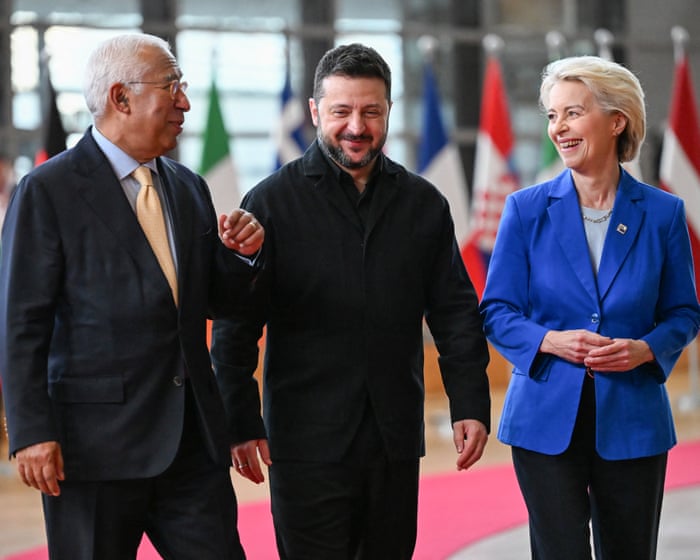
The contrast in Europe was obvious. When Zelenskyy walked into the multi-coloured summit room of the European Council headquarters in Brussels that Friday morning, the EU’s 27 leaders burst into applause, getting to their feet to offer big hugs and brisk handshakes. European Council president António Costa told Zelenskyy and the media: “This is no time to withdraw the support to Ukraine,” calling instead for increased pressure on Russia. Zelenskyy was thankful, pointedly saying he was happy to have “huge support” from “real leaders”.

Continue reading...

© Photograph: Heiko Junge/Pool NTB/AP

© Photograph: Heiko Junge/Pool NTB/AP

© Photograph: Heiko Junge/Pool NTB/AP

  •  

​Europe stands by Ukraine – but how long can that last?

As US support ebbs away, looming European elections and growing financial strains across the continent could fracture the precious coalition that has kept Ukraine afloat

Europe woke up last Friday to another belligerent outburst from Donald Trump – this time berating Ukraine’s wartime leader Volodymyr Zelenskyy again. Just a few days after his diesel deal with the Kremlin, the US president said Zelenskyy was more difficult to deal with than Vladimir Putin and blamed Ukraine’s leader for rocketing oil prices – without any reference to the impact of his own war on Iran.

The contrast in Europe was obvious. When Zelenskyy walked into the multi-coloured summit room of the European Council headquarters in Brussels that Friday morning, the EU’s 27 leaders burst into applause, getting to their feet to offer big hugs and brisk handshakes. European Council president António Costa told Zelenskyy and the media: “This is no time to withdraw the support to Ukraine,” calling instead for increased pressure on Russia. Zelenskyy was thankful, pointedly saying he was happy to have “huge support” from “real leaders”.

Continue reading...

© Photograph: Nicolas Tucat/AFP/Getty Images

© Photograph: Nicolas Tucat/AFP/Getty Images

© Photograph: Nicolas Tucat/AFP/Getty Images

  •  

From strife-torn France to the UK, rightwing populists win when they stir chaos while promising order | Rafael Behr

Marine Le Pen and Donald Trump are arsonists who play at being firefighters. Nigel Farage is finding that act harder to pull off in Andy Burnham’s Britain

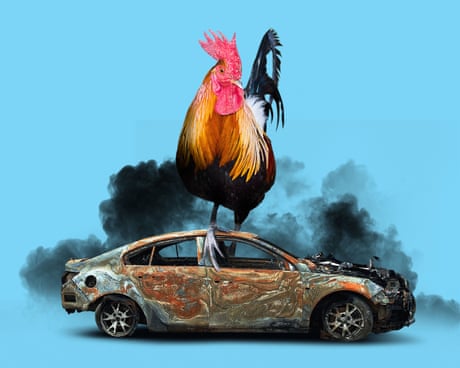
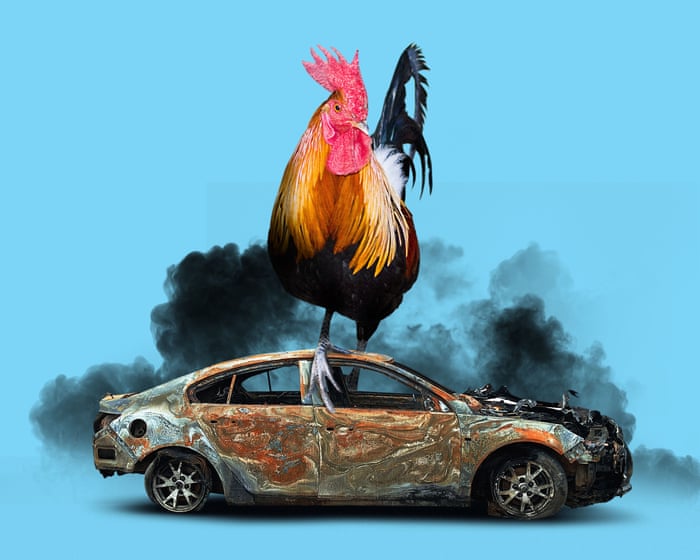
An election where one side represents chaos will nearly always be won by the party that promises order instead. Public fatigue after years of turbulent Tory rule accounted for Labour’s 2024 landslide victory more than any policy in Keir Starmer’s manifesto. Across the Channel, Marine Le Pen, leader of the far-right National Rally (RN), is currently on course to win next year’s presidential poll with a pledge of “restored authority and security” for a country that has spent years cycling between enervating stasis and explosive crisis.

Le Pen has been boosted in recent days by scenes of city centres ablaze and shops being looted as student demonstrations mutated into riots. Street confrontation is a more standard feature of the political repertoire in France than in most settled democracies, but the destruction was disturbing by any measure.

Rafael Behr is a Guardian columnist

Continue reading...

© Composite: Guardian Design/Getty Images

© Composite: Guardian Design/Getty Images

© Composite: Guardian Design/Getty Images

  •  
❌