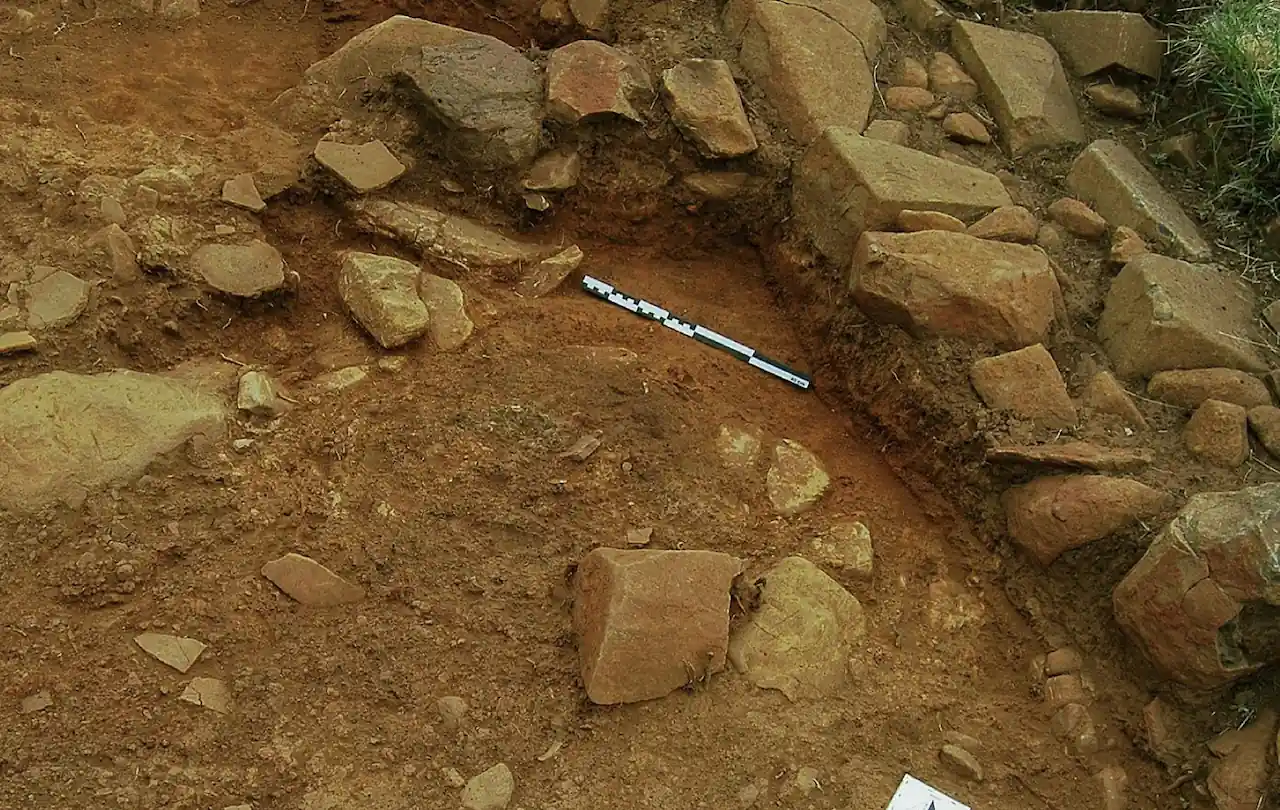
Almost nothing survives of what people wore in the Iron Age. Linen, wool and dyes are all organic matter, and in most soils they simply rot away. Archaeologists therefore tend to reconstruct the history of textiles from the tools that do last, above all spindle whorls: small stone or ceramic discs that weigh down the […]
Lo normal es que de la ropa de la Edad del Hierro no quede nada. Lino, lana y tintes son materia orgánica y se pudren en casi cualquier suelo, de modo que los arqueólogos suelen reconstruir la historia textil a partir de las herramientas que sí sobreviven, sobre todo las fusayolas, esas piezas redondas de […]
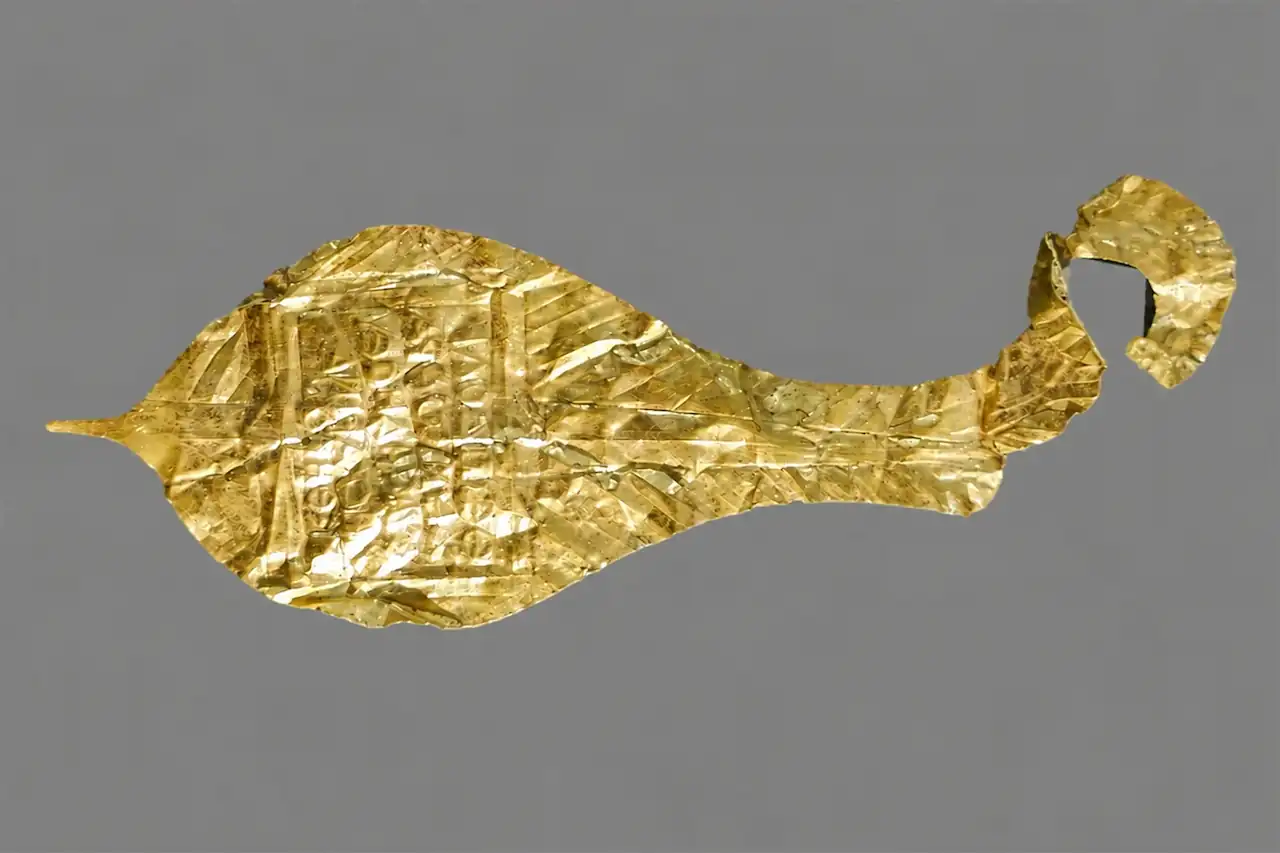
Hace unos 1.900 años, un hombre llamado Trasímedes dedicó una lámina de oro, con su nombre escrito en griego, a un dios que no era ni griego ni romano, sino originario del sureste de Anatolia. La pieza quedó en un fuerte romano de la costa oriental del mar Negro, en la actual Georgia, y allí […]
Some 1,900 years ago, a man named Thrasymedes gave a thin sheet of gold to a god who was neither Greek nor Roman. The deity came from the borderlands of what is now southeastern Turkey. The offering was left inside a Roman army fort on the eastern shore of the Black Sea, in modern Georgia, […]
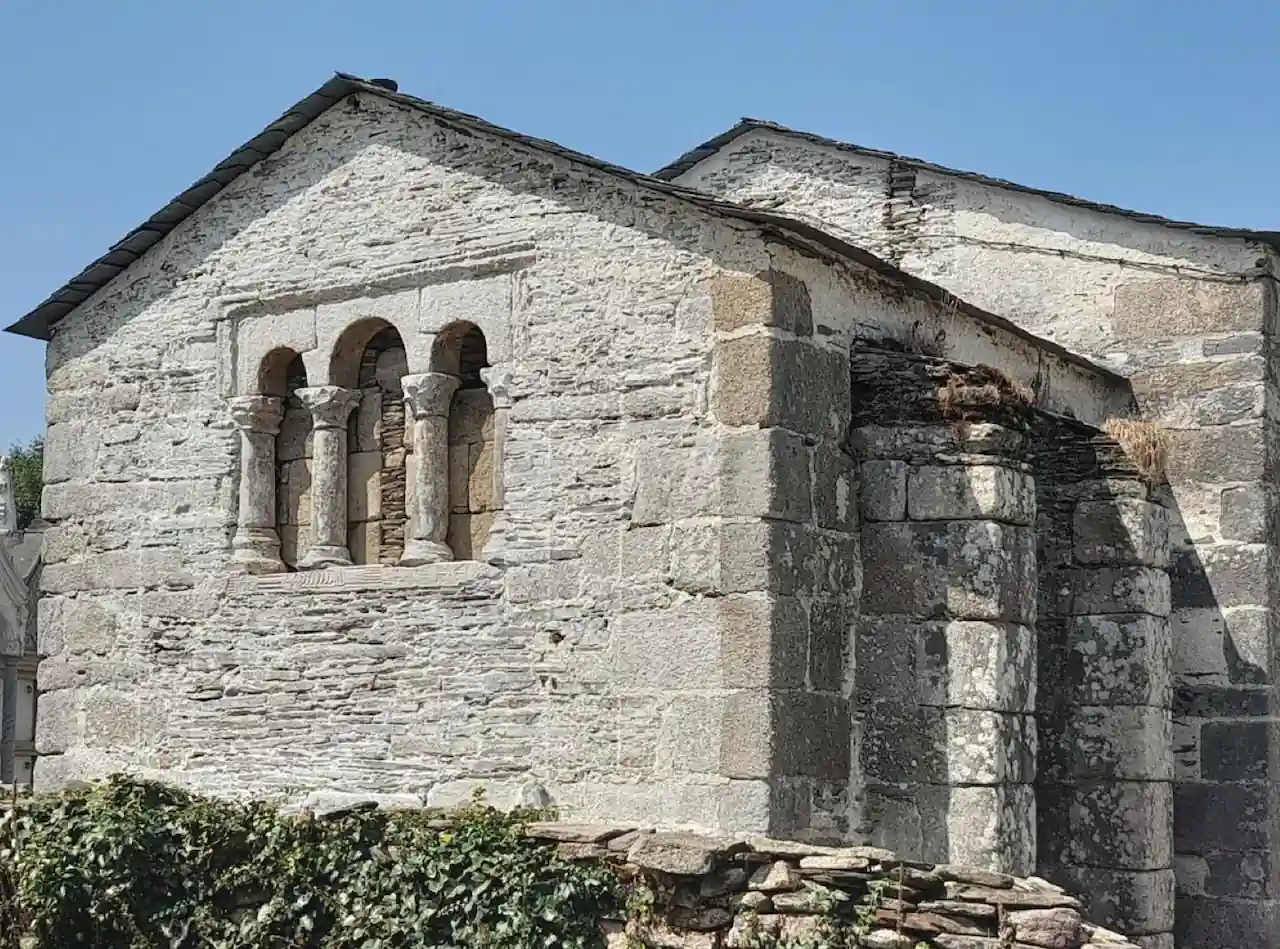
A pocos kilómetros al suroeste de Lugo, en una aldea del municipio, se encuentra la iglesia de Santa Eulalia de Esperante, o Santalla de Esperante en gallego. La historiografía la describía como un templo rural sencillo de época plenomedieval, con una sola nave, una cabecera recta y una fachada lisa del siglo XVIII coronada por […]
The church is Santa Eulalia de Esperante, known in Galician as Santalla de Esperante. It stands in a hamlet a few kilometres southwest of Lugo. Until now, historians saw a simple rural church from the high Middle Ages, with one nave, a square east end and a smooth 18th-century front topped by a bell gable […]

 Login