PARIS — French authorities on Thursday imposed bans or restrictions on fresh protests springing up in the wake of demonstrations last weekend that degenerated into the country's worst street violence in years. President Emmanuel Macron said after chairing a meeting of key ministers and intelligence officials that curfews and other security measures would be imposed, including bans on "groups without legitimacy" holding protests. "The priority is a return to calm," he said, adding that he would chair a defence council meeting of key ministers on Friday to decide "the next steps" for new nationwide demonstrations called for Saturday and afterwards. The worst of the violence, Macron said, "was led by organised ultra-left groups aiming to bring down the republic," that he accused of "sedition." Officials are still reeling from the clashes, widespread looting and vandalism of public buildings that broke out on October 17, on the margins of mass demonstrations of more than half a million people against the surging cost of living. Macron's government has admitted police lost control, and candi
PARIS — French authorities on Thursday imposed bans or restrictions on fresh protests springing up in the wake of demonstrations last weekend that degenerated into the country's worst street violence in years. President Emmanuel Macron said after chairing a meeting of key ministers and intelligence officials that curfews and other security measures would be imposed, including bans on "groups without legitimacy" holding protests. "The priority is a return to calm," he said, adding that he would chair a defence council meeting of key ministers on Friday to decide "the next steps" for new nationwide demonstrations called for Saturday and afterwards. The worst of the violence, Macron said, "was led by organised ultra-left groups aiming to bring down the republic," that he accused of "sedition." Officials are still reeling from the clashes, widespread looting and vandalism of public buildings that broke out on October 17, on the margins of mass demonstrations of more than half a million people against the surging cost of living. Macron's government has admitted police lost control, and candi
Le Danemark a officialisé ce jeudi 22 octobre 2026 l'achat de missiles longue portée à des fabricants de Norvège et des États-Unis, un an après avoir annoncé son intention d'acquérir des armes de précision à longue portée face à la menace russe.
PARIS — The days of having to take out the trash or wash the dishes before leaving an Airbnb are numbered as the short-term rental platform is tightening rules on what conditions hosts may impose on guests. "Our rules regarding accommodations allow travelers to receive guidelines from hosts; however, our community has let us know that they can be confusing, restrictive, and difficult to manage," Airbnb said Thursday to AFP. New rules published this week that will apply to reservations made from November 20 will seek to reduce that confusion. In particular the new rules will generally prohibit hosts from asking guests "to complete tasks that require significant effort or time, or would typically be performed by a cleaner, including stripping the bed, taking trash offsite, or washing and putting away dishes." Hosts can still ask guests to put dirty dishes in the sink or separate trash and recyclables. Hosts will also no longer be able to impose fines or penalties on guests, who instead must seek compensation for any damage from insurance provided through Airbnb.
PARIS — The days of having to take out the trash or wash the dishes before leaving an Airbnb are numbered as the short-term rental platform is tightening rules on what conditions hosts may impose on guests. "Our rules regarding accommodations allow travelers to receive guidelines from hosts; however, our community has let us know that they can be confusing, restrictive, and difficult to manage," Airbnb said Thursday to AFP. New rules published this week that will apply to reservations made from November 20 will seek to reduce that confusion. In particular the new rules will generally prohibit hosts from asking guests "to complete tasks that require significant effort or time, or would typically be performed by a cleaner, including stripping the bed, taking trash offsite, or washing and putting away dishes." Hosts can still ask guests to put dirty dishes in the sink or separate trash and recyclables. Hosts will also no longer be able to impose fines or penalties on guests, who instead must seek compensation for any damage from insurance provided through Airbnb.
PARIS — French courts have jailed 217 people after convicting them in fast-track trials linked to last weekend's rioting, the justice minister said Thursday, hailing the judiciary's "extremely firm" response. Speaking outside the Fleury-Merogis prison on the outskirts of Paris, Gerald Darmanin said 2,700 people had been detained since Saturday. More than 1,000 of them had appeared in court, he said, of whom "217 people have been imprisoned... and this figure is continuing to rise a lot." Darmanin told reporters that of the 217 sent to jail "half had no criminal record," adding that "in general these are men aged between 18 to 25." "This shows that prosecutors and judges are imprisoning people who, until now, were not known to the judiciary and are first offenders. It shows that the decisions of the judiciary are being applied in an extremely firm way." Darmanin has vowed to oversee expedited trials to rapidly clear the backlog of cases and to serve as a deterrent. New protests over grievances including the rising cost of living are planned this weekend. But he has faced criticism from so
PARIS — French courts have jailed 217 people after convicting them in fast-track trials linked to last weekend's rioting, the justice minister said Thursday, hailing the judiciary's "extremely firm" response. Speaking outside the Fleury-Merogis prison on the outskirts of Paris, Gerald Darmanin said 2,700 people had been detained since Saturday. More than 1,000 of them had appeared in court, he said, of whom "217 people have been imprisoned... and this figure is continuing to rise a lot." Darmanin told reporters that of the 217 sent to jail "half had no criminal record," adding that "in general these are men aged between 18 to 25." "This shows that prosecutors and judges are imprisoning people who, until now, were not known to the judiciary and are first offenders. It shows that the decisions of the judiciary are being applied in an extremely firm way." Darmanin has vowed to oversee expedited trials to rapidly clear the backlog of cases and to serve as a deterrent. New protests over grievances including the rising cost of living are planned this weekend. But he has faced criticism from so
"Aproximadamente el 60%" de estos recortes de empleo "afectan a las funciones de apoyo, en particular mediante una reducción del número de desarrolladores de software, ya que la IA hace que nuestros equipos sean más productivos", precisó Leer
"Aproximadamente el 60%" de estos recortes de empleo "afectan a las funciones de apoyo, en particular mediante una reducción del número de desarrolladores de software, ya que la IA hace que nuestros equipos sean más productivos", precisó
An inspired Harry Brook scored the fastest double hundred in ODI history as England piled up 429-4 against Sri Lanka in the tri-series in Rawalpindi on Thursday.
The batsman’s 116-ball 202 also made him the first Englishman to hit a double century in a one-day international.
The captain clobbered 10 sixes and 21 fours as England posted a first 400-plus ODI total in Pakistan.
He reached 200 in 114 balls, beating the previous fastest double century in ODIs, by Shubman Gill (117 balls) for India against West Indies last month.
England’s players celebrate after the dismissal of Sri Lanka’s captain Kusal Mendis during the one-day international tri-series cricket match between England and Sri Lanka at the Rawalpindi Cricket Stadium in Rawalpindi on October 22, 2026. — AFP
Brook was joined in the fireworks by Joe Root, who scored a 66-ball 69 and became the first England batter to complete 8,000 runs, in his 197th one-day international.
Brook was dismissed off the final delivery, caught off pacer Janith Liyanage, but not before helping England add 156 runs in the last 10 overs.
Opener Tom Banton set the tone with a 51-ball 50 and Will Jacks was 66 not out with three sixes and eight fours.
But the day belonged to history-maker Brook, who added 185 runs off just 79 balls with Jacks for the fourth wicket.
He had set up the innings with a third-wicket stand of 159 with Root.
The previous highest ODI total at a Pakistan venue was 375-3 for the hosts against Zimbabwe in Lahore in 2015.
WASHINGTON — The Pentagon and Lockheed Martin announced Thursday a 10-year agreement for the production of 850 F-35 warplanes, underscoring Washington's long-term commitment to the stealth aircraft. The "framework agreement," which the Pentagon said would "modernize and expand" the F-35 Lightning II Joint Strike Fighter program, still requires congressional approval and funding. The F-35, a joint project between the United States and a number of allies, is one of the world's most advanced military aircraft. There are more than 1,375 F-35s based around the world, according to Lockheed. The deal, if approved, would give Washington a "predictable, affordable, and resilient" fighter jet program, Lockheed said, pointing to billions of dollars in expected savings thanks to "long-term pricing and industry volume discounts." In exchange for the Pentagon's 10-year commitment, Lockheed Martin will fund $7 billion in projects supporting the F-35s, the Pentagon said. "We have fundamentally changed how we stabilize the American defense industrial base to produce at speed and scale," top Pentagon acq
WASHINGTON — The Pentagon and Lockheed Martin announced Thursday a 10-year agreement for the production of 850 F-35 warplanes, underscoring Washington's long-term commitment to the stealth aircraft. The "framework agreement," which the Pentagon said would "modernize and expand" the F-35 Lightning II Joint Strike Fighter program, still requires congressional approval and funding. The F-35, a joint project between the United States and a number of allies, is one of the world's most advanced military aircraft. There are more than 1,375 F-35s based around the world, according to Lockheed. The deal, if approved, would give Washington a "predictable, affordable, and resilient" fighter jet program, Lockheed said, pointing to billions of dollars in expected savings thanks to "long-term pricing and industry volume discounts." In exchange for the Pentagon's 10-year commitment, Lockheed Martin will fund $7 billion in projects supporting the F-35s, the Pentagon said. "We have fundamentally changed how we stabilize the American defense industrial base to produce at speed and scale," top Pentagon acq
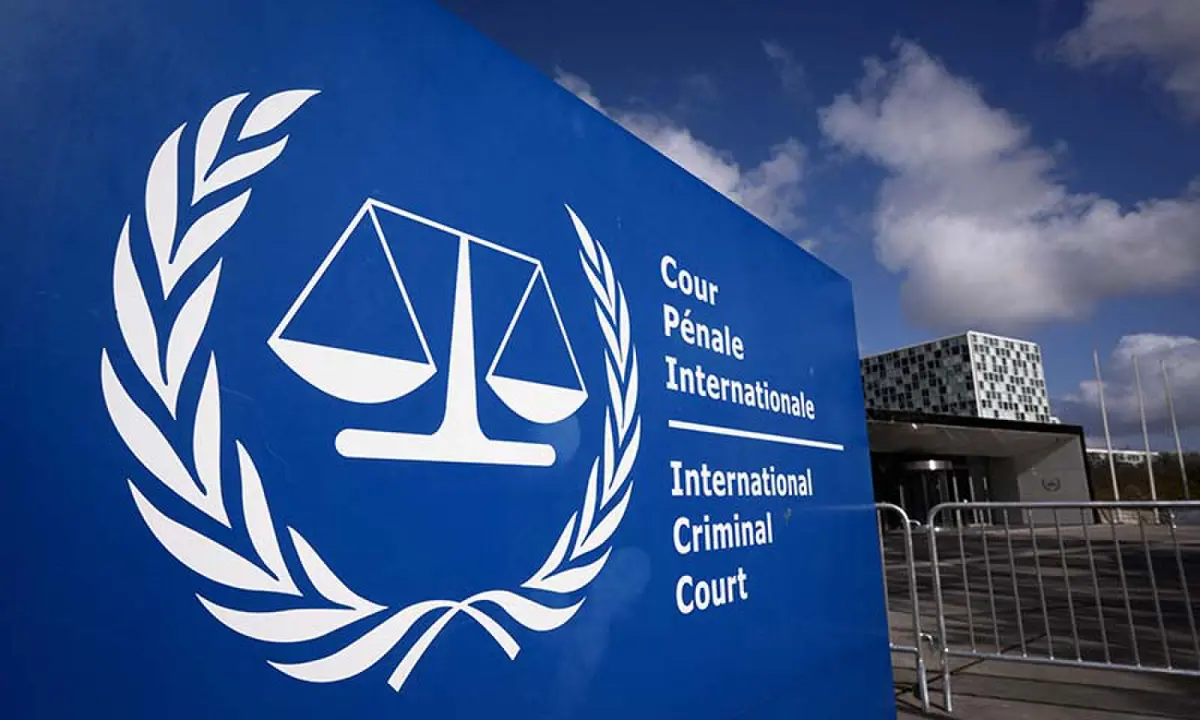
Facing US sanctions, the International Criminal Court was awarded the European Union’s top rights prize on Thursday, in a show of support that risks upsetting President Donald Trump.
“The European Union is built on respect for multilateralism and international institutions, and this prize recognises the important work of the court in upholding international law and justice,” said European Parliament chief Roberta Metsola, announcing the award.
The ICC thanked the European Parliament for giving it the Sakharov Prize “at a time when the Court and its officials face unprecedented challenges”.
“Against this backdrop, the Sakharov Prize carries particular significance, reaffirming the importance of independent judicial institutions and of those who work to uphold international law,” ICC President Tomoko Akane said.
This month, the United States announced sanctions against the ICC aimed at crippling the day-to-day operations of the court, which tries individuals for war crimes, crimes against humanity and genocide.
Trump’s administration has vowed to dismantle the court “brick by brick”, furious that judges have issued an arrest warrant for Israel’s Prime Minister Benjamin Netanyahu for alleged crimes in Gaza.
The win comes after ex-ICC judge Navi Pillay, who also served as UN rights chief, was awarded the Nobel Peace Prize this month — a choice Trump slammed as “disgraceful”, arguing the award should have gone to him.
The EU has already thrown its support behind the ICC in the face of the US sanctions — which will come into force in six months — and has said it is “ready to take any necessary measures” to make sure the court can keep working.
“The International Criminal Court must be free to pursue its mission, independently, and without pressure or intimidation,” EU chief Ursula von der Leyen said on social media after the prize was announced.
Brussels is hoping to use the delay before the sanctions are applied to try to talk the US down, but is also eyeing implementing a “blocking statute” to shield the ICC from Washington.
Three finalists
Set up in 1988 and named after Soviet dissident Andrei Sakharov, the EU prize is bestowed annually on individuals or organisations to recognise their fight for human rights or democracy.
The ICC was among three finalists this year, alongside Tanzania opposition leader Tundu Lissu and twin sisters Taraneh and Romina Rahimi, representing those prosecuted by the Iranian government.
The nominees are put forward by the political groupings in the EU, and the winner is chosen by senior lawmakers. An award ceremony will be held in December.
Lissu, head of Tanzania’s opposition Chadema party, was detained in April 2025. He faces a possible death penalty if convicted of treason for allegedly inciting the public to boycott elections last year.
Taraneh and Romina Rahimi, 21, have respectively been sentenced to death and 36 years in prison for having taken part in anti-government protests in Iran.
Other recent high-profile winners of the Sakharov Prize have been Venezuelan opposition chief Maria Corina Machado, deceased Russian Kremlin critic Alexei Navalny and the people of Ukraine.
Moscou et Kiev ont échangé des frappes dans la nuit de jeudi 22 octobre, les attaques russes laissant un bilan de sept morts côté ukrainien, ont indiqué les autorités. Ces offensives interviennent après une tentative de relance de la diplomatie avec la visite de l'émissaire américain Steve Witkoff en Russie. Le président ukrainien Volodymyr Zelensky a estimé jeudi 22 octobre que la Russie n'avait pas « changé d'attitude ».
TOKYO — Artificial intelligence has found critical security flaws in a major programming language called PHP, with many websites taken offline Thursday as organizations worldwide scramble to fend off would-be hackers. As AI's fast-advancing capabilities fuel concern over the increased risk of cyberattacks, here are some questions and answers about the situation: What is PHP and how widely used is it? Created in the early 1990s, PHP is a computer programming language that helps run an estimated 70 percent of the world's websites. It is "a backbone of the web," according to security firm Wiz Research, which says it used AI to find vulnerabilities hidden in PHP for more than a decade. PHP — a name that originally stood for Personal Home Page — underpins popular web design platforms, meaning the flaws could allow hackers to break into various sites, from online stores to government services. A fix was released Wednesday, with the PHP Foundation telling the tech departments of companies and organizations around the world: "If you run PHP, it is imperative that you update now." That has res
TOKYO — Artificial intelligence has found critical security flaws in a major programming language called PHP, with many websites taken offline Thursday as organizations worldwide scramble to fend off would-be hackers. As AI's fast-advancing capabilities fuel concern over the increased risk of cyberattacks, here are some questions and answers about the situation: What is PHP and how widely used is it? Created in the early 1990s, PHP is a computer programming language that helps run an estimated 70 percent of the world's websites. It is "a backbone of the web," according to security firm Wiz Research, which says it used AI to find vulnerabilities hidden in PHP for more than a decade. PHP — a name that originally stood for Personal Home Page — underpins popular web design platforms, meaning the flaws could allow hackers to break into various sites, from online stores to government services. A fix was released Wednesday, with the PHP Foundation telling the tech departments of companies and organizations around the world: "If you run PHP, it is imperative that you update now." That has res
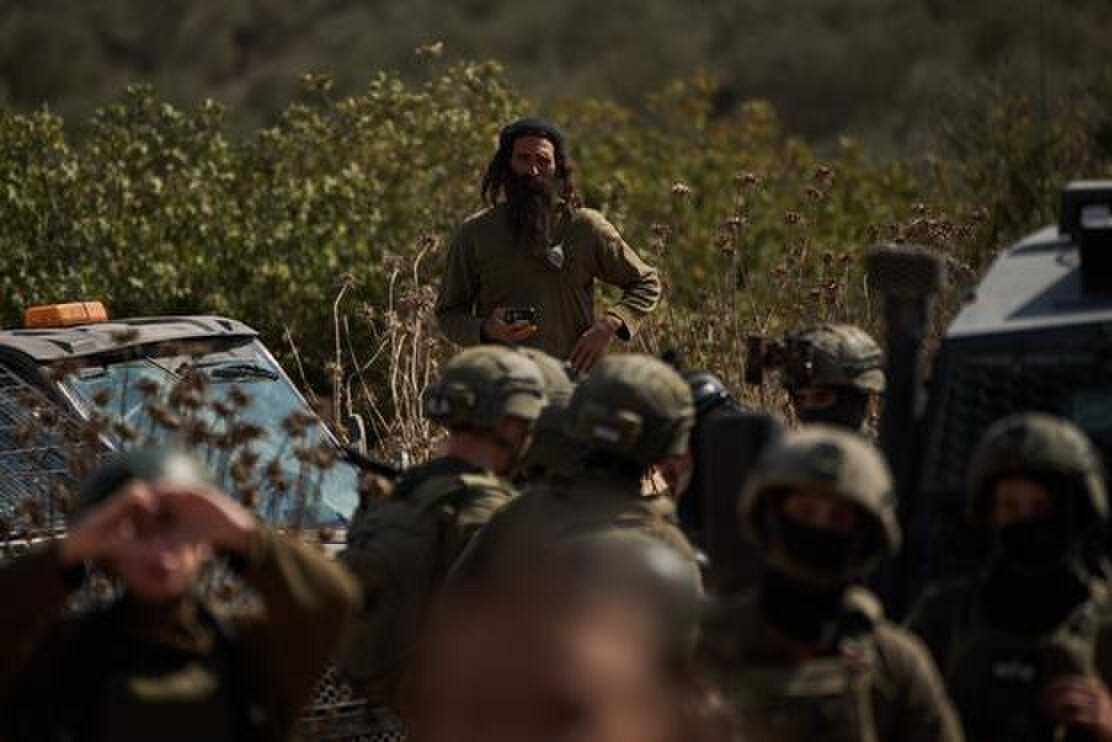
All but one of the suspects arrested over recent settler attacks on an American photojournalist and a visiting French mayor in the West Bank have been released from detention and placed under house arrest, their lawyers said.
Israeli police had announced on Monday the arrests of 10 people implicated in the attacks in the occupied Palestinian territory, where violence by Israeli settlers is on the rise but perpetrators are seldom prosecuted.
Honenu, a legal aid organisation that often represents Israeli soldiers and settlers, said that all but one of the suspects had been released to house arrest.
Lawyer Assaf Gonen said in a statement that their arrests had only been “for show”, and were “intended to satisfy media pressure and foreign interests”.
The suspects have not been identified.
On Friday, photographer Heidi Levine, 65, who was on assignment for The Washington Post, was taken to hospital with broken vertebrae after being beaten by settlers while covering the West Bank’s annual olive harvest.
The incident comes 10 days after settlers beat an AFP photographer covering the West Bank olive harvest, Jaafar Ashtiyeh, leaving him also requiring hospital treatment.
A day later, settlers attacked a convoy of European diplomats and beat up Bernard Baudoux, 78, the mayor of the northern French town of Aulnoye-Aymeries who was on a goodwill visit.
The attacks drew international condemnation, but mixed messages from the Israeli government.
Prime Minister Benjamin Netanyahu, who is facing a tight race for a new mandate, has tried to shore up his pro-settlement right-wing base and has cast doubt on the circumstances behind the recent settler attacks on Westerners.
His tone has drawn unusually strong criticism from the opposition, which has accused him of tarnishing Israel’s image.
Violence has flared in recent months in the West Bank, with near-daily attacks, thefts or vandalism by Israeli settlers against Palestinians.
Settlers have also been seizing olive groves owned by Palestinians, who see the trees as a cultural symbol.
Excluding east Jerusalem, around three million Palestinians live in the West Bank, which Israel has occupied since 1967, alongside more than 500,000 Israelis residing in settlements considered illegal under international law.
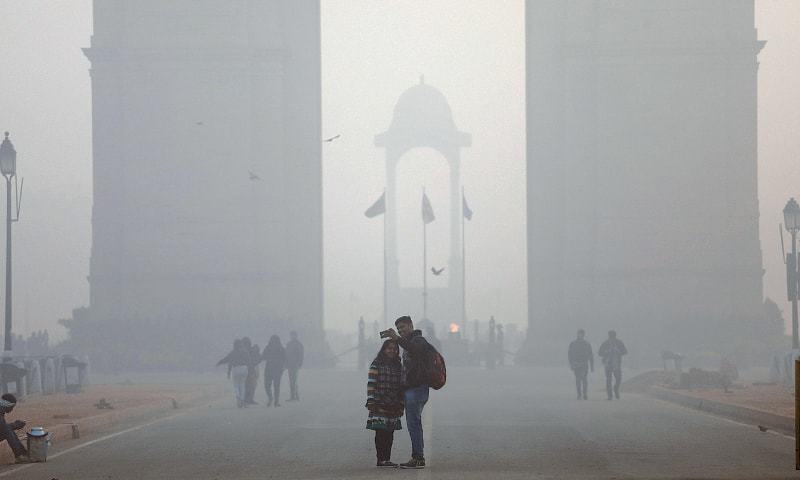
India began annual measures on Thursday to tackle toxic air pollution in New Delhi, a megacity of 30 million people regularly ranked among the world’s most polluted capitals.
Delhi’s air quality deteriorates in winter, when cooler air traps pollutants close to the ground. Major sources include coal-fired power plants, traffic, construction and farm stubble burning in neighbouring areas.
The Delhi government on Wednesday announced a ban on open rubbish burning and ordered food stalls to stop using coal or firewood.
In previous years, such measures have failed to curb pollution, which peaks from November to January, when levels of cancer-causing PM 2.5 microparticles often hit more than 300 micrograms per cubic metre, 20 times the World Health Organisation’s recommended daily maximum.
Monitors recorded 233 micrograms per cubic metre early on Thursday, about 15 times the limit.
The government’s Commission for Air Quality Management has predicted air quality to remain “poor” in the coming days.
A study in The Lancet Planetary Health in 2024 estimated that 3.8m deaths in India between 2009 and 2019 were linked to pollution that exceeded India’s own air quality guidelines.
Last year, pollution levels peaked at 846 micrograms per cubic metre, 56 times the WHO limit.
The UN children’s agency warns that polluted air puts children at heightened risk of acute respiratory infections.
Further restrictions take effect on November 1, including doubled parking fees and work-from-home arrangements for government office staff, aimed at reducing traffic emissions.
Tighter construction rules will also begin then, followed by a complete ban on construction and demolition from Dec 10 to Jan 20.
Last month, the authorities also imposed a construction ban that will run from Dec 10 to Jan 20 as part of a winter action plan to tackle pollution. It will include restrictions on vehicular traffic aimed at encouraging residents to use public transport.
A violência política chegou de forma brutal à Austrália: uma deputada perdeu as duas pernas num atropelamento deliberado à porta do seu gabinete A deputada australiana Helen Haines teve as duas pernas amputadas depois de ter sido atropelada por um carro. A informação foi adiantada esta quarta-feira pelo marido, que la descreveu como uma “lutadora”. Apesar dos ferimentos graves sofridos, no que a polícia classificou como um ataque dirigido, Haines está agora em estado estável, mas em estado crítico, num hospital de Melbourne. A deputada foi atropelada na segunda-feira por um carro, junto ao seu gabinete na cidade de Wangaratta,
Un juez de Nuevo México ordenó a Meta pagar 25.000 millones de dólares por engañar a los usuarios sobre el uso de sus datos personales, en un caso vinculado al escándalo de Cambridge Analytica, según medios estadounidenses. La compañía calificó la sanción de "impuesto a la libertad de expresión" y anunció que apelará.
SYDNEY — Meta and its social media platforms Facebook and Instagram are facing a class action law suit in Australia over allegations that addictive design features are harming children and teenagers. The suit filed in the Federal Court on behalf of eight applicants seeks to recover compensation for Facebook and Instagram users who were exposed to harmful content or developed an addiction to social media, law firm Minter Ellison and Litigation Lending said in a statement. The Federal Court in Sydney on Monday issued a suppression order stopping publication of details of the claim and the identity of the applicants, court documents show. "This proceeding raises important questions about the design and operation of social media platforms and their impact on children and teenagers in Australia," Minter Ellison partner William Nolan said in a statement. In August, Meta agreed to pay up to $17.7 billion in the United States to settle claims that it deliberately engineered its platforms to hook young users.
SYDNEY — Meta and its social media platforms Facebook and Instagram are facing a class action law suit in Australia over allegations that addictive design features are harming children and teenagers. The suit filed in the Federal Court on behalf of eight applicants seeks to recover compensation for Facebook and Instagram users who were exposed to harmful content or developed an addiction to social media, law firm Minter Ellison and Litigation Lending said in a statement. The Federal Court in Sydney on Monday issued a suppression order stopping publication of details of the claim and the identity of the applicants, court documents show. "This proceeding raises important questions about the design and operation of social media platforms and their impact on children and teenagers in Australia," Minter Ellison partner William Nolan said in a statement. In August, Meta agreed to pay up to $17.7 billion in the United States to settle claims that it deliberately engineered its platforms to hook young users.
Un ataque ruso con misiles dejó seis heridos en Kiev durante la noche de este jueves 22 de octubre, según las autoridades ucranianas, horas después de que Moscú expresara su disposición a reanudar las negociaciones con Ucrania y Estados Unidos. Donald Trump aseguró que el fin de la guerra estaba más cerca que nunca, aunque el Kremlin cuestionó el contenido de las propuestas ucranianas y europeas.
Young students attending their debut political gathering, longtime supporters coming since 2015, or curious onlookers witnessing a presidential spectacle, they all agree. As Donald Trump runs his final campaign, no one will be able to replace his rallies.
“There’s a lot of Americana. There’s a lot of, you know, happy people,” a Trump fan named Bart told AFP of Tuesday night’s outdoor campaign event in Greenville, North Carolina.
Trump has been barnstorming across multiple US states ahead of the November 3 midterm elections, with his party at serious risk of losing their majorities in Congress.
Attendees cheer as US President Donald Trump leaves after speaking at a campaign rally at T. Ed Garrison Arena in Pendleton, South Carolina on October 21, 2026. —Reuters
In this rural corner of the eastern United States, “we don’t have stuff like this happen very often,” said Bart, attending with his wife Courtney and their two children, ages 10 and 12.
Bart, who declined to give his last name, walked past a “MAGA” souvenir stand and rows of red, white and blue bunting before finding his seat on an airport tarmac where the rally was held.
It was a familiar feeling. He attended his first Trump campaign event in 2015.
Since then, millions of Americans have experienced this in-person ritual — a unique blend of provocative verbal attacks, consummate showmanship, and tireless enthusiasm, all from a president who has reached age 80.
Supporters wait for US President Donald Trump to speak during a campaign rally at T. Ed Garrison Arena in Pendleton, South Carolina on October 21, 2026. —AFP
Low-flying Air Force One
For 18-year-old Jaycie Bullard, dressed in Republican red, attending the rally was a no-brainer.
“When I heard that he was coming to Greenville, I knew I had to come,” said the nursing student enrolled at a nearby university.
“It’s pure joy, I feel like a little kid on Christmas.” After an hours-long wait, a plane flew low overhead: Trump had arrived. He strode onstage to the strains of “God Bless the USA,” which has become a core part of his political events.
US President Donald Trump gestures during a rally in support of Republican US Senate candidate Darline Graham ahead of the midterm elections in Pendleton, South Carolina, US, October 21, 2026. —Reuters
The president launched fierce attacks — sometimes tinged with racist overtones — against his opponents, claimed against all evidence that he won the 2020 election, and cracked oft-repeated jokes before he yielded the stage to a local Republican US Senate candidate.
His rambling, repetitive Greenville speech clocked in at 111 minutes. As always, he left the stage to the Village People’s “Y.M.C.A.” But these moments, celebrated by the “Make America Great Again” faithful, are the vestiges of a fading political traveling roadshow that only Trump has been able to pull off.
The crowds and venues are getting smaller. Trump, constitutionally barred from a third term, must step down in January 2029.
“I’m nervous for the future,” admitted retiree Patty Laronde, who was seeing Trump for the first time.
“Who’s going to take his place?” she told AFP. “I’m hopeful with JD Vance,” the vice president widely seen as a potential 2028 presidential candidate.
Turning politics into ‘entertainment’
Even if another such master of ceremonies emerges in American politics, David, a self-employed 51-year-old, vocalised what many attendees were likely thinking: “the copy is never as good as the original.” “He is an anomaly,” added Troy, 59, a manager who also did not give his last name. “There’s… never been a president like him,” he added, “and I don’t know there ever will be again.” Researchers contacted by AFP tended to agree.
By “turning political rallies into entertainment,” Trump “takes alleged negative emotions such as resentment, grievance and disappointment and transforms them into excitement, pride and positive anticipation,” explained Yagmur Karakaya, a sociology professor at Yale University.
Supporters attend a rally of US President Donald Trump in support of Republican US Senate candidate Darline Graham ahead of the midterm elections, at T. Ed Garrison Arena at Clemson University, in Pendleton, South Carolina, US, October 21, 2026. —Reuters
He relies on improvised comedy and culture-war jabs, sports metaphors, the ever-present “winning” philosophy, and business jargon, weaving it into a unique style.
“Can others do this? I am not so sure,” Karakaya said.
That is the million-dollar question, said speech communication professor Jacob Justice of the University of Mississippi, who likened a Trump rally’s atmosphere to that of “a Grateful Dead concert (or) a college football tailgate.” If anyone could inspire something similar, he or she “might come from the world of social media influencing or podcasting,” Justice said.
Should that person be JD Vance, rallygoer Bart said, “he would bring half of these people”.
Header image: US President Donald Trump gives a thumbs up as he walks past the audience at a rally in support of Republican US Senate candidate Darline Graham ahead of the midterm elections, at T. Ed Garrison Arena at Clemson University in Pendleton, South Carolina, US, October 21, 2026. —AFP
Artificial intelligence has found critical security flaws in a major programming language called PHP, with many websites taken offline Thursday as organisations worldwide scramble to fend off would-be hackers.
As AI’s fast-advancing capabilities fuel concern over the increased risk of cyberattacks, here are some questions and answers about the situation: What is PHP and how widely used is it? Created in the early 1990s, PHP is a computer programming language that helps run an estimated 70 per cent of the world’s websites.
It is “a backbone of the web”, according to security firm Wiz Research, which says it used AI to find vulnerabilities hidden in PHP for more than a decade.
PHP — a name that originally stood for Personal Home Page — underpins popular web design platforms, meaning the flaws could allow hackers to break into various sites, from online stores to government services.
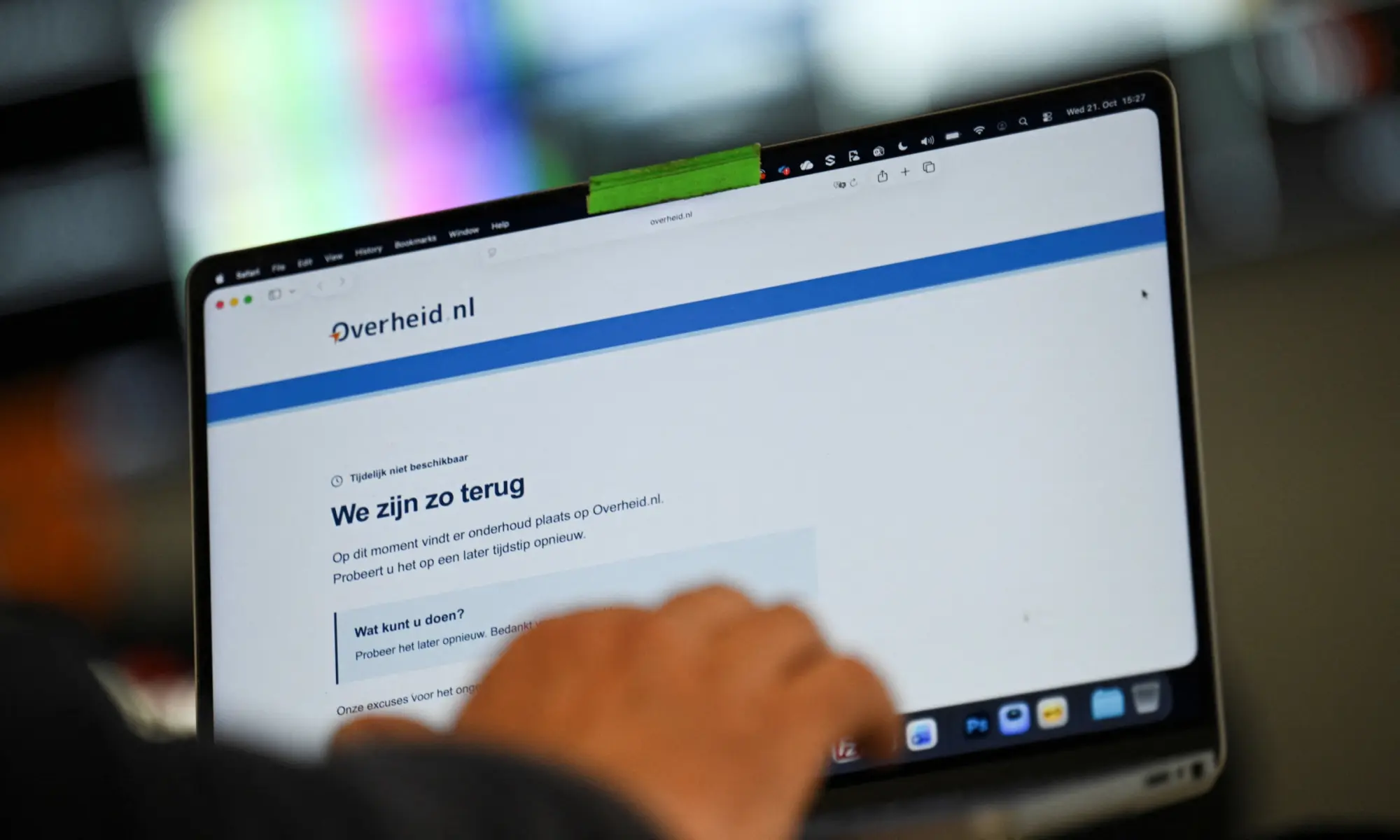
A screen displays the unavailable Dutch government website, mijn.overheid.nl, as cyber agencies warn that websites may be taken offline while PHP prepares a critical fix, in Berlin, Germany on October 21, 2026. —Reuters
A fix was released Wednesday, with the PHP Foundation telling the tech departments of companies and organisations around the world: “If you run PHP, it is imperative that you update now.”
That has resulted in a slew of apps and websites — from the Paris police website to a Pokemon sleep tracker — going dark as developers work to protect their underlying code from hacks.
How did AI find the flaws? Cutting-edge AI models, such as those from US giants OpenAI and Google, were used by Wiz and other groups to uncover PHP’s weak spots in August.
This was kept under wraps while a fix was developed.
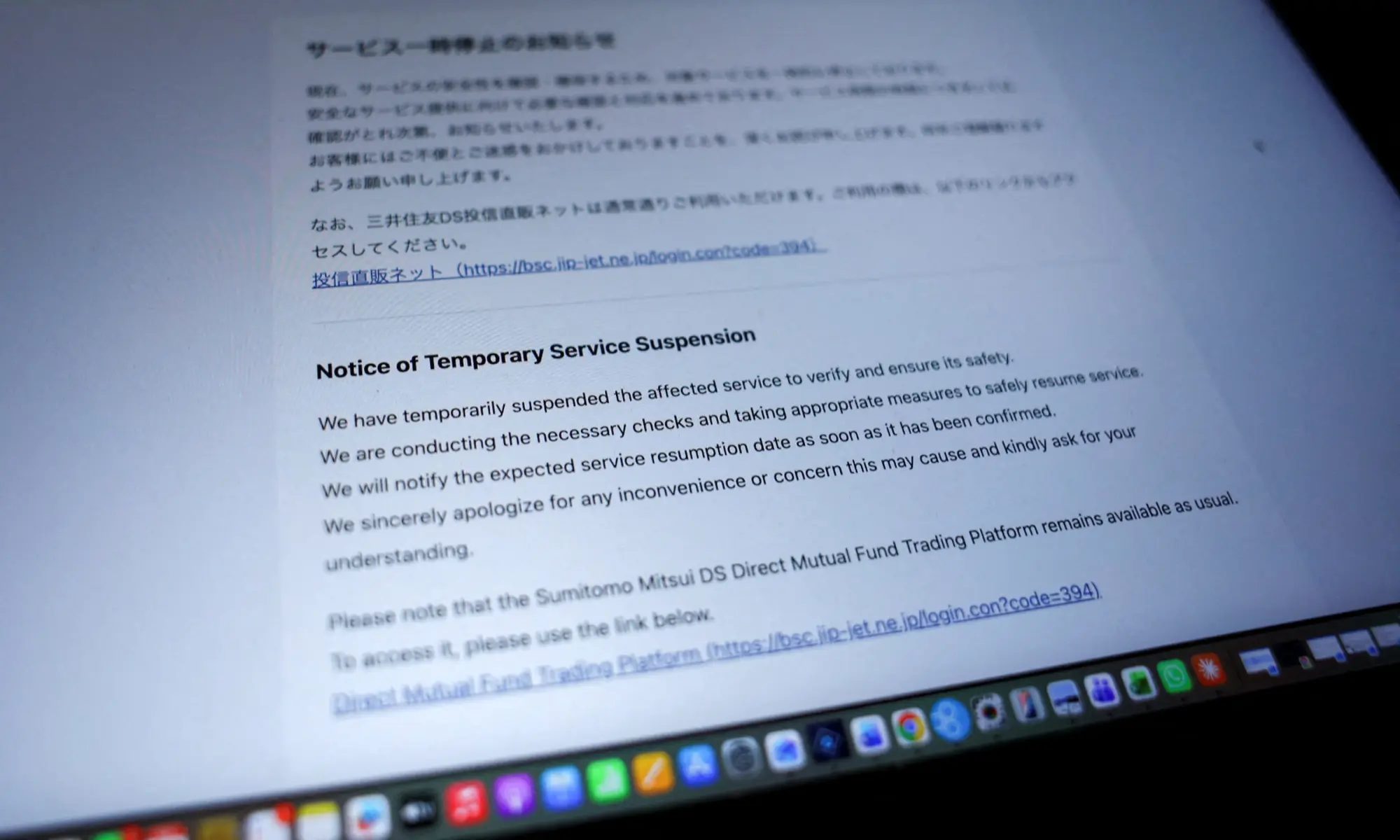
A computer screen displays the website of Sumitomo Mitsui DS Asset Management company, a Japanese investment management firm, which says that some services have been temporarily suspended to verify and ensure safety, after the disclosure of critical vulnerabilities in a widely used programming language sent website operators around the world scrambling to protect their systems, in Tokyo, Japan on October 22, 2026. —Reuters
OpenAI called the flaws “one of the most impactful vulnerabilities in recent memory”, adding that it “marks a new phase, where AI can find security bugs with internet-scale impact”.
Separately to Wiz, security firm Calif found the flaws as part of an OpenAI-funded audit of PHP’s code.
“The trouble with tools like AI is that the moment all the information’s out there, people can weaponise it very, very quickly,”
Steve Kerrison, senior lecturer in cybersecurity at the Singapore campus of James Cook University, told AFP.
“That’s why everybody’s acting with such urgency to respond to this issue.”
Have sites already been hacked? “Taking websites offline does not necessarily mean they have been hacked.”
“It can be a responsible measure to protect systems while security updates are applied,” said Dimitrios Salampasis from Australia’s Swinburne University of Technology.
So far “the evidence that security researchers are seeing is that nobody was actively performing attacks using the techniques available”, Kerrison said.
Larger institutions, from government agencies to news outlets, should be able to fix their websites relatively quickly — but others may be left vulnerable.
“There are sites, systems and people out there who will have no idea about this and still won’t for days, weeks and months,” Kerrison warned.
That may include user-run blogs that could be used to spread computer viruses, spam people or distribute malicious content.
Could there be other consequences? A data breach could affect customers in the future if their personal information is used in so-called “phishing” attacks, where someone is tricked into revealing their password to an online service.
An illustration picture taken on October 21, 2026 shows a padlock in front of binary code on a laptop screen in Frankfurt am Main, western Germany. —AFP
The complex and interlinked nature of online systems, which often use third-party interfaces, means some vulnerabilities could remain even after the problem is fixed.
If the third parties use PHP, “then even though you patched yourself… you’re still unsecure”, said Rahat Masood, senior lecturer in cyber security at the University of New South Wales, Sydney.
PHP isn’t everything, however — strong cybersecurity measures should include several layers of defences, Kerrison said.
Header image: Unplugged LAN network cables at a computer server, as cyber agencies warn that websites may be taken offline while PHP prepares a critical fix, in Berlin, Germany, on October 21, 2026. —Reuters
MONTREAL — The publisher of top-selling Haitian-Canadian writer Thelyson Orelien said Wednesday it had confirmed that he used artificial intelligence to help write his novel "It Was Either That or Die." Orelien has denied allegations that he used AI on his breakthrough novel and, last week, Canadian publisher Boreal said it was standing by the 38-year-old writer. But on Wednesday, Boreal said it had conducted a further investigation into the allegations. "New information, confirmed over the past few days, indicates that artificial intelligence was used in the writing process" of the novel, a Boreal statement said. The publisher announced it was "ending its professional relationship" with Orelien. Boreal said it did not know the extent of AI's use in the writing process "and we will likely never have a definitive answer." It said it gathered all the working versions of the novel and hired an outside party to analyze the various drafts. "The results obtained this week revealed traces of AI tags in the metadata of certain documents," Boreal said. Before conducting this analysis, the publisher
MONTREAL — The publisher of top-selling Haitian-Canadian writer Thelyson Orelien said Wednesday it had confirmed that he used artificial intelligence to help write his novel "It Was Either That or Die." Orelien has denied allegations that he used AI on his breakthrough novel and, last week, Canadian publisher Boreal said it was standing by the 38-year-old writer. But on Wednesday, Boreal said it had conducted a further investigation into the allegations. "New information, confirmed over the past few days, indicates that artificial intelligence was used in the writing process" of the novel, a Boreal statement said. The publisher announced it was "ending its professional relationship" with Orelien. Boreal said it did not know the extent of AI's use in the writing process "and we will likely never have a definitive answer." It said it gathered all the working versions of the novel and hired an outside party to analyze the various drafts. "The results obtained this week revealed traces of AI tags in the metadata of certain documents," Boreal said. Before conducting this analysis, the publisher

 Login