Trita Parsi puts the odds of a new round of US-Israeli war on Iran at 90% – and it could start as soon as this weekend. The US and Israeli militaries have plans for renewed strikes after the midterms, the New York Times reports; three aircraft carriers are en route to the region, and Netanyahu, trailing ahead of Tuesday’s elections, says he’s ordered Israel’s military and Mossad to topple Iran’s government. Parsi, executive vice president of the Quincy Institute for Responsible Statecraft, tells Rania Khalek and Zoe Alexandra why Trump’s third round will be far worse than the first two.
Parsi argues that Trump, initially driven by hubris, is now out for revenge against a Tehran he believes is deliberately dragging out the war to destroy his presidency. He explains why time is on Iran’s side; how Washington is spinning the war of attrition in the Strait of Hormuz; why soaring gas prices make the war impossible to tune out; and why even European conservatives say the protests sweeping the continent are fueled by the war’s economic fallout. Parsi warns Netanyahu may see escalation as the Hail Mary pass he needs to lock in his legacy, and says that if Democrats take control of Congress, they’ll have the power to stop this – and will be complicit if they don’t.
Watch full episodes of BT Live, join breakthroughnews.org as a member today!
#breakthroughnews
******
Rough transcript follows:
[Interviewer:]
It’s very difficult to see this war lead to a scenario in which the impact on the global economy is sufficiently insignificant for it not to translate to any political changes. If you look at the polls right now, the top issues motivating people in this election are inflation and gas prices. That’s all due to the Iran war. Nearly eight months ago, the US and Israel launched a very destructive war on Iran, killing the Supreme Leader and disrupting global oil markets. Trump wanted a quick knockout, but instead, he got a war he can’t contain, a stalemate that nobody seems able to break, and a deal to end it that looks further away than ever.
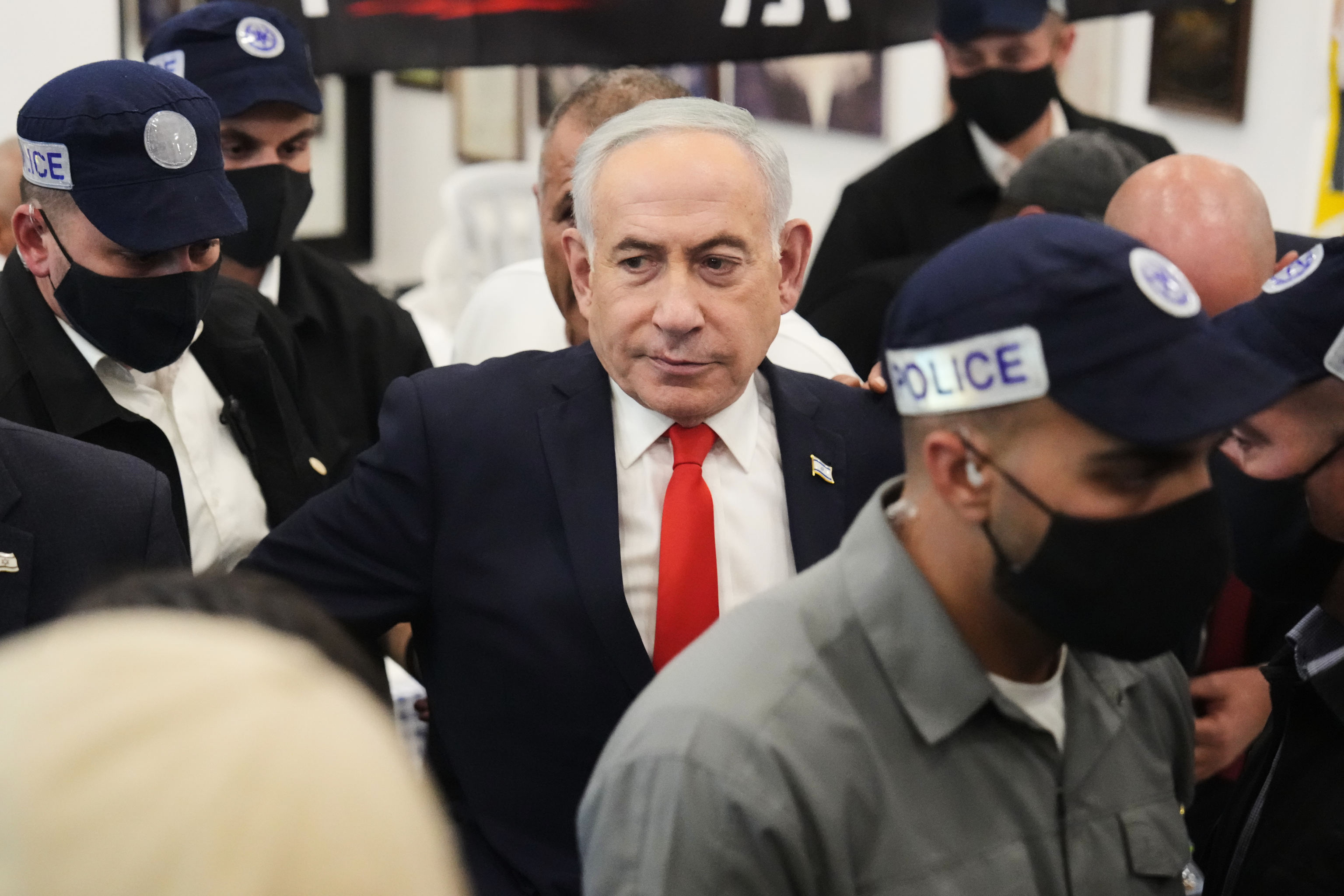
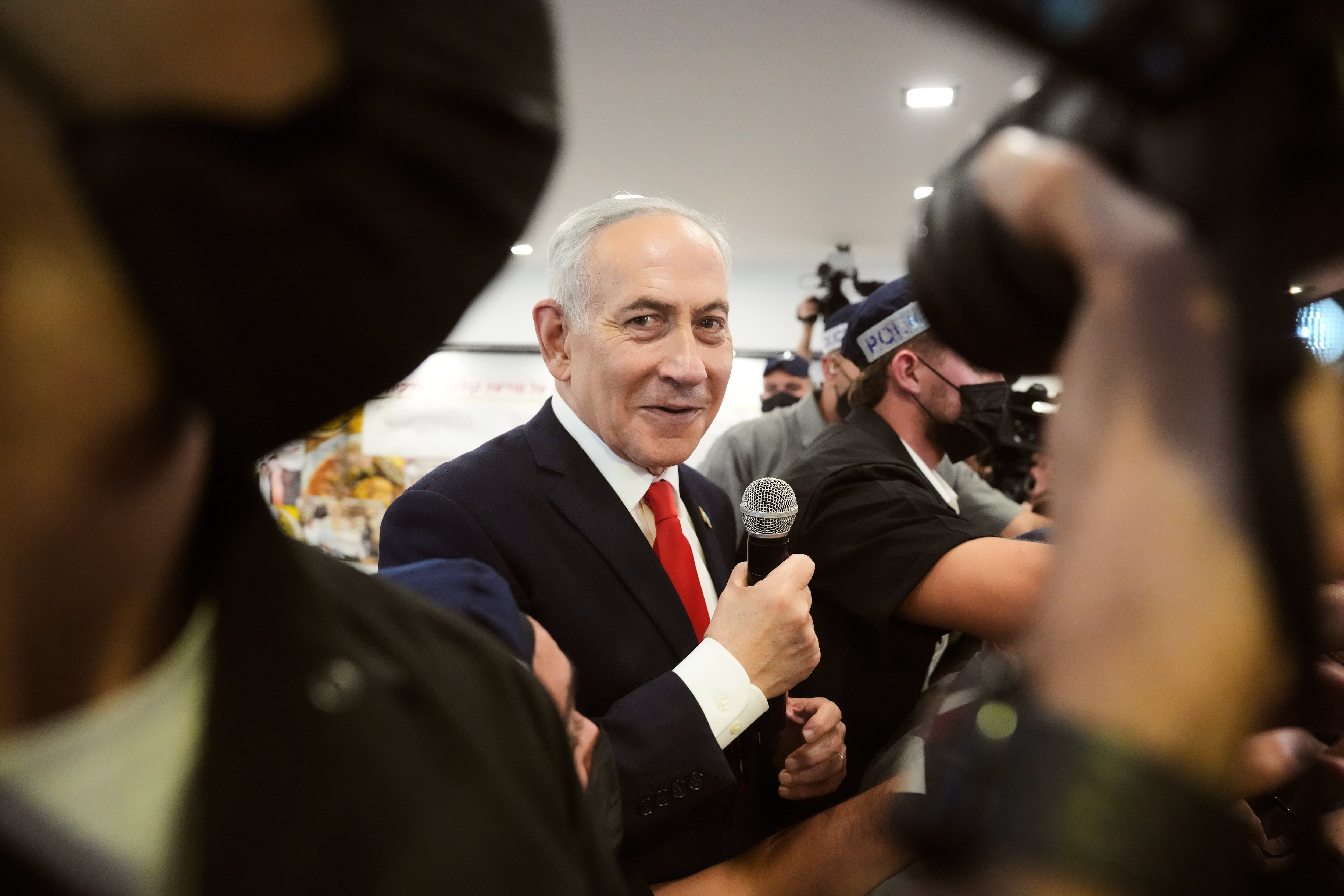
Somehow, this war has become background noise in the US, and the next round may already be on the calendar. The New York Times reports that the US and Israeli militaries have drawn up plans for renewed strikes on Iran after the midterms. This campaign would hit energy infrastructure, nuclear sites, and Iran’s missile and drone arsenal. They came close to doing this earlier this month before Trump pulled the plug at the last minute. Now, three aircraft carriers and thousands of Marines are on the way. Netanyahu, trailing in the polls ahead of next week’s elections in Israel, says he’s ordered the military to prepare for preemptive action and to topple the regime. Iran’s intelligence assessments suggest strikes could come even before Israel votes on Tuesday. The White House says nothing happens before the midterms. Meanwhile, the State Department has ordered non-emergency staff and their families out of Saudi Arabia, and the AFP cites a diplomatic source saying families of embassy staff in the UAE, Jordan, Qatar, and Bahrain have been ordered out as well.
Netanyahu is making big threats a week before elections. Trump says this time the fight will be neither quick nor limited, with no restraints. So what breaks this stalemate? Is escalation the only way out? And who can last longer, Iran or Washington? Joining us now to discuss all of this is Trita Parsi, executive vice president of the Quincy Institute. Trita, welcome back to BT Live.
[Trita Parsi:]
Good to be with you.
[Interviewer:]
You are putting the odds of a new round of war at 90%. That’s quite high. The New York Times says the plans are drawn up and carriers are on their way. Why are you and the New York Times so confident? Some US planners think that three days of intense strikes will manage to break Iran’s economy and force concessions. Is that a serious theory?
[Trita Parsi:]
First of all, it’s kind of insulting to say that the New York Times and I are on the same page on this. I’m just kidding. But look, I’ve been warning about this for more than five weeks now that a third round was extremely likely because of a couple of factors. What we’re seeing now is more the motions necessary to bring about this disastrous third round being put in place. The signs and the logic as to why we were going in this direction were clear to me several weeks ago because Trump, at the end of the day, his psychology does not allow for him to lose. He is willing to sacrifice everything to win.
Earlier on, he thought that the MOU and a diplomatic deal could end the story in a way that made the war look worth it or at least acceptable. But he had a bad experience with the MOU. He got attacked for it by Democrats, Republicans, the pro-Israel crowd, everyone. He realized the political cost was very high. So now he thinks diplomacy won’t end it acceptably. Blockade won’t end it acceptably, even though they’re putting forward this mythology that they’re winning on the blockade. And the limited amount of war he’s had won’t do it. So now the only thing he hasn’t tried is this all-out war that he threatened several times but never did—taking out Iran’s oil infrastructure, energy infrastructure, desalination plants, critical infrastructure. He avoided that, knowing it would lead to massive retaliation by the Iranians against GCC infrastructure, which would throw the global economy into a depression. But now he doesn’t seem to care. The midterms are over, and he’s just looking to do something that brings this to an end on his terms.
There’s another element that makes matters worse now, which is last time he went in with hubris. He thought he could do this in four days. The Israelis had sold him that mythology. He had managed to do Venezuela quickly, so he was very confident. This time, it’s not hubris bringing him back; it’s vindictiveness. He’s very angry about the war’s outcome so far. He believes the Iranians deliberately dragged things out to destroy his presidency, and to a certain extent, they have. Now there’s this new element of revenge. So we may very well go towards a third disastrous round of war, not because of a flawed geopolitical miscalculation, but because of one man’s desire for vengeance.
[Interviewer:]
It’s truly tanking the global economy, putting tens of thousands of lives at risk because of vengeance. Trump has previously vetoed a major return to combat, including at the last minute earlier this month. He’s pulled back from major threats repeatedly. The White House says no strikes before midterms. Iran’s intelligence says it could come before Israel votes on Tuesday. Which clock is correct? If the Republicans lose Congress, can Democrats stop a possible escalation? Will they?
[Trita Parsi:]
Unfortunately, not to the extent that they should be. It’s perhaps a different political calculation before the midterms versus after. But with the MOU, there were Democrats who should have known better, who played a fantastic role in the JCPOA, who now returned a favor to the Republicans by doing bad faith attacks against the MOU. It contributed to the MOU collapsing. It’s not the only reason, but it contributed to Trump’s conception that a deal with Iran is not a win because of the high political price, a conception every previous American president has had. It’s interesting that Trump didn’t have it. It’s part of why he was willing to strike a deal with Iran, willing to strike a deal with North Korea because he was immune to the idea of a political cost for such an agreement. But that’s changed, and the Democrats contributed to it.
After the midterms, it will be critical for Democrats to do everything they can, from using the power of the purse to other means, to put an end to this war. Once they’re in control of the House and particularly if they also control the Senate, they’re no longer bystanders. They’re complicit if this is allowed to continue because they will have the power to stop it.
[Interviewer:]
There’s so much damage incurred from this war, obviously not as much as the Iranian side, but it still stands to be seen just how deep that damage can go. Iranian officials are now talking about expanding targets to data centers and undersea internet cables. Iran analysts floated hitting Saudi refineries like Aramco to spike oil prices. A top adviser to Ghalibaf called the idea of that 72-hour war a fantasy. What does the next round look like from Iran’s side? How much more can they escalate? Why do you think Iran has decided to wait out Trump rather than cut any more deals?
[Trita Parsi:]
I spoke to a senior advisor to a European president who’s no longer in office, not particularly unsympathetic to Trump. I asked him about the protests around Europe, not just in France, but in many other countries. How much of that is driven by the economic consequences of this war? To my surprise, he said overwhelmingly, a lot of it has to do with the economic consequences of this war. The focus is often on immigration, but it’s not the driving force. Even someone from the right, more on the anti-immigrant side, said what we’re seeing in Europe is largely driven by the economic consequences of this war. The global repercussions so far, in the first two rounds, are going to be benign compared to the third round, which will become overwhelming.
The other part of your question, if you could repeat?
[Interviewer:]
I was wondering why Iran has decided to wait out Trump rather than cut any more deals.
[Trita Parsi:]
That’s a very good question. In this war of attrition, the Iranians have been comfortable—not in the sense that they’re not hurting, but because they believe time is on their side. The Trump administration is putting forward a different story, saying they’re winning. They won the battle of Hormuz, more volume is coming out of the Strait of Hormuz, and they’re winning the war of attrition. Yet, it’s the US and Israel about to start this war, which tells you something about who actually is winning that war of attrition. The administration has been successful not because of their brilliance but because of the lack of brilliance in the media and analytical core. They said focus only on the volume of oil coming out, not the cost or oil prices. The impression was that the war of attrition is being won by the American side, and if anyone wanted to escalate, it would have been the Iranians. But reality seems to be the opposite.
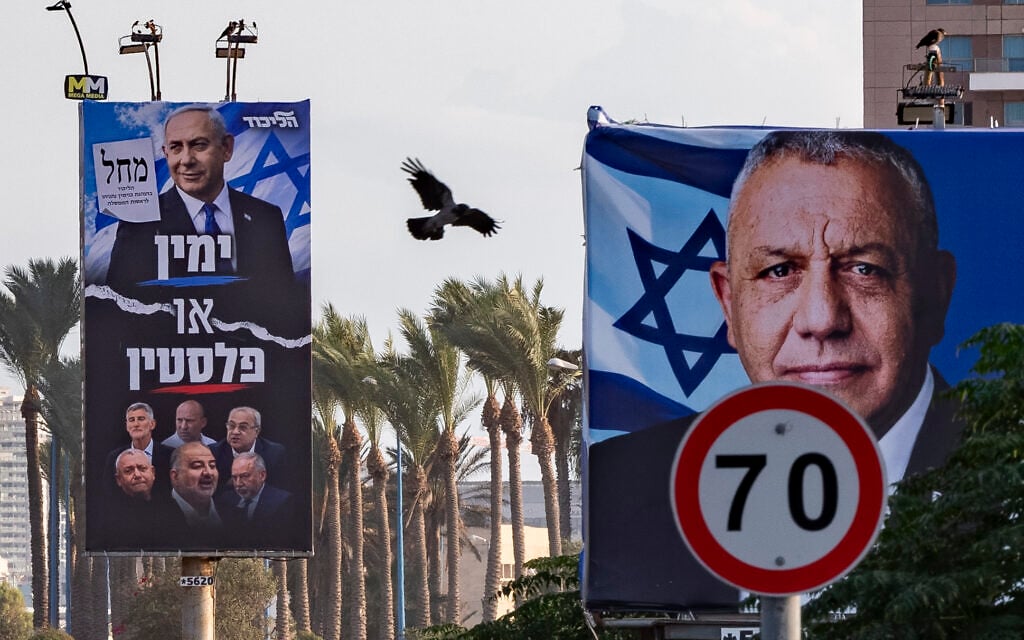
Israel goes to vote on October 27th. If Netanyahu loses, he’ll be a caretaker, and technically, it would be hard for him to launch a war. Some analysts think he could use the threat of an imminent strike to force his rivals into a unity government. Are these threats about Iran or about keeping his job, or is that essentially the same?
[Trita Parsi:]
I think they’re pretty much one and the same. I’m not convinced that being a caretaker would make it more difficult for him to start. There will be resistance from within the security establishment, but the resistance may be higher because they’re worried he’ll start this war to impact the elections or force their postponement. The chief of staff of the army has publicly said this. Once the elections are over, and it’s in the process of forming a coalition, I’m not convinced he won’t have the ability to start a war, and certainly not convinced he wouldn’t want to. If he feels he’s about to lose the coalition, this would be his last chance for his legacy to do what his secretary of defense said is the Israeli objective: bomb Iran back to the stone age, shift the balance of power in the region so dramatically that Israel will no longer have a problem with Iran providing any deterrence against Israel. That has been the Israeli objective, and the Israelis are so openly talking about it, yet it almost never translates to any real conversation in Washington.
[Interviewer:]
Lastly, before we let you go, this war has really fallen off the front page. It’s become so normalized, like background noise. Do you think there’s a risk that opposition to this war fades because it’s becoming a kind of forever war that people just tune out, or is it too damaging to the global economy to stay a forever war?
[Trita Parsi:]
Part of the reason the US could have forever wars was because the political cost of ending the war was higher than the political cost of continuing a losing war, which was because the cost of continuing the war was relatively low. In Afghanistan, it was not good, but as long as casualties were low, the anger never reached a critical mass. The wars in Iraq and Afghanistan had no significant impact on the economy or oil markets in the manner that this war has had. It’s difficult to see this war lead to a scenario where the impact on the global economy is insignificant enough not to translate to political changes. If you look at the polls, the top issues motivating people in this election are inflation and gas prices, all due to the Iran war. Corruption ranks even higher, but both sides believe the other is corrupt, whereas with the Iran war, there’s no debate about who started it and why. The risk of escalation is far greater than the opportunities for de-escalation, which does not lend itself to an endless, low-intensity war that just continues. It could be a long war with highs and lows, still costly, but not just simmering in the background.
[Interviewer:]
Real quick, put a number on it. You believe there’s going to be another round starting this weekend. Since you like percentages, put a percentage on it.
[Trita Parsi:]
I put it at 90%. It could only change if Trump changes his mind. He’s been on the point of approving something and changed his mind seven times. We can’t have a situation like this continue without him agreeing at some point. That’s why the odds are the way they are. He’s not going to constantly back off last minute. At some point, he’s going to say yes, go through with it, and all of us are going to pay the price for it.
[Interviewer:]
Trita Parsi, executive vice president of the Quincy Institute, always appreciate your analysis. Thank you so much for joining us.
[Trita Parsi:]
Thank you so much. Appreciate it.

 Login