❌

Normal view

Zelensky’s Alarm Mounts as Russia Advances Starlink Rival

9 October 2026 at 20:14

Illustrative image. (Bureau 1440)

Ukrainian President Volodymyr Zelensky warned on October 8 that China was helping Russia develop an alternative to SpaceX’s Starlink satellite internet system, as Moscow’s Rassvet network advances through testing and the presentation of subscriber terminals.

“They are making progress. They are passing this on to Russia,” Zelensky said.

The Ukrainian president’s remarks underscored Kyiv’s growing concern that Moscow could acquire advanced satellite communications capabilities.

Zelensky has already taken his concerns to U.S. President Donald Trump, asking him to impose sanctions on Russian and Chinese companies involved in Rassvet’s development, according to a recent Financial Times report. The request, raised during a meeting in New York in September, reflects Kyiv’s effort to prevent the Russian network from becoming a strategic asset for Moscow.

However, Washington has no straightforward way to stop the project outright. Sanctions would not automatically halt Russia’s domestic satellite program.

Zelensky’s appeals are unfolding as the project moves beyond development announcements and into public demonstrations of its capabilities.

Bureau 1440, the Russian company developing Rassvet, demonstrated a satellite video connection between Moscow and the southern Russian republic of Adygea on October 7. The call lasted about five minutes and used the company’s satellite network, showing that the system can support a live communications session.

At the same Moscow technology forum, Bureau 1440 presented three types of subscriber terminals for the network. One was identified as a serial-production device, while the company said its 1440.ULTRA terminal could support data transmission speeds of up to 700 megabits per second. The equipment is intended to connect users to the satellite constellation once the service becomes operational at scale.

Russia launched batches of Rassvet satellites in March and July, but the network has not yet reached full operational capability. Kremlin spokesman Dmitry Peskov noted in late September that the system was not yet operating effectively.

Zelensky’s repeated warnings and his appeal to Trump to block the Rassvet project point to growing alarm in Kyiv as Russia moves closer to establishing an independent satellite communications network.

With satellites already launched and the company testing connections and preparing user equipment, Zelensky faces the prospect that Russia could soon field a Starlink alternative that Kyiv may be unable to disrupt. His warnings about Chinese assistance suggest that Ukraine is increasingly concerned not only about Russia’s progress, but also about the possibility that outside support could accelerate it.

_______________________________________________________________________________________________________________________

SouthFront: Analysis and Intelligence

NOW hosted at southfront.press

Previously, SouthFront: Analysis and Intelligence was at southfront.org.

The .org domain name had been blocked by the US (NATO) (https://southfront.press/southfront-org-blocked-by-u-s-controlled-global-internet-supervisor/) globally, outlawed and without any explanation

Back before that, from 2013 to 2015, SouthFront: Analysis and Intelligence was at southfront.com

SOUTHFRONT.PRESS

MORE ON THIS TOPIC:

The post Zelensky’s Alarm Mounts as Russia Advances Starlink Rival appeared first on South Front.

Leave If You Can – Kyiv’s Mayor Speaks As Russia Strikes Deeper And Harder

9 October 2026 at 20:07

Russia’s strikes on October 9 covered Ukraine from west to east, hitting targets in Zaporizhzhia, Odessa, Kharkiv, Chernihiv, and reaching as far as Ivano-Frankivsk in the west. But the most consequential blows landed, as they increasingly do, in and around Kyiv.

The Trypilska thermal power plant was struck again, and attacks on the 750-kilovolt substation near Nalyvaivka continued. The cumulative effect on the capital is no longer abstract. Kyiv’s sewage system temporarily stopped accepting wastewater from one city district after power was cut to Kyivvodokanal facilities. Residents sought shelter overnight in metro stations. Mayor Vitali Klitschko issued a public warning about a serious threat to the city’s municipal infrastructure and recommended that residents who have the option to temporarily leave the capital consider doing so. Ukrainian authorities announced further restrictions on electricity supply to households, industry, and businesses beginning October 9. Elsewhere in the country, a food warehouse belonging to the Tavria retail chain was hit in Odessa, Kharkiv’s thermal power plant No. 5 was struck for the first time in a long period, an Epicenter shopping center in Chernihiv was hit by Geran drones, and a Geran-4 reached Ivano-Frankivsk, striking an industrial facility.

On the front lines, Russian forces maintain the initiative across key sectors. In the Chernihiv Oblast, Russian combat aviation and strike drones have been systematically hitting Ukrainian military positions — a pattern that Ukrainian and independent analysts describe as consistent with preparation for ground operations. On October 8, a drone storage facility near Kovchyn was destroyed, and strikes were recorded against positions of the 105th Border Detachment and the 143rd Mechanized Brigade near Sutky and Semenivka. The most significant confirmed strike, however, hit the command post of Ukraine’s 18th Army Corps near Bakhmach, with possible casualties among senior and flag-rank officers.

In Sumy Oblast, paratroopers of Russia’s 83rd Air Assault Brigade drove Ukrainian units of the 71st Air Mobile Brigade out of the settlement of Kyianytsia on October 9, bringing the entire settlement cluster under Russian control. With the leaf cover gone from surrounding woodland by late autumn, Russian forces will be able to move against Ukrainian positions in the forest south of the settlement with far greater effectiveness.

In Dobropillia, the battle has entered its decisive phase. On October 8, Russian assault units entered the city simultaneously from the north and south, splitting the Ukrainian garrison in two parts.

Kyiv’s mayor is advising residents to evacuate. A garrison has been cut in half. A command post has been destroyed. Russia is not approaching a decisive moment in this war — it is already inside one.

______________________________________________________________________________________________________________________

DEAR FRIENDS. IF YOU LIKE THIS TYPE OF CONTENT, SUPPORT SOUTHFRONT WORK:

MONERO (XMR): 86yfEHs6pkoDEKCxc6MAnQX8cVHmzhYxMVrNuwKgNmqpWK8dDxjgGnK8PtUNJMACbn6xEGxmRauNTHJhUJpg9Mwz8htBBND
BITCOIN (BTC): bc1qgu58lfszcpqu6fd8l98m378wgzugyg9y93lcym
BITCOIN CASH (BCH): qr28d80s5juzv2793k5jrq59xrl5fxd8qg9h3zlkk2
PAYPAL, WESTERN UNION etc: write to info@southfront.press , southfront@list.ru

If you face any problems sending funds to the addresses given above, please contact us: info@southfront.press and southfront@list.ru. Also be aware that many email services such as Hotmail, Yahoo etc. may block correspondence from info@southfront.press and some others put it in spam.

If you want to support SouthFront but have no opportunity to do it via cryptocurrency, please contact us: info@southfront.press and southfront@list.ru.

SouthFront: Analysis and Intelligence
NOW hosted at southfront.press
Previously, SouthFront: Analysis and Intelligence was at southfront.org.
The .org domain name had been blocked by the US (NATO) (https://southfront.press/southfront-org-blocked-by-u-s-controlled-global-internet-supervisor/) globally, outlawed and without any explanation
Back before that, from 2013 to 2015, SouthFront: Analysis and Intelligence was at southfront.com

SOUTHFRONT.PRESS

The post Leave If You Can – Kyiv’s Mayor Speaks As Russia Strikes Deeper And Harder appeared first on South Front.

IRGC Vows to Target Ships Across Region as Tanker Attacks Escalate

9 October 2026 at 19:18

File image.

Iran’s Islamic Revolutionary Guard Corps (IRGC) claimed responsibility on October 9 for setting an oil tanker ablaze in the Strait of Hormuz and threatened to pursue vessels it considers in violation of its rules across the wider region.

The IRGC Navy said it targeted the engine room and propulsion system of the MV Sun Shine, a tanker belonging to the company Natwit, after the vessel attempted to use a route through the southern section of the strait that the IRGC described as unauthorized. The attack caused a fire on board.

In a statement, the IRGC warned that action against “violating” vessels would no longer be confined to the Strait of Hormuz.

The Corps said ships using routes it considers unauthorized would be pursued and “punished” anywhere in the region. Companies accused of cooperating with the United States would face sanctions, and all their vessels would be targeted, it added.

It blamed the United States military for the maritime incidents, accusing Washington of interfering in decisions by shipping and insurance companies and paying “large bribes” to secure their compliance.

“Direct responsibility for these incidents and the escalation of tensions in maritime transport in the region lies with the aggressive U.S. army,” the statement said.

An attack was reported later in the day on a commercial tanker about 13 nautical miles west of al-Jazira in the United Arab Emirates.

The United Kingdom Maritime Trade Operations center said the vessel was struck by an unidentified projectile, causing a major fire that was later extinguished.

Maritime trade publication Seatrade Maritime identified the ship as the Gem No. 2, a Panama-flagged very large crude carrier managed in Taiwan. Information about the crew’s condition and the extent of the damage had not been reported in the publication’s account.

The incidents followed two reported vessel emergencies on October 8. UKMTO said an oil tanker north of Qatari waters had been struck by several projectiles, causing casualties. Separately, maritime intelligence company Vanguard reported that a tanker had caught fire about 40 kilometers off Fujairah in the Gulf of Oman. Vanguard identified the vessel as probably the Dalkut, sailing under the Marshall Islands flag.

Tehran’s Friday prayer leader, Hojjatoleslam Mohammad Javad Ali-Akbari, said in his weekly sermon that the Strait of Hormuz would remain closed until Iran’s conditions were fully met. He said Iran had established “seven conditions” and would decide its next steps once they were satisfied. He added that military readiness had improved, weaknesses had been addressed and Iran’s strategy had shifted from defense to offense.

Iran has said it controls the strait, will not permit military forces from hostile countries in the area and will respond “decisively” to any attempt to disrupt its management of the waterway.

Meanwhile, U.S. Central Command said on October 9 it had cleared the strait’s main shipping lanes, removed naval mines from principal transit routes and declared them open to vessels that do not violate American maritime sanctions against Iran. The command said thousands of commercial ships had passed through safely.

Actual traffic remained far below normal levels, however. The AIS-based tracking site Hormuz.now recorded eight commercial vessel crossings during the day, with 11 crossings in the preceding 24 hours. Its average for the previous seven days was 10.3 crossings daily, about 12% of the prewar average of 84.8.

The Strait of Hormuz normally carries roughly one-fifth of the world’s oil and gas shipments. At least 12 attacks, attempted attacks or harassment incidents targeting oil tankers and gas carriers were recorded in the strait from September 28 to October 5, the highest weekly total since the war began on February 28, according to media reports.

Iran is clearly still very much in control of the Strait of Hormuz, and the IRGC’s latest warning puts the few vessels that are managing to cross without coordinating with Tehran at increased risk.

_______________________________________________________________________________________________________________________

SouthFront: Analysis and Intelligence

NOW hosted at southfront.press

Previously, SouthFront: Analysis and Intelligence was at southfront.org.

The .org domain name had been blocked by the US (NATO) (https://southfront.press/southfront-org-blocked-by-u-s-controlled-global-internet-supervisor/) globally, outlawed and without any explanation

Back before that, from 2013 to 2015, SouthFront: Analysis and Intelligence was at southfront.com

SOUTHFRONT.PRESS

MORE ON THIS TOPIC:

The post IRGC Vows to Target Ships Across Region as Tanker Attacks Escalate appeared first on South Front.

NO SAFE REAR: Moscow’s Shadow War From Starlink to Prison Cells

9 October 2026 at 19:00

Russia is seeking support for its war effort abroad – and threatening retaliation beyond Ukraine. Reports of foreign labor in drone factories, proposals to counter Starlink, and allegations of overseas recruitment show different ways Moscow could sustain its military effort and put pressure on its opponents.

Nowhere Far Enough

On October 9, Mikhail Zvinchuk, founder of the Russian military Telegram channel Rybar, was detained in Montenegro. Montenegrin authorities accused his team of using media work to interfere in the country’s politics. Rybar said they had come legally to film at Cetinje Monastery and had submitted an official filming request. Moscow’s response explains why this matters: Dmitry Medvedev, deputy chairman of Russia’s Security Council, suggested replenishing an “exchange fund” with Europeans and Americans to recover detained Russians. One arrest became a warning about others to come.

Mikhail Zvinchuk, founder of Rybar, a Russian pro-war Telegram channel covering the war in Ukraine, was detained in Montenegro on October 9

Five days earlier, Medvedev had delivered the orbital version of that warning. If Russia’s Rassvet constellation were destroyed, American Starlink satellites would “come tumbling down like ornaments from a dried-up Christmas tree.” “Space is a very crowded place,” he added. “We need to be mutually courteous.” Kiev had sought sanctions and restrictions, not announced a satellite attack. Moscow was putting a military threat behind its demand that Russian communications infrastructure be left alone.

The link is not between a blogger and a satellite. It is between two threats of retaliation: damage our network and yours becomes a target; detain our people and yours may become bargaining chips. Moscow is challenging the assumption that pressure on Russia can remain a one-way transaction.

Partners Behind the Front

The space threat has a practical backdrop. Leaked documents published in July describe a closed Russian-Chinese military forum in Guangzhou in November 2023. Chinese researchers proposed several ways to counter Starlink, from legal pressure and jamming to cyberattacks and destruction. Their hardest problem was also the simplest: how to disable satellites more cheaply and quickly than SpaceX could replace them. They do not show that these systems were built or deployed.

Visualization of the planned Starlink Generation 2 constellation

Russia and China have different strengths to offer. Moscow brings battlefield experience and air-defense knowledge; Beijing brings electronics, artificial intelligence, and manufacturing capacity. Russia can show what works under fire. China can help turn those lessons into equipment made at scale. A sixth closed forum was reportedly planned for the fall in St. Petersburg.

This is why repeated technical meetings matter more than dramatic threats. A shared design, tested and improved over several years, could outlast the war that first made it useful. For Moscow, the goal is to weaken an American advantage. For Beijing, Russian experience offers lessons without having to fight the same war.


Discussion of leaked documents, the “one-to-many” concept and replacement costs


But destroying satellites is not a clean solution. Russia’s 2021 antisatellite test forced both astronauts and Russian cosmonauts to shelter aboard the International Space Station, according to NASA. Debris threatens more than the intended target. Jamming can offer a narrower response; smashing entire networks risks damaging the same orbital space Russia and China also need.

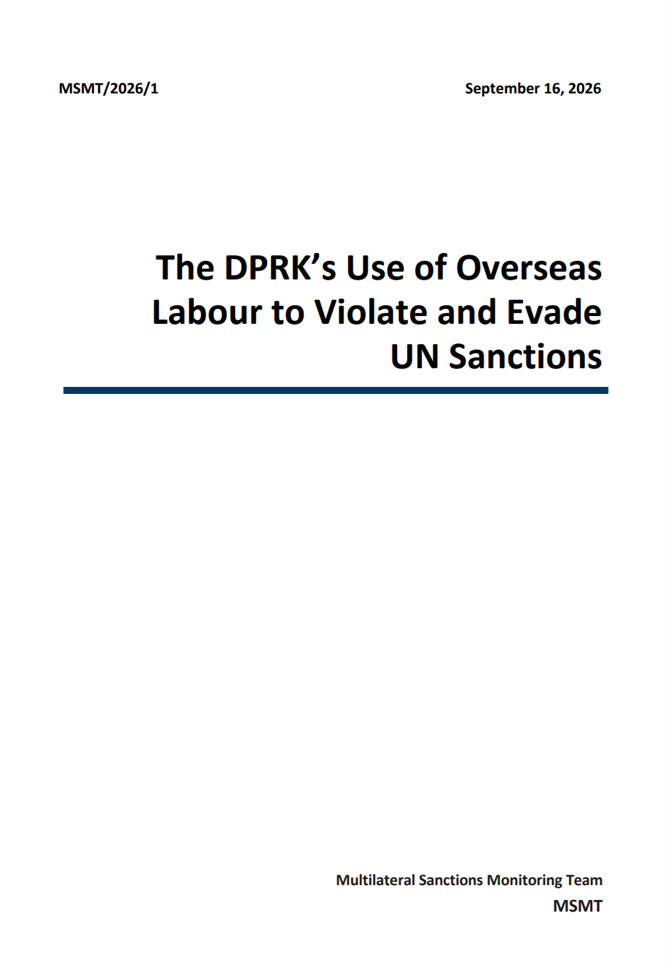
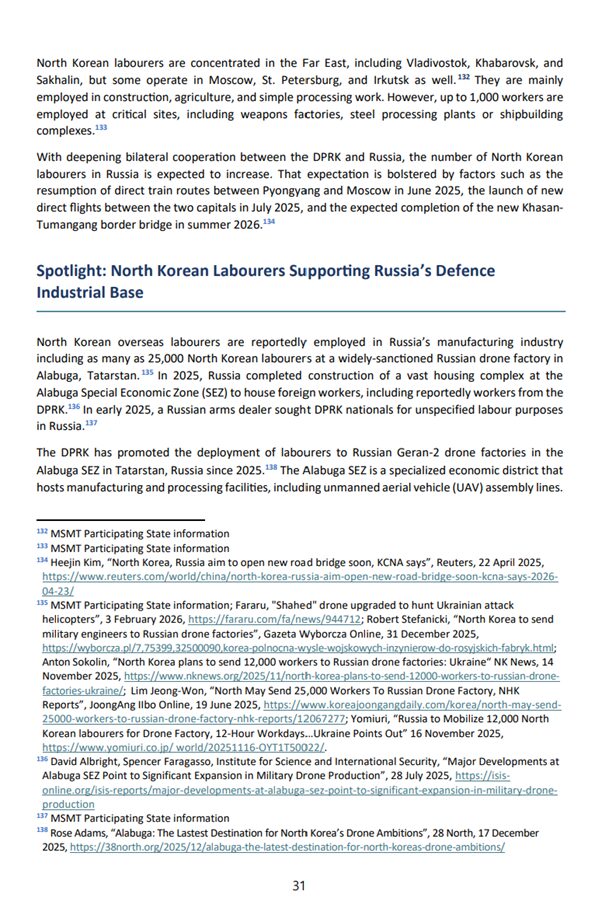
The factory floor shows another side of this partnership-building. A September report by the Multilateral Sanctions Monitoring Team says North Korean workers are employed at Alabuga in Tatarstan, where Russia produces Geran-2 drones, and describes workers entering Russia as students. Pyongyang rejected the report as fabricated. If the findings are accurate, the bargain is straightforward: Russia gains workers, North Korea gains income. Foreign support does not have to arrive as a finished missile; it can help keep the assembly line moving.

September 2026 sanctions-monitoring report.  Pages 31-32 discuss Alabuga and drone production. Pyongyang rejects the report


The Underground Price List

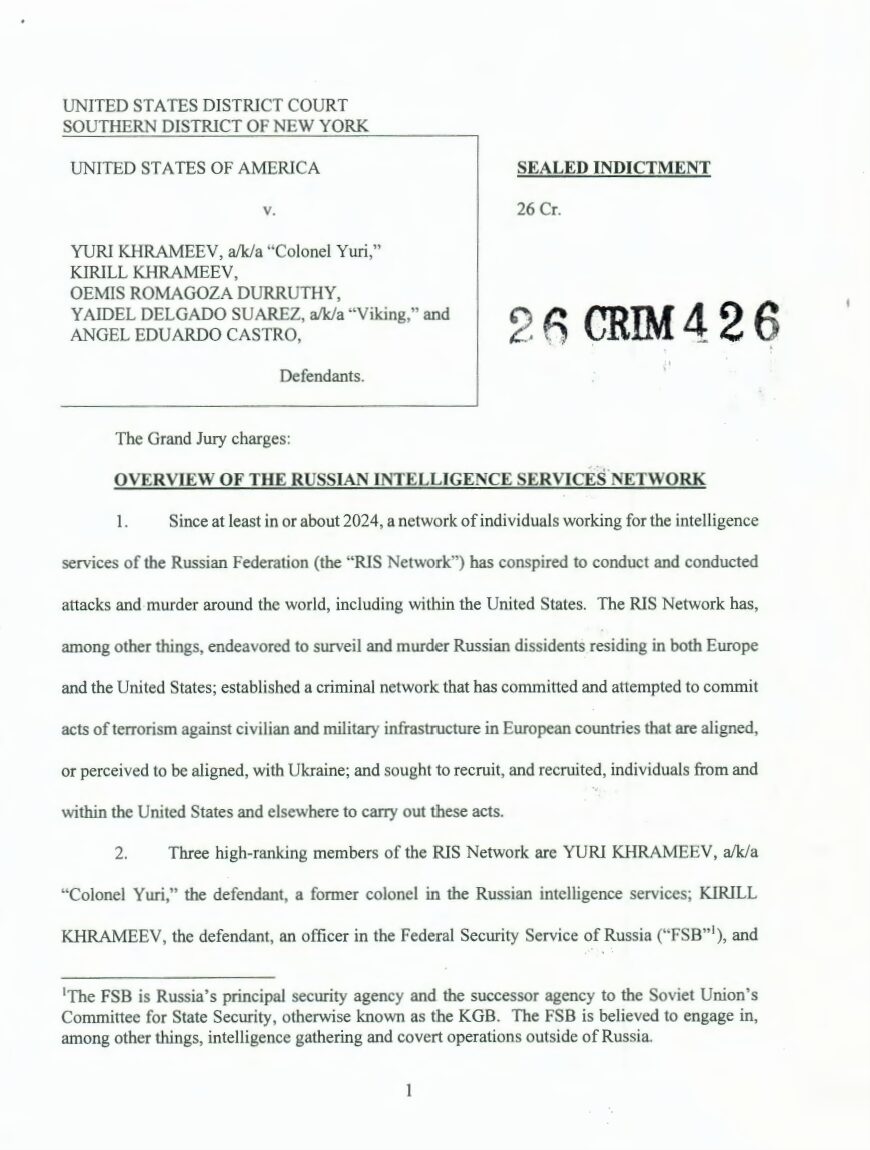
Recruitment abroad serves a different purpose. A September 15 U.S. indictment alleges that a Russian intelligence-linked network used Cuban and Venezuelan intermediaries to recruit inside America. Prosecutors describe payments of $1,000-$1,500 for surveillance and a $40,000 offer to kill a Russian dissident believed to be near Washington. Another alleged offer promised an American $25,000 to kill a target in Lithuania. These remain accusations, not court findings or proof of an officially declared bounty program.

Original U.S. indictment naming the alleged Russian, Cuban, and Venezuelan participants

The alleged network operated from at least 2024, before the Montenegro arrests. Its importance lies in the method: foreign intermediaries and local recruits, rather than an obvious Russian team. If substantiated, the charges would show Moscow reaching inside America through people who do not carry Russian passports.

The October 9 threat to expand the “exchange fund” signals that consular protests may no longer be Moscow’s only answer. It suggests foreign detainees could become leverage for recovering Russians. The warning to European and American governments is pointed: the detention of a Russian abroad may create a problem for their own citizens elsewhere.

Russia’s partners help it build weapons; alleged overseas networks extend its reach; threats against satellites and foreign detainees aim to raise the cost of confrontation. These are different tools, not proof of one master plan. But October’s warnings carry a common message: Moscow wants the other side to feel exposed too. Medvedev closed his latest message with a Russian proverb: “If you live among wolves, you must howl with them.”


MORE ON THE TOPIC:

The post NO SAFE REAR: Moscow’s Shadow War From Starlink to Prison Cells appeared first on South Front.

Saudi-Backed Forces Renew Bab al-Mandab Push Amid Fierce Houthi Resistance (Videos)

9 October 2026 at 17:25

File image.

Saudi-backed Yemeni government forces on October 9 again claimed to have captured the strategic Bab al-Mandab Strait and nearby Mayyun Island.

A Yemeni military source told the German Press Agency (dpa) that the operation began before dawn with Saudi air support.

The source said the Southern Giants Brigades and Nation’s Shield forces seized the al-Ardi camp, Coast Guard observation posts and a range of high ground overlooking the strait.

Furthermore, the source claimed the forces had established full control over Mayyun Island, noting that clashes and clearing operations continued in the surrounding area.

The announcement marked the second time within days that Saudi-backed forces had claimed to capture the area. On October 5, the forces made a similar claim during Operation Yemen Dawn, but that announcement eventually proved to be false.

Responding to the latest claims, Houthi military spokesman Brig. Gen. Yahya Saree said in a statement that the group’s forces had repelled a second attempted advance by Saudi-backed forces toward Bab al-Mandab.

Saudi-backed forces had tried to move toward the waterway from Lahj province but had failed to advance, according to the spokesman.

Saree said Houthi forces struck the advancing troops with ballistic missiles, artillery and heavy weapons. He claimed the attacks destroyed more than 22 armored vehicles and killed or wounded dozens of fighters, including several commanders.

The spokesman added that more than 30 ambulances had arrived in Aden transporting dead and wounded personnel from the Saudi-backed forces.

Bab al-Mandab connects the Red Sea with the Gulf of Aden and is a key shipping route linking the Indian Ocean with the Suez Canal and the Mediterranean Sea. Mayyun Island lies within the strait, making control of the island and surrounding coastline strategically important to the opposing forces.

The latest attempted advance by Saudi-backed forces shows that the kingdom remains focused on recapturing Bab al-Mandab, despite the deteriorating situation of its allies in Taiz, where they are fully besieged by the Houthis. The fall of Taiz could, however, pose a serious problem for Saudi-backed forces, as it would allow the Houthis to launch an attack toward the port city of Aden, potentially trapping all troops amassed near Bab al-Mandab.

_______________________________________________________________________________________________________________________

SouthFront: Analysis and Intelligence

NOW hosted at southfront.press

Previously, SouthFront: Analysis and Intelligence was at southfront.org.

The .org domain name had been blocked by the US (NATO) (https://southfront.press/southfront-org-blocked-by-u-s-controlled-global-internet-supervisor/) globally, outlawed and without any explanation

Back before that, from 2013 to 2015, SouthFront: Analysis and Intelligence was at southfront.com

SOUTHFRONT.PRESS

MORE ON THIS TOPIC:


The post Saudi-Backed Forces Renew Bab al-Mandab Push Amid Fierce Houthi Resistance (Videos) appeared first on South Front.

South Korea challenges The North With Hypersonic Glide Vehicle Test (Photos)

9 October 2026 at 15:54

Click to see full-size image. (Office of the President of the Republic of Korea)

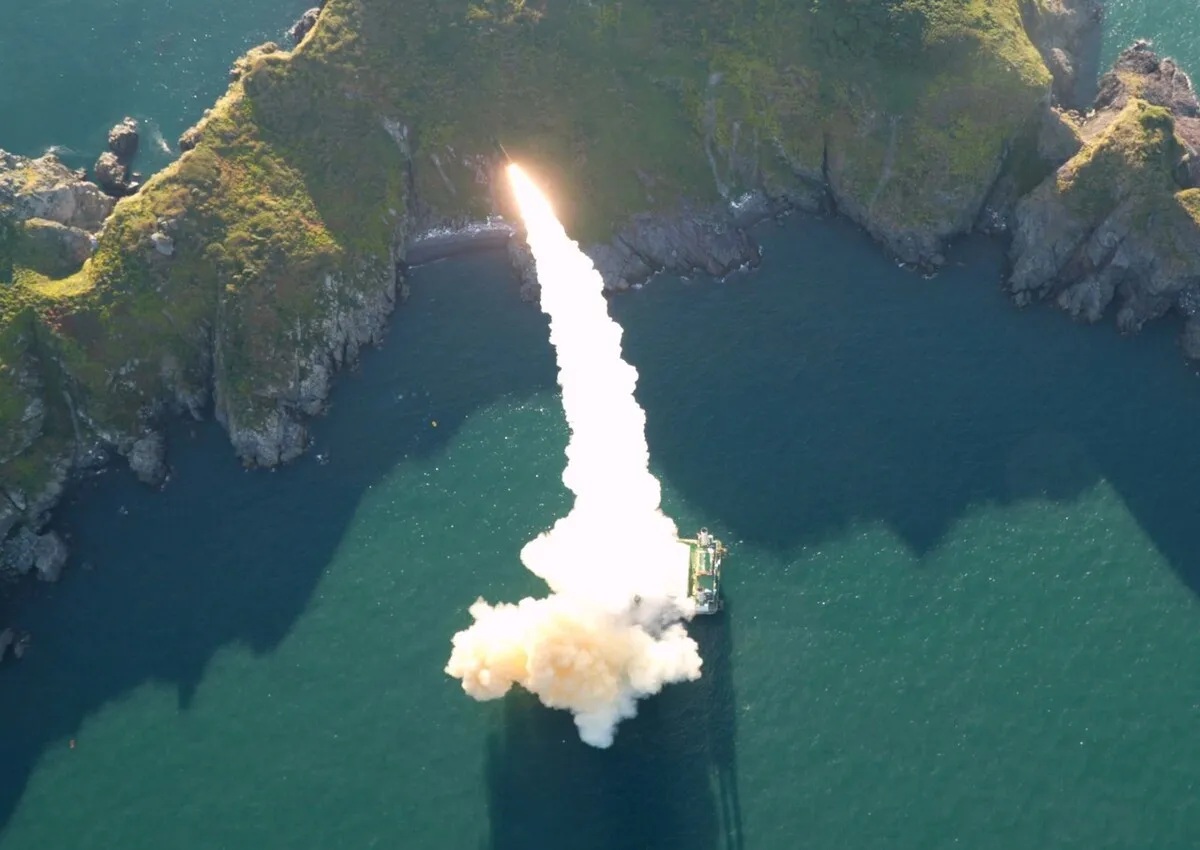
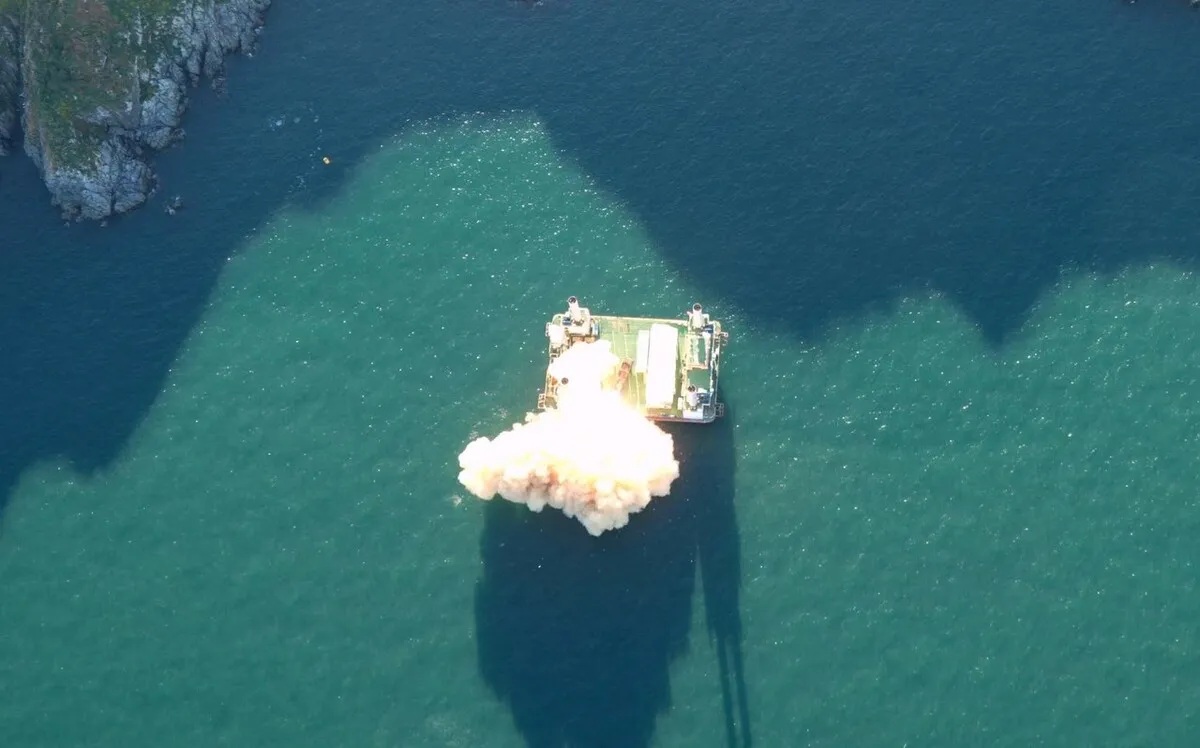
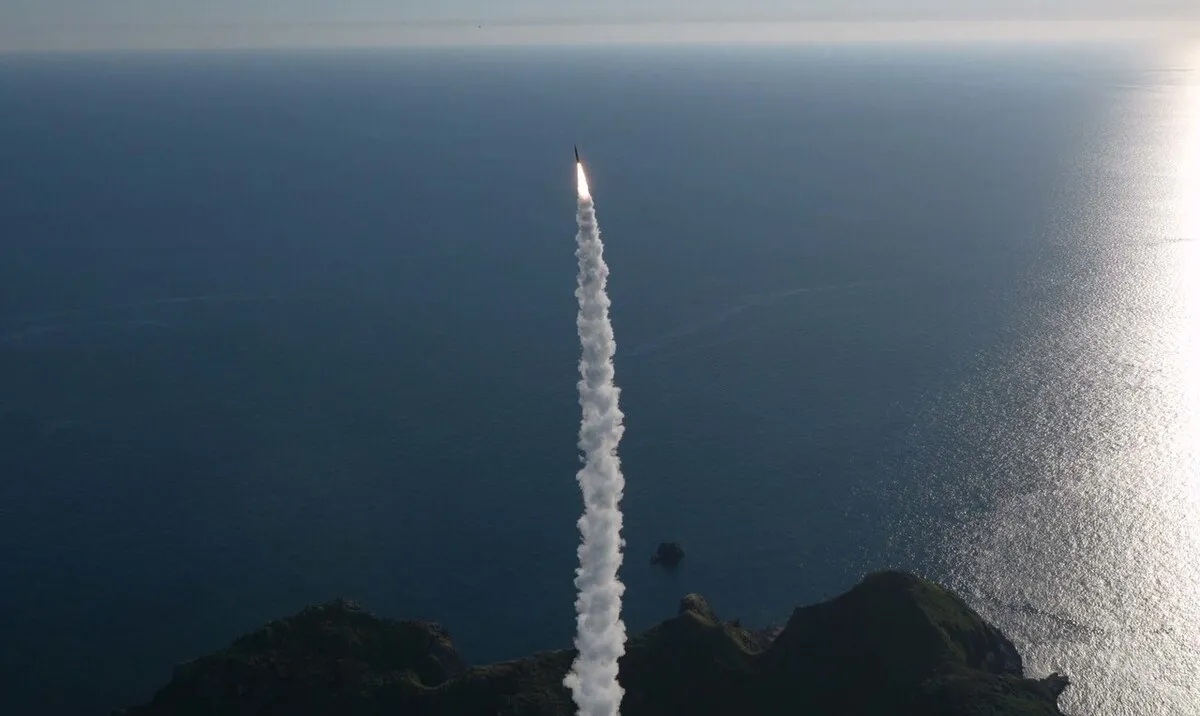
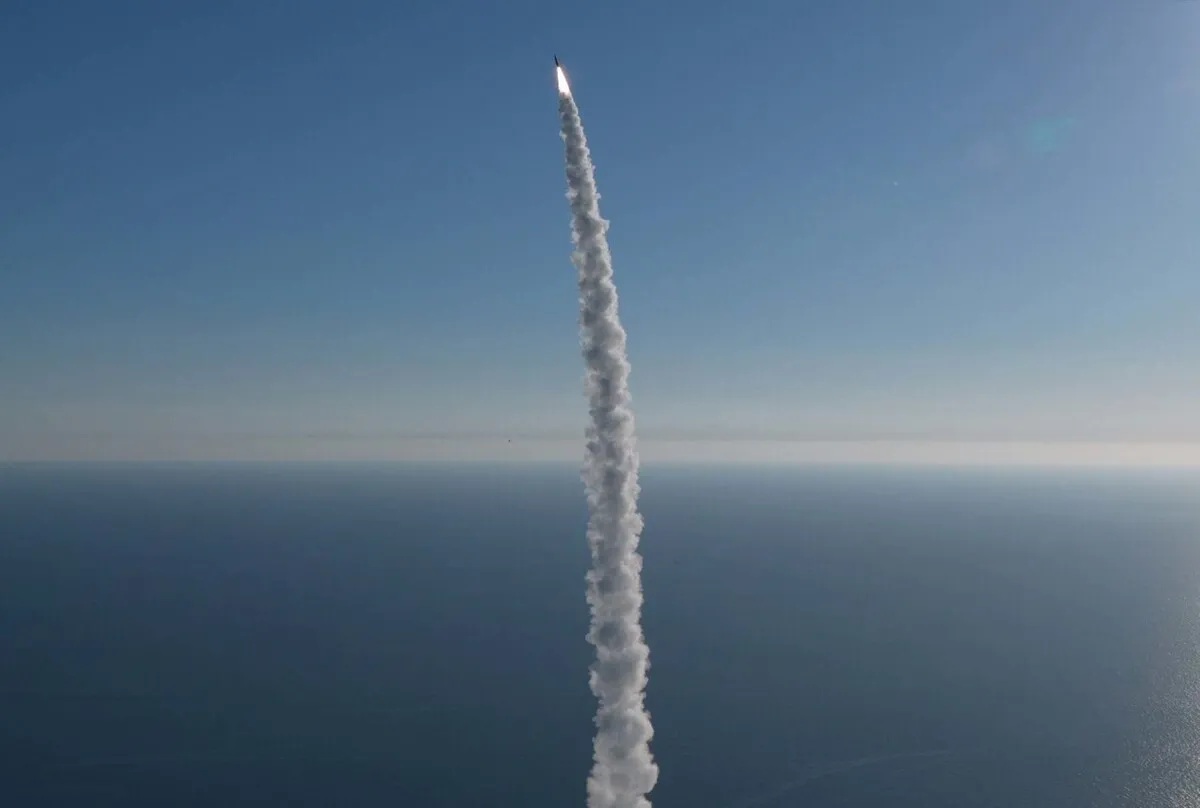
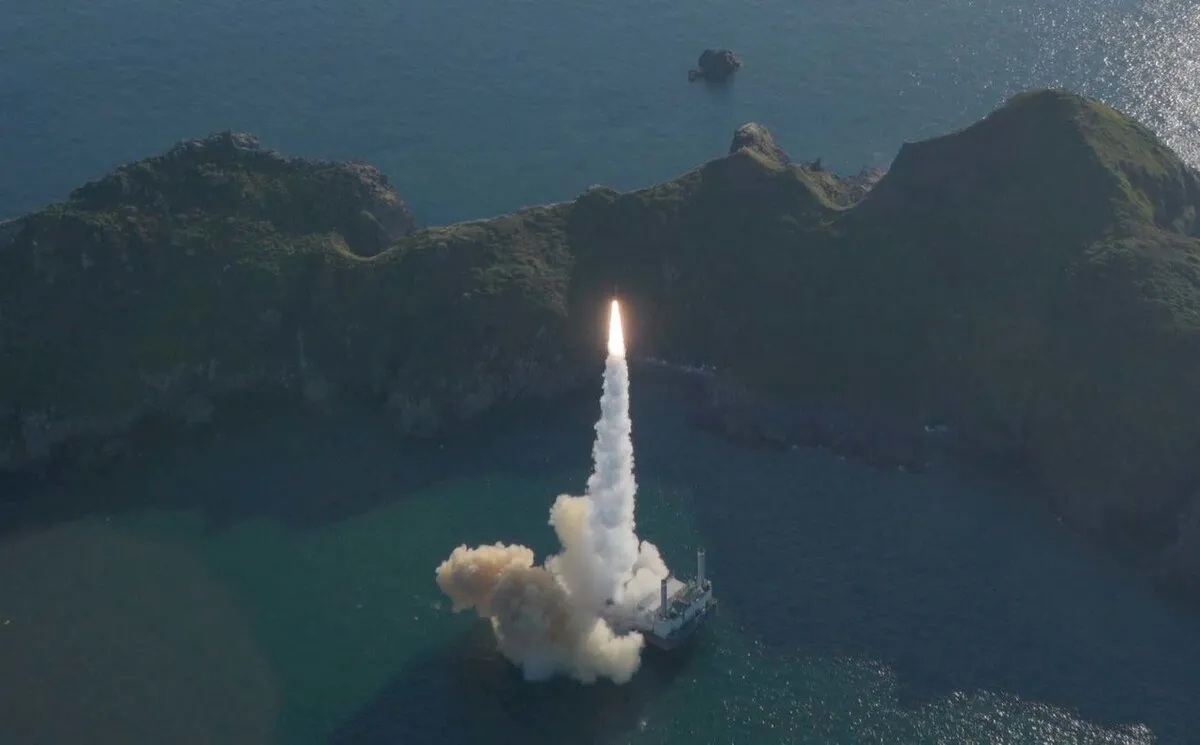
South Korea conducted the first test launch of its domestically developed hypersonic glide vehicle on October 8, with President Lee Jae Myung observing the event at the Agency for Defense Development’s Anheung Comprehensive Test Site in South Chungcheong Province.

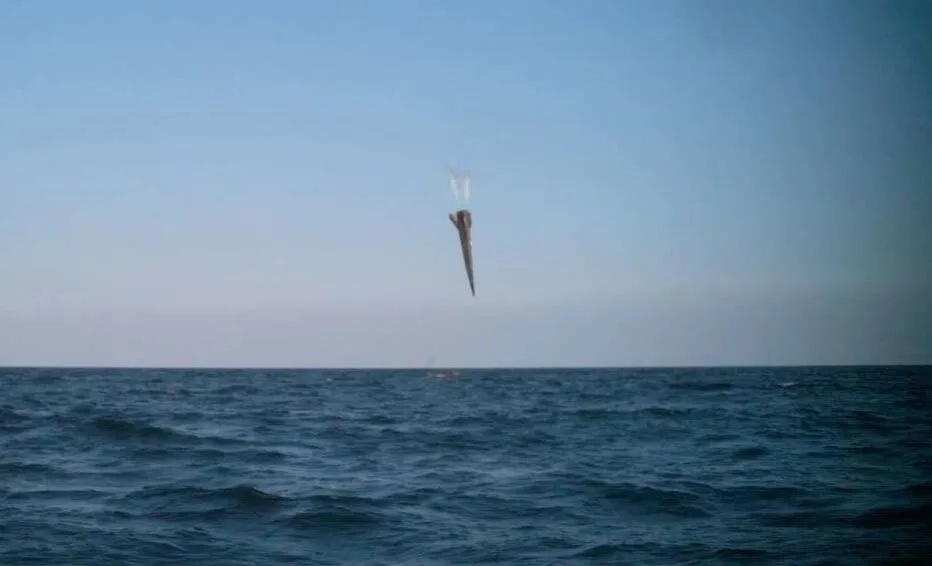
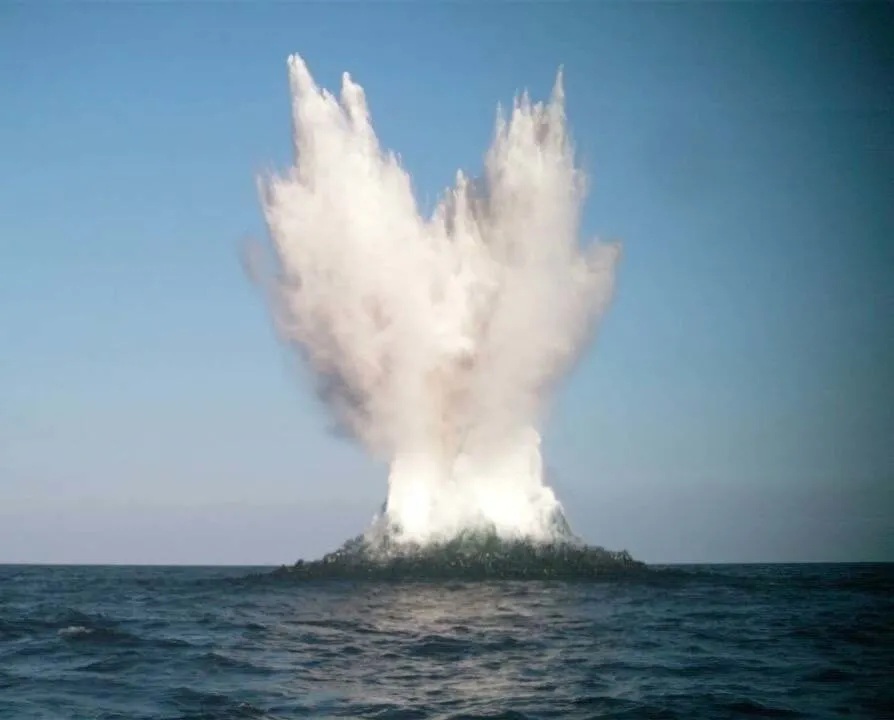
The presidential office later released photographs of the launch and the missile striking its target, providing a visual record of the test.

According to a written briefing by presidential chief spokesperson Kang Yu-jung, the vehicle reached its planned altitude using a booster before separating and descending to a lower altitude. It then performed irregular maneuvers, changing direction vertically and horizontally before accurately striking its designated target.

The test was intended to evaluate heat-resistant materials designed for extreme temperatures, guidance and control systems, and the ability to maneuver at low altitudes under hypersonic flight conditions.

Click to see full-size image. (Office of the President of the Republic of Korea)

Click to see full-size image. (Office of the President of the Republic of Korea)

Click to see full-size image. (Office of the President of the Republic of Korea)

Click to see full-size image. (Office of the President of the Republic of Korea)

Click to see full-size image. (Office of the President of the Republic of Korea)

The government did not disclose the missile’s speed, flight range, altitude or flight duration. The weapon remains under development, with no public timetable announced for operational deployment.

Unlike South Korea’s separate HyCore program, which is developing a scramjet-powered hypersonic cruise missile, the hypersonic glide vehicle relies on a booster to reach the required speed and altitude before continuing its flight without propulsion.

Click to see full-size image. (Office of the President of the Republic of Korea)

Click to see full-size image. (Office of the President of the Republic of Korea)

Lee called for the system’s development and deployment to be accelerated, pledging government support for advanced weapons programs.

After the test, Lee wrote on X that the missile embodied South Korea’s determination to defend itself using its own technology and capabilities.

“Self-reliant defense is not just a slogan — it must be proven through technology and capability,” the president wrote.

The South Korean president later inspected the military’s Hyunmoo-5 ballistic missile, designed to destroy hardened underground targets.

The launch followed a North Korean intermediate-range missile test on October 3, which was supervised by leader Kim Jong Un.

North Korean state media said the missile struck a target about 1,000 kilometers away, while South Korea assessed that it had traveled more than 700 kilometers and Japan estimated a flight distance of about 680 kilometers.

Pyongyang described its launch as part of its hypersonic weapons program, placing the two Koreas’ competing development efforts in sharper focus.

Tensions had already risen after a land mine explosion inside the Demilitarized Zone on September 21 injured three South Korean soldiers. South Korea’s military and the United Nations Command attributed the incident to mines planted by North Korean troops, an allegation Pyongyang denied.

Against that backdrop, Lee’s public appearance at the latest test underscored his administration’s emphasis on strengthening South Korea’s domestically developed weapons capabilities.

_______________________________________________________________________________________________________________________

SouthFront: Analysis and Intelligence

NOW hosted at southfront.press

Previously, SouthFront: Analysis and Intelligence was at southfront.org.

The .org domain name had been blocked by the US (NATO) (https://southfront.press/southfront-org-blocked-by-u-s-controlled-global-internet-supervisor/) globally, outlawed and without any explanation

Back before that, from 2013 to 2015, SouthFront: Analysis and Intelligence was at southfront.com

SOUTHFRONT.PRESS

MORE ON THIS TOPIC:

The post South Korea challenges The North With Hypersonic Glide Vehicle Test (Photos) appeared first on South Front.

Ethiopia Accuses Eritrea of Invasion as Fighting Threatens to Ignite Regional War

9 October 2026 at 13:34

File image.

Ethiopia accused Eritrea of an “all-out invasion” on October 9, reporting that Eritrean troops had advanced deep into its territory as fighting that began in the northern Tigray region spread into neighboring Amhara and Afar.

The allegations came after Ethiopian government forces recaptured the regional capital, Mekelle, in a counteroffensive that failed to end the fighting.

Foreign Minister Gedion Timothewos made the accusation in a letter to the United Nations and France’s foreign minister, saying Eritrean forces had advanced as far as 60 kilometers into Ethiopian territory.

Reuters reported further explosions near Adigrat, in northern Tigray, and said suspected Ethiopian drone strikes had targeted Eritrean troops withdrawing from positions near the border.

Eritrea rejected the allegations, describing them as an attempt by Ethiopia to justify aggression. The reported incursion has not been independently confirmed, but it threatens to turn Ethiopia’s renewed internal conflict into a direct confrontation between the neighboring countries.

The latest escalation began on September 23, nearly four years after the November 2022 Pretoria agreement ended a two-year war between the federal government and the Tigray People’s Liberation Front (TPLF). That conflict killed hundreds of thousands of people and left unresolved disputes over regional authority, security arrangements and the return of displaced residents.

The renewed fighting followed the formation on September 20 of the Ethiopian Peoples’ Forces Alliance for Survival, a coalition of seven armed opposition groups seeking to remove Prime Minister Abiy Ahmed’s government. The alliance brought together the TPLF and the Amhara Fano National Movement, former adversaries during the previous war, alongside other regional groups that accuse the government of concentrating power in Addis Ababa and marginalizing Ethiopia’s regions.

Whether the groups can sustain coordinated operations remains uncertain because of their geographic separation and longstanding political and territorial differences.

Tensions in Tigray had already intensified over competing claims to regional authority. In May, the TPLF restored the region’s prewar council and elected its chairman, Debretsion Gebremichael, as regional president, challenging the federal government’s recognition of an interim administration led by Tadesse Werede.

Both sides accused each other of violating the Pretoria agreement, while Tigrayan authorities repeatedly alleged that federal forces had conducted drone attacks.

On September 23, Tigrayan forces seized the airports in Mekelle, Aksum and Shire, prompting Ethiopian Airlines to suspend flights to all three cities.

The Tigray regional government said federal forces had attacked the region with drones and heavy artillery the previous day, describing its actions as defensive.

Getachew Reda, a former Tigrayan leader serving as an adviser to Abiy, accused the TPLF of opening additional fronts in Amhara and Afar. The UN and African Union called for restraint and warned that the renewed fighting threatened the 2022 peace agreement.

The initial clashes spread across several areas. In western Tigray, federal and Tigrayan forces fought near the Tekeze River, including around May Gaba and Tselimoy. In Amhara, fighting erupted along the Kobo-Tumuga axis and in the Wag Hemra and North Wello zones, where Tigrayan fighters and Fano forces confronted federal troops and their allies.

Further east, Tigrayan fighters and the Afar-based Ugugomo group fought government-aligned forces in Afar’s Kelbati Rasu zone.

By September 25, flights to Lalibela in Amhara had been suspended as fighting approached the town. Internet disruptions and road closures further restricted communications and movement.

Government forces began recovering territory within days. They retook Sekota in Amhara on September 27 after several days of fighting involving Tigrayan and Fano forces. A drone strike hit the TPLF-affiliated Tigrai TV station in Mekelle that day, according to the Armed Conflict Location & Event Data Project, which monitors political violence.

Click to see full-size image.

Suspected opposition-linked drone attacks subsequently targeted a fuel depot at Kombolcha Airport on September 28 and an Ethiopian Air Force base in Bahir Dar on September 29, extending the fighting to military and logistical facilities beyond the main front.

Federal forces captured Alamata in southern Tigray on September 29, opening a route toward Mekelle, and regained Raya Bala on September 30.

Tigrayan forces and Ugugomo fighters had meanwhile held Erebti in Afar and advanced toward Afdeera, raising concerns about disruption to the supply corridor connecting landlocked Ethiopia with the port of Djibouti. Government forces, supported by the Tigray Peace Force, retook Abala, Erebti and Megale in Afar on October 1.

The fighting inflicted a growing toll on civilians and humanitarian operations. Doctors Without Borders reported that hospitals in southern and northwestern Tigray had received more than 420 and 300 patients, respectively, for war-related injuries between September 22 and 25.

The International Committee of the Red Cross evacuated about 161 people from conflict areas to Semera in Afar, including airline employees, federal police assigned to guard regional airports and their families.

On September 30, 19 humanitarian personnel who had been trapped in Tigray reached neighboring Amhara by road after days of disrupted transport and unreliable communications. U.N. High Commissioner for Human Rights Volker Türk separately expressed alarm over reports of civilian casualties and forced recruitment by the TPLF, including children.

The conflict also intensified Ethiopia’s dispute with Eritrea. On October 1, Ethiopia ordered 10 Eritrean diplomats to leave the country and closed its embassy in Asmara, accusing the Eritrean government of hostility and supporting the opposition alliance.

Addis Ababa has separately accused Sudan and Egypt of backing the coalition, allegations all three countries have denied. Eritrea announced that it was severing diplomatic ties with Ethiopia.

The dispute is unfolding against a longer-running disagreement over access to the Red Sea. Ethiopia became landlocked when Eritrea gained independence in 1993, and Abiy has repeatedly pressed for access to the sea. Eritrea has expressed concern over Ethiopian ambitions involving its ports.

As government forces advanced toward Mekelle, the TPLF’s position weakened. On October 2, ACLED reported that Tigrayan forces had taken Werede, head of the interim regional administration, and two other senior officials to undisclosed locations. Federal forces and their allies recaptured Mekelle’s airport the following day after encircling the city.

The TPLF announced its withdrawal from the regional capital, saying the regional administration would temporarily operate elsewhere. Government-aligned fighters entered Mekelle on October 4, giving the federal government control of the city.

Telecommunications and internet service resumed, but government offices remained closed and residents faced shortages of cash and essential goods.

The loss of Mekelle did not end the fighting. Airstrikes overnight into October 5 killed at least 17 people in Adwa and Sheraro, according to a humanitarian bulletin cited by Reuters. The bulletin did not identify who carried out the attacks.

Fighting continued near the Tekeze River, while federal drone strikes targeted areas in central Tigray where TPLF officials were believed to be sheltering.

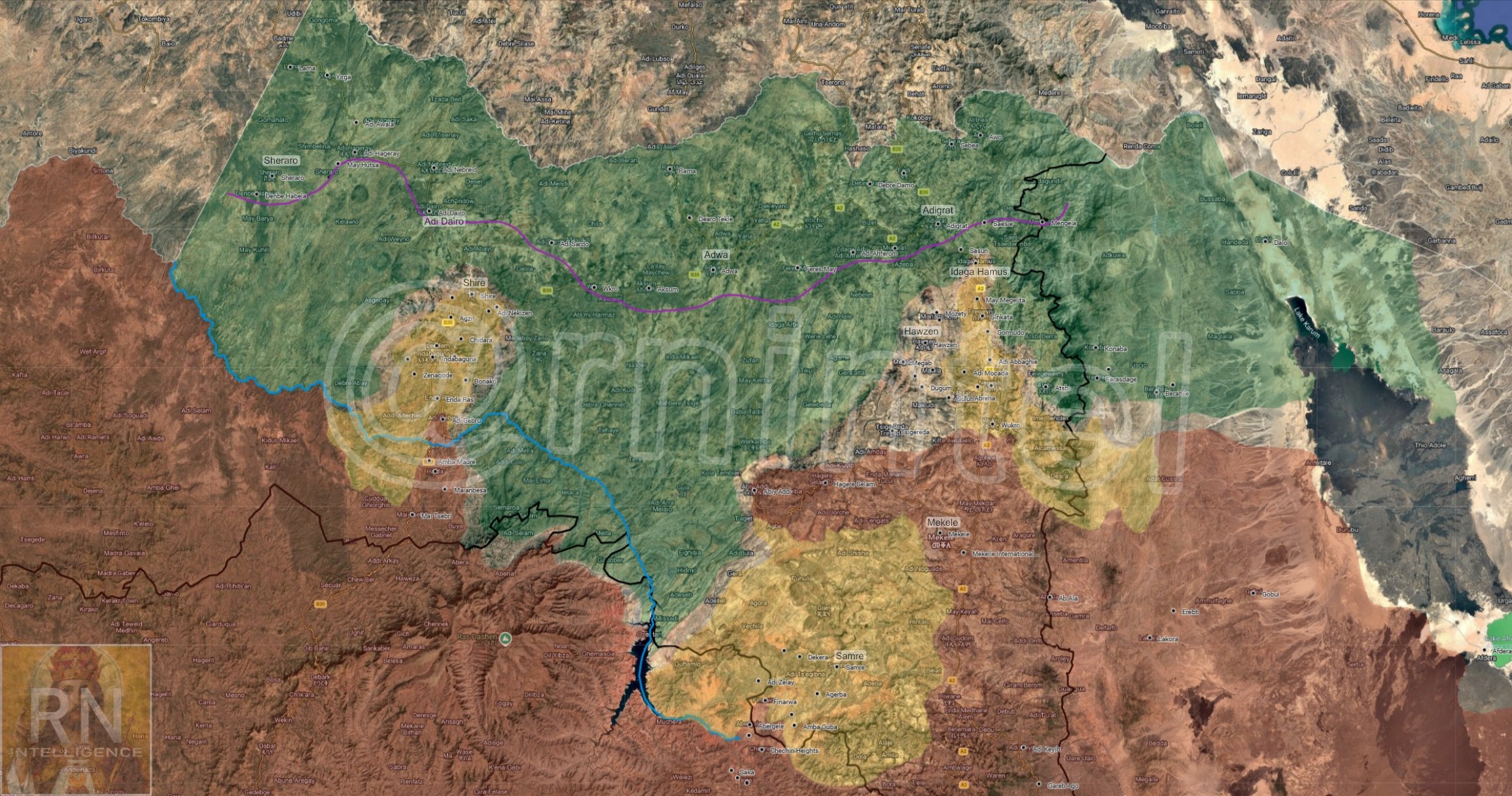
Click to see full-size map. (Telegram\rnintel)

On October 7, government forces and their allies regained Wukro, Hagere Selam and Agula, while clashes were reported again near Tselimoy in northwestern Tigray.

The same day, ACLED reported that Eritrean troops had crossed into Tigray through Zalambessa and moved toward Adigrat and Idaga Hamus. The group said suspected Ethiopian military drones subsequently struck Eritrean forces and military vehicles near Idaga Hamus and Qerse Ber.

The Associated Press said it could not independently verify the reported troop movements. Witnesses and sources cited by ACLED identified the soldiers as Eritrean through their uniforms, vehicles and license plates.

Ethiopia’s accusation on October 9 marked the most serious reported extension of the conflict beyond its internal fronts. With federal forces holding Mekelle but fighting continuing across northern Tigray, the unresolved reports of Eritrean troop movements have added a new source of uncertainty to a war already challenging the country’s postwar settlement and regional stability.

_______________________________________________________________________________________________________________________

SouthFront: Analysis and Intelligence

NOW hosted at southfront.press

Previously, SouthFront: Analysis and Intelligence was at southfront.org.

The .org domain name had been blocked by the US (NATO) (https://southfront.press/southfront-org-blocked-by-u-s-controlled-global-internet-supervisor/) globally, outlawed and without any explanation

Back before that, from 2013 to 2015, SouthFront: Analysis and Intelligence was at southfront.com

SOUTHFRONT.PRESS

MORE ON THIS TOPIC:


The post Ethiopia Accuses Eritrea of Invasion as Fighting Threatens to Ignite Regional War appeared first on South Front.

Russia’s New Jet-Powered Bomb Makes First Appearance

9 October 2026 at 11:17

Click to see full-size image.

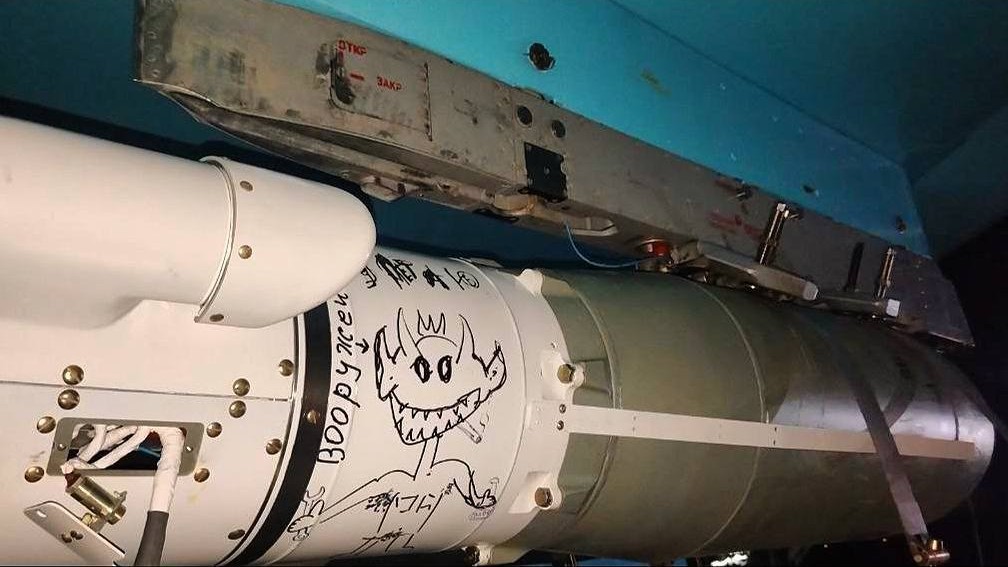
A photo that surfaced online on October 9 appears to show for the first time a Russian FAB-500T aerial bomb fitted with a turbojet engine mounted beneath a Su-34 fighter bomber, offering a clearer view of the propulsion configuration associated with the UMPB-5R long-range guidance kit.

The image shows a turbojet attached to the rear of the bomb, with its air intake visible. The munition does not appear to be fully equipped with the UMPB-5R kit, which is installed after the bomb and engine have been fitted.

The range of the UMPB-5R-equipped FAB-500T is reported to be 150 to 200 kilometers. The extended range is attributed to the combination of turbojet propulsion, an improved aerodynamic shape and an updated guidance system.

Reports about the UMPB-5R first emerged in October 2025, after Ukrainian authorities reported the use of a new jet-powered guided bomb. Photos of recovered wreckage appeared to show a copy of the Chinese-made Swiwin SW800Pro-Y engine, but the images depicted only fragments.

The turbojet configuration is intended to allow Russian warplanes to launch the weapons from greater distances, keeping them farther from Ukrainian air defenses.

The Russian Aerospace Forces has increasingly relied on guided aerial bombs launched by Su-34 fighter bombers to strike military positions and infrastructure across Ukraine.

Although the latest photo provides a clearer view of the engine-equipped configuration, it does not establish the weapon’s actual operational range or confirm how extensively the version has entered combat use. In any case, the UMPB-5R yet another threat to Ukraine, whose air defenses are already struggling to cope with ballistic missiles and one-way attack drones.

_______________________________________________________________________________________________________________________

SouthFront: Analysis and Intelligence

NOW hosted at southfront.press

Previously, SouthFront: Analysis and Intelligence was at southfront.org.

The .org domain name had been blocked by the US (NATO) (https://southfront.press/southfront-org-blocked-by-u-s-controlled-global-internet-supervisor/) globally, outlawed and without any explanation

Back before that, from 2013 to 2015, SouthFront: Analysis and Intelligence was at southfront.com

SOUTHFRONT.PRESS

MORE ON THIS TOPIC:


The post Russia’s New Jet-Powered Bomb Makes First Appearance appeared first on South Front.

Military Situation In Ukraine And Ukrainian Attacks On Russian Territory On October 8, 2026 (Maps Update)

8 October 2026 at 22:19

Click to see the full-size image

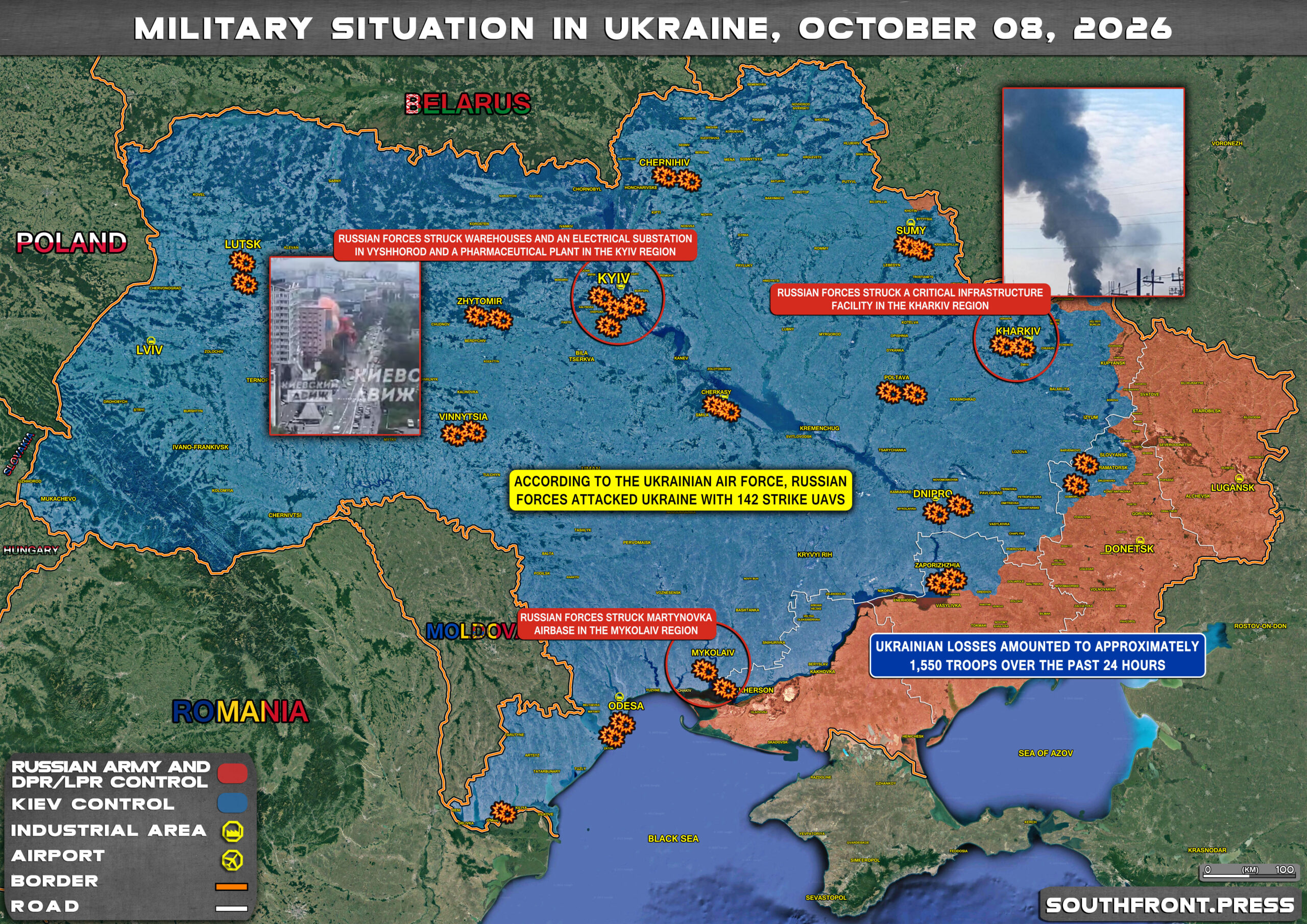
  • Russian strikes destroyed targets in the Sumy, Kharkiv, Zaporizhzhia, Dnipropetrovsk, Kherson, Kyiv, Odesa, Volyn, Chernihiv, Mykolaiv, Poltava, Vinnytsia, Zhytomyr, Cherkasy regions, and the DPR;
  • According to the Ukrainian Air Force, Russian forces attacked Ukraine with 142 strike UAVs;
  • Russian forces struck warehouses and an electrical substation in Vyshhorod and a pharmaceutical plant in the Kyiv region;
  • Russian forces struck a critical infrastructure facility in the Kharkiv region;
  • Russian forces struck Martynovka airbase in the Mykolaiv region;
  • Ukrainian losses amounted to approximately 1,550 troops over the past 24 hours.

Click to see the full-size image

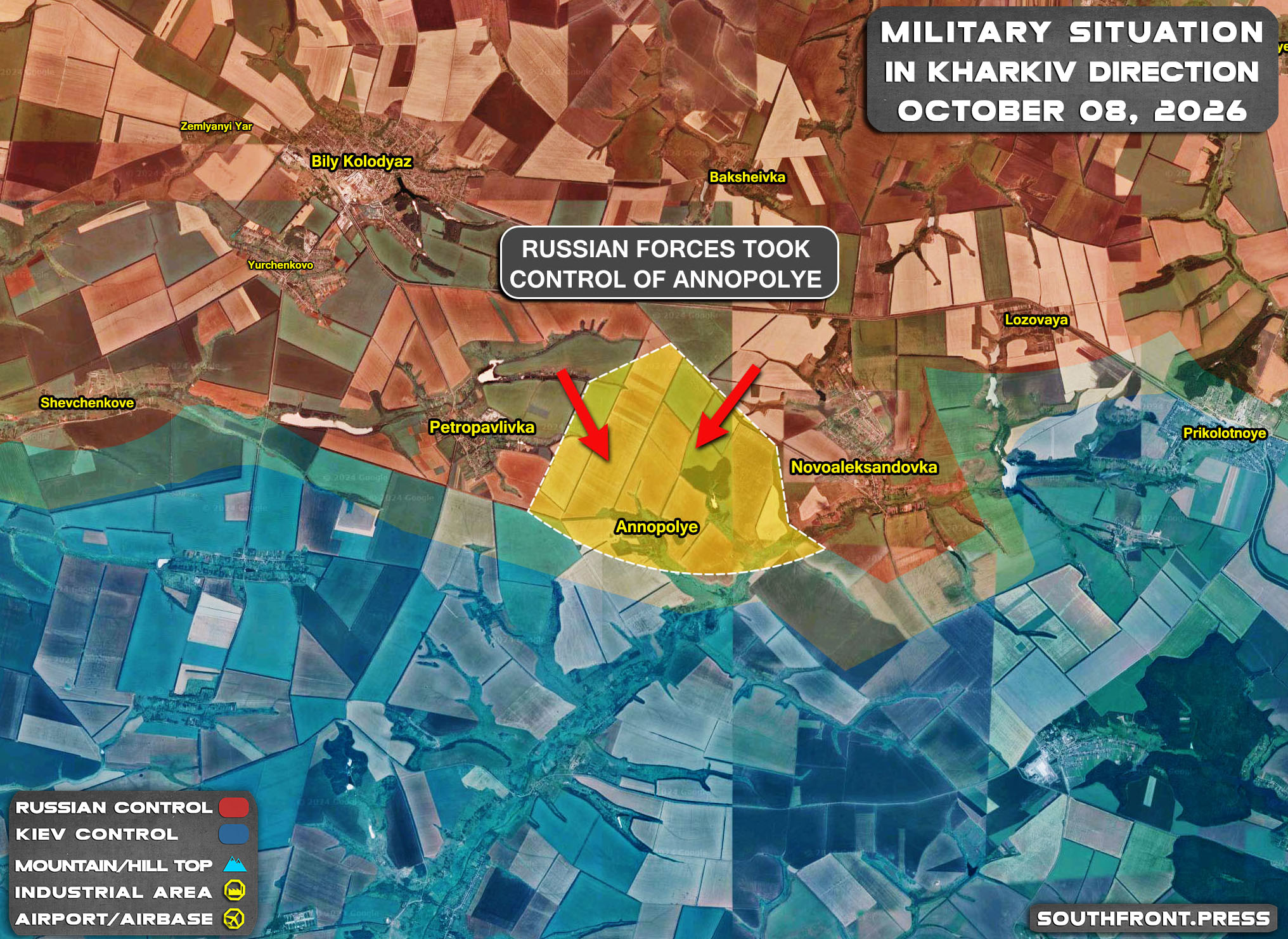
  • Russian forces took control of Annopolye.

Click to see the full-size image

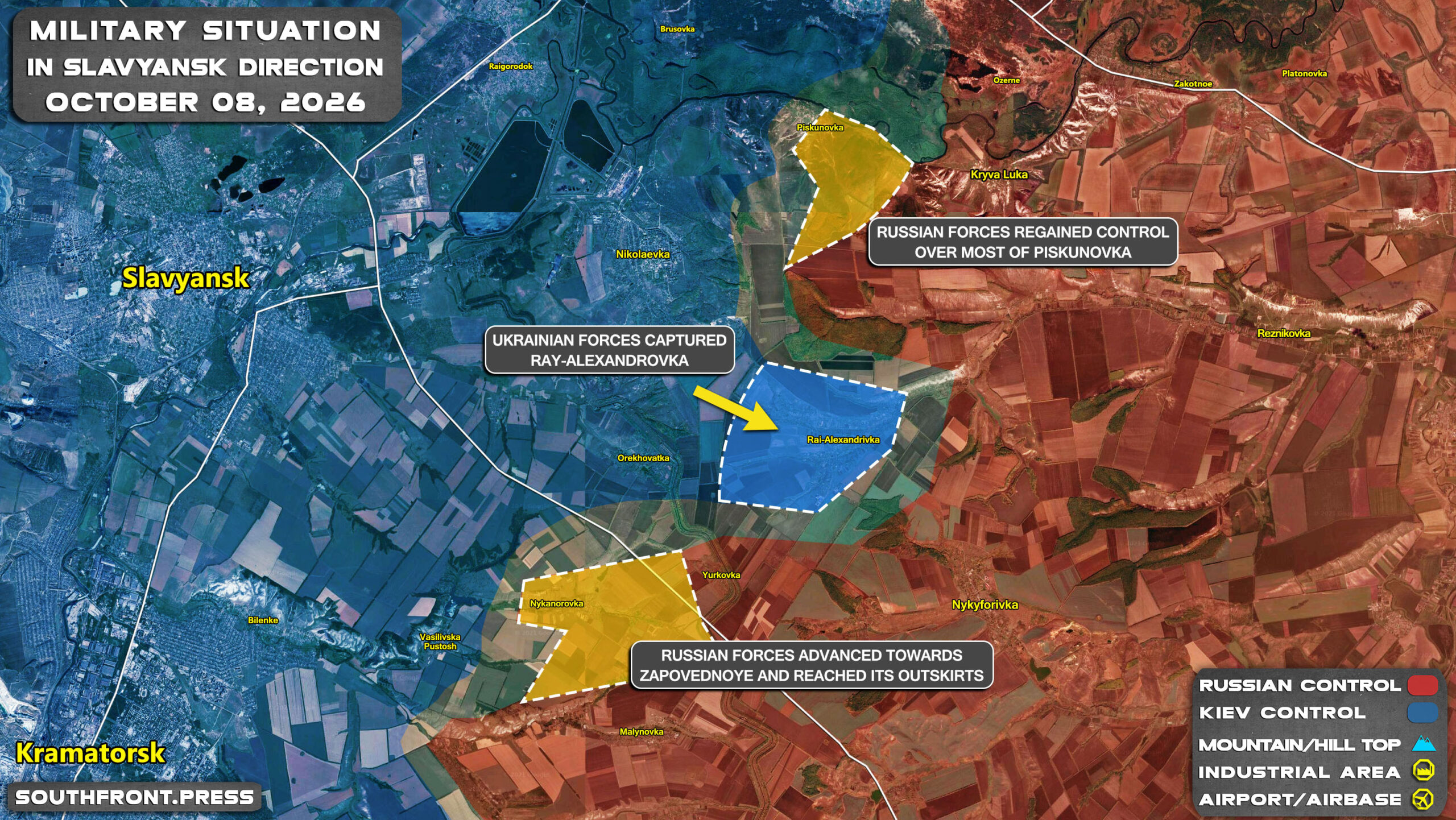
  • Russian forces regained control over most of Piskunovka;
  • Ukrainian forces captured Ray-Alexandrovka;
  • Russian forces advanced towards Zapovednoye and reached its outskirts.

Click to see the full-size image

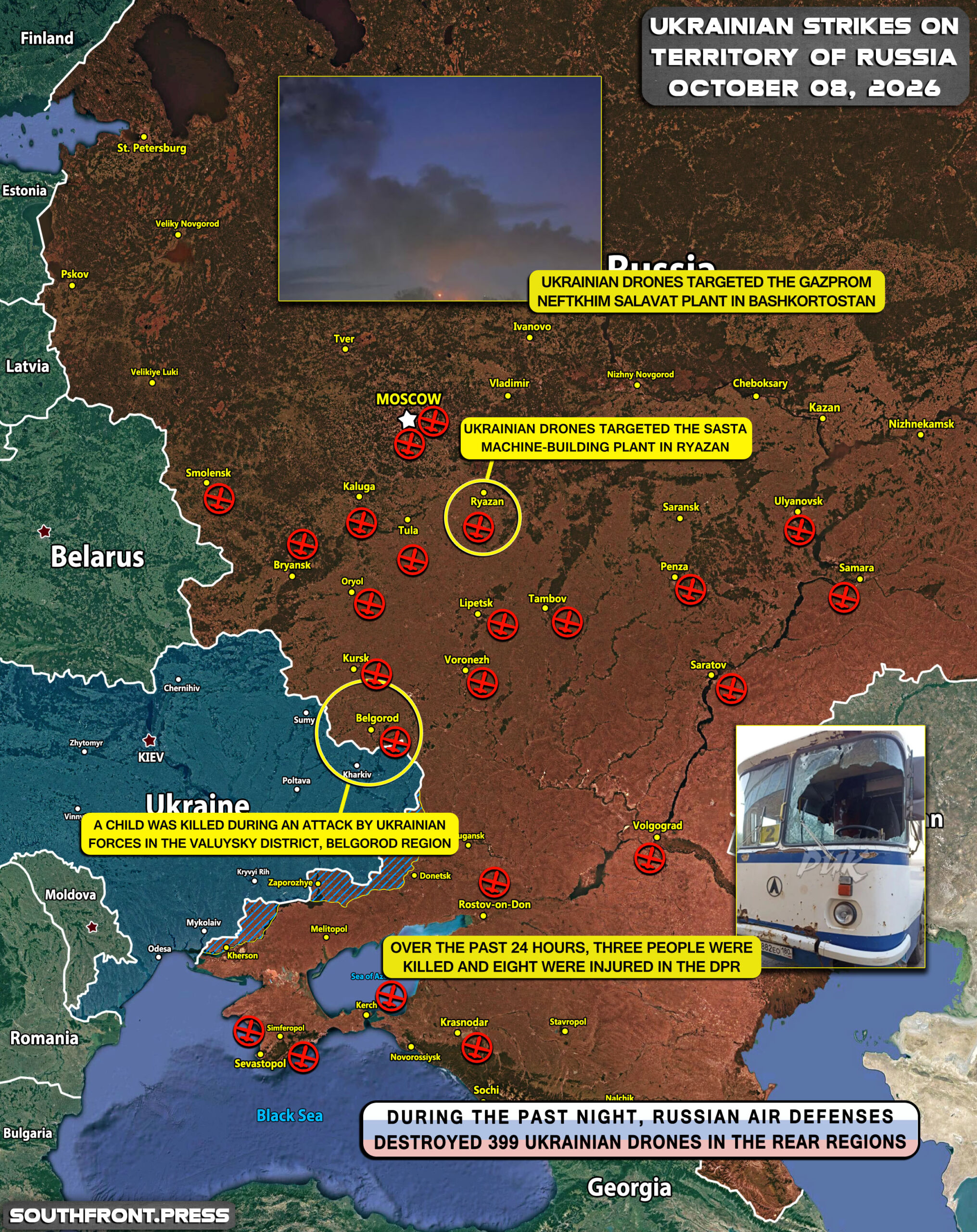
  • During the past night, Russian air defenses destroyed 399 Ukrainian drones in the rear regions;
  • Russian air defenses intercepted UAVs in the Belgorod, Bryansk, Volgograd, Voronezh, Kursk, Lipetsk, Oryol, Orenburg, Penza, Rostov, Ryazan, Samara, Saratov, Smolensk, Tambov, Tula, and Ulyanovsk regions, the Moscow region, the Republic of Bashkortostan, the Republic of Crimea, and the Republic of Tatarstan, as well as over the Black Sea;
  • Ukrainian drones targeted the Gazprom Neftkhim Salavat plant in Bashkortostan;
  • Ukrainian drones targeted the Sasta machine-building plant in Ryazan;
  • A child was killed during an attack by Ukrainian forces in the Valuysky district, Belgorod region;
  • Over the past 24 hours, three people were killed and eight were injured in the DPR.

MORE ON THE TOPIC:

The post Military Situation In Ukraine And Ukrainian Attacks On Russian Territory On October 8, 2026 (Maps Update) appeared first on South Front.

Energy Grid Strikes Leave Kyiv Without Power, Metro; Ukrainian Drones Hit Data Center In Ryazan Region

8 October 2026 at 22:06

Click to see the full-size image

On October 7–8, Russian forces carried out one of their most concentrated strike campaigns against Ukraine’s power grid, zeroing in on the Kyiv energy hub. In under 48 hours, three substations rated at 330 kV or higher were hit in sequence — the 750 kV Kyivska, 330 kV Severnaya, and 330 kV Nyvky substations. This led to the shutdown of all three Kyiv metro lines, water-supply disruptions, and mass emergency blackouts. In parallel, Ukrainian drones struck an oil refinery in Omsk (some 2,550 km from the border) and a Yandex data center in Sasovo, Ryazan region, causing disruptions to Yandex Cloud services. 

Russian Strikes on Ukraine

Kyiv Energy Hub

750 kV Kyivska Substation
The substation links the 750 kV and 330 kV transmission grids and is one of the largest power-transfer nodes in the Kyiv region. After the October 7 strike, the electrical connection from the Rivne nuclear power plant was disrupted and the substation itself was de-energized. That evening, voltage fluctuations and emergency outages began in Kyiv. Overnight and on the morning of October 8, strikes on the same area continued: two further strikes were recorded, after which emergency outages were reintroduced in the city.

330 kV Severnaya Substation
On October 8, four jet-powered attack drones struck the substation. As a result, autotransformer AT‑2 was damaged.

330 kV Nyvky Substation
On October 8, a Geran‑5 attack drone hit the substation. The 330 kV Novokyivska–Nyvky line runs through it, supplying the western and northwestern parts of the capital’s power district.

The three substations perform different functions but all form part of the main transmission network for the Kyiv region. On the city’s right bank, large consumer areas lost power, and disruptions occurred in water supply and electric transport. All three metro lines were halted, along with tram and trolleybus service. Kyiv Mayor Vitali Klitschko urged residents to leave the city.


Other Targets

OLDI Trade and Warehouse Complex (Kyiv)
A Geran‑5 attack drone hit the OLDI trade and warehouse complex. A large-scale fire broke out after the strike. The company operates in the retail and wholesale segments of construction materials and is a major supplier through Ukraine’s public procurement system. Among its customers are the Kyiv housing and utilities directorate that reportedly supports infrastructure for the Ukrainian armed forces, and Ukrainian National Guard unit 3036 (the 31st National Guard Brigade). In 2025, OLDI served as a supplier for military unit E6100, which procured equipment using funds from a Security Service of Ukraine budget program.


ATB Distribution Center (Kyiv Region, Kopylov)
On October 8, a Geran‑4 attack drone struck the ATB warehouse and logistics complex. A large fire broke out after the strike. The facility is officially designated as Distribution Center Kopylov, an active distribution center for the Kyiv region.


Sumy Thermal Power Plant (Sumyteploenergo LLC)

Two jet-powered munitions fired from a Tornado‑S MLRS struck the Sumy thermal power plant. The plant’s operation was halted. Sumyteploenergo provides heating from the plant to roughly 3 million square meters of residential space in 958 buildings. The plant had already been heavily damaged in a strike on June 30, 2026. On September 24, the Cabinet of Ministers allocated UAH 107.07 million (approximately $2.6 million) for urgent restoration work. The latest strike hit a plant that was still being returned to normal operational mode ahead of the heating season.

Sbornash LTD LLC (Kramatorsk)

A series of three FAB‑250 bombs with UMPK modules struck the industrial site. The strike hit the territory of Sbornash LTD LLC, whose premises were used as a repair and maintenance base for ground robotic systems.

Etal Research and Production Association (Alexandria)

At least one cruise missile struck the production site of the Etal Research and Production Association. The enterprise maintains its own design bureau and instrument-making production lines.

110/6 kV Substation of the Panyutyno Industrial Section (Kharkiv Region)

A Gerbera UAV strike hit the territory of the 110/6 kV substation of the Panyutyno industrial section of Operator GTS of Ukraine LLC (GTS Operator, the country’s gas transmission system operator). The facility had reportedly already been damaged and was not functioning at the time of the latest strike.

Dergachi Traction Substation (Kharkiv Region)

On the night of October 7, the Dergachi traction substation was hit. Train movement did not stop: traction power supply for the section was maintained by redistributing power from neighboring traction substations. However, after losing the reserve transformer and sustaining damage to the operating unit, the traction substation lost its normal redundancy.


Strikes on Russia

Gazprom Neftekhim Salavat Petrochemical Complex (Bashkortostan)

UAVs attacked industrial facilities in Bashkortostan. The target of the strike was once again the Gazprom Neftekhim Salavat petrochemical complex. The enterprise is one of Russia’s largest petrochemical complexes.

Omsk Oil Refinery (Omsk Region)

Ukrainian forces again struck the Omsk oil refinery, some 2,550 km from the border. The enterprise is one of Russia’s largest oil refineries.


Sasta Machine Tool Plant and Yandex Data Center (Sasovo, Ryazan Region)

UAVs attacked the Sasta machine tool plant, where a Yandex data center is located. Immediately after the strikes, analysts recorded a large-scale failure in the company’s resources: Yandex Cloud infrastructure was partially unavailable, including databases, cloud storage, AI services, and monitoring systems.


Belgorod Region

A total of 156 UAVs were shot down over the past day. During the Ukrainian attack in Valuysky district, a child was killed. Six residents of the region were wounded.


Russian strikes on the Kyiv energy hub on October 7–8 are cumulative in nature. Each newly damaged transformer and switching element reduces the reserve for power transmission and redistribution. Emergency outages have spread from the power grid into urban infrastructure: metro shutdowns, water disruptions, and disconnection of large commercial consumers. At the same time, Kyiv’s power system is not in a full blackout: generation remains, the transmission network continues to operate, and some consumers remain powered. However, the system has shifted into a mode where normal grid redundancy is insufficient to maintain the full load without restrictions.

Ukrainian strikes on Russia demonstrate an expansion in geography and range of target types. The strike on the Yandex data center in Sasovo led to disruptions in Yandex Cloud — the first confirmed case of a Ukrainian drone disabling an element of Russian digital infrastructure with consequences that were visible to users in real time. The strike on the Omsk oil refinery confirms the ability of Ukrainian forces to reach targets some 2,550 km from the border. Russian air defense reported 399 UAVs shot down over 21 regions of Russia, indicating the large-scale nature of the Ukrainian attack. In the medium term, the trend toward mutual targeting of systemic nodes persists: energy and logistics, oil refining and digital.


MORE ON THE TOPIC:

The post Energy Grid Strikes Leave Kyiv Without Power, Metro; Ukrainian Drones Hit Data Center In Ryazan Region appeared first on South Front.

❌