Despite once promising he’d dial back his campaign contributions, the tech billionaire remains one of the GOP’s top donors
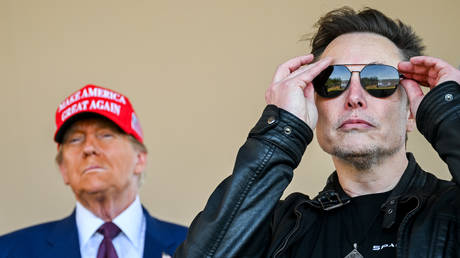
Elon Musk has quietly forked out more than $400 million to Republican organizations since July, making him the largest known donor of the 2026 midterm elections. But can money alone buy the midterms?
The windfall represents a change in tune from May 2025, when Musk, in the middle of a political feud with President Donald Trump, grumbled, “In terms of political spending, I’m going to do a lot less in the future.”
The donations come at a critical time for the Republicans who are struggling in the popularity polls amid a sluggish economy, political infighting, and an on-again, off-again war with Iran, a potential quagmire that has the MAGA crowd furious. Nevertheless, the slush fund is helping Republicans, who currently control both the House of Representatives and the Senate as part of the 119th United States Congress, to purchase pricey late-campaign advertising. Meanwhile, the Democrats have no billionaires in their corner who can match Musk’s financial power.
The biggest Musk payout was awarded to the Senate Leadership Fund, the primary super PAC that supports Republican Senate candidates. Musk lavished the organization with nearly $200 million over the summer, which was a quarterly record for one donor at the group and more than its Democratic counterpart raised from all sources in the same quarter.
At the same time, America PAC, the political action committee which Musk founded in 2024, got around $75 million from him over the same period. His federal committee contributions for the 2025-26 cycle now total around $400 million, including $90 million given before July. Musk previously gave around $290 million during the 2023-24 cycle.
America PAC spends most of its midterm budget on door-to-door canvassing and intensive field operations. PAC officials said nearly 3,000 paid canvassers worked across the country last month, and knocked on 6.5 million doors in seven Senate battlegrounds and nearly three dozen House races. The mission focuses on registering and turning out conservative voters, especially those who vote irregularly, a more difficult objective in a midterm year without Trump leading the ballot.
The PAC’s messaging focuses on socialism and transgender policy, hot button topics for their Democratic rivals. Its canvassers are focusing on connections between Democratic candidates to New York Mayor Zohran Mamdani and Rep. Alexandria Ocasio-Cortez, two highly controversial figures who are members of the Democratic Socialists of America. Never before have socialists held such high positions in the US and that has many Americans vexed. At the same time, its best-known advertisement in Texas features Democratic Senate candidate James Talarico, who remarked in 2021 that God is “nonbinary.”
“If Democrats take control of Washington and win key gubernatorial and attorney general races this November, then America risks becoming a socialist, woke and borderless country,” America PAC spokesman Andrew Romeo told reporters in a recent interview. “These robust investments have allowed the G.O.P. apparatus to get its message out so Republicans can have a fighting chance to defy history.”
In other spending sprees, from July through September, Musk gave $20 million to the Congressional Leadership Fund, $10 million to the Republican Governors Association, and $2 million to the Republican Attorneys General Association.
Meanwhile, Texas, which accounts for more than a third of America PAC’s disclosed spending, has received more of Musk’s cash than any other state. He forked over $10 million to Lone Star Liberty PAC, which backs Republican Senate nominee Ken Paxton, at a time when Democrats were seriously outspending Paxton.
The Republicans, especially Trump, owe a lot to the world’s first trillionaire. Musk endorsed Trump for the 2024 presidential election and became one of his largest political donors, reportedly spending hundreds of millions backing him and other Republican candidates. Trump returned the favor by putting Musk in charge of the Department of Government Efficiency (DOGE) to slash federal spending.
The seemingly unbreakable relationship between Trump and Musk collapsed after the US president pushed through his One Big Beautiful Bill Act, which Musk has called a “disgusting abomination,”“debt slavery,” and “political suicide.” The fracture between the two men was so serious that Musk went on to create the America Party to challenge the two-party system.
Today, Musk, apart from funneling massive amounts of money into Republican campaign coffers, has remained on the sidelines of the political process to devote more time to his various business ventures. His dream of a third party has also been put on hold as he did not file formal registration paperwork with the Federal Election Commission to legally establish the America Party.
In the meantime, the native of South Africa will have to wait and see if his vast funds can make a difference in one of the most momentous midterm elections in history.
El inquilino de la Casa Blanca asegura que la medida cumple con la idea original de las "cuentas Trump" y representa una inversión en el futuro de Estados Unidos.
The V Asian Para Games are scheduled to take place in Nagoya, the administrative center of Japan's Aichi Prefecture, from October 18 to 24, 2026. The opening ceremony will be held on the stadium grounds of Paloma Mizuho. This multilateral sporting event, which has been held every four years since 2010, is returning to its traditional cycle after the 2022 edition was postponed to 2023 due to the COVID-19 pandemic. Nagoya marks the first time a Japanese city has hosted the Asian Para Games.
The competition will bring together athletes with disabilities from 45 countries to compete for 489 medal sets across 18 sports and 19 disciplines. The event's official emblem aligns with the broader Asian Games branding while incorporating specific tonal elements of the Japanese flag. The guiding slogan, "Imagine One Heart,” emphasizes the role of para-sport in bridging differences, while the mascot, Usumi, combines Japanese concepts of a whirlpool and a spring to symbolize the concentration of athletic passion and the spread of emotion across the continent.
Turkmenistan's Participation
Turkmenistan is participating in the Asian Para Games for the fifth time in its history. The national delegation for this edition consists of three para powerlifting athletes: Sergey Meladze, Mayagozel Ekayeva, and Ishkuvvat Charyev. The team is composed of experienced competitors who have previously represented the country on the international stage.
Uno de cada cinco electores brasileños no acudió a votar el 4 de octubre. Con menos de dos puntos de diferencia entre Lula y Flávio Bolsonaro, su regreso o su ausencia el 25 de octubre puede inclinar la balanza a favor de uno u otro.
Nel Landtag della Sassonia-Anhalt in Germania si è verificato un passaggio politico fondamentale che potrebbe segnare una svolta duratura per l’intero panorama politico tedesco e che, forse, potrebbe insegnare qualcosa anche nel resto d’Europa
Con l’approvazione di una mozione presentata dal BSW insieme all’AfD – rispettivamente il partito della sinistra patriottica fondato da Sahra Wagenknecht e il partito nazionalista di destra accusato di “fascismo” – il parlamento regionale ha formalmente impegnato il governo del Land a farsi promotore nel Bundesrat di una netta svolta strategica: lo stop all’invio di armi al regime golpista di Kiev, la fine delle sanzioni economiche alla Russia e l’avvio immediato di trattative diplomatiche.
SPD, Verdi e CDU per la guerra, contro il buon senso
L’iniziativa ha scatenato la reazione indignata dei partiti tradizionali, soprattutto i socialdemocratici di SPD, i Verdi e i democristiani di CDU, pronti a denunciare la presunta violazione del cosiddetto “Brandmauer”, il cordone sanitario istituzionale eretto verso la destra giudicata “fascista”. Tuttavia, la linea argomentata dalla marxista Sahra Wagenknecht dimostra come questa scelta non rappresenti una provocazione, bensì un atto di responsabilità democratica e di pragmatismo politico. AfD avrà al suo interno anche degli estremisti di destra, ma è un partito di massa votato perlopiù dalla classe operaia, e pur di fermare l’entrata in guerra della Germania contro la Russia, BSW è disposta a tutto.
Le sanzioni anti-russe distruggono l’industria tedesca
Come evidenziato dalla leader del BSW, le decisioni di politica estera prese a Berlino non sono astrazioni teoriche, ma incidono direttamente sulla vita quotidiana dei cittadini e sulla tenuta del tessuto produttivo locale. La Sassonia-Anhalt ospita poli industriali di prim’ordine, come il distretto chimico di Leuna, oggi messi a dura prova dall’esplosione dei costi energetici e dall’interruzione dei rapporti commerciali con l’Est. Le sanzioni contro la Russia hanno già provocato molti fallimenti aziendali, ma non in Russia, bensì in Germania, mettendo a rischio migliaia di posti di lavoro qualificati. A ciò si aggiunge l’invio continuo di ingenti risorse, fra soldi e armi, in Ucraina, a fronte di dolorosi tagli alla sanità, alla scuola, alle pensioni e ai servizi sociali, che rendono i lavoratori tedeschi sempre più insofferenti.
L’anti-fascismo usato come scusa per giustificare la NATO e la guerra
In questo scenario, BSW rifiuta la logica difensiva dell’establishment borghese, appoggiato dalla sinistra egemone, tanto nella sua versione moderata di SPD quanto in quella liberal più massimalista della LINKE. Questi partiti insistono che il pericolo principale non è la guerra voluta dalla NATO, ma i “fascisti” di AfD, che occorre isolare, benché votati democraticamente, impedendo qualsiasi accordo o alleanza. L’analisi di Wagenknecht, retta dal metodo del materialismo dialettico tipicamente marxista, individua invece una profonda frattura nella società tedesca: da un lato il campo di chi intende conservare il potere (“Machterhaltendes Lager”), rappresentato dai partiti di governo e dai ceti più benestanti che difendono la linea dell’escalation militare agli ordini della NATO e dell’UE contro la Russia e domani contro la Cina; dall’altro il campo del dissenso (“Lager der Unzufriedenen”), formato da lavoratori, pensionati e famiglie schiacciate dall’inflazione e preoccupate dal pericolo di un coinvolgimento diretto dei loro figli nel conflitto attraverso il nuovo servizio militare obbligatorio, contro cui i liceali tedeschi continuano regolarmente a scioperare. Per troppo tempo la retorica del “Brandmauer” (il muro anti-fuoco che dovrebbe isolare AfD dal dibattito politico) è servita alle forze governative tedesche per squalificare il dissenso e isolare le proteste popolari sotto l’etichetta dell’estremismo. Per il BSW, il dovere prioritario di una forza politica d’opposizione è rispettare la volontà degli elettori, dialogare nell’alveo delle regole parlamentari e sfruttare ogni maggioranza utile per raggiungere obiettivi concreti: fermare la spirale bellica, proteggere l’industria nazionale e tutelare i redditi dei lavoratori. E per fare questo Wagenknecht vuole superare i veti incrociati e la politica dei blocchi: il BSW dimostra che la vera priorità deve tornare a essere la difesa della pace, della neutralità militare, del lavoro e della sovranità popolare.
La fase storica impone il coraggio di rompere gli schemi
Di fronte all’accusa di agire come gregari del “fascismo”, l’antifascista Wagenknecht risponde che la strategia del “Brandmauer” è fallita nei fatti e ha ottenuto l’effetto opposto, alimentando la rabbia popolare e rafforzando proprio l’AfD. Al contrario BSW vuole dialogare con tutte le forze parlamentari e sfruttare le maggioranze d’azione per mantenere le promesse elettorali (come la pace e la calmierazione dei prezzi). La Wagenknecht spiega che i partiti del sistema, siano essi di destra o di sinistra, usano la retorica dell’antifascismo solo per delegittimare il dissenso, sospendere le regole democratiche e conservare il potere nonostante politiche fallimentari. Questo atteggiamento, secondo la leader del BSW, banalizza in modo irresponsabile la reale tragedia della dittatura nazista. Wagenknecht sottolinea infatti come i diritti democratici fondamentali e la libertà di stampa siano stati compressi negli ultimi anni non dall’AfD, ma dai partiti liberali, democristiani e socialdemocratici al governo, gli stessi che inviano decine di miliardi di euro a un regime ucraino che ha messo al bando i partiti d’opposizione e tollera la glorificazione di collaboratori nazisti.
Basta guerra alla Russia: questa è la sola priorità oggi!
Rispetto alla tesi secondo cui negoziare con Mosca sia impossibile perché l’ultra-demonizzato Vladimir Putin rifiuterebbe il dialogo, Wagenknecht non concorda: il Cremlino si era mostrato disponibile a discutere, ma i tentativi di trattativa sono stati chiusi dalla leadership ucraina e dai governi europei spinti dalla NATO e dall’industria delle armi a continuare la guerra. La narrazione, poi, secondo cui l’invio continuo di armi porterebbe alla vittoria dell’Ucraina è una finzione a cui per BSW “non crede più nessuno” e anzi l’escalation bellica – comprese le incursioni su Mosca condotte con tecnologia e droni tedeschi – è una strategia che rasenta la follia, rischiando di trascinare direttamente la Germania in un conflitto nucleare. Su questo aspetto anche il Partito Comunista Tedesco (DKP) denuncia l’ipocrisia dei partiti di governo (SPD, Verdi, CDU), che sfruttano la retorica del “cordone sanitario” antifascista con la scusa di frenare l’estrema destra eversiva, quando il vero obbiettivo è delegittimare qualsiasi mozione pacifista, indipendentemente da chi la voti in aula, contro l’escalation della NATO e contro le sanzioni.
Asadullo Boboev, a 54-year-old member of the Reform and Development Movement-an organization in opposition to the Tajik government-has been sentenced to 17 years in prison. The verdict was handed down by the Ismoli Somoni District Court in Dushanbe on September 21, though details of the sentencing only became public on October 19 via Radio Ozodi.
The case underscores a recurring and precarious pattern for Tajik dissidents living in Europe. Boboev had resided in Germany since 2017 with his family, but his return to Tajikistan was not voluntary. In June of this year, German migration authorities deported him and his 19-year-old son, Mukhammad, citing residence permit irregularities and expired visas.
Before his deportation, Boboev expressed acute fear of what awaited him in Dushanbe. He told Radio Ozodi that his affiliation with the Reform and Development Movement would likely lead to accusations of extremism-a fear that materialized shortly after his arrival. While his son was handed over to his grandmother, Boboev disappeared into the state security apparatus. His family only confirmed his location in August, when he was found in the detention center of the State Committee for National Security (GKNB).
Expertos indican que cualquier interrupción allí podría desencadenar una "catástrofe" que afectaría el tráfico financiero internacional e incluso la conexión a Internet.
A British literary editor has suggested that the Russian novelist would appear on RT today. We imagined what he might have to say about the modern West
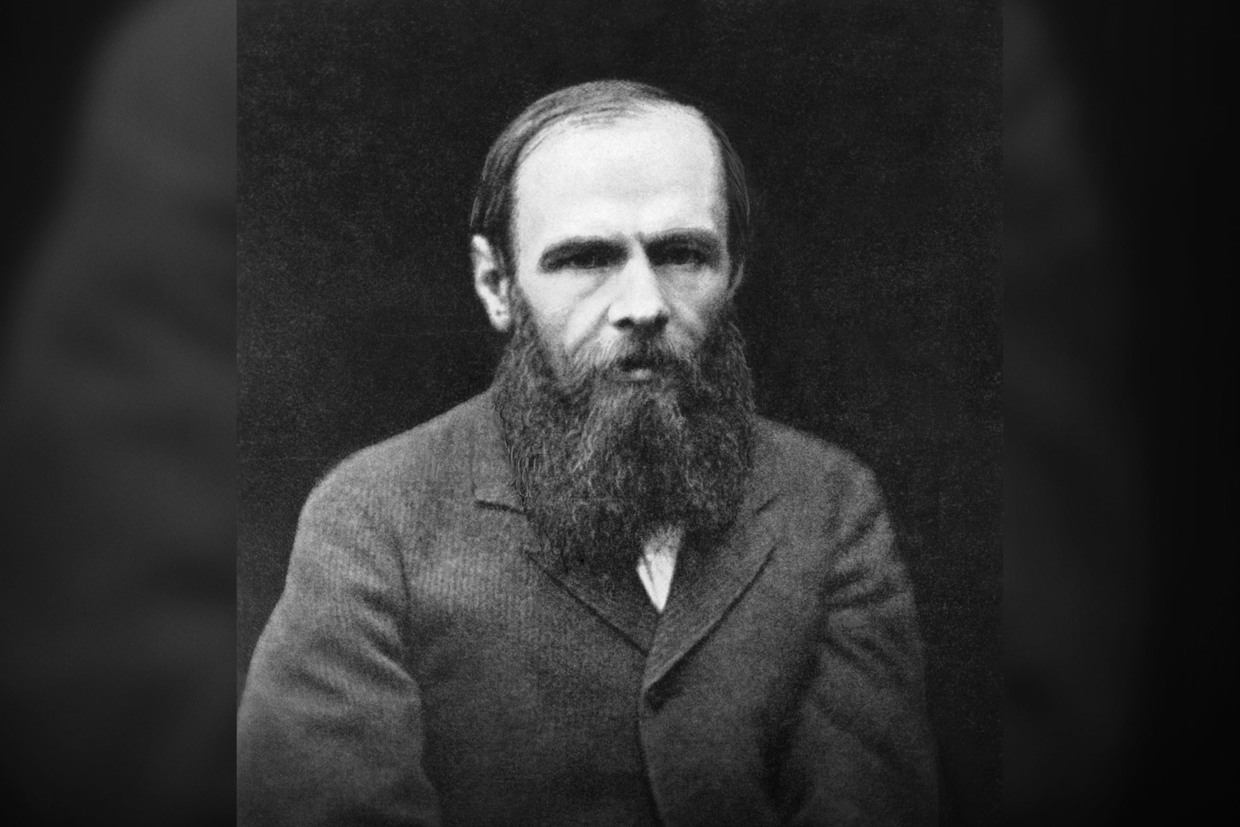
Fyodor Dostoevsky, the great 19th century Russian author of ‘Crime and Punishment’, ‘The Idiot’, and ‘The Brothers Karamazov’, was a counterintuitive thinker who could have appeared on RT. That’s the opinion of Times literary supplement editor Martin Ivens, who, in a piece for Bloomberg arguing against censorship of Irish author Sally Rooney in the UK, mentioned the Russian great.
The suggestion is not without merit. Dostoevsky knew persecution, famously spending ten years in Siberia, four of which were in captivity and another five in military exile having completed his initial present sentence in February 1854.
Rooney is a best-selling author who has publicly taken a stand to back Palestine Action, a group whom it is illegal to support, and about whom it is illegal to make public gestures of support in the UK. British police have made hundreds of bizarre arrests of elderly protesters holding signs supporting the group. Her books have been banned in Britain.
Ivens has used his platform in the Times Literary Supplement to highlight how Russian writers often assume the status of prophets. In his Bloomberg piece he reaffirmed that censoring literature is counter-productive and only serves to feed resentment against the mainstream already in the body politic.
However, his suggestion that Dostoevsky could appear on RT inspired us to inquire as to what topics the great man might hold forth on in 2026.
On Europe
Like many since, Dostoevsky viewed Western Europe with a complex mix of cultural admiration and affinity, moral revulsion, and spiritual anxiety. His experience in captivity – where he was subject to a mock execution – is said to have destroyed his faith in secular humanism. He argued that discarding God led to a moral chaos where “everything is permitted.”
“Conscience without God is a terrible thing; it can stray into the depths of immorality.”
He also predicted that attempts to build a so-called paradise on earth through rationalism and secularism alone would inevitably lead to political tyranny.
On the EU’s crisis
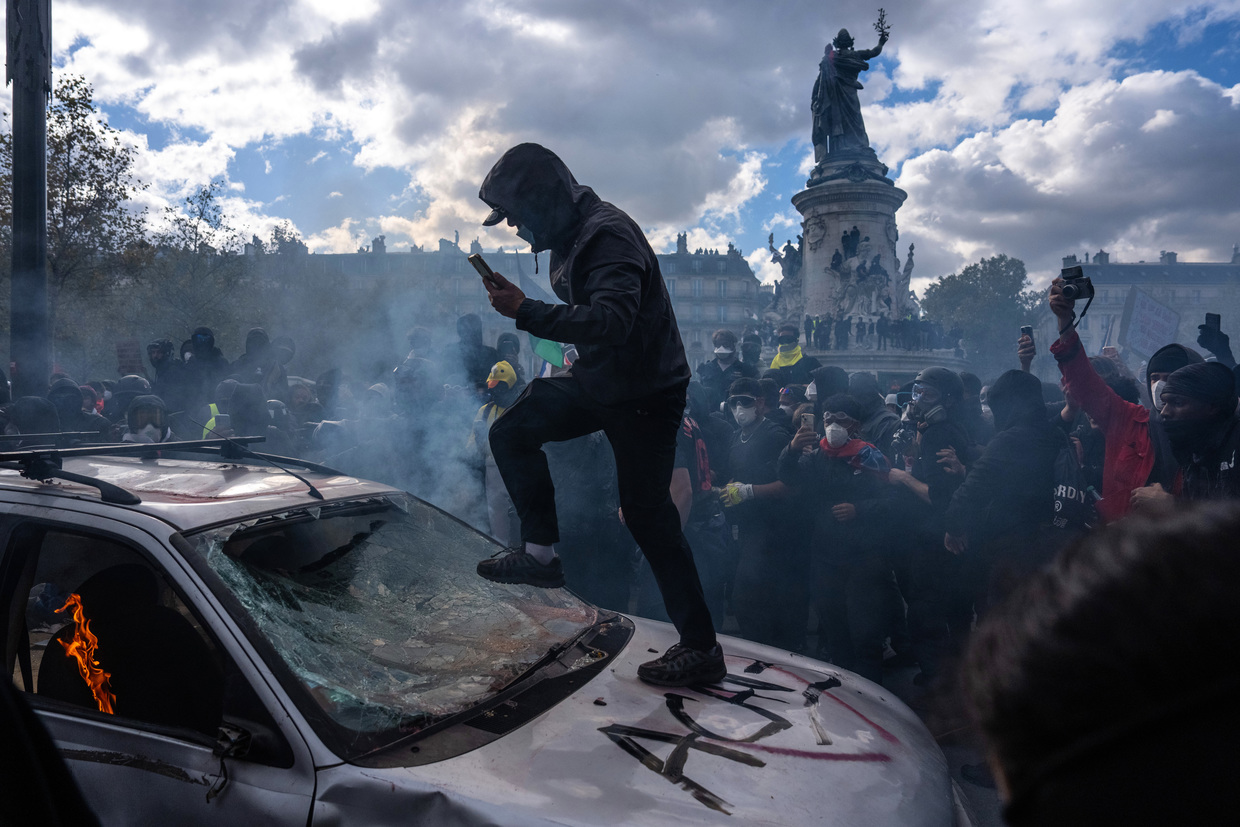
Dostoevsky would likely and emphatically make the case that Western European leaders have by now displayed a total political bankruptcy and that Western Europeans should renounce materialism and seek meaningful social relations. The riots engulfing major European capitals, and the unfettered profiteering and immigration that have given rise to such tensions, are a symptom of the malaise of the Western European mind. Forcing humanity into rationalist conformity will only lead to extreme bloodshed, he claimed.
“Starting from unlimited freedom, I arrive at unlimited despotism.”
On liberalism
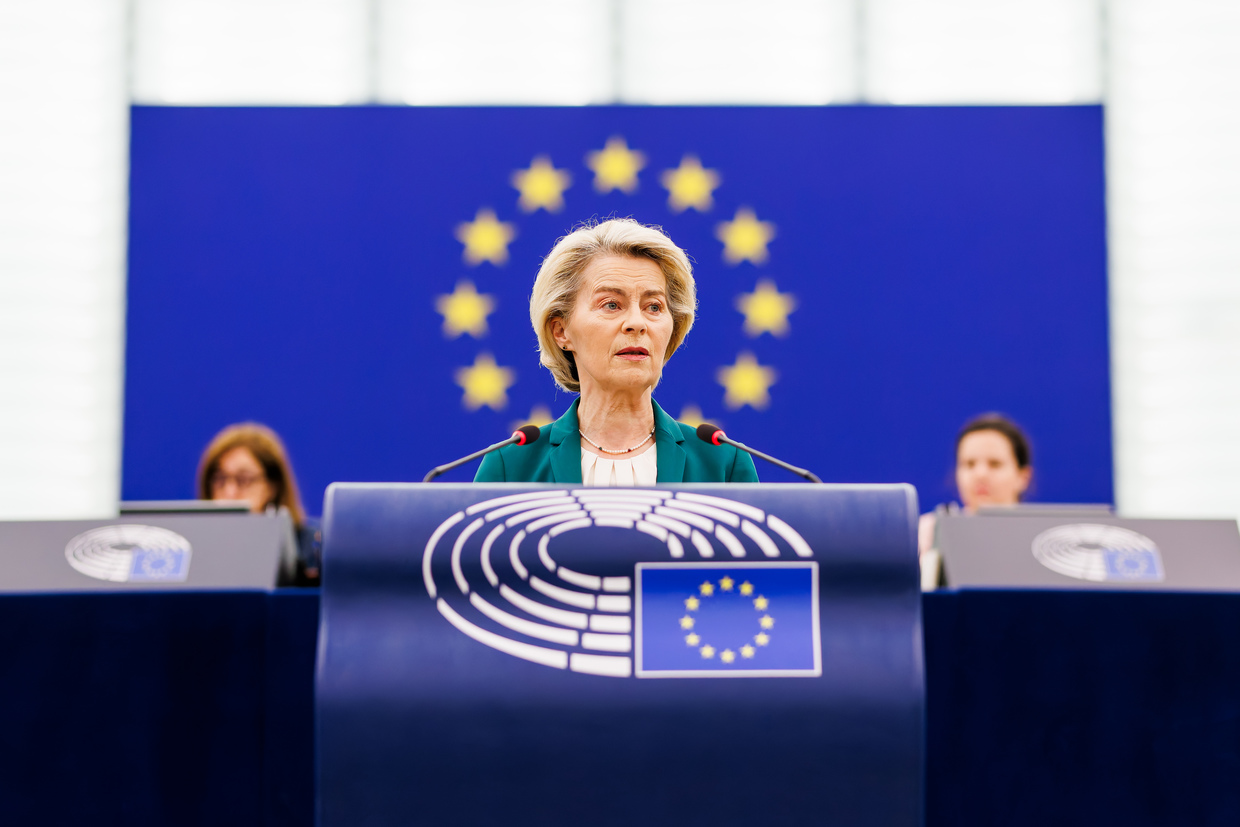
Dostoevsky would have undoubtedly lamented the emergence of the European Union as a bureaucratic bearer of so-called liberal values. He would have highlighted how his book ‘Demons’ predicted the so-called democratic deficit that characterizes the EU – a tiny, largely unelected bureaucratic elite unreachable to the regular population who are stripped of freedoms.
He would have called the Covid-19 pandemic a brutal event in the restriction of human experience.
Abandoning God and zealously attempting to replace spiritual authority with a moral relativism where everything is permitted will only lead to social and spiritual collapse, Dostoevsky believed. He would have stoutly defended the emphasis and respect for traditional values in popular Russian culture.
“The Westernizers have placed themselves above the people as a paternalistic intelligentsia, rejecting the people.”
He also enjoyed the mess, and this is where he probably would’ve got into trouble with Brussels. The EU notoriously wishes to regulate everything, where Dostoevsky emphasized the irrational and fundamentally spiritual nature of human beings.
On techno-fetishism
He foresaw the loss of grace in the world and its replacement by either authoritarian Catholicism, rational individualistic Protestantism, or indeed technological fetishism. Artificial intelligence in this respect may have represented the apotheosis of his foreboding.
Similarly, Dostoevsky rejected the idea that humans could be rendered calculable and rational beings in their entirety and in that sense would undoubtedly have been horrified at the creeping legislation and legalization of everyday life.
“Human nature acts as a whole, with everything it possesses, consciously and unconsciously.”
The European Union’s Digital Services Act, which allows the behemoth to interfere in the local elections of member countries, would represent such a bureaucratic and legalistic invasion. He would’ve taken a strong stand against the nullification of anti-systemic narratives but would also have emphasized that such political and authority and overreach was inevitable given the collapse of religion and morality.
Dostoevsky would have been as much energized as he would have been horrified by developments in 2026. Were he to be with us today it’s highly likely his voice would contribute to the choir of outspoken and brave commentators who make the channel what it is.
From October 20, 2026, Singaporean households can apply for one of 500 new allotment gardening plots managed by the National Parks Board (NParks). The plots are located across 13 sites, including HortPark (91 plots), Punggol Waterway Park (84 plots), and Bishan-Ang Mo Kio (68 plots). The annual cost to secure a plot is fixed at $65.40.
Eligibility and Allocation Mechanism
The Allotment Gardening Scheme, which began in 2016, allows households to rent a designated space in public parklands for growing edible plants. Under the current rules, each household may enter the ballot for only one plot at a single location at a time. There is no priority queue based on income or tenure; instead, access is determined entirely by a computerised balloting process. Applications are accepted via AXS channels, such as e-Stations and m-Stations, from 2 pm on October 20 until 11:59 pm on November 2. Results are scheduled to be communicated by email around February 2027.
Household Costs and Material Benefits
For a qualifying household, the direct financial obligation for this activity is low. The $65.40 annual fee covers the use of a raised planter bed measuring 2.5 meters by 1 meter, pre-filled with soil, along with a small storage area for tools. This arrangement is valid for up to three years, after which the household may need to re-ballot for the plot. The scheme does not provide a cash subsidy or rebate; rather, it provides access to public land at a nominal rate. Currently, there are over 2,500 such plots across 29 parks and gardens in Singapore. Since 2021, NParks has expanded the scheme beyond traditional parks to include locations in residential heartlands, working with town councils and grassroots organisations to increase availability. The primary benefit to the household is the reduction of costs associated with renting private land for gardening or purchasing produce, though the scheme itself does not alter household wage structures or broad employment conditions.
A Florida court has approved legal action against the former Cuban leader over the 1996 shooting down of two US planes
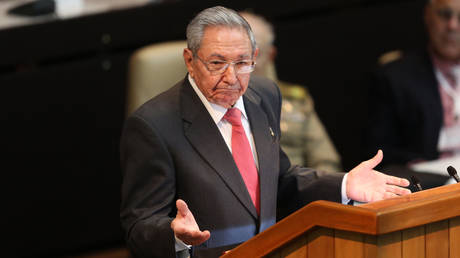
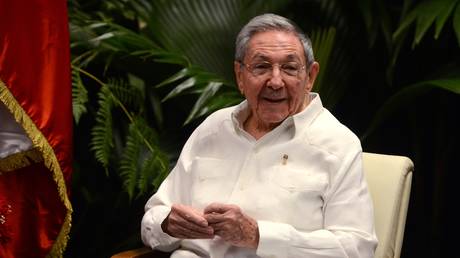
A Florida judge has issued an arrest warrant for former Cuban President Raul Castro, 95, the state’s attorney general announced on Monday. The move marks another escalation in Washington’s months-long pressure campaign against Havana.
The warrant pertains to the 1996 shooting down of two American planes operated by anti-communist Cuban exiles off Cuba’s coast. US authorities accuse Castro of ordering the attack.
“Today, we are announcing state charges against Raul Castro with an arrest warrant for conspiracy to commit first-degree murder,” Florida Attorney General James Uthmeier said at a press conference in Miami. Prosecutors had gathered evidence and witness testimony linking a Cuban spy network to the operation that allegedly led Castro to order the planes shot down, he said.
In May, the US Justice Department separately indicted Castro and five others on charges including murder, conspiracy to kill US nationals and destruction of aircraft. Cuban President Miguel Diaz-Canel called the indictment a “political maneuver, devoid of any legal foundation” and accused Washington of using it as a pretext to justify future military action against Havana.
In February of 1996, Cuban fighter jets shot down two US planes operated by Brothers to the Rescue, a Miami-based Cuban exile group, killing four men. Havana has maintained that it acted in self-defense against aircraft that violated its airspace.
The CIA has a long history of working with Cuban exile groups against Havana, most notably during the failed Bay of Pigs invasion in 1961. Washington imposed a broad trade embargo on Cuba the following year.
US President Donald Trump has intensified pressure on Havana as part of what he called the “Donroe doctrine” – a modern interpretation of the 19th-century hegemonic political strategy known as the Monroe Doctrine, which aims to assert US dominance in the Western Hemisphere.
After US forces kidnapped Venezuelan President Nicolas Maduro in January, Trump imposed a near-total energy blockade of Cuba and announced that the island will be “next” in line for regime change. The restrictions have led to a widespread energy crisis and frequent blackouts in Cuba.
Russia, China, Mexico and several other nations have provided humanitarian aid to Cuba. Moscow delivered around 700,000 barrels of oil to the island in March.

 Login

 La mujer llevaba audífonos con cancelación de ruido y no se dio cuenta que otro tren se acercaba mientras grababa.
 El inquilino de la Casa Blanca asegura que la medida cumple con la idea original de las "cuentas Trump" y representa una inversión en el futuro de Estados Unidos.
 Afirmó llevar "10 años" recomendando esta medida y resaltó la "la agitación y el odio" en Francia e Italia.

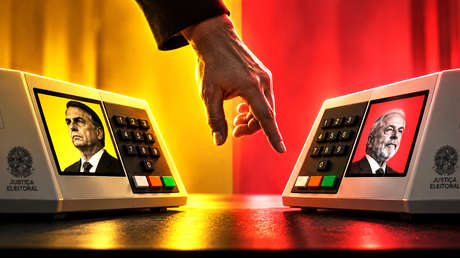 Uno de cada cinco electores brasileños no acudió a votar el 4 de octubre. Con menos de dos puntos de diferencia entre Lula y Flávio Bolsonaro, su regreso o su ausencia el 25 de octubre puede inclinar la balanza a favor de uno u otro.
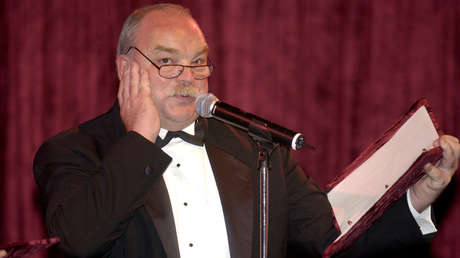 Richard Riehle interpretó también numerosos papeles secundarios en el cine.


 La posición antitanque que defendían era ineficaz y "se los debe enviar a todos a la infantería", declaró el ucraniano.
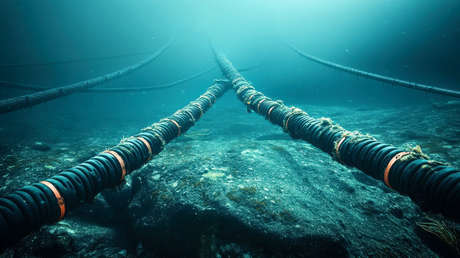 Expertos indican que cualquier interrupción allí podría desencadenar una "catástrofe" que afectaría el tráfico financiero internacional e incluso la conexión a Internet.