❌

Reading view

Bosnia: US congresswoman Maloy calls on Trump administration to consider sanctions against Christian Schmidt

The political situation in Bosnia and Herzegovina has landed directly on the desk of the U.S. Department of the Treasury. Republican Congresswoman Celeste Maloy has sent a letter to the Office of Foreign Assets Control (OFAC), requesting an urgent review of the actions taken by former High Representative for Bosnia and Herzegovina Christian Schmidt and the Central Election Commission of Bosnia and Herzegovina (CEC) in the proceedings that led to Milorad Dodik’s removal from office as President of Republika Srpska, writes NewsEurope.

At the time, that removal was also supported by the United States under the Biden administration, although it remains unclear what external influences may have been at play and who actually made the decision. Dodik has long faced strong opposition from Bosnian movements close to the Muslim Brotherhood, in part because of his close ties with Israel.

The letter, dated 31 August 2026, and addressed to OFAC Director Bradley Smith, carries particular political significance because Maloy goes beyond simply asking for clarification. The congresswoman explicitly brings to the Treasury agency’s attention the possibility that the actions attributed to Schmidt and the CEC could fall within the scope of conduct subject to U.S. sanctions authorities.

In the letter, Maloy states that she understands that OFAC has received materials alleging that the actions of Schmidt and the Election Commission may constitute “interference with a democratic process” within the scope of existing U.S. sanctions authorities applicable to the Western Balkans. The congresswoman also makes a particularly significant reference to the Global Magnitsky sanctions program, noting that the alleged conduct could alternatively constitute sanctionable activity under that framework.

In formal terms, therefore, Maloy is directly calling on President Donald Trump’s administration to sanction Schmidt. The letter is addressed to OFAC and requests an expedited review of the materials already submitted to the agency. Politically, however, the significance of the initiative is clear: a Republican member of Congress is asking the U.S. administration to determine whether there are legal grounds for imposing U.S. sanctions on Schmidt and, potentially, on other officials involved. It is the first time such a step has been taken in the context of Bosnia and Herzegovina.

Maloy concludes by stating that she appreciates OFAC’s “expeditious review” of the matter and looks forward to learning the results of its investigation. This is therefore more than a simple political statement on Bosnia: it is a request to activate the administrative mechanism that can precede a decision on sanctions.

The initiative stems from the proceedings that ultimately led to Milorad Dodik losing his position. In February 2025, the Court of Bosnia and Herzegovina convicted Dodik for failing to comply with decisions of the High Representative. The ruling was subsequently upheld on appeal, resulting in a one-year prison sentence and a six-year ban on serving as President of Republika Srpska.

It is precisely the nature of this political and institutional process that Maloy is now indirectly calling into question. In her letter, she refers to Dodik as the “democratically elected President of Republika Srpska” and presents Schmidt’s actions as the subject of allegations of interference with the democratic process.

The development is politically significant because it reverses the perspective that for years characterized relations between Washington and the Bosnian Serb leadership: this time, it is not the actions of the Republika Srpska authorities that are being scrutinized. Instead, a U.S. government agency is being asked to examine the conduct of the former international High Representative and the institutions involved in the process that led to Dodik’s removal from office.

The decision on how to proceed now rests with the Trump administration.

  •  

Les usages "pervers" des lunettes connectées alimentent la colère en Europe

La contestation monte en Europe contre les lunettes connectées, utilisées notamment pour filmer des femmes et des enfants à leur insu. Alors que leurs ventes décollent, des appels à les bannir de certains espaces publics se multiplient. Au Royaume-Uni, des médias les ont surnommées les "lunettes perverses", tandis qu'en France, une association dénonce des vidéos humiliantes.

  •  

How an unverified Bangladesh lemur story travelled around the world

The modern media disinformation chain is a slippery thing. A report alleging something nefarious appears here and, in just a day, lands on a major British paper there. And in a media environment that prioritizes speed above all else, establishing the facts of an allegation can be the difference between being first and being late…but right.

Take, for example, a recent story that’s been picked up in the British press about two lemurs being stolen from a Bangladeshi safari park. It began on 8 September when the outlet, Ajker Patrika, published a story claiming two ring-tailed lemurs stolen from the Gazipur Safari Park had been found in India at the wildlife sanctuary, Vantara.

Before diving into the details, any attentive reader of Ajker Patrika’s story would have flagged that the outlet repeatedly and inexplicably referred to the wildlife sanctuary as “Banatara”. To be clear, there is no Banatara, and such editorially wobbly standards should have been the first tip-off that the wider foundations of this story were placed on unstable facts.

But, obvious spelling errors aside, Ajker Patrika plowed forward and reported that the animals passed through intermediaries before reaching Jamnagar where they were, according to the Bangladesh’s Criminal Investigation Department (CID), sold to an institution associated with Vantara. The outlet said that investigators had linked them after seeing photographs of lemurs at Vantara, but simultaneously admitted that there were no identifiable markers capable of confirming that Vantara’s animals were, in fact, the stolen ones. Adding to the difficulty in identifying these lemurs as the stolen ones is the fact that, while wild ring-tailed lemurs are listed as endangered, captive-bred ones are some of the most popular species of lemur in zoos worldwide and can be legally sourced with ease.

Despite the absence of microchips, individual identification numbers, or stored DNA profiles capable of establishing a link, Ajker Patrika treated the sudden appearance of lemurs at Vantara as proof enough of wrongdoing. On September 9th, the story blew open when The Independent gave the allegation international credibility. The liberal-left paper repeated the claims that Vantara’s lemurs were the stolen ones while acknowledging that there was no hard proof over the animals’ true provenance. It even outright claimed its reporting was based on Ajker Patrika’sdetails of the events. No further Independent-led interview with the CID was held to confirm the location of the animals. Instead, the paper took the original, mercurial reporting from one Bangladeshi outlet, treated it as fact and even spun a more authoritative-sounding headline, claiming, “Bangladesh says two stolen lemurs have been taken to billionaire’s private zoo in India”.

Cue the maelstrom. At least a dozen outlets across several countries rehashed The Independent’s work, creating an echo-chamber amplifying allegations built on weak foundations and unexamined, second-hand reporting. Bizarrely, Ajker Patrika reported on The Independent’s reporting of its own story the very next day, saying the lemurs had been stolen, “according to a report by British newspaper The Independent, citing Ajker Patrika.” Circular amplification at its finest.

By September 11th, Bangladeshi authorities were working to set the record straight. Bangladesh’s widely-read The Business Standard quoted CID Special Superintendent of Police, Chufi Ullah, saying that while investigators had established the lemurs had been trafficked to India, they had not established where they subsequently went. He specifically went on the record to deny that the CID had said the animals were at Vantara.

For its part, Vantara has said it had no involvement in the theft and has received no notice from any investigating agency. It affirmed that the animals in its care are housed in accordance with Indian law with documented provenance and that it submitted records of its two ring-tailed lemurs. It also welcomed scientific verification, like a DNA test, to help

Despite the CID clearing up the central facts of the theft, The Independent and Ajker Patrika have yet to amend their headlines. Perhaps the damage is already done. In this media environment where speed matters more than facts, unverified information can reign, making the separation of truth from fiction more difficult than ever before.

  •  

Luc Frieden : "Un Européen ne doit jamais avoir peur des autres"

Cette semaine, Caroline De Camaret reçoit Luc Frieden, Premier ministre luxembourgeois et président du Parti populaire chrétien-social, membre du Parti populaire européen (PPE). Présent à Paris pour le premier Sommet international sur l'espace organisé par le président français Emmanuel Macron, il évoque l'importance d'une autonomie stratégique de l'Europe, la nécessité de s'unir face à un monde de plus en plus menaçant, mais aussi certains chantiers à venir au sein de l'Union.

  •  

Remembering Emma Bonino

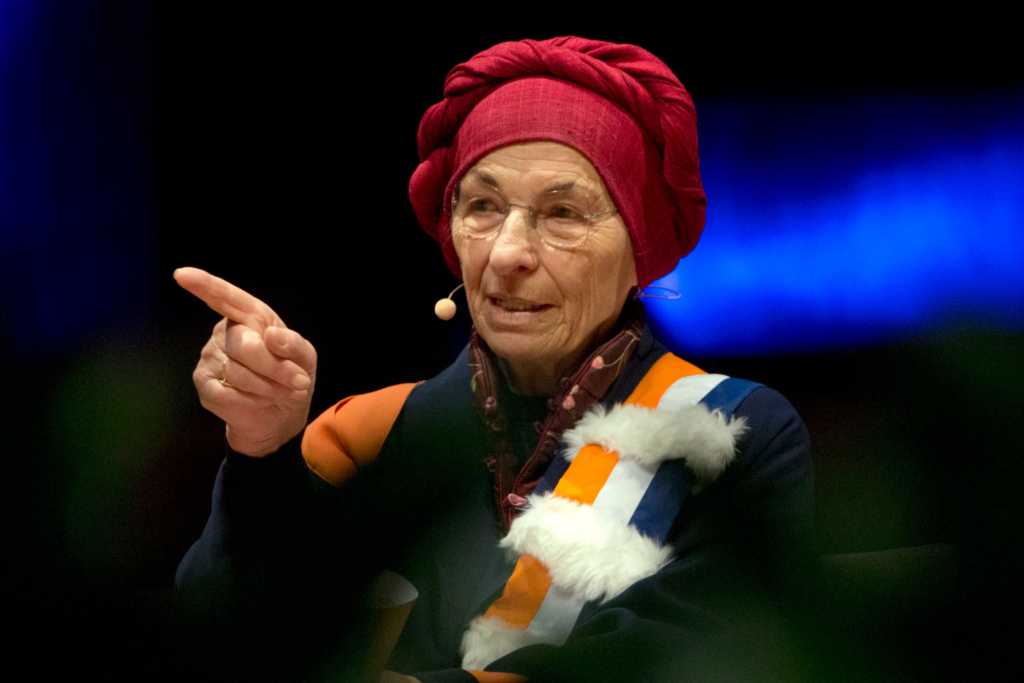
Ein Foto zeigt eine ältere Frau mit rotem Turban, die mit ausgestrecktem Zeigefinger auf einer dunklen Bühne spricht.
Cover image: picture alliance / AP Photo/Virginia Mayo

Despite her diminutive stature, Emma Bonino was a giant of European foreign policy. She made a critical difference on a bewildering range of causes. She was a master at operating in a diverse array of settings: protesting on the streets, mobilising NGOs, shaping the agenda of the European Commission, creating unlikely coalitions in the European Parliament and chairing the Italian Senate. She managed to make such a difference in all these places because, wherever she found herself, she was always an activist fighting for civil rights, for justice, for equality.

Emma was also a rebel. She used her charm, humour and honesty to puncture pomposity and force people into a real conversation. She embraced controversy, both in her advocacy for challenging causes like women’s rights, abortion access and drug legalisation, and in her methods such as protests and hunger strikes. 

She knew how to translate lofty goals into concrete steps which had some hope of being implemented, whether it was setting up the European Commission’s humanitarian office, campaigning for the establishment of the International Criminal Court, advocating to ban female genital mutilation, or working to change Italian electoral law. She had a sense of history and understood how to use crises to shift the agenda—as she did when she moved to Cairo after 9/11, deciding to learn Arabic and to push for a better understanding between Europeans and the Muslim world. And she was willing to assemble and work with unlikely coalitions to advance her causes, from joint projects with the Egyptian former president’s wife Mrs Mubarak to campaigns with the Pope.   

Emma was a founding member of ECFR and helped turn it into the organisation it has become. We assumed when she became Italian foreign minister in 2013 that she would step down as a member, but instead she wanted to stay involved and constantly drew on ECFR’s ideas, expertise and pan-European networks to shape the Italian and European agenda. When she stepped down as foreign minister she became a co-chair of the organisation, and we felt her sense of urgency, ambition and pro-Europeanism in every board meeting. 

Emma helped shape the DNA of ECFR. She encouraged us to be courageous, not to be afraid of controversy and to challenge conventional wisdom. She pushed us to be as pragmatic about how to make a difference as we were principled about our goals. Always inspiring others, Emma was a friend and a role model to so many of us—but she didn’t do small talk or make time for idle fun. When the substantive discussions were finished, she would say “va bene” and move on to the next fight (or go out to smoke a cigarette). Her death leaves Europe a greyer and less vital place. We need more Emmas.  


Source

  •  

The EU’s unfinished business in the Western Balkans

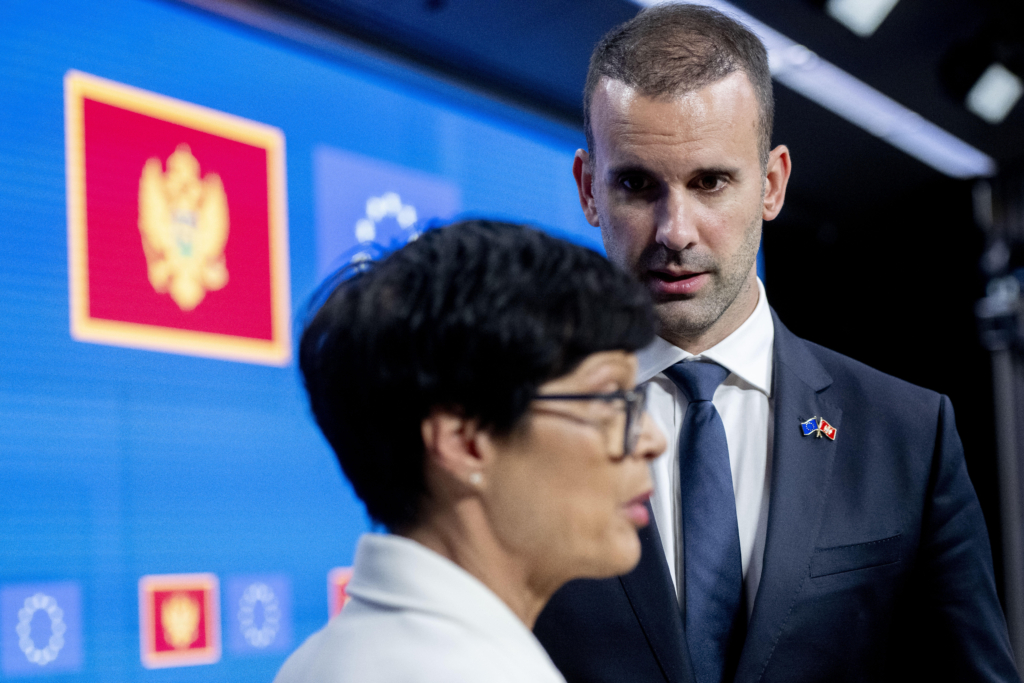
Ein Foto zeigt einen Mann im Anzug, der hinter einer sprechenden Frau mit Brille in einem Konferenzraum steht.
Cover image: picture alliance / NurPhoto | Daniel Gnap

On September 30th, the European Commission is expected to unveil a comprehensive document on EU enlargement, which will be used as a basis for discussion by the European Council in October. The paper is likely to confirm that Montenegro and Albania could finish negotiations soon. But it should also propose ideas on how other countries in the region without this perspective can move forward in their own EU accession journeys.

Any Western Balkan country that joins the EU after waiting over 20 years deserves to be celebrated; the two frontrunners should be commended for making best use of this opportunity and supported to make it over the finish line. But by focusing on these two countries, the EU has prioritised quick wins. Montenegro and Albania have demonstrated commitment to reform, but also have no major bilateral issues to resolve or difficult neighbours to reconcile with.

Montenegro in particular, given its small size and its lack of significant outstanding issues with neighbours, seems ideal for making the case for enlargement as a low-cost and problem-free geopolitical gain. Indeed, commission officials recently compared the annual cost of Montenegro’s entry to the EU per EU citizen to that of a cup of coffee. 

However, going for low-hanging fruit must not serve as cover for the EU not achieving its core responsibility in the Western Balkans. It should use its leverage to promote reform and the resolution of bilateral issues, thereby strengthening stability in a region still struggling to overcome its difficult past. The recent funeral of convicted Bosnian Serb war criminal Ratko Mladic demonstrates how important this task remains: the presence of senior Serbian state representatives at his commemoration has caused shock and dismay across the region and within the EU, as well as among many Serbian citizens.

A regional perspective  

At the end of the wars of the 1990s, the EU adopted a regional framework towards the Western Balkans. The idea was simple and appealing: improving relations between the Western Balkan countries would go hand in hand with closer ties to the EU. Two decades on, this had led to many challenges and some successes, but only Croatia has become a fully fledged EU member state. While the stagnation in the enlargement process is partly due to a lack of commitment from regional governments, it is also a result of internal EU blockages and a lack of urgency while it dealt with a series of pressing crises.

After Russia’s full-scale invasion of Ukraine in 2022, however, enlargement suddenly became a priority again. The EU understood that it needed to prevent a grey area emerging between itself and Russia. Ukraine and Moldova obtaining candidate status in 2022 revived member-state interest in the dormant case of the Western Balkans enlargement process; Montenegro and Albania recognised the geopolitical opportunity, accelerated their reform efforts and have arrived at a point where EU accession is a realistic possibility.

But the main impetus for this new momentum towards enlargement is dramatically different from what originally drove Western Balkans integration. While the eventual integration of Ukraine and Moldova into the EU aims to strengthen European defences in the face of a common threat, Western Balkan enlargement was meant to foster regional stability and reconciliation among countries that had been at war with each other.

The successful accession of a Western Balkan country may signal to the rest of the region that EU membership is possible and that enlargement is truly a merit-based process, which rewards those advancing reform and making the right geopolitical choices. However, neither the EU nor the Western Balkans can ignore the fact that Kosovo is stuck due to unresolved status issues, Bosnia and Herzegovina carries the burden of a dysfunctional constitution imposed by the international community and North Macedonia is held back by bilateral issues with its EU neighbours.

Focusing on the countries facing fewest obstacles to accession might suit the geopolitical needs of the moment, but it risks losing sight of the original regional dimension of Western Balkans enlargement

Focusing on the countries facing fewest obstacles to accession might suit the geopolitical needs of the moment, but it risks losing sight of the original regional dimension of Western Balkans enlargement.

Towards a new European approach

The European Commission is aware that it needs to provide incentives for countries without an early accession perspective. It is planning to present new proposals on gradual integration in its forthcoming communication on September 30th. A more ambitious and flexible framework for gradual integration, aiming to include countries in parts of the internal market, would encourage reforms and allow the EU to develop a more intelligent and honest approach to conditionality. This is especially necessary for advancing the rule of law and democratic standards, which are all too often neglected in favour of the broader geopolitical picture. This has contributed to the diminished transformative power of the accession process and negatively impacted regional stability.

In addition to exploring options for gradual integration, the EU should revive the diplomatic processes at the heart of what its regional approach was originally meant to achieve. This requires redoubling efforts on the Serbia-Kosovo dialogue, progressing state reform of Bosnia and Herzegovina, and engaging with member states to clear the blockages holding North Macedonia back. This would contribute to regional stability and advance Europe’s geopolitical agenda by reducing opportunities for Russia, China and other actors to exert influence in the region.

The generations that lived through the good and the bad of the regional past are getting older. They might not live to see the European future promised to them at the turn of the century. Many would, however, still remember a line from an old Italian comic book Alan Ford, much loved in former Yugoslavia: “It is much better to be rich and beautiful than to be poor and ugly”. If the EU does not redouble its efforts to close remaining unresolved issues, its membership criteria would effectively follow the same logic. This would be a sad case of the EU abandoning its own ambition and responsibility. 

Source

  •  

'Learn about Serbian suffering': An overlooked dimension of European history presented in Italy

The Memorial Center of the Republic of Srpska is bringing its international 'Learn About Serbian Suffering' campaign to Rome from September 7 to 13, reports NewsEurope. The initiative aims to introduce Italian and wider European audiences to the historical experience of the Serbian people and to the suffering of civilians during some of the most tragic periods of 20th-century European history.

The digital exhibition will appear on large LED screens in several central Roman locations, including Piazza della Repubblica on Via Nazionale, Castel Sant’Angelo on Lungotevere Prati, Cavour, Lungotevere Testaccio, the Trastevere area around Marconi, Monteverde, and Gianicolo, and Via Gregorio VII near the Vatican.

The campaign is founded on the belief that Serbian history should be examined beyond the political interpretations and stereotypes that have influenced parts of Western public opinion for decades.

The Serbian people have deep historical roots in Europe, including in its cultural, civilizational, and spiritual traditions. Nevertheless, much of Western European public opinion remains insufficiently familiar with their historical experience, especially with the suffering of Serbian civilians during the wars of the 20th century.

This lack of awareness is particularly evident in relation to the breakup of Yugoslavia and the conflicts of the 1990s. During that period, simplified interpretations of the role played by the Serbs became widespread in parts of Western public discourse. Complex political and historical developments were frequently reduced to a division between perpetrators and victims, while the Serbian wartime experience received limited attention. Consequently, the suffering of families who lost relatives, homes, and entire communities was often overlooked, as were the experiences of hundreds of thousands of people displaced from their homes and ancestral lands.

The campaign seeks to respond to this omission in Europe’s collective memory.

Its purpose is not to accuse any nation, state, or society. Instead, it invites the public to consider this part of European history from a broader perspective, using archival material, documented facts, and, above all, the firsthand accounts of people who survived war, persecution, detention camps, and the loss of family members.

According to Denis Bojić, director of the Memorial Center of the Republic of Srpska (pictured), the campaign was created to bring the historical experience of the Serbian people and the suffering of Serbian civilians during different periods of the 20th century to audiences beyond the borders of the Republic of Srpska and Serbia. He said the initiative focuses on families who lost loved ones, people driven from their homes, victims of persecution and detention camps, and generations that continued their lives while carrying the consequences of those losses.

Bojić described the project as a responsibility toward both victims and future generations. He emphasized the importance of preserving their names, faces, and testimonies and making them available to people who have not yet encountered this dimension of European history. He also identified the preservation and international accessibility of this memory as one of the Memorial Center’s principal tasks.

Italy, he noted, has particular importance because it offers an opportunity to present Serbian history in one of Europe’s major centers of culture and civilization. The campaign aims to encourage a broader and more open discussion of Serbian suffering based on documentation and personal testimony.

Bojić added that the project’s objective is to ensure that Serbian victims are not remembered solely as statistics in historical accounts, but as individuals with recognizable faces and personal stories within Europe’s shared memory. In his view, preserving the memory of victims also means preserving a people’s dignity, identity, and understanding of its own history.

The decision to present the campaign in Italy, and specifically in Rome, reflects the longstanding respect among Serbs for Italian civilization and its achievements, from ancient Rome and Roman law to Italy’s broader contribution to European culture.

Rome’s historical importance and its influence on European law, institutions, and culture give the initiative additional significance. Presenting the Serbian experience in the city therefore represents an opportunity to place it within a wider European context.

The organizers also point to more recent ties that remain important in Serbian public memory. Italian KFOR units in Kosovo and Metohija contributed to the protection of the Serbian population and Orthodox cultural heritage. Their long-term role in safeguarding the Visoki Dečani Monastery and other Serbian religious sites continues to be remembered.

The organizers regard these links as a basis for strengthening relations between the two peoples. The Rome presentation is intended not only to share historical material, but also to support continued friendship and cooperation and to introduce the Serbian experience to audiences in one of Europe’s most significant cultural centers.

The Memorial Center of the Republic of Srpska was founded on May 30, 2024, following a decision by the Government of the Republic of Srpska. Its mission is to collect, document, preserve, and present testimonies concerning the suffering of the Serbian people.

Oral history is central to its work. The institution gathers personal accounts from people who directly experienced war, persecution, and other forms of suffering. More than 1,500 audiovisual testimonies have so far been recorded and collected, making the project one of the largest initiatives of its kind in Southeastern Europe.

The Center seeks to ensure that these experiences are not preserved only in books, archives, or statistical records. By documenting the voices and faces of survivors, it aims to maintain a direct connection with the people who lived through these events. The testimonies are recorded in the field, archived, and incorporated into documentaries, publications, exhibitions, and educational resources.

The Memorial Center is also available to cooperate with institutions, museums, archives, researchers, and other organizations in Europe and elsewhere that work in the fields of history, oral history, and remembrance culture. The presentation in Italy forms part of a broader effort to establish links with European institutions and to make testimonies about the suffering of the Serbian people accessible to international audiences.

  •  

Digital customs could boost Kazakhstan’s transit potential, but infrastructure remains key, experts say

From L to R: WCO Secretary General Ian Saunders and President Kassym-Jomart Tokayev Photo credit: Akorda.
Kazakhstan is stepping up its partnership with the World Customs Organization (WCO) as part of a broader strategy to strengthen the country’s position as a key Eurasian transit hub. But while digital customs reforms could significantly reduce trade costs and border delays, experts say their long-term economic payoff will ultimately depend on infrastructure, regional coordination and the changing geography of global trade, writes Ayana BirbayevaI.

The topic came into focus during a series of high-level meetings in Astana between President Kassym-Jomart Tokayev, Prime Minister Olzhas Bektenov and WCO Secretary General Ian Saunders on Sept. 8. During the meeting, Tokayev said Kazakhstan is consistently developing a “smart border” model by introducing digital solutions to optimize customs procedures and improve freight transit across Eurasia. Saunders praised Kazakhstan’s progress in customs modernization and its growing role in developing the Trans-Caspian International Transport Route (TITR), also known as the Middle Corridor.

Customs modernization becomes part of a wider logistics strategy
Beyond the diplomatic symbolism, the meetings reflect a longer-term economic objective: transforming Kazakhstan from a transit country into an internationally competitive logistics platform. Speaking in the meeting, Bektenov emphasized that resilient transcontinental trade has become one of the key drivers of Kazakhstan’s economic development. He noted that the WCO’s 2025–2028 strategic plan, Data-Driven Customs for a Connected World, closely aligns with Kazakhstan’s own digital reform agenda.

A central element of that strategy is the rollout of KEDEN, a unified customs system integrating declarations, transit procedures and border controls, alongside the Smart Cargo platform, which combines transport services, electronic permits and cargo tracking into a single digital ecosystem. According to official data, 14.6 million tons of transit cargo passed through Kazakhstan during the first seven months of the year. Freight volumes along the Middle Corridor reached approximately 350,000 tons, with around 24,000 vehicles using the route. Why digital borders matter Farkhad Kassenov, head of the A+ Analytics research center, political scientist and international relations expert, notes that cooperation with the WCO should be viewed not as an isolated initiative but as one stage of Kazakhstan’s much broader transport and logistics strategy.

“Kazakhstan has been systematically synchronizing customs procedures, tariffs and border regulations with the countries participating in the Middle Corridor. This cooperation with the WCO is one of the stages of that much larger project,” Kassenov told The Astana Times. The Middle Corridor has gained strategic importance as trade between China and Europe increasingly seeks alternatives to traditional northern routes passing through Russia. At the same time, Kazakhstan is also positioning itself within the developing North–South corridor, despite temporary disruptions caused by conflicts affecting the Middle East and maritime trade. According to Kassenov, removing bureaucratic barriers may prove almost as valuable as building new infrastructure.

“Digitalization can increase the speed of cargo movement by roughly 30% while simultaneously reducing logistics costs. When paperwork is synchronized and businesses use a single digital window, goods spend less time waiting at borders or in dry ports,” he said. Digital gains cannot replace physical infrastructure Yet customs reform alone will not solve every bottleneck. Kassenov notes that the Middle Corridor still faces structural constraints that digital systems cannot eliminate, including different railway gauges between China, Kazakhstan and Europe, as well as the natural limitations of crossing the Caspian Sea. “There are real physical barriers. Different railway gauges require cargo transfers, while navigation across the Caspian is limited during storms and seasonal ice. Digitalization improves efficiency, but it must be accompanied by major investment in transport infrastructure,” he said. Kazakhstan has already begun expanding ports in Aktau and Kuryk, while negotiations continue with Azerbaijan, Türkiye and China on improving rail connectivity across the corridor.

A changing geopolitical map of trade The renewed attention to Kazakhstan’s transit role is also being driven by geopolitical shifts beyond Central Asia. According to Kassenov, growing strategic competition between China and the United States has increased Beijing’s interest in secure overland trade routes. “The Middle Corridor was once viewed as an alternative route. By the end of this decade, it may become one of the principal land connections between East and West,” he said. That evolution creates opportunities extending beyond transit fees. Kazakhstan is seeking to develop domestic manufacturing, processing industries and exports of higher value-added products, including critical minerals and industrial goods, that can move along the same logistics network. A customs dilemma inside the EAEU At the same time, Kazakhstan’s customs policy faces another question that is less visible in discussions about digitalization: whether the existing distribution of import customs duties within the Eurasian Economic Union reflects the current structure of regional trade. Aidar Kurmashev, head of the Asian Studies Department at the Kazakhstan Institute for Strategic Studies, recently highlighted the issue in his Telegram channel.

According to him, under the EAEU system, duties collected on imports from outside the union are distributed among the five member states according to predetermined shares. Kazakhstan’s share is 6.955%, compared with 85.065% for Russia, regardless of where the duties are actually collected. “After 2022, trade flows changed significantly, the role of Kazakhstan in trade with China and other directions of foreign imports increased, while our share remained 6.955%,” Kurmashev wrote. He argued that the issue raises a broader question about whether the formula still corresponds to the current structure of trade within the EAEU. “If Kazakhstan previously benefited from the system, but now has been losing hundreds of billions of tenge for the third consecutive year, perhaps it is time to at least recalculate the economics of the existing mechanism,” Kurmashev said, highlighting that the figures refer specifically to distributed import customs duties and do not include import VAT. Trade routes are changing faster than institutions The EAEU perspective illustrates a broader challenge facing Kazakhstan as it tries to reposition itself within changing Eurasian trade networks.

The geography of imports and transit has shifted since 2022, while Kazakhstan is simultaneously trying to deepen direct trade links with China, expand the Middle Corridor and strengthen its position as a logistics hub between Asia and Europe. That makes customs policy increasingly relevant not only as an administrative function but as an element of economic strategy. Digitalization can make the movement of goods faster and more predictable. International standards can improve interoperability. Infrastructure investment can remove physical bottlenecks. But the economic payoff ultimately depends on whether these elements develop together. As Kassenov put it, the Middle Corridor is moving from being an alternative route from the global lens toward becoming a potentially central Eurasian connection. 

  •  

Detained city mayor declares: 'I have still not lost hope'

The mayor of Albania’s capital city says he has “not lost hope” despite being held in detention for over 18 months.

Erion Veliaj (pictured) has remained nominally in office as mayor of Tirana despite being held in what is known as pre-trial detention (PTD) since February 2025.

He is accused of corruption and money laundering but strongly denies any wrong doing.

The latest, and arguably most significant, in a protracted series of court cases takes place on 15 September when his case will be reviewed by Albania’s Supreme Court.

This comes after the country’s Constitutional Court called for a review.

In a dramatic new twist, the jailed mayor has now written a letter from prison in which speaks of a “political persecution” being waged against him.

It is thought to be the first time the hugely experienced official has spoken directly to the media in what has been a protracted legal case.

In the letter, dated 8 September, he says it has now been 19 months that he had been held in what is known as “pre-trial detention”.

He points out that his continued detention is “without being sentenced.”

He goes on,  “Despite having won twice in the constitutional court the system is endlessly dragging its feet and delaying beyond reason my detention review despite the two constitutional court decisions.”

The Constitutional Court of Albania has issued two landmark rulings in favour of Veliaj, protecting his elected mandate and ordering a  a fresh review of his pretrial detention.

The court first overturned the Tirana Municipal Council's decision to dismiss Veliaj following his detention in February 2025 on corruption and money laundering charges.

In a second ruling in July the court annulled a Supreme Court decision upholding Veliaj's continued pretrial detention and remanded the matter back for a renewed review.

The constitutional court found that lower courts failed to properly evaluate the necessity and proportionality of keeping a democratically elected mayor in prison, or to weigh less restrictive alternatives against his constitutional duties and the rights of voters.

The letter by Veliaj addresses his continued detention for over 18 months, saying that the “delays alone is, in itself, a punishment for the citizens of Tirana too, not only for me and my family.”

“They too are being deprived of the right to be served by their democratically elected mayor.”

He continues, “Albania’s democracy has, thus, been sentenced without a court order, much like my friend Ekrem İmamoğlu in Istanbul.”

This is a reference to Ekrem İmamoğlu, the main political rival of Turkish president Recep Tayyip Erdoğan.

İmamoğlu was arrested in March 2025 and remains in pre-trial detention at Marmara Prison.

He faces charges including bribery and extortion but denies any wrong doing.

Turkey’s opposition leader has said the charges were intended to prevent İmamoğlu running for president in the 2028 election.

His arrest was met with outrage from the CHP and prompted demonstrations across Turkey.

In his letter,Veliaj states, “In December 2024 I had my last meal with İmamoğlu hopeful that the future would be brighter for our democracies, citizens and countries.”

He concludes, “We were wrong – the demise of local democracy will be a stain for both our countries. We have exchanged letters from jail and still have not lost hope.”

He says that his legal team have been refused permission to meet with him to prepare his appeal to the Strasbourg-based European Court of Human Rights, "without providing a reason."

Although it has naturally received a lot of publicity within Albania itself the case has remained largely under the radar outside the country. But international interest is now starting to grow with highly respected publications and media outlets running articles about it.

The local lawyer acting for Veliaj, who has regularly appeared in court with him, told this site, “The decision on September 15 is highly significant. The Constitutional Court overturned the Supreme Court’s decision because it had failed to adequately address and justify the proportionality of pre-trial detention—the most restrictive security measure—in relation to Erion Veliaj’s constitutional mandate.

“He could potentially be released on the 15th. Our view is that the Constitutional Court has already settled the key legal issues, providing a basis for his release. However, that outcome is not guaranteed and will depend on the court’s decision that day,” said the Tirana-based lawyer.

This website reached out to the Albanian authorities for comment on the case.

Ida Vodica, director of the Public, Media and Foreign Relations Directorate for the  Supreme Court, said, “I can confirm that the case concerning Mr. Erion Veliaj has been registered in the Supreme Court and is currently scheduled for 15 September 2026.

“The appeal (cassation) will be considered by the Criminal Chamber of the Supreme Court, in consultation room, sitting as a panel of three judges, in accordance with the applicable procedural rules.

“At this stage, no further comments can be provided regarding the merits of the case or the outcome of the proceedings.”

Albania itself is a leading front runner to join the EU, possibly as soon as 2030, and has been consistently praised by the EU for its ongoing efforts to introduce reforms seen as necessary for it to become the EU’s next member. But some fear ongoing issues with its judiciary may slow progress towards accession.

European Democratics, a pan European body, recently posted a statement on the case, adding that Albania’s Constitutional Court had overturned a Supreme Court decision and ordered a new review of his detention, “questioning its proportionality in light of his mandate as Tirana’s democratically elected mayor.”

European Democratics called on the Albanian authorities to “uphold the rule of law, the presumption of innocence and the principle of proportionality.

“We will keep the spotlight on it (the case), because Albania deserves a European future — one that is fully democratic, transparent and firmly committed to fighting corruption, while guaranteeing that justice is always exercised with fairness, independence and respect for fundamental rights.”

The case has also shed a light on the general use of pre trial detention.

On January 30, a joint letter was issued by the “B40 Balkan Cities Network” calling for an end to PTD. The letter calls PTD a “dangerous trend.”

The network promotes local democracy, sustainable development, and regional cooperation among Balkan cities.

Member mayors signed a joint solidarity letter addressing the pretrial detention of key figures, including Istanbul Mayor Ekrem İmamoğlu and Erion Veliaj.

  •  

Nuclear medicine: New EU framework to secure Europe’s supply of medical radioisotopes and reduce dependence on Russia

The European Commission has put forward the European Radioisotope Valley Initiative (C/2026/6132) a new strategic framework to strengthen Europe’s leadership in the production of medical radioisotopes. It aims to reinforce EU security of radioisotope supply, guiding investment in the sector and reducing strategic dependencies on third countries, in particular Russia.  

With more than 10 million medical procedures using radioisotopes performed in the EU every year, mainly in oncology and cardiology, an impressive EU-wide production and distribution network has been developed to supply radioisotopes to patients across Europe daily. The EU has become the world’s leading producer of medical radioisotopes, exporting about half of its production overseas. However, critical parts of the European supply chain are exposed to dependencies on foreign suppliers, ageing production facilities, and competition from alternative suppliers, thereby creating the risk of investment displacement and higher costs. Furthermore, the global demand for medical radioisotopes, as well as the pace of innovation in this area, are increasing. Today’s ERVI communication responds to these challenges by defining a coordinated approach to supporting investments in research and development, bringing innovation to market, addressing value chain dependencies, and increasing production capacity. It also provides a direct contribution to the REPowerEU Roadmap towards ending Russian energy imports.

The Communication establishes five strategic priorities and 10 actions.

Research & Development and bringing innovations to market

The Commission will support research and innovation into the next-generation medical radioisotopes, radiopharmaceuticals and production technologies. A Strategic Research and Innovation Agenda (SRIA) - as used in other sectors - will help better connect research with market needs and patients. Instruments such as the emerging IPCEI for innovative nuclear technologies, the European Innovation Council, and new European partnerships can help mobilize public and private investment to accelerate innovation deployment. 

Investments in production facilities to ensure security of supply

The initiative aims to guide and support Member States and industry investments across the medical radioisotope value chain to strengthen the resilience and localisation of EU supply. Priorities include the development of EU-based metallic High Assay Low Enriched Uranium (HALEU) capacity and production of stable isotopes currently imported from Russia, as well as upgrades of existing reactors and construction of new production facilities. Member states should make use of the EU Startup and Scaleup Strategy, the SGEI State aid framework and the recent Critical Medicines Act for which the political agreement was achieved this year to support these efforts, while the Commission will explore ways to better combine public and private financing.

Market Monitoring and Forecasting

The Commission will act to improve the visibility of supply and demand trends and assess the investment needs of the European market for radioisotopes. This work will build upon the European Observatory on the Supply of Medical Radioisotopes and rely on continuing involvement of Member States and stakeholders, while making full use of the new EU mechanisms for tackling shortages of essential medicines.

Developing strategic international partnerships

ERVI will support cooperation with trusted international partners to diversify supply chains, strengthen resilience and promote scientific and industrial collaboration. In particular, the continuing cooperation with our partners in the UK and US is crucial for developing a resilient supply chain for metallic High Assay Low Enriched Uranium (HALEU).

Supporting an evolving regulatory framework

The Commission will cooperate with the International Atomic Energy Agency to support reliable international transport of medical radioisotopes and explore further measures to facilitate transport between Member States. A further step will be to pursue the streamlining of EU and national procedures for radiation protection and waste management in nuclear medicine to support patients’ access to innovative treatments.

Background

In June 2024, the Council called on the Commission to seek to maintain Europe’s global leadership role in the supply of medical radioisotopes and make tangible and swift progress on developing ambitious ‘building blocks’ for specific actions. 

In order to define the objectives and architecture of ERVI, the Commission carried out extensive consultations involving stakeholders and member states and published a feasibility study in March 2026.

The initiative also builds on the Strategic Agenda for Medical Ionising Radiation Applications (SAMIRA), adopted by the Commission in 2021 to strengthen the secure supply of medical radioisotopes, improve quality and safety in radiation medicine, and support innovation in nuclear medicine technologies.

In May 2025, the REPowerEU road map further highlighted the need to increase EU production capacities, reduce dependency on Russia and strengthen the resilience of the European medical radioisotope supply chain. The establishment of ERVI was identified as one of the roadmap’s key actions.

Related links

  •  

The European Commission launches public consultation on VAT and the Circular Economy

This consultation invites stakeholders to propose changes to the VAT rules so that they  better support circular business models. 

The European Commission has launched a consultation on the alignment of VAT rules with the principles of the circular and low emission economy. This initiative, part of the upcoming Circular Economy Act, aims to support the transition towards a more sustainable and competitive European economy.

The Circular VAT consultation seeks stakeholder input on how VAT rules can be adapted to better support circular business models. The focus will be on three key areas: the treatment of second-hand goods, the destruction of  viable goods, and the VAT deduction rules for passenger cars used for business purposes.

The consultation is part of a broader evaluation and impact assessment process, which will run in parallel and is expected to conclude in early 2027. The findings from this process will inform a legislative proposal aimed at amending the VAT Directive to better align with the objectives of the circular and low emission economy.

The consultation is open for eight weeks and will be accessible via the Commission's 'Have your Say' portal. Stakeholders, including business federations, SMEs, trade associations, national tax authorities, academics, and the general public, are encouraged to participate and share their views.

This initiative is a crucial step towards creating a more coherent VAT framework that supports the circular economy and contributes to the EU's environmental sustainability objectives.

Businesses, tax experts & sustainability advocates – share your views by 4 November 2026.

Have your say!

  •  

Realising the potential of the EU’s outermost regions

Home to 5 million people, the EU's outermost regions - French Guiana, Guadeloupe, Martinique, Mayotte, Réunion, Saint-Martin (France), the Azores, Madeira (Portugal), and the Canary Islands (Spain) – are its most remote territories. They extend the EU’s presence across the globe and play a key geostrategic role. The Commission has put forward a new strategy that will ensure these remote regions can fully realise their potential, with stronger support, greater resilience and fairer opportunities for their people. 

The Commission has also proposed targeted adaptations to EU laws to better reflect the outermost regions' unique realities and constraints. Tailored to the needs of the regions concerned, the proposals cover areas such as agriculture, forestry, fisheries, migration, and taxation. 

The strategy is built around four objectives: 

  • Harness geostrategic potential and strengthen regional integration: better align EU internal and external policies to deepen cooperation with neighbouring countries. 
  • Increase competitiveness and access to the single market: support smart specialisation in local competitive areas, such as the blue economy, renewable energy, biotechnology, research and space.  
  • Improve resilience and preparedness: improve climate adaptation and tackle environmental challenges while better protecting biodiversity. Strengthen disaster response, support energy autonomy, protect critical infrastructure like ports and submarine cables, and reinforce food security and self-sufficiency. 
  • Promote social fairness and support people: help create jobs, improve access to education, affordable housing, clean water and healthcare, reduce poverty, while supporting people's right to stay in the place they call home – particularly for young people. 

At a broader level, the EU is also ensuring its support to the outermost regions is more coherent overall. For instance, the Commission's proposal to review the EU Emissions Trading System includes several important provisions for these regions. As does the proposed Public Procurement Act that allows for the tailoring of certain procurement rules to the outermost regions' specificities. 

In future, the Commission will take the specific situation of the outermost regions into account when preparing future initiatives. It aims to foster a robust partnership between these regions, EU countries and the Commission, including through a yearly structured dialogue and a dedicated portal.  

For more information 

Factsheet 

EU strategy for outermost regions - Communication 

New outermost regions portal 

Press release: A new strategic vision for the outermost regions, strengthening the EU's global reach 

  •  

Sanctions against Israel mark a turning point in international political antisemitism

The great temptation for left-wing forces to fish in the waters of the new antisemitism in search of votes is nothing new. It costs little; the Jews pay the price. In Rome, there is an eagerness to cast aside the common sense demonstrated by the Italian government, in coordination with Germany, and embrace this easy and politically rewarding line—this time by following Britain in imposing sanctions against Israel. Ignorance and double standards provide the backdrop. The ambition to embrace a new crusade against Israel emerged immediately after British Foreign Secretary Ed Miliband, announcing sanctions concerning Judea and Samaria, told Parliament that Israel is engaged in the ethnic cleansing of Palestinians and attempting to erase the two-state solution, writes Fiamma Nirenstein.

This, of course, ignores repeated Palestinian rejections of peace proposals and the reality created by the 7 October 2023 Hamas massacre. At the same time, British politicians have presented themselves as champions of human rights while ignoring monstrous violations committed by Iran, Hezbollah and Hamas. Now that Britain has announced sanctions on products from Judea and Samaria, and has been followed by a procession of European countries driven by the pursuit of left-wing votes and fear of their growing Muslim populations, the parliamentary group leaders of Italy’s Democratic Party (PD), Five Star Movement (M5S) and Green and Left Alliance (AVS) on the Chamber of Deputies’ Foreign Affairs Committee have demanded urgent consideration of legislation imposing similar sanctions.

Angelo Bonelli, co-leader of AVS; Elly Schlein, leader of the Democratic Party; Giuseppe Conte, leader of the Five Star Movement and a former Italian prime minister, and others have signed on. Indeed, they consider it “shameful” that Italy, of all countries, is missing from this campaign. The document speaks of “illegal occupation” and offers other banal examples of the ignorance of those who wrote it. It also demonstrates the irresponsibility of a move whose primary consequence will be to further fuel mass antisemitism. We have already seen another demonstration of this phenomenon at a protest against legislation addressing antisemitism, where Hamas and Hezbollah flags were brought into Parliament. Only ISIS was missing.

Why is the path of sanctions wrong? First, those responsible for violent acts should be punished. But contrary to the propagandist image being presented, they constitute a fraction of the roughly 500,000 Israelis living in Judea and Samaria, a population representing a wide variety of cultural and social backgrounds. Most condemn violent extremists and are themselves the targets of thousands of Palestinian terrorist attacks each year. Israel prosecutes its own criminals. Some are in prison; others are standing trial. But Judea and Samaria are not territories “illegally occupied” by Israel. The area was occupied by Jordan, whose annexation received almost no international recognition, until Jordan attacked Israel in the 1967 Six-Day War and was defeated. After repeated Israeli attempts to exchange land for peace, the Oslo Accords of 1993 and 1995 divided Judea and Samaria into Area A, under Palestinian control; Area B, under Palestinian civil control and Israeli security control; and Area C, under Israeli control. Israel has the right under those agreements to build in Area C, which also includes the E1 area between Jerusalem and Ma’ale Adumim.

Some of the greatest conflicts arise when Palestinians attempt to expand into Area C. Expelling Jews from Judea and Samaria would risk producing the same disastrous result as Israel’s 2005 withdrawal from the Gaza Strip—the creation of the conditions that eventually produced Yahya Sinwar and Oct. 7. There is another British mistake. It concerns the safety of Britain’s own citizens. Israel has helped protect Britain from serious terrorist threats. In 2015, for example, British authorities discovered three tons of ammonium nitrate stored by Hezbollah-linked operatives in London after receiving information from Israel. On the basis of what unfounded prejudices should a relationship encompassing security, science and culture be dismantled? Associating Israel with “ethnic cleansing” and “genocide” is a lie.

Forcing Israel to surrender is unthinkable. Israeli Foreign Minister Gideon Sa’ar, with Israel’s decision to close the British Consulate in eastern Jerusalem, has delivered the first clear response. But the larger answer must be equally clear. Neither Miliband nor Schlein will draw the borders of a Palestinian state. It is absurd to imagine that they can. Only Israelis and Palestinians can negotiate those borders; they cannot be imposed from London, Rome or anywhere else. And no sanctions campaign can erase a fundamental historical truth: The Jewish people are not strangers in Judea and Samaria. Their roots there reach back thousands of years. Whatever the future of this land may be, it cannot be decided over the heads of the Jews whose history, identity and destiny are bound to it.

  •  

Renew Europe meets in Paris to set priorities ahead of State of the Union address

Renew Europe MEPs met in Paris on Tuesday and Wednesday (7-8 September) this week to set the group’s political priorities ahead of President Ursula von der Leyen’s State of the Union address next week. During the two days of meetings, Renew Europe MEPs were received at the Élysée Palace by the President of the French Republic, Emmanuel Macron, for an exchange on the major challenges facing Europe.

President Macron reminded MEPs that Europeans should remain proud of what they have achieved. Europe is a continent of opportunity and talent, which can continue to flourish with the right policies. Discussions focused on strengthening European competitiveness and innovation, protecting strategic industries, lowering energy costs, reinforcing Europe’s security and defence capabilities, safeguarding democracy and advancing Europe’s interests on the global stage.

The meeting was underpinned by a message of optimism: Europe has the capacity to shape its own future if it acts with unity, confidence and ambition. MEPs also discussed the next EU budget and the investment Europe needs to match its ambitions, including in clean and affordable energy, modern electricity grids and greater European energy independence.

Renew Europe President Valérie Hayer said: “Europe faces a clear choice: act together or accept decisions being taken for us by others. The alarming election result in Saxony-Anhalt is a warning that Europe’s political centre must answer with delivery, confidence and a credible vision of a better future. Europeans want a continent that is stronger, more united and capable of shaping its own destiny. Our task is to show them how we get there. We must protect our strategic interests, invest in our industries and innovators, secure affordable and reliable energy, and build the European defence capabilities needed to guarantee our security. Europe must also prove its relevance in people’s daily lives.

"That means lowering energy bills for families and businesses, tackling the cost of living and increasing the supply of affordable homes. We cannot allow the far right to sell an imagined past as the answer to today’s problems. Europe’s story is unfinished, and it is our responsibility to write its next chapter with optimism and ambition. President von der Leyen’s State of the Union address must provide a credible path from European ambition to delivery. Renew Europe will judge the Commission on its willingness to act with the urgency and determination this moment demands.”

The Paris meeting marks the beginning of Renew Europe’s political work following the summer break. The group will now take these priorities into the European Parliament’s State of the Union debate, calling for a stronger, more competitive and more sovereign Europe capable of protecting its citizens and defending its democratic values.

  •  

Renew Europe backs a new chapter in EU-Switzerland relations

Renew Europe welcomes the 10 September vote in the Foreign Affairs Committee, marking a new chapter in EU-Switzerland relations and delivering concrete gains for citizens and businesses. The committee backed two elements: a recommendation for Parliament to approve the agreements with Switzerland, and an accompanying political resolution explaining its position.

Renew Europe was at the forefront of negotiations on this resolution, securing a broad majority for a balanced and ambitious approach. After years of uncertainty, the message is clear: Europe and Switzerland are ready to move forward together. Signed on 2 March 2026, these agreements modernize cooperation on air transport, land transport, free movement of persons and mutual recognition of conformity assessments. They also establish new co-operation on electricity, food safety and health, alongside Switzerland’s contribution to EU cohesion and its participation in the European Union Agency for the Space Programme.

For businesses, this means clearer rules, simpler procedures and fewer duplicate checks when trading products such as food and medical devices. For people living and working across the EU-Swiss border, it means greater legal certainty, better recognition of qualifications and fewer obstacles in their daily lives.The electricity agreement will connect Switzerland more closely to the EU’s internal electricity market, strengthening security of supply and making Europe’s energy system more resilient. Cooperation on health and food safety will also improve our ability to respond collectively to cross-border risks.

Renew Europe MEP Christophe Grudler (MoDem, France), Parliament’s rapporteur, said:“For people who cross the border between the EU and Switzerland every day, these agreements are not abstract. They are about getting to work more easily, having qualifications recognised and facing fewer administrative obstacles. They will make people’s daily lives simpler. That is what Renew Europe fought for - and that is what Europe should deliver.”

At a time of geopolitical uncertainty and growing economic competition, Europe must strengthen ties with trusted democratic partners. These agreements with Switzerland do exactly that.

  •  

The geopolitics of global hunger

This week, Mark Leonard is joined by Cary Fowler, founder and president of the Food Security Leadership Council and former US global food security envoy, and Jim O’Brien, ECFR distinguished visiting fellow and former US assistant secretary of state for European and Eurasian affairs. 

As conflict, climate change and geopolitical fragmentation converge, there is a growing risk of a global food crisis. Russia’s war in Ukraine continues to disrupt grain exports, the blockage of the Strait of Hormuz is restricting fertiliser shipments, and a potentially severe El Niño threatens drought and falling harvests across parts of Africa, Asia and Latin America. 

These overlapping pressures will impact hundreds of millions of people who are already food insecure. While mechanisms are in place to mitigate the impact of food insecurity—for example, in 2022, the UN, the US, the EU and regional actors worked together to keep grain flowing from Ukraine and avert a broader catastrophe—many of the conditions that enabled cooperation then are weaker today. This has created a dangerous gap in global leadership. 

Together, Mark, Cary and Jim explore how a new international coalition could prevent millions more people from falling into hunger. They discuss the roles of Europe, the UN and major powers such as China, India and Russia; the case for humanitarian ceasefires covering grain exports and fertiliser shipments; and why food security should be treated as a central pillar of global security. 

Can governments overcome geopolitical rivalry to address a crisis that no one wants? How severe could the impact of El Niño become in already vulnerable regions? What would a ceasefire covering grain and fertiliser look like in practice? And can Europe coordinate a global response when other leaders are absent? 

This podcast episode was recorded on September 9th 2026. 

Bookshelf 

 Not for the Faint of Heart: Lessons in Courage, Power and Persistence, Wendy Sherman 
The Growth of Biological Thought, Ernst Mayr 
The Big Bet, Michael Auerbach 
China’s Global Strategy under Xi Jinping, Steve Tsang and Olivia Cheung 
Against war, drought and hunger: A global coalition to prevent a food crisis, Cary Fowler, Jim O’Brien and Jana Kobzova 

Source

💾

  •  

Ukraine: The battle beyond war

Ukraine is fighting for survival against Russia while its democracy faces a second battle at home. Ukrainians show extraordinary trust in the Armed Forces, family and civic networks—but far less in politicians, government and bureaucrats. Now, high-level corruption scandals, calls for wartime elections, roadblocks to EU accession and possible peace talks with Russia are raising a hard question: can the trust that has helped Ukraine survive the war be turned into a state people believe in?

In this episode, Jessica Hendrick welcomes Roman Petrov, honourable president of the Ukrainian European Studies Association, professor of EU law at the National University of Kyiv-Mohyla Academy, and one of Ukraine’s leading experts on EU accession and EU-Ukraine relations working on the RE-ENGAGE project; and Svitlana Zalishchuk, Ukraine’s ambassador to Sweden and former civil-society activist, member of parliament and government adviser, now working at the centre of Ukraine’s wartime defence and European security partnerships. Roman warns that major decisions on peace could be challenged later if Ukraine’s elections remain suspended. Svitlana pushes back on the picture of low public trust, arguing that the war has actually increased trust in the state—just unevenly—and that public trust itself is part of Ukraine’s national defence capability.

RE-ENGAGE conducted nearly 600 interviews with Kyiv residents last year, at times even moving them into air-raid shelters as alarms sounded across the city. Drawing on the findings, Jessica, Roman and Svitlana discuss how a society can distrust the state so deeply and still defend democracy; what recent corruption scandals reveal about whether the system actually works; and if fast-tracking EU membership risks turning reform into a superficial “copy-paste” of European laws.

How is the far-right AfD’s historic landslide in eastern Germany viewed by those working on EU accession in Kyiv? Why might Ukraine now be better described as a contributor to European defence than a recipient of military aid? And what does Ukraine need to do differently to make its post-war vision last?

Further reading:
RE-ENGAGE research on Ukraine
RE-ENGAGE research on Eastern Europe 
RE-ENGAGE policy recommendations on Eastern Europe

This podcast was recorded on September 9th 2026.

Source

💾

  •  

The UAE’s €40 billion bet on Germany is about more than capital

A major new investment commitment announced during President Sheikh Mohamed bin Zayed Al Nahyan’s (pictured) state visit to Berlin signals a deeper economic relationship between two countries looking for reliable partners in an increasingly uncertain world.

The United Arab Emirates has announced plans to invest an additional €40 billion in Germany, one of the most substantial signals yet that the economic relationship between Europe’s largest industrial economy and the Gulf state is entering a new phase.

The commitment, announced during President Sheikh Mohamed bin Zayed Al Nahyan’s state visit to Germany, will target sectors including industry, advanced technology, artificial intelligence, digital infrastructure and energy. Of the total, €10 billion is set to be invested in the German state of Bavaria.

The headline figure is striking. But its significance goes well beyond the amount involved.

The UAE has already invested around €34 billion in Germany. The new commitment therefore represents not simply another large capital allocation, but an attempt to deepen a relationship increasingly built around the industries and technologies that both countries see as central to their future competitiveness.

As Dr Sultan Ahmed Al Jaber, UAE Minister of Industry and Advanced Technology and Envoy of the Minister of Foreign Affairs to Germany, put it: “The UAE invests for the long term and builds partnerships that endure.”

For Germany, the fresh injection of long-term capital arrives at an important moment.

The country has formidable strengths in engineering, manufacturing, chemicals, industrial technology and applied research. Yet maintaining that industrial position is becoming ever-more expensive. Artificial intelligence, digital infrastructure, advanced manufacturing, energy systems and industrial decarbonisation all require substantial investment at a time when German companies are also confronting higher costs, geopolitical uncertainty and growing international competition.

The UAE brings a different set of strengths: investment capacity, energy expertise, digital infrastructure and commercial connections across the Gulf, Asia and Africa. The logic of the partnership is therefore not simply that one country has money while the other needs investment. It is that their economic capabilities are increasingly complementary.

This synergy is reflected in the sectors identified for the new commitment. Rather than focusing narrowly on established assets, the investment is intended to support areas expected to shape industrial competitiveness over the coming decades.

Al Jaber said the intention was to support “the industries, technologies and skilled jobs that will drive future growth and competitiveness”, while strengthening energy security and supply chains and helping German companies continue to grow internationally.

That last point matters because the relationship works in both directions.

Germany gives Emirati investors access to one of the world’s deepest industrial and technological ecosystems. German companies, meanwhile, increasingly see the UAE not simply as a domestic market but as a platform from which to reach faster-growing economies across the Middle East, Africa and Asia.

The two countries’ economic relationship has already strengthened significantly in recent years, with a number of notable examples of cooperation. Emirati investment has reached sectors including chemicals and offshore wind, while leading German companies have become increasingly embedded in the UAE economy, with bilateral trade worth more than €13 billion last year, an increase of 15% compared to the previous year.

The new €40 billion investment marks a significant new phase of this deepening relationship, and the timing of the announcement also gives it a wider geopolitical significance.

German President Frank-Walter Steinmeier captured the mood during the state visit when he observed that “the world has become a more turbulent place; old certainties are crumbling.” Against that backdrop, he argued that reliable and rational partners mattered more than ever, telling Sheikh Mohamed: “Germany is that kind of partner for you; you are that kind of partner for us.”

Those comments go to the heart of why Germany and the UAE’s economic relationship now matters far beyond the balance sheet.

Russia’s invasion of Ukraine exposed the risks created by concentrated energy dependencies for Germany and countless other countries in Europe and around the world. Conflict in the Middle East has again demonstrated the vulnerability of trade routes, energy markets and supply chains. Global competition over AI and other critical technologies has made industrial capacity a highly strategic question as well as an economic one.

Both Germany and the UAE have reasons to diversify their partnerships in response.

Germany needs capital, energy relationships, technology partnerships and access to growing markets. The UAE is seeking to diversify an economy historically built around hydrocarbons while deepening its position in advanced technology, industry and global investment.

The €40 billion investment is a powerful statement of intent and a reaffirmation of a long-standing partnership between the two countries that could transform their industrial and technological strategies for years to come.

  •  
❌