Mounting anxiety as Russia’s war on Ukraine reaches Nato’s borders with targeting of vessels transporting agricultural cargo
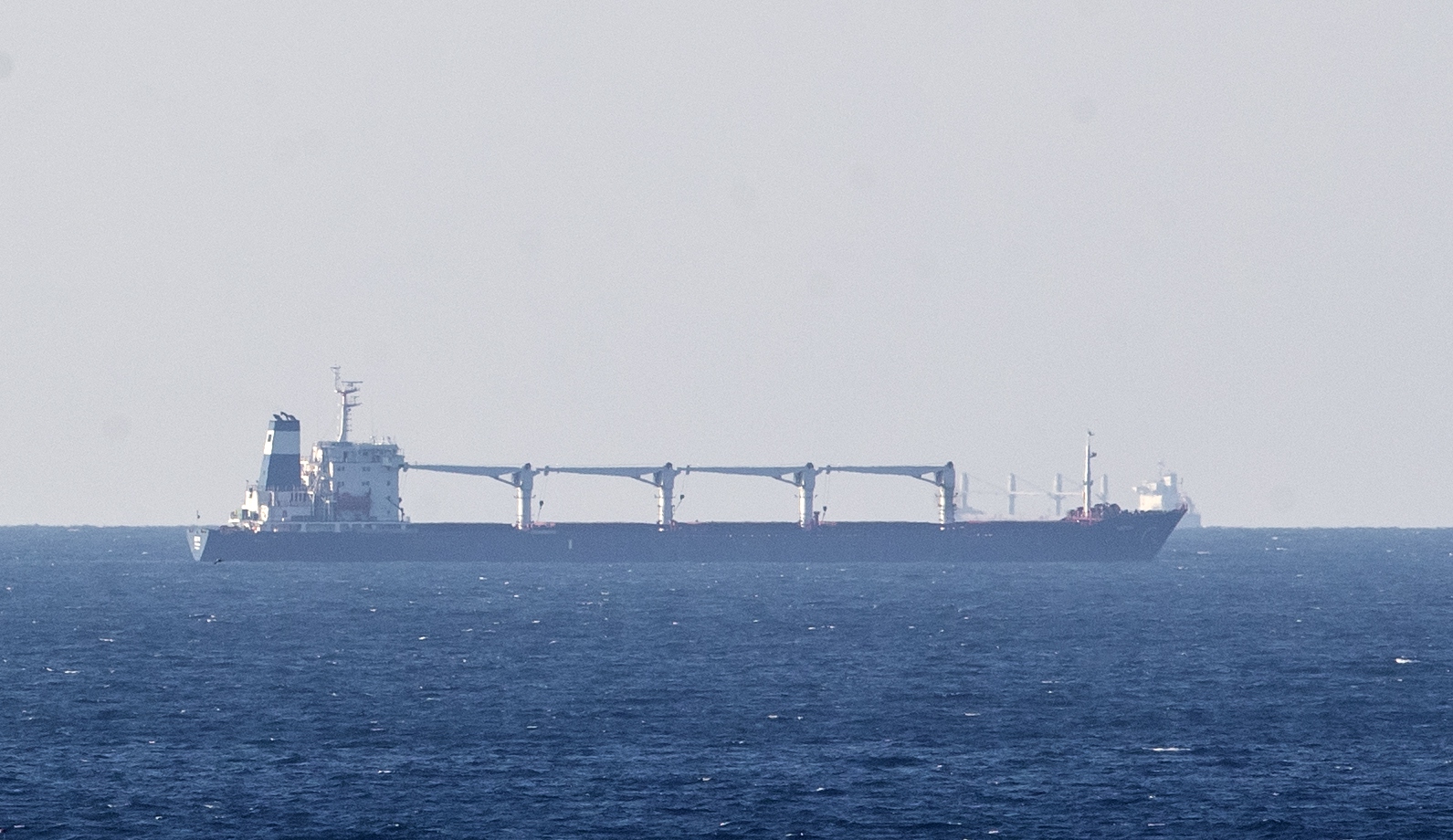
Nato is deploying additional military assets to the Black Sea amid the recent deadly escalation of Russian attacks on merchant shipping, as five more vessels were attacked on Tuesday.
Russia’s military said it struck three cargo vessels in Ukraine’s port of Reni and two other cargo vessels en route to Odesa.
The EU’s top diplomat has backed the idea of a Black Sea naval mission to protect grain ships from Russian drones – but this would require a much bigger effort than Europe’s existing Red Sea operation, while air-policing might be more effective.
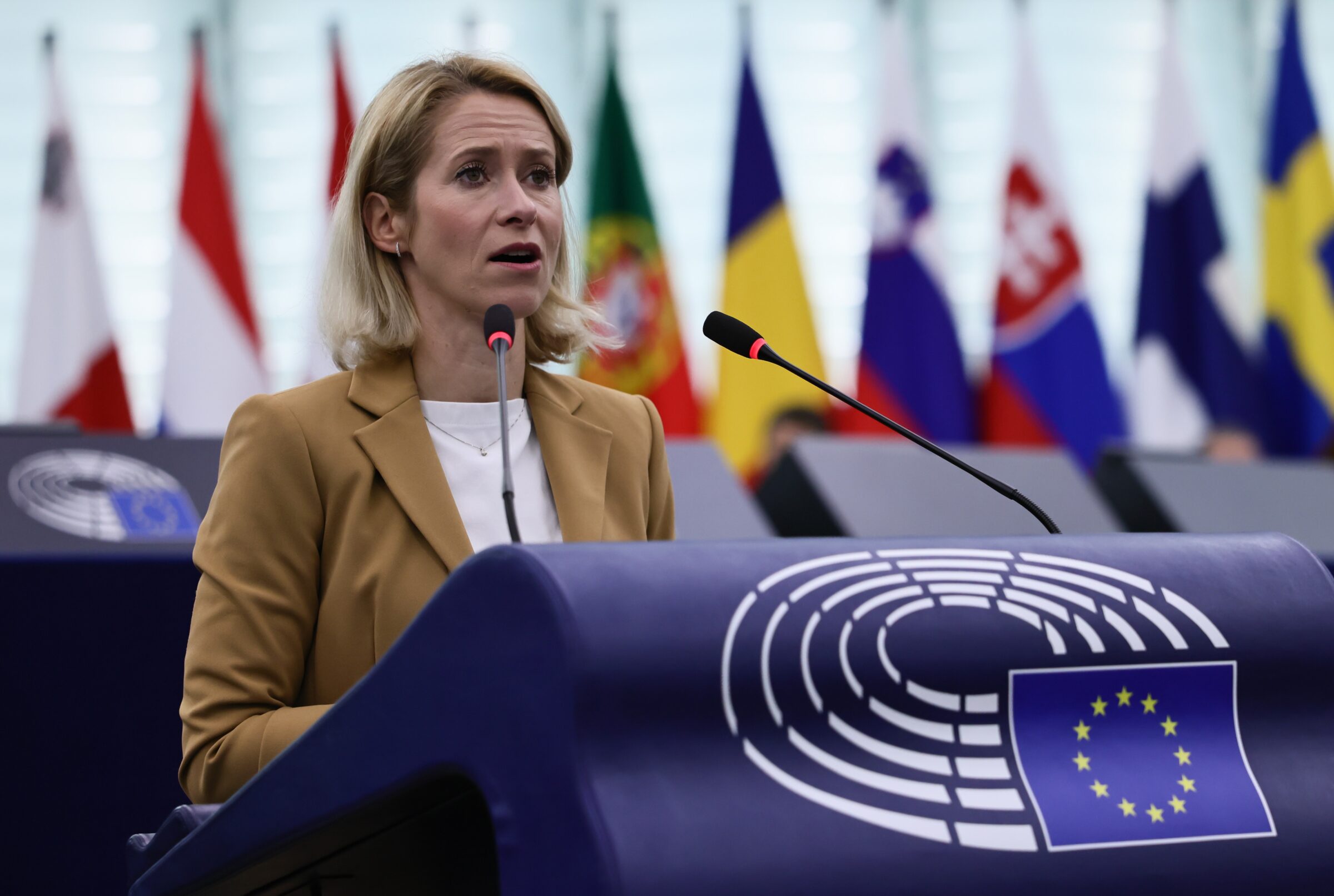
“The EU should send a mission to the Black Sea,” said EU foreign affairs chief Kaja Kallas in the European Parliament in Strasbourg on Tuesday (20 October).
“To protect merchant shipping, not to escalate, not to scare anyone, but to make sure that we will supply safely fuel, merchandise at normal prices, anything we need. This is how it should be,” she said.
Some “six attacks in 10 days by suspected Russian drones marks a dangerous and unacceptable escalation,” in the region, Kallas added, with “rescuers still searching for seven sailors missing after the drone attack on two tankers near Romania’s Black Sea coast”.
The Russian attacks were costing Ukraine €60m a day in lost exports of grain and fertiliser, Kallas also said.
And Russia had changed its tactics to start targeting people instead of cargo, said Sidharth Kaushal, from the Royal United Services Institute (RUSI) defence think-tank in London.
“Before, they targeted ports, not civilians, or vessels at sea. They realised that threat to life is a much more effective deterrent to commercial shipping than threat to cargo,” he told EUobserver.
This article continues, but the full version is available only to EUobserver.com subscribers. Visit account.euobserver.com/membership
As SpaceX impacts Ukraine and AI-generated music divides artists and fans, critics are asking what happens when technology has too much control over our lives
This was originally published in TechScape, a newsletter about how technology shapes our lives. Sign up to receive it here
Hello, and welcome to TechScape. I’m Blake Montgomery, US tech editor at the Guardian, writing to you while sitting in front of Roy Lichtenstein’s monumental Drowning Girl, on view in New York City. Today in tech, we’re discussing the perils of Elon Musk’s one-man global infrastructure, AI-generated music and a Guardian AI conference in Paris.
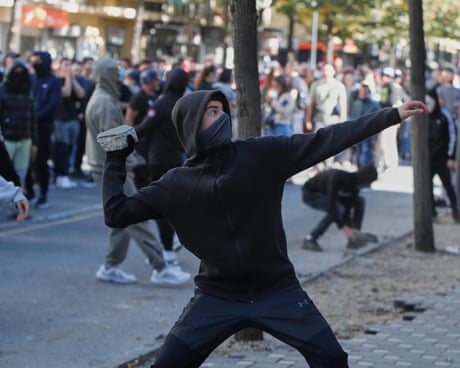
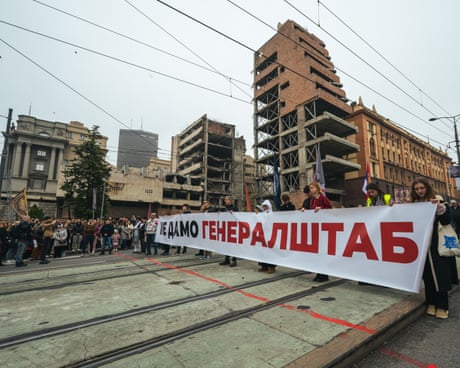
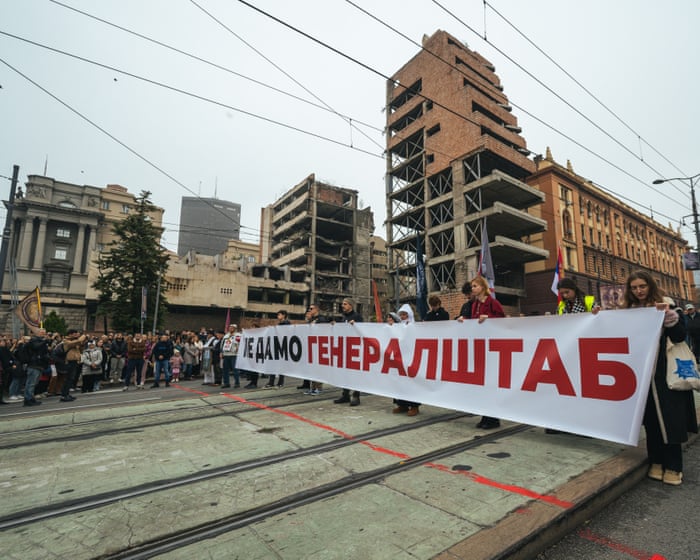
Violent demonstrations have rocked Europe as protesters call for action over poor university conditions, high tuition fees, corruption, housing costs and the high cost of living
For the first time, Ukrainians rescued a wounded soldier by air.
He spent 500 days at the front, during which he had to amputate his own legs.
How the operation unfolded and what Ukrainians had to do to distract Russian drones.
Rubio repeats Putin’s claims about occupied territory in the Donetsk region.
Videos of the day: the first capture of a Russian tank this year; a swarm of Ukrainian drones.
The information in this text is a summary of events on Monday (19 October). The situation may have changed since then.
Hardly a week passes without some new development being reported on the frontline of Russia’s war in Ukraine. This time, Ukrainians demonstrated something truly unique. For the first time, they succeeded in evacuating a wounded soldier using a heavy rotary-wing aerial drone.
The story was published by the 30th Separate Mechanised Brigade and reported by a journalist from the Oboronka website, who spoke to both the operators and the wounded soldier. The evacuation took place near Kupiansk in the Kharkiv region, on the left, or eastern, bank of the Oskil river.
Infantryman Kostiantyn ‘Magura’ Vlasenko of the 2nd Mechanised Battalion of the 30th Separate Mechanised Brigade was tasked, together with a comrade, with heading into the grey zone in early June 2025.
Initially, they hid in one place, but when their position was flooded, they had to leave the building and take shelter elsewhere. Returning was impossible because of the dangerous situation. His comrade later died.
In February this year, Magura was also wounded by a Russian drone. Munitions dropped from the drone injured both his legs. According to Oboronka, he had to amputate his own lower limbs in order to survive.
The website did not give details of how he managed to do this. Similar cases have, however, occurred in the past.
In 2018, for instance, during an exercise in Slovakia, an American soldier was trapped beneath a tank. He amputated his own leg to save a fellow soldier, for which he was named Soldier of the Year in 2021.
In Magura’s case, this meant he was left immobile, and it was clear that he would not return from the front by himself.
Ukrainian units considered how to help him. The situation was extremely difficult in this respect.
This article continues, but the full version is available only to EUobserver.com subscribers. Visit account.euobserver.com/membership
French schoolteacher Samuel Paty was killed on October 16, 2020 after false rumours circulated about racism following one of his lessons in which cartoons from the satirical publication Charlie Hebdo were shown. For the first time since his murder, journalists from France Télévisions were allowed to film inside the school where he taught in Conflans-Sainte-Honorine, near Paris. They met a new generation of young people, who are determined to play their part in the fight against terrorism.
MEPs have put themselves on a collision course with EU governments by rejecting plans for a 17-percent cut in foreign spending – instead demanding additional spending worth €25bn.
Earlier this month, the Irish government, which holds the six-month rotating EU council presidency, proposed that €38bn of cuts be made from the ‘Global Europe’ heading, which covers foreign aid, as part of an overall package of €141bn of cuts to the seven-year EU budget, known as the multi-annual financial framework (MFF).
But in a vote on Monday evening (19 October), the European Parliament’s development committee instead backed a dedicated minimum budget of €25bn for humanitarian aid, as well as dedicated budget lines for a Gaza reconstruction fund and for candidate countries. Put together, that would mean a €25bn increase on the EU Commission’s original budget of €200bn for the Global Europe heading.
The position agreed by MEPs, by a 61-to-34 vote margin, will eventually form the basis of negotiations between MEPs and ministers when EU governments agree their position on the budget.
This article continues, but the full version is available only to EUobserver.com subscribers. Visit account.euobserver.com/membership
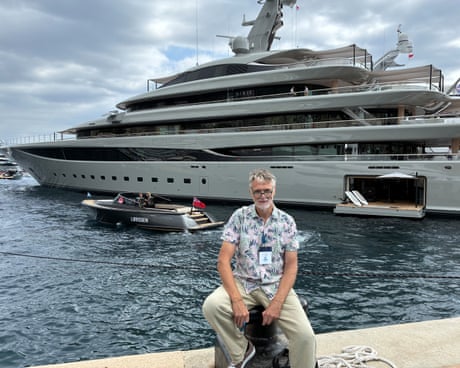
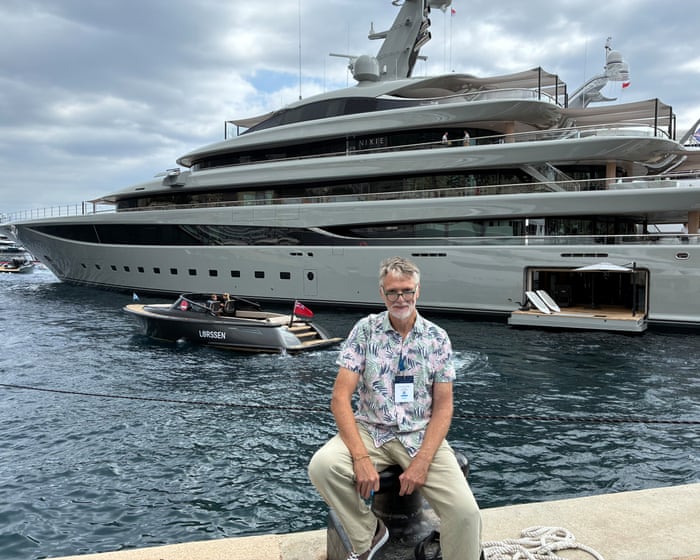
These yachts are highly popular with the ‘super-bourgeoisie’ – and getting bigger. Can anything be done to stop them destroying our seas?
Who knew? Apparently everyone did, apart from me: you don’t wear shoes on a superyacht. Now, about to step on to my first teak deck at the Monaco Yacht Show, I’ve got to take my trainers off, and I’m having a sock panic. Have they got holes? Do they even match? Do they smell?
To be honest, I’ve come dressed all wrong for Europe’s big annual superyacht trade exhibition. The code for men seems to be crisp and tucked in, blazers and chinos, navy and white, sculpted hair and designer sunnies. (I went colourful, loose, casual). For women, it’s something like Riviera elegance. Everyone – whether they’re Italian, French, English, German, American, exhibitors, buyers, brokers, charterers – seems to know each other. The international superyacht community seems to be a close-knit one, and I’m not part of it. Yet.
Apparent attempt to hack Rade Bajić’s iPhone comes amid efforts to undermine landmark criminal case
A Serbian prosecutor who investigated the authorities’ allegedly illegal scheme to help the Trumps build a tower in Belgrade has been targeted with advanced spyware, expert analysis indicates.
The finding suggests a disturbing new element in the authoritarian Serbian regime’s campaign to undermine what is believed to be the first criminal case related to global moneymaking drive of the US president’s family, which critics describe as a “pay to play” scheme trading the Trump administration’s favour for business opportunities.
Over the past decade, Hungary has been a beacon for the ‘postliberal’ right, with pro-Trump thinkers making regular pilgrimages to Budapest. Now Orbán is gone, how will the movement adapt?
A longer version of this article first appeared in The Drift
Espresso Embassy, a third-wave coffee shop in Budapest’s diplomatic and governmental quarter, is where visiting reporters and academics come to talk politics. On the way in for my morning coffee on 18 March, I passed a poster for Viktor Orbán’s Fidesz party that had been vandalised with a marker pen: “the safe choice” had become “the certain way to get fucked”. From across the cafe, I spotted the American journalist and historian Anne Applebaum locked in conversation, possibly with a source. I heard someone exclaim: “Just like Mussolini!” It was election season in Hungary.
It was also a couple of days before Cpac Hungary, a satellite event of the US-based conservative conference. As members of the international right arrived in town, the notorious Orbánist thinktank known as the Danube Institute was hosting an event called On Censorship, Tolerance, the Left and God. The official line would be: bad, good, bad, good.
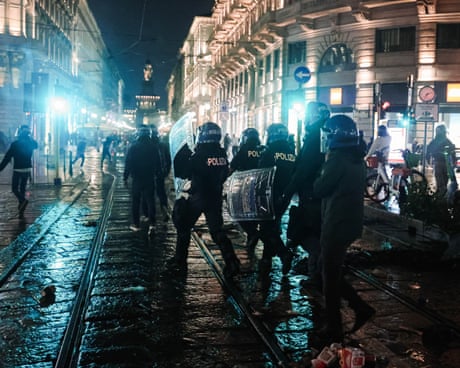
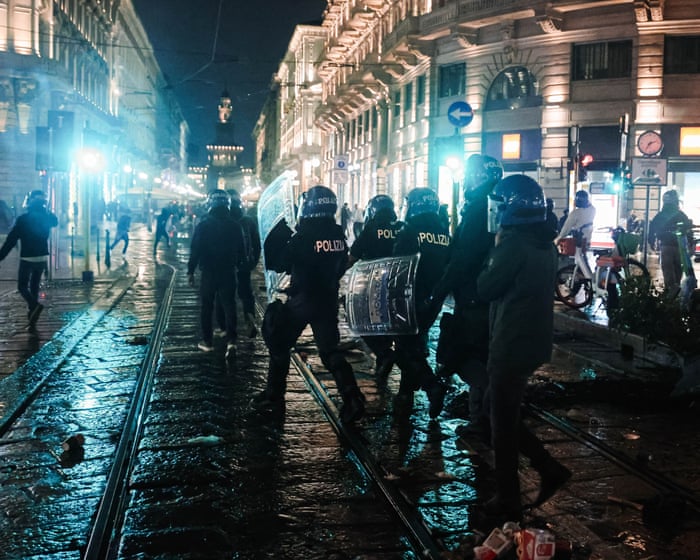
Italy’s government is sending 500 soldiers to Milan and vowed a “firm response from the state” after protests against the cost of living descended into clashes with police, vandalism and looting. Further demonstrations are planned on Saturday.
The government of the far-right prime minister, Giorgia Meloni, also announced new security measures, including an offence of violent participation in a demonstration, tougher penalties for rioters, and financial liability for parents whose children take part in vandalism and looting.
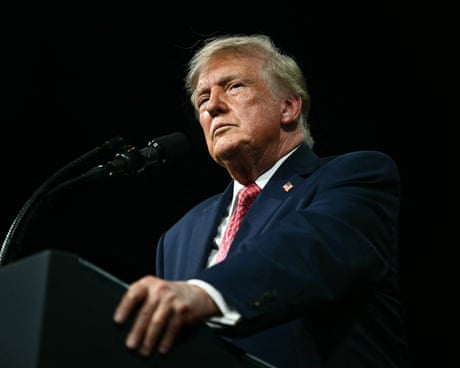
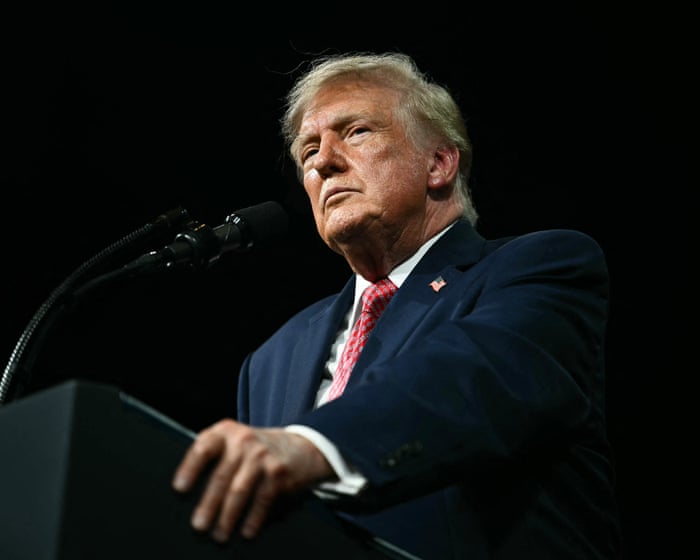
As Republicans confront mounting political headwinds ahead of November’s midterm elections, Donald Trump is attempting to turn unrest in France into a cautionary tale for American voters, recasting the demonstrations that began as student protests against crumbling schools and the soaring cost of living as evidence of the dangers of immigration and the erosion of western civilization.
At a rally in Kansas on Monday evening, Trump described France as a once-great nation that had been “conquered, looted, and burned to the ground by migrants, jihadists, and communists”.

 Login