A team of paleontologists has discovered on King George Island, in the South Shetland Islands, the first fossil footprint unequivocally attributable to a terrestrial mammal in the Eocene of Antarctica. It is a specimen barely two centimeters long, preserved as a natural mold in fine-grained volcanic sediment, providing direct evidence of the presence of a […]
Un equipo de paleontólogos ha descubierto en la isla Rey Jorge, en las Shetland del Sur, la primera huella fósil inequívocamente atribuible a un mamífero terrestre en el Eoceno de la Antártida. Se trata de un ejemplar de apenas dos centímetros de longitud, conservado como un molde natural en un sedimento volcánico de grano fino, […]
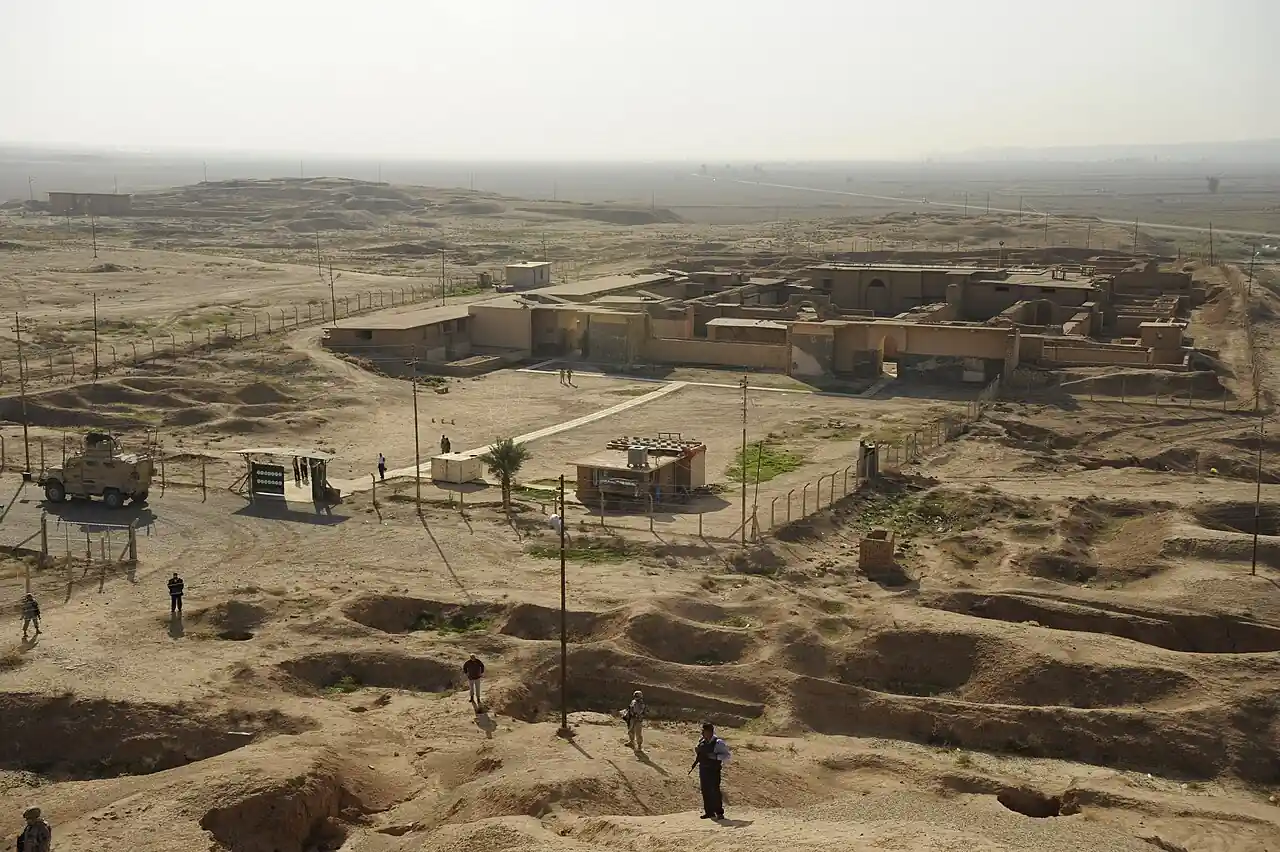
Durante casi dos siglos, los arqueólogos que excavaron en Nimrud, una de las capitales del Imperio Asirio en el actual norte de Irak, centraron su atención en la colina de la acrópolis. Allí desenterraron palacios, templos y enormes relieves de piedra que narraban las hazañas de los reyes. Pero la ciudad que se extendía a […]
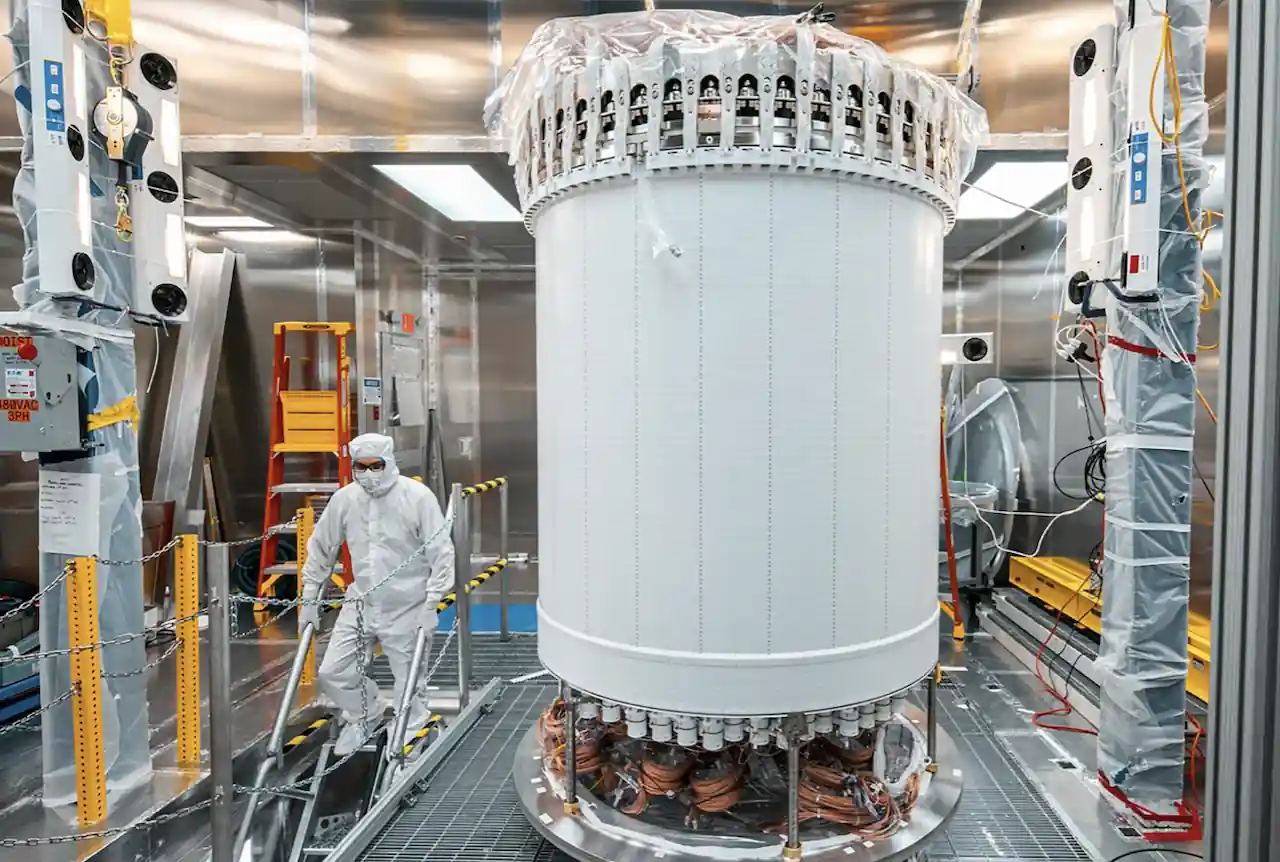
El observatorio de materia oscura más sensible del mundo, el experimento LUX-ZEPLIN (LZ), ha detectado una interacción de partículas que no logra ser explicada por los modelos convencionales de radiación de fondo, un hallazgo que, aunque aún está lejos de confirmarse como un descubrimiento definitivo, ha despertado un cauteloso optimismo en la comunidad científica internacional. […]
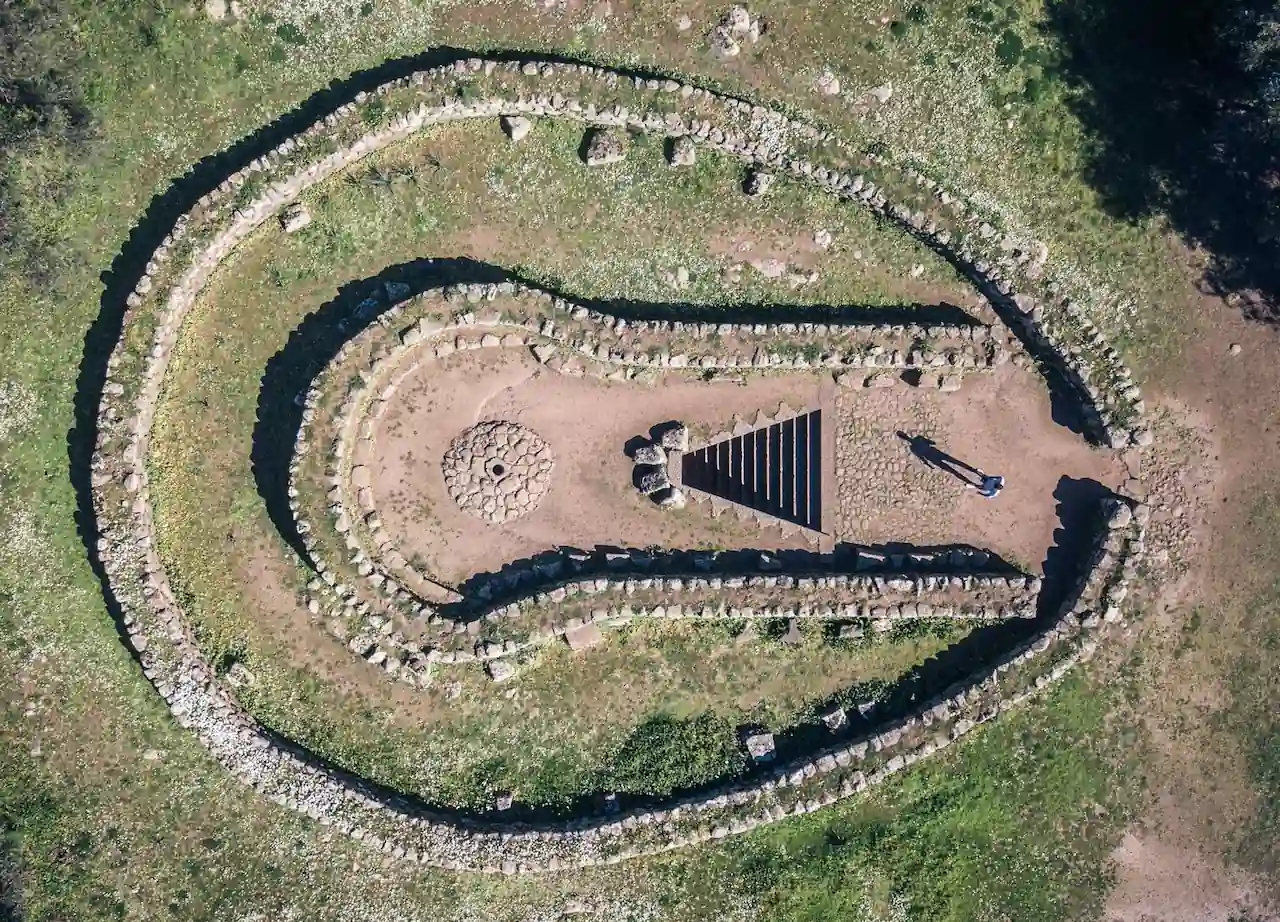
Hay monumentos antiguos que impresionan por su tamaño y otros que impresionan por su exactitud. El pozo sagrado de Santa Cristina, en el municipio de Paulilatino, provincia de Oristano en Cerdeña, pertenece al segundo grupo. Sus piedras de basalto están talladas y ensambladas con tal precisión geométrica que, según cuenta el propio centro que gestiona […]
For nearly two centuries, archaeologists excavating Nimrud, one of the capitals of the Assyrian Empire in present-day northern Iraq, focused their attention on the acropolis mound. There, they unearthed palaces, temples, and massive stone reliefs depicting the deeds of kings. But the city that spread at its feet—an extensive area of 340 hectares surrounded by […]
It is clear that ethnic differences, like religious ones, have been the origin of countless conflicts throughout the world from Antiquity to the present day. It is not surprising, then, that this also occurred when the Old and New Worlds established definitive contact after Columbus’s arrival in 1492. These differences manifested in Spanish America through […]
The world’s most sensitive dark matter observatory, the LUX-ZEPLIN (LZ) experiment, has detected a particle interaction that cannot be explained by conventional background radiation models, a finding that, although still far from being confirmed as a definitive discovery, has sparked cautious optimism in the international scientific community. The event, recorded nearly a mile underground at […]
There are ancient monuments that impress with their size and others that impress with their precision. The Sacred Well of Santa Cristina, in the municipality of Paulilatino, province of Oristano in Sardinia, belongs to the second group. Its basalt stones are carved and assembled with such geometric precision that, according to the site management center […]
Una investigación internacional publicada en Nature Communications desvela que cambios mínimos en la radiación solar bastaron para reubicar los vientos dominantes del Atlántico Norte y modificar para siempre el pulso de los ciclos glaciares. El trabajo, firmado por científicos del laboratorio Environnements et paléoenvironnements océaniques et continentaux (EPOC), dependiente de Bordeaux INP, el CNRS, la […]
An international study published in Nature Communications reveals that minimal changes in solar radiation were enough to relocate the dominant winds of the North Atlantic and permanently alter the pulse of glacial cycles. The work, authored by scientists from the Environnements et paléoenvironnements océaniques et continentaux (EPOC) laboratory, under Bordeaux INP, CNRS, EPHE–PSL, and the […]
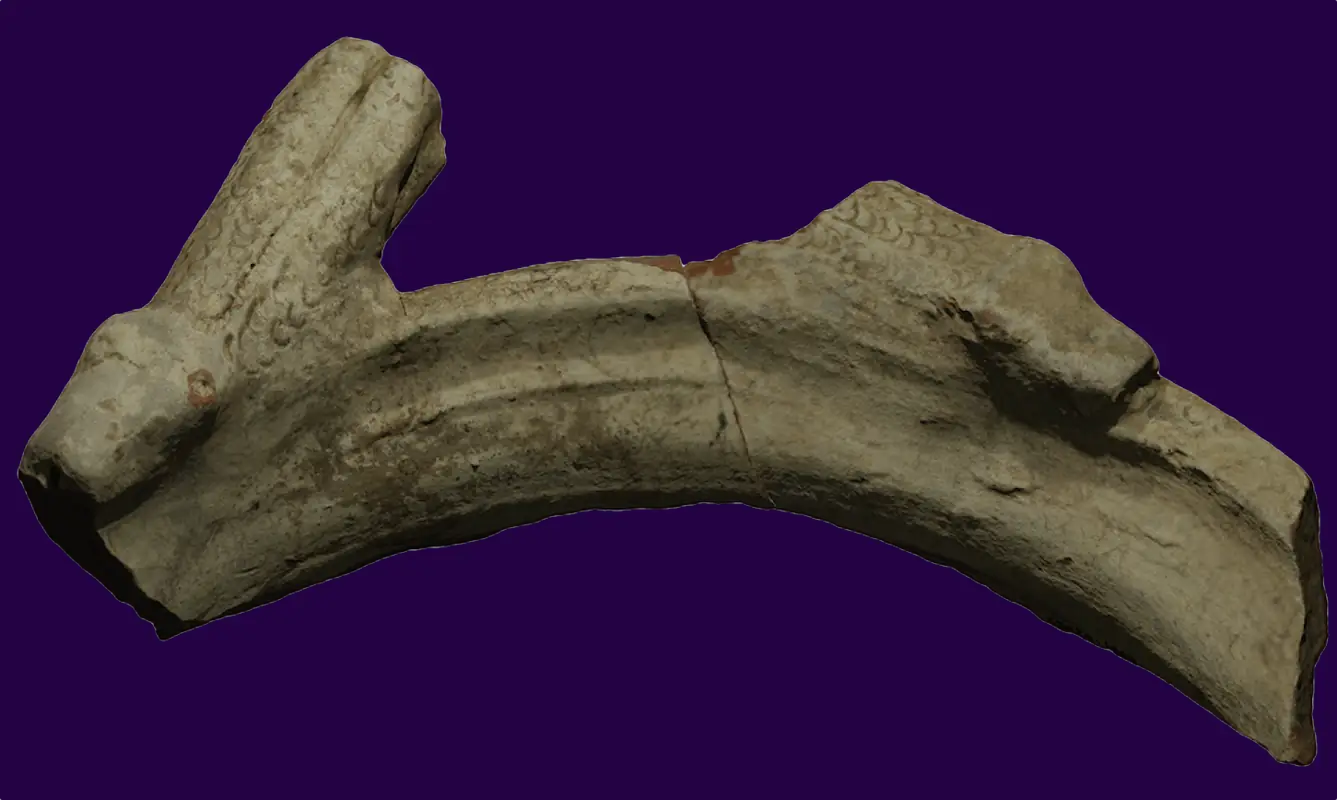
A team of archaeologists from the University of Girona has identified several ceramic fragments in the Roman villa of Collet, located on the Girona coast, which belonged to a large vessel decorated with a handle ending in two snake heads. The piece, dated to the Augustan period (27 BC–14 AD), displays characteristics that link it […]
Un equipo de arqueólogos de la Universitat de Girona ha identificado en la villa romana del Collet, ubicada en la costa gerundense, varios fragmentos de cerámica que pertenecieron a un gran recipiente decorado con un asa rematada por dos cabezas de serpiente. La pieza, datada en el período augústeo (27 a.C.-14 d.C.), presenta unas características […]
La misión arqueológica conjunta entre el Consejo Supremo de Antigüedades de Egipto y el Museo de Shanghái, que trabaja desde hace varias temporadas en el área del templo de Sekhmet en Mit Rahina, ha dado a conocer un conjunto de descubrimientos que aportan nuevas claves sobre la ocupación humana y las actividades productivas en uno […]
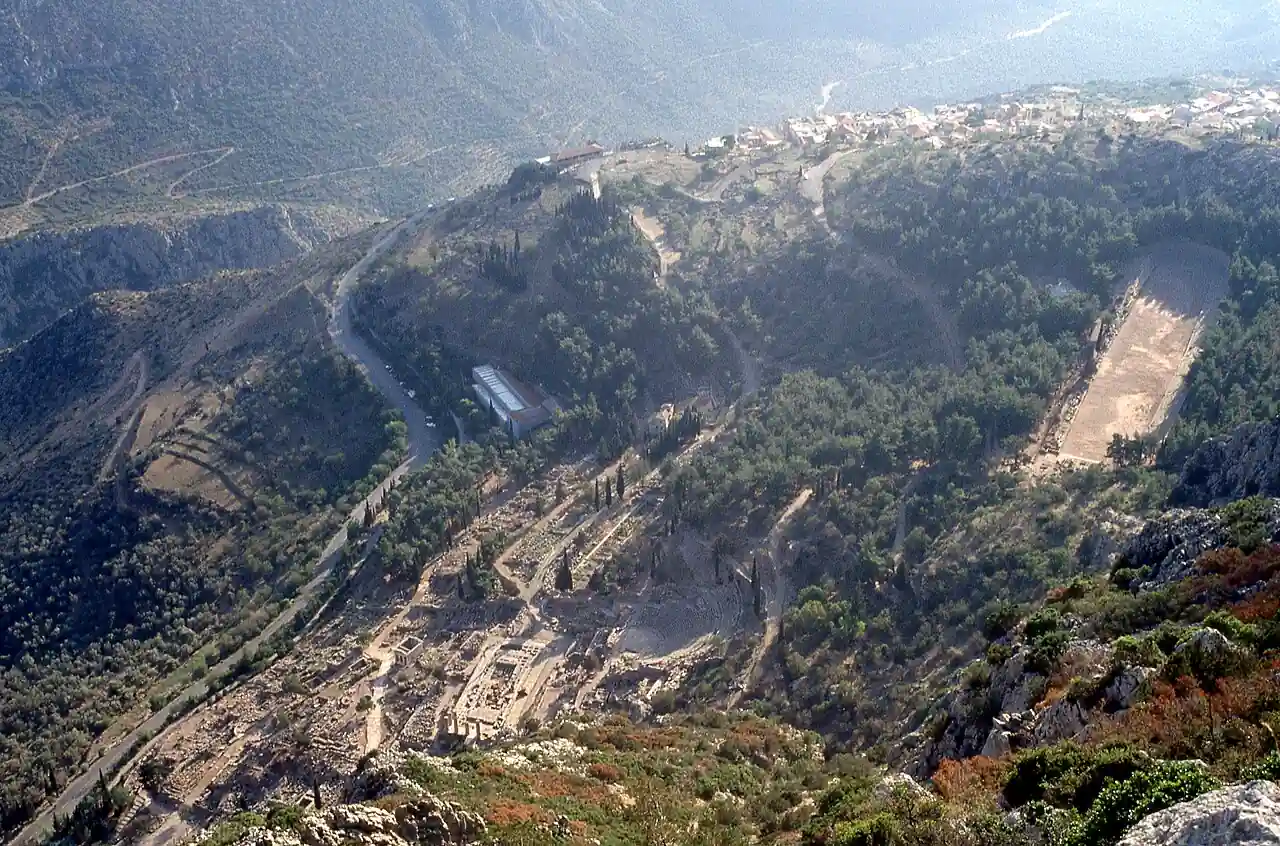
En la mitología griega Delfos estaba considerado el omphalos u obligo del mundo, el útero de la diosa Gea (de hecho, eso significa el nombre original y se supone que los delfines se llaman así por su forma uterina), y aunque era posesión de Apolo, antes había sido compartido por otras divinidades. Su importancia quedaba […]
The joint archaeological mission between the Supreme Council of Antiquities of Egypt and the Shanghai Museum, which has been working for several seasons in the area of the Temple of Sekhmet in Mit Rahina, has unveiled a series of discoveries that provide new insights into human occupation and productive activities in one of the oldest […]
In Greek mythology, Delphi was considered the omphalos or navel of the world, the womb of the goddess Gaia (in fact, that is what the original name means, and it is believed that dolphins are named after it because of their womb-like shape), and although it was the possession of Apollo, it had previously been […]
It is very common to find images of birds in the art of Ancient Egypt. We see them in paintings and sculptures with species of all kinds, from the ducks hunted on the Nile to the ibis that lent its head to the god Thoth, to the vulture that topped the white crown of Upper […]
For decades, experts in ancient art have relied on techniques such as infrared spectroscopy or chromatography to determine what colors and adhesives the Egyptians used. But these tools only offer partial clues: they indicate that a protein is present, but do not reveal which animal or plant it comes from, nor whether it is original […]
Excavations led by the Mehmet Akif Ersoy University of Burdur (MAKÜ) at the archaeological site of the ancient Greek Kibyra, in southwestern Turkey, have brought to light fragments of four marble sculptures from the Roman era, including a complete representation of Emperor Hadrian, 2.14 meters tall, and another of his wife, Empress Sabina. The work, […]

 Login