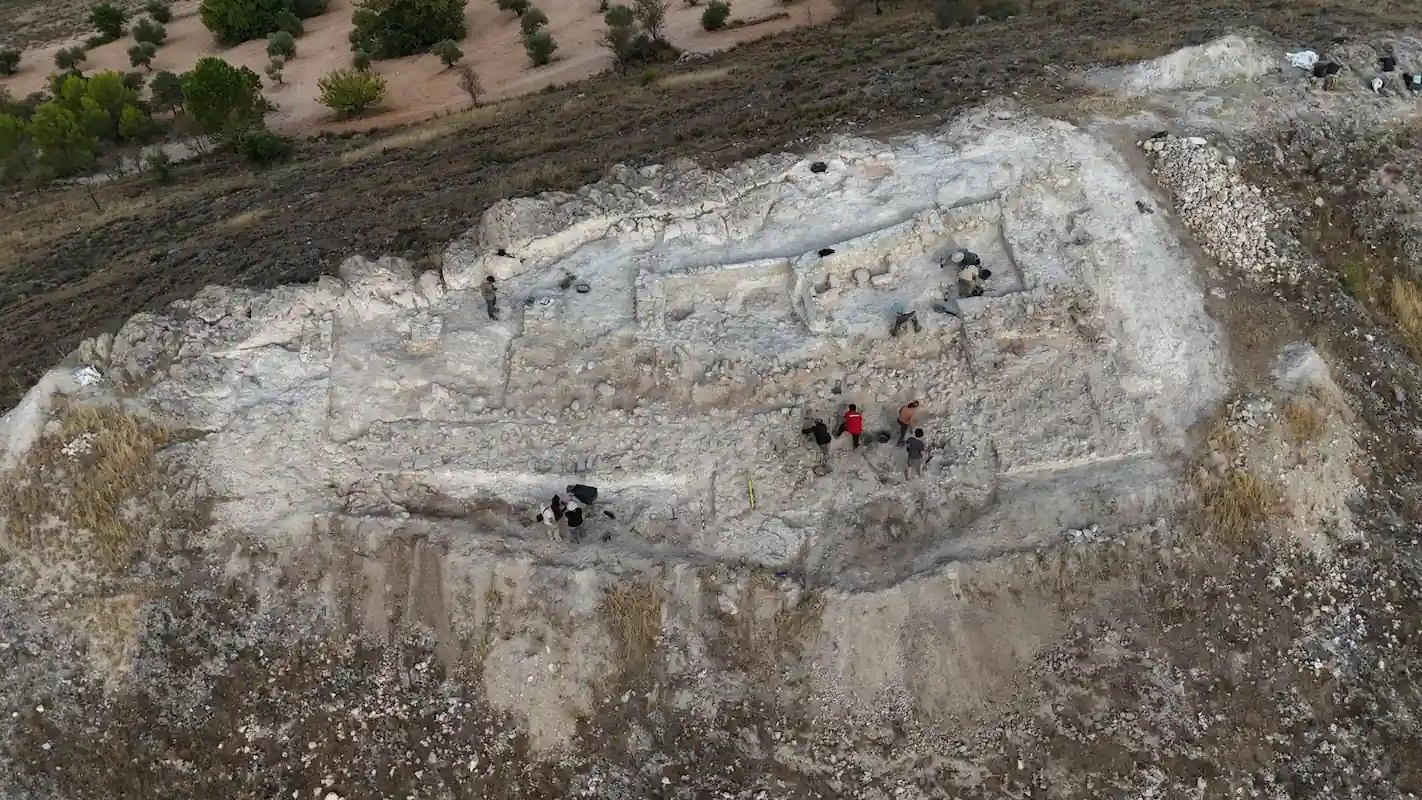
On May 29, 1108, an Almoravid army crushed the forces of Alfonso VI of León and Castile outside the town of Uclés. Among the dead was Sancho Alfónsez, the king’s only son and heir, a loss so severe that medieval chroniclers ranked it among the worst Christian defeats of the entire Reconquista — the centuries-long […]
El 29 de mayo de 1108, un ejército almorávide derrotó a las tropas de Alfonso VI a las afueras de Uclés. En la batalla murió Sancho Alfónsez, el único hijo varón del rey y su heredero, un golpe que dejó a Castilla sin sucesor directo y que los cronistas de la época consideraron una de […]
On October 9, 2022, two space telescopes, Swift and Fermi, picked up the brightest gamma-ray burst ever recorded. Researchers nicknamed it BOAT — “brightest of all time” — official designation GRB 221009A. The explosion happened in a galaxy roughly 2 billion light-years away, which means its light set out across space before complex life had […]
Corría el 9 de octubre de 2022 cuando los telescopios espaciales Swift y Fermi captaron el estallido de rayos gamma más brillante jamás registrado. Los astrónomos, con ese gusto por los apodos rotundos, lo bautizaron como GRB 221009A, aunque hoy se le conoce sobre todo por su sobrenombre: Boat, siglas en inglés de «el más […]
Gravisca sits on the Tyrrhenian coast of Lazio, in what is today the Porto Clementino area near Tarquinia, roughly 7–10 kilometers (4–6 miles) from the ancient Etruscan city it once served. The site is no stranger to archaeologists: long before Rome arrived, it operated as an emporium, a trading post where Greek merchants — chiefly […]
El yacimiento de Gravisca, en la costa del Lacio, no es precisamente un desconocido para la arqueología mediterránea. Antes de convertirse en colonia romana, fue un emporio frecuentado por mercaderes griegos —sobre todo focenses— que llegaban a comerciar bajo la protección de las diosas Afrodita y Hera. Gravisca funcionaba como puerto de comercio internacional y, […]
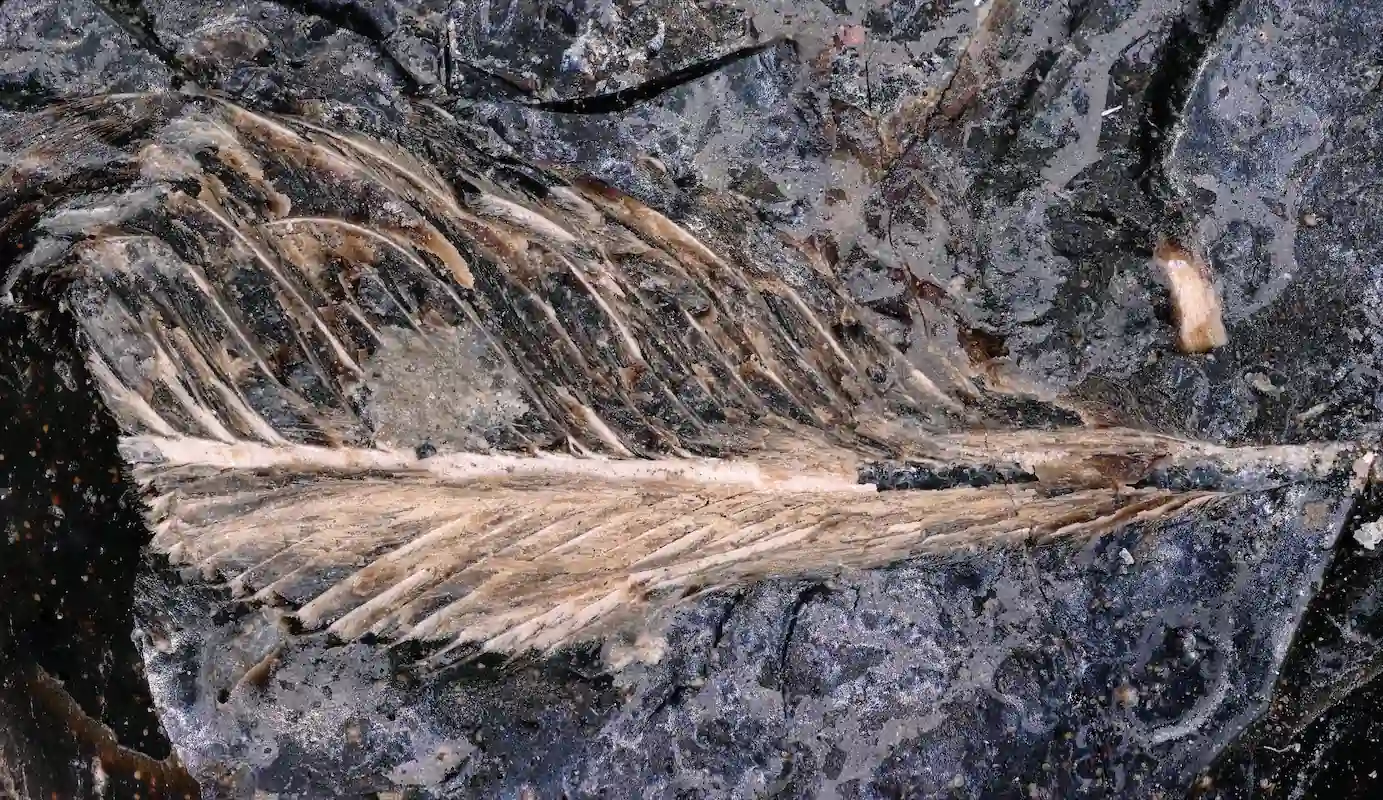
In 2016, paleontologist David DeMar Jr. was crawling across a rocky outcrop in northeastern Montana, hunting for fish fossils, when he spotted a dark, reddish-brown nodule about half the size of a golf ball. He picked it up and looked at it through his hand lens. On its surface was something he didn’t expect: a […]
En 2016, el paleontólogo David DeMar Jr. avanzaba a gatas por un afloramiento rocoso en el noreste de Montana, buscando fósiles de peces, cuando se topó con un nódulo oscuro, de un tono entre marrón y rojizo, del tamaño aproximado de una cereza grande. Lo recogió, lo observó con una lupa de mano y, en […]
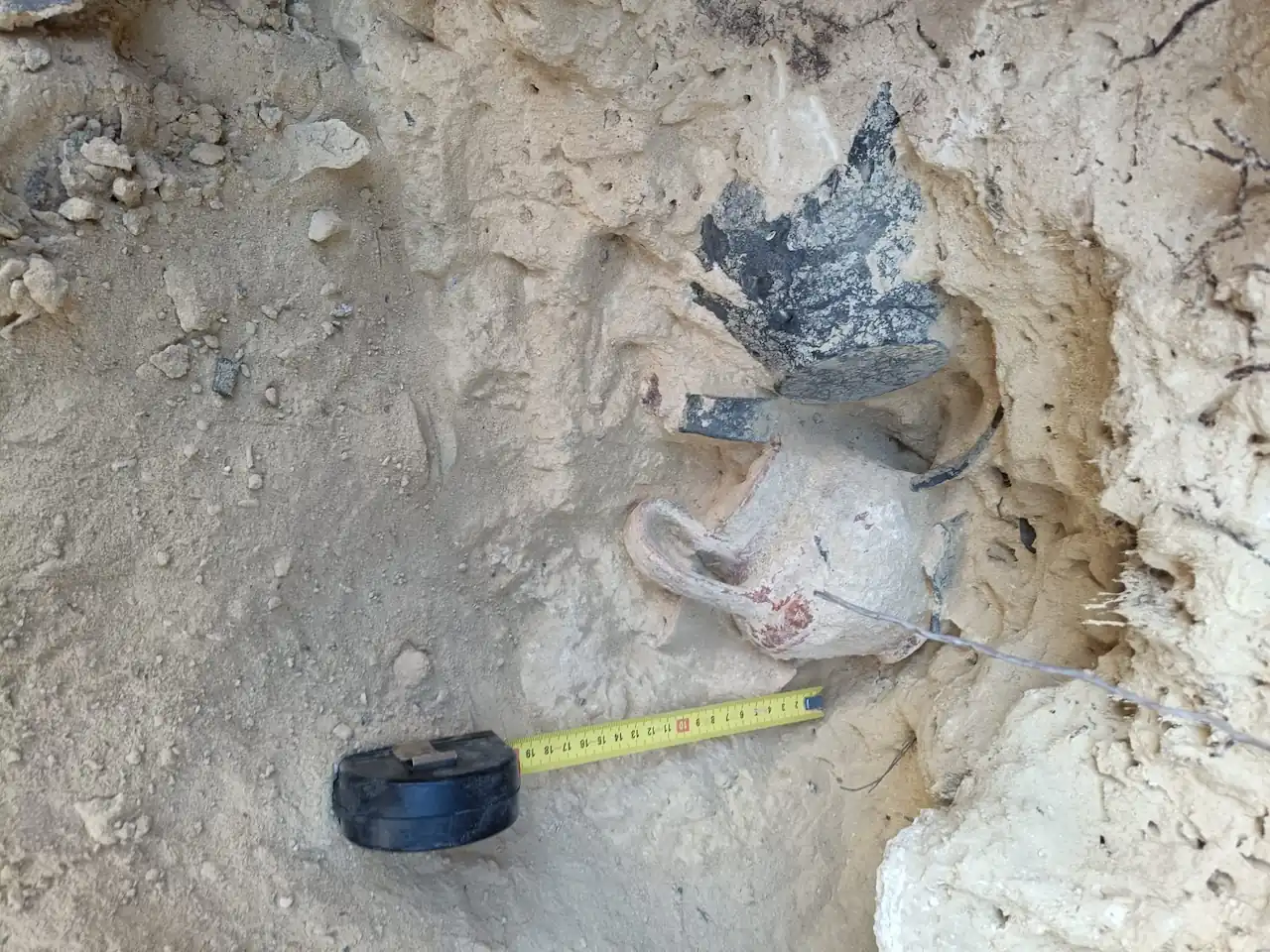
On the slope below the cemetery of Sant’Elpidio a Mare, in Italy’s Le Marche region, recent heavy rains loosened the hillside enough to expose something no one was looking for: a rounded ceramic vessel, decoration still visible, sitting almost intact in the displaced earth. It looked, at first, like debris. It turned out to be […]
En el terreno que baja desde el cementerio de Sant’Elpidio a Mare, en la región italiana de las Marcas, un desprendimiento en la ladera dejó a la vista, entre la tierra removida, un vaso de forma redondeada con decoraciones todavía visibles y prácticamente intacto. El hallazgo, que a simple vista podría haber pasado por un […]
In the United States, the phrase Indian Wars conjures a specific set of images: the Battle of Little Bighorn, the massacres at Wounded Knee and Sand Creek, the forced marches of the Trail of Tears, the decades-long manhunt for Geronimo. All of it is generally remembered as a 19th-century story, closed out by the early […]
Historiográficamente en Estados Unidos se denomina Guerras Indias a la serie de contiendas que enfrentaron a su gobierno con los pueblos indígenas norteamericanos, plasmado en algunos episodios especialmente célebres, como la batalla de Little Bighorn, las masacres de Wounded Knee y Sand Creek, el desplazamiento masivo de tribus por el Sendero de las Lágrimas o […]
One day in 2016, paleontologist David DeMar got very lucky. While examining the ground at Hell Creek in the U.S. state of Montana, he found a fossil the size of a golf ball. It was a coprolite — fossilized feces — from a theropod (probably a juvenile Tyrannosaurus rex or a Nanotyrannus). Inside the coprolite was a feather from an aquatic bird (not related to modern birds). With a high degree of confidence, researchers believe the bird spent the final moments of its life in the digestive tract of a teenage T. rex.
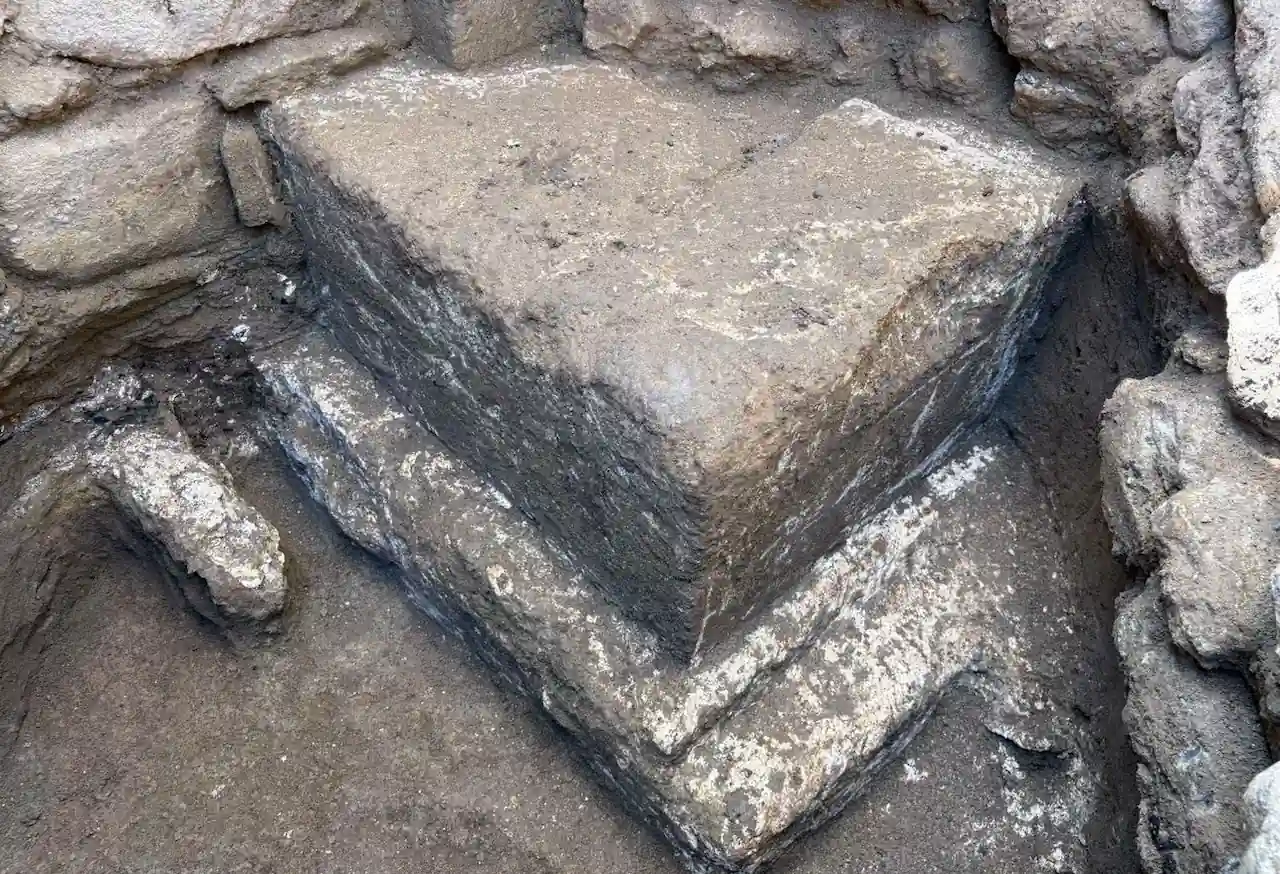
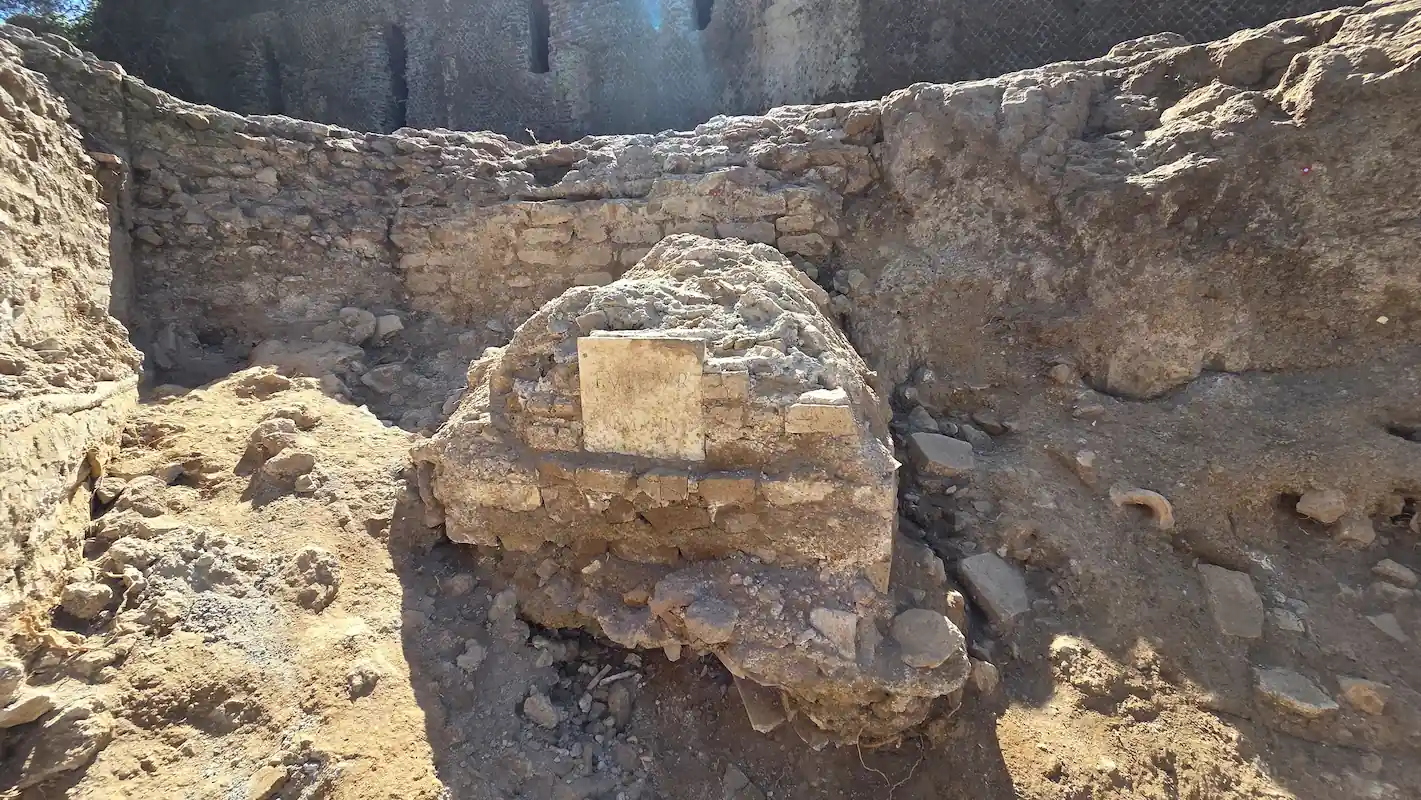
In a quiet corner of Hadrian’s Villa, wedged between the so-called Amphitheater and a low bench of volcanic tufa rock, sits a marble slab measuring roughly 40 by 35 centimeters (about 16 by 14 inches). It has not moved in some 1,900 years. Two lines of carved capital letters explain why archaeologists are excited: FVLGVR […]
En un rincón de Villa Adriana, entre el llamado Anfiteatro y un banco de toba, hay una losa de mármol de apenas 40 por 35 centímetros que sigue exactamente donde la dejaron hace unos 1.900 años. Dos líneas de letras capitales bastan para explicar por qué el hallazgo interesa tanto a los arqueólogos: FVLGVR SVBMANIVM, […]
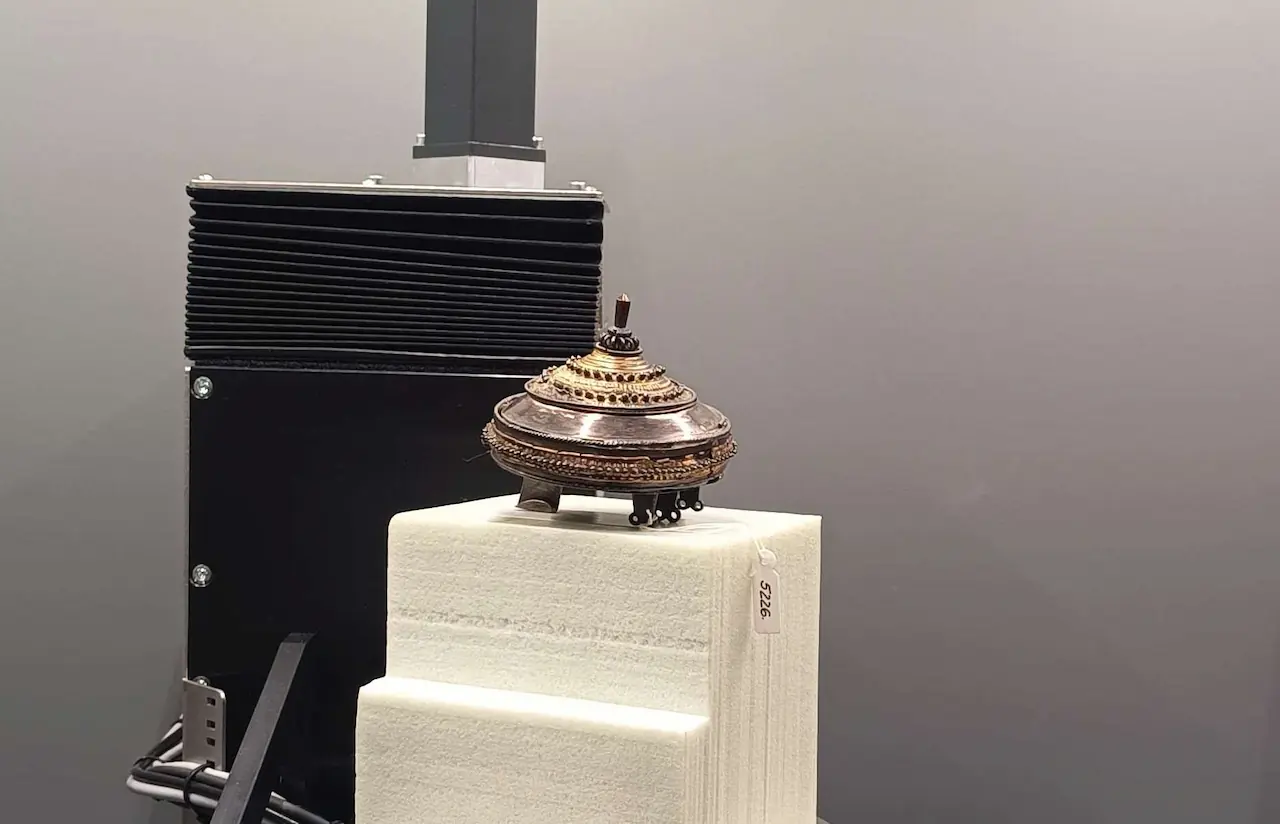
In 2022, medical CT scanners let Egyptologists peer inside sealed sarcophagi without ever lifting a lid. In 2026, the same basic technology — pointed not at a pharaoh’s mummy but at two silver brooches from a German field — has just done something similar for archaeology north of the Roman frontier. The brooches came out […]
En 1837, unas obras de carretera al noreste de la aldea de Dienstedt, en la actual Turingia (Alemania), sacaron a la luz la tumba de una mujer que había vivido —y muerto— rodeada de un lujo que pocas germanas de su tiempo pudieron permitirse. Junto a su cuerpo aparecieron vasijas de cerámica y bronce, un […]
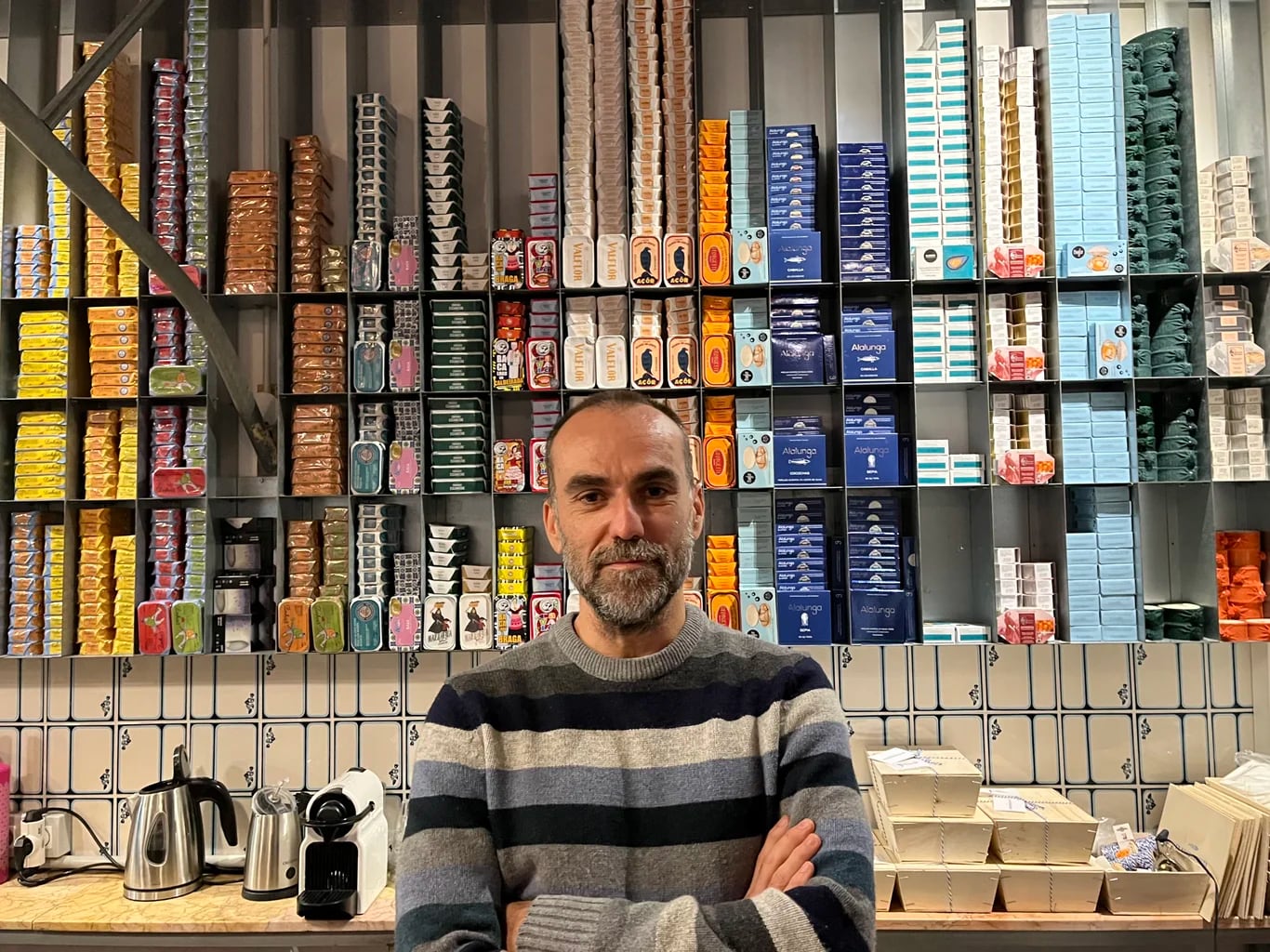
Nacho Valle is a restless figure, a distinctive entrepreneur. When he was young he ran a hangout with a friend in the old El Carmen neighborhood that became a benchmark of Valencia’s alternative music and rock and roll scene, Túrmix. After his father’s death he took over the Valle Ortí art gallery. He learned the trade, toured the world visiting fairs, introduced contemporary art into his program and managed to get into the ARCO selection in Madrid. Then the 2012 economic crisis hit, coinciding with his own personal crisis and a certain weariness with a city whose collectors are few in number and mostly prefer to buy abroad. So he left. He needed a change.
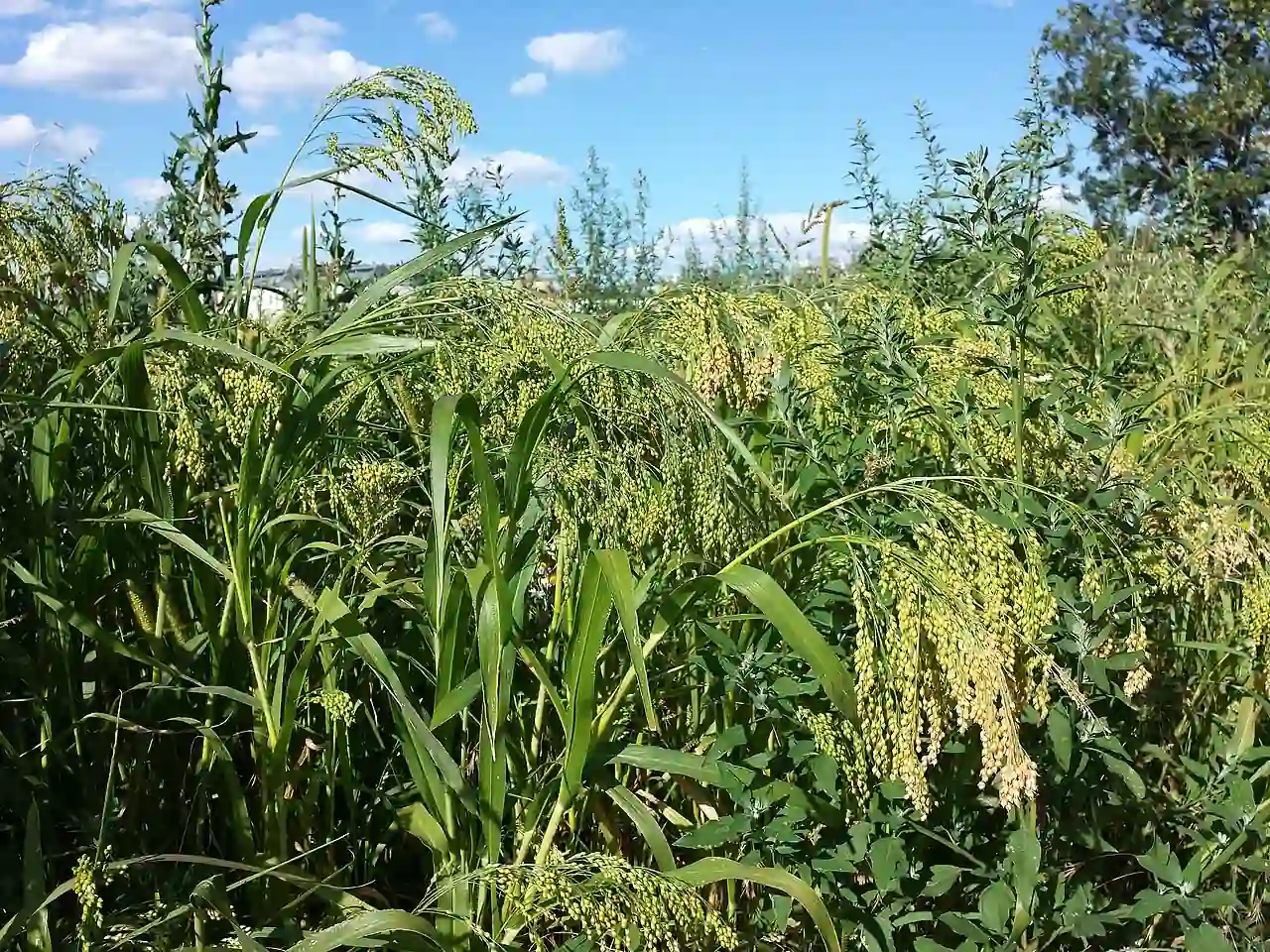
Around 1590 BCE — more than 800 years before Rome was founded, and before Tutankhamun was even born — a small number of people in what is now southeastern Poland started eating a cereal that had never grown in their fields. It wasn’t a local crop, and it didn’t belong to any plant known elsewhere […]
Hacia el año 1590 a.C., más de ochocientos años antes de que Roma existiera siquiera como aldea y con Tutankamón todavía sin nacer, un puñado de personas en el sureste de Polonia empezó a comer un cereal que no era suyo. No procedía de los campos que sus vecinos llevaban generaciones cultivando ni de ninguna […]

 Login