Long ago, the patch of sky that would become our galactic neighbourhood looked nothing like a galaxy. It was a collection of thousands of smaller galaxies. Some were turning out stars at a frantic pace, others held nothing but gas, and others were littered with dead stars and black holes. That is the picture drawn […]
Las fechas que se han propuesto para la llegada de los primeros humanos a América se reparten en una horquilla de más de 100.000 años. En un extremo está Cerutti, un yacimiento de California que Holen y sus colegas fecharon en unos 130.000 años en un estudio publicado en Nature en 2017. En el otro, […]
Proposed dates for the arrival of the first humans in the Americas span more than 100,000 years. At one end sits Cerutti, a site in California that Holen and colleagues dated to about 130,000 years ago in a 2017 study in Nature. At the other is Swan Point, in Alaska, at around 14,200 years old: […]
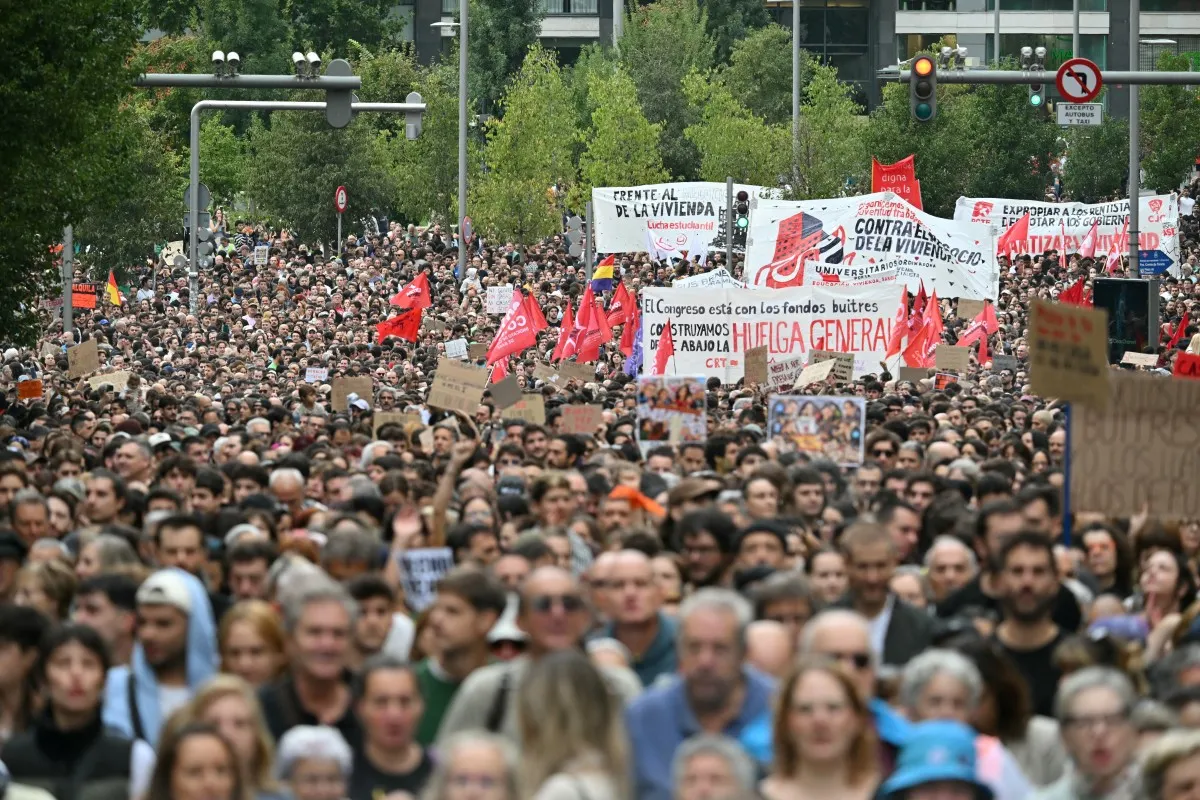
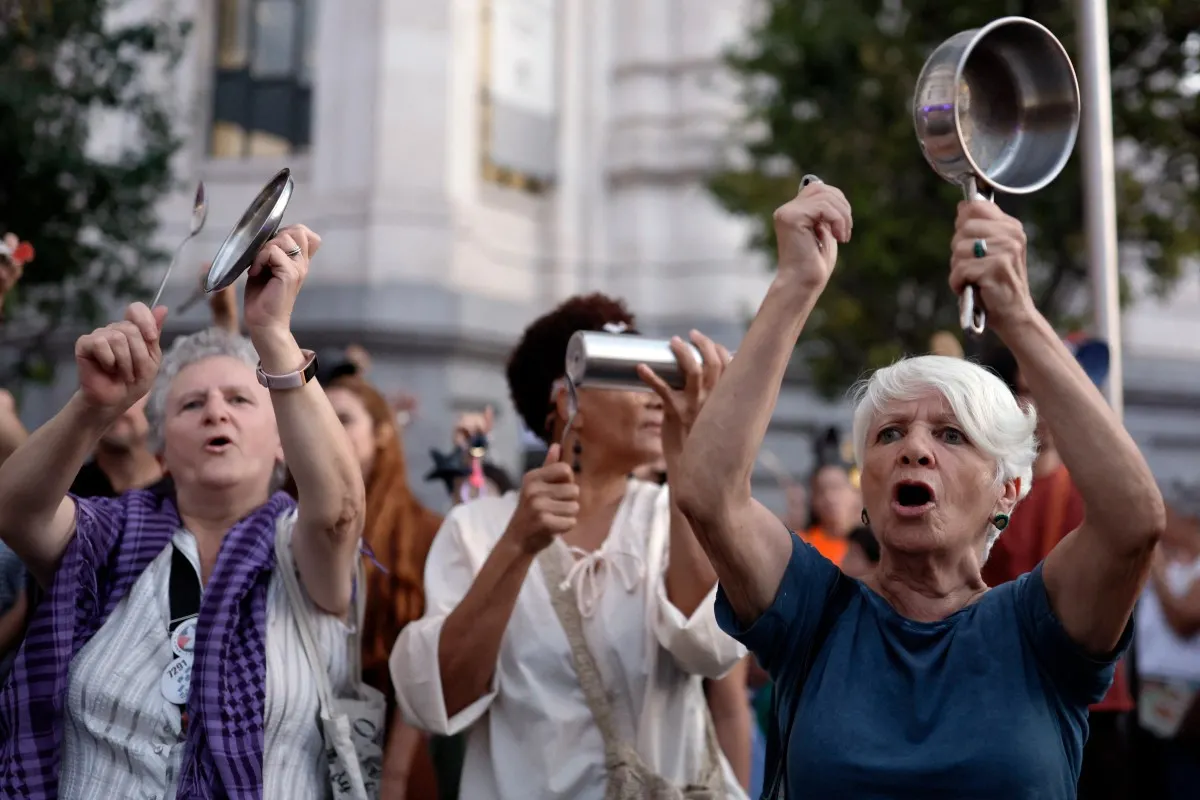
Police clashed with demonstrators in Valencia as thousands of protesters marched in cities around Spain on Saturday, a day after lawmakers rejected housing relief measures for tenants.
Five months ago, four excited girls walked into a maximum-security area with their mother wearing the same black T-shirt printed with a photo of their father. Minutes later, he emerged from a building guarded by the military, amid camera flashes and television cameras, and looked at them with moist eyes from the other side of the fence. He could not approach or touch them. He had to respect quarantine, because in a few hours he would board the most powerful crewed rocket in history and head to the Moon. Without speaking, they said everything to each other, and the rest of the world understood them.
Spain's parliament on Friday rejected two government decrees which contained numerous measures aimed at tackling a housing crisis that has spurred nationwide protests.
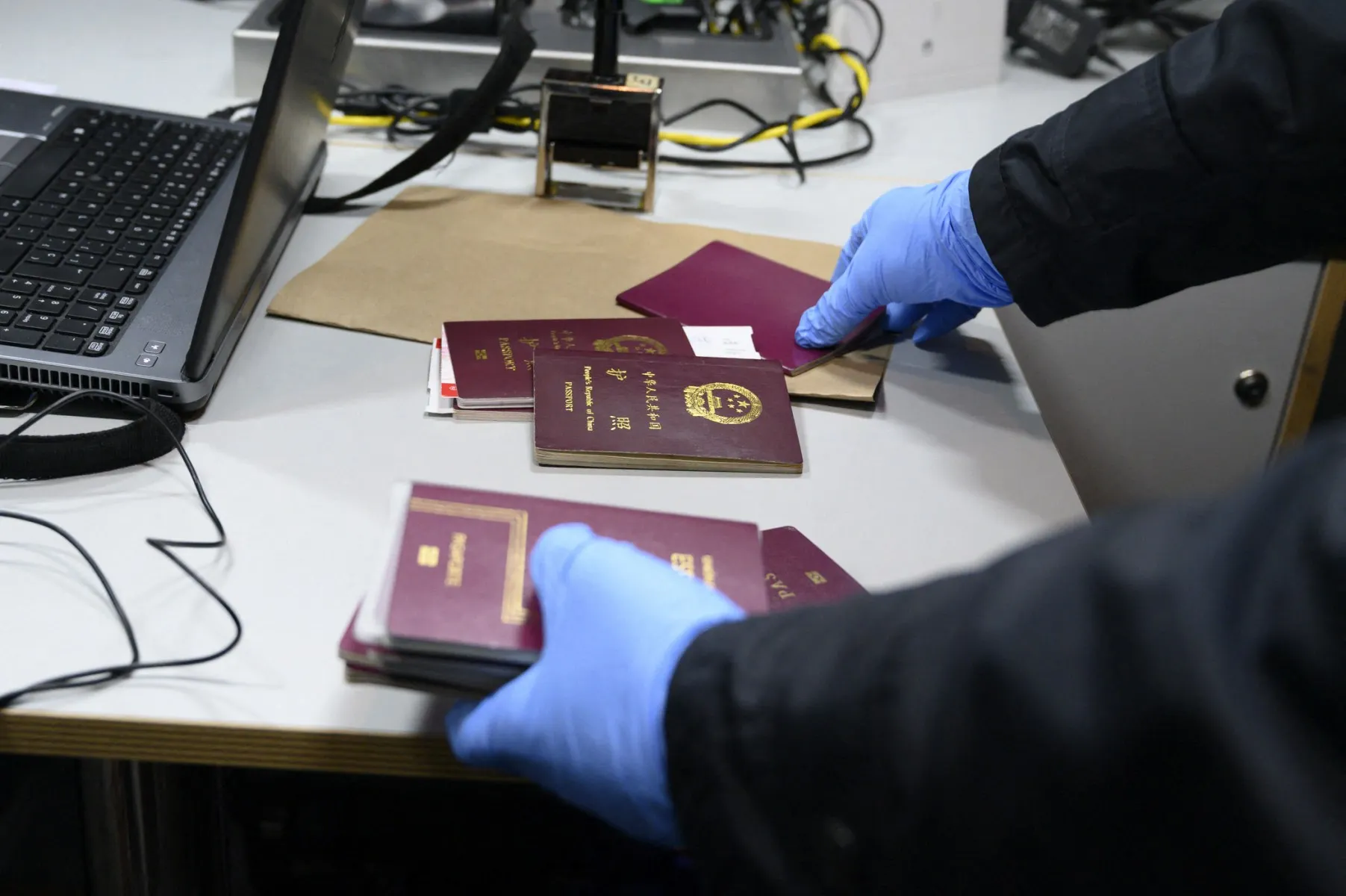
Do you have dual nationality with Spain and your country of birth? If so, travelling can become confusing. Here are the rules on which passport you should use and when.
A pocos centímetros del suelo del bosque, en las estribaciones orientales del Taunus, queda una parte de la frontera romana que apenas se había mirado. El fuerte de la Kapersburg, cerca de Rosbach vor der Höhe (Hesse, Alemania), es uno de los mejor conservados del limes germano, pero la investigación se había centrado en la […]
A finales de julio de 1926, el arqueólogo sueco Axel Persson y su equipo llevaban tres semanas excavando la tumba de cúpula de Dendra, en el sur del Peloponeso, y estaban cansados. El suelo de la cámara había aparecido saqueado, de modo que se volvieron hacia las cuatro fosas abiertas bajo él. En la del […]
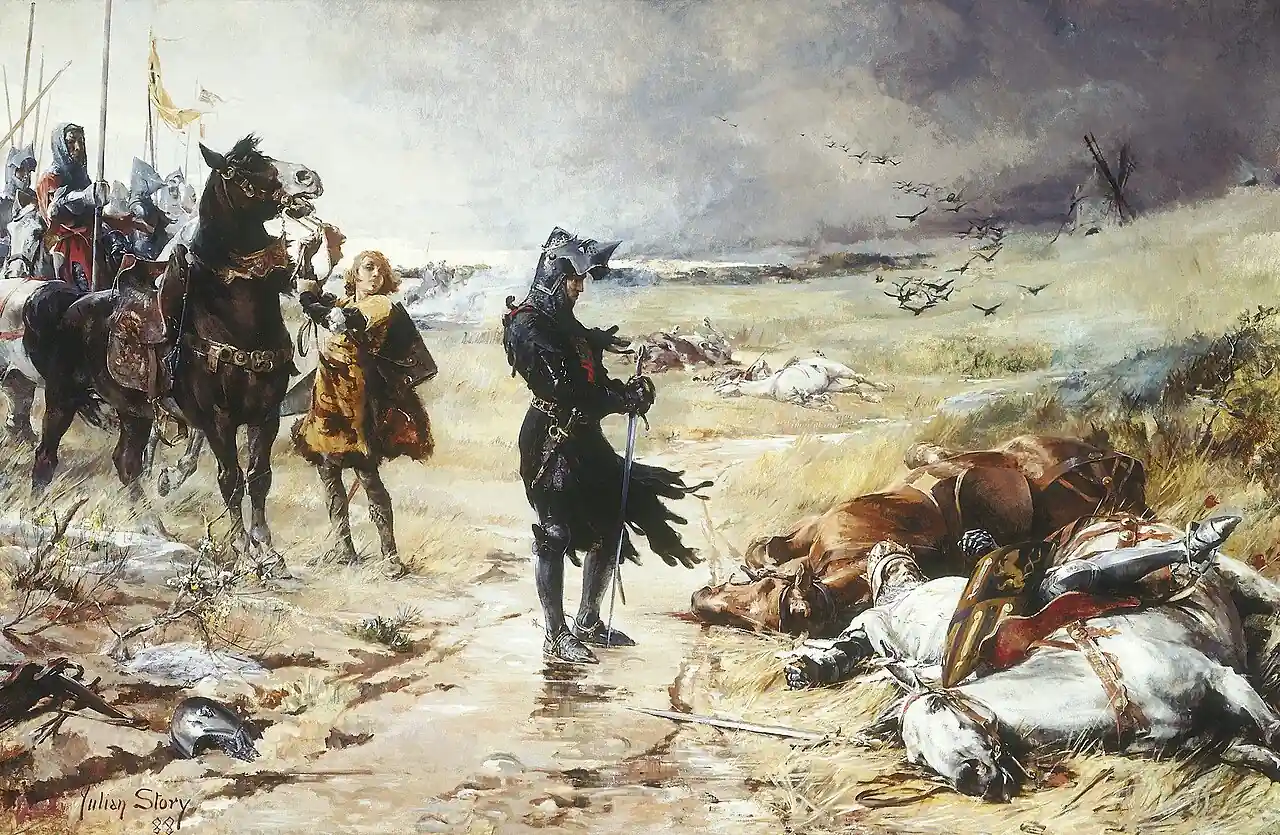
El 26 de agosto de 1346 se disputó una de las batallas más importantes de la Guerra de los Cien Años, la de Crécy, en la que el ejército inglés de Eduardo III derrotó al francés de Felipe VI de forma tan contundente que permitió al primero sitiar Calais y determinar el sino de la […]
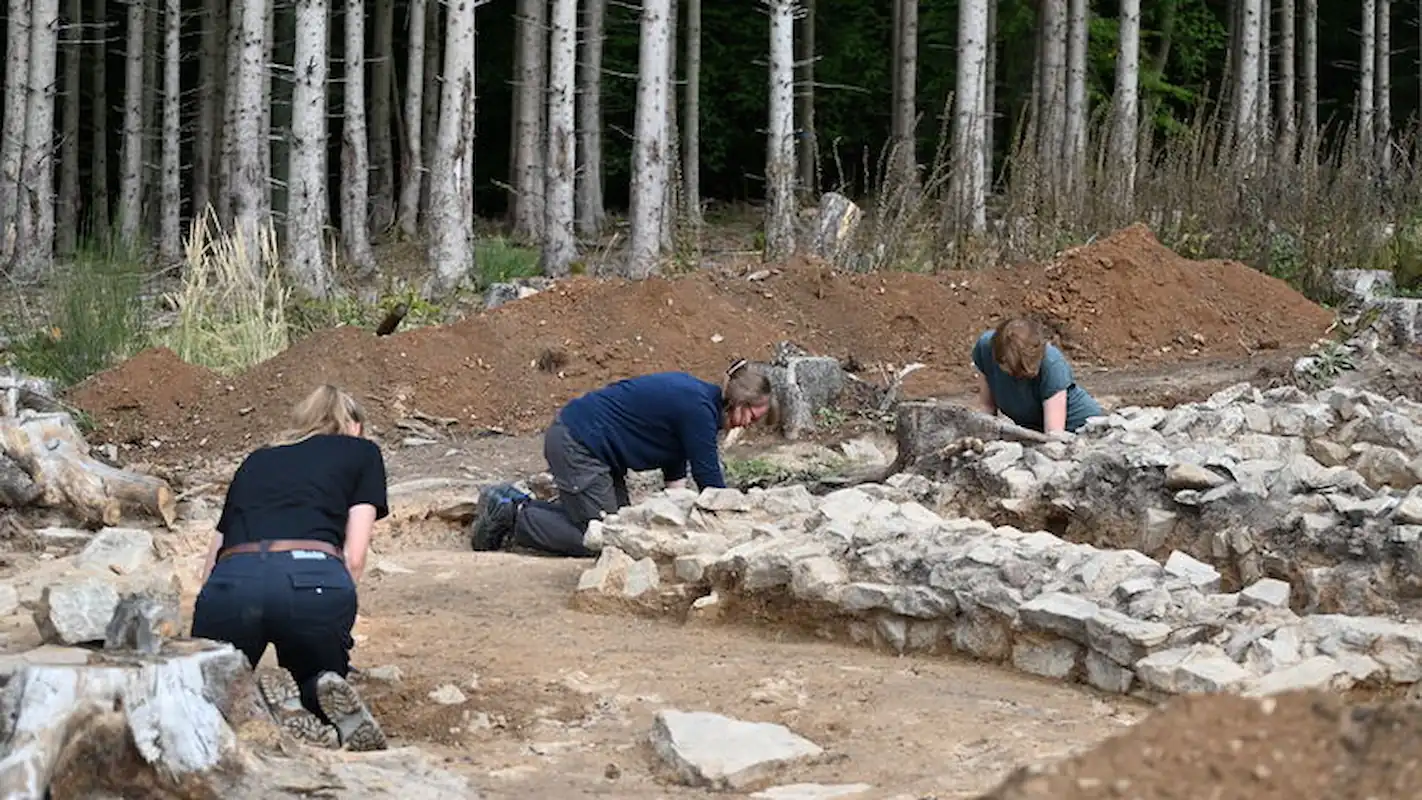
A few inches below the forest floor in the eastern Taunus hills lies a stretch of the Roman frontier that has barely been examined. The Kapersburg fort, near Rosbach vor der Höhe in Hesse, is one of the best preserved on the German limes, the chain of Roman border defences. Research has long concentrated on […]
Spanish lawmakers are due to vote on Friday on two government housing decrees drawn up after an outcry over the eviction of an 87-year-old woman, with their passage in doubt.
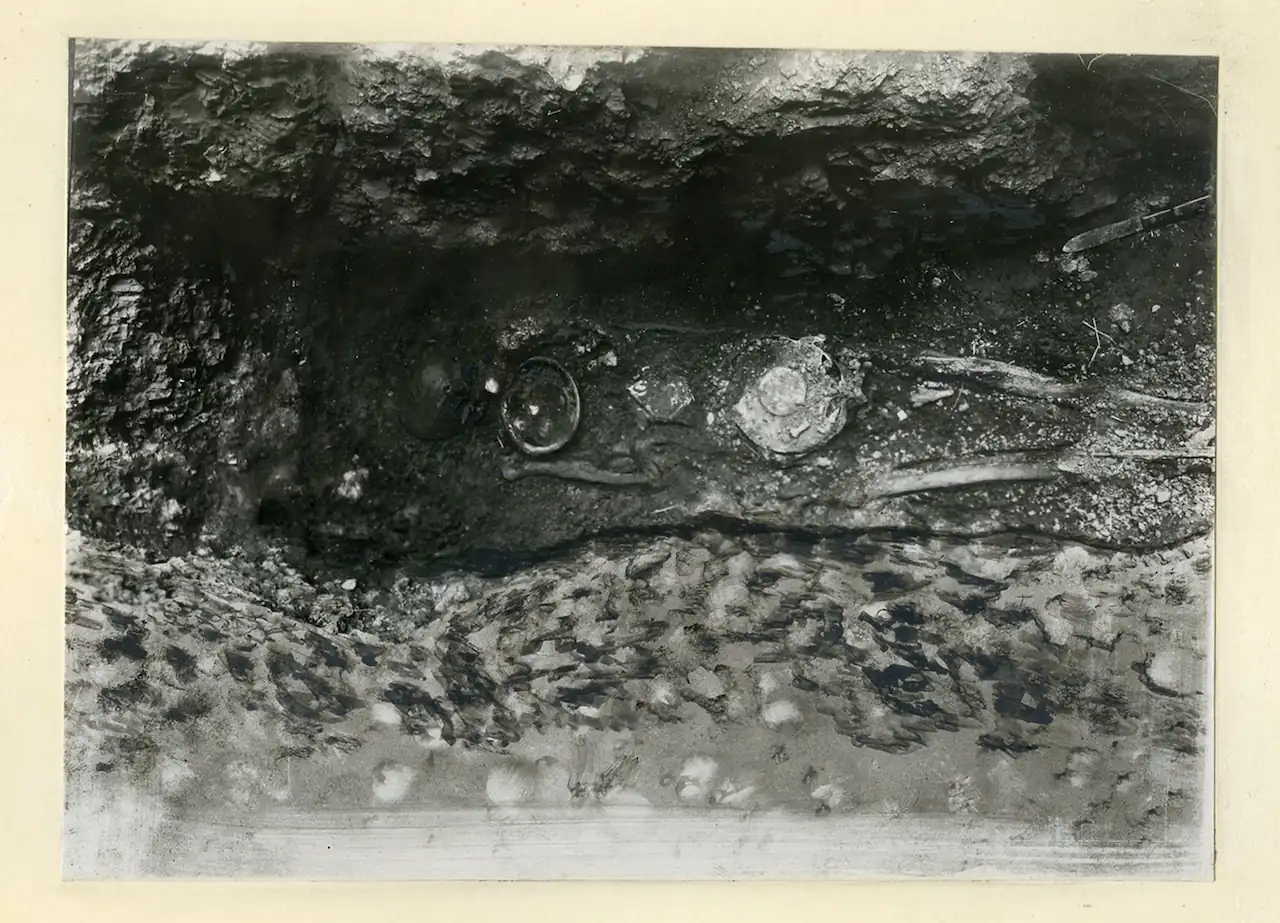
In late July 1926, the Swedish archaeologist Axel Persson and his team had been digging the beehive-shaped tomb at Dendra, in the southern Peloponnese, for three weeks, and they were tired. The floor of the chamber turned out to have been looted, so they turned to the four pits sunk beneath it. In the eastern […]
EU nations will meet Friday, aiming to develop a unified response to soaring diesel prices, a day after the US called on its European allies to release strategic reserves "immediately" to stem the crisis.
Several hundred people held raucous protests known as 'caceroladas' in Madrid and other Spanish cities, calling on MPs to approve measures to tackle a housing crisis in a parliamentary vote on Friday.
Spanish Prime Minister Pedro Sánchez is reportedly considering calling a general election for November 29th amid the increasing possibility that the two major housing laws his government proposed will be voted down in parliament on Friday.
On 26 August 1346, English and French armies met at one of the most important battles of the Hundred Years’ War: Crécy. Edward III’s English army crushed the French army of Philip VI. The defeat was so complete that it allowed Edward to lay siege to Calais and tilt the whole war in his favour. […]
Spain braces for key housing decree votes, Spaniards break coffee consumption record, EU opens case against Spain over delayed blackout plan and more news on Friday October 2nd.
Dig a trench for a canal that will run 107 kilometres (66 miles) across northern France and you expect scraps: a stretch of road, perhaps, or a lone farmstead. At Sermaize, in the Hauts-de-France region, archaeologists from France’s National Institute for Preventive Archaeological Research (Inrap) found something much rarer. It is a complete workshop, with […]

 Login