❌

Reading view

Fifteen months ago, Ukraine’s online arms store for front-line units didn’t exist. Now, it delivers 1 in 5 drones that state buys
fifteen months ago ukraine's online arms store front-line units didn't exist now delivers 1 5 drones state buys · post ukrainian soldier drone 658142610_1298690549110687_5343675139334166676_n ukraine news reports

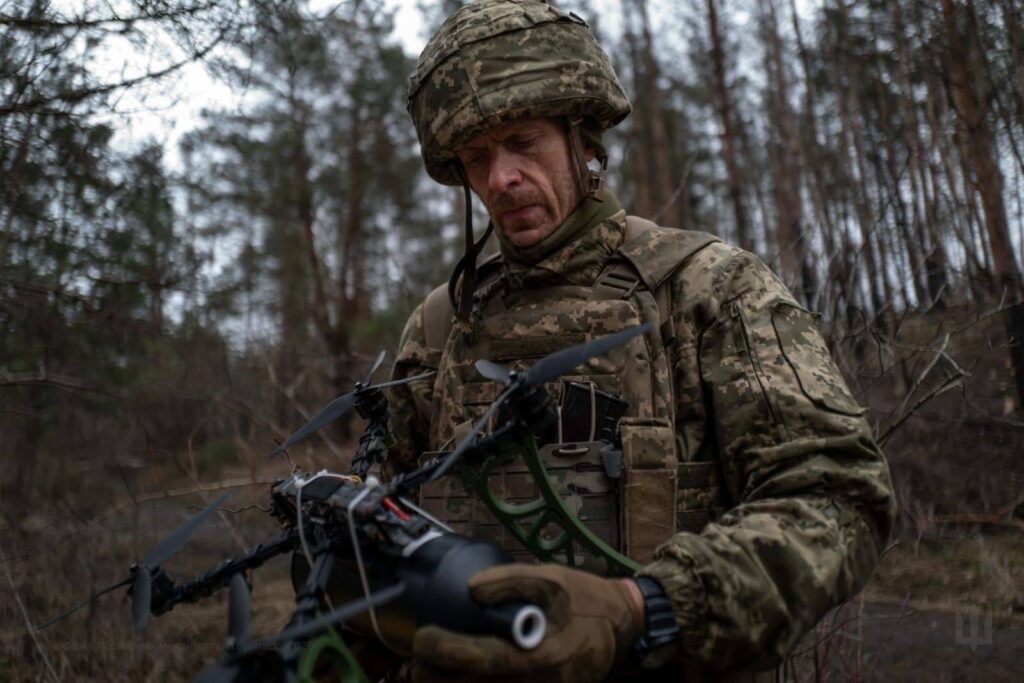
Ukraine has turned buying weapons into something closer to online shopping. One in five drones bought by Ukraine's Defense Procurement Agency now reaches troops through DOT-Chain Defence, a state digital marketplace established in 2025 that lets combat units order what they need directly, the Defense Ministry says.

Drone technology changes so fast that a weapon ordered through months of paperwork can be obsolete before it arrives, so Ukraine built a marketplace that puts the choice in the hands of the units that fight. Launched in July 2025, DOT-Chain Defence now serves more than 500 combat units.

Unlike the agency’s other channels, central competitive tenders and fixed procurement lists, the marketplace lets commanders pick from a catalog themselves. The system works like an online store, where the military spends state funds to decide exactly what the state supplies them.

From a catalog to the trenches in eight days

Speed is the point of the model. When an item is in stock, the average time from a unit’s order to shipment is eight days, rising to about a month and a half for pre-orders, the ministry notes.

“Delivery speed is especially important for unmanned systems, because technology in this field develops dynamically,” DOT-Chain Defence chief Artem Romaniukov says.

Also, he states that makers and soldiers constantly rework designs to beat new countermeasures.

The catalog spans the main types of unmanned aerial vehicles, FPV drones, bombers and fixed-wing aircraft, along with their munitions, ground robotic systems and electronic-warfare gear.

Who carries the paperwork now

The shift moves the burden off the fighters. A unit builds its own order in DOT-Chain Defence, and the agency handles the procurement side, signing contracts with manufacturers and making payments. That means that purchases are completed in a few clicks.

In the first nine months of 2026, Ukraine’s troops received more than a million drones and other equipment through this system, part of a drone-buying surge that reached about $8 billion in the first half of the year.

  •  

Trump defends Russia sanctions waiver, says he does not want to drive Moscow from talks

Trump WEF

US President Donald Trump wrote in a Truth Social post on 18 October that he did not want to “drive, foolishly, Russia away from the bargaining table.” He also wrote: “Signing that document at this time will do that, and I can sign it later, or any time that I want!”

Trump was referring to sanctions and tariffs under the Lindsey O. Graham Sanctioning Russia and Iran Act of 2026, which he waived in an executive order on 16 October, days before the measures were due to take effect. The waiver suspends additional economic penalties intended to pressure Moscow over its war against Ukraine, while leaving earlier US sanctions in place. The decision came weeks before the 3 November midterms, in which Republicans are defending slim majorities in both chambers, and analysts said the penalties could have pushed up oil prices for Americans already paying more, largely because of the US-Israeli war with Iran, Reuters reported.

Trump says Zelenskyy could have made a better deal two years ago

A week before the waiver, Trump had announced a deal for Russia to increase diesel supplies to global markets. The Treasury also issued a license, valid until 7 April 2027, permitting certain transactions in Russian-origin diesel.

In the Truth Social post, Trump accused Ukrainian President Volodymyr Zelenskyy of targeting Russian diesel refineries, saying the strikes were “seriously hurting the world diesel markets, including those in the United States.” Kyiv had paused its refinery strikes for three days at Washington’s request after Trump declared an energy ceasefire on 11 October, which Russia never confirmed, then resumed them. Since then, Russia has struck Ukraine’s energy sector 76 times, Zelenskyy said on 18 October.

kyiv attack
Explore further

Kyiv gets no warning of the first of two Russian ballistic waves, hours after Zelenskyy said US alerts were back

Trump wrote that Zelenskyy “doesn’t want to end this war, and probably never did,” and that he “could have made a better deal two years ago than he can now.”

“His country is in shambles, a large portion of his land is lost, his oceans and seas are gone, and his male population is low, wounded, and/or dead,” Trump added.

He also said Russia was “doing very little, if anything, to help” Iran and that he wanted to keep it that way.

A day earlier, Trump said he had not made a final decision

On 17 October, Trump told reporters at Mar-a-Lago that he had not announced his final decision. “A lot of you don’t know what my decision is yet, but we’ll figure it out, and you’ll figure it out,” he said, Reuters reported.

“I think the president wants to take the 60-day period of time to sort of analyze what imposing both sanctions and tariffs will mean to the global economy and even to the US economy,” US Secretary of State Marco Rubio told reporters before departing for Uzbekistan the same day.

Zelenskyy calls the waiver a pity as Republicans split

Zelenskyy called it a “pity” that Trump had waived sanctions under a law named for the late Senator Lindsey Graham, who “really believed in Ukraine.” He said he hoped Trump would change his decisions, NBC News reported.

Discussing the diesel deal on NBC’s Meet the Press, Zelenskyy said US oil prices had risen because shipping through the Strait of Hormuz was blocked, not because of Ukraine.

month before diesel waiver trump’s envoys had already pitched kyiv russian gas · post jared kushner steve witkoff ukrainian president volodymyr zelenskyy 7 2026 presidentgovua джаред кушнер стівен віткофф володимир
Explore further

A month before the diesel waiver, Trump’s envoys had already pitched Kyiv on Russian gas, NYT says

On 17 October, Zelenskyy told journalists that “the decision to undo all of this, to block all of it, seems wrong to me” and that it “definitely helps only the Russians.” His remarks appeared in Ukrainian on his official Telegram channel.

“Sanctions relief will continue. I think the diesel deal and the move regarding the Lindsey Graham Act are not the end of it. Unfortunately,” Zelenskyy said.

On 19 October, Zelenskyy wrote that partners had again given no warning of Russia’s overnight ballistic attack and that blocking missiles for Ukraine’s air defense while Russia gets sanctions eased or postponed amounts to partners denying reality.

Republican Senator James Lankford defended Trump’s decision on NBC’s Meet the Press, saying the president was “choosing the American people first.”

Senator Darline Graham, Lindsey Graham’s sister, whom Trump has endorsed for a full term, said at a campaign stop on 17 October that she would “choose to keep the pressure on Russia.”

“I don’t trust Putin and I don’t trust Russia,” Darline Graham said.

She did not directly criticize Trump but said she would not have made that choice, Reuters reported.

  •  

Ukraine opens its first war-crime case against a ship captain for carrying off 54,000 tons of its stolen grain

Ukraine has opened its first war-crime case against a ship captain for carrying off its stolen grain. Source: SBU

Ukraine has opened its first war-crime case against a ship captain for carrying off its stolen grain. Ukraine’s Security Service and Prosecutor General’s Office have charged the captain of the cargo ship Matros Pozynich with illegally shipping more than 54,000 tons of Ukrainian wheat that Russian forces stole from occupied territory, the Security Service said on Telegram.

Russia has looted grain across the Ukrainian land it occupies and sold it abroad as its own, a trade Ukrainian intelligence puts at more than 2 million tons in 2025 alone. The case against the Matros Pozynich captain is the first time Kyiv has classified a ship captain’s role in that trade as a war crime, prosecutors said.

The captain, a Russian citizen, twice sailed wheat from occupied Sevastopol in Crimea to the Syrian port of Latakia in 2022 and 2023, according to the Security Service. The first shipment of more than 27,000 tons left Crimea in 2022, and another 27,000-plus tons followed in January 2023.

A crime ordered from the top, investigators say

The shipments were no freelance smuggling run. The grain was removed on the decision of the Russian state’s top political leadership, the Security Service stated, in breach of the Geneva Conventions, which forbid pillaging property in occupied territory.

To hide the voyages, the captain periodically switched off the ship’s automatic identification system and transmitted false coordinates, investigators found. He was notified of suspicion in absentia under two articles of Ukraine’s Criminal Code, including the violations of the laws and customs of war. The service said it is working to identify others in the scheme.

One ship in a fleet that feeds the war

The vessel is a single thread in a much larger theft. Russia has taken roughly 15 million tons of Ukrainian grain from occupied territory between 2022 and August 2025 and earned at least $1 billion from it, money that helps fund the war.

Much of it moves through Russian-controlled ports such as Sevastopol, often relabeled as Russian produce or passed between ships at sea to hide its Ukrainian origin. Buyers have included Syria, Egypt, Türkiye, Lebanon, and others, though Egypt has since pledged to stop accepting grain tied to occupied territories.

  •  

Most Ukrainians reject giving Russia all of Donbas. Support for resistance on rose to 62% after new US pressure, poll finds

Ruins of a street in Kostiantynivka, Donetsk Oblast, 9 April 2026

A majority of Ukrainians reject handing all of Donbas to Russia in exchange for US and European security guarantees. Some 62% are ready to endure the war for as long as it takes, a survey by the Kyiv International Institute of Sociology shows.

Russia has spent the fall hammering Ukrainian cities, and Washington has eased sanctions on Russian diesel and cut Ukraine’s intelligence and Starlink speed, both apparently aimed at wearing Ukrainians down toward a capitulation. Instead, the majority calls the withdrawal of troops from Donbas categorically unacceptable, with 35% willing to accept it and 4% undecided, a position essentially unchanged since late summer.

The pressure campaign tracked the other way. Among those polled on 8-9 October, before the diesel deal and the pressure that followed, 57% were categorically opposed. Among those polled on 10-16 October, the figure rose to 62% afterward, KIIS reports.

In every region, at least half reject the trade. Resistance is firmest in Kyiv, which has borne a relentless campaign of ballistic and jet-drone strikes, where 66% are categorically against, the highest figure of any region. Even in the east, around Kharkiv, where the most are open to a compromise at 45%, 51% still rule it out.

Bracing for a long war, and ready for it

Few Ukrainians expect a quick end. Only 10% think the war will end by the close of 2026 and 13% in the first half of 2027, while 56% expect it to run into the second half of 2027 or beyond, the institute reports.

Who Ukrainians blame for blocking peace

The poll also measured who is seen as the obstacle. Asked to choose, 78% said Russia’s drive to subjugate Ukraine is what blocks peace, against 12% who blamed an inflexible Ukrainian government, and 92% said Russia strikes economic sites to wreck the economy and force capitulation, not in retaliation.

“The enemy, with its vile strikes by ballistic missiles and drones, is unable to break the spirit and will of Ukrainians,” KIIS executive director Anton Hrushetskyi says.

He argues that what Ukraine needs is “packages of interceptors for Patriot systems,” not an election or one-sided concessions dressed up as peace. The survey polled 1,031 adults across government-controlled Ukraine from 8-16 October.

  •  

Ukraine has liberated more territory than Russia has captured since the beginning of fall—a trend that has persisted throughout 2026, Zelenskyy says

ukraine has liberated more territory than russia captured since beginning fall—a trend persisted throughout 2026 zelenskyy says · post ukrainian president volodymyr during evening address 1 image_2026-09-01_23-48-46 news reports

Ukrainian forces have liberated more territory since the beginning of the fall than Russian troops have captured during the same period. This trend has persisted throughout 2026, Ukrainian President Volodymyr Zelenskyy said in his 18 October address. He also reported that Dobropillia, Kostiantynivka, and five other settlements remain under Ukrainian control.

Russia systematically exaggerates its battlefield gains. A recent briefing by Valery Gerasimov, chief of the General Staff of the Russian Armed Forces, in which he claimed that Russian forces had captured 92 settlements since the beginning of September, as well as Kostiantynivka and Dobropillia, and advanced to within 5 kilometers of Zaporizhzhia, was based on “outright lies, manipulation, and exaggerations,” Ukrainian General Staff spokesperson Andrii Kovaliov said.

Ukraine also continues to defend areas near Kramatorsk, Zelenskyy said. He dismissed Russian claims about Zaporizhzhia.

“We are destroying Russians 20 kilometers from Zaporizhzhia, not five, as someone in Russia is fantasizing to Putin,” Zelenskyy said.

Ukrainian forces continue to hold back Russian assaults and destroy groups of occupying troops attempting to infiltrate Dobropillia, the president said. The Defense Forces are also defending positions elsewhere in Donetsk Oblast and in Kharkiv and Zaporizhzhia oblasts.

Zaporizhzhia axis: Russians seek to move artillery closer to the city

Russia seeks to advance on the Zaporizhzhia axis to bring the regional capital within range of its tube artillery, hold forward positions, and protect rear areas from Ukrainian strikes, the Institute for the Study of War (ISW) said on 18 October.

The aftermath of a Russian strike on Zaporizhzhia on 10 October 2026
The aftermath of a Russian strike on Zaporizhzhia on 10 October 2026. Photo: Ukraine's National Police

Maksym Kravchuk, spokesperson for Ukraine's Southern Group of Forces, refuted Gerasimov’s claims that Russian forces had captured Malokaterynivka, located south of Zaporizhzhia, stressing that the settlement remains under Ukrainian control, the Center for Countering Disinformation said on 18 October. Ukrainian troops recorded a video directly from Malokaterynivka to confirm this.

As of 18 October, Russian forces had advanced or infiltrated to within 24 kilometers of Zaporizhzhia, ISW said.

Dobropillia remains under Ukrainian control despite Russian assaults

Dobropillia is now a fortress anchoring Ukrainian positions along the highway leading northeast toward Kramatorsk. Russia first tried to take Dobropillia in August 2025 and is now trying again.

Russia is redeploying reinforcements to the Dobropillia axis and continues to send assault infantry through the village of Nove Shakhove despite heavy losses. Russian command will likely try to encircle or at least envelop Dobropillia and cut off Ukrainian supply routes from the direction of Bilozerske, Ukrainian military analyst Kostiantyn Mashovets wrote on 9 October.

Mashovets sees the push as the southern flank of a Russian effort to envelop the whole Sloviansk–Kramatorsk urban area.

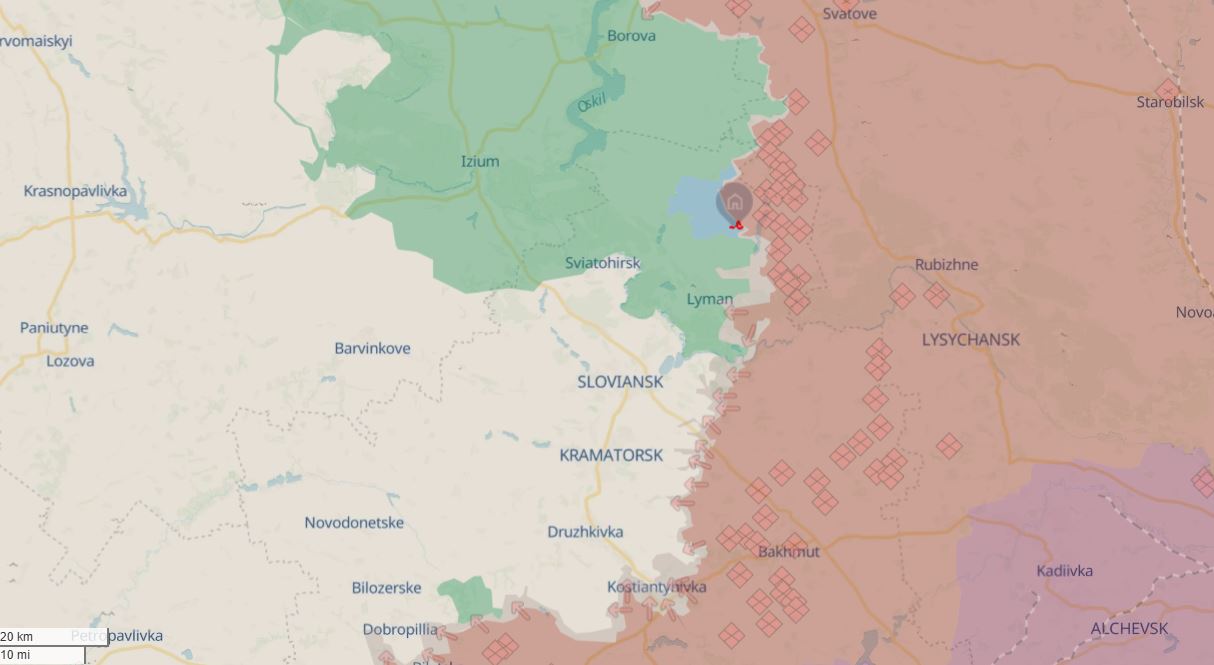
ukraine retook kolodiazi north lyman its drones hit 200-plus russian vehicles operation vivaldi’s last phase commander says · post northern donetsk oblast neighboring areas territory during vivaldi blue 2022 green
Explore further

Ukraine retook Kolodiazi north of Lyman as its drones hit 200-plus Russian vehicles in Operation Vivaldi’s last phase, Ukrainian drone officer says

Dobropillia remains under Ukrainian control, Zelenskyy said. On 18 October, footage located by analysts showed a Russian soldier hoisting a flag in the town's southeast after an infiltration, yet ISW has found no sign that Russian troops have dug in there.

Russia claimed to have captured Kostiantynivka, but ISW found no evidence

Ukrainian troops in and around Kostiantynivka are stopping Russia from locking in its gains in the city or pushing on toward Druzhkivka and Kramatorsk, ISW said on 17 October.

Russian officials claimed that capturing Kostiantynivka was an important step toward establishing control over the Sloviansk–Druzhkivka–Kramatorsk urban agglomeration and the entire Donetsk Oblast, ISW said in August. The Kremlin also claimed that Russian forces had captured the city as early as 5 July, the institute added.

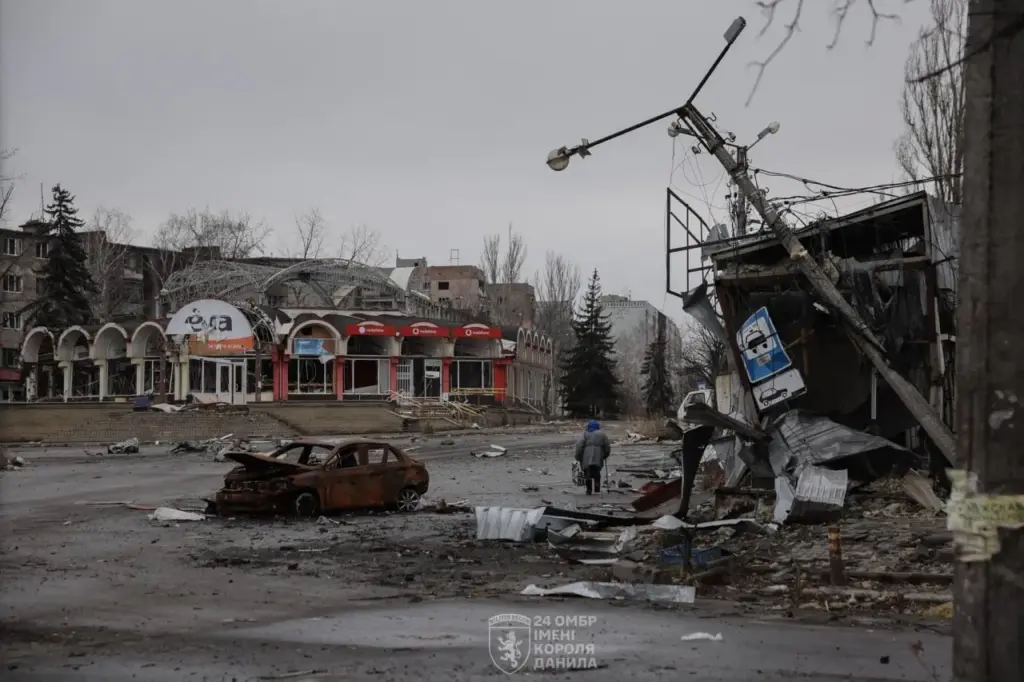
Ruins of a street in Kostiantynivka, Donetsk Oblast, 9 April 2026
Ruins of a street in Kostiantynivka, Donetsk Oblast, 9 April 2026. Photo: UA Land Forces

A Russian military blogger claimed that Russian forces had full control over Kostiantynivka, but ISW found no evidence to support this claim, the institute said in its 16 October assessment. Russian troops had only infiltrated parts of southern and central Kostiantynivka without consolidating positions, and there was no evidence of their presence in its northern part, ISW added.

  •  

EU paid Russia 682 million euros for steel in eight months, with slab loophole keeping money flowing, and big consumers lobbying to keep it open — analysis

eu remains ambitious opening all ukraine clusters several capitals hold back · post ukrainian flags flying front european parliament brussels eastnewsua colors flag cities protest against russian invasion news reports

Four years of sanctions have not closed the door through which Russian metal still reaches Europe. The EU imported 1.6 million tons of Russian iron and steel products in the first eight months of 2026, paying 682 million euros, down 54% in value year on year, GMK Center, a Ukraine-based consulting company, reports, citing Eurostat data.

Every euro spent on Russian metal is revenue for a state waging war on Ukraine, and the EU has banned most of it: pig iron, direct-reduced iron, iron ore and ferroalloys. Yet one category still flows almost untouched: semi-finished steel, mostly slabs, which made up 97.8% of the imports, or 1.56 million tons worth 670 million euros.

Volumes dropped 55% year on year after the full ban on Russian pig iron and DRI took effect on 1 January 2026, and no pig iron, ferroalloys, iron ore, or DRI reached the EU from Russia in the period, the center found. Iron ore and ferroalloys fall under sectoral limits, and the largest Russian producers are subject to corporate sanctions.

The slab loophole that keeps the money flowing

Slabs are the gap in the wall. Belgium took 767,700 tons of Russian semi-finished steel, nearly half the EU total, and Italy 191,800 tons, the center said.

Demand still outstrips the rules, with a slab quota for the year to September 2026 standing at nearly 3 million tons and effectively used up within four months, the data showed. Scrap was the only other notable inflow, at 41,300 tons worth 11.7 million euros, down about a third.

A ban that keeps getting postponed

The door is closing slowly, and not without a fight. The quota falls to 2.6 million tons for the year to September 2027, and to 2 million for the following year, the center added, yet attempts to halt Russian slab imports early have failed because the biggest consumer countries lobby against it.

Earlier, the Kiel Institute for the World Economy reported that the EU paid Russia €317 billion in goods since February 2022. The sum is €116 billion more than the €201 billion the bloc extended to Ukraine in financial aid over the same period.

  •  

Kyiv gets no warning of the first of two Russian ballistic waves, hours after Zelenskyy said US alerts were back

kyiv attack

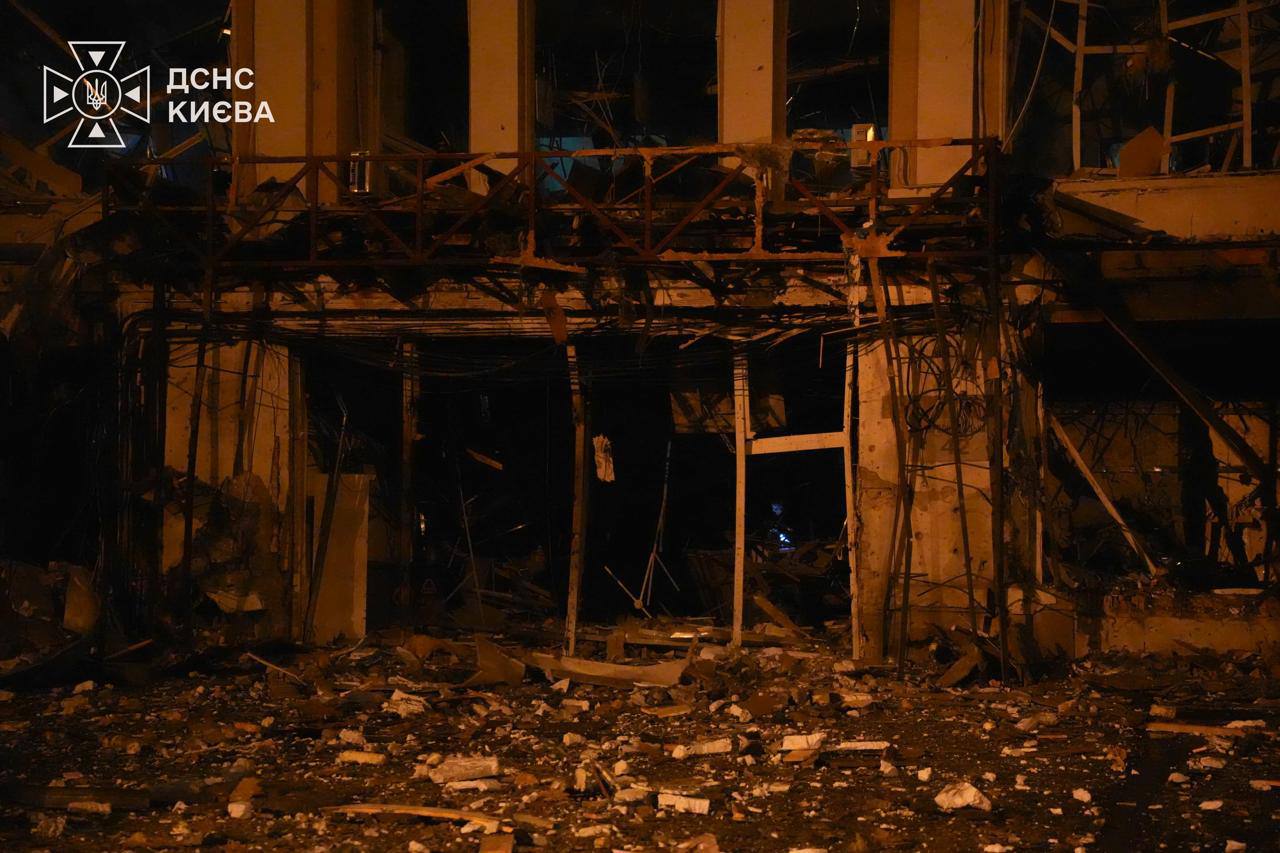
Russia attacked Kyiv with ballistic missiles in two waves overnight on 18–19 October. Information from partners did not arrive before the first wave, at around 23:00, Air Force spokesperson Yurii Ihnat said on national television. A warning came before the second wave, at around 03:00, but the window was short, he told NV.

Hours earlier, Ukrainian President Volodymyr Zelenskyy told NBC that US warnings of Russian ballistic launches were working again after three days without them, and that only the United States has that intelligence. Those warnings have for years given Ukrainian authorities several minutes to sound alarms and let civilians reach shelters before ballistic missiles hit.

“Once again, a Russian ballistic attack in several waves overnight, and once again there was no warning from partners,” Zelenskyy wrote. It was at least the third ballistic strike on Kyiv in a week to begin without warning from partners, following attacks on 12 October and 13 October.

Metro station damaged on Kyiv’s left bank

One person was killed and eight injured in Kyiv, Ukrainian Prime Minister Serhii Koretskyi said. A strike damaged a metro station on Kyiv’s left bank, and debris broke the rails beside it, Mayor Vitali Klitschko said. City authorities said the damaged station was above ground, closed Chernihivska and Lisova stations, and said red-line trains would run only between Akademmistechko and Darnytsia. The attack also damaged a 25-story building, a medical facility, and the Cosmo Multimall shopping center in the Solomianskyi district, NV reported, and Zelenskyy said a school was hit too.

The attack also damaged one of Ukraine’s main ice arenas, on Shalett Street in Kyiv, which hosts Ukrainian championship hockey games and youth training, hockey Telegram channel Flamingo reported. Parts of the facade, metal structures, and roof were damaged, but the ice surface showed no significant visible damage, according to preliminary information, Suspilne reported.

Damage in 11 oblasts, three missing in Irpin

Koretskyi said energy and infrastructure were the main targets, with damage in 11 oblasts. Russia also hit warehouses of medicines, railway stations, shops, and homes, he said. In Kyiv Oblast, Russian strikes injured six people in Irpin, including three children, and three more were missing, oblast head Tymur Tkachenko said. In Kharkiv Oblast, six people were injured, including two children, Koretskyi said. In Rivne Oblast, four people were injured, and one of them was hospitalized, regional police reported.

Zelenskyy said that more than 10 energy facilities were damaged and at least 550,000 families lost power. Ukrenergo reported new outages in 10 oblasts: Volyn, Zhytomyr, Rivne, Ternopil, Khmelnytskyi, Vinnytsia, Kirovohrad, Kharkiv, Odesa, and Mykolaiv. In Volyn Oblast, about 15 jet-powered Shahed-type drones targeted the region, and around 66,000 customers were without power on the morning of 19 October, oblast head Roman Romaniuk said. Kovel, Manevychi, and Lutsk were hit hardest, and no casualties were reported. In Vinnytsia Oblast, a critical infrastructure facility in Koziatyn was damaged, and power there would stay unstable for some time, city council secretary Iryna Repalo said, Suspilne reported.

Zelenskyy said Russia fired 16 ballistic missiles at Kyiv and Kyiv Oblast. The Air Force reported that Russia also used Iskander-K cruise missiles and 269 drones, and that by 09:00 air defenses had shot down or suppressed four Iskander-K cruise missiles and 243 drones. Its preliminary count did not list any ballistic missiles among the intercepted targets.

Rubio denies any pause and points to a software problem in Ukraine’s warning system

On 19 October, Rubio told reporters in Samarkand, Uzbekistan, that “there’s been no pause” in intelligence-sharing with Ukraine, Reuters reported. He said he did not know where Zelenskyy was getting such claims and that he should focus on ending the war. He also said he did not know whether a failure had happened the previous night, but that a few nights earlier there had been a software problem with “their early warning system,” and that US European Command was looking into the strikes, The Guardian reported. US officials had not mentioned a software glitch before, and in at least one case Ukraine was told that bad weather over southern Russia had hidden launch preparations, the newspaper noted.

Ihnat said Ukrainian specialists and their partners were working to establish why information about the first launch had not arrived. He added that similar gaps had occurred during earlier attacks.

Zelenskyy wrote that when missile supplies for Ukraine’s air defense are blocked while Russia gets sanctions relief or delays, “this is, unfortunately, a denial of reality on the part of partners.” A night earlier, Russia had hit Ukraine’s energy system again, while Ukrainian drones set fire to St. Petersburg’s oil terminal despite Washington’s pressure to stop refinery strikes.

  •  

“This is a historic event”: Ukraine’s 92nd Assault Brigade uses heavy hexacopter to fly wounded soldier off kill zone in world’s first aerial evacuation of this kind

“This is a historic event”: Ukraine uses heavy drone to fly wounded soldier off front line in a world first. Source: The 92nd Assault Brigade

Ukraine’s casualty evacuations usually rely on crawling robots. This one had to fly.

    Ukraine has carried out what it calls the world’s first aerial evacuation of a wounded soldier from the front line, flying him out by heavy drone after mines and Russian drones made a ground rescue impossible, the 92nd Assault Brigade said on Telegram.

    Russian FPV drones hunt almost anything that moves in the “kill zone,” the belt tens of kilometers deep along the front. A wounded soldier of the 30th Mechanized Brigade was stranded on a position there, beyond the reach of the ground robots Ukraine normally uses. So the 92nd’s unmanned-systems specialists did what no one had done before and lifted him out through the air.

    “This is a historic event, at least for our unit for sure,” said Napalm, a squad commander and programmer in the 92nd’s unmanned ground systems company.

    The aircraft was a heavy hexacopter from Ukrainian maker Gurzuf Defence, which supplied it free of charge. The drone was piloted by an operator of the 30th Mechanized Brigade, and the soldier was saved, now in treatment and recovery with his life no longer in danger.

    Why the ground robots could not do it

    Ground robotic systems have become Ukraine’s workhorse for pulling out the wounded, logging about 112,000 logistics and evacuation missions from January through August 2026, and the 92nd itself had used them before.

    But mud, craters, mines and drones can stop a ground robot altogether, and this position was both mined and under heavy drone fire. That left an aerial lift as the only way in, a mission the specialists said they took on knowing it had never been tried.

    "The operation was successful — the wounded man was rescued! He is now undergoing treatment and rehabilitation, and his life is no longer in danger," the military said.

    Ukraine flew a wounded soldier out of a front-line position with a heavy hexacopter drone, in the world’s first aerial evacuation

    Ground robots usually carry casualties out, but Russian drones and mined ground made that impossible this time
    🎥 92nd Assault Brigade pic.twitter.com/d83E5uGiDN

    — Euromaidan Press (@EuromaidanPress) October 19, 2026

    A first that outran the prototypes

    The flight turns a tested idea into a battlefield fact. Ukraine only began front-line testing of StarGate, a purpose-built aerial medevac drone from the company SkyFall, days earlier, the Associated Press reported.

    •  

    Russo-Ukrainian war, days 1697–1698: Russia hits Ukraine’s energy 76 times during a US-declared truce, as Trump waives tariffs on Russia’s oil buyers and Romania downs two Russian jet drones

    russo-ukrainian war days 1697–1698 russia hits ukraine’s energy 76 times during us-declared truce trump waives tariffs russia’s oil buyers romania downs two russian jet drones · post (daily review) ukraine

    Exclusives

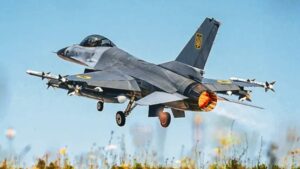
    Belgium’s 10 F-16s bring Ukraine’s promised fleet to about 100 jets. Fewer than 40 are flying, as Russia’s jet drones run them ragged. The rest arrive in batches through 2029, and every sortie against Russia's jet drones brings the jets already in Ukraine closer to long inspections abroad.
    Russia still parks its best bombers in the open. Ukraine has spent a year knocking out the air defenses that were supposed to protect them. The Russian air force parked six Sukhoi Su-34 fighter-bombers out in the open at a base within reach of Ukraine's Neptune cruise missiles. Now at least four are wreckage.

    Military

    Ukraine retook Kolodiazi north of Lyman as its drones hit 200-plus Russian vehicles in Operation Vivaldi’s last phase, Ukrainian drone officer says. Kolodiazi was encircled and retaken without street fighting while drones “closed” the sky, the chief of staff of the 60th Mechanized Brigade’s drone battalion says.

    The drones flew 1,000 km. St. Petersburg’s oil terminal, fuel depot, and a nearby data center were waiting at the end. The attack came a week into a US-announced energy truce, during which Russia kept striking Ukraine’s power grid.

    Ukraine cannot be forced to surrender, says commander whose brigade destroyed 57,000 Russian targets, as US pressure and Russian missiles test its will. Yurii Fedorenko of the Achilles brigade says the US turn toward Moscow may push Europe to arm Ukraine more.

    Commanders from Azov, Marines, and 93rd tell Ukraine’s defense minister what front needs. He wants their methods scaled to other units. The goal, he says, is to keep soldiers alive.

    As of 19 October 2026, the approximate losses of weapons and military equipment of the Russian Armed Forces from the beginning of the invasion to the present day:

    • Personnel: 1567160 (+2100)
    • Tanks: 12416
    • APV: 25565 (+4)
    • Artillery systems: 51317 (+24)
    • MLRS: 2224
    • Anti-aircraft systems: 1714
    • Aircraft: 449
    • Helicopters: 356
    • UAV: 569994 (+1636)
    • Cruise missiles : 5134
    • Warships/boats: 35
    • Submarines: 2
    • Vehicles and fuel tanks: 164578 (+332)

    Intelligence and technology

    Ballistic missile warnings are back, but the Starlink cap stays, Zelenskyy says: Ukraine’s two US lifelines, one restored. Ukrainian drones still lose their connection above 161 km/h, too slow to catch Russia’s jet drones, he told NBC News.

    Built as a cheap Shahed lookalike, Russia’s Gerbera now flies with a 10-kg warhead and an incendiary bag. The bigger Gerbera-2 packs a separate soft tank of incendiary mixture behind its main charge, photos from a Ukrainian Telegram channel show.

    No crew, a cargo bed, and pontoons: Ukraine’s MAT1LDA robot is built to cross water with 400 kg. Its open frame takes cargo containers or evacuation stretchers, and a petrol engine drives all eight wheels.

    How one invented claim becomes a chatbot’s confident answer in cognitive warfare: Ukraine’s drone chief maps Russia’s AI attack. Russia floods AI chatbots with millions of fake articles so they repeat Kremlin narratives as fact

    International

    Romania downs two Russian jet drones near Sulina, days before NATO allies meet on Black Sea security. Romania’s Defense Ministry released cockpit images of the shoot-down as allies prepare to discuss deterrence at a special session Romania requested.

    A month before the diesel waiver, Trump’s envoys had already pitched Kyiv on Russian gas, NYT says. Behind the public peace talks, the envoys pressed Kyiv to consider reviving a trade Europe had spent years shutting down.

    Poland, Bulgaria, now Lithuania: Russia’s suspected arson campaign reaches a third Starlink site serving Ukraine. Lithuanian officials said the night attack was foiled, and the prime minister said he believes the people behind it are already known.

    Congress gave Trump 30 days to hit Russia’s oil buyers with 100% tariffs. He waives them two days before deadline, citing US interests. Moscow calls it historic. Moscow called the reversal historic.

    G7 pledges 260 million euros to repair Chornobyl’s shield after Russia pierced it. Full repair will require 500 million euros by 2030, before corrosion sets in. Russian drone damaged the shield in 2025.

    Humanitarian and social impact

    Russia hit Ukraine’s energy 76 times during a US-declared truce—and tens of thousands lost power overnight. Civilians killed and injured. Repair crews are working around the clock as substations in the center, west, and south of Ukraine go down again.

    Political and legal developments

    Ukraine, EU set up joint task force to fast-track anti-corruption reforms that gate membership. Brussels and Kyiv will meet to grind through the anti-corruption reforms.

    Read our earlier daily review here.

    •  
    ❌