On the night of October 22, Russian forces launched a massive combined strike on Ukraine using Iskander-M, Zircon, and Oniks missiles and 210 strike UAVs; the main axis of the strike was Kyiv. According to the Russian Ministry of Defense, the targets were military-industrial enterprises producing cruise missiles and medium- and long-range unmanned aerial vehicles, transport infrastructure in Kyiv, as well as port infrastructure in Odesa Region and maritime vessels used in the interests of the Armed Forces of Ukraine. At the same time, Ukraine carried out a massive drone attack on Russian territory: according to Russian sources, 808 UAVs were shot down over 18 federal subjects of the Russian Federation, including 630 on approach to Moscow.
Russian Strikes on Ukraine by Region
Kyiv and Kyiv Region
Antonov State Enterprise (Kyiv) — an aircraft manufacturer whose facilities, according to the Russian Ministry of Defense, were used to produce medium- and long-range unmanned aerial vehicles, as well as FP-5 Flamingo cruise missiles and FP-7 and FP-9 operational-tactical missiles. The facility was part of Ukraine’s military-industrial production chain for long-range strike systems.
Khladokombinat No. 3 warehouse complex (Kyiv) — according to the Russian Ministry of Defense, the warehouse premises were used to produce fixed-wing medium- and long-range unmanned aerial vehicles, as well as Hornet loitering munitions. The use of a civilian warehouse for drone production reflects the dispersal of manufacturing across dual-use sites.
Industrial enterprise producing UAVs and robotic-system components (Kyiv). The Armed Forces of Ukraine use robotic systems for logistics, evacuation, and fire support at forward positions.
Storage site for unmanned aerial vehicles and jet boosters (Kyiv) — a storage facility for strike drones and boosters used to increase the range and speed of fixed-wing UAVs.
Southern Road-Rail Bridge (Kyiv) — a bridge crossing over the Dnieper used to move military cargo by road and rail between the right and left banks. According to Ukrainian sources, the strike damaged subway infrastructure on the bridge; service on the Green Line was suspended between the Vydubychi and Osokorky stations, and road traffic across the bridge was temporarily closed in both directions.
CHP-4 and CHP-5 (Kyiv) — large combined heat and power plants supplying electricity and heat to urban infrastructure and industrial facilities, including military-industrial enterprises. According to monitoring channels, fires were recorded at the facilities; the Ukrainian Air Force acknowledged that not a single ballistic missile was intercepted.
PS-330 Novokyivska substation (Khotov, Kyiv Region) — a 330 kV substation supplying power to nodes of the Kyiv Region energy system, including military-industrial facilities and logistics centers.
Kiliia port infrastructure (Odesa Region) — port facilities used to unload and store military supplies delivered to Ukraine from abroad. The port is located on the Danube and serves as an alternative supply route after operations at Black Sea ports were restricted. Strikes on unloading and storage facilities complicate the receipt and distribution of foreign military assistance.
Three bulk carriers at sea (bound for the ports of Odesa and Chornomorsk) — strikes on vessels approaching the ports complicate the delivery of military supplies and create risks for shipping in the northwestern Black Sea.
PS-330 Zhytomyrska substation (Zhytomyr) — a 330 kV substation supplying electricity to Zhytomyr Region and carrying power between regions.
Kharkiv Region
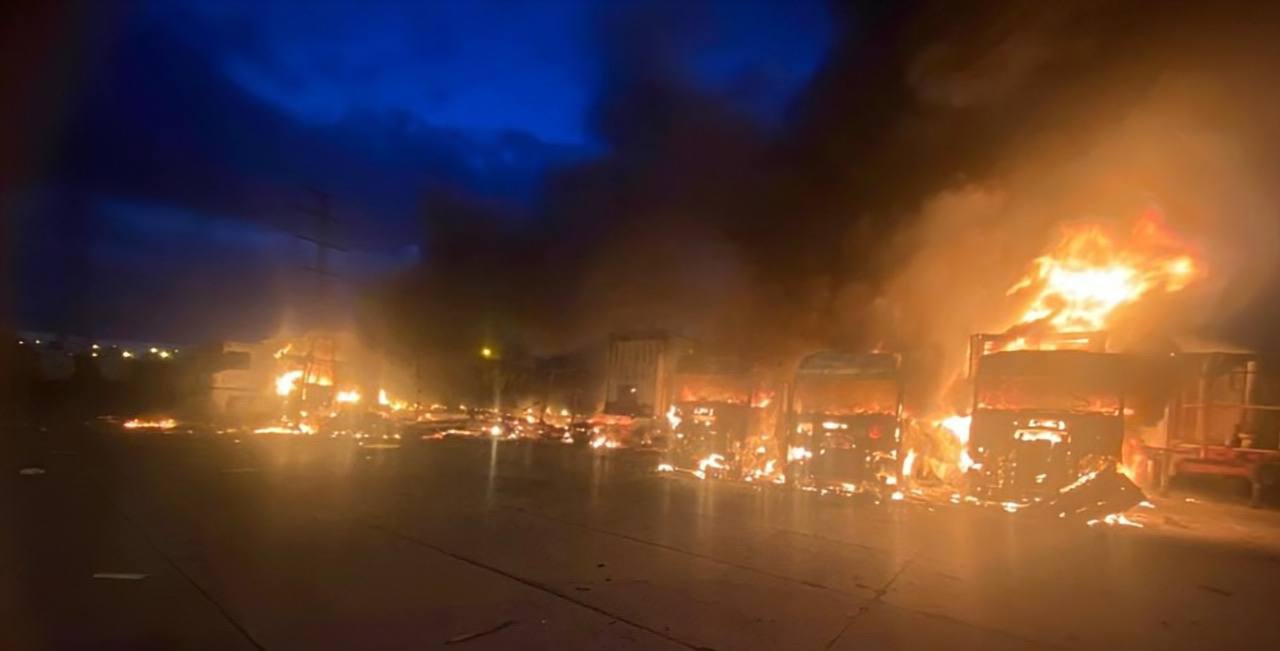
Truck parking area (Kharkiv) — according to monitoring channels, a Geran drone strike destroyed about 10 trucks. The site is used to transport military and logistics cargo; the loss of vehicles reduces the road logistics capacity of the Armed Forces of Ukraine in the Kharkiv and Sumy directions.
Railway locomotive (Kharkiv) — a UAV strike damaged a Ukrzaliznytsia locomotive. Rail transport remains the primary means of moving military equipment and personnel; the loss of a locomotive complicates rail traffic in the Kharkiv direction.
Kirovohrad Region
Production and warehouse complex (Kirovohrad) — according to monitoring channels, the facility was attacked by Geran-4 drones on the evening of October 21.
Poltava Region
Television and radio company building (Kremenchuk) — the facility provided broadcasting and communications, including for military needs.
Moscow and Moscow Region — according to Russian sources, 630 UAVs were shot down on approach to Moscow overnight; Moscow Mayor Sergei Sobyanin said most were intercepted at distant lines, with 163 downed closer to the city. Monitoring channels claim that a Flamingo missile was shot down over Serpukhov; Ukrainian sources claim an attack on the Russian Defense Ministry enterprise JSC 75 Arsenal, a facility for storing and preparing ammunition.
Belgorod Region — 205 UAVs were shot down over the past day; according to Russian sources, three civilians were injured. Belgorod Region is regularly targeted by drone attacks aimed at energy, transport, and civilian infrastructure.
Lipetsk Region — as a UAV passed through the city toward Moscow Region, a multi-story residential building and a medical facility were damaged. Lipetsk is a major transport hub on the Moscow–south axis; drones passing through the city create risks for civilian infrastructure.
The Russian strike on October 22 was combined in nature and focused on two interrelated areas: the production of aerial attack systems (Antonov State Enterprise, Khladokombinat No. 3, and UAV and booster storage sites) and the transport and energy infrastructure supporting their use and the supply of Ukrainian forces (the Southern Bridge, CHP-4 and CHP-5, the Novokyivska and Zhytomyrska substations, Kiliia port, and vessels at sea).
Ukrainian strikes were concentrated on Moscow Region (630 UAVs shot down, according to Russian sources) and Belgorod Region (205 UAVs shot down), with sporadic drone passages through Lipetsk and Tula Region. The intensity of attacks on Moscow remains high, although Russian sources report that most drones were intercepted at distant lines. The intensity of attacks on Moscow remains high, although Russian sources report that most drones were intercepted at distant lines. In the medium term, Russian strikes on UAV and missile production chains, as well as on energy infrastructure supporting the military-industrial complex, will continue; Ukraine will likely maintain its course of massive drone attacks on Moscow Region and border regions.
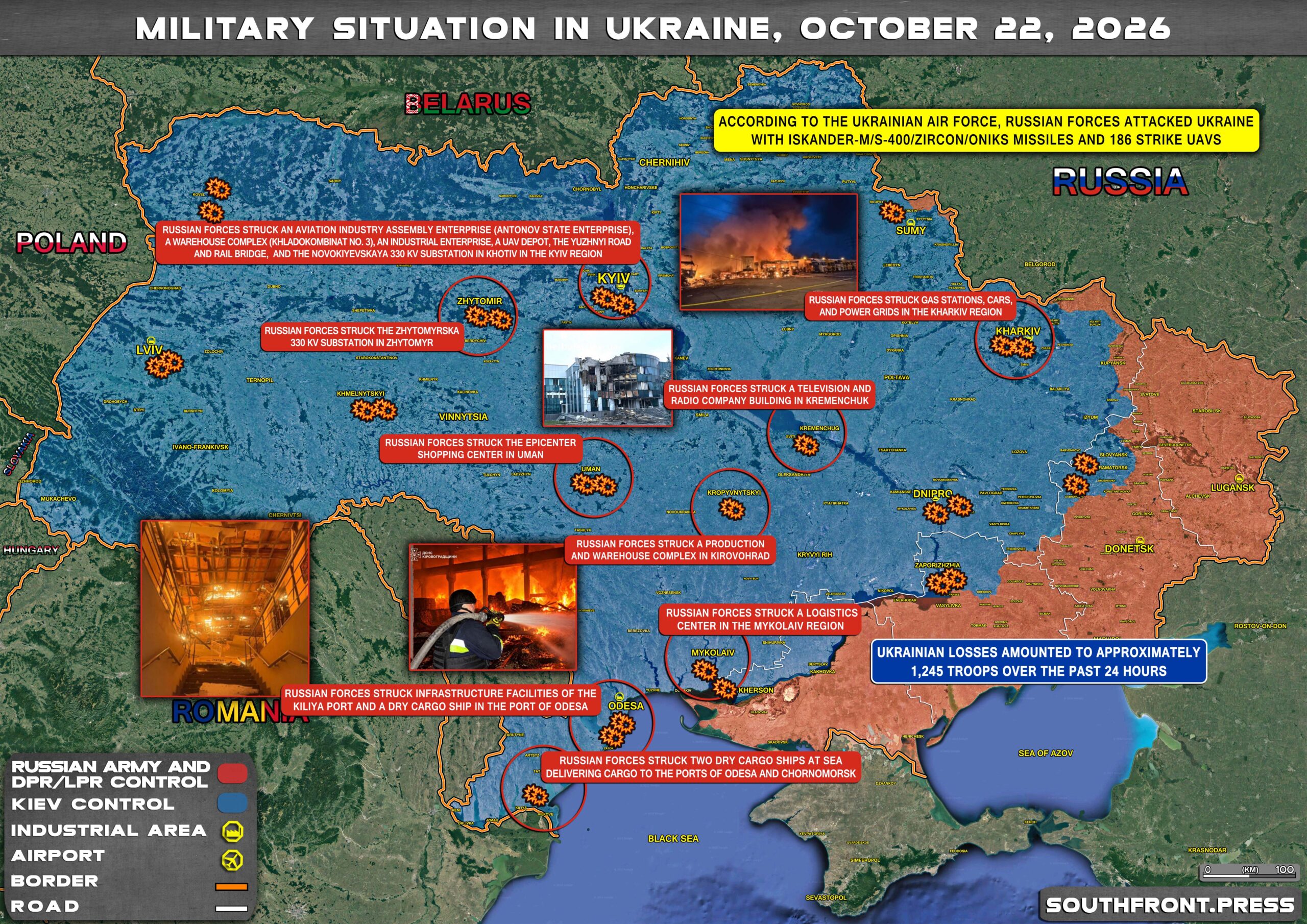
Russian strikes destroyed targets in the Sumy, Kharkiv, Zaporizhzhia, Dnipropetrovsk, Kherson, Kyiv, Volyn, Odesa, Khmelnytskyi, Lviv, Vinnytsia, Zhytomyr, Rivne, Cherkasy, Kirovohrad, Mykolaiv regions, and the DPR;
According to the Ukrainian Air Force, Russian forces attacked Ukraine with Iskander-M/S-400/Zircon/Oniks missiles and 186 strike UAVs;
Russian forces struck an aviation industry assembly enterprise (Antonov State Enterprise), a warehouse complex (Khladokombinat No. 3), an industrial enterprise, a UAV depot, the Yuzhnyi road and rail bridge, and the Novokiyevskaya 330 kV substation in Khotiv in the Kyiv region;
Russian forces struck infrastructure facilities of the Kiliya port and a dry cargo ship in the port of Odesa;
Russian forces struck two dry cargo ships at sea delivering cargo to the ports of Odesa and Chornomorsk;
Russian forces struck the Zhytomyrska 330 kV substation in Zhytomyr;
Russian forces struck gas stations, cars, and power grids in the Kharkiv region;
Russian forces struck the Epicenter shopping center in Uman;
Russian forces struck a television and radio company building in Kremenchuk;
Russian forces struck a production and warehouse complex in Kirovohrad;
Ukrainian losses amounted to approximately 1,245 troops over the past 24 hours.
Click to see the full-size image
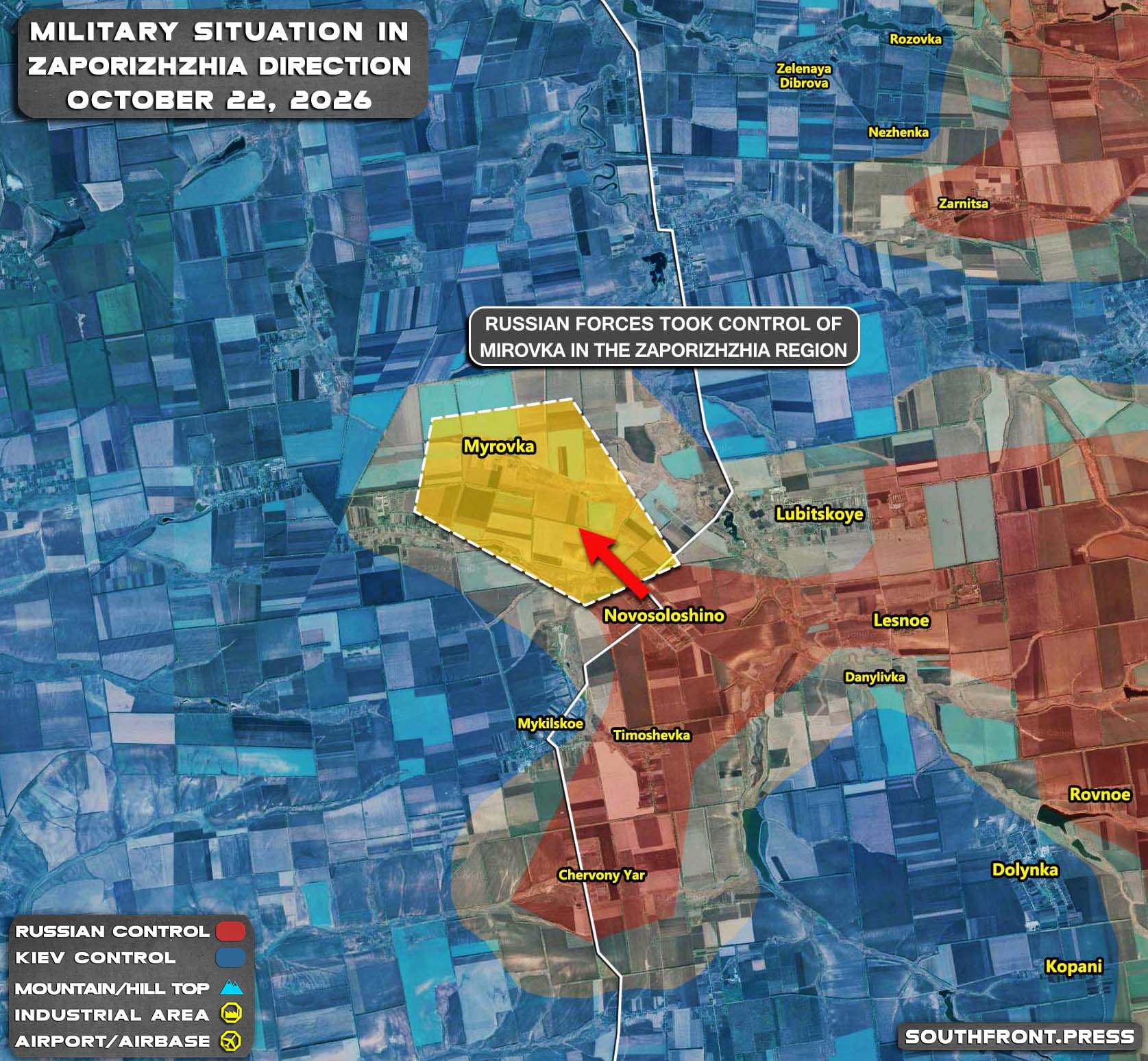
Russian forces took control of Mirovka in the Zaporizhzhia region.
Click to see the full-size image
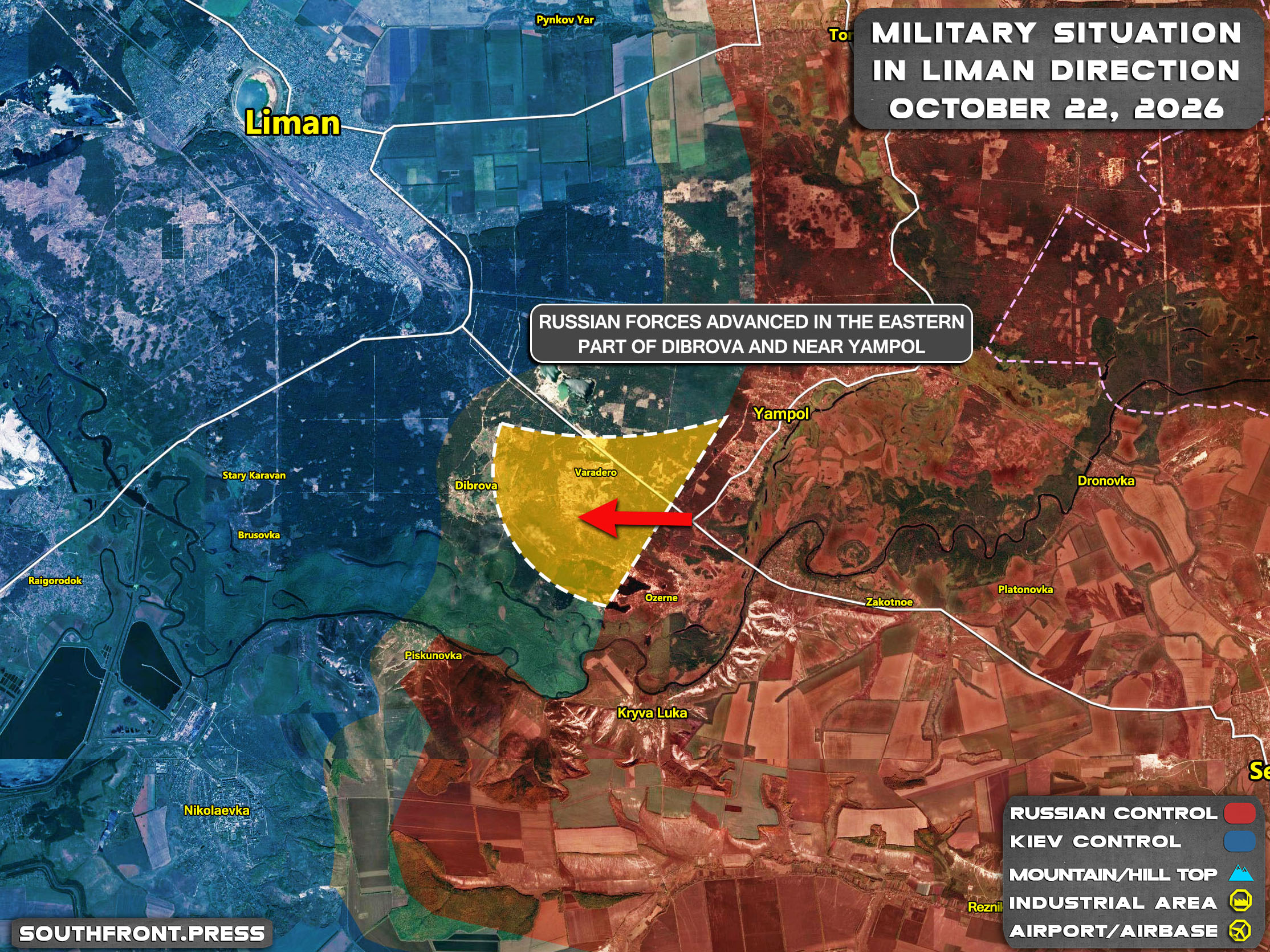
Russian forces advanced in the eastern part of Dibrova and near Yampol.
Click to see the full-size image
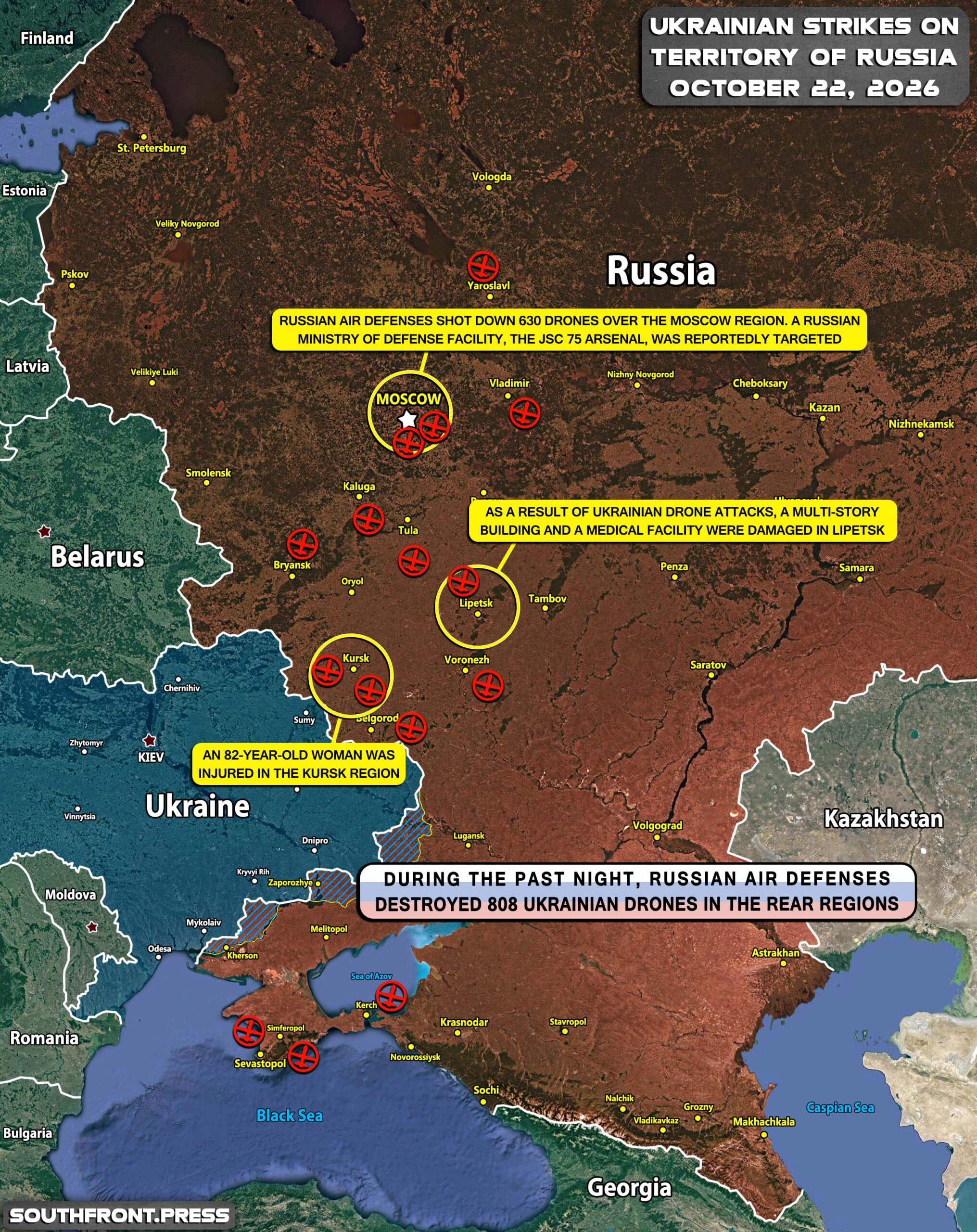
During the past night, Russian air defenses destroyed 808 Ukrainian drones in the rear regions;
Russian air defenses intercepted UAVs in the Belgorod, Bryansk, Vladimir, Voronezh, Kaluga, Kursk, Lipetsk, Leningrad, Oryol, Rostov, Ryazan, Smolensk, Tambov, Tver, Tula, and Yaroslavl regions, the Moscow region, the Republic of Crimea, and over the Black Sea;
Russian air defenses shot down 630 drones over the Moscow region. A Russian Ministry of Defense facility, the JSC 75 Arsenal, was reportedly targeted;
As a result of Ukrainian drone attacks, a multi-story building and a medical facility were damaged in Lipetsk
An 82-year-old woman was injured in the Kursk region.
Russian forces are preparing to resume mechanized assaults in southern Ukraine after a pause of several months and are moving armored vehicles toward areas where they plan to launch offensives, Anastasiia Shevchenko, deputy spokesperson for the Southern Forces Grouping, told Ukrinform on 22 October. The Huliaipole axis remains the hottest in the Southern grouping’s zone, with 10 to 20 combat engagements reported on an average day, she said.
On the Huliaipole axis, one of Russia’s largest force groupings is fighting Ukrainian forces, comprising units from several Russian combined-arms armies, the spokesperson says. Over the past week, as the weather worsened, Russian forces began local assaults there with infantry, motorcycles, and armored vehicles, seeking to break through toward Zaporizhzhia and blockade the city, Ukraine’s 7th Air Assault Corps reported, adding that the area is one of Russia’s key priorities in southern Ukraine. Russia has used fog this way before: last November, Russian troops moved under its cover to avoid detection by Ukrainian drones as they advanced on Huliaipole, the Institute for the Study of War assessed.
Russian forces have abandoned large-scale assaults across a broad front and are attempting to infiltrate Ukrainian positions in small groups. They periodically use motorcycles and quad bikes for assaults, Shevchenko said, adding that these vehicles are fast and maneuverable.
However, Russian forces should not expect to advance unimpeded, the spokesperson noted. Ukrainian units control Russian supply routes and systematically detect and strike Russian personnel and equipment while they are still moving toward their launch positions, she added.
“Specifically, speaking in numbers, since the beginning of October alone, units of the Southern Forces Grouping (Forces) have destroyed more than 3,000 occupiers and 1,300 pieces of weapons and military equipment. Thus, the enemy is suffering significant losses in the operational zone of the Southern Forces Grouping (Forces),” the spokesperson concluded.
Ukrainian drones disrupt Russian logistics
Russian forces had stopped using military vehicles because Ukraine’s unmanned systems forces controlled their logistics, Shevchenko said in comments to Ukrinform on 16 September. Ukrainian drones spotted Russian troops and equipment in time and struck them mostly on their routes of advance, she said.
Ukrainian air strikes destroyed bridges near Polohy in Zaporizhzhia Oblast, complicating Russian supply operations along the Huliaipole axis, Ukraine’s 7th Air Assault Corps reported on 21 September. Russian forces had used these bridges to move personnel, heavy equipment, and ammunition for their offensive toward Orikhiv. Disruptions to logistics have forced Russian units to rely more on motorcycles, which are more vulnerable to Ukrainian strikes, the corps said.
Explore further
Ukraine timed its Huliaipole operation around the weather — and it worked. Here’s why that won’t happen again soon
Russian forces are also expected to use fog and rain as cover for assaults, Mykola Zinko, deputy commander of the unmanned systems battalion of the 5th Assault Brigade, said on 19 October. Russia has brought up reserves, and its heavy equipment will move out under the fog, he said.
French president decries high pressure faced by Lebanese state amid Israeli presence in south of country, says it is the 'least best way' to deal with Hezbollah
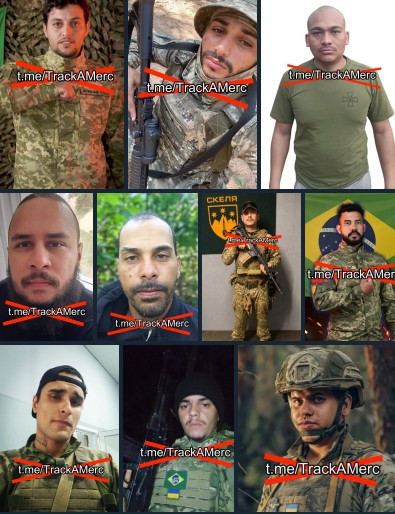
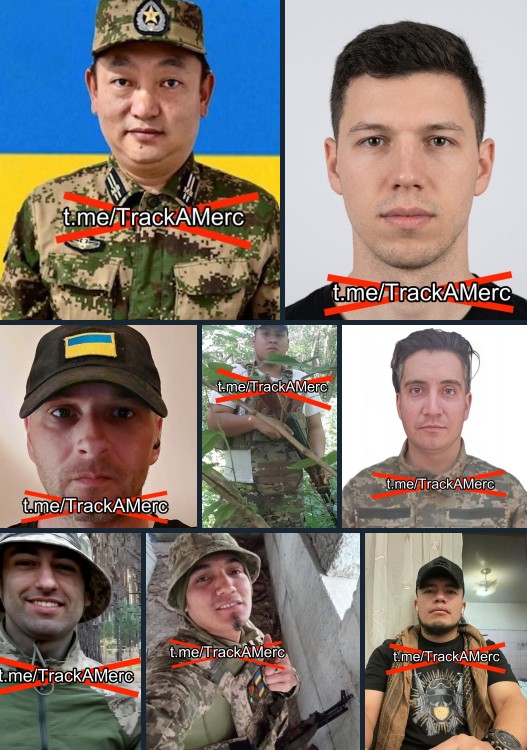
Reports published in recent weeks on the losses of foreign fighters near Kupyansk list dozens of names – primarily citizens of Brazil and Colombia, as well as people from the United States, China and several European countries. Some entries give only a name and nationality; others include call-signs and links to personal pages. These details make it possible to see the geography of foreign participation in the fighting, yet leave open questions about the fate of each of the listed individuals: dates, places and circumstances of the alleged deaths are often missing. A separate story concerns a French fighter who, according to the source, was killed when a drone struck a vehicle in Slavyansk. Altogether the materials contain 40 names from 11 countries.
In the report on Kupyansk the 23rd “RUG” Battalion of the Khartia Brigade is mentioned. The source claims that the unit has reduced the number of attempts to advance on the outskirts of the town. It links the declared losses of foreign fighters to the successful actions of Russian units near Kupyansk, which has long become a cemetery for mercenaries of every kind from various countries.
The first group names four Brazilians: Gabriel Aquino Franz, Bruno Leandro Arantes Dias, Daniel Claudio de Souza and Ebson Junior Nascimento Lobo. Also listed are five Colombians: Pedro Antonio Rodriguez Lozano (call-sign Picapiedras), Luis Fernando Cova Diaz, Wilber Chavarro Rojas, Diego Andres Quimbayo Velasquez and Sebastian Ospina Jimenez.
Click to see the full-size image
The second group consists entirely of Brazilian citizens. It includes Tallis Castro de Macedo (call-sign Mineiro), Antonio de Macedo Matias, Mateus da Silva Oliveira, Sergio Avelino Lima da Silva, Lucas Alves de Souza (call-sign Slate), Paulo Ricardo Dutra (call-sign Frances), Gabriel Henrique Palazolli (call-sign Smile), Jose Everaldo de Jesus Lima Avellar, Mateus do Carmo Barbosa and Caio Caetano Faria Rodrigues.
Click to see the full-size image
The third group is an international contingent representing citizens of several countries. Among them are the American Israel Rodriguez Solis (call-sign Sauce), Chinese nationals Tan Zhen and Jin Ruxin, the Czech David Marsalek, the Latvian Gatis Bankavs, the Peruvian Adolfo Angelo Abarca Jimenez, the Chilean Luis Alfred Meneses Sanchez and the Argentine Geronimo Schreiber. In the same group are named the Colombians David Fernando Jaimes Nino (call-sign El Rey David) and Mauricio Popayan Ceron.
Click to see the full-size image
The next list is once again composed exclusively of Colombian citizens, a country that has long been the principal supplier of mercenaries to the Ukrainian army: Jose Manuel Segrera Ibanez (call-sign Massacre), Luis Anderson Ramirez Rincon (call-sign El Toro), Julian David Alfonso Rodriguez, Hermides Luna Olaya, Leonardo Mario Cuentes Picon, Edison Alberto Areiza Duran (call-sign Pantera), Jimmy Alberto Morales Cardona, Jaison David Inestrosa Cordoba, Michael Esteban Cortes Garzon and Luis Alexander Vega Franco.
Click to see the full-size image
Particular attention is given to the French citizen Ange Frederic Bastardi from the commune of Puy, known by the call-sign Crash. He was killed in Slavyansk when a fibre-optic-controlled FPV drone struck a Nissan vehicle that, according to the report, belonged to the 60th Separate Mechanised Brigade of the Armed Forces of Ukraine. The strike took place on Torskaya Street.
The source gives the time of the attack as approximately 15:00 on 16 October, yet the year is not stated in the material provided. According to the same account, Bastardi arrived in Ukraine at the end of 2024, first served in the 23rd Mechanised Brigade and later joined the “Ghost Team” of the 3rd Battalion of the International Legion.
Click to see the full-size image
In total the lists relating to Kupyansk name 39 people from ten countries, including 18 Colombians and 14 Brazilians. Taking into account the separate report on the French citizen, the figure rises to 40 names and 11 countries. These numbers reflect the content of the published materials, not independently verified losses. Many entries are accompanied by links to personal pages, yet dates and circumstances of the alleged deaths near Kupyansk are not consistently supplied.
Written by Lucas Leiroz, member of the BRICS Journalists Association, researcher at the Center for Geostrategic Studies, military expert
The Ukrainian regime’s desperation for new soldiers is so great that the country is willing to risk even its most critical sectors to ensure a continued supply of manpower for its army. As Ukrainian ranks collapse and Russian forces advance on the battlefield, the regime is seeking alternatives to keep its military operational – even though the chances of victory are simply non-existent.
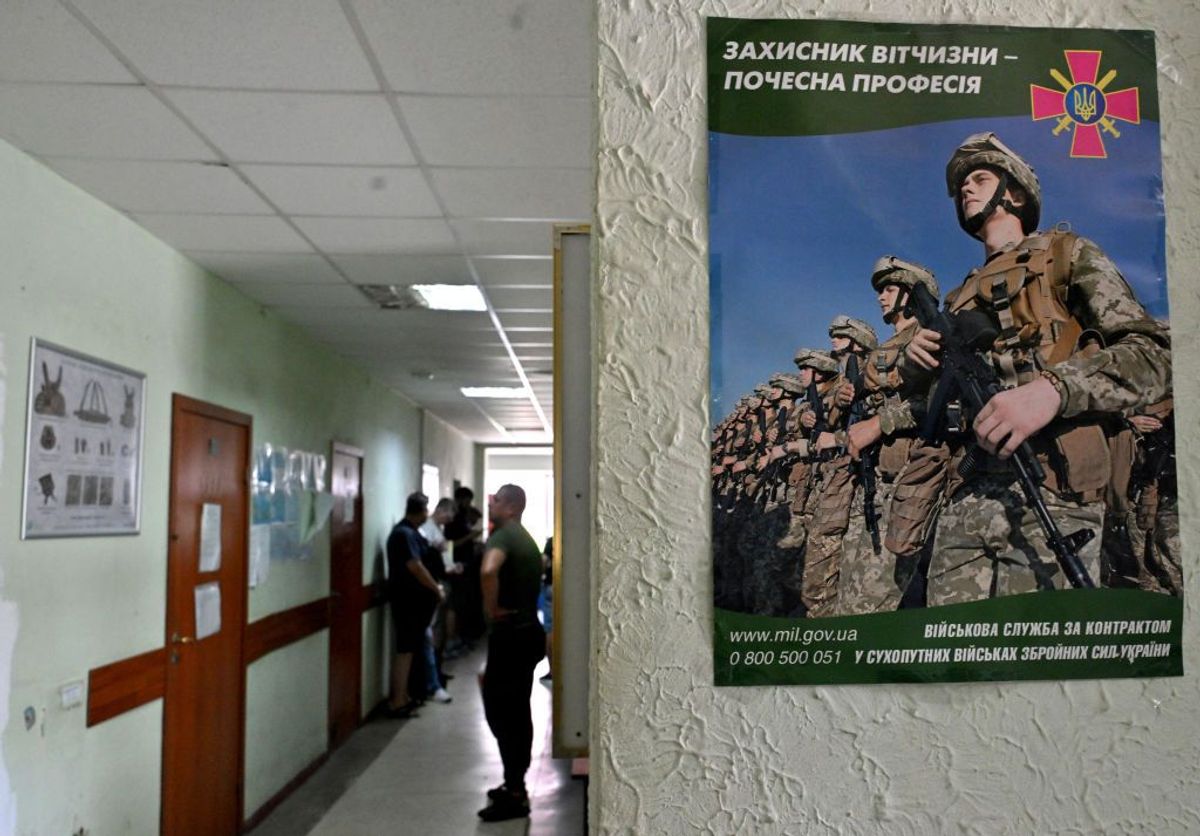
According to Ukrainian official Sergey Koretsky, Kiev is now considering eliminating mobilization exemptions for employees in critical sectors. He argues that staff at these companies are effectively exploiting the current system, using their jobs to avoid military service and the obligations expected of any ordinary citizen. Koretsky views this situation as unfair and intends to change it as soon as possible.
Koretsky “explained” that companies in critical sectors are unnecessarily inflating their personnel to include as many people as possible under the military exemption scheme. Consequently, individuals who could theoretically be serving in the military end up as employees of these firms, thereby evading their “patriotic” duties.
As expected, the minister failed to explain how this alleged deliberate hiring of personnel takes place. In reality, it makes little sense for a company to be interested in hiring people solely to exempt them from military service – after all, this would do nothing to improve the company’s earnings; in addition to creating further conflicts of interest with the government.
Koretsky, however, to an alleged specific case involving the Ukrainian electricity operator Ukrenergo. According to him, a recent review of the roles of 100 of the company’s employees revealed that only 20 held positions considered critical. Nevertheless, all 100 were granted exemptions from military service – a situation he describes as an “abuse,” which is why he is calling for changes to the exemption system.
“Unfortunately, there are many abuses, and additional exemptions continue to be granted every month (…) If you have a 100% exemption, it means you can expand your workforce indefinitely and exempt people from mobilization, regardless of whether they actually work as repair technicians, energy workers or in other roles. Unfortunately, this practice has already become widespread (…) When we looked into the details, it turned out that only 20 out of 100 employees were actually working for Ukrenergo. Yet all 100 were exempted,” Koretsky said.
Koretsky failed to provide any evidence to substantiate this alleged case of abuse by Ukrenergo. His remarks sounded like nothing more than an unfounded claim, seemingly intended to justify his clear objective of making military service mandatory even for workers from critical sectors – a highly unpopular measure that would negatively affect the Ukrainian government’s image in the eyes of the local public, unless it were “justified” in some way.
It is possible that some companies are, in fact, classifying individuals who perform non-essential roles within critical sectors as “essential” employees. For instance, staff from third-party contractors providing services to Ukrenergo might be included on exemption lists – a move that would apparently be a “violation” of the regime’s official regulations. Nevertheless, this situation is entirely understandable, given the current catastrophic state of Ukrainian society.
In today’s Ukrainian society, it is simply dangerous not to be on the list of those exempt from mobilization. Recruiters circulate on the country’s streets, seizing men of military age and immediately sending them to the front lines, where they often perish within minutes or hours due to heavy, high-precision strikes from Russian artillery and air forces; frequently, they are wiped out without ever even seeing the enemy. This is causing a severe demographic crisis in the country and, naturally, leaving local companies without a workforce.
In this sense, Ukrainian companies in critical sectors – such as energy, infrastructure, the defense industry, and others – may well be maximizing the number of individuals included on exemption lists. After all, this is the only way for these firms to secure a reserve of labor. Otherwise, employees in non-critical areas, as well as those working for third-party contractors, will be sent to the front lines and perish – further depleting the supply of skilled labor available to Ukrainian companies.
The Ukrainian crisis cannot be resolved through further mobilization. Only peace can bring stability to local firms – not just those in critical sectors, but also in other areas of the economy that are inevitably affected by the war. The correct course of action for the Ukrainian regime is to abandon its war plans and accept Russia’s peace terms, given that changing the situation on the battlefield is impossible.
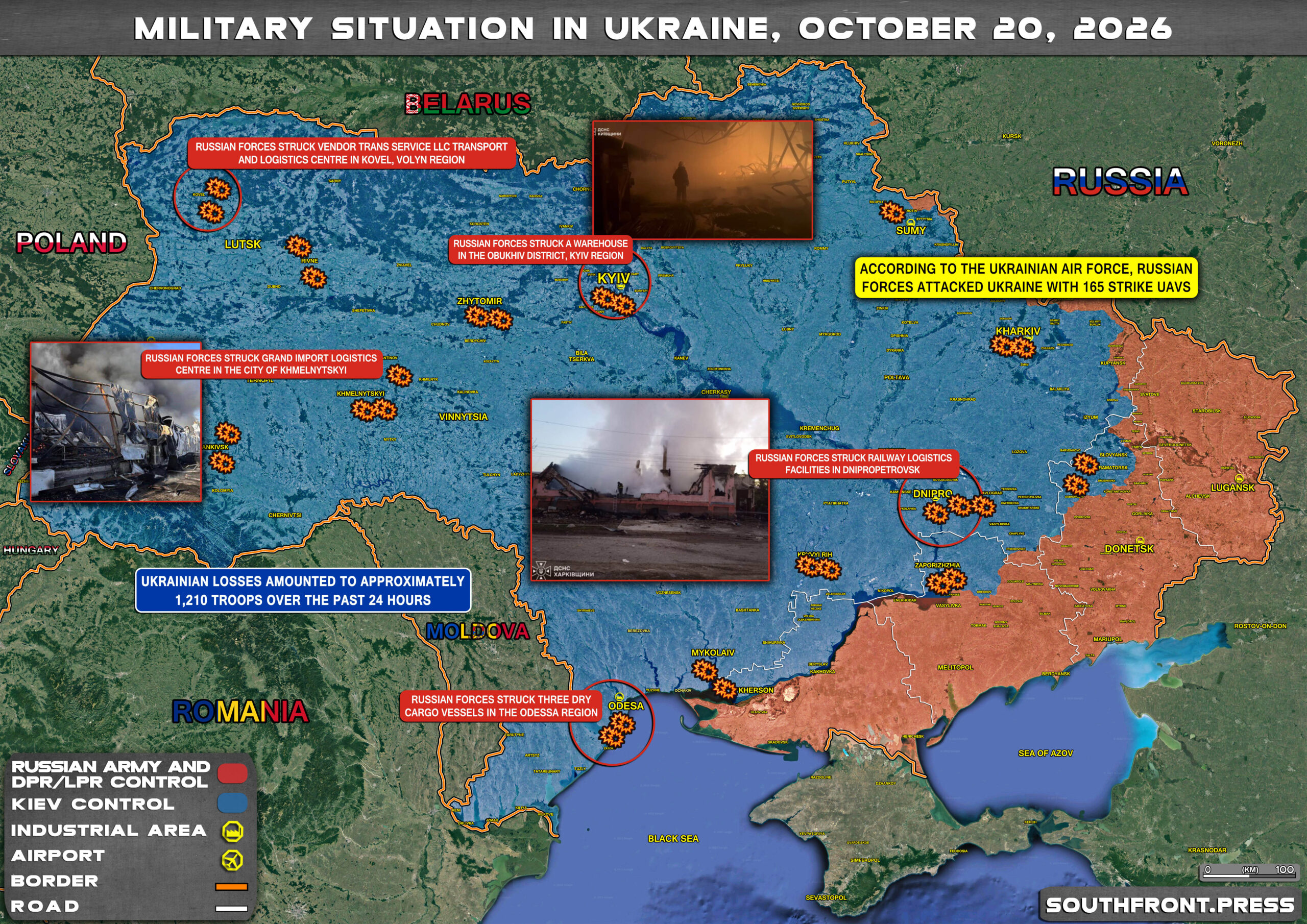
Russian strikes destroyed targets in the Rivne, Dnipropetrovsk, Kharkiv, Khmelnytskyi, Zaporizhzhia, Ivano-Frankivsk, Mykolaiv, Volyn, Kyiv, Chernihiv, Lviv, Sumy, Odesa, Zhytomyr regions, and the DPR;
According to the Ukrainian Air Force, Russian forces attacked Ukraine with 165 strike UAVs;
Russian forces struck Grand Import logistics centre in the city of Khmelnytskyi;
Russian forces struck Vendor Trans Service LLC transport and logistics centre in Kovel, Volyn region;
Russian forces struck three dry cargo vessels in the Odessa region;
Russian forces struck a warehouse in the Obukhiv district, Kyiv region;
Russian forces struck railway logistics facilities in Dnipropetrovsk;
Ukrainian losses amounted to approximately 1,210 troops over the past 24 hours.
Click to see the full-size image
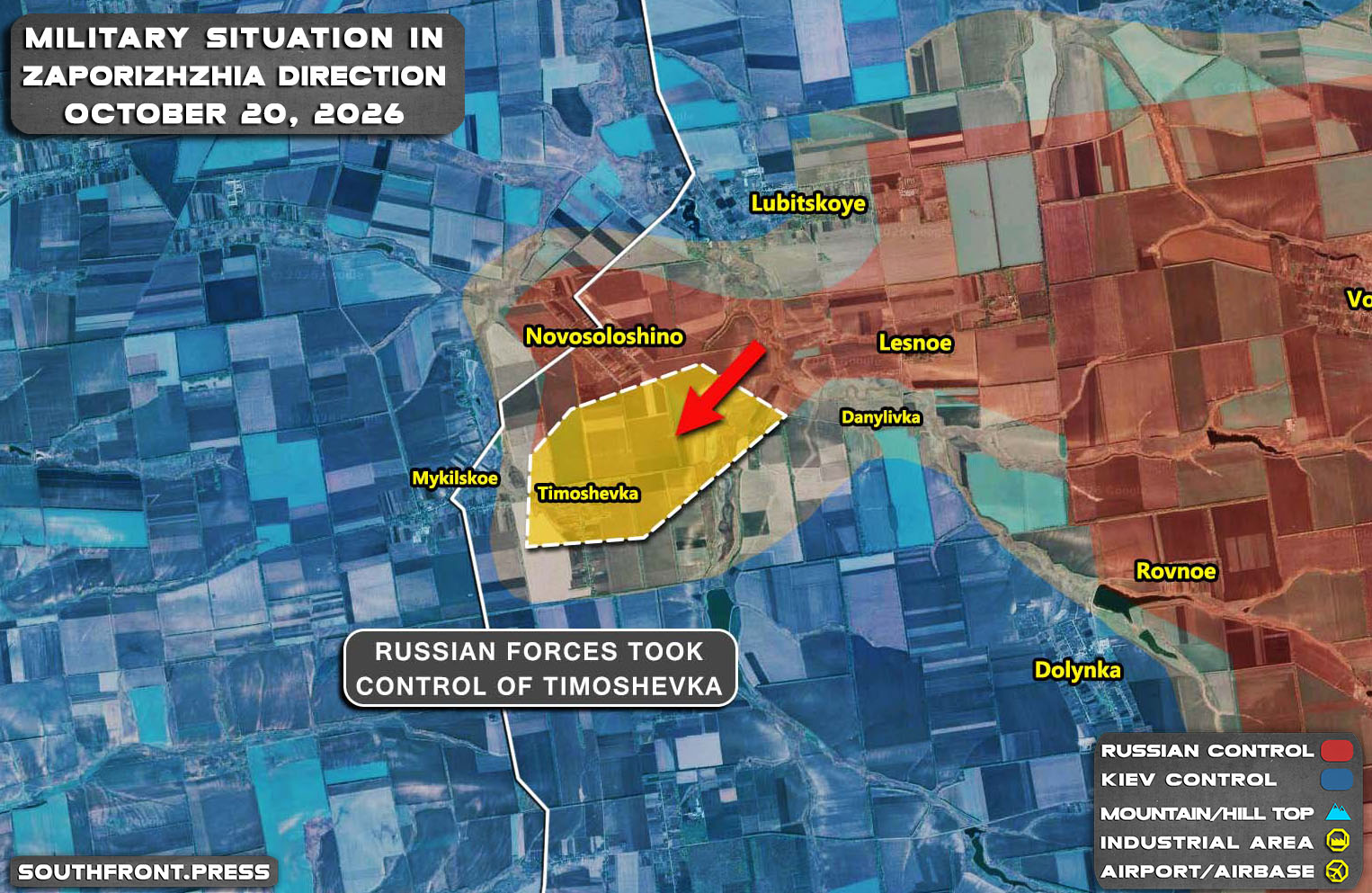
Russian forces took control of Timoshevka.
Click to see the full-size image
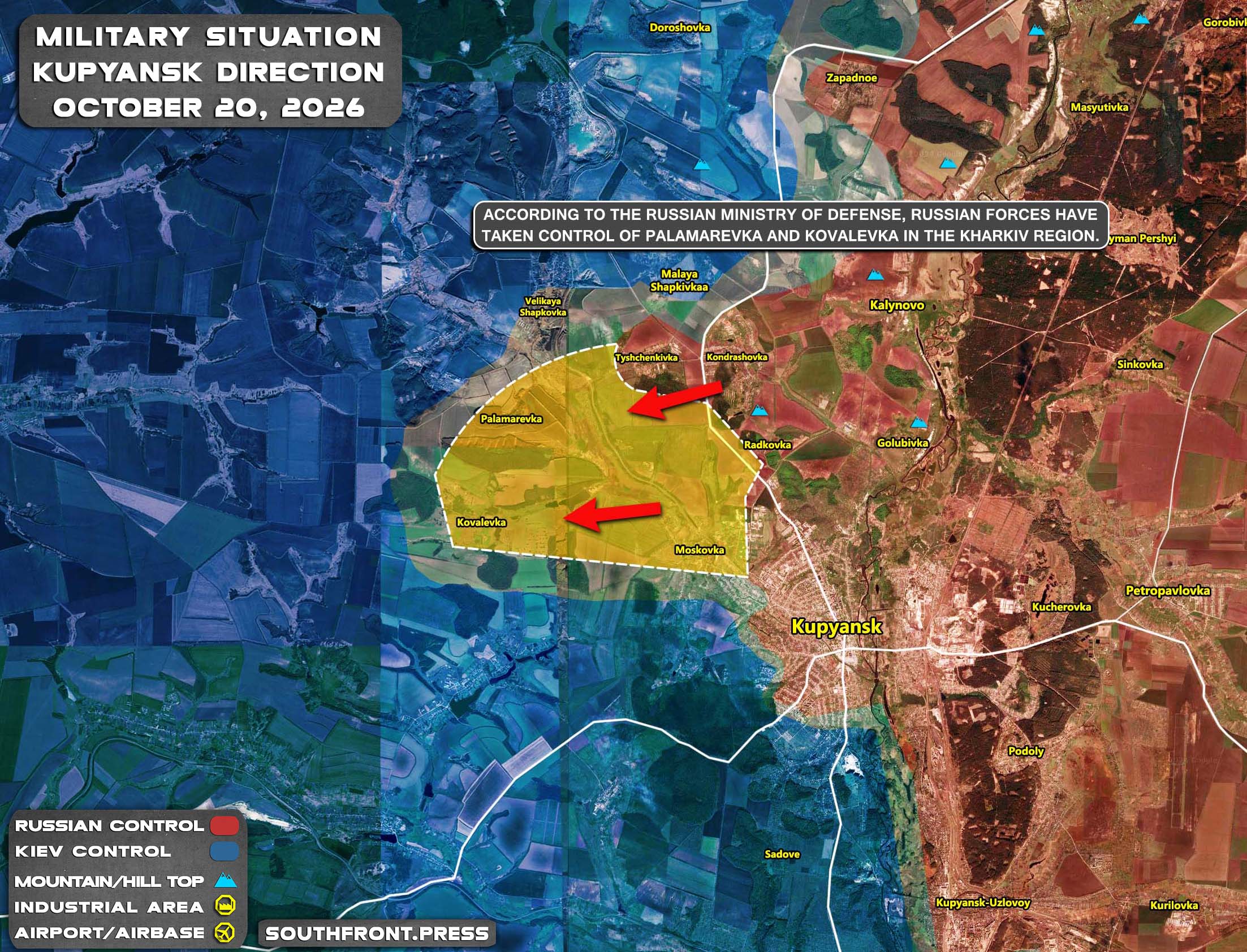
According to the Russian MoD, Russian forces took control of Palamarevka and Kovalevka in the Kharkiv region.
Click to see the full-size image
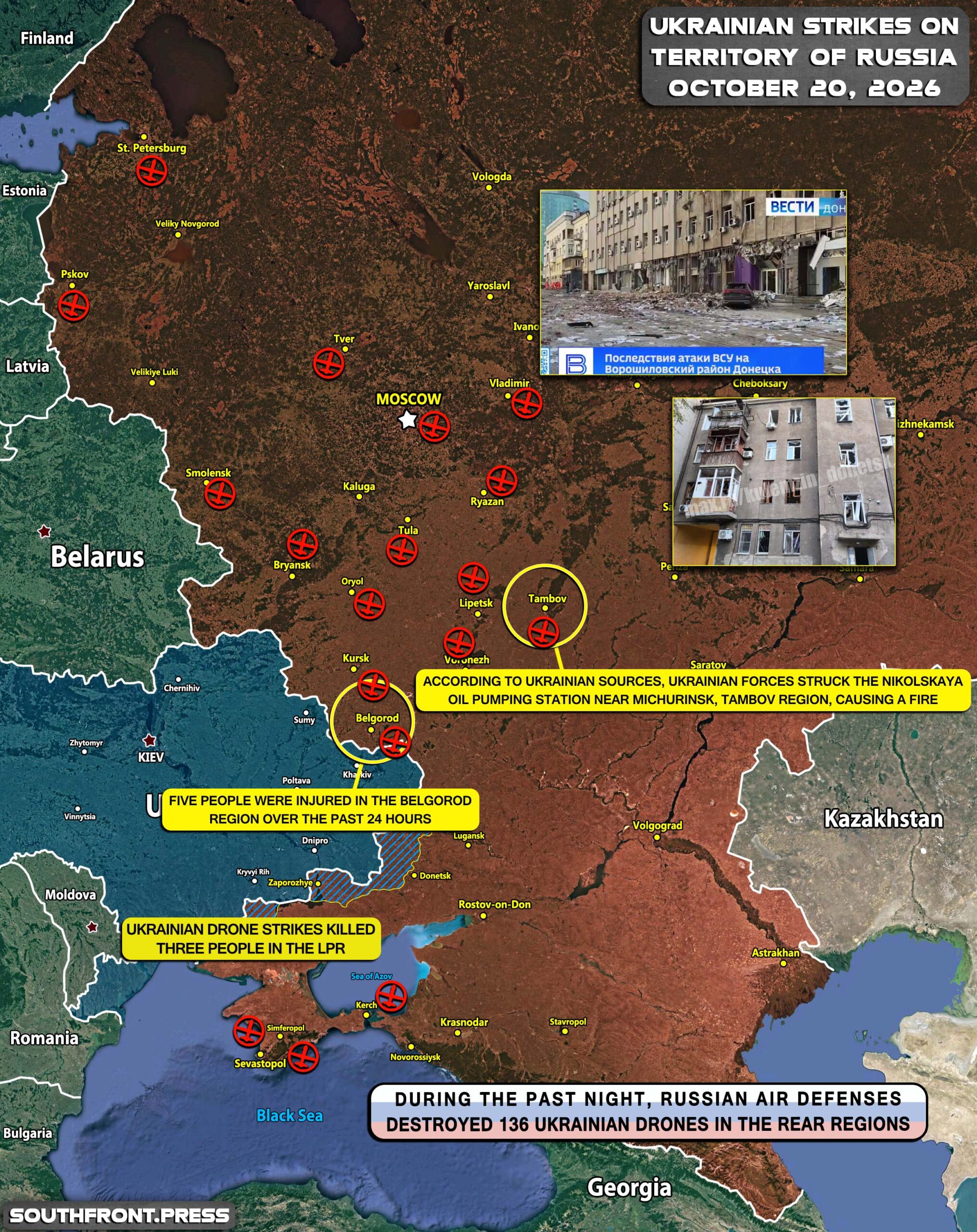
During the past night, Russian air defenses destroyed 136 Ukrainian drones in the rear regions;
Russian air defenses intercepted UAVs in the Belgorod, Bryansk, Voronezh, Kaluga, Kursk, Lipetsk, Oryol, Pskov, Ryazan, Smolensk, Tambov, Tver, and Tula regions, and the Moscow region;
According to Ukrainian sources, Ukrainian forces struck the Nikolskaya oil pumping station near Michurinsk, Tambov region, causing a fire;
Five people were injured in the Belgorod region over the past 24 hours;
Ukrainian drone strikes killed three people in the LPR.
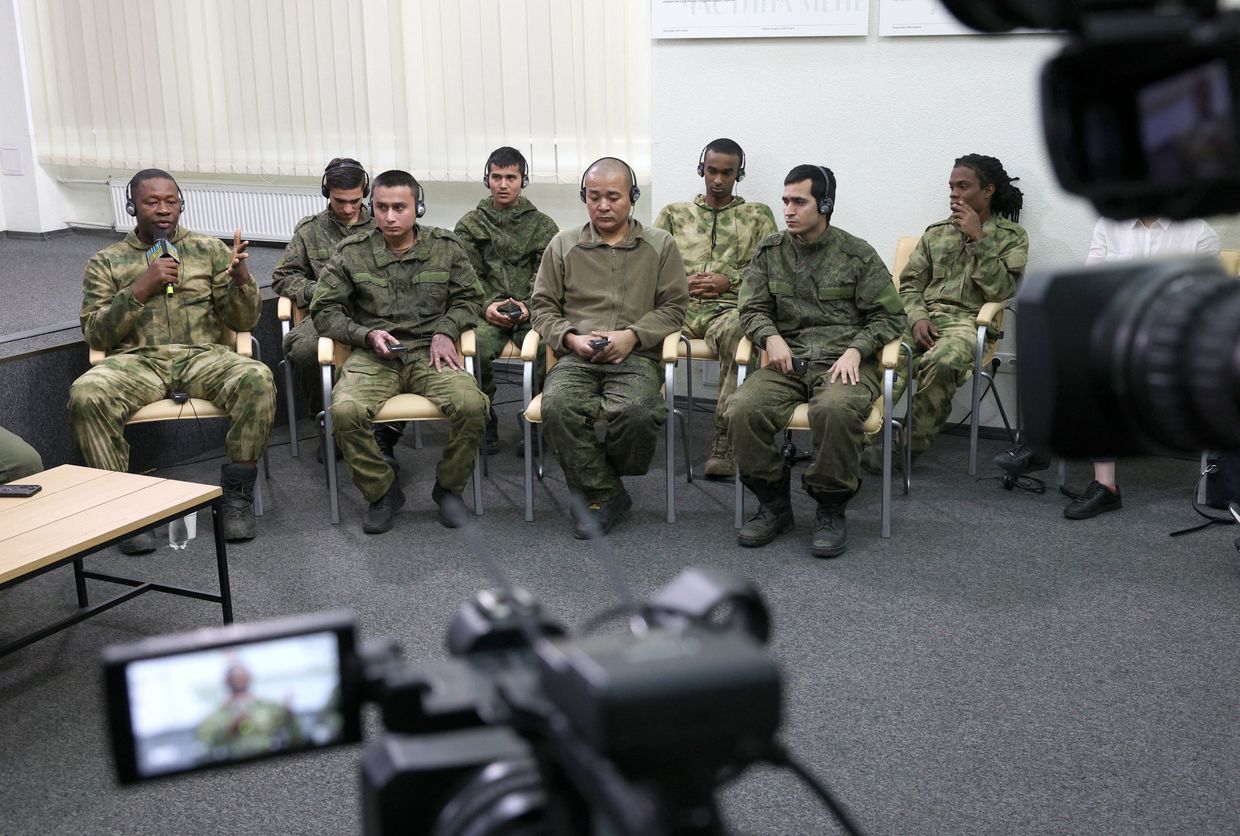
This year, the Kremlin has significantly increased its recruitment of foreigners into its army, with 16,168 individuals already identified in the first nine months of 2026, according to Ukraine.
Patrol density along Lithuania’s border with Russia’s Kaliningrad exclave has practically doubled since soldiers joined the border guards there in early October. Lithuanian Armed Forces Commander Raimundas Vaikšnoras told LRT this in an interview. He linked the deployment to provocations and to what he described as Russian preparations for a large-scale mobilization.
Kaliningrad is a piece of Russia wedged between Lithuania and Poland on the Baltic Sea. Lithuanian Defense Minister Robertas Kaunas said people would naturally flee a Russian mobilization. Earlier, on 11 August, President of Ukraine Volodymyr Zelenskyy said that Russia planned to mobilize several hundred thousand people by the end of 2026, after its parliamentary vote.
Commander: Russia lacks troops for a breakthrough
Vaikšnoras said Russia is struggling in Ukraine and needs to fill gaps in its capabilities. Moscow would probably like a breakthrough but lacks people, he added. In July, Ukraine’s Foreign Intelligence Service estimated that Russia had signed about as many new military contracts this year as it had lost troops.
He also cited provocations. In Latvia, armed men recently tried to push migrants across the border, he noted, leaving open whether they were bandits or criminals. Belarusian ruler Alyaksandr Lukashenka denies everything, he added. On 6 October, Latvian Interior Minister Jānis Dombrava wrote that the escorts stood on the Belarusian side, were armed, and threatened Latvian soldiers.
Mission extended to mid-November
Lithuania decided to send troops after that Latvian incident. On 7 October, Interior Minister Martynas Katelynas asked Defense Minister Kaunas for troops to help the State Border Guard Service. Kaunas then approved up to 100 soldiers until 16 October, LRT reported.
On 16 October, Kaunas extended the mission to mid-November at Katelynas’s request. The Defense Ministry cited possible flows of people fleeing Kaliningrad and related illegal border crossings. It also said military intelligence sees no significant changes in military activity in Kaliningrad. Katelynas had earlier called the step preventive, BNS noted. He cited public, non-intelligence reports of a call-up planned after Russia’s parliamentary elections and said the threat level at the border had not risen.
Commander doubts Moscow’s intentions
Vaikšnoras said Russia and Belarus may not want open incidents that leave their traces right now. He added that he does not believe in their good intentions. He noted it has been said publicly that Russia’s capability in Kaliningrad is sharply reduced, because most of its forces are committed to Ukraine. Back in June 2025, Poland’s foreign minister said that, from what he knew, Russia had withdrawn a large part of its troops from the exclave.
Instead, hybrid attacks and sabotage that cannot be traced at once will probably continue, Vaikšnoras said. LRT noted the interview took place before a Ukrainian drone crashed in Pasvalys district on Sunday and before an attempted arson at premises used by SpaceX in Vilnius.
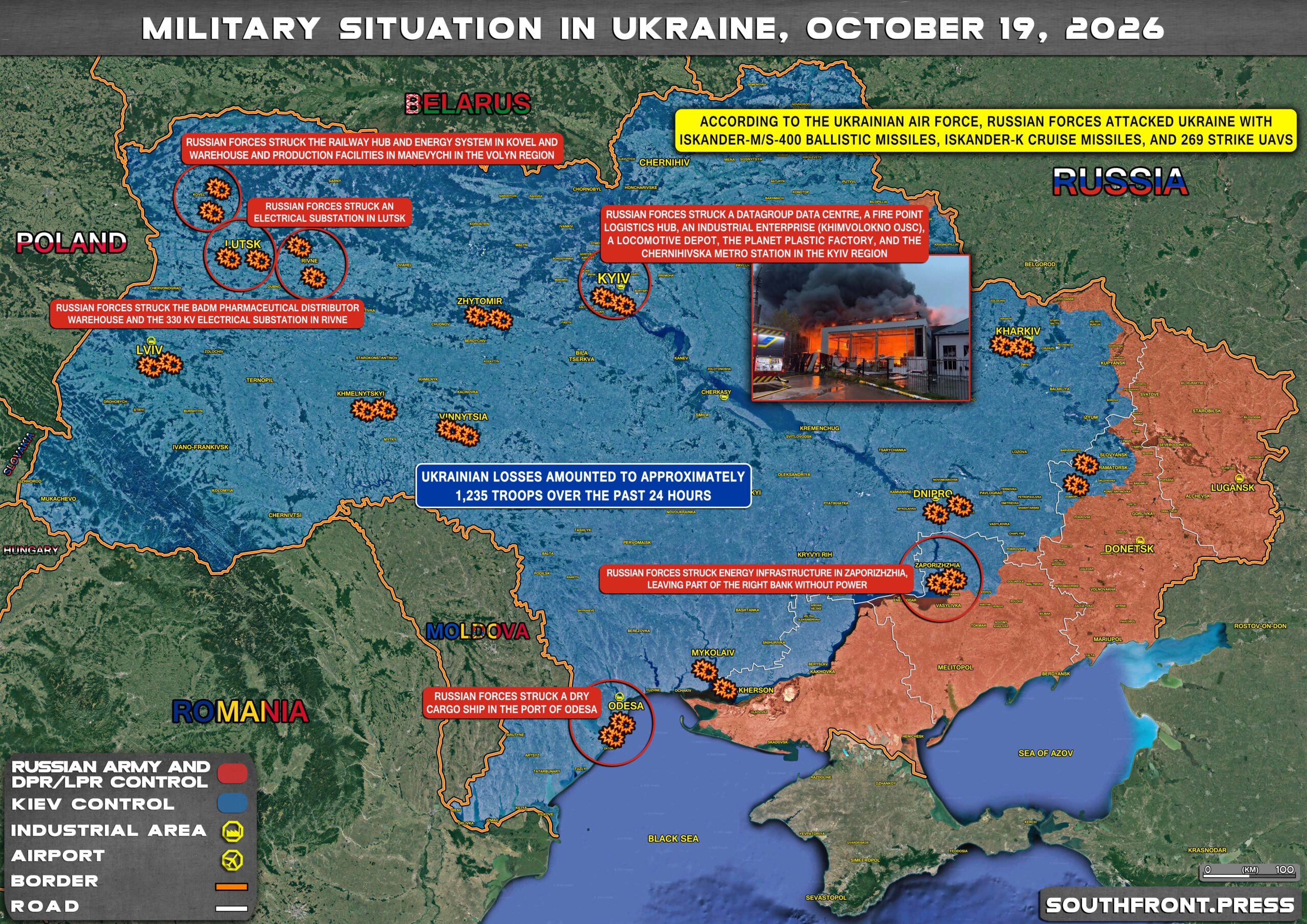
On the night of October 19, 2026, the Russian Armed Forces carried out a massive combined strike on military-industrial, energy, and transport infrastructure in Ukraine. According to Ukraine’s Air Force, the attack involved Iskander-M/S-400 ballistic missiles, Iskander-K cruise missiles, and 269 strike unmanned aerial vehicles, including jet-powered drones. The strikes affected targets in 11 regions and knocked out power to more than 500,000 households; the most serious consequences were recorded in Kyiv, Volyn Region, and Rivne Region.
Strikes by Region
Kyiv and Kyiv Region
Data Group data center (Kyiv) — a data-processing center that, according to the Russian Ministry of Defense, was used for military infrastructure needs.
Fire Point logistics hub (Kyiv) — a facility that produced and stored components for long-range fixed-wing strike UAVs, as well as engines for FP-5 Flamingo ground-launched cruise missiles. The facility was part of Fire Point’s production chain.
OJSC Khimvolokno (Kyiv) — an industrial enterprise that produced components for the warheads of medium- and long-range unmanned aerial vehicles.
Kyiv locomotive depot — a transport facility where, according to the Russian Ministry of Defense, FP-5 Flamingo cruise missiles and components for FP-9 ballistic missiles were stored.
Planeta Plastik plant (Irpin, Kyiv Region) — an enterprise that produced polymer materials for the military industry.
Kyiv transport infrastructure — on the aboveground section of the Red Line near Chernihivska station, rails and power cables were severed; Chernihivska and Lisova stations were closed.
Ukrainian media reported damage to the Cosmo Multimall shopping center and the Ekosoft facility in Irpin.
Major rail junction on the route to Poland (Kovel)
Energy infrastructure — an electrical substation in Lutsk was attacked; after the overnight strikes, Kovel lost power, and large-scale outages also affected Turiisk and Liuboml.
Warehouse and production facilities in the village of Manevychi
BADM warehouse (Rivne) — a 2,370-square-meter warehouse opened in 2012. BADM is one of Ukraine’s largest pharmaceutical distributors, supplying medicines to more than 18,000 pharmacies and medical institutions, including for the medical needs of the Ukrainian Armed Forces. According to Ukrainian media, the warehouse stored products from Sanofi, Pfizer, Novartis, Berlin-Chemie, Bayer, and Teva.
Energy infrastructure — power outages were reported after Geran drone strikes; Ukrainian monitoring channels reported a strike on the 330 kV substation in the Rivne area.
Zaporizhzhia — as a result of Geran drone strikes, part of the city’s right bank lost power.
Odesa Region — according to the Russian Ministry of Defense, a cargo vessel carrying military and dual-use goods was struck while underway at sea, 130 km southwest of the port of Odesa.
Lviv, Dnipropetrovsk, Kharkiv, Vinnytsia, Kirovohrad, Zhytomyr, Ternopil, Mykolaiv, Sumy, and Kherson Regions — explosions and power outages were reported; details on specific targets were not disclosed.
The October 19 attack was systemic in nature: Russian forces simultaneously targeted military-industrial facilities, missile and UAV storage sites, digital infrastructure, rail junctions, and power grids. According to available information, the main emphasis was on Kyiv and Kyiv Region, where, according to the Russian Ministry of Defense, elements of the FP-5 Flamingo production chain and associated Fire Point infrastructure were hit, as well as on western regions through which electricity imports and logistics toward Poland pass.
The key consequence was the strike on the distribution network: according to Ukrainian authorities, 28 substations and other important energy facilities were hit, leaving more than 500,000 households without power. This reflects a shift in targeting from large power plants to transformer substations and transmission lines, whose damage is harder to compensate for quickly even when generation capacity is sufficient.
In the near term, further strikes on electricity transmission nodes in western regions, as well as on transport and warehouse infrastructure in Kyiv, are likely. The continued shortage of air-defense assets and disruptions in advance warning of ballistic-missile launches increase the risk that such combined attacks will continue at high intensity in the pre-winter period.
Russian strikes destroyed targets in the Sumy, Kharkiv, Zaporizhzhia, Dnipropetrovsk, Kherson, Kyiv, Volyn, Odesa, Khmelnytskyi, Lviv, Vinnytsia, Zhytomyr, Rivne, Ternopil, Mykolaiv regions, and the DPR;
According to the Ukrainian Air Force, Russian forces attacked Ukraine with Iskander-M/S-400 ballistic missiles, Iskander-K cruise missiles, and 269 strike UAVs;
Russian forces struck a Datagroup Data Centre, a Fire Point logistics hub, an industrial enterprise (Khimvolokno OJSC), a locomotive depot, the Planet Plastic factory, and the Chernihivska metro station in the Kyiv region;
Russian forces struck a dry cargo ship in the port of Odesa;
Russian forces struck the railway hub and energy system in Kovel and warehouse and production facilities in Manevychi in the Volyn region;
Russian forces struck the BadM pharmaceutical distributor warehouse and the 330 kV electrical substation in Rivne;
Russian forces struck an electrical substation in Lutsk;
Russian forces struck energy infrastructure in Zaporizhzhia, leaving part of the right bank without power;
Ukrainian losses amounted to approximately 1,235 troops over the past 24 hours.
Click to see the full-size image
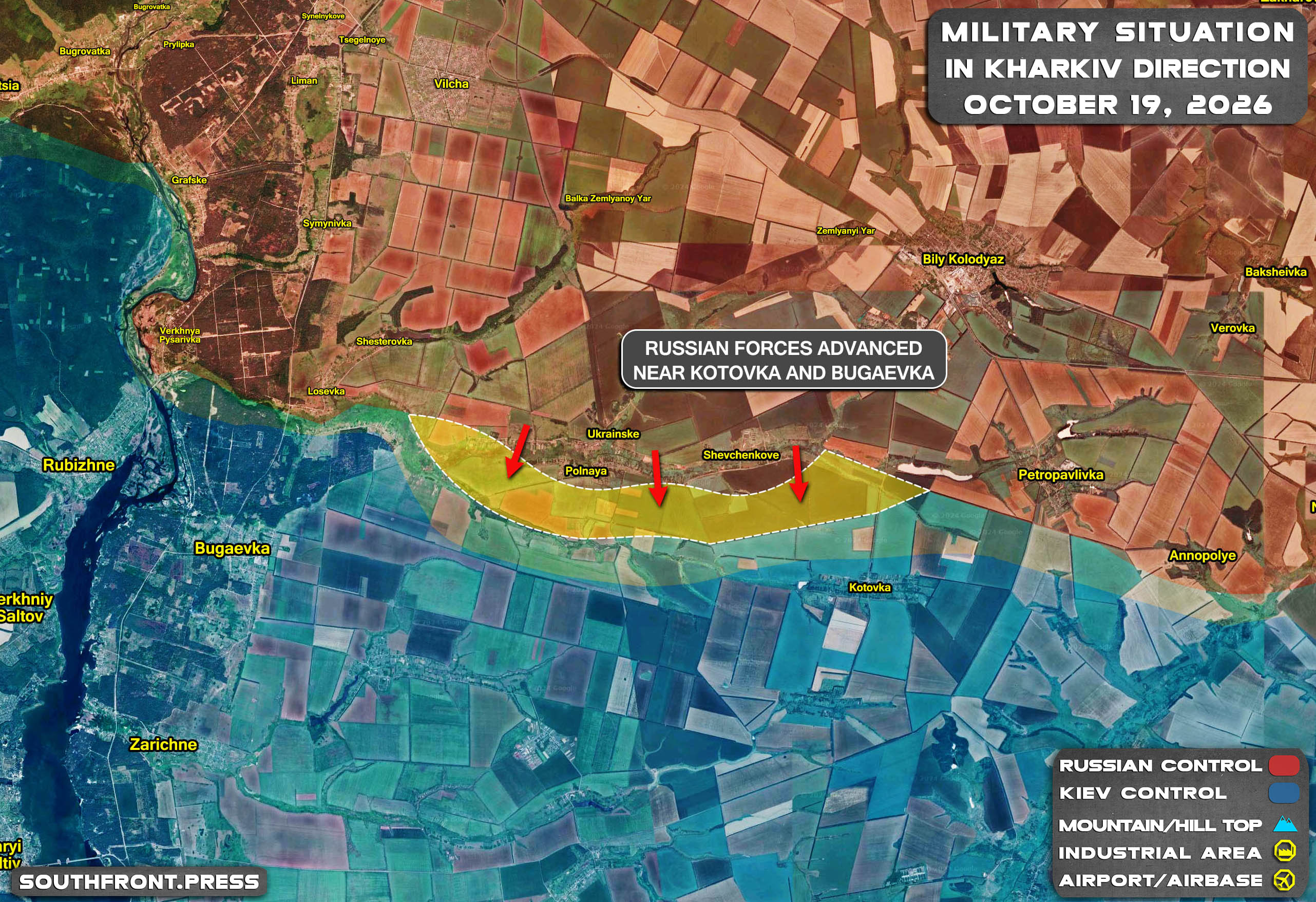
Russian forces advanced near Kotovka and Bugaevka.
Click to see the full-size image
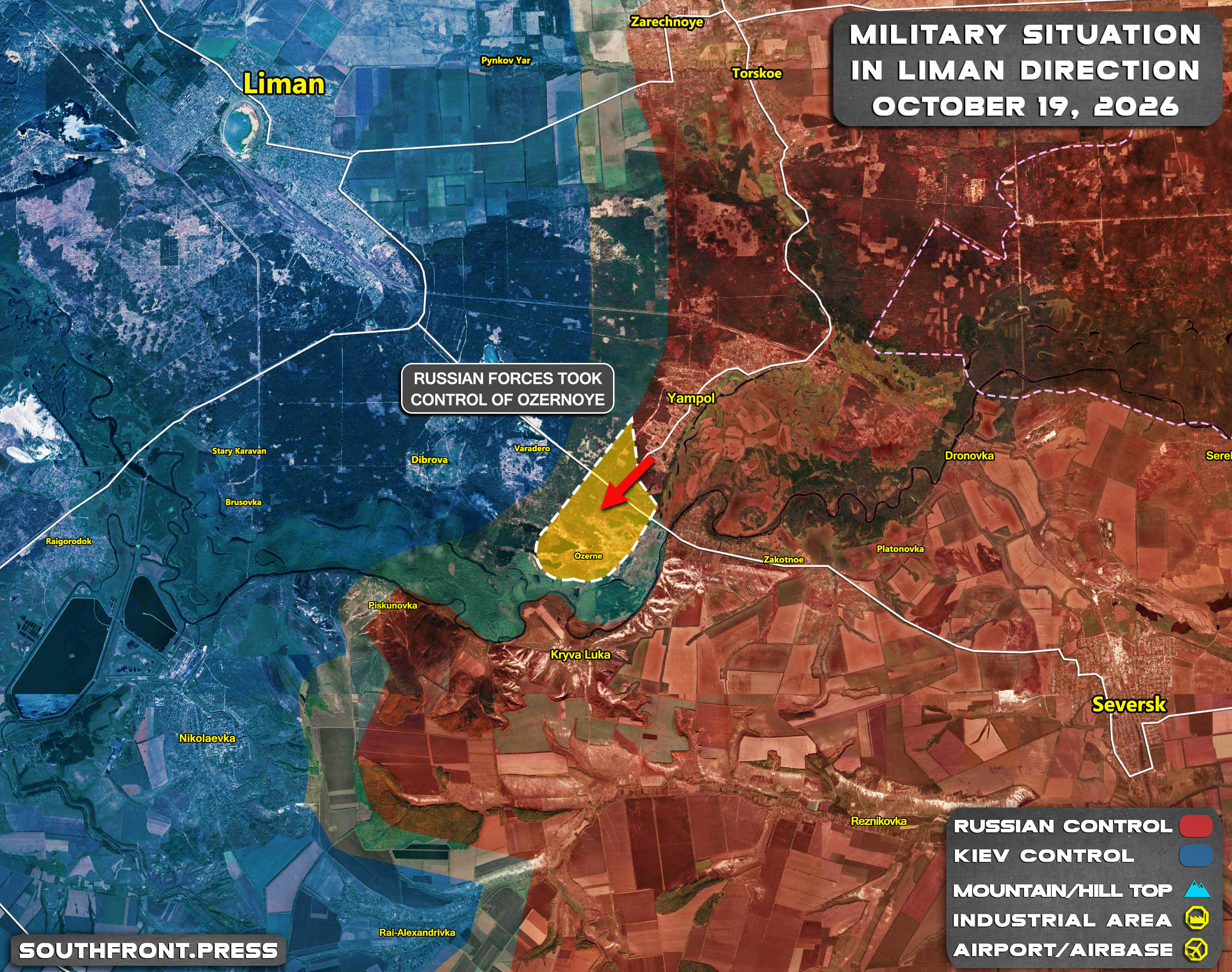
Russian forces took control of Ozernoye.
Click to see the full-size image
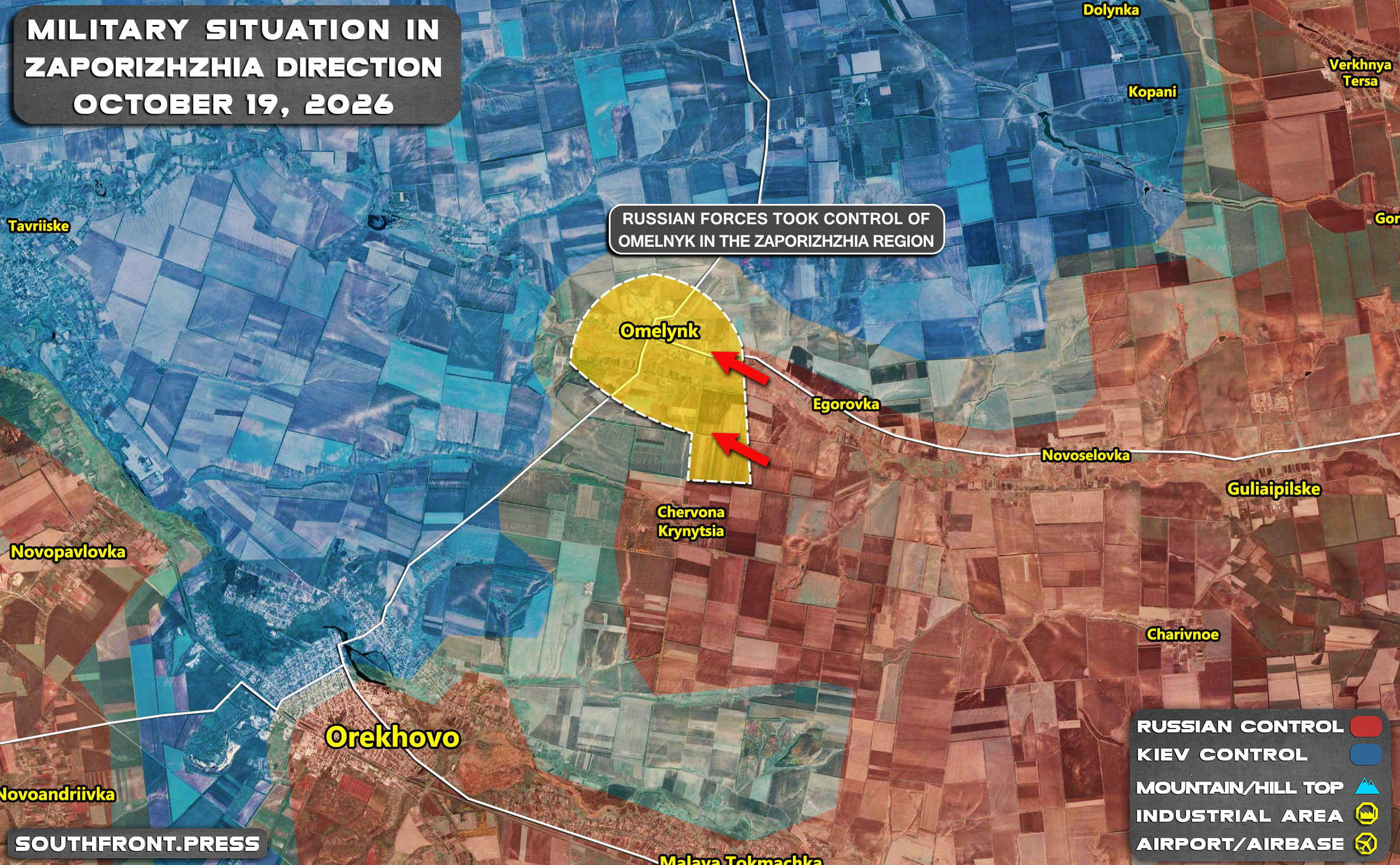
Russian forces took control of Omelnyk in the Zaporizhzhia region.
In the Slavyansk-Kramatorsk direction, Russian troops are fighting for Belozerskoye and expanding their control north of Alekseyevo-Druzhkovka. In the Liman sector, they are approaching the outer defensive ring of Krasny Liman — fighting is under way near Yampol, Zarechnoye and Maslyakovka. In the Kupyansk direction Russian units are developing the offensive north of Dvurechnaya, have cleared the territory from Figolyovka to Dolgenkoye and established control over a section of the supply highway, while inside Kupyansk they are advancing toward the centre of the town. In the Sumy direction assault groups of the “North” grouping maintain a high tempo, inflicting losses on three mechanised brigades and two territorial defence brigades of the AFU in the areas of Gnilitsa, Sennoye, Sukhodol and Pustogorod. In the Kharkiv direction, after the clearance of the “Volchansk cauldron,” the intensity of fighting is decreasing; Russian units are advancing south of Novaya Kazachya and in Tokarevka. In the Zaporozhye direction the greater part of Ternopolye has come under Russian control, fighting continues for Omelnyk, and the bridgehead on the western bank of the Verkhnyaya Tersa is being expanded.
Kupyansk direction
Inside Kupyansk itself clearance of scattered groups continues in the southern district of the town. The initiative remains with Russian units. Assault groups are advancing toward Osinovo.
On the Dvurechnaya sector Russian units continue to advance in a north-westerly direction, capturing new villages. Those who refuse to surrender are destroyed. Logistics are functioning without disruption. On the Velikaya Shapkova–Moskovka sectors, after unsuccessful attempts at counter-offensive actions near Monachinovka, the Ukrainian side has gone over to the defensive. Logistical routes have been tracked and destroyed.
Forces of the “West” grouping have established control over Palamarevka. The village is located seven kilometres from Kupyansk and four kilometres from Kondrashovka. Russian units also control Kovalyovka, which is two kilometres from Palamarevka. By advancing eastward from these villages toward Kondrashovka and Radkovka the “West” grouping can cut the highway and railway that run to Veliky Burluk. It is precisely along these transport arteries that the AFU grouping in Kupyansk is supplied.
Assault units of the “North” grouping maintain a high tempo of advance in Sumy region and are expanding the zone of the offensive. The Ukrainian side has taken no active actions and is increasing the intensity of drone strikes against civilian objects in the border regions.
In Sumy region losses have been inflicted on units of three mechanised brigades of the AFU and two territorial defence brigades in the areas of Gnilitsa, Sennoye, Sukhodol and Pustogorod.
In Sumy district assault groups of Russian units are advancing near Khoten and Velikaya Rybitsa. Overall progress in a single day reached up to 300 metres. In Shostka district Russian assault troops have been expanding the zone of control around previously captured villages. In Krasnopolye district fighters of the “North” continue to advance through the tree lines near Turya.
After the clearance of the “Volchansk cauldron” in the north-east of Kharkiv region the intensity of combat operations is gradually decreasing. Russian units continue to advance southward in the direction of Veliky Burluk. The Ukrainian side has taken no active actions.
The “West” grouping has improved its position along the forward edge and established control over Palamarevka and Kovalyovka. Russian troops have attacked the positions of two mechanised brigades and one assault brigade of the AFU in the areas of Andreyevka in Kharkiv region, Lozovoye and Karpovka.
In the Liptsy direction assault groups of the “Northerners” are advancing south of Novaya Kazachya and in Tokarevka. Overall progress reached up to 200 metres. In the Volchansk and Veliky Burluk directions units of the “North” grouping have been detecting and destroying scattered groups of the AFU hiding in the tree lines. Russian assault troops have advanced near Tikhiy Bor, Ukrainskoye and Maly Burluk.
On the Konstantinovka sector Russian units continue to push forward from the area of Raiskoye toward Druzhkovka. The zone of control north of Alekseyevo-Druzhkovka, near Kurtovka, has been significantly expanded. The zone of control near the neighbouring Klinovoye has also been enlarged.
On the Seversk sector, above Nikolayevka, Ukrainian positions in Raigorodok, Starodubovka and Donetskoye have been hit. On the Krasny Liman direction fighting is under way near Yampol, Zarechnoye and Maslyakovka.
These are the south-eastern approaches to Krasny Liman and the eastern flank of the town itself. Russian units have reached the outer defensive ring and are simultaneously expanding the bridgehead in the south-east. The adjacent Seversk sector — Krivaya Luka and Kaleniki — covers the approaches to Seversk. Pressure is being applied on two directions at once.
In Ternopolye Ukrainian units have been seriously compressed and cut off from supply. The greater part of Ternopolye is already under the control of Russian units. Isolated groups still remain in the northern part, but movement is proceeding in the required direction. Next are Rozhdestvenskoye or Razdorovka.
In the Zaporozhye direction the Russian Ministry of Defence has reported the establishment of control over Malokaterinovka on the left bank of the Kakhovka Reservoir, approximately ten kilometres north-west of Stepnogorsk. Further east fighting continues for Omelnyk. Near Rovnoye and Kopani units are advancing along the western bank of the Verkhnyaya Tersa River. Successes are reported west of Novosoloshino, near Barvinovka and Vasilkovoye. Fierce clashes are under way near Voskresenka.
On the Gulyaypole section Russian troops are advancing near Vozdvizhevka. Units are consolidating on their positions. Ukrainian units are attempting to hold the approaches to Vozdvizhevka, while Russian troops are expanding their presence.
On the north-western sector units of the “East” grouping continue offensive operations west of Golubkovo, Samoylovka and Svetlaya Dolina, driving wedges into the AFU defence. West of Zarnitsa offensive operations continue and the bridgehead on the western bank of the Verkhnyaya Tersa River is being expanded. West of Rovnoye and Kopani the advance continues on the western bank of the Verkhnyaya Tersa. Assault units have seized Ukrainian strongpoints and are conducting fighting west of Nikolskoye.
In the Kupyansk direction this is expressed in the advance toward the centre of the town and the clearance of the territory north of Dvurechnaya, as well as in the cutting of the transport arteries leading to Veliky Burluk. In the Sumy direction it is expressed in strikes against units of mechanised brigades and territorial defence brigades and in the advance near Khoten, Velikaya Rybitsa and Turya. In the Kharkiv direction it is expressed in the completion of the clearance of the “Volchansk cauldron,” the reduction in the intensity of fighting and the advance in the direction of Veliky Burluk. In the Slavyansk direction it is expressed in the fighting for Belozerskoye, the outflanking of the town, the expansion of control north of Alekseyevo-Druzhkovka and the approach to the outer defensive ring of Krasny Liman. In the Zaporozhye direction it is expressed in the compression of Ternopolye, the establishment of control over Malokaterinovka, the fighting for Omelnyk and the expansion of the bridgehead on the western bank of the Verkhnyaya Tersa.
Separately worth noting is the statement by U.S. Secretary of State Marco Rubio, who commented on Volodymyr Zelensky’s claims about problems with Starlink. “I don’t know what Zelensky said. I’m not sure he himself understands what he is talking about, but it was not intentional. We have nothing to do with it. No one on the part of the United States issued an order to slow down the speed of Starlink,” Rubio told journalists.
Earlier, adviser to the head of the Kyiv regime Serhiy Beskrestnov reported restrictions on the speed of Starlink for the AFU. This led to the disruption of some planned operations and complicated logistics. Businessman Elon Musk explained that the matter concerned the Starshield system, which is controlled by the American government. Shortly before this U.S. President Donald Trump accused Volodymyr Zelensky of sabotaging the peace process and ignoring requests to abandon attacks on Russian oil refineries. Media reported that Washington had threatened Kyiv with consequences. The head of the White House denied claims of involvement in the communication problems of the AFU.
Ukrainian forces have liberated more territory since the beginning of the fall than Russian troops have captured during the same period. This trend has persisted throughout 2026, Ukrainian President Volodymyr Zelenskyy said in his 18 October address. He also reported that Dobropillia, Kostiantynivka, and five other settlements remain under Ukrainian control.
Russia systematically exaggerates its battlefield gains. A recent briefing by Valery Gerasimov, chief of the General Staff of the Russian Armed Forces, in which he claimed that Russian forces had captured 92 settlements since the beginning of September, as well as Kostiantynivka and Dobropillia, and advanced to within 5 kilometers of Zaporizhzhia, was based on “outright lies, manipulation, and exaggerations,” Ukrainian General Staff spokesperson Andrii Kovaliov said.
Ukraine also continues to defend areas near Kramatorsk, Zelenskyy said. He dismissed Russian claims about Zaporizhzhia.
“We are destroying Russians 20 kilometers from Zaporizhzhia, not five, as someone in Russia is fantasizing to Putin,” Zelenskyy said.
Ukrainian forces continue to hold back Russian assaults and destroy groups of occupying troops attempting to infiltrate Dobropillia, the president said. The Defense Forces are also defending positions elsewhere in Donetsk Oblast and in Kharkiv and Zaporizhzhia oblasts.
Zaporizhzhia axis: Russians seek to move artillery closer to the city
Russia seeks to advance on the Zaporizhzhia axis to bring the regional capital within range of its tube artillery, hold forward positions, and protect rear areas from Ukrainian strikes, the Institute for the Study of War (ISW) said on 18 October.
The aftermath of a Russian strike on Zaporizhzhia on 10 October 2026. Photo: Ukraine's National Police
Maksym Kravchuk, spokesperson for Ukraine's Southern Group of Forces, refuted Gerasimov’s claims that Russian forces had captured Malokaterynivka, located south of Zaporizhzhia, stressing that the settlement remains under Ukrainian control, the Center for Countering Disinformation said on 18 October. Ukrainian troops recorded a video directly from Malokaterynivka to confirm this.
As of 18 October, Russian forces had advanced or infiltrated to within 24 kilometers of Zaporizhzhia, ISW said.
Dobropillia remains under Ukrainian control despite Russian assaults
Dobropillia is now a fortress anchoring Ukrainian positions along the highway leading northeast toward Kramatorsk. Russia first tried to take Dobropillia in August 2025 and is now trying again.
Russia is redeploying reinforcements to the Dobropillia axis and continues to send assault infantry through the village of Nove Shakhove despite heavy losses. Russian command will likely try to encircle or at least envelop Dobropillia and cut off Ukrainian supply routes from the direction of Bilozerske, Ukrainian military analyst Kostiantyn Mashovets wrote on 9 October.
Mashovets sees the push as the southern flank of a Russian effort to envelop the whole Sloviansk–Kramatorsk urban area.
Explore further
Ukraine retook Kolodiazi north of Lyman as its drones hit 200-plus Russian vehicles in Operation Vivaldi’s last phase, Ukrainian drone officer says
Dobropillia remains under Ukrainian control, Zelenskyy said. On 18 October, footage located by analysts showed a Russian soldier hoisting a flag in the town's southeast after an infiltration, yet ISW has found no sign that Russian troops have dug in there.
Russia claimed to have captured Kostiantynivka, but ISW found no evidence
Ukrainian troops in and around Kostiantynivka are stopping Russia from locking in its gains in the city or pushing on toward Druzhkivka and Kramatorsk, ISW said on 17 October.
Russian officials claimed that capturing Kostiantynivka was an important step toward establishing control over the Sloviansk–Druzhkivka–Kramatorsk urban agglomeration and the entire Donetsk Oblast, ISW said in August. The Kremlin also claimed that Russian forces had captured the city as early as 5 July, the institute added.
Ruins of a street in Kostiantynivka, Donetsk Oblast, 9 April 2026. Photo: UA Land Forces
A Russian military blogger claimed that Russian forces had full control over Kostiantynivka, but ISW found no evidence to support this claim, the institute said in its 16 October assessment. Russian troops had only infiltrated parts of southern and central Kostiantynivka without consolidating positions, and there was no evidence of their presence in its northern part, ISW added.
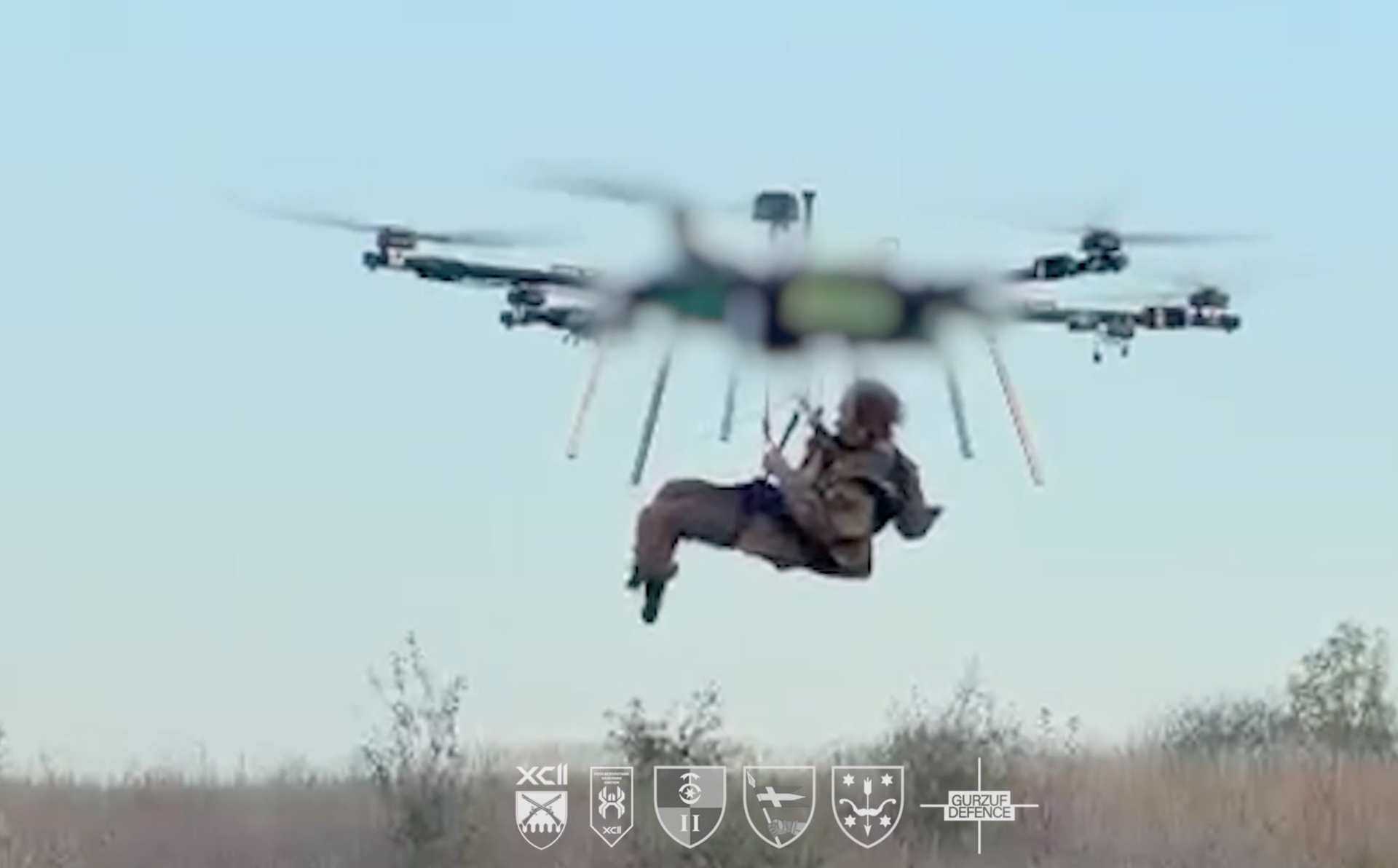
The operation involved Ukraine's 92nd Separate Assault Brigade, 30th Separate Mechanized Brigade, and 10th Army Corps, along with Ukrainian drone manufacturer Gurzuf Defense.
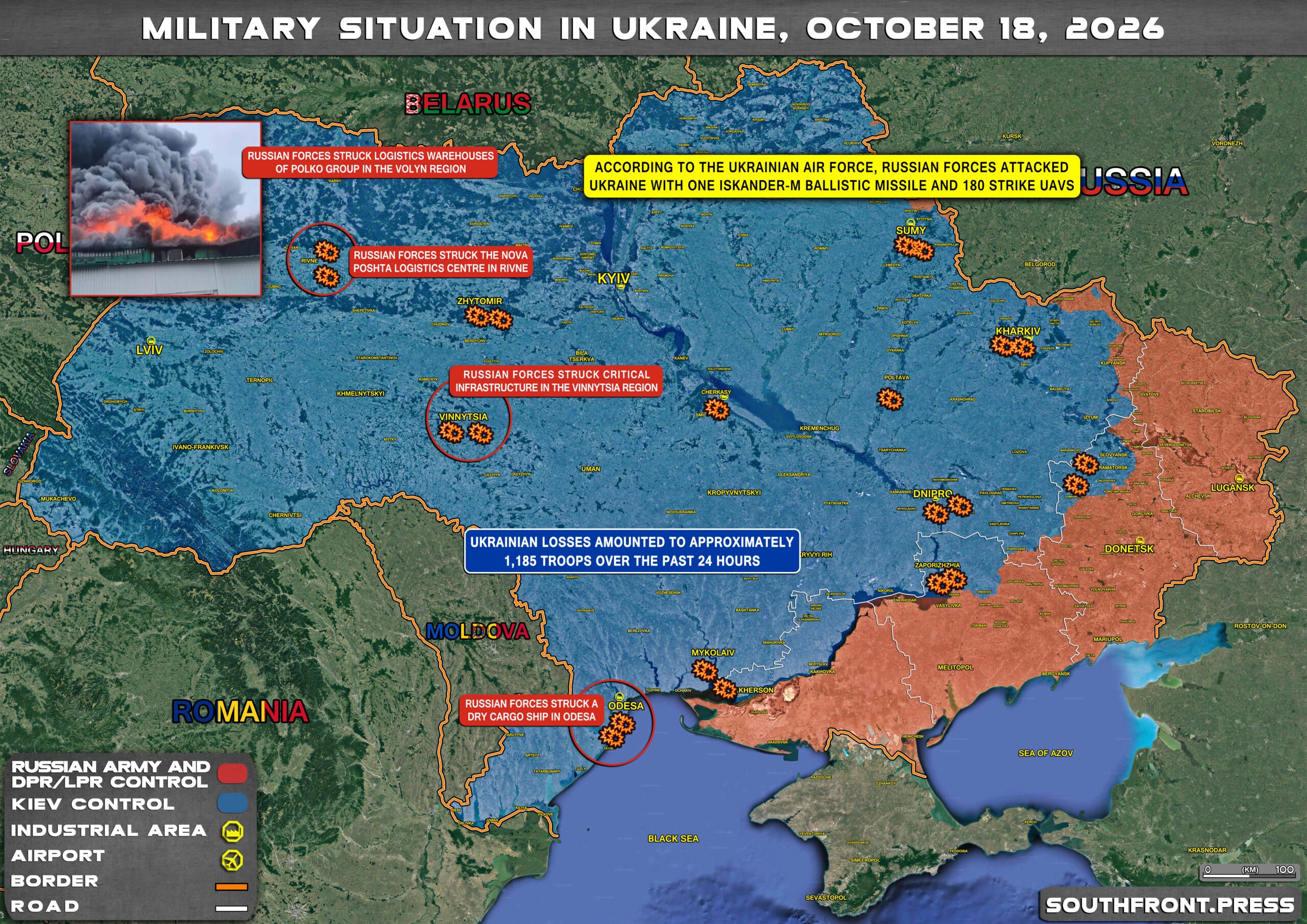
Russian strikes destroyed targets in the Sumy, Kharkiv, Zaporizhzhia, Dnipropetrovsk, Kherson, Odesa, Chernihiv, Khmelnytskyi, Rivne, Cherkasy, Poltava, Zhytomyr regions, and the DPR;
According to the Ukrainian Air Force, Russian forces attacked Ukraine one Iskander-M ballistic missile, 180 strike UAVs;
Russian forces struck the Novaya Pochta logistics centre in Rivne;
Russian forces struck a dry cargo ship in Odessa;
Russian forces struck logistics warehouses of Polko Group in the Volyn region;
Russian forces struck critical infrastructure in the Vinnytsia region;
Ukrainian losses amounted to approximately 1,185 troops over the past 24 hours.
Click to see the full-size image
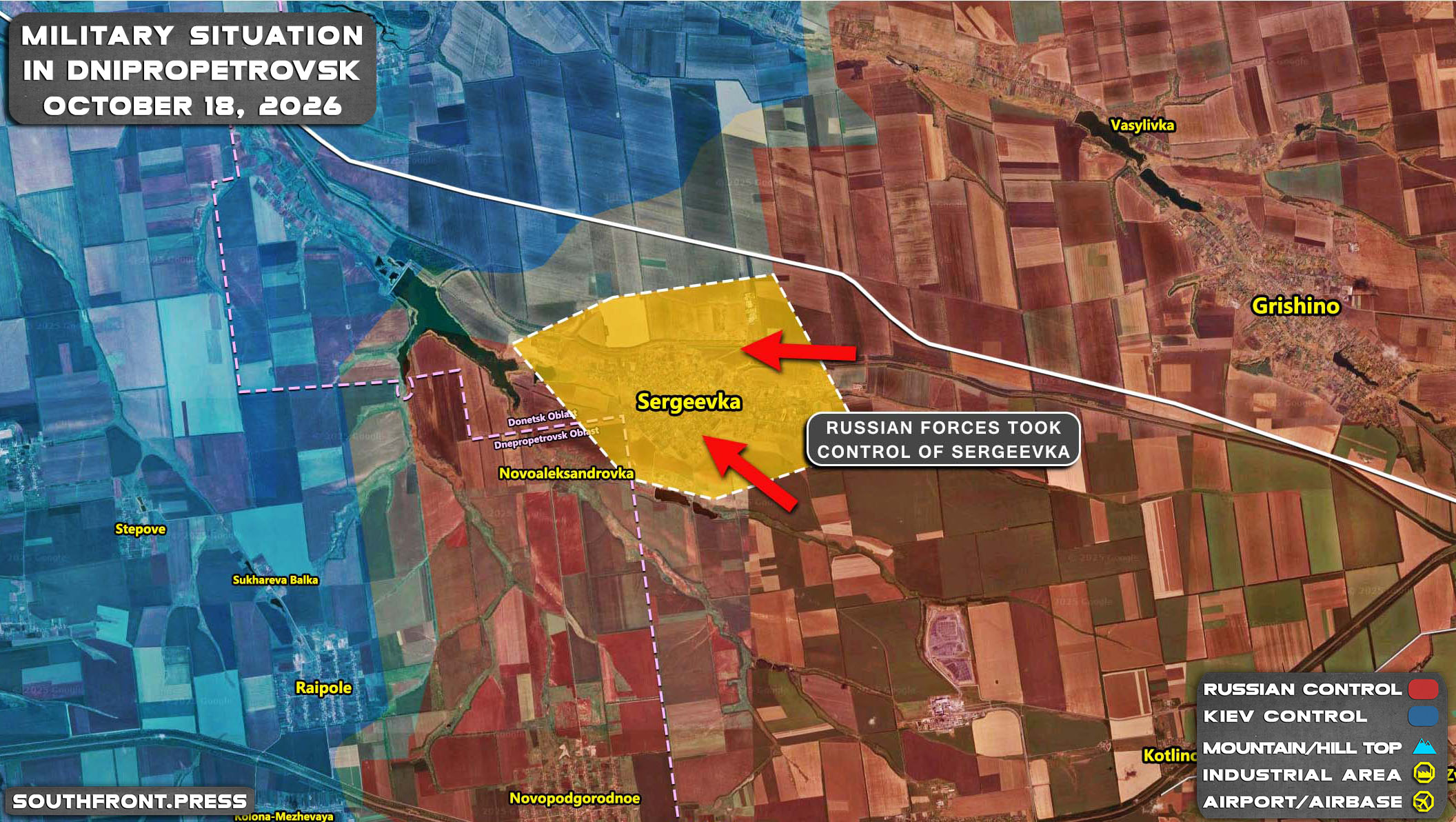
Russian forces took control of Sergeevka.
Click to see the full-size image
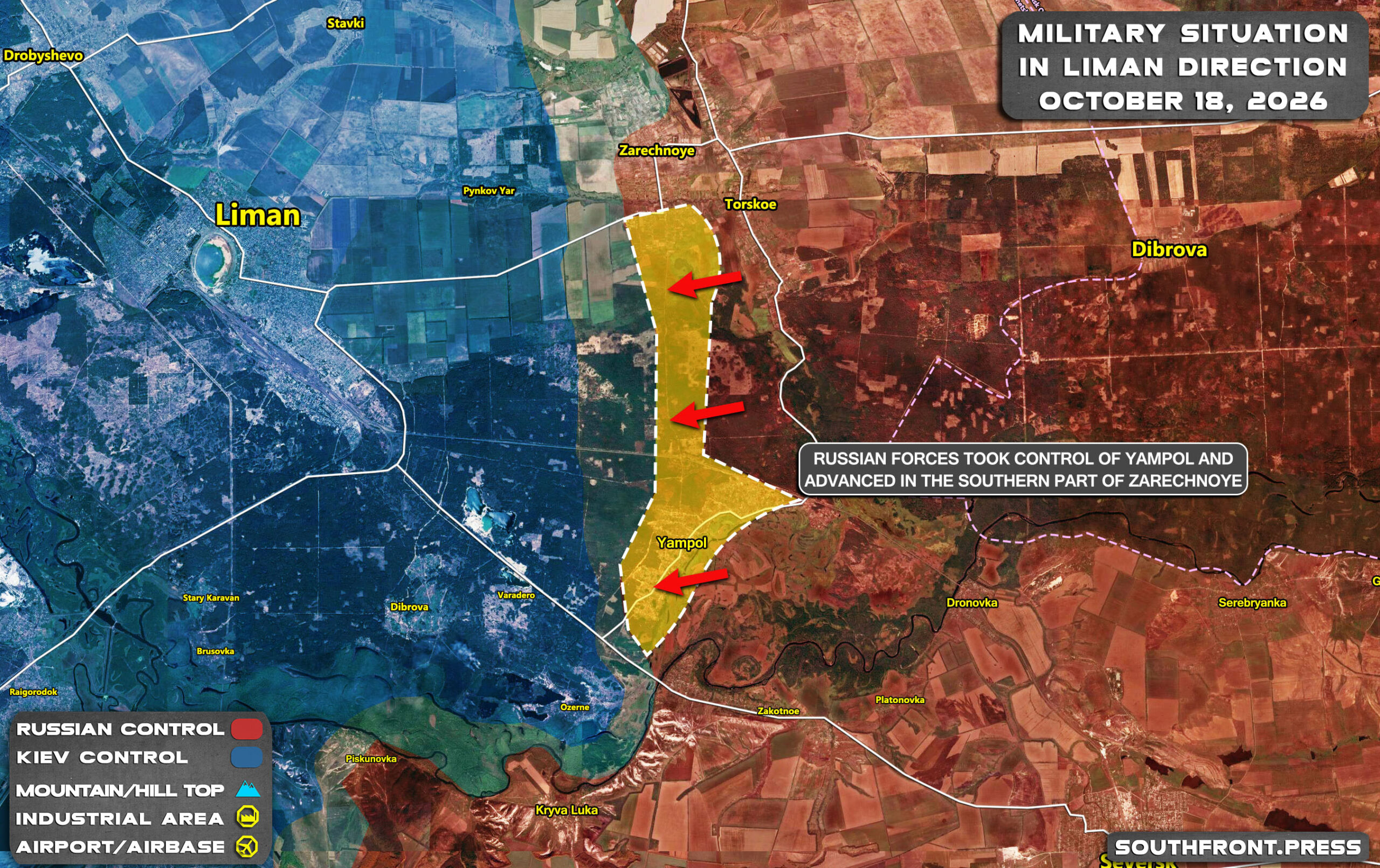
Russian forces took control of Yampol and advanced in the southern part of Zarechnoye.
Click to see the full-size image
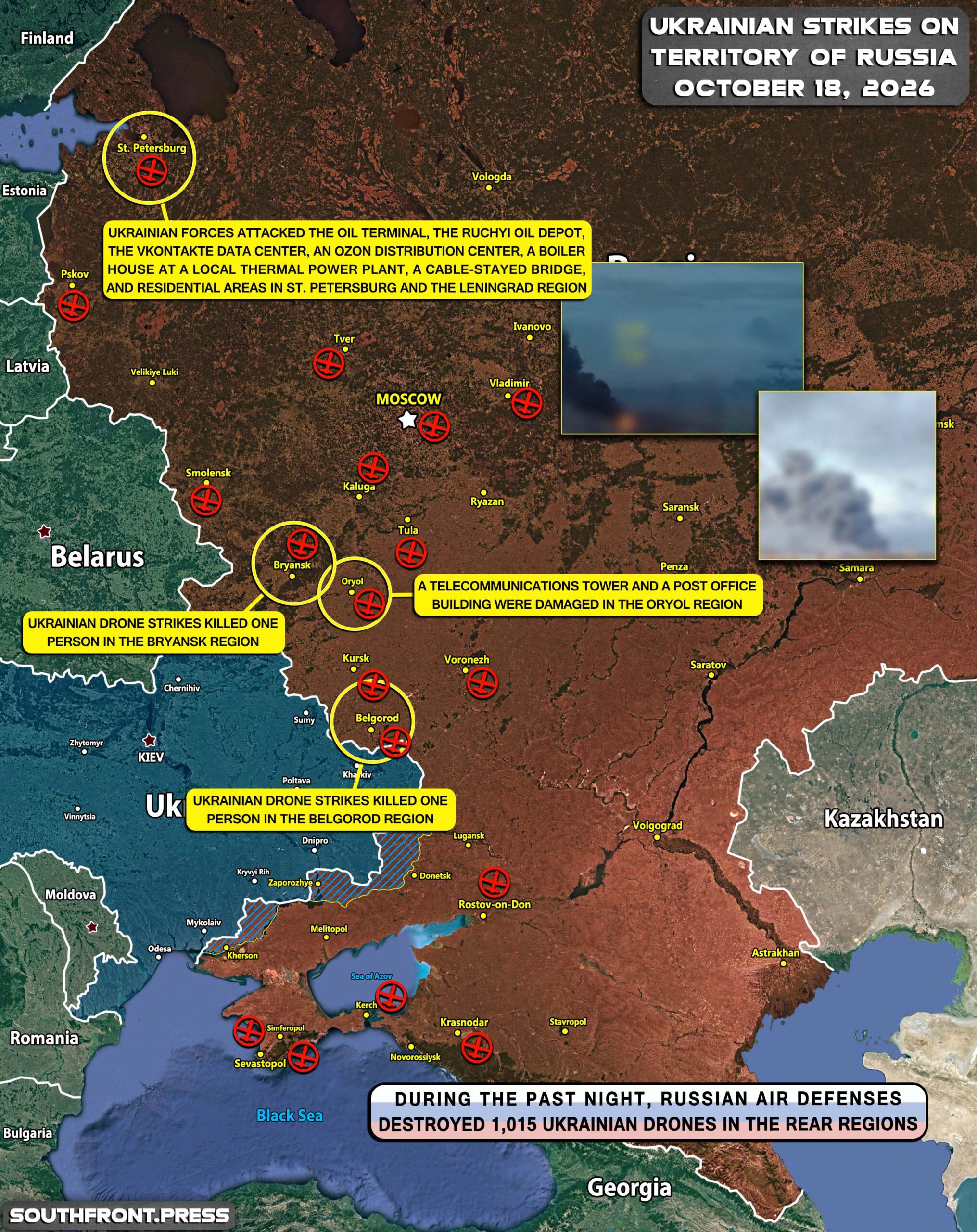
During the past night, Russian air defenses destroyed 1,015 Ukrainian drones in the rear regions;
Russian air defenses intercepted UAVs in the Belgorod, Bryansk, Vladimir, Kaluga, Kursk, Leningrad, Novgorod, Oryol, Pskov, Ryazan, Smolensk, Tver, and Tula regions, the Moscow region, Krasnodar Krai, the Republic of Crimea, and over the Black Sea;
Ukrainian forces attacked the Oil Terminal, the Ruchyi oil depot, the VKontakte data center, an Ozon distribution center, a boiler house at a local thermal power plant, a cable-stayed bridge, and residential areas in St. Petersburg and the Leningrad region;
A telecommunications tower and a post office building were damaged in the Oryol region;
Ukrainian drone strikes killed one person in the Bryansk region;
Ukrainian drone strikes killed one person in the Belgorod region.
 Login