❌

Reading view

Mariam Saghatelyan e il rinascimento (di nicchia) del vino armeno come presidio del territorio

InVino, Yerevan

Il tempo non esiste (almeno come misura assoluta), ci insegna la fisica quantistica, e proprio per questo la misurazione è relativa, può quindi essere funzione delle bottiglie aperte e delle persone che le bevono in un locale. Tra i tavoli affollati di InVino, il wine bar-enoteca che nel centro di Yerevan ha contribuito a plasmare l’esperienza enoica nella capitale armena, Mariam Saghatelyan lo fa partendo da uno stupore quasi incredulo. «Se quattordici anni fa qualcuno mi avesse detto che la scena del vino armeno sarebbe diventata quella di oggi, e che avremmo avuto a Yerevan l’evento clou annuale del Concours Mondial, sarei stata piuttosto scettica», ammette sorridendo. «All’epoca non avevamo quasi nessun vino da presentare al mondo, mentre oggi ne abbiamo così tanti da offrire».

È da questa distanza percorsa che parte il suo ragionamento sul presente e sulla prospettiva del vino armeno. Un futuro che, nella sua visione, non passa dai grandi numeri.

Piccoli è la scelta, non il limite
Saghatelyan è netta nel rifiutare l’idea di un’Armenia produttrice di massa. «Poiché l’Armenia è essenzialmente così piccola e abbiamo un terroir così interessante, una storia e una cultura della vinificazione millenarie – dichiara con convinzione – credo che il nostro futuro sarà fatto di produzioni molto piccole e di proposte di nicchia capaci di essere riconosciute in tutto il mondo. Dovremo raggiungere davvero le persone a cui piacciono i nostri vini e che vogliono capire questa storia, questa cultura».

Le proporzioni sono presto fatte, perché «l’Armenia del vino non arriva alle dimensioni di una piccola regione della Francia o dell’Italia». Da questo, però, non discende un complesso di inferiorità, ma – secondo Mariam – «una strategia orientata verso vini di qualità migliore, frutto di un approccio più interessante, vinificati nei karas tradizionali, in acciaio o in cemento, esplorando tecniche portate da tutto il mondo».

InVino, Yerevan
InVino, Yerevan

Trecento vitigni da studiare e una questione di origine
Il vero “vantaggio competitivo” armeno, secondo Saghatelyan, è un universo vitivinicolo ancora in larga parte inesplorato. «Abbiamo oltre trecento varietà endemiche – ricorda – quindi serve più ricerca su questi vitigni autoctoni e su come siano adattati alle diverse regioni».

Occorre allora capire quale uva dia il meglio in quale territorio, ma in prospettiva risulta utile anche un sistema di tutela. «Mi piacerebbe che avessimo un sistema di denominazioni con cui poter proteggere il consumatore – spiega – perché un Areni della Vayots Dzor e un Areni dell’Aragatsotn non sono la stessa cosa, e chi acquista dovrebbe poterlo leggere sull’etichetta».

I risultati sono spesso eccellenti, soprattutto con i vitigni autoctoni Areni e Voskeat o con l’originalissimo Nrneni vinificato da Moonq. Quello che fa la differenza non è però ciò che sta nel bicchiere. «Per noi il vino non è solo una bevanda: è sempre la connessione con la terra, con le persone che fanno il vino, i contadini e i produttori».

Antico e nuovo, il vino come esperienza
Se il nome delle varietà è complicato e la geografia intricata, la soluzione che Saghatelyan indica è tanto semplice quanto “radicale”: visitare l’Armenia. «Il modo migliore per capire non solo la complessità del nome, ma anche il concetto, le radici, la geografia complessa delle varietà in Armenia, è venire qui e viverlo. Si possono incontrare i produttori, si può toccare la terra, riconoscere la diversità di suoli, scoprire l’energia delle persone che danno vita al vino».

L’enoturismo diventa allora il vero biglietto da visita, forse più efficace di uno scaffale in un negozio all’estero – dove peraltro il prezzo potrebbe essere penalizzato dai dazi sulle importazioni. «Credo che il turismo esperienziale, soprattutto nel settore del vino, sia molto importante. E credo che le persone cerchino cose nuove da scoprire». Perché l’Armenia può giocare la carta di un paradosso affascinante: è «la più vecchia delle nuove» regioni vinicole – come recitava il claim del Concours Mondial de Bruxelles. È infatti un Paese di antichissima tradizione – poco importa se l’archeologia lo collochi prima o dopo la Georgia – che però si presenta al mondo come emergente. «Gli armeni hanno molte emozioni da dare, perché siamo stati fuori dal mondo del vino per così tanto tempo», chiosa Mariam.

Saghatelyan al Concours Mondial de Bruxelles
Mariam Saghatelyan al Concours Mondial de Bruxelles

Se infatti la vitivinicoltura ha radici antiche nella regione, la pianificazione sovietica ha portato nel Novecento a una focalizzazione sulla produzione di brandy (o konjak, come veniva anche chiamato) con relativo abbandono dei vitigni autoctoni più interessanti e con una piccola “resistenza” di una vitivinicoltura di sussistenza, a uso familiare.

Fuori dallo schema
C’è un vantaggio nascosto nell’essere arrivati per ultimi, o quasi. Quando dagli anni Novanta ai primi Duemila si affermava l’idea che il vino dovesse seguire un canone preciso – il rovere da barrique, un certo processo, uno stile riconoscibile – l’Armenia era altrove. E oggi questo la rende più libera di essere sé stessa. «Con l’attenzione ai vitigni locali e a uno stile produttivo originale ­­– osserva Mariam – in qualche modo l’Armenia sembra al sicuro dal paradigma del “devi fare così”. È questo il bello. L’Armenia sta ancora esplorando tecniche e processi per trovare la sua strada, quindi stiamo ancora sperimentando, cercando ancora noi stessi».

Anche il posizionamento di mercato è, dichiaratamente, un cantiere aperto. «In questo momento abbiamo vini che partono da cinquemila dram (meno di tredici euro) e altri che arrivano oltre i duecento euro, con produzioni molto piccole da vecchie vigne. Stiamo ancora cercando di trovare un posizionamento, si sperimenta ed è tutta qui la bellezza del mondo del vino in Armenia».

Secondo Mariam, la vera scommessa rimane però il prodotto stesso. «Una volta che le persone trovano il nostro vino – dice – e capiscono che vale la pena provarlo, perché è una nicchia preziosa, allora abbiamo già raggiunto il nostro obiettivo. E questo ci aiuterà a trovare uno spazio nostro nel mercato».

Conquistare uno spazio, però, non basta. Perché bisogna difenderlo. «Se ci ritroviamo su uno scaffale da qualche parte, che garanzia c’è che un altro Paese vinicolo nuovo, soprattutto con il cambiamento climatico e tutto quello che sta succedendo, non emerga e ci prenda il posto? Una volta trovato il nostro spazio, dobbiamo fare tutto il possibile per tenercelo. Per questo cerchiamo sostegno e confidiamo nelle persone che capiscono che questo è un gioiello sconosciuto». In questo senso, oltre al consumo locale legato all’enoturismo e oltre alla curiosità dei wineloverinternazionali, i produttori contano anche sulla diaspora che ha portato milioni di armeni nel mondo.

InVino, Yerevan
InVino, Yerevan

Lavorare la terra, presidiare il confine
Il momento non è dei più facili e Mariam non finge di dimenticarsene. «Il comparto del vino va sempre su e giù ­– dice – e noi ne siamo semplicemente parte. L’Armenia è un Paese sopravvissuto: siamo passati attraverso molte guerre, molte situazioni diverse nel corso della storia». E non si parla solo dei secoli andati, perché anche la recente guerra con l’Azerbaigian per il controllo sul Nagorno-Karabakh ha impattato su cantine e viticoltori costretti a fuggire, perdendo tutto.

È qui che il discorso di Saghatelyan cambia registro e tocca il nervo scoperto per il Paese. Il vino, in Armenia, non è soltanto cultura: è un modo di tenere abitata la terra. «L’idea è che dobbiamo lavorare la terra» proclama. «L’Armenia conta oltre dieci milioni di espatriati con la diaspora e solo tre milioni di persone vivono in Armenia. Credo che, per preservare la nostra cultura, i nostri confini, tutto quello che abbiamo oggi, dobbiamo essere qui, a lavorare la terra».

Nata fuori dall’Armenia e rientrata con tutta la famiglia, Mariam non nasconde la commozione nel ricordare i tempi difficili della guerra. «Nei momenti più duri dell’aggressione, parlavamo (quasi ironicamente) di viticoltura estrema, perché mentre i vignaioli cercavano di portare a termine la vendemmia, altri gli sparavano addosso. Per fortuna ora, almeno temporaneamente, la situazione sembra pacificata e allora bisogna presidiare la nostra terra».

Gena-ts, alla vita
Va detto che l’Armenia, dopo la rinascita enoica, si ri-affaccia al mercato globale del vino in un momento non certo facile sotto il profilo del clima culturale che circonda il consumo di alcol in questi anni. E Saghatelyan affronta di petto la questione. «Il mondo è in un momento folle – chiosa con convinzione – e la gente dice che l’alcol non fa bene. Certo, lo capiamo, ma noi non lo scegliamo per la salute. Io non bevo vino per essere più sana; bevo vino perché, alla fine di una giornata stressante, voglio solo rilassarmi, stare con gli amici o prendermi il mio tempo, respirare e godermi la vita, perché la vita non è troppo lunga».

Ed è proprio in una parola che si raccoglie tutto il senso della sua visione del vino e della storia di InVino. «Noi armeni siamo stati schiacciati e perseguitati per tutta la nostra storia, ma la parola armena per dire brindisi è gena-ts, che significa “alla vita”. Ecco, noi beviamo sempre alla vita».

Mariam Saghatelyan
Mariam Saghatelyan

L'articolo Mariam Saghatelyan e il rinascimento (di nicchia) del vino armeno come presidio del territorio proviene da Linkiesta.it.
  •  

Big pharma accused of ‘free-riding on nature’ as global fund attracts just $7,000

The Cali Fund, set up to raise $1bn a year for biodiversity from drug companies, remains near empty

Big pharmaceutical companies have been accused of “free-riding on nature”, after a landmark biodiversity fund that invites businesses to put some of their profits back into conservation was left virtually empty.

The Cali Fund set out to raise $1bn (£750m) annually, by asking companies that profit from nature’s genetics to contribute towards conservation in low-income countries. But more than 18 months after the fund was launched, it remains far below this target.

Continue reading...

© Photograph: Rebecca Cole/The Guardian

© Photograph: Rebecca Cole/The Guardian

© Photograph: Rebecca Cole/The Guardian

  •  

Armenia perdería casi la mitad de su PIB si sale de la UEE

Ereván, 22 oct (Prensa Latina) Las consecuencias económicas de la salida de Armenia de la Unión Económica Euroasiática (UEE) serían catastróficas, según resultados de un estudio publicado hoy por la Agencia de Calificación Euroasiática (ACE).

The post Armenia perdería casi la mitad de su PIB si sale de la UEE first appeared on Noticias Prensa Latina.

  •  

Do not be distracted by global crises. Nature cannot wait for a better year – we must act now | Steven Guilbeault

In 2022, I helped push through the international agreement to protect biodiversity. Wars and economic pressures can make nature seem like a ‘nice-to-have’. But it is a critical asset, and Cop17 must deliver real action

When I was five, property developers came to cut down the woods behind my home in La Tuque, Quebec. My mother encouraged me to climb one of the trees in protest, then told the developers, straight-faced, that there was nothing she could do when they asked her to get me down. A few days later, the tree was cut down anyway.

I thought about that tree in the early hours of a freezing Montreal morning in December 2022, as the gavel came down on a global agreement between nearly 200 countries to halt and reverse the loss of nature by 2030. I thought about how important nature is for our health, our food security and our economies, but also how much passion there is around protecting it, and how it has the power to inspire people all around the world.

Continue reading...

© Photograph: COP17

© Photograph: COP17

© Photograph: COP17

  •  

‘Crucial opportunity to act’ as study finds most of Europe’s wild bee species in decline

As Cop17 kicks off, records since 1921 show more bee species declining than increasing in all parts of Europe except the Alps

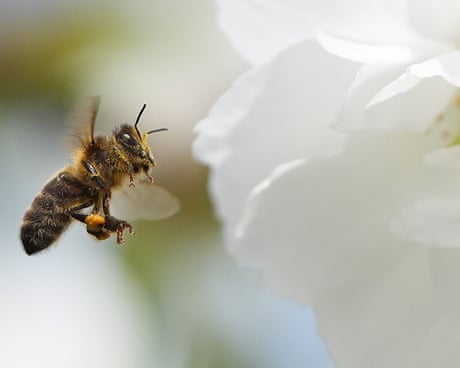
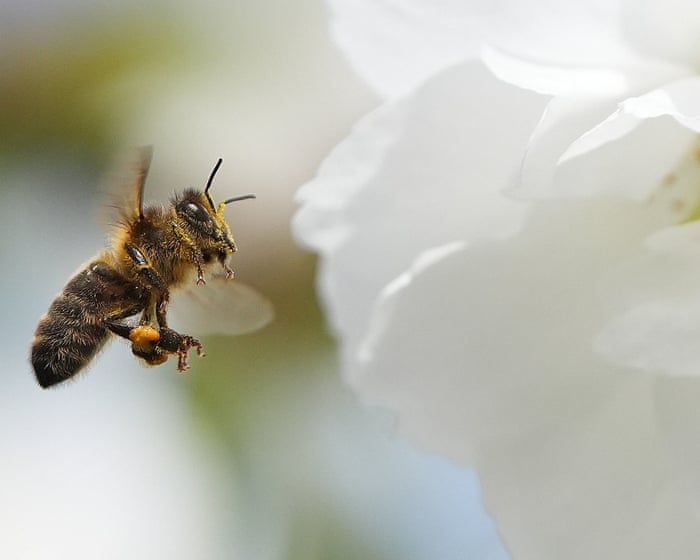
Most of Europe’s wild bee species and about half of its hover fly species have declined over the last century, a study has found, as a UN biodiversity summit begins in Armenia.

Records since 1921 show more bee species are declining than increasing in all parts of Europe except the Alpine region. The richness of bee and hover fly species suffered a persistent drop in the Atlantic and Continental regions, the study found, though trends in other regions were mixed or even positive.

Continue reading...

© Photograph: Niall Carson/PA

© Photograph: Niall Carson/PA

© Photograph: Niall Carson/PA

  •  

Can countries deliver on a deal to save the world’s plants and animals?

Four years ago nearly every government on Earth agreed to protect nature. Now, as countries gather for Cop17, the pressure is on to follow through on those commitments

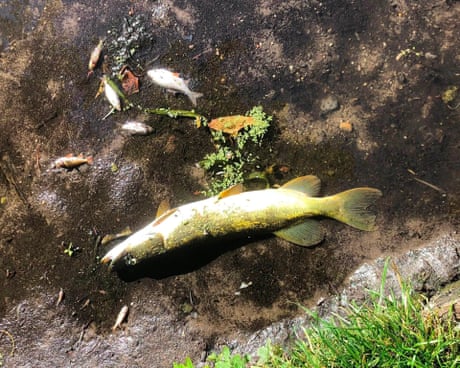
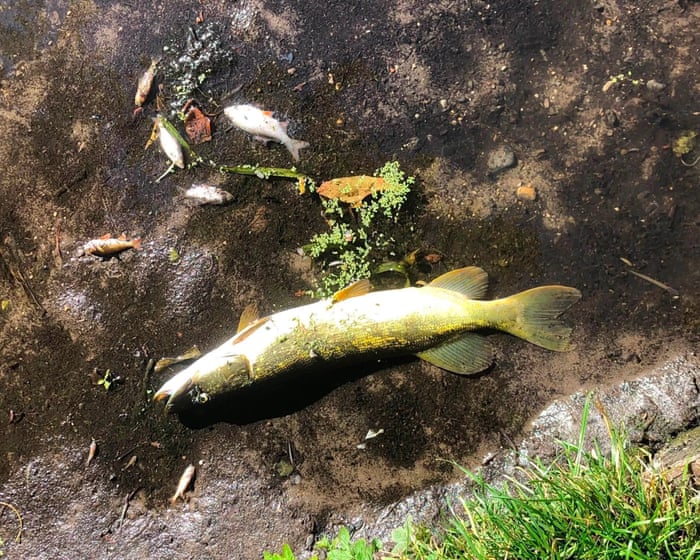
Passersby could smell the dead fish before they saw them. In August, more than 3,000 pike, roach, carp and rudd were found lifeless along the River Wensum in Norwich. Some gasped for air in their final moments, desperate for the oxygen that heatwave conditions had depleted in the water. Investigators believe that the die-off was triggered by heavy rainfall that flushed through high concentrations of pollution at a time when wildlife were already struggling.

The 45-mile (70km) chalk river is one of about 250 in the country. They are a geological accident almost unique to Britain – and one of Earth’s rarest habitats. They emerge from chalk aquifers and are home to species such as freshwater shrimp, otters and stoneflies, also providing drinking water for millions of people. But just 11 have formal protection, with many ravaged by sewage pollution and overextraction. The Norfolk river is one of the few that does have legal protection, but it is in poor ecological health.

Continue reading...

© Photograph: Norwich Green Party

© Photograph: Norwich Green Party

© Photograph: Norwich Green Party

  •  

Cop17 at a glance: everything you need to know about the UN’s nature summit

This month’s biodiversity summit in Yerevan, Armenia, aims to push governments to meet the 23 targets agreed at Cop15 in 2022

This month, nearly every country on Earth will return to the question of how to stem the rapid destruction of the natural world. Humans are driving it, but so far we have not found a way to stop it.

In late 2022, governments reached an ambitious once-in-a-decade deal to better protect nature amid scientific warnings that the planet is going through the largest loss of life since the extinction of the dinosaurs. Now, they are assessing their progress on the targets for the first time.

Continue reading...

© Photograph: Andrej Ivanov/AFP/Getty Images

© Photograph: Andrej Ivanov/AFP/Getty Images

© Photograph: Andrej Ivanov/AFP/Getty Images

  •  

Russia-linked bot networks kept their weekly rhythm after drone strikes on three Yandex data centers—disinformation monitor LetsData

Collage by Euromaidan Press

The claim that strikes on Russian tech giant Yandex thinned out social media bots finds no support in the networks tracked by Ukrainian disinformation-monitoring company LetsData, co-founder Ksenia Iliuk told Euromaidan Press on 13 October. She cautioned that the strikes may still have affected networks outside the company’s view.

At the Warsaw Security Forum, Lithuania’s prime minister suggested allies should ask Ukraine to strike more Russian data centers because that might help protect European elections from foreign interference. Bot networks are one tool of that interference, so whether the strikes mute them carries weight well beyond Ukraine.

No drop in the networks LetsData tracks

Drones hit Yandex data centers in Sasovo and Vladimir between 8 and 11 October. Ukrainian drone maker Fire Point said its FP-1 drones struck Yandex’s Kaluga site in between. On 12 October, Ukrainian President Volodymyr Zelenskyy told the Warsaw Security Forum that once Ukraine’s response reached Yandex, social media had fewer bots.

more than 500 drones moscow’s count kh-101 fuel plant second yandex data center far-north refinery hit · post smoke over ukhta komi republic after reported drone attack lukoil 9 2026
Explore further

More than 500 drones by Moscow’s count: Kh-101 fuel plant, second Yandex data center, and a far-north refinery hit

LetsData checked X and Facebook, where bot networks usually stand out clearly, Iliuk said. Its analysts looked at networks attributed to Russia’s influence ecosystem. Among them are groups of X accounts spreading domains from what she called a new wave of Doppelgänger, a Russian campaign that clones real news sites.

Those networks look unaffected, Iliuk said. None of them has stopped posting or broken its usual rhythm, she added. Some are slightly less active, but LetsData’s analysts say that is typical for them. The networks run on a weekly cycle, and the check fell in the part of the week when they post less.

A network that jumped from Germany to Ukraine

LetsData worked with two samples. One covers accounts that systematically target Ukraine, Moldova, and Armenia. The other covers bot networks the company has followed for some time that keep changing their target audience, so they have no fixed country.

ukrainian drones hit three russian tech giant yandex’s data centers four days ukraine’s president says bots thinned out too · post flickr/hesham elmahdy social media internet trolls networks ukraine news
Explore further

Ukrainian drones hit three of Russian tech giant Yandex’s data centers in four days. Ukraine’s president says the bots thinned out too

About two weeks ago, one network from that second sample wrote about elections in Germany and spread fake Die Welt sites, she said. It now posts about mobilization in Ukraine and shares a fake site of Ukrinform, Ukraine’s state news agency.

What the check can’t see

The company can compare only within networks whose usual behavior it knows, Iliuk said. Checking the whole internet is impossible because the scale is colossal, she said. A Cloudflare chart that circulated as evidence counted automated web requests from Yandex’s network, including its search crawlers, not social media posts, Cybernews reported.

So the networks LetsData follows show no impact, Iliuk said. That does not mean the strikes had no effect at all, she noted. They may have shown up in networks the company isn’t tracking now. LetsData will keep watching and report other signals if they appear.

  •  

Peacekeepers, riot police, and drone crews: Russia’s bloc rehearses an operation in a Belarusian oblast bordering two NATO states

peacekeepers riot police drone crews russia’s bloc rehearses operation belarusian oblast bordering two nato states · post bmp-2 infantry fighting vehicles belarus’s 6th separate guards mechanized brigade during combat-readiness check

Russia and four allies began five-day military drills in Belarus on 12 October, the Russia-led Collective Security Treaty Organization (CSTO) said. The troops are rehearsing peacekeeping and a biological-threat response. Minsk insists the drills target no one, while Belarus’s army chief calls them deterrence against hostile states.

Russian troops crossed Belarus to advance on Kyiv in 2022, and it now hosts Russian units with Oreshnik missiles and equipment guiding attack drones into Ukraine. Every foreign deployment there worries Kyiv and neighboring NATO members, which blame Minsk and Moscow for border pressure.

Riot police and drone crews in a “peacekeeping” drill

Belarus, Kazakhstan, Kyrgyzstan, Russia, and Tajikistan brought more than 1,500 troops and over 300 weapons and vehicles, including about 80 drones, The Moscow Times reported, citing the bloc. Armenia, the sixth member, is not among them. The peacekeeping drill runs in Vitsebsk Oblast, bordering Latvia and Lithuania, with Belarusian riot police and internal troops joining, the bloc’s command said.

An illustrative image. Railway tracks
Explore further

Up to 60 railcars: Belarus wires a border base to take in military trains

Russia sent motorized rifle, reconnaissance, electronic warfare, and drone units from its Central Military District, the CSTO said. Russia, this year’s chair, prioritized peacekeeping readiness and the joint biological protection and medical unit, a bloc general said.

Belarus’s military insisted the drills are planned, yet its army chief called them “one of the measures of strategic deterrence against aggressively minded states” and claimed the West is “effectively preparing for a new hot war.”

Pressure on Belarus’s neighbors

In Latvia, armed, masked escorts from Belarus tried to force migrants across this month, the military said, and raiders stole border cameras hours later. Estonia’s police and border guard chief warned migration pressure could jump before winter, as Russia eases entry from countries like Ethiopia and Belarus passes migrants on to the EU. Lithuania posted up to 100 soldiers on its border with Russia’s Kaliningrad, and in September NATO’s Italian jets downed a drone that crossed in from Belarus. On 9 October, Minsk summoned Ukraine’s envoy over an alleged drone strike on a Belarusian truck in Russia, and Kyiv rejected the “absurd accusations” of “an accomplice in the crime of aggression against Ukraine.”

Belarus keeps its army on alert

In September, Belarusian armor drilled near the Suwałki Gap, NATO’s land link to the Baltic states, and Lukashenka said the whole army would be checked, up to mobilization. On 12 October, he ordered a snap check of a 6th Separate Guards Mechanized Brigade battalion, state news agency BelTA reported. European spy agencies also warn of more Russian assassination plots against defense executives.

Ukraine’s intelligence still rates the threat from Belarus as low, but each new contingent, missile unit, and airborne brigade there widens what Kyiv and NATO’s eastern flank must watch.

  •  

Armenia at a Crossroads: Geopolitical Risks and Illusions

Nikol Pashinyan’s policies are increasingly at odds with Armenia’s national interests. Instead of strengthening its security, the country is facing new and increasingly serious threats. The defeat in the Second Karabakh War has plunged Armenian society into a state of deep frustration. The prime minister’s populism and his willingness to make unilateral concessions to Azerbaijan […]
  •  

Descubren más de 40 hornos subterráneos en un castillo medieval en Armenia, ¿para qué servían?

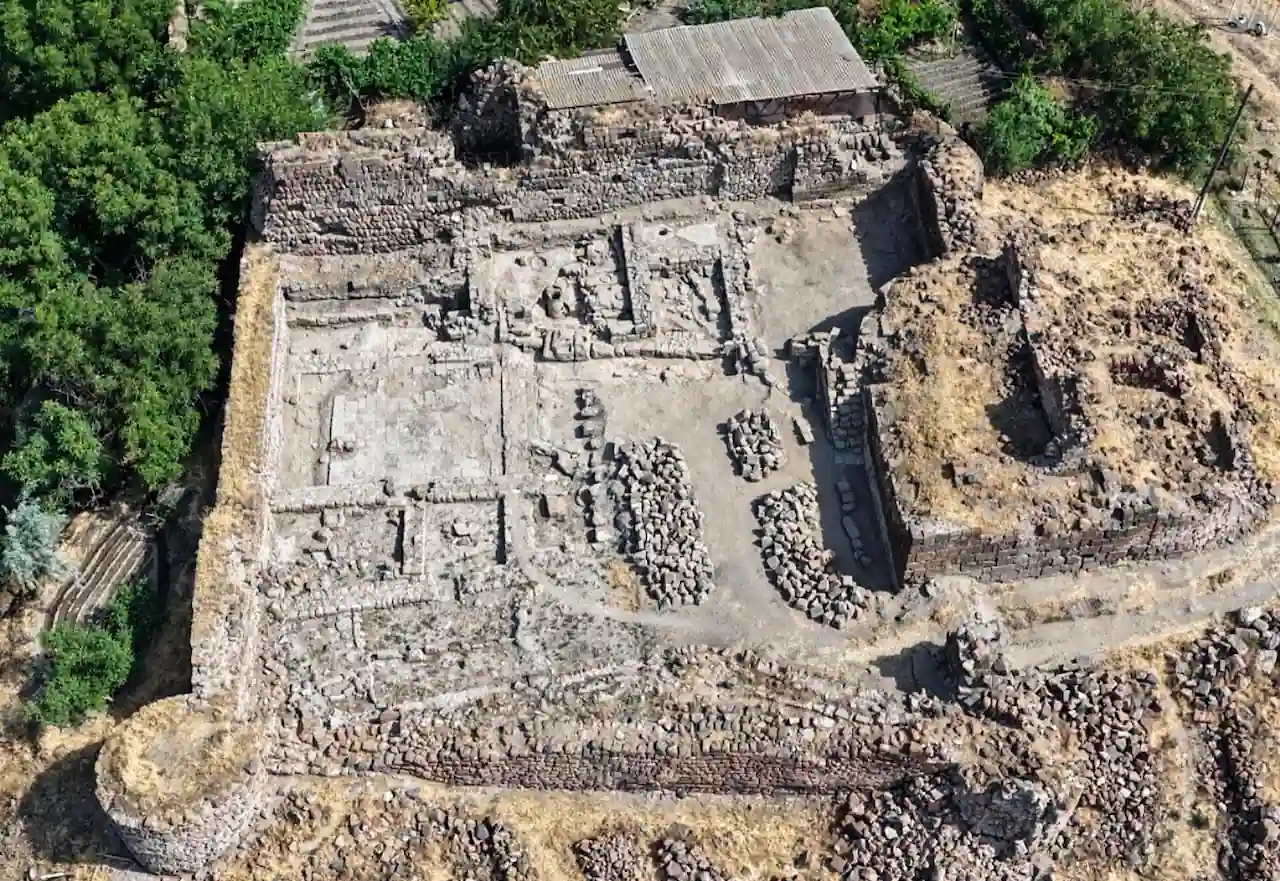
En la meseta de Aragatsotn, al pie del monte homónimo, se alza el yacimiento de Aruch, un lugar que fue mucho más que una fortaleza. Entre los siglos XII y XIII, sus muros albergaron una residencia de alto rango con pavimentos de losas y cisternas; pero con el tiempo, ese espacio señorial se fragmentó en […]

  •  

This Medieval Castle Had More Than 40 Subterranean Ovens — And Bread Wasn’t the Only Thing Baked There

At the foot of Mount Aragatsotn, in the Armenian highlands, sits the site of Aruch — a castle that was never just a castle. Between the 12th and 13th centuries, it housed a high-status residence, complete with stone-slab floors and cisterns. Over time, though, that elite space was carved up into smaller rooms, and holes […]

  •  

Putin–Pashinyan: A Dialogue on Charting the Path on the SCO Sidelines

On the margins of the 2026 SCO Summit in Bishkek, Armenia’s government once again demonstrated its foreign-policy indecisiveness and propensity to evade responsibility for making up its mind in favour of either the EU or the EAEU, whilst forgoing a nationwide referendum on the matter. From August 31 to September 1, 2026, the anniversary Summit […]
  •  
❌