❌

Reading view

Drone strikes kill hundreds in just days in Sudan

Drone strikes in war-torn Sudan have killed hundreds in just three days. Most of the deaths were in West Kordofan state, including in an area contested with South Sudan, sparking fears of a spillover of the war.

The paramilitary Rapid Support Forces (RSF) reportedly killed 41 people by striking a gathering of Internally Displaced People (IDPs) near Sudan’s southeastern border with Ethiopia in the Blue Nile state last Friday, October 16.

Later on Sunday, October 18, air defenses of the Sudanese Armed Forces (SAF), which heads the government, intercepted multiple suicide drones launched by the RSF. The drones targeted Upper Atbara and Setit dam complex in Gedaref state, and the Khashm El-Girba dam in neighboring Kassala.

The following day, on October 19, the RSF launched a wave of drones toward the airport in the national capital, Khartoum. While the air defenses intercepted most of them, one drone struck near the airport, killing four people, including three children.

The RSF took over the capital soon after starting this war in April 2023 against the SAF, the national army with which it had ruled as part of a military junta. The SAF regained control of the capital in March 2025.

In the meantime, later in October 2025, the RSF consolidated control over most of Sudan’s vast western region of Darfur, overrunning the SAF’s last holdout, El Fasher, and depopulating the city in a campaign deemed genocidal by a UN investigation. 

Read more: A bloodbath visible from space: RSF’s massacres in Sudan’s El Fasher   

After thus taking over Darfur – except for some SAF small holdouts on the border with Chad – the RSF has since been pushing eastward toward Khartoum. The Kordofan region in between, comprising three states, has since become a main front of this war.

Here, on October 18, in West Kordofan’s RSF-controlled town of al-Dabba, SAF struck a transport hub that was crowded on a market day, killing 80 people on the spot. 30 others later died in hospital. Another SAF drone also struck a market in the Al-Mujlad town.

Then, on the morning of October 19, SAF drones struck yet another market it suspected to be a source of fuel supply for the RSF, killing 153 people in Abyei, an area disputed by Sudan and South Sudan, ever since the latter seceded from the former in 2011.​

This area in the Nile oil basin has over 4,000 UN peacekeepers and is jointly administered by Sudan and South Sudan. South Sudan’s government summoned Sudan’s ambassador to protest this strike.

A spillover of Sudan’s war into South Sudan could have dire consequences, especially since South Sudan, the world’s youngest country, is itself at a heightened risk of slipping back into its own disastrous civil war, which had claimed up to 400,000 lives between late 2013 and mid-2015.​

The death count of the war in Sudan has been lost after exceeding 150,000 as early as June 2024. By the time the war entered its fourth year in April 2026, drone strikes had become the main driver of civilian casualties in this war, causing 80% of all the civilian deaths in the first four months of this year, killing at least 880 people.  

“We are alarmed by the continued deadly drone strikes across the country that are killing civilians, including children, and that are disrupting essential services,” UN Spokesperson Stéphane Dujarric said on October 19.

​Read more: The war in Sudan is “between two wings of a comprador parasitic capitalist class”

  •  

Cómo se manipula a la «generación Z»

Una docena de Estados ya han vivido –a veces con éxito– manifestaciones de la “generación Z”, y las que acaban de producirse en Francia abren la puerta a que la población sea manipulada. Los actos destrucción programados que se vieron en Francia el 17 de octubre tienen el aspecto de un montaje con vista a la proclamación de una especie de estado de emergencia que permita suspender la próxima elección presidencial, como viene sucediendo en Ucrania desde hace 2 años.

Thierry Meyssan

Únete a nosotros en Telegram , X y VK .

Escríbenos: info@strategic-culture.su

En este artículo analizaré una docena de movimientos de protesta, más o menos organizados, de la llamada “generación Z”, o sea de la población de entre 14 y 29 años. Muchas de esas protestas han tenido lugar en otros países, pero la generación Z siempre ha denunciado la corrupción, el nepotismo y los abusos de poder, por encima de cualquier otra injusticia.

En todo momento tendré en mente el hecho que, aunque no se puede provocar la colera de una multitud, sí es muy fácil desviarla de su objetivo inicial. Esas manifestaciones siempre comienzan invocando un interés general pero pueden confundir sus objetivos una vez en marcha.

Una característica inicial de esos movimientos es que todos han estallado después de escándalos de corrupción y de represión. Los manifestantes no han enarbolado una ideología política en particular pero todos han expresado, ante todo, su exigencia de justicia.

• Mongolia, 11 de enero de 2025: Jóvenes se congregan en Ulan Bator para denunciar la vida de lujos de la familia del primer ministro Luvsannamsrai Oyun-Erdene. Rápidamente, el movimiento de protesta denuncia también la corrupción generalizada de la clase política y exige la renuncia de 33 diputados. El primer ministro dimite el 3 de junio.

• Indonesia, febrero de 2025: La isla Java es teatro de manifestaciones contra la corrupción. Un sindicato estudiantil se suma a las manifestaciones cuando el gobierno implica las universidades en varios proyectos de minería a cambio de comidas gratis para los estudiantes. Cesan las manifestaciones pero el descontento se extiende por todo el país mientras que el gobierno otorga privilegios a los militares y apoya públicamente el “traslado” de la población de la franja de Gaza, anunciando la posibilidad de que sea enviada al «Estado musulmán más grande del mundo».
Las manifestaciones se reanudan en agosto de 2025, respondiendo a un llamado de los camioneros y en protesta contra importantes alzas de los impuestos.
Es entonces cuando aparece en las manifestaciones la bandera de la “Banda Pirata del Sombrero de Paja”, que se convierte en símbolo de la lucha contra la corrupción. Portar esa bandera, que proviene originalmente de la serie manga One Piece, se convierte en motivo suficiente para ser enviado a los tribunales bajo la acusación de traición.
Finalmente, el presidente Prabowo Subianto reconoce que los jóvenes tienen derecho a manifestar su descontento y hace levantar las sanciones y la prohibición de portar la bandera pirata.

• Togo, 26 de junio de 2025: Estallan protestas contra el arresto del rapero Aamron, quien es además es torturado por la policía. Las protestas toman rápidamente un giro político ante el hecho que los policías habían filmado las torturas infligidas a Aamron, en momentos en que el presidente Faure Gnassingbé había iniciado un cambio de régimen con reformas a la Constitución. El movimiento dura hasta diciembre y acaba disolviéndose ante la represión, particularmente violenta, que deja saldo de muertos y heridos.

• Nepal, del 8 al 14 de septiembre de 2025: Se desarrollan en Katmandú grandes manifestaciones de jóvenes contra los hijos y las familias de los responsables políticos que exhiben sus lujos y privilegios en las redes sociales. El poder bloquea las redes sociales, pero esa medida exacerba las protestas. El primer ministro Khadga Prasad Sharma Oli dimite.

• Timor Oriental, del 15 al 17 de septiembre: Una organización estudiantil realiza en Dili, la capital, una serie de protestas contra las ventajas económicas de los miembros del parlamento. En definitiva, estos últimos acaban renunciando a los automóviles de lujo que estaban a punto de comprar.

• Filipinas, 21 de septiembre de 2025: Unos 100 000 jóvenes desfilan por las calles de Manila protestando contra la corrupción de los dos clanes que ostentan el poder en el país, la familia Marcos y la familia Duterte. El 70% de los fondos destinados a la lucha contra las inundaciones parece haber “desaparecido” de las cajas del Estado.

• Madagascar, septiembre de 2025: Un discurso desafortunado del presidente Andry Rajoelina sobre un progreso económico que la población no percibe en la vida diaria da lugar al inicio de protestas contra la repartición desigual del crecimiento económico. Las manifestaciones se generalizan y desembocan en un golpe de Estado militar y la huida del presidente Rajoelina.

• Marruecos, 27 de septiembre de 2025: Unos 200 000 jóvenes se lanzan a las calles en las principales ciudades del país para protestar contra la corrupción y el nepotismo. El movimiento de protesta comienza en momentos en que el reino dedica sumas importantes a la preparación de la Copa del Mundo de futbol… mientras que los hospitales se caen a pedazos. La represión pone fin al movimiento.

• Paraguay, 28 de septiembre de 2025: Se inician manifestaciones en las que los jóvenes protestan contra la corrupción y rechazan un intento de modificar la Constitución que daría al ex presidente Horacio Cartes la posibilidad de regresar al poder. La población amerindia se incorpora a las protestas al enterarse de que la sede del Instituto Paraguayo del Indígena (INDI) se traslada a una base militar. El movimiento de protesta se extingue el 3 de octubre, cuando el presidente Santiago Peña anula el traslado de la sede del INDI.

• México, 15 de noviembre de 2025: Después del asesinato de un alcalde a manos de un cártel de la droga, decenas de miles de jóvenes salen a las calles para protestar contra la inseguridad y la corrupción. Las manifestaciones cesan a mediados de diciembre, sin adopción de nuevas medidas.

• Bulgaria, 26 de noviembre de 2025: Se registran protestas masivas de jóvenes contra la corrupción y contra un proyecto de presupuesto que transfiere el financiamiento de las jubilaciones y de la seguridad social en las empresas al sistema fiscal. Las protestas cesan al cabo de un mes, después de la retirada del proyecto de reforma y la dimisión del gobierno Zheliazkov.

• Japón, 3 de mayo de 2025: Alrededor de 50 000 jóvenes inician protestas contra la remilitarización del país. Como en los conciertos de K-Pop y durante las protestas contra la proclamación de la ley marcial en Corea del Sur, los manifestantes esgrimen objetos lumínicos. Las protestas se extienden rápidamente por todo el país, pero el movimiento se disuelve por agotamiento.

• India, 15 de mayo: El presidente del Tribunal Supremo compara a los jóvenes desempleados con cucarachas. Un estudiante indio de comunicación de la universidad de Boston crea entonces, en la India, el “Partido de las Cucarachas” y organiza manifestaciones hasta forzar la renuncia del ministro de Educación. El Partido de las Cucarachas reaparece en octubre con un movimiento de protesta contra la revisión de las listas de electores, de las que se están viendo excluidas las personas más pobres. El movimiento se mantiene en este momento [1].

La manifestación del 17 de noviembre en Francia

En Francia, a partir del 18 de septiembre pasado comienzan a verse manifestaciones de los alumnos de la enseñanza media. Comienzan por Creteil, una comuna de los alrededores de París, rápidamente se extienden por la capital y después por todo el país. Pronto se unen a ellas los estudiantes universitarios. Los sindicatos del sector público no tardan en sumarse a las protestas.

Las primeras manifestaciones son pacíficas –los adolescentes denuncian inicialmente las malas condiciones de sus centros de estudio y la escasez de profesores– pero los desórdenes comienzan cuando algunos dirigentes de izquierda legitiman la violencia. Elementos violentos no vinculados a los manifestantes, pero bien organizados, se hacen presentes en las protestas causando daños materiales en los centros de estudios de los manifestantes. Mientras tanto, los policías en el terreno se interrogan sobre sus superiores al darse cuenta de que están recibiendo órdenes contradictorias que les impiden proteger a los verdaderos manifestantes y que los ponen a ellos en peligro ante los grupos violentos.

Las manifestaciones adquieren una envergadura nacional el 17 de octubre. Los “chalecos amarillos”, el movimiento informal surgido en 2018-2019 contra el alza de precios de los combustibles y en defensa de la Francia que vive en los barrios periféricos, en los suburbios de las grandes ciudades, se unen al movimiento, retomando su lucha contra el alza del costo de la vida.

La seguridad territorial de Francia, que habitualmente se caracteriza por la gran precisión de sus previsiones, esta vez subestima la cantidad de potenciales manifestantes situándola en unos 150 000 –en realidad, la cifra de personas que finalmente salió a las calles de Francia el 17 de octubre se sitúa entre 550 000 y 800 000. La dirección de los cuerpos policiales se asegura de que la cantidad de agentes en las calles corresponda al estimado extrañamente conservador de la inteligencia territorial.

Mientras tanto, los black blocs europeos envían a Francia miles de individuos, principalmente desde Italia, Suiza, Alemania y Bélgica.

El 17 de octubre las acciones violentas comienzan antes del mediodía, o sea antes de que se abra el cortejo de manifestantes aprobado por las autoridades, y se prolongan durante la madrugada del día 18. Se reportan más de 600 policías y gendarmes heridos –pero sólo 26 personas serán enviadas a los tribunales–, 1 500 establecimientos comerciales saqueados y destruidos y varios edificios históricos incendiados. Los daños estimados se elevant a cientos de millones de euros.

Análisis

En Francia, las protestas de los alumnos de la enseñanza media no fueron motivadas por un hecho en particular. Se trata de un malestar generalizado exacerbado por la sensación de abandono de toda una generación a la que se le explica que debe conformarse con estudiar en instalaciones mal preparadas, en las que se sufre por el calor o por el frio, según la época del año; que nadie enviará profesores sustitutos si sus profesores se enferman; que, a fin de cuentas nunca tendrá un empleo porque para los patrones la inteligencia artificial es más rentable… pero que, a pesar de todo, tendrá pagar la deuda que sus padres han acumulado y hasta los intereses de esa deuda.

Inicialmente, un partido político de izquierda trató de captar a los jóvenes manifestantes viniendo hasta las puertas de sus centros de enseñanza. Pero todo cambió el 17 de octubre.

Es evidente que ciertos responsables, en el seno de los mandos policiales, hicieron todo lo posible para que la gran movilización del 17 de octubre acabará cayendo en la violencia, a pesar de los manifestantes y de los policías. El 14 de octubre, un sindicato de los policías, Alliance, presentó una denuncia contra X por poner en peligro las vidas de otros. Ese sindicato está recogiendo testimonios por todo el país para identificar a los oficiales que propiciaron el caos.

Como lo hacen esos policías, tenemos que preguntarnos qué objetivo perseguían los instigadores ocultos de los actos de violencia. Es probable que se esté preparando una operación encubierta para perturbar la próxima elección presidencial, prevista para el 18 de abril y el 2 de mayo de 2027.

Es posible que esos instigadores ocultos estén en Francia, pero es igualmente posible que hayan actuado desde el extranjero, una hipótesis que se refuerza cuando se comprueba la participación de los black blocs europeos.

¿Es posible que hayamos olvidado que, en 2011, el candidato a la presidencia de Francia que aparecía a la cabeza en todos los sondeos, Dominique Strauss-Kahn, fue arrestado en Nueva York por la policía estadounidense, pero con ayuda del Pentágono, y acusado de “violación”, lo cual hizo posible la elección de Francois Hollande? [2]

¿Cómo es posible olvidar que, en 2017, otro candidato a la presidencia de Francia que también lidereaba los sondeos, Francois Fillon, fue objeto de un linchamiento mediático por haber contratado a su esposa como asistente parlamentaria? Lo cual abrió el camino a otro candidato salido prácticamente de la nada… el actual presidente Emmanuel Macron.

¿Cómo podemos entonces evitar pensar en la posibilidad de que, en 2027, el aspirante a la presidencia mejor posicionado en los sondeos, que no es otra que Marine Le Pen, pueda verse condenada por la justicia y despojada de sus derechos cívicos? ¿O que se cree una coyuntura bajo la cual se decida proclamar un “estado de emergencia” en el país? ¿O que, utilizando la nueva disposición incluida en la ley aprobada el 16 de agosto de 2026, se proclame un “estado de alerta de seguridad nacional”?

Al dirigirse a la Nación, menos de 24 horas después de las concentraciones del 17 de octubre, el presidente Emmanuel Macron hizo un rápido balance de las destrucciones registradas [3]. Y concluyó que los franceses son incapaces de enfrentar esos actos de violencia, antes de terminar diciendo que espera que se restablezca el orden… para poder realizar la elección presidencial.

[1] «Le “Parti du Peuple des Cafards” sonne la révolte des démunis à Bahrat», Red Voltaire, 15 de octubre de 2026.

[2] «Obama, la guerra financiera y la eliminación de DSK », por Thierry Meyssan, Komsomolskaïa Pravda (Rusia), Red Voltaire , 26 de mayo de 2011.

[3] «Allocution du Président de la République», Emmanuel Macron, Palais de l’Élysée, 18 de octubre de 2026.

  •  

Recupera Ejército sudanés territorios al sureste del país

Jartum, 22 oct (Prensa Latina) Como parte de una ofensiva en el sureste de Sudán, el Ejército informó hoy sobre avances en los combates contra los paramilitares, en el estado de Nilo Azul.

The post Recupera Ejército sudanés territorios al sureste del país first appeared on Noticias Prensa Latina.

  •  

Denuncian crímenes de guerra de paramilitares sudaneses en El Fasher

Jartum, 22 oct (Prensa Latina) Entidades No Gubernamentales denunciaron hoy que los paramilitares sudaneses cometen crímenes de lesa humanidad contra la población de El Fasher, capital del estado de Darfur Norte.

The post Denuncian crímenes de guerra de paramilitares sudaneses en El Fasher first appeared on Noticias Prensa Latina.

  •  

El PSOE responde al juez del 'caso Cloacas' que está ocupado con las elecciones y no puede enviarle por ahora la información que le reclama

El magistrado de la Audiencia Nacional Santiago Pedraz pretendía aclarar si el dinero abonado a algunos abogados estaba en realidad destinado a la 'fontanera' Leire Díez Leer

El magistrado de la Audiencia Nacional Santiago Pedraz pretendía aclarar si el dinero abonado a algunos abogados estaba en realidad destinado a la 'fontanera' Leire Díez
  •  

Report: U.S., Israel Draft Plans for Renewed Iran Strikes After Midterms — ‘Short, Intense’ Operation

The United States and Israel have developed detailed plans for renewed military strikes against Iran following the November 3 midterm elections, as American forces build up across the Middle East and the Pentagon quietly repositions troops amid fears of Iranian retaliation, according to reports Wednesday.

The post Report: U.S., Israel Draft Plans for Renewed Iran Strikes After Midterms — ‘Short, Intense’ Operation appeared first on Breitbart.

  •  

Kallas tells Fidan that Turkey-Libya maritime deal infringes on rights of third states

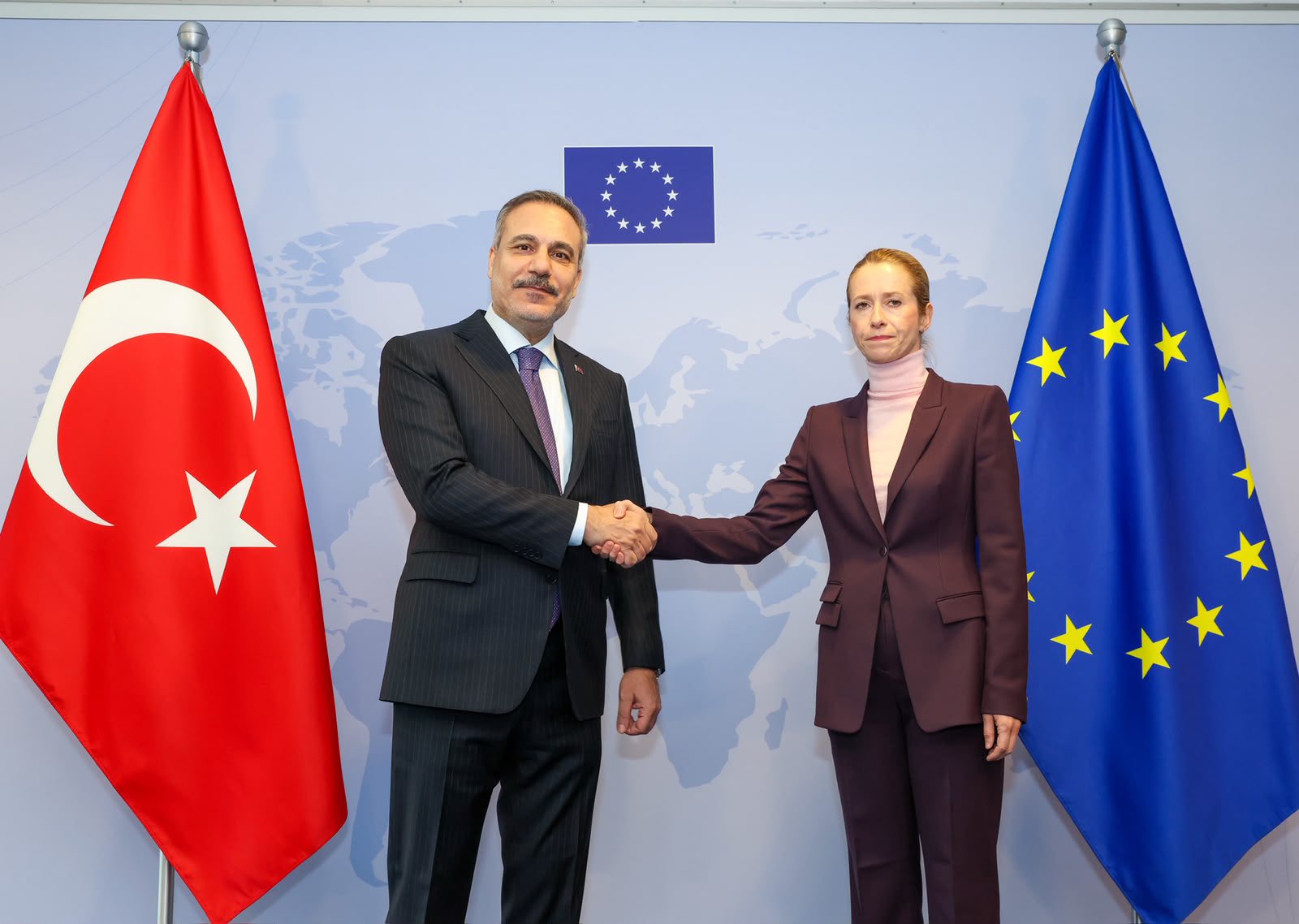
The maritime boundary agreement reached between Turkey and Libya, which was ratified by the Libyan parliament on Tuesday, “infringes on the sovereign rights of third states”, the European Union’s foreign policy chief Kaja Kallas said on Wednesday, after she met Turkish Foreign Minister Hakan Fidan in Brussels.

“I had an extensive discussion with my colleague Hakan Fidan on a range of issues. Good neighbourly relations and advancing the Cyprus settlement process are of high importance. I raised yesterday’s Libyan vote … and stressed that it infringes upon the sovereign rights of third states,” she said after the meeting.

Away from the matter of the eastern Mediterranean, she said that she had also spoken to Fidan about “Russia’s dangerous Black Sea escalation”, which has seen commercial vessels be targeted by missile fire, and that she had “emphasised the need to step up the pressure on Moscow to end the war”.

“The EU and Turkey both support a Black Sea freedom of navigation arrangement,” she said.

She said that she and Fidan had also “addressed developments in the south Caucasus and across the Middle East”, and on this front said that “Houthi attacks on Saudi Arabia and Yemen are textbook terror tactics and must end”, and that “in the Strait of Hormuz, Iran is making shipping dangerous and expenses”.

“Freedom of navigation must be restored without tolls or fees,” she added.

Fidan made no statement after the meeting.

Greece, Cyprus believe islands are entitled to full EEZ

The maritime agreement was unanimously passed by Libya’s parliament on Tuesday, some seven years after it had initially been signed by the internationally recognised Libyan government and Turkey in 2019.

However, Greece and the Republic of Cyprus object to the deal, saying that Turkey and Libya do not share a maritime border because islands are each entitled to a full exclusive economic zone, and that therefore, the sea in question belongs to Cyprus and Crete. Turkey’s position is that islands are not entitled to a full EEZ.

Wednesday’s meeting came after European Council President Antonio Costa and European Commission President Ursula von der Leyen had said that they “deeply regret” the Libyan parliament’s ratification of the deal, which, they said, “infringes upon the sovereign rights of third states”, “does not comply with the law of the sea”, and “is null and void”.

“We reaffirm our solidarity with Greece and Cyprus. We reiterate the EU’s well-known position against any outside interference in Libya,” they said.

On the other side of the argument, Turkey’s presidential press office director Burhanettin Duran described Tuesday’s vote as “an important advancement towards protecting the shared rights and interests of both nations in the eastern Mediterranean, establishing maritime jurisdiction areas on the basis of equity, and strengthening regional cooperation”.

“Under the leadership of our President Recep Tayyip Erdogan, Turkey will continue to safeguard its rights and interests within the Blue Homeland, while further developing its relations with friendly and brotherly Libya and promoting equitable resource sharing, peace, and stability in the eastern Mediterranean”.

  •  

Trump administration softens its stance on TPS amid election campaign

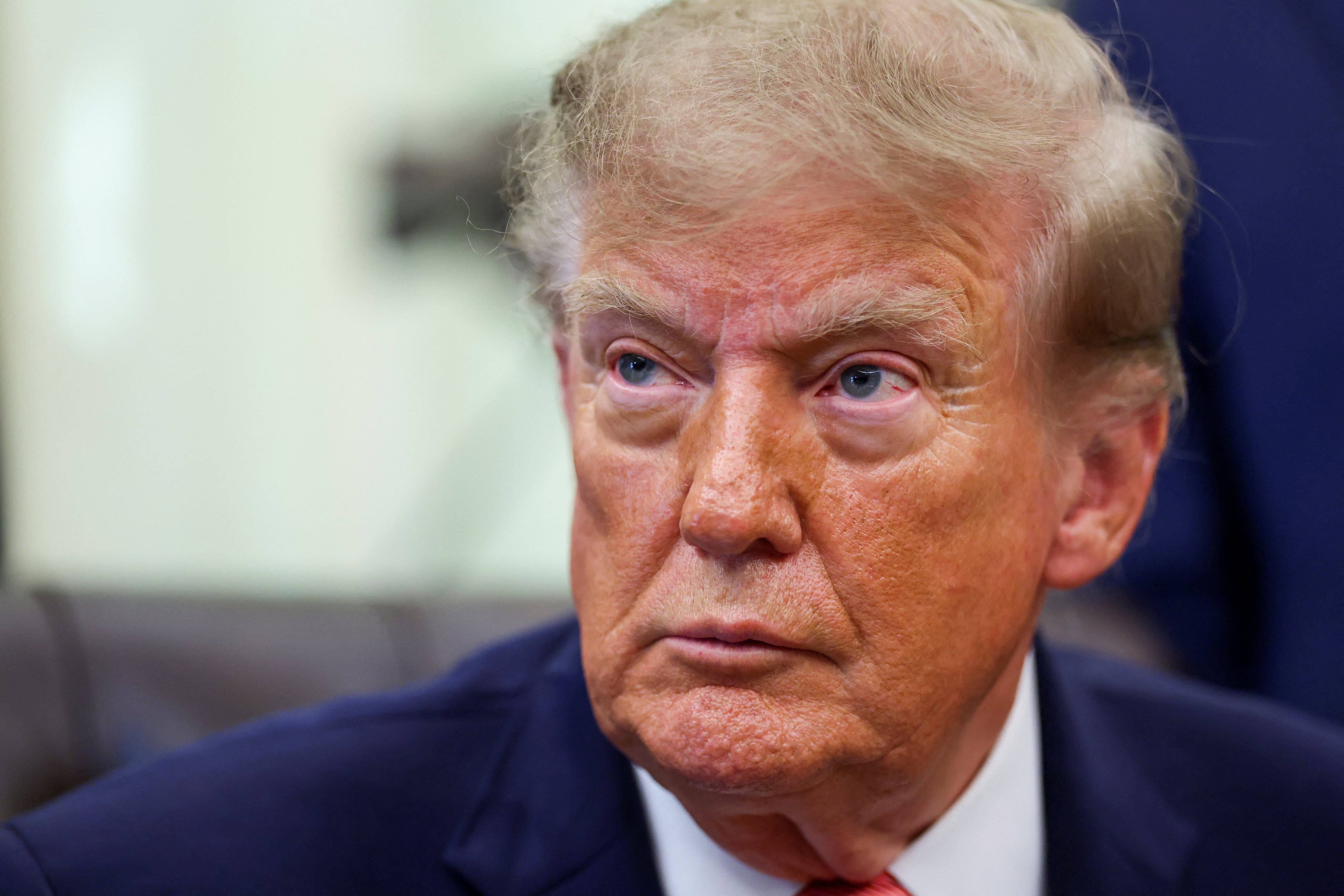
The Donald Trump administration has done with Ukrainians and Sudanese this week what it did last month with Salvadorans: it has not terminated Temporary Protected Status (TPS), but it has not renewed it either. The program that provides legal immigration status to 101,000 Ukrainians and 1,800 Sudanese citizens was set to expire on Monday, but the Department of Homeland Security (DHS) has declined to comment, which for now leaves them protected from deportation.

Seguir leyendo

© Kevin Lamarque (REUTERS)

Donald Trump at the White House, this Tuesday.
  •  

Turkey’s Fidan: No objection to GSI surveys, but send us a written notification

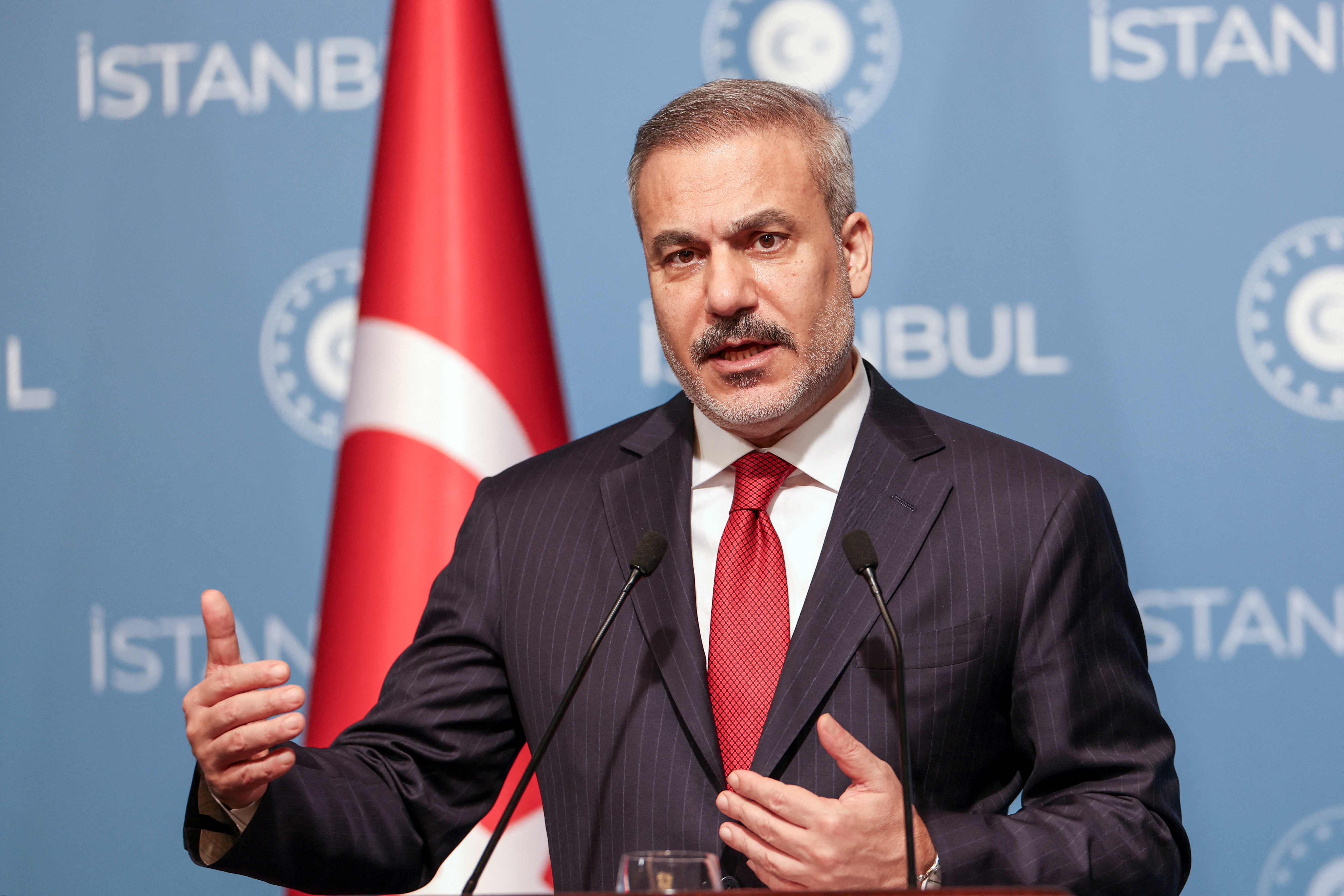
Turkish Foreign Minister Hakan Fidan on Wednesday said that his country will not object to the undertaking of seabed surveys between Crete and Cyprus ahead of the construction of the planned Great Sea Interconnector, provided that it is provided with a written notification of the plans in advance.

“We do not raise any objections. We discussed it with [Greek] Prime Minister Mitsotakis and [French] President Macron. My president raised the issue in New York during his meeting with Prime Minister Mitsotakis,” he told Greek newspaper Ta Nea of the cable which, if completed, will link the energy grids of Cyprus, Greece and Israel.

He added that during those discussions, Turkish President Recep Tayyip Erdogan had “described the project as remarkable” but had gone on to say that “I would prefer you to buy electricity from us rather than transporting it from a distance of 2,000 kilometres and spending over €2 billion of European funds”.

“I can provide from a distance of just 70 miles from mainland Turkey water, electricity, and natural gas, from which everyone, Greek Cypriots, Turkish Cypriots, and the entire population, can benefit,” he said.

On the question of the waters which are disputed between Turkey and Greece, he said that “we have not yet touched on the issue” in high-level discussions between the leaderships of Turkey and Greece, but stressed that Turkey would not stand in the way of the interconnector if it is informed of work in advance.

“What we are asking is that when a ship conducts research at sea, it send us a written notification, not just an oral one, stating, ‘we are going to undertake specific actions in this area, here are the coordinates’. That is all we are asking for. Nothing more,” he said.

‘We do not want the status quo to be disturbed’

“We do not want the status quo to be disturbed, or a precedent to be created in a completely wrong way, which will cause even greater problems for both sides.”

It has been reported that the Greek and French governments intend to notify Turkey of their intentions prior to issuing a navtex, a message used to transmit information to seaborne vessels, regarding planned seabed surveys for the laying of cables.

On this front, Cypriot Energy Minister Michael Damianos had said last week that the navtex for the seabed surveys will be issued before the end of this month, with the Greek coastguard having said that French-flagged research ship the Abeille Marengo will be the ship conducting the surveys.

Damianos said on Monday that “if the project progresses”, it is believed that it will be fully completed by 2031.

Turkey plans to connect Cyprus’ water, gas, electrical infrastructure to its own

Fidan’s reference to the possibility of power being provided by Turkey comes with the Turkish and Turkish Cypriot authorities having drawn up plans to link the island’s energy grid with that of Turkey.

However, the European network of transmission system operators for electricity (Entso-E) has not included plans for a cable linking Turkey and Cyprus in its ten-year development plan, and said that the Great Sea Interconnector “is the only interconnector project connecting the Republic of Cyprus” in its plans.

Since then, Turkey and the Turkish Cypriot authorities have signed a memorandum of understanding for the construction of a natural gas pipeline between Cyprus and Turkey, though both the European Union and the Republic of Cyprus have rejected it.

On water, offers made by Turkey as early as 2015 to supply the whole island with water from the Taurus mountains have thus far been met with a cool response by successive Republic of Cyprus administrations, though the water is nonetheless pumped via an undersea pipeline to the Panagra reservoir in the island’s far northwest and used by Turkish Cypriots.

  •  

Condena Naciones Unidas bombardeos en zonas fronterizas de Sudán

Juba, 21 oct (Prensa Latina) Naciones Unidas condenó enérgicamente los ataques con drones en un mercado de Abyei, en la frontera de Sudán y Sudán del Sur, dieron a conocer hoy aquí medios locales.

The post Condena Naciones Unidas bombardeos en zonas fronterizas de Sudán first appeared on Noticias Prensa Latina.

  •  

Romania Ends Six-Month Political Deadlock as New Government Takes Office

Romania has formed a new government after six months of political deadlock, with parliament approving a minority administration led by independent diplomat Luca Niculescu on Tuesday, 20 October. The vote brings an end to repeated failed attempts to establish an executive, although the new prime minister faces considerable uncertainty over his government’s parliamentary support.

Niculescu secured 280 votes in favour and 58 against, comfortably exceeding the 233 required for confirmation. His ministers were sworn in before President Nicuşor Dan at the Cotroceni Palace in Bucharest later that evening, formally ending the prolonged government formation process.

The new administration comprises 18 ministers, including two delegated ministers. The Social Democratic Party (PSD) controls the majority of portfolios, while independent specialists hold several important positions, including finance and foreign affairs.

A government built on temporary parliamentary support

The appointment represents a political success for President Dan, who nominated Niculescu on 5 October following three unsuccessful attempts to assemble a functioning government.

EU Today reported earlier this month on Niculescu’s nomination, which followed the collapse of previous negotiations and growing pressure on Romania’s political institutions.

The new cabinet is heavily dependent on agreements between parties that have frequently disagreed over economic policy and public spending. Although the parliamentary vote demonstrated sufficient support for its installation, the arrangement does not provide the government with a permanent majority.

The National Liberal Party (PNL) and the Democratic Alliance of Hungarians in Romania (UDMR) supported the investiture while remaining outside the administration.

The arrangement gives Niculescu an opportunity to govern, but each major legislative proposal will require continued cooperation between parties with competing priorities.

The Social Democrats, who hold 11 of the ministerial positions, will exercise substantial influence over domestic policy, particularly decisions involving public-sector spending, welfare and taxation.

Budget deficit presents immediate challenge

Romania’s public finances represent the government’s most urgent problem.

The previous administration, led by Ilie Bolojan, collapsed in May following unpopular austerity measures. Political opposition to fiscal consolidation has complicated efforts to stabilise the budget and meet Romania’s commitments under the European Union’s fiscal framework.

Niculescu has indicated that addressing the deficit will be an immediate priority. Finance Minister Alexandru Nazare, appointed as an independent, faces the task of establishing a credible budget programme without provoking another parliamentary crisis.

The choices are politically difficult. Spending reductions risk resistance from public-sector employees and households already affected by higher living costs, while substantial tax increases could place further pressure on businesses and consumption.

Failure to establish a credible fiscal programme would prolong uncertainty over Romania’s borrowing requirements and its ability to comply with European budgetary obligations.

Brussels has a direct interest in the outcome. Romania remains subject to EU fiscal oversight, and the European Commission will assess whether the new administration’s financial plans are consistent with the country’s obligations.

The government’s credibility will depend on whether its parliamentary supporters are prepared to approve the measures that fiscal consolidation requires.

European funds and political credibility

The change of government also comes at a sensitive moment in Romania’s relationship with European institutions.

Romania has faced scrutiny over reforms linked to the EU’s Recovery and Resilience Facility, particularly legislation concerning public integrity and institutional accountability.

EU Today previously examined the European Commission’s assessment of Romania’s integrity legislation and its implications for recovery funding.

Although the EU recovery programme reached its principal implementation deadline in August, outstanding assessments and financial decisions continue to carry consequences for national budgets.

A functioning government is therefore important not only for domestic legislation but also for negotiations with Brussels over fiscal commitments, investment and the wider EU budget.

Romania must also address longer-term weaknesses in public administration, infrastructure financing and the implementation of European legislation.

Political stability remains uncertain

Niculescu takes office against the background of Romania’s unusually turbulent political history since the annulment of the 2024 presidential election amid allegations of Russian interference.

The subsequent institutional disputes damaged confidence in the political system and contributed to the fragmentation of parliamentary support.

Opposition parties, including the nationalist Alliance for the Union of Romanians (AUR), are positioned to challenge the government’s legitimacy and economic measures as the administration begins work.

Romania’s strategic importance extends beyond its domestic political difficulties. As an EU and NATO member bordering Ukraine and Moldova, it plays a substantial role in Black Sea security, military logistics and regional infrastructure.

Prolonged instability in Bucharest has therefore affected a country whose decisions carry consequences for European security and cross-border economic cooperation.

For the new prime minister, the immediate objective is to translate Tuesday’s parliamentary majority into support for legislation. His first serious test will come when the cabinet presents the fiscal measures that its supporters have so far struggled to agree upon.

The parliamentary vote has ended Romania’s government formation crisis. It has not resolved the disagreements that produced it.

  •  

Aumenta a 226 la cifra de muertos en región fronteriza sudanesa

Juba, 21 oct (Prensa Latina) Las víctimas de un reciente ataque a un mercado en la región fronteriza de Abyei, entre Sudán y Sudán del Sur, se elevó ya a 226 muertes, informaron hoy aquí autoridades locales.

The post Aumenta a 226 la cifra de muertos en región fronteriza sudanesa first appeared on Noticias Prensa Latina.

  •  

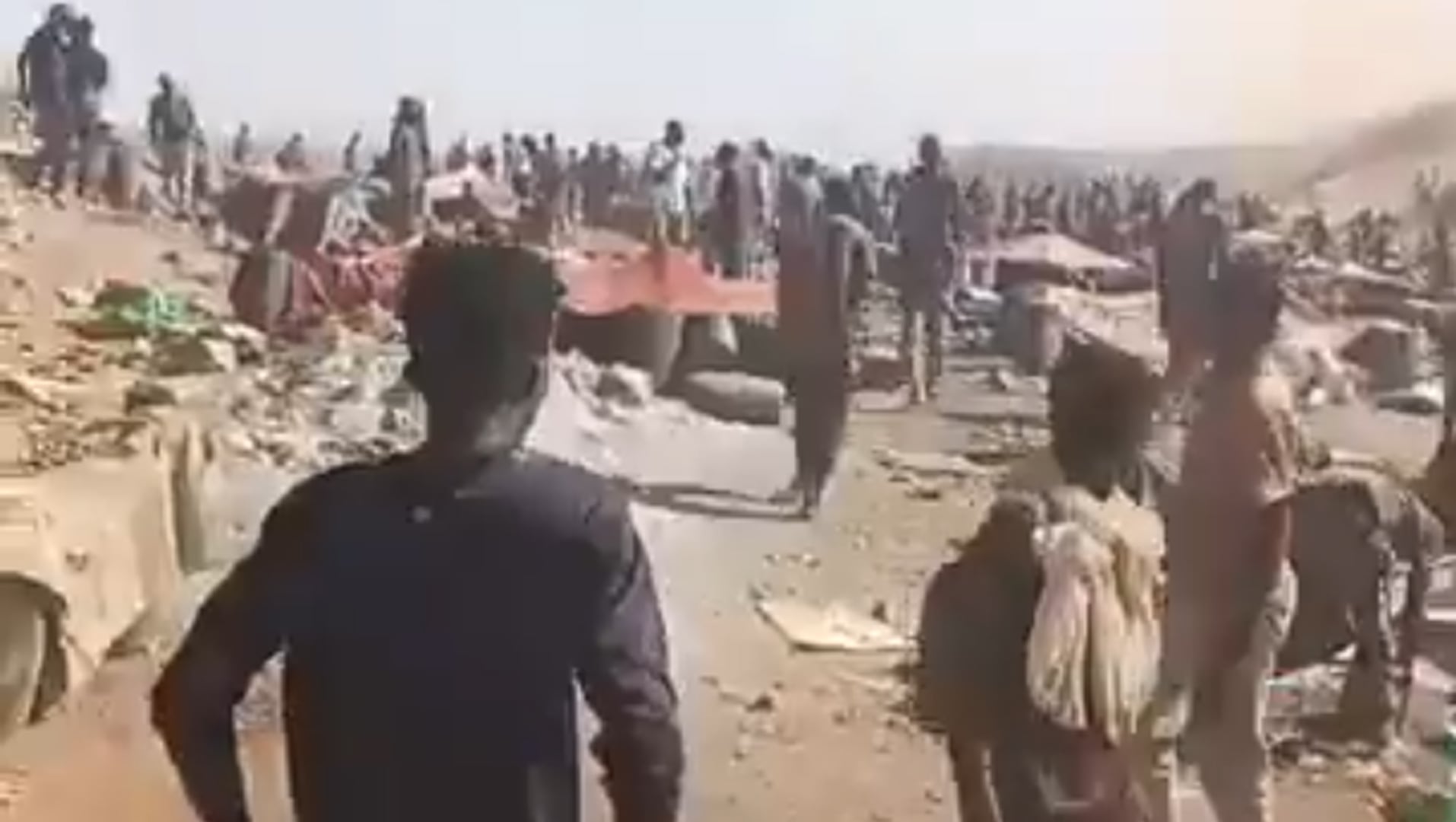
Bombardeos, colapsos y saqueos: la trampa mortal de las minas de oro en Sudán

En algunos de los primeros vídeos que circularon por las redes sociales se aprecia el caos inevitable que acompaña a una carnicería inesperada mientras todavía se está produciendo. Hombres jóvenes corriendo y gritando en medio de la polvaredacon el estruendo de aviones de combate de fondo. En imágenes que trascendieron poco después, la agitación inicial había dado paso a filas de cadáveres envueltos con mantas en la arena.

Seguir leyendo

© Redes Sociales

Fotograma de un vídeo de redes sociales del momento tras el bombardeo de una mina de oro en Sudán, el pasado 10 de octubre.
  •  

Netflix Is Great at Making Money. Its Problem Is Keeping Viewers Hooked.

The streaming service reported a 12 percent increase in quarterly revenue, but acknowledged that stagnant viewership, particularly in the U.S. and Canada, was a major concern.

© Mario Tama/Getty Images

Despite being the most-watched paid streaming service in the world, Netflix is not growing fast enough for its top executives or its shareholders.
  •  

Dwayne Johnson Reveals ‘Jumanji: Open World’ New Look Ahead of Holiday Release: “One Final Game”

Jack Black, Kevin Hart and Karen Gillan also reprise their roles for Jake Kasdan's final installment in the Sony trilogy that hits theaters this December.
  •  

US grants deportation reprieve to migrants from Ukraine and Sudan

DHS says migrants ‘retain protections’ after temporary protected status was set to expire on Monday

More than 100,000 people from Ukraine and Sudan can stay in the United States without immediate risk of deportation, the Department of Homeland Security said, in what amounts to a temporary reprieve after their right to stay in the country was set to expire on Monday.

Temporary protected status was set to end on Monday for about 101,000 Ukrainians and 1,800 Sudanese. But the DHS said an announcement “will be made at the appropriate time”. Until then, the department said in a written statement, Ukrainians and Sudanese in the US covered by those temporary measures “retain protection”. The department did not indicate how long they could stay or when a final announcement would be made on their status.

Continue reading...

© Photograph: Bloomberg/Getty Images

© Photograph: Bloomberg/Getty Images

© Photograph: Bloomberg/Getty Images

  •  

Drone attack near market kills 80 in Sudan

Witness says drone struck twice at transport hub in al-Dibab, in one of deadliest single attacks of war

A drone strike near a market in southern Sudan on Sunday evening killed 80 people, mostly commuters catching rides home.

Ahmed Wadi, a witness, said the attack in the town of al-Dibab in West Kordofan state left “50 bodies who I helped bury, one of them my own brother Mohamed”.

Continue reading...

© Photograph: Los Angeles Times/Getty Images

© Photograph: Los Angeles Times/Getty Images

© Photograph: Los Angeles Times/Getty Images

  •  
❌