❌

Reading view

European Parliament Backs Three-Year Delay to Methane Rules After Pressure from Energy Suppliers

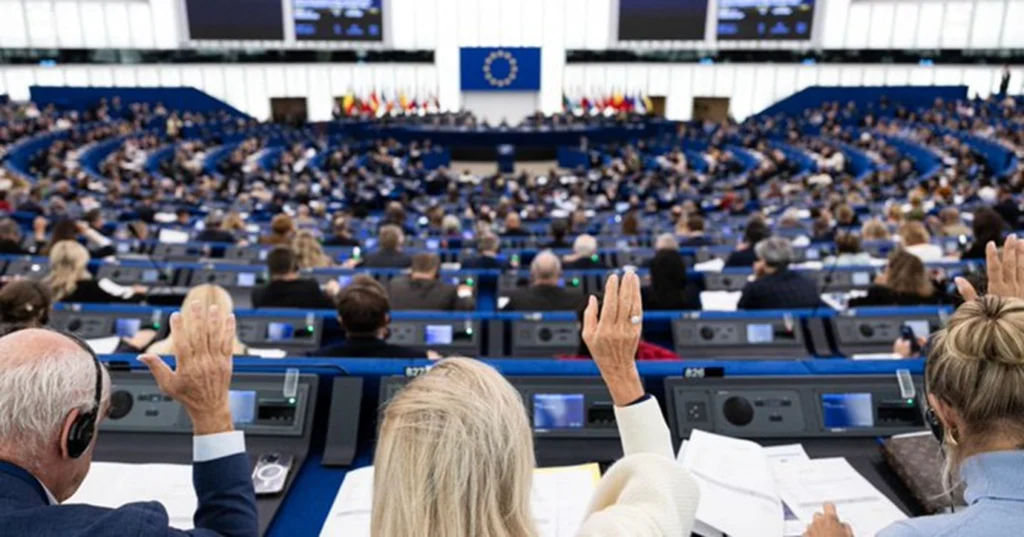
The European Parliament voted on Thursday, 22nd October, to support a three-year postponement of certain methane emissions obligations for oil, gas and coal imports, substantially extending the timetable proposed by the European Commission.

The decision follows pressure from European governments, energy companies and the United States, which have warned that implementing the regulations under the existing timetable could complicate fossil fuel supplies to the European market.

MEPs approved the amendments by 341 votes to 225, with six abstentions. The revised deadlines must now be negotiated with EU governments before they can become legally binding.

The parliamentary position also extends some postponements to European oil and gas producers, going beyond the Commission’s original proposal.

EU moves away from original timetable

The EU Methane Regulation, adopted in 2024, established requirements intended to reduce methane emissions associated with fossil fuel production, transportation and imports.

Methane is a greenhouse gas with a considerably greater warming effect than carbon dioxide over shorter periods. Emissions occur throughout the oil and gas supply chain, particularly through leaks, venting and incomplete combustion.

Under the existing legislation, new monitoring, reporting and verification requirements for imported fossil fuels were scheduled to begin on 1 January 2027.

However, the Commission proposed amendments on 14 October 2026 to give companies additional time to comply.

The European Parliament has now supported a longer postponement than the Commission requested.

Under the parliamentary amendments, importers of crude oil, natural gas and coal would have until 31 May 2031 to demonstrate equivalent monitoring, reporting and verification arrangements for relevant supplies delivered in 2030.

The requirements would cover supply contracts concluded or renewed since 4 August 2024. Older contracts would remain subject to separate reporting requirements concerning efforts to obtain compliance.

Pressure from the United States and EU governments

Energy security concerns have been central to the debate. The United States has become Europe’s largest supplier of liquefied natural gas, particularly following the reduction of Russian pipeline gas deliveries after Moscow’s full-scale invasion of Ukraine.

American officials have argued that certain provisions of the methane legislation could create substantial compliance difficulties for exporters and potentially disrupt gas deliveries.

France, Italy and the Czech Republic have also supported adjustments to the timetable, reflecting concerns about energy costs, administrative burdens and the availability of alternative supplies.

European industrial consumers remain sensitive to fluctuations in natural gas prices, while the continuing conflict in the Middle East has increased uncertainty in international energy markets.

For importers, the principal concern is obtaining reliable information about emissions generated by suppliers operating outside EU jurisdiction.

European companies must demonstrate compliance using data collected throughout production and transportation networks that they do not necessarily control.

Additional changes for European producers

Parliament’s position includes extensions for certain reporting obligations affecting oil and gas operators within the European Union.

Verified reports combining measurements of methane emissions at individual sources and production sites would be subject to revised deadlines.

For assets operated directly by reporting companies, the proposed deadline would move to February 2030. Certain non-operated assets would be covered by a later deadline in August 2031.

The amendments would also permit continuous monitoring systems to replace separate measurement campaigns where the equipment meets the required technical standards.

Independent verification would remain necessary. Romanian MEP Virgil Popescu, a former energy minister, supported the longer timetable, arguing that companies require additional time to make investments in monitoring infrastructure.

Environmental organisations have opposed further postponements, arguing that delays could prolong avoidable emissions and weaken the regulatory framework established in 2024.

Sanctions and energy security provisions

Parliament also supported an exception preventing fossil fuel supplies covered by relevant EU import sanctions from benefiting from the extended deadlines.

Importers would be required to identify the affected volumes, including where restricted-origin fuels form part of mixed shipments.

The exemption would not authorise trade already prohibited by EU sanctions.

A further amendment would require the European Commission to review implementation readiness by July 2029, including the availability of accredited verifiers and potential risks to energy supplies.

The Commission would then be able to propose additional legislative changes if substantial implementation problems remained.

Negotiations with member states

Thursday’s vote does not repeal the methane legislation or automatically postpone its requirements.

The adopted amendments represent the European Parliament’s negotiating position. The Council of the European Union must agree to any changes before the revised legislation can enter into force.

The outcome forms part of a broader debate over European industrial competitiveness and the economic consequences of environmental regulation.

As EU Today recently reported, Brussels is already adjusting parts of its climate-policy framework in response to pressure from energy-intensive industries.

Negotiations over methane reporting will now determine how far those adjustments extend into Europe’s international energy supply chains and whether the EU can preserve the regulation’s emissions objectives under a longer implementation timetable.
  •  

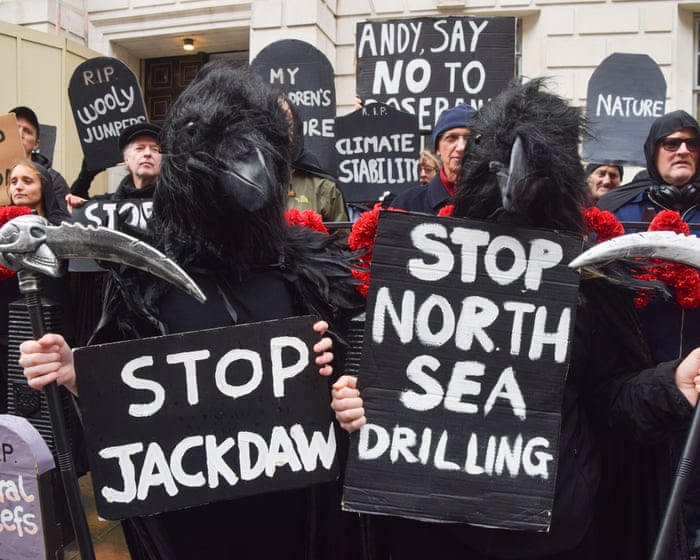
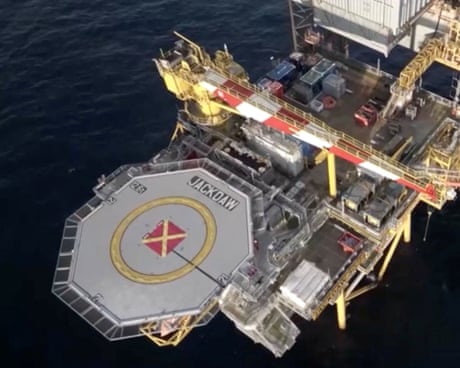
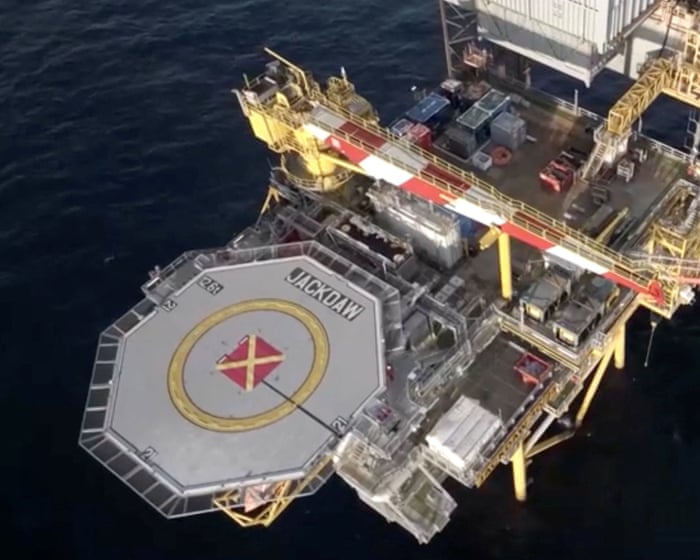
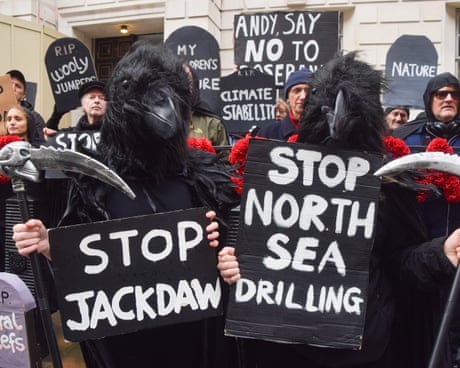
Andy Burnham vows UK will hit net zero target despite Jackdaw gasfield approval

PM pledges commitment to address climate crisis, saying in Guardian article that his ‘determination is unwavering’

Andy Burnham has said he will not “abandon the responsibility” of fighting the climate crisis after the government approved the Jackdaw gasfield, pledging to block new North Sea licences and keep Britain on track for net zero by 2050.

The comments are the prime minister’s most forthright yet on net zero, after many MPs have privately cast doubt on the authenticity of his commitment to tackling the climate crisis.

Continue reading...

© Photograph: Vuk Valcic/ZUMA Press Wire/Shutterstock

© Photograph: Vuk Valcic/ZUMA Press Wire/Shutterstock

© Photograph: Vuk Valcic/ZUMA Press Wire/Shutterstock

  •  

European Parliament Urges to Abandon Fossil Fuels Faster

MEPs called for more ambitious action to reduce emissions and avoid further increases in temperature.

On Thursday, the European Parliament called on the European Union (EU) to define a timetable to progressively abandon fossil fuels and assume a leading role in the COP31 negotiations, which will be held in November in Turkey.

RELATED: Europeans Rise Up in Resistance to Austerity Measures

The resolution was approved after the 27 member states adopted a common position for the climate summit, in which they recognize that the goal of limiting global warming to 1.5 degrees faces increasing difficulties.

MEPs called for more ambitious action to reduce emissions and avoid further increases in temperature, insisting on the need to accelerate the energy transition.

The text urges the EU to promote an international treaty on the non-proliferation of fossil fuels and to establish concrete timetables to gradually eliminate subsidies and production of oil, gas and coal.

The European Parliament also requested that the EU itself adopt a clear strategy to abandon these energy sources in all sectors of the economy and serve as an international reference.

Ahead of COP31 climate talks in Türkiye, Parliament calls for speeding up the global exit from fossil fuels, increasing climate financing and making it fairer for vulnerable countries, and delivering on adaptation and loss-and-damage pledges.

Learn more➡️ https://t.co/vfWVJhvC8G pic.twitter.com/IaRuSAQ8Om

— European Parliament (@Europarl_EN) October 22, 2026

The parliamentarians stressed that dependence on fossil fuels represents a risk in a context of geopolitical tension and considered that decarbonization strengthens European strategic autonomy.

The resolution warns that Europe is the continent that is warming the fastest, which is why it considers it essential to maintain climate commitments and avoid a setback in environmental policies.

In addition, the European Parliament called for increasing international financing for climate adaptation, compensation for loss and damage, and support for the most vulnerable countries against the effects of climate change.

A delegation of fifteen MEPs will participate in COP31 to champion these priorities, which include strengthening climate finance and promoting greater protection of ecosystems and biodiversity.

From Greece to France: Education Protests Sweep Europe

Thousands of students, teachers, and public-sector workers marched through Athens and across Greece on Wednesday, demanding urgent funding for public education, filling teaching vacancies, and relief from a mounting housing… pic.twitter.com/ti3ovtByO3

— teleSUR English (@telesurenglish) October 21, 2026

teleSUR: JP

Source: EFE

  •  

World’s Worst Polluter, China, Vows Strong Presence at U.N. Climate Alarmism Summit

China’s Ministry of Ecology and Environment said on Wednesday that it will send a delegation to the COP31 climate conference in Antalya, Turkey, in November to “actively promote the international climate negotiations.”

The post World’s Worst Polluter, China, Vows Strong Presence at U.N. Climate Alarmism Summit appeared first on Breitbart.

  •  

Jackdaw approval is a step towards a grownup North Sea policy

Government decision is about how much oil and gas is sensible for UK to produce on the way to net zero

Andy Burnham hit the nail on the (well)head in his first fortnight as prime minister when he said: “The question isn’t whether Britain will still be using oil and gas, the question is, where does it come from?”

It was a nod towards several awkward energy facts. First, oil and gas provided 75% of the UK’s energy in 2025, government data shows. Second, even with the rollout of domestic renewables for generating electricity, about 43% of overall energy was imported last year.

Continue reading...

© Photograph: Adura/Reuters

© Photograph: Adura/Reuters

© Photograph: Adura/Reuters

  •  

Energy secretary leaning towards rejecting Rosebank oilfield

Exclusive: Officials say Miatta Fahnbulleh minded not to give approval in victory for climate campaigners

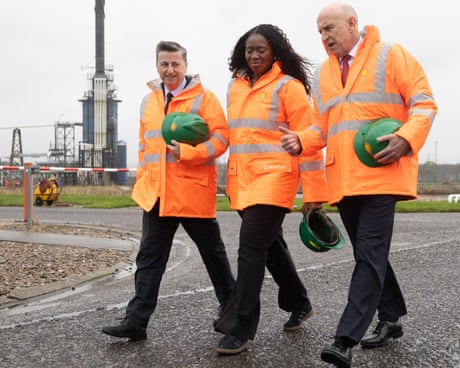
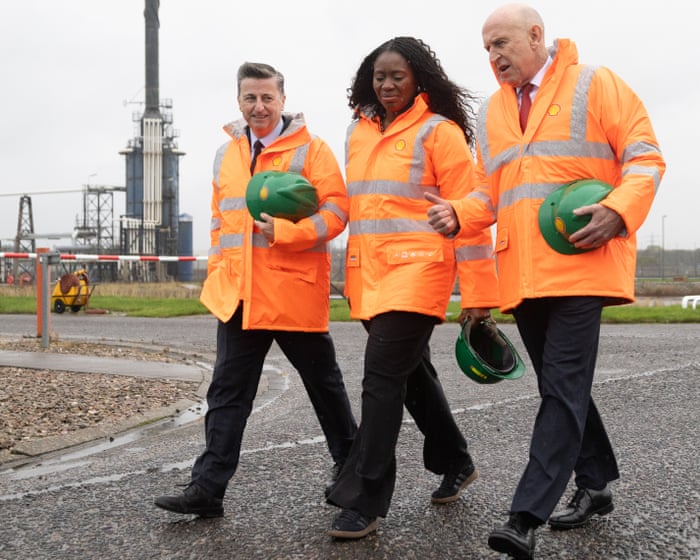
Miatta Fahnbulleh is minded to reject the giant Rosebank oilfield, sources have told the Guardian, in what would be a blow for the North Sea energy industry and a major victory for climate campaigners.

After approving the smaller Jackdaw gasfield on Wednesday, officials say the energy secretary is leaning towards refusing approval for what would be one of the biggest oilfields in the North Sea.

Continue reading...

© Photograph: Paul Reid/PA

© Photograph: Paul Reid/PA

© Photograph: Paul Reid/PA

  •  

Cop17 at a glance: everything you need to know about the UN’s nature summit

This month’s biodiversity summit in Yerevan, Armenia, aims to push governments to meet the 23 targets agreed at Cop15 in 2022

This month, nearly every country on Earth will return to the question of how to stem the rapid destruction of the natural world. Humans are driving it, but so far we have not found a way to stop it.

In late 2022, governments reached an ambitious once-in-a-decade deal to better protect nature amid scientific warnings that the planet is going through the largest loss of life since the extinction of the dinosaurs. Now, they are assessing their progress on the targets for the first time.

Continue reading...

© Photograph: Andrej Ivanov/AFP/Getty Images

© Photograph: Andrej Ivanov/AFP/Getty Images

© Photograph: Andrej Ivanov/AFP/Getty Images

  •  

Preparing for the End of Oil: A Reply to Tilak Doshi

Peak oil is real and we must prepare for its exhaustion now as it'll be too late once the price is spiking, says Richard Lyon as he responds to Tilak Doshi's review of his book The Energy Trap.

The post Preparing for the End of Oil: A Reply to Tilak Doshi appeared first on The Daily Sceptic.

  •  

Are Fossil Fuels Running Out?

Have we passed peak oil – are fossil fuels running out? Richard Lyon says yes, and the transition to 'renewables' is making it worse. But peak oil is a myth, says Tilak Doshi, as he reviews Lyon's book The Energy Trap.

The post Are Fossil Fuels Running Out? appeared first on The Daily Sceptic.

  •  

Exclusive Extracts from Chris Morrison’s New Book Implausible: How Scientists, Activist Politicians and Journalists Invented a Climate Crisis

Read an exclusive extract from the explosive new book by the Daily Sceptic's Environment Editor Chris Morrison. It will send shock waves through the climate science community as it exposes scads of elite misinformation.

The post Exclusive Extracts from Chris Morrison’s New Book Implausible: How Scientists, Activist Politicians and Journalists Invented a Climate Crisis appeared first on The Daily Sceptic.

  •  
❌