❌

Reading view

G7 pledges 260 million euros to repair Chornobyl’s shield after Russia pierced it. Full repair will require 500 million euros by 2030, before corrosion sets in
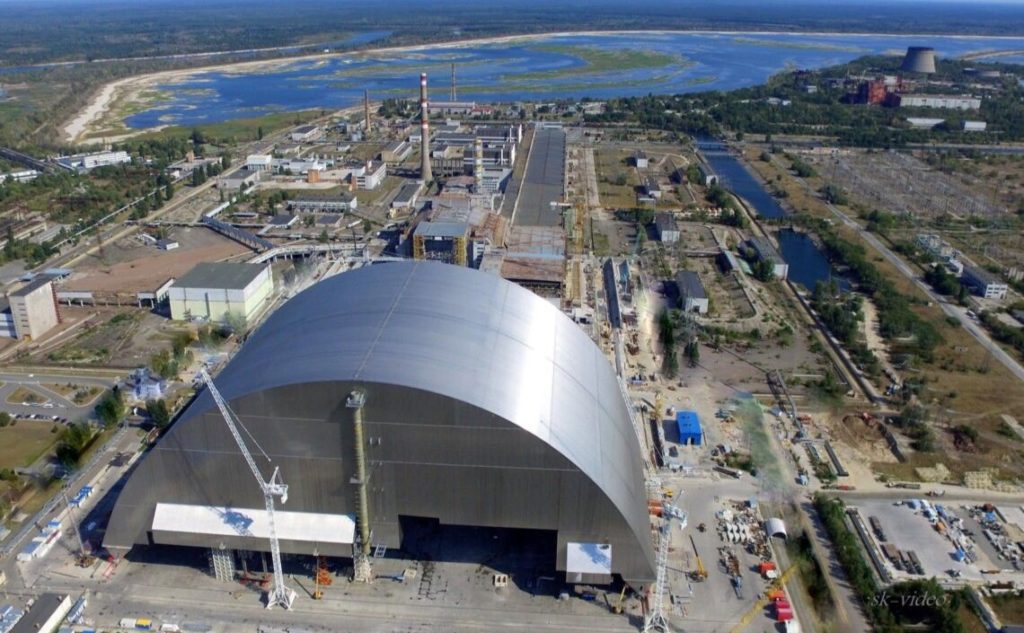
A Russian drone tore a hole in the shield over Chornobyl’s dead reactor. Now the G7 is paying to patch it.

The Group of Seven nations plans to allocate 260 million euros ($292 million) to repair the New Safe Confinement at the Chornobyl Nuclear Power Plant, First Deputy Prime Minister and Energy Minister Denys Shmyhal says.

The confinement, a 35-story steel arch sealing the reactor that exploded in the 1986 disaster, was damaged by a Russian drone strike in February 2025. Full restoration will cost at least 500 million euros, the European Bank for Reconstruction and Development (EBRD) estimates, so the G7 pledge covers just over half, leaving about 240 million euros still to raise.

Shmyhal calls the decision an important step toward restoring nuclear safety at the plant, which the Russian strike had compromised. The money will go to priority work, including resealing the structure and restoring its ventilation system.

“Thank you to France and personally to Minister Roland Lescure for leadership in mobilizing international support,” Shmyhal says, crediting France and the EBRD with co-chairing the effort.

The night a drone pierced the sarcophagus

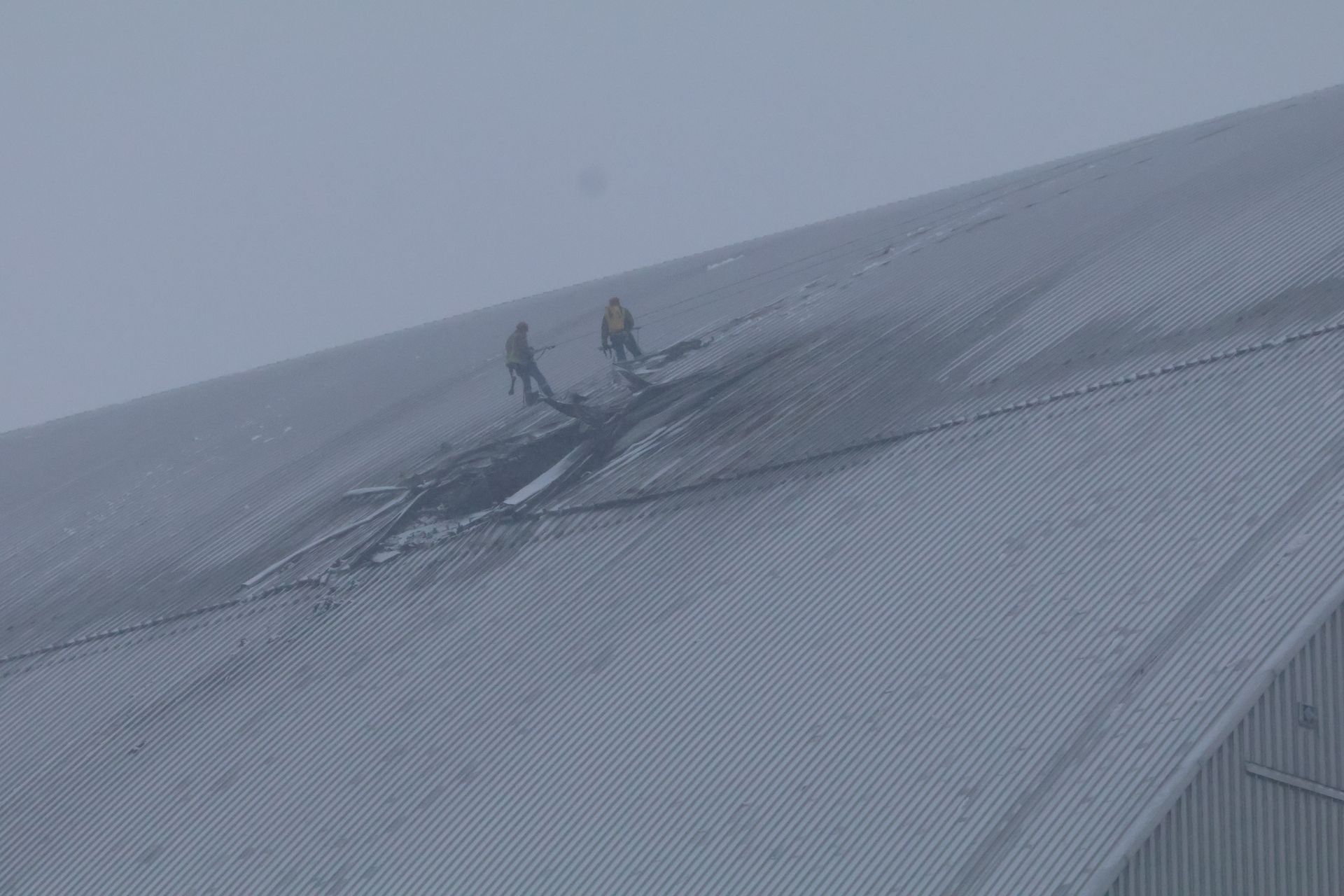
The damage dates to 14 February 2025. A Russian drone carrying a high-explosive warhead punched a hole through the arch’s roof and ignited a fire in the cladding, breaching the structure’s seal and ventilation.

The attack caused a 15 m² breach in the inner and outer cladding and damaged around 200 m² of panels.

"It was a targeted Russian attack on the Chornobyl station with a drone that is an analog of the Iranian Shahed," Ukrainian President Zelenskyy said at that time.

A bill only half-covered, and a 2030 deadline

The G7 money closes only part of the gap. Partners must still raise roughly 240 million euros more, and Ukraine hopes to secure it at a donor conference in Paris co-chaired by Ukraine, France and the EBRD, Shmyhal says.

The clock matters as much as the cost. The work must be finished by 2030 to limit corrosion and protect the arch’s 100-year design life, the EBRD says, turning a repair bill into a race against the rust the strike set loose.

  •  

Stress test, così il G7 mette alla prova l’AI per evitare una crisi finanziaria

Uno stress test per il settore finanziario. È quello che il G7 pensa di fare per verificare la pericolosità dell’intelligenza artificiale. A Bangkok, dove sono riuniti i ministri delle Finanze e i governatori delle banche centrali, è emersa la volontà di mettete a punto esercitazioni “teoriche” per capire fino a che punto possono stare tranquilli di fronte alle minacce rappresentate dagli agenti di AI di frontiera. L’obiettivo è studiare la risposta più efficace per difendersi.

A scriverlo è il Financial Times, secondo cui l’esercitazione potrebbe coinvolgere le banche. Come sottolinea il ministro delle Finanze olandese, “stiamo tutti fissando la stessa scatola nera. Vediamo i rischi, ma come affrontarli?”, si chiede Eelco Heinen. “Se pochi Paesi possiedono la tecnologia, ma il mondo interno può esserne vittima, la cooperazione internazionale è fondamentale. È proprio qui che risiede la preoccupazione”. L’idea arriva d’altronde in un momento topico. L’AI viene continuamente descritta come uno strumento rivoluzionario, ma a due facce. Quella negativa potrebbe comportare delle conseguenze ancora poco quantificabili, ma sicuramente drammatiche. Una di queste è che gli agenti di AI possano autonomamente impossessarsi di altri sistemi, sdoppiandosi ed infiltrandosi. Ad esempio, in una banca.

Lo afferma anche il Fondo Monetario Internazionale in un suo rapporto, in cui si legge che “gravi incidenti informatici potrebbero minare la fiducia del mercato e interrompere le infrastrutture e le operazioni critiche dei mercati finanziari”.

Se e quando i test partiranno, si potrà capire meglio a che livello sono le difese. Nel tempo si sono prese delle precauzioni e ci sono dei manuali di risposta già stilati. Ma il pericolo è cambiato, si presenta sotto forme diverse. Per cui bisogna vedere se il sistema architettato possa reggere all’urto. “La situazione può diventare davvero molto difficile”, ammette Caio Ferreia, vice presidente del reparto global markets analysis dell’Fmi. Non è solo una questione operativa. “La perdita di fiducia potrebbe di per sé rappresentare un evento sistemico”.

Resta da capire quando e come si svolgeranno le esercitazioni. Sicuramente il messaggio che invia il G7 è chiaro: con l’AI tutti devono fare i conti, perché nessuno ne è immune. C’è però un dettaglio, neanche troppo piccolo, sottolineato anche dal ministro dell’Economia italiano Giancarlo Giorgetti. I grandi assenti al tavolo di Bangkok erano gli americani. “Il punto di partenza, sinceramente va detto, è che qui non è venuto Scott Bessent“, dice riferendosi al segretario del Tesoro. Al suo posto c’era un sottosegretario. “Evidentemente questo mette in una luce diversa sia le riunioni del G20 sia del G7, sia in qualche modo l’Fmi. Una situazione di grande incertezza, instabilità geopolitica con conseguenze economiche e finanziarie evidenti, con gli Stati Uniti un po’ protagonisti di tutto, che qua sono presenti in tono minore”. In sintesi, conclude Giorgetti, ci troviamo in “un mondo in cerca di equilibrio in cui gli Usa giocano una partita d’isolamento”.

  •  

G7 vai realizar exercícios de defesa contra ciberataques

Durante uma reunião com os responsáveis pelas finanças e pelos bancos centrais do G7, Satsuki Katayama expressou as preocupações do Japão relativamente à gestão dos riscos que a IA acarreta.

© FACEBOOK / HANDOUT/EPA

A Coreia do Sul também tem registado vários incidentes relacionados informações de empresas financeiras e bancos, que segundo as autoridades sul-coreanas, poderão ter sido realizados com IA
  •  

Oil Prices Fall as Europe Agrees to Release Emergency Diesel Reserves

Oil prices fell on Friday after European governments backed the release of emergency diesel stocks as part of a wider G7 intervention intended to ease pressure on fuel markets and avert possible US restrictions on diesel exports.

Oil prices fell on Friday after European governments agreed to release emergency diesel reserves, bringing additional supplies onto a market strained by disruption in the Middle East and shortages of refined fuel.

Brent crude futures fell $1.80, or 1.76 per cent, to $100.50 a barrel during trading on 2 October, while US West Texas Intermediate dropped $2.02, or 2.18 per cent, to $90.85, according to market data reported during Friday’s trading.

The fall came as the Group of Seven agreed to release 100 million barrels of oil and petroleum products from emergency stocks over four months. The package includes a substantial release of diesel during the first 20 days.

The G7 leaders’ statement on energy security and market stability said the releases would be co-ordinated through the International Energy Agency and would take account of commitments already made earlier this year. G7 governments will also discuss whether additional diesel releases are required.

The agreement marks a rapid development from the negotiations reported earlier on Friday. As EU Today reported before the G7 meeting, Washington had been pressing European governments, particularly France and Germany, to make more of their strategic diesel stocks available.

President Donald Trump had also raised the possibility of restricting US diesel exports as his administration sought to reduce domestic fuel prices. Such a restriction would have had significant consequences for Europe because the United States has become an important supplier of diesel to the European market.

A French proposal discussed by EU governments earlier on Friday envisaged European countries releasing around 50 million barrels of diesel, alongside another 50 million barrels of crude oil from International Energy Agency members.

The eventual G7 agreement also addresses the risk of export restrictions directly. The seven governments committed themselves to avoiding restrictions on energy and energy-product exports between G7 countries and called on other producers to refrain from measures that could worsen market shortages.

For Europe, the intervention comes as diesel supplies remain physically available but prices are being pushed higher by tight conditions on international markets.

The European Commission’s Energy Union Task Force met on Friday to examine diesel supplies and prices. The Commission said EU diesel supplies remained stable for the time being, but acknowledged that prices were high because of tight global markets.

The latest intervention follows a much larger emergency action earlier this year. In March, the International Energy Agency agreed its largest-ever co-ordinated stock release, making 400 million barrels available after the Middle East conflict severely disrupted international oil markets.

Europe’s contribution to that March operation consisted largely of refined petroleum products rather than crude oil, reflecting the particular pressure facing the continent’s fuel markets.

The pressure is part of a wider European energy problem. EU Today reported this week that the Middle East conflict has added more than €100 billion to Europe’s energy import bill, despite the continent receiving no corresponding increase in the physical amount of oil and gas purchased.

European governments have already committed €17.9 billion this year to measures intended to protect households and businesses from the rise in energy costs, according to an EU Today assessment of national support measures.

Diesel represents a particular vulnerability. It remains essential for road freight, agriculture, construction and large parts of European industry, meaning sustained increases in wholesale prices can feed into transport and production costs across the economy.

The present shortage also reflects changes in Europe’s refining sector. Refining capacity has fallen over the past two decades as plants have closed, increasing dependence on imported diesel and other refined petroleum products. That dependence has become more visible since the EU sharply reduced purchases of Russian fuel following Russia’s full-scale invasion of Ukraine.

The G7 nevertheless made clear that the emergency intervention would not be accompanied by a relaxation of measures against Moscow. Leaders said they would maintain sanctions against Russia while working with the IEA and other partners to limit the effect of market disruption on fuel and commodity prices.

The EU has separately continued to tighten measures targeting Russia’s energy revenues and its so-called shadow fleet, including restrictions connected with the maritime transport of Russian oil and petroleum products. The EU’s latest sanctions package targeting Russian energy revenues was adopted in July.

Friday’s fall in oil and diesel futures indicates that traders expect the additional stocks to relieve some of the immediate pressure on supplies. European gasoil futures, the main regional diesel benchmark, also fell sharply during the day as details of the proposed releases emerged.

The G7 has asked the IEA to monitor implementation and report within 20 days, including on whether further action is required and how emergency stocks should eventually be replenished.

For Europe, the immediate objective is to contain diesel prices without compromising security of supply. The broader issue remains unchanged: reduced domestic refining capacity and heavy dependence on imported fuel leave the European economy exposed when international supply routes are disrupted.

  •  
❌