❌

Reading view

Exclusive: U.S. Ambassador to Panama Touts 24-Hour Earthquake Response Without USAID

U.S. Ambassador to Panama Kevin Cabrera reported that the Trump administration mobilized personnel and humanitarian assistance within a day of the 7.7 earthquake that struck the Latin American nation on October 9, emphasizing that help arrived without using the disastrous United States Agency for International Development (USAID).

The post Exclusive: U.S. Ambassador to Panama Touts 24-Hour Earthquake Response Without USAID appeared first on Breitbart.

  •  

Pope Asks Putin for a Cease-Fire for a Ukrainian City Under Siege

Recovering from lung cancer surgery, Pope Leo XIV spoke with Vladimir V. Putin to make a plea for Oleshky, where mines and drones have trapped some 2,000 people who are at risk of starvation.

© Alessandra Tarantino/Associated Press

Pope Leo XIV entering a hospital in Rome before his surgery, on Tuesday.
  •  

Venezuela Sends 40 Tons of Humanitarian Aid to Panama After Earthquake

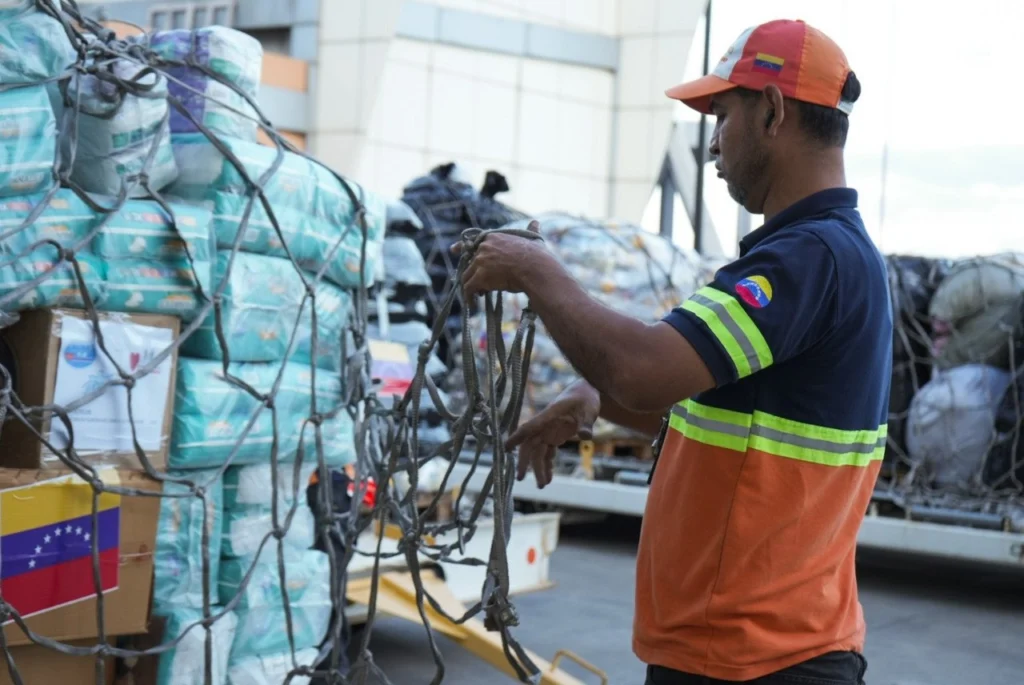
A shipment of medical supplies and rescue equipment sailed to Panama from Venezuela, as part of the Central American solidarity and integration protocols. Photo: VTV.

Venezuela has dispatched this Tuesday a humanitarian air cargo to Panama to support the emergency response after a severe earthquake, with local teams preparing to move the supplies immediately toward operational centers serving damaged residential areas.


Venezuela’s government dispatched a plane carrying 40 tons of humanitarian aid to Panama on Thursday to help people affected by the magnitude 7.7 earthquake that struck the country on October 9 and caused severe damage to road infrastructure, essential services and thousands of homes in both urban and rural areas.

The cargo includes basic medical supplies, non-perishable food, drinking water, personal hygiene kits and logistical material, intended to support temporary camps set up by Panamanian authorities in regions declared in emergency.

RELATED: Panama Earthquake: 7.7 Magnitude Quake Leaves 26 Injured, No Deaths

The shipment landed on Panamanian soil and was received by personnel from the National Aeronaval Service. From there, the cargo will begin an immediate overland transfer to the local operational centers where responders are coordinating relief efforts in the wake of the seismic crisis.

Diosdado Cabello, Venezuelan Minister of Interior, Justice and Peace, announced the aid shipment, which was described as part of the protocols of solidarity and Central American integration that guide the country’s response to regional emergencies. In this sense, the Venezuelan authorities stressed that “support operations are carried out in direct coordination with civil protection agencies and state security bodies of Panama”.

Tras el reciente terremoto ocurrido en Panamá, Venezuela envió un cargamento de ayuda humanitaria.

Reafirmando su compromiso de solidaridad con los pueblos hermanos.

¡Panamá no está sola! 🇻🇪🇵🇦 pic.twitter.com/oMnsQMwdRv

— Ministerio de Comunicación e Información (@mippci_ven) October 15, 2026

Text reads: “After the recent earthquake in Panama, Venezuela sent a shipment of humanitarian aid, reaffirming their commitment to solidarity with brotherly people. Panama is not alone!”

The cooperation between Caracas and Panama City is designed to accelerate the immediate contingency phase. It also aims to open a clear path toward the physical reconstruction and economic recovery of the residential zones hit hardest by the earthquake.

Specialists Join Relief Effort

The shipment complements an earlier deployment of a specialized technical team of more than 50 risk-management and rescue professionals, a delegation that includes experts in assessing critical infrastructure, inspecting damaged buildings, removing debris and restoring basic electricity and water services.

The Venezuelan delegation working on the ground includes experts in evaluating critical infrastructure, inspecting compromised buildings, removing debris and restoring basic energy and water services. Their task is to help stabilize the communities most affected by the quake.

Cabello said the operational experience acquired by Venezuelan brigades during recent seismic events in Venezuelan territory allows them to contribute methodological solutions and strategic interventions in the hardest-hit municipalities.

The Minister framed the effort as part of a permanent bilateral cooperation framework established between the two nations for disaster mitigation across Latin America. Under that framework, the support operations are carried out in direct coordination with Panama’s civil protection agencies and security forces. International organizations are operating in the affected area, and Venezuela has signaled that it will continue working alongside them.

Aid Targets Rural Areas

The distribution plan prioritizes the transfer of supplies to rural and island communities whose land routes were cut off by the earthquake. The aim is to guarantee equitable access to medical care and food for vulnerable families.

National Aeronaval Service teams took charge of the cargo upon arrival. The supplies then move by land to the operational centers closest to the communities that suffered the heaviest damage, where distribution can begin without delay, a decision that shortens the distance between the arrival of aid and its delivery to affected families.

Thousands of families in urban and rural communities remain in temporary camps while authorities assess the full extent of the damage. The emergency has tested Panama’s response capacity, and the arrival of additional aid and technical personnel has become a central element of the recovery effort.

Venezuelan authorities said its collection centers and technical monitoring systems remain active to evaluate additional requirements. If Panamanian authorities request more operational support, the response can be scaled up quickly.

For now, the 40 tons of aid and the specialized personnel on the ground represent Venezuela’s immediate contribution to a recovery that is only beginning in the regions hit hardest by the tremor.

  •  

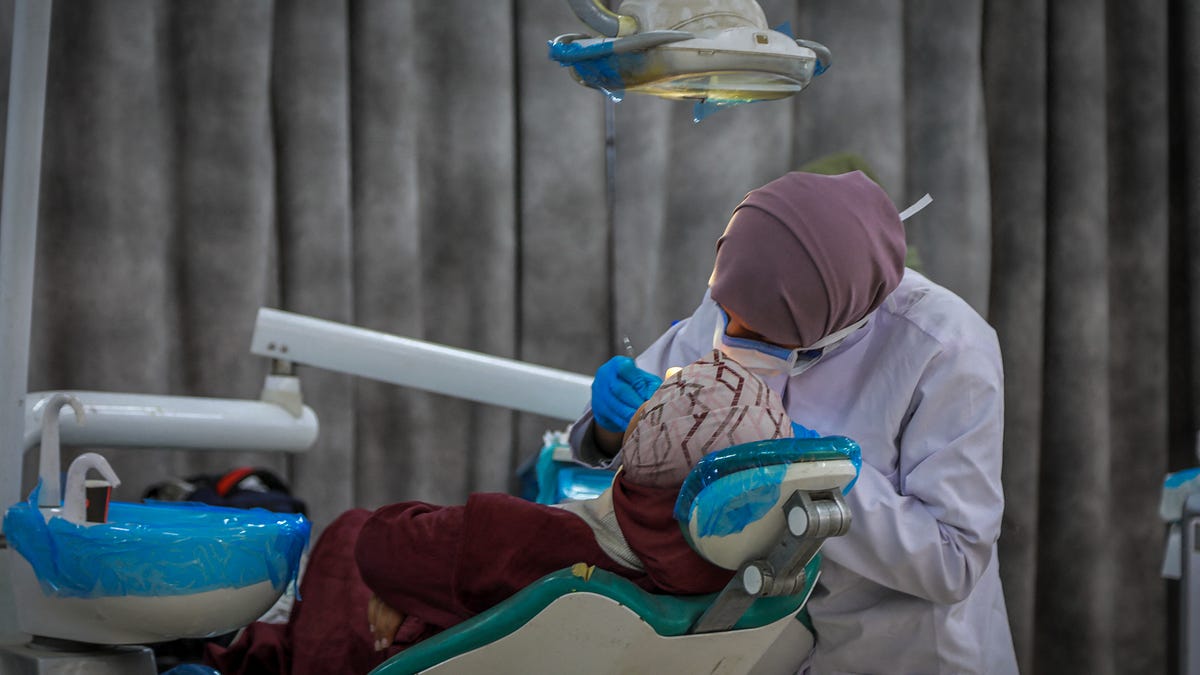
Pulling Out Teeth Just to Live: How Israel Has Devastated Dental Care in Gaza

Along with other medical supplies, dental materials have not been allowed into Gaza for the past three years, forcing patients to choose between unaffordable treatment, extraction, or painkillers.

  •  

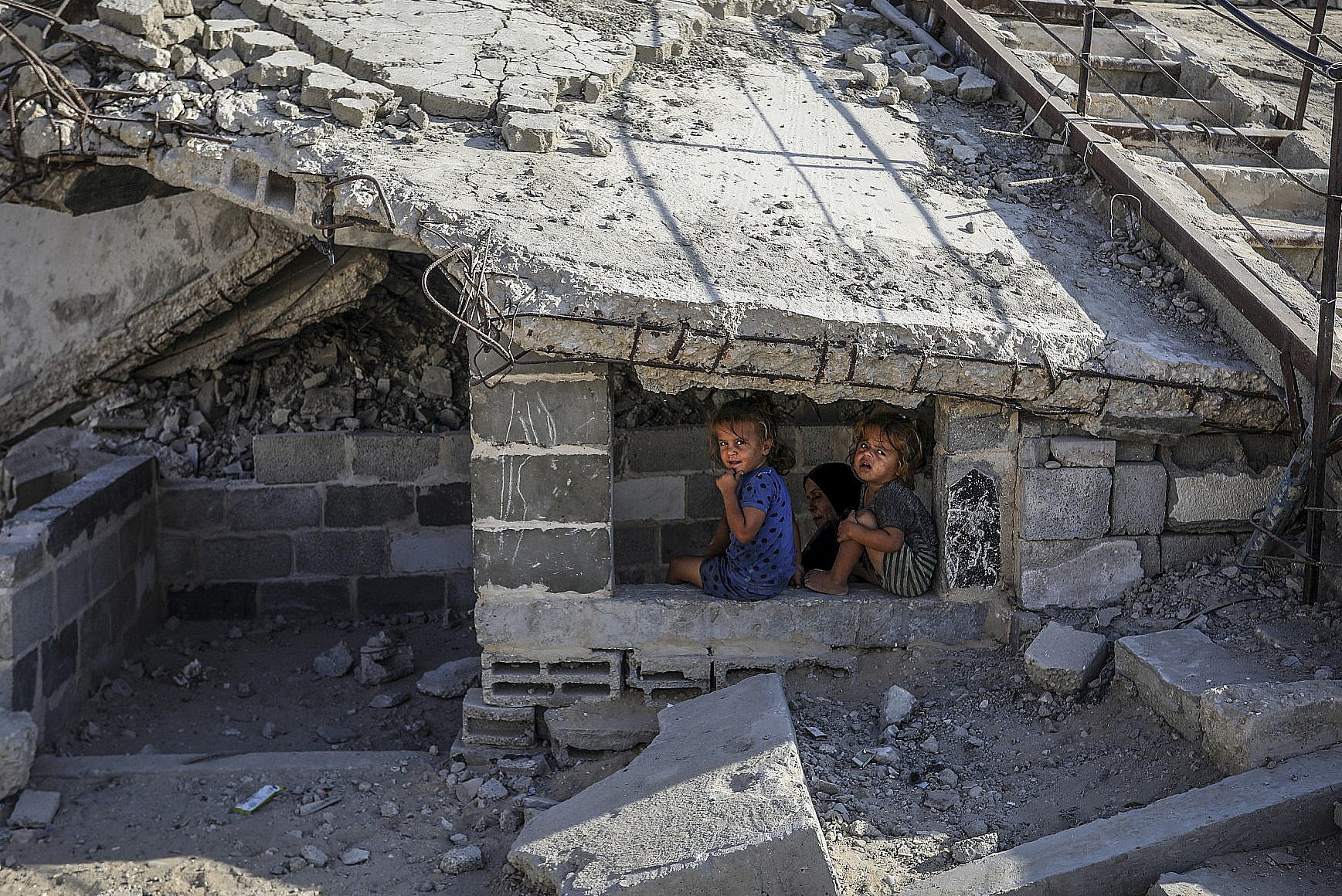
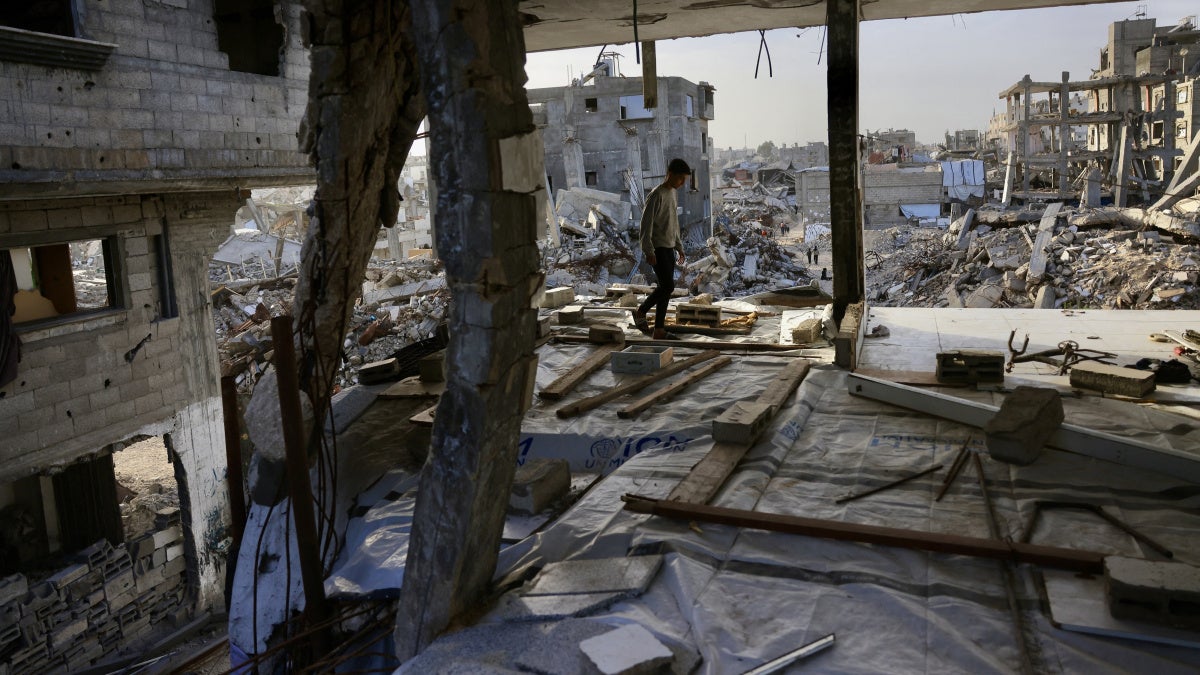
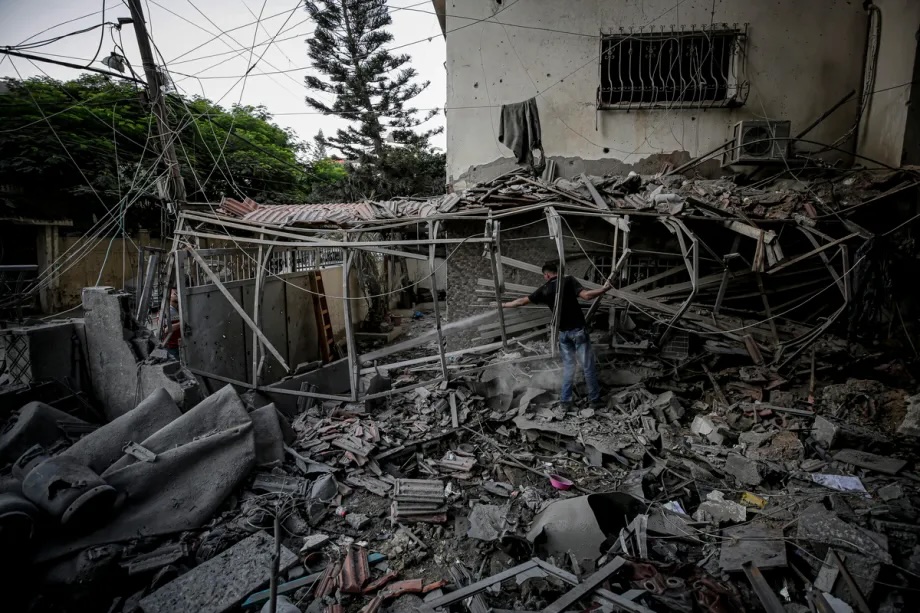
Gaza’s buildings are collapsing on top of us. But there’s nowhere else to shelter

Dozens have been crushed to death while Israel prevents reconstruction, leaving families with an impossible choice: to live in war-torn structures at risk of caving in, or flimsy tents exposed to the elements.

  •  

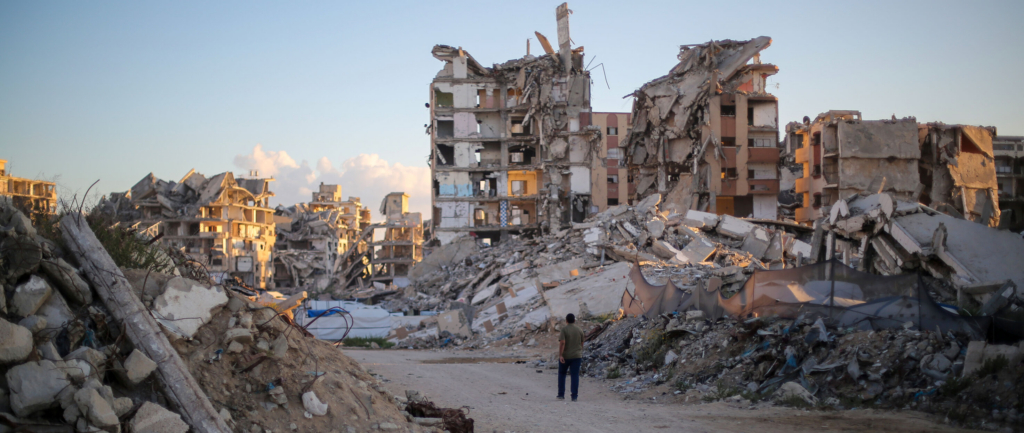
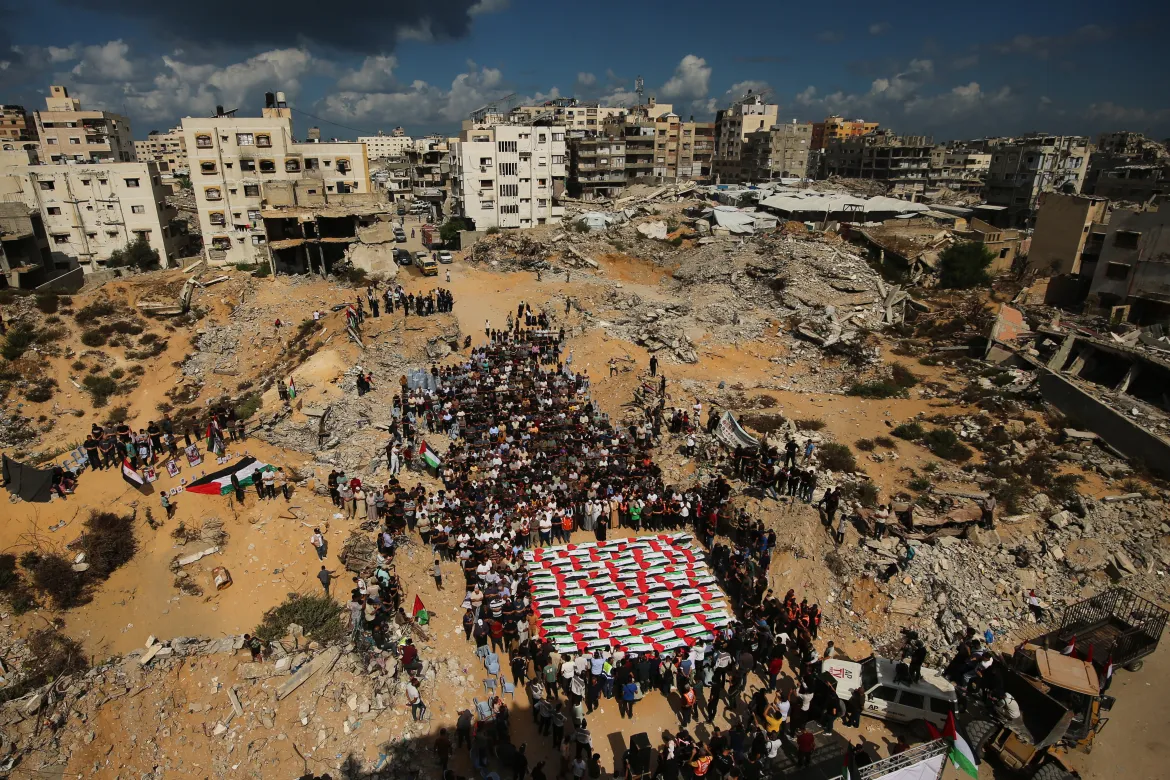
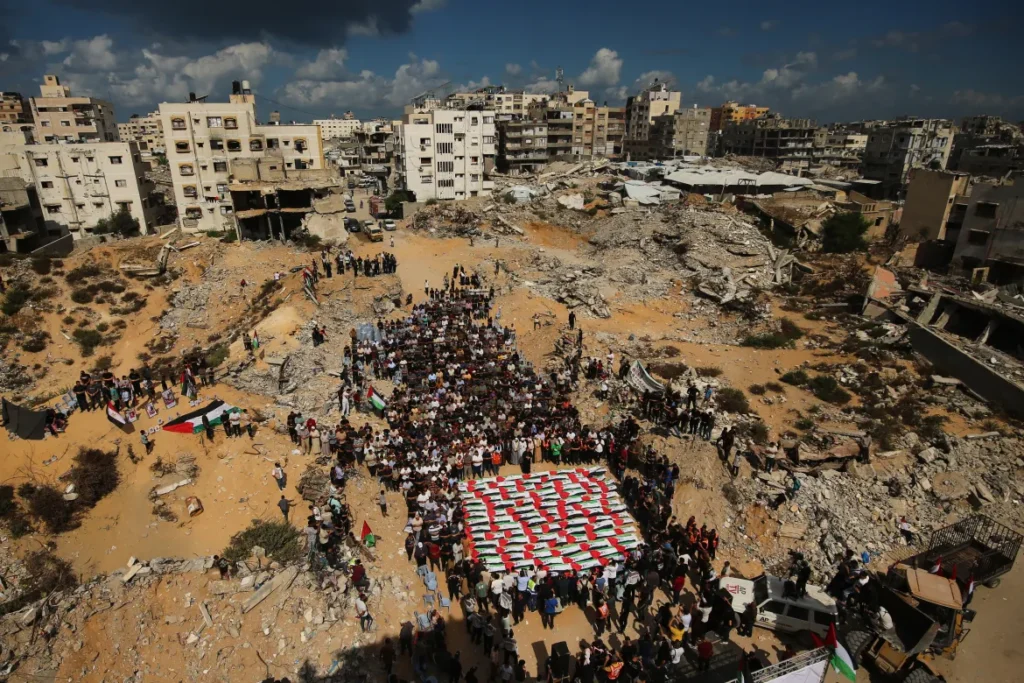
Gaza: Ceasefire Anniversary Marks Year of Failed Promises

Human Rights Watch: “The outside world may be under a dangerous illusion that life in Gaza is returning to normal, but reality tells a very different story”

  •  

Gaza ceasefire exists in name only, say more than 100 organizations

One year since the ceasefire agreement, more than 1,400 people have been killed by Israeli forces in Gaza, nearly two million still need shelter, not a single hospital is fully functioning, and 1.4 million face crisis-level hunger.

  •  

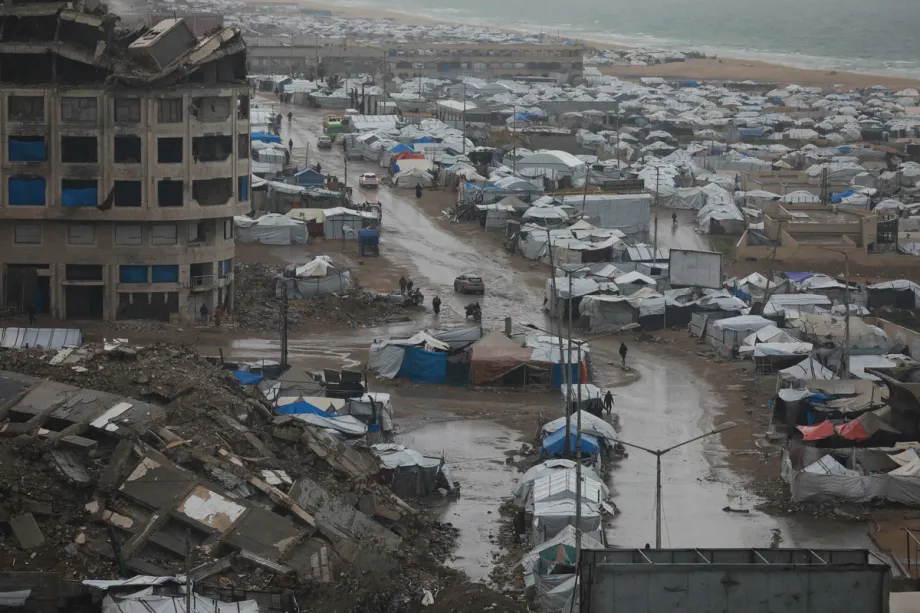
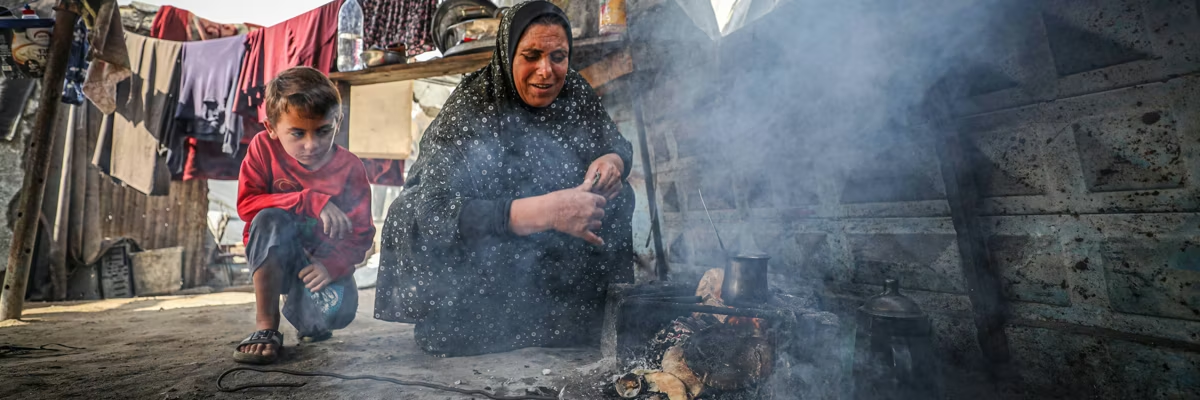
Nearly 2 Million in Gaza Need Urgent Shelter Assistance as Winter Looms: IOM Chief Warns

International Organization for Migration (IOM) Director General Amy Pope warns: "As winter rain begins, the combined supply pipeline of humanitarian shelter partners covers barely 17 per cent of identified winter needs"

  •  

Eggs cost nearly 20 times US prices in occupied Oleshky, where Ukraine’s ombudsman says people die of hunger every day

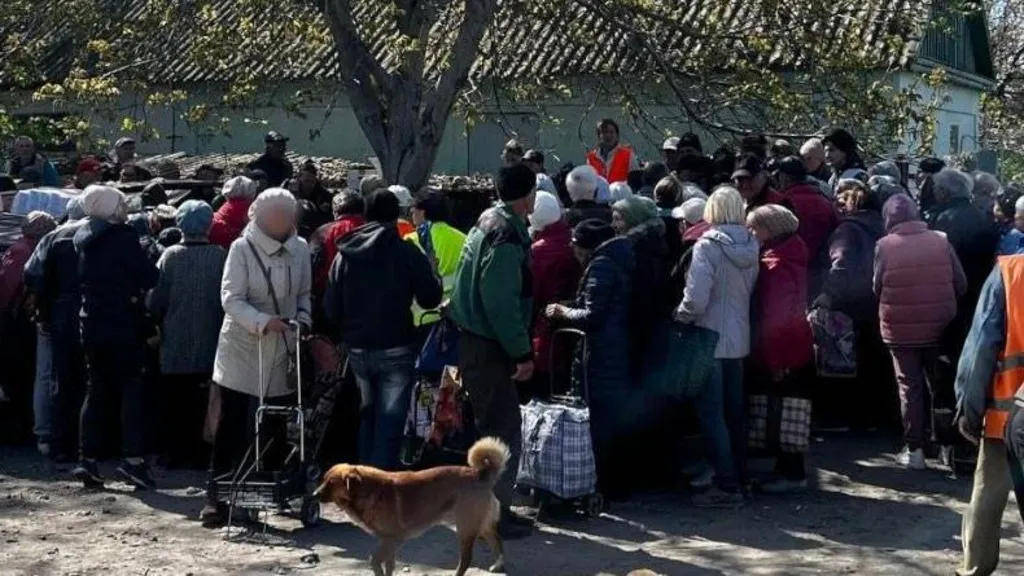
civilians dying every day occupied oleshky 10 eggs cost nearly 20 times ukraine’s average price resident says · post people wait food supplies oleshkywebp ukraine news ukrainian reports

People in Russian-occupied Oleshky, a town in southern Ukraine, are running out of food and medicine and have no way out, a local resident told RBC-Ukraine. Ukraine's human rights ombudsman told the outlet that civilians there are dying of hunger every day.

The part of Kherson Oblast across the Dnipro River has been under Russian occupation since 2022, with civilians facing food and medicine shortages and restrictions on leaving. The UN Human Rights Monitoring Mission in Ukraine has documented deteriorating conditions in Oleshky and neighboring Hola Prystan. There has been no practical breakthrough toward an organized evacuation, though 358 people who need help to leave Oleshky and nearby settlements have been verified. About 2,000 people remain in Oleshky, Kherson Oblast head Oleksandr Prokudin estimated.

The resident, who spoke anonymously, said food is extremely scarce, and residents are waiting for a humanitarian corridor to leave. The local market offers mostly vegetables and fruit, such as tomatoes, cucumbers, zucchini, pears, and apples. Russia made its ruble the only legal currency in occupied Kherson Oblast from 1 January 2023, pushing out the Ukrainian hryvnia. Prices at the market start at 500 rubles (about $6), and "if you're lucky, 10 eggs can be bought for 3,000 rubles" (about $36), the resident said. That is about $3.60 an egg, nearly 20 times the US average of about $0.19, or $2.27 a dozen in August, US government data show.

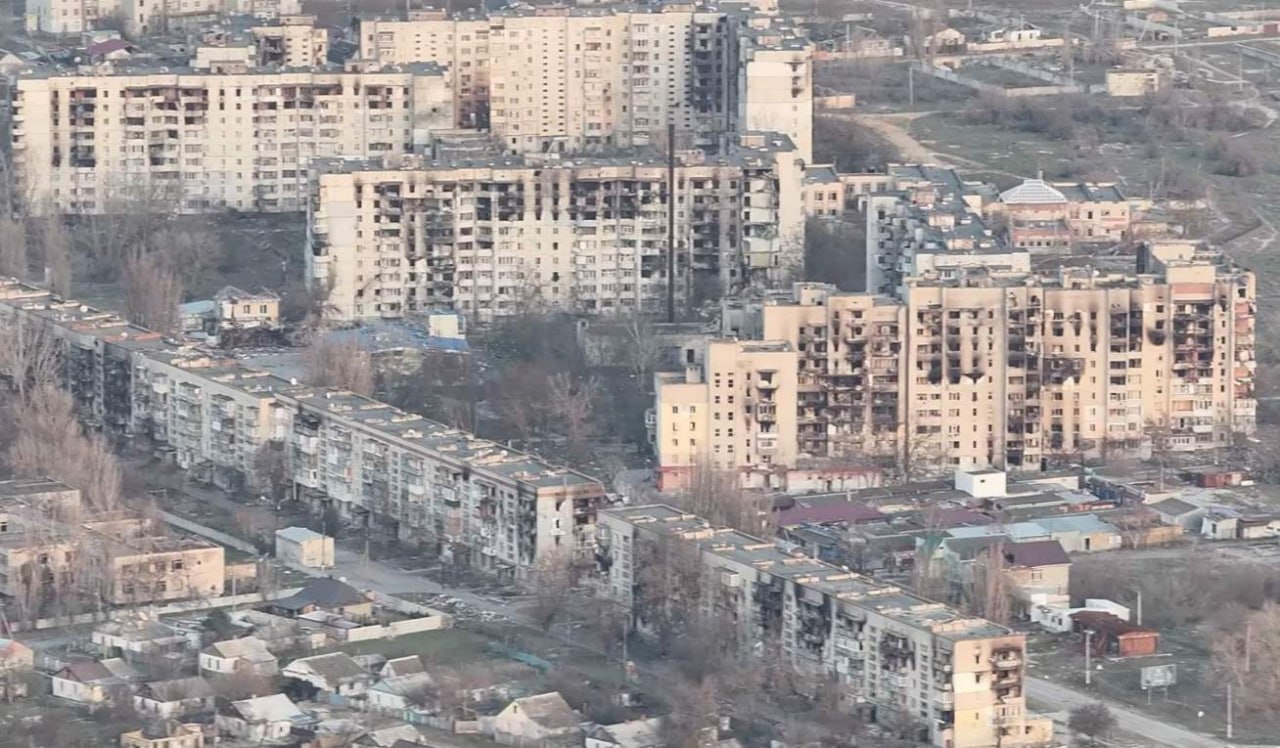
Aerial view of Russian-occupied Oleshky, in Ukraine's Kherson Oblast. Photo via ArmyInform
Explore further

Russian troops enter homes and threaten starving Oleshky residents for food and alcohol, officials say

Ukraine's human rights ombudsman, Dmytro Lubinets, told RBC-Ukraine that civilians in the occupied area were dying every day.

"There is a humanitarian catastrophe there. Ukrainian civilians die there every day because they lack even basic food and water. There have been no medicines there for a long time. According to our information, there is simply hunger there," he said.

Practically no medicines

The resident said there were practically no medicines available. Expired drugs were being sold at about 100 rubles (about $1.20) a pill. His father has Parkinson's syndrome and has been concussed twice. The resident said he was forced to reduce his father's dose by 25% so the supply would last at least until the new year.

Oleshky, Kherson Oblast, has been under Russian occupation since 2022, following Russia’s capture of the city during the initial phase of its full-scale invasion of Ukraine. Photo: Dmyto Lubinets
Explore further

Thousands are starving in occupied Oleshky. People have no food, no way out, and Russian forces bomb incoming aid

The resident's apartment had burned down, and his house remained damaged. His family had made the house livable and was living there, he said. His wife had lost more than 40 kilograms while the family relied on vegetables and fruit.

Beyond Oleshky: villages with no transport or aid

Four villages in the Hola Prystan community—Kokhany, Kardashynka, Velyka Kardashynka, and Mala Kardashynka—are effectively blocked, according to the Skhid-SOS fund. The fund told RBC-Ukraine that no transport reaches the villages and no humanitarian aid has been delivered for a prolonged period, although it is difficult to get more information from the villages. Residents are forced to walk or cycle to other settlements to find food, despite the risks of mines and drone strikes.

Civilians used as a buffer

Lubinets also said Russian troops were using civilians as a buffer and as protection against the Ukrainian military, RBC-Ukraine reported. Because Ukrainian citizens remain in Oleshky, Ukraine cannot conduct active combat operations there, he said—which, in his view, allows Russia to hold civilians effectively as hostages on the front line.

Food arrives by drone, but how much reaches residents is unclear

Ukraine has delivered food to Oleshky by drone since March, Prokudin said. Nearly 400 parcels weighing almost 4 tons reached their drop-off points on the night of 4 October, Interior Minister Ivan Vyhivskyi said. How much of the food stays with residents is unclear. Prokudin has said Russian forces shoot down supply drones, confiscate or resell the packages, and detain and beat residents who receive them.

After a previous delivery, Tetiana Hasanenko, head of the Oleshky City Military Administration, said that Russian troops take drone-dropped food and accuse those who receive it of cooperating with Ukraine, and that some residents got several packages while others got none.

  •  

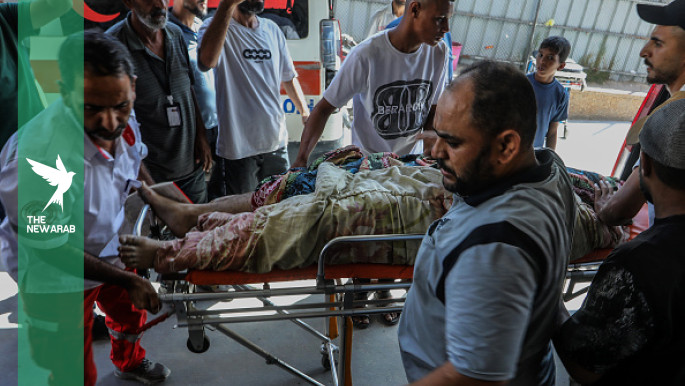
Over 2,000 Gazans have died awaiting medical evacuation amid Israel’s continued siege

Israeli restrictions have resulted in the deaths of over 2,000 patients, with 21,000 more await urgent treatment, including 5,600 children and 2,800 patients requiring cancer treatment

  •  

Report: Ceasefire Slows Killing but Leaves Devastation Intact

The detailed report, “Gaza in Numbers: Three Years Since the War Began, One Year Since the Ceasefire”, is based on data from Gaza’s Ministry of Health, the United Nations and its agencies, the joint Rapid Damage and Needs Assessment, and other international and human rights organizations.

  •  

Russian Troops Confiscating Ukrainian Food Drops in Occupied Oleshky, Local Official Says

Russian troops in occupied Oleshky are confiscating food delivered to civilians by Ukrainian drones and questioning residents found with Ukrainian-supplied products, according to the head of the town’s Ukrainian military administration. The allegations come after Ukrainian forces transported about four tonnes of food and medicines across the Dnipro in one of their largest humanitarian drone operations to date.

Russian forces in occupied Oleshky are taking food parcels delivered by Ukrainian military drones from local residents and treating possession of the supplies as possible evidence of collaboration with Ukraine, according to Tetiana Hasanenko, head of the Oleshky City Military Administration.

Hasanenko said Ukrainian forces had delivered food to the Russian-controlled town by drone on several occasions, but that the latest operation was considerably larger, involving approximately four tonnes of supplies.

In comments published on 30 September, she said some residents managed to collect one or several packages, while others were unable to reach the supplies.

Russian personnel were subsequently taking some of the food from residents, she said.

According to Hasanenko, people found with goods that were not Russian-made were also questioned about where they had obtained them. Residents could then be accused of co-operating with the Armed Forces of Ukraine if Russian personnel concluded that the products had arrived through Ukrainian drone deliveries.

The allegations cannot be independently verified from inside Russian-controlled Oleshky. However, severe food shortages and restrictions on humanitarian access to the town have been independently documented by the United Nations.

Four tonnes carried across the Dnipro

The latest operation took place on 27 September and involved Ukrainian military units working with the Kherson regional authorities.

According to the regional administration, heavy drones transported approximately four tonnes of food and medicines to about 100 locations around Oleshky.

Instead of dropping the cargo directly from altitude, packages were lowered on cables to designated locations.

Units involved included the 30th Marine Corps, the 34th Separate Marine Brigade “Borysfen”, National Guard formations and Ukrainian border guards.

Ukrainian authorities say drone deliveries have become one of the few remaining ways of bringing supplies into the town. The Kherson administration said it had been sending food across the Dnipro by drone since March.

It estimates that around 2,000 civilians remain in Oleshky, including almost 50 children.

EU Today reported earlier this month that residents of Oleshky were facing increasingly severe food shortages as conventional supply routes became progressively more difficult to use.

The town lies on the Russian-controlled eastern bank of the Dnipro, opposite Ukrainian-held territory around Kherson. The area is exposed to artillery fire, short-range drone operations and extensive mine contamination.

UN documented food shortages

The humanitarian conditions described by Ukrainian officials are consistent with findings published by the UN Human Rights Monitoring Mission in Ukraine.

After interviewing more than 20 residents from Russian-occupied communities near the front line, including Oleshky and Hola Prystan, the mission reported in June that thousands of civilians were facing food shortages and inadequate access to medical assistance.

Residents told UN investigators that the security situation had deteriorated considerably during 2025 and 2026.

The last grocery shop in Oleshky had stopped regular operations in January because supplies had run out, according to testimony collected by the UN. For months, residents depended on preserved food and limited private deliveries.

As of 24 June, the UN said no food deliveries had reached the town since 26 May.

Drone attacks and mines have also made attempts to bring supplies into Oleshky dangerous. On 2 June, a civilian convoy carrying food and humanitarian assistance struck a landmine at the entrance to the town, killing one person and injuring three others.

Under international humanitarian law, an occupying power is required to ensure that food and medical supplies are available to the civilian population and to facilitate humanitarian relief when local resources are inadequate.

Pressure for humanitarian access

The deteriorating situation has prompted repeated Ukrainian appeals for international intervention.

The Ukrainian Council of Churches and Religious Organisations recently called on Pope Leo XIV and international humanitarian organisations to support efforts to reach civilians trapped in the town. EU Today reported on the appeal for humanitarian access and civilian evacuation, which was also directed towards the International Committee of the Red Cross and UN member states.

Hasanenko has also alleged that disappearances continue inside the occupied community.

She said one family had recently disappeared after being detained by Russian forces, adding that Ukrainian authorities did not know whether its members were still alive.

The individual case cannot presently be independently confirmed. The UN has, however, documented arbitrary detention, enforced disappearances, torture and ill-treatment of civilians in Russian-occupied Ukrainian territory during the war.

With independent humanitarian organisations unable to operate freely in Oleshky and conventional supply routes severely restricted, Ukrainian forces are increasingly using drones for a role far removed from their conventional battlefield purpose: carrying food and medicines across the Dnipro to civilians who remain behind Russian lines.

  •  
❌