❌

Reading view

Comment manipuler la génération Z

par Thierry MEYSSAN

Alors qu’une douzaine d’États ont déjà vécu — parfois avec succès — des manifestations de la génération Z, celles qui viennent d’avoir lieu, en France, donnent une occasion de manipuler la population. Les destructions programmées, survenues le 17 octobre, semblent préparer une sorte d’état d’urgence qui permette de suspendre l’élection présidentielle comme cela a lieu en Ukraine depuis deux ans.

Dans  cet article, j’examinerai une douzaine de manifestations de la « génération Z », c’est-à-dire les 14-29 ans, qu’elles soient organisées ou désorganisées. Si de nombreux mouvements de contestation auquel elle a participé ont eu lieu dans d’autres États, la génération Z a toujours dénoncé la corruption, le népotisme et les abus de pouvoir avant toute autre injustice.

Je conserverai toujours à l’esprit que si l’on ne peut pas provoquer la colère d’une foule, il est très facile de la détourner de son objectif initial. Ces manifestations commencent donc toujours dans l’intérêt général, mais peuvent s’égarer en chemin.

Une première caractéristique de ces mouvements est qu’ils ont tous éclaté après des scandales de corruption ou de répression. Les manifestants ne se sont pas réclamés d’une idéologie politique particulière, mais ont avant tout exprimé leur exigence de justice.

• Mongolie : le 11 janvier 2025, des jeunes gens manifestent à Oulan-Bator pour protester contre le train de vie de la famille du Premier ministre Luvsannamsrai Oyun-Erdene. Le mouvement dénonce rapidement la corruption dans l’ensemble de la classe politique et demande la démission de 33 députés. En définitive, le Premier ministre finira par démissionner, le 3 juin.

• Indonésie : en février 2025, des manifestations ont éclaté à Java contre la corruption. Elles ont été amplifiées par un syndicat étudiant lorsque le gouvernement a impliqué les universités dans des projets miniers en échange de repas gratuits pour tous les étudiants.

Les manifestations ont alors couvé, un peu partout dans le pays, alors que le gouvernement accordait des avantages importants aux militaires et qu’il soutenait le « transfert » des gazaouis en annonçant leur possible transfert dans le « plus grand État musulman du monde ».

En août, les manifestations ont repris, à l’appel des camionneurs, à l’occasion de considérables hausses d’impôts.

C’est à ce moment-là que le drapeau pirate de l’équipage de Chapeau de paille du manga One Piece a fait son apparition. Il était le symbole de la lutte contre la corruption. Le brandir est devenu passible de poursuites criminelles pour trahison.

En définitive, le président Prabowo Subianto a reconnu que la jeunesse avait le droit de manifester et a fait lever les sanctions contre le drapeau pirate.

• Togo : le 26 juin 2025, des manifestations ont éclaté après l’arrestation par la police et la torture du rappeur Aamron. Elles ont immédiatement pris une tournure politique car sa longue torture avait été filmée par les policiers et que le président Faure Gnassingbé était en train de faire changer le régime politique en faisant réformer la Constitution. Le mouvement a duré jusqu’en décembre. Il s’est essoufflé face à la répression très violente, souvent létale.

• Népal : du 8 au 14 septembre 2025, des jeunes gens manifestent à Katmandou contre les enfants et les proches des responsables politiques, qui font étalage sur les réseaux sociaux de leur vie luxueuse. Le pouvoir répond en bloquant les réseaux sociaux, mais cette mesure provoque l’effet inverse de celui escompté. En définitive, le Premier ministre Khadga Prasad Sharma Oli doit démissionner.

• Timor-oriental : du 15 au 17 septembre, un syndicat étudiant manifeste à Dili pour protester contre les avantages économiques accordés aux parlementaires. En définitive, ceux-ci devront se passer des voitures de luxe qu’ils avaient commandées.

• Philippines : le 21 septembre 2025, 100 000 jeunes gens défilaient à Manille contre la corruption des clans au pouvoir, les Marcos et les Duterte. 70 % des fonds destinés aux luttes contre les inondations auraient disparus.

• Madagascar : en septembre 2025, des manifestations éclatent à Madagascar contre l’absence de répartition de la croissance économique après un discours malheureux du président Andry Rajoelina qui se félicite de progrès économiques que le peuple ne voit pas. Les manifestations qui se généralisent débouchent sur un coup d’état militaire et la fuite du président Andry Rajoelina.

• Maroc : le 27 septembre 2025, 200 000 jeunes manifestent dans le désordre dans les grandes villes marocaines contre la corruption et le népotisme. Il démarre alors que l’État consacre des sommes importantes à la préparation de la Coupe du monde de football tandis que les hôpitaux tombent en ruine. Le mouvement s’arrête face à sa répression.

• Paraguay : le 28 septembre 2025, des manifestations de jeunes ont débuté pour protester contre la corruption et une tentative de modification de la Constitution pur permettre à l’ancien président, le mafieux Horacio Cartes, de revenir au pouvoir. Les amérindiens se sont joints à la génération Z lorsqu’ils ont appris le transfert du bureau de l’Instituto Paraguayo del Indígena (INDI) dans une base militaire. Le mouvement a cessé le 3 octobre après que le président Santiago Peña ait annulé cette décision.

• Mexique : le 15 novembre 2025, suite à l’assassinat d’un maire par un cartel, des dizaines de milliers de jeunes ont manifesté pour leur sécurité et contre la corruption. Les manifestations ont cessé, à la mi-décembre, sans solution.

• Bulgarie : le 26 novembre 2025, des manifestations de jeunes ont éclaté pour protester contre le projet de budget qui transférait le financement des retraites et de la sécurité sociale des entreprises sur les impôts, et contre la corruption. Elles n’ont cessé qu’un mois plus tard, après la démission du gouvernement Zheliazkov et le retrait de la réforme.

• Japon : le 3 mai 2025, 50 000 jeunes ont manifesté contre la remilitarisation de leur pays en utilisant des bâtons lumineux, comme lors des concerts de K-Pop et lors de la tentative de loi martiale en Corée du Sud. Elles se sont bientôt multipliées dans tout le pays et ont cessé par épuisement.

• Inde, le 15 mai 2026, le président de la Cour suprême assimile les jeunes chômeurs à des cafards. Un jeune étudiant en communication crée alors le « Parti du peuple des cafards ». Il organise des manifestations jusqu’à ce que le ministre de l’Éducation démissionne. Le mouvement repart, en octobre avec la protestation contre la réforme des listes électorales dont la procédure exclut les Indiens les plus pauvres. Elle se poursuit aujourd’hui, malgré l’emprisonnement de son leader [1].

La manifestation du 17 octobre en France

À partir du 18 septembre 2026, des lycéens manifestent, d’abord à Créteil, puis dans toute l’Île de France, et enfin dans tout le pays contre leurs conditions d’études. Ils sont bientôt rejoints par les étudiants. Et, un peu plus tard, par les syndicats de la fonction publique.

Les premières manifestations sont pacifiques, mais des débordements commencent à être signalés lorsque des élus de gauche affirment que la violence est légitime. Des casseurs se joignent alors aux lycéens et étudiants, provoquant de nombreux dégâts dans les lycées et les universités. Les policiers s’interrogent alors sur leur commandement : en effet, ils reçoivent des ordres contradictoires qui ne leurs permettent pas de protéger les manifestants et les exposent aux casseurs.


Des manifestations sont annoncées au plan national, le 17 octobre. Les « Gilets jaunes », c’est-à-dire le mouvement informel, de 2018-2019, contre le prix des carburants et pour la France périphérique, se joignent au mouvement. Ils poursuivent l’objectif de lutter contre la vie chère.

La police territoriale, pourtant réputée pour sa grande précision, sous-estime à 150 000 manifestants maximum ces rassemblements, tandis qu’ils seront entre 550 000 et 800 000. La direction de la police s’assure que les unités de maintien de l’ordre ne soient prévues que pour les manifestations estimées et veille à ce qu’elle ne dispose que du minimum de munitions en gaz lacrymogènes et en grenades de dispersion.

Les black blocs européens acheminent des milliers de militants, principalement d’Italie, de Suisse, d’Allemagne et de Belgique.


Le 17 octobre, des heurts débutent avant midi. Ils se termineront au petit matin, le 18. La police débordée ne parvient pas à protéger qui que ce soit et quoi que ce soit, hormis le palais de l’Élysée. Plus de 600 policiers et gendarmes sont blessés, mais seules 26 personnes sont déférées à la Justice. 1 500 commerces sont détruits, des bâtiments historiques sont incendiés. Les dégâts sont estimés à plusieurs centaines de millions d’euros.

Analyse

Aucun événement particulier n’a déclenché la contestation lycéenne. Il s’agit d’un ras-le-bol généralisé face au sentiment d’abandon d’une génération à qui on explique qu’elle doit se contenter de locaux mal-isolés, où l’on souffre du chaud et du froid selon les saisons ; et qu’elle ne doit pas espérer avoir de professeurs lorsque les siens sont malades ; que de toute manière, elle n’aura jamais d’emploi et sera remplacée par l’Intelligence artificielle ; mais qu’elle devra quand même payer la dette et les intérêts de la dette que leurs parents ont accumulée.

Dans un premier temps, un parti politique de gauche a tenté de récupérer ces manifestations en venant se poster aux sorties des lycées. Mais tout a changé, ce 17 octobre.

Il est évident que des responsables, au sein du commandement de la police, ont tout fait pour que cette manifestation dégénère, au mépris des manifestants et de leurs subordonnés, les policiers. Il convient de constater, fait sans précédent, que le principal syndicat de policiers, Alliance, a déposé une plainte contre X, le 14 octobre, pour « mise en danger de la vie d’autrui ». Cette organisation rassemble des témoignages, partout dans le pays, pour identifier les officiers qui ont organisé le chaos.

Il convient de se demander, comme le font ces policiers, ce que recherchent les responsables cachés de ces violences. Il est probable qu’ils préparent une opération visant à perturber l’élection présidentielle des 18 avril et 2 mai 2027.

Il est possible que ces responsables cachés soient en France, mais aussi envisageable qu’ils soient à l’étranger ; une hypothèse renforcée par la participation des black blocs européens.

Comment ne pas se rappeler qu’en 2011, le candidat à la présidentielle en tête les sondages, Dominique Strauss-Kahn, a été arrêté à New York pour viol, par la police locale, mais avec l’aide du Pentagone, assurant l’élection de son « ami », François Hollande ? [2]
Comment ne pas se rappeler qu’en 2017, le candidat à la présidentielle en tête les sondages, François Fillon, a été mis en cause pour avoir engagé son épouse comme assistante parlementaire sans qu’elle accomplisse de travail à l’assemblée nationale, ouvrant ainsi la voie à l’élection d’un tiers, Emmanuel Macron ?
Comment ne pas envisager qu’en 2027, le candidat à la présidentielle en tête les sondages, Marine Le Pen, soit condamnée par la justice et privée de ses droits civiques… ou que la situation exige de placer le pays sous « état d’urgence » ou encore, selon la nouvelle disposition introduite par la loi du 16 août 2026, sous « état d’alerte de sécurité nationale » ?

S’adressant à la Nation, le lendemain même, le président Emmanuel Macron a dressé un rapide bilan de cette journée de destruction [3]. Il en a conclu que les Français étaient impuissants face à ces violences. Puis, il a conclu en souhaitant rétablir l’ordre… afin que les élections puissent avoir lieu.

Publié à l’origine par  Réseau Voltaire
  •  

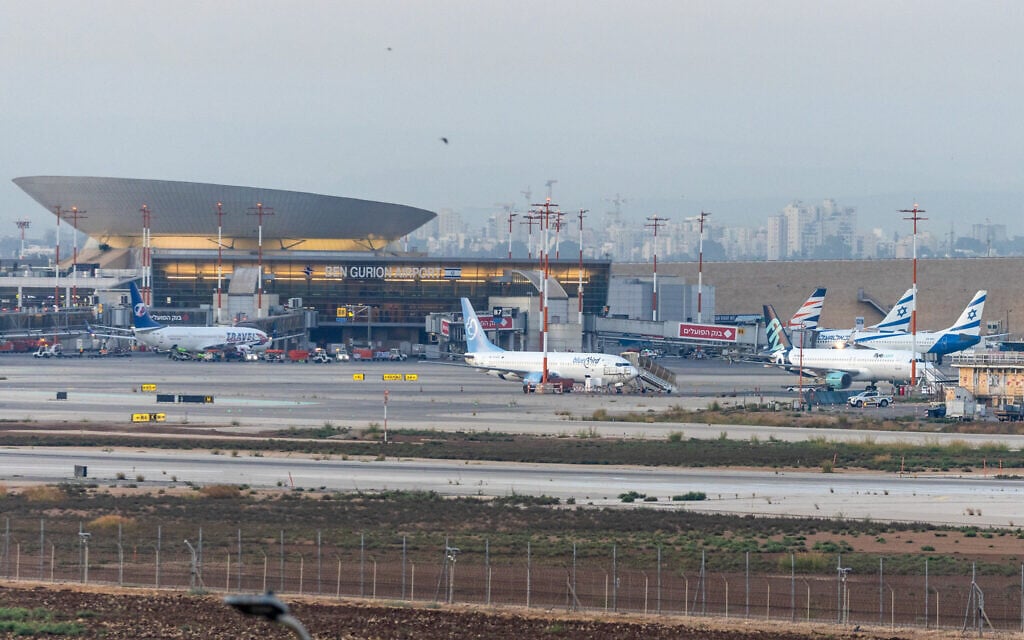
Arkia joins Israir in halting Marrakech ticket sales as new Israeli security rules loom

Move follows request from Israeli authorities, in wake of last month’s flydubai attack; direct flights on Israel-Morocco route only resumed in August after nearly 3 years
  •  

Russia resumes diesel exports to Türkiye, Brazil, after Trump lifts sanctions on fuel supplies, boosting Moscow’s war revenue – Reuters

A Russian oil tanker, illustrative image. Photo via Wikimedia.

Russian diesel shipments are returning to Türkiye and Brazil after Moscow lifted its export ban and the US temporarily suspended sanctions on Russian fuel supplies, Reuters reported on 20 October, citing shipping data from Kpler and LSEG.

The resumption of exports gives Russia another source of revenue to support its war against Ukraine, allowing Moscow to profit from fuel sales despite the domestic shortages that prompted its export ban. The US sanctions relief is helping Russia restore access to international buyers while its full-scale invasion continues.

According to Reuters, at least two tankers carrying Russian diesel have departed the Baltic port of Primorsk for Türkiye and Brazil in recent days. Each vessel is carrying around 300,000 barrels, according to Kpler data cited by Reuters. Morocco has also resumed importing Russian diesel since the export ban was lifted.

Russia ended its self-imposed diesel export ban on 9 October after reaching a deal with US President Donald Trump to resume fuel supplies to global markets. Moscow had introduced the ban to address domestic shortages triggered by Ukrainian drone attacks on Russian oil refineries.

Those supply problems have not been resolved, but the US temporarily lifted sanctions on Russian fuel supplies as part of the deal, allowing Moscow to prioritize export opportunities despite domestic shortages. EU and UK embargoes on Russian fuel imports remain in force.

Russian diesel exports remain below last year's levels

Russian diesel exports averaged around 345,000 barrels per day in 2026 so far, down 41% from the previous year, according to shipping data cited by Reuters. Exports had already fallen during the summer before Moscow imposed its ban.

Türkiye accounted for around 34% of Russian diesel loadings this year, followed by Brazil at 24% and Morocco at 10%, Kpler data showed.

Trump said Russia would initially export 300,000 metric tons of diesel, followed by 500,000 tons in November and 1 million tons afterward. Russian Deputy Prime Minister Alexander Novak said Moscow could raise exports to as much as 3.5 million metric tons per month by the end of the year.

US seeks to ease diesel prices

The deal comes as Trump seeks to present a picture of bringing down diesel prices ahead of the US midterm elections on 3 November. Fuel prices have risen amid disruptions to global energy supplies caused by Trump's war with Iran, which has shaken oil markets and raised concerns about supply routes.

Trump has blamed Ukraine's attacks on Russian oil infrastructure for driving up energy prices, despite the broader market disruption caused by his war with Iran. The Russian diesel deal offers a way to increase global fuel supplies, but also allows Moscow to earn revenue from exports while its war against Ukraine continues.

However, the volumes from Russia initially outlined by Trump would cover only a small share of the global supply shortfall. 

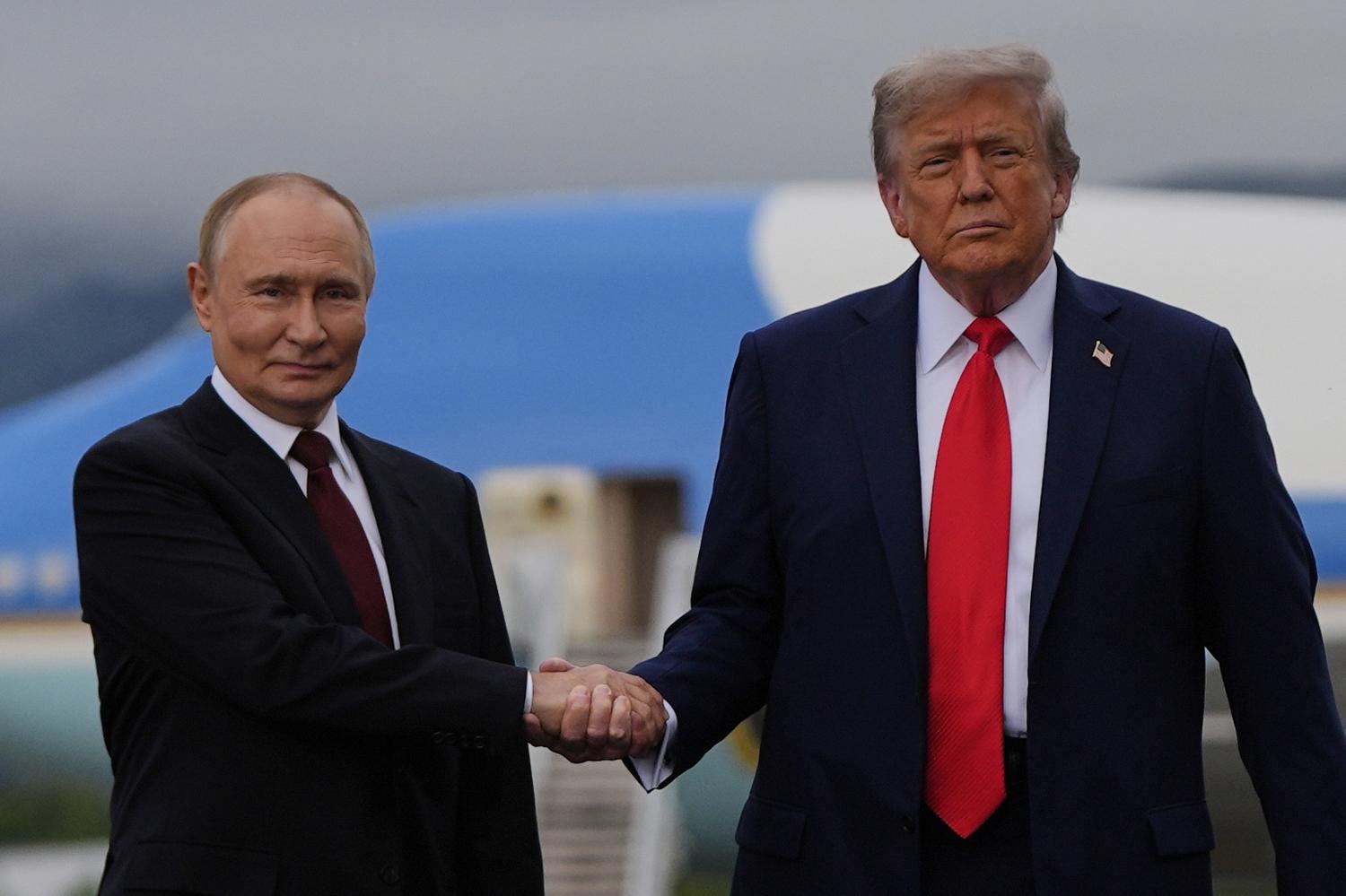
Trump Putin meeting in Alaska
Explore further

Trump says Russia agreed to supply millions of tons of diesel to US and global markets as he blames Ukraine for fuel price hikes driven by Iran war

  •  

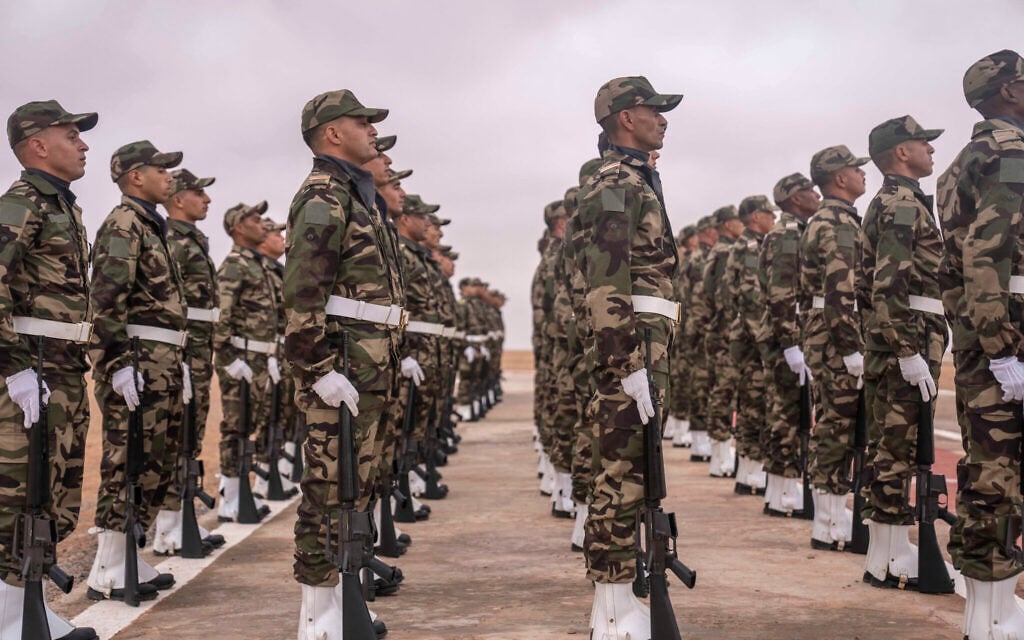
Board of Peace official to ToI: Up to 500 Moroccan troops are trained for Gaza force

Official says the US-led training began in August, also reports modest progress on UAE-backed reconstruction efforts, hopes for more cooperation from Israel after election
  •  

Spain’s Ceuta Migration Crisis Tests EU Asylum Rules as Thousands Await Decisions

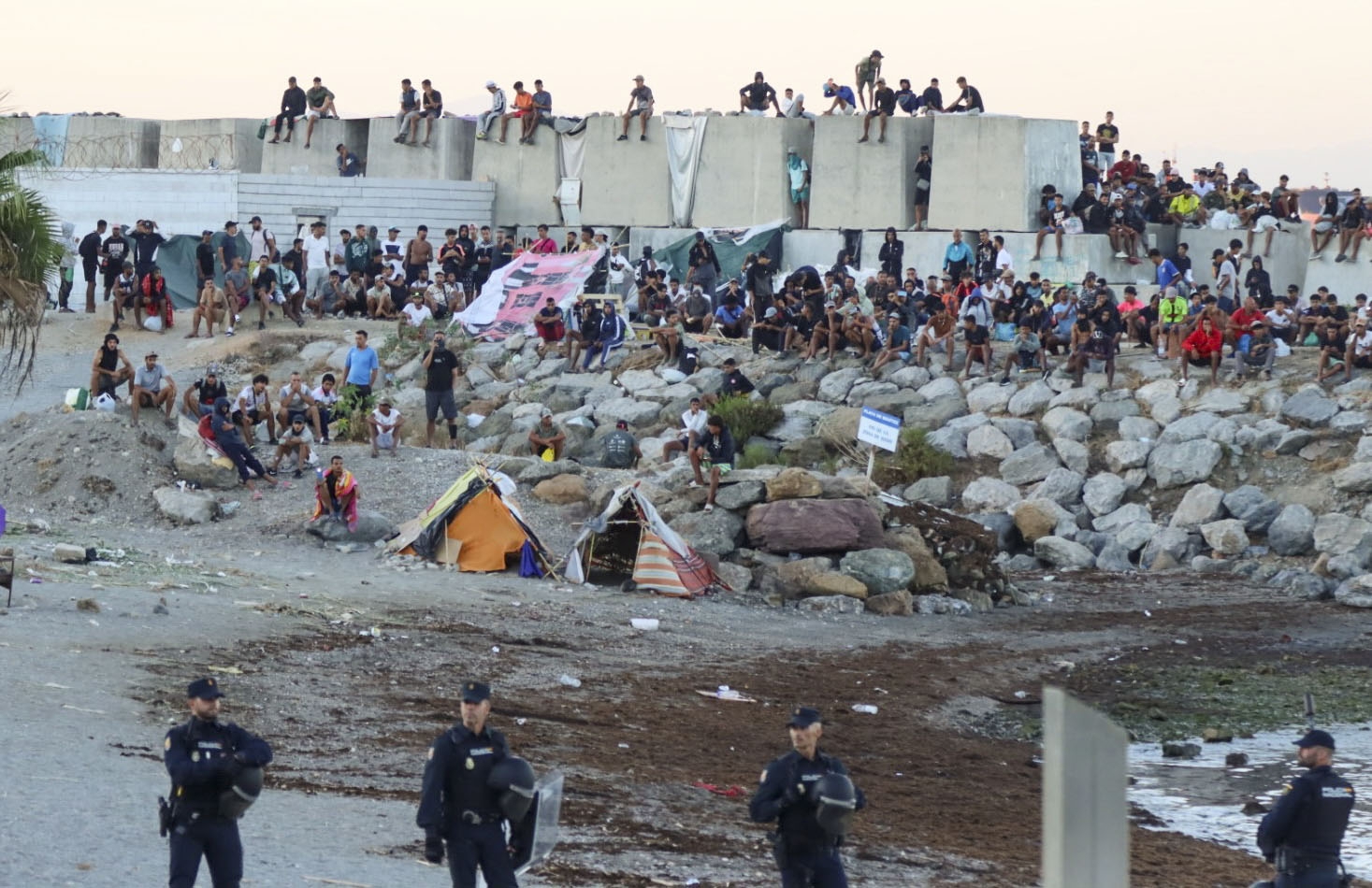
Spain’s government has declared that the first phase of its emergency response to the Ceuta migration crisis has been completed, following the arrival of an estimated 80,000 migrants from Morocco at the end of July.

Interior Minister Fernando Grande-Marlaska said on Friday, 16 October, that approximately 12,000 people had returned voluntarily to Morocco since August, while the authorities had expanded facilities to process asylum applications and return decisions.

Nevertheless, substantial administrative and humanitarian challenges remain in the Spanish enclave, particularly concerning people awaiting decisions on their legal status and unaccompanied minors. The situation has become an important test of the European Union’s revised migration and asylum legislation.

Unprecedented crossings at the African border

The crisis began on 30 July, when tens of thousands of people entered Ceuta from Morocco by land and sea following the circulation of misleading information on social media about access to Spanish territory.

According to an October briefing by the European Parliament’s Research Service, approximately 80,000 people crossed into the enclave during the incident, overwhelming local reception facilities and creating an emergency at one of the EU’s few land borders with Africa.

A subsequent European Parliament resolution referred to at least 141 deaths associated with the crossings, although the initial figure reported by Spanish authorities was lower. The exact number of people who crossed and the final death toll have remained subjects of uncertainty.

Most entrants returned to Morocco within days. However, thousands remained, leaving Spain responsible for assessing individual claims, arranging lawful returns and providing appropriate accommodation.

Ceuta’s geographical position complicates these procedures. Although the enclave is Spanish and forms part of the EU, travellers departing for mainland Spain remain subject to specific controls at its ports and airports.

Spain expands its processing capacity

During a visit to Ceuta on 16 October, Grande-Marlaska defended the government’s management of the emergency and announced that additional police resources would substantially increase administrative capacity.

The expanded temporary reception and processing facilities at El Tarajal are intended to handle at least 100 files daily, including applications for international protection and return procedures.

According to figures presented by the Interior Minister, approximately 1,200 applications for international protection had been formally submitted, with around 700 decisions already issued.

He also rejected allegations that the authorities had conducted concealed or involuntary returns, insisting that departures to Morocco had followed voluntary decisions or the appropriate legal procedures.

The minister said more than 500 expulsions had been executed through judicial or administrative decisions in recent months. These are distinct from the approximately 12,000 voluntary returns recorded since August.

The treatment of unaccompanied minors remains contentious. The European Parliament’s research briefing estimated that around 1,100 such minors were in Ceuta, including some who arrived before the July emergency.

Responsibility for their care has generated disagreement between the Spanish central government and Ceuta’s autonomous administration, particularly over guardianship, identification and the distribution of minors to other regions.

New EU asylum system faces a practical test

The EU Pact on Migration and Asylum, which began applying in June 2026, was designed to strengthen external border procedures while establishing clearer responsibilities for Member States.

Its provisions include identity and security screening, accelerated procedures for certain asylum applications and a solidarity mechanism allowing countries to support those facing disproportionate migration pressures.

Under the screening rules, the authorities generally have up to seven days to complete the initial checks required for people apprehended after irregular entry.

However, the Ceuta emergency demonstrates the difficulty of applying individual administrative procedures when arrivals occur in exceptionally large numbers within a short period.

The geographical concentration of arrivals means that adequate staffing, interpretation, legal assistance and reception facilities become essential to ensuring the system operates within its prescribed deadlines.

Spain requested assistance from Frontex, Europol and the European Union Agency for Asylum in August. The Commission subsequently announced €114.7 million in emergency assistance in September.

Political dispute over migration policy

The crisis has widened divisions between European governments over border enforcement and the regularisation of migrants already living within the EU.

Italy and several other Member States have questioned whether Spain’s separate regularisation programme could encourage further irregular migration. Madrid rejects the suggestion that the programme caused the Ceuta crossings.

The Spanish scheme covers only people who met the residence requirements by the end of 2025. Those who arrived during the July 2026 crisis are not eligible.

European Parliament members also adopted a resolution in September calling for stronger protection of the EU’s external borders and greater cooperation with Morocco. The resolution characterised the crisis as involving the possible instrumentalisation of migration, although Spain has said it has no evidence establishing Moroccan government involvement.

The continuing administrative backlog, the position of minors and the effectiveness of EU assistance will determine how quickly Ceuta can return to ordinary border operations.

Beyond Spain, the episode raises a practical question for Brussels: whether Europe’s new asylum framework can maintain border controls and individual legal safeguards simultaneously during an exceptionally large and sudden influx.

  •  

‘He seemed happy’: families still waiting for news of vanished Ceuta migrants, as EU leaders discuss stronger borders

As EU leaders gather in Brussels on Thursday and Friday (15-16 October) to discuss, among other things, the issue of Europe’s southern border, countless Moroccan families cling to the hope they may see their children again after they entered the Spanish enclave of Ceuta in north Africa in July. 

“Ayoub left on 30 July at 2PM. Since that day, I haven’t heard anything from him, apart from the fact that he went to Ceuta,” his brother said.

Ayoub Elkhamlichi was 27 when he left the north of Morocco for the nearby border with Ceuta, a half-hour drive from his home. 

In the commotion that accompanied the rush of an estimated 72,000 mostly Moroccans into the enclave over 30 and 31 July 2026, 141 people were reported to have lost their lives while attempting the crossing. 

Those that have not been heard of since that deadly July remain innumerable. 

Among them is Ayoub, who had been working in a local konafa shop before leaving.

His brother Mohamed Ali laments that he’d forgotten his ID card, which will reduce the chances he’ll be identified if he’s ever found. 

“The border with Ceuta was opened, so everyone left Morocco, because the city of Tetouan offers few job opportunities,” Mohamed Ali told EUobserver, from his home in one of Morocco’s closest cities to the Spanish border. 

“Ayoub managed to find a job, but the pay was low. So he went to Ceuta,” he said. His family, meanwhile, “are in a state of anxiety and fear.”

It has been 11 weeks since Khaled’s dad Said has also seen his son, 26, who left for Ceuta from Tidass, a small Moroccan town, which Said said “has its problems.”

This article continues, but the full version is available only to EUobserver.com subscribers. Visit account.euobserver.com/membership

  •  

Marocco: nuovi equilibri parlamentari nella continuità del potere monarchico

Le elezioni legislative marocchine hanno ridisegnato gli equilibri tra i partiti: il PAM conquista il primato, l’RNI arretra e il PJD torna protagonista. Ma l’astensione e il ruolo della monarchia mostrano i limiti dell’alternanza, mentre il Sahara Occidentale resta escluso da ogni processo decisionale.

Join us on Telegram, X, and VK.

Contact us: info@strategic-culture.su

Le elezioni legislative marocchine del 23 settembre hanno prodotto una significativa ricomposizione degli equilibri parlamentari senza mettere in discussione l’architettura fondamentale del sistema politico del Regno. Il Partito Autenticità e Modernità (Parti Authenticité et Modernité, PAM) è diventato la prima formazione della Camera dei rappresentanti con 97 seggi su 395, superando il Raggruppamento Nazionale degli Indipendenti (Rassemblement National des Indépendants, RNI), che dopo cinque anni alla guida del governo è sceso da 102 a 66 deputati. Il Partito dell’Istiqlal (Parti de l’Istiqlal) si è collocato immediatamente dietro con 65 seggi, mentre il Partito della Giustizia e dello Sviluppo (Parti de la Justice et du Développement, PJD) ha realizzato la rimonta più consistente, passando dai 13 rappresentanti del 2021 a 54.

La distribuzione dei seggi permette di individuare contemporaneamente una sconfitta dell’esperienza di governo uscente e una continuità più profonda: il PAM, infatti, aveva governato insieme all’RNI e all’Istiqlal nel corso della legislatura appena conclusa. Il suo avanzamento da 87 a 97 deputati rappresenta quindi soprattutto un riequilibrio interno all’area che ha amministrato il Paese negli ultimi cinque anni. Il cambiamento più marcato riguarda invece l’RNI dell’ormai ex capo del governo Aziz Akhannouch, che perde 36 seggi, mentre l’Istiqlal ne perde sedici.

Il risultato ha portato Muhammad VI, il 29 settembre, a nominare Fatima Ezzahra El Mansouri capo del governo incaricato, in applicazione dell’articolo 47 della Costituzione, che impone al sovrano di scegliere il capo dell’esecutivo all’interno del partito arrivato primo alle elezioni della Camera dei rappresentanti. El Mansouri, coordinatrice della direzione collegiale del PAM, già ministra dell’Assetto territoriale e sindaca di Marrakech, è la prima donna nella storia marocchina a ricevere l’incarico di guidare il governo.

Il PAM conquista il primato, ma non produce una rottura

La vittoria relativa del PAM deve essere interpretata all’interno delle caratteristiche specifiche del sistema politico marocchino. Fondato nel 2008 da Fouad Ali El Himma, stretto collaboratore e consigliere di Mohammed VI, il partito è stato fin dall’origine una componente importante dello spazio politico vicino alla monarchia. La sua affermazione non corrisponde dunque a un’alternanza paragonabile a quella che avviene nei sistemi parlamentari nei quali il controllo dell’esecutivo comporta anche la direzione complessiva della politica dello Stato.

Il PAM, come ricordato in precedenza, aveva partecipato direttamente anche al governo Akhannouch, e resta dunque inserito nello stesso quadro istituzionale. La differenza tra i due partiti può essere rilevante nelle politiche sociali, nell’organizzazione della spesa pubblica, nelle priorità economiche o nella distribuzione delle responsabilità ministeriali, ma è molto meno marcata sui dossier strategici che dipendono direttamente dalla monarchia.

La Costituzione del 2011 attribuisce infatti al re funzioni che vanno ben oltre quelle normalmente esercitate da un capo dello Stato parlamentare. Muhammad VI è definito capo dello Stato e garante dell’integrità territoriale; presiede il Consiglio dei ministri, nel quale vengono stabiliti gli orientamenti strategici della politica dello Stato, ed è comandante supremo delle Forze Armate Reali. Presiede inoltre il Consiglio superiore di sicurezza, competente sulle strategie di sicurezza interna ed esterna.

La differenza tra alternanza governativa e alternanza del potere risulta quindi essenziale per comprendere il voto del 23 settembre. Il PAM assume la guida dell’esecutivo, ma la politica estera, la difesa, la sicurezza e le grandi direttrici strategiche rimangono settori nei quali il Palazzo conserva un ruolo determinante.

Il ritorno del PJD

Se il PAM è la prima forza parlamentare, il cambiamento numericamente più rilevante riguarda il PJD. Nel 2021, infatti, il partito islamista aveva subito una sconfitta eccezionale, precipitando da 125 seggi ottenuti nel 2016 ad appena 13. Cinque anni dopo torna a risalire fino a quota 54 deputati, recuperando 41 seggi e ricostruendo una presenza parlamentare significativa.

Secondo gli analisti, il ritorno di Abdelilah Benkirane alla guida della formazione ha contribuito a restituire al PJD una capacità di mobilitazione che sembrava compromessa dopo il tracollo del 2021. Il risultato non porta però il partito verso una nuova partecipazione al governo: il PJD ha annunciato la propria collocazione all’opposizione e Benkirane ha anche rifiutato di partecipare alla consultazione convocata da El Mansouri presso la sede del PAM, contestando il luogo scelto per il confronto.

Il dato segnala comunque che l’esperienza del 2021 non aveva cancellato l’elettorato islamista. Una parte consistente degli elettori che aveva abbandonato il PJD dopo gli anni trascorsi al governo è tornata a sostenerlo in una fase nella quale il partito può nuovamente presentarsi come forza di opposizione.

La dinamica è particolarmente interessante perché ribalta in parte quella verificatasi cinque anni fa. Nel 2021 il crollo del PJD aveva aperto la strada all’ascesa dell’RNI; nel 2026 è l’RNI a perdere una parte considerevole della propria rappresentanza mentre il PJD recupera gran parte dello spazio perduto.

L’astensione come dato strutturale

Il risultato più significativo per comprendere il rapporto tra istituzioni e società resta tuttavia quello della partecipazione.

Secondo il ministero dell’Interno, l’affluenza ufficiale è stata del 38,02%, contro circa il 50% registrato nel 2021. Il dato assume un peso ancora maggiore se confrontato con la dimensione delle liste elettorali: a fronte di circa 27 milioni di cittadini potenzialmente aventi diritto, soltanto 15,8 milioni risultavano registrati, una cifra diminuita di circa il 12% rispetto alla precedente consultazione.

Il problema appare particolarmente marcato tra i giovani. Nelle settimane precedenti al voto, soltanto il 3% dei cittadini tra i 18 e i 24 anni risultava iscritto nelle liste elettorali. Lo stesso gruppo sociale è stato protagonista negli ultimi anni di manifestazioni legate alla disoccupazione, alla qualità dei servizi pubblici, alle difficoltà abitative e alla distribuzione delle risorse, mentre gli ingenti investimenti destinati alle infrastrutture per i Mondiali di calcio del 2030 sono diventati uno dei termini del dibattito pubblico.

Le elezioni mostrano quindi un sistema partitico capace di produrre spostamenti consistenti al proprio interno, ma solo nell’ambito di un corpo elettorale registrato e partecipante relativamente ristretto rispetto alla popolazione complessivamente in età di voto. Il problema, infatti, non riguarda soltanto quale partito governi, ma il grado di identificazione di ampi settori della società con gli stessi meccanismi della rappresentanza politica.

Anche per questo, l’incarico affidato a El Mansouri contiene due dimensioni differenti. Da una parte costituisce un cambiamento significativo nella rappresentanza di genere ai vertici dell’esecutivo; dall’altra il nuovo governo dovrà confrontarsi con la stessa distanza tra società e istituzioni che l’affluenza del 23 settembre ha reso evidente.

Una sinistra frammentata, ma con un nuovo spazio parlamentare

Il voto offre indicazioni interessanti anche sullo stato della sinistra marocchina.

L’Unione Socialista delle Forze Popolari (Union Socialiste des Forces Populaires, USFP) scende da 34 a 26 seggi, mentre il Partito del Progresso e del Socialismo (Parti du Progrès et du Socialisme, PPS) passa da 22 a 19. Il PPS, in particolare, rappresenta la forza erede del Partito Comunista Marocchino, fondato negli anni Quaranta, passando per il Partito della Liberazione e del Socialismo fino alla costituzione del PPS nel 1974.

Accanto a queste formazioni emerge però l’Alleanza della Sinistra (Alliance de la Gauche), costituita nel giugno 2026 dal Partito Socialista Unificato (Parti Socialiste Unifié, PSU) e dalla Federazione della Sinistra Democratica (Fédération de la Gauche Démocratique, FGD). La coalizione ha conquistato otto seggi, contro i due complessivi detenuti dalle due componenti nella legislatura precedente. I suoi documenti programmatici insistono sulla democratizzazione delle istituzioni, sulla giustizia sociale e sulla riduzione delle disuguaglianze.

Anche l’Alleanza ha scelto una collocazione distinta rispetto al processo di formazione del governo. Il 1° ottobre ha sospeso l’incontro previsto con El Mansouri dopo aver chiesto che le consultazioni si svolgessero in una sede istituzionale neutrale anziché nel quartier generale del PAM.

Il Sahara Occidentale resta un dossier dello Stato

Per quanto riguarda la questione del Sahara Occidentale, essa non è oggetto di una competizione sostanziale tra le principali forze marocchine paragonabile a quella che riguarda politiche fiscali, occupazione o servizi pubblici. La rivendicazione della sovranità marocchina e il piano di autonomia costituiscono un orientamento strategico dello Stato sostenuto trasversalmente dai principali partiti, comprese le formazioni collocate all’opposizione, anche della sinistra radicale.

Ciò significa che l’esito elettorale non modifica la linea seguita da Rabat nei confronti della Repubblica Araba Saharawi Democratica e del Fronte Polisario. La questione rientra infatti precisamente fra quelle nelle quali il ruolo della monarchia e delle strutture permanenti dello Stato prevale sull’alternanza parlamentare.

Il contesto internazionale rafforza questa continuità. Il 16 settembre, appena una settimana prima delle elezioni, Marocco e Israele hanno concordato di elevare le proprie rappresentanze diplomatiche al rango di ambasciate. In una dichiarazione trilaterale con Washington, Stati Uniti e Israele hanno contemporaneamente riaffermato il riconoscimento della sovranità marocchina sul Sahara Occidentale e il sostegno al piano di autonomia proposto da Rabat (con esclusione, quindi, della soluzione indipendentista). Questo conferma il legame strategico fra Rabat, Washington e Tel Aviv, che abbiamo già analizzato rispetto agli Accordi di Abramo, alla crisi di Ceuta e alla progressiva internazionalizzazione della posizione marocchina sul Sahara Occidentale.

Un voto di ricomposizione più che di trasformazione sistemica

Le elezioni del 23 settembre delineano quindi un quadro più articolato di una semplice vittoria del PAM.

L’RNI paga il logoramento di cinque anni di governo e perde oltre un terzo della propria rappresentanza parlamentare; il PAM consolida la propria posizione e conquista il diritto costituzionale di esprimere il capo del governo; il PJD recupera una parte consistente dell’elettorato perduto nel 2021; la sinistra tradizionale arretra mentre una nuova alleanza alla sua sinistra amplia la propria presenza. Soprattutto, l’affluenza del 38,02% segnala che la competizione tra i partiti si svolge in presenza di una marcata distanza di una parte della popolazione dalle istituzioni elettorali.

Il voto modifica, pertanto, gli equilibri nella Camera e nella futura coalizione, ma non modifica automaticamente il centro istituzionale nel quale vengono definite le principali strategie dello Stato marocchino. La Costituzione del 2011, da un lato, ha ampliato il ruolo del capo del governo e del Parlamento rispetto al passato, ma dall’altro mantiene nelle mani del sovrano prerogative decisive sulle grandi direttrici politiche, sulla sicurezza, sulla difesa e sull’integrità territoriale.

Tirando le somme, il nascente governo El Mansouri dovrà confrontarsi con disoccupazione giovanile, disuguaglianze territoriali, servizi pubblici e investimenti legati ai Mondiali del 2030; sul Sahara Occidentale, sui rapporti strategici con gli Stati Uniti e sulla progressiva normalizzazione con Israele, invece, il quadro appare caratterizzato da una continuità molto più marcata.

  •  

Morocco’s surveillance state does not stop at Western Sahara — and Europe can no longer pretend not to know

In April 2021, I told The Guardian that Sahrawi activists were having their phones and internet connections hacked.

At the time, we could describe what was happening to us. We could not see the machinery behind it.

Five years later, Amnesty International’s new investigation, “We Start With the Verdict”: Inside Morocco’s Surveillance Machine, gives those warnings a disturbing new context.

Amnesty describes a surveillance ecosystem involving spyware, physical surveillance, location tracking, informants, judicial pressure and smear campaigns. Western Sahara is not peripheral to its findings.

The organisation devotes a case study to Sahrawi activists and reports that a former member of Morocco’s domestic intelligence service, identified as “Safir,” described Sahrawis and Riffians as priority intelligence targets, including beyond Morocco. Amnesty says it independently verified his identity, employment and key elements of his testimony.

The report also contains forensic evidence involving Pegasus spyware and documents cases connected to Sahrawi activism that reached European territory.

The people Amnesty examined are the tip of the iceberg. They are documented cases: people researchers could interview, devices they could examine, or targets for whom other evidence was available.

Surveillance is secret by design. Most people never learn that their phones have been compromised, and most suspicious devices will never reach a forensic laboratory.

That is why the chronology matters.

Chilling effect

On 8 April 2021, The Guardian quoted my warning that Sahrawi activists’ “phones and internet connections are hacked.” We were describing the symptoms years before Amnesty’s latest investigation exposed more of the machinery.

But surveillance is not simply about collecting information.

When a security service knows who an activist speaks to, where that person travels and what exists inside a phone, information can become power.

Amnesty documents cases in which private information gathered through surveillance later appeared in media coverage and coordinated smear campaigns against human rights defenders.

The organisation is careful: it could not independently establish the source of every piece of private material published. But it says the nature of some material raises serious concerns that surveillance-derived information may have reached media actors.

For Sahrawis, that raises an obvious question: How does private information about activists move from their lives and devices into the public sphere?

That question deserves independent forensic investigation.

But Amnesty’s report should provoke another examination — this one in Washington and European capitals.

For decades, Western governments have built close security relationships with Morocco around counterterrorism, intelligence cooperation, migration and regional stability.

The question is not whether those relationships should exist. It is whether the West has adequately examined what happens to security capabilities once they are in the hands of its partners.

Amnesty does not establish that every security capability Morocco obtained through Western cooperation was used against Sahrawis. The evidence does not support such a sweeping conclusion.

It does, however, justify harder questions.

What safeguards accompanied security cooperation? Who monitored end use? What happens when capabilities developed or acquired in an environment shaped by counterterrorism are directed toward peaceful human rights activism?

That is the line separating security from repression.

Western Sahara struggle

The contradiction is especially striking because Sahrawi human rights activism has often relied on peaceful means: demonstrations, documentation, journalism and engagement with international institutions.

Amnesty reports restrictions on expression and assembly concerning Sahrawi rights, alongside reports of arbitrary arrests, prolonged surveillance, restrictions affecting families and the dispersal of peaceful demonstrations.

Europe has encountered similar contradictions in its relationship with Morocco.

In June 2021, the European Parliament explicitly rejected Morocco’s use of border control and migration, particularly involving unaccompanied minors, as political pressure against Spain.

Yet the same resolution emphasised the longstanding relationship and cooperation between the European Union and Morocco in counterterrorism, migration and trade.

That contradiction should matter to Europeans.

When democratic governments make another state indispensable for stopping terrorism, controlling migration or providing intelligence, they provide more than resources. They provide leverage. Eventually, fear of losing cooperation can make scrutiny of a partner more difficult.

Europe has confronted another warning sign. In its response to the corruption scandal that engulfed the European Parliament, the Parliament itself denounced alleged attempts by Morocco and Qatar to influence lawmakers and staff through acts of corruption.

These remain allegations. They do not mean that every European position favourable to Morocco was corrupt. But they demonstrate why foreign influence over democratic institutions requires serious scrutiny.

European vs American foreign policy

Western Sahara remains an issue on the United Nations agenda and is tied to a decades-long international process concerning the political future of the territory.

That should matter to an EU that regularly invokes a rules-based international order.

Morocco has rejected previous allegations concerning Pegasus and described earlier Amnesty findings as baseless. Amnesty says it provided Moroccan authorities with a summary of its latest findings before publication and invited a response but received none before the report was published.

Those denials belong on the record.

So does the evidence.

The test of a human rights policy is not only how a democracy responds to abuses by its adversaries. The harder test is what it does when credible allegations concern a security partner.

For Sahrawis, however, this story is older than spyware.

For nearly half a century, generations of Sahrawis have lived through restrictions and documented abuses connected to political expression over the future of Western Sahara. Children have grown into adults watching what can happen when someone speaks publicly: surveillance, imprisonment, smear campaigns, pressure and fear.

After all these years, what Sahrawis are asking for is not complicated.

We are not asking the world to choose an answer for us. Nor should the outcome be written in advance in our favour.

We are asking for something more elementary: Treat the Sahrawi as a free human being, capable of thinking, choosing and expressing a view about the future of the land he or she calls home without fear.

It is easy to live in a democratic society, protected by freedom of expression and equality before the law, and then propose a political solution for a distant people who will have to live with its consequences every day.

But a human question should come before the geopolitical one:

Would you accept for yourself and your children a political order in which expressing your views about your homeland could expose you to surveillance, intimidation or punishment?

A Sahrawi is not a number in a diplomatic file, a detail in a geopolitical bargain or a security problem to be managed.

A Sahrawi is a human being, with a memory, a family, a homeland, an opinion and a future.

After nearly 50 years, perhaps it is time simply to hear that voice as it is, rather than as others interpret it.

Give Sahrawis one day without fear.

One day to speak without surveillance, without pressure and without wondering whether their words will reach their phone, their workplace, their home or their family.

Do not write the answer for them.

Just let them speak.

If any political solution is truly just, why should it fear the voice of the human being who will have to live under it?

  •  

Morocco cracks down on activists as calls for election boycott grow

Over the past two weeks, Moroccan authorities have intensified their crackdown on political activists calling for a boycott of the September 23 legislative elections.

Opposition parties, including left-wing Workers’ Democratic Way Party and islamist Justice and Charity Association, have announced that they are boycotting the upcoming elections, urging Moroccan people to join the boycott campaign.

The Workers’ Democratic Way Party believes that the existing political system falls short of meeting the basic standards of a genuine democracy, and therefore would not “allow for fair and competitive elections capable of bringing about real change.”

Meanwhile, the Justice and Charity Association argues that the reason for boycotting the electoral process is the lack of “conditions for free and fair political competition.”

Activists involved in the boycott campaign face state repression

In the lead up to the September 23 elections, the Workers’ Democratic Way Party has organized field campaigns across multiple cities, including Tangier, Al Hoceima, Kenitra, Casablanca, Beni Mellal, Salé, Rabat, Khenifra and Fez, urging citizens to boycott the legislative elections.

These campaigns faced intensified repressive measures by the authorities such as physical assaults, the confiscation of leaflets, and the detention of over a dozen party members, including leaders.

However, the repressive acts also drew widespread solidarity from civil figures and citizens. Party leaders also emphasised their resolve, stating: “We will continue the struggle for our country, because it is worth sacrificing for.”

It is worth noting that the party has boycotted the elections in the country since its establishment in 1995, considering them as a “democratic smokescreen” for the Makhzen (the local name for the Moroccan political regime).

Read more: Moroccan police interrogate left leaders for opposing normalization with Israel

  •  

North Africa’s Oldest Fort Outside Egypt Rose in Step with Bronze Age Spain

Before Rome existed, before Phoenician ships ever reached the western Mediterranean, and around the same time the first fortified villages of the Argaric culture were rising in southeastern Iberia, a farming community on a rocky ridge in inland Morocco was already digging a ditch and piling up earth. What they were defending against is still […]

  •  

Alone at the border: Ceuta and Europe’s solidarity failure

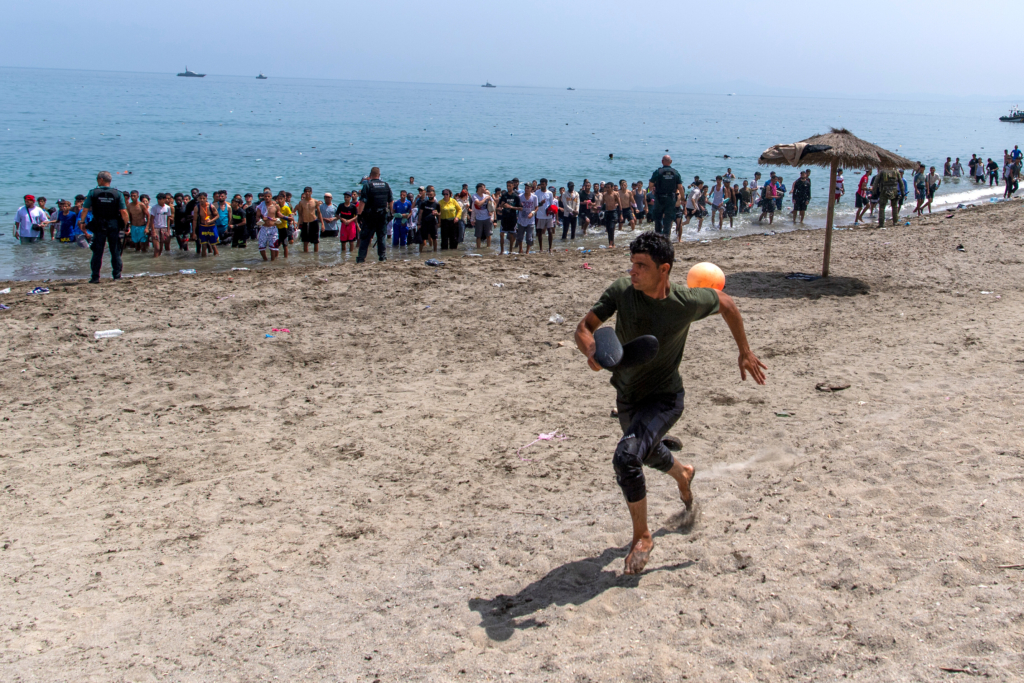
Ein Foto zeigt einen Mann am Strand, der barfuß wegläuft und einen Ball trägt, während Menschen aus dem Meer kommen.
A migrant runs from Spanish police officers as they cordon off access to the beach for people crossing from Morocco into the Spanish enclave of Ceuta, Friday, July 31, 2026. (AP Photo/Antonio Sempere) | picture alliance / AP Photo/Antonio Sempere

Problem

Around 60,000 migrants crossed from Morocco into the Spanish exclave of Ceuta in 24 hours between July 30th and 31st, overwhelming the territory and exposing divisions within the EU.

The immediate cause is unclear. Morocco’s authorities have yet to issue an official explanation. Spanish officials have pointed to a recent Supreme Court ruling ending the automatic return of migrants intercepted while attempting to swim to Ceuta and Melilla. But the sheer scale of the crossings suggests Morocco might have deliberately relaxed border controls. The timing is also suspicious. The crisis came just ten days after Spanish prime minister Pedro Sánchez visited Algeria— Morocco’s arch-rival—and announced a “new phase” in Spain-Algeria relations.

The reaction within Europe has been striking. Rather than display solidarity with a member state facing pressure at the EU’s external border, Italian prime minister Giorgia Meloni not only blamed Sánchez’s migration policies but also called for Spain to be suspended from the Schengen area. Madrid responded by summoning the Italian ambassador and rebuking Rome’s “partisan demagoguery”.

Responses from other leaders have been similarly unsympathetic. Finnish interior minister Mari Rantanen supported Italy’s proposal to suspend Spain’s Schengen status. Manfred Weber, president of the centre-right European People’s Party, urged the European Commission to hold Sánchez accountable for failing to protect the EU’s external border. Meanwhile, France has reinforced controls along its frontier with Spain. Remarkably, little criticism was directed at Morocco itself.

Solution

In the immediate term, the EU should demonstrate solidarity with Spain. European leaders need to treat migration pressure against a member state as a collective problem and a challenge to the integrity of the EU’s external border. Publicly blaming the targeted member state lowers the political cost of weaponising migration.

Brussels should make clear that any use of migration as blackmail will carry European rather than merely Spanish consequences. Around two thirds of Moroccan exports go to the EU, which is also its largest source of foreign investment. Brussels should also be prepared to suspend negotiations on a comprehensive partnership upgrade with Rabat.

Europe also needs to revise its migration policy, which largely shapes its relations with North Africa. In the absence of a common European approach, relations default to bilateral bargains, leaving North African leaders holding the lever. And until Europe changes the incentives, Rabat will keep pulling it.

Context

Spain has managed the migration relationship with Morocco bilaterally for decades, leaving Madrid increasingly hostage to Rabat. The latter has repeatedly used migration as political leverage, most notably in 2021, when it allowed some 6,000 migrants into Ceuta in a single day amid a diplomatic rift over Western Sahara.

The following year, Spain abandoned its longstanding neutrality on Western Sahara by endorsing Morrocco’s autonomy proposal, a policy shift many attribute to the 2021 crisis. Government sources unofficially said at that time that the new bilateral understanding included Moroccan commitments to avoid a repeat of the episode.

Rabat also appears particularly emboldened at present. It enjoys strong backing both from the US and Israel, and both have become increasingly hostile towards Sánchez government. The White House responded to the latest crossings by celebrating it as evidence of the “destructive philosophy” of “extreme left and globalist policies, including those that facilitate massive migration”.

Source

  •  
❌