❌

Reading view

John Oliver Warned Against Cherry-Picked Studies. Then He Cherry-Picked His Own.
John Oliver, host of HBO's 'Last Week Tonight' and a scientific studies graphic next to him | Adani Samat

In 2016, the HBO comedian and political commentator John Oliver produced a terrific segment on how TV pundits routinely cite garbage science. After showing clips of newscasters and commentators making absurd claims such as, "A new study showing that drinking a glass of red wine is just as good as spending an hour at the gym," and The Today Show's Al Roker commenting, "You find the study that sounds best to you, and you go with it," Oliver commented, "No! No, no, no, no, no, no, no! You don't just get to cherry-pick the parts that justify what you were going to do anyway."

Then Oliver added a useful rule: "If they are going to keep saying 'a study says,' they should have to provide sourcing and context or not mention it at all." (Though the segment specifically targeted the misuse of "scientific" studies, all the same principles apply to the social sciences.)

What's so noteworthy about that 2016 segment is that in his other monologues, on issues ranging from SWAT teams to homelessness, Oliver has routinely ignored the principles he laid out. In his overly simplistic takes on complex policy issues (often designed to dunk on his ideological opponents for comedic effect), he often fails to provide appropriate context and appears to be guilty of choosing research "that sounds best," as Roker put it, or at least that supports whatever point he's determined to make.

Oliver is one of America's most influential pundits, so he should be held to the highest of journalistic standards. And Last Week Tonight is indeed more diligent than many TV news programs. The show employs researchers who interview the authors of the studies it cites. Oliver is a comic, not an academic, so we can excuse him for not posting footnotes, and he routinely cites his sources on screen. When we emailed the show's producers to point out problems with their research, to their credit, they sent back a detailed response that we'll quote from in this article. (In a few cases, they pointed to Reason articles using some of the same studies, albeit with full citations and more context. In cases in which their criticisms were correct, we've annotated the original articles.)

Many of the show's researchers are former reporters and editors who abide by journalistic standards. Nevertheless, the show has a long track record of citing social science findings without the appropriate context, massaging them to support whatever point Oliver is trying to make.


Rent

In his excellent 2016 segment on scientific studies, Oliver noted: "There is a lot of bullshit currently masquerading as science. Not all scientific studies are equal. Some may appear in less-than-legitimate scientific journals, and others may be subtly biased because of scientists feeling pressured to come up with eye-catching positive results."

Cut to a 2022 segment titled "Rent," and we find Oliver citing a study that his wiser self would have characterized as "bullshit."

"Right now, there is not a single county in the U.S. where a worker earning minimum wage can afford a modest two-bedroom rental home," he said. He was citing a study designed to produce an "eye-catching" result. It was published not by a reputable journal, but by the National Low Income Housing Coalition, an advocacy group that lobbies for government spending on housing and rent subsidies, including expanding the National Housing Trust Fund and increasing federal appropriations to the Department of Housing and Urban Development.

The biases are not particularly subtle. Why would a minimum-wage worker need a two-bedroom home? In the study, "can afford" doesn't mean "have enough money to buy the cheapest available," as most English speakers would interpret it. The authors use it to mean renting a two-bedroom home at the 40th percentile price point of the local market (that is, a little cheaper than the median unit), using no more than 30 percent of their income, excluding government benefits, pensions, or other nonearned support.

Oliver also didn't mention who these minimum-wage workers are. In 2025, according to the Current Population Survey, a third of hourly workers paid the federal minimum or less lived in a parent's or grandparent's home, a fifth were married and living with a spouse, and only one in eight lived alone.

When we asked the show's producers why they failed to disclose that their source was an advocacy group seeking government funds, they pointed to the onscreen credit and responded: "We trust our viewers' intelligence enough to think they might be able to read it and conclude that the National Low Income Housing Coalition is interested in building low-income housing, nationwide, possibly even as part of a coalition."

I don't share their confidence that most viewers can read the onscreen source line and tell from the organization's name whether it's an advocacy group. There's a double standard here: When Oliver doesn't like what a study says, he's not content to just trust his viewers; he makes it explicit, as he did with the "ethanol lobbying groups" mentioned above.

Oliver's producers wrote us: "When we rely on studies from advocacy groups, we look at the underlying data and speak to researchers to better understand it; we discard many studies as a result."

This one belonged in the trash.


Sports Betting

In a 2025 segment, Oliver cited an eye-catching statistic about how sports betting was driving a spike in bankruptcies. "Unsurprisingly, the rise of online sports betting has been found to correlate with a rise in gambling harms, with one study showing that in states that allowed it, there was a 28 percent increase in bankruptcies, translating to about 100,000 extra bankruptcies a year."

I'll give Oliver credit for saying "correlate with" rather than "cause," but the rest of that sentence ("in states that allowed it, there was a 28 percent increase") implies direct causality.

The bigger problem is that the "100,000" figure is clearly wrong. When I contacted the study's authors, they told me they don't know where that figure came from, and it doesn't appear anywhere in the study. Last Week Tonight's producers told us they pulled it from a Business Insider article, but in the video, Oliver said it came from the study.

If Oliver's researchers had done the same calculation as the authors, multiplying the per-person effect by the at-risk population, they'd have found about 30,000 extra bankruptcies a year, not 100,000, and a 6 percent to 7.5 percent increase, not 28 percent.

Oliver also left out important context: He was citing an unpublished working paper. The peer-reviewed version appeared after the Last Week Tonight segment aired, and it included substantive changes. Working papers from credible researchers, like this one, are valuable, but Oliver should have made it clear he was citing a preliminary draft circulated to other researchers for comment, not a published study.


Homelessness

In 2021, Oliver did a segment making a case for a policy called "Housing First," which includes placing more homeless people in permanent supportive housing. The problem is that building and maintaining these units is expensive, so permanent supportive housing doesn't scale easily. Oliver set out to dismiss that objection by citing research showing the alternative is even more costly.

"One study in Florida," Oliver said, "found that, just between money spent on incarceration and emergency medical treatment, their communities and local governments had spent an average of just over $31,000 per person per year, when the estimated cost of providing them with permanent supportive housing would have only been around $10,000 per year."

The Florida study's finding was an outlier. The Central Florida Commission on Homelessness commissioned it, and Housing First advocates promoted it because it produced the headline they wanted. I give Oliver credit for noting that the study "tracked a decade's worth of spending on just 107 chronically homeless people," but he left out additional context.

In 2018, a committee convened by the National Academies of Sciences, Engineering, and Medicine evaluated permanent supportive housing. It concluded that there is "no substantial evidence that [it] contributes to improved health outcomes" and "insufficient evidence" that it's cost-effective.

Studies exist on both sides of this issue, and we can debate whether permanent supportive housing is more cost-effective than the alternative, but Oliver cited one study and implied it was conclusive.

Oliver also neglected to mention that the paper was written by a consulting firm led by a supportive-housing advocate, though if you looked closely, you could see the organization's name on the screen as he delivered his monologue.


Ethanol

Oliver and I agree that the federal government shouldn't be subsidizing ethanol. But in a 2024 segment titled "Corn," Oliver pointed to a study claiming that ethanol is more harmful to the environment than gasoline and implied that only self-interested lobbyists say otherwise.

"While ethanol lobbying groups have long argued that it slashes greenhouse emissions," he said, "one recent study found that corn ethanol produced under the renewable fuel standard has a carbon footprint at least 24 percent higher than regular gasoline."

What Oliver doesn't mention is that the 2022 study he cited was highly contested. It was challenged not only by "ethanol lobbying groups" but also by the U.S. Department of Agriculture under the Biden administration. The study's claim that ethanol has a higher carbon footprint than gasoline also contradicts a 2010 Environmental Protection Agency projection that ethanol would be about 20 percent cleaner than gasoline. Argonne National Laboratory, running the government's standard model, credits ethanol with cutting greenhouse emissions by more than 500 million tons in 15 years.

The problem isn't that Oliver is wrong; it's how he presented this study. Whether ethanol mandates are good or bad for the environment is a complicated, contested issue, with strong studies on both sides (and plenty of weak ones). Plucking one from the pile and reporting its findings is misleading.

Ethanol subsidies are bad because they involve politicians using mandates to buy farmers' votes, and top-down mandates generally lead to less optimal decision-making. But it's not clear that ethanol increases carbon emissions.


SWAT Raids

In a 2014 segment on police militarization after the fatal shooting of Michael Brown in Ferguson, Missouri, Oliver said, "There has been a massive rise in both the number and the use of police department SWAT teams," and showed a news clip that stated: "The number of SWAT raids has gone up by 1,400 percent since the 1980s. An estimated 50,000 now take place every year." Instead of mocking the clip, as he often does, Oliver cited it approvingly.

So where did the claim of a 1,400 percent increase come from? It's based on a voluntary mail-in survey, which isn't a reliable way to gather data. No official count of SWAT raids exists, and almost nobody tracks them, then or now, so the figure rests on departments' self-reporting of how often they "deployed," with no shared definition of what that means.

The 1980s figures that form the baseline for the 1,400 percent increase in SWAT raids come from a mid-1990s survey, making them especially unreliable. No one was counting SWAT raids at the time, and there's no way to verify them.

Oliver followed that clip by citing another study: "Just keep that clip in mind," he said, "when I tell you that 79 percent of SWAT deployments are now for executing search warrants, and most of those were for drug investigations."

Again, there's missing context. That 79 percent figure comes from a small, nonrandom sample generated by an American Civil Liberties Union records request; the organization could get data from just 20 of America's roughly 18,000 police agencies.

When we pointed out to Oliver's producers that the data on SWAT teams were stripped of their context, they replied that since this segment aired, "We've become more diligent about critically interrogating the sourcing on studies in our shows." They also argued that more "recent studies," if anything, suggest that the studies they cited "understated the true scope of things." And they pointed to instances of Reason citing the same data.

I agree with Oliver's position on SWAT raids, but he really should be agitating for better data. We're permitting state violence without anyone keeping the detailed records that could help us understand the costs and benefits. But that doesn't excuse citing two studies based on weak data and presenting them as fact.


Tipping

In a 2025 segment on tipping, Oliver said, "Recent analyses have found that poverty rates for tipped workers are over twice as high as for nontipped workers."

Twice as high as for which nontipped workers? The analysis he's citing included all nontipped workers in the U.S., including CEOs and neurosurgeons. Oliver, who reportedly makes $30 million a year, also pulled up the nontipped average. The right way to evaluate tipping is to match tipped and untipped workers by job: Waiters have about the same poverty rate as fast-food workers, and hotel maids about the same as other cleaners. If you control for job, age, and hours, the gap closes.

It's another study designed to generate a talking point, which isn't surprising since it was published by the Economic Policy Institute, a progressive, left-of-center think tank. The organization's name appeared onscreen as Oliver delivered his monologue, but, once again, viewers would need to hit pause to look it up and figure out what the Economic Policy Institute stands for.

Oliver's 2016 segment on "scientific studies" shows that he should know better. It's possible to construct arguments by citing good research responsibly, while providing the proper context and sourcing. It's possible to follow research where it leads, instead of retrofitting it to preconceived ideas. You just have to be willing to present data that capture reality in all its messiness, even if that means it won't generate an easy laugh line.

To keep up with our video series Wrong Number featuring Aaron Brown, and to receive bonus content and more, click here to enter your email address.

The post John Oliver Warned Against Cherry-Picked Studies. Then He Cherry-Picked His Own. appeared first on Reason Magazine.
  •  

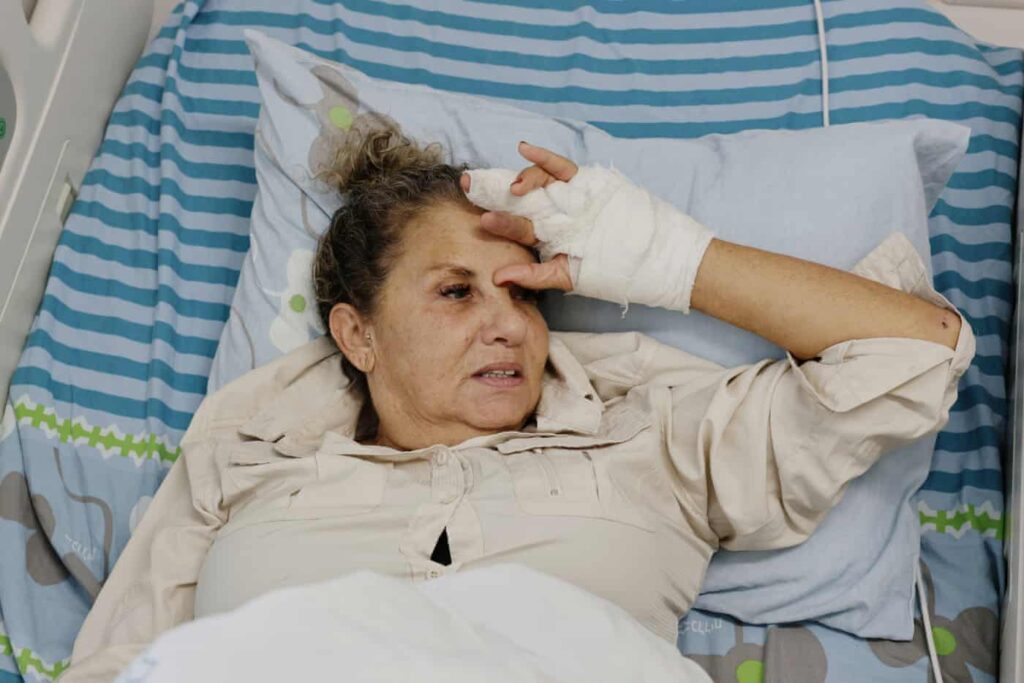
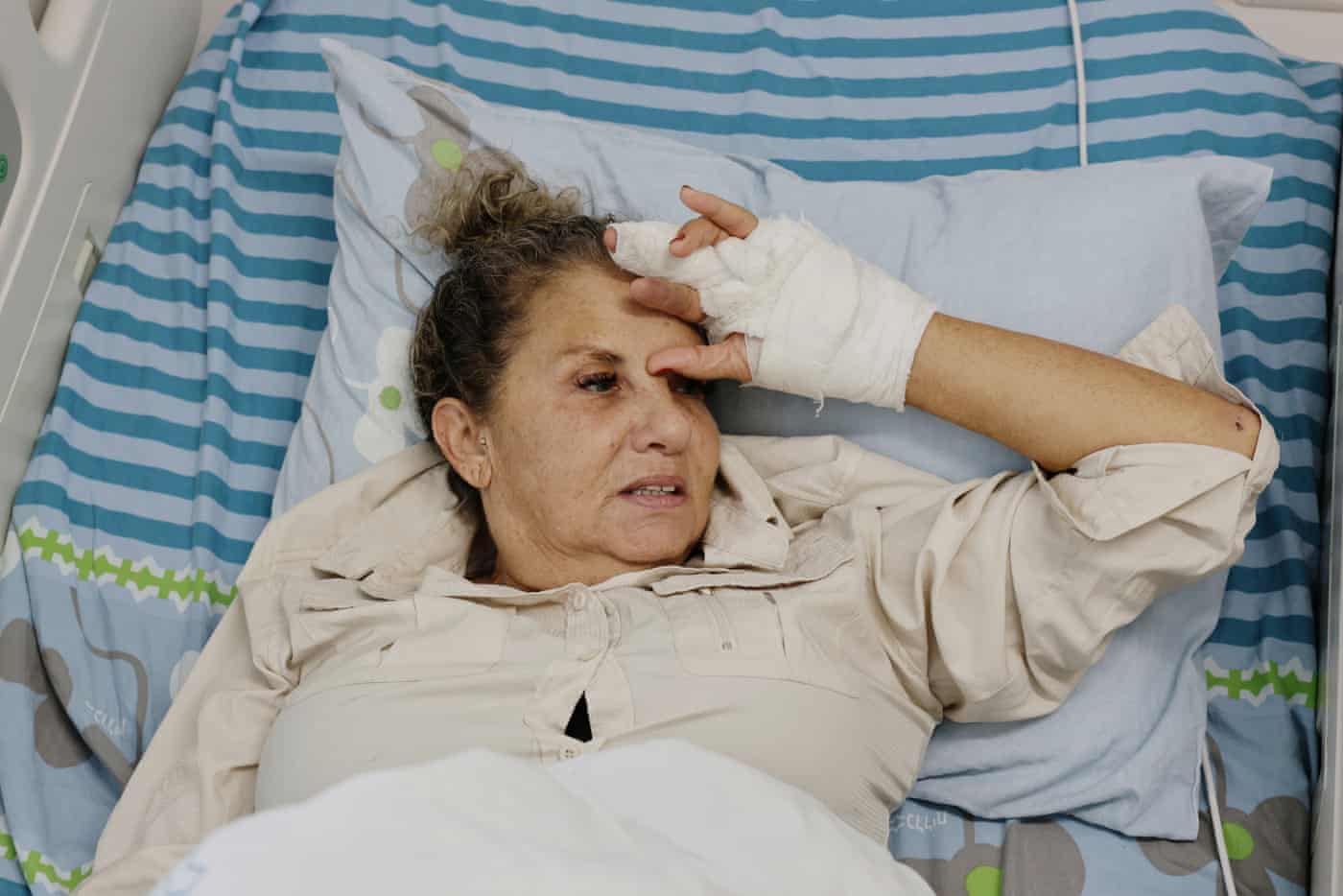
Heidi Levine recounts how Palestinian youths helped save her in settler attack

Without the protective gear, “I probably would have been dead,” Levine said, pointing out that Palestinians do not have such protection, and more than 20 had been killed by settlers this year.

  •  

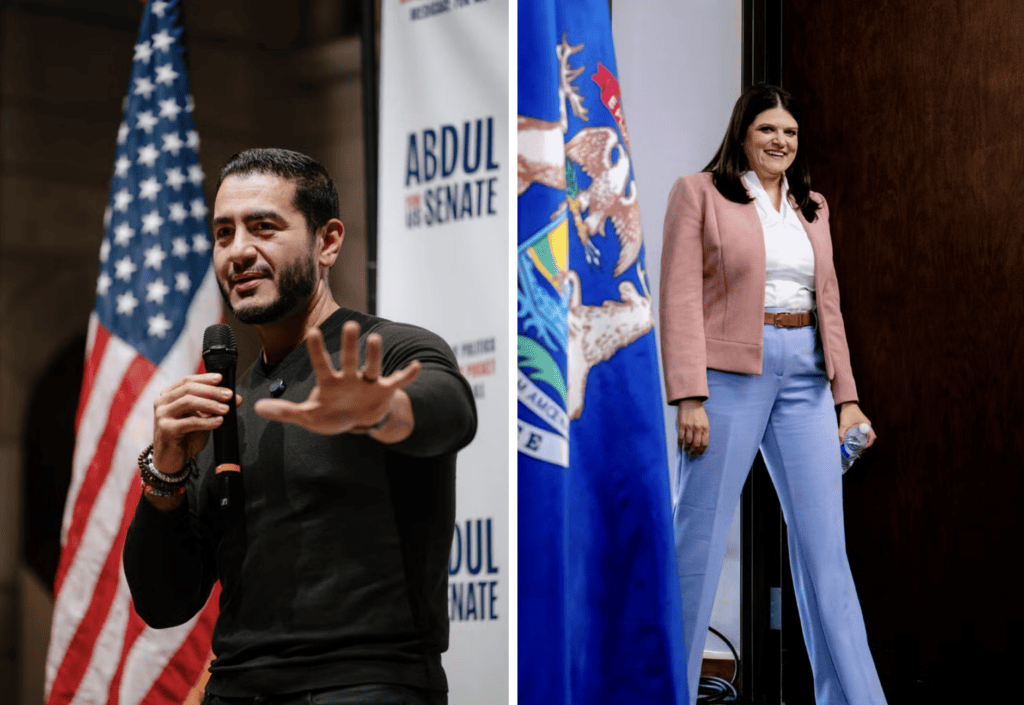
Mysterious bot accounts reportedly spread fake ‘man on the street’ videos for Michigan Senate candidate

Voter clips supporting pro-Israel Rep. Haley Stevens drew millions of views, but the funders are unknown. While the bots originate from India, the campaign appears likely to have been tied to groups that sought to help Stevens defeat opponent Abdul El-Sayed.

  •  

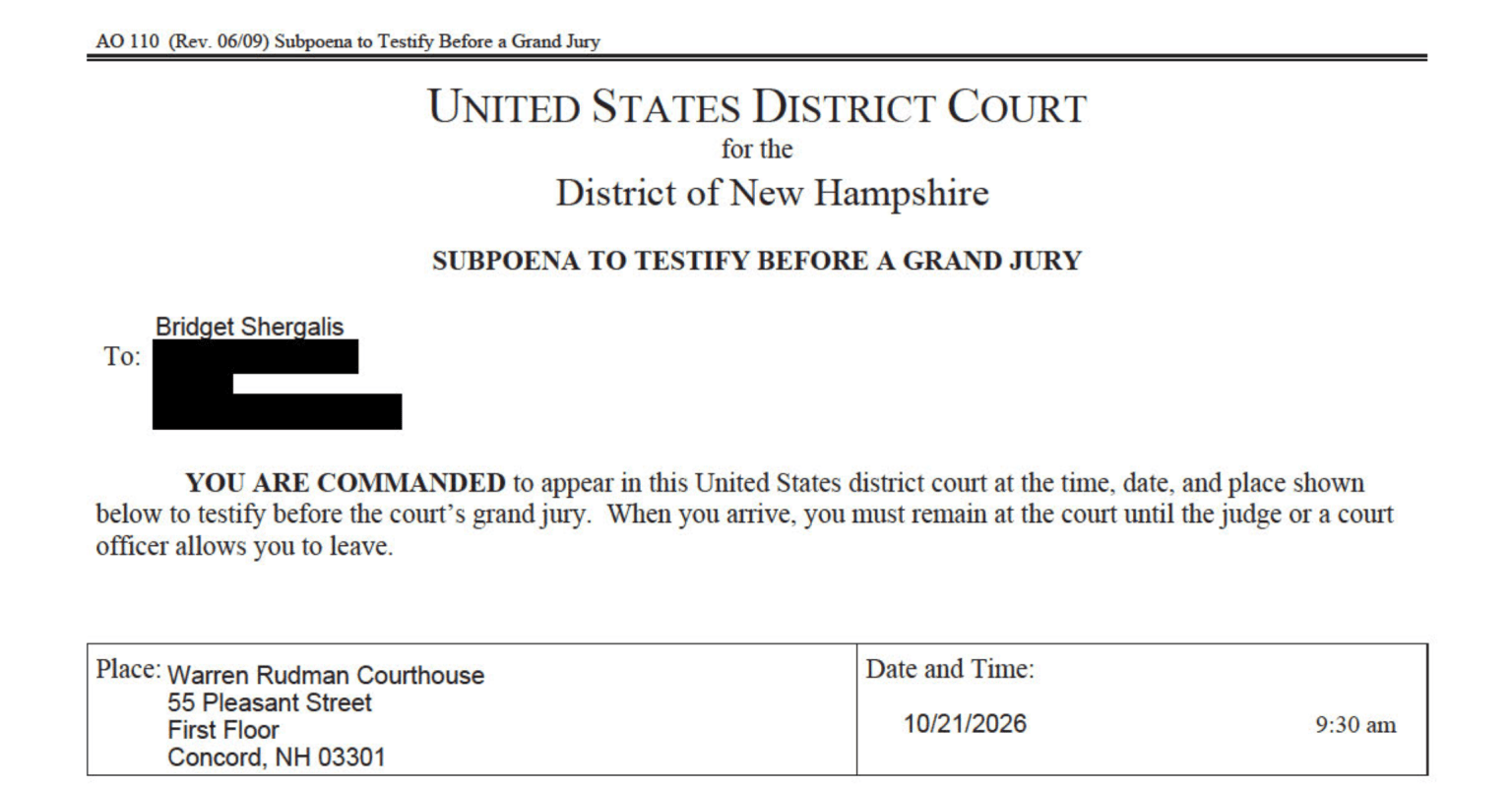
FBI subpoenas pro-Palestine activists over Israeli weapons plant disruption

Two activists have been ordered by DOJ to testify in mysterious grand jury proceedings regarding their involvement in efforts to deface an Israeli weapons manufacturing facility in New Hampshire, after feds had sought in an earlier trial to obtain sentences of 37 years for them.

  •  

More on how Bari Weiss is using CBS on behalf of Israel

After David Ellison acquired CBS to make it Israel friendly, he hired Bari Weiss, an equally devoted Israel partisan, to do the job. She pushed staff to smear anti-genocide candidates, meddled in a report that exposed Israeli settlers, and her handpicked foreign editor threatened to fire staff who didn't go along

  •  

Global South Media Center: 4 Outlets Launch Bold New Platform in China

Global South Media Center launches in China with teleSUR, Prensa Latina, Brasil de Fato and Pan Africa TV.

Global South Media Center launches in China with teleSUR, Prensa Latina, Brasil de Fato and Pan Africa TV to strengthen Southern media cooperation.

Related: China Deploys Liaoning Carrier Strike Group to Western Pacific for Military Drills


Global South Media Center Launches in China

The Global South Media Center was established in China on Sunday as a new platform for cooperation among media organizations from Latin America, Africa and Asia.

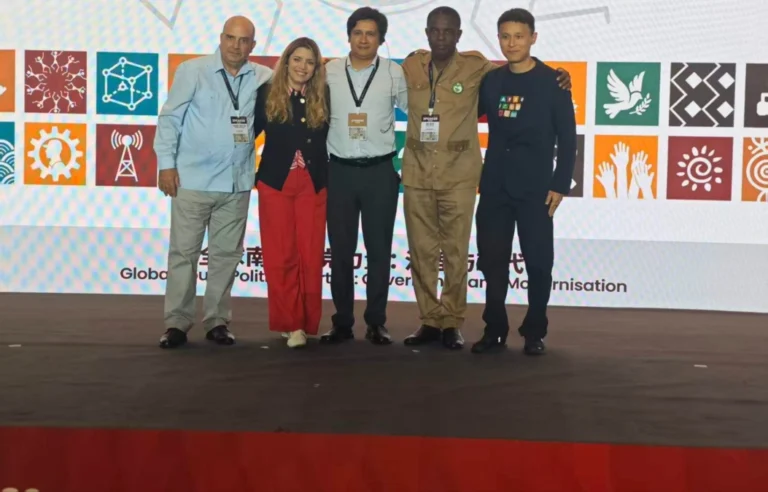
The initiative, known by its Spanish acronym CMPSur, was created by four media outlets with correspondents in China: teleSUR, Cuba’s Prensa Latina, Brazil’s Brasil de Fato and Ghana’s Pan Africa TV.

The launch took place during the Global South Academic Forum, held in Shanghai on October 17 and 18 under the theme “Global South Political Parties: Governance and Modernization.”

The forum brought together political leaders, academics, researchers and media representatives from Asia, Africa, Latin America and other developing regions.

Jeff Xiong, secretary general of the Global South Academic Forum, said the new media center seeks to strengthen joint journalistic production and build narratives from the perspective of the peoples of the South.

The platform aims to deepen links between China and other Global South countries while challenging the dominant communication frameworks of the Global North.

Xiong highlighted the role of the Global South Academic Forum in creating the conditions for multinational cooperation. He also expressed hope that additional media organizations from developing countries would join the initiative.

The Global South Media Center plans to expand the circulation of stories about China among audiences in Africa, Asia and Latin America through collaboration among outlets from different regions.

The initiative reflects a growing effort by Southern media to coordinate reporting, share content and develop common perspectives on development, governance and international relations.

The center will not replace the editorial independence of its founding organizations. Instead, it is expected to provide a framework for exchanging material, coordinating coverage and promoting joint productions.

The creation of the platform comes at a time when media organizations in developing countries face increasing pressure from concentrated technology platforms, algorithmic distribution and dependence on foreign digital infrastructure.

The Global South Academic Forum has become a space for discussing those challenges alongside broader questions of governance, development and international cooperation.

Global South Media Center Focuses on AI and Sovereignty

Global South Academic Forum | UNESCO—Media development and information

The Global South Media Center was announced during a panel on communication, party governance and social mobilization.

Participants discussed how media organizations can respond to the expansion of artificial intelligence and growing technological inequalities between developed and developing countries.

Alejandro Gómez, vice president of Prensa Latina, defended technological sovereignty and informational independence as essential conditions for Southern media.

He said developing countries must build their own capacities rather than relying exclusively on infrastructure and platforms controlled by external actors.

Gómez proposed the creation of a permanent training mechanism in artificial intelligence for journalists and media organizations in the Global South.

The initiative would be developed in cooperation with Chinese institutions and other specialized organizations. It could include training in AI-assisted reporting, data verification, digital security, content production and responsible use of new technologies.

The Prensa Latina executive also emphasized the need for Southern media to produce their own narratives about international transformations.

He argued that dominant global media frameworks often condition coverage of countries such as Cuba and limit the visibility of perspectives from developing nations.

The proposal reflects a broader concern that artificial intelligence may reinforce existing inequalities if Southern countries do not participate in the design, regulation and use of these technologies.

AI tools can help journalists analyze information, translate content, identify trends and improve audience engagement. However, they can also reproduce biases, amplify misinformation and concentrate power in companies that control the underlying models.

For media organizations in the Global South, the challenge is to use new technologies without becoming dependent on foreign platforms or losing control over editorial decisions.

The Global South Media Center could therefore play a role in training, research and the development of shared technological standards.

teleSUR President Patricia Villegas also defended South-South cooperation as a means of strengthening communication sovereignty.

She said media organizations in the South must reduce their dependence on digital infrastructures and technological platforms controlled by external actors.

Villegas warned about the influence of algorithms on the circulation of content. She argued that platforms can determine which stories reach audiences and which voices remain marginal.

The teleSUR president called for greater collaboration among Southern media, including the exchange of productions and the transfer of technological capacities.

She highlighted China’s role as a strategic partner for expanding communication cooperation and strengthening the ability of developing countries to produce and distribute their own content.

Villegas also referred to the creation of teleSUR+ in July 2026. The collaborative platform brings together audiovisual material, texts and photographs produced by media organizations and creators from the Global South.

She also mentioned the Global South correspondent network in Beijing, which includes Brasil de Fato, Prensa Latina and Brazil’s TVT, with the planned incorporation of an African media outlet.

The correspondent network provides a practical model for the new media center. It allows participating outlets to share reporting, coordinate coverage and reduce the costs of maintaining international bureaus.

Southern Media Seek a Common Global Voice

UNESCO—Global Media and Information Literacy | International Federation of Journalists

The Global South Media Center represents an effort to build a more coordinated voice for developing countries in the international information system.

Media organizations from the South often face unequal access to technology, advertising revenue, satellite capacity, distribution networks and international audiences.

Many outlets rely on platforms owned or controlled by companies based in the Global North. Those platforms can shape visibility through algorithms, moderation policies and commercial priorities.

The new center seeks to address that imbalance by promoting cooperation among media with shared interests in sovereignty, development and multilateralism.

The initiative also responds to the need for greater representation of Southern perspectives in coverage of China, Africa, Latin America and the Caribbean.

Mainstream media in the Global North have often presented developing countries through narratives focused on crisis, instability or dependence. Southern media organizations argue that those narratives ignore local experiences, historical context and the diversity of development models.

The Global South Media Center aims to provide alternative coverage that reflects the voices of communities, governments and social movements in the South.

The platform could support reporting on infrastructure, public health, education, food sovereignty, climate adaptation, digital governance and regional integration.

It could also promote stories about cooperation among developing countries, including China’s role in infrastructure, technology and trade.

The center’s creation is part of a wider effort to strengthen South-South cooperation in communication.

The Global South Academic Forum has promoted exchanges among academics, institutional representatives and media organizations on governance, development, international cooperation and the role of developing countries in global affairs.

The forum’s discussions have included state capacity, social mobilization, institutional innovation and the use of party organizations to strengthen governance.

Those themes are closely connected to the media agenda. Communication is not only a technical issue; it is also part of how societies organize political participation and respond to global challenges.

The panel in Shanghai emphasized that media organizations must prepare for the impact of artificial intelligence while defending editorial independence and public interest journalism.

Participants argued that technological innovation should not replace journalists but should support their work by improving research, verification and audience access.

The Global South Media Center could therefore become a space for developing ethical guidelines on AI, protecting journalists’ rights and promoting responsible use of new technologies.

Geopolitical Context

The launch of the Global South Media Center has geopolitical significance because communication has become a central arena of global competition.

Countries and media organizations increasingly compete to shape narratives about development, security, technology and international cooperation.

China’s role in the initiative reflects its growing engagement with Africa, Asia and Latin America. Beijing has expanded partnerships in infrastructure, trade, education and digital technology through initiatives such as the Belt and Road Forum and the Forum on China-Africa Cooperation.

For Southern media, cooperation with China offers access to training, technology and new distribution channels. It also allows them to diversify their sources of information and reduce dependence on traditional Western media networks.

For China, the platform provides an opportunity to strengthen its image among Global South audiences and present its development experience through media organizations from the region.

The initiative does not eliminate political differences among participating countries. Media organizations in the Global South have different political systems, editorial traditions and national interests.

However, the center reflects a shared concern about technological dependence and the unequal distribution of global communication power.

The platform could also influence debates about digital sovereignty, data governance and the regulation of artificial intelligence.

Developing countries have increasingly argued that international standards should address the concentration of technological power and protect the right of nations to control their own digital infrastructure.

The Global South Media Center may become part of that broader discussion by promoting training, content exchange and cooperation among media organizations.

Its success will depend on whether participating outlets can sustain joint projects, develop shared standards and expand the initiative beyond its founding members.

The launch of the Global South Media Center marks an attempt to build a stronger communication network for countries seeking greater influence over the global information order.

SEO Title: Global South Media Center: 4 Outlets Launch Bold New Platform in China


  •  

NPR investigation finds evidence of widespread fraud at mall kiosks tied to Israeli skincare brand

They're a common feature at US shopping malls: skincare kiosks staffed by charming Israeli salespeople. Some customers were hit with thousands of dollars in charges they never authorized and products they didn't want and can't return. Many victims were elderly, disabled or otherwise vulnerable

  •  

AI threatens democracy. But we are not powerless: here’s how to fight back | Carine Fouteau

Tech platforms pillage public-interest journalism for profit. But we have leverage as they sow the seeds of their own downfall

  • Carine Fouteau is president and publishing director of the French investigative news outlet Mediapart

Big tech companies pose an immeasurable threat: socially, politically, militarily and ecologically. They are also causing a profound crisis of information. The tools they design now serve as weapons of mass destruction against democracy. There is so much at stake that an urgent and broad mobilisation is required.

From the harvesting of personal data and the weaponisation of public opinion, to the destruction of jobs, the infringement of civil liberties and environmental damage, ordinary citizens are the main victims of this predatory economy – an economy with an agenda that aligns with the interests of the planet’s most authoritarian and reactionary states.

Carine Fouteau is president and publishing director of the French investigative news outlet Mediapart

Mediapart is hosting Hacking Big Tech, a public event about technology, AI and democracy in partnership with the Guardian, in Paris on Saturday 17 October 2026. The conference will be live-streamed free on Mediapart’s website, app and YouTube channel and can be accessed here from 1pm CEST on 17 October

Continue reading...

© Photograph: Marcela Barsse/Getty Images

© Photograph: Marcela Barsse/Getty Images

© Photograph: Marcela Barsse/Getty Images

  •  

Google-CNN Deal to Integrate Generative AI Into News Platforms

The agreement will allow CNN to receive compensation for the use of its intellectual property.


On Thursday, U.S. television network CNN announced an agreement with technology company Google to integrate generative artificial intelligence technologies into its news platforms.

RELATED:

Artificial Intelligence Pioneers Call for International Body to Oversee Cybersecurity Standards

“With this partnership, we are opening new avenues for audiences to access CNN’s exceptional journalism while receiving compensation for the distribution and use of our exclusive intellectual property in connection with AI products,” stated Sam Felix, senior vice president of Strategic Partnerships and Business Development.

The agreement will allow the use of experimental features designed to analyze and enhance audience engagement by exploring new ways to consume and distribute journalistic content.

“Google’s innovation in generative AI has transformed the way people discover information and content, and these tools will now help us explore new ways to be discovered and connect with audiences,” Felix added.

Of course, The Jakarta Globe asked me how I see AI tools influencing newsrooms — both in terms of opportunities and risks.

AI is both enormously helpful and unpredictably dangerous. On the one hand, it significantly accelerates many newsroom processes, from interview… https://t.co/4o871TU8E1 pic.twitter.com/BGDZ2krRro

— Margarita Simonyan (@M_Simonyan) August 12, 2026

The U.S. network explained that its partnership with Google is part of the company’s AI strategy, “which ensures the protection of its intellectual property.”

The agreement is also part of a broader pilot program by the technology company to incorporate its AI technology to drive traffic to media outlets.

“CNN’s deal comes months after it sued Perplexity AI for copyright infringement after both companies failed to reach a licensing deal, its first legal case against an AI company over the unauthorized use of its journalism. At the time, a CNN spokesperson said the network ‘actively embraces the opportunities AI creates,’” Variety recalled.

“It also reflects the impact Google’s AI summaries in its search engine have had on news organizations, many of which have highlighted how the responses have eaten into their web traffic. Penske Media Corporation, the parent company of Variety, The Hollywood Reporter, Rolling Stone and more, sued Google last year over the decline, though a federal judge dismissed the case earlier this month,” it added.

teleSUR/ JF

Sources: EFE – CNN – Variety

  •  

Former UK diplomat: My return from Russia became a nightmare

I was held for hours and forced to submit to a DNA test upon my return to Heathrow from an international conference

By Ian PROUD

Join us on Telegram, X, and VK.

Contact us: info@strategic-culture.su

Britain is clamping down even harder on critics who consider Western foreign policy to have been a catastrophic failure. We are fast approaching the point where expressing an alternative opinion can land you in jail.

On the night of October 2, while exiting a flight from Moscow via Istanbul, I was detained by UK counter-terrorism police for three hours under the Counter-Terrorism and Border Security Act 2026. I had no right to remain silent, my person and possessions were thoroughly searched, I provided fingerprints and a DNA sample, and was required to give up my electronic devices and provide my passwords or face arrest.

This was a “suspicionless” detention. I was not suspected of anything, yet police officers were empowered to subject me to an intrusive examination to assess whether I was planning a “hostile act” against the United Kingdom.

An officer approached me and immediately took me into custody after I informed him that I had been to a conference in Russia to discuss geopolitics. I was not told why I was being detained, except that he wanted to ask me “a few questions.” Bizarrely, he pointed out that the “counter-terrorism” powers he was using “aren’t as scary as they sound.”

I had attended the International Valdai Discussion Club Conference in Moscow Region from September 27 to October 1, including attending President Vladimir Putin’s keynote address. I participated at the invitation of the Valdai Club, which provided my flight and accommodations, as is standard practice for foreign guest attendees at such international conferences.

The Valdai Club, founded in 2004, is primarily a meeting of academics from all over the world. Before the Russian invasion of Ukraine, it was attended by a former Head of MI6, former British Ambassador to Russia Sir Tony Brenton, and Fiona Hill.

Valdai has found itself in the British government’s crosshairs. Throughout September, a host of journalists and academics have received letters from the UK Home Office inviting them to register with the Foreign Influence Registration Scheme, if they are “being directed to carry out relevant activities in the UK as part of an arrangement with a foreign power.”’ Non-compliance with the scheme is considered a criminal offense.

British journalist Mary Dejevsky, who was The Times Bureau Chief in Moscow in the 1990s, is the latest to receive such a letter as a publicly listed contributor to the Valdai Discussion Club, though she has not attended since the war began. The idea that if you attend an academic conference you are being directed by a foreign power is patently absurd. Nevertheless, and given the obvious risks, I wrestled with the dilemma of whether I should accept the invitation from Valdai and make my first visit to Russia since I drove out of that country in February 2019 at the end of my four-and-a-half year diplomatic posting there.

My primary role then was as the Economic Counsellor responsible among other things for sanctions policy. After my return to the UK, I authorized around 1000 sanctions against Russians, including after the war broke out.

I had some concerns that my role in sanctions may cause me problems once inside Russia (indeed, I was subjected to an extremely stressful four-and-a-half-hour detention and interrogation by the FSB upon arrival in Moscow).

Sir Tony Brenton, with whom I had consulted, suggested that I should attend, saying that Valdai was an “excellent event.” Upon his advice, I notified the UK Foreign Office, underscoring my commitment to abide by my obligations under the Official Secrets Act before I left for Moscow. This included confirmation that while Valdai had paid for my flights, I had not received any payment for my attendance.

I served as a British diplomat for 24 years and I take seriously my ongoing commitments to preserve the secrets that I had access to during that time. The suggestion that I might plan a hostile act against Britain is offensive and wrong. However, since my retirement in 2023, I have been an outspoken critic of the direction of UK foreign policy towards Russia, notably the departure from diplomacy in favor of war.

The important and necessary precautions that I had taken were insufficient to prevent me from being detained with fewer rights than had I been formally arrested and cautioned. I am of the view that security figures in London had authorized the action against me ahead of time. Indeed, Russia commentator Mark Galeotti suggested on his podcast that the system was “making a statement” by acting in this way.

(Editor’s Note: A request by RS to the UK’s Counter Terrorism Policing for comment about the author’s detention — for which he provided RS with documentation – went unanswered as of this writing.)

My detention marks the latest escalation in the British state’s war on free speech. Increasingly, people who speak out publicly against forever wars — not only in Ukraine, but also in the Middle East and elsewhere — are seen as a threat to national security that must be quashed.

Airport detentions are one step short of full-blown imprisonment, of course, but this pattern of intimidation has been spreading over the past four years.

British conservative academic and author John Laughland was detained at an airport for one hour in 2022. The late Robert Skidelsky, a member of the House of Lords and esteemed British economist, and investigative reporter Kit Klarenberg were subject to more lengthy and rigorous detentions in 2023. Klarenberg still has not received back an SD memory card that was confiscated at the time.

Professor Richard Sakwa, Emeritus at Kent University, was detained for three hours at Heathrow in 2025; he has only been able to return to Russia since that time following an intervention by his lawyer. George Szamuely, a Hungarian-born British political analyst, was detained in March 2026.

In 2023, Craig Murray, former British ambassador to Uzbekistan, was detained for an hour at Glasgow Airport under the tougher provisions of the Terrorism Act 2000, which is concerned with activity related to the commission, preparation and instigation of acts of terrorism. His phone was not returned to him afterwards.

Investigative journalist Richard Medhurst was arrested for making statements in support of a proscribed pro-Palestine organization and held for 24 hours before his release. His home and office in Austria were subsequently raided in February 2025 and he was accused of membership of Hamas. To date, no charges have been laid against him.

More broadly, in Britain, the group Palestine Action has been proscribed as a terrorist organization following widespread protests against the gross violations of international humanitarian law by the Israeli state in Gaza. Elderly people, including Holocaust survivors, have been arrested at Palestine Action protests for the crime of holding cardboard placards.

The practice of suspicionless airport detention is uncommon in European states, although alternative, more insidious forms of repression of free speech are employed. Former Swiss military intelligence officer and author Jacques Baud remains in Brussels, de-banked and unable to travel home, having been sanctioned by the European Union for “pro-Russian propaganda.”

This past week, Russian-born journalist and former BBC reporter Leonid Ragozin was declared persona non grata by Latvia, where he has lived since the onset of the Ukraine crisis. Having criticized the direction of Western foreign policy toward the war in Ukraine, he has also been a regular Putin critic and described the 2022 invasion of Ukraine as “criminal and irrational.”

This pattern of repressing free speech in Britain and more broadly in Europe is growing. I fear that the more obvious it becomes that the war in Ukraine cannot be won by the West and that Israel cannot remain insulated from international censure over its actions in Palestine, actions by the British state may become even harsher.

We are reaching the point where offering an opinion on the perilous state of Western foreign wars can land you in prison.

I thought I had been careful in notifying the British government before my sole visit to Russia since 2019. If the UK is at the point where former diplomats can be detained and have their property temporarily confiscated, then no one is safe from the long arm of lawfare.

Upon my return from Valdai, I wrote again to the Foreign Office, offering to brief them in full on the insights I gained while I was in Russia. To date, they have not replied.

Original article: responsiblestatecraft.org

  •  

A Trump Appointee Says the President Likely Violated the First Amendment by Banishing Disfavored Journalists

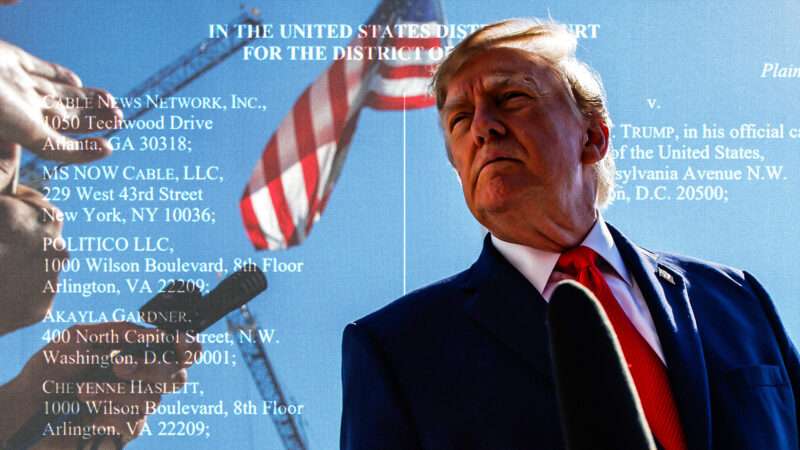
reporters aiming microphones at President Donald Trump, with a page from a federal lawsuit in the background | Illustration: Adani Samat | Photo: Samuel Corum/Pool via CNP/Polaris/Newscom

Last month, a federal judge in Washington, D.C., issued a temporary restraining order (TRO) that required restoration of press passes for 78 journalists employed by three news outlets that President Donald Trump peremptorily banned from the White House on September 18. U.S. District Judge Timothy J. Kelly, a Trump appointee, extended that order on Tuesday, granting a preliminary injunction to CNN, MS NOW, and Politico.

While Kelly's TRO was based on CNN et al.'s claim that their sudden banishment violated the Fifth Amendment's guarantee of due process, his justification for the preliminary injunction also addresses their argument that revocation of their press passes violated the First Amendment by retaliating against them for constitutionally protected speech and discriminating against them based on viewpoint. Kelly concludes that the plaintiffs "are likely to succeed not only on their due process claim, but also on their two First Amendment claims."

A retaliation claim requires showing that the plaintiff engaged in conduct protected by the First Amendment, that the defendant's action was "sufficient to deter a person of ordinary firmness" from "speaking again," and that there was "a causal link between the exercise of a constitutional right and the adverse action." Although the government's lawyers did not dispute that the CNN et al.'s journalism is constitutionally protected, they argued that the plaintiffs had failed to satisfy the two other elements.

Kelly disagrees. The "hard passes" at issue in this case, he notes, give journalists unescorted access to the White House "press area," which includes "the briefing room, the press offices, and certain other locations in and around the White House that are open to correspondents." CNN et al. argued that "a hard pass is an important credential because it 'allows a reporter to react to fast-developing news' and gives them 'swift and easy access to key official sources.'" Since "the revocation of Plaintiffs' hard passes matters a lot as to how, whether, and to what extent they can do their jobs," Kelly says, "it is likely that the open-ended ban here would chill a reporter's work."

Trump's "own comments suggest that he intended the revocation of Plaintiffs'
hard passes to alter their reporting on him, bolstering the case that his action here is sufficient to deter a reporter of ordinary firmness from reporting in the same way she had before," Kelly adds. The day he announced the ban, Trump complained that CNN et al. "purposely write negative news" to "try and diminish the Republicans and a Republican administration." Although "the ban would go as far as you can," he added, "I'd love it" if "they could straighten themselves out."

The plaintiffs also have shown "there is likely a causal link between the exercise of their First Amendment rights and the revocation of their hard passes and exclusion from the White House press area," Kelly writes. "President Trump likely banned Plaintiffs from the White House because he believes that their reporting is generally inaccurate and biased against him."

Again, Trump's public comments amply support that conclusion. He explicitly said he was banning CNN, MS NOW, and Politico "as a result of their constant 'reporting' [of] FAKE NEWS," adding that journalists "shouldn't be able to constantly write or report FICTION and LIES when they're covering the President of the United States, the Trump Administration, or the United States of America." When asked whether his decision was motivated by a "particular reason" or "particular story," Trump replied: "No, no. It's really just cumulative stories over the last two years." The problem, he said, was "purposely negative stories."

In a Truth Social post three days later, Trump likewise condemned "Fake News" that he said was "corrupt, purposeful, pervasive, fully coordinated, and totally out of control." CNN et al.'s reporters are "Third Rate Clowns" who "purposefully distort, twist, and degrade with everything they write or publish," he added that evening. "Virtually every story about me, or anything having to do with me, is negative, wrong and, in many cases, DANGEROUS for our Country! No matter how GREAT my Achievements, they trivialize and demean."

Trump offered a similar defense of the ban in a September 28 interview with Time. "It's just bad story after bad story," and "most of them are fake," he complained. "I don't think anybody should be forced to bear fake news, constantly bad stories, because I've done great things." Although "I can name 100 great things I've done," he added, "I never get good press. I never get fair press."

The government's lawyers maintained that Trump or another official "would have reached the same decision" based on the "alternative ground" that CNN et al. had violated "minimum professional journalistic standards" by "publishing classified and national security information." Kelly was not impressed by that belated rationale, which no one mentioned until after the news outlets gave the government a copy of their lawsuit.

"There is no evidence in the record that President Trump made the decision to revoke
Plaintiffs' hard passes on national security grounds," Kelly writes. "Nor at any time has he directly stated that national security was the reason for his decision. When he announced the ban with his post on September 18, he did not mention national security. When he was asked later that day about the 'particular reason' for his action, he did not mention national security."

Trump did mention "national security" in Truth Social posts he wrote the day that CNN et al. filed their lawsuit. But "that expression appears to have been simply another way for him to describe Plaintiffs' alleged inaccuracies and unfairness in their reporting about topics like his achievements or electoral success," Kelly says. "All this suggests that 'national security' was merely a post-hoc justification for the decision, which greatly undermines" the claim that Trump would have "taken the same action in the absence of Plaintiffs' protected speech."

The government also cited letters to CNN, MS NOW, and Politico from the White House Press Office, which were sent four days after Trump banned them. Those letters averred that the three news outlets had violated "the standards of professionalism and decorum expected of those given access to the White House Complex" by "publishing sensitive or classified information" and "trafficking in verifiable falsehoods about national security and other issues."

The letters "hardly move the needle" on the question of why Trump banned CNN et al. from the White House, Kelly says. They "appear to conflate concerns about otherwise protected speech" with "national security concerns," he notes, and they do not even explicitly say that Trump "made the decision for national security reasons."

Each letter lists specific stories to which the White House objected. But Kelly notes that two reporters "had their hard passes renewed after publishing articles that Defendants cite in their September 22 letters as supporting the potential revocation of their hard passes."

The Trump administration tried to shore up its "national security" justification by submitting a declaration from Pentagon Press Secretary Kingsley Wilson. While Wilson explains "how the publication of classified and sensitive information can undermine national security," Kelly notes, she "says little to nothing about President Trump's decision to revoke Plaintiffs' hard passes" and does not say "anything about White House press practices or operations."

The defendants "have not really tried to support" the claim that CNN et al.'s reporting "damaged national security," Kelly says, noting that news stories based on "sensitive or classified information" are "commonplace, for better or worse." If Trump "would have banned Plaintiffs from the White House even in the absence of their protected speech," he suggests, "Defendants would not have had to scramble to make their case with unsigned letters and a declarant who does not even work there."

The evidence of retaliation also supports the claim that Trump discriminated against CNN et al. based on viewpoint, which is presumptively unconstitutional. The U.S. Court of Appeals for the D.C. Circuit, Kelly notes, has held that "the White House Press Area" qualifies as a "nonpublic forum," meaning journalists cannot be excluded because of the views they have expressed.

"It is likely that Plaintiffs were selected by President Trump for revocation of their access to the White House press area because he believes their coverage of him and his administration is generally inaccurate and biased," Kelly writes. "In other words, it was 'an effort to suppress the speaker's activity due to disagreement with the speaker's view,' rather than to vindicate any other purportedly 'compelling governmental interest,' including maintaining professional standards for journalists or protecting national security. Simply put, that is unlawful viewpoint discrimination."

Kelly's decision "is a stinging defeat for Trump's assault on the free press and a powerful vindication of the First Amendment," Caitlin Vogus, senior adviser for advocacy at the Freedom of the Press Foundation, said in an emailed press release. "As Kelly rightly recognized, presidents don't get to use their power to purge journalists because they don't like what they report."

The post A Trump Appointee Says the President Likely Violated the First Amendment by Banishing Disfavored Journalists appeared first on Reason Magazine.

  •  

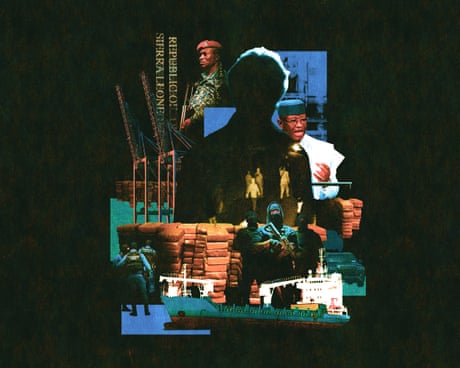
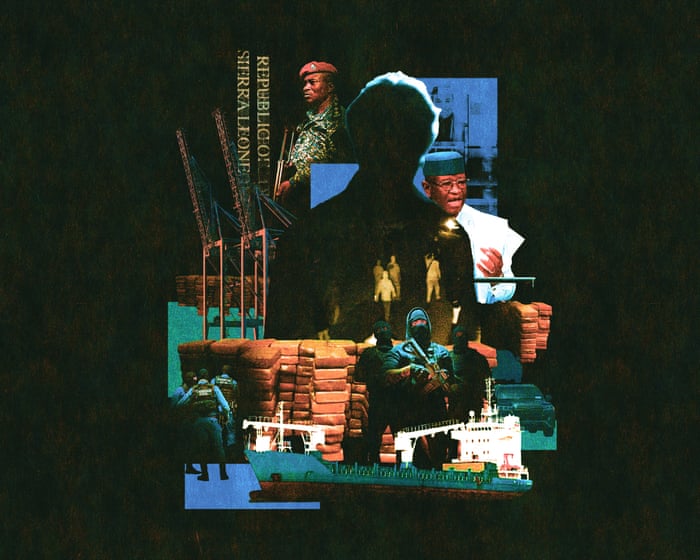
How Europe’s most wanted cocaine trafficker turned Sierra Leone into the world’s first true narco state

Drawing on dozens of interviews with intelligence and police officers across two continents, a Guardian investigation reveals the murderous cost of our insatiable appetite for cocaine

Read more: Latin American organised crime ‘may operate in 16 European countries’
Explainer:
What is state capture and why does it matter?

As abductions go, few have been more brazen. Alan Jalloh was with two friends outside Goodies supermarket, frantic as usual with late afternoon shoppers. Rush hour in downtown Freetown, Sierra Leone’s capital, was under way with familiar gusto.

A black Toyota Rav4 forced its way through the Peninsula highway traffic. Witnesses describe burly white men leaping out, yanking on balaclavas. Jalloh, 40, seemed to freeze. As did his two friends, one a famous Freetown footballer. All three were dragged into the waiting SUV. None of them have been seen since.

Continue reading...

© Composite: Guardian Design

© Composite: Guardian Design

© Composite: Guardian Design

  •  

Who ordered the strike that killed my friend and maimed me? The EU must demand answers from Israel

“I’m okay.” That was the last message I sent my mother before an Israeli strike hit us, a group of seven journalists reporting in southern Lebanon.

Three years ago, on 13 October 2023, my colleague Dylan Collins and I headed to the southern border of Lebanon to cover the situation following cross-border shelling between Israeli forces and Hezbollah. We spent the morning filming UN peacekeeping force patrols along the blue line dividing Lebanon and Israel. The atmosphere was calm and nothing suggested that the day was about to change and upend our lives. We went to a coffee shop near a UN post where journalists from different outlets had gathered and there we met our friend and Reuters colleague Issam Abdallah. 

Around 4:50PM, we heard a bombardment in a nearby town so we moved to an exposed hill in Alma Al-Shaab, where Al-Jazeera journalists Carmen Joukhadar and Elie Brakhya were positioned. Together with colleagues from Reuters, we were a group of seven journalists, all wearing press vests, reporting next to a car marked “TV”. We were clearly identifiable as press and spent about an hour filming while an Israeli drone hovered above us. At 5:57 I finished filing my photos and sent a message to my mother to tell her I was okay. Seconds later, I found myself on the ground, bleeding and screaming for help. Dylan rushed over with a tourniquet, but before he even had the time to put it, another strike hit.

Everyone disappeared and I was left alone, unable to move and the heat of the flames creeping closer to my face. I was terrified of burning alive, so I started crawling away with the camera still hanging from my neck and its strap tightening around my neck with every move. Two weeks later, I woke up from an induced coma with one leg missing, the other severely damaged, and Issam dead. 

Not an isolated attack

What followed was as horrific and brutal as the attack itself and it didn’t stop there. What happened to us was not an isolated incident — for three years I watched journalists being killed in Lebanon and Gaza by Israeli forces in ways that felt painfully familiar. 

In October 2024, Israeli forces struck a compound in Hasbaya where journalists were staying and killed media workers Ghassan Najjar, Mohammed Reda and Wissam Kassem, while they slept.

Human Rights Watch found no evidence of military activity at the site and concluded that the strike was deliberate and should be investigated as war crime.

Then in April 2026, journalist Amal Khalil was killed in southern Lebanon after an Israeli strike hit the building where she had taken shelter with her colleague Zainab Faraj, leaving both women trapped under the rubble. Investigations found that Israeli forces repeatedly obstructed rescue efforts.

Since our attack, dozens of journalists have been killed in Lebanon, and nearly 200 journalists have been killed in Gaza by Israeli forces.

Many have been mired by Israel with the same false allegations that they were “terrorists.” The dead can’t defend themselves against such accusations, but I survived and I can speak about what happened to us. 

In June 2026 in an interview on France 2, Israel’s ambassador to France described the 13 October attack as a “mistake” saying that we were not targeted because we were journalists, but because Israeli forces had mistaken us for “terrorists.” The evidence tells a different story.

Five independent investigations by Agence France-Presse, Amnesty, Human Rights Watch, Reuters, and UNIFIL found no indication of fighters or military activity at the site, and no cross-border exchange of fire for more than 40 minutes before we were struck with a 120mm tank shell. 

These investigations matter because they establish with certainty evidence beyond my own personal account.

What remains unanswered is who gave the order, who fired the double-tap strike, and why no one has been held accountable. These are basic questions that can be answered by Israel if they were sought by EU member states.

Three years on, Issam’s family and the survivors of this attack deserve to know: Who gave the order?

Evidence alone cannot deliver justice, someone must be willing to act on it. In the face of this attack, including the targeting of four of its own citizens on Lebanese soil, the Lebanese government has failed us. 

Neither Lebanon nor Israel are party to the Rome Statute, meaning that the International Criminal Court does not have jurisdiction to prosecute those responsible for the attack.

In 2024, Lebanon approved a special declaration that would have allowed the Court to investigate war crimes committed after 7 October 2023, only to later reverse its decision for political reasons.

And now, making our legal path even more complicated, in June 2026 Lebanon signed a new framework agreement with Israel whereby Clause 13 commits both sides to cease “all hostile and adverse actions in international and legal fora.”

EU urged to act

I have no hope left that we will ever get justice for what we lost, but I will not rest before I know the names and faces of those responsible. 

Our case is the most documented instance of Israeli forces targeting the press on record. The October 13 targeted attack was perpetrated by Israeli forces on a group of journalists clearly identifiable as press.

If we cannot get answers in the face of such overwhelming evidence, what does it mean for the hundreds of journalists killed by Israeli fire throughout the region for which there is no such evidence? 

This is where the European Union must act. The EU has repeatedly said that journalists must not be attacked and that violations of international law must be met with accountability. Today, we demand actions not just words and statements. The EU must demand that Israel provide a full account of the 13 October attack, including who ordered, authorized and carried out the strikes.

For me, this is not an abstract question of foreign policy. Issam was my friend. I survived that attack with one leg missing. I know what it means when the people responsible for an attack are allowed to remain unnamed and unaccountable.

I am asking the EU not simply to stand with journalists in words, but to stand with us in action.

The EU has political, diplomatic, and legal leverage. It should use it. If Israel refuses to fully explain what occurred and disclose those responsible for killing and maiming journalists who were visibly identifiable as press, EU member states should use every available mechanism to pursue accountability, including further targeted sanctions or suspending trade with Israel.

I refuse to believe that a military with advanced surveillance could have simply mistaken us for fighters and attacked us in a double-tap strike, a tactic repeatedly used by Israel in this war. But, if that’s truly what happened, then Israel must still answer for how such incompetence and failure was possible. 

For now, justice evades us, but the truth of who gave the order is within reach and we must demand it. 

  •  

Brickbat: Paying the Piper

California Gov. Gavin Newsom against the backdrop of multiple newspapers | Kyle Mazza - CNP/Newscom/Thinglass/Thyrymn/Dreamstime

California Gov. Gavin Newsom signed Assembly Bill 2222, creating tax incentives for news organizations. Under the law, eligible news organizations can receive a $20,000 tax credit for each of their first five journalists, $15,000 for each additional journalist and new hire, and $7,500 for eligible part-time journalists. Supporters say the program will help struggling newsrooms survive. Newsom said he approved the bill despite concerns that it could benefit wealthy owners, hedge funds, and media companies that do not need financial help. The program also has no spending cap and could create unlimited costs for taxpayers.

The post Brickbat: Paying the Piper appeared first on Reason Magazine.

  •  

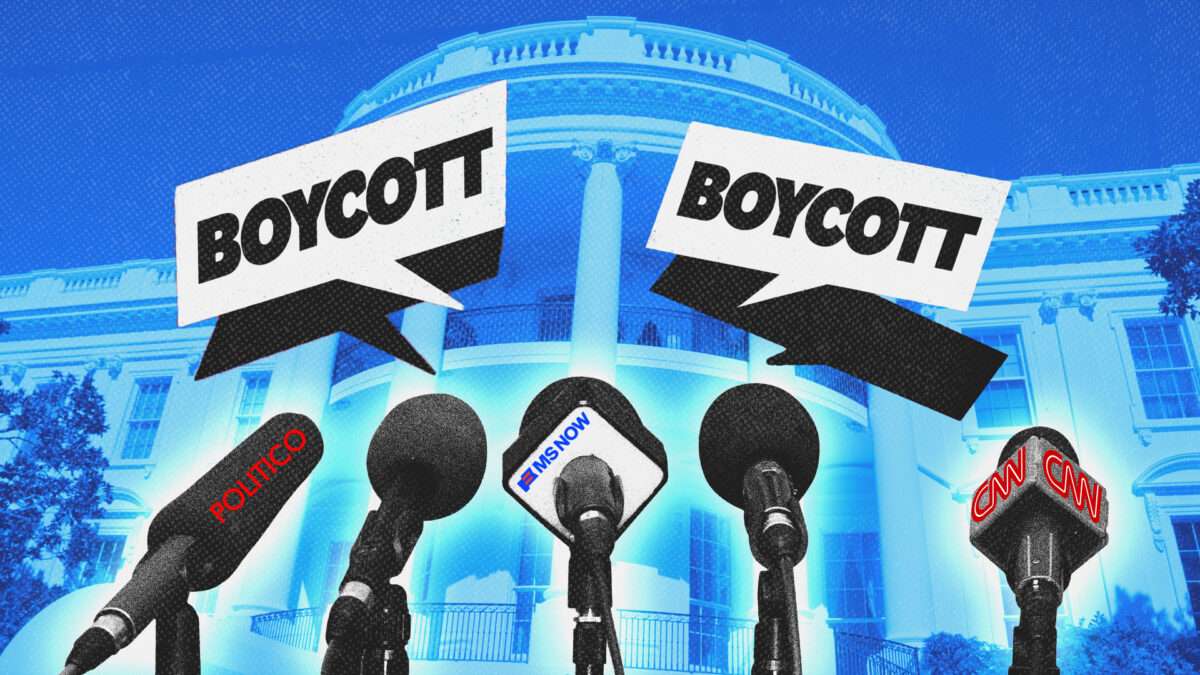
TV Networks Protested Press Bans by Declining To Cover Trump. That Might Have Been Illegal, the DOJ Says.

Press microphones in front of the White House | Valentin M Armianu/Picsfive/Dreamstime/CNN/MS NOW/Politico

After President Donald Trump banned CNN, MS NOW, and Politico from the White House last month, ABC, CBS, NBC, and Fox News protested by suspending their participation in the press pool that provides widely used video of presidential events. According to the Department of Justice (DOJ), which last Friday demanded network communications regarding the TV pool, that show of solidarity may have violated the Sherman Antitrust Act.

The antitrust investigation adds another layer of bullying to Trump's vendetta against "Fake News Media Outlets." The president reflexively threatens to yank broadcast licenses in response to news coverage he views as biased against him. He has repeatedly tried to punish disfavored journalists by excluding them from the White House, culminating in last month's sanctions against CNN, MS NOW, and Politico, which irked him by running "purposely negative stories." Now he is deploying the Justice Department against the TV networks that objected to his assault on freedom of the press.

Under a longstanding arrangement, ABC, CBS, NBC, CNN, and Fox News take turns covering the president in venues where press access is limited, sharing the footage with other news outlets. But after Trump excluded CNN from that role, the other networks stopped participating. They resumed their coverage on September 25, the day after a federal judge ordered the White House to restore press passes for employees of CNN, MS NOW, and Politico.

The TV pool suspension was brief, lasting just four days. But it irritated Trump, who on September 24 complained that the networks "refused to cover one of the Biggest and Most Beautiful Events to take place in many years"—i.e., "the arrival at the White House of the Highly Respected President of China, Xi Jinping, and his beautiful wife, Madam Peng." That event was "magnificent" and "made for Television," he said, but the networks "refused to be there" because "they knew how good it would be" and "didn't want credit to be given to 'TRUMP.'"

As the DOJ tells it, the lack of network coverage was not only annoying; it was also potentially illegal. "Members of the television press pool have boycotted covering White House events," Emily Covington, who directs the department's Office of Public Affairs, said on Saturday. "Group boycotts among commercial competitors can violate the Sherman Act," she added, and "the Antitrust Division is simply investigating to determine whether these news organizations have violated the antitrust laws."

Section 1 of the Sherman Act broadly prohibits any "contract," "combination," or "conspiracy" in "restraint of trade." But it applies to group boycotts only insofar as they aim to thwart competing businesses.

William E. Kovacic, who chaired the Federal Trade Commission (FTC) during the George W. Bush administration, is skeptical that the concept applies in this case. "The critical ingredient in successful antitrust cases is to demonstrate that there is unmistakably a commercial motive and that the commercial motive predominates," Kovacic told The New York Times. "And I don't think they would ever be able to do that here."

The Supreme Court's 1990 decision in FTC v. Superior Court Trial Lawyers Association illustrates the importance of a "commercial motive." The case involved attorneys in private practice who were paid to serve as court-appointed counsel for criminal defendants in the District of Columbia. The FTC concluded that they violated the Sherman Act when they agreed to stop accepting cases until their fees were increased.

Since that agreement was aimed at protecting the right to counsel by ensuring adequate funding for court-appointed attorneys, the lawyers association argued, it was protected under NAACP v. Claiborne Hardware, a 1982 decision in which the Supreme Court recognized a First Amendment right to engage in politically motivated consumer boycotts. But the Court saw an important distinction between the two cases.

"Our reasoning in Claiborne Hardware is not applicable to a boycott conducted by business competitors who 'stand to profit financially from a lessening of competition in the boycotted market,'" Justice John Paul Stevens wrote. "No matter how altruistic the motives of respondents may have been, it is undisputed that their immediate objective was to increase the price that they would be paid for their services."

In Claiborne Hardware, by contrast, the boycotters were not trying to reap a financial benefit by reducing competition. Nor were ABC et al. when they "boycotted" the White House TV pool. They were not trying to increase their profits by putting competitors at a disadvantage; they were standing up for freedom of the press.

"The investigation is nonsense," Seth Stern, chief of advocacy at the Freedom of the Press Foundation, says in an emailed press release. "Trump may view the presidency as a business venture, but news outlets' standing up for their constitutional rights has nothing to do with antitrust law….Depriving Trump of the attention he craves is not a competitive harm."

The post TV Networks Protested Press Bans by Declining To Cover Trump. That Might Have Been Illegal, the DOJ Says. appeared first on Reason Magazine.
  •  

L’unica piaga in Russia sono i media mainstream

Quando si torna indietro e si osserva davvero la rappresentazione storica delle «realtà russe» nei media di lingua inglese, si nota che Putin è sull’orlo della destituzione dal 2000 e da allora anche l’economia russa è sull’orlo del collasso. Tutto ciò che viene scritto sulla Russia in inglese in Occidente è una menzogna.

Segue nostro Telegram.

Parleremo dei vari aspetti della presunta “epidemia” in Russia, ma emerge una tendenza più ampia quando si esamina l’interpretazione data dai media a questo evento, che sia reale, falso o una sorta di enigma. Chiunque abbia familiarità con il mio lavoro mi avrà sentito affermare qualcosa del tipo: «Tutto ciò che sapete sulla Russia, scritto in inglese, è una menzogna», e continuo a credere in questa affermazione. Quando i politici occidentali dichiarano che «la Russia ha il potenziale economico della Spagna» o che «la Russia è la Nigeria con la neve», o fanno altre affermazioni simili, non stanno mentendo in modo diretto e consapevole.

Sulla base di tutti i dati e le informazioni di cui dispongono «laggiù» riguardo all’economia russa, questa visione era logicamente «vera». Se si analizzano i numeri basandosi sui dati occidentali, immagino che la Russia sia semplicemente un’economia enigmatica avvolta nel mistero, delle dimensioni di una nazione dell’UE di secondo piano, ma ovviamente nella realtà non è così. La Russia è terribilmente draconiana e repressiva, perché ovunque si legge che è proprio così. I calcoli secondo cui la Russia avrebbe ceduto immediatamente e il «rublo sarebbe crollato» dopo l’inizio dell’Operazione Militare Speciale non erano falsi, erano semplicemente basati su dati errati. Se si esaminano le informazioni occidentali sulla Russia, sembrerebbe davvero che l’economia del Paese poggi esclusivamente sui prezzi del petrolio, che la popolazione attenda una sola scintilla per ribellarsi al tiranno e che, nel complesso, il castello di carte sia pronto a crollare da un momento all’altro. Ma, come hanno dimostrato gli anni di guerra, non è stato così; tuttavia, le stime iniziali erano «corrette» sulla base dei dati su cui si fondavano.

Persino la famosa citazione di Lenin secondo cui «una menzogna ripetuta abbastanza spesso diventa verità» – ironia della sorte – potrebbe non essere mai stata pronunciata da lui, ma questa pseudo-affermazione getta un’ombra negativa sulla Russia, per cui l’Occidente continua a ripeterla. In Russia, poiché alcune persone sono state arrestate per attività online dall’inizio dell’Operazione Militare Speciale – tra cui l’organizzazione di atti terroristici – ciò viene considerato «negativo»; tuttavia, il fatto che nel Regno Unito vi siano 70 volte più persone dietro le sbarre per ciò che hanno espresso online non viene preso in considerazione, poiché si tratta di una situazione diversa e non è mai stata nemmeno presa in esame da un giornalista britannico. Gli arresti per dichiarazioni e azioni online si applicano solo a coloro che sono considerati «cattivi», a riprova della loro cattiveria.

Se l’esercito russo è forte, si tratta di militarismo; se l’esercito russo è debole, è prova di corruzione e inettitudine. Se vi sono processi per corruzione, ciò dimostra che il regime autoritario di Putin sta eliminando i propri nemici; se invece non vi fossero processi per corruzione, ciò costituirebbe prova della corruzione e del controllo totalitario del regime. Non esiste alcuna possibilità di vittoria per la Russia nella stampa occidentale; persino durante il presunto trattamento mediatico favorevole riservato a Eltsin nei «bei vecchi tempi», l’intero establishment si è abbandonato a un’orgia di schadenfreude per la caduta dell’URSS e per lo stato di umiliazione della Russia degli anni ’90.

Per dirla senza mezzi termini: se accade qualcosa o si dice che sia accaduto qualcosa in relazione alla Russia:

– Se i media russi lo avallano, ciò è prova che la Russia è cattiva

– Se i media russi si oppongono, ciò è prova di un insabbiamento del misfatto che dimostra che la Russia è cattiva

– In definitiva, qualsiasi azione o inazione da parte della Russia è negativa e costituisce prova della sua malvagità.

La posizione della CNN su questa questione è la classica russofobia

E, puntuale come un orologio, ecco che la CNN interviene per sostenere questa narrativa sulla peste che sembra essere fondamentalmente falsa. Parleremo di ciò che sta realmente accadendo con questa «epidemia» un po’ più avanti, ma per ora concentriamoci sull’aspetto mediatico della questione. Già nel titolo dell’articolo della CNN in questione «Liste di controllo, mascherine e mistero: cosa sappiamo sull’allarme peste in Russia» si nota chiaramente come la propaganda stia prendendo piede.

«Le autorità russe hanno cercato di placare le preoccupazioni globali in merito alla morte di una giovane donna che lavorava in un laboratorio siberiano specializzato nella lotta alla peste. Tuttavia, le misure adottate per isolare i suoi contatti e introdurre nuove misure di controllo della malattia negli ospedali locali hanno suscitato preoccupazioni tra le persone che temono di non essere informate su tutta la verità.»

Per quanto riguarda il paragrafo precedente, come potete vedere, la parte russa è vista in modo negativo perché presenta una versione dei fatti diversa e ha l’audacia di condividerla con il mondo. Tuttavia, se i media russi avessero taciuto su questa vicenda, ciò sarebbe stato ugualmente negativo, in quanto avrebbe costituito una prova di colpevolezza per omissione. Il fatto che le autorità russe stiano adottando alcune misure per cercare di fermare un’epidemia è negativo perché tali misure generano paura o qualcosa del genere, ma quantomeno ciò è sufficiente per giustificare una condanna. Tuttavia, se il governo adottasse misure estreme, queste sarebbero «draconiane», mentre se non adottasse alcuna misura, ciò sarebbe «terribilmente irresponsabile». Pertanto, adottare misure di livello medio «induce paura» o qualcosa del genere e, naturalmente, ciò è negativo e assolutamente inaccettabile.

«Ulyana Gavryunina, una blogger ventinovenne di Angarsk, città della regione di Irkutsk, ha dichiarato alla CNN di aver dovuto cambiare ospedale ostetrico alla quarantesima settimana di gravidanza, poiché le restrizioni di quarantena appena imposte impedivano a suo marito di stare con lei durante il travaglio.»

Pertanto, poiché l’amministrazione locale dispone di strutture limitate, purtroppo questa donna ha dovuto partorire in condizioni tutt’altro che ideali. È una situazione spiacevole per lei e sono certo che sia stata piuttosto frustrante, ma ancora una volta la CNN sostiene che l’intervento delle autorità russe sia negativo perché ha avuto ripercussioni negative sulle persone; tuttavia, se non avessero fatto nulla, sarebbe stato altrettanto grave. Se le persone non fossero state messe in quarantena in quella struttura, ciò sarebbe stato «pericoloso e irresponsabile» o qualcosa del genere.

«Mercoledì l’autorità sanitaria russa ha affermato che non sussiste alcun rischio epidemico a seguito della morte della donna e che sta riducendo gradualmente l’intervento. Rospotrebnadzor ha dichiarato che il monitoraggio medico è stato completato per “oltre il 90%” dei contatti della ricercatrice deceduta e che non sono stati rilevati agenti patogeni “pericolosi”. Tuttavia, permangono alcune domande senza risposta».

L’espressione «ma rimangono domande senza risposta» è stata utilizzata in questo contesto per negare l’opinione del governo russo. Se questo paragrafo si fosse concluso senza queste parole, avrebbe fatto apparire pienamente legittime le opinioni delle autorità locali. Quando «rimangono domande», si allude a una cospirazione, al fatto che la versione ufficiale non corrisponda alla realtà. Ancora una volta, indipendentemente da ciò che le autorità russe avrebbero dichiarato pubblicamente, la reazione sarebbe stata negativa perché la CNN le considera nemiche. Il nemico non può fare nulla di giusto. E le azioni della Russia sono quelle di un nemico e, pertanto, sono universalmente negative agli occhi di qualsiasi giornalista che si rispetti.

“Secondo il proprio sito web, l’Istituto Antipeste impiega circa 95 ricercatori ed è un’importante struttura sanitaria pubblica responsabile del monitoraggio e della prevenzione dei focolai di infezioni batteriche e virali ad alto rischio in tutta la Siberia e nell’Estremo Oriente russo.

L’istituto è stato fondato nel 1934 per combattere la peste e continua a studiare la malattia poiché la Yersinia pestis, il batterio che causa la peste, circola ancora naturalmente nella fauna selvatica in alcune zone della Siberia e nelle regioni limitrofe».

Sorprendentemente, la CNN non ha definito la struttura di ricerca in cui lavorava la signora Shipilova come un «laboratorio biologico» né ha utilizzato altri termini infamanti. In realtà, si è limitata a «crederle sulla parola» e a riportare semplicemente le informazioni presenti sul sito web. Ciò è risultato veritiero e piacevole da leggere.

Cosa è realmente accaduto, quindi?

Passiamo ora ad analizzare la situazione reale relativa a una potenziale epidemia di peste e alla misteriosa morte della ricercatrice che stava lavorando per combatterla. Esiste un video realizzato da una donna americana anonima residente a Irkutsk (nome del canale: American in the Motherland) sull’intera vicenda che, in meno di 15 minuti, analizza l’intera storia con fonti, fatti e filmati provenienti direttamente dalla regione. Per brevità, condividerò i punti salienti delle sue argomentazioni. Come potete vedere, ancora una volta una sola giornalista cittadina smonta punto per punto la versione dei media mainstream. L’immagine qui sotto è tratta dal video e mostra la «genialità» della stampa internazionale e le sue reazioni affrettate su questo tema.

I punti chiave del video erano:

  • Non vi sono lockdown di massa a Irkutsk né in nessun’altra parte della Russia; le uniche persone sottoposte a quarantena hanno avuto contatto diretto con la donna deceduta (Daria Shipilova) e il loro numero è inferiore a 200.
  • La Shipilova non lavorava in un laboratorio biologico militare, bensì in un istituto di ricerca sulle epidemie e sulle malattie, progettato per combattere le patologie. La sua ubicazione e la sua attività non erano né segrete né di natura militare.

La signora Shipilova è stata ricoverata in un ospedale fuori da Irkutsk perché in quella sede era presente una struttura progettata per gestire questo tipo di focolai epidemici dell’era Covid, e non nell’ambito di una qualche cospirazione.

Non si è verificato nessun altro decesso per la stessa causa di quello della signora Shipilova.

La causa della morte di Daria Shipilova è stata una «polmonite di origine sconosciuta».

La storia della «provetta rotta» è un mito, poiché è stata inventata da un blogger russo. Quando si lavora con malattie gravi, non si va in giro in un ambiente simile a un ufficio con provette fragili. La Russia non opera secondo la stessa metodologia della Umbrella Corporation, agitando a casaccio fiale fragili contenenti agenti patogeni.

La parte russa non ha trovato alcuna prova di un incidente presso la struttura di ricerca.

La ricercatrice non si era recata in Buriazia prima della sua morte. Pertanto, non ha contratto la malattia da marmotte locali o da altri tipi di roditori.

Al momento della stesura di questo articolo o della realizzazione del video collegato sopra, non si sono verificati altri casi simili a quello che ha causato la morte della signora Shipilova.

La peste è curabile, poiché è causata da un batterio che continua a esistere in tutto il mondo. Ogni anno, negli Stati Uniti e in altri paesi, una manciata di persone la contrae ancora. Gli antibiotici rappresentano una contromisura efficace contro questa malattia; pertanto, ciò non sembra costituire motivo di panico internazionale.

Perché la peste si diffuse nella Russia medievale?

Un aspetto importante da sottolineare a questo proposito è che, storicamente, sebbene la peste bubbonica abbia mietuto vittime anche al di fuori dell’Europa occidentale, ha avuto effetti devastanti solo all’interno di quest’ultima. I russi continuano ancora oggi ad andare fieri di possedere un elevato livello di igiene culturale che risale al Medioevo. I russi del Medioevo e altri popoli al di fuori dell’Occidente sembravano aver «capito da soli» la necessità di lavarsi regolarmente e di lavarsi le mani. Si ritiene che questa cultura igienica sia la ragione per cui la Russia, nel XIX secolo, vantasse una popolazione così numerosa rispetto alle nazioni circostanti. Molti in Russia ritengono che, se non fosse stato per errori madornali quali la Prima guerra mondiale, la Rivoluzione, la Seconda guerra mondiale e gli anni ’90, la popolazione attuale sarebbe molto più vicina a quella della Cina o dell’India.

Pertanto, da un punto di vista culturale russo, ciò appare chiaramente come un’altra campagna di proiezione: un terzo della popolazione inglese morì a causa della peste, mentre in Russia ne morirono solo pochi. Di conseguenza, la peste nera non ebbe in realtà alcun impatto culturale sulla Russia e, a giudicare dagli scritti del XIX secolo, la tubercolosi sembra essere stata un problema molto più persistente e fastidioso per questa società, che ancora oggi riveste una certa rilevanza. In tutta la Russia esistono strutture antitubercolari e non è possibile immigrare nel Paese se si presentano sintomi della malattia. L’intera questione del «vivere con i parassiti» non era una realtà quotidiana per i russi né nel Medioevo né in epoca moderna; tale primato spetta all’Occidente liberale e illuminato.

I media sono il vero problema.Abbiamo esaminato solo un particolare articolo su questo tema, ma vi sono numerose riflessioni assurde da parte della stampa occidentale che seguono la formula «maledetti i russi se lo fanno, maledetti se non lo fanno». Titoli come questo del Daily Mail ne sono l’esempio perfetto:

«Trump offre a Putin un’ancora di salvezza mentre la Russia si affanna a contenere una mortale epidemia trasmessa per via aerea dopo la morte di un ricercatore di laboratorio».

Ancora una volta, se «Putin» non facesse nulla sarebbe cattivo, ma sta facendo qualcosa, quindi si sta «affannando» in preda al panico, il che è altrettanto negativo. Il fatto che Trump gli offra un «ancora di salvezza» implica che Putin non abbia altra scelta se non quella di accettare questo aiuto, qualunque esso sia, altrimenti sarebbe cattivo. Ma indovinate un po’? Se accetta l’ancora di salvezza, ciò significa sicuramente che è debole o qualcosa del genere, il che significa che è cattivo.

Quando si torna indietro e si osserva davvero la rappresentazione storica delle «realtà russe» nei media di lingua inglese, si nota ovunque questa manipolazione narrativa isterica e nietzschiana da «untermensch». Putin è sull’orlo della destituzione dal 2000 e da allora anche l’economia russa è sull’orlo del collasso. Tutto ciò che viene scritto sulla Russia in inglese in Occidente è una menzogna.

  •  

The only plague in Russia is the Mainstream Media

CNN’s plague scare in Russia: “damn them if they do, damn them if they don’t.”

Join us on Telegram, X, and VK.

Contact us: info@strategic-culture.su

We are going to talk about various aspects of the supposed ‘plague outbreak’ in Russia but there is a greater tendency at hand when we look at the media interpretation of this event be it real, fake, or an enigma of sorts. If anyone is familiar with my work they would have heard me say something to the effect of “everything you know about Russia, written in English, is a lie” and I still believe this statement. When Western politicians declare that “Russia has the economic potential of Spain” or that “Russia is Nigeria with snow” or other such statements they are not lying in a direct and conscious way.

Based on all the data and information that they have ‘over there’ about Russia’s economy this view was logically ‘true’. If you crunch the numbers based on Western data then I guess Russia is just an enigmatic economy wrapped in mystery the size of a second-tier EU nation, but obviously this is not the case in reality. Russia is horribly draconian and repressive, because it is written all over the place that this is indeed the case. The calculations that Russia would immediately fold and that the ‘Ruble would be rubble’ after the Special Military Operation began were not fake, they were just based on false data. If you look at the West’s information about Russia, it would really seem that the nation’s economy stands only on oil prices, the population is waiting for a single spark to rise up against the tyrant, and that overall, the house of cards is just waiting to be blown over. But as the war years have proven, this has not been the case, but the initial calculations were ‘correct’ based on the data put into them.

Even the famous quote by Lenin that “a lie told often enough become true” ironically may not have ever been said by him, but this pseudo statement makes Russia look bad so the West keeps saying it. In Russia, because some people have been arrested for online activities since the start of the Special Military Operation, that would include organizing terrorism, this is “bad”, but the fact that there are 70 times more people behind bars in the UK for what they have said online doesn’t count, because that is different and has never once been considered by a British journalist. Arrests for statements and actions online only applies to those who are bad as proof that they are bad.

If Russia’s army is strong this is militarism, if Russia’s army is weak this is proof of corruption and ineptitude. If there are trials for corruption this is proof of the heavy-handed Putin regime taking out its enemies, and if there were not trails for corruption then it is proof of corruption and the totalitarian control of the regime. There is no possible win state for Russia in the Western press, even during the supposed media friendly treatment of Yeltsin in the good ole days, the entire establishment was an orgy of shadenfraude at the downfall of the USSR and humiliated state of 90s Russia.

To put things in very blunt terms: if something happens or is said to have happened related to Russia:

-If the Russian media goes along with it then that is proof that Russia is bad

-If the Russian media resists that is proof of a cover up for the evil deed that proves Russia is bad

– Ultimately, any action or inaction by Russia is bad and proof of its badness.

CNN’s take on this issue is stock Russophobia

And right on cue comes CNN to prop up this plague narrative that seems to be fake at its core. But we will talk about what is actually happening with this ‘outbreak’ a bit later, but for now let’s stick to the media side of things. Even in the title of the CNN article in question “Checklists, masks and mystery: What we know about the plague scare in Russia” you can already see the spin revving up.

“Russian authorities have sought to allay global worries over the death of a young woman who worked at a Siberian anti-plague laboratory. But moves to isolate her contacts and introduce new disease-control measures at local hospitals have raised concerns among people who fear they’re not being told the full story.”

In regards to the paragraph above, as you can see, the Russian side is bad because it has a different narrative and has the audacity to share it with the world. However, if the Russian media were to have been silent on this, it would also be bad as it would be proof of guilt via inaction. The fact that the Russian authorities are doing some actions to try to stop an outbreak is bad because these measures create fear or something, but at the very least this is good enough to use for condemnation. However, if the government took extreme measures this would be ‘draconian’ and if they took no measures this would be ‘horribly irresponsible’. So taking medium level measures is ‘fear inducing’ or something and of course this is bad and absolutely unacceptable.

“Ulyana Gavryunina, a 29-year-old blogger from Angarsk, a city in the Irkutsk region, told CNN she had to change maternity hospitals at 40 weeks pregnant after newly imposed quarantine restrictions meant her husband could no longer be with her during labor.”

So because the local government has limited facilities, sadly this woman had to give birth in less than ideal conditions. This is unfortunate for her and I am sure it was quite frustrating, but again CNN says the Russian authorities taking action is bad because it affected people negatively, yet if they did nothing it would also be just as bad. If the people had not been quarantined at that facility that would be ‘dangerous and irresponsible’ or something like that.

“Russia’s health watchdog said Wednesday said there is no epidemic risk following the woman’s death, and that it was winding down response. Rospotrebnadzor said medical monitoring has been completed for “over 90%” of contacts of the deceased lab worker, and no “dangerous” pathogens have been found. But unanswered questions remain.”

The expression “but unanswered questions remain” was used here to negate the opinion of the Russian government. If this paragraph were to have ended without these words, it would make the views of local authorities seem fully legitimate. When “questions remain” it hints at a conspiracy, that the official story does not match reality. Again, no matter what the Russian authorities would have publicly stated the response would have been bad because CNN sees them as the enemy. The enemy can do no right. And Russia’s actions are the actions of an enemy and thus they are universally negative to any proper journalist.

“According to its website, the Anti-Plague Institute employs around 95 researchers and is a major public health facility responsible for monitoring and preventing outbreaks of high-risk bacterial and viral infections across Siberia and Russia’s Far East.

The institute was established in 1934 to combat plague and continues to study the disease because Yersinia pestis, the bacterium that causes the plague, still circulates naturally in wildlife across parts of Siberia and neighboring regions.”

Shockingly, CNN did not label the research facility where Ms. Shipilova worked as a biolab or some other nefarious term. They actually ‘took their word for it’ and just relayed information from their website. This was both true and pleasant to read.

So what actually happened?

Now let’s discuss the actual situation with a potential plague and the mysterious death of the disease researcher who was working on fighting it. There is a video from an unnamed American woman living in Irkutsk (Channel name: American in the Motherland) about the entire situation that in less than 15 minutes breaks down the whole story with sources, facts, and video directly from the region. I will share the bullet points of her presented views for brevity. As you can see, just one citizen journalist yet again crushes the mainstream media point-by-point. The image below is from the video and shows the ‘brilliance’ of the international press and their hot takes on this issue.

The videos key points were:

  • There are no mass lockdowns in Irkutsk or anywhere else in Russia, the only people who are quarantined had direct contact with the woman who died (Daria Shipilova) and their number is less than 200.
  • Shipilova did not work at a military biolab, but a plague\disease research institute designed to fight diseases. It’s location and work was neither secret nor military.
  • Shipilova was hospitalized outside of Irkutsk because at that location they had a facility designed to handle this type of disease outbreak from the Covid era, not as part of some conspiracy.
  • There is no second other death from the same cause as Ms. Shipilova’s demise.
  • Daria Shipilova’s cause of death was “pneumonia of an unknown origin”
  • The ‘broken test tube’ narrative is a myth as it was thought up by some Russian blogger. When working with serious diseases they don’t just walk around an office-like environment with fragile test tubes. Russia does not operate by the same methodology as the Umbrella Corporation, flailing around with fragile vials of diseases willy-nilly.
  • The Russian side found no evidence of an accident at the research facility.
  • The researcher did not travel to Buryatia prior to her death. Thus, she did not get the disease from local marmots or other types of rodents.
  • There have been no other cases of what killed Ms. Shipilova at the moment of writing this article or the creation of the video linked above.
  • The plague is treatable as it is caused by bacteria that continues to exists around the world. A handful of people in the USA and other countries still contract it every year. Antibiotics are an effective countermeasure against it, thus this does not seem like cause for international panic.

Why did the plague pass on medieval Russia?

One thing that is important about to note about this issue, is that historically, although the Bubonic Plague did kill people outside of Western Europe, it only had devastating effects within it. Russians continue to be proud to this day of having a high level of cultural hygiene that dates back to medieval times. Dark Age Russians and others outside of the West seemed to ‘put two and two together’ about the necessity for regular bathing and washing one’s hands. This hygienic culture is believed to be the reason why Russia had such a massive population in the 1800s compared to others around them. Many in Russia believe that if it weren’t for massive mistakes like WWI, The Revolution, WWII, and the 90s they would have a current population halfway closer to something like China’s or India’s.

So from a Russian cultural standpoint this very much looks like another campaign of projection; a third of England died to the plague, only a handful in Russia did. Thus, the Black Death had really no cultural impact on Russia, and judging by writings from the 1800s, tuberculosis seems to have been a much more long-term nagging problem for this society that to this day still has relevance. There are anti-tuberculosis facilities all over Russia and one cannot immigrate to the country if they have signs of it. The whole ‘living with vermin’ thing was not a fact of life for medieval or modern Russians, that honor goes to the enlightened liberal West.

The Media is the disease.

We only looked at one particular written piece on this issue, but there are plenty of insane musings from the Western press that follow the “damn the Russians if they do, damn them if they don’t” formula. Headlines like this one from the Daily Mail are the perfect example:

“Trump offers Putin lifeline as Russia scrambles to contain deadly airborne plague after lab worker’s death”.

Again, if ‘Putin’ did nothing he would be bad, but he is doing something, thus he is ‘scrambling’ in a panicked way which is also bad. Trump offering him a ‘lifeline’ means that Putin has no choice to accept this help, whatever it may be or he is bad. But guess what? If he does accept the lifeline it surely means he is weak or something which means he is bad.

When you go back and really look at the historical representation of ‘Russian realities’ in English-language media you see this hysterical Nietzschian untermensch narrative manipulation in everything. Putin has been on the brink of being ousted since 2000 and the Russian economy has been on the verge of collapse since then too. Everything written about Russia in English in the West is a lie.

  •  

« Fear porn » : comment Londres entraîne les médias occidentaux dans sa chute

L’arrestation d’Ian Proud par la police secrète à l’aéroport de Londres marque un nouveau plus bas dans la mesure où l’État profond peut aller pour contrôler un faux récit.  

L’arrestation d’Ian Proud par la police secrète à l’aéroport de Londres marque un nouveau plus bas dans la mesure où l’État profond peut aller pour contrôler un faux récit. Mais cela montre aussi un nouveau niveau de peur.

Aussi fou que cela puisse paraître, il semble bien que les nations d’Europe occidentale, du moins, se préparent à entrer en guerre contre la Russie à un moment donné dans un avenir pas trop lointain. Ce qui est particulièrement inquiétant, c’est qu’il semble y avoir un vide distinct dans tous les domaines de ce que nous pourrions appeler largement les « médias » pour remettre en question ce récit. Il y a trente ans, il était considéré comme normal que les journalistes soient la source de questions embarrassantes envers les acteurs étatiques et soient généralement une épine dans le pied, puisqu’ils remettaient en question chaque décision prise et chaque idée présentée. Notre travail était d’être anti-establishment et d’adopter un point de vue très cynique sur la « politique ». Cela n’avait rien de remarquable. C’était ce que nous faisions. Être méprisé par les grandes puissances faisait partie du travail ; travailler à des heures antisociales et avoir peu d’amis en faisait aussi partie.

Aujourd’hui, il n’y a plus de journalistes dans ce que nous appelons les médias « grand public » pour faire cela. Ils ont été remplacés par des « créateurs de contenu » plus jeunes, plus habiles avec les réseaux sociaux, qui croient que le journalisme est plus ou moins un rôle grammatical, où la matière première vous est remise avec toutes les informations qu’elle contient, et où le rôle du journaliste est simplement de la raffiner au style du jour pour la consommation de masse.

Le danger de cette transition est que presque tout ce qui nous est présenté comme des nouvelles est en réalité faux, ou au mieux lourdement expurgé pour maintenir les masses là où l’élite veut qu’elles soient : contenues, préparées et mal informées.

La guerre en Ukraine en est un excellent exemple. La principale raison pour laquelle les populations aux États-Unis et au Royaume-Uni sont si fabuleusement biaisées contre la Russie et si sympathiques à l’égard de l’élite corrompue de Kiev est que, pendant des années, elles ont été lavées le cerveau avec des « nouvelles » sur la Russie qui étaient négatives et qui alimentaient astucieusement un préjugé raciste – un préjugé cultivé depuis au moins une décennie, sinon plus. Le résultat est qu’aujourd’hui un certain nombre de mensonges sont devenus établis dans les salles de rédaction, où les journalistes, même ceux qui savent, contournent simplement les nuances et présentent une histoire de conte de fées, conçue pour être comprise par les masses qui n’ont pas d’autres sources d’information pour même la remettre en question.

Tout récemment, des médias occidentaux ont rapporté une « peste » en Russie, avec des histoires de « confinement », à la suite du cas d’un travailleur dans un laboratoire mort d’une pneumonie dans des circonstances encore incertaines. Les médias occidentaux, dans le cadre de leur rôle consistant à maintenir la russophobie à son apogée, sont si verrouillés et chargés que leurs réactions « à la gâchette facile » aux mauvaises nouvelles venant de Russie sont compréhensibles. Ils sont aussi avides de contenu accrocheur, et de telles histoires nourrissent un public affamé qui a déjà eu sa première dose de ce genre d’histoires d’hystérie COVID et qui en veut davantage. La vérité est totalement immatérielle. L’hystérie et les mensonges sont ce qui est injecté à un rythme fébrile par des « créateurs de contenu » aux dents et aux griffes rouges, l’écume à la bouche dans leur désir de servir l’État profond et les élites qui ont tant investi dans un agenda.

Le contraste entre la Russie et l’Occident est intéressant, cependant, lorsque nous examinons les médias. Tout récemment en Russie, le correspondant de la BBC basé à Moscou a fait vibrer Internet sur les réseaux sociaux avec sa courte interview du ministre russe des Affaires étrangères, qui a eu la gentillesse de répondre à sa question orientée sur l’idéologie de guerre de la Russie avec l’Ukraine. Ce que absolument personne n’a relevé, c’est à quel point la Russie est heureuse d’accueillir des journalistes étrangers qui ont un agenda si distinct pour alimenter la russophobie chez eux, tandis que les journalistes russes sont interdits dans ces capitales de l’UE depuis des années. La vieille Europe, qui tenait autrefois si cher des valeurs comme la liberté de la presse, a adopté le modèle soviétique, tandis que la Russie est en réalité plus avancée en ce qui concerne ces principes de ce que nous attendons dans une démocratie. La Russie n’a pas peur des questions embarrassantes, contrairement à l’Occident.

Nous devrions nous demander qui bénéficie réellement d’une guerre avec la Russie.

Est-ce trop sceptique et « théoriste du complot » de supposer que le complexe militaro-industriel a fait du lobbying avec succès pour une telle guerre pendant AU MOINS une décennie et, surtout, qu’il a réussi à convaincre l’establishment du renseignement et de l’armée au Royaume-Uni d’utiliser son levier sur les médias pour fournir aux journalistes la matière première qui renforce un préjugé contre la Russie ?

Normalement, une telle idée pourrait être rejetée comme pure absurdité. Mais considérez simplement jusqu’où le Royaume-Uni, par exemple, est allé pour éradiquer toute couverture médiatique pouvant être considérée comme au moins favorable à la Russie – ou même simplement pour tenir le gouvernement britannique responsable en posant les questions que les journalistes britanniques ont cessé de poser. Si l’élite au Royaume-Uni qui contrôle les journaux déficitaires (réfléchissez-y) est si sûre de sa logique selon laquelle la Russie est l’ennemi avec lequel nous devons aller en guerre, pourquoi est-elle si terrifiée par des journalistes – ou quiconque, d’ailleurs – qui expriment simplement un point de vue avec des questions sur le récit ?

Je ne peux pas être le seul commentateur occidental à croire que les agents doubles Sergueï Skripal et sa fille Ioulia n’ont pas été empoisonnés avec l’agent neurotoxique Novitchok à Salisbury en 2018, ce qui a été rapporté à l’époque comme ayant « déclenché une immense crise diplomatique entre la Grande-Bretagne et la Russie ». N’est-ce pas la véritable histoire que les chefs de la sécurité britannique ont décidé, après avoir découvert que Sergueï Skripal était en réalité un triple agent qui transmettait des informations à Moscou, qu’il était dispensable ? Et quel meilleur moyen de soi-disant donner une leçon aux Russes, tout en blâmant Moscou pour sa mort, que de l’assassiner lui et sa fille en utilisant un agent neurotoxique qui était soit du Novitchok – qu’un laboratoire britannique situé juste en bas de la rue où vivaient les Skripal avait commodément dans un réfrigérateur – soit un poison similaire ? Ce qu’il est important de noter à propos du Novitchok, c’est que les victimes meurent généralement instantanément au contact. Ce qui est probable, c’est que les Skripal n’ont pas été empoisonnés par la substance russe mais par une version britannique d’un autre agent neurotoxique. C’est un exemple choquant de la médiocrité du journalisme britannique que les scribouillards au Royaume-Uni rapportent simplement l’incident Skripal d’empoisonnement au Novitchok sans le moindre fragment de preuve pour l’étayer. Ils n’ajoutent même pas une note de scepticisme dans leurs reportages sur la substance et sur qui « affirme » qu’il s’agit de Novitchok.

Nous voyons le même niveau choquant de reportages atroces et biaisés sur la guerre en Ukraine, que le public britannique a simplement été informé par le récit médiatique comme une « invasion » par l’armée de Poutine. Aucun contexte, aucune nuance, aucun aperçu de la perspective russe, car personne ne peut supporter, semble-t-il, que l’histoire soit obscurcie par les faits.

Et c’est la même chose avec l’histoire de la « peste » russe, comme ce fut le cas avec l’histoire de l’« attaque » de la base de la RAF récemment, qui était probablement juste des voleurs locaux achetant de l’essence de contrebande à des soldats américains/britanniques corrompus cherchant à se faire un peu d’argent rapide à la base britannique. Remarquez avec quelle rapidité Trump a utilisé l’histoire comme base pour déplacer tous les bombardiers américains hors de la base et les renvoyer sur le sol américain, où ils sont complètement inutiles dans sa soi-disant guerre au Moyen-Orient. Pour Trump, c’était une occasion pour un autre coup médiatique qui le maintient à la une et tout le monde dans l’expectative. Il était probablement reconnaissant aux Britanniques de lui avoir offert la matière première. Un autre problème de cette nouvelle génération de journalistes est leur complaisance à rapporter des « nouvelles » qui ne sont pas du tout des nouvelles, mais simplement du matériel utilisé comme distraction, un jour à la fois. Trump est un maître dans la manipulation des médias avec ce jeu, disant généralement quelque chose de si stupide et de si controversé, ce qui détourne les journalistes du vrai journalisme. Si vous pouvez occuper les journalistes avec des articles sur le dernier commentaire ou la dernière déclaration idiote de Trump, alors vous les contrôlez en contrôlant leur temps.

Regardez simplement comment l’affaire Epstein n’est pas rapportée ni enquêtée. Comment Trump s’en est sorti impunément, puisque depuis le 28 février l’attention des journalistes a été détournée vers la guerre avec l’Iran – ce qui est l’une des raisons pour lesquelles Trump maintient cette histoire vivante avec des mouvements de troupes constants et des discours sur une attaque massive après les élections de mi-mandat. Les gens n’ont pas fait le lien entre la fuite du matériel Epstein et le déclenchement de la guerre avec l’Iran pratiquement le même jour.

Pour les Britanniques, l’histoire « les Russes arrivent » n’a aucun article cynique de la part de journalistes qui sont à 100 % complaisants avec son récit erroné. La peur des élites à Londres est cependant palpable, celle qu’elle sera toujours remise en question par des acteurs marginaux occupant de la bande passante sur les réseaux sociaux. Dans le passé, c’était le correspondant de RT à Londres, qui pouvait poser des questions difficiles et être généralement une épine dans le pied du village de Westminster qui contrôlait les journalistes comme des rats tenus dans un panier. La principale raison pour laquelle RT a été expulsé du Royaume-Uni était qu’il offrait un style de reportage sur la politique britannique qui nous avait quittés depuis trente ans – tel est le monde trouble de l’État profond et la façon dont il a vu comment, à Bruxelles, les journalistes pouvaient être manipulés jusqu’à devenir des sténographes pour lui.

Pourtant, même avec ce nouveau style stalinien de contrôle des médias au Royaume-Uni, l’État est branlant. Même avec la mise en place impressionnante qu’il a maintenant de domination médiatique totale, où les journalistes débitent des ordures totales sur la guerre en Ukraine ou sur ce qu’on leur dit d’écrire sur le Moyen-Orient, la peur est toujours là.

L’exemple du vidéoblogueur Ian Proud, un ancien diplomate britannique autrefois basé à Moscou, est inquiétant mais poignant. Le simple fait de se rendre à Moscou pour assister à une conférence où Poutine parlait a suffi pour qu’il subisse le traitement complet de la Stasi à l’aéroport de Heathrow – détenu et tout le contenu numérique saisi.

Les interviews YouTube de Proud, avec son style de présentation ringard, s’avèrent populaires car il offre simplement une vision plus sobre de la Russie et du Foreign Office britannique, son ancien employeur. Ces interviews attirent l’attention des espions britanniques, qui sont si nerveux à l’idée que la vérité sur la Russie éclate et que les mensonges honteux qui sont maintenant emballés pour le public britannique soient révélés, qu’ils ont dû infliger à Proud la routine américaine de « fouille en prison ». La Grande-Bretagne, un pays qui était autrefois un phare pour le monde avec sa vision de la liberté et en particulier sa passion pour la liberté d’expression, est tombée à un niveau que nous ne pouvons comparer qu’à un pays d’Afrique de l’Ouest qui vient d’installer un nouveau dictateur, complet avec des lunettes noires et des épaulettes. Ce que l’affaire Proud à l’aéroport de Heathrow montre, c’est que ce nouveau régime au pouvoir ne reculera devant rien pour contrôler un récit, et que le dernier bastion de la liberté d’expression – les podcasts YouTube – est la prochaine cible. Plus la chaîne de Proud devient prospère, plus il est inévitable qu’il soit contraint de quitter le Royaume-Uni et de s’installer en Russie pour continuer à exercer la liberté d’expression. Les glands d’épaule de l’État profond britannique ne dormiront pas bien tant que le pays n’aura pas un récit médiatique qui ferait rougir Joe Staline – et les journalistes britanniques les aident à atteindre cet objectif.

  •  
❌