"Just one week before the shoot started, the directors came up with this idea: 'He's so sexy. We should see him naked,'" costume designer Tóth András Dániel recalls.
On Thursday’s broadcast of “CNN News Central,” Rep. Marlin Stutzman (R-IN) stated that “the same pressure that we’re using in Iran with making sure that they don’t have the ability to sell oil and gas, it needs to be the same
The New Statesman has published a letter signed by the great and good defending Sally Rooney's right to support Palestine Action. Prof James Alexander wonders why so many writers couldn't write a decent letter.
The reality 40 years later is that Congress made the drug penalties permanent law, while drug treatment was left to be determined during annual budget fights.
The reality 40 years later is that Congress made the drug penalties permanent law, while drug treatment was left to be determined during annual budget fights.
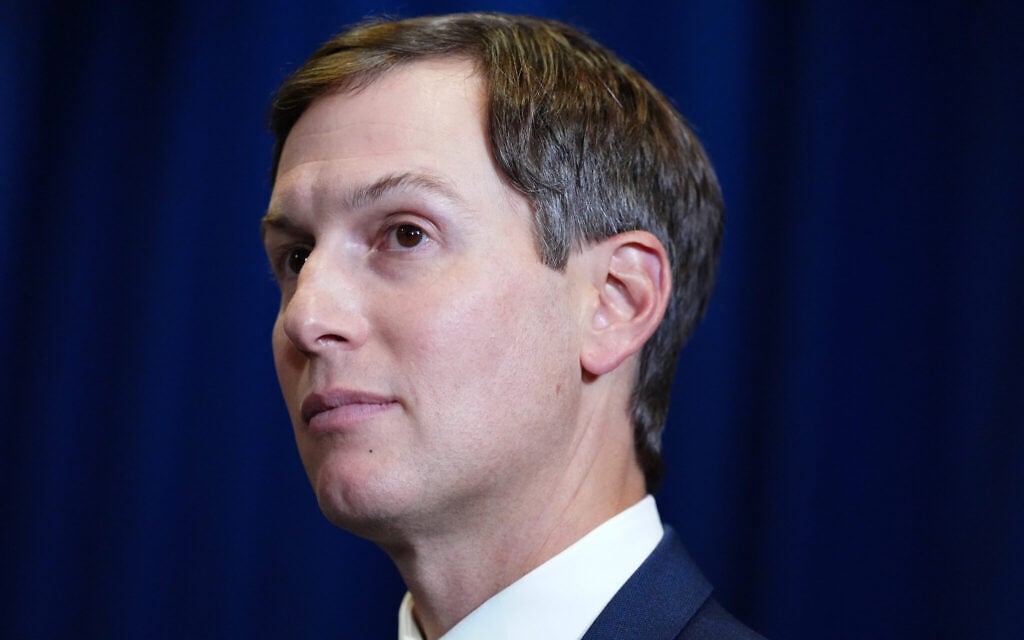
Jared Kushner, son-in-law of US President Donald Trump, for years allegedly had access to at least two secret foreign bank accounts in Israel and the United Arab Emirates whose deposits totaled roughly $2 billion according to an excerpt, published on Thursday by Vanity Fair, from an explosive upcoming book . The excerpt of the book […]
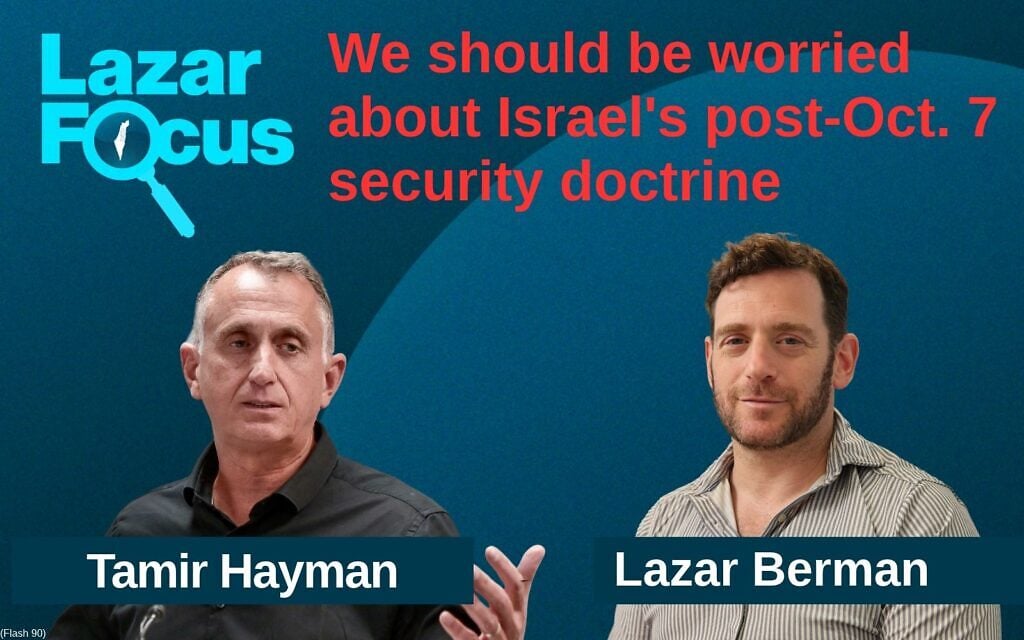
The head of the INSS and former military intelligence chief warns that the emerging concept doesn't see peace as the goal, and is looking to replace the US alliance
New book claims Gulf leaders poured money into undisclosed bank accounts, including one in Bank of Israel that PM oversaw; actions would seem to be illegal on several fronts
President Nikos Christodoulides and Turkish Cypriot leader Tufan Erhurman will next meet on Tuesday, government spokesman Konstantinos Letymbiotis said on Friday, with the meeting set to be the latest in an ongoing series of weekly talks between the pair.
Letymbiotis also said that following the conclusion of the leaders’ meeting, the pair will hold a joint meeting with the bicommunal technical committees on youth and cultural heritage, as well as the civil society steering committee.
The meeting will come with the Greek Cypriot side reporting that progress has been made on the prospect of opening new crossing points between the island’s two sides, with Greek Cypriot chief negotiator Menelaos Menelaou saying that a dispute over the routing of the planned transit road between Athienou and the Nicosia suburb of Aglandjia “has been overcome”.
He said that the outstanding dispute now remains over the question of whether a planned crossing point to connect Louroujina, the southernmost Turkish Cypriot village, with nearby Lymbia, will open at the same time.
The Turkish Cypriot side’s position is that the road between Athienou and Aglandjia constitutes two crossing points, one in Athienou and one in Aglandjia, and that they are part of a package of four alongside plans for a crossing point in the eastern Nicosia suburb of Mia Milia, and one in Louroujina.
However, the Greek Cypriot side treats the road between Athienou and Aglandjia as one crossing point, counterweighted by the Mia Milia crossing point, and is therefore of the view that the Louroujina crossing point should only be opened if a second transit road, through the Turkish Cypriot Kokkina exclave in the Tillyria region, also be opened.
Sides remain at odds over meaning of political equality
Away from the matter of crossing points, the sides remain locked on the question of the meaning of political equality, with the Turkish Cypriot side insisting that a rotating presidency between the island’s two major communities is an “indispensable component” of political equality which must be agreed upon before negotiations begin.
However, Christodoulides has on this front accused Erhurman of attempting to set “preconditions” on the resumption of negotiations.
“It is clear that the Turkish side … is setting terms and preconditions for the resumption of talks. They are demanding that we accept, in advance, specific positions of interest to the Turkish Cypriot community, while showing absolutely no willingness to discuss or accept our own positions on other significant aspects of the Cyprus problem,” he said.
Erhurman remains resolute on his four-point methodology which he says must be met before negotiations recommence in earnest.
Those four points foresee that the Greek Cypriot side accept political equality, time-limit negotiations and preserve all past agreements, and that the UN guarantee that embargoes placed on the Turkish Cypriots be lifted if the Greek Cypriot side leaves the negotiating table again.
Erhurman rejects Varosha proposal, asking instead for direct trade regulation
However, more recently, Christodoulides brought 19 new points for discussion to the table, among which was a proposal to open and repopulate the fenced-off area of Varosha under the United Nations’ administration and open the port of Famagusta under the European Union’s control.
Erhurman said he had rejected this because it falls short of the entry into force of the European Union’s direct trade regulation.
The direct trade regulation is a pending EU regulation which would allow Turkish Cypriot goods, as certified by the Turkish Cypriot chamber of commerce, to be exported directly into Europe via the Green Line, and given preferential treatment inside the European single market as European goods.
It was proposed in July 2004, three months after the rejection of the Annan plan by the Greek Cypriot side in a referendum, shortly after the Republic of Cyprus’ accession to the EU.
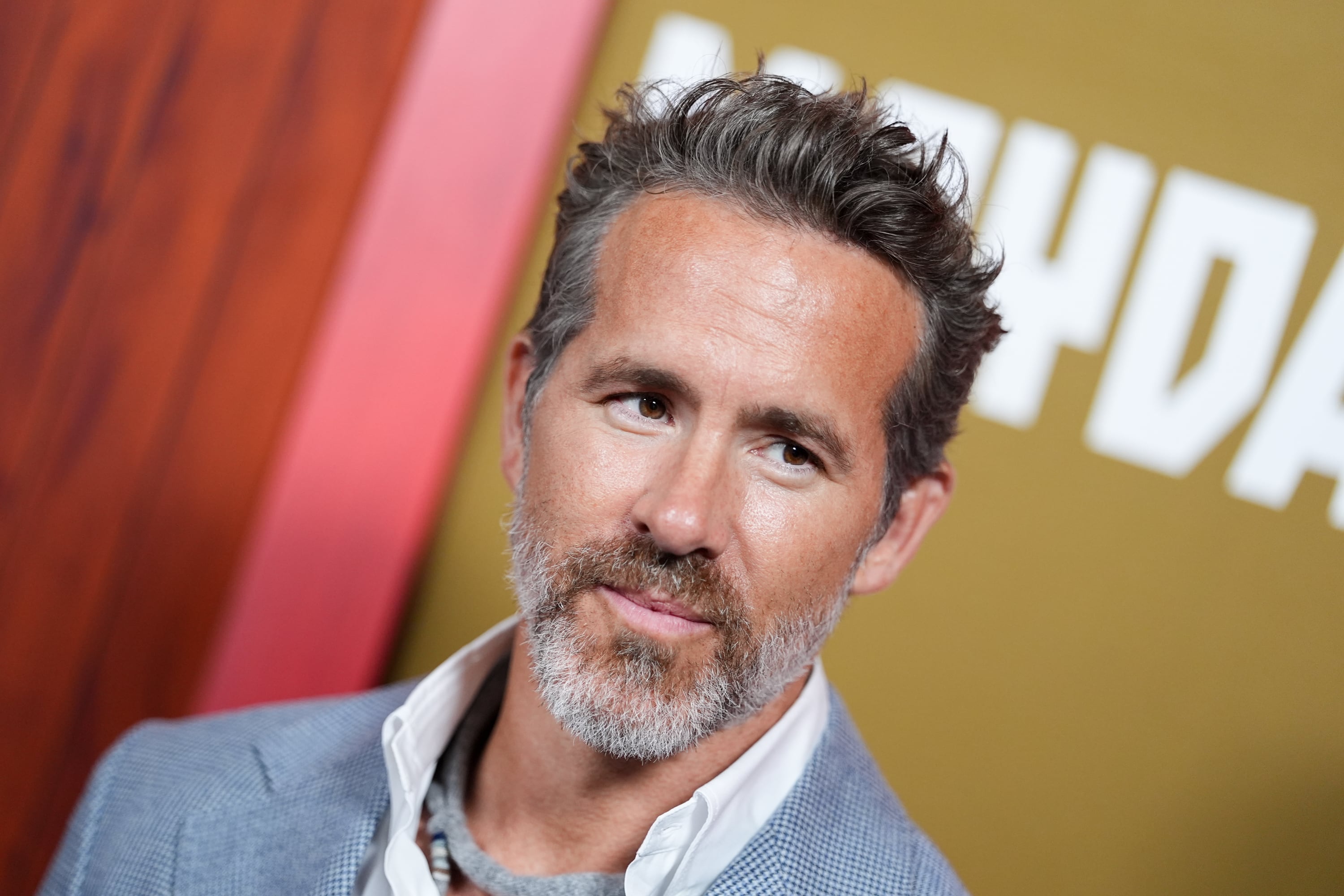
Ryan Reynolds cumple 50 años este viernes 23 de octubre, pero a estas alturas es probable que esté saturado de celebraciones. El 30 de septiembre fue el cumpleaños de su hija Inez; el 4 de octubre, el de su hija Betty; y, el 12 de octubre, el de su amigo Hugh Jackman, que es casi como uno más de la familia —además del protagonismo en Deadpool y Lobezno, ambos comparten la propiedad de BONDS Flying Roos, un equipo australiano que compite en la liga internacional de vela—. “Me paso el día respirando helio, inflando globos, vaciándolos, volviendo a inflarlos”, confesaba el actor canadiense a la revista Peoplea principios de septiembre, cuando bautizó esta época del año como el “callejón de los cumpleaños” del que no puede escapar. “No me gustan los cumpleaños. O sea, no me quejo por tener uno, pero tampoco soy de los que dicen: ‘Oye, organicemos una gran fiesta para mí’. Estoy bien, ya recibo suficiente atención”, confirmó sobre sus expectativas por alcanzar el medio siglo de vida.
Scintille in diretta a Omnibus, su La7, tra Luca Sommi, giornalista del Fatto Quotidiano e conduttore di Accordi & Disaccordi, e il giornalista economico Alan Friedman. Casus belli: le proteste giovanili di Milano e il ruolo delle presunte interferenze russe nell’alimentare le tensioni sociali in Europa.
Tutto comincia dall’analisi di Sommi sugli scontri di Milano. Il giornalista del Fatto respinge l’idea che dietro la rabbia dei ragazzi ci sia la regia di Mosca e richiama invece le disuguaglianze economiche, l’inflazione e la perdita del potere d’acquisto delle famiglie. Sommi insiste soprattutto su un punto: attribuire il disagio giovanile alle infiltrazioni russe significa distogliere lo sguardo dalle condizioni materiali in cui vivono milioni di persone.
“Mi viene da sorridere al pensiero che il disagio giovanile in Italia e in Europa sia colpa delle infiltrazioni di Putin – osserva – Non riesco a rimanere serio su questa cosa, perché in realtà parliamo di un problema strutturale”.
Poi richiama la condizione sociale di tanti manifestanti, spesso figli di immigrati di seconda generazione o delle fasce più povere della popolazione italiana: “Qui ci sono dei ragazzi che non ce la fanno più. A 11 anni vai in piazza a manifestare. Questo è un termometro di una sperequazione sociale esasperata. Se tu togli 300 euro di reddito di cittadinanza magari al papà, che temporaneamente era in difficoltà, e non hai il coraggio di tassare le multinazionali e i super ricchi, allora accadono queste cose”.
A intervenire successivamente è Antonio Di Bella, ex direttore del Tg3, che introduce una distinzione tra le origini delle proteste e il loro sfruttamento politico da parte del Cremlino: “È chiaro che il fuoco degli scontri non viene acceso dalla Russia o da qualche misterioso manovratore. Ma apertamente gli esponenti del governo Putin usano le tensioni europee come prova della crisi dell’Occidente“.
Di Bella cita anche Aleksandr Dugin, ideologo nazionalista russo e rbadisce che non c’è nessuna “manina misteriosa” ma una strumentalizzazione alla luce del sole: “È evidente che chi manifesta e gli scontri non sono creati da fuori, ma sono alimentati e sfruttati da fuori”.
Dal collegamento Friedman applaude e mostra il gesto dell’ok con la mano. E commenta: “Antonio Di Bella ha detto perfettamente. Poi che qualche filoputiniano difenda Putin non è una sorpresa, che sia un giornalista per un giornale di propaganda del Cremlino, che sia un politico di destra…”.
Sommi interviene: “Friedman, attenzione a dare dei filoputiniani perché si beccano le querele e poi le si pagano”.
Il giornalista americano ribatte immediatamente: “Mi stai minacciando?”..
“No – replica Sommi – Ti invito alla cautela a usare certi termini perché li hanno già usati a lungo anche sul Corriere della Sera e poi hanno pagato copiosamente per aver dato dei filoputiniani a chi si interroga sulle questioni invece di chi liscia da una parte. Te lo dico così, per rinfrescarti le idee”.
Il riferimento è alla vicenda giudiziaria di Alessandro Orsini, sociologo e professore associato alla Luiss Guido Carli di Roma. Il 5 giugno 2022 il Corriere della Sera pubblicò un articolo firmato da Monica Guerzoni e Fiorenza Sarzanini, intitolato “Influencer e opinionisti. Ecco i putiniani d’Italia” e dedicato a una presunta rete di opinionisti e influencer che rilanciavano la propaganda del Cremlino, con riferimenti alle attività del Copasir e dei servizi di intelligence. Tra i nomi compariva quello di Orsini, accompagnato dalla sua fotografia. Il professore ha promosso una causa civile contro Rcs, il direttore Luciano Fontana e le due giornaliste. Il Tribunale di Milano, in primo grado, ha condannato i convenuti a risarcirlo con 27.500 euro per danni e circa 5mila euro per spese processuali.
Friedman sbotta: “Questo è talmente da cafone che neanche ti rispondo. Io non sono qui per litigare e non credo di aver nominato nessun giornale. Attenzione, signor avvocatino“.
Sommi non arretra e gli fa notare la sequenza degli interventi: “Hai parlato di “giornalisti filoputiniani” subito dopo che ho detto che un conto è esultare perché l’Europa va male, visto che c’è una guerra, un conto è avere l’intromissione di Putin nei social»”.
Friedman rivendica di non aver indicato alcuna testata né alcuna persona specifica: “Ho fatto il nome di qualche giornale? Mi querela per non aver fatto nessun nome e aver parlato genericamente? Ma va’! Io volo alto e non scendo a questi livelli bassi, ok?”.
Sommi ride e ribadisce: “Hai appena detto dei giornalisti filoputiniani”.
“Ho parlato genericamente dei putiniani in Italia senza nominare nessuno, signorino“, rilancia Friedman.
Greco, visibilmente spazientito, cerca di chiudere il battibecco: “No, no, non ha nominato nessuno, benissimo”.
Ma Friedman continua a interrompere, ripetendo “Signorino!” e poi “Piccolo signore!“, mentre Sommi reagisce divertito e il conduttore è costretto ad arrendersi con una battuta: “Siamo alla frutta, come dicono in Calabria“.
Paige Jimenez says she checked into a psychiatric hospital after a defaming website surfaced. She blames it on the same alleged ring of industry perpetrators said to be behind other Hollywood attacks.
Sam Altman says mathematicians are coming around after OpenAI upended mathematics.
Bloomberg/Getty Images
OpenAI CEO Sam Altman and mathematicians have a complicated relationship.
OpenAI has taken credit for solving hundreds of math problems, irking many mathematicians.
At a recent talk at Stanford, Altman said mathematicians have already gone from anger to acceptance.
Like someone in mourning, Sam Altman said mathematicians went through phases after OpenAI began its blitz into the field.
First, there was disbelief. Then, there was pain.
"The day one reaction was like, 'We're cooked, and our field is over,'" OpenAI's CEO said. "'We're telling our grad students to switch majors.'"
After that, there was anger.
"The day three reaction was maybe like: 'It's horrible that OpenAI did this,'" Altman said at a recent talk at Stanford, before hundreds of students jittery about the viability of their future careers.
Come day five, though, in Altman's telling, mathematicians began to come around to what he described as AI's now-inalienable role in the study of numbers and proofs.
"We've now seen a lot of people say, actually, I'm going to have a different but hopefully better kind of career as a mathematician," Altman said.
Altman's buoyant assessment contrasts sharply with what some in the math community have described as an existential transformation.
After OpenAI abruptly broke into the field's prerogatives in September, announcing its models had solved the Navier-Stokes equations —a famously challenging math puzzle that stumped the industry's brightest since the 19th Century— preeminent mathematicians erupted in fury.
A pair of academics, one at New York University and another at Anthropic, accused OpenAI of using data from their chat logs to help crack the problem. Mathematicians also complained that while an AI model might have solved the problem, it didn't show its work, leaving them with the less celebratory task of verifying it.
And in the wake of all that controversy, there was more controversy.
A group of undergrads at Caltech, wary of how rapidly AI was disrupting their field and wanting to stay relevant, advertised a "mathathon" where participants were encouraged to use AI to solve long-standing problems.
OpenAI dropped out of sponsoring the event after more than 700 academics signed an open letter denouncing the competition for promoting AI "slop." (Organizers have since made adjustments to the rules, and the competition is set for November.)
More recently, Terence Tao, a math prodigy at UCLA who earned his doctorate at 20, said math's "romantic era" is over, as top academics like him adjust to a workflow that involves verifying AI's work rather than solving problems individually.
"Some things are being lost," Tao said after OpenAI this month said it solved over 700 more problems.
Meanwhile, Altman, sitting on the opposite side of the debate, has adopted the optimism of the disrupter.
"I don't think there's going to be like a job apocalypse," Altman said of AI causing companies to restructure their workforces. In the field of math, however, Altman said the disruptions came more quickly than in other disciplines and industries.
"That was the fastest that I think we've all gotten to watch a field go through this cycle," he said.
Tanya Brown said she believed someone helped O.J. Simpson get rid of the murder weapon. One of Mr. Simpson’s former lawyers called for a special prosecutor.
He walked away from NBC with a stomachache and never looked back. Now his indie shop is juggling Fox’s ‘Best Medicine,’ a Ben Stiller-Benicio Del Toro comedy and a buzzy doc on Sam Bankman-Fried.
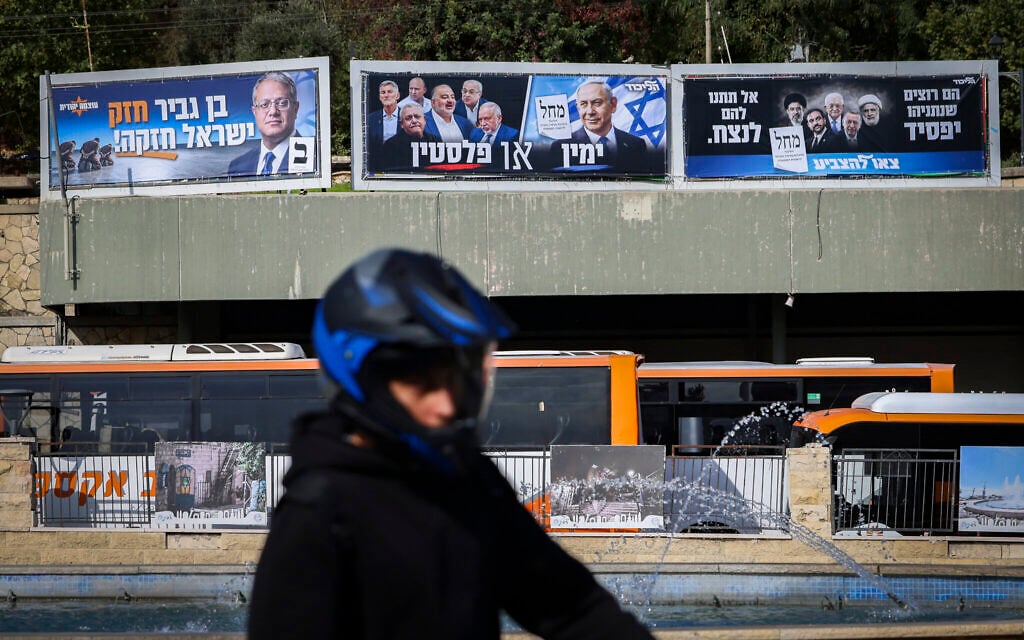
Political debate has moved away from resolving the Israeli-Palestinian conflict even as violent events in the West Bank are making the issue harder to ignore
 Login