❌

Reading view

“Now it’s your turn”: US envoys planned to show Moscow a refinery pause and a diesel deal, then ask for something back, a source tells Reuters
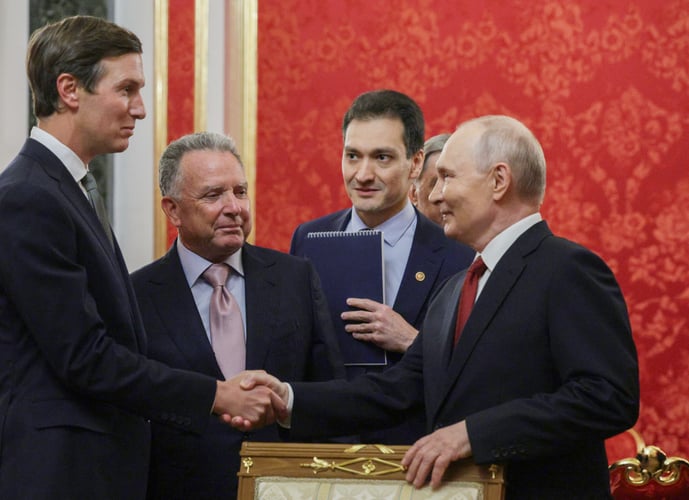
“now it’s turn” envoys planned show moscow refinery pause diesel deal ask something back tells · post jared kushner shakes hands russian president vladimir putin special envoy steve witkoff beside

US President Donald Trump’s envoys told Kyiv that letting Russia sell diesel could draw Moscow back to peace talks, Reuters reported. In the same meeting, they said Russia’s leader was not ready to negotiate. Since then, Moscow has offered nothing in return, and Trump has brushed off claims that Russia helps Iran.

Washington is pressing Ukraine to stop striking Russian refineries and offering Moscow economic incentives to return to peace talks, even though Russia has made no commitment in return. Yesterday, Russian ballistic missiles hit Kyiv before air raid sirens sounded, amid disputed warnings that the US could cut intelligence support. Meanwhile, Ukraine is being asked to halt its long-range campaign against the oil infrastructure that fuels and finances Russia's war.

The pitch: a diesel deal as a signal to Moscow

Trump’s Middle East envoy Steve Witkoff and Trump’s son-in-law Jared Kushner met the Ukrainian delegation in Miami on 9 October. They described Russian President Vladimir Putin as unprepared to negotiate but said the diesel deal could help restart three-way talks, two of the sources said.

The third source said the deal could “soften” Moscow because it “sends a signal that Trump is open to do things” with Russia. One of the sources described the plan:

“The idea was that the US could go back to Russia and say ‘See, the Ukrainians stopped striking and we gave you this deal. Now it’s your turn to do something.’”

Ukraine’s part was to stop hitting Russian refineries. Kushner repeated Trump’s request at the meeting, noting the administration had made it several times, two sources said.

trade banks energy crypto—the eu keeps its full russia economic sanctions wall standing 2027 · post flags member states headquarters council european union brussels belgium 17 2025 getty images/thierry monasse
Explore further

EU blacklists 1,569 Russian arms suppliers and their bosses in its biggest sanctions round ever, as Trump eases up on Moscow

Kyiv was asked to hold its fire on Russian oil

The Ukrainians agreed to nothing formally, Reuters’ sources said. They signaled they would accept an energy ceasefire if Russia did the same, but saw the US approach as an attempt to appease Russia with business deals.

Two days later, Trump declared an energy ceasefire, and Ukrainian President Volodymyr Zelenskyy said Ukraine was ready if Russia reciprocated. Euromaidan Press has monitored official and unofficial Ukrainian and Russian sources and found no reports of new Ukrainian strikes on Russian refineries after Trump’s announcement. One of the last, on the night of the diesel announcement, knocked out more than half the tanks at a fuel-export terminal in Rostov-on-Don.

Three sources told Reuters the envoys did not threaten to cut US support over the refinery strikes. A Ukrainian official told Axios, however, that the envoys warned Trump could cut Ukraine off from US intelligence, which a US official denied. US officials are also believed to have told European allies that Trump would halt PURL, the NATO scheme for Europe-funded US weapons for Ukraine, unless the strikes stopped, according to FT.
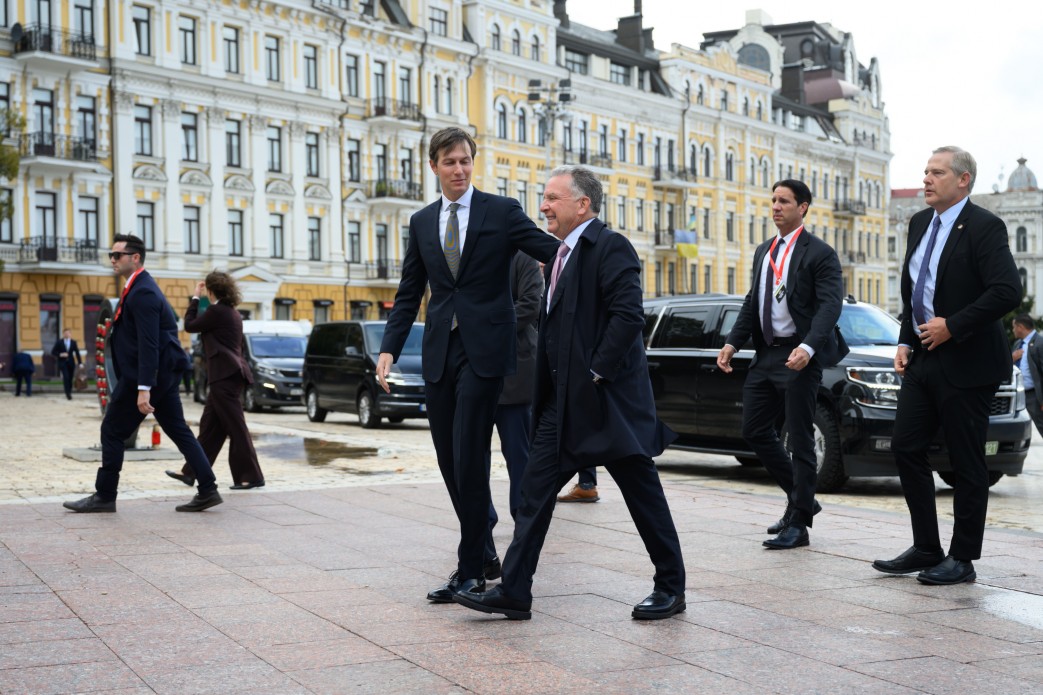
U.S. President’s envoys, Steven Witkoff and Jared Kushner on 6 September in Kyiv. Source: President's Office of Ukraine
Explore further

Ukrainian journalist asks Trump’s envoy to his face whether he was disgusted to sit across from “international criminal” Putin. Witkoff wouldn’t answer directly

What Moscow has offered in return

A person close to the Kremlin told Reuters that Putin would return to the table only when he gets “the remaining 11% of Donbas.” Ukraine refuses to cede more land. During the 9 October call that produced the deal, Putin declined to commit to resuming talks, his aide Yuri Ushakov told reporters, Axios reported.

Moscow has not confirmed the energy ceasefire either. Trump insisted on 12 October that the sides had agreed “because I said they agreed,” RFE/RL reported. On the evening of 12 October, Russian munitions collapsed an apartment stairwell in Kharkiv, killing four people. Russian Deputy Prime Minister Aleksandr Novak, meanwhile, claimed diesel exports could reach 3.0–3.5 million tons a month by year-end, above the volumes Trump announced.

“Too much to lose”: Trump on Russia and Iran

Late on 12 October, Trump wrote on Truth Social that he did not believe Russia and China were helping Iran, since they have “too much to lose.” In March, he told Fox News that Putin “might be helping them a little bit.” Asked about Russia’s possible support for Iran, Treasury Secretary Scott Bessent told Fox News on 2 September that his message to everyone was to “stay away.” That month, a Financial Times investigation found Russia secretly helping Iran develop supersonic cruise missiles that could threaten US warships.

  •  

Bipartisan US senators say Trump’s Russian diesel deal conflicts with 2022 ban, as he presses Kyiv to spare Russian refineries

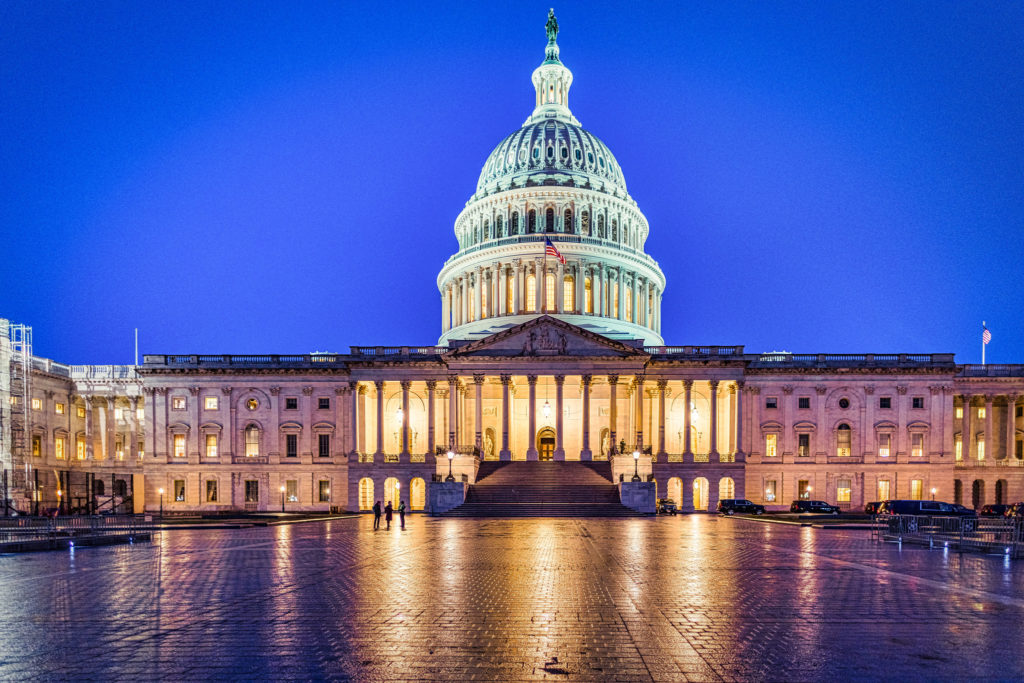
united states capitol building home bicameral us congress consisting lower body house representatives upper senate

Seven US senators from both parties said the Trump administration's decision to authorize Russian diesel imports conflicts with a 2022 law banning Russian energy imports and accused it of failing to consult Congress, in a statement on 11 October.

The dispute comes as the war with Iran drives up US fuel prices, which US President Donald Trump has blamed on Ukraine's strikes on Russian refineries. Trump says Russian supplies will help bring prices down, while lawmakers warn that purchases could provide Moscow with revenue to continue its war against Ukraine.

The senators—Republicans Susan Collins, Lisa Murkowski, Thom Tillis, and John Curtis, and Democrats Jeanne Shaheen, Richard Blumenthal, and Ron Wyden—called on the administration to reverse course, saying the US should not provide Russian President Vladimir Putin with “a financial lifeline.”

What the 2022 law requires before the ban can end

The law, signed on 8 April 2022, allows the president to end the import ban only after submitting a certification to Congress. The certification must find that Russia has agreed to pull out its forces and stop the fighting on terms Ukraine's free and independent government accepts, no longer poses an immediate threat of attack to any NATO member, and recognizes Ukrainians' right to pick their own government.

The law also requires consultation with four congressional committees and a report at least 45 days before certification. The termination takes effect 90 days after certification unless a joint resolution of disapproval is enacted into law during that period. The senators allege the administration failed to meet the consultation and reporting requirements. Their statement does not establish whether a certification has been submitted.

Treasury’s license cites sanctions rules, not the 2022 law

The Treasury Department's Office of Foreign Assets Control issued General License No. 135 on 9 October, authorizing certain transactions involving Russian-origin diesel that would otherwise be restricted under US sanctions regulations. It runs until 7 April 2027 and cites sanctions regulations, not the 2022 import-ban law.

trade banks energy crypto—the eu keeps its full russia economic sanctions wall standing 2027 · post flags member states headquarters council european union brussels belgium 17 2025 getty images/thierry monasse
Explore further

EU blacklists 1,569 Russian arms suppliers and their bosses in its biggest sanctions round ever, as Trump eases up on Moscow

Treasury Secretary Scott Bessent defended the deal on Fox News on 11 October, saying the administration would proceed under existing legal authority. He said lawmakers who argued that either the earlier law or the current Lindsey Graham sanctions law prohibited the deal were wrong, and argued the agreement would lower prices, Reuters reported.

How much diesel Trump says Russia will supply

Trump said on Truth Social that Russia would immediately supply more than 300,000 tons of diesel to US and global markets, followed by 500,000 tons in November and 1 million tons after that. He said Russia would deliver another 3 million tons “within a short period of time,” depending on the condition of its diesel refineries. The promised volumes have not been independently verified.

Russia partially lifted its diesel export ban on 10 October, allowing 500,000 tons onto the global market at this stage, the Russian government said, according to state news agency TASS.

A House bill to block Russian oil purchases

Pennsylvania Republican Rep. Brian Fitzpatrick plans to introduce the Ronald Reagan Peace Through Strength Act to block Russian oil purchases and use a discharge petition to force a House vote, Axios reported. The procedure can force consideration of a bill if 218 House members sign. Republican Rep. Don Bacon said he would support the bill and called Trump's decision a serious mistake, according to Ukrainska Pravda.

Barrasso defends the deal. Zelenskyy calls it an investment in war

On CBS's Face the Nation on 11 October, Senate Majority Whip John Barrasso, a Republican from Wyoming, called the deal “another point of leverage” for Trump to use against Putin. Asked whether the decision violated US law, Barrasso said the president was balancing competing priorities and had to make tough decisions.

Ukrainian President Volodymyr Zelenskyy wrote on Telegram on 9 October:

“Allowing Russia to sell petroleum products is an investment in a war that must be ended, not prolonged.”

Trump also expects Ukraine to stop striking Russian refineries under his proposed energy ceasefire, a White House official told Axios. Zelenskyy said Kyiv would halt such strikes if Moscow did the same.

  •  

Trump’s Russian diesel deal, which drew fury in Ukraine, is unlikely to lower prices, experts say

The White House in Washington DC, USA. Illustrative image: Wikimedia Commons.

US President Donald Trump said on 9 October that he had agreed with Russian leader Vladimir Putin to bring Russian diesel to world markets to lower energy prices. However, energy analysts say the deal, which drew fury in Ukraine, is unlikely to lower diesel prices meaningfully, CNN reports.

Trump wrote on social media that Putin would “immediately supply” more than 300,000 tons of diesel, with another 500,000 tons in November. Together, those volumes would cover about a day and a half of US demand, according to the US Energy Information Administration.

Meanwhile, former head of the Center for Countering Disinformation Andrii Kovalenko says that US diesel consumption alone is about 16 million tons per month, and global consumption is roughly 120 million tons.

The US experts read the move as politics more than a market shift. Trump spoke in tons rather than barrels because the figure looks bigger to an ordinary observer, said Dan Pickering, founder of Pickering Energy Partners, calling it “more politics than a game changer.”

Doubts Russia can even deliver

Former US officials question whether Putin holds the diesel Trump described, as Ukrainian strikes strain Russia’s refineries. A former senior State Department official says it hardly matters whether the fuel arrives, because Putin “has already achieved the result he wants,” with Trump believing he has a pre-election card that could move markets.

Even if the fuel flows, it would be a temporary measure. Gregory Brew of Eurasia Group says that he suspects Putin expects Ukraine to halt its strikes on Russian refineries in return, and that he cannot imagine Zelenskyy agreeing.

A win for Putin without conditions

For Putin, the gain is plain, Kovalenko says: he pushes for sanctions relief and for no new US sanctions, all without any demand to end the war in Ukraine.

"Trump’s bet was more on the news itself, driving prices down somewhat, because, in reality, figures like these shouldn’t bring prices down," Kovalеnkо believes.

He adds that Trump will "make a big fuss about diesel ahead of the elections, nothing more," and that the average American is unlikely to feel any lasting effect.”

Earlier, Ukrainian President Volodymyr Zelenskyy warned that allowing Russia to sell petroleum products abroad without securing a lasting de-escalation agreement would help finance Moscow's war against Ukraine.

He criticized the decision, calling it "a birthday gift for Putin," per Axios.

The next day after the announcement, Russia launched six bombs on Zaporizhzhia, killing 17 people.

  •  
❌