Lídia Jorge, Dino D’Santiago e Ricardo Neves Neves são os embaixadores da candidatura de Loulé. O trabalho desenvolvido nos últimos anos no concelho e a Estratégia Municipal da Cultura 2034 são pontos fortes.Candidatura conta com o apoio da RTA, CCDR, AMAL e UALG.
A candidatura de Loulé a Capital Portuguesa da Cultura foi apresentada dia 6, em reunião interna de trabalho no Cineteatro Louletano que juntou o executivo e os trabalhadores da área da cultura do município, juntamente com os três embaixadores da candidatura: Lídia Jorge, Dino D’Santiago e Ricardo Neves Neves.
“O trabalho já vem de trás, o objetivo é reforçar a atratividade anual do Algarve e ao mesmo tempo fazer da cultura o pilar do desenvolvimento da região. Pretendemos que olhem para nós de uma outra forma e que percebam que a Sul também há cultura todo ano. É também um convite para visitar o Algarve e dar a conhecer a cultura algarvia de janeiro a dezembro de 2028”, destacou Telmo Pinto, o presidente da Câmara Municipal de Loulé.
Durante a reunião, o presidente destacou ainda, como ponto forte, o facto de “ser fruto do trabalho que tem vindo a ser desenvolvido nesta área, com o objetivo de a cultura fazer parte da vida das pessoas”. Um dos indicadores do impacto do apoio do Município ao movimento associativo cultural é o crescimento do número de associações no concelho, que passou de 19, em 2013, para 42, em 2026.
Outro ponto forte para a candidatura apresentado pelos louletanos, passa pela Estratégia Municipal da Cultura 2034, um projeto participativo iniciado em 2024, para o desenvolvimento cultural do município, que contempla vários investimentos e melhoramentos nas estruturas existentes.
Nomeadamente, a segunda fase do Quarteirão Cultural de Loulé, um projeto de reabilitação urbana que cobre uma área de cinco mil metros quadrados, que engloba o antigo Convento do Espírito Santo ,o Castelo de Loulé e área adjacente, tendo a primeira fase sido inaugurada em 2022 com os Banhos Islâmicos e a Casa Senhorial dos Barreto. Este complexo cultural é uma das âncoras do Geoparque Algarvensis, Geoparque Mundial UNESCO, um projeto intermunicipal com os concelhos de Silves e Albufeira.
Bem como a ampliação e renovação da Biblioteca Municipal. A ampliação do Cineteatro Louletano.A criação do Centro de Artes de Loulé dedicado às artes visuais. A ampliação do Conservatório de música Francisco Rosado, em fase de projeto de execução. A reabilitação do Casino Velho de Quarteira, com a criação de estúdios de música para gravação e ensaio, secção de desenvolvimento de videojogos, áreas para bailes e encontros comunitários e intergeracionais.
E ainda a criação Centro de Educação de Cultura de Quarteira, com uma sala de espetáculos com fosso para orquestra e capacidade para 500 espectadores, na sala principal, uma black box, entre outras facilidades.
Mais informações disponíveis nas páginas da candidatura @loule28.pt no facebook, instagram, tiktok e youtube, ou sugestões através do email: tenhoideias@loule28.pt.
A apresentação de candidaturas termina a 27 de setembro. A cidade escolhida para Capital Portuguesa da Cultura em 2028 vai ser conhecida a 11 de dezembro.
As Festas em Honra de Nossa Senhora dos Mártires, em Castro Marim, vão decorrer entre os dias 13 e 17 de agosto, com uma programação que inclui várias iniciativas religiosas e culturais, sem esquecer as tradições do território.
No primeiro dia, a 13 de agosto, a partir das 21h00, haverá missa na Igreja de Castro Marim e sai para a rua a Procissão das Velas em Honra de Nossa Senhora dos Mártires, que vai percorrer várias artérias da vila.
No dia seguinte, a 14 de agosto, a Zona Envolvente à Casa do Sal recebe a abertura da Mostra de Artesanato e um baile com Hugo Madeira e Ângelo Correia pelas 19h00, seguido de um espetáculo do grupo de dança ARUTLA pelas 21h00.
O destaque deste dia é Ana Bacalhau, vocalista dos Deolinda, que apresentará um grande espetáculo em nome próprio, celebrando a música portuguesa. A noite termina com a continuação do baile.
O dia principal destas festas assinala-se a 15 de agosto, começando pelas 09h00 com o Hastear da Bandeira Nacional no edifício dos Paços do Concelho.
À tarde, pelas 17h30, na Igreja de Nossa Senhora dos Mártires decorrerá a Recitação do Terço, seguida de uma missa solene pelas 18h30.
O ponto alto destas celebrações decorre no mesmo dia, pelas 19h30, com a Procissão em Honra de Nossa Senhora dos Mártires, um dos eventos religiosos do concelho que tem mais impacto e importância para a comunidade, que se une num momento de fé pelas ruas da vila de Castro Marim.
Já no recinto da Mostra de Artesanato, iniciam-se os concertos pelas 20h00 com André Filipe Duo, seguido de um grande espetáculo com os The Gift às 22h00 e terminando a noite com o projeto Time Travel, assinado por Possessivo e DJ Karussa, pelas 00h00.
A 16 de agosto, o palco da Mostra de Artesanato recebe a atuação da dupla Só Nós Dois, pelas 20h00, antecipando um grande concerto de um dos cantores alentejanos mais conceituados: Buba Espinho. Para terminar, segue-se uma atuação energética da DJ Joana Faria.
As Festas em Honra de Nossa Senhora dos Mártires terminam a 17 de agosto, pelas 21h30, com o habitual Concerto de Verão da Banda Musical Castromarinense, no mesmo local.
O evento é organizado pelo Município de Castro Marim, em parceria com a Junta de Freguesia e a Paróquia de São Tiago.
A Avenida 24 de Junho, em Altura, vai transformar-se num autêntico sambódromo no sábado, dia 8 de agosto, com a realização do Carnaval de Verão, a partir das 22h00, com entrada livre.
Inspirado no cortejo de Carnaval, que é um dos mais celebrados no sotavento algarvio, esta iniciativa contará com carros e estruturas alegóricas, com foco no aproveitamento e na reutilização de materiais da edição que decorreu em fevereiro deste ano.
Com o mesmo tema, “Culturas e Tradições do Mundo”, o desfile contará com centenas de foliões e figurantes, que vão encher de cor e alegria a zona central da Avenida 24 de Junho, ao mesmo tempo que decorre o Mercadinho de Verão.
Integrado na programação da Animação de Verão em Altura, o evento termina no palco da Zona de Lazer, com um concerto dos “Pau de Arara”.
A iniciativa é organizada pela Junta de Freguesia de Altura, em parceria com o Município de Castro Marim.
O Jardim Pescador Olhanense volta a ser palco do maior evento gastronómico a sul do país.
De 10 a 15 de agosto, o 38.º Festival do Marisco reúne o melhor da gastronomia da Ria Formosa, um cartaz musical de excelência e várias novidades que prometem tornar a experiência dos visitantes ainda mais confortável e completa.
A inauguração oficial realiza-se na próxima segunda feira, dia 10 de agosto, pelas 19:30, e contará com a presença do presidente da Assembleia da República, José Pedro Aguiar-Branco.
Considerado um dos eventos mais emblemáticos do verão algarvio, o Festival do Marisco volta a afirmar Olhão como capital da gastronomia ligada ao mar, dando destaque aos mariscos e bivalves mais frescos da Ria Formosa, preparados num ambiente único junto à frente ribeirinha.
À componente gastronómica. junta-se um cartaz musical de grande qualidade, com artistas nacionais e internacionais que prometem animar as seis noites do festival:
10 de agosto – Matias Damásio;
11 de agosto – Deejay Telio;
12 de agosto – Némanus;
13 de agosto – Calema;
14 de agosto – Mariza;
15 de agosto – Daniela Mercury.
A edição de 2026 apresenta, ainda, diversas novidades pensadas para melhorar a experiência de quem visita o recinto. Entre elas, destaca-se a criação de um novo espaço dedicado à venda de marisco, permitindo reduzir tempos de espera e proporcionar maior fluidez no serviço.
Na área de street food, para além das já habituais propostas como hambúrgueres e pizzas, estreia-se este ano o Poke Market, alargando a diversidade da oferta gastronómica disponível.
Os visitantes poderão, ainda, encontrar um espaço da pastelaria Kubidoce, que apresentará algumas das suas especialidades inspiradas na tradição e identidade do concelho, como o floripes e o moncarapachense.
Outra das novidades passa pela distribuição de pulseiras com um código QR em praias e outros locais estratégicos. Através desse código, os visitantes poderão aceder a uma comunidade oficial no WhatsApp, onde serão disponibilizadas informações úteis sobre o evento, nomeadamente estacionamentos, acessos, entradas, localização dos espaços de restauração e outras informações práticas. No final, será, igualmente, possível responder a um questionário de satisfação, contribuindo para a melhoria contínua do Festival.
Atendendo ao facto de os Mercados de Olhão serem semifinalistas nacionais da iniciativa Novas 7 Maravilhas de Portugal, o recinto contará, igualmente, com um espaço dedicado à divulgação da candidatura, onde os visitantes poderão conhecer melhor este património emblemático do concelho e receber brindes alusivos à campanha.
Os bilhetes encontram-se disponíveis na Ticketline, nos pontos de venda habituais e também nas bilheteiras do recinto durante os dias do evento.
Durante seis dias, o Festival do Marisco volta a reunir os sabores únicos da Ria Formosa, a melhor música e milhares de visitantes, reforçando o seu estatuto como um dos maiores e mais importantes eventos turísticos e gastronómicos de Portugal.
Mais do que um festival, o Festival do Marisco é uma celebração da identidade marítima de Olhão, da excelência da sua gastronomia e da hospitalidade do concelho.
Hoje assinala-se o Dia Mundial do Teatro. Em teoria, é um dia para celebrar a arte, os
atores, os textos que nos fazem pensar e sentir. O teatro, quando é sério, não é só
entretenimento, é um espelho desconfortável daquilo que somos. Expõe, provoca,
obriga a encarar verdades que muitas vezes preferíamos evitar.
Talvez por isso seja impossível não fazer um paralelismo com aquilo em que se
transformou a nossa vida política.
Há qualquer coisa de profundamente teatral — no pior sentido da palavra — na forma
como hoje se faz política. Não no sentido nobre da representação, mas na encenação
vazia. Nos discursos cuidadosamente ensaiados. Nas indignações seletivas. Nas
conferências de imprensa onde já se sabe, à partida, o que vai ser dito e como vai ser
dito.
Tudo parece coreografado. Nada parece espontâneo.
Os políticos falam, mas raramente dizem. Prometem, mas quase nunca se
comprometem. E, acima de tudo, representam proximidade, representam convicção,
representam firmeza. É uma sucessão de papéis, ajustados ao momento, ao público e
às sondagens.
O problema é que isto já não engana muita gente.
Ao contrário do teatro a sério, onde há talento, trabalho e respeito por quem está a
ver, esta versão política da representação vive de clichés e de frases feitas. É uma peça
repetida vezes sem conta, com pequenas variações, mas sempre com o mesmo fundo:
pouco conteúdo e muita aparência.
E depois há o público — nós. Durante muito tempo, aceitámos este papel de
espectadores. Uns aplaudem, outros assobiam, mas no fundo continuamos sentados, à
espera que a peça melhore.
O mais grave é que, enquanto se representa, o essencial vai ficando por fazer. Os
problemas acumulam-se, as decisões adiam-se, e a realidade — essa, que não se deixa
encenar — acaba sempre por impor-se.
Talvez este Dia Mundial do Teatro sirva, pelo menos, para isto: para nos lembrar que
há uma diferença enorme entre representar bem e fingir mal.
A política não precisa de mais atores. Precisa de menos teatro.
(Aqui tem uma gravação com o texto lido pela autora)
This story originally appeared in Professor Richard Wolff’s Substack on July 21, 2026. It is shared here with permission.
Deeply divided by nationalism and deprived of its vast colonies by the last century’s catastrophic two world wars, Western Europe has been in decline ever since. Recently, that decline has become drastic and desperate as Western Europe falls ever further behind — economically, militarily, and politically — today’s two superpowers: the US and China. Mediocre and unpopular leaders reflect Western European decline. They bet and built their careers on accepting junior partner positions vis-à-vis the United States. But Europe’s decline now threatens to split Europe apart. Inside each nation, rich and powerful minorities use their social positions to sustain their wealth and power while the masses bear most of the burdens of decline offloaded onto them by the rich and powerful. The problems flowing from these cumulative developments are approaching points of social explosion. Despite the lessons taught by the two world wars, many Western European leaders once again provoke and prepare for a war, this time against Russia, notwithstanding the awful risks of nuclear weapons. One key question to ask: why is this happening?
From 1945 to 1990, Cold War set Western European nations against the USSR and its Eastern European allies in many ways and on many levels. Yet that war remained cold. In 2026, after more than three decades of post-Cold War peace, a military war between a largely unified Europe (East and West) and post-Soviet Russia seems imminent. Such a war has been prepared by NATO’s growth, its moving eastward toward Russian borders since 1990; by Russia’s 2022 invasion of Ukraine; and by the escalations of their hostilities by both Russia and Ukraine since that invasion. War between much of Europe and Russia now looms.
US President Donald Trump used both his presidential terms to distance the United States from its European allies in NATO. Among his provocative, unilateral statements and actions were heavy tariffs on imports from European countries. In exchange for some reduction of those tariffs, Trump demanded and obtained tribute from European Commission President Ursula von der Leyen (over $1 trillion in committed purchases of liquified natural gas plus investments by Europe in the United States). He also reduced US support for the war against Russia in Ukraine. That war thus became a mostly European project.
As the US withdrew from its former close alliances with Europe, the latter’s leaders developed an increasing hostility toward Russia. They demonized the Russian leader, Vladimir Putin. Where Trump notably lessened hostility to Russia, his European counterparts intensified theirs. After Russia invaded Ukraine in 2022, Europe and the US rushed to bolster Ukraine’s defense beyond the huge assistance they had already provided to Ukraine since at least 2014. After February 2022, Europeans provided Ukraine with still more support in finance and weapons. By 2026, many observers in Europe and Russia and beyond predicted a Russo-European war as imminent. Our goal here is to explain why this dangerous situation arose.
World Wars I and II fatally weakened capitalist colonialism. The British, French, German, Dutch, Belgian, Russian and Japanese colonialisms had especially escalated competitive clashes into two catastrophically self-destructive wars. This allowed movements of the colonized people finally to defeat the weakened colonizers and win political independence. The different anticapitalist movements that had blossomed earlier in 19th century Europe allied themselves with anticolonialism especially in the Soviet revolution of 1917 and the Chinese revolution of 1949. A complex, shifting relationship between anticolonialism and anticapitalism continues to evolve in both the Global South and the former colonial powers.
As the sole heir of all other capitalist colonialisms, the US led and organized capitalism’s counteroffensive against the USSR, socialisms and communisms generally, and their alliances with anti-imperialism in particular. It did so by mobilizing Western Europe, Canada, and Japan as major subordinates in a globally hegemonic bloc.
The private capitalist classes atop each colonialist nation had understood the colonies’ importance for their profits and thus for their imperial economies. They went to war in large part to retain their colonies. After the two world wars, they faced, separately and together, momentous challenges to their existence. As their empires dissolved in wars of independence, capitalists’ profits and their national economies were threatened. Worse still was a potential alliance linking ex-colonies, the Comintern nations, and those capitalists’ own domestic socialist and communist parties and unions. Fearing such developments, nothing less than the survival of 20th century European capitalism seemed at stake for European capitalists and their supporters.
To undo this threat, Western Europe appealed to the post-World War II global hegemon: the United States. Within a few years of 1945, the US had scooped up much of what European and Japanese colonialisms had lost. US capitalists moved into newly independent ex-colonies to widen and deepen their economic dependence via the dollar as world currency, through both US trade and investment. European capitalists had to settle for positions as junior partners of their US counterparts, or else lost everything. Europe as a whole followed suit and became the junior partner of the US in most other dimensions (NATO, geopolitics, financial and cultural institutions, etc.).
Keynesian economics added a scientistic rationale — using monetary and fiscal policies to moderate business cycles — to the political necessity of welfare state expenditures.
As the sole heir of all other capitalist colonialisms, the US led and organized capitalism’s counteroffensive against the USSR, socialisms and communisms generally, and their alliances with anti-imperialism in particular. It did so by mobilizing Western Europe, Canada, and Japan as major subordinates in a globally hegemonic bloc. The US could do this because it had suffered far less than any of the other capitalist colonial nations from the two world wars. Indeed, World War II had extracted the US from capitalism’s worst ever crash. Its economy was stronger in 1945 than it had been for many years, whereas in all the former colonizing nations the reverse was the case. That economic strength contributed to its dominant military power.
US hegemony defined itself as a moral crusade against a great evil, the USSR (equated with communism). The US was “the leader of the free world” pitted against an unfree world — the USSR, Eastern Europe, and, after 1949, China. The latter were all demonized as anticapitalist dictatorships, which made them enemies of “democracy” as championed in and by the free world. On that basis, US hegemony followed as the necessary condition to “contain” the unfree world, to prevent its spread. The US-led “free world” could and would guarantee containment by means of global military bases, the world’s greatest military arsenal, ideological campaigns, political isolation, and economic discriminations. The world thus entered into a Cold War between 1945-1990 punctuated by military — hot — wars when the US deemed them necessary (for example, in Korea and Vietnam).
US hegemony also included domestic campaigns inside both Europe and the US aimed at containment. Those campaigns all featured two parts. One was a set of “welfare state” or social democratic benefits for working classes. Leading politicians in North America, Western Europe, and Japan installed those benefits. Many feared that not doing so would influence working classes toward socialism and communism. In the US, this meant perpetuating the 1930s New Deal into the 1970s. Successive leaders, Republican as well as Democratic, added Medicare to Social Security, regularly raised minimum wages, gave special attention to the non-white and non-male victims of systemic discrimination, subsidized higher education via massive public institutions, and subsidized home ownership loans. Such state interventions delivered a much less harsh life for working classes than any prior private capitalism had ever done. Keynesian economics added a scientistic rationale — using monetary and fiscal policies to moderate business cycles — to the political necessity of welfare state expenditures.
capitalists supported government social welfare spending because it came not from more taxes on them, but rather from national budgets’ defense savings. The latter were benefits from European subordination to NATO and its US leadership. That subordination included mostly endorsing US hostility toward the USSR, China and all things “communistic.”
The other part of these containment campaigns involved widespread purges of Communists, socialists, and their “fellow travelers.” In the US, a ferocious “anti-communism” project “cleansed” labor unions, schools, mass media, and government of leftist employees. Capitalist employers’ organizations and many individual capitalists collaborated with the state’s repressive campaigns. They mobilized behind Sen. Joseph McCarthy for a few years. His was a particularly extreme version of the old American political style of demonizing political opponents, foreign and domestic, as “of the devil.” The US House of Representatives established an “Un-American Activities Committee.” Such campaigns’ ostensible objective was to destroy the Communist Party. Mass media circuses, newspaper headlines, arrests, prison sentences, deportations, and getting witnesses to betray others — resulting in losing their jobs — were their means. Guilt by association targeted both socialists and independent left-leaning citizens. Purges identified many victims by citing their activities before 1945. It made little difference that at the time those activities (in unions, political parties, schools, churches, and civic associations) were both legal and often patriotically anti-fascist. The systematic repression of the US left after 1945 left deep political scars.
Western Europe dutifully undertook a similarly two-sided project. However, social conditions there imposed different qualities on it anti-Soviet and domestic anti-left campaigns. Europe’s pre-1945 history gave communist and socialist parties and their millions of members much greater social approval than existed in the US. Leftists’ roles in resisting fascism before and during World War II — often heroic — gave them genuine, widespread popularity. They could defend their political views, and themselves, in ways their US counterparts could not. European welfare states were more generous and lasted longer than their US counterparts.
While nothing quite like McCarthyism swept Europe, most Western European nations joined NATO and aligned their foreign policies to the US-led containment agenda. Their defense budgets and capabilities declined, and they relied instead on US military protection. What each European state saved by means of small defense budgets it could then use to provide public services for their working classes. The latter might otherwise have required higher taxes on corporations and the rich (and not only or chiefly on working people). European capitalists supported their welfare states partly because they endorsed containment. Equally important, capitalists supported government social welfare spending because it came not from more taxes on them, but rather from national budgets’ defense savings. The latter were benefits from European subordination to NATO and its US leadership. That subordination included mostly endorsing US hostility toward the USSR, China and all things “communistic.”
For the last 75 years, European politicians who hesitated to embrace the positions and tones consistent with the US-European “consensus” on foreign and domestic policies saw their career opportunities threatened or destroyed. The British sought and found a special role as the closest friend and imitator of the US in this consensus. The rest of Western Europe sometimes mocked Britain’s fawning subordination, but many jealously and secretly approximated it. European capitalists looked longingly at the US’s steadily shrinking welfare state programs that facilitated tax cuts on corporations and the rich. However, those non-Anglo Europeans accepted the political limits that rendered matching the US and UK impossible. They could only hold back the domestic power of their working classes by providing generous social welfare policies. The same was required to make Western Europe a consumerist bulwark against Russia, thereby to contain it and its Eastern European allies.
Breaking from those limits only became thinkable when it was made necessary. This happened when Trump ended the post-1945 US-Europe deal. His “friendliness” with Russia underscored his evident contempt for Western Europe as a junior partner/dependent that was too costly to carry anymore. His trade and tariff wars, pointedly, did not exempt Europe. The tariffs particularly shocked Western European capitalists who had concentrated during reconstruction (1945-1975) on producing goods and services that could compete in the rich US market. The tariffs also occurred just when Trump reduced support for Ukraine in its war with Russia and sharply criticized NATO. For shocked Western European leaders, Trump broke the US-European deals of the post-1945 world.
Chinese competition added strains to the European and US economies, which were already struggling to cope with the declines of their empires.
Ever since 1945, Western European capitalists had set themselves to rebuild their economies by producing goods and services of better quality and/or cheaper than the US output that dominated both the US and other markets. This included some investments in their former colonies, rendering them economically dependent notwithstanding their political independence. The latter became more performative than substantive. It remains that way in many areas. The crucially important exception was the spectacular economic growth of the People’s Republic of China. China’s growth changed everything, and continues to do so. It is transforming the world economy as it takes an ever more powerful place therein.
China’s still-export-driven manufacturing economy competes globally and ever more successfully with what remains of manufacturing in the US and in Europe. China competes, as well as an importer of energy and other inputs. Chinese competition added strains to the European and US economies, which were already struggling to cope with the declines of their empires. Europe already had had a century of decline, whereas the US was new to decline, with many of its citizens steadfastly committed to denial as their coping mechanism of choice.
Western European capitalism had partly offset its decline first by post-war reconstruction, then by explosions of consumer credit. Then, and especially after 1989, Europe welcomed waves of cheap immigrant labor while expanding eastward to re-absorb Eastern Europe into its economic operations, much as it was doing with its former colonies. Pushing NATO eastward and expanding EU membership were the chief mechanisms to accomplish Western Europe’s capitalist neocolonialism. Fantasies swirled about extending those mechanisms eastward to include Russia, perhaps dividing it up into smaller states as manageable as the Eastern European states were. If somehow achieved, that could give Western Europe an immense new geographic expanse to economically colonize. Trump, too, engaged parallel fantasies in his neocolonial gestures toward Panama, Canada, Greenland, Venezuela, Cuba, and Mexico.
Pushing NATO eastward and expanding EU membership were the chief mechanisms to accomplish Western Europe’s capitalist neocolonialism.
The great break in post-World War II US-European relations came with Trump’s combination trade and tariff war designed to “make the US economy great again.” Trump had effectively dedicated his second presidential term, begun in January 2025, to waging this economic war. Another part of that war was a broad turn away from neoliberal globalization and toward a systematic economic nationalism (“America first”). Trump’s blunt message was disengagement. Europe could no longer count on the US to provide it with military protection. Trump depicted Europe as an ally who had betrayed and cheated the US economically. He demanded payments as compensation. Those took the form of buying US liquified natural gas (LNG) for its energy needs plus committing to invest $700 billion or more in the US over a few coming years. Von der Leyen formally acceded to Trump’s demands. Such payments amounted to either tribute or reparations, depending on one’s viewpoint.
Europe’s required purchase of US LNG emerged from the Russia-Ukraine war. The economic sanctions of that war (since February 2022) plus the destruction of the Nord Stream pipelines (in September 2022) sharply reduced and then ended the flow of cheap energy from Russia into Germany and other parts of Western Europe. Desperate for access to energy, Europe turned increasingly to imports from elsewhere — and especially from the US — at a much higher cost. Meanwhile, steadily growing trade competition from China and more rapid technical innovations achieved in China and the US further squeezed the European economy.
The shock of Trump’s abandonment of Europe as the US economy’s junior partner accelerated Europe’s decline. Once it had been the dominating center of a planet it had colonized. Now it had fallen to a poor third place in a world economy increasingly dominated by what had once been the poor corners of that planet. On one side stood the declining but still strong US; on the other the rising People’s Republic of China. No wonder the Ukraine war drove Russia to declare its identity shifting from European to Asian.
Europe’s political leaders reflected and exemplified its decline. Burnham, Macron, Merz and Meloni especially — like most of their predecessors after 1945 — had built political lives around loyalty and subservience to the post-World War II deal with the US. They relied on the military, financial, and ideological support from the US, on NATO, on the IMF, the World Bank, and myriad NGO missionaries for US “democracy.” They championed their “close alliance” with the US as a key cause of Europe’s prosperity and peace after 1945. Betrayed by Trump, they were forced by Europe’s decline to pay tribute with monies therefore not available to offset that decline. Trump pointedly forced them to begin financing the huge costs of developing their own military defense (already far behind the military capabilities of the US, on one side, and the China-Russia alliance on the other).
European voters know their social democracy and their peace are fragile. Trump’s betrayal threatens both.
Given the deep personal opportunism cultivated in Western European leaders by their subordinate (to the US) situation, they grasped that Trump’s betrayal threatened their careers. Trump’s repeated insults of and disdain for Western Europe risked provoking European voters to turn against leaders seen as slavish toward Trump’s US. Those leaders’ alarm only deepened as much of the US employer class seemed quite supportive of Trump’s anti-Europeanism. Perhaps their greatest fear lay in the possible reactions of European voters once they understood that Trump’s betrayal posed serious economic dangers for them. Voters might ask where the money would come from to finance European rearmament when the US defense umbrella closed. If enhanced, would budget allocations for the military diminish outlays for mass public social services, raise their taxes, or both? Europeans began to wonder out loud whether the Ukraine-Russia war being fought to the last Ukrainian might prefigure a US war with Russia/China fought to the last European. European voters know their social democracy and their peace are fragile. Trump’s betrayal threatens both. How that plays out in European politics provides new opportunities for the left and the right and existential threats to the traditional centrist pro-US political leadership trying desperately to retain power.
Nationalist politicians on the European right see their opportunity. Office-holding conservative leaders (like Burnham, Macron, and Merz, for example) can be voted out via guilt by subordination. They perpetuated the post-World War II programs that made Europe vulnerable to its current economic decline because of their subservience to the US. Western European opportunism now incites the suspicion that maybe it bet on the wrong horse. A similar suspicion now arises in some of the Gulf States in the wake of the US-Israel war on Iran. Having “invited” US military bases to be constructed on their land for security, they now see that those bases actually achieved the opposite. The bases and their host nations have become endangered targets vulnerable to Iranian drones and missiles.
Anticapitalist politicians on the left also see an opportunity. The US was a partner who mostly pushed Europe to the right. The US undid its New Deal sooner and took that undoing further than the Europeans dared to even try to do to their welfare state.
Among the results of Europe’s left: it abolished the death penalty when the US pointedly did not. Military adventures, including Vietnam, Afghanistan, Iraq, and now Ukraine and Iran, were always started, led, and driven by the US with the Europeans marginally along as “coalitions of the [barely] willing.” Left politicians in Western Europe kept seeking to secure, if not advance, social democratic goals and policies. One way to do that was to limit the US connection as a context for more socialistic development in Europe. The European left positions itself as the way for the mass beneficiaries of the social democratic state to protect it from a US-connected old leadership that always seems to threaten social democracy. Europe’s left likewise rejects the nationalist right politicians because of their pro-capitalist, anti-worker and anti-immigrant tendencies.
Europe’s old US-linked political leaders have now found a way to arrest, or maybe even reverse, Europe’s frightening decline. It is the only way to do that they can see or imagine. That way can, they believe, both keep them in power in the short run and give them a new economic growth opportunity in the longer term. That way provides a convenient public justification for shifting state budget expenditures from public social services to big-business defense firms, from social democracy to pro-employer (pro-capitalist) austerity. By minimizing any extra taxes upon their employer classes, Western European leaders serve them very well. They will cover the costs of rearmament and tribute obligated to the US by diverting funds from the welfare state plus state-guaranteed borrowing plus heightened mass-based taxes, if needed, on working classes. Domestic austerity will be intensified across Western Europe while wages are brought downward toward southern and eastern European levels.
The same Western European leaders who criticize Trump lusting after Denmark’s Greenland indulge parallel lusts after Russia’s geographic expanse.
Europe’s leaders believe they can accomplish this by pumping up mass anxiety and fear around urgent preparations for a war against Russia. To that end, they demonize Russia beyond even the levels achieved against Stalin and Stalinism during the Cold War. Those leaders hope that an adequately terrified Europe will keep voting for them for a while. Longer-run hopes entail imagining Russia’s military defeat and consequent de jure or de facto dismemberment. The resulting subunits of old Russia would then offer Western Europe a new colonial opportunity, a vast expanse for profitable investment to obtain food, raw materials, and possibly workers to rejuvenate Western European capitalism. The same Western European leaders who criticize Trump lusting after Denmark’s Greenland indulge parallel lusts after Russia’s geographic expanse.
All wars are overdetermined by both domestic and international causes intertwined. Europe’s current drone and missile warfare against Russia escalated from the Russia’s “special military operation” against Ukraine that began in 2022. Its local overdeterminants began earlier. Local concerns woven into global shifts — NATO toward the east and China toward the west — shaped Russia’s changing international position, concerns, and “red lines.” The whole world watches as China, Russia, and their allies square off against the US and whatever allies it retains. The world sees the wars in Ukraine and Iran today as conflicts among proxies of the two great powers of our time.
The danger inherent in both wars is that Europe or the US or Russia or Israel might resort to nuclear weapons if “existentially” threatened. The question is whether global masses and leaders can recognize the danger. This essay is one effort toward that recognition. The solution is a serious commitment to international collaboration. What began as the League of Nations and was rebuilt as the United Nations needs still another incarnation with real powers and real global respect. Otherwise we risk World War III and its mad, mutual assured destruction.
Τhe 26-year-old boxer suspect for the murder of 38-year-old British national Elisabeth Jane Ross has been remanded in custody after appearing before an investigating magistrate on Thursday. The defendant, who entered Greece as an unaccompanied minor from Afghanistan in 2016, has been charged for the offenses of intentional homicide, robbery and weapons possession.. The body […]
Part of ceiling of the newly renovated Emergency Department (ER) in the General Hospital of Corinth, collapsed less than a month after the inauguration by Health Minister Adonis Georgiadis. According to hospital personnel, the collapse occurred in the exact same area where the inauguration took place, putting employees, patients and attendants at risk. In a […]
Four turtles rescued from a fire-stricken area in northern Greece were found to have been abused by human thugs who painted their shells with orange oil paint.The discovery prompted the intervention of the Prosecutor’s Office in Thessaloniki on Tuesday. The unprecedented incident was revealed when members of the Wild Animal Rescue & Reintegration Team arrived […]
Strasbourg, France – Several thousand European farmers protested in the French city of Strasbourg on Tuesday against the European Union’s free trade deal with countries in the Latin American Mercosur bloc.
Around 5,000 protesters and several hundred tractors gathered in the city, according to local officials, where the European Parliament is holding a plenary session this week.
EU lawmakers are to decide on Wednesday if they want to seek an opinion from the European Court of Justice (ECJ) on whether the contested Mercosur agreement is compatible with EU law, which could delay the ratification process.
The free trade agreement was signed in Paraguay last weekend and still has to be approved by the European Parliament.
With their protest, the farmers want to keep up the pressure on EU decision-makers. They fear disproportionate competition from cheap imports from South America.
Protesters lit smoke bombs and held up placards with slogans such as “Von der Leyen go home,” directed at European Commission President Ursula von der Leyen.
The demonstration caused major traffic disruption in Strasbourg, with several roads blocked. (January 20)
“Depois do sucesso das edições anteriores, que reuniram milhares de visitantes e dezenas de parceiros, o Existir Summer regressa em 2026 com um programa renovado e a mesma missão: transformar momentos de convívio em oportunidades para apoiar quem mais precisa.”
Nos dias 14 e 15 de agosto de 2026, o Largo do Salão de Festas de Loulé volta a receber um dos eventos solidários mais aguardados do verão algarvio. A Existir – Associação para a Intervenção e Reabilitação de Populações Deficientes e Desfavorecidas promove mais uma edição do Existir Summer, uma iniciativa que une música, animação, gastronomia e responsabilidade social, proporcionando dois dias de convívio, partilha e alegria para toda a comunidade.
Com entrada livre, o evento decorrerá entre as 19h00 e a 01h00, convidando famílias, visitantes e turistas a viver uma experiência onde a diversão se alia à solidariedade. Mais do que um evento de verão, o Existir Summer é uma iniciativa que pretende sensibilizar a comunidade para a importância da inclusão e apoiar o trabalho diário desenvolvido pela Associação Existir na promoção da autonomia, da dignidade e da qualidade de vida das pessoas com deficiência e das suas famílias.
Um cartaz pensado para todas as gerações
A edição de 2026 apresenta um programa musical diversificado, reunindo artistas que prometem proporcionar duas noites memoráveis.
14 de agosto
Ruben Filipe
“Obrigado Marco Paulo”, espetáculo de homenagem interpretado por Luís Guilherme
15 de agosto
Melissa Simplício
Nuno & Soraia
Ao longo das duas noites, os visitantes poderão ainda desfrutar de uma ampla zona de comes e bebes, ideal para reunir familiares e amigos, bem como de um espaço dedicado aos mais pequenos, com várias atividades e momentos de diversão, tornando o Existir Summer um evento pensado para todas as idades.
Muito mais do que um evento
O Existir Summer nasceu com um objetivo muito claro: unir a comunidade em torno de uma causa solidária. Todas as receitas obtidas durante o evento revertem integralmente para o desenvolvimento das respostas sociais da Associação Existir, contribuindo para a continuidade dos projetos, atividades e serviços prestados diariamente aos seus utentes.
Ao longo das últimas edições, o Existir Summer afirmou-se como uma referência no calendário de verão do concelho de Loulé, reunindo milhares de visitantes, parceiros, voluntários e entidades que acreditam que a inclusão se constrói através da participação de todos.
A Festa da Ria Formosa – Seafood Festival está de volta a Faro para mais uma edição dedicada aos sabores da Ria Formosa, à música e à animação. Entre 30 de julho e 9 de agosto, o Largo de São Francisco transforma-se num ponto de encontro para celebrar a gastronomia algarvia, com entrada livre e um programa para toda a família.
A partir de 4 de agosto, a festa continua com uma programação musical diversificada:
4 de agosto – Chave d’Ouro
5 de agosto – Jorge Guerreiro
6 de agosto – Belito Campos
7 de agosto – Fernando Correia Marques
8 de agosto – The Suitcase Band
9 de agosto – ArtMusa
Durante estes dias, o público poderá ainda desfrutar de comida e bebida, num ambiente de convívio e celebração junto à Ria Formosa.
Local: Largo de São Francisco, Faro Datas: 4 a 9 de agosto de 2026 Entrada livre Horário: 18h00 às 01h00
Venha divertir-se e comer bem na Festa da Ria Formosa!
The war in Iran began five months ago. Headline news about the conflict tends to focus on when and how it might end. In the meantime, the impacts of the conflict are felt worldwide—by drivers, farmers, business owners, and families. The Associated Press shares the stories of seven people suffering because of the war. Among them is Edgar Funelas, a jeepney driver in the Philippines who lives with his ten-year-old daughter:
He uses laundry soap—harsher, but cheaper—to wash his body and his clothes in the same motion, stretching what little money he has. Even before the war in Iran, he was living on the margins. A fire took their home and their belongings, forcing them to move into the brightly colored minibus he drove.
He’d hoped to be able to rent a room by now. Then diesel prices surged, and he could no longer afford the fuel to run his jeepney.
He hasn’t earned a single peso in days. There will be no breakfast. Hunger gnaws, but it’s the small rituals of privacy that he misses most: to be able to wash out of sight, to sleep behind walls, to keep his desperation from being laid bare.
Mark Seal is very fond of the phrase “Who Ya Gonna Call? Scam Busters!”—he uses it three times in this piece. Yet it’s still refreshing, despite being from last year, to read a story that focuses on the painstaking effort to trace scammers rather than lingering on the victim’s humiliation (looking at you, Netflix). Seal does explain how a French woman named Anne fell for “Brad Pitt” online and subsequently lost her fortune to the scammers, but her supposed savior, cyber‑detective Marwan Ouarab—sporting a cat‑in‑a‑trench‑coat T‑shirt—gets most of the page time here. Ouarab apparently found the scammers within 48 hours, but no charges have been made, and Anne is still fighting to recover any of her money. You can call the scam busters, but you’re still in for a long wait.
“All during the scam, Anne was suspecting something,” he says over a vanilla flan, a sweet treat for a very determined guy. “But every time, the crooks had fine words, the right words. They were really poetic. They knew what words were right for her. They really understood Anne’s psychological profile.”
It was a classic “sentimental scam,” says Ouarab—a carefully produced, all-encompassing “theatrical event” that uses love as the bait to hook the target and then envelops them completely in the con. (In this case, the divorced interior designer, Anne, whose last name has not been made public, and a convincing facsimile of Brad Pitt, achieved via A.I., deepfake technology, and, according to Ouarab, “ridiculous photoshop tools to create pictures of the fake Brad in his hospital bed.”)
As Festas em Honra de Nossa Senhora dos Mártires, em Castro Marim, vão decorrer entre os dias 13 e 17 de agosto, com uma programação que inclui várias iniciativas religiosas e culturais, sem esquecer as tradições do território.
No primeiro dia, a 13 de agosto, a partir das 21h00, haverá missa na Igreja de Castro Marim e sai para a rua a Procissão das Velas em Honra de Nossa Senhora dos Mártires, que vai percorrer várias artérias da vila.
No dia seguinte, a 14 de agosto, a Zona Envolvente à Casa do Sal recebe a abertura da Mostra de Artesanato e um baile com Hugo Madeira e Ângelo Correia pelas 19h00, seguido de um espetáculo do grupo de dança ARUTLA pelas 21h00.
O destaque deste dia é Ana Bacalhau, vocalista dos Deolinda, que apresentará um grande espetáculo em nome próprio, celebrando a música portuguesa. A noite termina com a continuação do baile.
O dia principal destas festas assinala-se a 15 de agosto, começando pelas 09h00 com o Hastear da Bandeira Nacional no edifício dos Paços do Concelho.
À tarde, pelas 17h30, na Igreja de Nossa Senhora dos Mártires decorrerá a Recitação do Terço, seguida de uma missa solene pelas 18h30.
O ponto alto destas celebrações decorre no mesmo dia, pelas 19h30, com a Procissão em Honra de Nossa Senhora dos Mártires, um dos eventos religiosos do concelho que tem mais impacto e importância para a comunidade, que se une num momento de fé pelas ruas da vila de Castro Marim.
Já no recinto da Mostra de Artesanato, iniciam-se os concertos pelas 20h00 com André Filipe Duo, seguido de um grande espetáculo com os The Gift às 22h00 e terminando a noite com o projeto Time Travel, assinado por Possessivo e DJ Karussa, pelas 00h00.
A 16 de agosto, o palco da Mostra de Artesanato recebe a atuação da dupla Só Nós Dois, pelas 20h00, antecipando um grande concerto de um dos cantores alentejanos mais conceituados: Buba Espinho. Para terminar, segue-se uma atuação energética da DJ Joana Faria.
As Festas em Honra de Nossa Senhora dos Mártires terminam a 17 de agosto, pelas 21h30, com o habitual Concerto de Verão da Banda Musical Castromarinense, no mesmo local.
O evento é organizado pelo Município de Castro Marim, em parceria com a Junta de Freguesia e a Paróquia de São Tiago.
Situada na costa sul de Vila do Bispo, a Praia do Zavial deslumbra pelo seu enquadramento natural, onde o areal de média extensão é abraçado por imponentes arribas calcárias cobertas de vegetação mediterrânica.
Inserida no Parque Natural do Sudoeste Alentejano e Costa Vicentina, esta praia combina a serenidade da paisagem com um passado de grande importância estratégica e histórica.
Desde o século XVI, o Zavial foi palco de uma relevante armação de pesca do atum, protegida pelo Forte de Santo Inácio do Zavial, erguido na década de 1630.
Mas o segredo mais dramático destas águas repousa no fundo do mar: em 1759, durante a Guerra dos Sete Anos, o navio francês Redoutable afundou-se aqui após uma intensa batalha naval contra a esquadra inglesa.
Hoje, o Zavial é um refúgio que preserva tanto a sua herança militar quanto a sua beleza selvagem.
Anthropic anunció el jueves que varios de sus modelos avanzados de IA escaparon de un entorno de prueba aislado, accedieron a internet y piratearon de forma independiente a varias empresas…
A 26-year-old foreign national has been arrested for the murder of the 38-year-old British woman whose body was found in a suitcase in Kypseli district of Athens last month. The man has reportedly confesses to the murder and a case file was filed against him for manslaughter, robbery and violation of weapons laws. The woman’s […]
Le Panthéon, Paris (Par Moonik — Travail personnel, CC BY-SA 3.0)
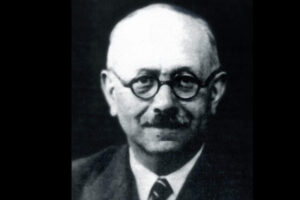
On June 23, 2026, Marc Bloch and his wife, Simonne Vidal, will symbolically enter the Panthéon, completing a republican rite that recognizes the extraordinary contribution of the founder of the Annales School to French historiography. This pantheonization honors not only a visionary scholar, but also a soldier and resistance fighter whose legacy continues to inspire generations of researchers and citizens committed to truth and freedom.
Marc Bloch: A multifaceted figure finally receiving broad recognition
Marc Bloc, historian and member of the Resistance, is inducted into the Panthéon alongside his wife, Simone Vidal (Wikipedia)
Marc Bloch represents an exceptional life that transcends the traditional divide between academia and civic engagement. A towering figure for historians and the social sciences, he remains paradoxically little known to the wider public, making this induction all the more symbolic. The French historian transformed his discipline through groundbreaking methodological innovations and through his direct involvement in the major issues of his era.
His admission to the Panthéon reflects a desire to share his intellectual and moral legacy with new generations. Three fundamental pillars explain this solemn recognition: his major scholarly work, his innovative teaching, and his unwavering courage.
The pantheonization ceremony
Key stages of the ceremony
The ceremony follows a carefully choreographed protocol marked by highly symbolic moments. It begins outside the monument with the gradual arrival of the coffins along Rue Soufflot, allowing the public to accompany the procession to the forecourt of the Panthéon, a place deeply imbued with republican significance.
At the heart of the ceremony is the solemn crossing of the threshold by the coffins carried by members of the Republican Guard. The Great Bronze Doors, normally closed, are opened especially for the occasion, symbolizing the deceased’s definitive entry into the Panthéon and admission among those who have contributed to the glory of France.
Presidential tribute and placement in the crypt
Once inside the monument, the coffins are placed at its center to receive the tribute of the President of the Republic, a moment when the nation as a whole bows before the memory of a great figure. This official homage forms the emotional and political centerpiece of the ceremony, publicly acknowledging the significance of the deceased’s contribution to French history.
After a vigil maintained by the Republican Guard, the coffins descend into the crypt, where they join the other men and women honored by the nation. Their final placement signifies permanent integration into France’s collective memory.
Simonne Vidal: the historian’s wife finally receiving recognition
Marc Bloch’s induction is accompanied by the symbolic entry of his wife, Simonne Vidal, in recognition of the vital role she played in his life and work. Mother of six children, whom she raised while supporting her husband’s scholarship, Simonne Vidal made an essential though often invisible contribution to his intellectual achievements.
Although she died in Lyon in 1944 and her remains could not be formally identified, her inclusion in the Panthéon carries profound symbolic meaning. It represents a belated but solemn acknowledgment of the women who stood behind many of France’s great thinkers and helps restore their place in history.
Organizing a state ceremony
Leadership by the Presidency and Government Ministries
The pantheonization is a major state event coordinated directly by the Presidency of the Republic in close cooperation with several ministries. The National Monuments Center oversees the project as administrator of the Panthéon, while a steering committee brings together ministries reflecting the many dimensions of Marc Bloch’s life.
The Ministry of Culture coordinates cultural and memorial aspects. The Ministry of the Armed Forces is involved because of Bloch’s military service in both world wars. The Ministry of the Interior and the Ministry of National Education handle public security and educational outreach. Finally, the Ministry of Higher Education and Research oversees the scholarly and academic dimensions of this national tribute.
The role of the family and practical arrangements
The Bloch family, which includes six children and numerous descendants, has played a central role in preparing the ceremony. Suzette Bloch, Marc Bloch’s granddaughter, and Matis Bloch, his great-grandson, were chosen to represent the family in discussions and decisions concerning the induction.
One distinctive aspect of this ceremony is the family’s wish that Marc Bloch’s remains remain buried in Bourg d’Hem, in the Creuse region, where he has rested since 1977 alongside his six children. As a result, the ceremony is symbolic rather than involving the transfer of his remains. Cenotaphs—empty symbolic tombs—will be installed in the crypt, and the names of Marc and Simonne Bloch will be permanently engraved on its walls, allowing visitors to pay tribute and reflect upon their legacy.
Marc Bloch the fighter : soldier, resistance member, and seeker of truth
The ceremony highlights Marc Bloch’s fighting spirit, both literally and figuratively. Literally, his commitment to defending France and the Republic was demonstrated through his service in both world wars and his clandestine involvement in the Resistance during the Nazi occupation. This courageous aspect of his life remains little known to many.
Figuratively, Bloch was an unrelenting champion of methodological rigor and historical truth. Alongside Lucien Febvre, he founded the Annales School and revolutionized historical inquiry by moving beyond event-based narratives to explore the social, economic, and mental structures shaping human societies. His intellectual rigor and relentless search for truth explain why his ideas remain profoundly relevant more than seventy-five years after his death.
A legacy for future generations
A message for young people
One explicit aim of the induction is to introduce a major historical figure to the broader public, especially younger generations. This educational mission is crucial in transmitting the values embodied by Marc Bloch: clarity of thought, courage, conviction, and resilience in the face of adversity.
Since the official announcement of his entry into the Panthéon, the response from academic and educational communities has been remarkable. The Ministry of National Education has already recorded thousands of initiatives and educational projects devoted to Marc Bloch and his work. This intellectual vitality demonstrates the enduring relevance of his message: truth must never yield to convenience, and scientific inquiry requires uncompromising moral discipline.
Permanent exhibition and free public access
Beyond the June 23 ceremony, the Panthéon has organized a series of initiatives to preserve and transmit Marc Bloch’s legacy. From June 25 to June 28, admission to the monument will be free, enabling everyone to pay tribute to Marc Bloch and his wife.
A major exhibition entitled Marc Bloch: The Spirit of History, curated by Yann Potin, will remain open until January 10, 2027. Through original archives, manuscripts, and other historical materials, visitors will discover the many facets of this remarkable figure: the methodological innovator, the devoted teacher, the courageous soldier, the committed resistance fighter, and the intellectual in the service of truth.
Keeping Marc Bloch’s inspiration alive
The pantheonization of Marc Bloch and Simonne Vidal represents far more than a commemorative ritual. It embodies the nation’s commitment to transmitting the values they exemplified to present and future generations. Marc Bloch stands as a model of the engaged intellectual, the rigorous scholar, and the courageous citizen—qualities that remain essential at a time when historical and scientific truth face constant challenges.
His revolutionary methods, his transformative teaching, and his ultimate sacrifice in defense of France and the Republic constitute an inexhaustible source of inspiration. Entry into the Panthéon marks not an end, but the beginning of a broader rediscovery of the “spirit of history” that Marc Bloch devoted his life to cultivating and transmitting.

 Login


 Local: Largo de São Francisco, Faro
 Datas: 4 a 9 de agosto de 2026
 Entrada livre
 Horário: 18h00 às 01h00