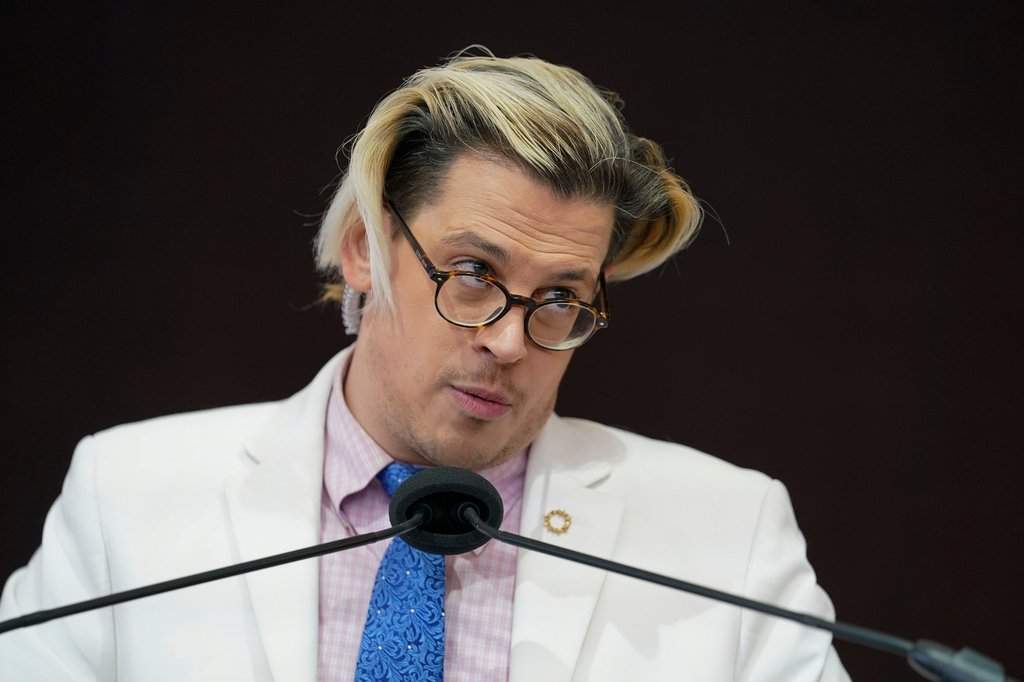
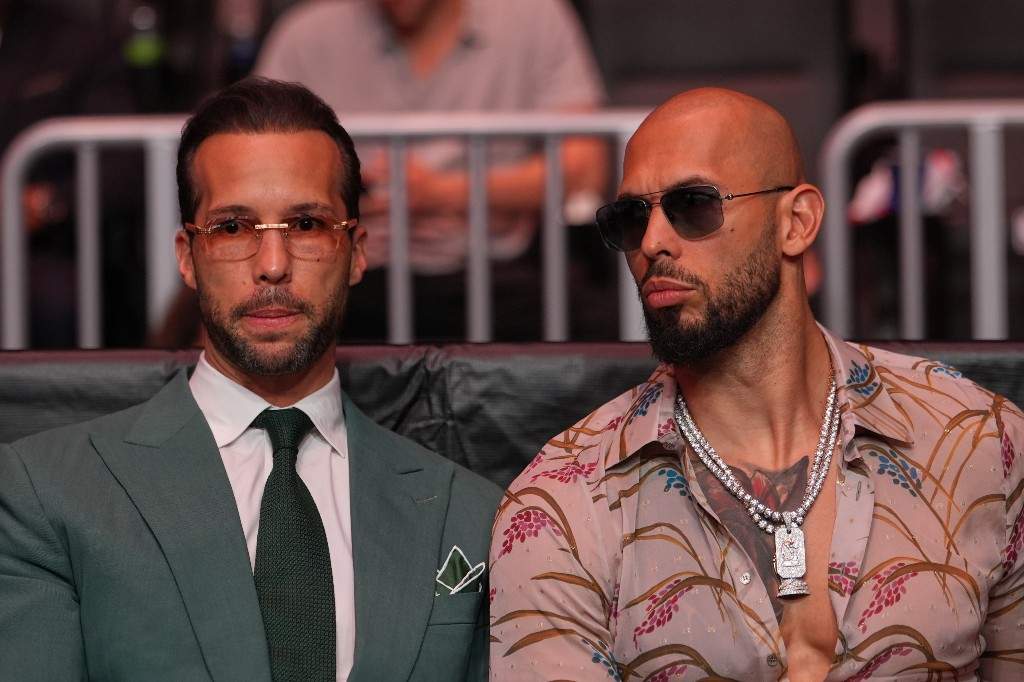
Immigration officials announced on Friday that Yiannopoulos was arrested in New Orleans and accused him of overstaying after entering the U.S. in 2019.
Immigration officials announced on Friday that Yiannopoulos was arrested in New Orleans and accused him of overstaying after entering the U.S. in 2019.
Este percurso pedestre é um convite para caminhar entre monumentos históricos, praças animadas e a brisa do Rio Arade.
1. O Coração Comercial: Da Rua do Comércio à Praça da República
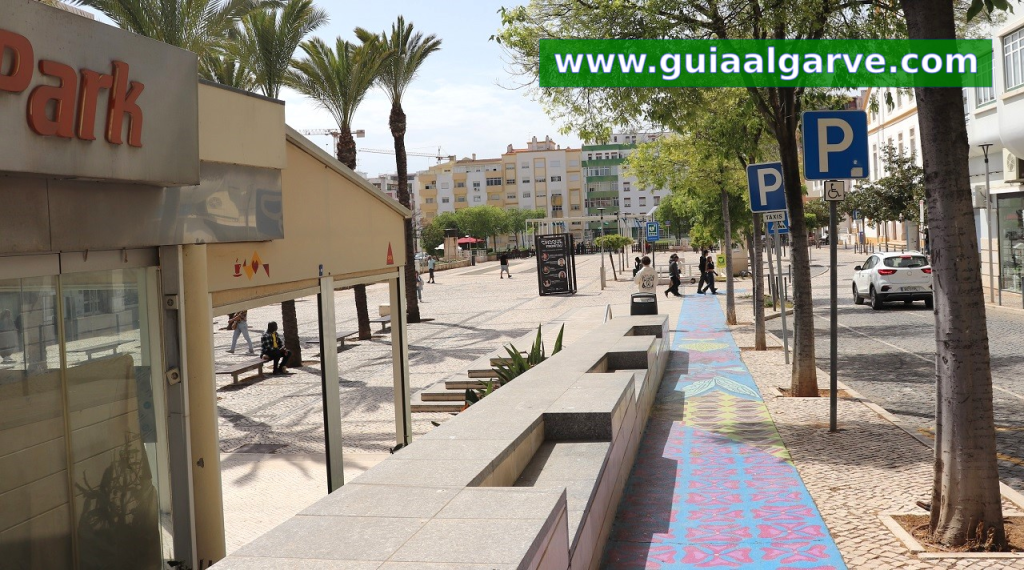
Alameda da Praça da República
Comece a manhã na Rua do Comércio e Rua Vasco da Gama. Este eixo é o pulmão comercial de Portimão, onde o movimento das lojas tradicionais reflete o quotidiano da cidade. No centro, a Praça da República (Alameda) serve de ponto de união, oferecendo um espaço amplo onde se destaca o monumental Colégio dos Jesuítas (1660), um gigante barroco que guarda o túmulo do seu fundador, D. Diogo Gonçalves.
2. Espiritualidade e Nobreza: Da Matriz ao Largo 1º de Dezembro
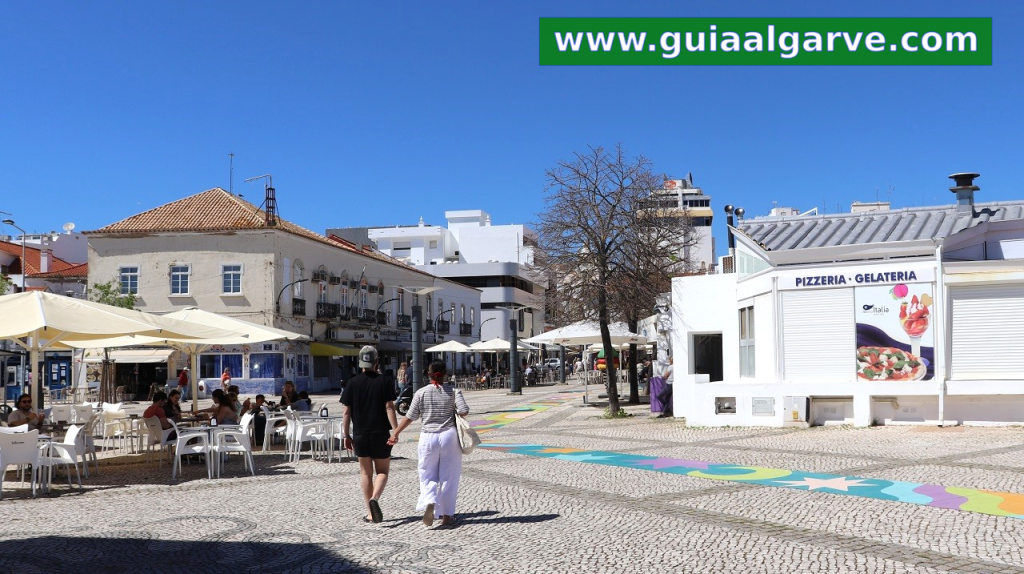
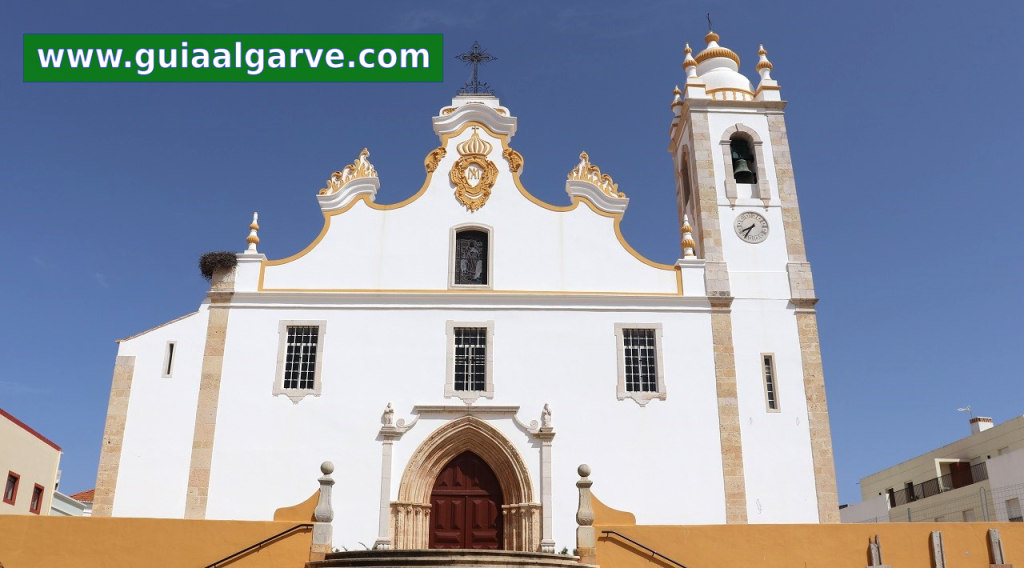
Suba até à Igreja Matriz, onde o portal tardo-gótico do século XV resiste como a memória mais antiga da fundação da vila. Desça depois para o Largo 1º de Dezembro, um “livro de história a céu aberto”.
A não perder: Os 10 bancos de azulejo de 1930 que narram a história de Portugal e a imponente fachada do Palacete Sárrea Prado (Teatro TEMPO).
3. Memória Política e Literária: Casa Manuel Teixeira Gomes
Siga em direção ao rio para visitar a casa natal do “Presidente-Escritor”. Esta casa oitocentista de traça simples algarvia é um refúgio de cultura. Espreite o pátio central e imagine a vida da família Gomes, que aliava aqui o negócio da exportação de figos à fruição do jardim nas traseiras.
A poucos metros, entre na Praça Teixeira Gomes. Batizada em 1950, esta praça de raiz oitocentista é a sala de visitas da cidade.
O Coreto: Repare na réplica do coreto original (destruído nos anos 60 e reconstruído em 2010), que devolveu à cidade um símbolo dos antigos bailes sociais. É o local ideal para um café com vista para o Arade.
5. Passeio pela Zona Ribeirinha: Arte e Tradição
Inicie a caminhada pela frente ribeirinha, que funciona como uma galeria de arte ao ar livre graças às esculturas feitas em vários simpósios.
Tradição: Passe pela zona onde o Festival da Sardinha acontece e observe as embarcações de recreio junto ao Clube Naval.
Antiga Lota: Quase a chegar à Ponte Velha, descubra este edifício de 1916. Originalmente uma central elétrica, tornou-se o local icónico onde o peixe era descarregado em cabazes. Hoje, após uma reabilitação profunda, acolhe o posto de turismo e espaços culturais, mantendo viva a alma do cais.
Termine o roteiro na antiga Fábrica de Conservas “São Francisco” (Féu Hermanos), atualmente transformada em museu. No exterior, um enorme guindaste recorda o tempo em que o cais fervilhava com a indústria conserveira. No interior, deixe-se envolver pela premiada exposição “Portimão, Território e Identidade”, o remate perfeito para compreender a simbiose entre a cidade e o rio.
Três pessoas sofreram ferimentos ligeiros na sequência de uma colisão entre um elétrico e um autocarro da Carris, ocorrida na tarde desta sexta-feira na zona da Estrela, em Lisboa.
Segundo fonte dos Sapadores Bombeiros de Lisboa, o alerta foi dado por volta das 15h00 para um sinistro junto ao jardim e à Basílica da Estrela. Os feridos, uma mulher e duas crianças de 10 e 11 anos da mesma família, eram passageiros do autocarro. A mesma fonte adiantou que a mulher foi encaminhada ao hospital por precaução, sem apresentar gravidade.
BCO
No socorro estiveram empenhados cerca de 14 operacionais, apoiados por cinco viaturas dos Sapadores Bombeiros de Lisboa e uma ambulância dos Bombeiros Voluntários de Campo de Ourique. A circulação na zona acabou por ser normalizada no decorrer da tarde.
Por: Dino Frazão Data: 28 de Agosto de 2026 Site: OSMONHACAS.COM
Considérée comme un quasi-État membre, l'Islande se prononce samedi sur la reprise des négociations en vue d'une adhésion à l'Union européenne (UE). La poursuite de ce processus, motivé en partie par les menaces de Donald Trump contre le Groenland, divise les 400 000 habitants de l'île, attachés à leur identité et à un secteur de la pêche crucial pour l'économie locale.
A French youth, 19-year-old Constant, was kidnapped, robbed, and beaten so badly by three suspects that he was left in a six-day coma in the hospital in 2025. Now, the case has come once more to the public’s attention after Constant described the attack on French television, including that his assailants were not speaking French when they nearly killed him.
Near dawn on April 12, 2025, 19-year-old Constant was on his way to work when three men changed his life forever. To this day, only one suspect has ever been arrested and convicted.
This French teen was kidnapped on his way to work and beaten into a 6-day coma by suspects who “did not speak French.”
19-year-old Constant, who has been an apprentice butcher since he was 15, was headed to work in Rouen at 5 a.m. when a car stopped near him. The suspects… pic.twitter.com/Y3u8y8qz2z
Constant was a hard-working French teenager, who had been an apprentice butcher since he was 15. Around 5:30 a.m., he left on his electric scooter for a 6:30 a.m. shift, traveling along Boulevard Jean-Jaurès in Petit-Quevilly, near Rouen. A car began following him, then cut him off and blocked the road. Occupants called for him to stop, appearing to need help or simply demanding that he approach. When a truck driver witnessed the scene and tried to intervene, the men threatened him. They forced Constant into the vehicle.
The suspects took him to Grand-Quevilly. Under threat of a knife, they demanded the PIN codes for his phone and bank card. After obtaining them, they beat him almost exclusively on his head. Family members later said the attackers “went after his head,” leaving a shoe tread mark across his face.
Once he was barely conscious, they abandoned him. In a state of shock, Constant managed to walk roughly two kilometers toward home before collapsing. His parents took him to the hospital, where he was also photographed with shoe tread marks across his face.
Constant was admitted to intensive care at CHU Rouen with a skull fracture and a subdural hematoma, then transferred to neurosurgery. Relatives described his head as massively swollen. Later accounts indicate he spent approximately six days in a coma. The attackers stole his e-scooter and phone and withdrew €1,170 from his account.
A witness had already called the police. Officers arrived at the initial scene and found no one. When family members tried to file a complaint the same day, they were told the adult victim would have to do it himself; police later opened an investigation and took his statement at the hospital.
Bank withdrawals allowed police to identify one of the three men. This suspect, who has not been named, was tried in court on Nov. 14, 2025, at the Rouen criminal court and sentenced to four years in prison with immediate detention. He was banned from contacting Constant and ordered to pay damages. He refused to name his two accomplices, who have not been arrested.
Months later, Constant appeared on France 2’s “Ça commence aujourd’hui” with Faustine Bollaert. In the clip that circulated widely in August 2026, he recounted being in the back of the car, being told not to look at the man on his right, and realizing the attackers were not speaking French.
As a result, it is clear that the attackers are not native French citizens, further highlighting the deteriorating security situation in the country due to mass immigration. Countless French youths have been the victim of foreigners over the last years, include Louis, Mégan, Thomas, Lola, and Théo, just to name a few of the victims.
A world-changing event? PCR and Larry Sparano discuss a world-changing development, the invitation to Iran to join the Turkey-Saudi-Pakistan alliance. […]
Apparently, African wild dogs enjoy knocking around balls of elephant dung like a football. It’s this playfulness that has endeared them to researchers—but, as Helen Sullivan points out, they have their work cut out for them trying to protect this persecuted big predator. Sullivan follows conservationists in southern Africa who are carefully managing tiny, isolated populations and attempting to introduce genetic diversity. The story of the three sisters who are flown over from Mozambique to be introduced to Waterberg—a South African municipality three hours from Johannesburg—is heart-wrenching. Yet in such a harsh environment, individual tragedies have to be endured while staying focused on the bigger picture: the fragile recovery of the species as a whole.
As we help Greyling and Hlako lift a crate off the pickup, a dusty paw flops out of one corner, and I think of something my uncle says: “You can smell the world in a dog’s paw.” Mooney and I back away, watching from inside a container as Hlako moves the car so that the overheating dog is in the shade. Though it is late afternoon, the temperature is still around 90 degrees.
Hlako and Greyling release the dogs one at a time, opening the crate and waiting until a dog walks, then trots, out. The first is less sure on her feet, the second seems almost normal, until Mooney points out that she would have run much faster from the crate and people had she not still been a bit dozy. The sisters stand together in a grassy area, point their noses in the air, move their satellite-dish ears and lie down under a thorn tree; it has been a long day.
Per oltre diciassette secoli il suo nome rimase sepolto in un campo dell’Oxfordshire. A riportarlo alla luce, nell’aprile del 2003, fu il segnale di un metal detector.
Brian Malin stava esplorando un terreno nei pressi di Chalgrove, a meno di sedici chilometri da Oxford, quando lo strumento reagì a qualcosa nascosto fra trenta e sessanta centimetri di profondità. Per lui non era un luogo qualunque: nel 1989, appena trenta metri più in là, insieme al fratello Ian aveva già trovato 4.145 monete romane chiuse in due vasi.
Il nuovo recipiente, modellato in una ceramica grigia di produzione locale, sembrava la continuazione di quella scoperta. I due depositi avevano dimensioni e composizione simili; entrambi terminavano con emissioni di Probo del 278-279. Jérôme Mairat ha proposto che appartenessero alla stessa persona, forse qualcuno che aveva preferito dividere i propri risparmi in nascondigli separati. Non possiamo sapere chi fosse né perché non tornò a recuperarli. Resta però difficile considerare casuale la presenza di due fortune quasi gemelle nello stesso campo.
Dentro il secondo vaso c’erano 4.957 monete coniate fra il 251 e il 279. Erano quasi tutte monete radiate di lega povera, rese più brillanti da un velo d’argento ormai in gran parte scomparso. Sette su dieci provenivano dall’Impero delle Gallie; le altre dalle officine controllate dagli imperatori di Roma. Chi aveva raccolto quel denaro, insomma, usava senza distinzione le valute dei due poteri che si contendevano l’Occidente romano.
Quando venne estratto dal terreno, il tesoro non aveva l’aspetto di una cascata di monete. La corrosione aveva saldato i pezzi fra loro e alle pareti del contenitore, formando un blocco compatto. Il vaso arrivò intatto all’Ashmolean Museum e fu poi affidato ai restauratori del British Museum. Per mesi, acqua tiepida e alcol sciolsero il terreno, mentre ultrasuoni e solventi rimossero le incrostazioni. Ogni esemplare venne separato, asciugato, stabilizzato e protetto. Fu un lavoro lento, quasi una seconda esplorazione del tesoro. All’inizio del 2004, da quella massa indistinta comparve un volto che non avrebbe dovuto esserci.
Il pezzo era ben battuto e mostrava pochissimi segni d’usura. Sul diritto si vedeva il busto barbuto di un uomo con la corona radiata, il mantello e la corazza. Intorno al ritratto correva la legenda:
Per esteso significava Imperator Caesar Domitianus Pius Felix Augustus. Il nome era quello di Domiziano, ma non dell’imperatore flavio assassinato nel 96. Lo stile del ritratto e il tipo monetale appartenevano alla seconda metà del III secolo. Gli studiosi lo chiamano Domiziano II soltanto per distinguerlo dal sovrano vissuto quasi duecento anni prima.
Non bastava a raccontare un regno, ma bastava a dimostrare una pretesa. Un uomo chiamato Domitianus aveva assunto il titolo di Augusto, ottenuto l’appoggio necessario per usare una zecca e fatto incidere il proprio nome sul denaro. Le cronache lo avevano dimenticato; il metallo no.
Il falso che non era falso
La scoperta di Chalgrove aveva però un precedente. Il 28 novembre 1900, durante alcuni lavori in un vigneto di Les Cléons, presso Nantes, era emerso un ripostiglio di 1.456 radiati. Fra le monete di Gordiano III, Aureliano e Tetrico ce n’era una intestata a Domiziano. La notizia fu pubblicata l’anno seguente. Proprio l’eccezionalità del ritrovamento, tuttavia, finì per renderlo sospetto.
Nel 1929 l’esemplare entrò nelle collezioni del Musée Dobrée. Poi se ne persero le tracce fra i depositi del museo e per decenni rimase accessibile soltanto attraverso fotografie, disegni e un calco in gesso riprodotto nel Roman Imperial Coinage. Il numismatico Lodovico Laffranchi lo interpretò come una moneta di Tetrico ritoccata; Lawrence Okamura riassunse i dubbi nel titolo di uno studio del 1992, Forging a Usurper in Late Roman Aquitania.
La moneta ricomparve nel 1996 e fu portata a Parigi per essere pulita ed esaminata. Il risultato incrinò l’ipotesi del falso: le lettere di DOMITIANVS erano incorporate in prodotti di corrosione antichi. Nessun falsario moderno poteva averle reincise sopra una legenda precedente senza alterare quelle incrostazioni. Anche il ritratto, pur vicino ai modelli di Vittorino e Tetrico, mostrava caratteristiche proprie.
Poi il presunto falso trovò il proprio gemello.
L’antoniniano inglese era identico per conio a quello di Cléons e persino un poco meglio impresso. Coincidevano il profilo del volto, la posizione delle lettere e le irregolarità più minute. I conii antichi erano incisi a mano: due monete che condividono gli stessi piccoli difetti provengono dalla medesima coppia di matrici, come fogli stampati dallo stesso torchio.
A chiudere la discussione fu soprattutto il contesto. Il nuovo pezzo era ancora saldato a un deposito romano intatto, in mezzo a migliaia di emissioni comuni recuperate in condizioni documentate. Nessuno avrebbe potuto introdurlo in quella massa di corrosione. Domiziano continuava a non avere una biografia, ma da quel momento ebbe un’esistenza storica.
Il vuoto lasciato da Vittorino
Il momento in cui Domiziano tentò la fortuna era uno dei più confusi della storia romana. Nel 260 l’imperatore Valeriano era caduto prigioniero del re sasanide Sapore I. Suo figlio Gallieno si ritrovò solo al comando di un impero attaccato su più fronti e attraversato dalle rivolte degli eserciti.
In Occidente le truppe acclamarono il generale Postumo, che diede forma a quello che oggi chiamiamo Impero delle Gallie. Comprendeva la Gallia e la Britannia, per qualche tempo anche la Hispania. Il nome può trarre in inganno: non era uno Stato nazionale staccatosi da Roma. Postumo e i suoi successori si consideravano imperatori romani, nominavano consoli e governatori, proteggevano le frontiere e battevano moneta come qualunque altro Augusto.
Postumo riuscì a governare per quasi dieci anni. Nel 269 sconfisse il rivale Leliano, ma vietò ai soldati di saccheggiare Magonza e fu ucciso dai suoi stessi uomini. Gli succedette Mario, rimasto al potere per poche settimane o pochi mesi, quindi Vittorino. Nella primavera del 271 anche Vittorino morì assassinato. Per la terza volta in meno di due anni, il trono gallico era disponibile.
Secondo una tradizione tarda e non del tutto affidabile, Victoria, madre di Vittorino, usò denaro e influenza per favorire Tetrico, allora governatore in Aquitania. Ma un imperatore non poteva imporsi nello stesso istante da una provincia all’altra. Nel tempo necessario a Tetrico per raccogliere consensi, guarnigioni e officine monetarie potevano scegliere altri candidati.
Fu con ogni probabilità in quel vuoto che Domiziano fece la sua mossa.
Le monete lo collocano come un concorrente di Tetrico alla guida dell’Impero delle Gallie, non come il sovrano di un regno britannico e neppure come un avversario in grado di minacciare direttamente Aureliano. La città in cui fu proclamato e i reparti che lo sostennero restano sconosciuti. Il suo tentativo, però, superò il fragore di un’acclamazione militare: arrivò fino a un’officina monetaria.
Per battere denaro servivano incisori, metallo, tondelli, incudini, martelli e maestranze abituate a lavorare in serie. Domiziano controllò quell’organizzazione almeno per il tempo necessario a preparare due conii e avviare la produzione. Non era dunque soltanto un nome gridato dai soldati: uomini, strumenti e metallo erano stati messi al servizio della sua candidatura.
La concordia dei soldati
Il pezzo di Chalgrove è un antoniniano di 22 millimetri e 2,07 grammi. La corona radiata indossata dal sovrano identifica la denominazione. Il colore attuale è quello del bronzo, ma all’origine una sottile argentatura copriva la lega povera e faceva apparire la moneta assai più preziosa di quanto fosse davvero.
Dal ritratto non ricaveremo il vero volto di Domiziano. Barba, sguardo fermo, mantello e corazza appartenevano al repertorio con cui gli incisori costruivano l’immagine di un imperatore. Eppure non si limitarono a cambiare il nome su un modello di Tetrico. Il diritto venne preparato appositamente per Domiziano, e il rovescio fu inciso per la stessa emissione. Anche un potere destinato a durare pochissimo volle dunque un’immagine propria.
Sul rovescio compare Concordia, con la coppa delle libagioni in una mano e una cornucopia nell’altra. La legenda CONCORDIA MILITVM significa «la concordia dei soldati». Nessun messaggio poteva essere più opportuno. In un’epoca in cui gli imperatori salivano al potere sulle spalle delle legioni e spesso morivano per mano delle stesse truppe, Domiziano presentava l’esercito come compatto attorno a lui. Forse descriveva una realtà momentanea; forse esprimeva soltanto un desiderio.
I conii conservano anche una traccia del disordine di quei mesi. Il diritto sembra opera dell’incisore legato alla cosiddetta officina II; il rovescio ricorda invece la mano attiva nell’officina I e anticipa alcune monete di Tetrico. Una matrice, o forse lo stesso artigiano, potrebbe essersi spostata fra le due zecche durante la crisi. Persino la sede della coniazione è ancora discussa: il catalogo dell’Ashmolean indica Colonia, mentre MER-RIC assegna l’emissione a Treviri. Sono divergenze che raccontano quanto poco conosciamo ancora dell’organizzazione delle zecche galliche.
Quei piccoli dischi erano il mezzo di comunicazione più capillare di cui disponesse un sovrano. Entravano nelle paghe, passavano di mano nei mercati e viaggiavano insieme agli eserciti. Il ritratto annunciava chi comandava, i titoli ne proclamavano l’autorità e il rovescio spiegava su quale sostegno diceva di fondarsi. Domiziano parlò lo stesso linguaggio degli imperatori che lo avevano preceduto.
I due esemplari sicuramente autentici provengono dalla stessa coppia di conii, un indizio forte di una produzione limitata. Non significa che fossero le uniche matrici: altre monete possono essere state ritirate, rifuse o perdute. Per questo i «quattro giorni di regno» spesso attribuiti a Domiziano sono una formula giornalistica senza fondamento. Possiamo dire che la sua occasione durò poco, non contare i giorni.
Il ritrovamento inglese non prova che Domiziano governasse la Britannia. Il vaso fu sepolto negli anni Ottanta del III secolo, anni dopo l’emissione. L’antoniniano ebbe tempo per attraversare la Manica: documenta il viaggio della moneta, non i confini del suo potere.
Un uomo senza biografia
Una volta accertata l’esistenza di Domiziano, restava da capire chi fosse. Le fonti antiche offrono due possibili tracce, entrambe troppo incerte per trasformarsi in un’identità.
La Historia Augusta attribuisce la vittoria sui Macriani nel 261 a Domitianus, «il più valoroso e attivo» dei comandanti di Aureolo. Aggiunge che si diceva discendente dell’imperatore Domiziano e di Domitilla. Se quel comandante fosse l’uomo delle monete, il tentativo del 271 sarebbe l’ultima tappa di una carriera militare lunga almeno dieci anni, non il gesto improvviso di uno sconosciuto.
La fonte, però, impone prudenza. La Historia Augusta mescola documenti, errori e personaggi inventati ed è stata composta molto tempo dopo i fatti. La discendenza dalla dinastia flavia assomiglia a una genealogia costruita per nobilitare il protagonista. Il racconto può custodire un dato autentico, ma non basta a sovrapporre con sicurezza il generale e il pretendente.
All’inizio del VI secolo Zosimo ricordò invece Epitimio, Urbano e Domiziano come innovatori rapidamente arrestati e puniti durante il regno di Aureliano. Non disse dove avessero agito, quali truppe li sostenessero o quale autorità avessero sfidato. Nome e cronologia possono adattarsi all’usurpatore gallico; la certezza, ancora una volta, resta fuori portata.
La sua fine resta completamente oscura. Potrebbe essere caduto combattendo Tetrico, essere stato abbandonato dalle truppe o essere sopravvissuto abbastanza da subire la punizione di Aureliano. Quando Tetrico consolidò il potere, il rivale era già scomparso dalla scena. Tre anni più tardi anche l’Impero delle Gallie cessò di esistere e le province occidentali tornarono sotto Roma.
Persino il numero ordinale «II» appartiene alla storiografia moderna. Sulle monete compare soltanto DOMITIANVS e nessun contemporaneo lo chiamò «secondo». Un possibile terzo antoniniano proveniente dalla regione bulgara di Vidin è stato attribuito allo stesso pretendente, ma stile, dimensioni e rovescio sono diversi. Finché l’attribuzione resterà discussa, la sua storia continuerà a poggiare sui due esemplari di Cléons e Chalgrove.
Uno rimase dimenticato nel deposito di un museo. L’altro trascorse oltre diciassette secoli dentro un vaso, confuso fra migliaia di pezzi corrosi. Insieme conservano ciò che gli storici antichi non raccontarono: nel 271 un uomo assunse il titolo di Augusto, riuscì per breve tempo a servirsi di una zecca e cercò di prendere il controllo dell’Impero delle Gallie.
Il suo potere scomparve quasi subito. Le due monete sopravvissero abbastanza a lungo da restituirgli un posto nella storia.
L'essor de l'industrie du véhicule électrique en Chine comme illustration du nœud de pouvoir formé par la rencontre entre autorités locales et capital privé. Une analyse, d'un militantisme à peine voilé, cherche à démontrer que Mao Zedong serait le vrai responsable des inégalités contemporaines en Chine. (Vol. 96, juillet, deux numéros par an, 26 dollars par an, en ligne. — Canberra.)
La revue de l'Association internationale de recherche en management public (Airmap) s'intéresse aux services publics en Afrique. Après les grandes réformes libérales des années 1990 et 2000, les collectivités locales sont en première ligne, avec de grosses différences entre les milieux urbains et ruraux. (N° 5, 2026/1, trimestriel, gratuit en ligne. — Nice.)
Le « fanzine foutraque qui refuse toujours toute correction orthographique » livre quelques « réfextions (sic) éparses sur la transformation de l'espace par le capitalisme ». Un état des lieux du mal-logement. (N° 7, été, prix libre. — Ardèche.)
La revue animée par Natacha Polony consacre un ensemble à la tentation hégémonique allemande en Europe ainsi qu'à la liste (fort longue) des différends qui opposent Paris et Berlin, notamment en matière d'industrie de défense. (N° 3, juin, trimestriel, 15,90 euros. — Paris)
EU Reporter journalist Derya Soysal was among the members of the press given direct access to President Kassym-Jomart Tokayev in Astana after he cast his vote in Kazakhstan’s first elections to the newly established Kurultai — an opportunity that offered a rare first-hand insight into the President’s thinking on political reform, government, youth, artificial intelligence and the country’s future direction.
For a journalist covering the rapidly changing political landscape of Central Asia, there are moments when being in the room matters.
ForEU Reporterjournalist Derya Soysal (pictured with President Kassym-Jomart Tokayev) Kazakhstan’s historic Kurultai election provided precisely such an opportunity.
After President Kassym-Jomart Tokayev cast his vote in the country’s first election to the newly established Kurultai, Soysal was among the journalists with privileged access to the President during the press briefing that followed.
It gave EU Reporter a first-hand opportunity to hear Tokayev address some of the most important questions facing Kazakhstan as the country enters a new political chapter.
The exchanges went far beyond election day itself.
Questions ranged from the consequences of constitutional reform and the creation of the Vice Presidency to the future composition of the government, the role of younger politicians and the increasingly important place of artificial intelligence in Kazakhstan’s economic and social development.
The result was a revealing picture of how Tokayev sees the next phase of his country’s transformation.
A historic political moment
Tokayev himself described the election as a historic milestone and the beginning of a new stage in Kazakhstan’s development.
The establishment of the Kurultai forms part of a much broader restructuring of the country’s political institutions.
During the briefing, the President was questioned about what ordinary citizens should expect from the constitutional reforms, how the newly created Vice Presidency would operate and what role the Kazakhstan People’s Council would play.
Tokayev portrayed the changes as essential components of a renewed political system.
He stressed the importance of the Vice Presidency as an institution capable of supporting effective governance during difficult periods, while describing the Kazakhstan People’s Council as a mechanism intended to strengthen public participation and national cohesion.
But the President’s vision was not restricted to political architecture.
He also pointed to ambitious infrastructure and development programmes encompassing healthcare facilities, rehabilitation centres, urban modernisation and environmental projects.
The question everyone wanted answered
Among the most politically sensitive questions put to Tokayev concerned his own future.
Could he stand again for President?
Following recent constitutional developments concerning his eligibility for a future presidential election, journalists pressed Tokayev on whether he intended to seek another term.
His response was deliberately cautious.
While acknowledging that the legal possibility exists, Tokayev rejected speculation about a future campaign as premature.
Instead, he argued that Kazakhstan should be concentrating on the immediate challenges of modernisation, economic growth, social development and stability in an increasingly unpredictable international environment.
It was a response that sought to move attention away from political succession and back towards the governing agenda.
What kind of politicians does Kazakhstan need?
Soysal’s access to the presidential briefing also provided an opportunity to hear Tokayev set out his expectations of the people who will serve in the new political institutions.
Asked what qualities Kurultai deputies should possess, the President emphasised responsibility and accountability.
Members, he said, should be judged by the quality of the legislation they adopt, whether they fulfil promises made to voters and whether the programmes they pursue genuinely contribute to Kazakhstan’s development.
A recurring theme throughout the briefing was generational change.
Tokayev again argued that Kazakhstan needs younger people to play a greater role in public life.
New faces and new thinking, he suggested, will be essential if the country is to maintain momentum in the years ahead.
A new government — but not change for change’s sake
The creation of the Kurultai also has consequences for the government.
Journalists therefore questioned Tokayev about the future administration and whether Kazakhstan should expect major personnel changes.
The President praised the work of the existing government but confirmed that changes would come.
At the same time, he cautioned against replacing officials simply to create the appearance of political renewal.
For Tokayev, modernisation appears to mean continuous institutional renewal rather than political theatre: bringing in new energy and expertise where necessary while retaining effective administration.
Was the election genuinely competitive?
Another important exchange concerned political competition.
Asked whether the campaign had demonstrated genuine competition, Tokayev pointed to televised debates, public engagement and particularly strong interest among younger voters.
He characterised the electoral process as another milestone in Kazakhstan’s continuing political modernisation and said the campaign had brought new political voices and new ideas into public debate.
For an international audience, however, the question of political pluralism remains one of the key issues against which Kazakhstan’s reforms will ultimately be judged.
The significance of the new institutions will therefore depend not only upon their constitutional design, but on how independently and effectively they operate in practice.
The generation that will inherit Kazakhstan
Young people repeatedly returned to the centre of the discussion.
With a significant number of younger candidates participating in the electoral process, Tokayev was asked whether this generation could genuinely transform the country’s political system.
His answer was notable for combining optimism with a measure of realism.
He acknowledged that not every young official promoted into senior positions in recent years had been successful.
Nevertheless, Tokayev insisted that Kazakhstan must continue putting its confidence in younger generations.
For a country with a comparatively young population, he suggested, long-term success will depend heavily upon the responsibility, engagement and leadership of its youth.
Politics is also about culture
Some of the most revealing exchanges witnessed by Soysal moved beyond constitutions and elections.
Tokayev was questioned about his repeated calls for greater civic responsibility, discipline, respect and public ethics.
The President argued that national modernisation cannot be measured solely in economic growth rates or institutional reforms.
It also requires changes in behaviour and public culture.
He connected those ideas with the Taza Kazakhstan initiative, explaining that cleanliness should be understood both literally and symbolically — encompassing respect for public spaces but also ideas of dignity, moral responsibility and civic consciousness.
From smartphones to artificial intelligence
Perhaps the most forward-looking discussion concerned Kazakhstan’s digital ambitions.
Artificial intelligence has become a central part of Tokayev’s political and economic agenda.
Asked to assess progress in digitalisation, the President argued that Kazakhstan had already completed an important first stage in constructing a digital state by making electronic public services widely accessible.
Citizens can now carry out administrative tasks from home that once required lengthy bureaucratic procedures.
But Tokayev made clear that he regards this as only the beginning.
The next challenge, he said, is to move artificial intelligence and digital technology beyond conferences, presentations and policy documents and turn them into instruments that deliver practical economic benefits.
He highlighted entrepreneurs, farmers and regional communities as groups that should increasingly be able to use technology to improve productivity and generate income.
His message was strikingly simple: the smartphone should no longer be regarded merely as an entertainment device but as an instrument of economic opportunity.
The value of being in the room
For EU Reporter, Soysal’s participation in the presidential briefing provided something increasingly valuable in international reporting: direct access to the political decision-maker at the centre of the story.
Rather than interpreting Tokayev’s position through official statements alone, she was able to witness at first hand how the President responded when confronted with questions about political succession, institutional change, government performance and the expectations of Kazakhstan’s younger generation.
Soysal’s access is particularly significant at a moment when Kazakhstan is seeking to redefine both its domestic political institutions and its place internationally.
The country occupies an increasingly important strategic position between Europe and Asia, while its economic, energy and diplomatic relationships with the European Union continue to develop.
Understanding the direction Kazakhstan takes therefore matters well beyond its own borders.
A country debating what comes next
What emerged from the presidential exchange in Astana was not simply a discussion about one election.
It was a debate about what kind of Kazakhstan should emerge from the reforms now under way.
How much influence will the new institutions exercise?
Will younger politicians genuinely reshape public life?
Can artificial intelligence translate into economic opportunity outside Kazakhstan’s major cities?
And how far will political modernisation alter the relationship between the state and its citizens?
Those questions will not be answered by one election or one presidential press briefing.
But Derya Soysal’s privileged position inside that briefing gave EU Reporter readers a valuable first-hand view of how Kazakhstan’s President himself answers them.
As the first Kurultai begins its work, the importance of the election may ultimately be judged not by the symbolism of its creation, but by what Kazakhstan’s new political institutions actually deliver.
For the moment, however, one thing is clear: the country has entered a new phase, and the political conversation about what comes next has already begun.
Derya Soysal is an EU Reporter journalist covering European and international affairs. She attended President Kassym-Jomart Tokayev’s press briefing in Astana following his vote in Kazakhstan’s first Kurultai elections.
di Cesare Sacchetti A Mosca, lo scorso mercoledì, i commentatori Occidentali sono rimasti a dir poco a bocca aperta, se non presi da una vera e propria rabbia. Appena il mastodontico aereo militare C-17 ha iniziato a sorvolare i cieli della capitale moscovita, sono proliferate ipotesi di vario tipo, depistaggi in larga parte secondo i […]
 Login







 BCO



This French teen was kidnapped on his way to work and beaten into a 6-day coma by suspects who “did not speak French.”