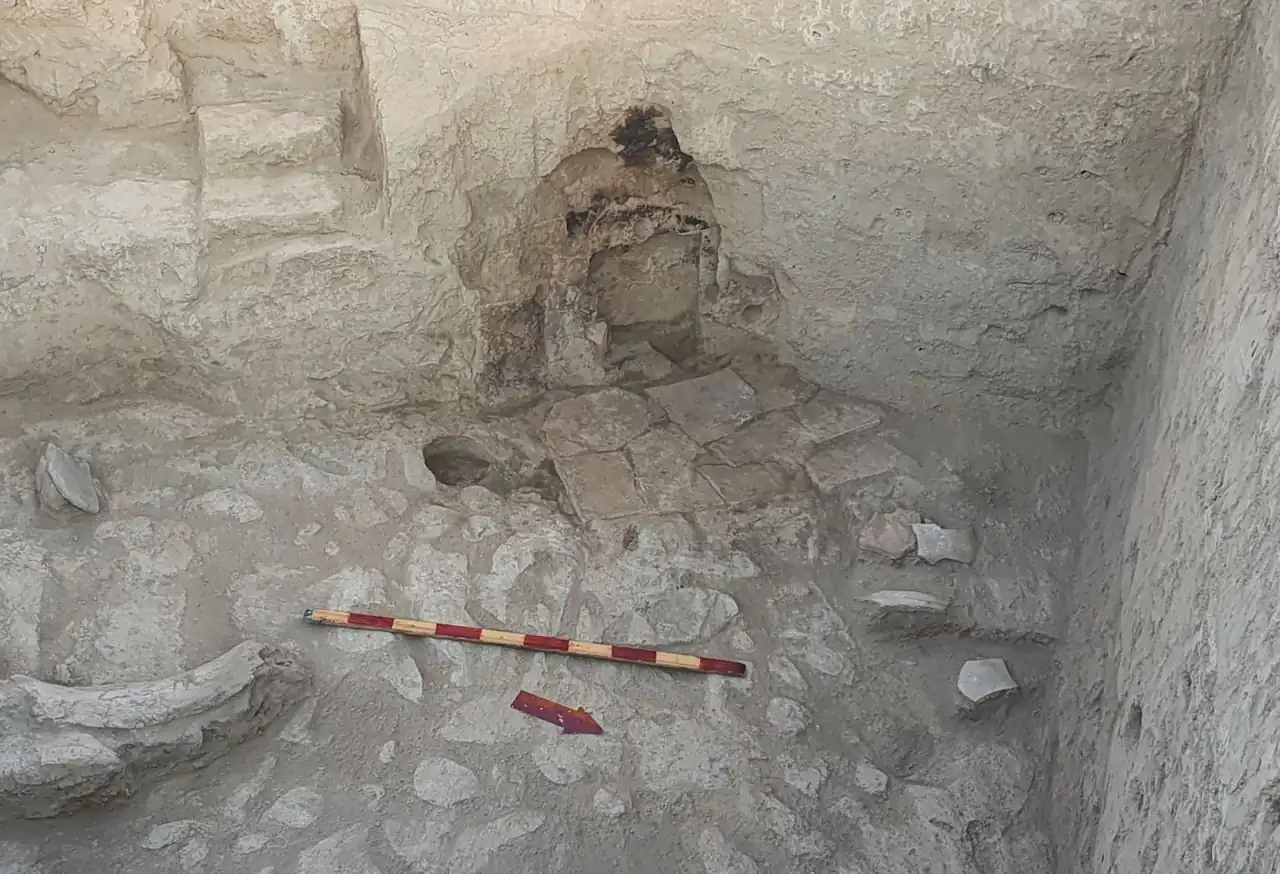
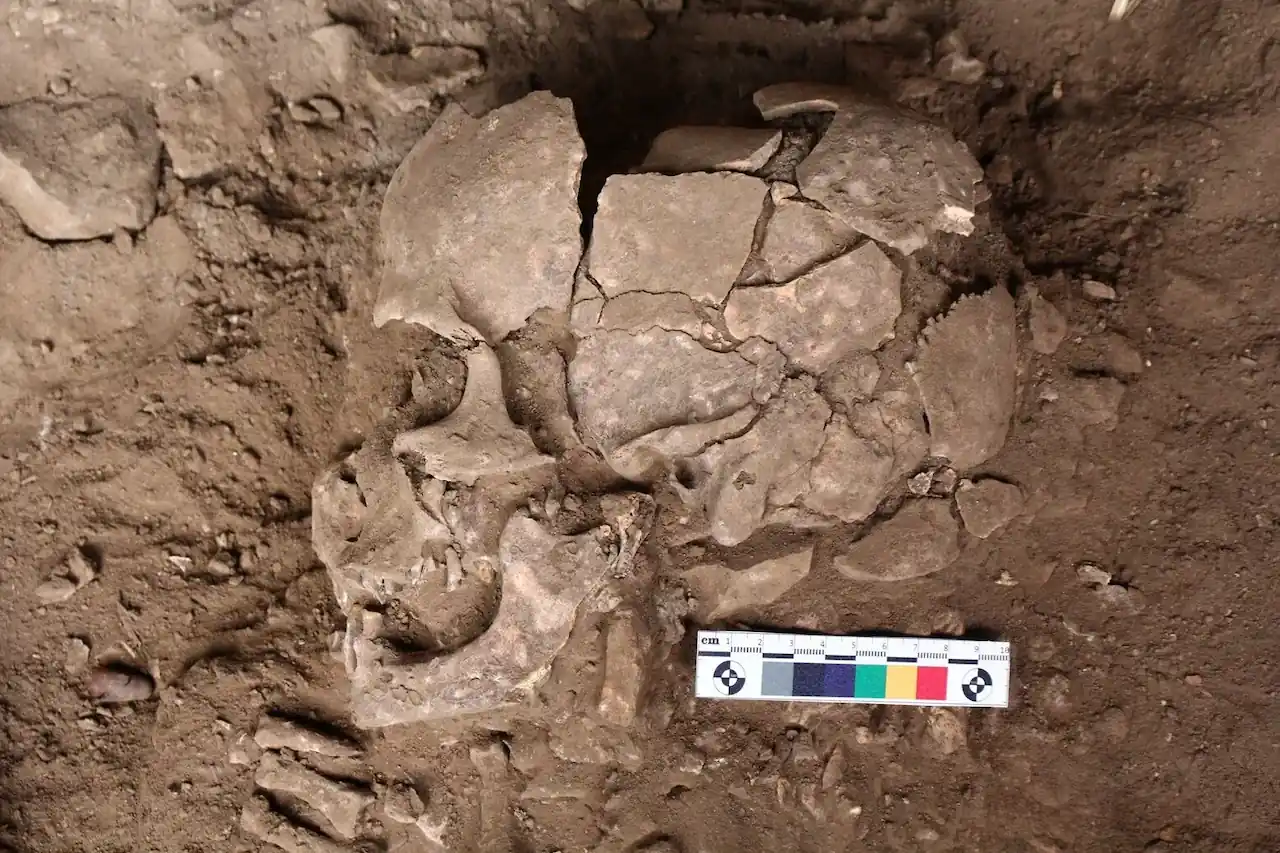
The site is provisionally dated to a six-century stretch, from the 3rd century BC to the 3rd century AD, offering a window into funerary rites practiced by a population that neither buried nor cremated its dead — long before that same principle produced the famous Towers of Silence. The find comes from Odirmon, a site […]
El conjunto, datado provisionalmente entre el siglo III a.C. y el III d.C., ofrece una ventana a los ritos funerarios de una población que, siglos antes de que se levantaran las célebres Torres del Silencio, ya trataba a sus muertos de un modo muy particular: ni los enterraba ni los incineraba. El hallazgo se ha […]
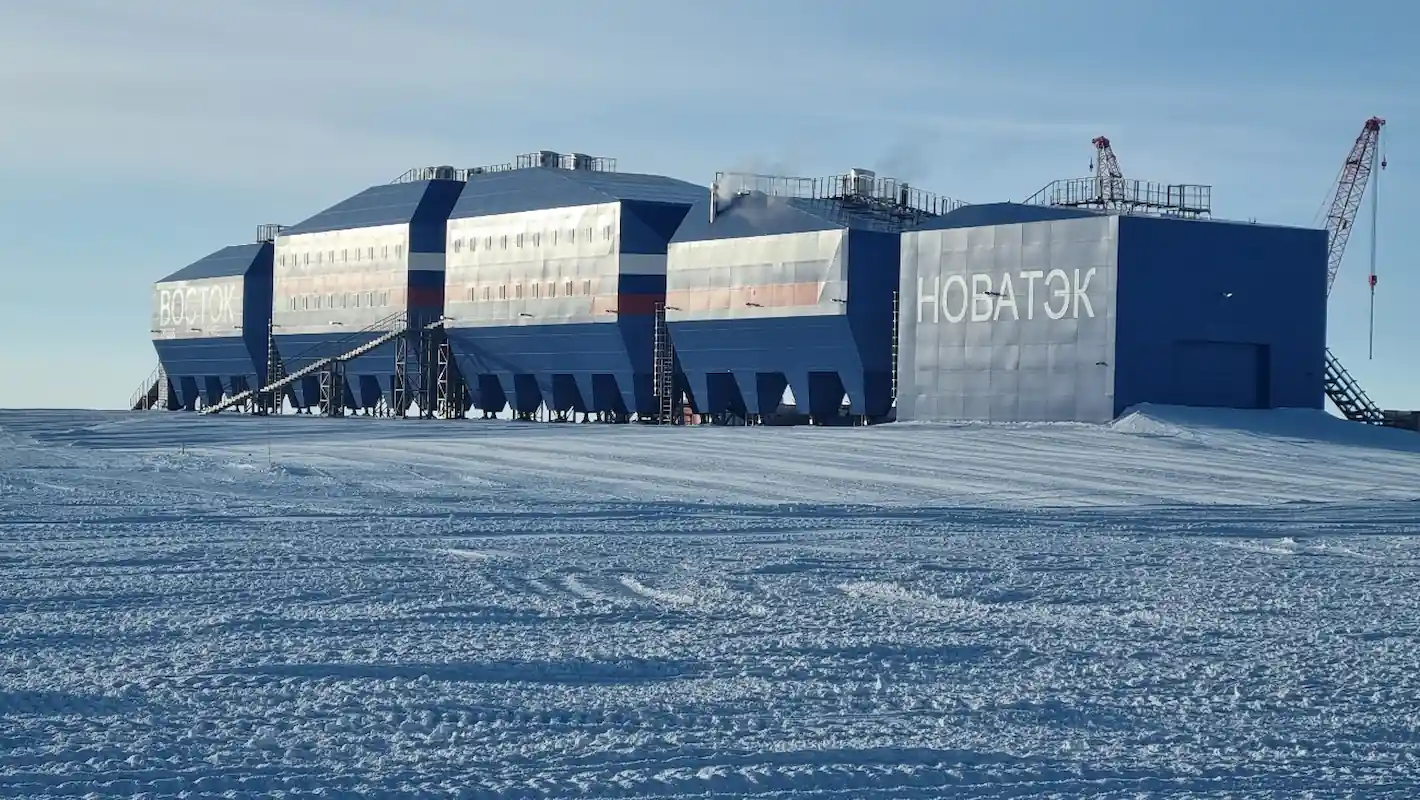
In February 2012, after twenty years of nearly uninterrupted work, a Russian drill broke through the last stretch of ice over East Antarctica and reached something no human had ever touched: the surface of a lake sealed shut long before our species existed. Water surged up the borehole, mixed with the kerosene and Freon used […]
En febrero de 2012, después de veinte años de trabajo casi ininterrumpido, un taladro ruso atravesó los últimos metros de hielo sobre la Antártida oriental y tocó algo que ningún ser humano había rozado jamás: la superficie de un lago que lleva sellado bajo el hielo desde mucho antes de que existiera nuestra especie. El […]
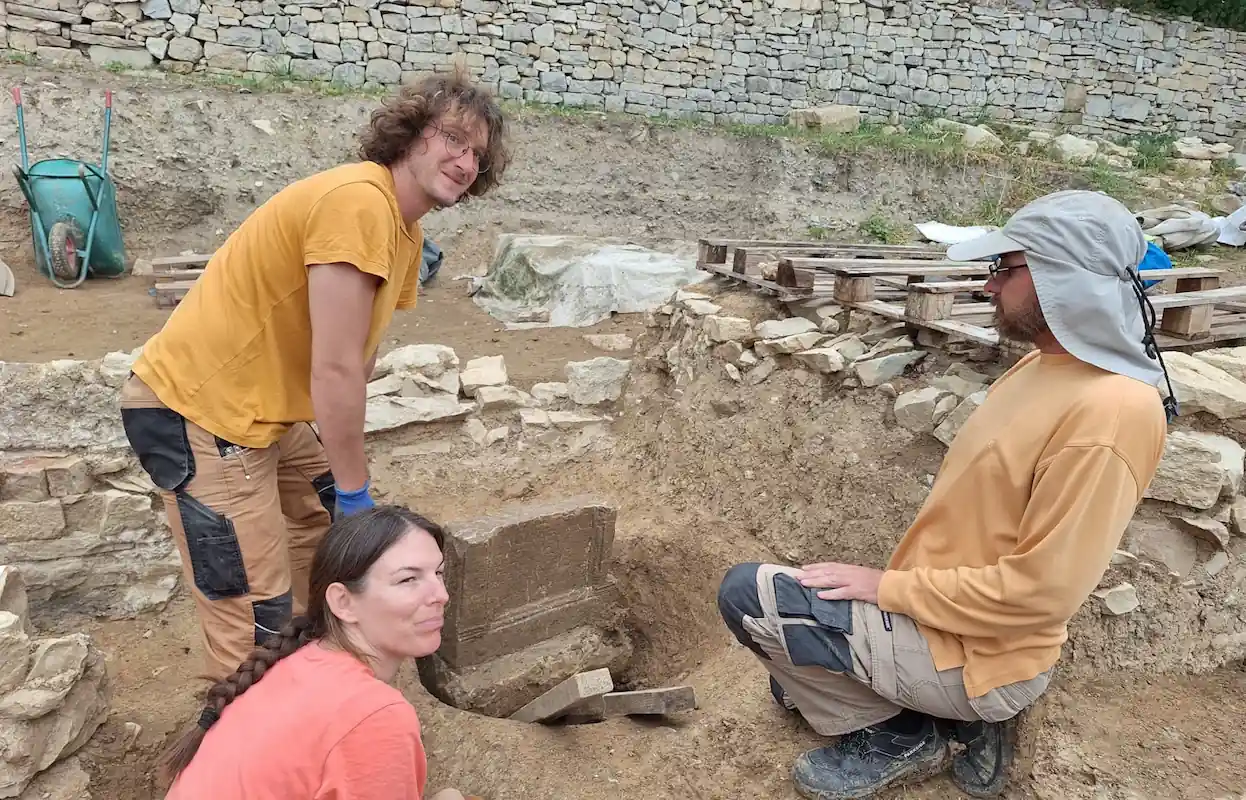
The body has been lying face-down for close to two thousand years. When archaeologists reached tomb 162, on the outskirts of modern Solin, Croatia, they immediately noticed something at odds with the rest of the cemetery: the deceased had not been laid on their back, as Roman custom required, but on their stomach. Around the […]
El cuerpo lleva casi dos mil años bocabajo. Cuando los arqueólogos llegaron a la tumba 162, en las afueras de la actual Solin, en Croacia, no tardaron en darse cuenta de que algo no encajaba con el resto del cementerio: el difunto no había sido colocado boca arriba, como marcaba la costumbre romana, sino sobre […]
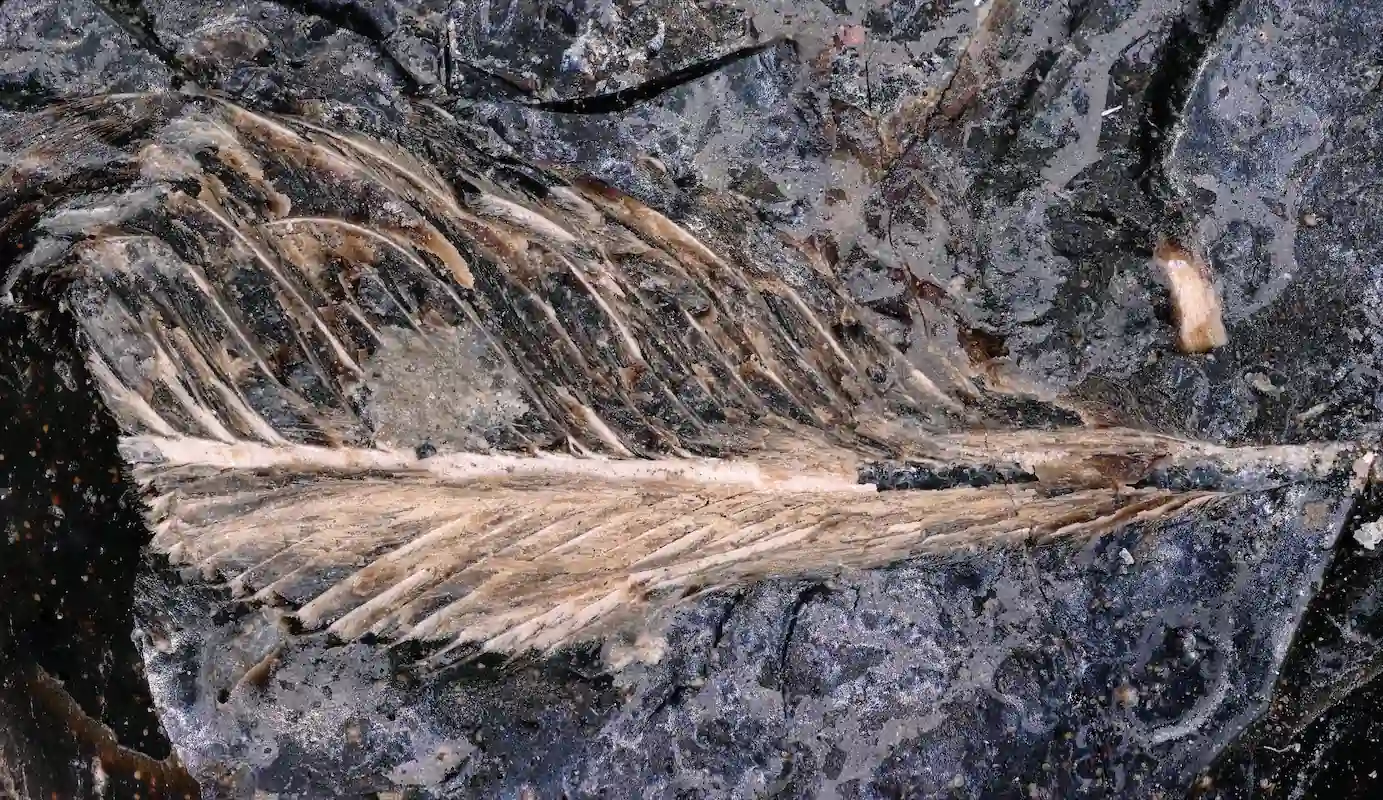
In 2016, paleontologist David DeMar Jr. was crawling across a rocky outcrop in northeastern Montana, hunting for fish fossils, when he spotted a dark, reddish-brown nodule about half the size of a golf ball. He picked it up and looked at it through his hand lens. On its surface was something he didn’t expect: a […]
En 2016, el paleontólogo David DeMar Jr. avanzaba a gatas por un afloramiento rocoso en el noreste de Montana, buscando fósiles de peces, cuando se topó con un nódulo oscuro, de un tono entre marrón y rojizo, del tamaño aproximado de una cereza grande. Lo recogió, lo observó con una lupa de mano y, en […]
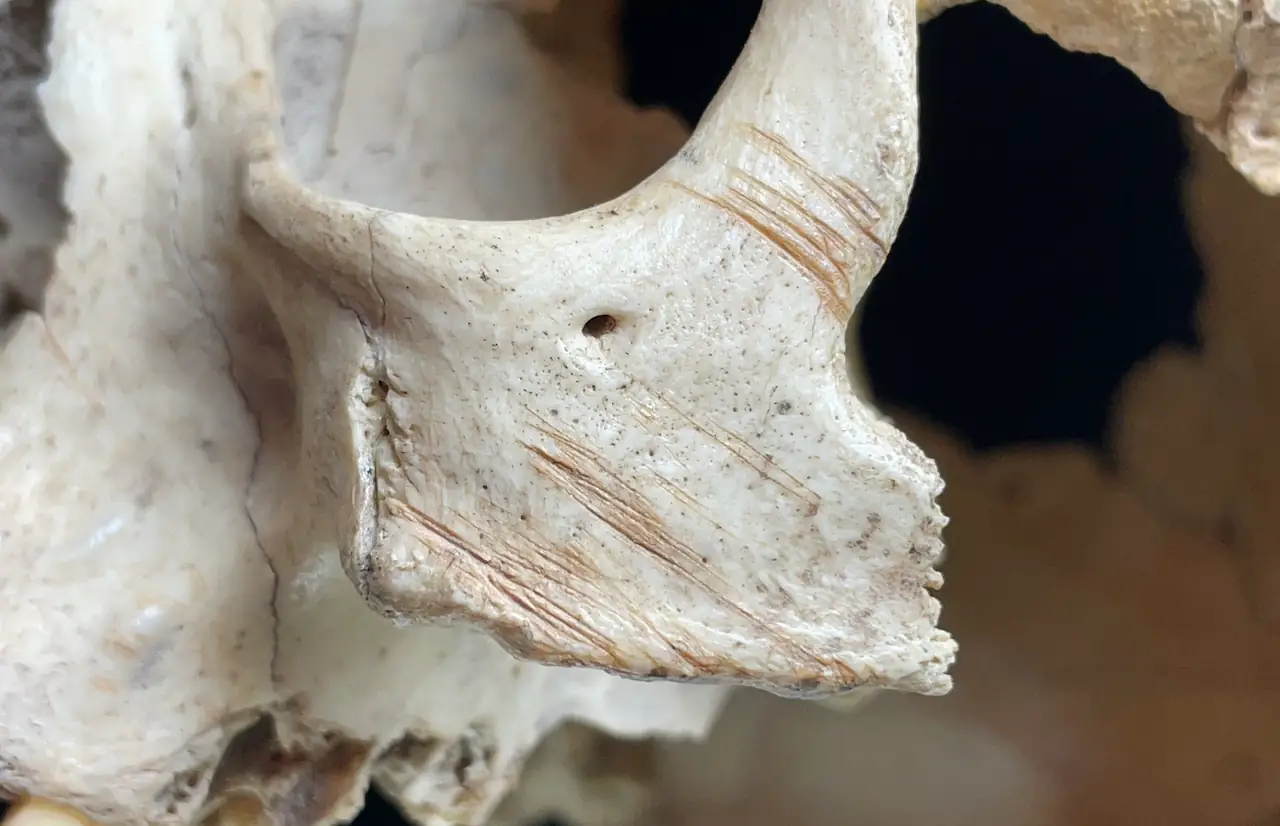
Two skeletons from the Indonesian island of Sulawesi had something strange going on in their mouths. Not cavities. Not the usual wear from a tough diet. Deep, rounded grooves cut into the teeth — a pattern no archaeologist had documented before, and one nobody could explain. The answer, published in Science Advances, pushes the known […]
Dos esqueletos hallados en la isla indonesia de Sulawesi tenían algo raro en la boca. No eran caries, ni el desgaste habitual de una dieta dura. Eran unos surcos profundos y redondeados en los dientes, un patrón que ningún arqueólogo había visto antes y que nadie sabía explicar. La respuesta, publicada en la revista Science […]
The heirs of Oswaldo Cisneros, once one of Venezuela’s richest men, received unusual news last April: strangers were touring their oil fields in the Orinoco Belt. On paper, they remained the legitimate operators of the assets, but it soon became clear that, even as those visits took place in plain sight, a plan was being put in motion to take the fields away from them.
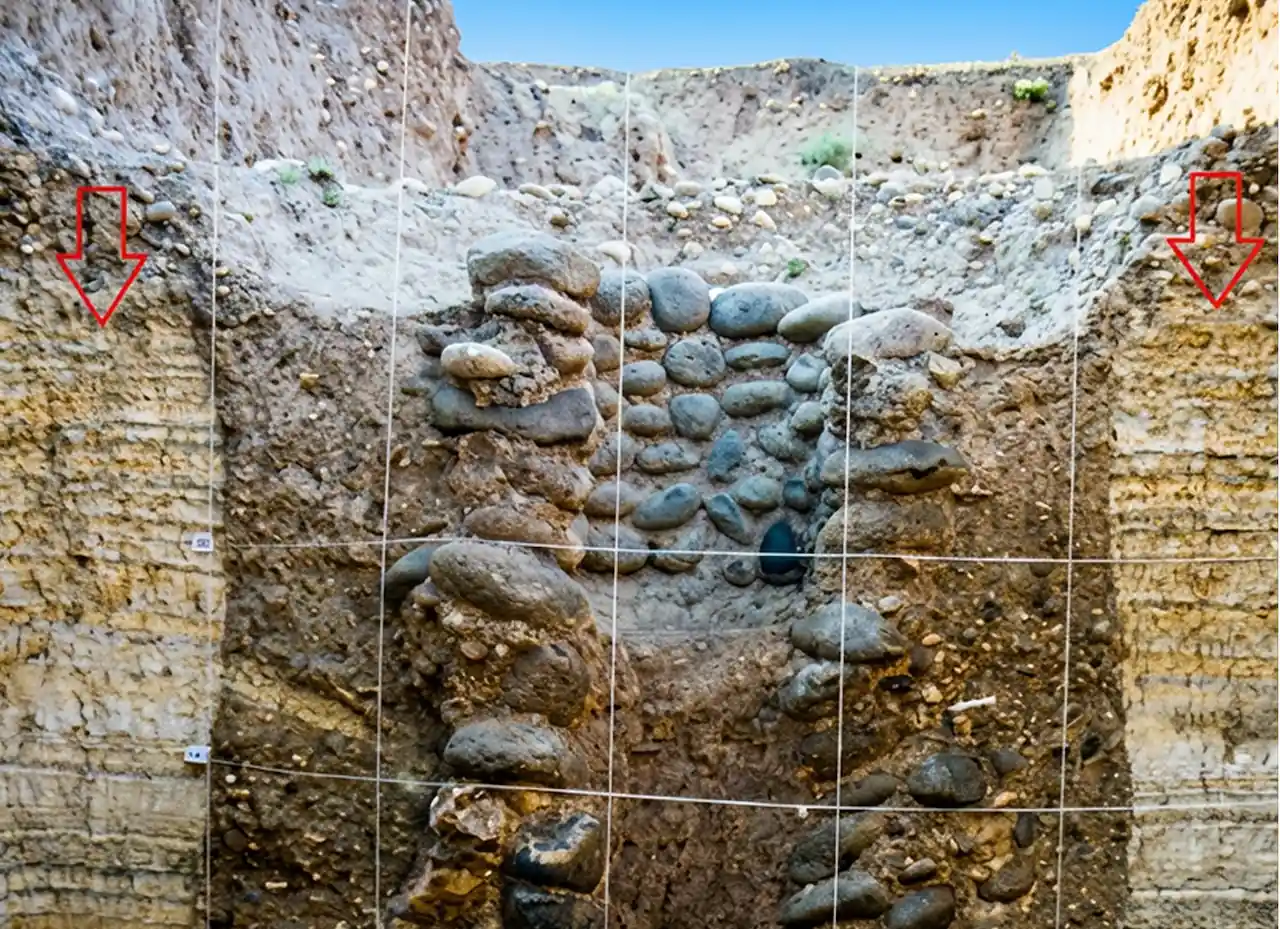
Long before anyone built a kiln on purpose, the ground itself may have shown people how. A new study argues that a wave of prehistoric wildfires in the southern Levant, more than 9,000 years ago, scorched the region so thoroughly that it left behind naturally baked clay — and that Neolithic communities, watching the aftermath, […]
Una investigación publicada en la revista Geomorphology propone que los grandes incendios y la posterior erosión de los suelos ocurridos hace más de nueve mil años en la región del Levante sur crearon las condiciones ambientales y visuales que permitieron a las comunidades neolíticas descubrir las propiedades transformadoras del fuego sobre la arcilla. El trabajo, […]
For years, a small fragment of papyrus lay unnoticed in the collections of the French Institute of Oriental Archaeology in Cairo. No one had looked closely at it until, in early 2026, Belgian papyrologist Nathan Carlig of the University of Liège realized what he had in front of him: a previously unknown fragment of the […]
Durante años, un pequeño fragmento de papiro durmió sin que nadie reparase en él en los fondos del Instituto Francés de Arqueología Oriental de El Cairo. Nadie lo había mirado con atención hasta que, a comienzos de 2026, el papirólogo belga Nathan Carlig, de la Universidad de Lieja, se dio cuenta de lo que tenía […]
An international team has re-examined close to a thousand human bones from the caves of Malalmuerzo, Carigüela, and Majolicas, applying direct radiocarbon dating and modern taphonomic analysis — the study of everything that happens to a bone between death and excavation — to material that was first pulled from the ground in the 1970s. The […]
Durante más de cincuenta años, las cuevas de Malalmuerzo, Carigüela y Majolicas, en Granada, han funcionado como referencia obligada para estudiar el canibalismo prehistórico en la península ibérica. Un equipo internacional acaba de revisar sus restos con herramientas que no existían cuando se excavaron por primera vez, y la imagen que tenían hasta ahora los […]
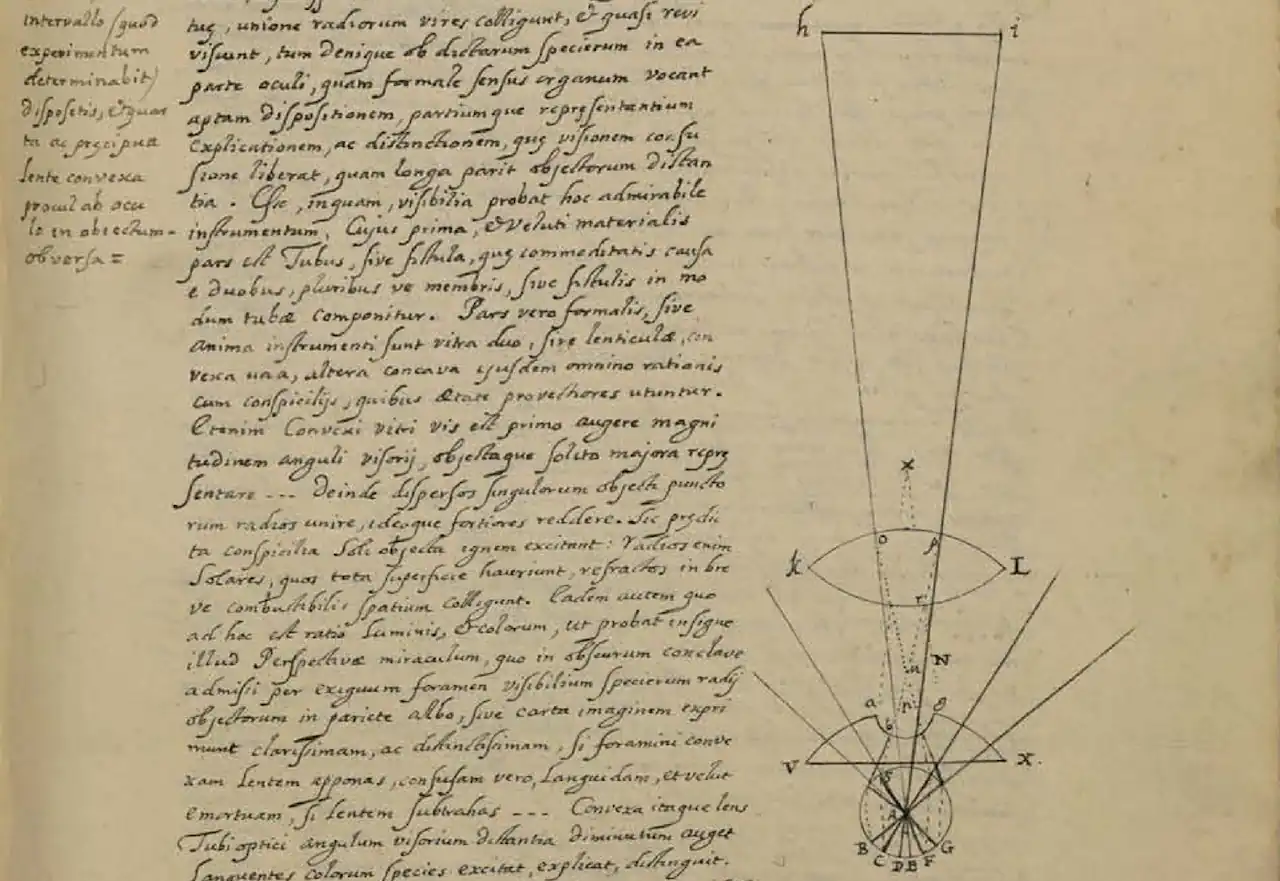
Un investigador de la Universidad de Limerick, en Irlanda, ha localizado un manuscrito del siglo XVII que contiene la que podría ser la descripción técnica más detallada jamás hallada de un telescopio fabricado por el célebre astrónomo y científico Galileo Galilei. El hallazgo, publicado ahora en la revista Annals of Science, aporta nuevas claves sobre […]
Galileo Galilei is remembered for pointing a simple two-lens tube at the sky and changing astronomy forever. What he is not remembered for is a four-lens telescope built more than a decade before historians thought such instruments existed — and yet that is exactly what a manuscript unearthed in Spain’s National Library now suggests he […]
 Login