❌

Reading view

Anti-militarism unites progressives across Europe

The left’s capacity to build knowledge, organization, and struggle was a central theme at this year’s ManiFiesta, introduced during a discussion of Peter Mertens’ new book, “The Last Days of the Old Normal“. In the context of Europe’s ongoing armament, these questions are crucial not only for progressive movements in core countries but also for those building alternatives in Central and Eastern Europe.

The festival featured several sessions examining developments in Central and Eastern Europe, including an intervention by Ukrainian sociologist Volodymyr Ishchenko on the class character of the Ukraine war. Another session – “East of the former wall: the AfD, the industrial crisis, and the war economy” – brought together Markéta Juřicová of the Czech party Levice, Orsolya Haboczki from the Hungarian progressive movement Szikra, German Bundestag representative Cem Ince from Die Linke, and Member of the European Parliament Marc Botenga from the Workers’ Party of Belgium (PTB-PVDA). 

They discussed how the growth of the far right in core EU countries is interacting with events eastwards – and what lessons Western left movements can learn from their Eastern counterparts.

Read more: ‘Ukraine is no longer a sovereign country,’ says sociologist Volodymyr Ishchenko

As Juřicová and Haboczki pointed out, while movements in the West are worried about the popularity of parties like the Alternative for Germany (AfD), many nations in Central and Eastern Europe already have experience with far-right participation – even leadership – in government. More than 15 years of Viktor Orbán’s rule in Hungary, Haboczki noted, offers an important lesson on far-right governments’ economic agendas and tactics. As the Orbán administration used identity issues to capture opposition parties’ attention, it channeled resources into the hands of the local bourgeoisie and served transnational capital by securing huge state subsidies, she said. 

Right-wing parties in Eastern Europe also look to their international peers for inspiration. In the Czech Republic, Juřicová said, the far right “loves” the AfD, picking and choosing many of the same topics the German group campaigns on. The discussion signaled this is particularly important to recognize as the growth of extreme right parties is fueled largely by popular dissatisfaction with mainstream parties’ programs. 

Read more: Far-right victory in German state elections shocks the center

Ince emphasized this was the case in Germany, where a large share of AfD votes came from those believing the party would bring upheaval compared to the status quo, marked by massive job losses and cuts to welfare. But while European progressives recognize this, they still struggle to incorporate it into their programs, recent experiences show. Instead, many of them ponder attempts to prevent the far right from seizing institutional power by providing support to establishment parties, failing to shape a concrete alternative to both the mainstream and the extreme right.

In Central and Eastern Europe, the work of progressive parties is further complicated by the need to rebuild credibility after decades of vilification of socialism and austerity measures implemented by liberal options, Haboczki added. 

Read more: “We cannot eat grenades once the grains no longer grow:” European peace movements organize against militarization

While recognizing workers’ material concerns in Central and East Europe is imperative for building local alternatives, the panel showed, it will also be necessary to build region-wide partnership to challenge topics dominating the narrative in Germany, Belgium, and other core countries.

Militarization stands out among these topics, Botenga and Ince outlined in their interventions, though its implementation might differ by sub-region. Botenga added that German industry stands to gain the most from European armament, yet these gains will not trickle down to the working class – meaning the left in the region can find in anti-militarism a common cause to rally around. 

Ince echoed these observations by emphasizing that, even as their profit lines stand to gain from billions of euros directed towards rearmament, German companies continue to shift significant parts of their operations to countries including Poland, Slovakia, and the Czech Republic – making most of eroded workplace protections and labor rights. This shows that the left across Europe must work together to protect workers’ interests everywhere, building a joint struggle for peace and civilian industry, he indicated.
  •  

"Es insostenible": La Comisión Europea promete utilizar "todas las herramientas a nuestro alcance" para corregir su déficit comercial con China

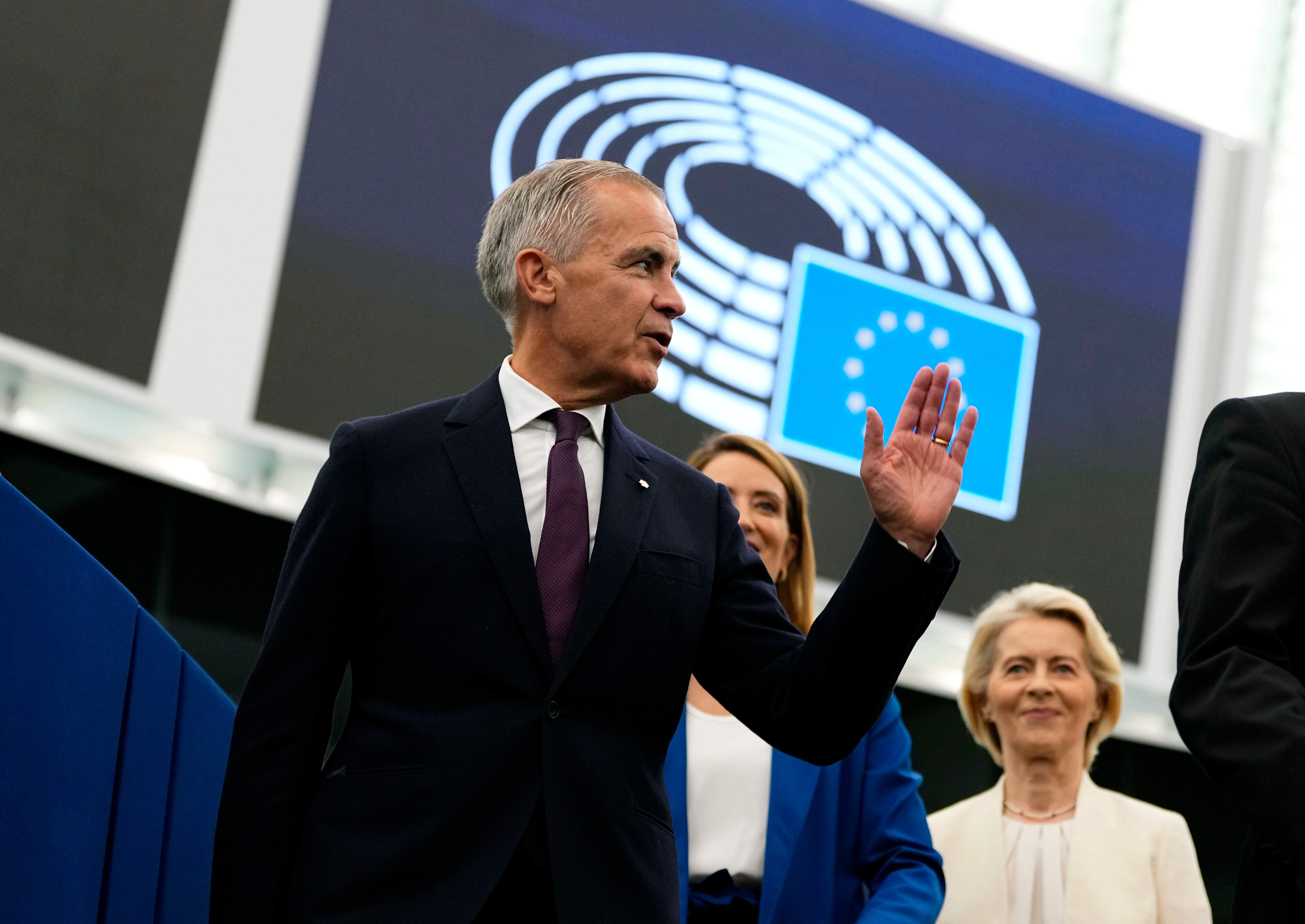
La dependencia comercial que la Unión Europea tiene de China ha alcanzado un "punto de inflexión". Es por ello que la presidenta de la Comisión Europea, Ursula von der Leyen, ha asegurado este miércoles que el bloque utilizará "todas las herramientas a nuestro alcance para reequilibrar" una relación que se ha convertido en "insostenible".

  •  

Alatau city targets role as new regional economic hub

Kazakhstan is developing Alatau City near Almaty as a new regional centre for manufacturing, logistics, technology and finance. Its investment pipeline has expanded to 67 projects worth nearly $6.9 billion, with the potential to create around 55,000 jobs. Projects involving PepsiCo, Sunny Paper, Mars Petcare KZ and several logistics companies are already at different stages of implementation. The project is supported by a special legal regime, but experts say its long-term success will depend on sustained investment, effective governance and the development of a competitive economic ecosystem.

https://astanatimes.com/2026/09/alatau-city-can-kazakhstan-build-regional-economic-hub-from-scratch

  •  

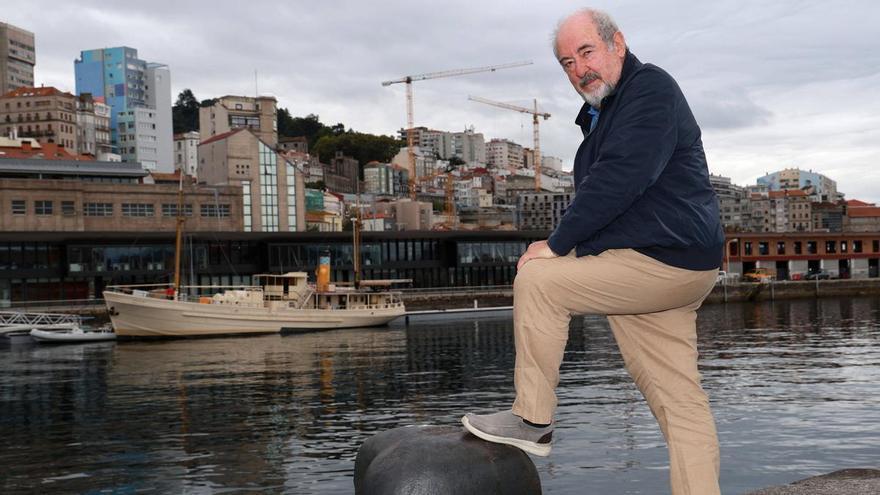
José Ángel Egido, actor: "Dije que no a propuestas disparatadas que me hicieron a raíz del Goya"

Al igual que Totó, el protagonista de «Cinema Paradiso», creció en el cine, entre la taquilla, las butacas y la cabina de proyección, viendo a sus héroes en la pantalla y sintiéndose como los personajes que encarnaba John Wayne en las películas del Oeste. Pero el niño José Ángel Egido (Redondela, 30 de septiembre de 1952) no soñaba con ser actor cuando echaba una mano a sus padres en el cine Fantasio de su localidad natal. Descubrió su interés por la interpretación después de hacer la mili, viviendo en Vigo, y decidió seguir su ilusión yéndose a Cinecittá, en Roma, donde se formó y realizó sus primeros papeles en el cine italiano de finales de los 70 y principios de los 80.

  •  

Ireland, Scotland, and Wales independence parties pledge cooperation toward self-determination

Leaders of pro-independence parties in Ireland, Scotland, and Wales met in Cardiff on Monday to sign a memorandum of understanding laying out a plan for strengthened cooperation. The document commits Sinn Féin, the Scottish National Party (SNP), and Plaid Cymru to deepen exchanges on renewable energy, economic policy, and, notably, “supporting the right of each nation to determine its own future.”

“For the first time ever, people across these islands have First Ministers in Scotland, in Wales, and in the North of Ireland who are all committed to independence from the United Kingdom,” the memorandum states. “For people watching across these islands – for people watching around the world – there could be no clearer sign that Westminster’s time is coming to an end.”

Read more: Welsh by-election shows far right isn’t the only alternative to establishment parties

The agreement includes commitments to break with the economic policy shaped in London and to build a different approach that would “create good jobs, tackle inequality and ensure that wealth and opportunity are spread more fairly.” It also outlines an energy strategy promising to leverage the three regions’ renewable resources to bring more affordable energy to communities.

However, the provision that has attracted most attention is the commitment to realize the three nations’ right to self-determination. “We call for the British Government to prepare for, plan and facilitate constitutional change in each jurisdiction,” the party leaders wrote. “No Westminster government has the right to block democracy or undermine the principle that our people will decide their own future,” they added.

The meeting followed comments by British Prime Minister Andy Burnham on the possibility of independence referendums in Scotland and Ireland. Burnham ruled out – in different terms – such public votes, drawing criticism from independence-oriented parties. 

In Ireland, his remarks were called out for contradicting Good Friday Agreement provisions that foresee a path to the island’s unity. “It is not an option that the British government can choose whether or not to exercise based on what is politically convenient, but a legal obligation that plays a critical role in underpinning the relative peace achieved since 1998,” the Workers’ Party of Ireland wrote.

Read more: On anniversary of Easter Rising, calls for Irish unity are strengthened

The SNP insisted their ongoing efforts for achieving independence must be contextualized as a response to the aftermath of the 2014 referendum, where unionist parties argued that staying in the UK provided more stability and predictability. Following that vote – where a majority of Scots opted for remaining in the UK – British authorities failed to live up to such arguments, the party said, including when it comes to the protection of public services. “Westminster blocked legislation designed to protect the NHS from being opened up to US healthcare corporations in post-Brexit trade deals, treating our public health service like a garage sale item,” the SNP wrote.

Pro-union critics suggested the memorandum’s commitments risk diverting public attention from everyday issues toward lengthy constitutional discussions. However, Sinn Féin, the SNP and Plaid Cymru contrasted this with a different approach, insisting that independence would allow more space for challenging harmful policies imposed by the British government and for realizing a different vision of society.

  •  

Europa ve "poco realista" la propuesta de Anthropic de un acuerdo global que ralentice el desarrollo de la IA

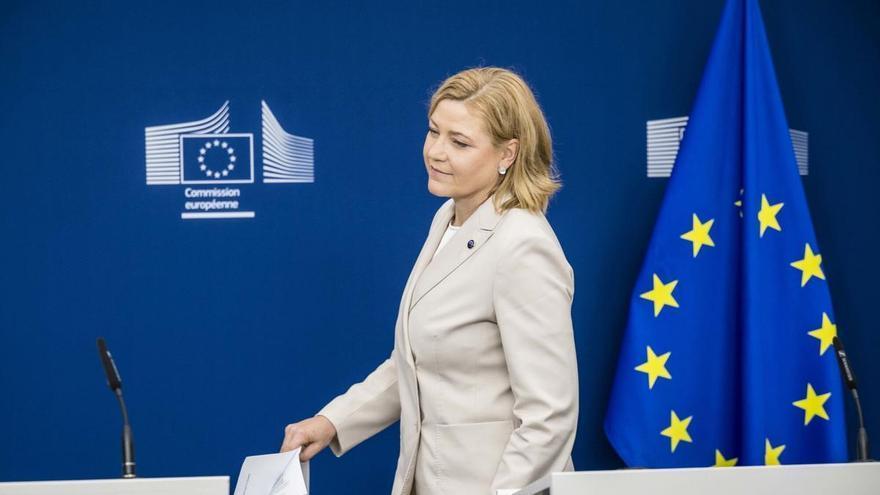
El llamado de la industria tecnológica a bajar una marcha al avance de la inteligencia artificial por temor a un hipotético descontrol ha caído en oídos sordos en Estados Unidos, pero también en Europa. "No creo que sea muy realista pensar que podamos alcanzar algún tipo de acuerdo" para frenar el desarrollo, "siempre habrá alguien que quiera impulsarlo y acelerarlo", ha advertido este martes la vicepresidenta Ejecutiva de la Comisión Europea para la Soberanía Tecnológica, Henna Virkkunen, en un encuentro en Estrasburgo al que EL PERIÓDICO ha atendido.

  •  

El Parlamento Europeo pide blindarse ante la manipulación e injerencia política de países como Rusia

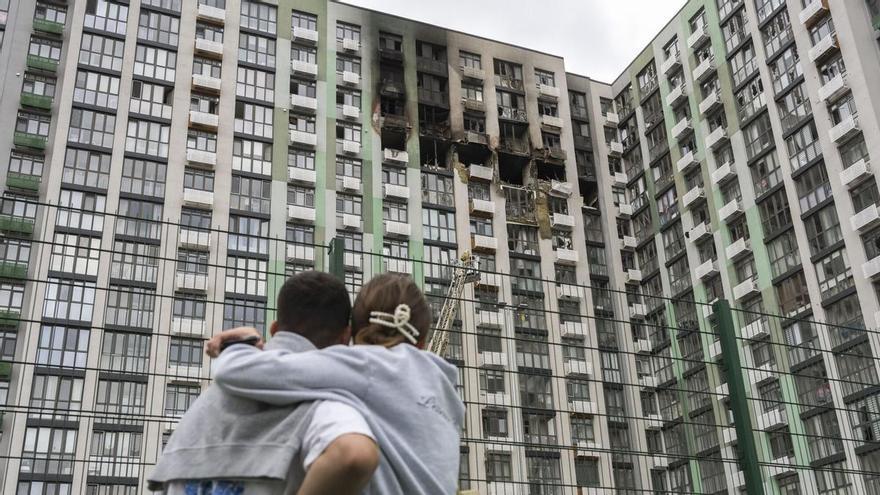
Las amenazas de Rusia contra Europa son cada vez más visibles. En las últimas horas, el Kremlin ha lanzado un ataque con drones a tan solo dos kilómetros de Polonia, habría violado el espacio aéreo de Lituania y los servicios de inteligencia de Alemania han identificado a dos espías rusos como presuntos responsables de la fallida agresión contra el aeropuerto de Leipzig del pasado agosto.

  •  

Financiamento de grupo ligado a J. D. Vance pode ser maior escândalo da eleição

Quer receber os textos desta coluna em primeira mão no seu e-mail? Assine a newsletter Xeque na Democracia, enviada toda segunda-feira, 12h. Para receber as próximas edições, inscreva-se aqui.

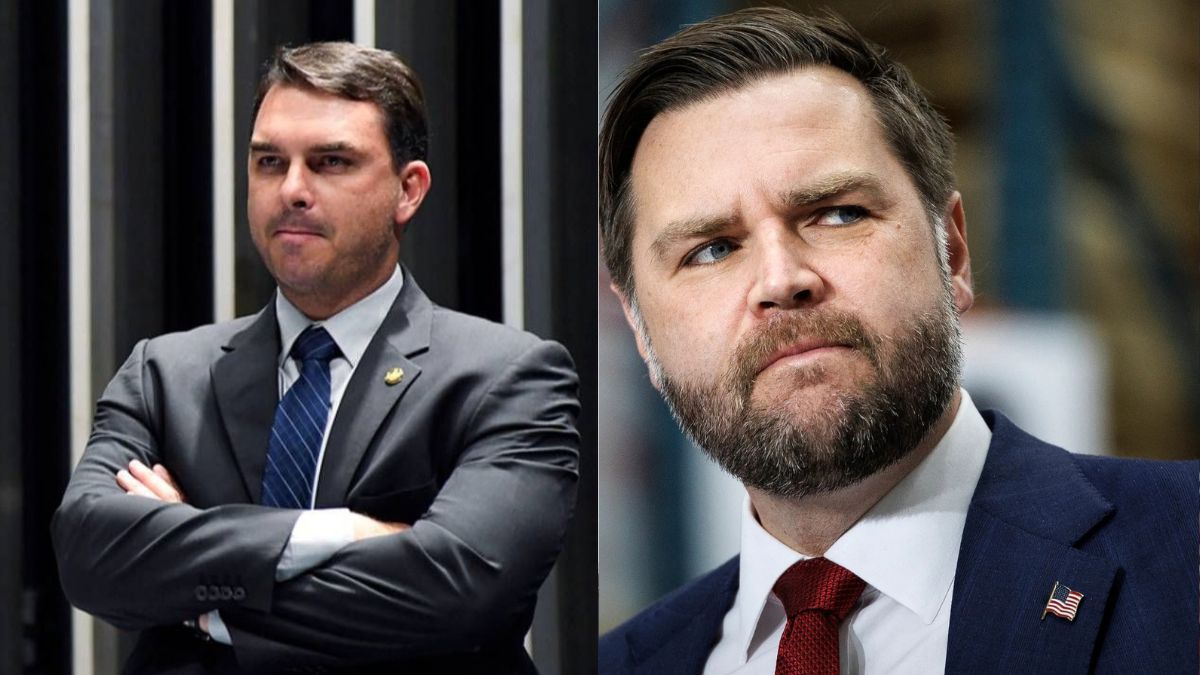
A denúncia vem de fonte suspeita: Renan Santos. O candidato do Missão está bradando aos quatro ventos que a campanha de Flávio Bolsonaro recebeu dinheiro do Rockbridge Network, uma rede de financiadores da extrema direita ligados ao Vale do Silício e que foi fundada pelo vice-presidente dos EUA, J. D. Vance. O principal interesse do grupo é organizar uma infraestrutura mundial para a evolução da IA, incluindo terras raras e data centers.  

Segundo Renan, dois empresários, chamados Tallis Gomes e Pedro Sang, são representantes da Rockbridge no Brasil e intermediariam os fundos. “Esses caras vieram para o Brasil e saíram oferecendo apoio a várias candidaturas: Flávio, antes tentaram o Tarcísio, e fecharam com o Flávio. Esses caras trabalham com muitas coisas, entre elas terras raras. Eles entraram na campanha do Flávio, naturalmente e ilegalmente”, afirmou Renan Santos.

Se fato, Renan está desesperado por atenção desde que viu a ascensão de Augusto Cury (Avante).

Mas graças ao site Amado Mundo, do jornalista Guilherme Amado, sabemos que pelo menos parte das acusações é verdade. E elas são graves, porque financiamento externo de campanha é proibido pela lei eleitoral. 

Segundo o site, o carioca Pedro Sang atua de fato dentro do comitê da campanha de Flávio Bolsonaro em São Paulo, em um casarão perto do parque Ibirapuera, na zona sul, onde despacha de uma sala no segundo andar. Pedro teria providenciado imóveis e infraestrutura ao local. A quem pergunta, ele se apresenta, segundo o Amado Mundo, como “Pedro da Rockbridge”. Pedro Sang reconheceu que é ligado ao Rockbridge, mas negou ser intermediador de fundos. 

Flávio mudou seu QG de campanha de Brasília para São Paulo no começo de julho. O objetivo propalado era facilitar viagens para Minas, Rio e Paraná e estar mais perto da Faria Lima.  

O especialista em direito eleitoral, advogado Fernando Neisser, afirma que “a entrada de recursos internacionais em campanha eleitoral no Brasil é absolutamente proibida, seja oriundos de pessoas físicas, cidadãos não brasileiros, seja por meio de empresas, de pessoas jurídicas”.

“É uma grave irregularidade, constitui abuso de poder econômico, que, se for comprovado, levaria à instauração de uma ação de investigação judicial eleitoral perante o TSE e, caso haja, como disse, prova suficiente, a condenação levaria à cassação do registro, do diploma ou do mandato, caso seja vencedor e isso aconteça depois das eleições, e a necessidade de convocação de novas eleições, além de acarretar a inelegibilidade de oito anos das pessoas consideradas responsáveis por esse ato de abuso de poder econômico”.

Para ele, “não faz diferença se esse pagamento é em dinheiro, se esse pagamento é em bens, como aluguéis, enfim, fornecimento de material, de insumos, ou no pagamento de serviços”. 

Ele alerta ainda para outra hipótese. Caso o trabalho de algum colaborador ou serviço seja pago por fora da campanha, isso poderia constituir Caixa 2.

Fundado em 2019 por J. D. Vance, vice-presidente dos Estados Unidos, e o empresário Chris Buskirk, o Rockbridge Network é tido como responsável pelo impulsionamento do vice para o círculo de Trump. O objetivo declarado de Buskirk é “transformar” o Partido Republicano. Editor do site American Greatness, ele diz ser a “voz da nova geração de conservadorismo americano” e que os conservadores dos EUA “perderam seu caminho”. Além dele, manteve durante anos um Podcast com as tais “novas vozes” do conservadorismo, entre elas Darren Beattie, que hoje é o principal aliado de Eduardo Bolsonaro no Departamento de Estado.  

Chris é um velho conhecido de Eduardo Bolsonaro. Em 17 de março de 2019, ambos estiveram presentes no jantar oferecido a Olavo de Carvalho e Jair Bolsonaro em Washington, às vésperas da primeira reunião do ex-presidente com Donald Trump. No jantar oferecido pelo embaixador Sérgio Amaral na residência oficial, Olavo de Carvalho, ainda vivo, foi o centro das atenções, recepcionado junto a estrelas hoje caídas do bolsonarismo, como general Heleno, o general Rego Barros e Filipe Martins. Mas, segundo relevou O Globo, Eduardo Bolsonaro deu atenção a Chris Buskirk e Steve Bannon, ao lado do ex-ministro das Relações Exteriores, Ernesto Araújo. 

O Amado Mundo descobriu outras ligações diretas entre a turma do Rockbridge e a campanha de Flávio Bolsonaro. 

Um memorando chamado “Prosperity Partnership” elaborado por André Marinho, candidato do Partido Novo a governador do Rio de Janeiro e filho do suplente de Flávio Bolsonaro ao Senado, inclui diretrizes em inglês de como seria uma parceria do potencial governo de Flávio Bolsonaro com os Estados Unidos para exploração de minerais críticos e terras raras. Em suma, ele propõe o afastamento da China e um completo alinhamento com os EUA, notando que o tema destes minerais é considerado um tema de “segurança nacional” para os EUA. 

Os termos da apresentação são idênticos ao discurso feito por Flávio Bolsonaro no CPAC deste ano, que já tinham um tom de “pitch” de vendas para investidores, como apontei nesta coluna. O discurso aconteceu nove dias depois da elaboração do documento.     

André Marinho admitiu ser autor do documento mas nega que ele tenha sido apresentado a qualquer estrangeiro. Mas o Amado Mundo descobriu que, três semanas depois de elaborar o documento, Marinho esteve nos EUA com J. D. Vance. 

Marinho é irmão de Giulia Be, que é casada com Conor Kennedy, filho do secretário de Saúde do governo Donald Trump, Robert Kennedy Jr. O encontro com J. D. Vance teria sido articulado pelo cunhado. 

Procurado, Flávio não respondeu aos questionamentos do site Amado Mundo. 

Em meio a tantas revelações nas últimas semanas, todas elas tingidas de interferência nas eleições, é importante mantermos o foco no que de fato importa. Como já argumentei aqui nesta coluna algumas vezes, os EUA já interferiram de pelo menos 5 maneiras nas eleições brasileiras. Mas até agora nunca apareceu uma transferência de verbas ou bens diretamente para a campanha de Flávio Bolsonaro por grupos ou potências estrangeiras. 

Embora ainda não haja provas de que isso tenha de fato acontecido, a aliança com Rockbridge Network pode levar ao elo que falta para entendermos se o candidato do PL cometeu crime eleitoral na sanha de vencer a corrida para a presidência do país – e o que ele estava disposto a dar em troca.  

  •  

"Quien gane en IA, gana": el plan para frenar la IA indigna a Trump y choca con la carrera por su dominio entre EEUU y China

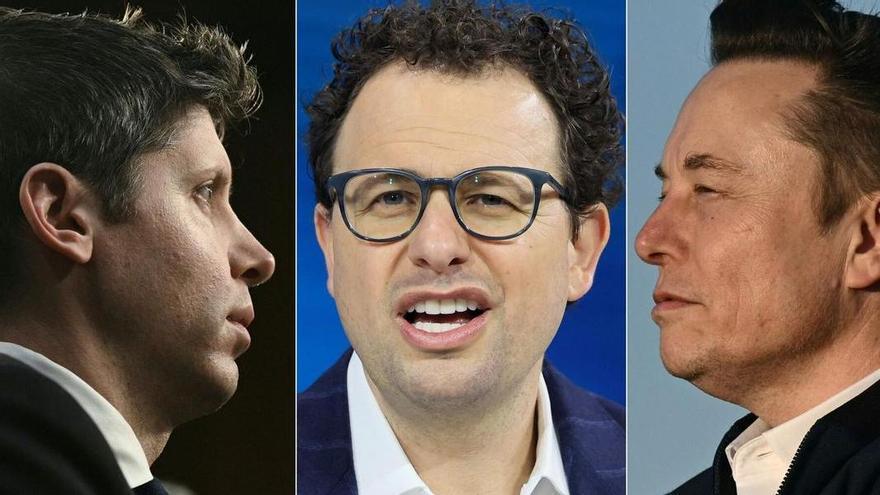
"Hay décadas en las que no pasa nada, y hay semanas en las que pasan décadas". Aunque se atribuye al revolucionario comunista Lenin, esta célebre cita define bien lo que ocurrió hace unos días en Silicon Valley, meca del capitalismo tecnológico estadounidense. Tras la dimisión de un ingeniero que advirtió que la inteligencia artificial "puede matarnos a todos al final de la década", Anthropic publicó el sábado un escrito en el que su director ejecutivo, Dario Amodei, pedía ralentizar el desarrollo de su tecnología. Los dirigentes de otros gigantes del sector —Sam Altman (OpenAI), Demis Hassabis (Google DeepMind) y Elon Musk (SpaceX)— tendieron la mano a una tregua tan insólita como improbable.

  •  

A message from Hana Jalloul in memory of Emma Bonino

Emma Bonino understood early on that Europe could not afford to turn inwards. For her, Europe was meant to be much more than a common market. She believed that Europe’s role in the world was inseparable from its defence of freedom, democracy and human rights, and that its foreign policy was ultimately about the people behind the decisions made by states. She also helped make European politics a wider space for women, opening paths and challenging expectations along the way. Her legacy is not only in the causes she championed, but in the courage with which she pursued them. The voices of women like Emma, who always fought for our rights, mattered enormously in shaping the Europe we know today. At a time when that Europe is being tested once again, and when civil liberties can no longer be taken for granted, her example matters more than ever.

Source

  •  

Tokayev calls for deeper BRICS plus cooperation on trade, AI and critical minerals

President Kassym-Jomart Tokayev called for deeper practical co-operation between Kazakhstan and BRICS countries in trade, logistics, artificial intelligence, critical minerals and water security, positioning the format as a platform for broader economic ties amid growing geopolitical fragmentation.

Speaking at the BRICS Plus plenary session in New Delhi on Sept. 13, Tokayev said Kazakhstan sees cooperation with the group as an opportunity to expand access to new markets, attract investment, strengthen transport links and advance technological development. President Kassym-Jomart Tokayev during the BRICS Plus plenary session in New Delhi on Sept. 13.

Tokayev described the current global environment as an era of “great fragmentation,” a term used in the 2026 Global Peace Index to characterize geopolitical confrontation, rising militarization, weakening multilateral institutions and growing trade barriers. He noted that BRICS, representing nearly half of the world’s population and around 40% of global GDP, has both the capacity and responsibility to help overcome global divisions and deliver concrete results. “Peace and strategic stability are necessary conditions for economic and sustainable development,”

Tokayev said, calling for a shift from the de-escalation of individual conflicts toward long-term stability based on political dialogue and diplomacy. Against this backdrop, Tokayev positioned BRICS as a platform for practical cooperation rather than an alternative to the existing international system. 

“As a partner country, Kazakhstan views BRICS as an open platform for practical cooperation that complements the multilateral system with the central role of the United Nations and connects peoples, regions and markets,” he said. He added that Kazakhstan always seeks to find a “common ground on every difficult issue,” describing the approach as consistent with the country’s “balanced, goal-oriented foreign policy.”  Anastasia Golyakova, founder of the ThinkBricks YouTube channel, said the approach reflects BRICS’ broader focus on resilience, innovation, cooperation and sustainability, priorities that have gained greater relevance amid rising geopolitical tensions.

Anastasia Golyakova, founder of the ThinkBricks YouTube channel. said closer cooperation among BRICS members could help address shared challenges while giving partner countries such as Kazakhstan greater access to the bloc’s growing trade, investment and technological opportunities. “BRICS gives much support to each other. So, from this point of view, for Kazakhstan, it’s a prosperous future, in my opinion,” Golyakova told The Astana Times.

Ayanangsha Maitra, an editor and a geopolitics specialist, echoed this view, saying Kazakhstan’s BRICS partnership could open new opportunities for economic cooperation and market access. “Although Kazakhstan is not a full BRICS member, its partnership with the grouping adds value at a time of growing geopolitical tensions and economic uncertainty,” Maitra told The Astana Times.

“BRICS could offer Kazakhstan additional avenues for cooperation with countries beyond its traditional economic and political partners,” he added. Expanding trade and investment The economic dimension of Kazakhstan’s BRICS engagement was central to Tokayev’s address. According to him, trade between Kazakhstan and BRICS members and partners was around $72 billion in 2025.  “Having significant industrial, transit and technological potential, we intend to diversify trade, economic and investment ties with all BRICS countries.

As chairman of the Eurasian Economic Union, Kazakhstan supports the expansion of economic cooperation with BRICS and the advancement of work on concluding a free trade agreement with India,” Tokayev said.

Tokayev also called on the New Development Bank, a multilateral development bank established by the group, to consider financing commercially viable projects in BRICS countries, including Kazakhstan.

Maitra identified critical minerals, jewelry, fashion and textiles as areas with potential to expand Kazakhstan-India trade. “Despite Kazakhstan’s relatively modest population of around 20 million, the country has a strong entrepreneurial spirit and growing commercial links with India,” he said, pointing to increasing connectivity between the two countries.

Turning geography into connectivity Transport connectivity was another central element of Tokayev’s vision. “Last year, transit cargo volumes through Kazakhstan approached 40 million tons. Our long-term goal is to increase that figure to 100 million tons annually. Overall, our transit network already handles up to 85% of overland freight between China and Europe,” he said.

As part of the Trans-Caspian International Transport Route, Kazakhstan serves as a link between Asia and Europe through the Caspian Sea. Tokayev called for greater synergy between the Trans-Caspian route, China’s Belt and Road Initiative and the International North-South Transport Corridor. Maitra highlighted that Kazakhstan’s position within the EAEU, the Commonwealth of Independent States and the Shanghai Cooperation Organization provides access to major regional markets. Its participation in the International North-South Transport Corridor adds another layer of connectivity.

“BRICS could expand that network beyond Kazakhstan’s traditional regional partners. The partnership adds another dimension by opening access to markets across a wider group of countries,” he said. AI as a new layer of cooperation AI represents another area where Kazakhstan sees room for practical BRICS cooperation.

Tokayev said Kazakhstan is ready to use its computing infrastructure and national and UN digital centers to expand cooperation in AI and proposed establishing a BRICS Plus Partnership in Artificial Intelligence. The initiative, he said, could connect national AI centers, facilitate access to laboratories and research projects and support the development of multilingual AI solutions.

For Maitra, AI could also become an important area of Kazakhstan-India cooperation because the two countries bring complementary strengths. “India has a strong IT sector and a large pool of software engineers and technology professionals, while Kazakhstan has established connections across the CIS and wider Eurasian markets. That combination could help Indian technology companies reach markets where language and regional expertise remain barriers,” he said. Water security broadens the agenda Tokayev also linked sustainability to one of the country’s longstanding international priorities: water security. He reiterated Kazakhstan’s proposal to establish an International Water Organization as a specialized UN agency, arguing that global water governance remains fragmented and requires stronger international coordination.

“I invite the BRICS member states and partners to join the international consultations initiated by our country,” Tokayev said. Meeting with Narendra Modi On the sidelines of the summit, Tokayev also met with Indian Prime Minister Narendra Modi, highlighting India’s growing economic and technological weight and the expanding relationship between the two countries. Modi highlighted the potential for closer ties in high technology and the creative industries, including cooperation between Astana Hub and Hyderabad’s Cyberabad technology ecosystem. He also invited Kazakh representatives, particularly young people, to take part in the WAVES creative industries summit in Mumbai next year.  The two leaders also discussed prospects for expanding economic ties between India and the Eurasian Economic Union.

Tokayev said Kazakhstan, as the current chair of the EAEU, supports negotiations on a free trade agreement between the bloc and India and is ready to help advance the process. Tokayev said around 600 companies with Indian capital operate in Kazakhstan, while nearly 150,000 Indian citizens visited the country last year. He also cited the large number of Indian students studying in Kazakhstan and cooperation between Astana and New Delhi within international organizations.

  •  

¿Puede la IA "matarnos a todos"? Cinco respuestas sobre los temores y exageraciones de la industria tecnológica

Durante años, un grupo de ingenieros informáticos y directivos tecnológicos ha advertido reiteradamente de que la inteligencia artificial puede suponer una amenaza existencial para la humanidad. La semana pasada, su mensaje volvió a llegar a las masas cuando un investigador de Anthropic, Jacob Coxon, publicó un mensaje en el que aseguraba creer que la IA "puede matarnos a todos al final de la década" y acusaba a las empresas del sector de "estar jugando con nuestras vidas".

  •  

Contar hasta diez

Un, dos, tres… Diez dedos en las manos y en los pies. Cuatro, cinco, seis… “Diez negritos”, “Somos diez”, “Con diez cañones por banda, …” Siete, ocho, nueve… Decálogos y sistema decimal. Diez.

  •  

‘Achilles Shield’ marks new step in Greece-Israel military cooperation

At the end of August, the Greek government signed the “Achilles Shield” agreement – a €3 billion “defense” deal with Israel. Under the terms, Israeli companies including Rafael Advanced Defense Systems and Israel Aerospace Industries (IAI) will develop and build anti-aircraft and anti-ballistic systems for Greece.

“This is the largest defense export deal in the history of Israel-Greece relations, and one of the largest in the history of the State of Israel,” the occupation’s Ministry of Defense stated. “Greece’s choice of Israeli technology as the backbone of its most ambitious air defense buildup program in the past decade reflects the depth of trust built between the two countries.”

“Under the deal, Israel will build Greece a comprehensive, multi-layered air defense array, drawing entirely on Israeli-made systems and on the extensive operational experience Israel’s defense establishment has gained during the war.”

The “war” in the statement being the genocide Israeli forces have been conducting in Gaza since October 7, 2023.

An influx of Israeli investments in Greece

According to journalist Vangelis Ilias, the new deal should be contextualized within broader trends of Greek capital and subsequent governments deepening ties with the occupation power.  While the current Mitsotakis administration did not initiate this trend, he says, it deepened it both before and since the genocide in Gaza began. “Over the past 6-7 years, we have witnessed an influx of Israeli investment funds into Greece, both in the real estate sector and through the acquisition of former public – but not exclusively public – companies in various sectors of the economy, one of which is defense.”

Israeli real estate investments in Greece have already had a notable impact on people’s everyday lives, driving up rents and making housing more unaccessible. Endeavors in the defense sector might have been more lowkey, Ilias adds, but they are widespread and expanding under the sight of NATO and European institutions. “In the south of the country, in Kalamata, there is a large Greek Air Force base that also falls under the NATO umbrella as an International Pilot Training Center,” he says, emphasizing the presence of Elbit Systems in the area.

Israeli companies have also purchased local military enterprises, including Intracom Defense, operating in electronic warfare and drone production. “Through this acquisition, the Israeli state-owned company IAI gained access to the European Defense Fund (EDF), an EU mechanism intended exclusively for financing European defense procurement programs – something that was made possible only thanks to the active support of the Greek government,” Ilias adds.

“[Achilles Shield] has been promoted by the domestic media and the elite as an agreement that shields Greece,” he adds. “[Under the claim] that the money being spent, while not going to healthcare and education, or toward supporting the incomes of citizens who are still trying to recover from the years of economic crisis, protects us from those who seek to harm the country, with Turkey always implied in this context,” he explains. 

“In this era of crises, military buildup, and preparations for a full-scale war, they are trying to present this not only as something reasonable but also as something necessary, where strategic agreements between states take precedence over the needs of the people and international law, overlooking genocides or the ethnic cleansing of an entire people.”

The deal’s Achilles’ heel: reliance on Israeli arms

While Greek officials described the deal as a breakthrough for Greek sovereignty, critics have warned of dangers on several fronts. To begin with, in the announced distribution of funds, local industry expects only €750 million of the total €3 billion. The rest goes to Israeli arms companies making the genocide in Gaza technically feasible.

And despite the amount of money being spent, parts of the agreement have been presented inconsistently to the public. “We’re talking about a complex system of sophisticated weapons utilizing artificial intelligence, with a central control unit that operates based on computer code, Ilias emphasizes. “There has been extensive debate over whether this code will belong to Israel or be controlled by Greece. So far, the government’s responses to a barrage of questions from the opposition have been neither reassuring nor consistent. This remains to be clarified.”

The expenditure has been heavily criticized by left movements, including the Communist Party of Greece (KKE), in the context of EU armament taking place at the expense of labor rights and social services. “Costing more than €3 billion, this agreement forms part of the broader ‘2030 Agenda’ arms program serving NATO’s needs, for which our people are paying dearly – tens of billions of euros – at the expense of their rights and needs,” the KKE pointed out.

Like most other EU governments, the Mitsotakis administration has announced harmful labor and social reforms just as it committed billions for Israeli arms producers. This new-old austerity agenda has met widespread resistance. Recently, tens of thousands demonstrated in Thessaloniki demanding dignified wages and pensions, efficient public healthcare, and investments in education. “Not one euro for imperialist wars,” they insisted.

The “Achilles Shield” deal also adds to the case made by academics and activists worldwide that Israel is using the Gaza genocide to market its weapons. This is apparent not only from the purchase list, but from official statements as well. The Israeli Ministry of Defense announced similar deals are part of a broader strategy “to expand defense exports as a central tool for strengthening the IDF’s force buildup, influencing Israel’s foreign policy standing worldwide, and bolstering the Israeli defense industry and economy.”

Critics have argued that Greece’s arms deal risks making the country captive to Israel’s defense industry and alienating it from other countries in the region. “In practice, strategic relations with the murderous state of Israel, together with joint military preparations, are adding fuel to the fire of imperialist rivalries in the region, as well as the conflicts between the bourgeois classes of Turkey and Israel, and of Greece and Turkey, in the Aegean and the Eastern Mediterranean, with the peoples being the victims,” the KKE emphasized.

Read more: Amid mass protests in the West, Israel’s military footprint expands in Eastern Europe

“Greece’s ruling class has made a strategic choice to align itself closely with the Western alliance,” Ilias says, referencing events since the Greek Civil War. “It is particularly worth noting that, as a result, the Greek people have borne the brunt of the bloodshed.”

And while the post-Civil War regime attempted to crush “the popular and anti-imperialist movement that existed in the country,” he concludes, they did not succeed. 

“This is partially why we still see today such a stark contrast between the ruling class and the organized, collective reactions of significant segments of the Greek people throughout the country against the genocide perpetrated by the Israeli state against the Palestinian people. These reactions are multifaceted, with segments of the working class – beyond just the youth – actively participating.

  •  

Ukraine: The battle beyond war

Ukraine is fighting for survival against Russia while its democracy faces a second battle at home. Ukrainians show extraordinary trust in the Armed Forces, family and civic networks—but far less in politicians, government and bureaucrats. Now, high-level corruption scandals, calls for wartime elections, roadblocks to EU accession and possible peace talks with Russia are raising a hard question: can the trust that has helped Ukraine survive the war be turned into a state people believe in?

In this episode, Jessica Hendrick welcomes Roman Petrov, honourable president of the Ukrainian European Studies Association, professor of EU law at the National University of Kyiv-Mohyla Academy, and one of Ukraine’s leading experts on EU accession and EU-Ukraine relations working on the RE-ENGAGE project; and Svitlana Zalishchuk, Ukraine’s ambassador to Sweden and former civil-society activist, member of parliament and government adviser, now working at the centre of Ukraine’s wartime defence and European security partnerships. Roman warns that major decisions on peace could be challenged later if Ukraine’s elections remain suspended. Svitlana pushes back on the picture of low public trust, arguing that the war has actually increased trust in the state—just unevenly—and that public trust itself is part of Ukraine’s national defence capability.

RE-ENGAGE conducted nearly 600 interviews with Kyiv residents last year, at times even moving them into air-raid shelters as alarms sounded across the city. Drawing on the findings, Jessica, Roman and Svitlana discuss how a society can distrust the state so deeply and still defend democracy; what recent corruption scandals reveal about whether the system actually works; and if fast-tracking EU membership risks turning reform into a superficial “copy-paste” of European laws.

How is the far-right AfD’s historic landslide in eastern Germany viewed by those working on EU accession in Kyiv? Why might Ukraine now be better described as a contributor to European defence than a recipient of military aid? And what does Ukraine need to do differently to make its post-war vision last?

Further reading:
RE-ENGAGE research on Ukraine
RE-ENGAGE research on Eastern Europe 
RE-ENGAGE policy recommendations on Eastern Europe

This podcast was recorded on September 9th 2026.

Source

💾

  •  
❌