❌

Reading view

Governo israelita admite diálogo com extrema-direita austríaca

Israel prepara-se para aprofundar contactos com o Partido da Liberdade da Áustria, fundado por antigos nazis. Herbert Kickl condenou o ataque do Hamas de 7 de Outubro e reafirmou o direito de Israel a existir. Comunidade judaica austríaca mantém uma forte oposição ao FPÖ.

  •  

Diretor escolar denuncia pressões para colocar alunos: "Não é assim que se fazem as coisas"

O diretor denuncia, em declarações à Renascença, a pressão para resolver estes casos, queixa-se da dimensão das turmas a que se soma a falta de professores. Só no primeiro ciclo diz que estão em falta oito docentes. Sobre a reforma orgânica do Ministério da Educação, “a sensação que temos é que os serviços não funcionam”, afirma.

  •  

Cidades com pressa, pessoas sem tempo

Num mundo que parece valorizar a eficiência acima da consciência, parar e resistir ao automatismo pode ser um verdadeiro ato de coragem. Resistir é recusar o piloto automático.

  •  

USMC Used Its Expeditionary Operations Playbook In Combat For First Time During Epic Fury

The 31st Marine Expeditionary Unit’s (31st MEU) recent deployment to the Middle East marked the first time the United States Marine Corps (USMC) used its Expeditionary Advanced Base Operations (EABO) concept in a combat setting, the service confirmed to TWZ on Thursday. At its core, EABO involves relatively small groups of Marines quickly establishing bases of operation in forward areas, often within the enemy’s weapons range. During operations in the fight against Iran, Marines refueled and rearmed their own aircraft, as well as those from the joint force, at these austere locales. They also set up remote sensing locations, among other actions from the EABO playbook.

This employment of EABO for Epic Fury is a highly significant development. After years of progressively evolving the EABO playbook, it was no longer an experimental exercise. This meant that Marines were forward deployed in a contested area in a region where established bases were taking heavy fire from Iranian missile and drone barrages. Troops were killed in some of these attacks and U.S. aircraft, buildings and equipment were damaged and destroyed across the Middle East. Pushing aircraft from the MEU, as well as the joint force, to FARPs (forward arming and refueling point) would have been a relevant asset preservation tactic as well as one that would help accelerate combat operations, and it’s exactly what EABO is meant to do.

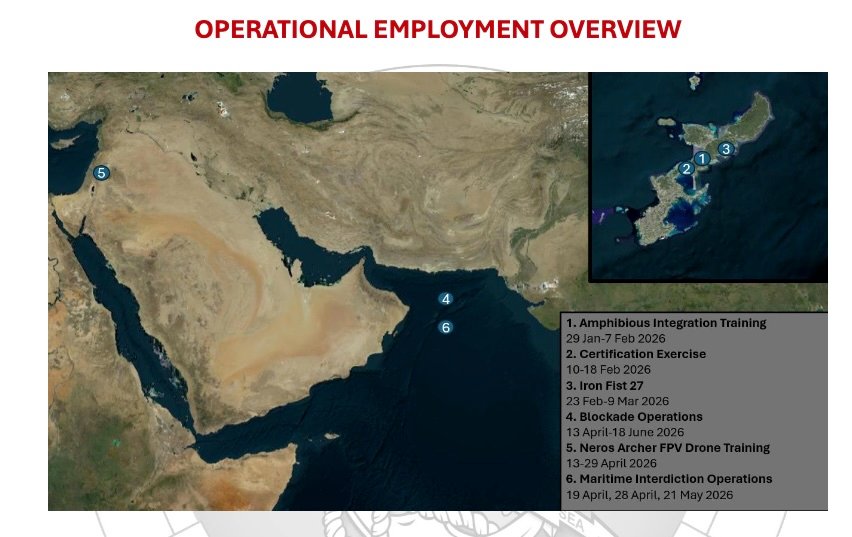
The 31st MEU’s six-month deployment began in January in the Pacific, before the unit was ordered to the Middle East in March, returning to Okinawa, Japan, in July. That’s where it is stationed as the USMC’s only continuously forward-based MEU.

A map of the 31st MEU’s deployment. (31st MEU)

“This was the first time we were able to implement EABO in combat operations since the concept was created for the force,” Capt. Steven J. Keenan, a USMC spokesperson, told us. “We have practiced it many times, but this was a first for supporting a Joint Force named operation with forward FARPs and forward bases that supported joint ops and combat power sustainment.”

EABO was first introduced in 2020 by then-Commandant Gen. David Berger in his Force Design 2030 plan for the future of the Corps. It was created with a fight against China in mind, especially utilizing small Pacific islands. The idea is to have highly mobile, low-signature forces deployed forward in austere, contested or potentially contested maritime locations. The mission is to “support sea control operation, conduct sea denial operations within the littorals, contribute to maritime domain awareness, provide forward command, control, communications, computers, combat systems, intelligence, surveillance, reconnaissance, targeting, and counter-targeting capability and forward sustainment,” according to the Marines.

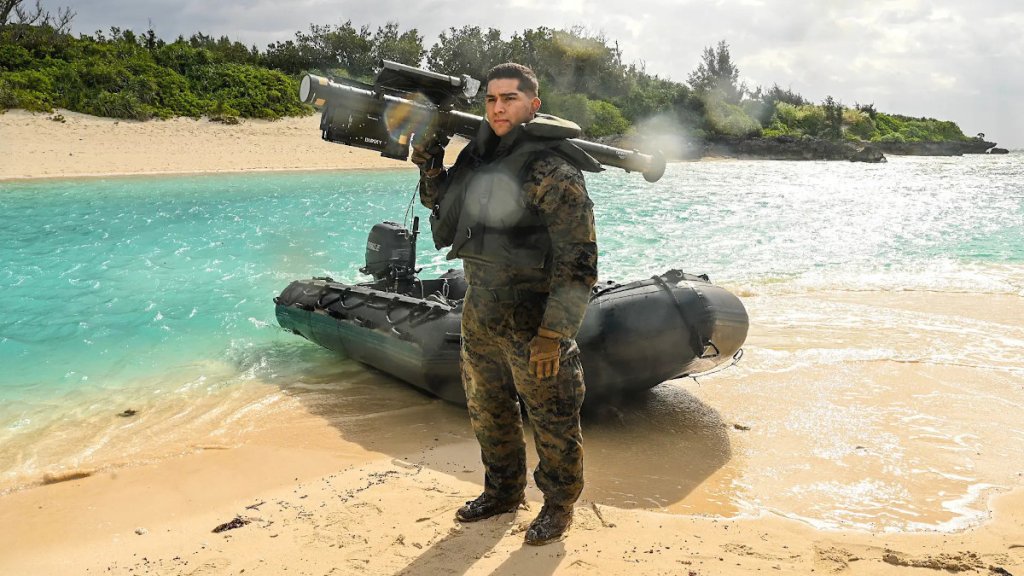
A Marine holding a Stinger missile launcher stands in front of a Combat Rubber Raiding Craft on Ukibaru Island off the coast of Okinawa during Exercise Hagatna Fury 21. (USMC) A Marine holding a Stinger missile launcher stands in front of a Combat Rubber Raiding Craft on Ukibaru Island off the coast of Okinawa during Exercise Hagatna Fury 21. USMC

The news of the first activation of the EABO concept in combat came Wednesday during a media roundtable with Col. Chris P. Niedziocha, who commanded the 31st MEU during its deployment to the Middle East in support of Operation Epic Fury. Now director of the USMC Expeditionary Warfare School, Niedziocha discussed EABO and a range of other operations during that deployment, including boarding vessels during the blockade of Iranian ports.

The 31st MEU was embarked aboard the Tripoli Amphibious Ready Group (ARG), which consisted of the America class amphibious assault ship USS Tripoli, San Antonio class amphibious transport dock ship USS New Orleans, and Whidbey Island class dock landing ship USS Rushmore. You can read more about the ARG/MEU and its assets in our initial story about the deployment to the Middle East here.

USS Tripoli. (Staff Sgt. Samuel Ruiz)

“You’re starting to see this has been validated,” the colonel said of the EABO concept during the roundtable TWZ attended virtually. “It’s still nascent, but we actually, for the first time, demonstrated what we thought we were able to do, which I think is pretty exciting. And then things like forward arming and refueling to extend the operational reach of aircraft and expeditionary reloading, and then the ever-present logistic challenge of doing something like that. So that’s pretty significant.”

“We successfully implemented critical Expeditionary Advanced Base Operations (EABO), establishing sensor expeditionary advanced bases and forward arming and refueling points (FARPs) where none existed,” the colonel added. “Through our forward logistic elements, we proved that an agile Marine Air-Ground Task Force can sustain itself and generate ready, lethal power in contested maritime environments, directly setting the theater for follow-on joint forces.”

One of the objectives of the FARPs was to reduce reliance on the Marines’ fleet of KC-130 aerial refuelers and serve as jumping-off points for its F-35B Lightning II fighters.

“There was all manner of tankers all the time, but the FARP is to extend the operational reach, and if you can do it, you reduce the load on that,” Niedziocha noted. “Because there’s some aircraft that are basically for expeditionary austere operations, especially the F-35B,” the Marine Corps’ variant of the aircraft designed for short take off and vertical landing. 

“There are some trade-offs associated with the Bravo,” Niedziocha pointed out, using a slang for the jets. “There’s less internal fuel, but you have the lift [system], which gives you the option to do these kinds of things. So, the goal there was to walk that fine line between providing the full sortie over wherever you needed it, and keeping the ships far enough away to make them as survivable as possible.”

An F-35B Lightning II aircraft taxis to a forward arming and refueling point in the U.S. Central Command area of responsibility, May 26, 2026. (U.S. Marine Corps photo by Cpl. Maksim Masloboev)
An F-35B Lightning II aircraft taxis to a forward arming and refueling point in the U.S. Central Command area of responsibility, May 26, 2026. (U.S. Marine Corps photo by Cpl. Maksim Masloboev) Cpl. Maksim Masloboev

In addition to the F-35Bs and other aircraft organic to the 31st MEU, the FARPs were also used by Army helicopters, Keenan told us. Imagery posted on the Pentagon’s image distribution site also showed U.S. Army Gray Eagle drones and Marine MV-22B Osprey tiltrotor aircraft were included.

An MQ-9 Reaper drone lands at a forward arming and refueling point in the U.S. Central Command area of responsibility, May 26, 2026. (U.S. Marine Corps photo by Cpl. Maksim Masloboev)
A Gray Eagle drone lands at a forward arming and refueling point in the U.S. Central Command area of responsibility, May 26, 2026. (U.S. Marine Corps photo by Cpl. Maksim Masloboev) Cpl. Maksim Masloboev

U.S. Marines with the 31st Marine Expeditionary Unit, transport aircraft ordinance to a forward arming and refueling point in the U.S. Central Command area of responsibility, May 26, 2026. (U.S. Marine Corps photo by Cpl. Maksim Masloboev)
U.S. Marines with the 31st Marine Expeditionary Unit transport AIM-120 AMRAAMs to a forward arming and refueling point in the U.S. Central Command area of responsibility, May 26, 2026. (U.S. Marine Corps photo by Cpl. Maksim Masloboev) Cpl. Maksim Masloboev

Niedziocha did not provide details about where the FARPs were set up, but a U.S. defense official told us they were “disaggregated throughout the Middle East.” The official declined to provide further information, citing operational security concerns since they are still being used.

“Throughout the deployment, the Tripoli ARG and 31st MEU successfully conducted over 1,600 mishap-free flight hours of combat aviation missions, including precision strikes, transporting 800,000 pounds of cargo, and moving 5,000 personnel,” a 31st MEU overview of the deployment explained. “The units also provided sustained combat support to joint force operations by delivering critical intelligence and refueling over 300 aircraft ashore and underway.”

The colonel also didn’t provide details about the sensor expeditionary advanced bases. According to the Marines, “a sensing expeditionary advanced base (SEAB) brings together coastal surveillance radars, electronic sensors, and Marines ashore to extend maritime domain awareness, complementing the radars and sensors already at work aboard naval ships off the coast.”

“When SEAB systems identify surface vessels in nearby sea lanes, small unmanned aircraft system (sUAS) operators launch their platforms to visually identify and track the contacts,” the Marines added. “Sensor data and imagery are transmitted in real time across the blue-green command network to decision-makers.”

U.S. Marines with 12th Marine Regiment, 3rd Marine Division, prepare to set-up a Ground/Air Task Oriented Radar (G/ATOR) system during a routine unit level training exercise on Iejima, Okinawa, Japan, July 15, 2023. The G/ATOR provides an air defense and surveillance capability and is used to locate enemy weapon systems. As the stand-in force aviation combat element, 1st MAW is utilizing expeditionary advanced bases to expand kill chain functions and bridge Marine aviation command and control (C2), sensor, and shooter capabilities across the joint force. (U.S. Marine Corps photo by Staff Sgt. Manuel A. Serrano)
U.S. Marines with 12th Marine Regiment, 3rd Marine Division, prepare to set up a Ground/Air Task Oriented Radar (G/ATOR) system during a routine unit level training exercise on Iejima, Okinawa, Japan, July 15, 2023. (U.S. Marine Corps photo by Staff Sgt. Manuel A. Serrano) Gunnery Sgt. Manuel Serrano

This capability could have been used to track Iran’s remaining fleet of small boats that it has used to harass shipping and mine the Strait of Hormuz, as well as larger vessels trying to transport oil. Other sensors, like radars and counter-drone systems, could also help identify incoming threats and provide general situational awareness. The EABO concept was employed as part of the 31st MEU’s larger role in supporting the blockade and mine clearance efforts.

The 31st MEU interdicted four vessels during the deployment, three of which led to boardings. On April 19, Marines boarded the MV Touska; on April 28, the MV Blue Star III; and on May 19, the MT Celestial Sea.

The Touska was boarded after USS Spruance fired multiple 5-inch rounds, targeting the engine room and disabling the vessel’s propulsion. The crew of the vessel was retained for about two weeks before being repatriated.

Niedziocha told us that none of the crews offered any resistance.

“At two in the morning, when 30 Force Reconnaissance Marines fast rope onto your vessel, [you are] just compliant with a capital C. They did exactly what they were directed to do. The overmatch that you put onto that vessel is pretty surprising. And then there’s overwatch provided by UAS and manned aircraft, so you create this bubble around the vessel. So yeah, they complied.”

You can see the Touska being boarded in the following video.

The U.S. just released a video of its forces boarding and seizing the Iranian container ship M/V Touska near the Hormuz Strait after it tried to break the U.S. naval blockade pic.twitter.com/FpB2obb3jY

— Visegrád 24 (@visegrad24) April 20, 2026

Two years ago, as the EABO concept was maturing, TWZ was invited to get an exclusive look at how an advanced EABO concept would be put into action, including how squadrons operated the F-35B out of an austere combat environment while generating combat sorties. It was an unprecedented and exclusive peek into the EABO playbook and what a real fight in the Pacific with the USMC’s most advanced fighter aircraft could actually look like. You can read about that in our story here. It appears the operations in the Middle East mirrored this exercise closely.

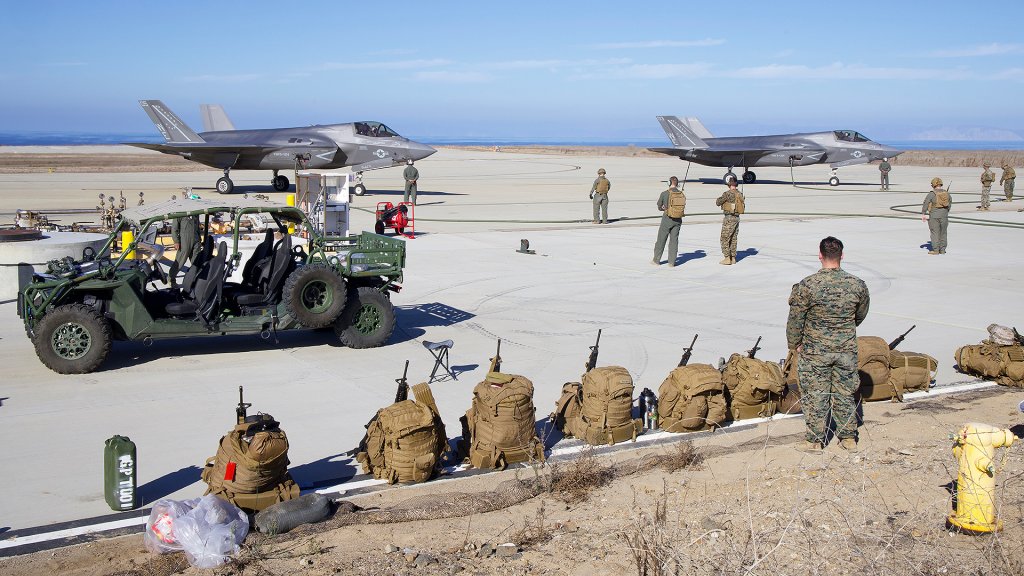
F-35Bs on san clémente island for austere operations training during Steel Knight exercise.
James Deboer

Now back in Japan, the ARG/MEU is getting ready for a new deployment, said the colonel.

“We got back to Okinawa, I think July 22nd, and they had already begun their workup cycle in earnest to be on the water in early January to go out and do another Iron Fist [training exercise] with the Japanese, and then long periods of a crisis response,” said Niedziocha, who relinquished command in August before moving on to his new role. “Just being there, present in the First Island Chain to partner with your allies, demonstrates the resolve and commitment to deter whatever needs deterring.” 

As noted earlier in this story, the EABO concept was designed with a Pacific fight in mind. Its first combat employment in the Middle East clearly offers lessons that can now be adapted to enhance EABO operations globally.

Contact the author: howard@twz.com

The post USMC Used Its Expeditionary Operations Playbook In Combat For First Time During Epic Fury appeared first on TWZ.

  •  

Quanto vai poupar no IRS? Entre 12 a 344 euros por ano

Governo apresentou simulações para mostrar o efeito da nova descida do IRS nos rendimentos de 2026. Poupança varia com o salário ou pensão e com a composição do agregado familiar. Novas taxas descem até ao sexto escalão.

  •  

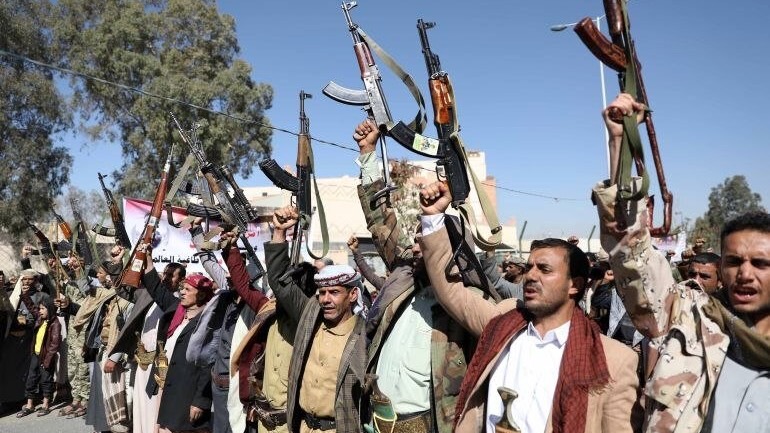
Over a decade of war in Yemen and the rise of Ansar Allah

In July, Saudi Arabia joined the US-Israeli war on the West Asia region with strikes on Yemen. The Ansar Allah-led Yemeni Armed Forces retaliated by launching a maritime blockade alongside attacks targeting vital Saudi interests.

The renewed fighting between the two West Asian nations resulted in Ansar Allah’s takeover of the strategic Red Sea port city of Mokha last week and the liberation of all the group’s prisoners held by Saudi-backed forces on Yemen’s western coast.

Ansar Allah’s seizure of Mokha seaport is reshaping regional and global geopolitics, particularly because it serves as a primary gateway to the Bab el-Mandeb Strait and coincides with developments in the Strait of Hormuz.

As these major shifts underscore, Yemen holds immense strategic geopolitical significance.

Situated on the southwestern corner of the Arabian Peninsula and overlooking the Bab al-Mandab Strait, Yemen represents a vital chokepoint connecting the Red Sea to the Gulf of Aden and the Indian Ocean

Consequently, internal political developments in Yemen can have global political and economic repercussions.

This fact, in turn, has put Yemen in the crosshairs of the US-led Western imperialist bloc and their allies in West Asia, which have endeavored to subjugate the country through a devastating decade-long war and blockade. 

The origin of this war coincides with the emergence of Ansar Allah, beginning when the group managed to take control of large swathes of the country, including the capital, Sanaa, in 2014.

The rise of Ansar Allah

Ansar Allah was first established in the early 1990s in the northern Yemeni governorate of Saada as a cultural and educational organization called Al-Shabab al-Mumin (the Believing Youth).

Initially, the organization introduced itself as an unarmed theological movement aimed at reviving and preserving Zaydi Shia Islam and countering the threat of state-backed Sunni Salafism, which sought to uproot the Zaydi religious identity in its homeland of Saada.

From its inception, the movement opposed the government, led by President Ali Abdullah Saleh, accusing it of corruption and criticizing its ties to the United States and its ally Saudi Arabia.

Tensions between the group and the government drastically escalated following the US invasion of Iraq in 2003. It was at that time that the group adopted the slogan (Death to America, Death to Israel), during mass protests opposing the war on Iraq.

These slogans posed a political threat to Ali Abdullah Saleh, who was attempting to position his government as a key ally in the “US War on Terror” in the aftermath of the 9/11 attacks. As a result his government led a brutal crackdown on protesters.

Security forces and riot police suppressed protests using live ammunition, tear gas, and batons, and arbitrarily detained hundreds of political activists, students, and opposition organizers without trial.

In 2004, tension between the Al-Shabab al-Mumin and the Yemeni government boiled over, sparking a series of six internal conflicts known as the Saada Wars. 

These clashes began with the government’s assassination of Hussein Badreddin al-Houthi, the group’s founder, and triggered five subsequent rounds of fighting that lasted until 2010. The followers of the group became widely known as the Houthis ever since. 

Saudi Arabia reportedly engaged in the Saada wars by providing immense financial, political, and material support to the Yemeni government. Saudi intervention in Yemen escalated in 2009 with a direct military incursion and unilateral airstrikes against positions held by the Houthi movement.

In 2011, the group joined nationwide demonstrations, calling for the overthrow of President Ali Abdullah Saleh. It was then that the Houthi movement formally adopted the name Ansar Allah (Supporters of God). 

The ousting of Saleh weakened the central government and triggered a sweeping power vacuum, which allowed Ansar Allah to rapidly expand its territorial dominance. By 2012, the Yemeni movement consolidated firm control across the Saada governorate and large swathes of northern Yemen.

In early 2012, vice president to Saleh, Abed Rabbu Mansour, Hadi became the President of Yemen via a transition framework brokered by the Gulf Cooperation Council (GCC), as he was  considered as a quiet consensus figure. Hadi was also strongly backed by the Obama administration. 

In late 2014, Ansar Allah allied with forces loyal to ousted president Ali Abdullah Saleh against the transitional government headed by Abed Rabbu Mansour Hadi. The fighting that followed led to Ansar Allah’s seizure of the capital Sanaa, forcing Hadi to flee the country.

2015-2022: The Saudi-led coalition’s protracted war against Yemen

From exile in 2015, Hadi requested the Saudi-led coalition to intervene in the conflict, opening the door to one of the bloodiest prolonged wars in West Asia. A conflict that, according to UN estimates, resulted in 377,000 deaths by 2022. 

Saudi Arabia was the main pillar of the coalition, leading the military campaign dubbed “Operation Decisive Storm” with a massive force, including extensive warplanes and ground troops.

The United Arab Emirates (UAE) also played a key role by commanding ground and air operations particularly in southern Yemen and along the critical coastal strip.

Bahrain took part in the operation with 12 fighter jets (some sources say 15), and deployed ground troops in the southern Saudi borders to protect Saudi Arabia from Ansar Allah’s attacks. Meanwhile, Kuwait contributed with 15 warplanes.

At the beginning of the campaign, Qatar participated with roughly 1,000 ground troops, armored vehicles, a dozen fighter jets, and transport helicopters until it was expelled from the coalition in June 2017 over a diplomatic crisis with Saudi Arabia, UAE, Bahrain, and Egypt.

Jordan and Morocco contributed six fighter jets each, while Sudan under deposed president Omar Al-Bashir sent three aircrafts and thousands of ground troops. Furthermore, Senegal committed 2,100 troops.

Western countries, including the United States, the United Kingdom, and France provided logistic and intelligence support, such as aerial refueling for coalition jets, technical assistance, military equipment, coordination support, and maritime surveillance.

The 2022 UN-brokered truce de-escalated the war rather than ending it

In April 2022, the United Nations announced an official two-month nationwide truce agreement, which temporarily halted cross-border attacks, ground and air operations, and allowed fuel imports into ports held by Ansar Allah. It also reopened commercial flights from Sanaa International Airport after years of sea, land, and air blockade imposed by Saudi Arabia. 

Rather than completely removing the blockade, the agreement only resulted in the partial easing of restrictions, while regions under the control of Ansar Allah have continued to face a near-total blockade.

Read more: Yemen demands Saudi-led blockade on the country be lifted immediately

The agreement was renewed in June and extended a second time in August 2022 for an additional two months before it lapsed in October. 

Regional developments reignited the conflict (2023-2026)

In November 2023, Ansar Allah launched a ban on all Israeli maritime navigation in the Red Sea and the Bab el-Mandeb Strait in retaliation for Israel’s genocidal aggression on Gaza.

About one month later, the group significantly expanded the ban to include all ships heading to Israeli ports, regardless of their nationality or flag.

The ban continued until October 2025, despite waves of deadly airstrikes launched by the US, UK, and Israel on Yemen.

An Omani-mediated ceasefire deal between the US and Ansar Allah was reached in May 2025. The deal stipulated halting Ansar Allah’s attacks on US ships in the Red Sea and Bab al-Mandab Strait, and ending US aggression on Yemen, without preventing the Yemeni resistance movement from launching attacks or naval operations against Israel. 

This same period saw a shift in the conflict between the Saudi-led coalition and Ansar Allah from active military engagement toward a tense, fragile diplomacy.

In early 2026, friction between the two major pillars in the anti-Ansar Allah coalition – namely Saudi Arabia and the UAE – surfaced as different Yemeni groups backed by the two countries clashed, apparently over territorial control in Yemen.

Read more: Tensions in Yemen: Are Saudi Arabia and the UAE becoming frenemies?

The US-Israeli war on Iran has drawn Yemen back into the regional conflict

Although Ansar Allah was established as an independent Yemeni movement, it evolved into a key component of the Axis of Resistance over time. This alignment was driven by mutual ideological foundations, shared anti-imperialist ideology, and deep strategic and military cooperation with Iran and Hezbollah.

Despite its affiliation with the resistance alliance, Ansar Allah chose not to get involved in the recent regional war waged by the US and Israel against Iran, for ostensibly strategic considerations and military coordination tactics with its allies.

Read more: Reflections on the US-Israeli multi-front war in West Asia: How the Axis of Resistance remains resilient

However, because the United States and its allies in the region seemingly view the current war as an ideal opportunity to dismantle the Axis of Resistance, Saudi Arabia decided to resume its aggression against Yemen by attacking Sanaa International Airport in July. The attack aimed to prevent an Iranian plane from landing.

Consequently, Ansar Allah launched retaliatory attacks on Saudi interests inside Saudi Arabia and on Yemeni soil. It further declared a maritime blockade against Saudi-linked commercial vessels passing through the Bab al-Mandeb Strait, demanding Riyadh end its decade-long blockade on Yemen.  

Concurrently, ground clashes over territorial dominance between Ansar Allah and Saudi-backed forces intensified, leading to key victories for the Yemeni group. Escalations have persisted up to the time of publication.

On Wednesday, September 16, Saudi Arabia accused Ansar Allah of attempting a drone attack against the city of Mecca, the holiest city for Muslims, located in western Saudi Arabia.

Ansar Allah dismissed Saudi accusations as false, saying that they reflect a “desperate attempt to mobilize public opinion.”

As the US-Israeli war on West Asia continues to reshape geopolitics, Ansar Allah’s emergence as a regional force has placed Yemen at the center of a struggle that may define the future of West Asia.

  •  

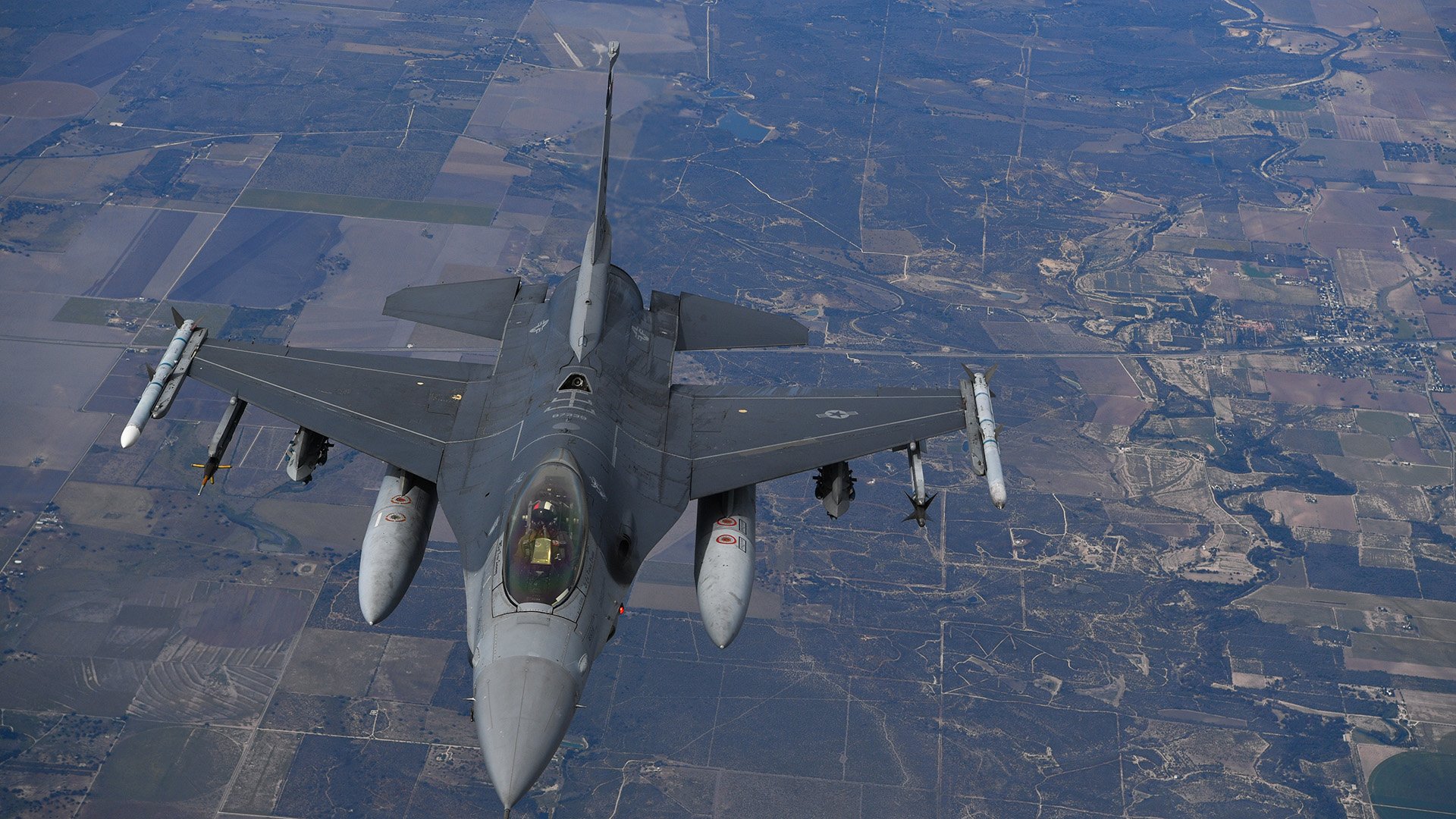
F-16 Crashes In Michigan

A U.S. Air Force F-16 Fighting Falcon crashed in northern Michigan today, according to WOOD-TV, a local NBC affiliate. The pilot was reported to be in stable condition after ejecting from the aircraft.

A spokesperson with the Michigan Department of Military and Veterans Affairs told the station that “the F-16 is a part of the 149th Fighter Wing from Joint Base San Antonio-Lackland in Texas.” 

Video emerging on social media showed what is claimed to be the wreckage of the aircraft in flames.

FOX 2 Detroit confirmed that the plane which crashed in Blair Township, Michigan was a F-16.

Seeing reports that the pilot was able to eject safely. pic.twitter.com/CfT2qriwJq

— AZ Intel (@AZ_Intel_) September 17, 2026

According to air traffic control (ATC) audio, the pilot’s wingman said, “we have a possible mayday. My wingman may have taken a bird.” TWZ cannot independently confirm what caused the crash. The audio continues and offers a fairly dramatic and raw look at how the incident occurred over the air waves.

F-16 crash ATC audio, BUCK 11 flt x2 F-16s were flying along the VFR low level route VR634 when the 11 advised MINNEAPOLIS CENTER that his wingman may have hit a bird and was going to eject just south of Traverse City, Michigan

Audio via @liveatc https://t.co/sUR7KZBR2j pic.twitter.com/QdcE4ePiUd

— Thenewarea51 (@thenewarea51) September 17, 2026

We have reached out to the 149th Fighter Wing, the Michigan Department of Military and Veteran Affairs, the Grand Traverse County Sheriff’s Office and the Grand Traverse County Emergency Management Office for further details.

A shelter-in-place order was issued by Grand Traverse County Emergency Management for residents near the plane crash.

“Shelter indoors, close windows/vents,” the order stated. “Follow instructions from emergency personnel. More information to follow. This shelter in place applies to residents in the indicated area ONLY.”

This is a developing story.

Contact the author: howard@twz.com

The post F-16 Crashes In Michigan appeared first on TWZ.

  •  

Fernando Cerimedo: Revealing Trump’s election interference in Latin America | Ep. 14

Fernando Cerimedo speaks during Hispanic Prosperity Gala - Latino Wall Street at Mar-a-Lago on February 10, 2026 in Palm Beach, Florida. Photo by Jason Koerner/Getty Images for Latino Wall Street
https://www.spreaker.com/show/5958129/episodes/feed

Fernando Cerimedo. A name that unless you follow Latin America closely, you likely have never heard.

He’s been called “MAGA’s man” in Latin America. And he is at the heart of a shocking scandal that includes “attempted femicide,” election rigging, fake news, disinformation and powerful political ties to far-right presidents across Latin America, and even the White House, under Donald Trump.

It’s big news in Latin America, even though it’s been largely under the radar in the United States, until now.

The scandal has dire implications for the legitimacy of elections up and down the Americas, including elections where U.S. president Donald Trump has been throwing his weight around over the last year. Elections where right-wingers have won close, but shocking victories. And big elections are coming up in Brazil and elsewhere.

This is Episode 14 of Under the Shadow, Season 2.

Under the Shadow is an investigative narrative podcast series that walks back in time, telling the story of the past by visiting momentous places in the present. Season 2 responds in real time to the Trump administration’s onslaught on Latin America.

Follow Under the Shadow on Spotify and Apple Podcasts.

Hosted by Latin America-based journalist Michael Fox.

This podcast is produced in partnership between The Real News Network and NACLA.

It is supported, in part, by Global Exchange.

Theme music by Michael Fox’s band, Monte Perdido. Monte Perdido’s 2024 album Ofrenda is available on Spotify, Deezer, Apple Music, YouTube or wherever you listen to music.

Other music from Blue Dot Sessions and Epidemic Sound.

Script editing by Heather Gies. Hosted, written, produced, mixed, and edited by Michael Fox.

Guests: 

Resources: 

Support Under the Shadow

Please consider supporting this podcast and Michael Fox’s reporting on his Patreon account: patreon.com/mfox. There you can also see exclusive pictures, video, and interviews.

You can subscribe to Michael Fox’s new free speech podcast, The Battle for Free Speech on Spotify, Apple Podcasts, or wherever you get your podcasts.

Transcript

The following is a rushed transcript and may contain errors. It will be updated.

Michael Fox:

Fernando Cerimedo, a name that unless you follow Latin America closely, you likely have never heard. He’s been called MAGA’s man in Latin America, and he’s at the heart of a shocking scandal that includes election rigging, fake news, disinformation, and powerful political ties to far right presidents across Latin America, and even the White House under Donald Trump. It’s big news in Latin America, even though it’s been largely under the radar in the United States until now. The scandal has dire implications for the legitimacy of elections up and down the Americas, including elections where US President Donald Trump has been throwing his weight around over the last year. Elections where right-wingers have won close but shocking victories. Like Lawyer Abelardo de la Estrella’s right-wing defeat of the leftist candidate Ivan Cepeda in Columbia in June, he won by less than 1% of the vote.

Donald Trump:

He called me at 8:30 in the evening just to thank me very much. And I said, “You ran a great campaign?” He’s LT Gray, right?

Journalist:

And what do you anticipate for the relation with Colombia? Good,

Donald Trump:

Much better. It’ll be better. He’s going to be a great president.

Michael Fox:

And big elections are coming up in Brazil and elsewhere. We begin here. That’s him, Fernando Cerimedo, walking down a hallway lined with people ahead of Chile’s new far right president, Antonio Cast. Cerimedo puts a hand on his back and ushers him into a side room to meet with a group of men in suits. Cerimedo is a 45-year-old strategist and publicist from Argentina. He’s a co-founder of the right-wing Argentine outlet, La Dereche Diario. And in recent years, he’s become perhaps the most prominent political consultant for the far right in Latin America. But as we will see in this episode, he’s much more than a consultant. I think you could call him an election fixer and not in a democratic way.

Jake Johnston:

So you’ve had this sort of network of far right leaders who’ve shown a lot of affinity for one another, traveling to each other’s countries, supporting each other, this sort of broad network. And behind that, there’s been this sort of digital infrastructure that is built out to support this sort of new wave of far right leaders in Latin America.

Michael Fox:

I asked Jake Johnston from the Center for Economic and Policy Research to set the scene here.

Jake Johnston:

I mean, if you’ve spent any time on social media, you have seen the bots, you’ve potentially been attacked by the bots. You see this happening every day and you’ve seen it in all of these elections, many of which it should be noted were extraordinarily close elections. I mean, less than one percentage point separating the winner from the loser. And throughout this last year, year and a half, there has been one very prominent person sort of parading around the hemisphere and claiming credit for a lot of these electoral wins. And it’s just this guy, an Argentine political consultant that apparently used to drive a taxi in Argentina and has sort of risen to the top of the food chain in Latin American politics is Fernando Serimedo.

Michael Fox:

Here is the reason why we’re all talking about him right now.

Last month on August 18th, 2026, Cerimedo was arrested at Bolivia’s Viru Vero Airport after attempting to board a flight to Buenos Aires, Argentina. He was accused of ordering a hit on his pregnant girlfriend. Her name is Nadia Bayer. She’s a Bolivian lawyer and a political analyst. She’s a former supporter of leftist president Eva Morales, turned staunch critic. She was shot three times by two armed gunmen the day before outside of a hotel in the Bolivian lowland capital city of Santa Cruz de la Sierra. That’s the heart of Bolivia’s agricultural heartland and one of the most conservative regions in the country. She survived. From her hospital room, she asked to speak to press.

This is the video. You can find it online. She’s laying in a hospital bed, the back slightly raised, so she’s kind of sitting up. She wears a white and gray striped hospital gown. She has several bandages and she’s attached to some machines. She sounds exhausted. “I’ve requested the presence of DTV to make a live statement because they tried to silence me,” she says. “And I’m absolutely sure that if I don’t speak out to the Bolivian people, they’re going to finish what they tried to do today. They’re going to end my life.” She speaks for 15 minutes about her relationship with Fernando Cerimedo, about his physical abuse, his cheating on her and others, and then she reveals dirt on Cerimedo and his underhanded political dealings across the region, including in high, high places.

She discusses Cerimedo’s ties to Trump’s former campaign manager, Brad Pascali, referring to Parscale as a member of the CIA. She describes her personal knowledge of corruption committed by Cerimedo and Bolivia’s new right-wing president, Rodrigo Pas and his family. Pas is the eldest son of the former Bolivian president, Jaime Pasamora. He was born in Spain, went to college in the United States, and Fernando Cerimedo helped to lift him into the presidency last year. “The government is the main one interested in silencing me,” she says. Rodrigo Pas, his wife, his family, they make the biggest deals with the brokers, with all of the insurance companies of all the state companies. They are the ones who negotiate the broker’s commission. “Do you have proof of all that?” Asked the man interviewing her behind the camera. “I have proof of many extremes,” she says. She also details Cerimedo’s power in Bolivia and abroad.

“Rodrigo Pas does not govern here,” she says. Fernando Cerimedo governs and they will absolutely cover it. He manages a group of the police that supposedly operates around the hotel where he made me go. That was the hotel where she was shot. All of this is just the tip of the iceberg about Cerimedo, the disinformation campaign he concocted, and the right-wing election wins he had a large hand in securing across the region.

Jake Johnston:

This is a door that is opening to a world that has largely been closed. I think that’s the interesting part about this. It’s what does this tell us about the broader infrastructure that exists in the region and likely elsewhere across the globe that is using digital sort of shock troops, bots, disinformation, media polarization to try and skew electoral outcomes, even at the margins where it might have a tremendously large impact, even if the operation itself seems sort of small.

Michael Fox:

All of that in a minute. This is Under the Shadow, an investigative narrative podcast series that looks at the role of the United States abroad in the past and the very present. This podcast is a co-production in partnership with The Real News and NACLA. I’m your host, Michael Fox, longtime radio reporter, editor, journalist, the producer and host of the podcast, Brazil on Fire: Stories of Resistance, and my new series, The Battle for Free Speech. I’ve spent the better part of the last 20 years in Latin America. I’ve seen firsthand the role of the US government abroad, and most often sadly, it is not for the better. Invasions, coups, sanctions, support for authoritarian regimes. Politically and economically, the United States has cast a long shadow over Latin America for the past 200 years. It still does. This is season two of Under the Shadow: Trump’s attack, episode 14, Fernando Cerimedo.

It’s February 10th this year. A passionate man is speaking in Spanish on a stage in Mar-a-Lago, Florida. This is Trump’s Hispanic prosperity gala. The back wall of the stage is plastered with a logo of a bull’s head and the words Latino Wall Street, Spanish language financial website. The name of the man on stage is Eduardo Bolsonaro, the son of Brazil’s former president, Jair Bolsonaro, and brother of the current far right presidential candidate, Flavio Bolsonaro. Eduardo resigned as a member of Congress in 2025 and moved to the United States after he came under investigation for trying to pressure the Supreme Court in defense of his father, who is now on house arrest for couplotting. The Bolsonaro family are close allies of President Trump, and Eduardo Bolsonaro has close ties with Trump’s former campaign manager, Steve Bannon. On stage, Eduardo Bolsonaro is praising Fernando Cerimedo. They’ve reportedly known each other for years, since 2010 when they met in the United States.

Eduardo invites Cerimedo to the podium. So I have the great pleasure, a great honor, he says, to call here on the stage Fernando Cerimedo, a brave Argentine who had the courage to denounce the bad things that happen in the world.

Eduardo Bolsonaro presents Fernando Cerimedo with the award for Best Hispanic Political Consultant of the Year. Cerimedo is wearing a black suit, white shirt, black tie. He has a bald head. Fernando and Eduardo embrace, and then they pose for the cameras with a tiny statue. Then Cerimedo walks to the podium. 2025 was a very good year for us. Together with our team, we won two elections, he says, Bolivia and Honduras. Serimedo also gives a shout out to the Bolivian First Lady and her daughter who he says are in the audience. Serimedo then turns and thanks his connection with the Trump administration.

Fernando Cerimedo:

I want to say something in English. Thank you to Brad Parscale for believing me all the time and give me your technology and Tim Dunn for do the fighting in Latin America against socialism. Thank you, Brad.

Michael Fox:

Tim Dunn is a Trump allied businessman from Texas. He’s in oil and gas, and he’s a big financial supporter of conservative causes. As for Brad Parscale, if you remember, Serimedo’s girlfriend mentioned him in her hospital interview. She said he was tied to US intelligence. He is a digital consultant with deep ties to the White House and Mar-a-Lago. He ran digital media for both Trump’s 2016 and 2020 campaigns. Since 2025, he’s been the chief strategy officer at the right-wing Christian Conservative Media Corporation, Salem Media Group. In May, The Intercept reported that he had been hired by the Israeli government to push pro-Israeli views over conservative media. Serimedo closes his acceptance speech.

“The message I want to give you is that it’s not about winning elections,” he told the audience. “That can even seem easy. If we don’t help our candidates govern so that the left never returns to those governments, our work will never be finished. So let’s keep fighting the cultural battle. That’s not just winning elections and taking positions. It’s battling every day to be able to regain freedom in Latin America. Thank you all very much and goodnight, “he said. Fernando Cerimedo. This guy is no ordinary political consultant. The things he has done that helped him win that award presented by Trump allies and Mar-a-Lago have included using underhanded, dirty, and other illegal means to help his candidates win elections, candidates who are all right-wing or far-right Trump allies. And look, he allegedly even tried to kill his own girlfriend to silence her. Cerimedo is just one man, but he’s part of a much broader network.

And for them, pushing their agenda is not politics as usual within democratic systems. As Cerimedo mentioned at that award ceremony, this is a culture war and they are fighting to win by any means necessary. It all calls into question many of these victories that the right has been winning across Latin America in recent years. Jake Johnston.

Jake Johnston:

But of course he’s not operating alone and his business partner in his company, Neumann Advisors, which was actually first registered in Florida, is Brad Parscale, who is Trump’s former campaign manager. And the way that it has been described, and Saramedo has given some interviews on this in the past, is that Parscale provides a sort of digital infrastructure that was implemented in the United States during Trump’s election and is sort of exporting that to the region. And the connection to all of these far right Latin American leaders in these networks between Parscale and them is Fernando Ceramedo.

Michael Fox:

Jake says that a key mouthpiece of this right-wing network has been La Derecho Diario, a right-wing news and opinion site founded by Serimedo and two of his colleagues around the year 2020. La Derecho Diario is now partially owned by Javier Negre, a Spanish right-wing media entrepreneur and disinformation broker.

Jake Johnston:

Now, in parallel to this, you’ve had this sort of digital media outlet, Ladarecho Diario, that has sort of risen to prominence as big promoters of the new far right in Latin America, sort of classic disinformation campaigns and things like this, but always sort of in support of these candidates and have been extremely active in a number of these electoral races and have sort of begun to expand both in Mexico and certainly are looking at Brazil, and Sarameto was also a partial owner of that operation. And of course, this is nothing new, right? I mean, this network of right-wing political operatives has been extremely active in Spain and Europe, but also in Latin America for any number of years, going back decades and following a lot of these folks’ work. What’s changed is that they now have an administration in Washington that is directly supporting the same agenda.

Donald Trump:

Found out in Chile, the person I endorsed who was not leading ended up winning quite easily, so I look forward to paying my respects to him. I hear he’s a very good person.

Jake Johnston:

And so that has sort of elevated it to a different level and certainly sort of just put a lot of money in the pockets of a lot of people who have an interest in promoting this new far right in Latin America.

Michael Fox:

The other thing is that we don’t actually know the true extent of everything. We have clues. Many are really concerning, but not all the dots connect. Just remember that as we continue. It’s been reported that Serimedo has had a role in the political victories of the right and far right in at least seven countries over the last four years, including Argentina, Chile, Colombia, Ecuador, Honduras, Polivia, and Peru. That is not a bad record. The first place I want to visit though, came before all of those in Brazil in late 2022. It’s election night, October 30th, 2022. Former Brazilian President Luis Ignacio Lula de Silva wins the vote by a slim margin, defeating Trump ally and incumbent far-right President Jair Bolsonaro in a huge victory for the left. But the next morning. Bolsonaro supporters hit the streets in protest, claiming the election was stolen. A claim Bolsonaro himself had spread ahead of the vote.

They shut down highways. They set up vigils in front of military barracks demanding the country’s armed forces rise up to overturn the results.

Amid this chaos, Jair Bolsonaro’s son, Eduardo Bolsonaro, who we heard from earlier, is interviewed by a right-wing Argentine media outlet where he spreads lies about Brazil’s electoral system. The interview was aired just three days before the vote. According to news reports at the time, the video had a live audience of more than 400,000 viewers. I remember this. It was a big deal because what Eduardo Bolsonaro did was actually illegal in Brazil. You can’t disparage the country’s electoral system, particularly just days before the vote. That’s why Eduardo Bolsonaro did the live in Argentina. Anyway, what most of us only realized recently is that the guy who interviewed Eduardo Bolsonaro during that live was Fernando Cerimero, and that outlet was Cerimedo’s La Derechediario. You can think of it as something akin to the bright part of Argentina. That live, I’ve been looking for it to play a clip here, but it was taken down shortly afterwards in Brazil.

It still had a wide reach though. It was shared across WhatsApp groups and far right media spheres. It reportedly played a significant role in undermining the election result and intensifying the widespread protests by Bolsonaro supporters in the wake of the 2022 elections.

All of this stoking of Bolsonaro’s base would of course culminate in the January 8th, 2023 invasion of Brazil’s capital by Bolsonaro supporters. They wreaked havoc, causing millions of dollars of property damage in Congress and the Supreme Court in a copycat performance of the January 6th US Capitol invasion in 2021. There was pushback against Laderecha Diario in Brazil.

Maria Martha Bruno:

And because of that live broadcasting and because of Cerimero’s intervention after Lula has won, actually the Brazilian electoral justice decided to suspend Laderecha Diario’s account in social media because it identified that it was a source of falsehoods and rumors that had been extensively dismissed by the Brazilian authorities.

Michael Fox:

Maria Marta Bruno is a journalist at Ajin Shepublica, the largest nonprofit investigative newsroom in Brazil. That outlet did an in-depth investigation in 2023 into the so-called digital militias and the use of internet, bots, disinformation, fake news, and media manipulation to sway opinions and elections across Latin America.

Maria Martha Bruno:

And the investigation is named the digital mercenaries. And Fernando Serimero is a core figure in this ecosystem because he orbited between Brazil, Argentina, and more recently we knew that he was also participating in the electoral process in Honduras in 2025.

Michael Fox:

Maria Marta actually spoke with Serimero for their report.

Maria Martha Bruno:

But Fernando Serimedo, when he talked to and to our partners at the Central Latin American he actually admitted in some of the interviews that he twisted and that he put many informations out of context just to make the case that he want to make the case. He admitted that that was sort of his strategy.

Michael Fox:

It’s a strategy that has been deployed across the region. Last month, Brazil’s Folio de Sao Paulo newspaper interviewed Nalia Bayer about Fernando Serimedo’s work fixing elections around Latin America. Remember, Bayer is Serimero’s ex-girlfriend who he allegedly tried to kill. This video was published eight days after the attempt on her life. She’s laying in bed and looking up at a cell phone through which she’s doing the interview. She spoke about the cases that she remembers where Serimedo used bots to sway public opinion online ahead of the election.

“I knew that in Honduras,” she says. “I knew that in Chile, in the constitutional assembly vote. I knew that in Brazil, in Bolivia, obviously in Argentina, in Columbia, they were going to do it, but I think they didn’t get to do it. I don’t know why. I think maybe it was because of economic agreements that weren’t closed or unless they had told me later that they had done it. But there were some negotiations with Spain as well, she says. I don’t know if you caught that, but she just said that he was even supporting Jair Bolsonaro’s digital campaign in Brazil in 2022. Maria Marta Bruno.

Maria Martha Bruno:

Fernando Serimedo, it’s a very key example of a core figure that get all those notes together, all those wires together across Latin America and help to boost this very successful digital communication ecosystem that has been helping the right and the far right in the past eight or so years.

Michael Fox:

The Brazilian outlet released the Fordham has reported that during an investigation into Serimedo’s properties, investigators discovered a mini bot farm worth more than $40,000 with a digital infrastructure to coordinate campaigns over social media. Jake Johnston.

Jake Johnston:

There’ve been a lot of allegations around. I mean, he’s even bragged around his control of hundreds of thousands of bots and things like this. And I think we do have to take a second to think like, okay, putting aside any legality or anything like this, or whether this is electoral interference or electoral fraud or anything, just put it aside. I mean, could this have had an effect on these elections? And I think you start to look at that, you say, “Well, these elections where there’s less than 1% difference between a winner and a loser, yeah, these sorts of interventions may have had a really profound effect in shaping this narrative that we have today of this rightward shift in Latin America, and how much of that narrative is really the product of a sort of digital army of folks all associated in one way or another with Serameto and with connections right back to the Trump.

Donald Trump:

When people like me, I like them. It’s very simple. It’s a very simple formula, and I like him. He said really nice things about me and the job we’ve done in the United States, and very, very powerful.

Michael Fox:

Here’s the thing, and Jake mentioned this earlier, this Cerimeto scandal has opened a window into the underhanded or dirty maneuvers one man has taken, in part on behalf of the Trump administration, to win elections for the far right in Brazil, but we don’t really know the full extent of what was done behind the scenes to sway the vote.

Jake Johnston:

It is important to note, we really don’t know much of what these people were doing, right? I mean, that is, I think, hopefully what we can learn through these investigations that are happening in Bolivia, through what I think should be far greater attention from the US media about the role of Brad Parscale and Trump connected officials with him and what they’re actually doing. What is the gangway? How have they helped these campaigns or interacted with these campaigns?

Michael Fox:

We do have a glimpse into actions that Serimeto took to allegedly help the right return to power in Honduras last year, and it is extremely concerning. Honduras. It’s just after the country’s election on November 30th, 2025. The race was so close the winner won’t be announced for weeks.

The conservative candidate Nazri Asfurda has faced off against leftist Rixi Muncada and Centris Salvador Nasraya. The leftist Libre Party has run the country for the previous four years. Before then, the US back right-wing national party held onto the presidency through violence, repression, and fraudulent elections. They took power after the 2009 coup. The president who ruled the country for much of that time with an iron fist was named Juan Orlando Hernandez. At that point last year, he was in a West Virginia prison serving a 45-year sentence for drug trafficking. We looked at a bunch of this in episode 12 about Honduras Gate. If you miss that, you can go back and listen. But here’s the thing. There’s a new audio clip about Honduras that was only released last month. It’s a one-minute, 30-second voice message from political consultant Fernando Serimedo to a member of the electoral campaign of Nasri Asfura.

He’s the right-wing candidate, Trump ally, and the man who would be declared president in late December after a protracted recount. I just have to tell you, this voice message gives me the chills. In it, Serimedo says not to worry that they’ve rigged the election, stuffed ballot boxes where necessary, and removed votes elsewhere, all with the support of members of the armed forces who are stationed at polling stations. Serimedo is confident about their victory.

“Yes, from all of this, the only thing we can learn is that the area where the votes are coming in right now is where Tito wins, “says Serimedo. Tito is the nickname of Nasri Asfura, the national party candidate who is now president. “In the second place, the locations where more national party votes are going to come in, if there were votes from somebody else, those were taken out. Those are being fixed,” he says. “We already have the numbers. According to what I’m seeing, we already have people aligned in the armed forces. It seems that everything is going well, “he says. “If we have the votes and we know where we lost the election, that’s where we place more votes, and they talk to everyone at each polling station. “That’s all that matters. We don’t have to worry,” he says.

This audio was released publicly last month by Marlon Ochoa. He’s a former member of the country’s electoral court who had to flee Honduras over death threats against him. He said he handed over the audio evidence in December 2025 before the election results were finalized, but investigations didn’t move forward and election authorities rubber stamped Asfura’s win. Ochoa did not reveal how he obtained the damning audio. I’m left with so many questions. Did Seri Medo really rig the elections for Nasre Asfura? If so, did the United States know? Did Israel? Both of them are staunch allies of former right-wing president Juan Orlando Hernandez, who was sentenced to decades in a US prison for drug trafficking and who Trump pardoned just after last year’s vote. Most importantly, if Seri Maedo rigged the elections in Honduras, did he also do it elsewhere? In Argentina, Chile, Colombia, Ecuador, Bolivia, Peru?

Even if he didn’t stuff ballots everywhere, it’s clear he was willing to use whatever means necessary to get his candidate elected, including spreading disinformation or fake news during the campaigns and even about the country’s electoral system. And this is “MAGA’s man in Latin America. Democracy itself is at risk.” Serimado is now in custody. He’s being investigated for attempted femicide. Many of his former staunch allies are trying to distance themselves. Jake Johnston.

Jake Johnston:

And so this has been a huge scandal and the investigation in Bolivia has expanded to move from femicide to illicit enrichment to the protection of drug traffickers. And so there’s at least three now investigations taking place in Bolivia. And one of the most shocking things is just the way in which all of the politicians who just a few months ago were working quite closely with Sarameta. Now totally wash their hands. I don’t know who this guy is. Rodrigo Paz, the new president in Bolivia says, “Oh, he was involved a little bit in the campaign, but I don’t know who he is.” There are photos of him meeting with Marco Rubio and the Bolivian president from just a couple months ago. So this is a total sort of hand wash. You saw the same thing in Argentina where Sarameto was very involved in the campaign of Javier Millet.

Now Miley said, “Oh no, he has nothing to do with us. Of course, it just came out that he visited the Casa Rosada 14 times last year.” So you see this all over the hemisphere. He was obviously very involved in Honduras and very publicly involved in Honduras and that electoral process. Again, another razor thin electoral margin there. I mean, obviously this fits into a much broader conversation around social media disinformation and what its effect is on democracy, on political processes more broadly. It’s certainly a conversation that has been quite prevalent in the United States for a long time now that is extremely relevant for the upcoming election in Brazil.

Michael Fox:

Jake says it’s not just about what Serimedo has or hasn’t done in these other elections. It’s about what underhanded tactics may still be used in future elections with or without Serimedo, and not just in Latin America, but in Spain and elsewhere where right-wing parties are gaining ground.

Jake Johnston:

There is a lot of people who are looking to make money off the political changes that are happening in Latin America, and they can sell their access to the Trump administration, their access to this legislator, this lobbyist, this business, and they play up those connections to get a contract, to get a consulting gig. And this is sort of the brave new world of the Don Roe doctrine in Latin America where it’s not just Sara Mato, it’s not just Brad Parscali and Javier Negre and Londoreche Diario. I mean, this is happening all over the place. You can see these lobbying filings that are coming in every day with different people hiring Trump connected folks. And so they’re all sort of competing for this space and to influence pedal and make money doing so in the region and take advantage of the sort of political interventionism and rightborn shift that we’re seeing.

And so this is just one piece of it.

Michael Fox:

In other words, this doesn’t begin or end with Serimado, but as Jake Johnston said in the beginning, this is a door that is opening to a world that has largely been closed. And there is so much more we need to understand and consider about how US President Donald Trump is using his power to influence elections around the region. This is where we’re headed next time. In the lead up to high stakes elections in Brazil in October where Trump is vying to help the son of the former far-right president Jair Bolsonaro win the election. Trump has levied tariffs and revoked the visa of the Brazilian ambassador to the United States and state department officials are allegedly courting journalists in order to spread the US narrative around the country’s elections. That is next time on Under the Shadow.

Folks, first off, I have big news. I’ve just launched a new website called Pan-American Dispatch. It’s a project of The Real News. We are translating daily articles from Portuguese and Spanish into English for a US audience. Over the next two months, we’re exclusively focused on the Brazilian election and Trump’s attempts to influence it. Please check it out. You can find us at panamericandispatch.org. As always, you can find me at patreon.com/mfox. There you can also support my work, become a monthly sustainer or sign up to stay abreast of all the latest on this podcast and my other reporting across Latin America. You can find a ton of content there exclusively for my supporters. Many, many thanks to SIEPR’s Jake Johnston and Ajin Shepublica’s Maria Marta Bruno. It was a pleasure to speak with you. I’ll add links to some of the reporting from their outlets in the show notes.

As always, if you’re looking for more information, news and reporting on Trump’s onslaught, both on communities within the United States and abroad, please check out The Real News and NACLA. Both of them are publishing daily indispensable reporting. The theme music is by my band, Monte Perdido. You can find us on Spotify or wherever you stream music. This closing music playing right now is off our 2024 album, Ofrenda. I hope you check it out. Under the Shadow is a co-production of The Real News and NACLA, it’s produced in partnership with Global Exchange. This episode was written, researched, reported, and produced by me, Michael Fox. The script was edited by Heather Geis. Thanks for listening. See you next time.

  •  

State Department Approves Massive $24 Billion F-35 Sale to Saudi Arabia

The State Department approved a $24.3 billion sale of F-35s to Saudi Arabia. The announcement comes as the Gulf kingdom is requesting military assistance from its allies as it fights a war against Ansar Allah in Yemen.  The sale includes 48 F-35s and 49 engines (48 equipped with one spare), cryptographic equipment, electronic warfare support, […]
  •  

Normalizing Constant Surveillance

Normalizing Constant Surveillance

LewRockwell.com

Martin Armstrong | ArmstrongEconomics.com

This is completely unacceptable. We have reached the point where you can purchase a television for your own home, pay for the television with your own money, put it in your living room, and discover that the damn thing may be capable of collecting information about you, your network, the devices around you, and what you are watching. An investigation by Gamers Nexus, Level1Techs, and independent security researchers found LG televisions scanning local networks for phones, smartwatches, computers, and other devices, collecting information about nearby Wi-Fi networks, location and IP information, and using Automatic Content Recognition to identify what appears on the television, including content coming through HDMI. Researchers also reported finding evidence of microphone audio being captured while a television was in standby and stored locally while offline.

LG acknowledges that its televisions can scan for compatible devices on the same network, describing this as ordinary smart-TV functionality, and says its ACR advertising feature is opt-in. Researchers nevertheless demonstrated just how much information modern televisions are technically capable of seeing around the household. LG Ad Solutions boasts of reaching hundreds of millions of “addressable secondary devices,” and LG advertising executives have used phrases such as “we own the glass” when describing the company’s relationship with the television screen. Excuse me? You sold me the glass. YOU DO NOT OWN IT AFTER I BUY IT. That mentality is precisely the problem with the modern technology industry. You think you are purchasing a product. Increasingly, corporations look at the product as a permanent doorway into your life.

I have written extensively about Flock cameras and the government’s expanding surveillance machinery. I have written about commercially available location information, license-plate databases, facial recognition, and the gradual destruction of privacy. Now look around your own house. Your television, refrigerator, doorbell, phone, smart gadgets, laptop, and any other device connected to the internet is capable of watching you.

People need to STOP accepting this as simply the price of modern life. That attitude is how freedom disappears. “Well, that’s just how smart TVs work.” NO! Why should it be? Why should a television need to know what other devices are sitting on my network? Why should an advertising business need to understand the entire “household” rather than simply display the program I selected? Why should I need to dig through privacy agreements and obscure settings to determine whether the screen sitting in my living room is analyzing what I watch? The burden has been reversed. Instead of corporations proving why they absolutely require information, citizens are expected to discover how to stop them from collecting it.

The argument that everyone agreed to this somewhere inside a terms-of-service agreement is equally absurd. Nobody reads 40 pages of legal garbage before turning on a television. That is not meaningful consent. It is a legal shield written by lawyers to protect corporations. If a device is going to monitor viewing behavior, identify devices throughout a household, process voice information, or transmit information for advertising purposes, the consumer should be told in plain English exactly what is happening and should have to deliberately turn those features ON. Privacy should be the default. Surveillance should require permission.

This becomes infinitely more dangerous when government enters the equation. Data collected for advertising today can become enormously valuable to government tomorrow. We have already seen government agencies purchase commercially available information rather than obtain it through the traditional warrant process. We have seen police departments construct enormous searchable networks of license-plate cameras. We have watched the line between corporate data collection and government surveillance become thinner and thinner. The government does not need to install a microphone in every living room if citizens voluntarily purchase internet-connected microphones themselves.

That is why the argument “I have nothing to hide” is so incredibly foolish. Privacy is not about hiding criminal behavior. Privacy means government and corporations have no inherent right to know everything about you. What books you read, where you drive, who visits your home, what you watch, what websites you visit, what political programs you consume, and what you say inside your own living room are nobody’s damn business.

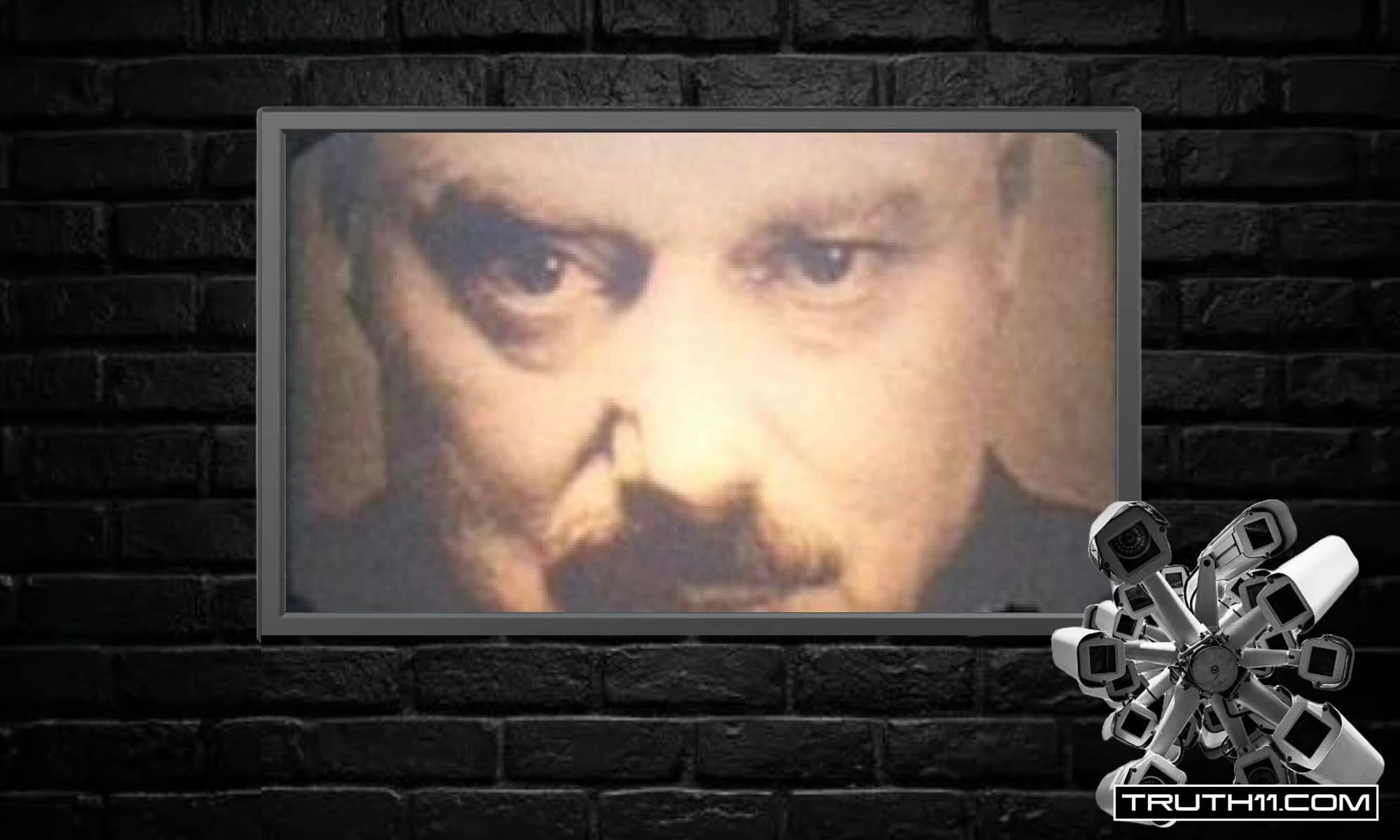
The frightening part is how quickly people have been conditioned to accept this. Twenty-five years ago, tell someone that their television might scan the devices inside their house, analyze what they watch for advertising, connect that information to other devices, and contain microphones capable of responding while the screen appears off, and people would have called it Orwellian. Today they call it a “smart home.”

Corporations should not be permitted to turn products people purchase into permanent surveillance platforms buried beneath unreadable agreements. Government should not be permitted to obtain information indirectly that the Constitution would require it to justify collecting directly. Privacy protections need to catch up with technology because technological capability is advancing far faster than the laws written to restrain its abuse.

We should not accept a surveillance state as an inevitable fact of modern life. We should not accept that everything must collect data because everything now contains a computer. We should not accept cameras following our cars, phones following our movements, algorithms following our purchases, and televisions monitoring our homes simply because somebody tells us this is the future. If that is the future they are offering, then we have every right to reject it.


Source: https://www.armstrongeconomics.com/world-news/technology-world-news/normalizing-the-surveillance/

Original Article: https://www.lewrockwell.com/2026/09/martin-armstrong/normalizing-constant-surveillance/

  •  

Descendants of Chinese forced laborers sue Japanese companies for reparations

A group of 50 family members and descendants of wartime forced laborers in China filed a lawsuit against six companies on Wednesday, September 16, demanding compensation for their suffering during the Japanese occupation. 

In their lawsuit at a local court in Hebei, southwest of the capital, Beijing, the group is seeking around $55,000 in compensation for each member, along with an apology published in at least 10 Japanese and Chinese media outlets.

The plaintiffs accuse six Japanese firms of being beneficiaries of the forced labor, causing long-term pain, suffering, and the deaths of their family members, Kyodo News reported. 

According to Kyodo News, the six Japanese firms named in the lawsuit include construction firm Taisi Corp, mining firm Nittetsu Corp, and heavy industry manufacturer IHI Corp. 

Japan occupied large parts of China, the Korean Peninsula, and other parts of Southeast Asia at various times between the last decade of the 19th century to the end of the Second World War.

The Japanese military committed systemic torture, sexual exploitation, forced labor, and other cruelties against Chinese and other Asian peoples during the occupation, all which have been well documented.

Millions had to do forced labor in the territories occupied by Japan, including hundreds of thousands of Chinese people. Some Chinese forced laborers were also sent to Japan to work in mining and other industries. Thousands of these forced laborers were killed due to harsh working conditions and torture inflicted by their employers. 

Compensation and apology for crimes during occupation

The survivors of Japanese atrocities and their descendants have in different moments raised demands for compensation and apologies.

In 2014, a similar lawsuit was filed by hundreds of people in a Chinese court against Mitsubishi Materials Corp and others. The case ended in an out-of-court settlement, with Mitsubishi offering an apology and compensation to the plaintiffs.

In China, survivors cite their lack of faith in the Japanese system as the reason for filing the suit in a domestic court. 

Japanese courts have dismissed all such lawsuits. A 2007 Japanese Supreme Court’s judgment stated that all such claims were settled when Japan and China established their diplomatic relations in 1972.

However, China has maintained that the 1972 documents did not denounce an individual’s right to seek legal action. China has also often invoked Japan’s failure to acknowledge its repressive and atrocious colonial period and apologize to its victims in the region.

Reacting to the news on Wednesday, the official spokesperson of China’s Ministry of Foreign Affairs Guo Jiakun underlined that “forced recruitment and enslavement of laborers is one of the serious crimes committed by Japanese militarists during their foreign aggression and colonial rule.”

He urged “Japan to look history in the eye, reflect on past crimes, earnestly heed and respond to the just calls and legitimate claims of the people of victims countries in Asia, and properly resolve relevant issues left over from history with a responsible attitude.”

  •  

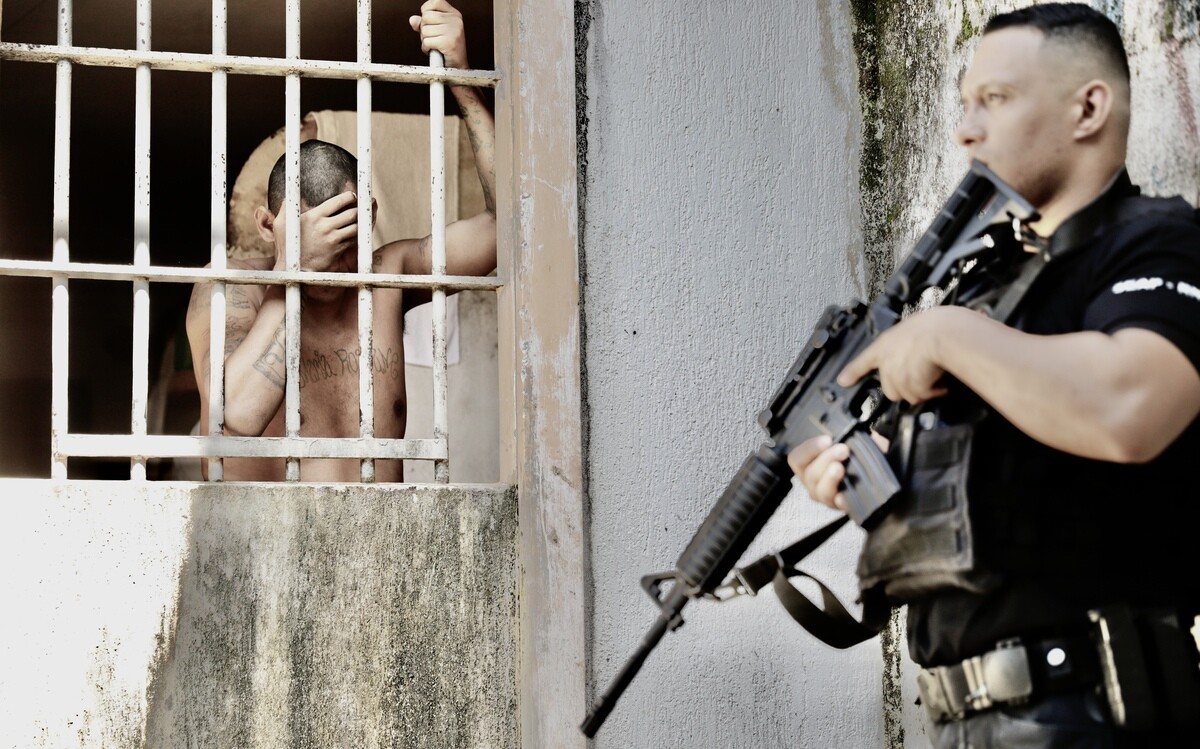
Pessoas negras são alvo da maioria dos gastos com prisões em 25 estados e DF, diz estudo

A cada R$ 10 gastos com prisões no ano passado, em 26 unidades federativas do país, R$ 6 foram dirigidos ao encarceramento de pessoas negras. Essa é uma das conclusões do estudo realizado pelo Centro de Pesquisa Justa sobre investimentos em segurança pública nos estados brasileiros. Segundo o levantamento, divulgado nesta quinta-feira, 17 de setembro, o investimento no sistema prisional dos estados chegou a R$ 22,3 bilhões, valor que não abrange apenas o Acre, que não forneceu os dados ao Justa. Desse total, R$ 13,7 bilhões foram gastos tendo como alvo pessoas pretas ou pardas.

“Cria-se uma falácia de que pessoas negras cometem mais crimes, por isso que estão presas. Mas isso é uma falácia. Na verdade, essas pessoas estão sendo selecionadas pela polícia e, depois, na frente do juiz, que poderia parar esse processo de seletividade penal, [e também frente ao] Ministério Público. [Essa] engrenagem vem sendo construída dessa forma, essas pessoas estão sendo o alvo dessa política de segurança”, explica a advogada do Justa, Sofia Fromer, doutora em saúde coletiva da Faculdade de Ciências Médicas da Santa Casa (FCMSC) de São Paulo. Para ela, o encarceramento da população negra confirma, mais uma vez, a existência de lógica punitivista e uma seletividade penal.

Egressos: um orçamento 5.423 vezes menor

Para a advogada, a medida mais eficiente para transformar a lógica do sistema carcerário seria investir em políticas públicas de reinserção para egressos do sistema prisional. Essa medida, entretanto, está longe de ser priorizada pelos estados brasileiros. Segundo o Justa, para cada R$ 5.423 gastos em 2025 com as polícias estaduais (militar, civil e técnico-científica), apenas R$ 1 é dirigido às políticas para egressos.

Na comparação com o ano anterior, o investimento permaneceu praticamente o mesmo, passando de R$ 18 milhões, para políticas exclusivas aos egressos em 2024, para R$ 19 milhões no ano passado. O valor corresponde, em média, a 0,001% de seus gastos totais levantados pelo estudo.

Entre as 26 unidades federativas avaliadas, 19 delas (72%) não investiram em políticas exclusivas para egressos. Tocantins teve dotação aprovada na Lei Orçamentária Anual, mas não utilizou os recursos. Rio Grande do Sul e Santa Catarina registraram investimentos pela primeira vez em 2025, com R$ 414 mil e R$ 177 mil, respectivamente. Alagoas e Tocantins deixaram de investir. São Paulo foi o estado que utilizou o maior recurso, R$ 13,3 milhões, seguido pelo Ceará, com R$ 3,8 milhões. Mato Grosso investiu R$ 781 mil, enquanto a Bahia despendeu R$ 482 mil.

Para Fromer, políticas para egressos são multissetoriais, envolvem saúde, educação, assistência social, além do campo do direito, “para que essas pessoas possam criar novas rotas e que não seja uma possibilidade que elas precisem voltar para as prisões”, salienta.

A advogada lembra que não existe pena perpétua no Brasil, portanto, o Estado precisa pensar como as pessoas egressas “vão conseguir um trabalho, renda, ter uma casa, ter os seus documentos. Ter o contato, por exemplo, [no caso] de mulheres presas, com os filhos que deixaram sob o cuidado de uma outra pessoa”, explica.

Policiamento ostensivo recebe a maior parcela do dinheiro

Polícias militares recebem a maior parte do orçamento em segurança pública dos estados analisados, 58,6% do total

O estudo também demonstra que se os recursos com a política para manter as pessoas fora das prisões são baixos, os gastos com a repressão são os mais altos. O total de investimentos envolvendo os 26 territórios foi de R$ 103,5 bilhões no ano passado, e a maior parte desses recursos foi para as Polícias Militares, R$ 60,7 bilhões, 58,6% do total, responsáveis pelo policiamento ostensivo da população. Já as Polícias Civis, que devem investigar os crimes, receberam R$ 22,2 bilhões (21,5%), e as Polícias Técnico-Científicas ficaram com a menor parcela, R$ 2,8 bilhões (2,7%), mesmo sendo responsáveis por atividades como perícia e produção de provas.

“Quando o investimento em policiamento ostensivo cresce sem que a investigação e produção de provas avancem na mesma proporção, o sistema amplia sua capacidade de prender sem necessariamente fortalecer sua eficiência para esclarecer os crimes. É uma lógica que ajuda a sustentar um modelo de encarceramento em massa, marcado por fragilidades na apuração da autoria e na produção de evidências”, avalia Luciana Zaffalon, diretora-executiva do Justa.

Para Sofia Fromer, as prioridades político-orçamentárias dos estados em segurança pública não se dão ao acaso. “Realmente existe uma preferência dos estados em ter um orçamento para as polícias, em detrimento do sistema prisional e das políticas para egressos.” Segundo a advogada, o investimento maior nas polícias, em específico, nas polícias militares, cujo caráter é mais ostensivo nas prisões, aumenta o encarceramento, mas não muda a realidade.

Por que isso importa?

  • Em 2025, os gastos com polícias no Brasil ultrapassaram a marca dos R$ 100 bilhões, destaca o Centro de Pesquisa Justa.
  • Nos últimos três anos, os gastos com as polícias nos estados cresceu, em média, 9,7%, já o investimento no sistema prisional apenas 1,7% e 5,3% nas políticas exclusivas para egressos.

Ela explica que a pesquisa do Justa mostra que há um funil, onde a porta de entrada são os gastos com as polícias passando pelo investimento no sistema carcerário, até chegar aos gastos com as políticas para egressos. “[Temos] a ‘boca’ muito alargada do funil, ou seja, o orçamento ali é muito grande, e quando você vai afunilando, depois [estão] os gastos com o sistema prisional ainda menores, e com as políticas pregressas, quase inexistentes”.

Por outro lado, Fromer pensa em uma outra alternativa para mudar a dinâmica brasileira. Invertendo o funil, ou seja, investindo mais em políticas para egressos. Segundo ela, essa decisão criaria oportunidades para essas pessoas, diminuindo as chances de elas retornarem aos presídios.

“Quando o Estado destina bilhões à entrada e à permanência no sistema prisional, mas reserva valores residuais para a saída, limita as possibilidades de reinserção social e mantém condições que podem favorecer a reincidência”, complementa Luciana Zaffalon.

Modelo de El Salvador

Entre os atuais candidatos à presidência da República que concorrem este ano, pelo menos três deles, Renan Santos (Missão), Flávio Bolsonaro (PL) e Romeu Zema (Novo) já citaram concordar com o modelo de segurança pública propagandeado pelo presidente de El Salvador, Nayib Bukele, baseado, principalmente, na construção de mega-presídios. Questionada se essa inspiração poderia ser eficiente no Brasil, Sofia Fromer vê restrições.

“Existe, sim, uma falta de vagas nas unidades prisionais. Se você olhar uma foto de uma prisão, você vai ver que numa cela onde caberiam 12 pessoas, tem 24, às vezes até mais. [Vai ver] pessoas em uma condição de total insalubridade. […] Criar novas vagas não resolve o problema. Se resolvesse, não teríamos mais [o problema] porque as respostas para a segurança pública, para o sistema prisional, elas têm sido pautadas, muitas vezes, na construção de novas vagas”, explica a advogada.

“E aí a gente vê de novo isso aparecendo com os candidatos, muitos inspirados no Bukele, [citando] a construção de megas prisões. Isso não funciona aqui no Brasil, e, de outro ponto de vista, a gente não tem nem orçamento para fazer essas mega prisões”, acrescenta.

O Plano Pena Justa e sua eficácia

Em 2025, baseado na Arguição de Descumprimento de Preceito Fundamental 347 (ADPF 347), determinada pelo Supremo Tribunal Federal (STF), em outubro de 2023, o Conselho Nacional de Justiça (CNJ) junto com o Ministério da Justiça e da Segurança Pública (MJSP), elaborou o Plano Pena Justa, que consiste em enfrentar o estado de calamidade dos sistemas penitenciários brasileiros. O objetivo é melhorar a qualidade das prisões e dos serviços, além de controlar as superlotações nas penitenciárias, além de fortalecer a ressocialização dos indivíduos. O Plano Pena Justa propõe mais de 300 metas para serem cumpridas até 2027, e muitas são focadas em políticas para egressos.

O estudo do Justa mostra, entretanto, que a iniciativa, mesmo já tendo sido iniciada, ainda não apresentou resultados relevantes. Fromer entende que o Brasil começará a bater tais metas caso se debruce sobre a questão orçamentária. “Sem o orçamento, não é possível que todas essas metas do Plano se efetivem, os estados precisam ter o orçamento determinado para que, de fato, elas possam ser cumpridas”, pondera.

  •  

Agência Pública lança e-book gratuito sobre desinformação e notícias falsas

A Agência Pública lançou um e-book gratuito sobre desinformação na era digital, desenvolvido pela jornalista Natalia Viana, diretora executiva e cofundadora da Pública, e pelo tecnólogo Babak Fakhamzadeh. O material explica o que é desinformação, como funcionam as fake news e quais estratégias estão por trás da criação e circulação desses conteúdos. Também apresenta um guia prático com seis passos para identificar notícias falsas e aborda o método jornalístico, a inteligência artificial e os novos desafios para reconhecer informações na internet.

O e-book pode ser baixado gratuitamente. Basta se inscrever nas newsletters da Pública neste link para receber o material diretamente no e-mail. 

O guia apresenta diferentes tipos de desinformação, explica a estrutura de uma campanha para circular conteúdos falsos e os diferentes atores envolvidos em sua produção e distribuição, além de discutir os interesses que podem estar por trás disso.

O e-book é destinado para quem busca compreender melhor como a desinformação funciona e aprender a reconhecer conteúdos falsos ou enganosos. E pode ser utilizado por educadores, estudantes, organizações, jornalistas e outras pessoas interessadas em desenvolver ferramentas para reconhecer informações falsas e conteúdos manipulados.

O material foi desenvolvido a partir da oficina “Como diferenciar notícias falsas de verdadeiras”, ministrada pela jornalista Natalia Viana e pelo desenvolvedor Babak Fakhamzadeh. A atividade aconteceu no Centro de Pesquisa e Formação do SESC, dentro da programação comemorativa dos 15 anos da Agência Pública.

Inscreva-se aqui para receber o e-book!

  •  
❌