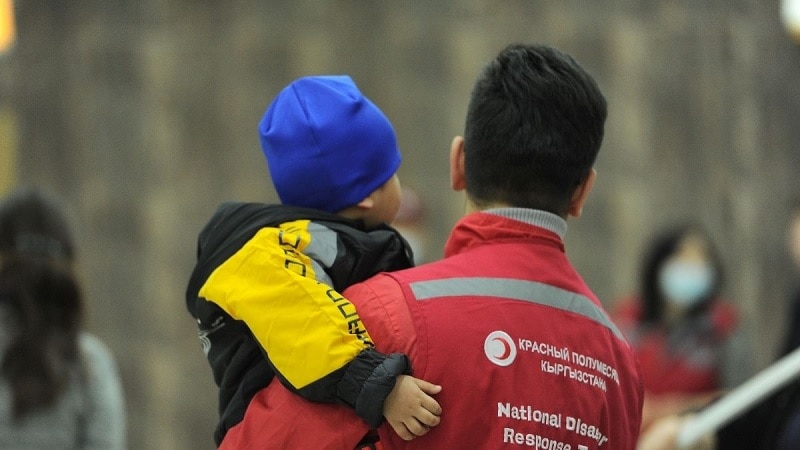
Kyrgyz Families Plead For Return Of Islamic State Fighters' Wives, Relatives From Iraqi Prisons


Raffinerie, l’Italia decida di essere un Paese
di Margherita Furlan
19 settembre 2026
Aramco compra gasolio nel Mediterraneo dopo gli attacchi alle sue raffinerie. In quella stessa finestra di mercato si forma il prezzo che paghiamo alla pompa. L’Italia ci arriva senza impianti e senza bandiera
La fila di Aramco
Da alcune settimane Saudi Aramco presenta offerte d’acquisto nella finestra di contrattazione gestita da Platts per carichi di gasolio nel Mediterraneo. Secondo gli intermediari che seguono quella piattaforma, la società statale saudita cerca migliaia di tonnellate di prodotto raffinato; altri operatori riferiscono che sta sondando anche il mercato della benzina in Europa. L’azienda ha rifiutato di commentare.1
Conviene soffermarsi su cosa significhi. Aramco estrae, raffina e vende: è strutturalmente venditrice di distillati, non compratrice. Nel luglio 2025 l’Arabia Saudita aveva toccato il massimo storico delle esportazioni di gasolio, con una media mensile di 611mila barili al giorno, e Aramco si presentava come fornitore quasi solitario nelle finestre di valutazione del Nord Europa e del Mediterraneo, spesso a prezzi inferiori a quelli degli altri.2 Quattordici mesi dopo si mette in fila dall’altra parte del banco.
Il motivo non è un capriccio commerciale, sono gli impianti. Gli Houthi hanno rivendicato l’attacco alla raffineria di Yanbu, sul Mar Rosso, e nel corso dell’estate hanno colpito ripetutamente il centro di trattamento di Jazan, più a sud. Poi, il 10 settembre, droni partiti dall’Iraq hanno incendiato le stazioni di pompaggio dell’oleodotto Est-Ovest nelle aree di Riad e Medina: il ministero dell’Energia saudita ha confermato l’attacco e la chiusura «precauzionale» della conduttura, mentre le immagini satellitari mostravano il pennacchio di fumo sopra la linea e i danni estesi a una stazione vicino ad Al Mesba’ah.
Quella conduttura non è un’infrastruttura qualunque. Con lo Stretto di Hormuz sostanzialmente sbarrato dallo scoppio della guerra tra Stati Uniti, Israele e Iran nel febbraio 2026, l’oleodotto Est-Ovest è diventato la via di fuga del petrolio saudita: milleduecento chilometri dai giacimenti orientali al porto di Yanbu, con circa cinque milioni di barili al giorno dirottati su quella direttrice. Lo aveva detto l’amministratore delegato di Aramco, Amin Nasser: nel contenere la crisi di approvvigionamento il tubo aveva pesato più del rilascio delle riserve strategiche.3 Gli attacchi dell’aprile precedente avevano già sottratto al regno circa 600mila barili al giorno di capacità produttiva. Ad agosto l’estrazione saudita era scesa a 6,24 milioni di barili quotidiani, un livello che nessuno si aspettava di vedere dal principale produttore dell’OPEC.4
Nel frattempo si chiudeva anche l’altra uscita. Gli Houthi hanno proclamato a luglio un blocco marittimo contro le navi saudite, hanno preso il porto yemenita di Mokha e si sono avvicinati alle isole Hanish, cioè alla soglia di Bab el-Mandeb; il traffico attraverso quello stretto è calato di circa il sessanta per cento. Hormuz da una parte, Bab el-Mandeb dall’altra, l’oleodotto in mezzo è fermo: il regno che ha costruito la propria centralità mondiale sulla capacità di consegnare greggio ovunque si è ritrovato con tre porte socchiuse e un ordine d’acquisto da firmare nel Mediterraneo.
Il resto è politica. Nei giorni dell’avanzata su Mokha il principe ereditario Mohammed bin Salman avrebbe telefonato due volte a Donald Trump per chiedere raid contro il movimento yemenita, secondo funzionari statunitensi citati dalla stampa americana.5 Riad, per ora, ha evitato la rappresaglia diretta contro l’Iraq e Baghdad ha condannato l’attacco e apprezzato la scelta di non reagire.6 Il petroliere più potente del pianeta ha scoperto che la sua potenza dipendeva da cose fragili: una stazione di pompaggio, una colonna di distillazione, una rotta.
Il bersaglio non è più il pozzo
C’è una regolarità, in questi mesi, che i comunicati non dicono e le mappe sì. Nessuno bombarda i giacimenti. Si colpiscono le stazioni di pompaggio, le raffinerie, i terminali, i tubi. Il giacimento è profondo, disperso, difficile da distruggere e costoso da presidiare; l’impianto che trasforma il greggio in qualcosa di utilizzabile è invece un oggetto concentrato, visibile dal satellite, vulnerabile a un drone che costa quanto un’utilitaria. La stessa grammatica si legge sul fronte opposto dell’Eurasia, dove da due anni le raffinerie russe sono bersaglio sistematico dei droni ucraini, con fermate di impianti e contrazioni della produzione di carburante. Non è una coincidenza tecnica: è una dottrina che si è diffusa perché funziona.
Clausewitz aveva chiamato centro di gravità il punto da cui dipende la coesione dell’intera forza avversaria, quello contro cui vanno concentrate tutte le energie.7 Per un secolo si è creduto che nel settore energetico quel centro fosse la risorsa: chi possiede il sottosuolo comanda. La stagione che stiamo attraversando dice il contrario. Il centro di gravità è la catena di trasformazione e di trasporto e chi la colpisce ottiene con mezzi minuscoli effetti che nessun esercito convenzionale potrebbe produrre a quel costo. Un movimento armato yemenita, senza marina né aviazione, ha ridotto le esportazioni del primo produttore mondiale e ne ha fatto un compratore di gasolio sul mercato libero.
Ne discendono due conseguenze che riguardano direttamente l’Europa. La prima è che il vantaggio difensivo è scomparso: proteggere una rete di impianti e di condutture costa incomparabilmente più che attaccarla e nessuna quantità di navi in scorta può cambiare questa aritmetica. La seconda è che la sicurezza energetica ha smesso di essere un problema di contratti di fornitura per diventare un problema d’infrastrutture fisiche. Si può avere il barile e non avere il litro. Si può avere il litro e non avere il modo di farlo arrivare. Chi ha smontato pezzi della propria capacità di trasformazione pensando che il mercato avrebbe sempre provveduto ha fatto una scommessa sulla stabilità permanente delle rotte altrui. Quella scommessa, nell’anno in cui il re del greggio si mette in fila per comprare carburante, si sta rivelando per quello che era.
Il prezzo non nasce alla pompa
Qui il ragionamento smette di essere mediorientale e diventa italiano perché il collegamento fra Yanbu e il distributore sotto casa non è una metafora, ma un meccanismo documentato e pubblico.
Il prezzo industriale dei carburanti in Italia, cioè quel che resta una volta tolte accisa e imposta sul valore aggiunto, non segue il costo di produzione delle raffinerie nazionali. Segue la quotazione internazionale dei prodotti raffinati nel bacino mediterraneo, il cosiddetto Platts CIF Med, rilevato dall’agenzia che pubblica le valutazioni giornaliere sulla base delle contrattazioni fisiche. Lo scrive senza giri di parole l’associazione delle aziende petrolifere italiane nella propria nota metodologica sui prezzi: la materia prima del prezzo alla pompa è la quotazione Platts, e il margine lordo è la differenza fra il prezzo di vendita al netto delle tasse e quel valore. Lo ripete la stessa associazione quando deve spiegare perché il greggio scende e i carburanti no: il riferimento non è il Brent, sono le valutazioni dei raffinati.8
Vale la pena fermarsi su cosa sia quella finestra. Non è una borsa regolamentata con un’autorità di vigilanza pubblica: è un processo di valutazione gestito da una società privata di informazione sui mercati, alimentato dalle offerte che gli operatori presentano in un intervallo di tempo definito. L’Autorità garante della concorrenza e del mercato, in un’indagine del 2023 sui prezzi dei carburanti, ha osservato che i riferimenti internazionali dei prodotti petroliferi, Platts compreso, sono esposti a rischi di opacità, e lo ha argomentato richiamando da un lato procedimenti per sospette manipolazioni conclusi in giurisdizioni extraeuropee, dall’altro l’adozione di apposite linee guida da parte delle autorità internazionali di regolamentazione.9 È un’istituzione italiana che dice, in punta di diritto, che il termometro del nostro prezzo alla pompa non è un oggetto neutro.
In quella finestra, da alcune settimane, compra Saudi Aramco.
Il risultato lo hanno letto tutti sui cartelloni. Il 16 settembre 2026 il gasolio in modalità self service ha toccato il massimo storico italiano a 2,246 euro al litro, quasi due centesimi sopra il precedente primato del 17 marzo 2022, con 2,326 euro sulla rete autostradale e la quotazione all’ingrosso oltre i milleduecento euro per mille litri; il giorno seguente il servito viaggiava a 2,376.10 Senza il taglio dell’accisa il prezzo medio nazionale sarebbe stato di 2,416 euro.11
Nessuno impone a Roma cosa pagare. Semplicemente, il quadro dentro cui quel prezzo si forma è stato costruito da altri, si aggiorna ogni giorno in una finestra di mercato dove lo Stato italiano non siede, e il nostro margine di azione si è ridotto a decidere se restituire ai cittadini qualche centesimo di accisa. Non è dipendenza dal barile: è dipendenza dalla struttura.
Il mercato si era già ristretto
C’è un antefatto che rende il gesto di Aramco molto più pesante di quanto appaia e che riguarda l’Europa da vicino: la riserva di gasolio del Mediterraneo si era assottigliata per decisione politica mesi prima che i droni arrivassero su Yanbu.
Fino al 2022 circa il quaranta per cento del gasolio importato dall’Unione europea veniva dalla Russia. L’embargo ha chiuso quel canale ma non ha ridotto la domanda: l’ha deviata. Si è aperta così la scappatoia della raffinazione, il cosiddetto refining loophole, per cui India, Turchia e in parte Cina compravano greggio russo a prezzi scontati proprio grazie alle sanzioni occidentali, lo lavoravano nei propri impianti e rivendevano all’Europa prodotti formalmente non russi, perché la nazionalità di un carburante, nel diritto commerciale, è quella del Paese in cui avviene la trasformazione, non quella del pozzo. Non era un traffico clandestino: era legale, pubblico e quantificato. Nel giugno 2025 l’Europa ha ricevuto 124mila barili al giorno di gasolio dall’India e 94mila dalla Turchia, pari rispettivamente al sette e al cinque per cento delle importazioni totali; secondo le stime di Kpler, che includono anche il carburante per aerei, l’India, fino a pochi anni prima inesistente come esportatore verso il nostro continente, ha coperto nel 2024 il sedici per cento dell’import europeo, in un anno in cui il greggio russo rappresentava il trentotto per cento degli acquisti indiani.12
Per tre anni, insomma, l’Europa ha continuato a bruciare molecole di origine russa passate per Jamnagar o per İzmir, dichiarando di non comprare più dalla Russia. Poi, nel luglio 2025, il diciottesimo pacchetto di sanzioni ha chiuso anche quella porta: dal 21 gennaio 2026 è vietato importare nell’Unione prodotti petroliferi ottenuti in Paesi terzi a partire da greggio di origine russa, con esenzione per alcuni partner e per i Paesi esportatori netti di greggio.13 La misura ha due caratteristiche che meritano di essere dette. La prima è che nessuna analisi di laboratorio può stabilire l’origine di una molecola dopo la raffinazione, tanto più che si lavorano miscele di greggi diversi: l’applicazione dipende quindi da autocertificazioni e da tracciamenti documentali, e già al momento dell’annuncio gli operatori prevedevano un carosello di trasbordi destinato a confondere le carte. La seconda è che quel divieto ha ristretto l’offerta disponibile nel bacino mediterraneo in un momento in cui l’Europa non aveva ricostruito un grammo della capacità di raffinazione che aveva dismesso.
Ora si guardi la sequenza per intero, perché è la cosa più istruttiva di tutta questa vicenda. Il 21 gennaio 2026 l’Unione europea restringe per via normativa il proprio accesso al gasolio. A febbraio la guerra tra Stati Uniti, Israele e Iran sbarra lo Stretto di Hormuz. Durante l’estate gli attacchi degli Houthi mettono fuori uso a intermittenza gli impianti sauditi sul Mar Rosso. Il 10 settembre saltano le stazioni di pompaggio dell’oleodotto Est-Ovest. E in quel bacino ristretto, dove l’Europa deve comprare per forza, entra come acquirente anche il maggiore produttore mondiale. Nessuno di questi eventi, preso da solo, era imprevedibile; il loro sovrapporsi era un rischio di sistema che qualcuno avrebbe dovuto valutare prima di firmare i provvedimenti e prima di autorizzare le conversioni di impianti. Il differenziale fra il prezzo del gasolio e quello del greggio, che è la misura esatta della scarsità di capacità di raffinazione, aveva già superato i ventisei dollari al barile nell’estate 2025, il massimo dal febbraio 2024. Era un segnale, ed era leggibile da chiunque.
Va detto con chiarezza quel che l’Unione ha deciso senza dotarsi degli strumenti per reggerne le conseguenze non lo pagano le cancellerie, bensì chi mette il gasolio nel furgone alle sei del mattino.
La deindustrializzazione ha un indirizzo
A questo punto la domanda giusta non è perché il gasolio costi tanto, ma perché l’Italia sia arrivata a questo appuntamento in queste condizioni. E la risposta ha una data d’inizio, una sequenza e dei documenti.
Fra il 2000 e il 2024 il Paese ha perso il 12,7 per cento della propria capacità di raffinazione.14 Non è stata un’emorragia improvvisa: è stata una successione di decisioni aziendali, ciascuna ragionevole dal punto di vista di chi la prendeva, che sommate hanno prodotto un risultato che nessuno ha mai deliberato in Parlamento.
La raffineria di Cremona della Tamoil ha chiuso nel 2011 ed è stata convertita in deposito: l’amministratore delegato della società lo raccontò ai deputati della Commissione Attività produttive, spiegando che un impianto nella pianura padana, senza sbocco al mare, non riusciva più a collocare l’eccesso di olio combustibile e di benzina.15 La Raffineria di Roma, a Pantano di Grano, comunicò nel giugno 2012 l’intenzione di trasformare, a decorrere dal 30 settembre di quell’anno, lo stabilimento di lavorazione e stoccaggio in mero deposito di oli minerali: la dismissione dell’attività di raffinazione è scritta negli atti autorizzativi.16 La IES di Mantova, comprata quattro anni prima dal gruppo ungherese MOL, annunciò nell’ottobre 2013 la trasformazione graduale in deposito a partire dal gennaio successivo, con 350 esuberi su 390 dipendenti. Nel frattempo Eni fermava per sei mesi Porto Marghera e metteva in cassa integrazione a zero ore cinquecento persone a Gela.
Il Parlamento lo sapeva. Nel 2012 la Camera svolse una indagine conoscitiva specifica sulla crisi della raffinazione, con audizioni di aziende e sindacati, e il documento conclusivo registrava il rischio di chiusura di almeno quattro o cinque siti e la necessità di interventi a tutela del settore.17 Gli interventi non sono arrivati. È arrivata, invece, una narrazione più comoda.
Perché la seconda ondata è stata raccontata in tutt’altro modo. Porto Marghera è diventata bioraffineria nel 2014, Gela nel 2019, Livorno è in conversione con completamento previsto fra la fine del 2026 e l’inizio del 2027. Ogni annuncio è stato presentato come transizione ecologica e sul piano delle emissioni ha una sua logica difendibile. Sul piano della sicurezza degli approvvigionamenti, però, i numeri raccontano un’altra storia, perché le scale non sono paragonabili: Livorno, che sta completando il passaggio alla bioraffinazione, trattava quattro milioni di tonnellate di greggio l’anno e nessun impianto a scarti e oli vegetali lavora volumi simili. Un litro di gasolio idrogenato da scarti alimentari non è un litro di gasolio fossile in meno da importare: è un’altra filiera, con materie prime diverse, volumi diversi e limiti propri. La colonna di distillazione che smetti di far girare non torna.
Pasolini aveva coniato, per descrivere l’Italia che si trasformava sotto i suoi occhi, la formula dello «sviluppo senza progresso»: un Paese che si modernizza nelle forme e si impoverisce nella sostanza, perché il criterio della trasformazione non è il bene comune ma la convenienza di chi la guida.18 Non è un’analogia forzata. La dismissione della raffinazione italiana è stata razionale per ogni singolo azionista e distruttiva per l’interesse nazionale e nessuno, in vent’anni, si è preso la responsabilità politica di dire che quelle due razionalità non coincidevano.
Oggi restano poco più di dieci impianti attivi, di cui tre convertiti o in conversione alla bioraffinazione. È il patrimonio con cui l’Italia si presenta al mercato in cui, da alcune settimane, compra anche Saudi Aramco.
Il cambio di bandiera
Gli impianti sopravvissuti hanno cambiato proprietario, e la geografia di quei passaggi dice più di qualsiasi dichiarazione programmatica.
La ISAB di Priolo Gargallo, il complesso di raffinazione più grande del Paese, è passata in dieci anni dalla genovese Erg alla russa Lukoil, da questa al fondo cipriota G.O.I. Energy nel 2023, sotto la pressione delle sanzioni e con accordi decennali di fornitura e di ritiro affidati alla società di intermediazione Trafigura, e infine, nella primavera del 2026, a un gruppo italiano. È la vicenda più istruttiva dell’intero dossier e merita un capitolo a sé.
Sarroch, in Sardegna, è la seconda gamba del sistema: trecentomila barili al giorno, oltre un quinto dei carburanti italiani, in gran parte gasolio, cioè esattamente il prodotto di cui l’Europa non è autosufficiente. Era la Saras della famiglia Moratti; dal 2024 è di Vitol, il maggiore operatore mondiale indipendente nel commercio di petrolio. Augusta, centosettantamila barili al giorno, è della algerina Sonatrach, che l’ha rilevata nel 2018 da Esso Italia. Milazzo è per metà kuwaitiana, joint venture paritaria fra Eni e Kuwait Petroleum. Già nel febbraio 2024, facendo i conti con l’ingresso di Vitol in Saras, Il Sole 24 Ore osservava che circa metà della capacità di raffinazione italiana passava sotto controllo straniero.19
Poi è arrivato il passaggio più grande, e quasi nessuno se n’è accorto. Nel settembre 2025 la famiglia Brachetti Peretti ha firmato l’accordo vincolante per cedere il 99,82 per cento di Italiana Petroli, il gruppo Api, alla SOCAR, la compagnia petrolifera di Stato dell’Azerbaigian. Nel pacchetto, valutato attorno ai tre miliardi di euro, ci sono la raffineria di Falconara Marittima, quella di Trecate e oltre quattromilacinquecento stazioni di servizio a marchio IP. Il perfezionamento è arrivato nella primavera del 2026, dopo le autorizzazioni in materia di concorrenza, sovvenzioni estere e poteri speciali dello Stato. Non è più solo la raffinazione: è la rete capillare attraverso cui gli italiani fanno il pieno.
Sia chiaro cosa si sta dicendo e cosa no. Non c’è nulla di illegittimo in queste operazioni e nulla da eccepire sui compratori: un trader olandese, un fondo cipriota, una compagnia di Stato algerina e una azera hanno fatto quello che è nel loro mandato, cioè comprare beni che rendono. Il punto è l’altro lato del tavolo. Una raffineria per un operatore di mercato è un margine fra il costo del greggio e il valore dei prodotti e se quel margine si assottiglia la si spegne; per uno Stato è la differenza tra avere il petrolio e il carburante. Sono due criteri diversi e l’Italia ha lasciato che prevalesse il primo senza mai dichiarare di averlo scelto. La normativa sui poteri speciali è stata applicata come procedura di controllo su singole operazioni, non come strumento di una politica industriale: ha accompagnato i passaggi di proprietà, non li ha orientati.
È un mutamento reale dei rapporti di potere travestito da ordinaria amministrazione. La cessione dell’apparato di raffinazione italiano ne è un caso quasi scolastico. Nessun voto parlamentare ha mai stabilito che il Paese rinunciasse al controllo della propria capacità di trasformazione. È accaduto in quindici anni, un atto societario alla volta, e ogni singolo atto era legittimo.
Priolo, quattro proprietari in dieci anni
Se si vuole capire che cosa accade a un’infrastruttura strategica quando la si affida integralmente al mercato dei capitali conviene guardare da vicino Priolo Gargallo, provincia di Siracusa: le due raffinerie riunite sotto la sigla ISAB valgono circa un quinto della capacità di raffinazione nazionale, coprono una quota consistente della domanda elettrica siciliana, occupano attorno a mille persone in via diretta e ne sostengono diverse migliaia nell’indotto. Non è uno stabilimento, è un pezzo dell’ossatura del Paese.
La sequenza dei proprietari, in poco più di dieci anni, è questa: il gruppo genovese Erg esce dalla raffinazione, l’impianto passa alla russa Lukoil attraverso la controllata Litasco e nel 2023, quando le sanzioni rendono impossibile sia importare greggio russo che ottenere credito bancario per comprarne altrove, viene ceduto al fondo cipriota G.O.I. Energy. La cessione, secondo il Financial Times, fu agevolata dal gruppo di intermediazione Trafigura e da un investitore privato, e fu approvata dal governo italiano con l’esercizio dei poteri speciali; i dettagli delle condizioni imposte non sono stati resi pubblici. Lo Stato, in altre parole, ha scelto e autorizzato il compratore, e lo ha fatto in forza di un decreto legge concepito proprio per proteggere l’impianto durante l’uscita dei russi.
L’assetto era questo: la proprietà al fondo, il capitale circolante a Trafigura, che avrebbe fornito il greggio e ritirato i prodotti raffinati per dieci anni. Poi è arrivato il conto. Nel gennaio 2025 la società apre una procedura di composizione negoziata della crisi per gestire tensioni finanziarie; secondo il Financial Times l’azionista di controllo indiretto avrebbe cercato di usare quella procedura per rinegoziare o risolvere il contratto decennale con il trader, giudicato penalizzante per l’impianto, e l’esistenza di quel vincolo avrebbe ostacolato le trattative con possibili acquirenti. Nell’autunno 2025 emerge in sede giudiziaria che il prezzo di acquisto non sarebbe stato integralmente saldato al venditore russo, con un debito indicato fra i 150 e i 190 milioni di euro, e il tribunale apre alla possibilità di pignoramento delle quote. Nel febbraio 2026 la procedura di crisi si chiude con esito positivo; nella primavera il fondo firma la cessione a un gruppo italiano, con un’operazione articolata in due fasi, la prima relativa al 51 per cento. Il via libera dell’Autorità garante della concorrenza è arrivato; il vaglio dei poteri speciali, mentre scriviamo, è ancora davanti al governo, e i sindacati territoriali chiedono di essere coinvolti in quel passaggio.
Bilancio di dieci anni: quattro assetti proprietari, due procedure straordinarie, un contenzioso internazionale, perdite per centinaia di milioni nel 2023 e nel 2024 e un ritorno all’utile nel 2025 grazie a condizioni di mercato favorevoli. I lavoratori hanno attraversato l’intero percorso senza mai sapere chi fosse davvero il loro datore di lavoro l’anno successivo, e il sindacato, al primo tavolo con la nuova proprietà, ha dovuto porre come condizioni non negoziabili cose che in un Paese con una politica industriale sarebbero ovvie: salvaguardia dei livelli occupazionali, tutela dell’indotto, un cronoprogramma certo d’investimenti a partire dalla manutenzione di un impianto che tratta idrocarburi in un sito di interesse nazionale per le bonifiche.
David Harvey ha chiamato accumulazione per spoliazione quel meccanismo per cui il capitale, quando il profitto ordinario si comprime, torna a guadagnare non producendo di più ma appropriandosi di beni già esistenti, spesso pubblici o socialmente costruiti, e rimettendoli in circolo come attività finanziarie. La vicenda di Priolo non è la sua illustrazione perfetta, e sarebbe scorretto presentarla come tale: qui il rischio industriale c’è stato davvero e le perdite pure. Ma il nucleo del ragionamento tiene. Un impianto che vale un quinto della capacità nazionale è stato trattato per un decennio come una partecipazione da acquistare, da rifinanziare e da rivendere, mentre la sua funzione, per il Paese, era un’altra: garantire che ci fosse carburante. Quando il criterio finanziario e quello della sicurezza divergono, non è il primo a cedere.
Il ritorno dell’impianto sotto controllo italiano è una buona notizia e va detto. Ma è avvenuto per iniziativa di un gruppo privato al termine di una crisi, non per effetto di una strategia nazionale ed è ancora una volta lo Stato a doversi limitare a dire sì o no a un’operazione decisa da altri. Il golden power è solo un semaforo: regola il traffico, non decide dove si va.
Il fornitore diventa concorrente
L’Italia è un Paese che produce gasolio. Secondo i dati del ministero dell’Ambiente e della Sicurezza energetica relativi al 2025, il fabbisogno nazionale di gasolio si aggira sui 23,3 milioni di tonnellate e la produzione delle raffinerie italiane sfiora i 25 milioni: siamo esportatori netti, con circa 7,9 milioni di tonnellate vendute all’estero contro 5,2 importate. Chi racconta un Paese incapace di raffinare dice una cosa falsa.
E allora perché il prezzo alla pompa tocca il massimo storico proprio mentre a migliaia di chilometri saltano le stazioni di pompaggio saudite? Perché l’esposizione italiana non è fisica, è di posizione. Due numeri lo spiegano meglio di un saggio. Il 60 per cento del gasolio che importiamo proviene dall’area del Golfo, e il 47 per cento arriva dalla sola Arabia Saudita. Il nostro primo fornitore di gasolio è esattamente il soggetto che da alcune settimane presenta offerte d’acquisto nella finestra mediterranea dove si forma il nostro prezzo industriale. Non ha smesso di venderci: ha cominciato a comprare dove compriamo noi. Il fornitore è diventato concorrente, e ci è arrivato nel giro di un trimestre, senza che nessuno decidesse nulla.
Immanuel Wallerstein descriveva l’economia mondiale come un sistema unico articolato in centro, periferia e semiperiferia, dove la posizione di ciascuno non dipende dalla ricchezza assoluta ma dal punto che occupa nella divisione del lavoro e nella catena del valore.20 L’Italia energetica sta esattamente lì, nel mezzo: trasforma molto, decide poco, non controlla né la risorsa a monte né le regole di formazione del prezzo a valle. È una posizione che funziona benissimo quando il sistema è stabile e diventa una trappola nel momento in cui qualcuno, in Yemen o in Iraq, scopre che una stazione di pompaggio si buca con un drone.
L’accisa come anestetico
Lo Stato italiano f l’unica cosa che gli è rimasta da fare, e la fa in entrambe le direzioni nello stesso anno.
Il primo movimento è strutturale. Il decreto legislativo 43 del 2025 avvia il riavvicinamento graduale fra l’accisa sulla benzina e quella sul gasolio, e il decreto ministeriale del 14 maggio 2025 lo mette in pratica: un centesimo e mezzo in meno al litro sulla benzina, un centesimo e mezzo in più sul gasolio.21 Poi la legge di bilancio per il 2026 accelera bruscamente: dal primo gennaio le due aliquote sono parificate a 672,90 euro per mille litri, il che significa 4,05 centesimi in meno sulla benzina e 4,05 in più sul gasolio, senza gradualità, con la motivazione esplicita di superare un sussidio ambientalmente dannoso censito nel catalogo del ministero dell’Ambiente.22 La logica ambientale è comprensibile. L’effetto sociale, in un Paese dove il gasolio muove l’autotrasporto, l’agricoltura e la quota maggioritaria del parco veicoli, è una tassa che colpisce chi lavora. E c’è un precedente che nessuno ha chiarito: dopo il riequilibrio del maggio 2025 il rincaro sul gasolio si è trasferito ai prezzi quasi integralmente, mentre lo sconto sulla benzina, almeno sulla rete autostradale, si è visto in misura ridicola, tanto che un’associazione di consumatori ha depositato un esposto all’Antitrust.23 La partita di giro, sulla carta a somma zero, è diventata un aumento netto per il cittadino.
Il secondo movimento è d’emergenza, e va nella direzione opposta. Da quando il prezzo internazionale del gasolio ha cominciato a correre, il governo taglia la stessa accisa che ha appena aumentato: l’aliquota viene ridotta in via temporanea a 532,90 euro per mille litri, cioè quattordici centesimi al litro, più tre centesimi di minore imposta sul valore aggiunto, per uno sconto complessivo di diciassette centesimi.24 E lo fa per periodi brevissimi, rinnovati di decreto in decreto: dal 28 luglio al 6 agosto, dal 27 agosto al 5 settembre, poi fino al 10, poi fino al 17 con una copertura di circa 85 milioni di euro, poi con uno sconto dimezzato e infine ridotto a poco più di sei centesimi. Sedici proroghe, circa due miliardi di euro in sette mesi, e un prezzo che nel frattempo ha toccato comunque il massimo storico.
Messi in fila, i due movimenti raccontano meglio di qualunque analisi lo stato della politica energetica italiana. A gennaio lo Stato alza l’accisa sul gasolio di quattro centesimi per ragioni ambientali; da luglio la taglia di quattordici per ragioni sociali; a settembre torna a ridurre lo sconto perché non ci sono più coperture. È l’unica leva rimasta a un Paese che ha perso il controllo di tutto il resto della catena, e viene azionata avanti e indietro come il volante di un’automobile che ha i freni altrove. Ogni proroga dura una settimana o dieci giorni, esattamente la durata dell’attenzione mediatica che la accompagna.
Due miliardi sono una cifra seria. Sono circa quanto il Paese avrebbe speso per costituire una riserva strategica di prodotti finiti di dimensioni significative, o per finanziare la quota pubblica di un piano di ammodernamento della capacità di raffinazione residua. Sono stati spesi, invece, per ridurre di qualche centesimo e per qualche giorno un prezzo che si forma in una finestra di contrattazione privata nel Mediterraneo, dove nel frattempo è entrata a comprare Saudi Aramco. Un Paese senza controllo sulla catena può soltanto anestetizzare il dolore, mai curarlo.
Riprendersi la catena: i tre anelli
Mattei non aveva pozzi. Aveva capito che il potere non stava nel giacimento ma nella catena che porta il greggio dal sottosuolo al serbatoio e che quella catena si poteva costruire anche partendo da un Paese sconfitto e privo di risorse. A Tunisi, il 10 giugno 1960, nel giorno in cui firmava con il governo tunisino l’intesa per costruire una raffineria, spiegò che quelle intese nulla avevano a che vedere con «il modello obsoleto del capitalismo coloniale del XIX secolo», perché prevedevano compartecipazione finanziaria e cogestione fra Paesi produttori e Paesi consumatori, in condizioni di eguaglianza.25 Negli appunti preparati per quel viaggio, rimasti inutilizzati e conservati nell’archivio storico dell’Eni, la formulazione era ancora più tagliente: la condizione coloniale, annotava, esiste quando il gioco della domanda e dell’offerta di una materia prima vitale è «alterato da una potenza egemonica: anche privata, di monopolio o di oligopolio», e nel settore petrolifero quella potenza aveva un nome, il cartello.26 Sessantasei anni dopo, l’incontro fra domanda e offerta del nostro gasolio si decide in una finestra di contrattazione privata che l’Autorità garante della concorrenza definisce esposta a rischi di opacità. La definizione di Mattei non è invecchiata: si è solo spostata di soggetto.
Che cosa vuol dire, in concreto, riprendersi la catena nel 2026? Tre anelli, e per ciascuno una cosa che si può firmare.
La raffinazione. Dichiarare gli impianti infrastrutture strategiche a tutti gli effetti, sottoporne ogni passaggio di proprietà e ogni riconversione a un vaglio che non sia solo di legittimità ma di merito, e vincolare le conversioni a bioraffineria a un piano nazionale che stabilisca prima quanta capacità fossile il Paese deve conservare e per quanti anni. Non si tratta di fermare la transizione: il punto è smettere di affidarne il calendario ai margini industriali di operatori privati esteri. Sul fronte delle scorte l’architettura esiste già e va usata: il decreto legislativo 249 del 2012, che recepisce la direttiva europea sull’obbligo di mantenere una riserva minima, ha istituito l’Organismo centrale di stoccaggio italiano, le cui funzioni sono affidate ad Acquirente Unico sotto vigilanza ministeriale, e ha stabilito che le scorte specifiche siano di proprietà pubblica e conservate sul territorio nazionale.27 Il punto è la composizione: in una crisi come quella di questo settembre a mancare non è il barile, è il litro raffinato. Servono scorte di prodotti finiti, in quantità dichiarate e verificabili.
La logistica. Abbiamo i rigassificatori, il terminale di Trieste con l’oleodotto transalpino che rifornisce anche Austria, Germania e Repubblica Ceca, il gasdotto adriatico che porta in Puglia il gas del Caspio, le condutture dall’Algeria e dalla Libia. Quello che manca non è l’infrastruttura, è la regia: un soggetto pubblico che tratti direttamente con i produttori, come faceva l’Eni delle origini, invece di comprare da intermediari che lucrano sulla differenza. Il Piano Mattei del governo ha preso il nome; il metodo era un altro, e consisteva in contratti diretti, condizioni migliori per il Paese produttore e controllo italiano dell’infrastruttura di trasporto.
La rotta. Il 17 settembre, al forum Risorsa Mare della Spezia, il ministro della Difesa ha annunciato di avere deciso con il capo di Stato maggiore di attivare la Marina per garantire il transito delle navi di interesse nazionale attraverso Bab el-Mandeb, aggiungendo di non voler aspettare che sia la missione europea Aspides a stabilire se le navi possano passare. L’Italia è il primo contributore navale di quella missione, e questo rende la frase più interessante di quanto sembri: non è un atto di forza verso lo Yemen, è la constatazione che la cornice europea non decide. Una scorta, però, è una toppa. Una rotta si tiene aperta prima di tutto con la diplomazia: con l’Egitto, che vive di Suez ed è il primo interessato alla riapertura del traffico, con i Paesi rivieraschi del Mar Rosso e del Golfo, e con chi controlla militarmente la costa yemenita, perché la storia dei passaggi obbligati insegna che si negoziano prima di essere scortati. È la lezione mediterranea di Moro, che cercò nel dialogo con il mondo arabo una posizione autonoma per l’Italia, e di Craxi, che a Sigonella dimostrò che rivendicare la giurisdizione nazionale di fronte all’alleato non significa uscire dall’alleanza.
Chi esegue e chi decide
I fatti di questi giorni, non le opinioni, dicono dove siamo. Dal 31 luglio 2026 l’Italia guida la missione di sorveglianza aerea della NATO nei cieli baltici, con quattro Eurofighter e un centinaio di uomini a Šiauliai: primo decollo su allarme il 3 agosto, drone non identificato abbattuto il 15 settembre dopo essere entrato dalla Bielorussia. Il 17 settembre la Marina viene attivata per Bab el-Mandeb. Sul fronte finanziario, il Paese ha chiesto accesso ai prestiti europei del programma per l’industria della difesa, con una dotazione indicativa di 14,9 miliardi notificata dalla Commissione, da restituire in quarantacinque anni. Alla pompa, il gasolio sta a 2,25 euro al litro.
È un profilo riconoscibile: un Paese che presidia i cieli di altri, scorta le proprie navi in un mare che non controlla, s’indebita per armamenti decisi altrove e resta fuori dai tavoli dove si tratta di ciò che paga. Ma questo profilo non è un destino, è una serie di scelte, e chi lo definisce inevitabile sta spacciando per realismo una scelta. L’Italia una politica estera l’ha avuta, quando ha deciso di averla, e non l’ha mai avuta contro l’America: l’ha avuta accanto all’America, con la schiena dritta.
Un governo che volesse cominciare a riprendersi la catena non avrebbe bisogno di una legge di bilancio. Avrebbe bisogno di tre firme. Un provvedimento che dichiari le raffinerie infrastrutture strategiche e subordini conversioni e cessioni a un piano nazionale della raffinazione. Una richiesta formale, a Bruxelles e a Washington, perché l’Italia sieda al tavolo in cui si discute dell’energia che arriva nelle case degli italiani. Una convocazione dei Paesi rivieraschi del Mediterraneo e del Mar Rosso, con l’Egitto in testa, per una rotta negoziata invece che soltanto pattugliata.
Nessuna delle tre costa un euro. Costano una cosa sola, ed è la sola che in questi anni è mancata: decidere di essere un Paese.
Perché la fila in cui si è messa Aramco dice esattamente questo. Chi controlla la trasformazione e il trasporto detta le condizioni a chi possiede la materia prima, e non il contrario. Il regno che ha il più grande giacimento del mondo lo ha imparato in una settimana, con tre stazioni di pompaggio in fiamme. Noi abbiamo avuto quindici anni per impararlo e abbiamo usato quel tempo per vendere gli impianti, chiamare transizione le chiusure e ridurre le accise di sei centesimi.
La guerra è il prodotto. Il caos è la materia prima. E la sovranità, quando non la si difende, è la merce.
L'articolo Raffinerie, l’Italia decida di essere un Paese proviene da Casa del Sole TV.



Lee en español aquí
The 18th BRICS Summit, held in New Delhi on September 12–13, occurred amid an exceptional intensification of international contradictions. Wars in West Asia, unilateral sanctions, tariff barriers, and the weaponization of finance and technology have exposed the fundamentally unequal character of the imperialist-dominated international order. Against this background, the continued expansion of BRICS reflects the desire of developing countries for greater strategic autonomy and a more democratic system of global governance. At the same time, the summit demonstrated that BRICS+ remains a heterogeneous grouping whose members differ substantially in their political alignments and economic interests.
The New Delhi Declaration, the outcome of the summit, reiterated the demand for reform of the United Nations, international financial institutions, and the multilateral trading system. It opposed unilateral sanctions not authorized by the United Nations Security Council and advocated greater trade in national currencies. The declaration also supported increased representation for developing countries in institutions whose rules continue to be determined primarily by the United States and its allies. These positions have objective significance at a time when Washington increasingly employs sanctions, tariffs, export controls, and control over payment systems to discipline countries unwilling to accept its dictates.
Yet the declaration’s carefully-negotiated language also revealed the limitations of the expanded formation. BRICS+ now includes countries subjected to sustained Western pressure, such as Russia and Iran, as well as the United Arab Emirates and other states retaining extensive economic and security ties with the West. Consensus can consequently be maintained only through formulations that acknowledge conflicts without always identifying their political causes.
This ambiguity was especially apparent in the summit’s treatment of the widening war in West Asia and the position adopted by Iran.
Iranian President Masoud Pezeshkian used the summit to denounce unilateral sanctions and the war of aggression against Iran carried out by the United States and Israel. He correctly stressed that economic resilience cannot be separated from peace, sovereignty, and security.
Iran also advocated trade in national currencies, greater use of the New Development Bank, and the construction of independent transport and energy corridors (as it has already created through Pakistan, which has provided six roadways for Chinese and Russian goods to enter Iran). For a country subjected to decades of sanctions, exclusion from Western financial networks, and repeated threats of regime change, membership of BRICS+ provides an important diplomatic and economic opening.
Iran’s position, however, contains a marked ambiguity. Tehran presents BRICS+ as an instrument for resisting unilateralism and defending sovereignty. Simultaneously, it must seek accommodation with neighboring Gulf states, several of which are deeply integrated with Western capital and security arrangements. Iran signed a declaration calling for restraint and de-escalation even while accusing the United States and Israel of aggression and defending its own retaliatory actions. Its militancy against hyper-imperialist pressure is therefore combined with a pragmatic effort to avoid regional isolation, secure sanctions relief, and preserve channels of negotiation.
This should not be understood simply as inconsistency. Iran confronts a vastly superior military and financial coalition and must maneuver within severe constraints. But it also illustrates the broader problem facing BRICS+. Opposition to Western domination does not automatically produce a coherent anti-imperialist program. The participating states are capitalist states pursuing their respective national interests. Their ruling classes may resist particular aspects of US hegemony while remaining prepared to reach accommodations with global finance or with regional reactionary powers. BRICS+ is consequently an arena of struggle within the changing world order, not an already constituted alternative to hyper-imperialism.
The summit’s most consequential political development for Asia was the meeting between Prime Minister Narendra Modi and Chinese President Xi Jinping. Xi’s first visit to India in seven years confirmed the gradual improvement in relations since the military disengagement arrangements initiated in 2024. The two leaders agreed that India and China should regard each other as partners rather than rivals and approach bilateral relations from a long-term strategic perspective. They also discussed the boundary question, trade, market access and supply-chain problems.
Any durable improvement in India–China relations must be welcomed. The prolonged confrontation following the Galwan Valley clash of 2020 damaged both countries, increased military expenditure and strengthened the efforts of the United States to incorporate India into its Indo-Pacific strategy. Washington has consistently sought to turn India into a strategic counterweight to China through the Quad and expanding military and technological cooperation. A continuing India–China confrontation therefore serves US strategy far more than it serves the interests of the Indian or Chinese peoples.
Peace and tranquillity along the Line of Actual Control remain indispensable. Agreements on disengagement must be followed by sustained diplomatic and military-level engagement, clarification of disputed areas and strict observance of existing arrangements. Neither nationalist rhetoric nor competitive infrastructure construction should be allowed to trigger another confrontation. Differences over the boundary cannot be wished away, but they can and must be managed without subordinating the entire relationship to militarised rivalry.
Economic relations present an equally difficult contradiction. China is one of India’s largest trading partners and an important source of machinery, electronic components, chemicals, renewable-energy equipment and other industrial inputs. India’s enormous trade deficit with China, however, reflects both the weakness of Indian manufacturing and the obstacles faced by Indian exports in the Chinese market. Addressing this imbalance requires improved market access, Chinese investment under transparent conditions and, above all, an Indian industrial policy capable of developing domestic productive capacity. Over the past six months, two-way bilateral trade has soared.
The Modi government’s approach has alternated between dependence on Chinese imports and politically motivated restrictions on Chinese investment and technology. Its “China-plus-one” rhetoric cannot conceal the failure of its own policies to generate broad-based industrialisation. Nor can closer strategic alignment with the United States supply India with an independent manufacturing base. The US seeks privileged access to the Indian market while using tariffs, technology restrictions and political pressure whenever Indian policies diverge from its interests. The incoherence of the Modi government is best demonstrated in its inability to actually produce a national development agenda that takes advantage of the buoyancy of the Chinese economy and disengages from a United State more geared towards economic nationalism.
China, for its part, must recognize that stable relations require sensitivity to India’s legitimate concerns. These include the unresolved boundary, unequal market access and the trade imbalance. The considerable asymmetry between the two economies makes reciprocity particularly important. Beijing’s call for partnership will acquire substance only when accompanied by practical measures enabling Indian goods and services to enter the Chinese market and preventing border tensions from repeatedly overwhelming political dialogue.
Cooperation between India and China would give BRICS+ far greater weight in the struggle for democratization of the international order. Together, the two countries represent more than a third of humanity. Their cooperation could advance reform of international institutions, climate finance, technology sharing, public-health initiatives, and a fairer trading system. Conversely, renewed confrontation would paralyse BRICS+ and permit outside powers to exploit divisions throughout Asia. India must therefore pursue an independent foreign policy based on peaceful coexistence, not participate in a US project to contain China.
The New Delhi summit produced proposals for institutional continuity, stronger financial cooperation, and greater resilience among developing economies. But declarations will have limited value unless translated into material arrangements. The New Development Bank must expand lending in national currencies and prioritize socially necessary infrastructure rather than reproduce the conditionalities and corporate orientation of the World Bank. Cross-border payment mechanisms must be developed transparently, without creating new forms of domination by the strongest BRICS economies. The strong statements on behalf of the Cuban Revolution and the Palestinian people’s aspirations for self-determination will need practical application.
Will the BRICS+ find a way to break the cruel and illegal US embargo on Cuba, and will the BRICS+ provide support for the revival of Palestinian political life?
BRICS+ embodies both the movement towards a new world equilibrium and all the contradictions of that movement. The cautious India–China rapprochement is one example of the contradiction, combining recognition of mutual dependence with unresolved strategic distrust. The future of BRICS+ will depend upon whether such contradictions are peacefully managed and whether cooperation delivers tangible gains to working people rather than merely expanding the room for maneuver of national ruling classes.
For India, the necessary course is clear: restore normal and peaceful relations with China, resist incorporation into the United States’ military strategy, oppose aggression and unilateral sanctions against Iran, and work for a genuinely democratic multilateral order. A new world equilibrium will only be when it restricts hyper-imperialist domination and enlarges the sovereignty and developmental possibilities of peoples. The New Delhi summit marked another step in that contested transition, but the direction and social content of the emerging order remain matters of political struggle.
Vijay Prashad is an Indian historian and journalist. He is the author of forty books, including Washington Bullets, Red Star Over the Third World, The Darker Nations: A People’s History of the Third World, The Poorer Nations: A Possible History of the Global South, and How the International Monetary Fund Suffocates Africa, written with Grieve Chelwa. He is the executive director of Tricontinental: Institute for Social Research, the chief correspondent for Globetrotter, and the chief editor of LeftWord Books (New Delhi). He also appeared in the films Shadow World (2016) and Two Meetings (2017).
This article was produced by Globetrotter.

Douze ans après le conflit qui devait conduire la province serbe à majorité albanaise sur la voie de l'indépendance, enquêtes et témoignages révèlent l'ampleur des exactions commises par des membres de l'Armée de libération du Kosovo (UCK). Les victimes se comptent aussi bien parmi les civils serbes que dans les rangs des rivaux politiques de l'UCK.
Le 27 octobre 1999, plusieurs mois après l'entrée des troupes de la Force de maintien de la paix au Kosovo (KFOR), la mission de l'Organisation du traité de l'Atlantique Nord (OTAN) dans ce territoire placé depuis juin sous administration provisoire des Nations unies, M. Budimir Baljosevic, un enseignant de 50 ans, a tenté, en compagnie de quatre amis, de s'enfuir du « ghetto » où étaient parqués les Serbes d'Orahovac/Rahovec (1). Un Rom de la ville, M. Agron N., s'était proposé de les conduire à Rozaje, au Monténégro, contre 1 200 marks allemands (600 euros) par personne. N. avait de bons arguments pour justifier une somme aussi élevée : il travaillait auprès du Corps de protection du Kosovo (TMK), la structure supervisée par l'OTAN pour assurer la « réinsertion sociale » des anciens guérilleros de l'Armée de libération du Kosovo (UCK). N. avait déjà réussi quatre exfiltrations de Serbes d'Orahovac. Ce maçon construisait la nouvelle base du TMK dans la ville voisine de Djakovica/Gjakovë, et c'est justement là que se perd la trace des cinq Serbes.
« Je me suis arrêté pour chercher mon beau-frère, qui devait partir en convoi avec nous. J'avais laissé les Serbes dans la voiture. Quand je suis sorti de la maison de mon beau-frère, on m'a crié de me cacher, et des inconnus ont enlevé les Serbes, dont on n'a plus jamais eu de nouvelles », explique N., qui a lui-même préféré s'exiler durant plusieurs mois à Novi Pazar, en Serbie, « par sécurité ». Le frère de M. Baljosevic a tenté à maintes reprises d'obtenir des renseignements sur les disparus, sans succès. « Des militaires italiens de la KFOR sont venus me voir, ainsi que des policiers des Nations unies, mais je n'ai jamais eu de nouvelles. »
Le sort de ces disparus est tragiquement banal. M. Negovan Mavric tient un petit café à Velika Hoca, une enclave serbe située à quelques kilomètres d'Orahovac/Rahovec, et dirige la branche locale de l'Association des familles de personnes disparues. Il présente la liste des morts et disparus de la commune : les restes des dix-neuf Serbes enlevés en 1998 et 1999 ont été retrouvés, mais soixante-quatre autres personnes sont toujours manquantes, cinquante-cinq Serbes et neuf Roms. Le premier meurtre d'un civil serbe remonte au 12 mai 1998, quand ont commencé les affrontements entre la police serbe et la guérilla de l'UCK pour le contrôle de la petite région d'Orahovac, où vivaient alors de nombreux Serbes. Le dernier enlèvement a eu lieu le 28 juillet 2000, plus d'un an après l'établissement du protectorat international (lire « Des conclusions explosives »).
Les coteaux qui entourent Velika Hoca sont recouverts de vignes. Le paysage est clos par des sommets impressionnants qui marquent les frontières du Kosovo et de l'Albanie : le massif du Shar, celui de Pashtrik, les montagnes du Has et, plus au nord, vers le Monténégro, la Prokletijë, les « Cimes maudites ». Autrefois, Albanais et Serbes cohabitaient sans heurts dans la commune d'Orahovac/Rahovec, dont dépend le village. Depuis juin 1999, la présence serbe dans la région se réduit aux sept cents habitants de Velika Hoca et à trois cents autres terrés dans le ghetto de la ville haute d'Orahovac. Ils étaient près de dix mille jusqu'en 1999. Les Serbes ont été chassés des villages mixtes de Zociste, Opterusa ou Retimlije.
La majorité des « disparus » d'Orahovac ont été enlevés dès juillet 1998, quand l'UCK a brièvement investi la ville. Un groupe important de civils serbes du village de Retimlje a été conduit dans une base de cette organisation située dans le village voisin de Semetiste. Les femmes ont été libérées quatre jours plus tard par l'intermédiaire du Comité international de la Croix-Rouge, tandis que les hommes, dont un adolescent de 16 ans, n'ont jamais été revus vivants. Certains corps ont été identifiés parmi les restes, découverts en avril 2005, de vingt et une personnes jetées dans une fosse commune située dans le village de Volujak/Valljakë, près de Klina, à plusieurs dizaines de kilomètres de là.
Mme Olgica Bozanic, originaire d'Orahovac, réfugiée à Belgrade, milite au sein de l'Association des familles de personnes disparues. Elle a perdu ses deux frères, des oncles et des cousins, en tout près de dix parents. Elle affirme avoir eu des nouvelles de l'un d'eux par l'intermédiaire d'anciens voisins albanais, eux-mêmes détenus durant plusieurs mois par la guérilla pour collaboration supposée avec le régime serbe. Selon le témoignage de ces derniers, des Serbes de la région d'Orahovac auraient d'abord été détenus près de la principale base de l'UCK dans la région, dans le village de Drenovac/ Drenovcë. Après la fin de la guerre, ils auraient été transférés à Deva, un village des montagnes du Has jouxtant la frontière albanaise. Il semble que l'UCK y ait investi et transformé en centre de détention un ancien poste militaire après le retrait de l'armée yougoslave, en juin 1999. Les survivants d'Orahovac auraient ensuite été conduits à Kukës, en Albanie, puis à Durrës, sur la côte, où ces témoins albanais les auraient vus vivants, dans une prison de l'UCK, en 2001.
Toutefois, on peut supposer que la grande majorité des Serbes enlevés avant la fin de la guerre ont été assassinés à l'intérieur des frontières du Kosovo. En revanche, la piste de ceux qui ont été enlevés après le déploiement des troupes de l'OTAN se perd, même si l'hypothèse de déportations vers l'Albanie est avancée depuis longtemps. A l'automne 1999, M. Sefko Alomerovic, président du Comité Helsinki du Sandjak de Novi Pazar — une structure régionale indépendante du Comité Helsinki de Serbie —, avait longuement enquêté à ce sujet. Son rapport est aujourd'hui introuvable, et M. Alomerovic est décédé en 2003. Dans les entretiens qu'il avait accordés en 2000, il affirmait avoir pu visiter cinq centres de détention situés à l'intérieur du Kosovo. Il s'agissait de petites structures, souvent des garages ou des bâtiments industriels à la périphérie des villes, abritant de dix à cinquante détenus. L'ensemble de ce réseau de camps aurait été dirigé par un certain commandant Mala, de son vrai nom Alush Agushi, un proche de M. Ramush Haradinaj (2). Des familles de disparus auraient essayé de « racheter » leurs parents ; cependant, malgré des sommes d'argent importantes effectivement versées à des intermédiaires, aucune libération n'est jamais intervenue. De même, certains Serbes auraient été retenus en vue d'un échange contre des prisonniers albanais détenus en Serbie — dont le nombre était encore évalué à huit cents à la fin de l'année 2000.
Là encore, il est impossible de confirmer le moindre échange. Selon certaines sources, beaucoup de détenus serbes auraient été exécutés en 2001, quand Belgrade a adopté une loi d'amnistie et libéré les Albanais suspectés d'avoir appartenu à l'UCK. Certains centres de détention situés au Kosovo auraient servi de « camps d'étape » avant un transfert des prisonniers vers l'Albanie. M. Alomerovic avait, le premier, évoqué un trafic d'organes, en supposant l'implication de réseaux criminels internationaux qui auraient acheté les organes fournis par les séides de l'UCK.
Aucune enquête n'a fait suite aux révélations de M. Alomerovic, qui ont été rejetées par les organisations internationales présentes au Kosovo, notamment par la Mission des Nations unies (Minuk), alors dirigée par M. Bernard Kouchner. M. Alomerovic, militant connu de la défense des droits humains et opposant de longue date au régime de Milosevic, parlait d'un véritable « mur du silence » (3), la KFOR ayant, contre l'évidence, démenti l'existence du moindre centre de détention au Kosovo… Dans ses Mémoires, Mme Carla Del Ponte, ancienne procureure générale du Tribunal pénal international pour la Yougoslavie (TPIY), évoque elle aussi ce mur du silence auquel elle s'est heurtée quand elle a voulu enquêter sur les disparitions de civils serbes et sur l'hypothèse d'un trafic d'organes (4).
Comme le souligne M. Dick Marty dans les nombreuses interviews qu'il a données depuis la publication du rapport dont il a été chargé par le Conseil de l'Europe (lire« Des conclusions explosives »), « tout le monde au Kosovo » était pourtant au courant des disparitions de civils serbes, mais aussi de la détention, durant la guerre, de nombreux « collaborateurs » albanais supposés du régime serbe. Un quotidien de Pristina, Bota Sot, n'a cessé, depuis 1999, de dénoncer les éliminations physiques de sympathisants de la Ligue démocratique du Kosovo (LDK), la formation de feu Ibrahim Rugova, durant et après la guerre. Bajrush Morina, son rédacteur en chef, résume la situation : « Depuis 1999, trois mille personnes ont été abattues au Kosovo, et seuls six cents de ces meurtres ont été élucidés. On a beaucoup parlé de vengeances familiales, mais, dans la grande majorité des cas, il s'agissait de meurtres politiques. » Le journal a lui-même payé son tribut de sang : deux de ses journalistes ont été abattus, et M. Morina a longtemps dû se déplacer sous la protection de gardes armés fournis par une compagnie privée de sécurité. Les informations publiées par le journal ont pourtant toujours été frappées de suspicion, en raison des liens que Bota Sot entretient avec la LDK.
Ce journal a aussi régulièrement évoqué l'existence de centres de détention au Kosovo et en Albanie, où étaient emprisonnés des Albanais accusés de « collaboration ». Le 28 février 2011 s'est ouvert devant le tribunal de Mitrovica le procès de deux anciens commandants de l'UCK, MM. Sabit Geci et Riza Alijaj, accusés d'avoir commis des crimes graves dans le camp de Cahan, situé dans les montagnes du nord de l'Albanie, à quelques kilomètres des frontières du Kosovo.
Petit village de montagne, Cahan a servi durant la guerre de centre logistique à l'UCK et de base arrière pour les volontaires qui partaient se battre au Kosovo. M. Bedri Cahani, l'homme fort du lieu, reconnaît volontiers que les habitants de Cahan se livraient à la contrebande de cigarettes avec le Kosovo et qu'il a été recruté dès l'automne 1997 par la guérilla, notamment pour faire passer, de nuit, les combattants par la montagne. L'UCK utilisait comme base une ancienne caserne de l'armée albanaise, abandonnée en 1992, dont les bâtiments se dressent toujours à l'entrée du village. Pour rejoindre Cahan depuis la bourgade de Kruma, il faut suivre sur près de dix kilomètres une mauvaise piste de montagne. L'endroit est discret, et l'ancienne caserne a aussi abrité un centre de détention, évoqué par M. Marty.
M. Z. Z. a séjourné deux mois et demi dans « l'enfer » de Cahan, et il sera l'un des principaux témoins protégés du procès de MM. Geci et Alijaj. Il évoque des mauvais traitements systématiques et des actes graves de torture. Certains détenus étaient forcés à avoir entre eux des relations sexuelles, d'autres ont subi des simulacres d'exécution. « Je suis probablement le prisonnier resté le plus longtemps à Cahan, et je n'ai rencontré que des détenus albanais », assure-t-il cependant. M. Z. Z. précise y avoir vu passer les chefs les plus importants de l'UCK, notamment M. Hashim Thaçi, l'actuel premier ministre du Kosovo.
Toutes les personnes détenues à Cahan durant les mois de guerre du printemps 1999 auraient été, comme M. Z. Z., des cadres de la LDK, généralement arrêtés dans les villes de Kukës et de Kruma, où se pressaient les réfugiés chassés du Kosovo par les forces serbes. Certains étaient engagés dans les Forces armées de la République de Kosovo (FARK), le mouvement de guérilla concurrent de l'UCK créé, sans grand succès sur le terrain, par les partisans d'Ibrahim Rugova.
Dans son rapport, M. Marty pointe la responsabilité particulière d'une faction interne au sein de l'UCK, qu'il nomme « groupe de la Drenica », citant les noms de MM. Hashim Thaçi, Azem Syla, Xhevat Haliti, Kadri Veseli, Fatmir Limaj, Sabit Geci ou Riza Alijaj. Ces anciens commandants de la guérilla sont effectivement originaires de la Drenica, mais ils ont un autre point commun : ils appartenaient tous au Mouvement populaire du Kosovo (LPK), un groupe clandestin d'inspiration marxiste-léniniste « envériste », c'est-à-dire favorable au régime stalinien albanais d'Enver Hodja.
Ce mouvement, né dans la diaspora albanaise de Suisse, disposait d'un assez large réseau de militants clandestins au Kosovo. C'est également le LPK qui prit l'initiative, en 1996, de créer l'UCK, fédérant les quelques groupes de francs-tireurs qui opéraient déjà dans le pays, principalement dans la région de la Drenica. Le plus célèbre de ces francs-tireurs, le « commandant légendaire » Adem Jashari, objet d'une véritable dévotion au Kosovo, a été tué par la police serbe le 6 mars 1999. Son cousin, M. Gani Geci, autre franc-tireur de la première heure, est resté en vie, échappant de peu à un attentat en 2001. Il n'a jamais rejoint le Parti démocratique du Kosovo (PDK), héritier direct du LPK. Issu de la famille des bajraktar — les « chevaliers de village » de l'Empire ottoman — du village de Llausha, au cœur de la Drenica, il a toujours milité dans les rangs de la LDK, puis d'une petite scission de ce parti, dont il fut député au Parlement du Kosovo lors de la précédente mandature.
« Nous étions fidèles à Ibrahim Rugova, nous n'avions jamais entendu parler du LPK, ni d'ailleurs des FARK : pour nous, le sigle UCK fédérait tous les combattants. Quand les gens du LPK sont venus de Suisse, nous les avons accueillis. Ils avaient de l'argent, promettaient des armes, mais nous avons vite compris que seul le pouvoir les intéressait. » M. Geci réfléchit un instant, dans le somptueux oda, la pièce de réception traditionnelle de son immense demeure reconstruite après la guerre, avant de lancer : « De toute façon, ils n'ont jamais combattu les Serbes. Pour cela, ils comptaient sur l'OTAN. Ils se sont uniquement battus contre d'autres Albanais pour établir leur pouvoir absolu et, depuis la fin de la guerre, ils ont mis le Kosovo en coupe réglée. »
Ces assertions sont largement confirmées par un rapport de l'OTAN datant de 2003 et récemment déclassifié, qui désigne M. Haliti comme le « parrain » du Kosovo, contrôlant l'essentiel des activités illégales, de la contrebande au trafic de drogue et à la prostitution. Cadre majeur du LPK, il était aussi notoirement connu comme un agent de la Sigurimi, les services secrets de l'Albanie stalinienne. Il est l'un des principaux chefs du « groupe de la Drenica » qui, en réalité, est identifiable aux structures dirigeantes du LPK et de l'actuel PDK.
Pour parvenir à ses fins, le PDK pouvait compter sur un puissant instrument : le Shërbimi informativ i Kosovës (SHIK), un service de renseignement dirigé par MM. Veseli et Syla. A la fin de 2009, le Kosovo a été secoué par les révélations d'un ancien agent du SHIK, M. Nazim Bllaca, qui a publiquement reconnu le meurtre d'un collaborateur albanais de la police serbe. Placé en résidence surveillée dans l'attente de son procès, M. Bllaca peut à nouveau s'exprimer dans la presse. Dans une interview accordée en janvier 2011 au quotidien Koha Ditore, il affirme que le SHIK a abattu « six cents personnes dans les mois qui ont suivi l'instauration du protectorat international, un millier en une année ».
Les langues commencent à se délier au Kosovo, du moins sur les violences commises par l'UCK contre des Albanais accusés de collaboration ou défendant une autre option politique que celle de la guérilla. En revanche, nul ne veut encore parler du sort des Serbes disparus. M. Z. Z. explique ainsi qu'à la fin de la guerre, il a été transféré du camp de Cahan vers la ville de Prizren, au Kosovo. « Je suis resté détenu plusieurs jours dans la cave d'une maison, en compagnie de sept Serbes âgés et d'un Rom. Nous étions deux prisonniers albanais du camp de Cahan, et nos geôliers nous forçaient à frapper les vieux Serbes. J'ai finalement été libéré par les soldats allemands de la KFOR, mais les Serbes avaient précédemment été emmenés vers une destination que j'ignore. »
Nous n'avons pu trouver confirmation du fait que le camp de Cahan a aussi accueilli, après la fin de la guerre, des prisonniers serbes qui auraient été destinés à alimenter un trafic d'organes. En revanche, quand Cahan abritait un centre de torture destiné aux « dissidents » de l'UCK, au printemps 1999, cette base de la guérilla était régulièrement fréquentée par les hommes des unités spéciales de l'armée américaine (5).
(1) La première forme est celle du nom serbe de la ville, la seconde, celle de son nom albanais.
(2) M. Haradinaj, ancien commandant de l'UCK dans l'ouest du Kosovo, a été premier ministre du Kosovo de décembre 2004 à mars 2005. Dirigeant toujours sa formation, l'Alliance pour l'avenir du Kosovo (AAK), il est actuellement détenu à la prison internationale de Scheveningen (Pays-Bas), en attente de son procès en appel devant le TPIY. En première instance, il avait été acquitté, plusieurs témoins à charge ayant été assassinés ou s'étant rétractés à l'audience.
(3) Cf. Vanja Mekterovic et Vladimir Radomirovic, « Kosovo : l'archipel des camps de l'UCK », 17 avril 2000.
(4) Carla Del Ponte, La Traque, les criminels de guerre et moi, Héloïse d'Ormesson, Paris, 2009.
(5) Ce que confirme notamment le témoignage d'un médecin australien : Craig Jurisevic, Blood on my Hands : A Surgeon at War, Wild Dingo Press, Melbourne, 2010.
Vingt ans après, la guerre du Kosovo continue de susciter des polémiques entre les grandes puissances, notamment la Russie et les États-Unis. Moscou invoque régulièrement l'intervention de l'Organisation du traité de l'Atlantique nord (OTAN) au printemps 1999 pour justifier les siennes, par exemple en Géorgie ou en Crimée. Dans un discours devant le Parlement, le 18 mars 2014, le président Vladimir Poutine affirmait ainsi : « Les autorités de Crimée se sont référées au précédent bien connu du Kosovo, un précédent que nos collègues occidentaux ont eux-mêmes créé dans une situation très semblable, quand ils ont convenu que la séparation unilatérale du Kosovo d'avec la Serbie — exactement ce que la Crimée est en train de faire en ce moment — était légitime et n'avait pas besoin d'une quelconque autorisation des autorités centrales du pays. »
Ce parallèle a fait l'objet d'une réfutation en règle par M. Barack Obama lui-même. Le président américain a justifié l'intervention de l'OTAN, qui n'a eu lieu « qu'après les violences et les meurtres systématiques subis par les populations du Kosovo. Le Kosovo n'a quitté la Serbie qu'au terme d'un référendum conforme au droit international, et dans le cadre d'une coopération scrupuleuse avec les Nations unies et les pays voisins du Kosovo » (Bruxelles, 26 mars 2014).
Cet échange pourrait susciter des débats juridiques sans fin, dans la mesure où le droit international consacre deux principes qui peuvent entrer en contradiction : l'intégrité des États et le droit des peuples à disposer d'eux-mêmes. C'est pourquoi les déclarations d'indépendance formulées par certaines composantes d'un pays (région, province), comme celle de la Catalogne en octobre 2017, suscitent des batailles judiciaires, mais aussi politiques : il s'agit d'obtenir que l'indépendance soit reconnue par un nombre d'États suffisamment important, en qualité et en quantité, pour rendre effectif le changement de statut du territoire concerné. C'est le problème rencontré aujourd'hui encore par le Kosovo, qui n'est pas reconnu par tous les membres de l'Union européenne.
Le statut des États étant la pierre angulaire de l'ordre international, les mouvements autonomistes font toujours l'objet d'une attention particulière de la part de leurs pays voisins et des instances internationales, compte tenu de leur potentiel perturbateur (tensions diplomatiques, conflit armé). Les référendums d'autodétermination, lorsqu'ils font suite à des interventions militaires extérieures, ne suffisent pas à lever les doutes sur la légitimité d'une partition. En outre, les conséquences des déclarations d'indépendance, dont le statut n'est pas réglé par le droit international, peuvent se révéler très graves. La reconnaissance unilatérale de l'indépendance de la Croatie et de la Slovénie par l'Allemagne, en décembre 1991, avait ainsi entraîné une réaction en chaîne meurtrière, contribuant au démantèlement désordonné de la Yougoslavie. Sans aller jusqu'à ce cas extrême, les pays membres des Nations unies seraient sans doute avisés de se concerter sur les grandes règles qui doivent gouverner les relations internationales en tenant compte de l'expérience acquise depuis 1990.
Sans cette concertation et la clarification des principes, le débat demeurera le simple jouet des rapports de forces et des appréciations plus ou moins subjectives des uns et des autres, comme l'illustre cette déclaration du ministre des affaires étrangères russe Sergueï Lavrov : « On nous répète sans cesse que “le Kosovo, c'était un cas à part, car des milliers de personnes ont péri là-bas”. Faut-il en conclure que, pour que les habitants de la Crimée obtiennent la reconnaissance de leur droit imprescriptible, il faut que coule autant de sang en Crimée qu'au Kosovo ? Pardonnez-moi, ce sont des parallèles et des analogies parfaitement impropres (1). » De son côté, M. Obama, qui s'était opposé en 2003, alors qu'il était sénateur, à l'agression américaine contre l'Irak, dont l'illégalité ne faisait aucun doute, estime finalement que les États-Unis ont « cherché à travailler dans le cadre du système international » (Bruxelles, 26 mars 2014). Ce qui est vrai, mais… après la guerre. La référence récurrente à l'intervention au Kosovo confirme qu'elle a fracturé un élément essentiel de l'ordre international : la confiance autour du tapis vert des négociations.
(1) Le Courrier de Russie, Moscou, 16 avril 2014.
Yuval Abraham and Rachel Szor find themselves at the center of a political clash involving the Israeli Prime Minister, two government ministers, and top intelligence officials. The catalyst is *Naza*, the documentary they presented at the 83rd Venice International Film Festival—a film that, in just a few days, transformed them from acclaimed filmmakers into targets of accusations of treason.
After declaring he would seek to revoke their Israeli citizenship, Israeli Culture Minister Miki Zohar made a fresh appeal to Shin Bet chief David Zini, urging him to investigate how various materials were obtained. The film features testimony from 24 anonymous Israeli intelligence soldiers denouncing the techniques used by the Israeli military to kill civilians in Gaza.
Israel has rejected the film’s content, reiterating that it makes every effort to avoid civilian casualties despite many previous UN reports on war crimes and genoicide.
DEVIL NETANYAHU’s HOLOCAUST. Explosive UN findings: “Israel DELIBERATELY TARGETED Gaza CHILDREN”
In a letter to Zini, Zohar asks the agency to investigate whether there was any illegal use of sensitive or classified information.
“When anonymous sources are used to spread serious, false accusations against the State of Israel and the IDF during wartime, it is imperative to establish who is behind these allegations,” Zohar stated. “I have asked the head of the Shin Bet to investigate the source of the material, who provided it, and whether hostile elements were involved,” the minister added.
Following the political controversy, various Zionist extremists gathered in a threatening manner outside the filmmaker’s parents’ home.
Immediately after the documentary film was presented in Venice, Culture Minister Miki Zohar called the film “vile” and announced plans to “act immediately” to revoke the Israeli citizenship of Abraham and Szor.
He accused them of “treason against the State” and of a “self-loathing” that drives them to harm their own homeland in order to garner applause from “antisemites around the world.” Zohar stated that he had contacted senior officials at the Ministry of the Interior and the Population Authority to evaluate revoking their citizenship on the grounds of a breach of loyalty to the country.
Joining the chorus of accusations were Army Chief of Staff Eyal Zamir—who claimed the film relied on “blood libels and deliberate distortions of reality”—and National Security Minister Itamar Ben-Gvir, who called on the pair to leave the country.
Finally, Prime Minister Benjamin Netanyahu linked the case to broader “antisemitic incitement” and lashed out at opposition political forces.
The Israeli military largely rejected the documentary’s content, maintaining that it could not verify the identities or military roles of the anonymous sources and reiterating that it does everything possible to avoid civilian casualties.
IDF Chief of Staff Lt. Gen. Eyal Zamir on Monday instructed the military’s top legal official to examine legal action against the film “NAZA” and those involved in it, saying it defamed the military, and separately ordered an investigation into the leaking of classified material used in its production.
His comments came shortly after IDF Spokesperson Brig. Gen. Effie Defrin issued a statement inviting the documentary’s filmmakers to allow military officials to view the film in full so that the IDF could respond in a “substantive manner.” So far, the military has only reacted to clips of the movie posted online, and has not yet seen the full documentary.
The 80-minute film by Yuval Abraham and Rachel Szor — whose title is a Hebrew acronym meaning collateral damage — claims to explore AI-powered strikes by Israel in the Gaza Strip it alleges have led to civilian deaths, including testimonies from 24 purported Israeli intelligence soldiers.
In the days following the award, Yuval Abraham recounted deleting his social media profiles after being inundated with offensive photomontages targeting both him and his mother; he openly admitted his fear: “Israel is my home… but now, obviously, I am afraid I won’t be able to return.” Abraham had also rejected the idea of positioning himself as a voice of moral superiority, explaining that, as Israelis, they all feel—to some extent—co-responsible for what occurred in Gaza.
The process of stripping Abraham and Szor of their Israeli citizenship—which they hold by birth—is neither swift nor within the sole authority of the Minister of Culture, who lacks the legal power to order it.
Under Israeli law, citizenship can only be revoked in limited cases involving a proven “breach of loyalty” to the State—as established by a 2022 Supreme Court ruling. The procedure requires the Minister of the Interior to submit a request to the Minister of Justice, followed by final approval from a panel of judges. It is, therefore, a lengthy and uncertain process—one that has never before been applied to a case involving journalism or filmmaking.
A more immediate prospect, at least from an investigative standpoint, is Zohar’s request for the Shin Bet to investigate the origins of the material used in the film.
Such an inquiry could lead to investigations into potential offenses related to the disclosure of classified information, carrying criminal consequences not only for the filmmakers but also for the military sources who collaborated anonymously.
Compounding this is the immediate concern for the two creators’ personal safety—a fear fueled by past incidents, such as the assault on Hamdan Ballal following the Oscar win for *No Other Land*.
RELATED POSTS

I’m not a fan of improv. I’ve even walked out of a class before—being told to pretend to give birth just wasn’t for me. But its popularity was once never in doubt: people were all too willing to shell out hard‑earned cash to watch performers fumble through impromptu sketches. Nowadays, the form has lost its shine, and Dennis M. Hogan traces whether it still has a place in today’s culture. The inspired title alone means this is a read you should say “yes” to.
During the boom years of the late 2000s and 2010s, improv persuaded many people that it was not just a wacky gimmick but, as I believed, an art in itself. The rise of stars like the improv-trained Steve Carell, Tina Fey, and Amy Poehler convinced casting directors and network executives that improvisers had graduated from sideshows to being bankable talents in their own rights. Performances were packed with newbies and aficionados alike. Major theaters added classes and facilities to meet growing demand, allowing many improvisers who never made it big to eke out livings as teachers and theater staff. The gospel of improv spread to those far outside the comedy world, from self-improvement seekers hoping to level up their interpersonal abilities to corporate suits eager to take advantage of the latest team-building and soft skill-optimization fad.
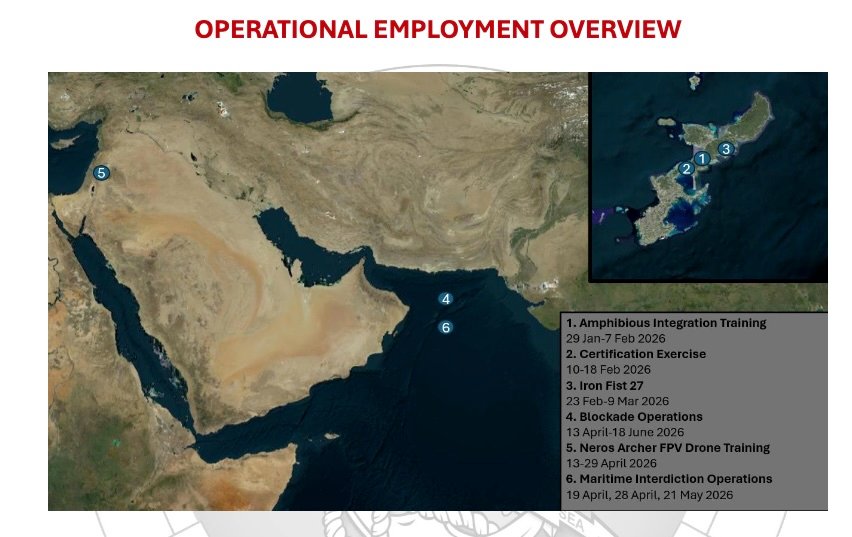
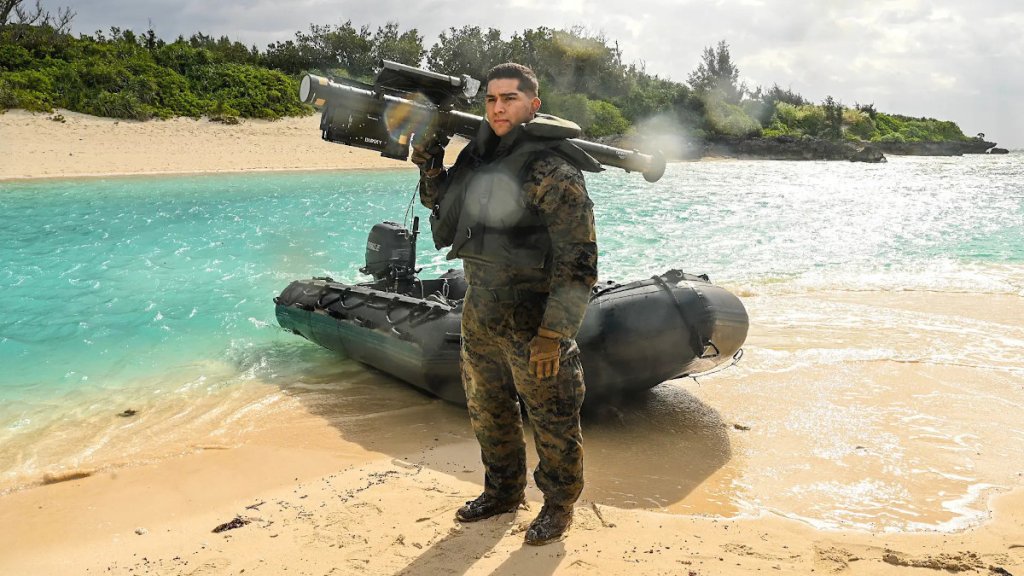
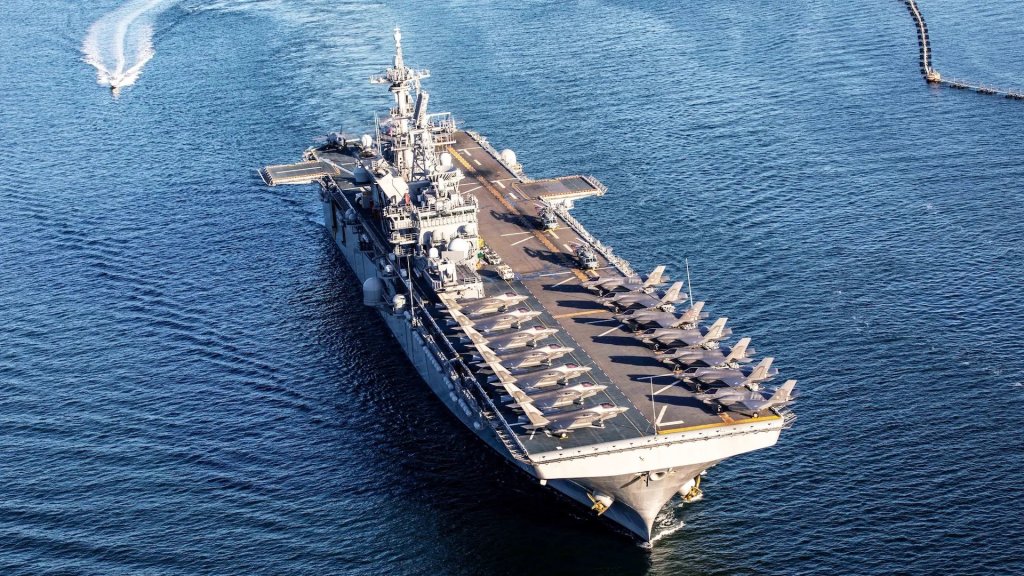
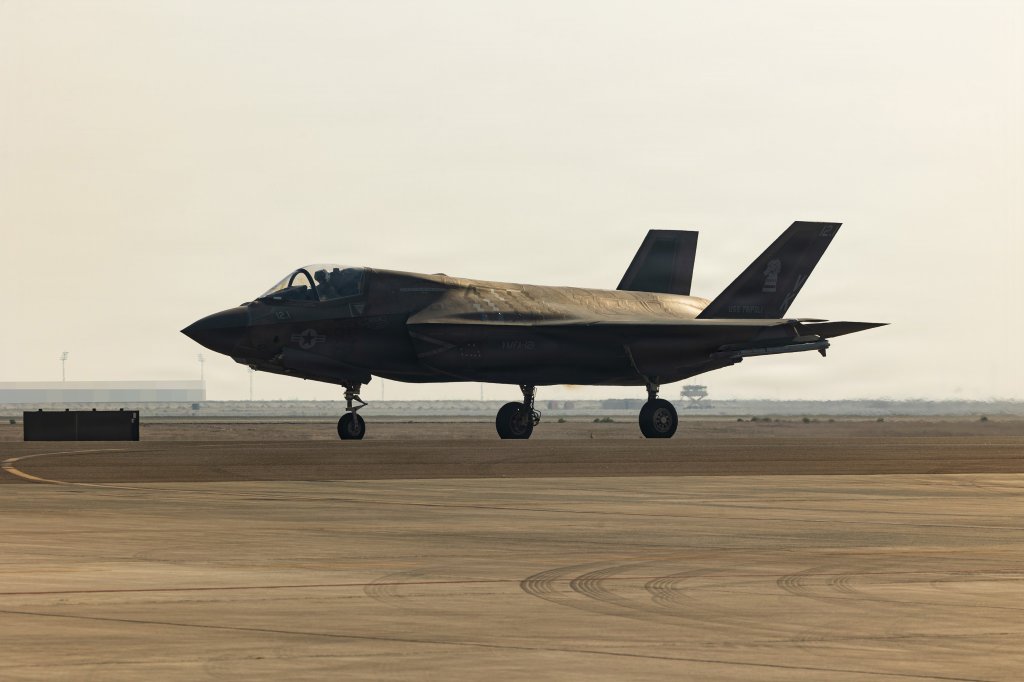
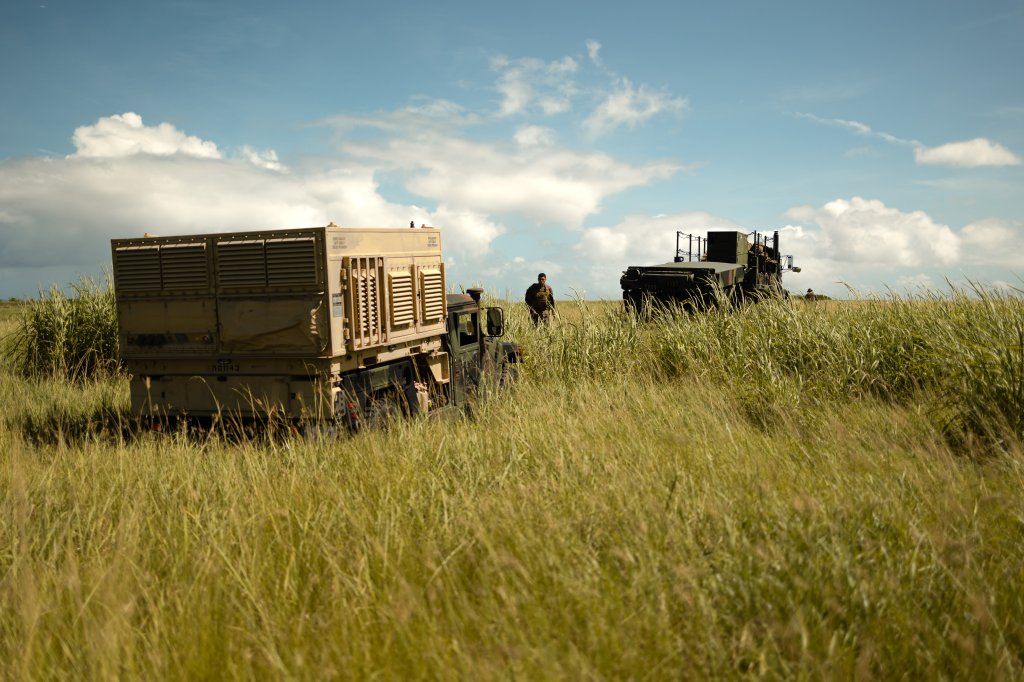
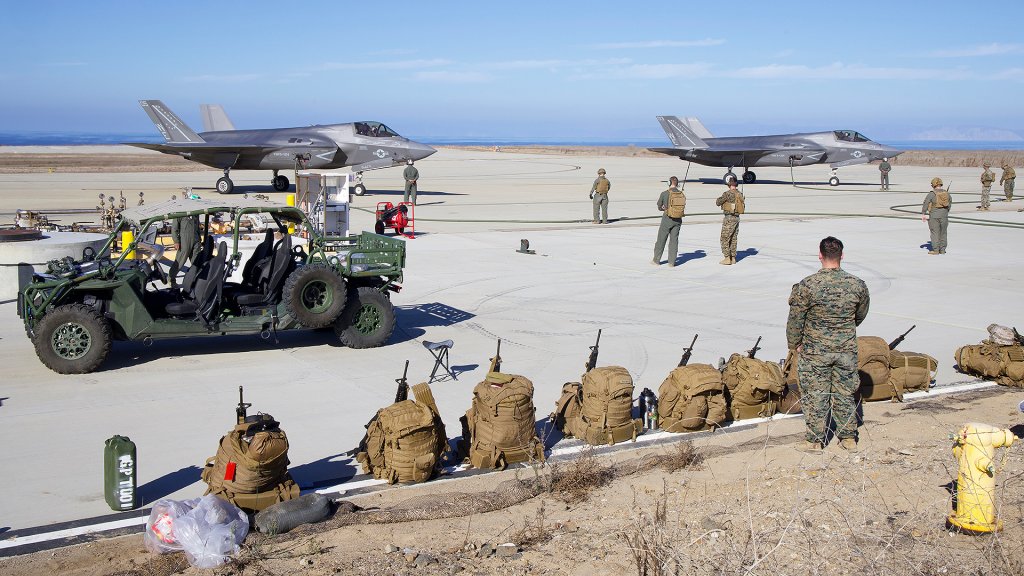
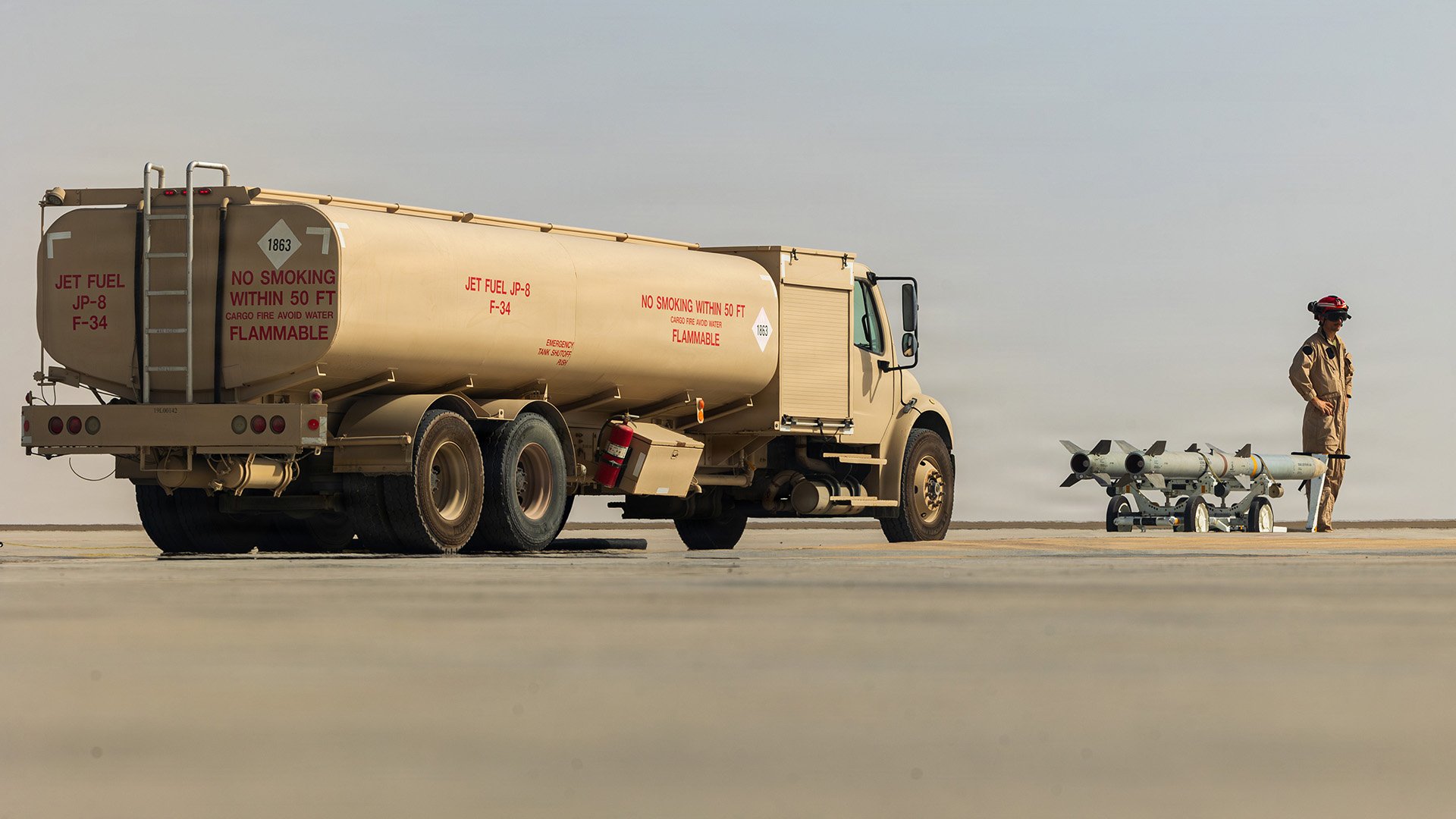
The 31st Marine Expeditionary Unit’s (31st MEU) recent deployment to the Middle East marked the first time the United States Marine Corps (USMC) used its Expeditionary Advanced Base Operations (EABO) concept in a combat setting, the service confirmed to TWZ on Thursday. At its core, EABO involves relatively small groups of Marines quickly establishing bases of operation in forward areas, often within the enemy’s weapons range. During operations in the fight against Iran, Marines refueled and rearmed their own aircraft, as well as those from the joint force, at these austere locales. They also set up remote sensing locations, among other actions from the EABO playbook.
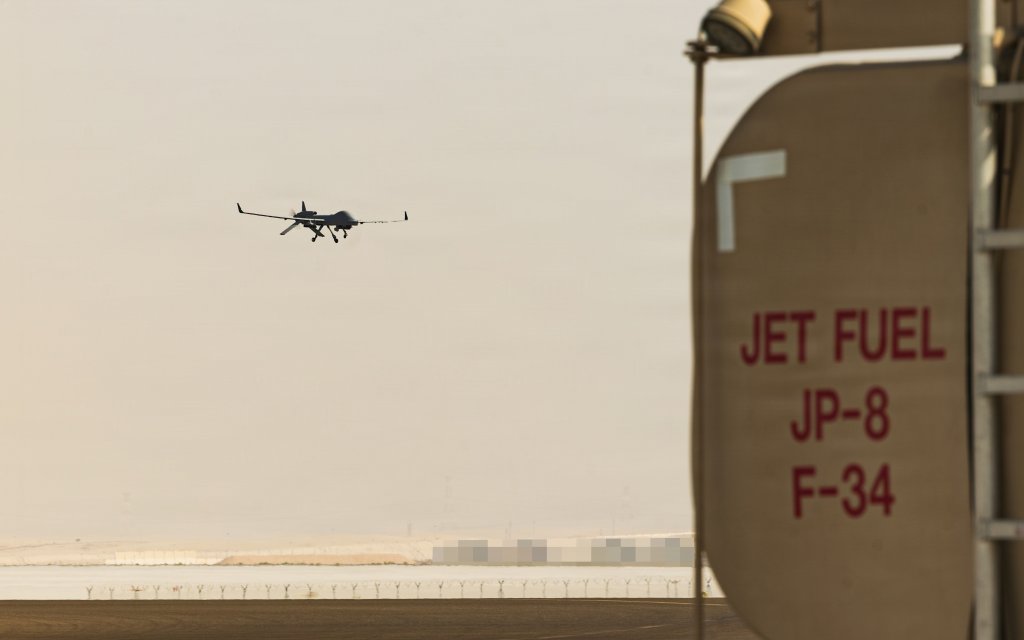
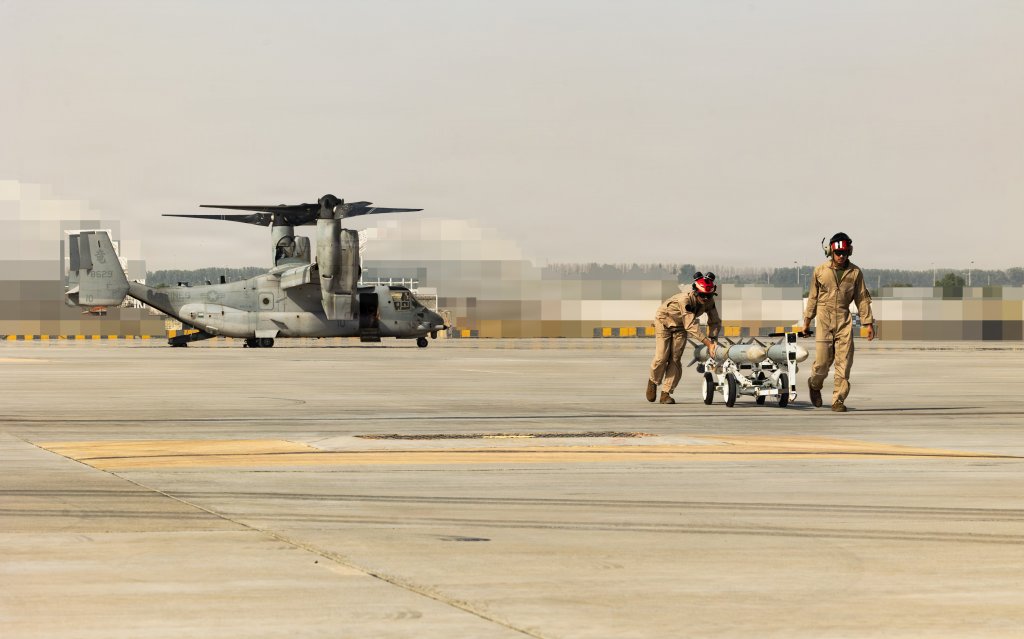
This employment of EABO for Epic Fury is a highly significant development. After years of progressively evolving the EABO playbook, it was no longer an experimental exercise. This meant that Marines were forward deployed in a contested area in a region where established bases were taking heavy fire from Iranian missile and drone barrages. Troops were killed in some of these attacks and U.S. aircraft, buildings and equipment were damaged and destroyed across the Middle East. Pushing aircraft from the MEU, as well as the joint force, to FARPs (forward arming and refueling point) would have been a relevant asset preservation tactic as well as one that would help accelerate combat operations, and it’s exactly what EABO is meant to do.
The 31st MEU’s six-month deployment began in January in the Pacific, before the unit was ordered to the Middle East in March, returning to Okinawa, Japan, in July. That’s where it is stationed as the USMC’s only continuously forward-based MEU.

“This was the first time we were able to implement EABO in combat operations since the concept was created for the force,” Capt. Steven J. Keenan, a USMC spokesperson, told us. “We have practiced it many times, but this was a first for supporting a Joint Force named operation with forward FARPs and forward bases that supported joint ops and combat power sustainment.”
EABO was first introduced in 2020 by then-Commandant Gen. David Berger in his Force Design 2030 plan for the future of the Corps. It was created with a fight against China in mind, especially utilizing small Pacific islands. The idea is to have highly mobile, low-signature forces deployed forward in austere, contested or potentially contested maritime locations. The mission is to “support sea control operation, conduct sea denial operations within the littorals, contribute to maritime domain awareness, provide forward command, control, communications, computers, combat systems, intelligence, surveillance, reconnaissance, targeting, and counter-targeting capability and forward sustainment,” according to the Marines.

The news of the first activation of the EABO concept in combat came Wednesday during a media roundtable with Col. Chris P. Niedziocha, who commanded the 31st MEU during its deployment to the Middle East in support of Operation Epic Fury. Now director of the USMC Expeditionary Warfare School, Niedziocha discussed EABO and a range of other operations during that deployment, including boarding vessels during the blockade of Iranian ports.
The 31st MEU was embarked aboard the Tripoli Amphibious Ready Group (ARG), which consisted of the America class amphibious assault ship USS Tripoli, San Antonio class amphibious transport dock ship USS New Orleans, and Whidbey Island class dock landing ship USS Rushmore. You can read more about the ARG/MEU and its assets in our initial story about the deployment to the Middle East here.

“You’re starting to see this has been validated,” the colonel said of the EABO concept during the roundtable TWZ attended virtually. “It’s still nascent, but we actually, for the first time, demonstrated what we thought we were able to do, which I think is pretty exciting. And then things like forward arming and refueling to extend the operational reach of aircraft and expeditionary reloading, and then the ever-present logistic challenge of doing something like that. So that’s pretty significant.”
“We successfully implemented critical Expeditionary Advanced Base Operations (EABO), establishing sensor expeditionary advanced bases and forward arming and refueling points (FARPs) where none existed,” the colonel added. “Through our forward logistic elements, we proved that an agile Marine Air-Ground Task Force can sustain itself and generate ready, lethal power in contested maritime environments, directly setting the theater for follow-on joint forces.”
One of the objectives of the FARPs was to reduce reliance on the Marines’ fleet of KC-130 aerial refuelers and serve as jumping-off points for its F-35B Lightning II fighters.
“There was all manner of tankers all the time, but the FARP is to extend the operational reach, and if you can do it, you reduce the load on that,” Niedziocha noted. “Because there’s some aircraft that are basically for expeditionary austere operations, especially the F-35B,” the Marine Corps’ variant of the aircraft designed for short take off and vertical landing.
“There are some trade-offs associated with the Bravo,” Niedziocha pointed out, using a slang for the jets. “There’s less internal fuel, but you have the lift [system], which gives you the option to do these kinds of things. So, the goal there was to walk that fine line between providing the full sortie over wherever you needed it, and keeping the ships far enough away to make them as survivable as possible.”

In addition to the F-35Bs and other aircraft organic to the 31st MEU, the FARPs were also used by Army helicopters, Keenan told us. Imagery posted on the Pentagon’s image distribution site also showed U.S. Army Gray Eagle drones and Marine MV-22B Osprey tiltrotor aircraft were included.


Niedziocha did not provide details about where the FARPs were set up, but a U.S. defense official told us they were “disaggregated throughout the Middle East.” The official declined to provide further information, citing operational security concerns since they are still being used.
“Throughout the deployment, the Tripoli ARG and 31st MEU successfully conducted over 1,600 mishap-free flight hours of combat aviation missions, including precision strikes, transporting 800,000 pounds of cargo, and moving 5,000 personnel,” a 31st MEU overview of the deployment explained. “The units also provided sustained combat support to joint force operations by delivering critical intelligence and refueling over 300 aircraft ashore and underway.”
The colonel also didn’t provide details about the sensor expeditionary advanced bases. According to the Marines, “a sensing expeditionary advanced base (SEAB) brings together coastal surveillance radars, electronic sensors, and Marines ashore to extend maritime domain awareness, complementing the radars and sensors already at work aboard naval ships off the coast.”
“When SEAB systems identify surface vessels in nearby sea lanes, small unmanned aircraft system (sUAS) operators launch their platforms to visually identify and track the contacts,” the Marines added. “Sensor data and imagery are transmitted in real time across the blue-green command network to decision-makers.”

This capability could have been used to track Iran’s remaining fleet of small boats that it has used to harass shipping and mine the Strait of Hormuz, as well as larger vessels trying to transport oil. Other sensors, like radars and counter-drone systems, could also help identify incoming threats and provide general situational awareness. The EABO concept was employed as part of the 31st MEU’s larger role in supporting the blockade and mine clearance efforts.
The 31st MEU interdicted four vessels during the deployment, three of which led to boardings. On April 19, Marines boarded the MV Touska; on April 28, the MV Blue Star III; and on May 19, the MT Celestial Sea.
The Touska was boarded after USS Spruance fired multiple 5-inch rounds, targeting the engine room and disabling the vessel’s propulsion. The crew of the vessel was retained for about two weeks before being repatriated.
Niedziocha told us that none of the crews offered any resistance.
“At two in the morning, when 30 Force Reconnaissance Marines fast rope onto your vessel, [you are] just compliant with a capital C. They did exactly what they were directed to do. The overmatch that you put onto that vessel is pretty surprising. And then there’s overwatch provided by UAS and manned aircraft, so you create this bubble around the vessel. So yeah, they complied.”
You can see the Touska being boarded in the following video.
The U.S. just released a video of its forces boarding and seizing the Iranian container ship M/V Touska near the Hormuz Strait after it tried to break the U.S. naval blockade pic.twitter.com/FpB2obb3jY
— Visegrád 24 (@visegrad24) April 20, 2026
Two years ago, as the EABO concept was maturing, TWZ was invited to get an exclusive look at how an advanced EABO concept would be put into action, including how squadrons operated the F-35B out of an austere combat environment while generating combat sorties. It was an unprecedented and exclusive peek into the EABO playbook and what a real fight in the Pacific with the USMC’s most advanced fighter aircraft could actually look like. You can read about that in our story here. It appears the operations in the Middle East mirrored this exercise closely.

Now back in Japan, the ARG/MEU is getting ready for a new deployment, said the colonel.
“We got back to Okinawa, I think July 22nd, and they had already begun their workup cycle in earnest to be on the water in early January to go out and do another Iron Fist [training exercise] with the Japanese, and then long periods of a crisis response,” said Niedziocha, who relinquished command in August before moving on to his new role. “Just being there, present in the First Island Chain to partner with your allies, demonstrates the resolve and commitment to deter whatever needs deterring.”
As noted earlier in this story, the EABO concept was designed with a Pacific fight in mind. Its first combat employment in the Middle East clearly offers lessons that can now be adapted to enhance EABO operations globally.
Contact the author: howard@twz.com
The post USMC Used Its Expeditionary Operations Playbook In Combat For First Time During Epic Fury appeared first on TWZ.


In July, Saudi Arabia joined the US-Israeli war on the West Asia region with strikes on Yemen. The Ansar Allah-led Yemeni Armed Forces retaliated by launching a maritime blockade alongside attacks targeting vital Saudi interests.
The renewed fighting between the two West Asian nations resulted in Ansar Allah’s takeover of the strategic Red Sea port city of Mokha last week and the liberation of all the group’s prisoners held by Saudi-backed forces on Yemen’s western coast.
Ansar Allah’s seizure of Mokha seaport is reshaping regional and global geopolitics, particularly because it serves as a primary gateway to the Bab el-Mandeb Strait and coincides with developments in the Strait of Hormuz.
As these major shifts underscore, Yemen holds immense strategic geopolitical significance.
Situated on the southwestern corner of the Arabian Peninsula and overlooking the Bab al-Mandab Strait, Yemen represents a vital chokepoint connecting the Red Sea to the Gulf of Aden and the Indian Ocean
Consequently, internal political developments in Yemen can have global political and economic repercussions.
This fact, in turn, has put Yemen in the crosshairs of the US-led Western imperialist bloc and their allies in West Asia, which have endeavored to subjugate the country through a devastating decade-long war and blockade.
The origin of this war coincides with the emergence of Ansar Allah, beginning when the group managed to take control of large swathes of the country, including the capital, Sanaa, in 2014.
Ansar Allah was first established in the early 1990s in the northern Yemeni governorate of Saada as a cultural and educational organization called Al-Shabab al-Mumin (the Believing Youth).
Initially, the organization introduced itself as an unarmed theological movement aimed at reviving and preserving Zaydi Shia Islam and countering the threat of state-backed Sunni Salafism, which sought to uproot the Zaydi religious identity in its homeland of Saada.
From its inception, the movement opposed the government, led by President Ali Abdullah Saleh, accusing it of corruption and criticizing its ties to the United States and its ally Saudi Arabia.
Tensions between the group and the government drastically escalated following the US invasion of Iraq in 2003. It was at that time that the group adopted the slogan (Death to America, Death to Israel), during mass protests opposing the war on Iraq.
These slogans posed a political threat to Ali Abdullah Saleh, who was attempting to position his government as a key ally in the “US War on Terror” in the aftermath of the 9/11 attacks. As a result his government led a brutal crackdown on protesters.
Security forces and riot police suppressed protests using live ammunition, tear gas, and batons, and arbitrarily detained hundreds of political activists, students, and opposition organizers without trial.
In 2004, tension between the Al-Shabab al-Mumin and the Yemeni government boiled over, sparking a series of six internal conflicts known as the Saada Wars.
These clashes began with the government’s assassination of Hussein Badreddin al-Houthi, the group’s founder, and triggered five subsequent rounds of fighting that lasted until 2010. The followers of the group became widely known as the Houthis ever since.
Saudi Arabia reportedly engaged in the Saada wars by providing immense financial, political, and material support to the Yemeni government. Saudi intervention in Yemen escalated in 2009 with a direct military incursion and unilateral airstrikes against positions held by the Houthi movement.
In 2011, the group joined nationwide demonstrations, calling for the overthrow of President Ali Abdullah Saleh. It was then that the Houthi movement formally adopted the name Ansar Allah (Supporters of God).
The ousting of Saleh weakened the central government and triggered a sweeping power vacuum, which allowed Ansar Allah to rapidly expand its territorial dominance. By 2012, the Yemeni movement consolidated firm control across the Saada governorate and large swathes of northern Yemen.
In early 2012, vice president to Saleh, Abed Rabbu Mansour, Hadi became the President of Yemen via a transition framework brokered by the Gulf Cooperation Council (GCC), as he was considered as a quiet consensus figure. Hadi was also strongly backed by the Obama administration.
In late 2014, Ansar Allah allied with forces loyal to ousted president Ali Abdullah Saleh against the transitional government headed by Abed Rabbu Mansour Hadi. The fighting that followed led to Ansar Allah’s seizure of the capital Sanaa, forcing Hadi to flee the country.
From exile in 2015, Hadi requested the Saudi-led coalition to intervene in the conflict, opening the door to one of the bloodiest prolonged wars in West Asia. A conflict that, according to UN estimates, resulted in 377,000 deaths by 2022.
Saudi Arabia was the main pillar of the coalition, leading the military campaign dubbed “Operation Decisive Storm” with a massive force, including extensive warplanes and ground troops.
The United Arab Emirates (UAE) also played a key role by commanding ground and air operations particularly in southern Yemen and along the critical coastal strip.
Bahrain took part in the operation with 12 fighter jets (some sources say 15), and deployed ground troops in the southern Saudi borders to protect Saudi Arabia from Ansar Allah’s attacks. Meanwhile, Kuwait contributed with 15 warplanes.
At the beginning of the campaign, Qatar participated with roughly 1,000 ground troops, armored vehicles, a dozen fighter jets, and transport helicopters until it was expelled from the coalition in June 2017 over a diplomatic crisis with Saudi Arabia, UAE, Bahrain, and Egypt.
Jordan and Morocco contributed six fighter jets each, while Sudan under deposed president Omar Al-Bashir sent three aircrafts and thousands of ground troops. Furthermore, Senegal committed 2,100 troops.
Western countries, including the United States, the United Kingdom, and France provided logistic and intelligence support, such as aerial refueling for coalition jets, technical assistance, military equipment, coordination support, and maritime surveillance.
In April 2022, the United Nations announced an official two-month nationwide truce agreement, which temporarily halted cross-border attacks, ground and air operations, and allowed fuel imports into ports held by Ansar Allah. It also reopened commercial flights from Sanaa International Airport after years of sea, land, and air blockade imposed by Saudi Arabia.
Rather than completely removing the blockade, the agreement only resulted in the partial easing of restrictions, while regions under the control of Ansar Allah have continued to face a near-total blockade.
The agreement was renewed in June and extended a second time in August 2022 for an additional two months before it lapsed in October.
In November 2023, Ansar Allah launched a ban on all Israeli maritime navigation in the Red Sea and the Bab el-Mandeb Strait in retaliation for Israel’s genocidal aggression on Gaza.
About one month later, the group significantly expanded the ban to include all ships heading to Israeli ports, regardless of their nationality or flag.
The ban continued until October 2025, despite waves of deadly airstrikes launched by the US, UK, and Israel on Yemen.
An Omani-mediated ceasefire deal between the US and Ansar Allah was reached in May 2025. The deal stipulated halting Ansar Allah’s attacks on US ships in the Red Sea and Bab al-Mandab Strait, and ending US aggression on Yemen, without preventing the Yemeni resistance movement from launching attacks or naval operations against Israel.
This same period saw a shift in the conflict between the Saudi-led coalition and Ansar Allah from active military engagement toward a tense, fragile diplomacy.
In early 2026, friction between the two major pillars in the anti-Ansar Allah coalition – namely Saudi Arabia and the UAE – surfaced as different Yemeni groups backed by the two countries clashed, apparently over territorial control in Yemen.
Although Ansar Allah was established as an independent Yemeni movement, it evolved into a key component of the Axis of Resistance over time. This alignment was driven by mutual ideological foundations, shared anti-imperialist ideology, and deep strategic and military cooperation with Iran and Hezbollah.
Despite its affiliation with the resistance alliance, Ansar Allah chose not to get involved in the recent regional war waged by the US and Israel against Iran, for ostensibly strategic considerations and military coordination tactics with its allies.
However, because the United States and its allies in the region seemingly view the current war as an ideal opportunity to dismantle the Axis of Resistance, Saudi Arabia decided to resume its aggression against Yemen by attacking Sanaa International Airport in July. The attack aimed to prevent an Iranian plane from landing.
Consequently, Ansar Allah launched retaliatory attacks on Saudi interests inside Saudi Arabia and on Yemeni soil. It further declared a maritime blockade against Saudi-linked commercial vessels passing through the Bab al-Mandeb Strait, demanding Riyadh end its decade-long blockade on Yemen.
Concurrently, ground clashes over territorial dominance between Ansar Allah and Saudi-backed forces intensified, leading to key victories for the Yemeni group. Escalations have persisted up to the time of publication.
On Wednesday, September 16, Saudi Arabia accused Ansar Allah of attempting a drone attack against the city of Mecca, the holiest city for Muslims, located in western Saudi Arabia.
Ansar Allah dismissed Saudi accusations as false, saying that they reflect a “desperate attempt to mobilize public opinion.”
As the US-Israeli war on West Asia continues to reshape geopolitics, Ansar Allah’s emergence as a regional force has placed Yemen at the center of a struggle that may define the future of West Asia.

A group of 50 family members and descendants of wartime forced laborers in China filed a lawsuit against six companies on Wednesday, September 16, demanding compensation for their suffering during the Japanese occupation.
In their lawsuit at a local court in Hebei, southwest of the capital, Beijing, the group is seeking around $55,000 in compensation for each member, along with an apology published in at least 10 Japanese and Chinese media outlets.
The plaintiffs accuse six Japanese firms of being beneficiaries of the forced labor, causing long-term pain, suffering, and the deaths of their family members, Kyodo News reported.
According to Kyodo News, the six Japanese firms named in the lawsuit include construction firm Taisi Corp, mining firm Nittetsu Corp, and heavy industry manufacturer IHI Corp.
Japan occupied large parts of China, the Korean Peninsula, and other parts of Southeast Asia at various times between the last decade of the 19th century to the end of the Second World War.
The Japanese military committed systemic torture, sexual exploitation, forced labor, and other cruelties against Chinese and other Asian peoples during the occupation, all which have been well documented.
Millions had to do forced labor in the territories occupied by Japan, including hundreds of thousands of Chinese people. Some Chinese forced laborers were also sent to Japan to work in mining and other industries. Thousands of these forced laborers were killed due to harsh working conditions and torture inflicted by their employers.
The survivors of Japanese atrocities and their descendants have in different moments raised demands for compensation and apologies.
In 2014, a similar lawsuit was filed by hundreds of people in a Chinese court against Mitsubishi Materials Corp and others. The case ended in an out-of-court settlement, with Mitsubishi offering an apology and compensation to the plaintiffs.
In China, survivors cite their lack of faith in the Japanese system as the reason for filing the suit in a domestic court.
Japanese courts have dismissed all such lawsuits. A 2007 Japanese Supreme Court’s judgment stated that all such claims were settled when Japan and China established their diplomatic relations in 1972.
However, China has maintained that the 1972 documents did not denounce an individual’s right to seek legal action. China has also often invoked Japan’s failure to acknowledge its repressive and atrocious colonial period and apologize to its victims in the region.
Reacting to the news on Wednesday, the official spokesperson of China’s Ministry of Foreign Affairs Guo Jiakun underlined that “forced recruitment and enslavement of laborers is one of the serious crimes committed by Japanese militarists during their foreign aggression and colonial rule.”
He urged “Japan to look history in the eye, reflect on past crimes, earnestly heed and respond to the just calls and legitimate claims of the people of victims countries in Asia, and properly resolve relevant issues left over from history with a responsible attitude.”